
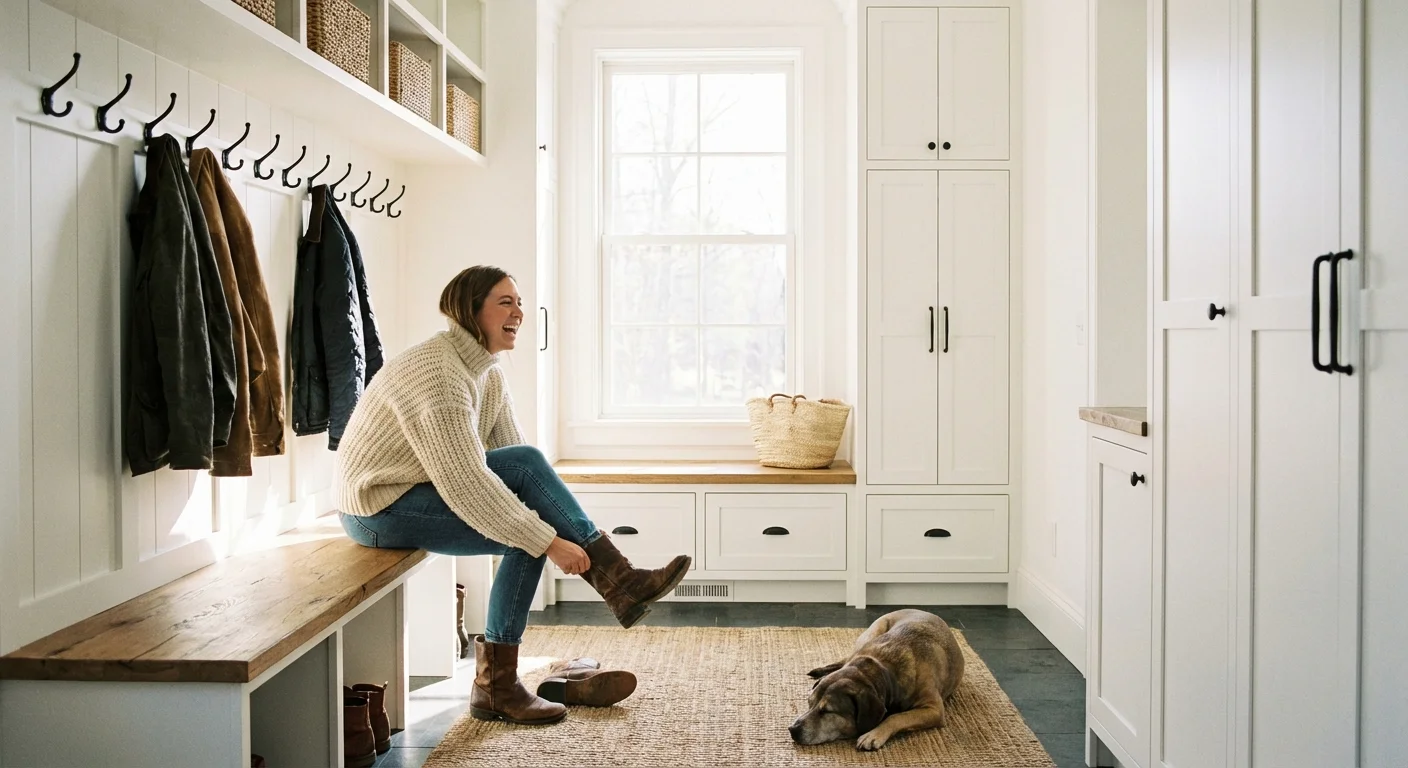
You step through the front door, arms full of groceries, exhausted from a long day. Immediately, you trip over a stray boot, snag your sweater on a precarious pile of coats, and drop your keys into a mysterious void on the console table. The entryway sets the tone for your entire home experience. When it functions as a chaotic dumping ground, it elevates your stress levels before you even take off your coat. When designed correctly, the mudroom acts as a strategic airlock between the busy outside world and the sanctuary of your home.
Creating a streamlined entryway requires more than buying a few matching baskets. You need a dedicated strategy that anticipates human behavior and accommodates the heavy traffic your entry space endures daily. Whether you have a sprawling dedicated room or a narrow hallway behind the front door, mastering your home’s transition zone changes how you live.
At a Glance: The Essentials of Entryway Organization
- Establish dedicated drop zones: Assign specific locations for keys, mail, coats, and shoes immediately upon entry.
- Utilize vertical space: Maximize floor-to-ceiling storage to keep the walking path clear and open.
- Select durable materials: Prioritize moisture-resistant flooring, washable wall finishes, and heavy-duty hardware.
- Personalize storage assignments: Give every household member a specific hook, basket, or cubby.
- Plan for off-season items: Incorporate upper cabinetry or hidden bins for gear not currently in use.
The Psychology of a Functional Mudroom Layout
To build an entryway storage system that lasts, you must first observe how you and your family naturally move through the space. People drop items at the first available horizontal surface. If you fight this natural inclination by placing the coat closet too far from the door or hiding the shoe bin behind a heavy sliding door, your system will fail. The secret to a functional mudroom layout lies in minimizing friction.
Without careful maintenance, this zone can quickly clutter; learning how to organize a junk drawer provides helpful tips for managing these tiny daily essentials.
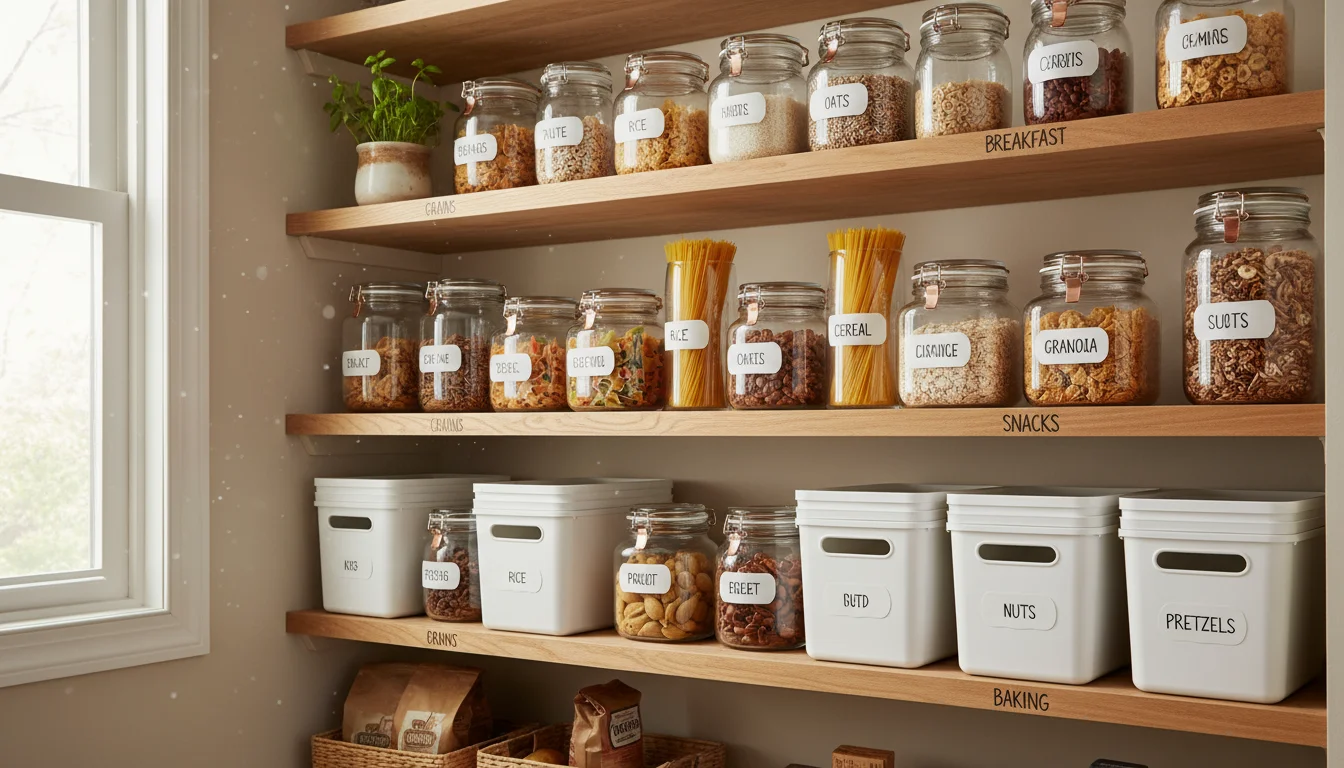
Applying the logic of pantry storage systems to your mudroom can help you manage bulk household supplies and seasonal overflow more effectively.
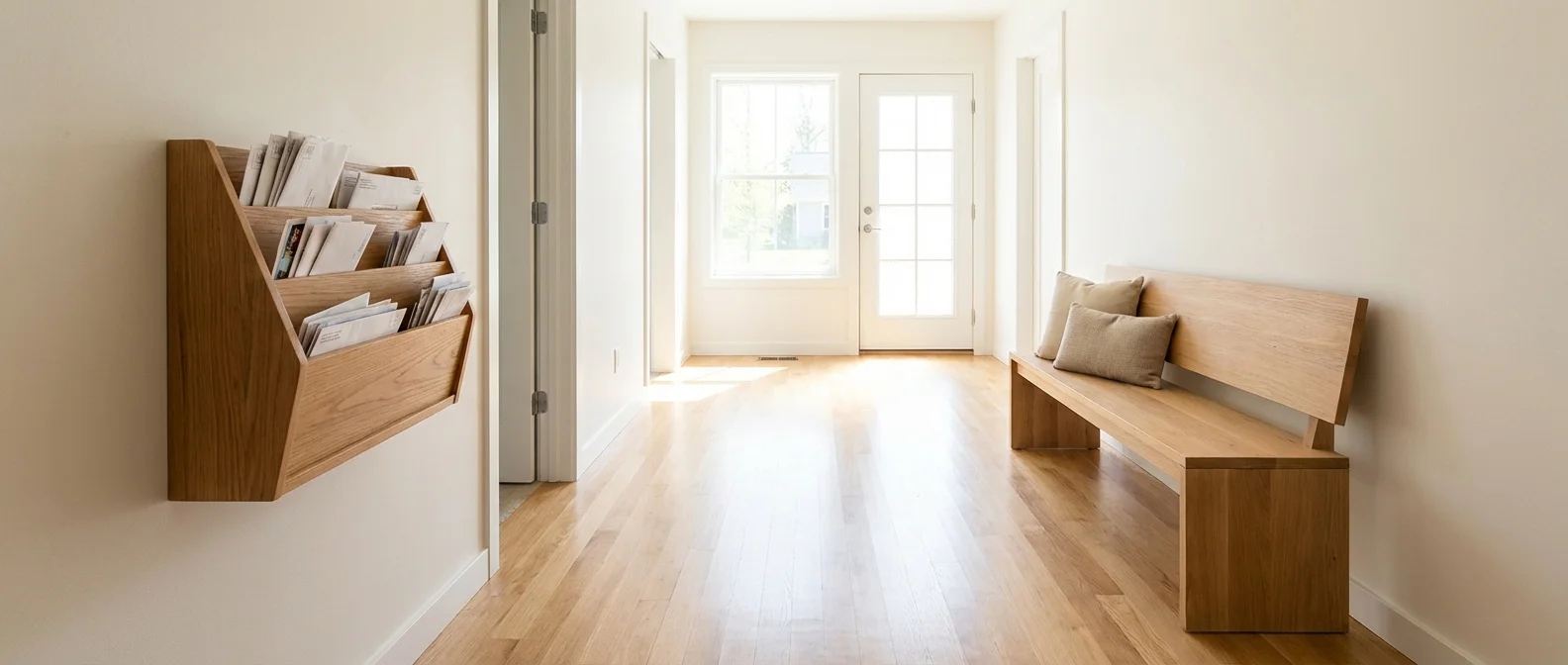
To further streamline your morning, consider how to create a command center for your family to keep papers and calendars organized in the same zone.
Start by identifying your primary point of entry. If you normally enter through the garage, do not focus all your organizational efforts on the formal front door. Stand in your primary doorway and map the first three steps you take. Within those three steps, you need a place to drop keys, a spot to set down heavy bags, and a seat to remove shoes. If you force someone to walk ten feet in muddy boots to reach a shoe tray, you will constantly clean your floors.
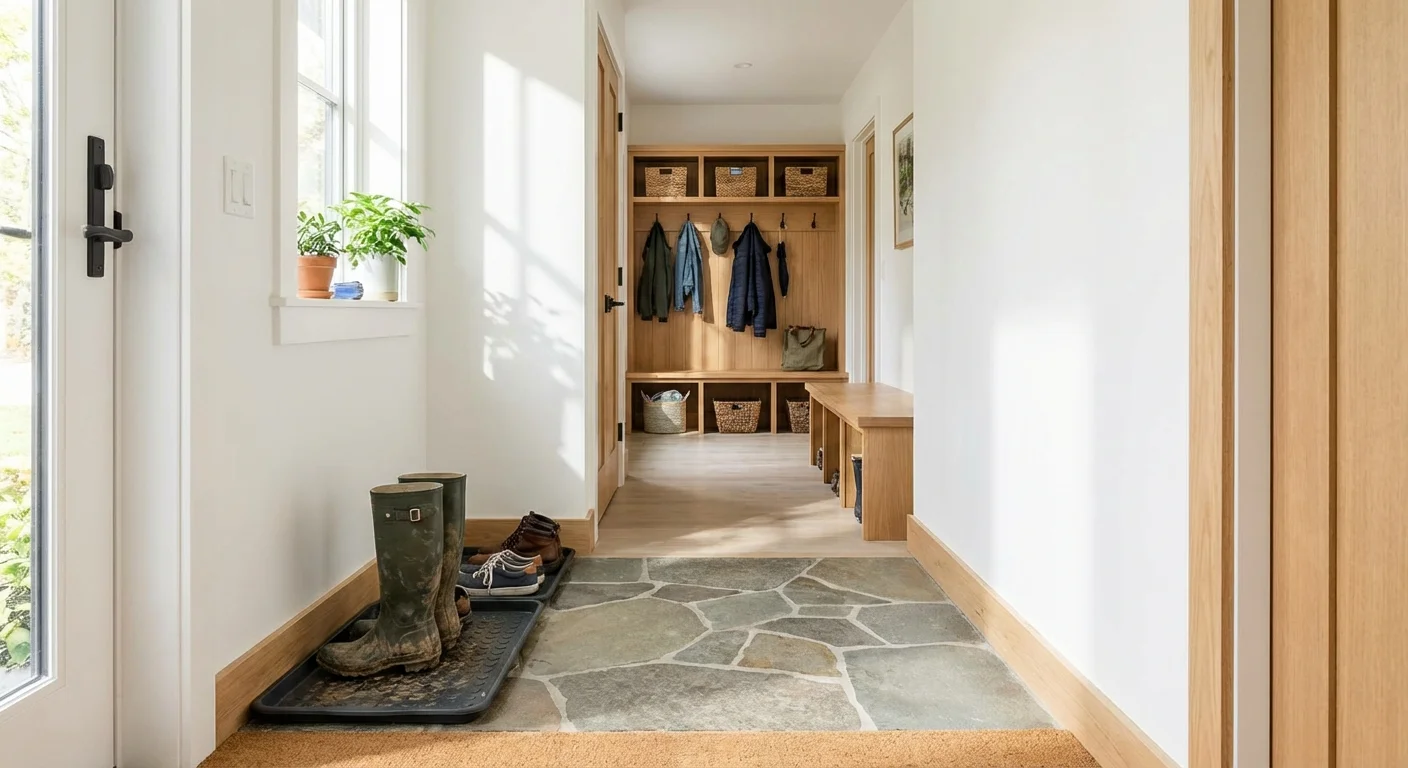
Consider dividing your space into distinct operational zones. The “Wet Zone” sits closest to the door, housing boot trays, umbrella stands, and durable mats. Moving inward, the “Hang Zone” accommodates bulky outerwear and everyday bags. Finally, the “Detail Zone” provides a secure spot for wallets, sunglasses, and outgoing mail. Zoning your space creates a subconscious traffic flow that naturally guides family members to put things away.
“The entryway is the face of your home. It should be a place that sparks joy and transitions you smoothly into your living space. When everything has a designated home, your mind can finally rest the moment you walk through the door.” — Marie Kondo, Organizing Consultant
Mapping Out Your Entryway Storage System
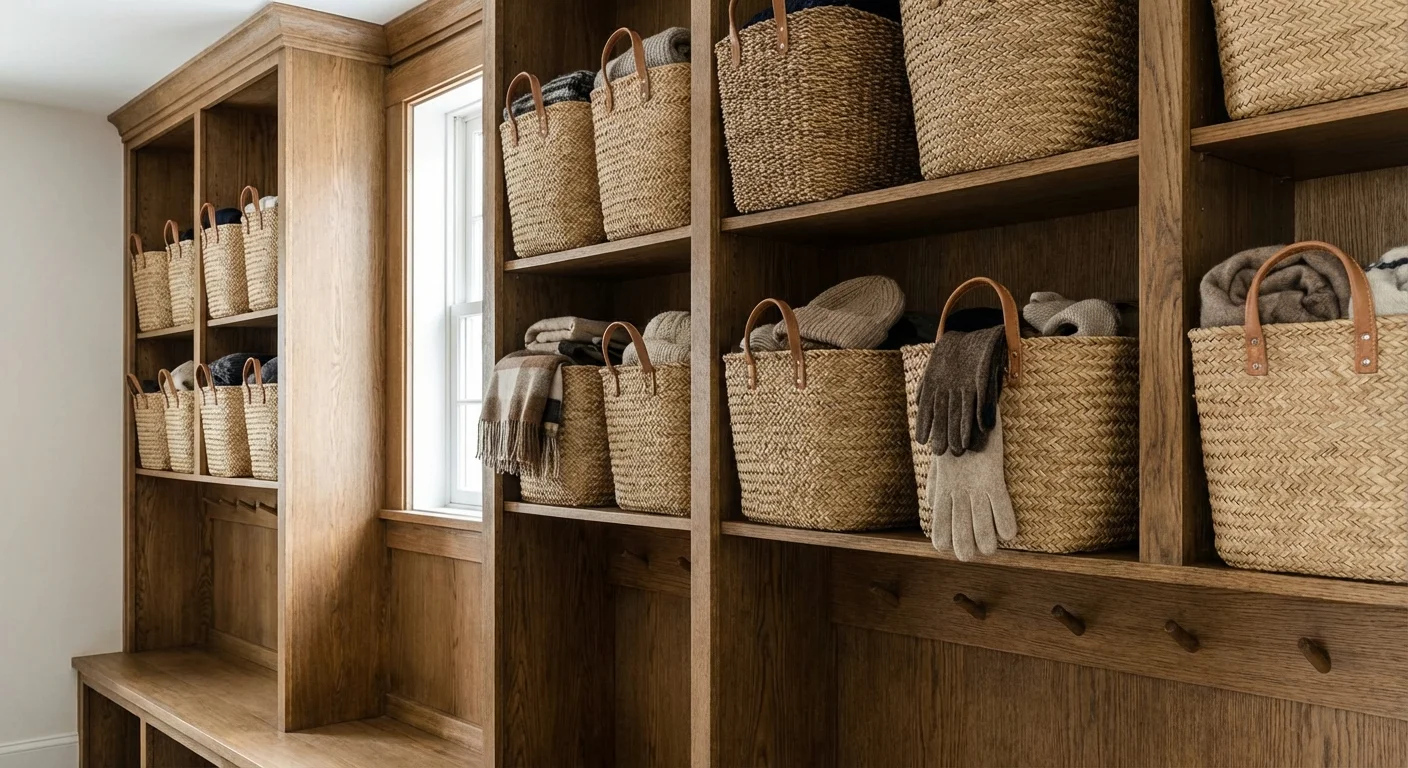
Effective storage requires ruthless editing and strict categorization. Your mudroom should not serve as an archive for every piece of outerwear you own. It is a staging area for current, active life. Begin by emptying the space completely. Sort your items into three categories: daily essentials, seasonal necessities, and deep storage.
For families with heavy schedules, incorporating closet organization hacks into your transition zone ensures that even the busiest mornings remain stress-free.
For those needing a quick fix, learning how to organize your entryway in under an hour provides a great starting point for deeper structural changes.
Daily essentials—the jacket you wear to work, the kids’ school backpacks, your dog’s leash—require prime real estate. These items must remain visible and accessible without opening doors or moving other objects. Seasonal necessities like heavy snow boots or summer beach totes belong in the entryway but should live in secondary storage areas, such as upper shelves or closed cabinets. Deep storage items, including outgrown coats or specialty sporting gear, belong in the garage, basement, or attic.
Establishing an entryway storage system also means establishing a maintenance routine. Dirt, leaves, and clutter accumulate rapidly in transition spaces. Keep a small handheld vacuum or a dedicated broom tucked into a corner of the mudroom. For excellent advice on keeping these high-traffic areas pristine, The Spruce offers extensive guides on cleaning routines that easily integrate into your weekly schedule. Make it a habit to reset the mudroom every Sunday evening, clearing out accumulated mail, returning stray shoes to bedroom closets, and preparing bags for the upcoming week.
The Core Triangle: Mudroom Bench and Hooks, Plus Shoe Storage
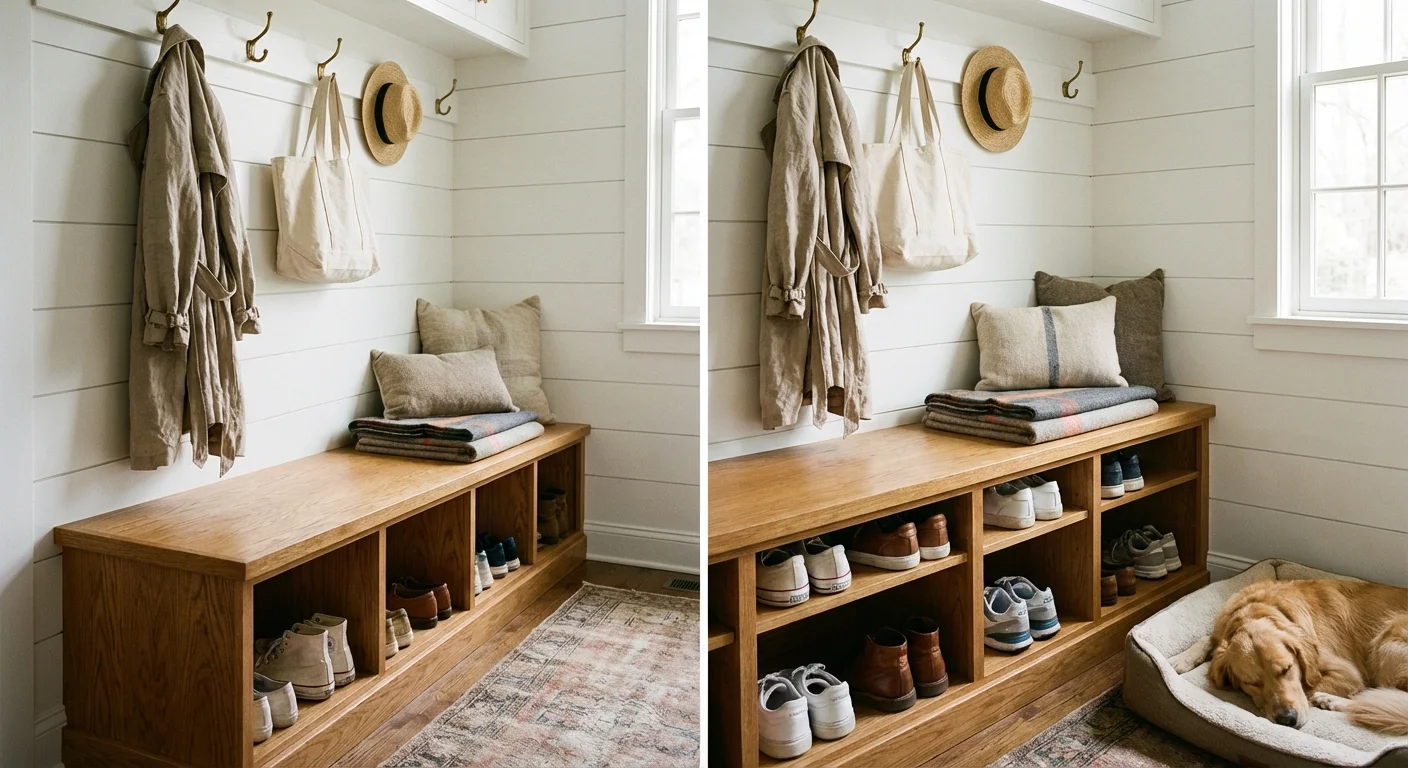
The foundation of any successful entry space relies on three interlocking elements: seating, hanging space, and footwear management. A reliable mudroom bench and hooks provide the architectural anchor for your daily routines.
For specific cabinet and cubby inspiration, check out these mudroom storage solutions designed to handle heavy daily use.
The Bench: A bench provides necessary seating for removing stubborn footwear and serves as a temporary landing pad for groceries or briefcases. For maximum utility, the bench should measure between 15 and 18 inches deep, and sit roughly 18 inches off the floor. This height accommodates adults comfortably while remaining accessible to children. Do not leave the space underneath the bench empty. Utilize this prime real estate for deep shoe drawers or heavy-duty baskets.
The Hooks: Hangers belong in formal closets; hooks belong in the mudroom. Hooks allow for a quick, one-handed draping motion that encourages immediate compliance from impatient children and tired adults. Install heavy-duty, double-pronged hooks mounted on a sturdy backing board. Anchor the board directly into the wall studs, as a single hook holding a heavy winter coat and a loaded backpack can easily pull drywall anchors loose. Install a row of hooks at 60 inches from the floor for adults, and a secondary row at 36 inches for young children to manage their own belongings.
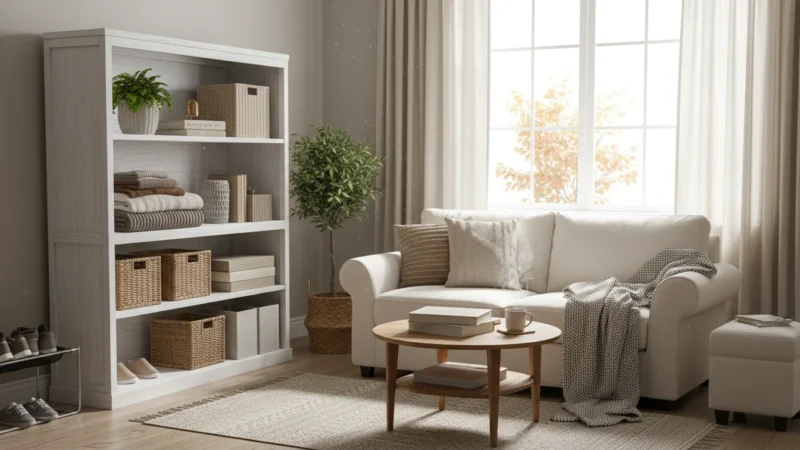
Shoe Storage: Shoes create the most visual clutter in an entryway. Provide at least two designated shoe spots per family member in the active mudroom zone. Open cubbies work best for daily wear, allowing damp shoes to breathe and dry. Closed drawers or lidded bins work well for off-season footwear, keeping dust and pet hair away from clean shoes.
Open vs. Closed Storage: A Comparison
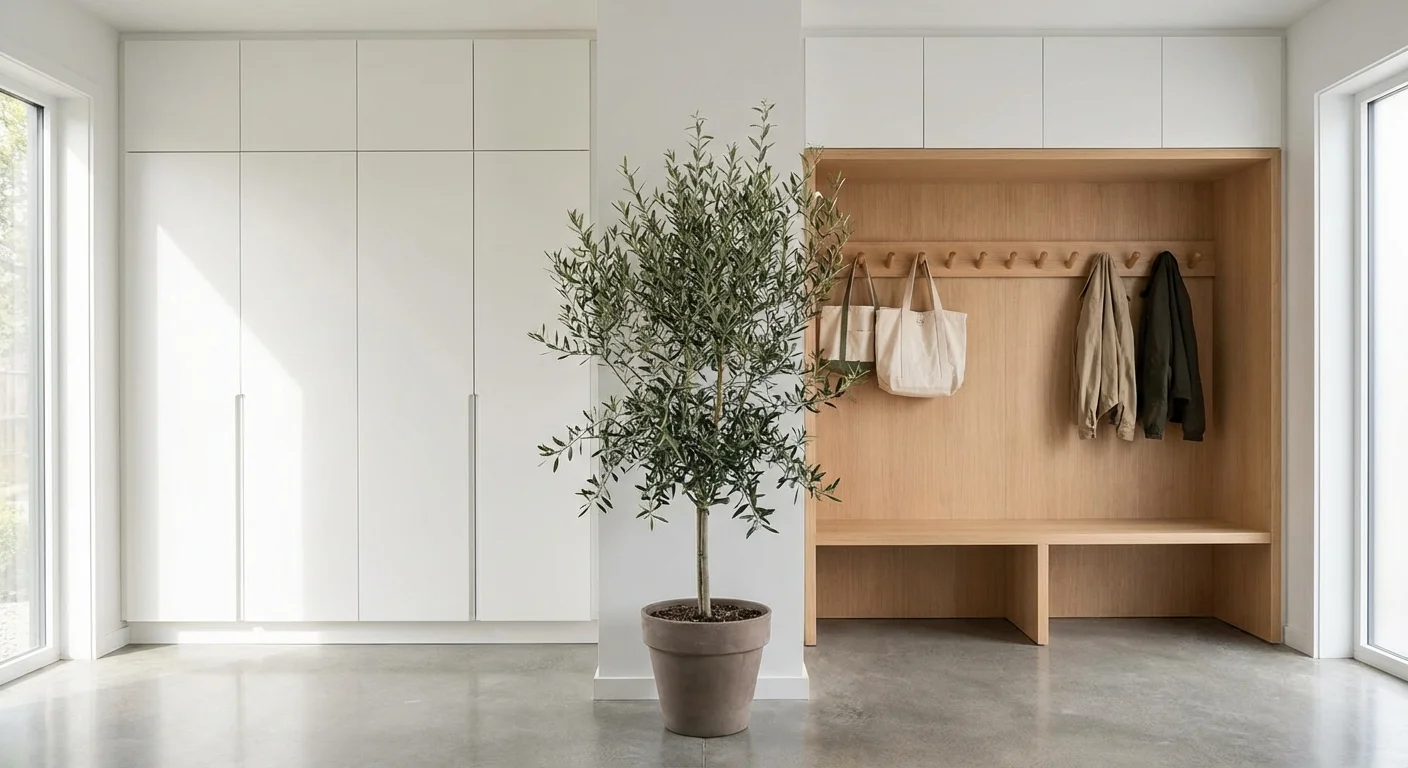
Deciding between open cubbies and closed cabinetry defines both the aesthetic and the functionality of your space. Most successful designs utilize a strategic blend of both. Review the comparison below to determine what works best for your household habits.
| Storage Type | Best Used For | Advantages | Disadvantages |
|---|---|---|---|
| Open Cubbies & Shelves | Daily shoes, frequent-use bags, grab-and-go items. | Promotes airflow for wet items; requires zero effort to use; highly visible. | Can look cluttered quickly; offers no protection from dust; requires frequent tidying. |
| Closed Cabinets | Off-season gear, cleaning supplies, formal coats. | Hides visual clutter instantly; creates a sleek, custom look; protects items from sunlight and dust. | Requires physical effort (opening/closing doors) which deters use; traps moisture and odors. |
| Drawers | Hats, gloves, scarves, pet supplies, keys. | Excellent for small, easily lost items; maximizes vertical depth under benches. | Hardware can wear out with heavy use; items can get lost in the back if not organized with dividers. |
| Baskets & Bins | Sports equipment, reusable grocery bags, kids’ accessories. | Flexible and inexpensive; easily swapped out for aesthetic updates; portable. | Can become bottomless pits for junk; wicker or natural fibers can scratch shelving over time. |
Inspiring Mudroom Organization Ideas for Small Spaces
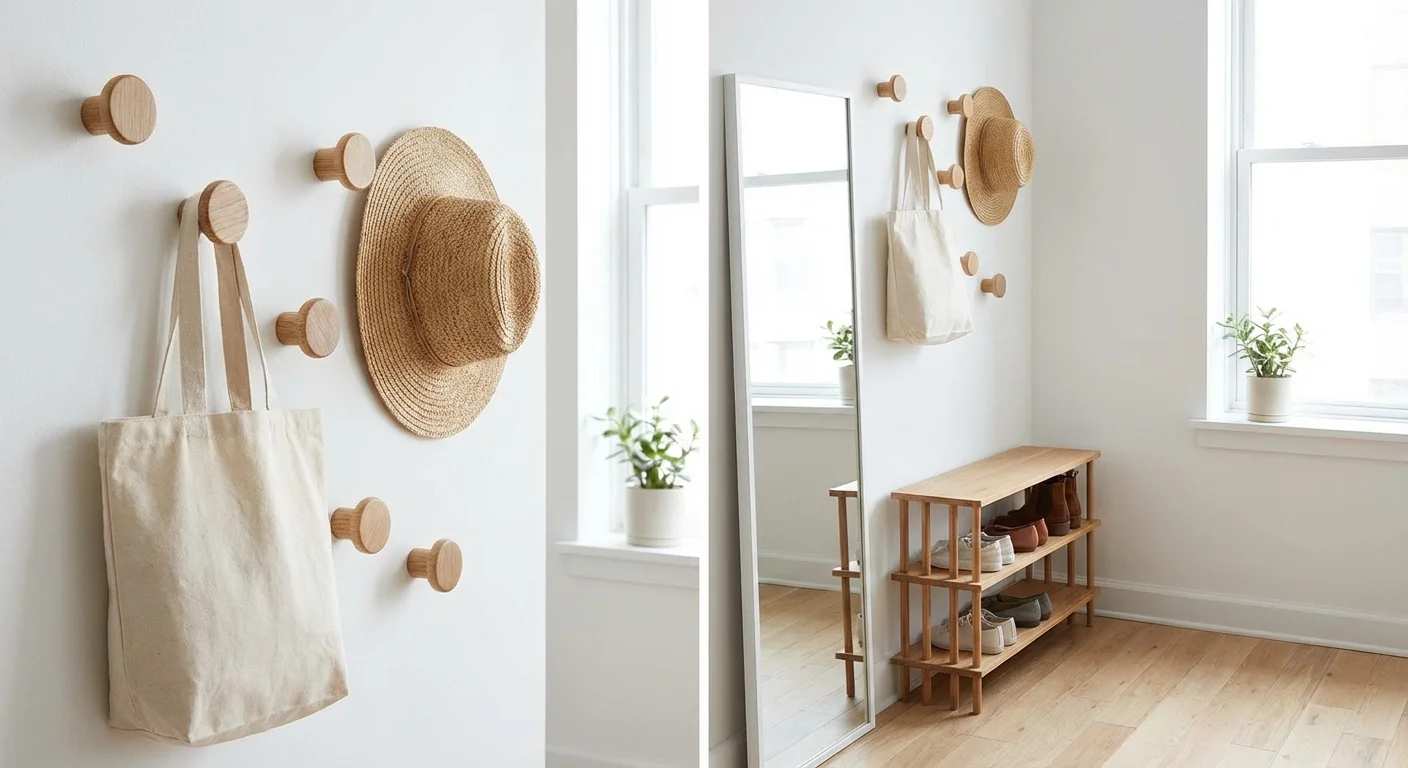
Not every home features a sprawling, 200-square-foot dedicated mudroom. Many of us must carve functionality out of a narrow hallway, a cramped laundry room, or a sliver of wall behind the front door. Small spaces simply demand smarter strategies.
If you lack a dedicated room, maximize your vertical space. Install shelving that reaches all the way to the ceiling. Use the highest shelves for items accessed only once or twice a year. A tall, narrow cabinet takes up minimal floor space but provides massive storage volume. For excellent inspiration on maximizing tiny footprints, Apartment Therapy frequently features clever renter-friendly and small-space storage hacks that utilize verticality.
Consider repurposing an existing entryway closet. Standard coat closets often feature a single high rod and a massive expanse of wasted space beneath the coats. By removing the door and the single rod, you can build a custom nook. Install a built-in bench, line the interior walls with beadboard and hooks, and add upper cubbies. This “closet-to-mudroom” conversion provides the functionality of a custom built-in without stealing any square footage from your living area.
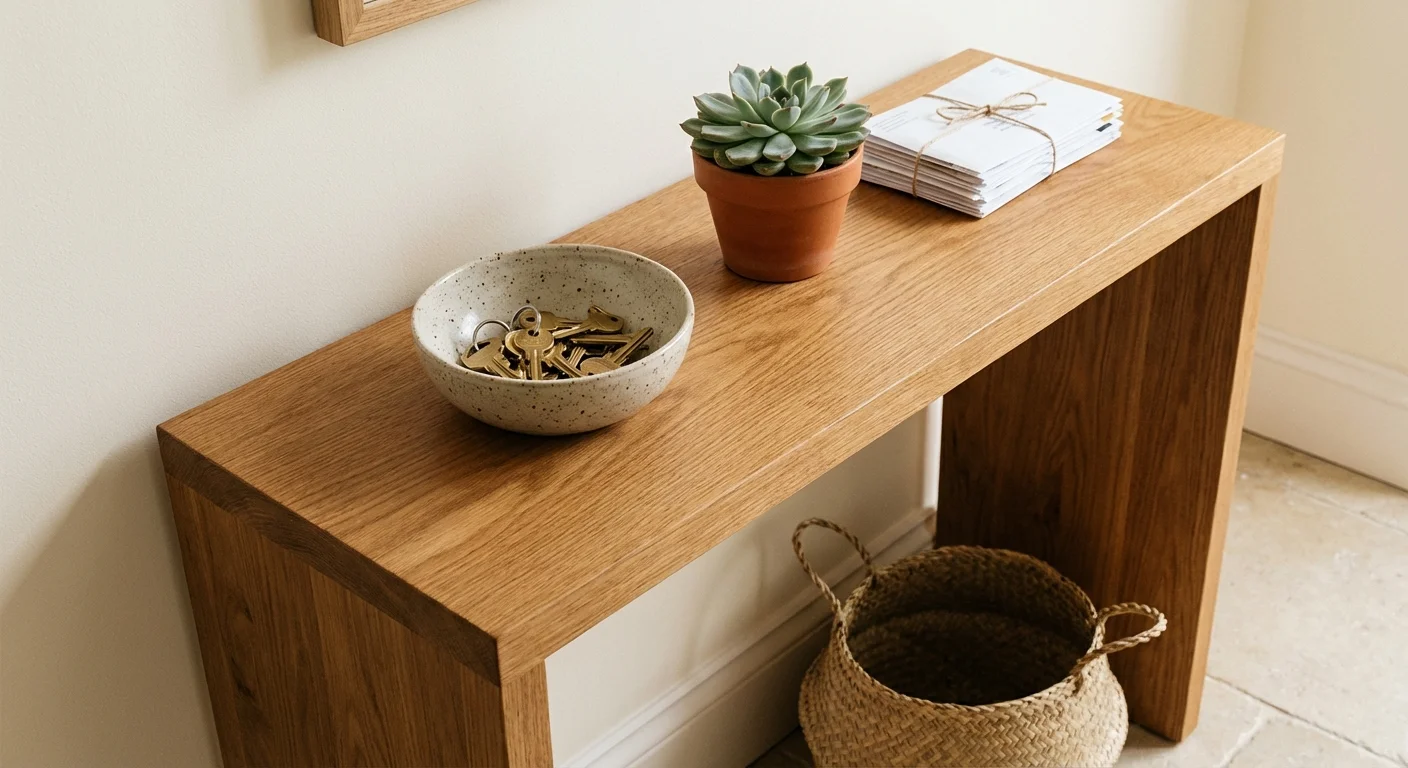
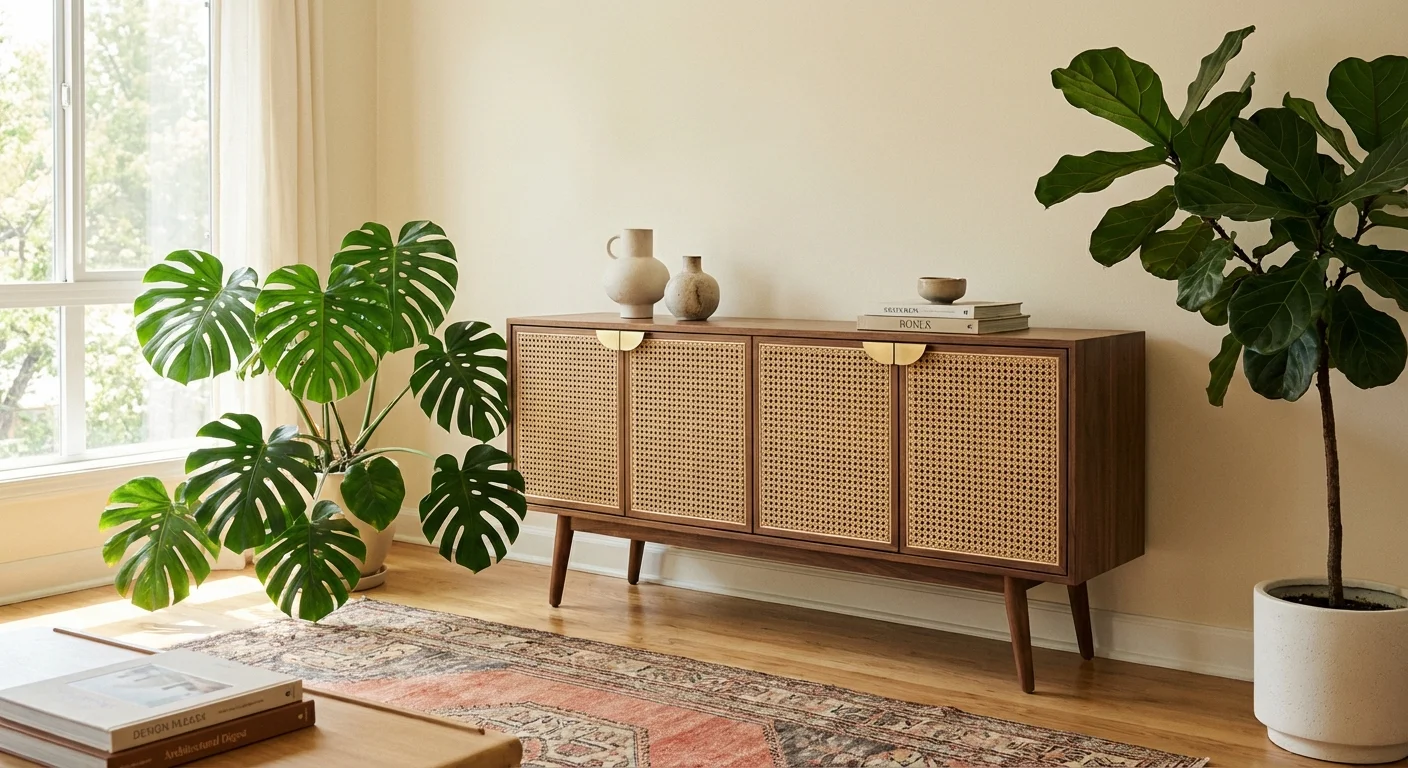
Use multifunctional furniture to your advantage. A narrow console table with drawers can hide keys and mail, while providing clearance underneath for matching shoe baskets. Wall-mounted drop-leaf tables can serve as temporary sorting stations for mail and packages, folding flat against the wall when not in use. Mirrors act as a secret weapon in tight entryways; a large mirror reflects light, making a cramped hallway feel twice its size, while offering a final check before you leave the house.
Mudroom Design: Materials That Survive the Elements
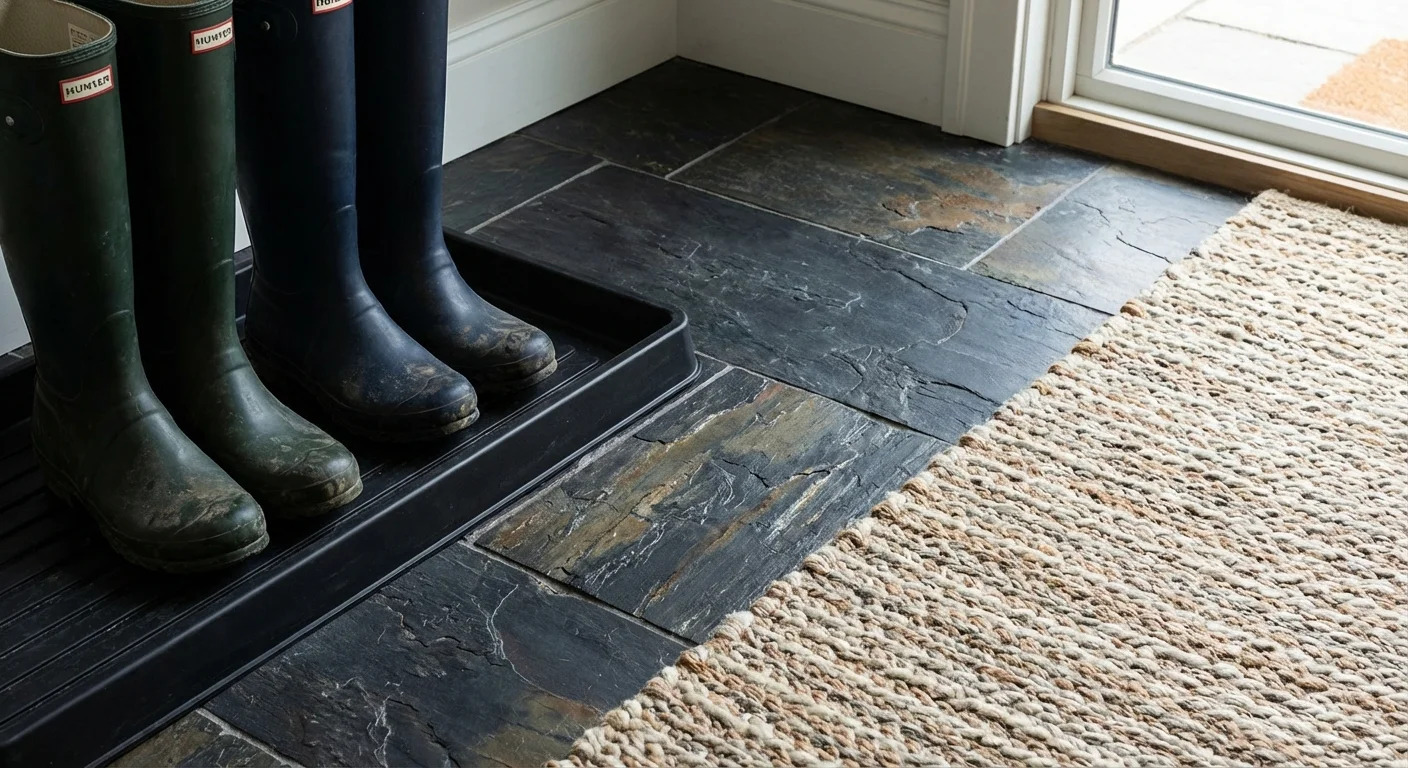
Mudrooms endure more physical abuse than almost any other room in the house. Dripping umbrellas, muddy paws, salt-covered boots, and heavy sports equipment will quickly destroy delicate finishes. Successful mudroom design prioritizes durability and cleanability above all else.
Flooring: Your entryway floor must withstand moisture, grit, and heavy impact. Porcelain tile stands out as an exceptional choice; it remains impervious to water and resists scratching from gravel. Natural stone like slate offers incredible durability and hides dirt well, though it requires periodic sealing. If you prefer a wood look, Luxury Vinyl Plank (LVP) provides excellent water resistance and durability compared to traditional hardwood, which warps and scratches under entryway conditions.
Wall Protection: Wet coats and dirty hands will ruin standard drywall in a matter of months. Protect your walls by installing beadboard, shiplap, or board-and-batten wainscoting up to the five-foot mark. Paint these protective elements using a satin or semi-gloss finish. These higher-sheen paints wipe clean easily with a damp cloth, whereas flat or matte paint will absorb stains and scuff marks permanently.
Hardware: Do not cheap out on hardware. Hooks, drawer pulls, and cabinet hinges must endure thousands of aggressive pulls over their lifetime. Solid brass, wrought iron, or heavy stainless steel hardware will outlast hollow, decorative alternatives. Ensure all hooks feature rounded ends to prevent them from punching holes in the shoulders of your jackets.
Lighting: A well-lit entryway prevents accidents and makes finding lost items easier. Combine a bright overhead fixture with targeted task lighting. If you have deep cubbies or cabinets, consider installing motion-activated LED strip lights. These inexpensive additions illuminate dark corners instantly and require no hardwiring.
Managing the Modern Family: Kids and Pets
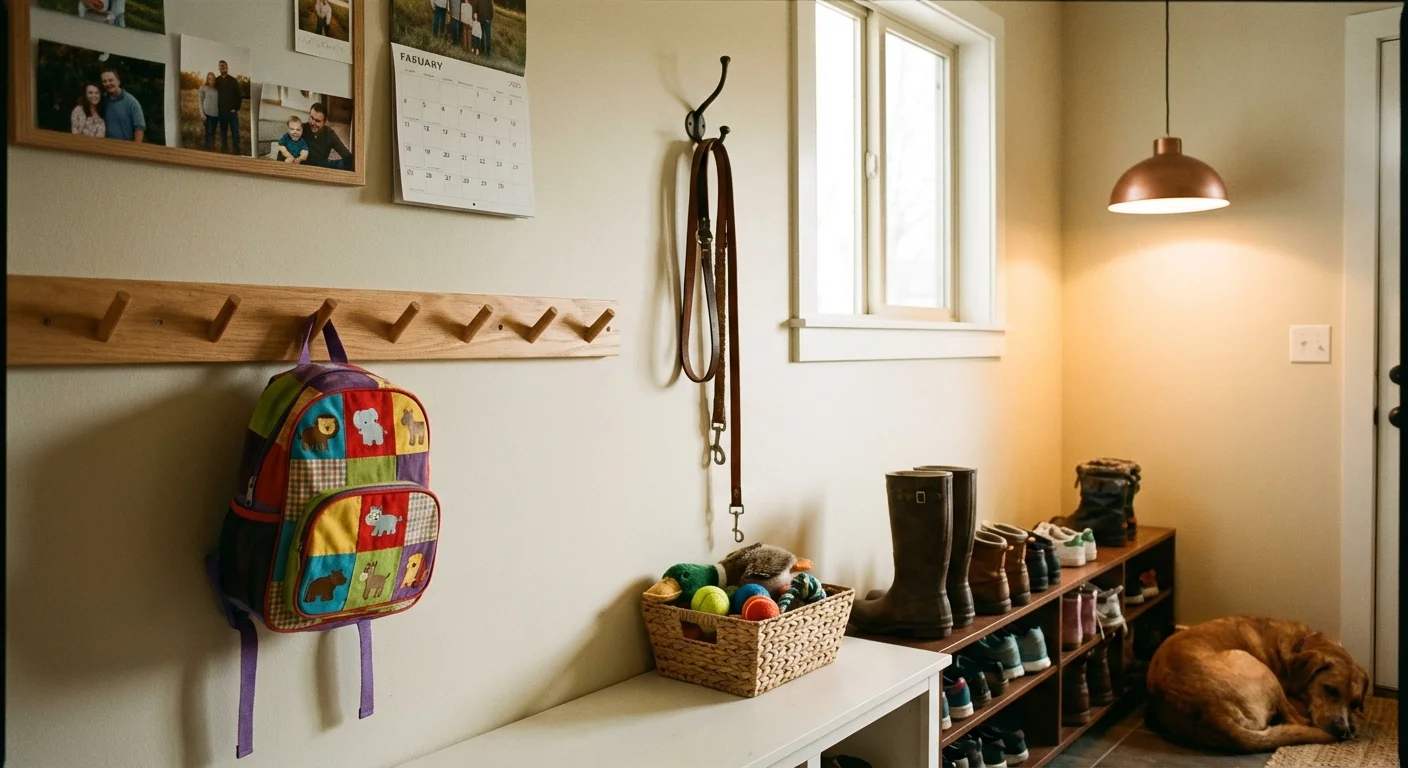
A functional mudroom must accommodate every member of the household, including the four-legged ones. Tailoring the space to specific needs prevents organizational breakdown.
For children, independence is key. If a child cannot reach their designated hook, their coat will end up on the floor. Assign each child a specific zone. Use visual cues like personalized nameplates, different colored baskets, or distinct hardware styles so they immediately recognize their territory. Dedicate a specific, low-level bin solely for sports gear, keeping muddy cleats and shin guards separated from clean school shoes.
Pets require specialized entryway solutions. Dedicate a deep drawer or a lidded bin to dry dog food and treats, keeping odors contained. Install a heavy-duty hook near the door specifically for leashes and harnesses. If space permits, keep a stack of clean, dark-colored towels in an open cubby near the door. Having a towel readily accessible allows you to wipe down wet paws before the dog tracks mud across your living room rug. Some homeowners even integrate built-in feeding stations into the base of their mudroom cabinetry, keeping food bowls out of the main kitchen traffic lanes.
Avoiding Common Errors in Entryway Planning
Even well-intentioned organization projects can fall flat if you ignore the practical realities of daily life. Watch out for these frequent missteps.
Underestimating hook count: One hook per person is never enough. The average adult uses a heavy coat, a light jacket, a scarf, a hat, and a bag depending on the day. Install at least three hooks per family member. Staggering hooks at different heights allows you to fit more into a smaller linear space.
Ignoring ventilation: Wet boots and damp raincoats generate significant humidity. If you lock wet gear inside tightly sealed cabinets, you invite mold, mildew, and lingering odors. Always use open shelving or slatted cabinet doors for footwear, and ensure your mudroom has adequate airflow. For serious moisture management tips, the EPA Indoor Air Quality guidelines offer excellent advice on preventing household mold through proper ventilation.
Failing to plan for technology: We enter the house with devices running on low battery. If you do not create a designated charging station, phones and tablets will end up scattered across kitchen counters. Integrate a power strip or an outlet with built-in USB ports into a drawer or a specific shelf in your entryway console. This keeps charging cables hidden and devices consolidated.
Forgetting a “catch-all” limit: A catch-all tray for loose change, receipts, and lip balm is essential. However, without limits, a small tray turns into a mountain of trash. Choose a deliberately small tray or bowl. When it fills up, you are forced to empty and sort it, preventing the accumulation of long-term clutter.
When DIY Isn’t Enough
While painting walls, hanging shelves, and assembling modular furniture fall well within the scope of a weekend DIY project, certain mudroom upgrades require professional intervention. Recognizing your limits saves time, money, and prevents costly structural damage to your home.
Consult a professional contractor or carpenter in the following scenarios:
- Moving or removing walls: If you want to expand a cramped entryway by knocking down a wall into an adjacent living room or garage, you must verify the wall is not load-bearing. A structural engineer or licensed contractor should evaluate the framing before demolition begins.
- Adding plumbing: A utility sink or a custom dog-washing station elevates a mudroom to the next level of luxury and utility. However, running new water lines and installing proper drainage requires pulling permits and hiring a licensed plumber to ensure you do not cause internal leaks or violate local building codes.
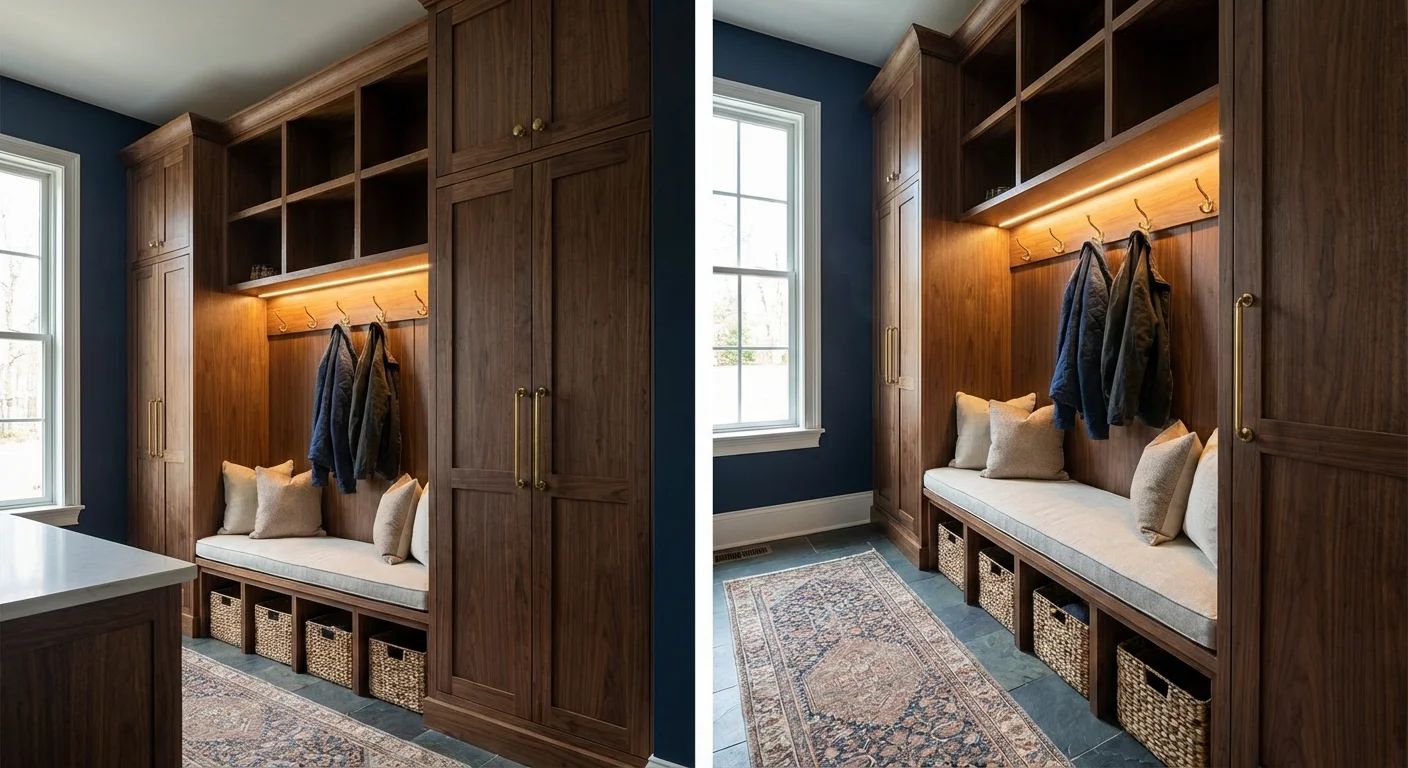
- Custom built-in cabinetry: While modular units work for many spaces, homes with uneven floors, sloping ceilings, or awkward architectural alcoves benefit immensely from custom millwork. A professional carpenter scribes the wood perfectly to your walls, creating a seamless, high-end finish that modular furniture cannot replicate.
- Electrical modifications: Adding hardwired lighting fixtures, moving light switches, or installing heated flooring to quickly dry wet boots involves working directly with your home’s electrical panel. Always hire a licensed electrician to handle these tasks safely.
Frequently Asked Questions
How wide should a mudroom bench be?
A functional mudroom bench should offer at least 36 inches of width per two people, though 48 to 60 inches is ideal for a family. It should be deep enough to sit comfortably (15 to 18 inches) and strong enough to support the weight of an adult holding heavy bags.
What is the best way to hide shoes in an entryway?
To hide shoes completely, utilize deep drawers built into the base of your bench, or tall cabinets with tilt-out shoe racks. Tilt-out racks maintain a slim profile against the wall while keeping footwear entirely out of sight. Just ensure the shoes are dry before storing them to prevent odors.
How can I make my mudroom smell better?
The best defense against mudroom odors is proper airflow and moisture control. Use open wire or slatted shelving for wet shoes. Keep a boot tray lined with river rocks to let water drip away from the soles. Additionally, you can tuck activated charcoal bags into shoe cubbies or cabinets to naturally absorb lingering smells without relying on heavy synthetic perfumes.
Can I put a mudroom in my garage?
Yes. If your primary entry is through the garage, dedicating the space right next to the entry door as a “garage mudroom” is highly effective. Use heavy-duty, weather-resistant materials like metal shelving and exterior-grade benches, as garages experience wider temperature and humidity fluctuations than interior spaces.
Mastering Your Entry Space
Taking control of your entryway changes the entire rhythm of your household. By observing how your family actually lives, installing durable materials, and providing a specific home for coats, bags, and boots, you eliminate the daily friction of leaving and returning home. Start small by clearing the clutter, measure your space carefully, and build a system that supports your unique lifestyle.
The tips in this article are meant as general guidance. Your specific situation—including your home’s age, layout, and local building codes—may require different approaches. When in doubt, consult a professional to ensure your new entry system remains safe, structurally sound, and perfectly tailored to your space.
Last updated: February 2026


Leave a Reply