
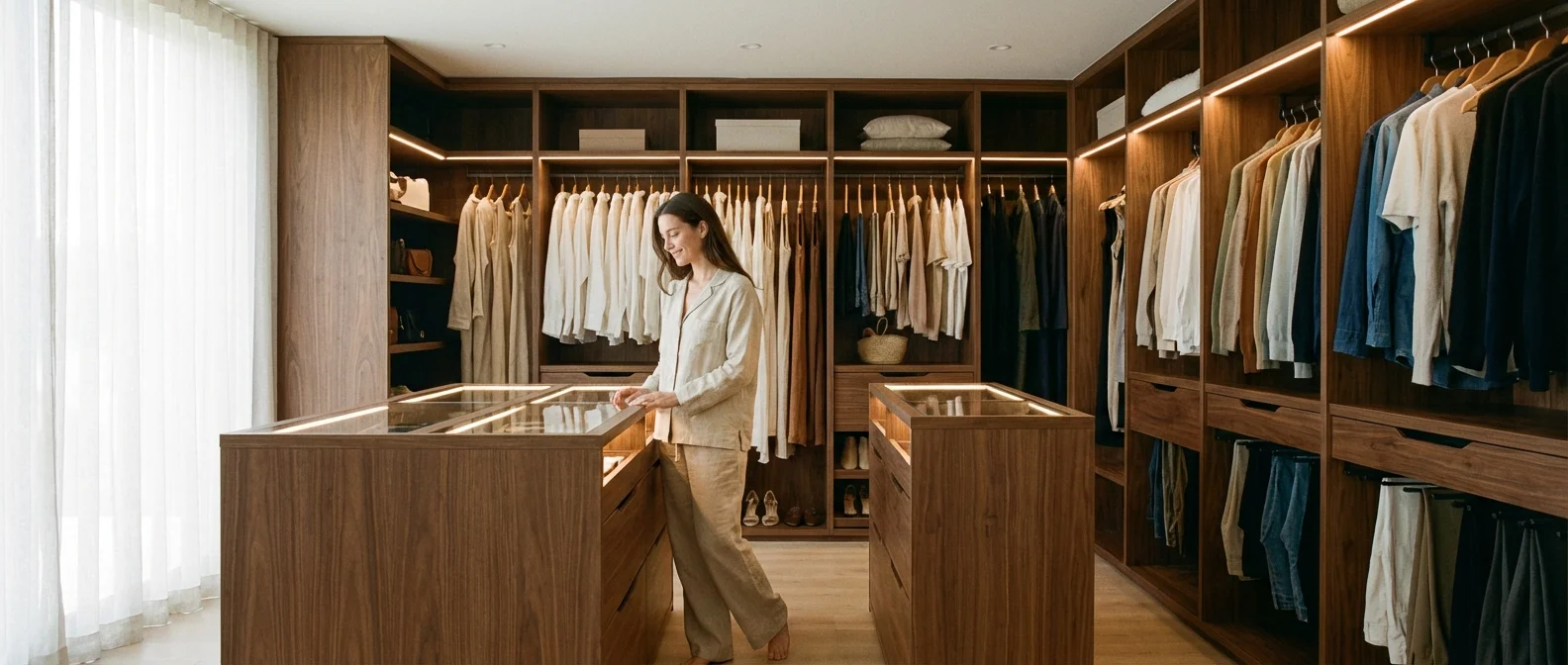
Research consistently shows that we wear 20 percent of our clothing 80 percent of the time. The remaining 80 percent sits in our closets, creating visual noise and physical barriers to the garments we actually love. When you start your morning fighting through tightly packed hangers and avalanches of sweaters just to find a matching pair of pants, you set a chaotic tone for the entire day. Upgrading your closet is rarely just about storage; it is about reclaiming your time, protecting your wardrobe investment, and starting your day with intention.
Finding efficient ways to manage your home can be simple, especially when you use closet organization hacks for busy families to streamline your morning routine.
Finding the right solution requires navigating a saturated market of wire racks, modular boxes, and custom cabinetry. The best closet organization systems of 2026 bridge the gap between high-end architectural millwork and affordable DIY solutions. Manufacturers have finally cracked the code on modularity—offering systems that look built-in but can adapt as your wardrobe and lifestyle change.
Whether you are dealing with a cramped reach-in closet in a historic home or a massive blank-slate walk-in, this guide will help you navigate the materials, configurations, and brands available today. We will break down exactly how to evaluate your space, plan your layout, and choose a wardrobe organization system that makes sense for your budget and technical skill level.

Step One: The Wardrobe Audit and Inventory
Do not buy a single shelf or hanging rod until you know exactly what needs to go inside your closet. Purchasing a generic closet kit without measuring your inventory often results in wasted space—you might end up with three feet of long-hanging space when you only own four dresses, or insufficient drawer space for your massive collection of workout gear.
For items you decide to keep but don’t need immediate access to, explore under-bed storage ideas to keep your main closet streamlined.
If you are managing shared storage, applying specific closet organization ideas for families can prevent morning bottlenecks and keep everyone’s gear separated.
“The space in which we live should be for the person we are becoming now, not for the person we were in the past.” — Marie Kondo, Organizing Consultant and Author
Pull everything out of your current closet. This is non-negotiable. Once your bed is piled high with clothing, sort items into clear categories. As you decide what stays and what gets donated, grab a tape measure and start recording the physical footprint of your remaining wardrobe. You need hard data to design an efficient system.
- Measure Short Hanging: Push all your button-down shirts, blouses, and folded-over pants tightly together on a clothing rack or temporary rod. Measure the width in inches. A standard short-hanging section requires 36 to 42 inches of vertical drop.
- Measure Medium Hanging: Group your skirts, heavy jackets, and knee-length coats. Measure their total width. These items typically require 42 to 50 inches of vertical drop.
- Measure Long Hanging: Group long dresses, winter trench coats, and jumpsuits. Measure the width. These require 60 to 68 inches of vertical drop.
- Count Your Shoes: Tally your footwear by type. High heels require different shelf spacing than winter boots or flat sneakers. A standard 24-inch wide shoe shelf holds about three pairs of adult shoes.
- Calculate Folded Items: Stack your thick sweaters and denim. A comfortable stack height is about 10 to 12 inches; anything higher tends to topple. Count how many stacks you have to determine your linear shelving needs.
For more specialized guidance on categorizing your wardrobe, The Spruce offers excellent visual guides on folding techniques and seasonal clothing rotation that can help streamline this auditing process.
Understanding System Materials: Wire vs. Wood vs. MDF
The structural foundation of your closet determines its weight capacity, aesthetic appeal, and overall longevity. Closet systems generally fall into three material categories, each serving a distinct price point and purpose.
To better understand the financial investment required, compare the cost of custom systems versus wire shelving before making a final selection.
Vinyl-Coated Wire
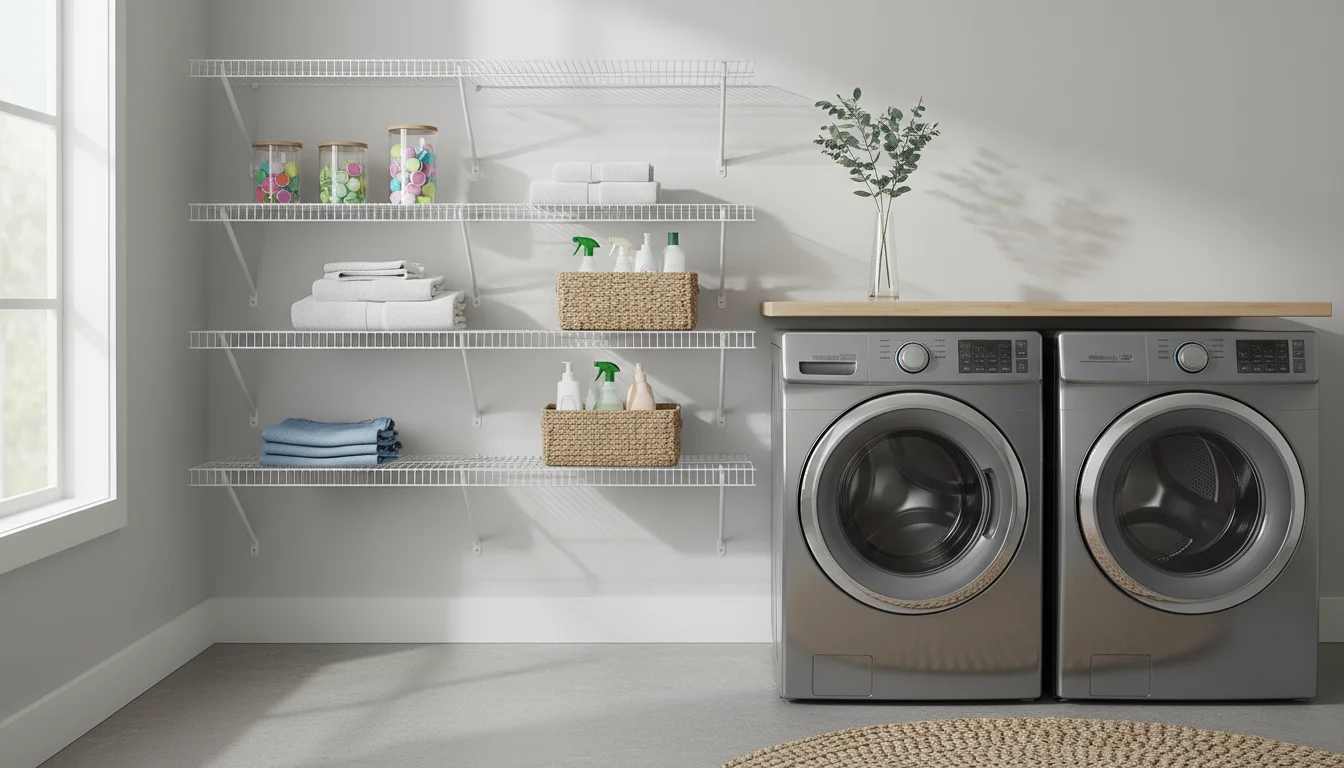
Wire shelving remains the most economical option on the market. These systems utilize horizontal tracks secured to wall studs, with vertical standards suspending the wire racks. They are highly ventilated, making them excellent choices for linen closets, laundry rooms, or damp climates where airflow is critical.
However, wire systems have distinct drawbacks for primary bedroom closets. The wires leave permanent indentations on soft folded sweaters. Items easily tip over, and the hangers slide less smoothly across the coated rods compared to solid metal. If you choose wire, look for tight-mesh designs where the wires are spaced closer together to minimize these issues.
Laminated Particleboard and MDF
Medium-Density Fiberboard (MDF) or particleboard wrapped in a melamine finish constitutes the vast majority of mid-range to premium closet systems today. These materials mimic the look of custom cabinetry at a fraction of the cost. The melamine coating resists scratching, wiping clean easily with a damp cloth.
These systems rely on a combination of wall-mounting and floor-standing support. Because MDF is heavy, you must secure these units meticulously to wall studs. The primary advantage here is aesthetic flexibility; you can choose finishes ranging from crisp matte white to textured walnut or dark espresso.
Solid Wood and Plywood
True solid wood or cabinet-grade plywood systems sit at the top of the market. They offer unparalleled strength and can bear immense weight without bowing over time. You can paint or stain solid wood to match your home’s exact architectural trim. Because wood expands and contracts with humidity, these systems often require professional installation to ensure joints remain tight and hardware functions smoothly year-round.
Closet System Reviews: The Top Contenders of 2026
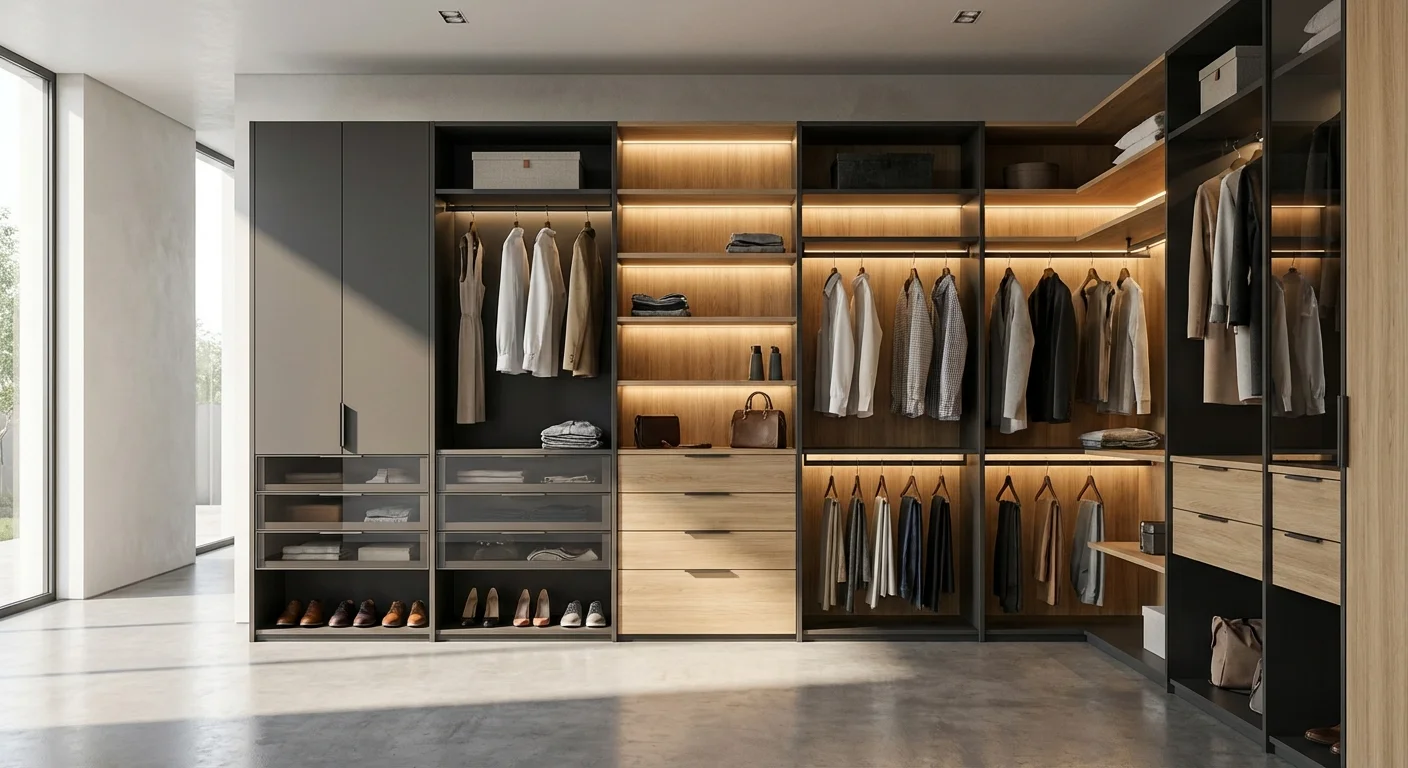
Choosing the right manufacturer involves balancing your budget against your desire for custom aesthetics. Based on build quality, ease of installation, and modular flexibility, here are our comprehensive closet system reviews for this year.
If you are a confident DIYer, you might consider building a custom closet system from scratch to perfectly match your space.
| Brand & System | Best For | Mounting Type | Price Range (Per Linear Ft) | Key Advantage |
|---|---|---|---|---|
| The Container Store: Elfa Décor | Overall Modularity | Top-Track Wall Mounted | $120 – $250 | Exceptionally forgiving DIY installation; entirely suspended from a single top track. |
| IKEA: PAX System | Built-in Look on a Budget | Freestanding (Wall Anchored) | $80 – $180 | Massive ecosystem of interior organizers, pull-outs, and lighting options. |
| ClosetMaid: SuiteSymphony | Budget Wood-Look | Freestanding & Wall Mount | $50 – $100 | Affordable tower-based system widely available at local hardware stores. |
| California Closets: Everyday System | Luxury Renters | Tension & Wall Anchored | $300 – $600 | High-end aesthetic designed by Martha Stewart; can be moved to a new home easily. |
The Container Store: Elfa
The Elfa system remains a dominant force in home organization for good reason. Its engineering relies on a single horizontal steel track screwed directly into your wall studs near the ceiling. Everything else—the vertical standards, brackets, shelves, and drawers—hangs from this one track. This means you only need to level and drill one piece of hardware perfectly. If you are intimidated by complex DIY projects, Elfa is your safest bet. Their free online design tool also takes the guesswork out of planning.
IKEA: PAX
If you want a true wardrobe organization system that looks like custom millwork without the luxury price tag, the IKEA PAX is unmatched. Rather than hanging from the wall, PAX utilizes large structural boxes that sit on your floor. You then outfit the interior with KOMPLEMENT accessories—glass-front drawers, pull-out shoe trays, and specialized jewelry dividers.
The trade-off is the labor. Assembling PAX frames requires significant floor space, patience, and preferably two people. Furthermore, if you have thick baseboards, you will need to cut notches into the back of the PAX frames so they sit flush against the wall before anchoring them.
California Closets: Everyday System
Traditionally known for expensive, permanent custom build-outs, California Closets now offers a modular line. Designed in collaboration with Martha Stewart, this system features sleek metal uprights and high-quality wood-grain shelves. It is an ideal custom closet organizer for renters or homeowners who want luxury materials but want to take their investment with them when they move. The aesthetic is decidedly modern and airy, avoiding the heavy, boxy look of traditional MDF cabinets.
Deep Dive: Closet Shelving Systems and Components
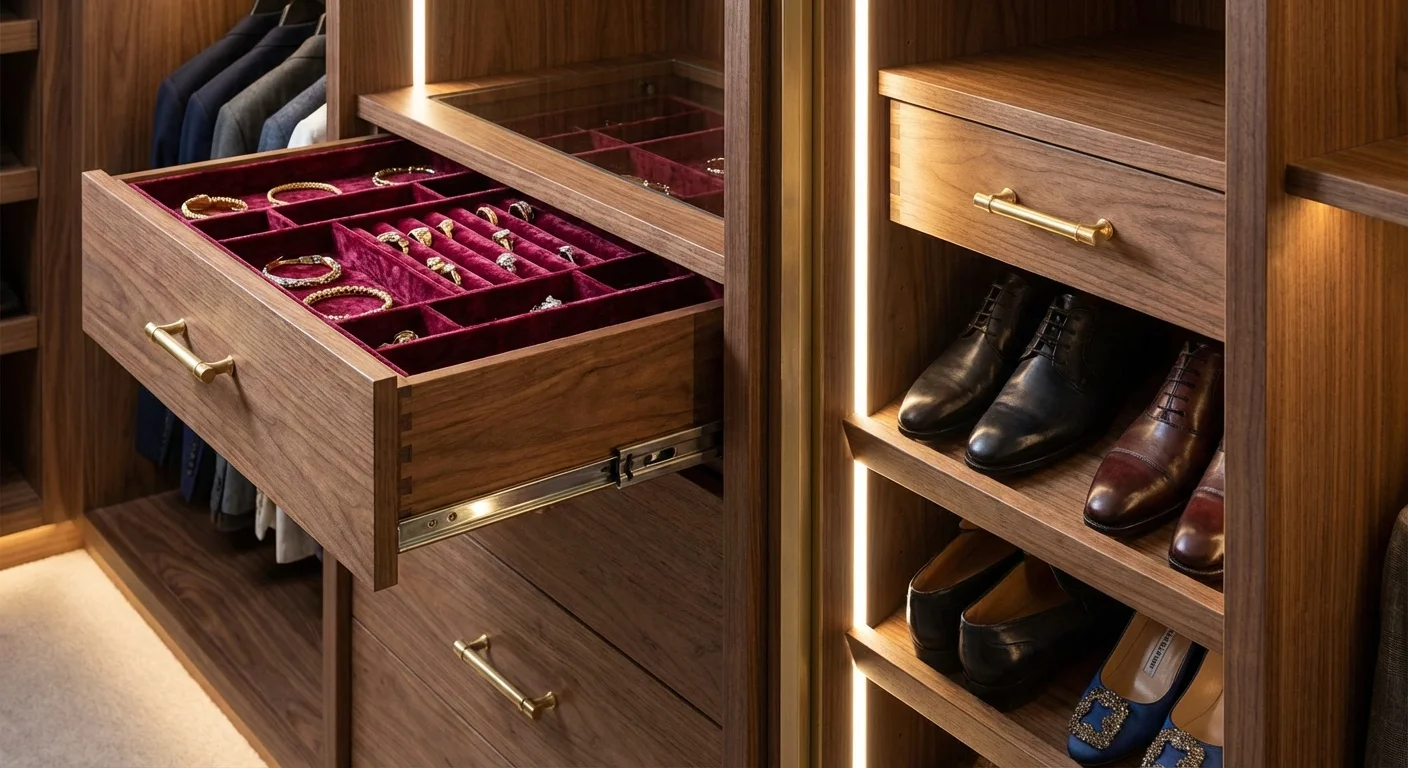
A beautiful frame is useless without the right interior components. Modern closet shelving systems offer highly specific storage solutions that protect your clothing and maximize vertical space.
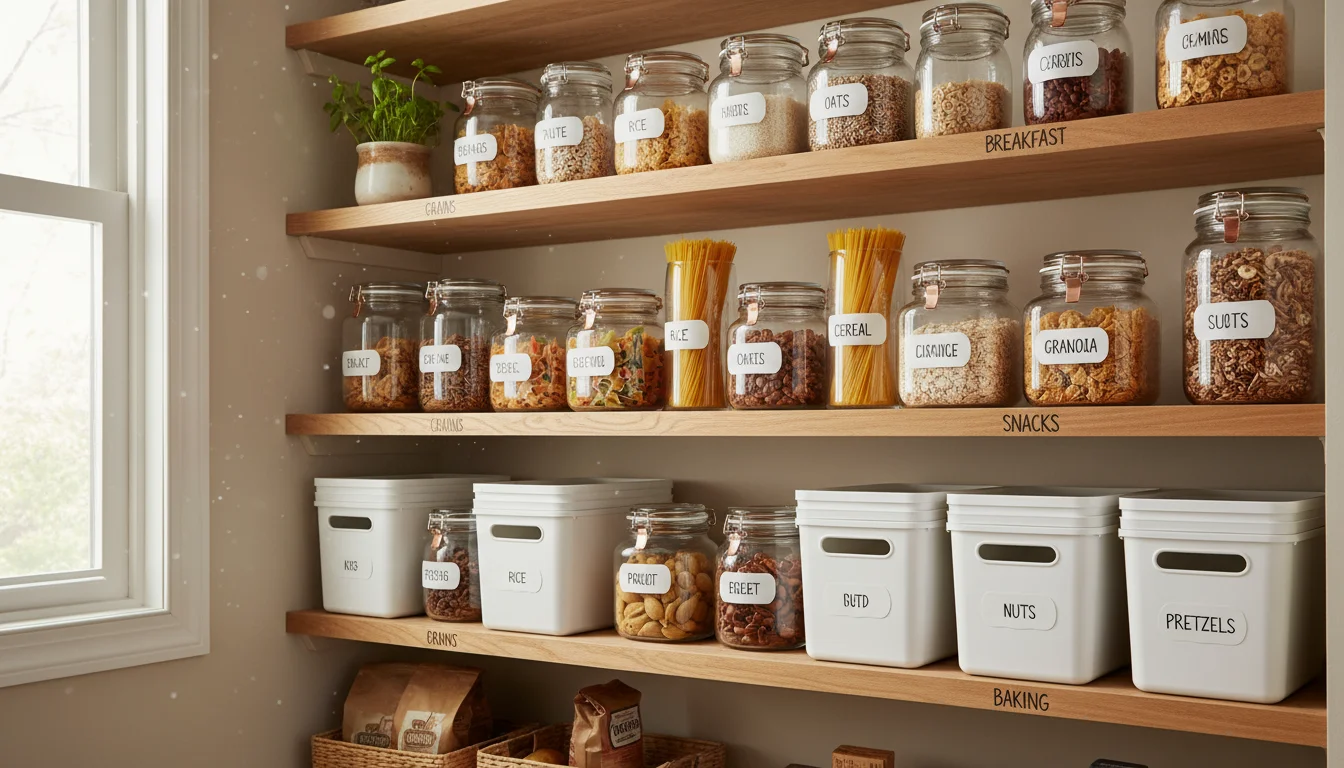
Similar structural principles apply to other areas of the home, such as designing a pantry system that maximizes utility and keeps essentials visible.
Shelving Depths: Standard closet shelves come in 12-inch, 14-inch, and 16-inch depths. Use 12-inch shelves for shoes and small accessories. Reserve 14-inch shelves for folded shirts and standard denim. You only need 16-inch shelves for bulky winter sweaters, oversized linens, or large storage bins. Installing shelves that are too deep encourages items to get lost in the back.
Hanging Rods: Opt for oval-shaped metal hanging rods rather than traditional round wooden dowels. Oval rods resist bowing under heavy loads and allow hangers to glide with minimal friction. Always leave at least 2 inches of clearance between the top of the rod and the shelf above it so you can easily lift hangers on and off.
Drawers vs. Open Bins: Drawers add significant cost to any closet system, but they offer unmatched visual cleanliness. Use soft-close drawers for undergarments, socks, and pajamas. If you are on a strict budget, substitute lower drawers with heavy-duty felt or woven baskets resting on open shelves. This achieves a similarly clean look at a fraction of the cost.
Lighting Integration: Upgrading your closet lighting fundamentally changes how the space functions. Battery-operated, motion-sensor LED light strips have become incredibly sophisticated. Mount these angled downward just behind the front lip of your shelves. This illuminates the clothing below without shining directly into your eyes, helping you distinguish navy blue from black at six in the morning.

Designing Your Custom Closet Organizer: Step-by-Step
Translating your wardrobe inventory into a functional design requires strategic zone planning. Approach your closet as three distinct horizontal zones.
The Everyday Zone (Eye to Waist Level)
This is your prime real estate. Reserve the space between 30 inches and 60 inches off the floor for the items you wear daily. This area should house your main hanging rods for workwear, your primary drawers for undergarments, and open shelves for your current season’s folded clothing.
The Secondary Zone (Waist to Floor)
The lower section of your closet is harder to access because it requires bending. Dedicate this space to shoes, laundry hampers, and heavy items like denim. If you are installing a custom closet organizer, consider angled shoe shelves with a front lip; this allows you to see your footwear clearly without crouching down.
The Deep Storage Zone (Above Eye Level)
The space above 60 inches is reserved for out-of-season clothing, travel bags, and sentimental items. Use matching, opaque bins to store these items. Clear bins create visual clutter, whereas a row of identical linen or felt boxes draws the eye upward and makes the ceiling feel higher. Label the bins discreetly.
When drawing your layout, always start from the corners and work outward. Corners are notoriously difficult in closets. The most efficient way to handle a corner is to let hanging clothing extend into the blind spot, rather than trying to wrap shelving around a 90-degree angle, which often results in inaccessible, wasted space.
For extensive inspiration on layout configurations and utilizing vertical space, you can explore the Container Store Organization Tips section, which provides excellent visual layouts for difficult floor plans.
Pitfalls to Watch For During Planning and Installation
Even the best closet organization systems will fail if installed improperly. Avoid these common mistakes that plague weekend DIYers.
Ignoring Baseboards and Crown Molding: Floor-based systems require a perfectly flush fit against the wall for stability. If your room has tall, ornate baseboards, you must either remove the baseboards behind the unit or choose a system that allows you to notch the back. Failure to do this results in a leaning unit that pulls away from the wall anchors.
Forgetting Door Clearance: Before installing deep drawers or pull-out shoe racks, check the swing radius of your closet door. If you have sliding or bi-fold doors, ensure that the drawers can fully extend without hitting the door frame or the folded panels. A drawer that only opens halfway is entirely useless.
Trusting Drywall Anchors Too Much: Clothing is incredibly heavy. A three-foot section of packed heavy winter coats can easily weigh over 100 pounds. Never rely solely on plastic drywall anchors to support hanging rods. You must locate the wooden wall studs using a high-quality stud finder and drive your mounting screws directly into the structural timber.
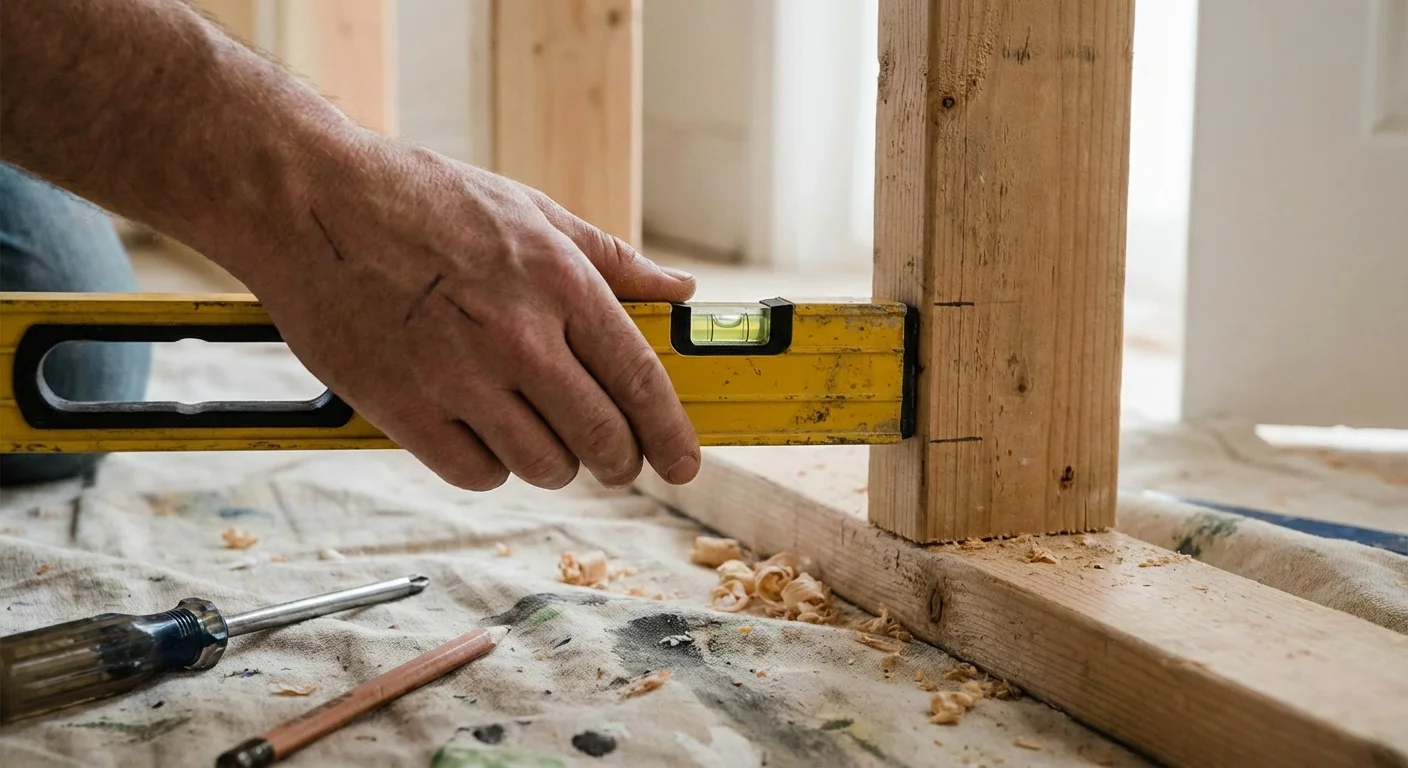
Overlooking Floor Level: Very few homes have perfectly level floors. If you install a rigid, box-based wardrobe organization system on an uneven floor, the frames will twist slightly. This twisting prevents drawers from sliding smoothly and throws cabinet doors out of alignment. Always use a long spirit level during installation and utilize the adjustable leveling feet provided with the system.

Getting Expert Help
While modern modular systems are designed for consumer installation, certain situations warrant calling in a professional closet designer or carpenter. Consider hiring an expert if you encounter the following scenarios:
- Irregular Architecture: If you are dealing with sloped ceilings in a converted attic, exposed brick walls, or historical plaster-and-lath construction, standard modular systems will struggle to fit cleanly. A carpenter can scribe wood panels to match irregular wall contours perfectly.
- Electrical or HVAC Obstacles: If your master closet houses an electrical sub-panel, a water heater access door, or floor-based air returns, you must maintain code-compliant clearances. Professionals know how to design storage that masks these utilities while remaining legally accessible.
- Structural Integrity Concerns: If your home is older and the floors have a severe sag, installing hundreds of pounds of MDF and clothing can exacerbate structural issues. A contractor can assess whether the floor joists require reinforcement before you build a massive walk-in island.
- Integrated Lighting: If you want hardwired, switch-operated LED puck lighting integrated into your shelving (rather than battery-operated strips), you will need a licensed electrician to pull wire safely through the walls and cabinets.
Frequently Asked Questions
How much should I expect to spend on a custom closet system?
Costs vary wildly based on materials and labor. A basic DIY wire system for a reach-in closet can cost as little as $150. Mid-range modular MDF systems (like IKEA PAX or standard Elfa) typically range from $500 to $1,500 depending on drawer counts. High-end, professionally installed custom wood closets start around $2,500 and can easily exceed $10,000 for large walk-ins.
Are wall-mounted or floor-mounted closet systems better?
Wall-mounted systems (like Elfa) keep the floor completely clear, making vacuuming easy and avoiding issues with baseboards. They are also generally easier to install. Floor-mounted systems (like PAX) offer a more luxurious, built-in aesthetic and can support heavier loads because the weight transfers directly to the floor rather than relying entirely on wall studs.
Can I install a custom closet if I rent my apartment?
Yes, but you must choose the right system. Tension-mounted systems or freestanding wardrobes require zero wall drilling. Alternatively, top-track systems require minimal drilling (just one horizontal line of screws) which is easy to patch with spackle before moving out. Always check your lease agreement regarding wall anchors before proceeding.
How deep should a closet be to hang clothes on both sides?
To hang clothing on both sides of a walk-in closet, the room must be at least 6 feet (72 inches) wide. Standard hangers require 24 inches of depth to accommodate the width of sleeves and shoulders. Having hanging rods on both sides consumes 48 inches of space, leaving a minimal 24-inch walkway down the center. If your closet is narrower than 72 inches, you should only install hanging rods on one wall.
A well-designed closet acts as the command center for your daily routine. By carefully auditing your inventory, understanding the material differences, and planning for your home’s specific architectural quirks, you can transform a frustrating storage space into a highly functional extension of your bedroom.
Start by clearing out the clutter and securing your measurements. From there, use the digital design tools provided by most major manufacturers to experiment with layouts before committing your budget. Take the installation slowly, rely heavily on your stud finder, and enjoy the lasting peace of mind that comes with a perfectly organized wardrobe.
This is educational content based on general best practices. Individual results vary based on your home, budget, and circumstances. Always prioritize safety and consult professionals for major projects.
Last updated: February 2026


Leave a Reply