
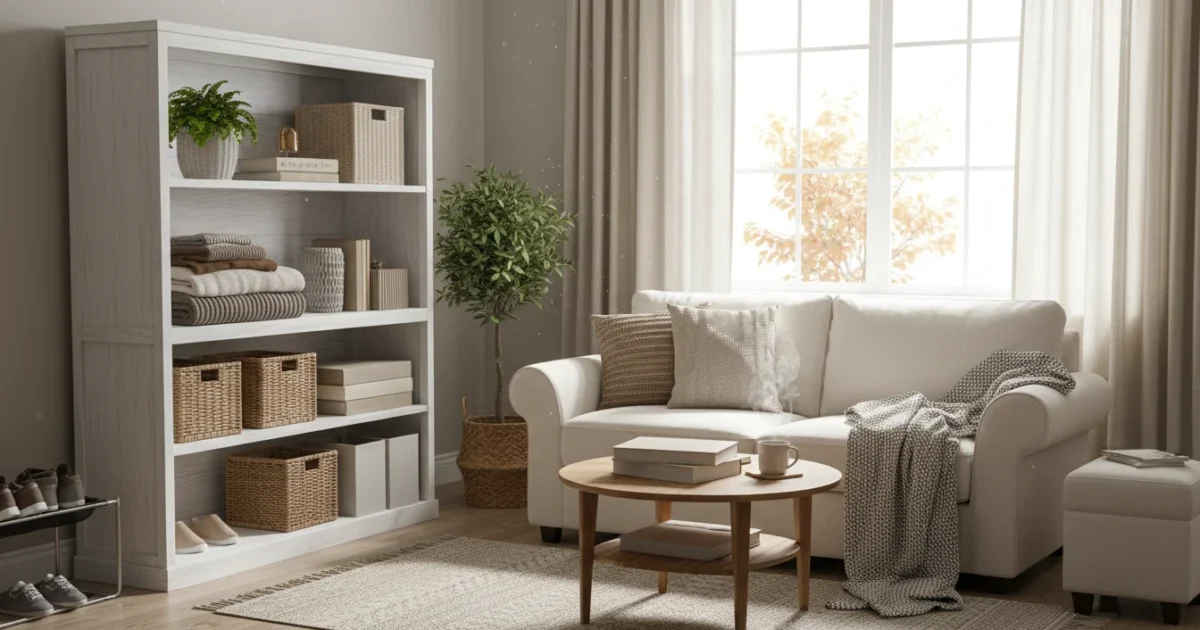
Clutter often feels like an unavoidable part of daily life, especially when your living space feels constrained. Whether you live in a cozy apartment, a bustling family home, or a rental with limited built-in storage, you know the challenge of finding a place for everything. Your walls offer a powerful, often overlooked, solution. Wall-mounted storage systems transform vertical space into practical, accessible areas for your belongings, freeing up valuable floor and counter surfaces. This guide provides you with practical, actionable insights to reclaim your home from clutter using smart wall storage solutions in every room.
Embracing wall storage not only helps you declutter, but also optimizes your space, makes cleaning easier, and can even add to your home’s aesthetic appeal. You gain an immediate benefit by getting items off surfaces, creating a more open and organized environment. We will explore a variety of options, from simple DIY projects to sophisticated modular systems, ensuring you find solutions that fit your budget, style, and unique needs.
Why Wall Storage Transforms Your Home
Your walls represent untapped potential for organization. Many homeowners, renters, and apartment dwellers often think horizontally, focusing on cabinets, drawers, and floor space. However, when you look up, you discover a wealth of vertical area ready for practical, beautiful storage. This shift in perspective can fundamentally change how you manage your belongings and the overall comfort of your home.
Here are key reasons why integrating wall storage solutions benefits your living environment:
- Maximizes Space: Wall-mounted solutions lift items off your floor, counters, and tabletops. This instantly creates more usable surface area and makes your rooms feel larger and more open, a crucial benefit in small spaces. It is a fundamental strategy for `space saving`.
- Reduces Clutter: When every item has a designated home, clutter naturally decreases. Wall storage provides clear, accessible spots for often-used items, preventing them from accumulating in open areas.
- Improves Accessibility: Mounting items on walls keeps them visible and within easy reach. Imagine finding your keys, spices, or craft supplies without rummaging through drawers or bins.
- Enhances Aesthetics: Thoughtfully designed `wall storage` becomes a part of your home’s decor. Floating shelves displaying curated items, a stylish pot rack, or a modern pegboard system can elevate the look of any room.
- Simplifies Cleaning: Less on your floors and counters means less to move when you clean. Your vacuum and dust rag navigate surfaces more easily, saving you time and effort.
- Customization and Flexibility: Wall systems offer incredible versatility. You can tailor them to specific items, adjusting shelves, hooks, and baskets as your needs change. This adaptability makes them ideal for various room types and personal preferences.
According to The National Association of Professional Organizers, effective organization relies on creating systems that support your daily habits. Wall storage directly supports this by making items visible and easily returnable to their assigned spots.
Planning Your Wall Storage Project: A Practical Approach
Before you start drilling holes, a thoughtful plan ensures your wall storage solutions truly solve your organizational challenges. Haphazard installation can lead to unstable shelves, poor aesthetics, or storage that does not meet your needs. Follow these practical steps to design a system that works for you.

1. Assess Your Needs and Inventory
- Identify What You Need to Store: Walk through each room and make a list of items currently creating clutter or lacking a proper home. Think about books, decor, kitchen gadgets, cleaning supplies, tools, clothing accessories, or paperwork.
- Consider Frequency of Use: Daily-use items should be easily accessible, ideally at eye level. Less frequently used items can go higher or lower.
- Categorize and Declutter First: Before you store, declutter. You do not need storage for things you no longer want or use. Sort items into “keep,” “donate,” “trash,” or “relocate.”
2. Measure Your Space and Items
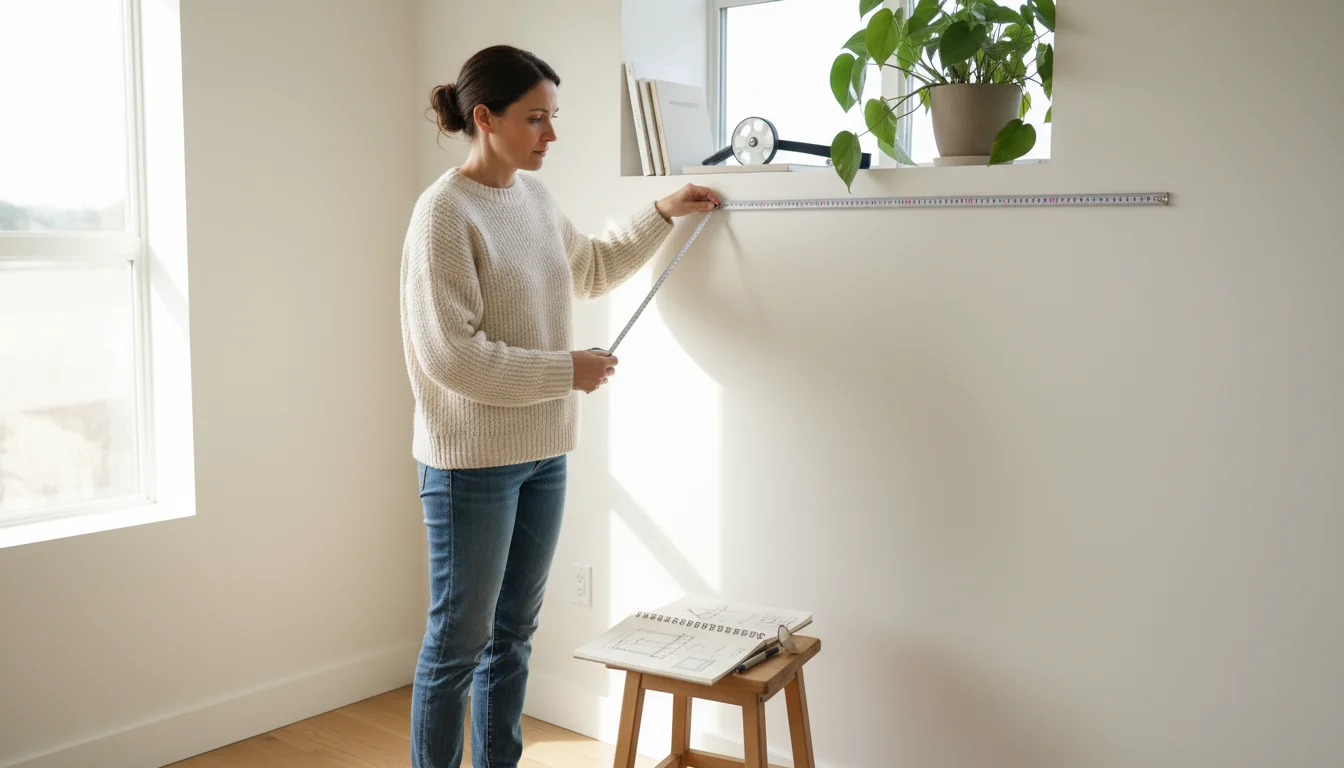
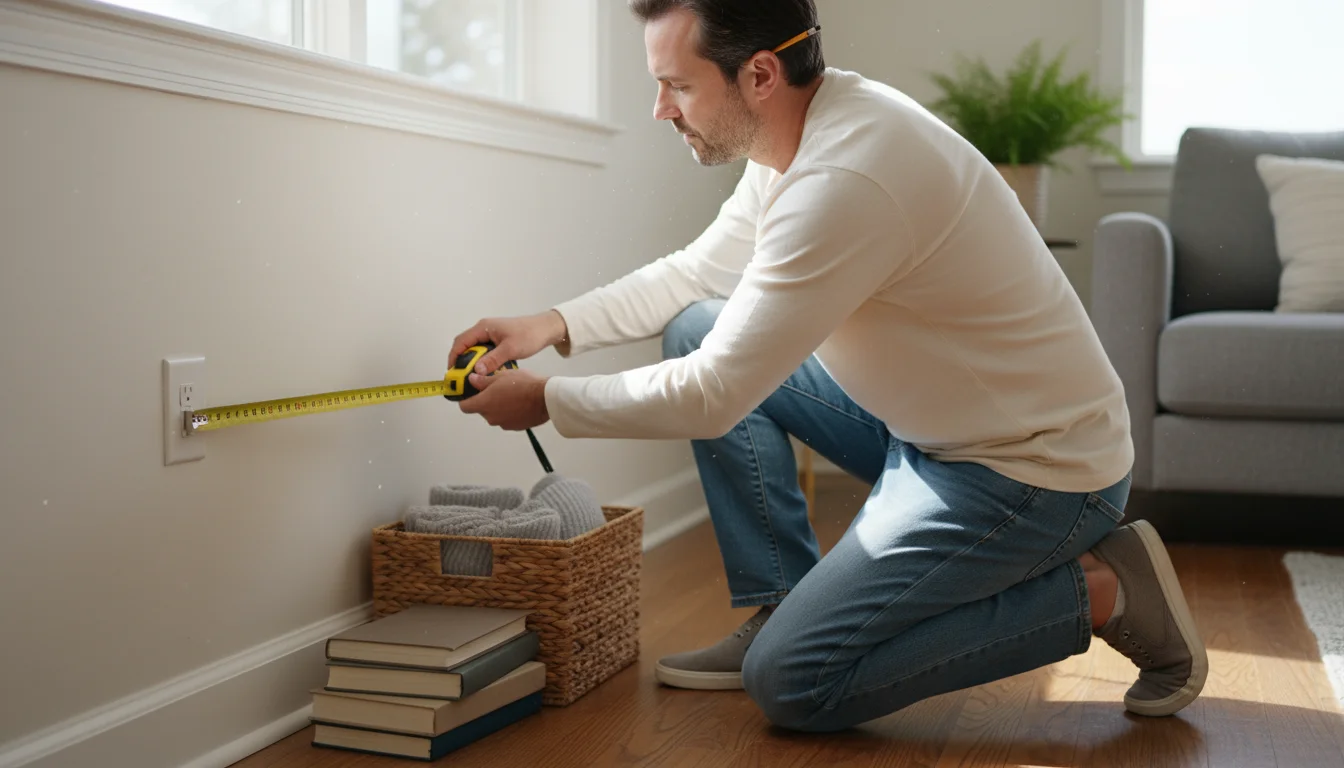
- Wall Dimensions: Measure the width and height of the wall sections you plan to use. Account for windows, doors, light switches, and outlets.
- Item Dimensions: Measure the height, width, and depth of the items you intend to store. This helps you select shelves or baskets that fit perfectly. For example, if you plan to store large books, you need deeper shelves.
- Weight Considerations: Estimate the combined weight of the items. This impacts the type of mounting hardware and support you need. Heavy items require anchors into wall studs for stability and safety.
3. Define Your Zones
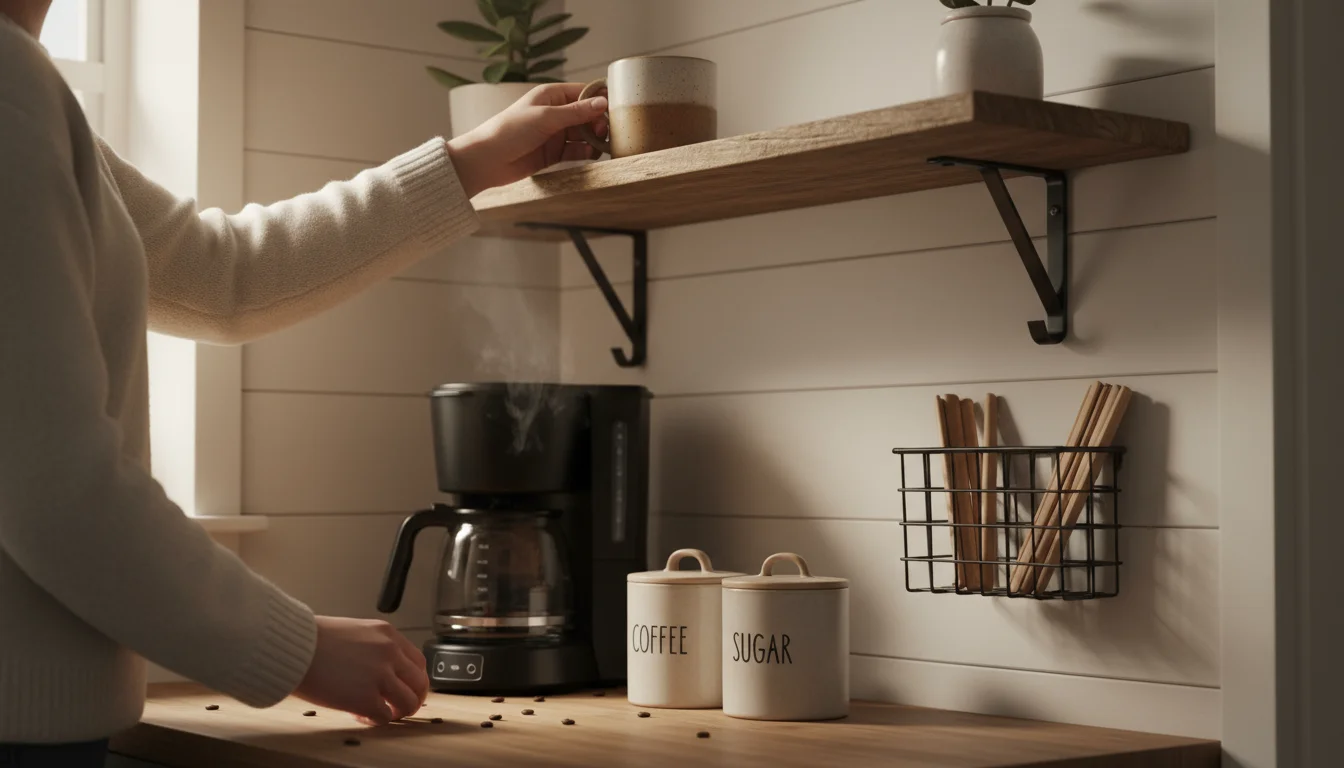
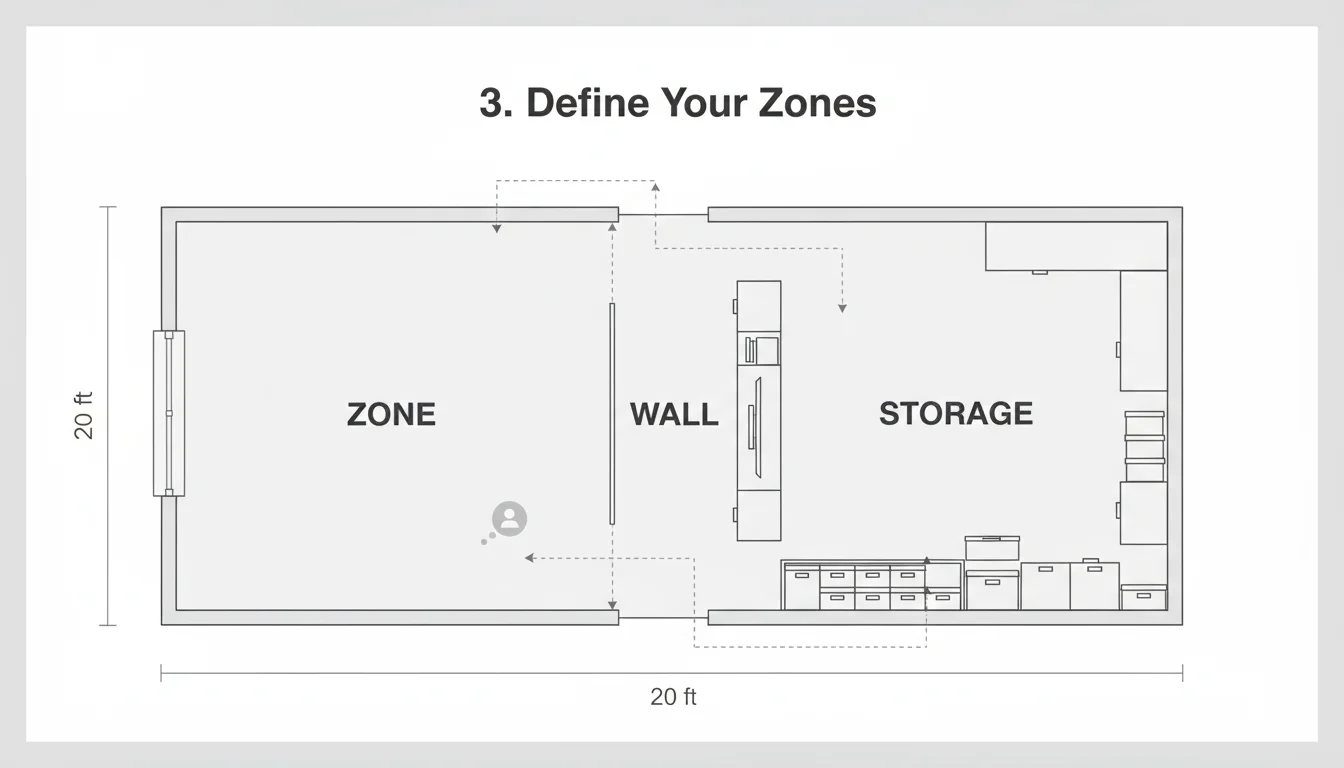
Home organization often benefits from creating “zones,” which are designated areas for specific activities or types of items. For example, in a kitchen, you might have a “cooking zone” near the stove and a “coffee zone” near the counter. Wall storage excels at defining and supporting these zones, making your daily routines more efficient.
4. Set Your Budget
- DIY vs. Pre-made: Decide if you prefer building your own solutions, which often saves money, or purchasing ready-made systems.
- Materials Cost: Factor in the cost of shelves, brackets, hooks, baskets, hardware, and any tools you might need.
- Installation Cost: If you plan to hire a handyman or professional, include their fees.
5. Consider Aesthetics and Style
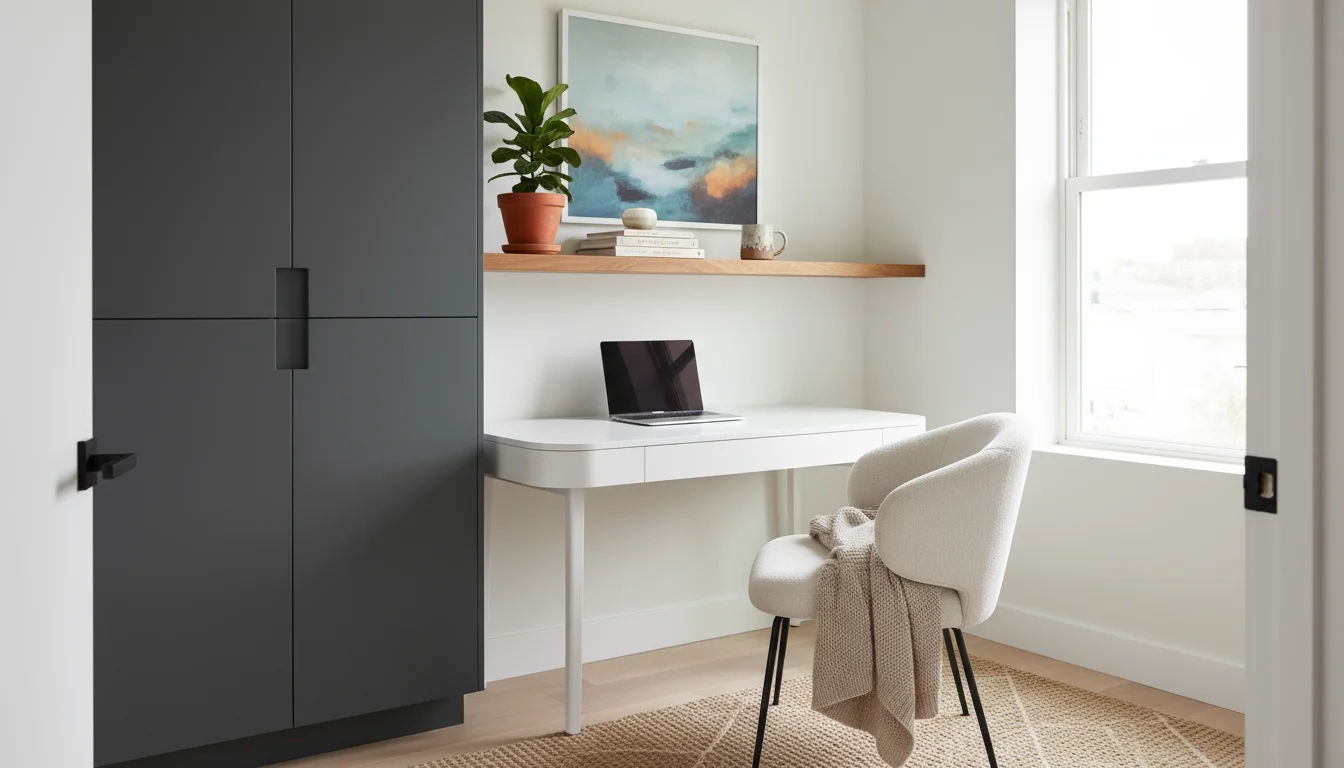
Wall storage does not have to be purely functional. It can enhance your home’s design. Think about:
- Materials: Wood, metal, wire, acrylic, and laminate all offer different looks.
- Color: Match existing decor or use color to create a focal point.
- Visibility: Do you want items completely hidden (e.g., behind cabinet doors) or openly displayed (e.g., on floating shelves)?
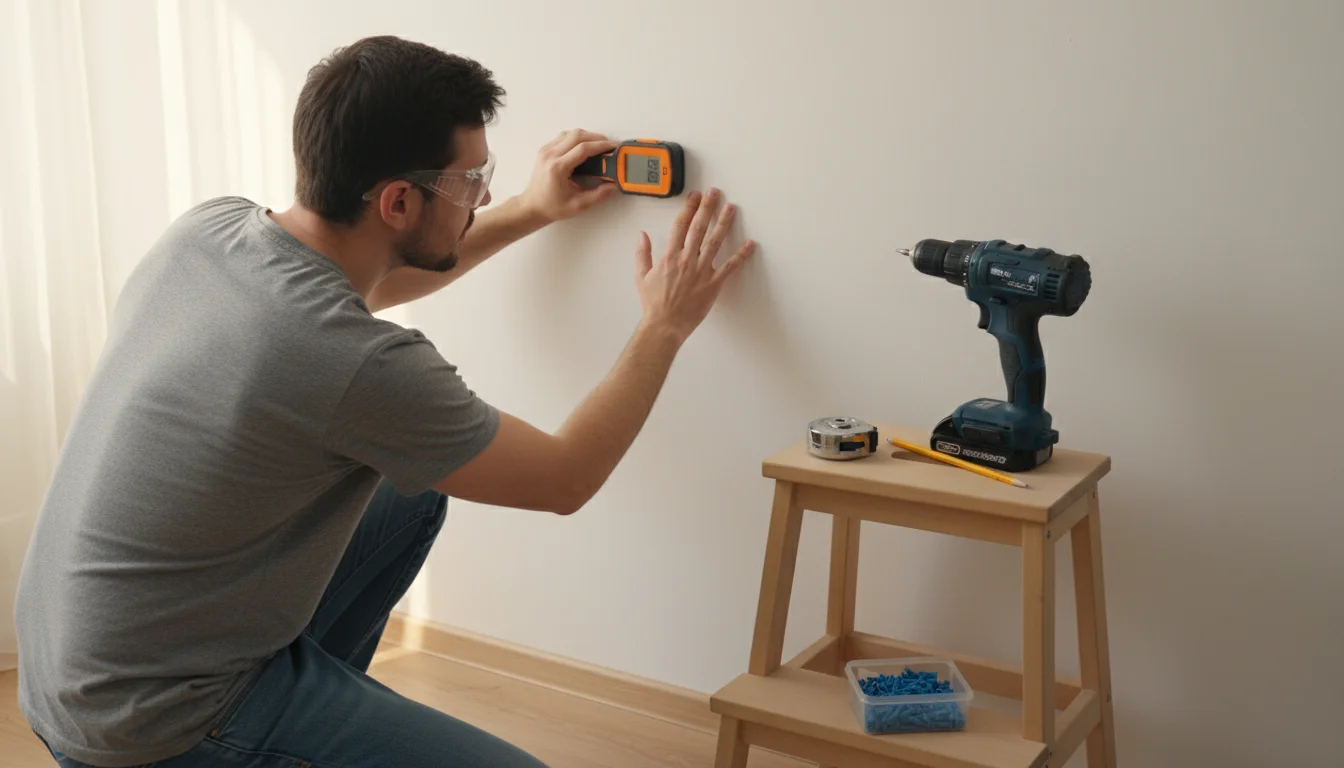
6. Tools and Safety
Most wall-mounted projects require basic tools:
- Tape measure
- Level
- Stud finder (essential for securing heavy items)
- Drill with appropriate bits
- Screwdriver
- Pencil
- Safety glasses
Always locate wall studs for maximum stability, especially when hanging anything substantial. When studs are not available, use appropriate drywall anchors. Different anchors support different weights; ensure you use the correct type for your project and wall material.
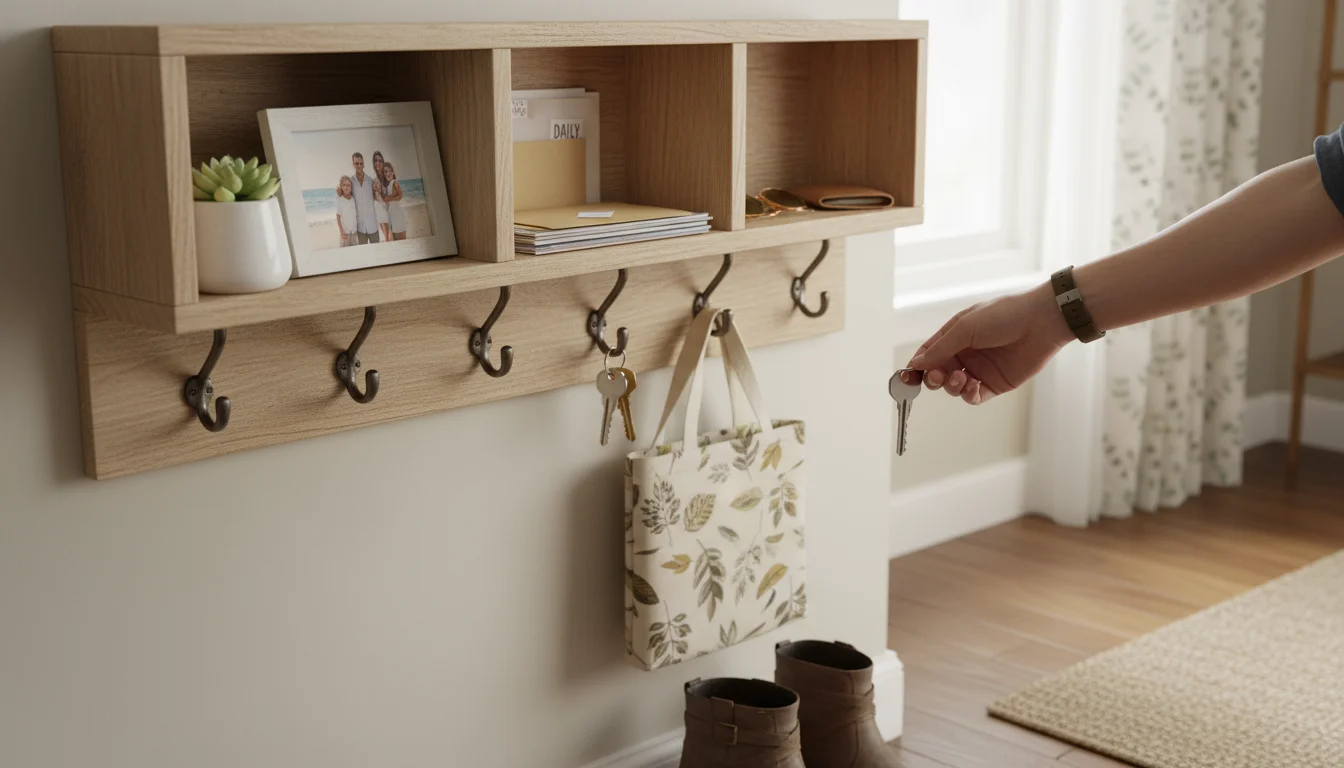
Wall Storage Solutions for the Living Room and Entryway
The living room and entryway set the tone for your home. They are high-traffic areas prone to accumulating items, from mail and keys to decorative objects and media. Smart `mounted storage` in these spaces maintains order and welcomes guests.
Living Room
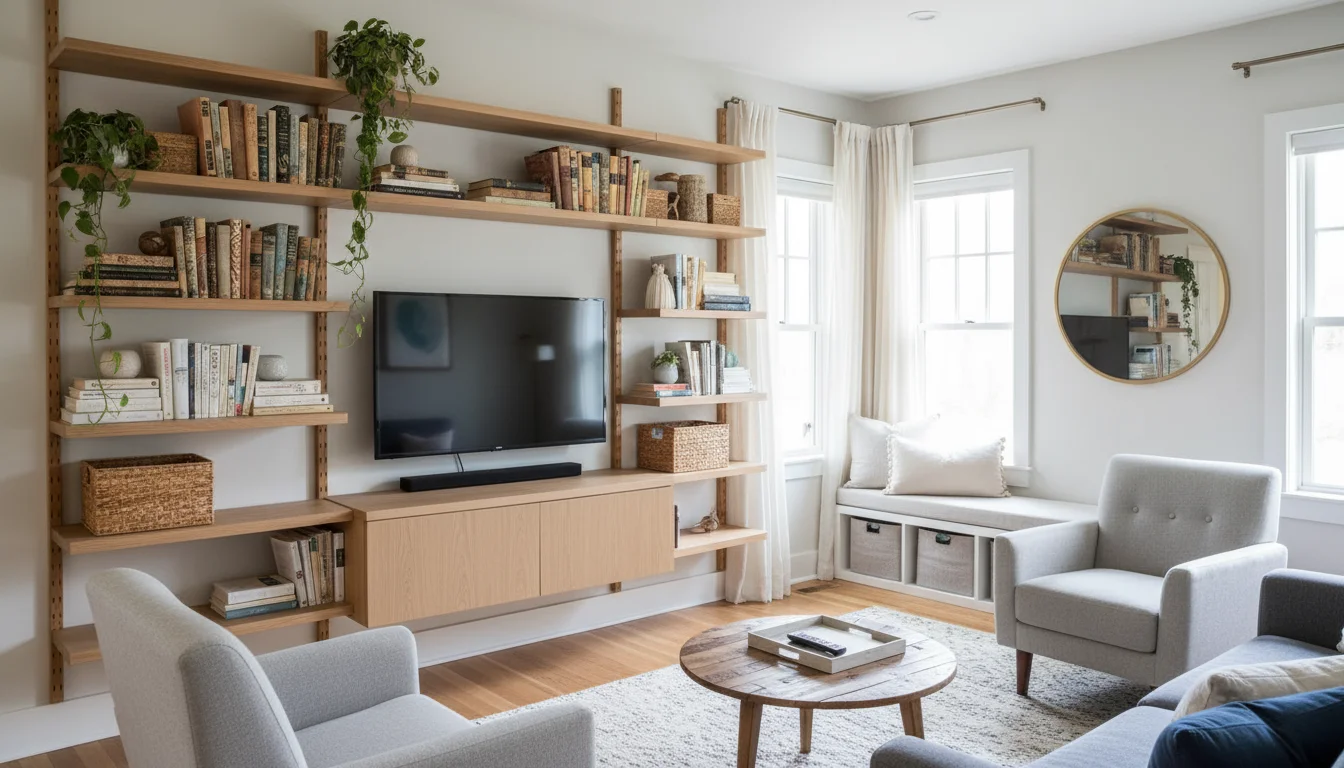
- Floating Shelves: These are incredibly versatile. Install them individually for small vignettes, or stack them vertically to create a custom bookshelf. Use them for books, small plants, photo frames, or decorative items. Their clean lines give a modern, airy feel. Consider a staggered arrangement for visual interest.
- Wall-Mounted Media Consoles: Lift your TV and media components off the floor. These sleek units hide cables, hold remote controls, and store media, contributing to a minimalist and organized aesthetic. You can find options with drawers, open compartments, or a combination.
- Picture Ledges: Thinner than traditional shelves, picture ledges offer a stylish way to display framed art, small books, and decorative plates. You can easily swap out items without rehanging, offering flexibility for seasonal decor.
- Built-in Look with Cabinets: For a more integrated solution, consider wall-mounted cabinets flanking a fireplace or entertainment center. These provide hidden storage for games, blankets, or less attractive electronics.
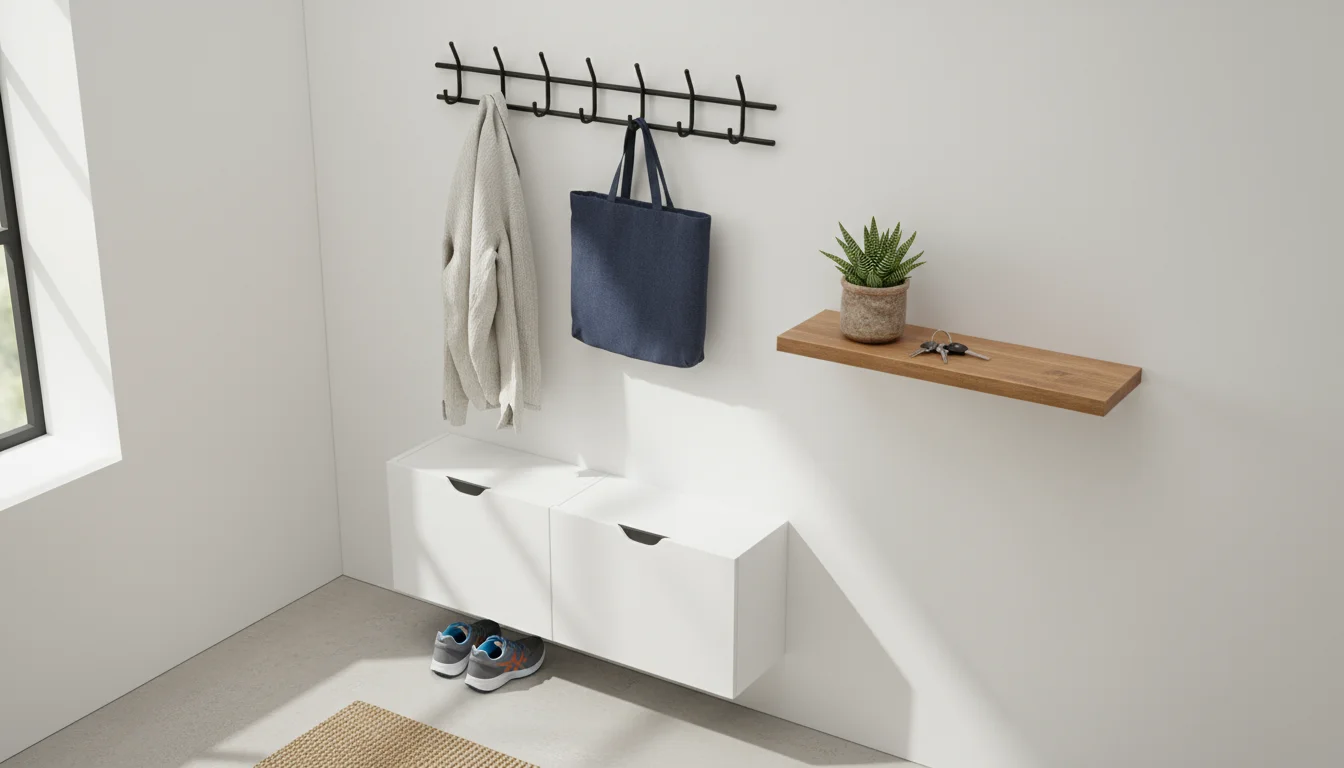
Entryway
Your entryway is the landing strip for items coming in and out of your home. It needs functional `wall storage` to manage coats, shoes, bags, and keys, preventing daily clutter migration.
- Wall-Mounted Coat Racks and Hooks: Essential for hanging coats, scarves, and bags. Choose individual hooks, a rail with multiple hooks, or decorative wall panels with integrated hanging solutions. Position them at varying heights for adults and children.
- Floating Shelves with Integrated Hooks: A practical combination providing a surface for mail or keys, and hooks for outerwear.
- Narrow Wall-Mounted Shoe Racks: These racks keep footwear off the floor, making entryways safer and cleaner. Look for designs that tilt out or feature slim profiles to minimize their footprint.
- Key Holders and Mail Organizers: Small, dedicated wall-mounted units provide specific spots for keys, outgoing mail, and sunglasses, ensuring you never misplace important items as you head out the door.
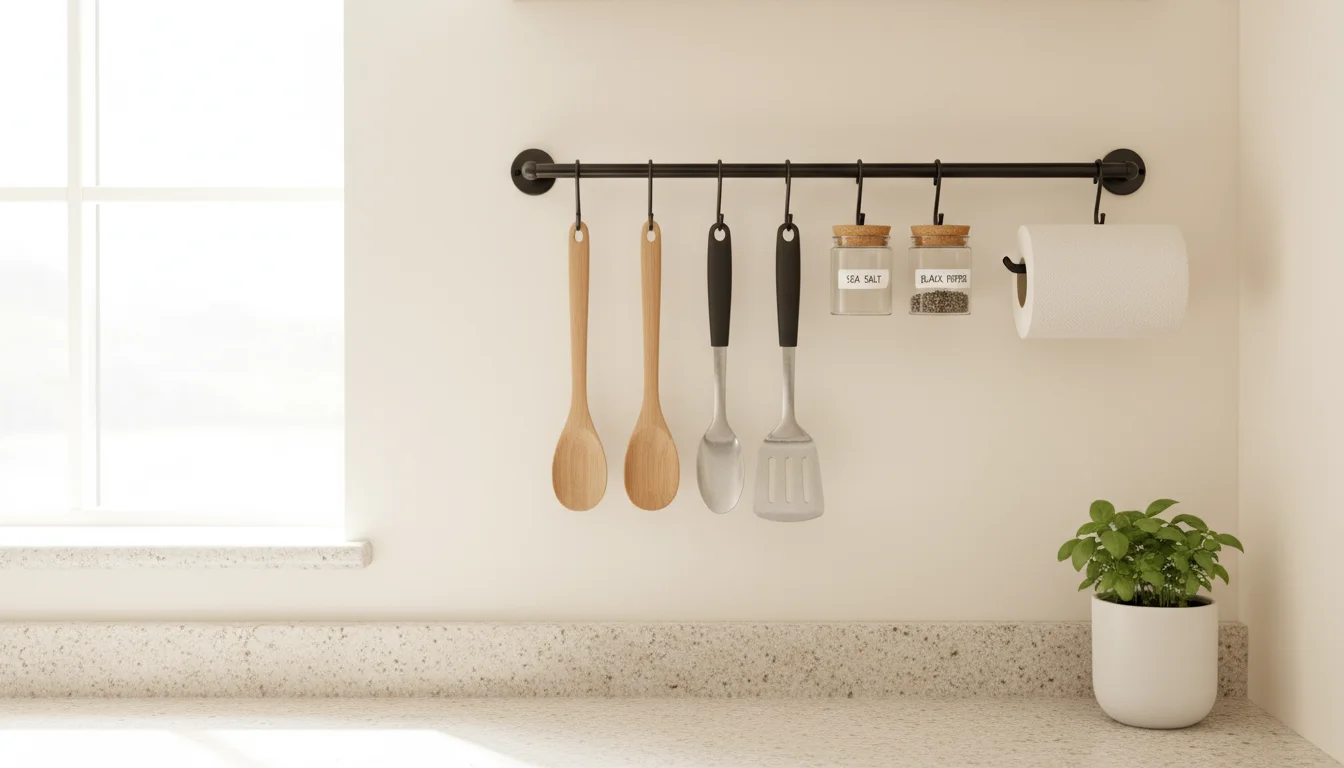
Maximizing Kitchen and Pantry Space with Mounted Storage
The kitchen is often the busiest room in the house, demanding both efficiency and clear counter space. Wall-mounted solutions here are game-changers, making cooking and cleanup much more streamlined. The average kitchen benefits significantly from vertical storage, keeping essentials within reach while maintaining a tidy appearance.
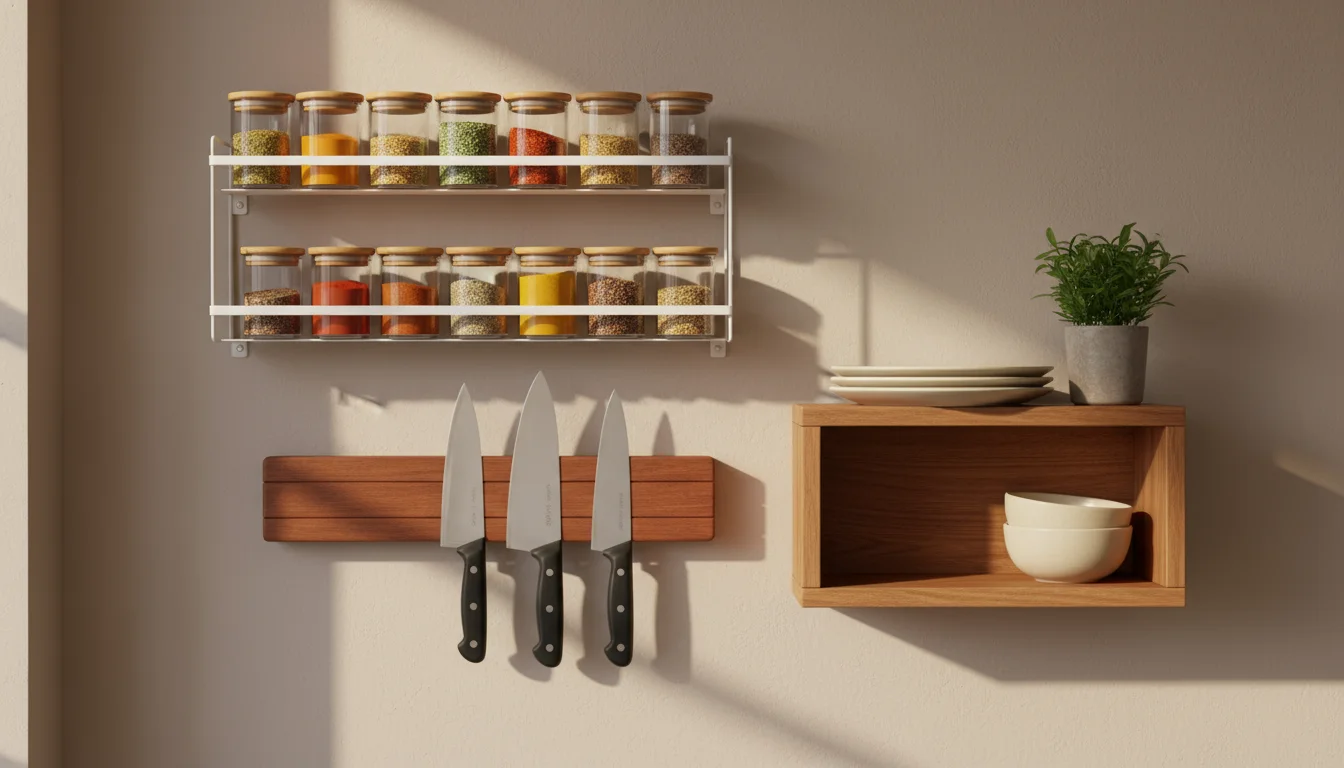
Kitchen Walls and Backsplashes
- Magnetic Knife Strips: These strips safely store knives, freeing up drawer space and keeping blades sharp. Install them near your prep area for quick access.
- Wall-Mounted Spice Racks: Get spices off your counter or out of crowded cabinets. Vertical racks, either tiered shelves or individual magnetic containers, make it easy to see and grab the spice you need.
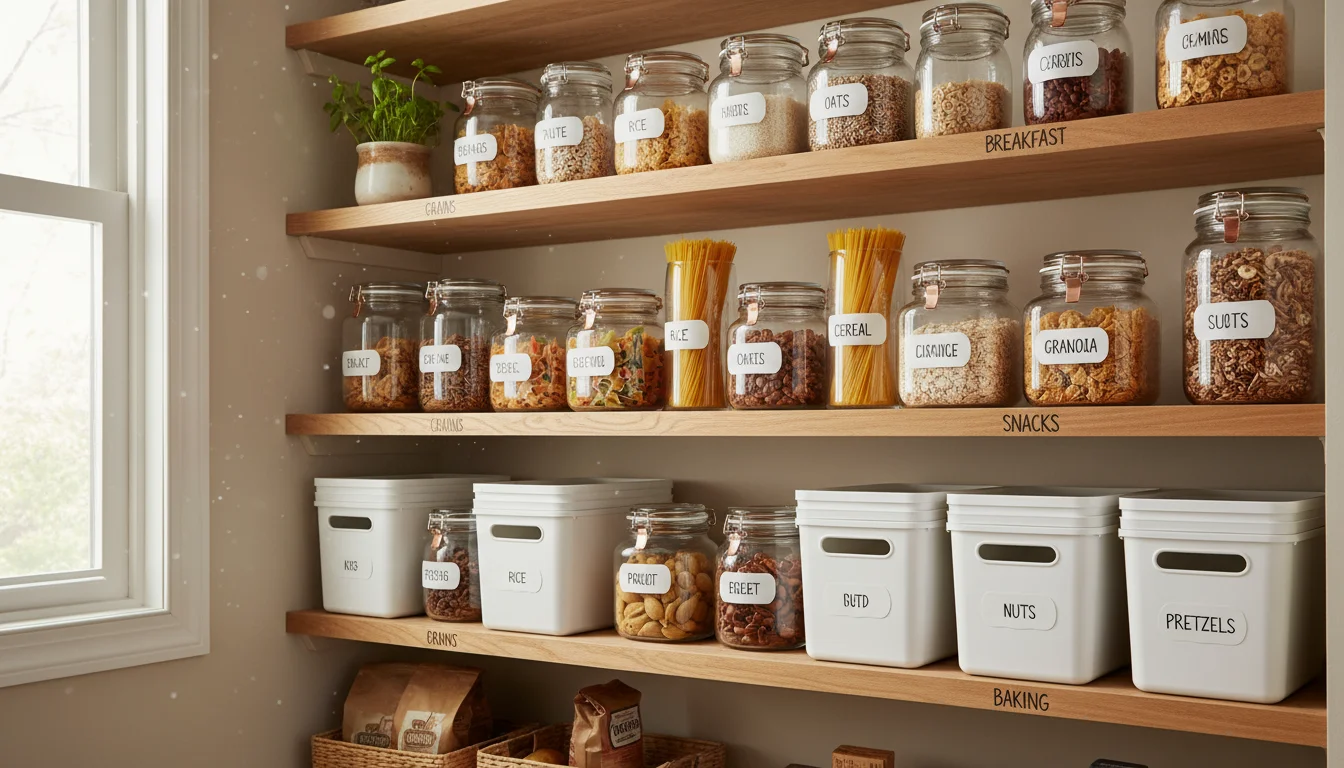
- Open Shelving: Display your most beautiful dishware, frequently used glasses, or dry goods in attractive canisters. Open shelves break up the monotony of solid cabinetry and contribute to an airy feel. Ensure items are neatly arranged for visual appeal.
- Pot Racks: Whether ceiling-mounted or wall-mounted, pot racks free up cabinet space and display your cookware beautifully. This makes pots and pans easily accessible.
- Pegboards: A highly versatile option, especially for small kitchens. Hang cooking utensils, small pots, cutting boards, or even small shelves and baskets. You can reconfigure a pegboard easily as your needs change.
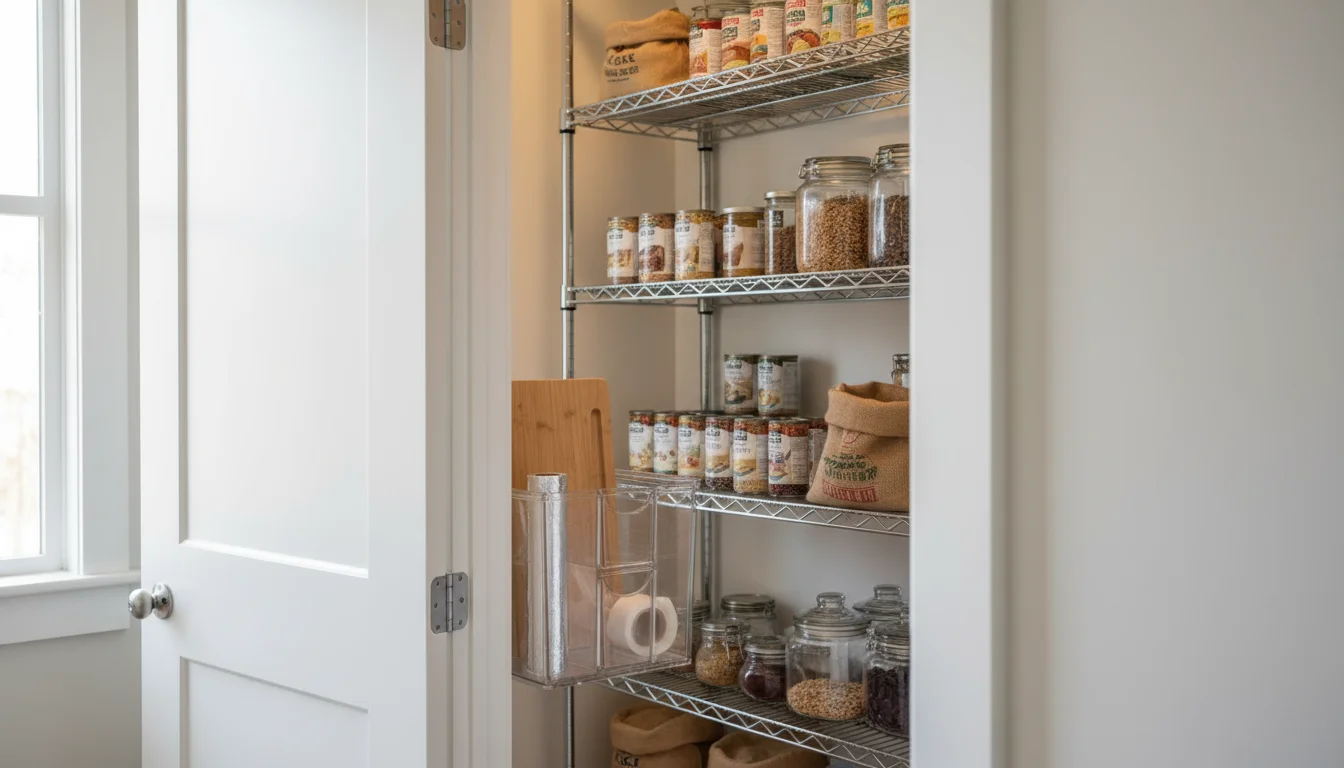
Inside Cabinet Doors and Pantry Walls
Do not forget the inside of your cabinet doors and your pantry walls. These hidden areas offer prime real estate for more `space saving` storage.
- Door-Mounted Organizers: Install slim racks for aluminum foil, plastic wrap, or cutting boards on the inside of pantry or lower cabinet doors.
- Wire Shelving Systems: In a pantry, multi-tiered wire shelving provides adjustable storage for canned goods, dry ingredients, and small appliances. This maximizes vertical space from floor to ceiling.
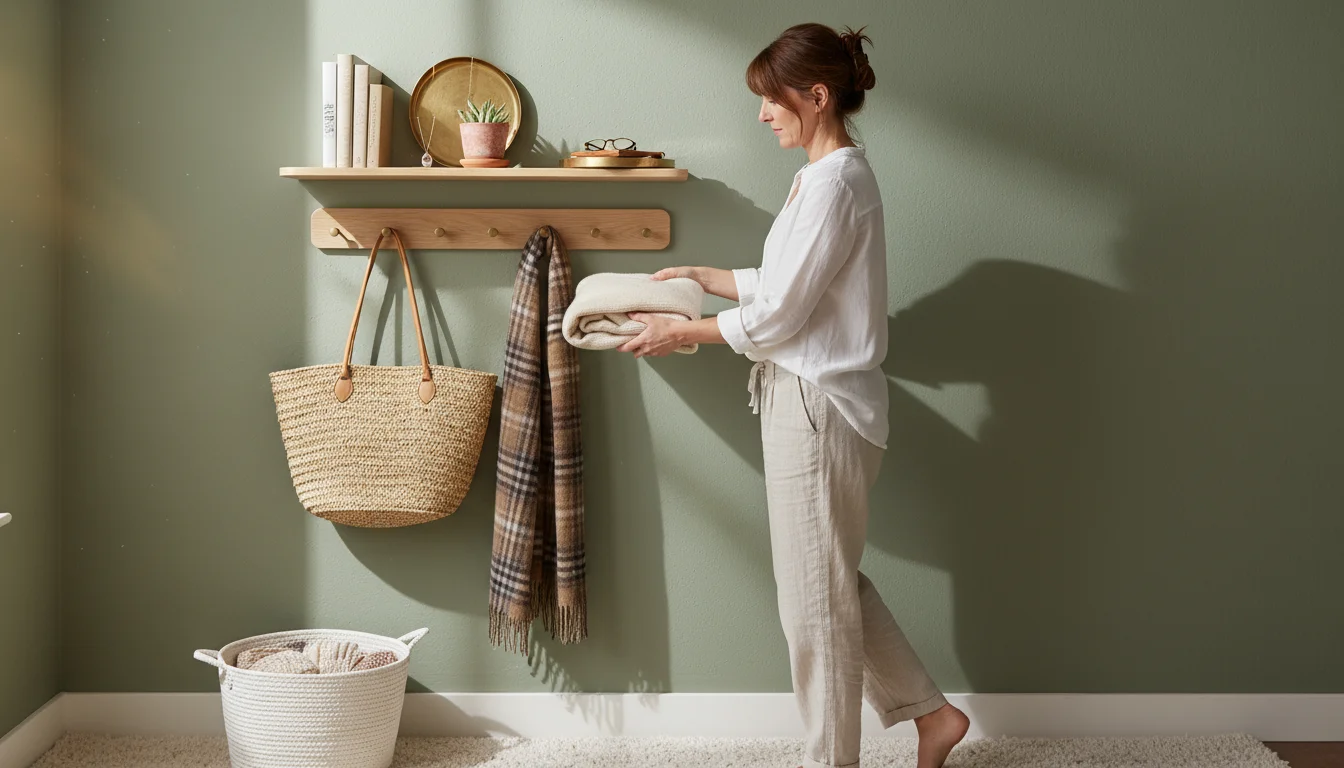
Efficient Bedroom and Closet Wall Storage
Bedrooms and closets can quickly become overwhelmed with clothing, accessories, and personal items. Wall-mounted solutions bring order to these private spaces, making your routines smoother and your retreats more serene. Organizing your bedroom and closet effectively creates a more peaceful environment.
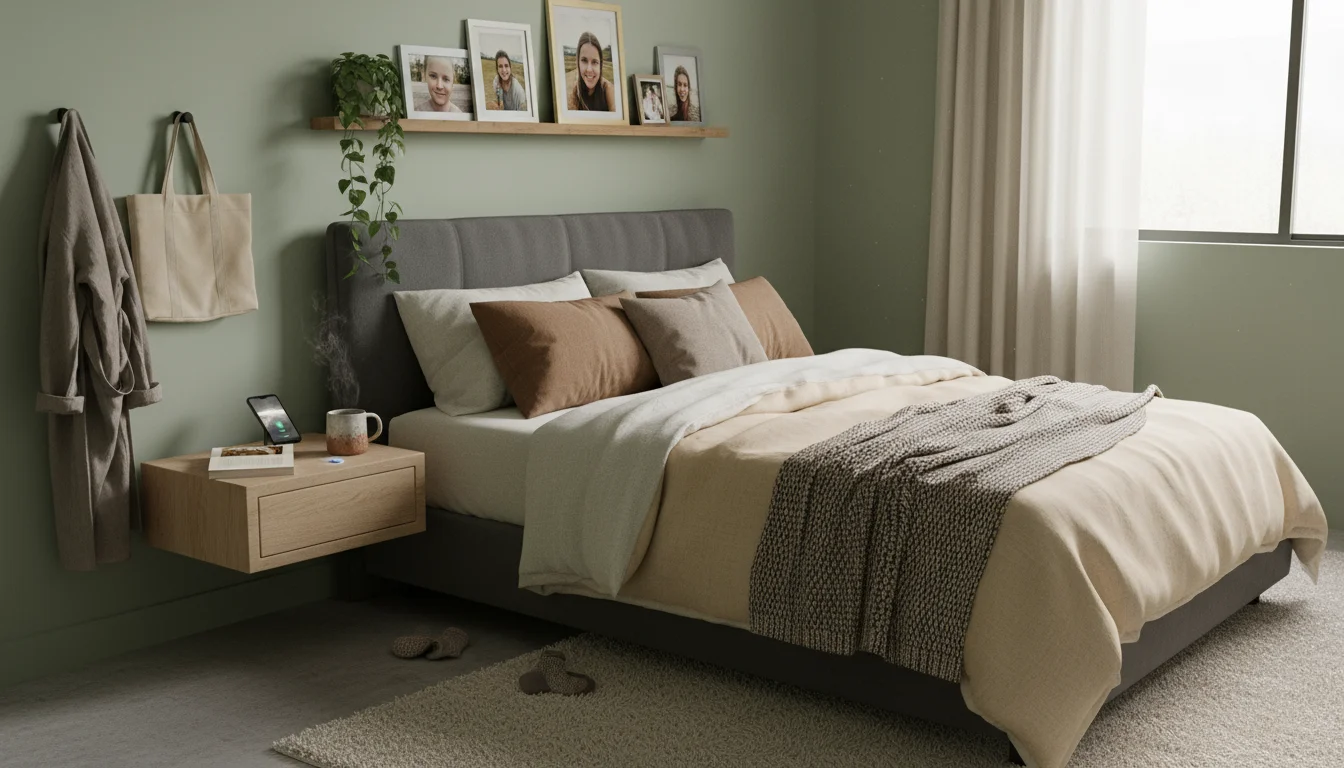
Bedroom
- Floating Nightstands: These minimalist tables attach directly to the wall, freeing up floor space. They are perfect for small bedrooms, offering a surface for a lamp, a book, and a phone, often with a small drawer for essentials.
- Shelves Above the Bed: Utilize the wall space above your headboard for books, decor, or small storage bins. Ensure they are securely mounted and not over the sleeping area for safety.
- Wall-Mounted Headboards with Storage: Some headboards come with built-in shelving or compartments, providing a neat place for books, glasses, and other bedtime necessities.
- Hooks for Accessories: Install decorative hooks on an empty wall for hanging scarves, belts, bags, or even a robe. This keeps them off chairs and floors.
Closet
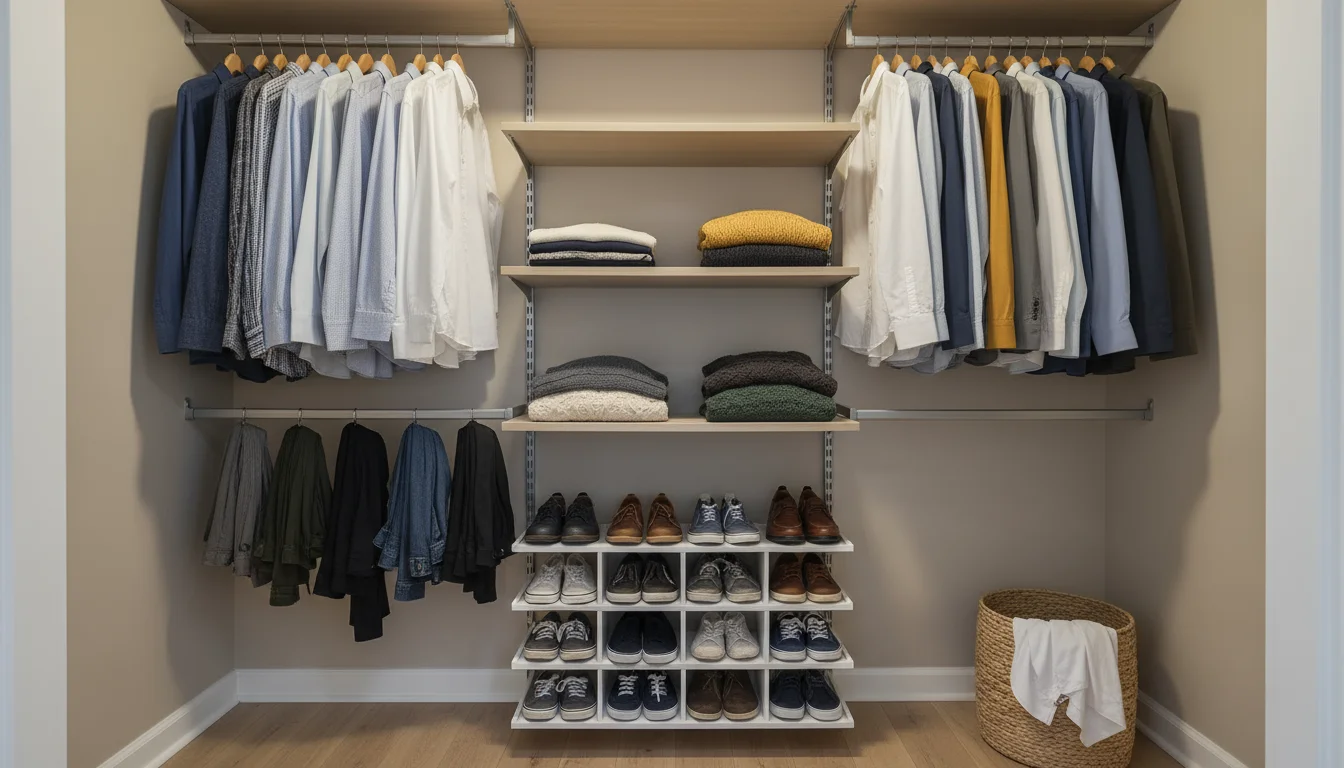
A closet often represents a black hole for disorganized items. Wall-mounted systems are pivotal for transforming a cluttered closet into an efficient wardrobe. According to The Spruce, Home Organization section, maximizing vertical space in a closet drastically improves its functionality.
- Vertical Closet Organizers: These modular systems include hanging rods at multiple levels (for shirts, pants), adjustable shelving for folded clothes or shoes, and drawer units for undergarments and accessories. They use every inch of vertical space.
- Wall-Mounted Shoe Racks: Get shoes off the floor and preserve their shape. Options include angled shelves, cubbies, or fabric pockets that hang on the wall or inside the closet door.
- Over-the-Door Organizers: While not directly wall-mounted, these capitalize on vertical space by hanging over your closet door. They work well for shoes, accessories, or even small towels.
- Hooks and Valet Rods: Add hooks for ties, belts, and jewelry. A pull-out valet rod gives you a temporary spot to hang an outfit for the next day.
Tackling Clutter in Bathrooms and Laundry Rooms
Bathrooms and laundry rooms are often small yet packed with essentials. Managing toiletries, cleaning supplies, and linens requires clever `mounted storage` solutions to keep these utilitarian spaces tidy and functional.
Bathroom
Small bathrooms particularly benefit from wall-mounted storage that keeps counters clear and essentials within reach.
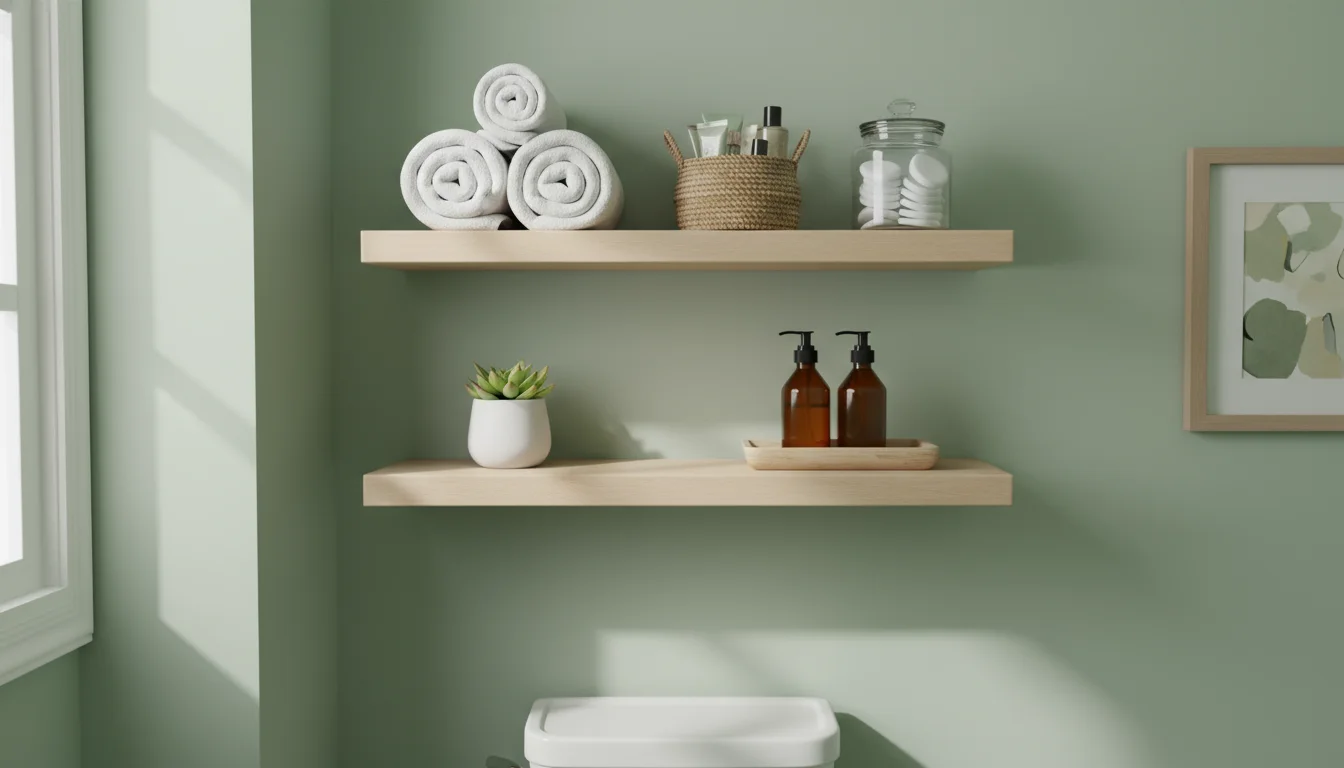
- Shelves Above the Toilet: This is prime real estate for extra toilet paper, towels, or decorative items. Choose open shelves or a wall-mounted cabinet for a more discreet look.
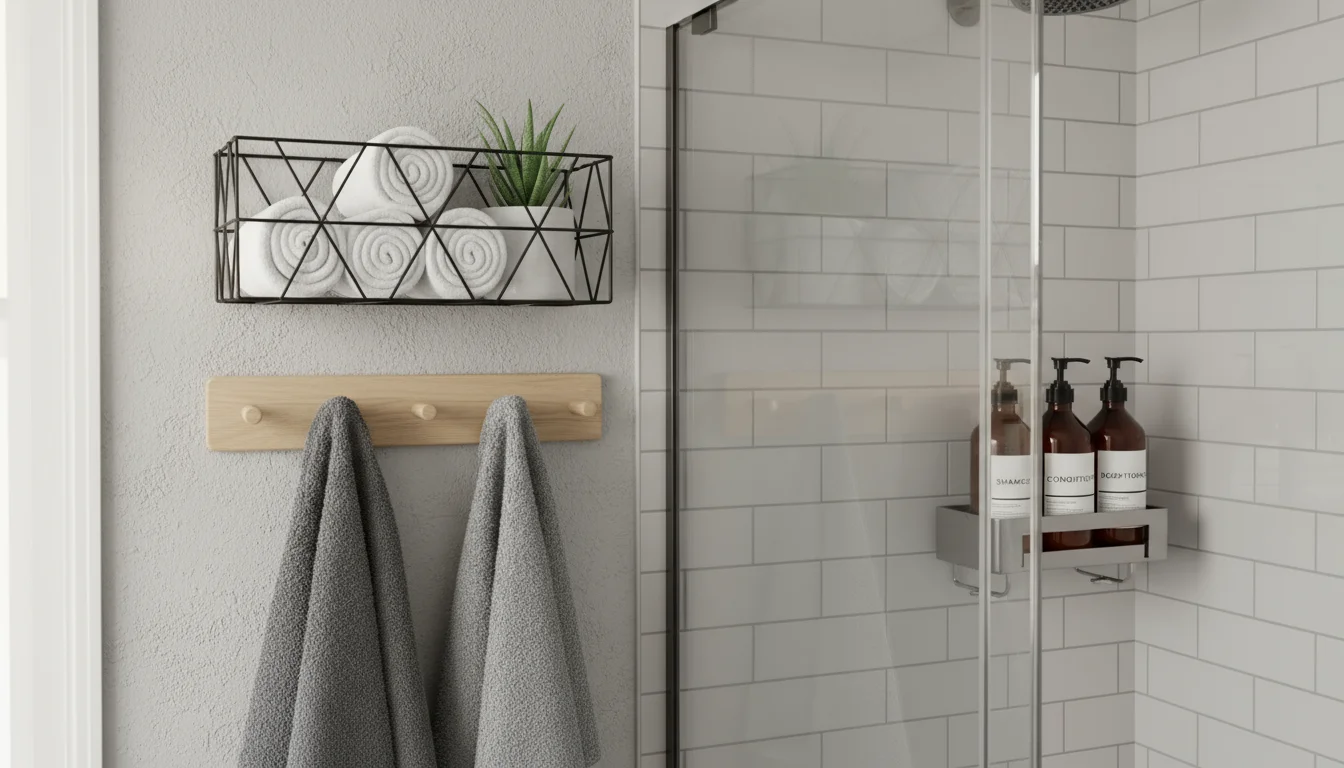
- Shower Caddies: While many hang from the showerhead, some caddies suction or adhere directly to the shower wall, keeping shampoo, conditioner, and soap organized and accessible.
- Towel Bars and Hooks: Beyond the standard towel bar, consider multiple hooks on the back of the door or a stylish ladder-style towel rack on an empty wall.
- Wall-Mounted Baskets or Bins: Perfect for corralling smaller items like hair products, styling tools, or extra washcloths. Wire baskets add a modern industrial touch.
- Magazine Racks: Repurpose a narrow wall-mounted magazine rack to hold extra toilet paper rolls, hand towels, or actual magazines.
Laundry Room
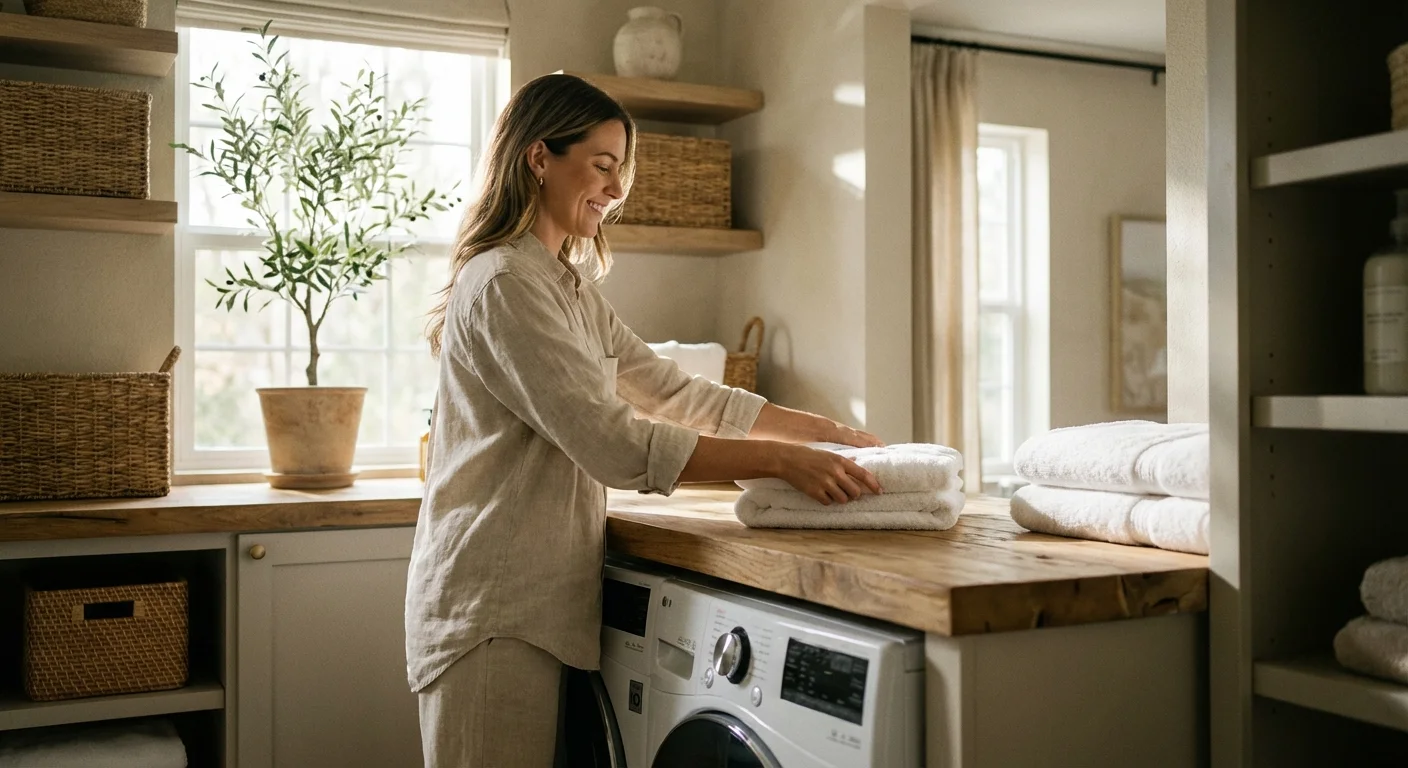
Efficient laundry rooms make chores less daunting. Wall storage here holds detergents, stain removers, and drying essentials.
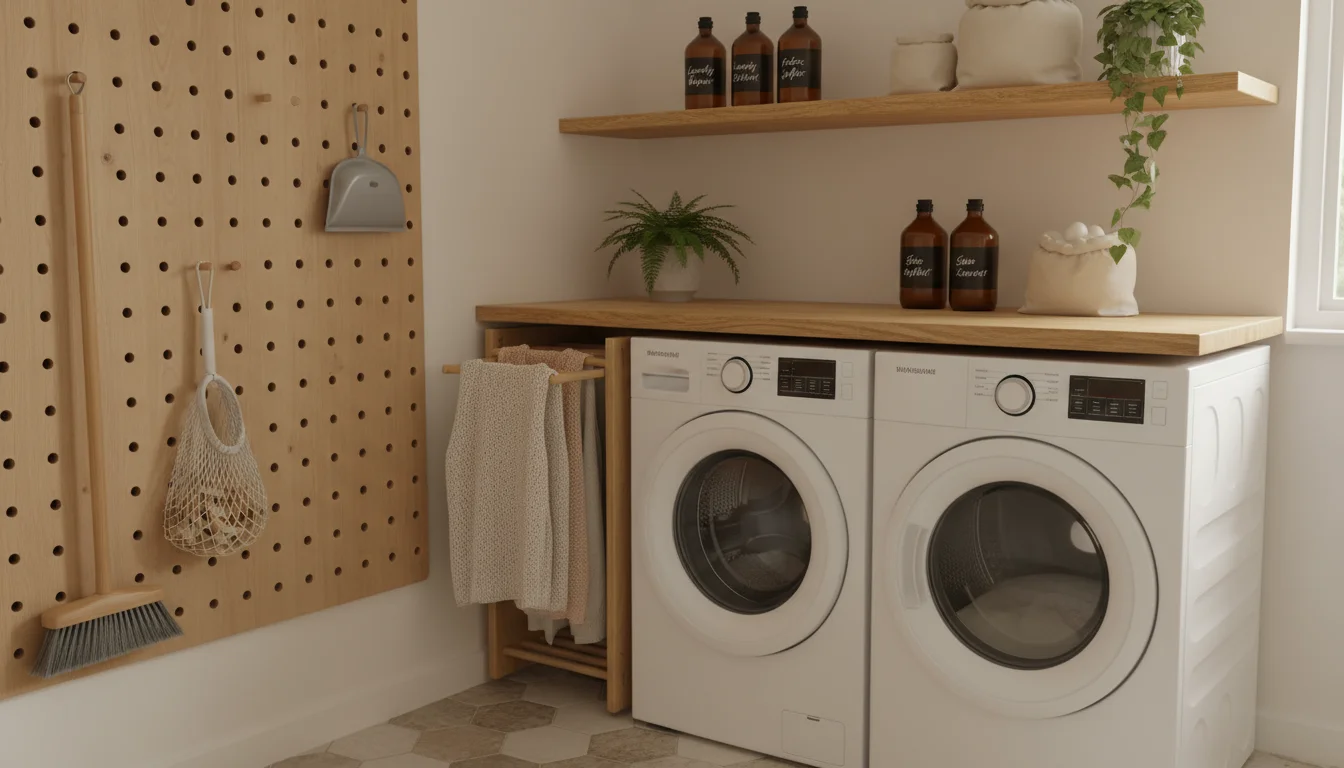
- Utility Shelves: Install sturdy shelves above your washer and dryer to store detergents, fabric softeners, and other laundry supplies. Keep these out of reach of children and pets.
- Wall-Mounted Drying Racks: A collapsible or pull-out drying rack saves floor space and offers a convenient spot for delicates that cannot go in the dryer.
- Hooks and Pegboards: Hang brooms, mops, dustpans, and cleaning cloths. A pegboard can also organize small tools or craft supplies if your laundry room doubles as a utility area.
- Overhead Cabinets: If space allows, wall-mounted cabinets provide concealed storage for less attractive cleaning chemicals or seasonal items.
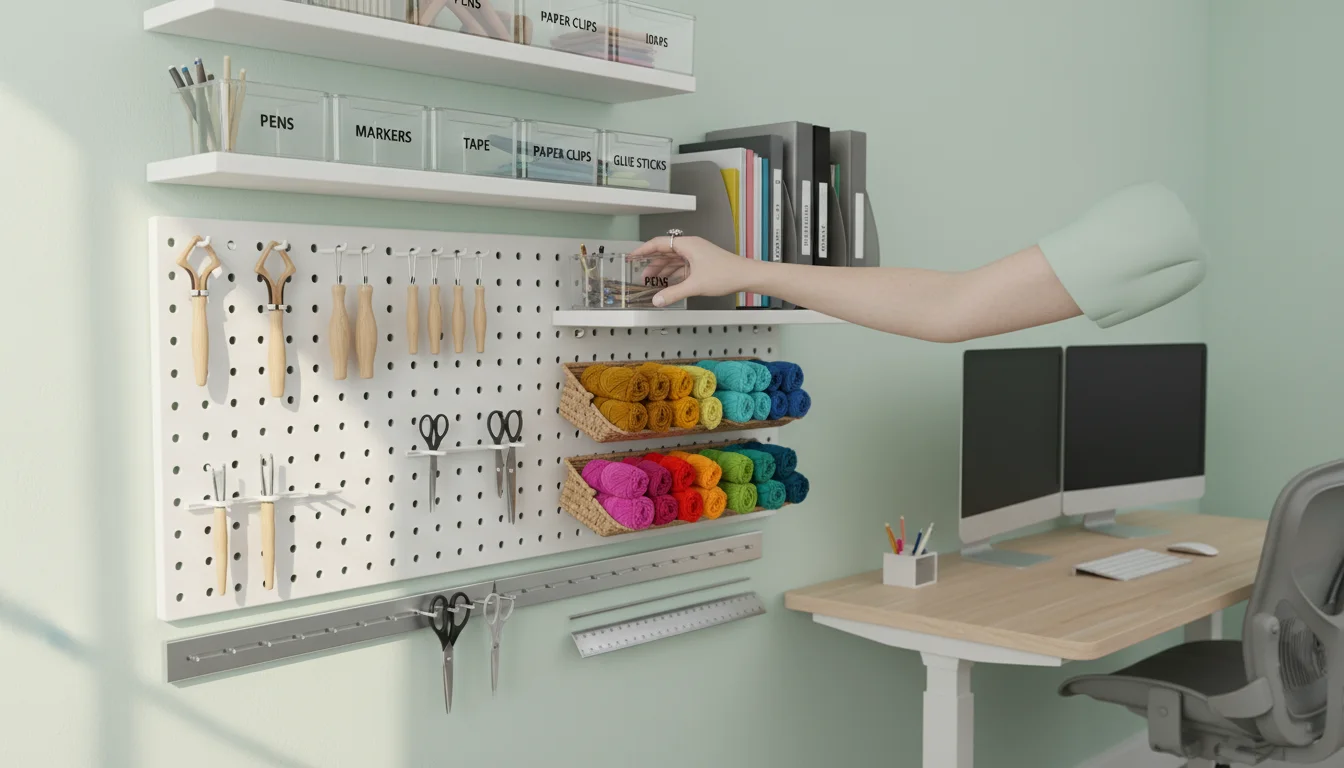
Productivity Power-Up: Home Office and Craft Room Wall Storage
A well-organized home office or craft room directly impacts your productivity and creativity. When supplies are easy to find and your workspace is clear, you focus better. Wall-mounted solutions are critical for managing paperwork, tools, and supplies.
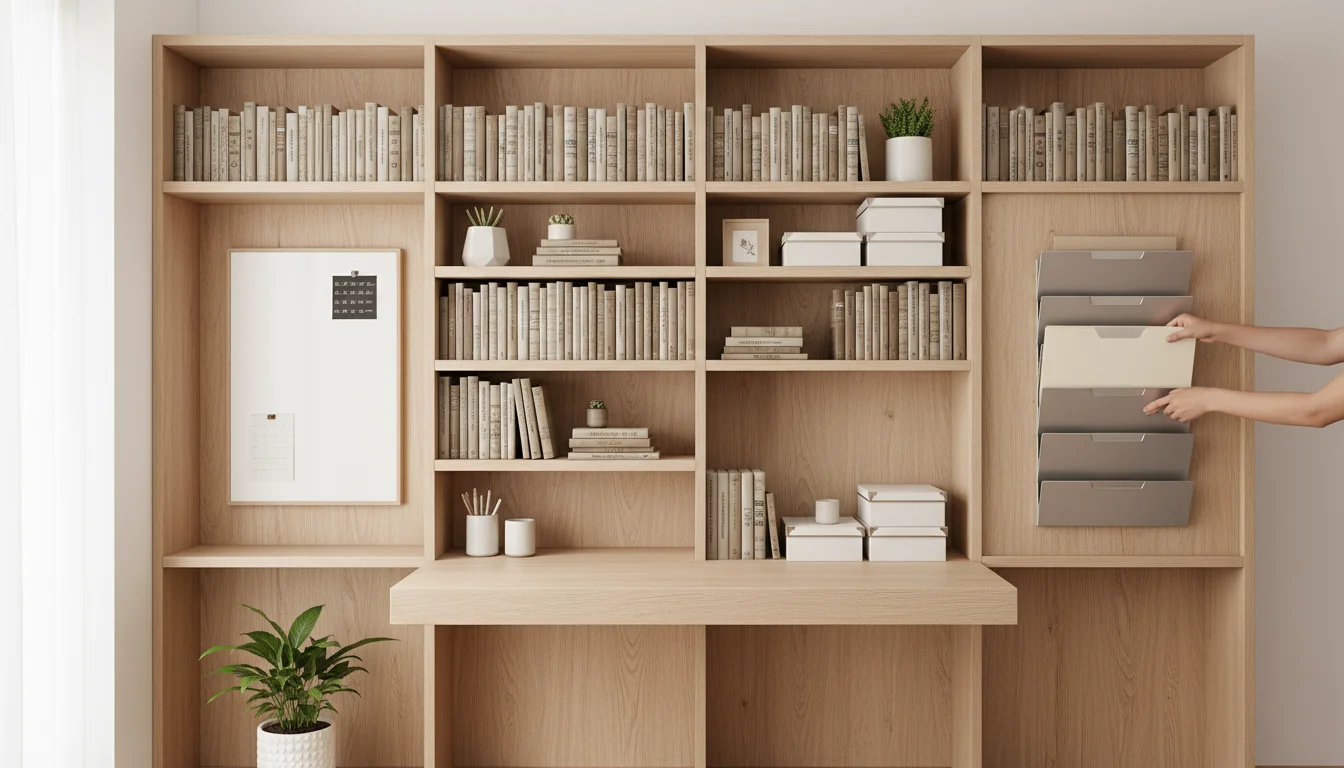
Home Office
- Modular Shelving Systems: Brands like IKEA offer highly customizable `wall storage` systems with shelves, drawers, and cabinet units that you can arrange to fit your specific office needs. You can store books, binders, and office supplies efficiently.
- Floating Desks or Desk Components: Maximize floor space with a wall-mounted desk. For larger setups, integrate wall-mounted shelves and drawer units above and beside your desk to create a cohesive workspace.
- Wall-Mounted File Organizers: Keep important documents, mail, and project folders off your desk with vertical file holders. These often come in tiered wire or acrylic designs.
- Whiteboards or Bulletin Boards: Essential for notes, reminders, and brainstorming. Choose models with built-in trays for markers or pushpins. Magnetic versions offer even more flexibility.
- Small Cubby Shelves: Perfect for organizing small office supplies like pens, staplers, and paper clips, keeping them tidy and visible.
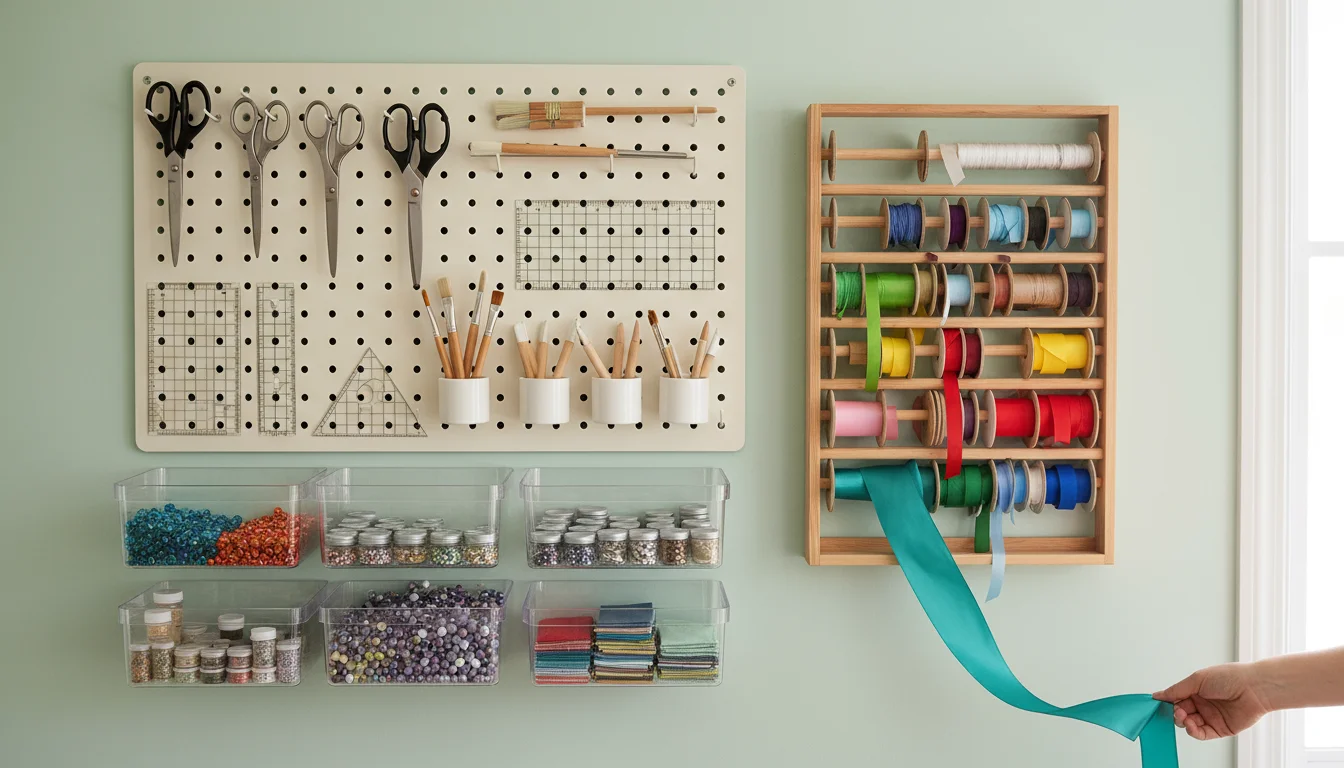
Craft Room
Crafting involves many small items, from beads and yarn to tools and fabric. Wall storage ensures everything has its place.
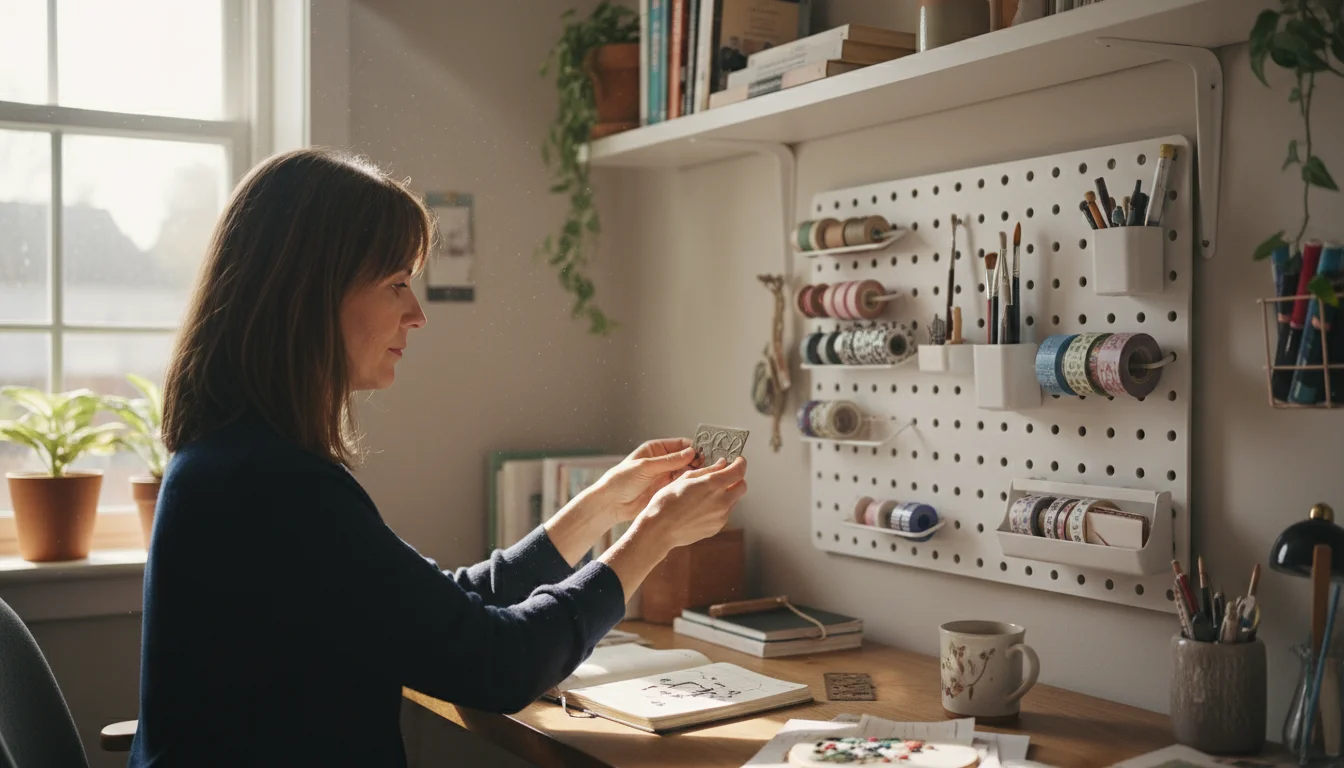
- Pegboards for Tools and Supplies: A crafter’s best friend. Hang scissors, rulers, spools of thread, paintbrushes, and small bins for beads or buttons. You can rearrange hooks and shelves as your projects change.
- Clear Wall-Mounted Bins: Store small items like glitter, embellishments, or fabric scraps in clear, wall-mounted containers. This keeps them visible and accessible.
- Ribbon Organizers: Special wall-mounted racks designed to hold spools of ribbon, making it easy to unroll and cut what you need without tangles.
- Wall-Mounted Jar Storage: Attach jar lids to the underside of a shelf, then screw the jars into them. This creates visible, easy-to-access storage for small craft items.
As noted by experts at Apartment Therapy, creating an organized creative space significantly enhances workflow and reduces stress, making specific vertical storage solutions indispensable.
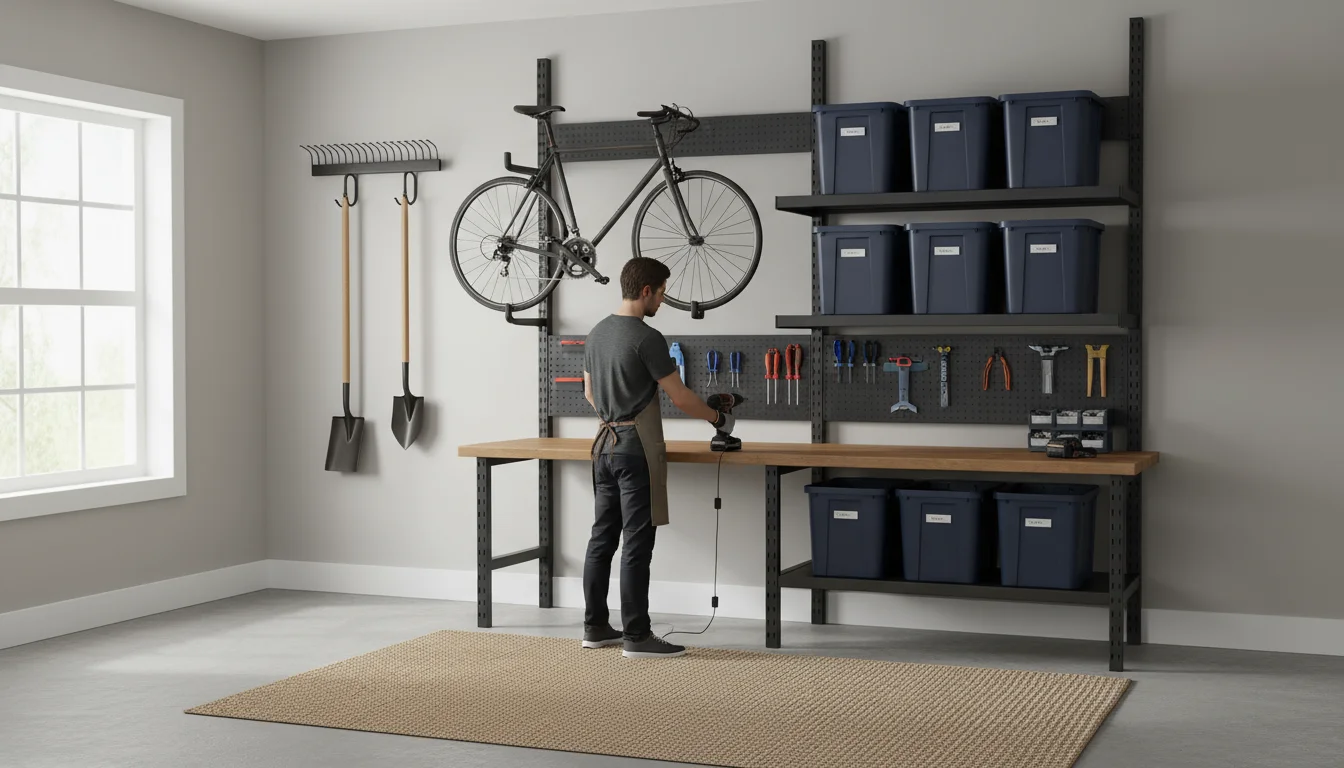
Heavy-Duty Wall Storage for Garages and Utility Areas
The garage, shed, or utility room often becomes a dumping ground for tools, sporting equipment, and seasonal items. Heavy-duty `wall storage` is crucial here to manage bulky, oddly shaped, and often heavy belongings, keeping them off the floor and safely organized.
Garage and Shed
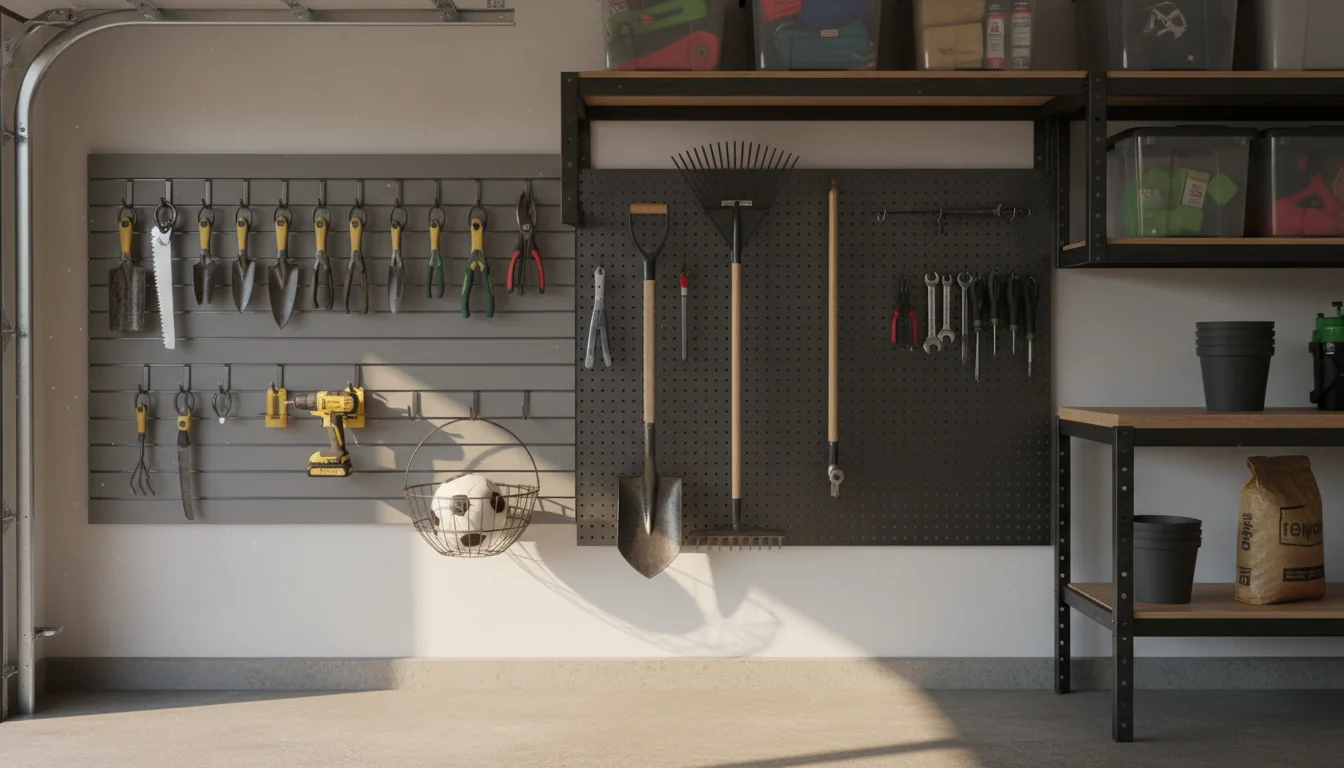
- Slatwall Systems: These panels attach directly to your wall studs and feature horizontal grooves that accept a wide variety of hooks, shelves, and baskets. They offer extreme flexibility and can support considerable weight, ideal for power tools, gardening equipment, and sports gear.
- Heavy-Duty Pegboards: A stronger version of the craft room pegboard, designed to hold heavier tools. Use heavy-gauge metal pegboards and robust hooks for items like rakes, shovels, and larger hand tools.
- Overhead Garage Storage Racks: While not strictly wall-mounted, these often attach to wall studs and ceiling joists, utilizing the often-unused space above garage doors or vehicles for long-term storage of holiday decorations, bins, or seasonal items.
- Bike Hooks and Racks: Get bicycles off the floor with vertical or horizontal wall-mounted hooks. This frees up significant floor space and prevents bikes from being knocked over.
- Wall-Mounted Cabinets: For dangerous chemicals, valuable tools, or items you want to keep dust-free, install sturdy wall cabinets. Lockable options add an extra layer of security.
Utility Rooms
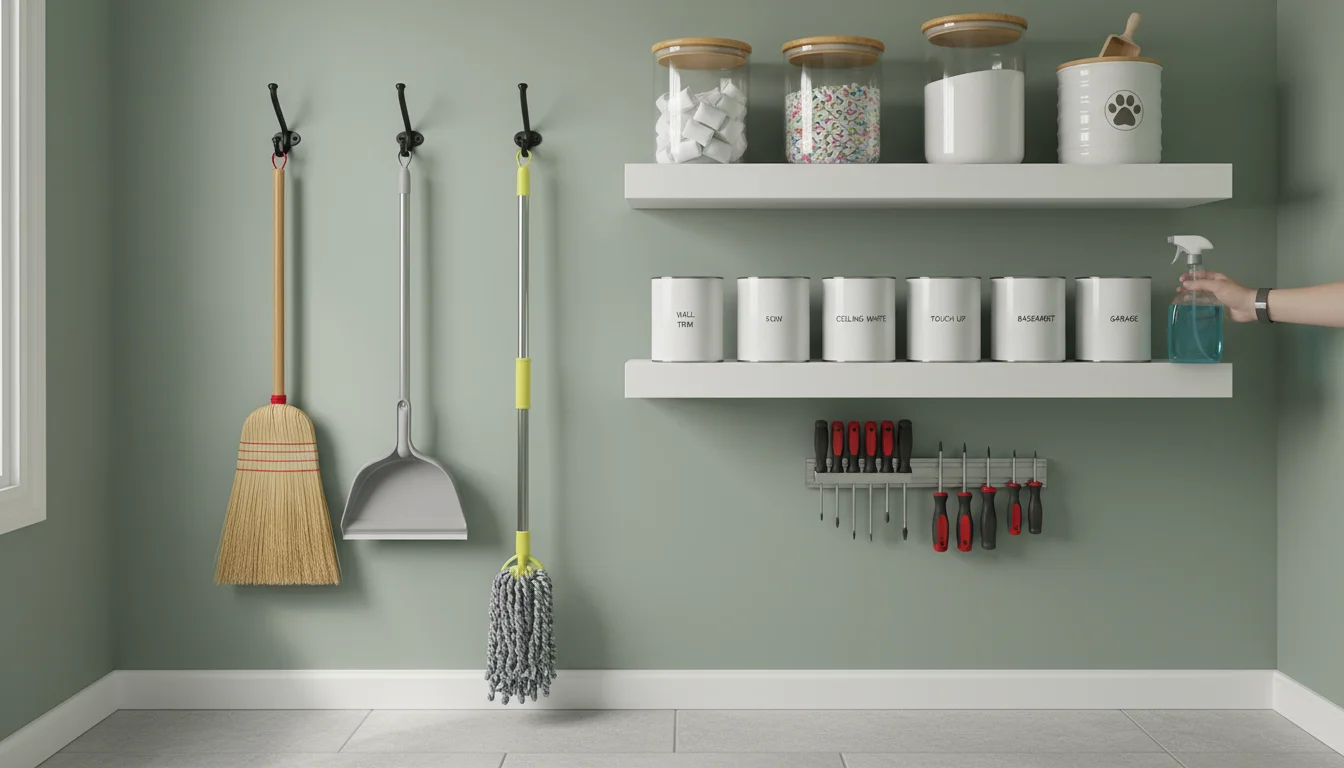
- Utility Hooks: Simple but effective for hanging brooms, mops, dustpans, and even foldable step ladders. Choose heavy-duty hooks appropriate for the weight of your items.
- Deep Shelving Units: Install robust shelving units that can handle the weight of paint cans, cleaning supplies in bulk, or pet food bags. Ensure they are secured into wall studs.
- Tool Organizers: For smaller tools, wall-mounted holders for screwdrivers, wrenches, and pliers keep them neatly arranged and easy to grab.
Proper installation is paramount for heavy-duty storage. Always use a stud finder and appropriate fasteners to ensure your `mounted storage` systems remain secure and safe, preventing accidents. Consult resources like Family Handyman for detailed instructions on safe mounting practices.
DIY Wall Storage Solutions on a Budget
You do not need to spend a fortune to implement effective wall storage. Many creative and functional solutions come together with a little ingenuity and basic materials. These DIY projects are perfect for budget-conscious organizers who enjoy a hands-on approach.
- Simple Floating Shelves from Lumber:
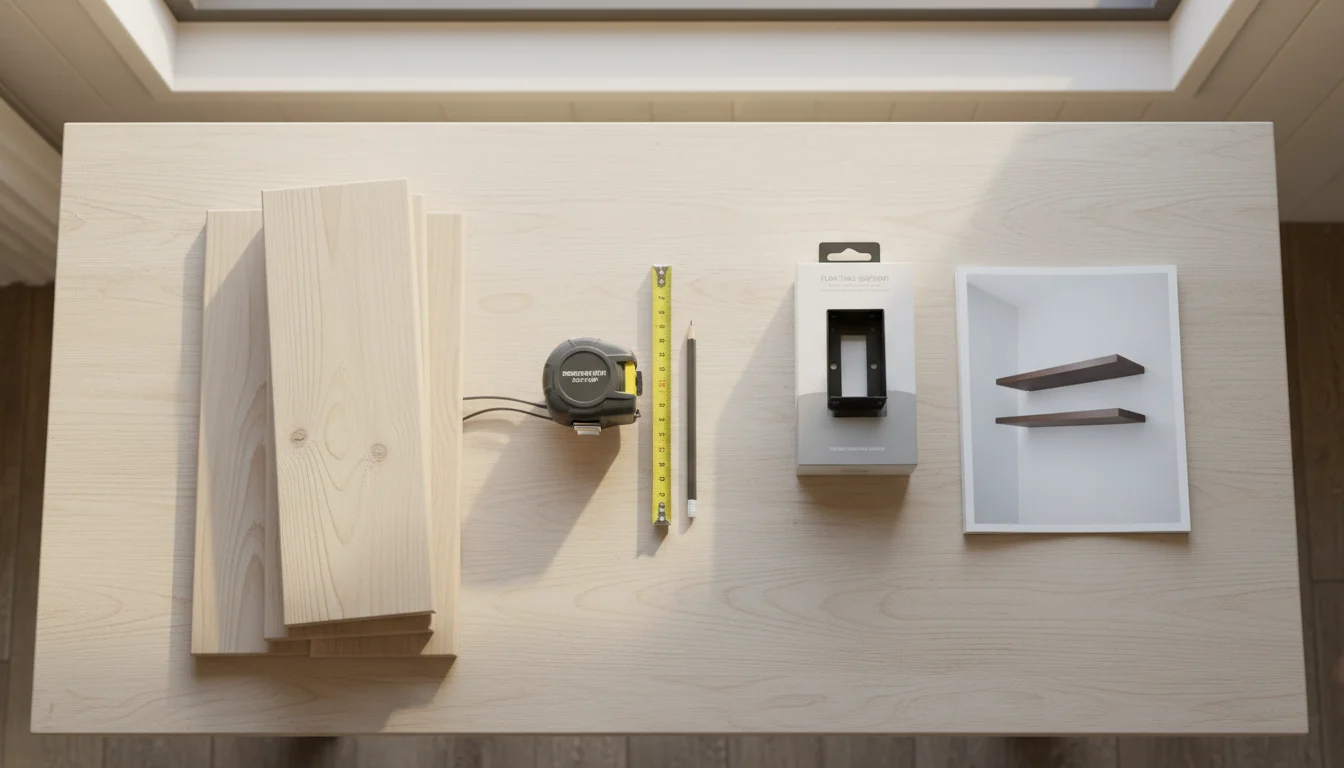
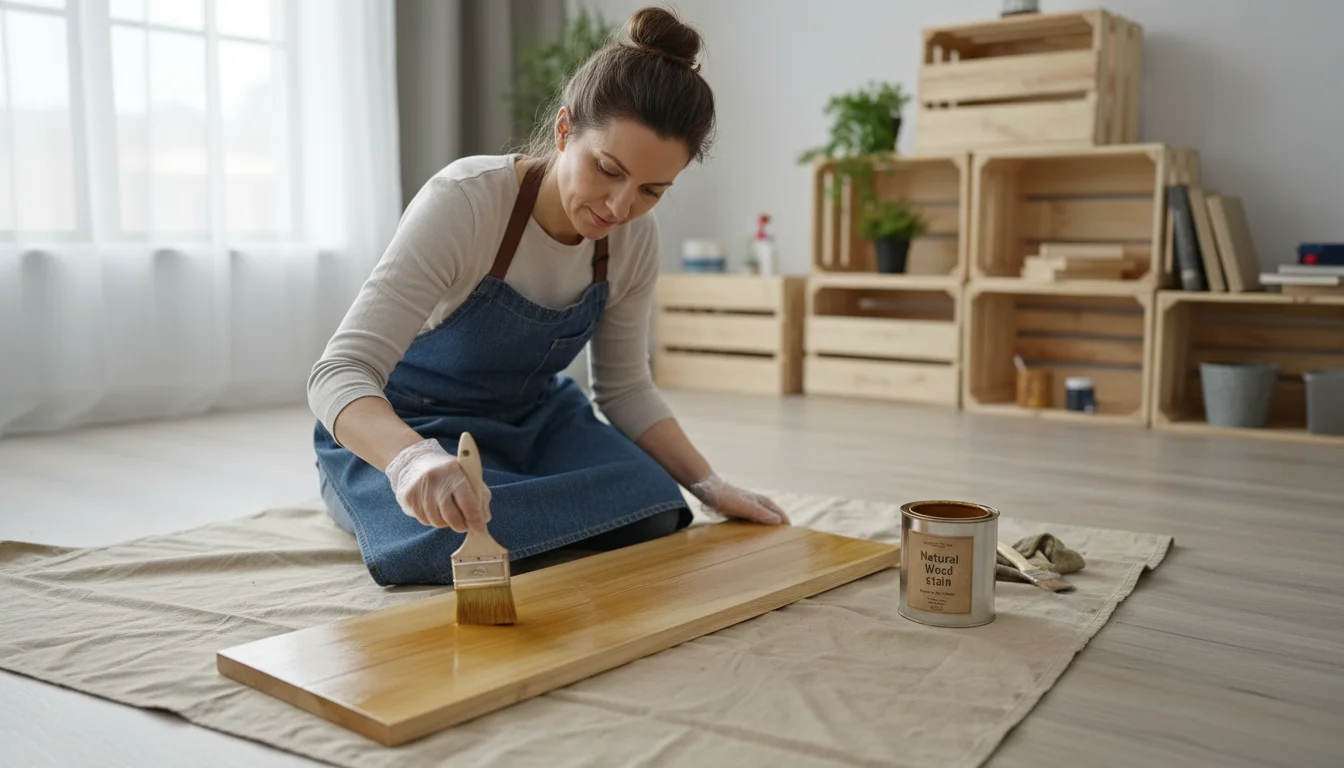
Purchase basic pine or common board lumber, cut it to your desired length, sand it smooth, and stain or paint it. Use hidden floating shelf brackets for a minimalist look, or decorative L-brackets for added support and style. This is a very customizable way to add `space saving` display and storage.
- Repurposed Crates or Pallets:
Clean and sand old wooden crates, then paint or stain them. Mount them directly to the wall as individual cubbies for books, towels, or decorative items. Disassembled pallets can become rustic shelves or even wall-mounted wine racks.
- PVC Pipe Organizers:
Cut PVC pipes into sections. Mount them horizontally to a wall (e.g., in a craft room) to store paintbrushes, pens, or rolls of vinyl. You can also use larger diameter pipes in a garage for tools like rakes or shovels. Paint them for a more finished look.
- Tin Can Organizers:
Clean empty tin cans, remove sharp edges, and paint them. Attach them to a piece of wood, then mount the wood to the wall. This creates cubbies perfect for small office supplies, craft items, or even kitchen utensils.
- Spice Racks as Book or Art Ledges:
Inexpensive spice racks, particularly the bar-style ones, make excellent narrow ledges for displaying children’s books (face out), small art pieces, or even essential oils. Install them at varying heights for visual interest.
- Wire Grid Panels:
Purchase wire grid panels from a hardware or office supply store. Mount them to a wall. Use S-hooks, clips, and small baskets to hang pictures, notes, and lightweight items. This offers a flexible, industrial-chic aesthetic.
Always ensure any repurposed item is clean, safe, and securely mounted. Use appropriate hardware for the weight of the items you plan to store. These DIY options prove that effective `wall storage` does not require a large financial investment.
Maintaining Your Wall Storage Systems
Installing wall-mounted storage is only the first step. To ensure these systems continue to serve you effectively and maintain your home’s organized state, regular maintenance is essential. This proactive approach prevents accumulation and keeps your space functional.

1. Regular Decluttering
Just because an item has a designated spot on a shelf does not mean it belongs there forever. Periodically review the items on your `mounted storage`.
- Monthly Check-ins: Dedicate 10-15 minutes each month to quickly assess the items on your shelves, hooks, and in baskets. Remove anything that no longer serves a purpose, is broken, or has been replaced.
- Seasonal Purges: Conduct a more thorough decluttering during seasonal transitions. This is a good time to rotate decor, put away seasonal clothing accessories, or reassess items like craft supplies.
2. Cleaning and Dusting
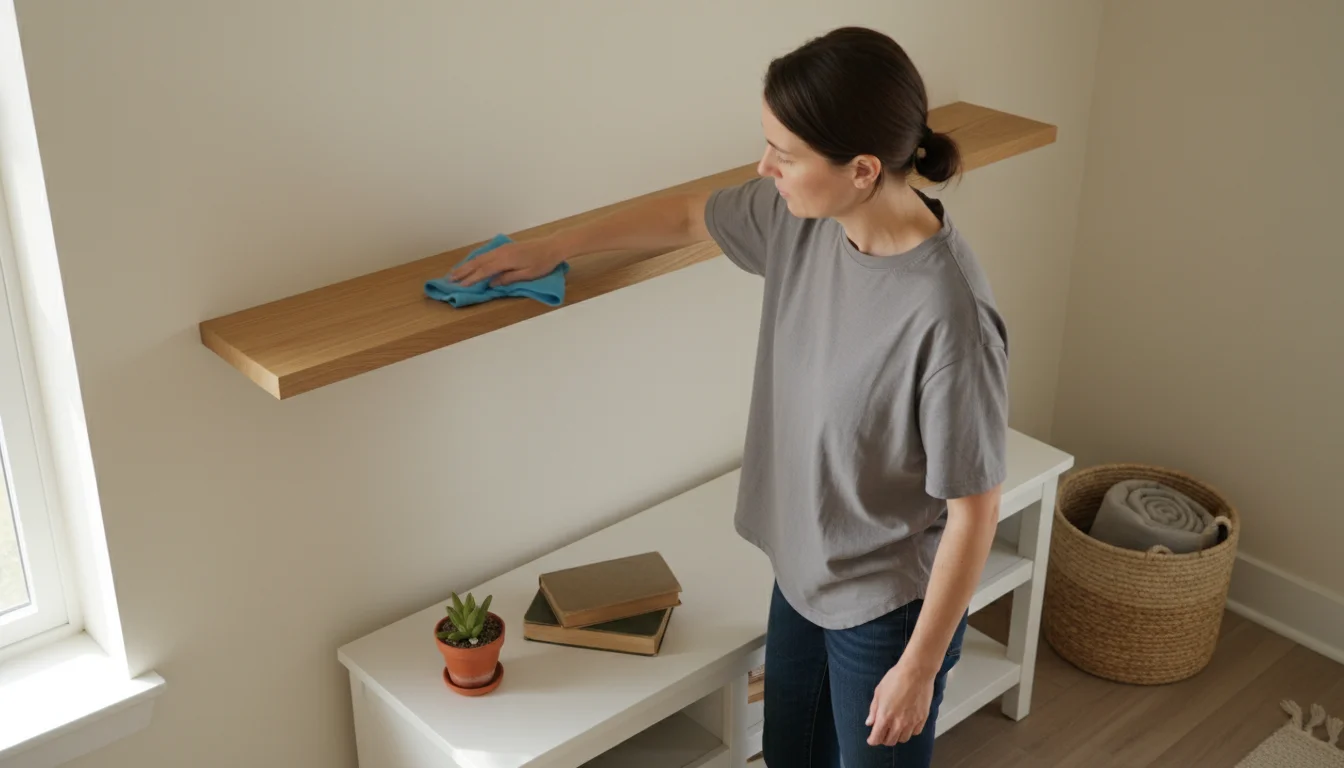
Wall-mounted items collect dust just like any other surface. Regular cleaning ensures your systems look their best and contribute to a healthier home environment.
- Weekly Dusting: Dust visible shelves and items with a microfiber cloth or duster.
- Periodic Deep Clean: Every few months, remove all items from a shelf or section of your wall storage. Wipe down the shelf, brackets, and wall thoroughly. Clean items before returning them to their spots. Use appropriate cleaners for different materials, e.g., wood polish for wood shelves, all-purpose cleaner for metal or laminate.
3. Stability and Safety Checks
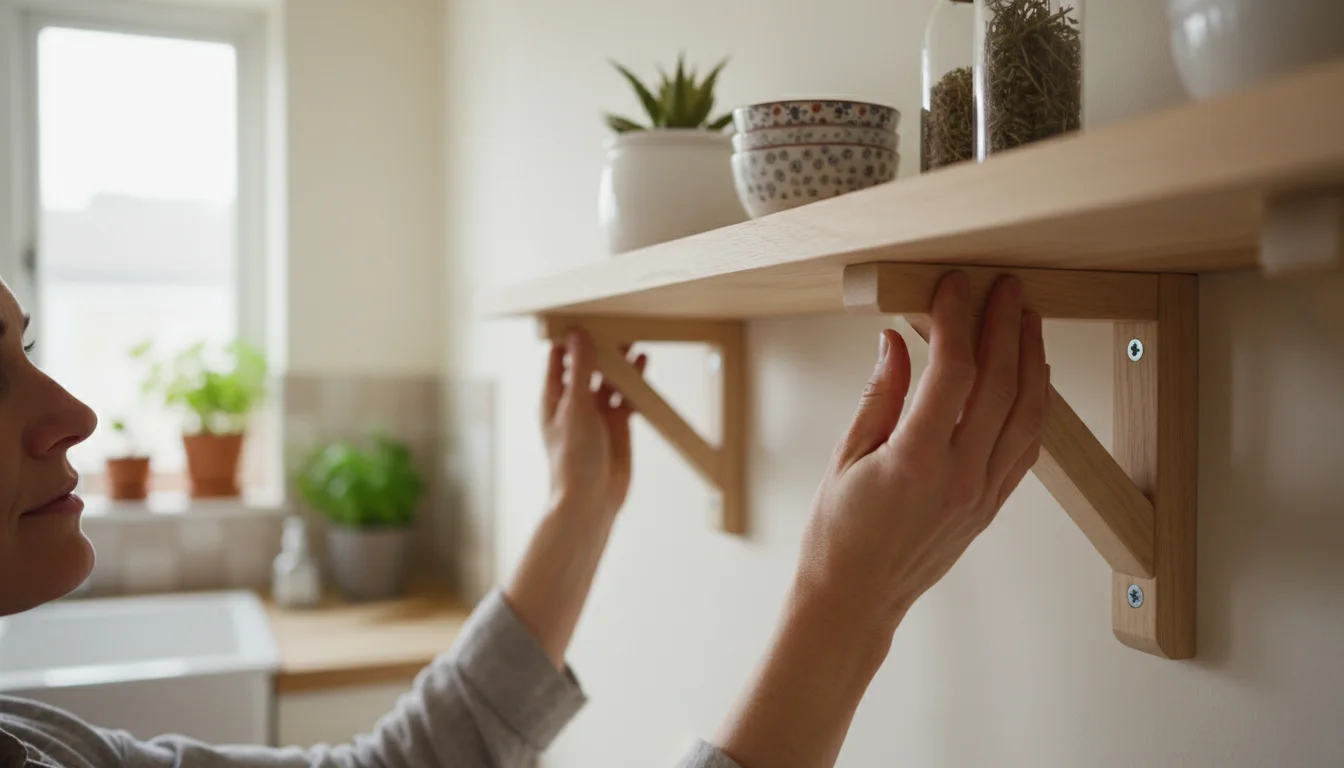
Over time, heavy loads or repeated use can sometimes affect the stability of `wall storage`. Prioritize safety by performing occasional checks.
- Inspect Hardware: Look for any loose screws, wobbly brackets, or signs of wear on hooks and shelves. Tighten screws as needed.
- Check for Overloading: Ensure you are not exceeding the weight capacity of your shelves or anchors. Distribute weight evenly. If you notice sagging or instability, redistribute items or reinforce the installation.
- Review Wall Condition: Look for any cracks, paint damage, or plaster crumbling around the mounting points. Address any issues promptly to prevent further damage.
4. Avoiding Common Mistakes
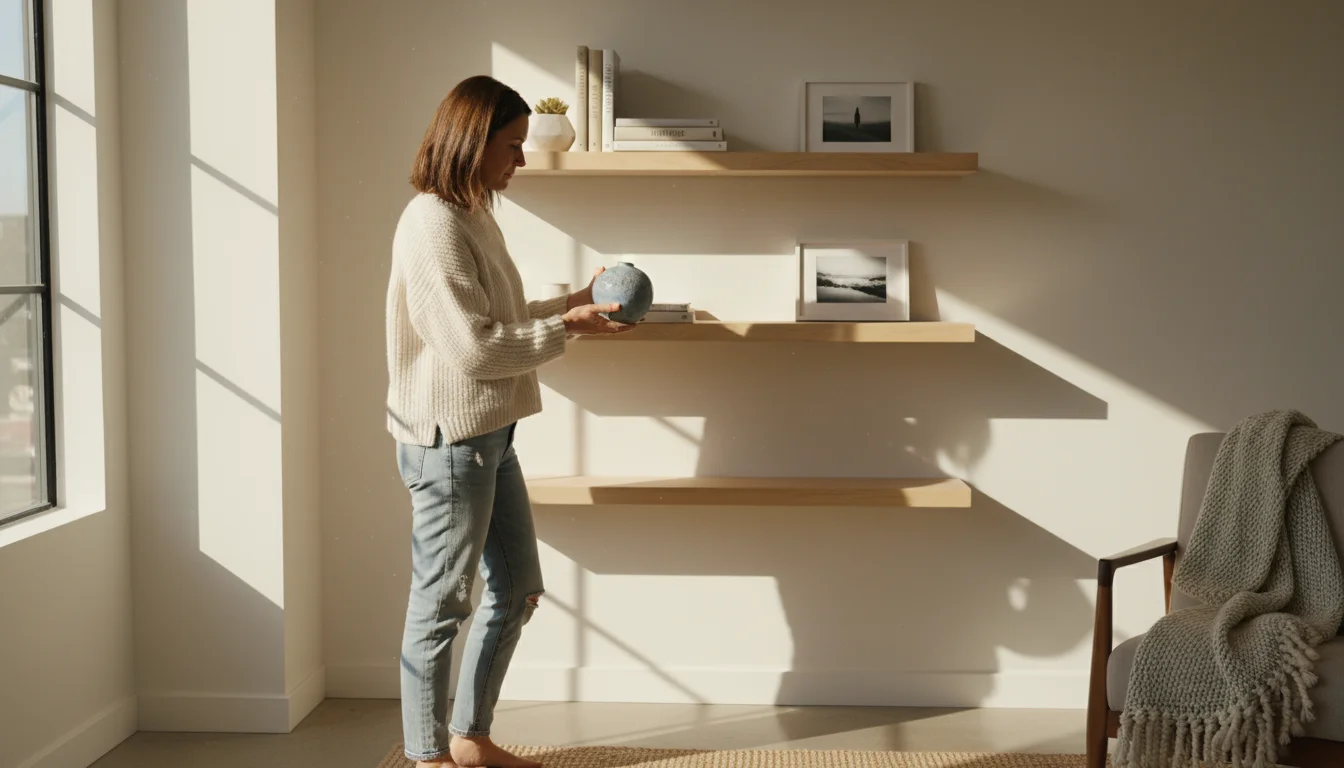
- Do Not Overload: This is the most common mistake. Resist the urge to stack too many items or place excessively heavy objects on shelves not designed for them.
- Do Not Block Access: Ensure wall storage does not impede doorways, windows, or frequently used pathways.
- Consider Lighting: Pay attention to how wall storage affects natural light or existing light fixtures. Do not create dark corners or block essential light sources.
By integrating these simple maintenance practices, your `wall storage` systems will remain functional, aesthetically pleasing, and a true asset to your home’s organization for years to come.

Frequently Asked Questions
Can renters install wall storage without risking their security deposit?
Many renters successfully install wall storage. You should always review your lease agreement regarding modifications. For peace of mind, choose solutions with minimal impact, such as using small picture frame nails (which leave tiny holes easily patched), removable adhesive hooks, or tension-rod systems that require no drilling. When drilling is necessary, document the wall’s condition beforehand, use the smallest appropriate hardware, and plan to patch and paint holes meticulously before moving out. Many landlords appreciate organization, but clear communication helps.
How do I choose the right anchors for different wall types?
Selecting the correct anchor is crucial for secure `mounted storage`.
- Wood Studs: When you hit a stud, use wood screws. This provides the strongest hold. A stud finder helps locate these vertical lumber pieces behind your drywall.
- Drywall: For items under 10-15 pounds, a simple self-drilling drywall anchor or conical plastic anchor works. For heavier items (15-50 pounds), toggle bolts or Molly bolts expand behind the drywall, offering significant strength.
- Plaster: Older homes with plaster walls often require toggle bolts or specialized plaster anchors, as plaster can crumble more easily than drywall.
- Masonry/Concrete: Use masonry drill bits and expansion anchors (like lead or plastic sleeves) or tapcon screws.
Always check the weight rating of your chosen anchors and ensure they exceed the weight of the items you plan to store.
What if my walls are uneven or old?
Uneven or old walls present unique challenges, but solutions exist. For slightly uneven walls, shims (small wedges of wood or plastic) placed behind brackets or mounting plates can help level shelves. If your walls are severely bowed, consider freestanding shelf units that mimic a built-in look or professional installation. For old plaster, pre-drilling a pilot hole and using toggle bolts generally provides the best hold. If you encounter significant issues, consulting a handyman or professional organizer familiar with older homes is a wise investment.
How do I make wall storage look good and not just functional?
Integrate `wall storage` aesthetically by treating it as part of your decor. Choose materials and finishes that complement your existing style. For open shelving, style with a mix of practical items (e.g., books, dishes) and decorative pieces (e.g., plants, vases, framed art). Employ the “rule of three” for vignettes and leave some breathing room on shelves to avoid a cluttered look. Vary heights and textures. Color-code books or group similar items for a cohesive appearance. Remember, even utilitarian storage, like a pegboard, can look fantastic with careful arrangement and a consistent color palette for accessories.
What are common mistakes to avoid when installing wall storage?
Avoid these common pitfalls for successful `mounted storage`:
- Skipping the Planning Stage: Do not buy and install items impulsively. Plan and measure first.
- Ignoring Wall Studs: Never guess where studs are, use a reliable stud finder. Forgetting this compromises safety.
- Overloading Shelves: Always respect weight limits for shelves and anchors.
- Blocking Light or Pathways: Ensure your storage does not create awkward traffic flow or obstruct natural light sources.
- Choosing the Wrong Hardware: Using a tiny screw for a heavy shelf leads to failure. Match your hardware to the item’s weight and wall type.
- Neglecting Aesthetics: Functionality is important, but make an effort to choose items that also enhance your home’s look.
By avoiding these common errors, you set yourself up for efficient and beautiful wall organization.
For expert home organization guidance, visit The Spruce — Home Organization, Real Simple — Organizing, and Consumer Reports — Home.
Disclaimer: This article is for informational purposes only and is not a substitute for professional advice. Consult professional organizers or specialists for personalized recommendations.


Leave a Reply