
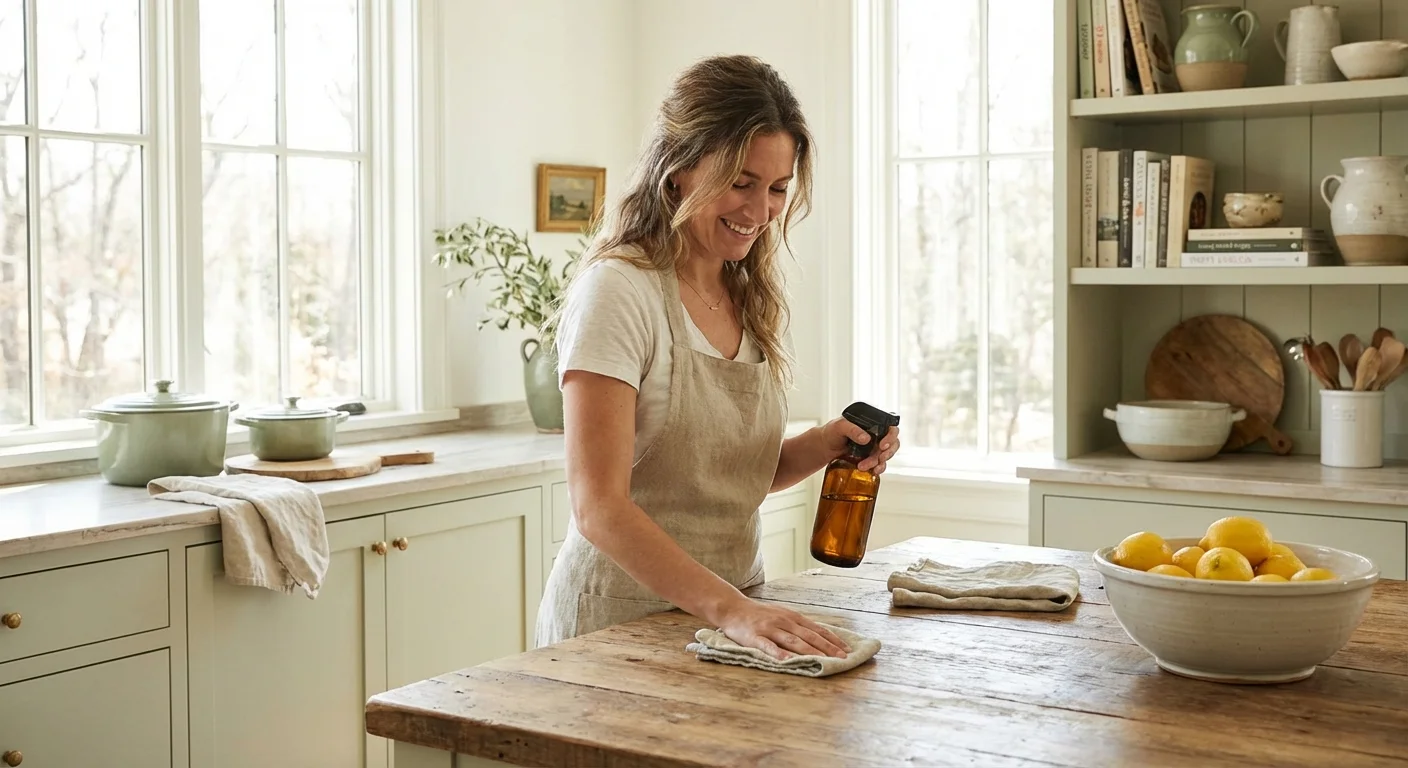
Most of us grew up associating the harsh, stinging smell of bleach or synthetic pine with a properly cleaned home. We learned to judge the cleanliness of a kitchen by the lingering scent of artificial lemon. However, that sharp chemical smell often masks a significant problem hiding in plain sight: volatile organic compounds (VOCs) lingering in your living space long after the floors dry. According to the EPA Indoor Air Quality guidelines, the air inside your house can be two to five times more polluted than the air outside; routine household cleaning products are a primary contributor to this hidden indoor pollution.
Starting with your cleaning cabinet is a major step in learning how to detox your home and create a healthier sanctuary.
You do not have to choose between a sparkling house and a healthy environment. Transitioning to non toxic cleaning products drastically improves your home’s air quality while providing a safer environment for children, pets, and yourself. Stripping away the complicated chemical formulas reveals a simple truth about household maintenance: basic chemistry and a bit of friction can handle almost any mess. This eco friendly cleaning guide provides the exact methods and formulas you need to overhaul your cleaning routine completely.
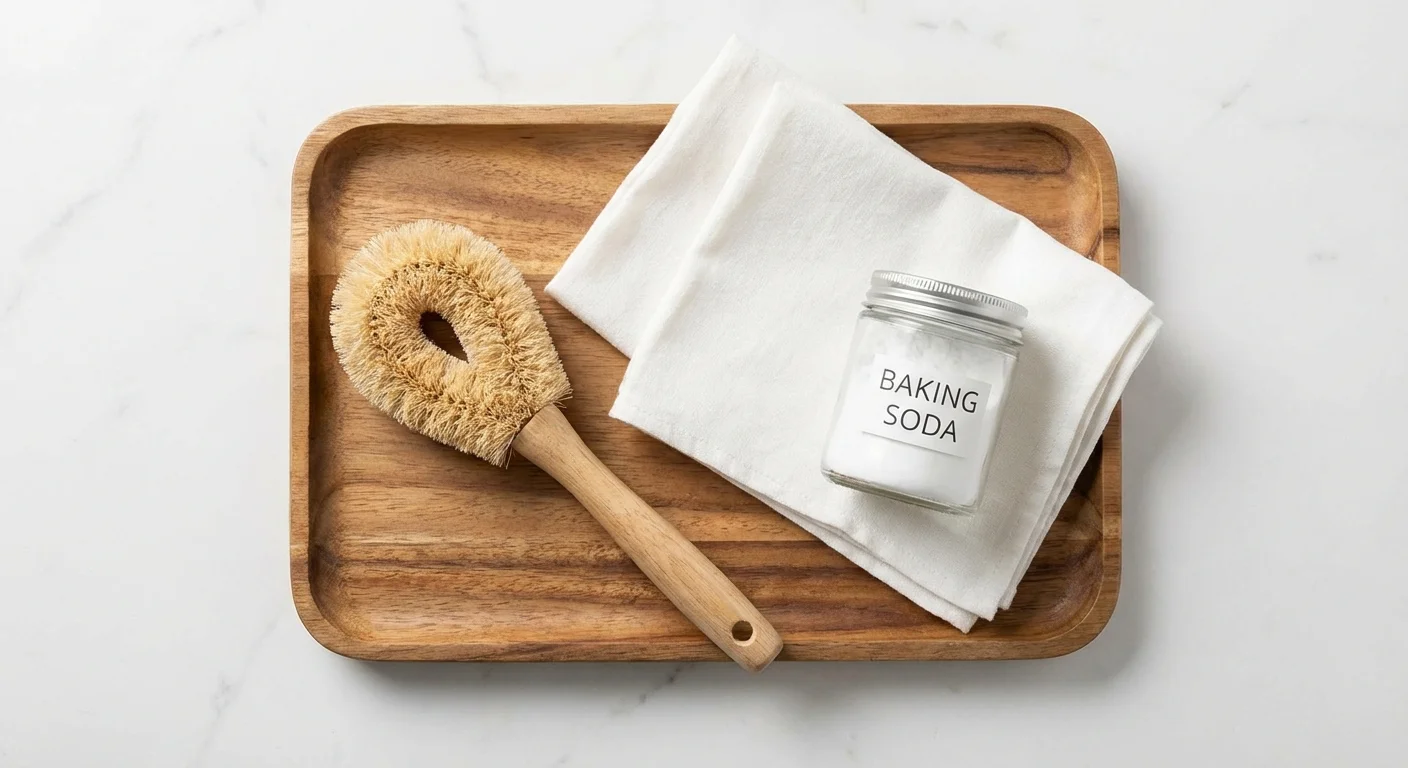
The Essentials: What You Will Learn
- The Core Pantry: The six basic ingredients you need to clean your entire house.
- Room-by-Room Swaps: Specific formulas for kitchens, bathrooms, floors, and laundry.
- Store-Bought vs. Homemade: How to evaluate commercial “green” cleaners.
- Safety Rules: Dangerous DIY mixing mistakes you must avoid.
The Core Ingredients for Chemical Free Home Cleaning
Walk down the cleaning aisle of any grocery store, and you will see a highly specialized product for every conceivable surface. You will find a spray for granite, a foam for grout, a powder for carpets, and a liquid for glass. This hyper-specialization is brilliant marketing, but it is entirely unnecessary for effective home maintenance. You can replace an entire cabinet of toxic chemicals with a few hard-working, natural staples.
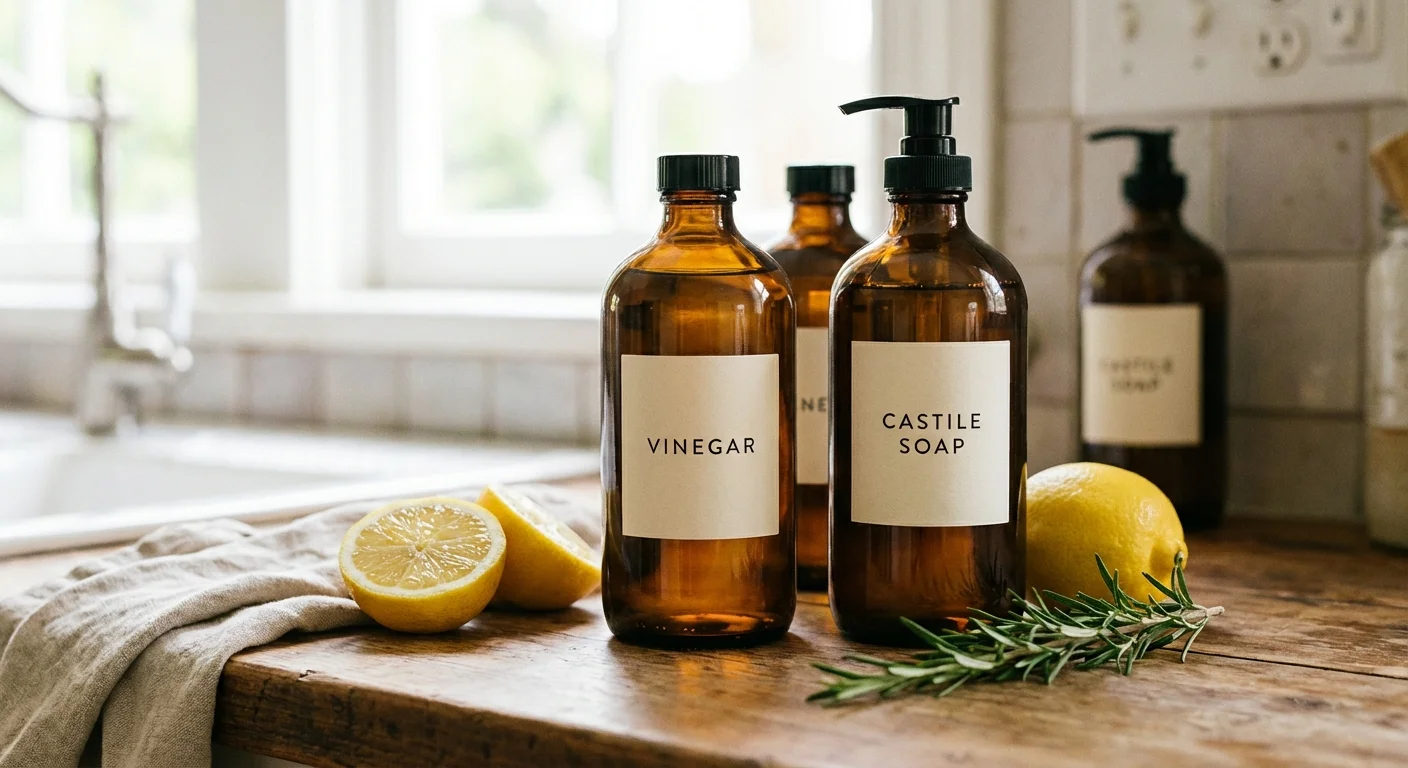
To begin your journey into chemical free home cleaning, you need to stock your pantry with these foundational ingredients:
- Distilled White Vinegar: This mild acetic acid is the undisputed champion of natural cleaning. Vinegar effortlessly dissolves mineral deposits, cuts through greasy buildup, and neutralizes alkaline odors. Because it is highly acidic, it destroys the cell structures of many common household bacteria.
- Baking Soda (Sodium Bicarbonate): If vinegar is your acid, baking soda is your base. This gentle alkaline powder neutralizes acidic odors rather than just covering them up. It also acts as a mild abrasive, allowing you to scrub away stuck-on grime without scratching delicate surfaces like stainless steel or porcelain.
- Liquid Castile Soap: Unlike synthetic detergents, true castile soap is made entirely from plant oils—usually olive, coconut, or hemp. It acts as a powerful surfactant, meaning it breaks the surface tension of water to lift dirt, grease, and bacteria away from surfaces so you can easily wipe them away.
- Hydrogen Peroxide (3%): This is your natural alternative to chlorine bleach. Hydrogen peroxide breaks down safely into water and oxygen, leaving no toxic residue. It excels at whitening dingy grout, disinfecting cutting boards, and removing protein-based stains like blood or food spills.
- Washing Soda (Sodium Carbonate): A stronger, highly alkaline cousin to baking soda. Washing soda is exceptional at stripping tough grease and forms the backbone of many natural laundry routines.
- Essential Oils (Optional): While not strictly necessary for removing dirt, pure essential oils like tea tree, lavender, lemon, and eucalyptus add a fresh scent. Some, like tea tree oil, also offer mild natural antimicrobial properties.
“The objective of cleaning is not just to clean, but to feel happiness living within that environment.” — Marie Kondo, Organizing Consultant and Author
Replacing Your Kitchen Cleaners
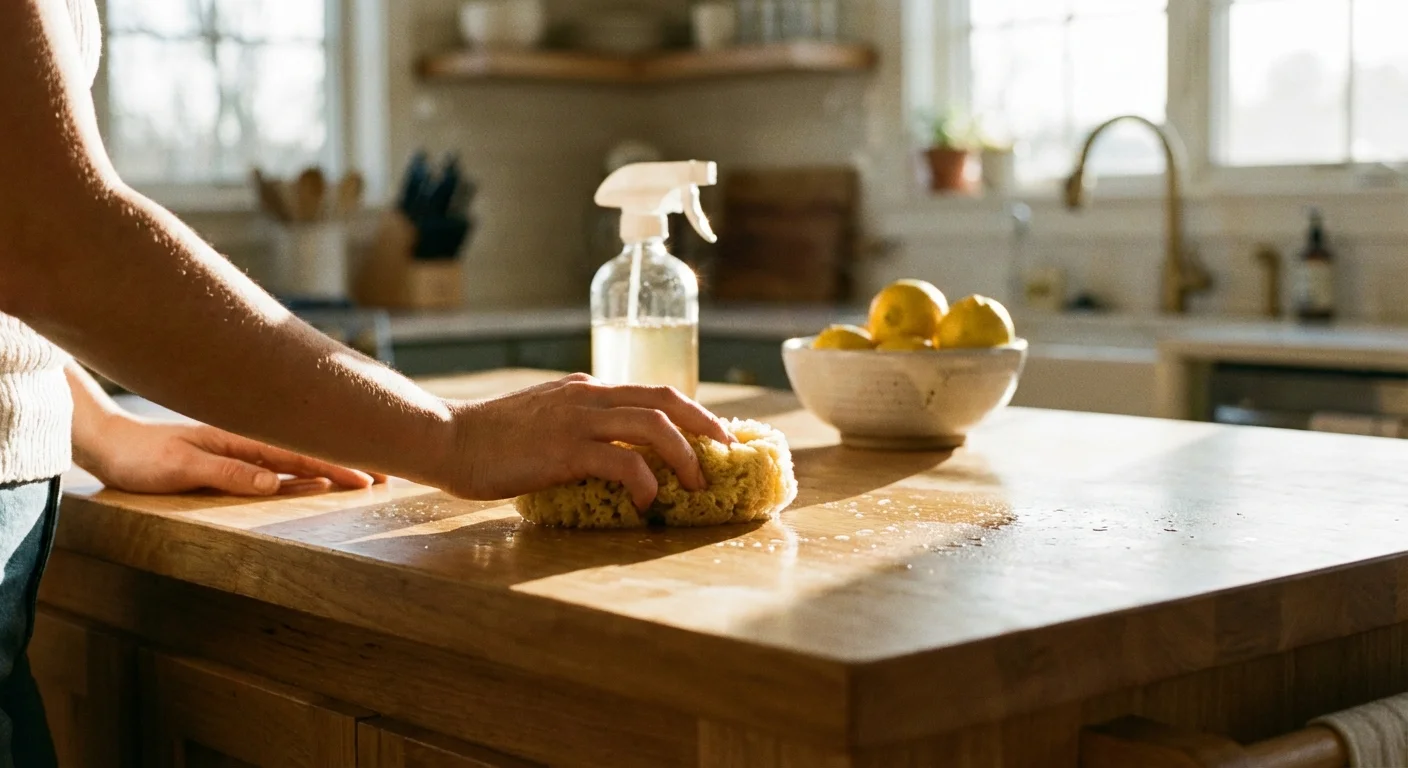
The kitchen is the heart of the home, but it is also the room most prone to heavy grease, baked-on food, and lingering odors. Because you prepare food here, transitioning to DIY natural cleaners is especially critical for your family’s health.
While these DIY sprays work for surfaces, you may also want to consult our appliance cleaning guide to maintain your larger kitchen tools safely.
The Daily All-Purpose Spray
Most commercial all-purpose sprays rely on ammonia or quaternary ammonium compounds (quats) which can trigger asthma and skin irritation. You can easily make a powerful, grease-cutting alternative that costs pennies per bottle.
In a glass spray bottle, combine one cup of distilled water, one cup of white vinegar, and a dozen drops of lemon essential oil. Spray this directly onto countertops, the stovetop, and the interior of your refrigerator. Wipe clean with a microfiber cloth. Note: If you have natural stone countertops like marble or granite, do not use vinegar, as the acid will etch the stone. Instead, mix two cups of water with one teaspoon of castile soap.
The Overnight Oven Rescuer
Commercial oven cleaners are among the most toxic products legally sold for home use, often containing lye and emitting caustic fumes that require heavy ventilation. You can achieve the same sparkling results using simple chemistry and a little patience.
Remove your oven racks and set them aside. In a small bowl, mix half a cup of baking soda with just enough water to form a spreadable paste—aim for the consistency of pancake batter. Coat the entire interior of your oven with this paste, steering clear of the heating elements. Close the door and walk away. Leave the paste to work overnight.
The next morning, take a damp rag and wipe away the dried baking soda paste; it will bring the black, baked-on grease with it. For stubborn spots, spray a little white vinegar. The vinegar will react with the leftover baking soda, creating a gentle fizz that lifts the remaining grime. Wipe the interior completely clean.
Sink and Drain Maintenance
Skip the corrosive chemical drain uncloggers that damage your pipes and the environment. For routine maintenance and minor slow drains, pour half a cup of baking soda directly down the drain, followed immediately by half a cup of white vinegar. Quickly cover the drain with a plug or a heavy cloth to force the fizzing chemical reaction downward into the clog. Let it sit for fifteen minutes, then flush the pipes with a kettle full of boiling water.
A New Approach to the Bathroom
Bathrooms present a unique set of challenges: soap scum, hard water scale, and mildew all thrive in this humid environment. Chemical cleaners tackle these issues with heavy doses of chlorine bleach and synthetic fragrances. You can banish bathroom grime just as effectively with natural alternatives.
Pair these natural hacks with a detailed bathroom cleaning checklist to ensure every corner of the room stays fresh.
Tub and Tile Scrub
Soap scum builds up when the fatty acids in bar soap react with the minerals in hard water. To cut through this stubborn layer, you need a combination of abrasion and grease-lifting power. Mix one cup of baking soda with a quarter cup of liquid castile soap and one tablespoon of hydrogen peroxide. This creates a thick, frosting-like paste. Apply the paste to your tub and shower walls with a sponge, scrubbing in circular motions. Rinse thoroughly with warm water to reveal a brilliant shine.
The Effortless Toilet Bowl Cleaner
Sprinkle half a cup of baking soda completely around the inside of the toilet bowl. Next, pour one cup of white vinegar over the baking soda. The mixture will immediately begin to foam. Add ten drops of tea tree essential oil to the water for extra deodorizing power. Let the mixture sit for at least twenty minutes—or ideally, overnight. Scrub the bowl with a standard toilet brush and flush.
Streak-Free Glass and Mirrors
Commercial glass cleaners rely on ammonia to evaporate quickly and prevent streaks. You can mimic this rapid evaporation naturally. In a spray bottle, combine one cup of water, one cup of white vinegar, and one tablespoon of rubbing alcohol. Spray your bathroom mirrors and wipe them down with a flat-weave microfiber cloth or crumpled newspaper. The rubbing alcohol ensures the liquid dries rapidly, leaving zero streaks behind.
Natural Cleaning Alternatives for Living Spaces and Floors
Your living room and bedrooms require less heavy degreasing and more gentle maintenance. Keeping these spaces dust-free and fresh is vital for managing indoor allergies.
Hardwood and Laminate Floors
Water is the enemy of wood floors, so less is always more. According to flooring experts at The Spruce, you should never saturate wood surfaces. To clean and protect your floors naturally, fill a bucket with one gallon of warm water and add just two tablespoons of liquid castile soap. Dip your mop into the solution and wring it out until it is barely damp. Mop the floor in sections, following the grain of the wood. The mild soap lifts dirt without leaving a cloudy film or stripping the floor’s protective finish.
Carpet Deodorizing and Stain Removal
To eliminate stale odors from carpets and rugs, skip the artificial powder sprinkles. Instead, lightly dust plain baking soda over your carpet. Let it sit for thirty minutes to absorb moisture and odors, then vacuum it up thoroughly.
For spot treating spills, club soda is remarkably effective. Pour a small amount directly onto the stain and firmly blot—never rub—with a clean white cloth. If you are dealing with a tougher biological stain, like pet urine, spray a mixture of equal parts water and white vinegar onto the spot to neutralize the ammonia, blot dry, and follow up with a sprinkle of baking soda.
Dusting and Wood Furniture Polish
A high-quality microfiber cloth traps dust mechanically, eliminating the need for aerosol dusting sprays entirely. When your wooden furniture looks dry and needs a renewing polish, you can make a nourishing treatment at home. Whisk together one-quarter cup of olive oil and one tablespoon of white vinegar. Apply a very small amount to a soft cloth and rub it into the wood following the grain. The vinegar cuts through any surface stickiness, while the olive oil conditions the wood.
Laundry Room Swaps: Detergents and Fabric Softeners
Standard laundry detergents are heavily concentrated with artificial dyes, synthetic optical brighteners, and overpowering fragrances that bind to your clothing and rub against your skin all day. Overhauling your laundry routine reduces your exposure to these persistent chemicals.
Selecting or Making a Safe Detergent
If you prefer the convenience of store-bought products, look for liquid or powder detergents certified by independent environmental working groups or those that list their complete ingredients. Check the American Cleaning Institute resources to understand how different natural surfactants operate. If you want to make your own laundry powder, combine one part washing soda, one part baking soda, and half a part of finely grated castile soap. Use two tablespoons of this mixture per large load. Because this formula contains no sudsing agents, it is perfectly safe for high-efficiency (HE) washing machines.
Ditching Fabric Softener
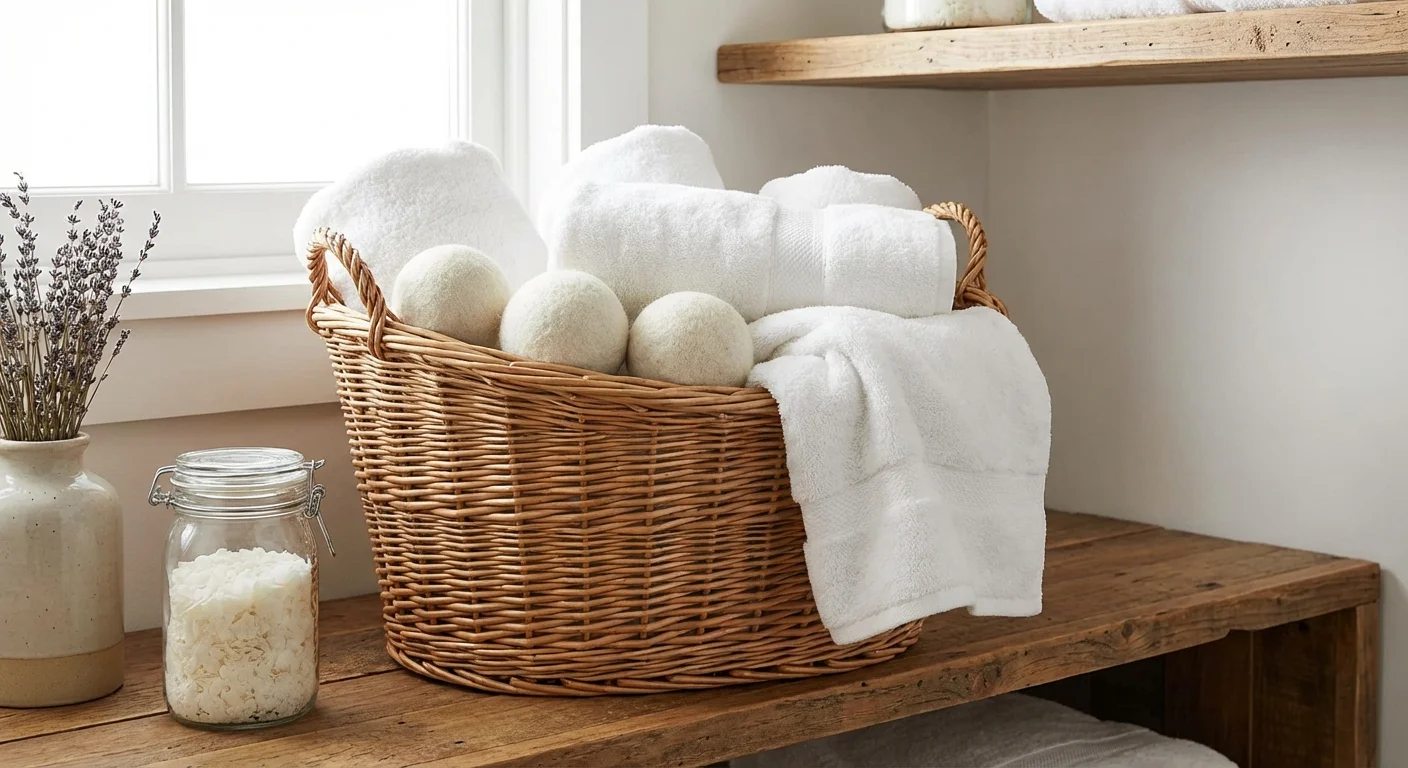
Liquid fabric softeners and dryer sheets coat your clothing in a layer of animal fats or synthetic silicones, reducing the absorbency of your towels and trapping odors in your workout gear. For naturally soft clothes, pour half a cup of white vinegar into your washing machine’s fabric softener dispenser. The vinegar strips away leftover detergent residue, leaving fabrics genuinely clean and soft. To reduce static cling and speed up drying time, toss three or four wool dryer balls into the dryer with your wet clothes.
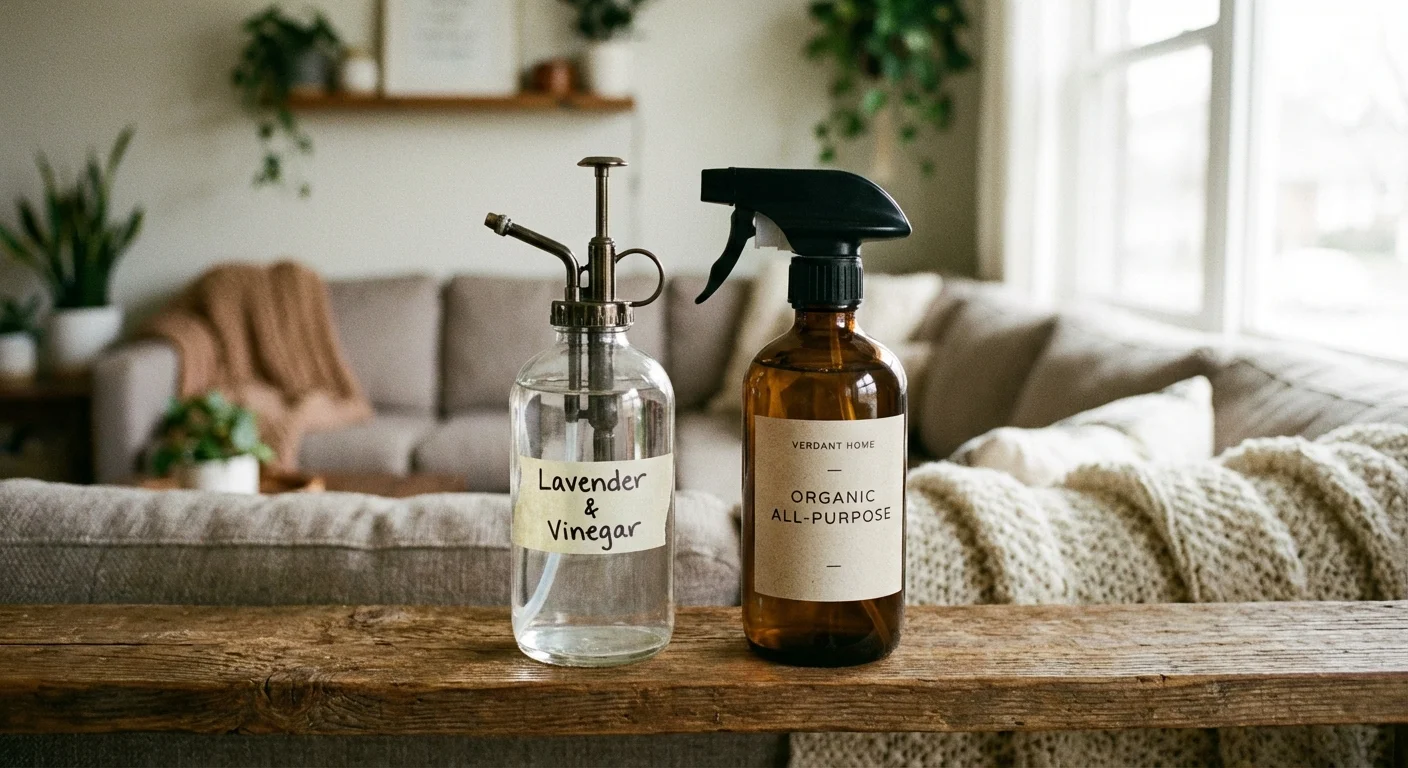
A DIY lavender vinegar spray sits beside a store-bought organic cleaner on a rustic wooden ledge.
Comparison: Store-Bought Natural Cleaners vs. DIY
You may not have the time or desire to mix your own products. Fortunately, the market for commercial eco friendly cleaning products has exploded. How do you decide between mixing it yourself and buying a pre-made natural brand? Use this breakdown to guide your choice.
| Feature | DIY Natural Cleaners | Store-Bought Natural Cleaners |
|---|---|---|
| Cost Effectiveness | Extremely high. Bulk ingredients cost mere pennies per batch. | Moderate to low. You are paying for packaging, water weight, and brand marketing. |
| Ingredient Transparency | 100% transparent. You know exactly what went into the bottle. | Variable. Terms like “green” and “natural” are largely unregulated. You must read the label closely. |
| Convenience | Requires upfront effort to measure, mix, and label your own bottles. | High convenience. Ready to spray immediately. |
| Shelf Life | Shorter. Homemade products without preservatives should generally be used within a month. | Longer. Commercial brands use safe, natural preservatives to ensure stability for months or years. |
When shopping for commercial green cleaners, look for brands that clearly disclose all ingredients. Organizations like Good Housekeeping regularly test and review plant-based cleaners, ensuring they actually perform as well as their chemical counterparts.
What Can Go Wrong: DIY Cleaning Mistakes to Avoid
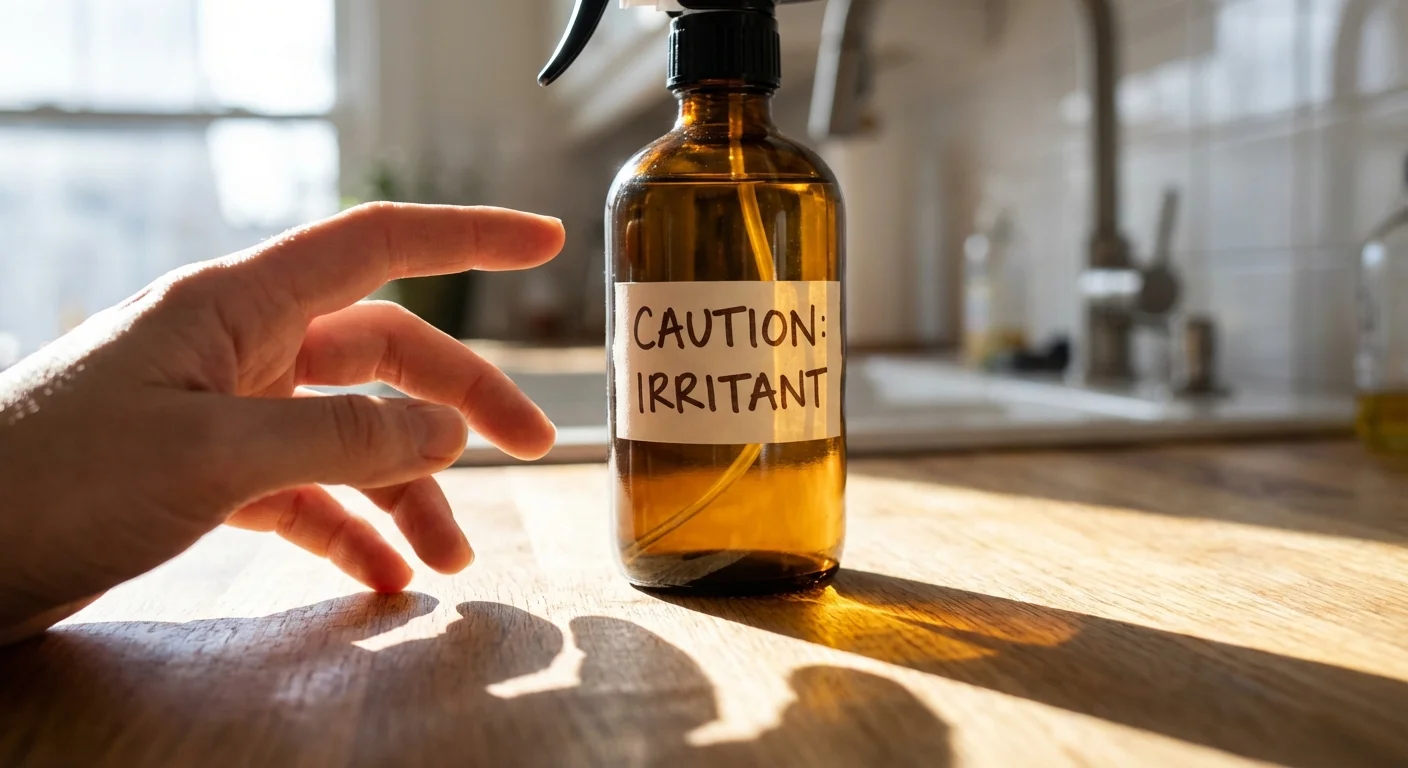
Just because an ingredient is natural does not mean it is harmless. Basic household chemistry demands respect. Combining the wrong elements can render your cleaners entirely ineffective—or worse, create toxic fumes.
- Mixing Vinegar and Castile Soap: This is the most common DIY cleaning mistake. Vinegar is an acid, and castile soap is a base. If you mix them together in a spray bottle, the acid immediately un-saponifies the soap. Instead of a powerful cleaner, you are left with a chunky, oily, white mess that will leave a greasy film on your counters. Use them sequentially, never together.
- Combining Vinegar and Hydrogen Peroxide: Never mix these two ingredients in the same bottle. When combined, they create peracetic acid, which is highly corrosive and can irritate your skin, eyes, and respiratory system. If you need to deeply disinfect a surface, spray the hydrogen peroxide, let it sit, wipe it away, and then spray the vinegar.
- Using Acid on Natural Stone: As mentioned earlier, never use vinegar or lemon juice on marble, granite, or travertine. The acid etches the surface, permanently dulling the finish. Stick to mild soap and water for these materials.
- Careless Use of Essential Oils Around Pets: Dogs and cats process chemical compounds differently than humans. Oils like eucalyptus, tea tree, citrus, and peppermint can be highly toxic to pets, especially cats, who lack the liver enzymes to process them. If you have furry companions, verify every essential oil with your veterinarian before diffusing it or spraying it on your floors.
When to Call a Professional
While you can handle routine maintenance and standard messes with non toxic cleaning products, some situations require specialized equipment and expert intervention.
- Extensive Mold Growth: If you discover mold covering an area larger than ten square feet, do not attempt to scrub it away with vinegar or hydrogen peroxide. Large-scale mold remediation requires professional containment and air scrubbing to prevent spores from spreading throughout the house.
- Deep-Set Stains on Porous Stone: If oil or rust has deeply penetrated an unsealed natural stone countertop or floor, household cleaners will not draw it out. A stone restoration professional has specialized poultices to extract the stain without destroying the rock.
- HVAC and Air Duct Cleaning: If you notice a persistent musty smell whenever your furnace runs, or if you have recently completed a major dusty renovation, call a certified HVAC technician. Attempting to vacuum out deep ductwork yourself is ineffective and can damage the system.
- Sewer Backups: Any water intrusion involving raw sewage is a biohazard. This is not the time for natural remedies; professional mitigation teams are required to safely sanitize and dry the affected area to prevent severe health risks.
Frequently Asked Questions
Do DIY natural cleaners actually kill bacteria and viruses?
Yes, but they work differently than chemical disinfectants. Soap and water physically remove germs from surfaces, washing them away rather than killing them in place. Hydrogen peroxide and vinegar do kill many common household pathogens by destroying their cell walls. However, if you are dealing with raw poultry juice on a cutting board or someone in the house has a highly contagious illness, standard sanitization protocols and 3% hydrogen peroxide are your best lines of natural defense.
How long do homemade cleaning products last?
Because you are not adding synthetic preservatives to your DIY mixes, they have a shorter shelf life than store-bought cleaners. A simple mixture of vinegar and water will last indefinitely. However, any recipe involving hydrogen peroxide will lose its potency quickly when exposed to light—which is why it is sold in opaque brown bottles. Mix only what you need for a few weeks of cleaning, and always store your spray bottles in a cool, dark cabinet.
Are microfiber cloths bad for the environment?
Microfiber is incredibly effective at trapping dust and bacteria without the need for chemical sprays. However, because they are made of synthetic fibers (polyester and nylon), they do shed microplastics into the water system when washed. To minimize this environmental impact, wash your microfiber cloths in a specialized microplastic-catching laundry bag, and only wash them when truly necessary. With proper care, a high-quality microfiber cloth can last for hundreds of uses, drastically reducing your reliance on disposable paper towels.
Moving Forward with a Cleaner, Healthier Home
Overhauling your entire cleaning cabinet can feel overwhelming if you try to do it all in a single afternoon. You do not need to throw away every bottle under your sink today. The most practical approach is to replace your products one by one as they run out. When your blue glass cleaner is empty, mix a bottle of vinegar, water, and rubbing alcohol. When your floor detergent runs dry, try the warm water and castile soap method. Step by step, you will clear the synthetic fragrances and harsh chemicals from your living space, leaving behind a home that is genuinely, naturally clean.
By relying on a few simple, powerful ingredients, you simplify your shopping list, save money, and actively protect the air quality inside your house. Start with the all-purpose spray in your kitchen this week, and experience how simple chemical free home cleaning can actually be.
The tips in this article are meant as general guidance. Your specific situation—including your home’s age, layout, and local building codes—may require different approaches. When in doubt, consult a professional.
Last updated: February 2026







Leave a Reply