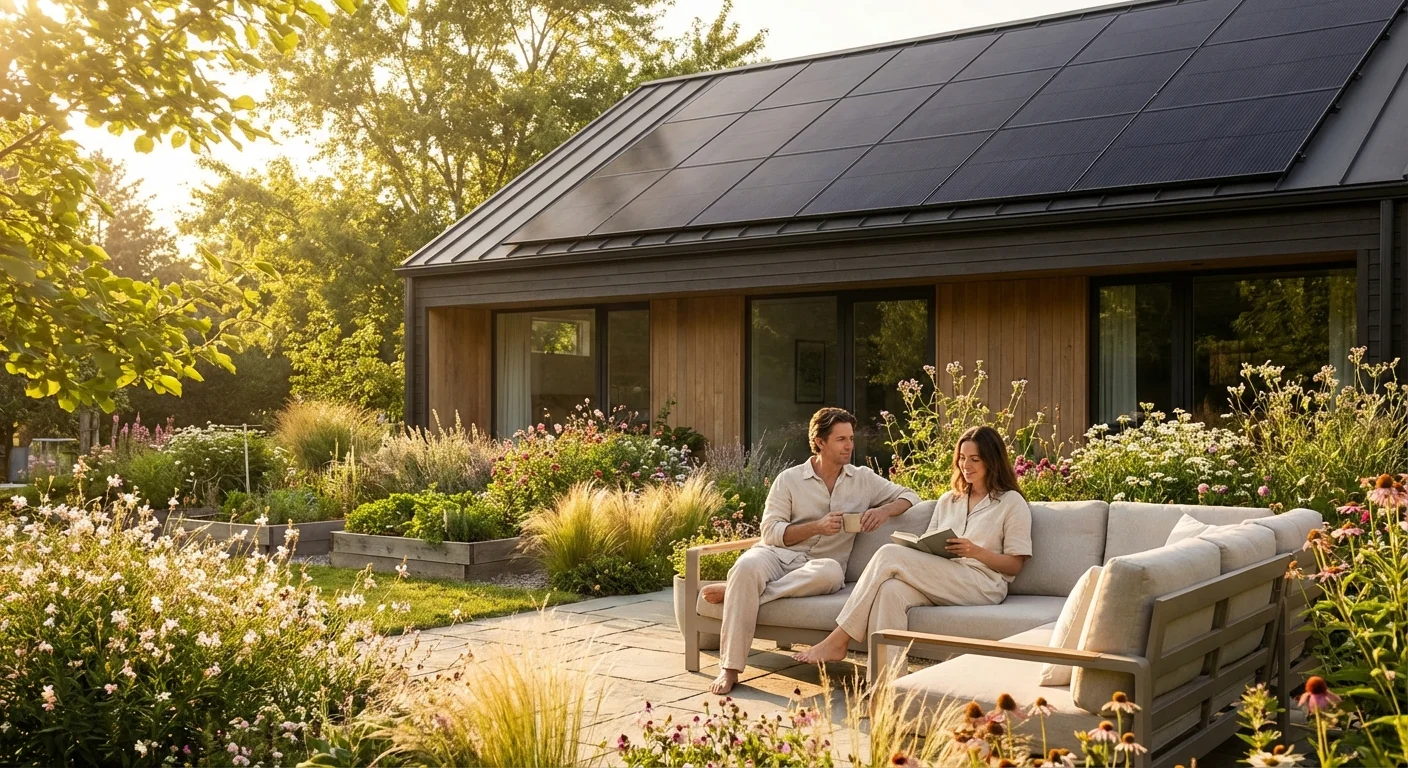
Harnessing the sun to power your daily life is no longer a futuristic concept; it is a practical reality for millions of households. As utility rates climb and grid reliability fluctuates, generating your own electricity offers an appealing path toward energy independence. Transitioning to residential solar energy, however, requires more than simply calling a contractor and pointing to your roof. You are essentially building a miniature power plant on your property.
Navigating the transition requires understanding complex hardware, deciphering financial incentives, and evaluating your home’s structural readiness. A well-planned solar array will significantly reduce your monthly overhead and protect you against future energy inflation. A poorly planned one can result in roof damage, unfulfilled financial promises, and years of frustration.
This comprehensive solar panel buying guide will walk you through exactly how to evaluate your home, choose the right equipment, understand the true costs, and navigate the installation process with confidence.

The Essentials: What You Need to Know First
- Roof condition dictates timing: Never install a 25-year solar array on a roof that needs replacing in five years.
- System size depends on usage, not home size: Your historical energy consumption dictates how many panels you need.
- Inverters matter as much as panels: The technology that converts solar energy into usable electricity determines your system’s efficiency.
- Ownership yields the highest return: Purchasing your system outright or through a loan provides better long-term value than leasing.
- Permitting takes patience: The physical installation takes just a few days; navigating municipal permits and utility approvals takes weeks or months.
Assessing Your Home’s Solar Potential
Before you look at equipment brands or calculate tax credits, you must determine if your house is actually a good candidate for solar panels. Solar energy thrives on unobstructed sunlight, and the physical characteristics of your property will dictate your system’s potential.
Staying consistent with monthly home care tasks is a critical first step to ensuring your property is ready for major energy upgrades.
Roof Age and Structural Integrity
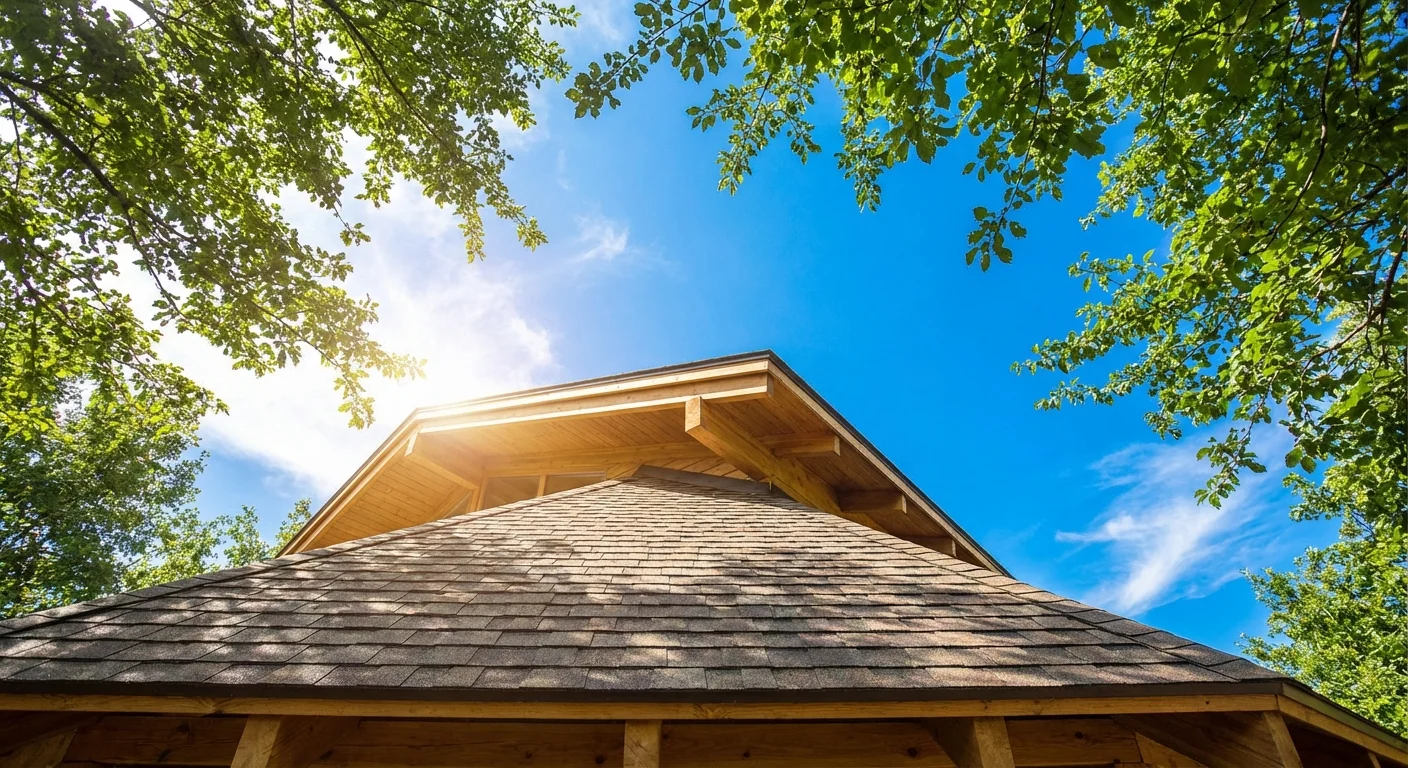
Solar panels have a functional lifespan of 25 to 30 years. If your roof features asphalt shingles that are already 15 years old, you will likely need a roof replacement before your solar panels reach the end of their life. Removing and reinstalling a solar array to accommodate a mid-lifecycle roof replacement costs thousands of dollars. Always evaluate your roof’s condition first; many homeowners choose to bundle a roof replacement with their home solar installation to align the lifespans of both elements.
“The condition of your roof is the single most important factor before considering solar panels; you never want to install a 25-year energy system on a roof with only five years of life left.” — Bob Vila, Home Improvement Expert
Orientation and Pitch
In the Northern Hemisphere, south-facing roofs receive the most direct sunlight throughout the day, making them the gold standard for solar installations. West-facing roofs represent the next best option, capturing valuable late-afternoon sun when household energy consumption generally peaks. East-facing roofs capture morning sun, while north-facing roofs are typically unsuitable for solar production.
The pitch—or angle—of your roof also plays a role. The ideal angle for solar panels generally matches your home’s latitude, usually falling between 30 and 45 degrees. However, installers can use specialized racking equipment to adjust the angle of the panels on flat or low-pitch roofs to maximize sun exposure.
Shading and Obstructions
A single shaded panel can drastically reduce the output of an entire solar array depending on the inverter technology you use. Observe your roof at different times of the day and across different seasons. Consider the growth trajectory of nearby trees; a sapling today could cast a significant shadow in a decade. Chimneys, dormers, and HVAC equipment also consume valuable roof space and cast local shadows that complicate panel placement.
If you are unsure about your home’s sun exposure, the Energy Star program recommends utilizing professional solar assessment tools or consulting with a site evaluator who can calculate your exact solar window using specialized shading analysis software.
Determining Your Energy Needs and System Size
Solar arrays are not sized based on the square footage of your house; they are sized based on your electrical consumption. A 3,000-square-foot home with efficient appliances and gas heating might use less electricity than a 1,500-square-foot home running an electric heat pump, two electric vehicles, and a hot tub.
Before sizing your system, it is often more cost-effective to insulate your home effectively to reduce your overall electrical demand first.
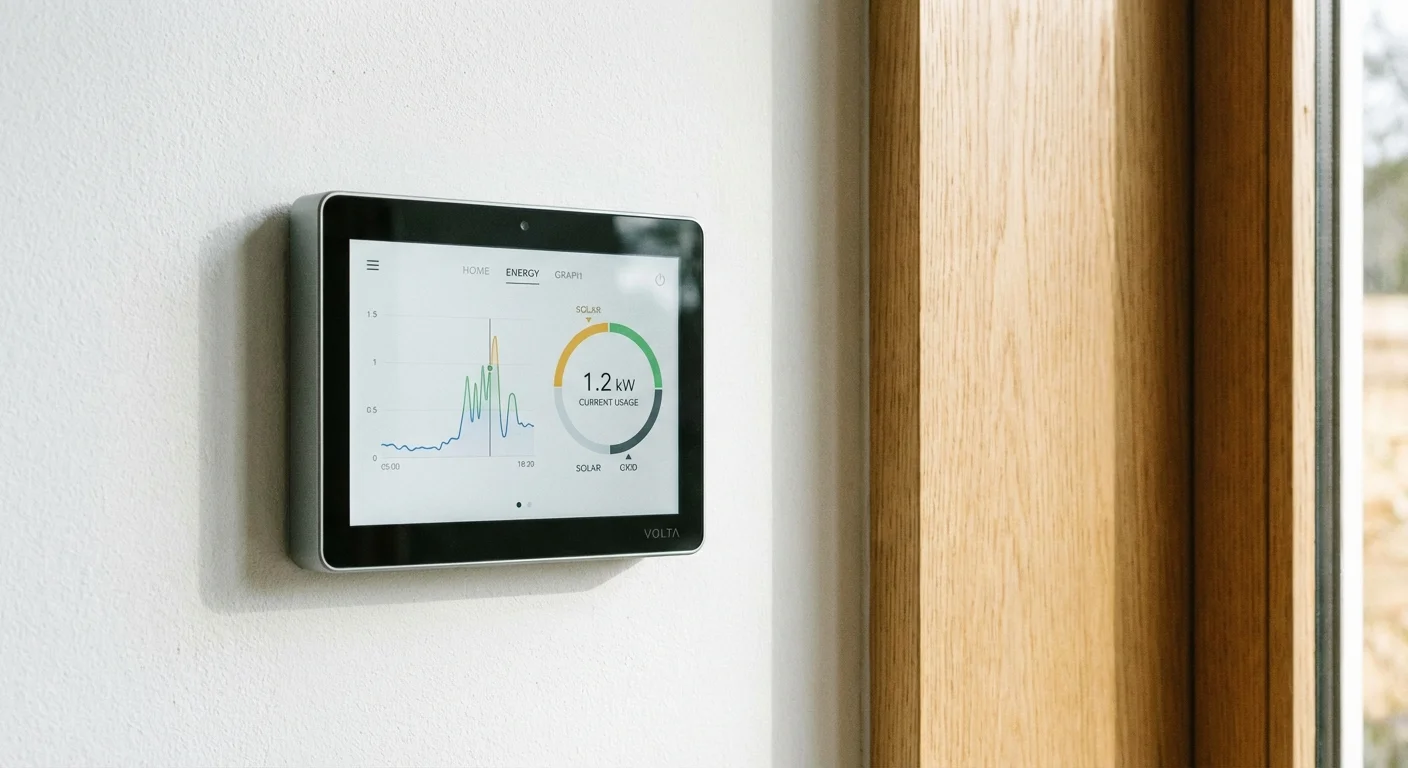
Start by gathering your past 12 months of utility bills. Look for your total annual usage measured in kilowatt-hours (kWh). The average American home consumes roughly 10,000 to 11,000 kWh per year. Your installer will use this annual consumption figure, combined with your local climate data and roof shading analysis, to design a system that offsets your usage.
You must also anticipate future lifestyle changes. If you plan to transition from a gas furnace to an electric heat pump, purchase an electric vehicle, or add a home addition, your electricity consumption will surge. Tell your solar designer about these plans so they can build extra capacity into your system now; adding just a few panels later is disproportionately expensive due to fixed permitting and labor costs.
Types of Solar Panels for Home Use
When shopping for solar panels for home use, you will encounter three primary technologies. The right choice depends on your budget, available roof space, and aesthetic preferences.
| Panel Type | Efficiency | Cost | Best Used For |
|---|---|---|---|
| Monocrystalline | High (19% – 22%+) | Premium | Homes with limited roof space; maximizing energy output; sleek black aesthetics. |
| Polycrystalline | Moderate (15% – 17%) | Budget-friendly | Homes with large roofs where space is not a constraint; budget-conscious buyers. |
| Thin-Film | Low (10% – 13%) | Variable | Non-traditional roofs; commercial buildings; recreational vehicles. Rarely used for standard residential rooftops. |
Monocrystalline Panels
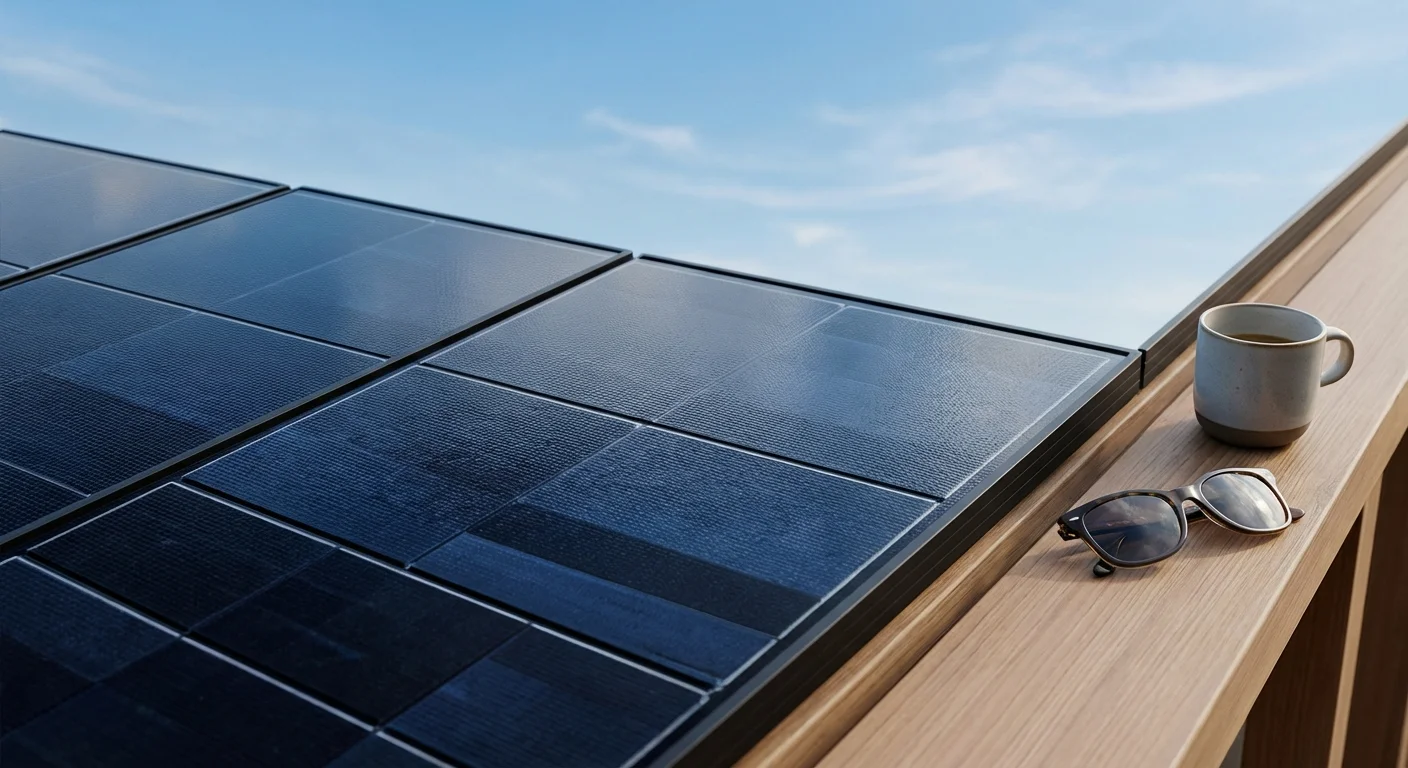
These panels are crafted from a single, continuous crystal structure. You can easily identify them by their uniform, dark black color and the slightly rounded edges of the internal cells. Monocrystalline panels represent the industry standard for residential solar energy. Because they offer the highest efficiency ratings—meaning they convert a higher percentage of sunlight into electricity—they are ideal for homeowners who need to generate maximum power from a relatively small roof area. They also perform slightly better in high-heat conditions compared to other options.
Polycrystalline Panels
Polycrystalline panels are manufactured by melting multiple silicon fragments together. They typically feature a speckled, bluish hue and perfectly square cells. Because the manufacturing process is less intensive, they cost less than monocrystalline panels. The tradeoff is lower efficiency. If you have an expansive roof and prioritize upfront cost savings over maximum space utilization, polycrystalline panels remain a viable option, though they are becoming less common in residential applications as monocrystalline prices drop.
Inverters, Batteries, and Essential Equipment
Solar panels generate Direct Current (DC) electricity, but your home runs on Alternating Current (AC). The inverter bridges this gap, making it the hardest-working component of your solar energy system. Choosing the right inverter technology is arguably more important than choosing the panel brand.
Pairing your solar monitoring app with other smart home devices can help you time your heavy appliance use to coincide with peak solar production hours.
String Inverters
A central string inverter connects a series of panels (a string) to one central unit, usually mounted on the side of your house. They are cost-effective and highly reliable. However, they operate on a “weakest link” principle. If a passing cloud or a chimney shade covers just one panel on the string, the output of the entire string drops to match that shaded panel. String inverters are best suited for simple roofs with uniform, unobstructed sunlight.
Microinverters
Microinverters miniaturize the conversion process. Instead of one large central unit, a tiny inverter sits underneath every single panel on your roof, converting DC to AC right at the source. This allows each panel to operate independently. If a tree branch shades panel number four, panels one through three continue producing at maximum capacity. Microinverters also allow for highly granular system monitoring, letting you see the exact output of each individual panel via a smartphone app. They cost more upfront but often yield better overall energy production on complex roofs.
Power Optimizers
Power optimizers offer a middle ground. Like microinverters, an optimizer is attached to each panel to condition the DC electricity and mitigate the effects of shading. However, they do not convert the power to AC on the roof; they send the conditioned DC power down to a central inverter. This provides the shade-tolerance and panel-level monitoring of microinverters at a slightly lower price point.
Solar Battery Storage
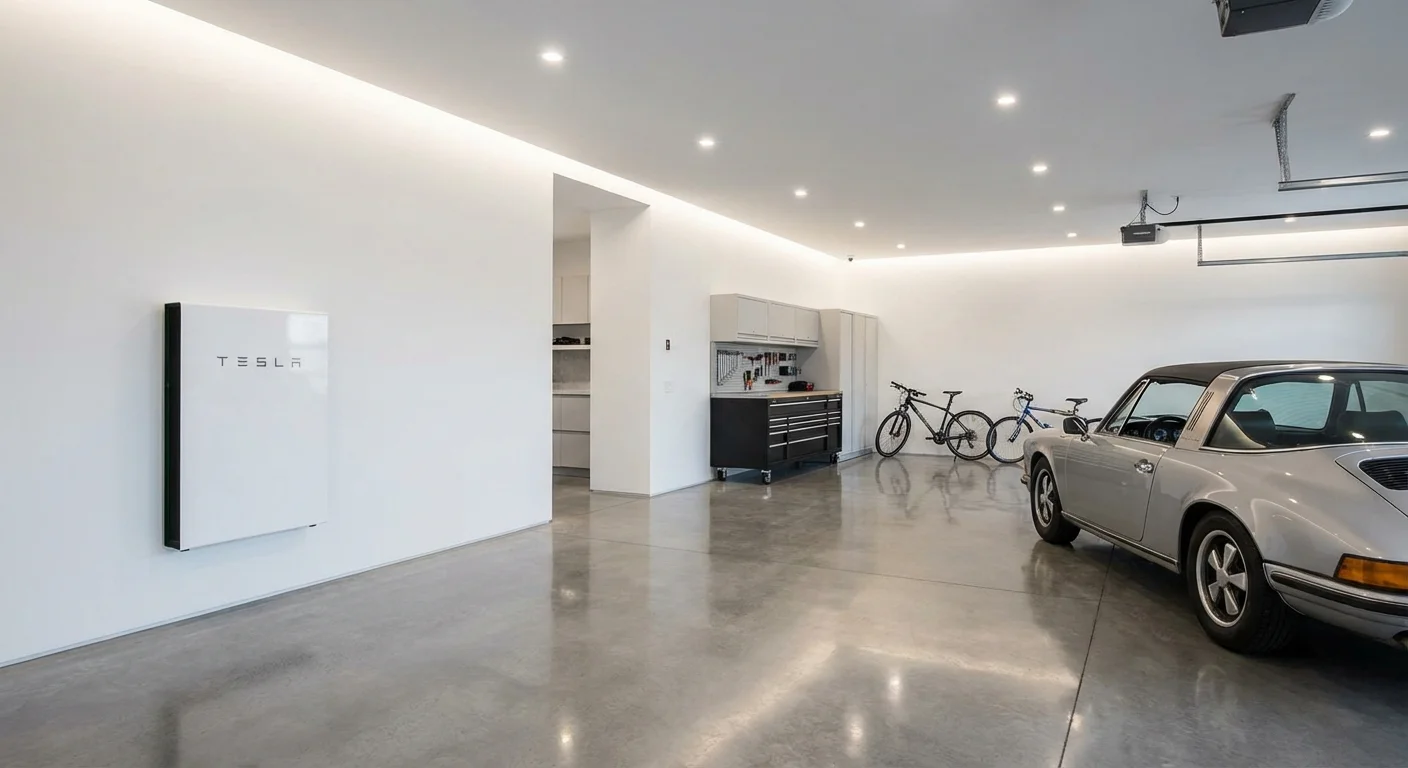
Homeowners frequently assume that installing solar panels guarantees electricity during a grid outage. By law, standard grid-tied solar systems automatically shut down during blackouts to prevent back-feeding electricity into the grid and injuring utility workers repairing the lines. To keep your lights on during a blackout, you need a solar battery.
Batteries store excess power generated during the day for use at night or during grid failures. While battery technology has improved rapidly, adding storage will significantly increase your overall solar panel cost. If you live in an area with stable grid infrastructure and favorable net metering policies—where the utility credits you for excess energy you send to the grid—a battery may not offer financial sense. Conversely, if you face frequent outages or live in a state that penalizes grid reliance during peak evening hours, a battery becomes an invaluable asset.

Understanding Solar Panel Cost and Financing
Evaluating solar panel cost requires looking beyond the sticker price. You must calculate the net cost after incentives and understand how different financing methods impact your long-term return on investment.
According to Consumer Reports, assessing the total lifecycle value of your system requires a careful review of product warranties, installation guarantees, and the specific financing terms you select. A typical residential system ranges from 6 to 10 kilowatts (kW). At a rough national average of $3.00 per watt installed, a system will cost between $18,000 and $30,000 before tax credits.
The Federal Solar Tax Credit
The most significant financial incentive available is the federal residential clean energy credit. Currently, this credit allows you to deduct 30% of the total cost of your solar system—including equipment, labor, and permitting—from your federal taxes. If you install a $20,000 system, you receive a $6,000 credit, effectively reducing your net cost to $14,000. This is a non-refundable tax credit, meaning you must have a sufficient federal tax liability to claim the full amount, though you can roll over unused portions to subsequent tax years.
Purchasing with Cash
Buying your system outright yields the highest financial return. You avoid interest rates and loan origination fees, allowing your system to pay for itself through utility savings much faster—typically within 6 to 9 years, depending on your local electricity rates. Once the payback period ends, the energy your system produces is essentially free money in your pocket.
Solar Loans
If you lack the liquid capital to pay in cash, solar loans offer a practical alternative. Many installers partner with specialized financiers to offer $0-down loans. When structured correctly, your monthly loan payment might equal or fall slightly below your previous average electric bill, offering immediate monthly savings. Keep a close eye on interest rates and hidden dealer fees, which can inflate the total cost of the system over the life of a 15- or 20-year loan.
Leases and Power Purchase Agreements (PPAs)
In a lease or PPA, a third-party solar company installs and owns the equipment on your roof. You simply pay them a fixed monthly fee to rent the system, or you agree to buy the power the panels generate at a set rate. While this usually requires no money down and includes free maintenance, it is the least financially advantageous route. You do not qualify for the 30% federal tax credit—the leasing company takes it. Furthermore, solar leases can complicate the sale of your house, as the new buyer must agree to take over the remainder of the lease contract.
The Home Solar Installation Process
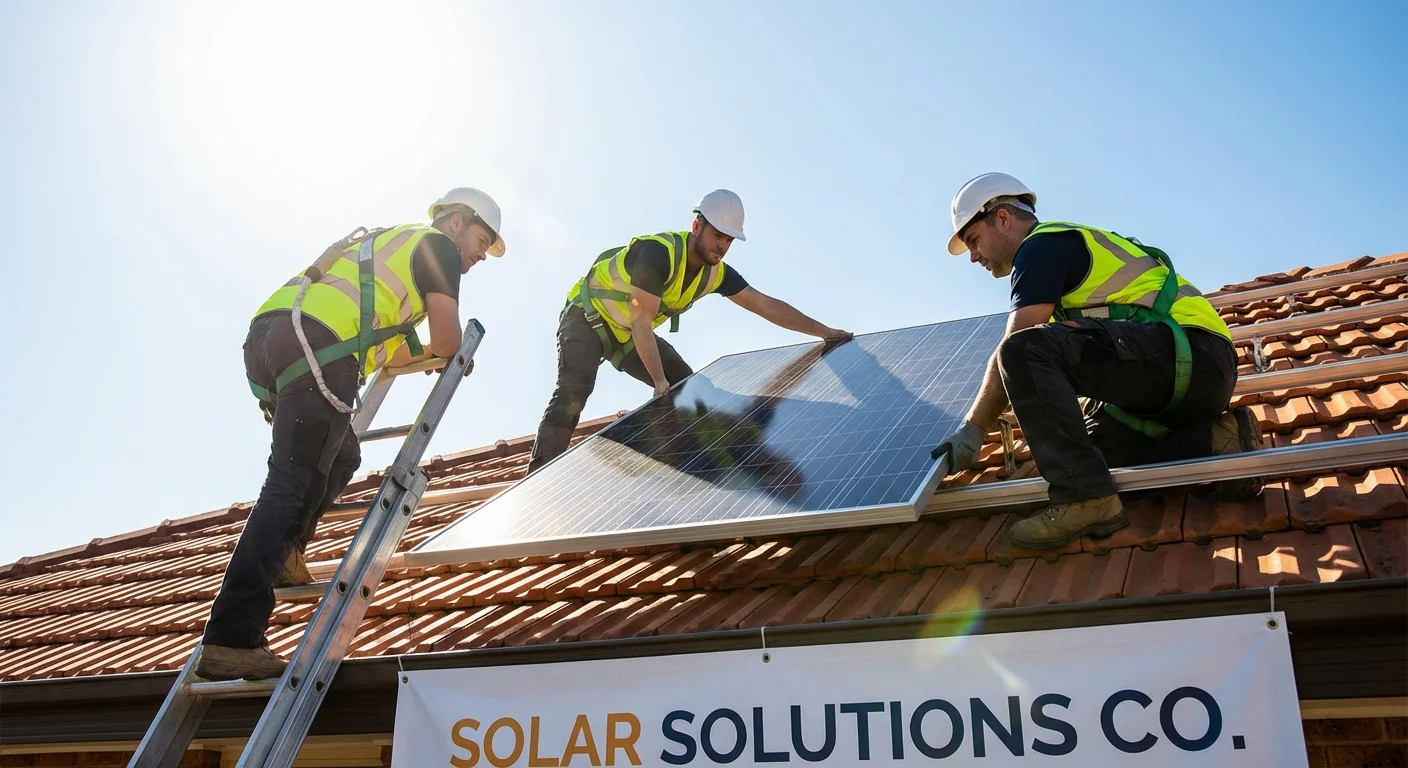
Patience is essential during a home solar installation. The actual time workers spend on your roof is remarkably brief, but the bureaucratic phases can test your endurance.
- Site Assessment and Design (1-2 weeks): A technician will visit your home to measure your roof, inspect your electrical panel, and evaluate the structural integrity of your rafters. Engineers then use this data to draft a formal system design.
- Permitting (2-8 weeks): Your installer submits the design to your local municipal building department. The timeline here depends entirely on your local government’s backlog and efficiency.
- Installation (1-3 days): Once permits clear, the crew arrives. They will install the roof mounts, lay down the racking rails, secure the panels, and run the electrical conduit to your main service panel and new inverters.
- Municipal Inspection (1-2 weeks): A city or county inspector must visit your property to verify the installation meets local building and electrical codes.
- Utility Interconnection (2-6 weeks): The final hurdle is your utility company. They will review the inspection report, possibly conduct their own site visit, and install a special bi-directional meter. Only after they grant “Permission to Operate” (PTO) can you officially turn on your system.
Avoiding Common Errors
Investing in residential solar energy is a major financial decision. Avoid these frequent pitfalls to ensure your system performs as expected.
Failing to upgrade energy efficiency first. Do not pay for expensive solar panels to power inefficient appliances. Seal your drafty windows, upgrade your attic insulation, and switch to LED lighting before sizing your solar array. Reducing your energy load allows you to buy a smaller, cheaper solar system.
Ignoring the electrical panel. Older homes often feature 100-amp electrical panels. Modern solar arrays, especially those paired with electric vehicle chargers or heat pumps, typically require a 200-amp service panel. Upgrading your panel adds roughly $2,000 to $3,000 to the project. Factor this into your budget early.
Misunderstanding the warranties. A robust solar warranty actually consists of three separate guarantees. The product warranty covers physical defects in the panels. The performance warranty guarantees that the panels will still produce a specific percentage of their original power (usually 80-85%) after 25 years. The workmanship warranty is provided by the installer and covers roof leaks or faulty wiring. Ensure you understand the duration of all three.

When DIY Isn’t Enough
While home improvement enthusiasts tackle everything from plumbing to drywall, solar panel installation remains strictly professional territory for several compelling reasons.
- Lethal Voltage: Solar arrays generate high-voltage direct current (DC) the moment they are exposed to sunlight. Wiring these systems safely, grounding them properly, and tying them into your home’s main electrical feed requires licensed electrical expertise. Mistakes can result in catastrophic fires or fatal electrocution.
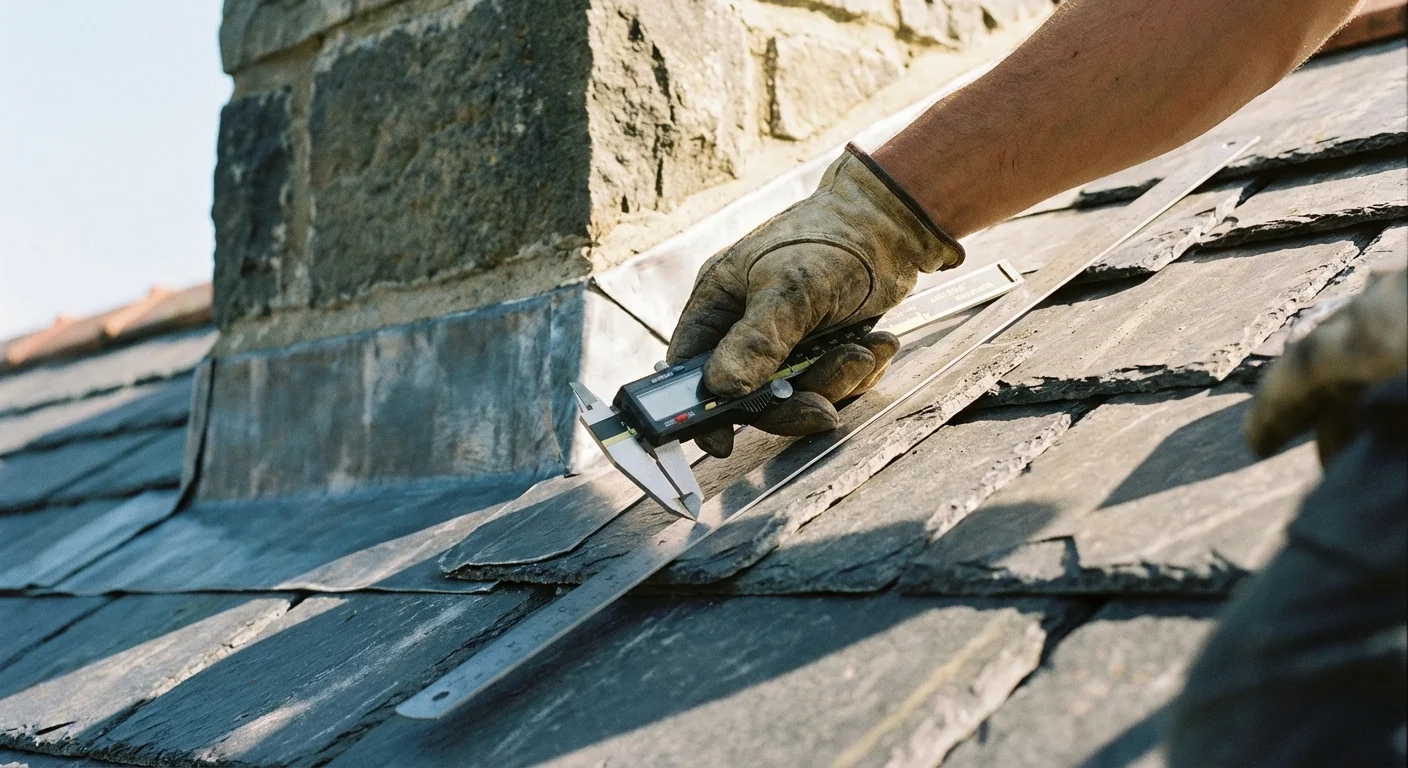
- Roof Penetrations: Mounting the racking system involves drilling dozens of holes directly into your roof rafters. Professional installers use specialized flashing and sealants to guarantee these penetrations remain watertight. A DIY error here will lead to slow, hidden leaks that rot your attic and void your existing roof warranty.
- Utility Rejection: Power companies enforce strict protocols before allowing a residential system to connect to the public grid. If your system is not designed by certified engineers, installed by licensed professionals, and signed off by municipal inspectors, the utility will flatly deny your interconnection agreement, leaving you with useless glass boxes on your roof.
Frequently Asked Questions
Do solar panels work in the winter or on cloudy days?
Yes. Solar panels generate electricity from light, not heat. In fact, panels operate more efficiently in cold temperatures. While heavy clouds will reduce overall production, modern panels still capture diffuse sunlight and generate meaningful power during overcast days. Snow accumulation will halt production, but the dark surface of the panels combined with their angled position typically causes snow to melt and slide off quickly.
Will solar panels increase my property taxes?
In many jurisdictions, no. While solar panels definitively increase the resale value of your home, dozens of states offer property tax exemptions specifically for residential solar energy systems. This means the added value of the system will not trigger a reassessment that hikes your annual property tax bill. Always verify the specific tax laws in your state or county.
How much maintenance do solar panels require?
Remarkably little. Because there are no moving parts, solar panels rarely break down. In most climates, normal rainfall is sufficient to wash away dust and pollen. If you live in an arid region or suffer through a heavy pollen season, you may want to gently rinse your panels with a garden hose once or twice a year. Never use abrasive sponges or harsh chemicals on the glass.
What is net metering?
Net metering is a utility billing mechanism. When your solar panels produce more electricity than your home is actively using (common during sunny summer afternoons), that excess power flows backward through your meter and onto the grid. The utility credits your account for this power. At night, when your panels are dormant, you pull power from the grid, using up those accumulated credits.
Moving Forward With Your Solar Journey
Transitioning to solar power is one of the most impactful upgrades you can make to your home. It stabilizes your long-term living costs and fundamentally changes your relationship with energy consumption. Start your journey by auditing your recent utility bills and taking a hard, objective look at the age and condition of your roof.
When you are ready to explore options, solicit at least three quotes from reputable, local installation companies. Compare their proposed equipment, scrutinize their financing terms, and never succumb to high-pressure sales tactics. Taking the time to build a system tailored to your specific household will ensure you reap the rewards of clean energy for decades to come.
This guide provides general home improvement information. Every home is different—what works in one space may need adaptation in yours. For structural changes or electrical/plumbing work, consult a licensed professional.
Last updated: February 2026









Leave a Reply