

Every year, millions of tons of construction and demolition debris end up in landfills. Perfectly sturdy kitchen cabinets, salvageable hardwood floors, and functional plumbing fixtures are frequently tossed aside simply because they look a bit dated. When you decide to update your living space, it is easy to get caught up in the excitement of demolition day, swinging sledgehammers and tearing down walls. However, taking a step back to consider the environmental footprint of your project can transform your entire approach to home improvement.
You do not need a massive budget to execute a responsible home remodel. Whether you are updating a single bathroom, modernizing a 1980s kitchen, or undertaking a whole-house overhaul, sustainability is largely about making deliberate, thoughtful choices. By prioritizing longevity, energy efficiency, and material salvage, you can create a beautiful, healthy home while protecting both the planet and your wallet.
The Essentials: What You Will Learn
- The Deconstruction Method: Why taking a room apart carefully is better than smashing it.
- Material Selection: How to source green building materials that fit your specific budget.
- Energy and Water Savings: High-impact sustainable home upgrades that pay for themselves over time.
- Air Quality Management: Methods for minimizing toxic chemicals and volatile organic compounds (VOCs) during your remodel.
- Budgeting Strategies: Practical ways to achieve an eco friendly remodeling project without overspending.
Shifting the Mindset: Deconstruction Over Demolition
The traditional home renovation shows on television love to highlight the chaos of demolition. It makes for great entertainment, but it creates terrible waste. The first step in a sustainable home renovation is embracing the concept of deconstruction. This means systematically dismantling a space to recover the maximum amount of reusable materials.
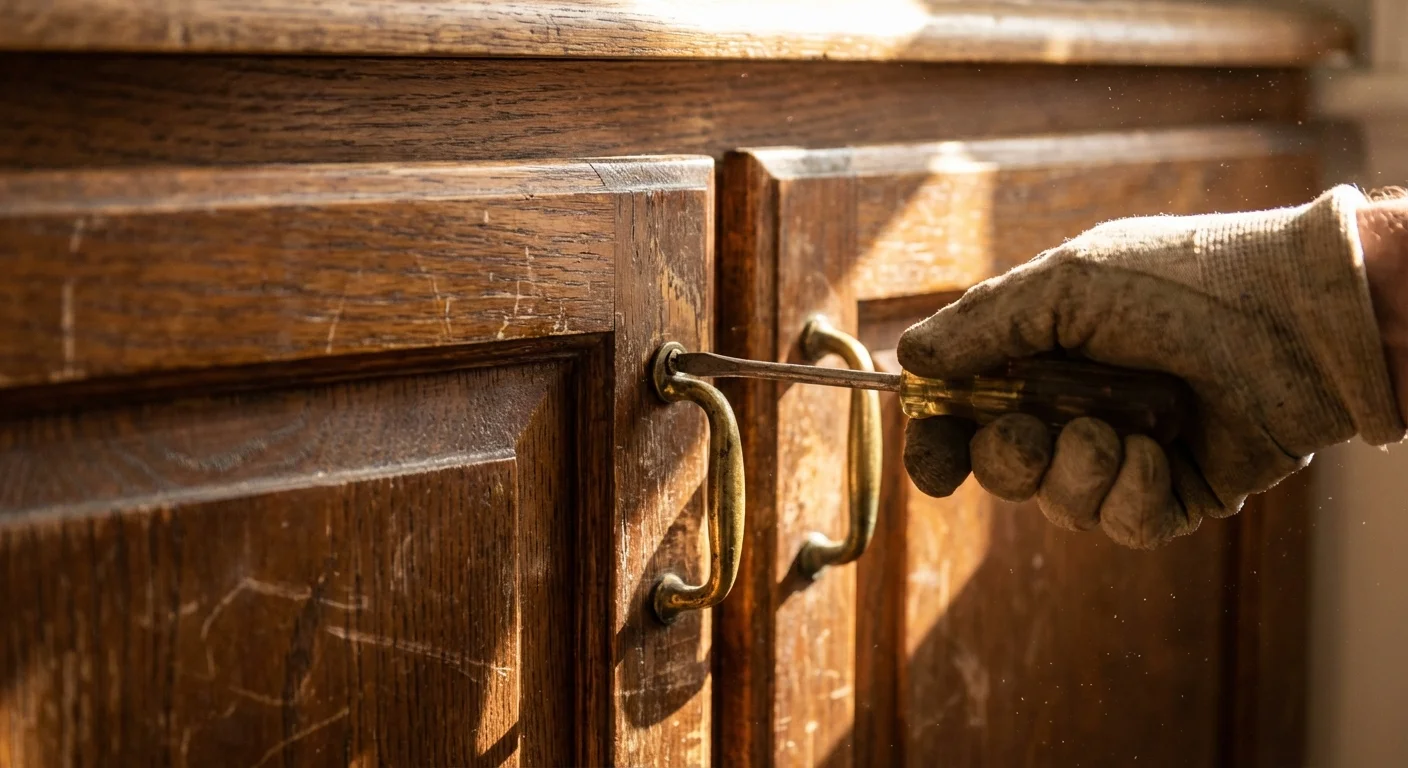
Before you swing a hammer, evaluate what currently exists in your room. Can that solid wood vanity be sanded and painted rather than replaced? Can the existing cabinet boxes stay while you simply replace the doors and hardware? When you choose to keep existing infrastructure, you save money on raw materials, reduce labor costs, and keep bulky items out of the local landfill.
If items absolutely must be removed, remove them gently. Light fixtures, intact porcelain sinks, solid wood doors, and surplus tile can all find second lives. Many cities have architectural salvage yards or non-profit organizations that will gladly accept these donations. In some cases, donating building materials can even provide you with a tax deduction, padding your renovation budget for other sustainable upgrades.
“The most sustainable home is the one that uses space efficiently and is built to last, rather than one built large with cheap, disposable materials.” — Sarah Susanka, Architect and Author
Sourcing Green Building Materials
When you do need to purchase new items for your home, the materials you select play a massive role in the overall sustainability of your project. Green building materials generally fall into three categories: reclaimed, recycled, and rapidly renewable.
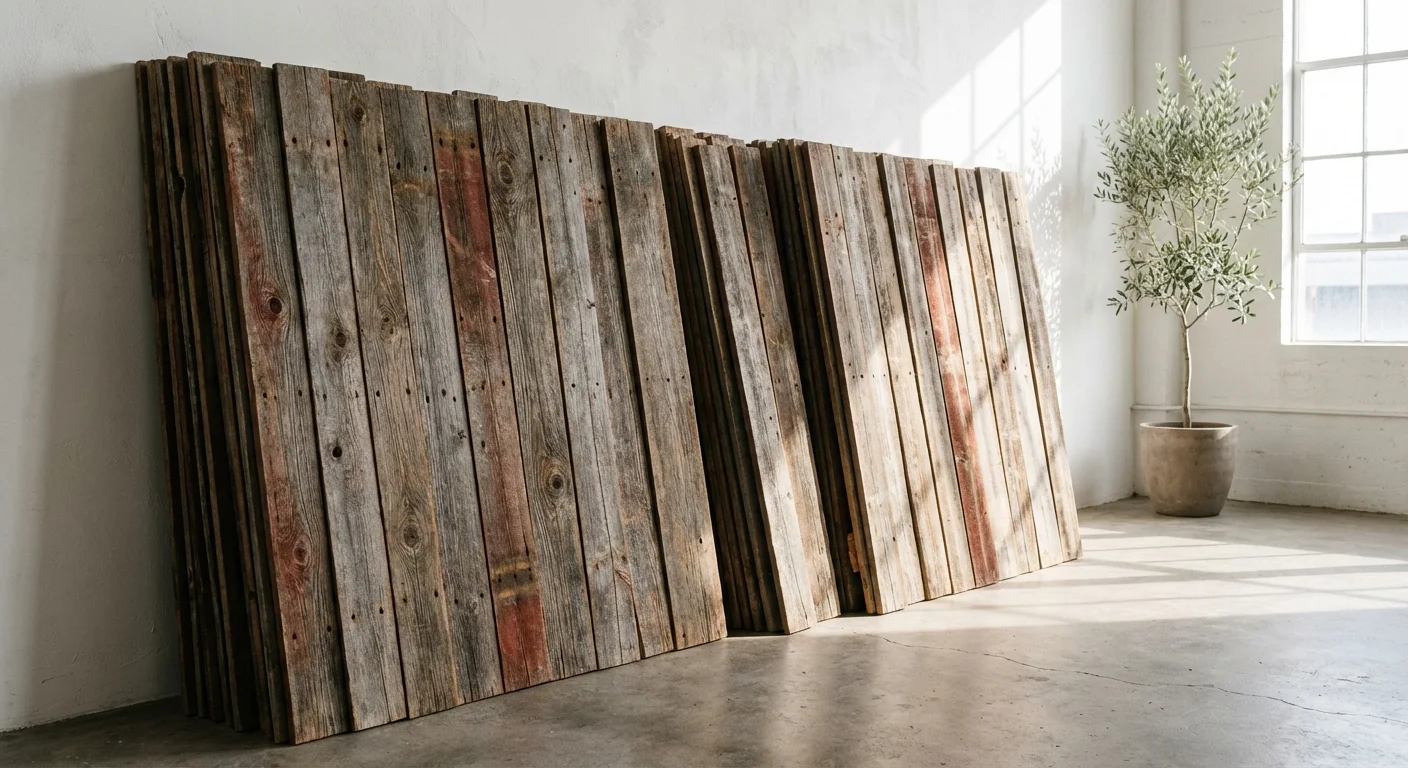
Reclaimed materials are items that have been salvaged from other sites and are used in their original form. Reclaimed barn wood for flooring or floating shelves is a classic example. Because these materials require no new manufacturing, their environmental impact is incredibly low.
Recycled materials have been processed from previous waste into something new. Think of glass countertops made from recycled bottles, or insulation made from recycled denim or newspaper.
Rapidly renewable materials come from natural resources that regenerate quickly. Traditional hardwood can take decades to mature; however, materials like bamboo and cork can be harvested every few years without killing the source plant.
Comparing Eco-Friendly Flooring Options
Flooring is one of the largest surface areas in your home, making it a critical choice for any responsible home remodel. Here is how some popular sustainable options compare:
| Material Type | Environmental Benefit | Durability & Maintenance | Budget Range |
|---|---|---|---|
| Reclaimed Hardwood | Zero new trees cut; repurposes existing timber. | Highly durable; often harder than new wood due to old-growth sourcing. | Moderate to High |
| Bamboo | Rapidly renewable grass; matures in 3-5 years. | Very durable (especially strand-woven); susceptible to prolonged moisture. | Low to Moderate |
| Cork | Harvested from the bark without harming the tree; rapidly renewable. | Soft underfoot and provides acoustic insulation; requires regular sealing. | Moderate |
| True Linoleum | Made from linseed oil, pine rosin, and cork dust; 100% biodegradable. | Extremely durable and naturally antimicrobial; great for kitchens. | Moderate |
Prioritizing Energy and Water Efficiency
Sustainable home upgrades are not just about the structural materials you choose; they are heavily dependent on how your home operates once the renovation is complete. Efficiency upgrades often require a larger upfront investment, but they are the only renovation expenses that actively pay you back through lowered utility bills.
Upgrading Your Building Envelope
The “envelope” of your home consists of your roof, exterior walls, windows, and foundation. If your home is poorly insulated, your heating and cooling systems are working overtime. Upgrading insulation is one of the most responsible, cost-effective remodeling tasks you can undertake. Consider blown-in cellulose insulation—made primarily from recycled paper treated for fire resistance—which is highly effective and environmentally friendly. Additionally, weatherstripping doors and sealing gaps around window frames are low-budget tasks that yield immediate energy savings.
Appliance and Fixture Selection
When renovating a kitchen or laundry room, look for the Energy Star label on new appliances. These certified machines use significantly less electricity and water than standard models. For example, modern efficient dishwashers use less water to clean a full load of dishes than you would use washing them by hand in the sink.
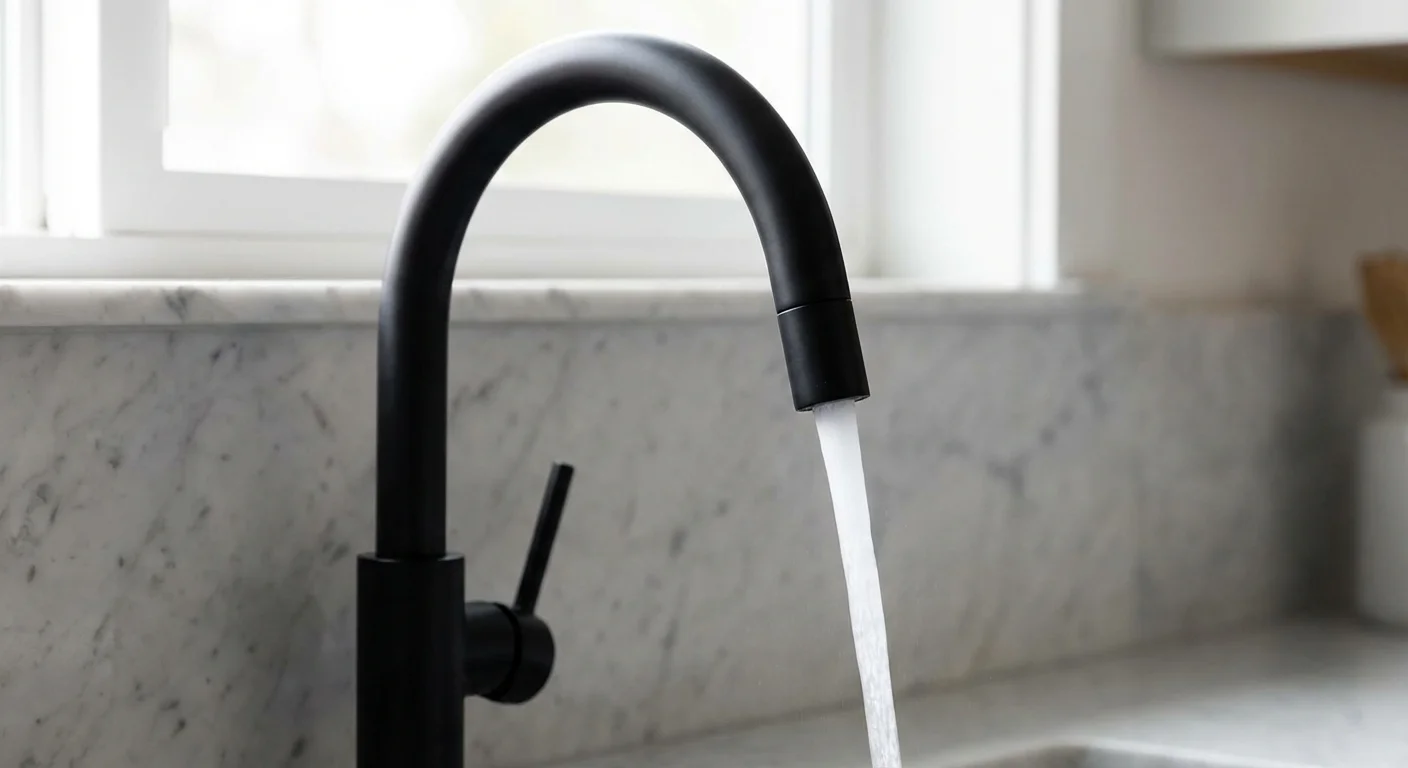
In the bathroom, water conservation should be your primary focus. Installing low-flow showerheads, dual-flush toilets, and faucet aerators are inexpensive upgrades that dramatically reduce your household water consumption without sacrificing water pressure. According to experts featured on This Old House, upgrading to modern, high-efficiency plumbing fixtures can save a standard family thousands of gallons of water per year.
Protecting Your Indoor Air Quality
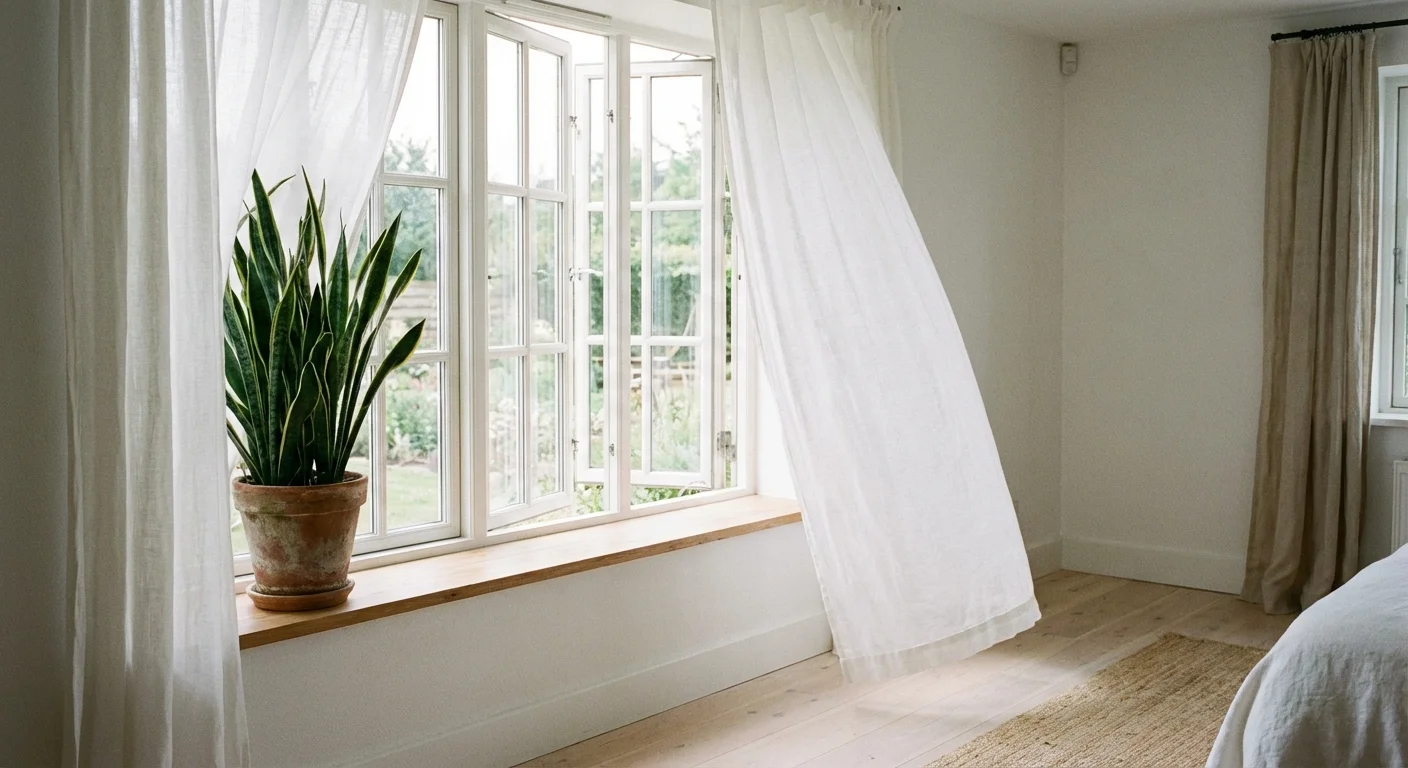
A truly sustainable home renovation considers the health of the environment as well as the health of the people living inside the home. Traditional paints, varnishes, adhesives, and composite wood products often contain Volatile Organic Compounds (VOCs). These chemicals evaporate at room temperature and off-gas into your home, potentially causing respiratory irritation and long-term health issues.
Learning how to detox your home is a vital part of creating a healthy, sustainable environment for your family.
To remodel responsibly, you must read the labels on your finishes. Opt for zero-VOC or low-VOC interior paints and primers. When selecting cabinetry or subflooring, look for products made without added formaldehyde. If you are installing new carpets—though hard surface flooring is generally better for air quality—choose natural fibers like wool and use mechanical fasteners instead of toxic glues.
Proper ventilation is also a non-negotiable aspect of air quality. If you are remodeling a bathroom or kitchen, ensure your exhaust fans vent completely to the outside of the home, not just into the attic. For detailed guidance on maintaining a healthy breathing environment during and after construction, you can review the EPA’s indoor air quality guidelines.
High-Impact Sustainable Upgrades on a Tight Budget
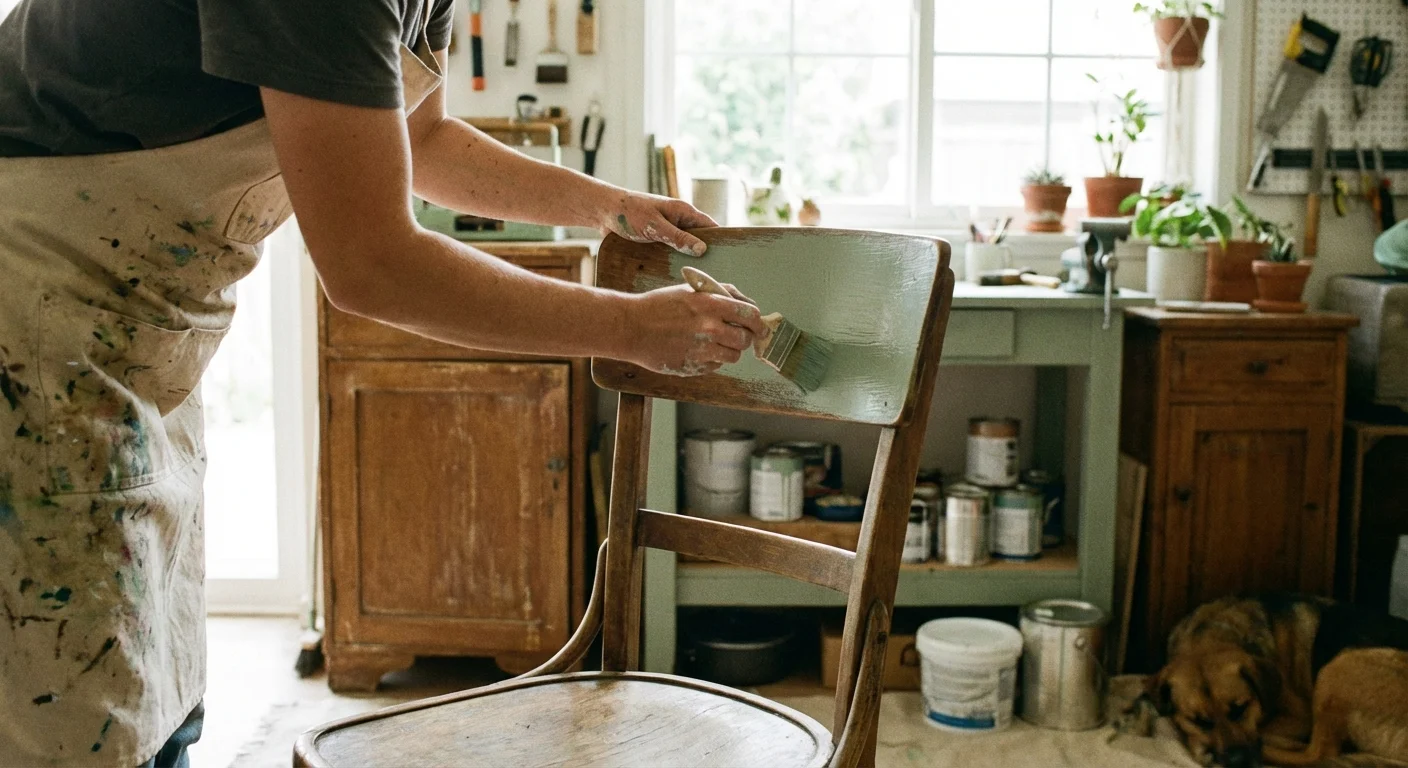
You do not need to gut a room to transform it. If your budget is tight, focus on surface-level eco friendly remodeling techniques that refresh your space without generating heavy waste or requiring massive supply purchases.
- Reface, Do Not Replace: If your kitchen layout works and the cabinet boxes are structurally sound, simply paint them or buy new cabinet doors. This saves thousands of dollars and keeps heavy MDF and wood out of the trash.
- Reglaze the Tub: Cast iron or heavy porcelain bathtubs are incredibly difficult to remove and transport. Hiring a professional to reglaze your existing tub gives you a brand-new surface for a fraction of the environmental and financial cost.
- Switch to LED Lighting: If you are updating light fixtures, ensure every bulb in the newly renovated space is an LED. They use up to 90% less energy than incandescent bulbs and last decades longer.
- Thrift Your Decor: When it is time to furnish and decorate your newly renovated space, visit antique stores, estate sales, and thrift shops. Magazines like Better Homes & Gardens frequently showcase how vintage rugs, restored furniture, and vibrant houseplants can elevate a room more effectively than mass-produced, fast-furniture items.
What Can Go Wrong
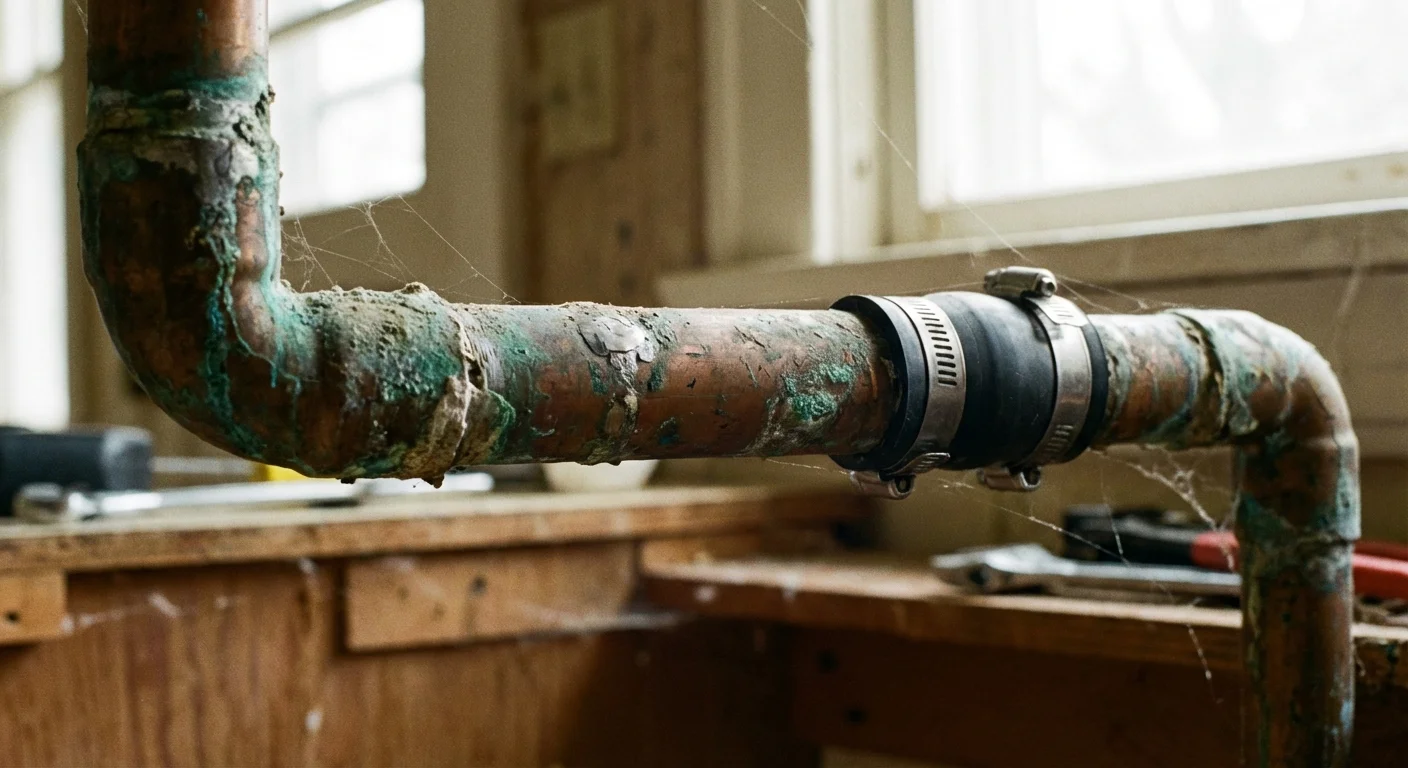
Even with the best intentions, a sustainable home renovation can run into hurdles. Being aware of these common pitfalls will help you navigate your project smoothly.
Falling for Greenwashing: Not every product labeled “eco,” “natural,” or “green” is actually sustainable. Greenwashing is a marketing tactic used to make products seem more environmentally friendly than they are. Always look for third-party certifications—such as FSC (Forest Stewardship Council) for wood or Greenguard for low-emissions products—rather than relying on a company’s own marketing claims.
Over-Ordering Materials: Ordering too much tile or flooring leads to unnecessary waste and lost money. While you should always order an extra 10% to account for cuts and breakage, measure your space meticulously to avoid ending up with boxes of unusable material that cannot be returned.
Prioritizing Aesthetics Over Efficiency: It is easy to blow your entire budget on beautiful recycled glass countertops while ignoring the drafty, single-pane windows in the same room. A responsible remodel addresses the functional, energy-draining issues of a home before focusing solely on cosmetic upgrades.

When to Call a Professional
While painting and swapping out cabinet hardware are great weekend projects, a comprehensive remodel often requires professional intervention. Do not let pride or a tight budget push you into unsafe territory. You should always call a licensed professional in the following scenarios:
- Handling Hazardous Materials: If your home was built before 1978, there is a high probability it contains lead-based paint or asbestos (commonly found in old floor tiles, popcorn ceilings, and pipe insulation). Never attempt to demolish these materials yourself; specialized abatement teams are required to handle and dispose of them safely.
- Major Electrical Upgrades: If your sustainable goals include adding a heavy-up to your electrical panel to support an electric vehicle charger, solar panels, or an induction stove, you must hire a licensed electrician. Incorrect electrical work is a severe fire hazard.
- Plumbing and Structural Changes: Moving water lines to accommodate a new high-efficiency washing machine or removing a wall to improve natural light and airflow requires expertise. A structural engineer or licensed contractor will ensure your home remains structurally sound and up to local building codes.
Frequently Asked Questions
Is an eco friendly remodeling project always more expensive?
Not necessarily. While some premium green building materials (like certain recycled glass counters or specialized solar equipment) carry a higher upfront cost, many sustainable practices actually save money. Choosing to reface cabinets instead of replacing them, buying salvaged materials, and keeping your existing room footprint will significantly reduce your renovation budget. Furthermore, energy-efficient upgrades lower your monthly utility bills, offering a long-term return on investment.
How do I dispose of old remodeling materials responsibly?
Start by separating your waste. Clean wood, unpainted drywall, and scrap metal can often be taken to specialized recycling facilities rather than the general dump. For usable items like appliances, doors, windows, and light fixtures, contact local non-profits like Habitat for Humanity’s ReStore, which accepts donations of building materials to resell to the public.
What is the most sustainable way to handle demolition?
The most sustainable method is deconstruction, which involves taking the structure apart in the reverse order it was built. By carefully unscrewing, unnailing, and prying materials apart, you preserve their integrity so they can be reused, donated, or sold, drastically reducing the amount of debris sent to the landfill.
How long do volatile organic compounds (VOCs) stay in the air after renovating?
The highest level of off-gassing occurs during the application and initial drying phases of paints, stains, and adhesives, typically within the first few weeks. However, some materials, like certain carpets and composite woods, can continue emitting low levels of VOCs for months or even years. This is why investing in zero-VOC products and ensuring excellent ventilation during your remodel is so critical.
Moving Forward with Purpose
Embarking on a sustainable home renovation is a rewarding process that transforms your living space into a reflection of your values. You do not have to achieve perfection; every small, environmentally conscious choice you make—from saving a vintage door to installing a low-flow faucet—creates a positive ripple effect. Take your time during the planning phase, research your materials thoroughly, and embrace the character that comes with repurposing and preserving the elements of your home.
This is educational content based on general best practices. Individual results vary based on your home, budget, and circumstances. Always prioritize safety and consult professionals for major projects.
Last updated: February 2026






Leave a Reply