

Major household appliances account for nearly thirty percent of your home’s total energy consumption. Every time you open the refrigerator, run a load of laundry, or preheat the oven, your home draws significant power from the grid. Upgrading an outdated refrigerator or a ten-year-old washing machine offers an immediate, measurable opportunity to lower your utility bills and shrink your carbon footprint. In 2026, the appliance landscape has fundamentally shifted; we have moved past simple eco-settings into an era of integrated heat pumps, AI-driven power management, and ultra-efficient induction technology.
Replacing an aging appliance is a major financial decision, and navigating the sheer volume of marketing claims requires a discerning eye. Manufacturers heavily promote their green credentials, but actual energy savings depend entirely on the technology inside the machine and how well it matches your household’s habits. This guide breaks down the essential technologies dominating the market this year, showing you exactly what to look for when shopping for the energy efficient appliances 2026 has to offer.

Assessing Your Current Appliances: Repair or Replace?
Before you invest in a new suite of appliances, you need to evaluate the machines currently sitting in your kitchen and laundry room. A common dilemma homeowners face is whether to repair a broken appliance or replace it entirely. As a general rule, if an appliance is more than ten years old and the repair costs exceed fifty percent of the price of a new model, replacing it is the more economical choice over the long term.
Before deciding on a replacement, consult an appliance cleaning guide to see if a deep maintenance cycle can restore its efficiency.
Older appliances degrade in efficiency over time. Refrigerator seals crack, compressor motors wear down, and dishwasher pumps lose their prime. Even if a fifteen-year-old refrigerator still keeps your food cold, it likely consumes twice the electricity of a modern equivalent. By auditing your current setup, you can prioritize which upgrades will yield the highest return on investment. Start with appliances that run continuously—like your refrigerator—or those that use electric heating elements, such as your dryer and hot water heater.
Why 2026 is a Breakthrough Year for Green Home Appliances
The home appliance industry has experienced a rapid technological evolution over the past five years. We are no longer relying solely on better insulation or slightly more efficient motors. The green home appliances available today utilize entirely new methods of thermal transfer and operational logic.
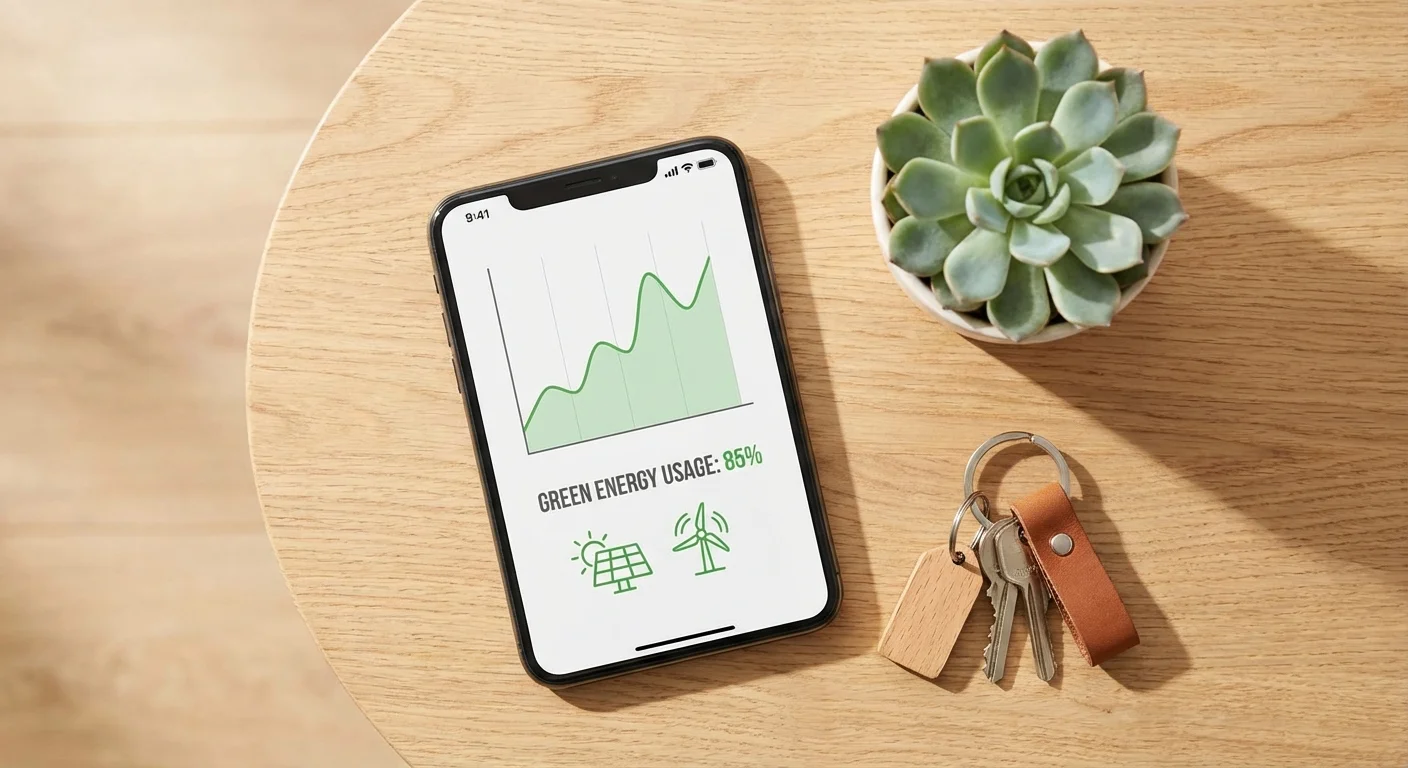
Grid-interactive smart appliances are now the baseline for premium and mid-tier models. These appliances communicate directly with smart meters, automatically scheduling energy-intensive cycles—like running the dishwasher or the dryer’s heating phase—during off-peak hours when electricity rates are lower and the grid relies heavily on renewable energy sources. This automated load-shifting requires zero effort on your part once configured, yet it dramatically reduces your monthly utility costs.
Furthermore, artificial intelligence now plays a crucial role in resource management. Modern washing machines weigh the load, analyze fabric types, and assess soil levels to dispense the exact amount of water and detergent needed. Refrigerators track your usage patterns, preemptively cooling the interior right before your typical meal prep times when the doors are frequently opened. These micro-adjustments add up to massive annual energy savings.
“Energy efficiency is no longer a compromise on performance; today’s eco-friendly appliances actually wash better, cool faster, and cook more precisely than their energy-hogging predecessors.” — James Walker, Building Science Expert

Navigating Appliance Rebates and Tax Credits
Purchasing high-efficiency appliances requires a higher upfront investment, but federal, state, and local incentives heavily offset these initial costs. The expansion of home electrification rebates makes 2026 an ideal time to transition away from fossil fuel appliances.
Integrating these appliances is a key component of a sustainable home renovation that improves both value and functionality.
When you replace a gas range with an induction model or swap a traditional electric dryer for a heat pump version, you often qualify for direct point-of-sale rebates or substantial tax credits. Check the Energy Star rebate finder database before making any purchase. Utility companies also frequently offer rebates for recycling old, working refrigerators and freezers, ensuring these energy hogs are permanently removed from the power grid rather than relegated to your garage.
Understanding the Labels: Your Energy Star Appliances Guide
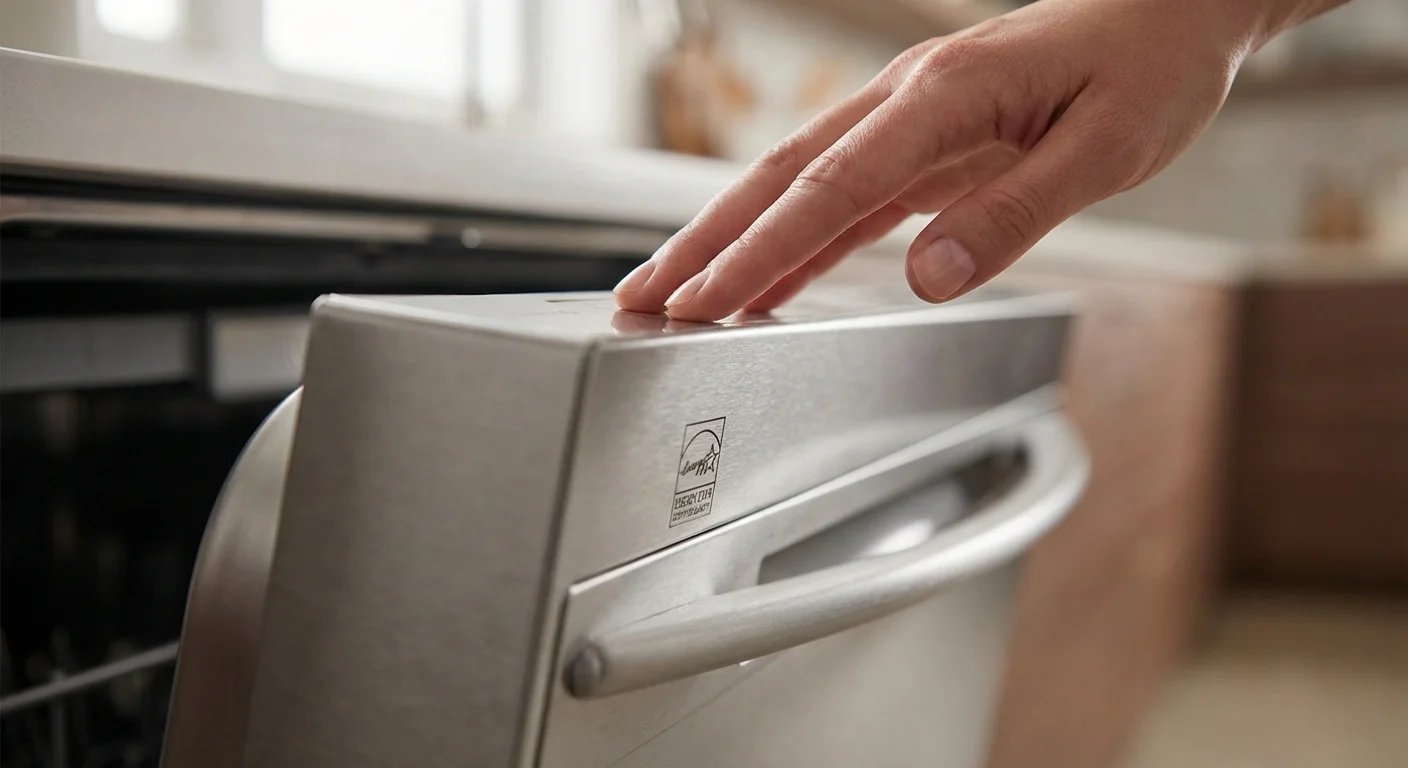
Walking into a big-box retailer or browsing online stores exposes you to a dizzying array of eco-labels, some legitimate and others merely marketing jargon. A reliable Energy Star appliances guide starts with ignoring the buzzwords and focusing on standardized metrics.
The bright yellow EnergyGuide label is your most valuable tool. It provides the estimated annual electricity consumption in kilowatt-hours (kWh) and an estimated yearly operating cost. When comparing two models, always look at the kWh number rather than the estimated cost, as local electricity rates fluctuate.
Beyond the standard labels, look for the “Energy Star Most Efficient” designation. This specialized tier highlights products that represent the absolute pinnacle of efficiency for the current calendar year. These models often feature cutting-edge technologies like variable-speed compressors and advanced heat exchangers, establishing them as the best eco friendly appliances currently available to consumers.
Top Refrigerators for Optimal Efficiency
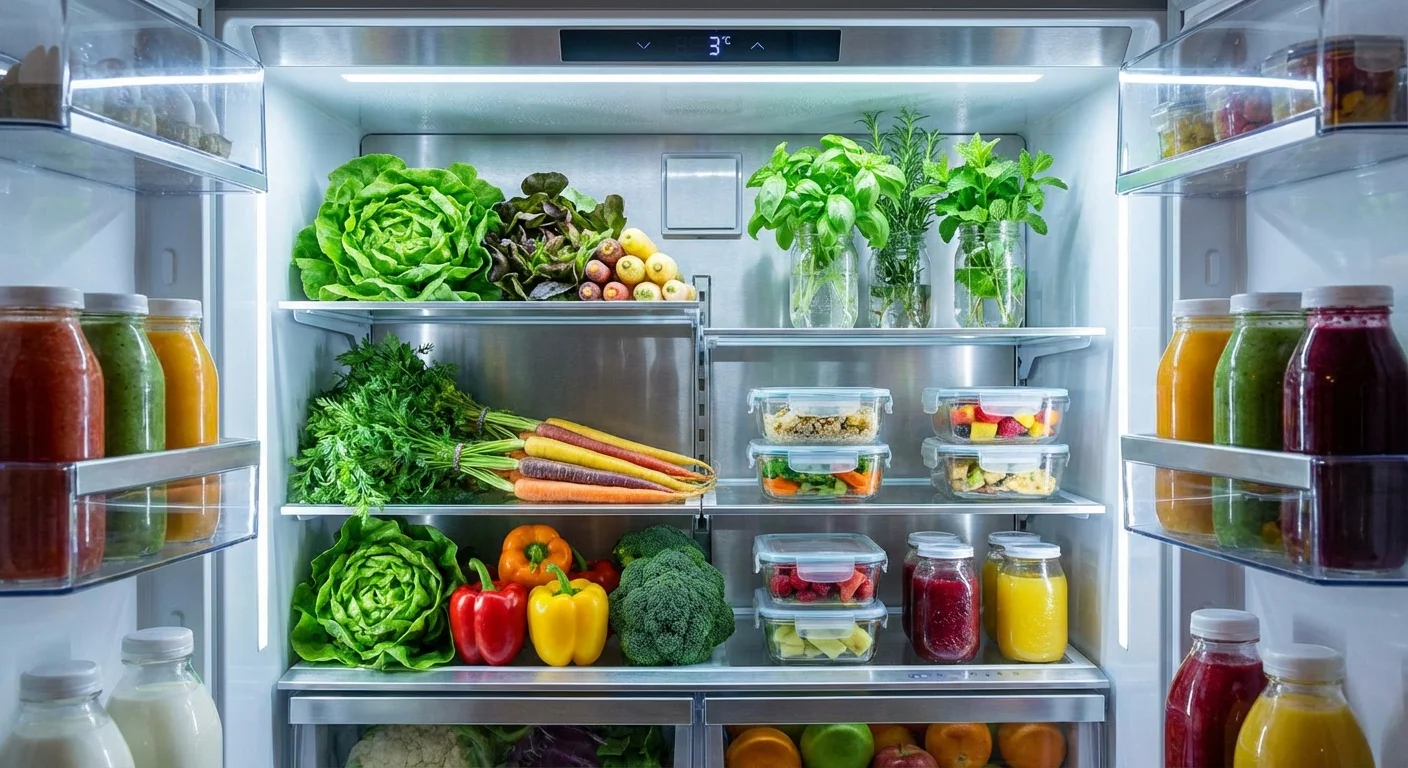
Refrigerators are unique because they run twenty-four hours a day, seven days a week. Upgrading your refrigerator yields immediate, constant energy savings. When shopping for an efficient refrigerator in 2026, the compressor technology is the most critical component to evaluate.
To complement your new fridge, implementing zero-waste grocery storage habits will help keep your energy-efficient kitchen fully optimized.
Traditional refrigerators use single-speed compressors that loudly click on, run at full blast until the target temperature is reached, and then shut off completely. This constant cycling requires immense power surges. Modern efficient models utilize linear inverter compressors. These compressors run continuously at varying speeds, gently adjusting the flow of refrigerant to maintain a perfectly stable temperature. Because they rarely start from a complete stop, they use significantly less electricity and experience less mechanical wear.
Additionally, look for models featuring vacuum-insulated panels (VIPs). Traditional foam insulation requires thick walls to be effective. VIPs offer superior thermal resistance in a much thinner profile, meaning the refrigerator uses less energy to keep heat out while simultaneously maximizing interior storage space. Features like door-in-door designs also contribute to efficiency by allowing you to grab frequently used items—like milk or condiments—without letting all the cold air escape from the main compartment.
The New Standard in Laundry: Heat Pump Washers and Dryers
The laundry room is traditionally one of the most energy-intensive spaces in a home, primarily due to the electric resistance heating used in conventional dryers. The shift toward low energy appliances has revolutionized how we process laundry.
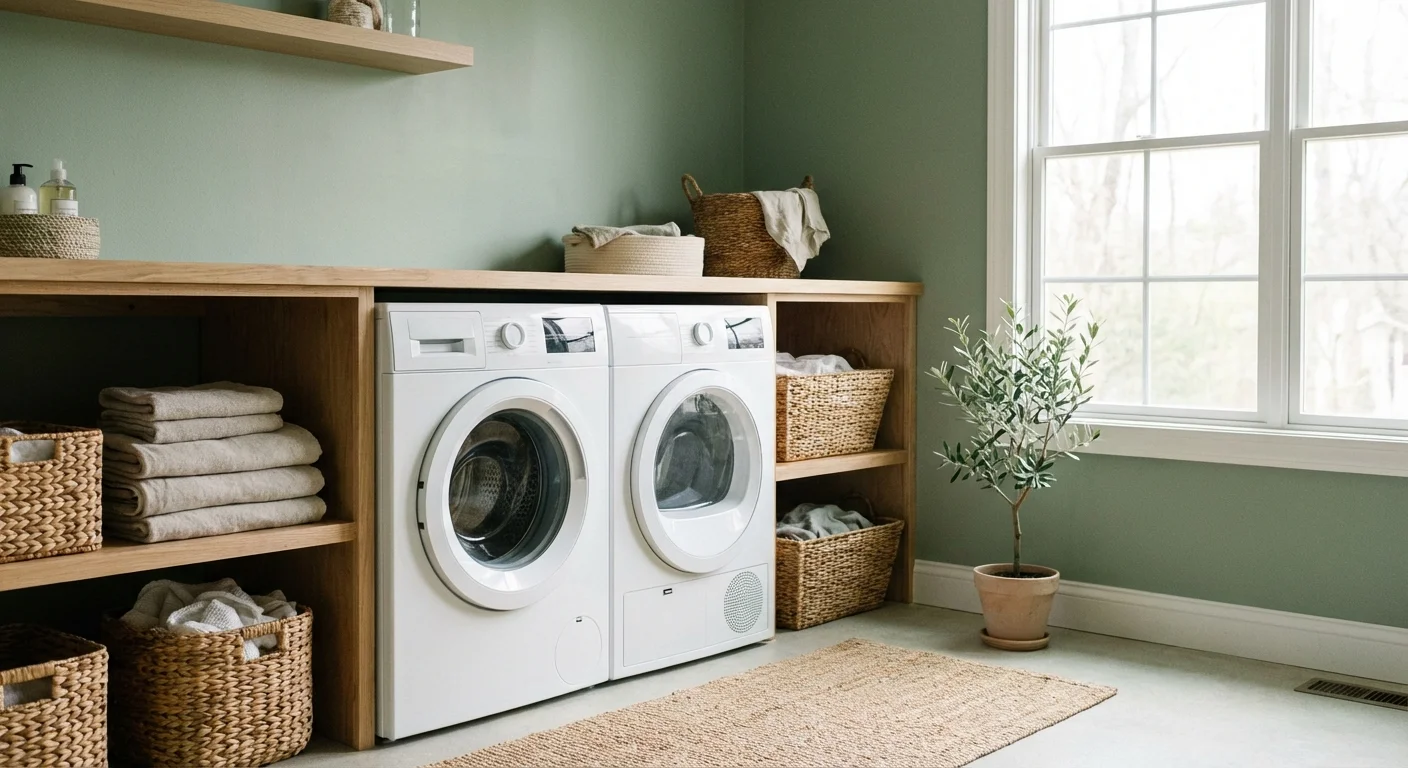
The ventless heat pump dryer is the most significant leap forward in laundry technology. Instead of pulling conditioned air from your home, heating it with electric coils, and blowing it outside through a vent, a heat pump dryer operates as a closed loop. It uses a refrigerant system to heat the air, passes it through the tumbling clothes to extract moisture, and then rapidly cools the air to condense the water into a drain or tank. The system then reheats the exact same air and sends it back into the drum. This process uses up to sixty percent less energy than a traditional vented dryer.
Because they do not require an external exhaust vent, heat pump dryers can be installed anywhere in your home—from a primary bedroom closet to a kitchen alcove. They also dry clothes at lower temperatures, which dramatically extends the lifespan of your garments by preventing heat damage and shrinkage.
On the washing side, high-efficiency front-load washers remain the gold standard. They tumble clothes through a small pool of water rather than filling a massive tub, slashing water usage by up to seventy percent compared to older top-load agitator models. To maximize your savings, select a washer with an internal water heater; these models heat the water directly in the drum, which is far more efficient than drawing hot water all the way from your home’s main water heater.
For independent testing and reliability ratings on specific laundry models, resources like Consumer Reports provide invaluable data on long-term performance.
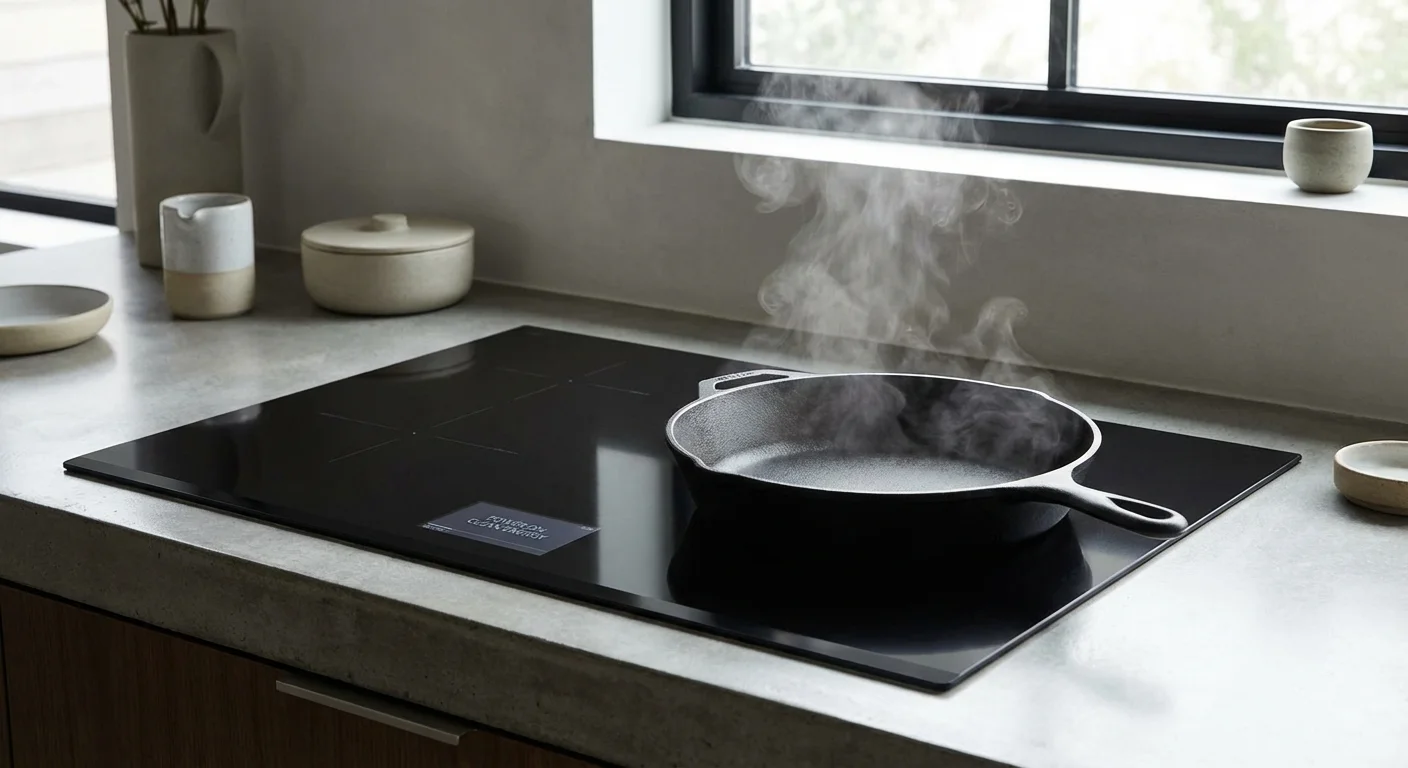
Cooking Smart: Induction Ranges and Convection Ovens
The kitchen range is undergoing a rapid transformation. Gas stoves, long favored by culinary enthusiasts, are being phased out in many new constructions due to indoor air quality concerns and heavy reliance on fossil fuels. The modern solution is magnetic induction.
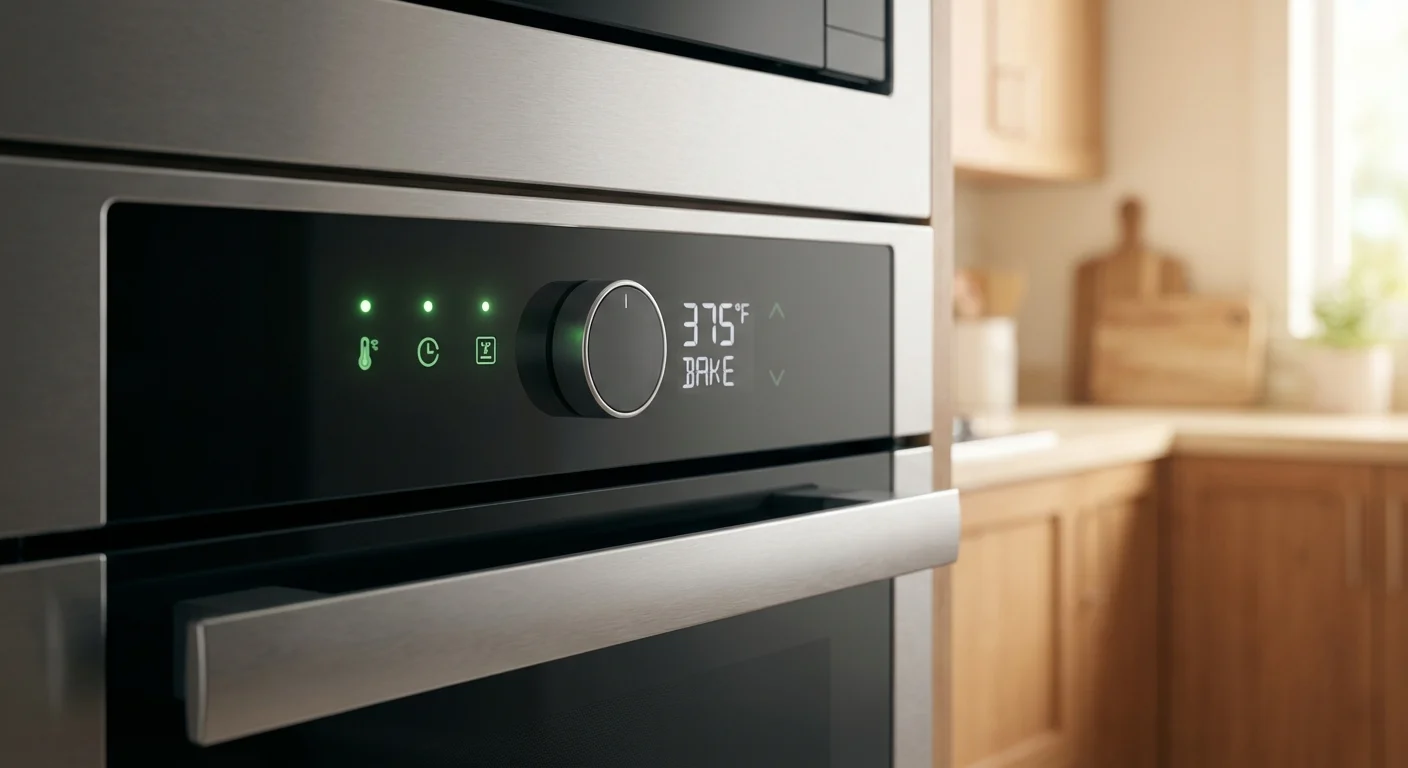
Induction cooktops use electromagnetic fields to directly heat the iron molecules within your cookware. The glass surface itself does not generate heat; the pot becomes the heat source. This results in unprecedented thermal efficiency. Approximately ninety percent of the energy consumed by an induction cooktop transfers directly into the food, compared to just forty percent with a gas flame. Water boils in a fraction of the time, and temperature control is instantaneous and exact.
For the oven portion of your range, true European convection is the feature to seek out. Unlike standard ovens that rely on natural heat currents, convection ovens feature a heating element wrapped around an internal fan. This circulates hot air evenly throughout the cavity, eliminating cold spots and allowing you to cook food twenty-five percent faster at lower temperatures. A faster cooking time naturally equates to lower energy consumption.
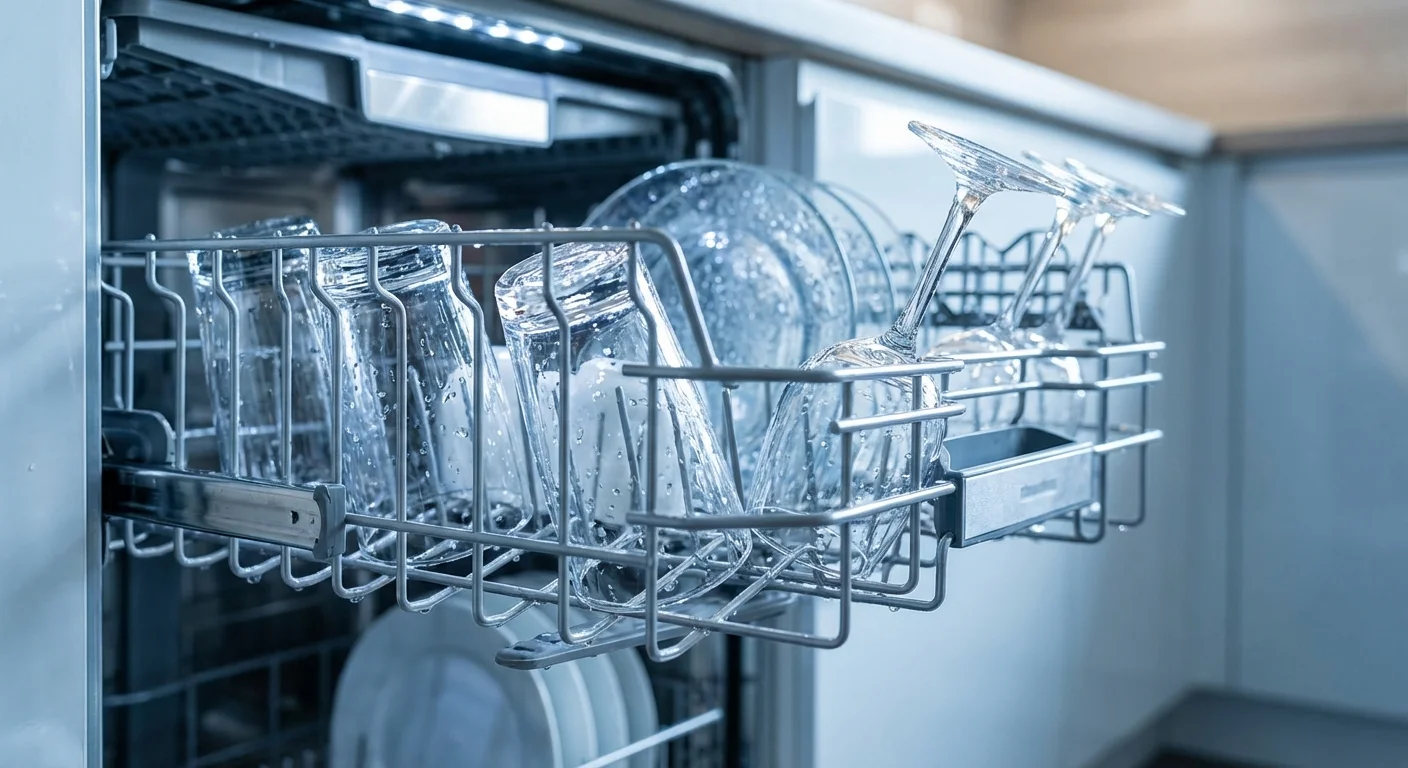
Dishwashers That Save Both Water and Power
Many people still believe that washing dishes by hand uses less water than running a dishwasher. In reality, a modern, Energy Star certified dishwasher is vastly more efficient than even the most frugal hand-washing technique. Today’s dishwashers use incredibly precise pumps and filtration systems to clean a full load of heavily soiled dishes with less than four gallons of water.
The key feature to look for is an advanced soil sensor. During the initial rinse cycle, the dishwasher measures the turbidity (cloudiness) of the water. If the water is relatively clear, the machine automatically shortens the cycle, reduces the water temperature, and skips unnecessary rinses. If the water is heavily soiled, the machine adapts to provide a more intensive clean.
To maximize the efficiency of your dishwasher, utilize the air-dry setting rather than the heated dry option. The heated dry function engages an electric resistance coil at the bottom of the tub, which consumes a massive amount of electricity. Instead, modern dishwashers rely on condensation drying—the stainless steel tub cools down faster than the hot dishes, pulling the moisture away from the plates and down into the drain. Opening the door slightly at the end of the cycle also facilitates completely energy-free drying.
Comparison Table: Energy Savings by Appliance Type
To illustrate the financial and environmental impact of upgrading, here is a comparison of traditional household appliances versus 2026 high-efficiency models. (Note: Estimated annual savings are based on national average utility rates; your actual savings will depend on local electricity and water costs.)
| Appliance Type | Standard Model (Annual Energy Use) | 2026 High-Efficiency Model (Annual Energy Use) | Key Efficiency Technology | Estimated Annual Savings |
|---|---|---|---|---|
| Refrigerator | 600 – 800 kWh | 350 – 450 kWh | Linear Inverter Compressor, Vacuum Panels | $45 – $60 |
| Clothes Washer | 40+ gallons/load, 300 kWh | 12-15 gallons/load, 120 kWh | Front-load tumbling, Cold water optimized | $75 – $100 (water + electric) |
| Clothes Dryer | 700 – 900 kWh | 250 – 350 kWh | Ventless Heat Pump Technology | $60 – $85 |
| Kitchen Range | Standard Electric Resistance or Gas | Induction with Convection Oven | Electromagnetic direct heating | $30 – $50 |
| Dishwasher | 6 – 8 gallons/cycle, 290 kWh | 3 – 4 gallons/cycle, 190 kWh | Soil sensors, Condensation drying | $35 – $50 (water + electric) |
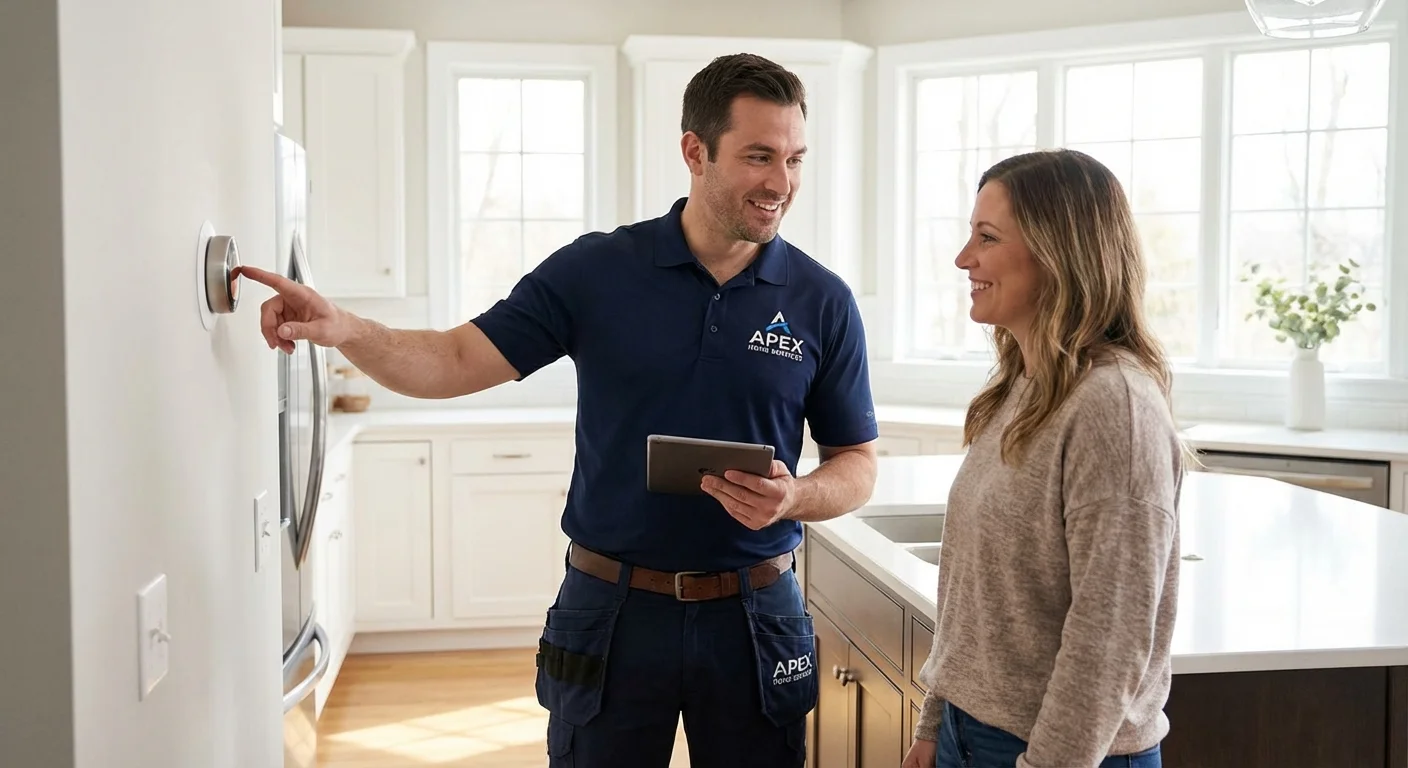
Professional vs. DIY Appliance Installation
Purchasing the appliance is only the first step; proper installation ensures the machine operates at peak efficiency. While some installations make for excellent weekend projects, others require specialized knowledge and licensing.
- Refrigerators (DIY): In most cases, installing a new refrigerator is a straightforward DIY task. You need to ensure the unit is perfectly level so the doors seal correctly. If your fridge has a water dispenser or ice maker, connecting the braided steel water line requires a simple crescent wrench and some thread seal tape.
- Dishwashers (Moderate DIY or Professional): Replacing an existing dishwasher involves connecting a water supply line, a drain hose, and hardwiring the electrical connection. If you are comfortable working with basic plumbing and shutting off the breaker to handle electrical wires, this is a manageable DIY job. However, if your older dishwasher was plugged into a standard outlet and the new one requires hardwiring, hire an electrician.
- Induction Ranges (Professional): Upgrading from a gas stove to an electric induction range is strictly a professional job. You will need a licensed plumber to safely cap the gas line and a certified electrician to install a dedicated 240-volt, 40- or 50-amp circuit. Induction cooktops draw significant power, and existing kitchen wiring is rarely sufficient for a retrofit without professional upgrades.
- Heat Pump Dryers (DIY): Because ventless heat pump dryers operate on a standard 120-volt outlet and require no external exhaust ducting, they are incredibly easy to install yourself. You simply plug the unit in and route the small condensation hose into the same drain pipe used by your washing machine.

Common Mistakes to Avoid When Upgrading
Even with the best intentions, homeowners often make simple errors that negate the energy-saving benefits of their new appliances. Keep these common pitfalls in mind during your shopping and installation process.
Buying a Larger Appliance Than You Need: It is tempting to buy the massive French-door refrigerator or the ultra-capacity washing machine. However, heating and cooling empty space wastes energy. A heavily packed freezer operates more efficiently than a half-empty one, as the frozen items retain cold thermal mass. Assess your actual household needs and buy the appropriately sized model.
Ignoring Phantom Power Loads: Many smart appliances consume a small amount of electricity continuously to keep their Wi-Fi modules active and touchscreens illuminated. While the operational efficiency offsets this, you can optimize further by disabling overly bright digital displays or unused smart features through the appliance’s companion app.
Neglecting Routine Maintenance: An energy-efficient appliance will only remain efficient if you maintain it. Failing to clean the lint filter on a heat pump dryer, ignoring the water filter in a dishwasher, or letting dust accumulate on the condenser coils behind your refrigerator forces the motors to work harder, dramatically increasing energy consumption. Treat maintenance as an ongoing energy-saving strategy.
For more tips on organizing and maintaining your kitchen spaces, leading home management publications like Better Homes & Gardens offer excellent seasonal maintenance checklists.
Frequently Asked Questions
Are smart appliances actually more energy-efficient?
Yes, when utilized correctly. Smart appliances optimize their own performance—such as adjusting wash times based on soil levels or running defrost cycles during periods of low grid demand. If you sync them with a smart utility meter to take advantage of off-peak electricity rates, the cost savings are substantial.
Do I have to use special detergent in high-efficiency washers?
Absolutely. High-efficiency (HE) washers use drastically less water than older models. Traditional detergents produce too many suds, which cushion the clothes and prevent them from rubbing together (the mechanical action required for cleaning). Excess suds also confuse the machine’s sensors, causing it to run unnecessary extra rinse cycles, wasting both water and electricity. Always use HE-formulated detergents and follow the dosing instructions carefully.
How long does it take to see a return on investment for an induction range?
While induction ranges save money on your monthly utility bill, the timeline for a complete return on investment depends on the cost of electricity in your area and whether you received rebates. On average, the energy savings alone take several years to offset the premium purchase price. However, when you factor in the time saved cooking, the elimination of indoor air pollutants, and the ease of cleaning a flat glass surface, the lifestyle return on investment is immediate.
Can I install a heat pump dryer in a closed closet?
Yes. Because ventless heat pump dryers do not exhaust hot, humid air out the back, they are perfect for small spaces and closed closets. However, you must ensure there is adequate airflow around the front of the unit, and you must empty the water reservoir regularly or connect the bypass hose to a nearby drain.
Creating an energy-efficient home is an ongoing process of making smart, intentional choices. You do not need to replace every appliance in your house today. Start by identifying the oldest, most inefficient machine in your home—likely your refrigerator or your vented dryer—and research the high-efficiency alternatives available. By upgrading systematically, you reduce your environmental footprint, lower your monthly utility expenses, and elevate the daily comfort and functionality of your living spaces.
This guide provides general home improvement information. Every home is different—what works in one space may need adaptation in yours. For structural changes or electrical/plumbing work, consult a licensed professional.
Last updated: February 2026









Leave a Reply