The average American family uses more than 300 gallons of water every single day. While we often view water as an infinite resource that flows freely whenever we turn a handle, the reality of modern home management tells a different story. Rising utility costs, regional droughts, and a growing awareness of our environmental footprint have transformed water conservation from a niche environmental cause into a fundamental aspect of smart homeownership.
You do not have to sacrifice comfort or completely overhaul your lifestyle to achieve meaningful home water efficiency. Small, deliberate shifts in your daily habits—combined with a few strategic upgrades to your home’s infrastructure—can drastically reduce water usage and lower your monthly bills. Whether you rent a compact apartment or own a sprawling suburban property, evaluating your water consumption yields immediate, measurable benefits.
At a Glance: Essential Water Conservation Strategies
- Upgrade Fixtures: Swapping old hardware for modern water saving fixtures provides the highest return on investment.
- Rethink Routines: Changing how you wash dishes, do laundry, and shower costs nothing but saves thousands of gallons annually.
- Fix the Leaks: A silent toilet leak can waste up to 200 gallons a day; vigilance prevents massive utility bills.
- Landscape Smartly: Outdoor watering accounts for nearly 30 percent of household use; optimizing your irrigation transforms your overall consumption.

The Kitchen: Cooking and Cleaning with Less
The kitchen serves as the heart of the home, but it also acts as a primary hub for water consumption. Modifying how you prepare food and clean up afterward significantly impacts your daily usage.
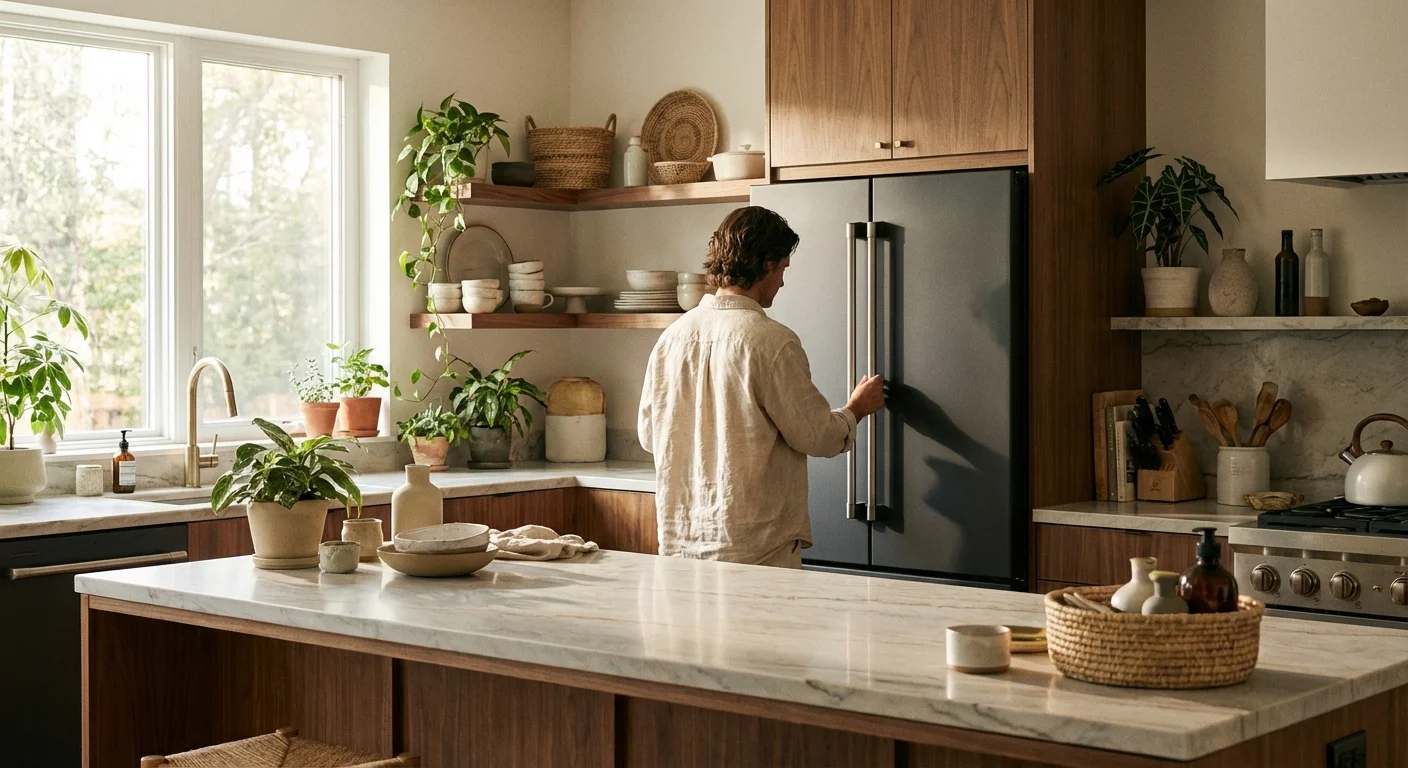
Upgrading to the latest energy-efficient appliances can lead to significant reductions in both water and power usage.
Many of these tips fit perfectly into a larger sustainable home renovation project aimed at long-term efficiency.
- Scrape, do not rinse, your plates: Most modern dishwashers feature advanced sensors and powerful jets designed to break down food particles. Rinsing dishes under a running tap before loading them wastes up to 20 gallons of water per load. Scrape food scraps directly into your compost bin or trash can instead.
- Run only full dishwasher loads: Running a half-empty dishwasher squanders both water and energy. Wait until you have a completely full machine before starting the cycle; this simple habit maximizes the efficiency of every drop used.
- Upgrade to an Energy Star certified dishwasher: If your dishwasher is more than a decade old, replacing it offers immense savings. According to Energy Star guidelines, certified models use less than four gallons per cycle, whereas washing the same amount of dishes by hand can consume over 20 gallons.
- Use a basin to wash produce: Letting the tap run while you wash vegetables sends perfectly clean water straight down the drain. Fill a large bowl or basin with water to scrub your produce, then repurpose that nutrient-rich water for your houseplants.
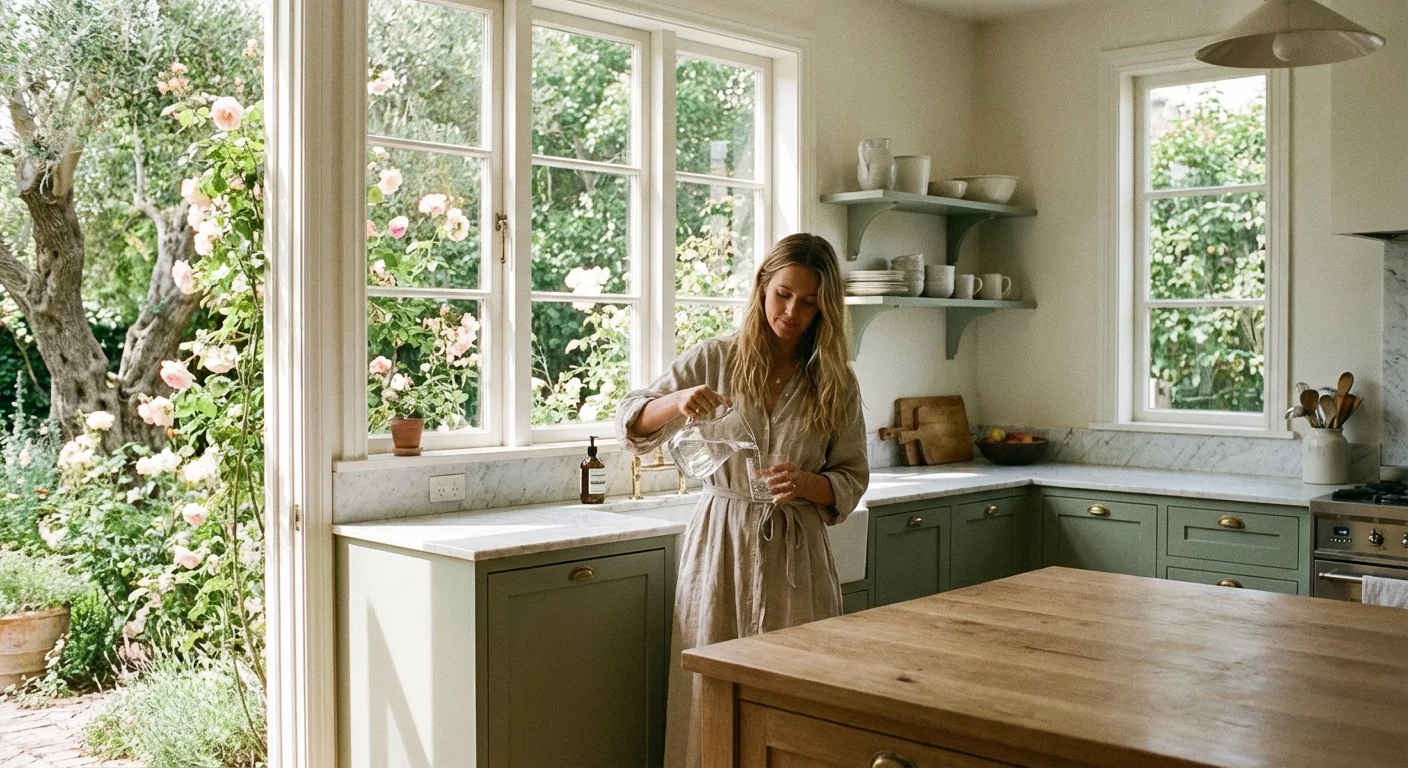
- Keep a pitcher of drinking water in the refrigerator: Running the tap until the water turns ice-cold wastes gallons of water every week. Keeping a dedicated pitcher in the fridge ensures you always have chilled water instantly available.
- Thaw frozen food in the refrigerator: Defrosting meat under warm running water is a common—and highly wasteful—kitchen practice. Plan ahead and transfer frozen items to the refrigerator the night before, which safely thaws the food without using a single drop from the faucet.
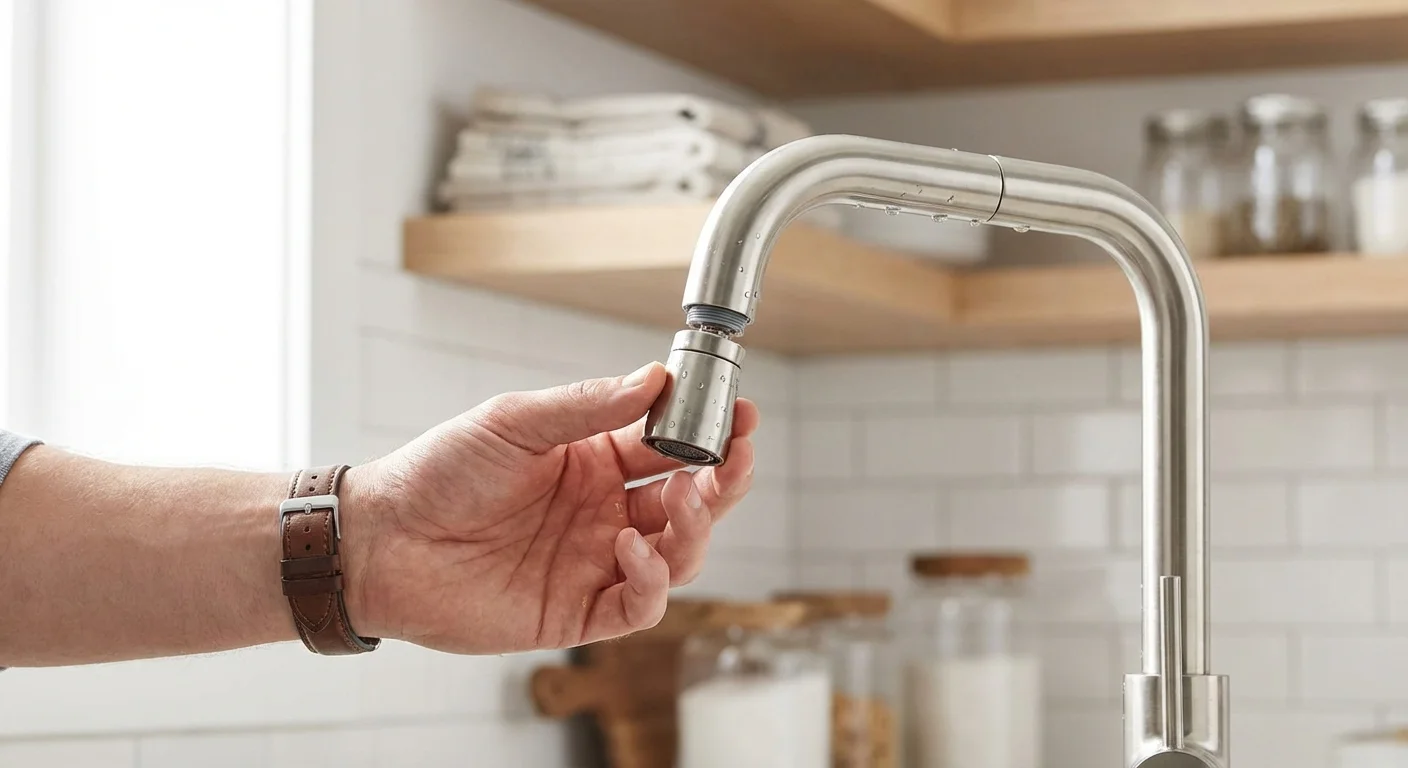
- Install a high-efficiency kitchen faucet aerator: An aerator mixes air into the water stream, maintaining excellent water pressure while reducing the actual volume of water flowing through the tap. This inexpensive screw-on device cuts sink water usage by up to 30 percent.
The Bathroom: High-Impact Water Saving Fixtures and Habits
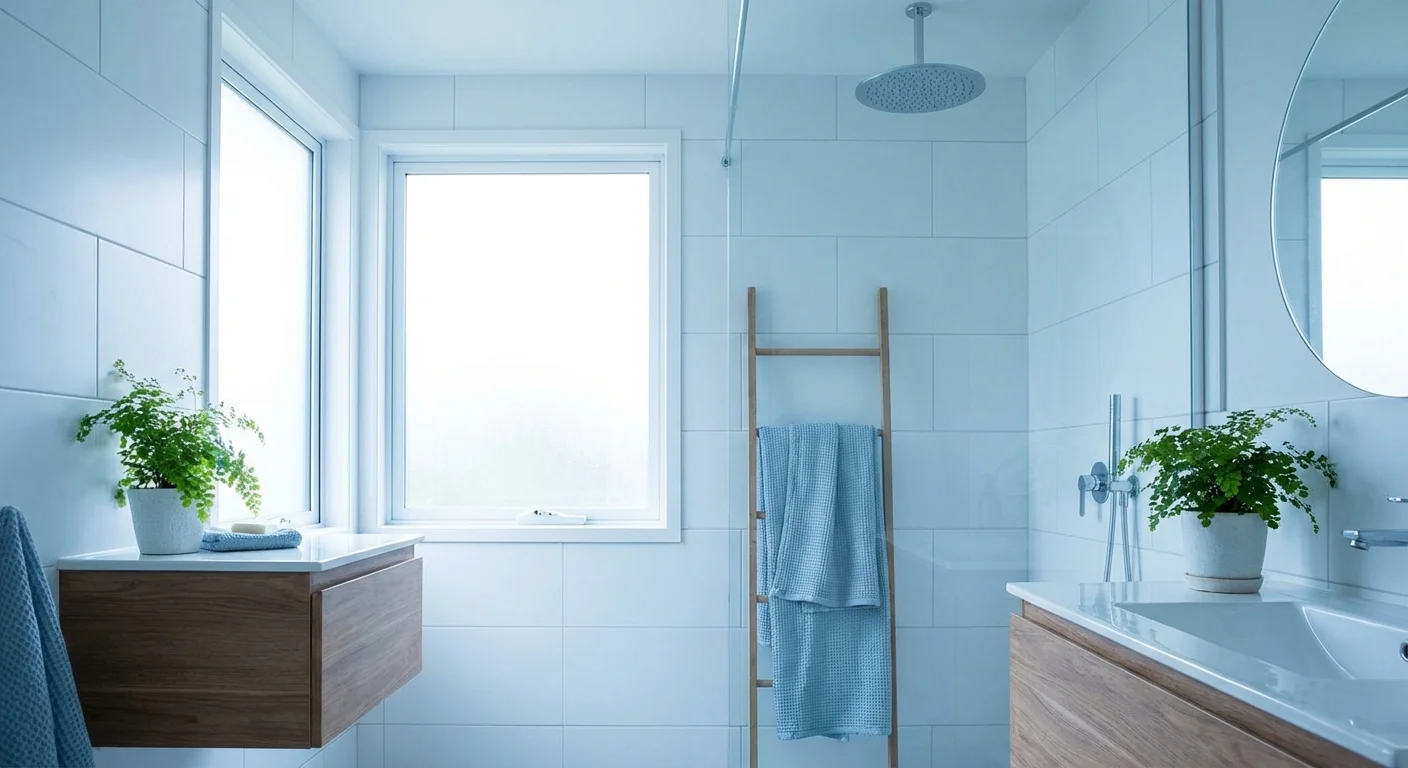
More than half of all indoor water use takes place in the bathroom. This space offers the greatest opportunity to implement water conservation tips home experts recommend most.
- Install low-flow showerheads: Older showerheads blast out up to 2.5 gallons per minute (gpm). Modern water saving fixtures bearing the EPA WaterSense label use no more than 2.0 gpm—and often much less—without sacrificing spray coverage or pressure.
- Shorten your shower by two minutes: Trimming just 120 seconds off your daily shower saves up to five gallons of water per person, per day. Keep a small waterproof timer in the bathroom to help your family stay mindful of their time under the spray.
- Turn off the tap while brushing your teeth: Leaving the water running while you brush wastes roughly four gallons of water. Wet your brush, turn off the tap, and turn it back on only when you need to rinse.
- Catch the warm-up water: While waiting for the shower water to reach a comfortable temperature, place a bucket under the faucet. You can use this perfectly clean, cold water to flush toilets, mop floors, or water your garden.
- Perform the food coloring toilet leak test: Toilet leaks are notoriously silent and expensive. Remove the toilet tank lid, drop in a little food coloring, and wait 15 minutes without flushing. If color appears in the bowl, you have a deteriorating flapper valve that needs immediate replacement. You can find detailed instructions for this simple repair on Bob Vila’s home improvement guides.
- Upgrade to a dual-flush toilet: If your toilet predates 1994, it likely uses between 3.5 and 7 gallons per flush. Upgrading to a dual-flush model allows you to choose between a partial flush for liquid waste (around 0.8 gallons) and a full flush for solid waste (1.28 gallons), drastically cutting your household’s largest water drain.
- Turn off the water while shaving: Fill the bottom of the sink with an inch of warm water to rinse your razor between strokes instead of letting the faucet run continuously.
“We see countless gallons of water wasted simply because homeowners ignore a running toilet or a dripping faucet; fixing these is the lowest-hanging fruit in home maintenance and conservation.” — Richard Trethewey, Plumbing Expert
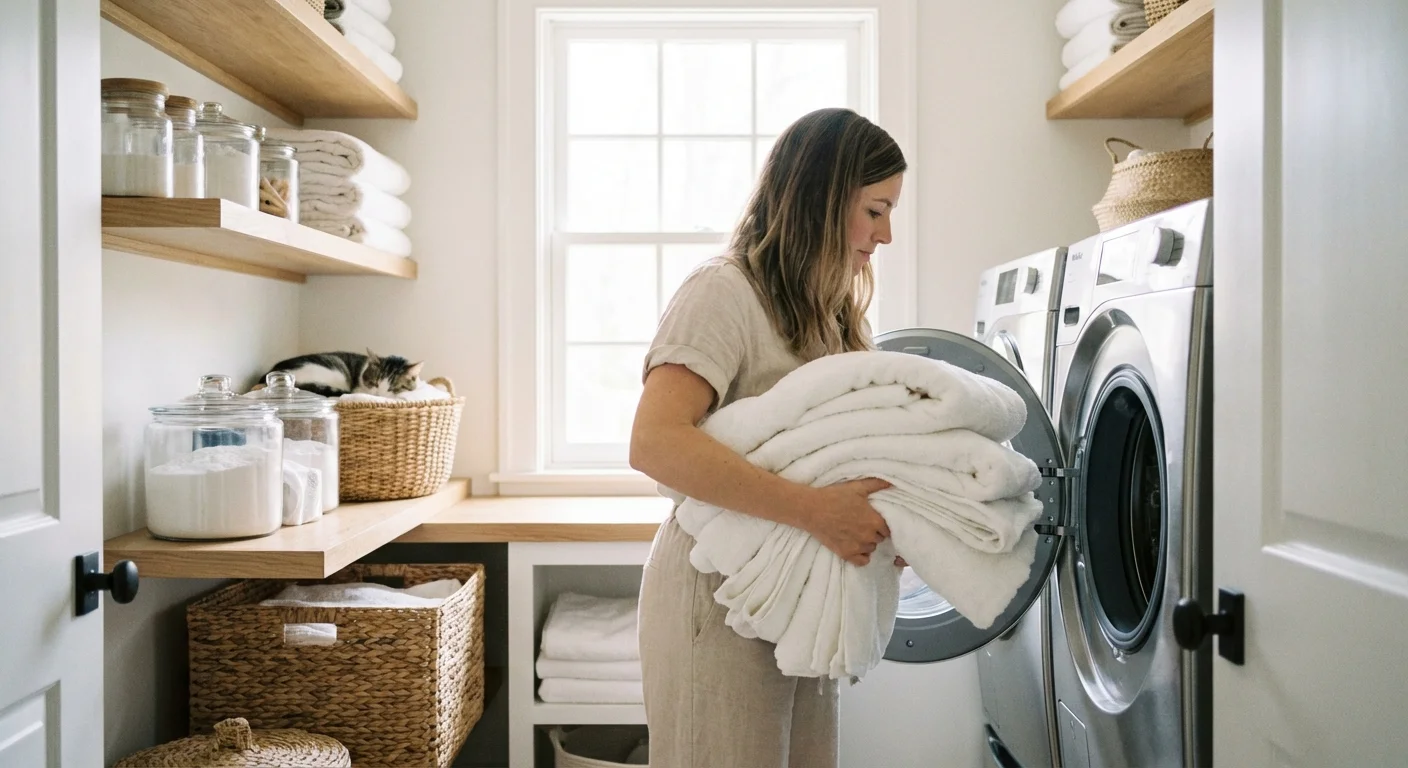
The Laundry Room: Efficiency in Every Load
Laundry is a relentless household chore that demands massive amounts of water. Optimizing your laundry routine saves water, preserves your clothing, and reduces your energy bills.
- Invest in a front-loading washing machine: Traditional top-loading washers fill the entire drum with water, using up to 40 gallons per load. High-efficiency front-loaders tumble clothes through a much smaller pool of water, consuming as little as 13 gallons per cycle while cleaning garments more gently.
- Match the water level to the load size: If you use a traditional washer, always adjust the water level setting to match the volume of clothes. Overfilling the tub for a few shirts wastes valuable resources.
- Skip the extra rinse cycle: Many modern washers default to an “extra rinse” setting. Unless a family member has severe skin sensitivities that require the complete removal of all detergent traces, bypass this feature to save up to five gallons per load.
- Treat stains immediately: The longer a stain sets, the more likely you are to rewash the garment. Spot-treating spills the moment they happen eliminates the need for repeated washing cycles.
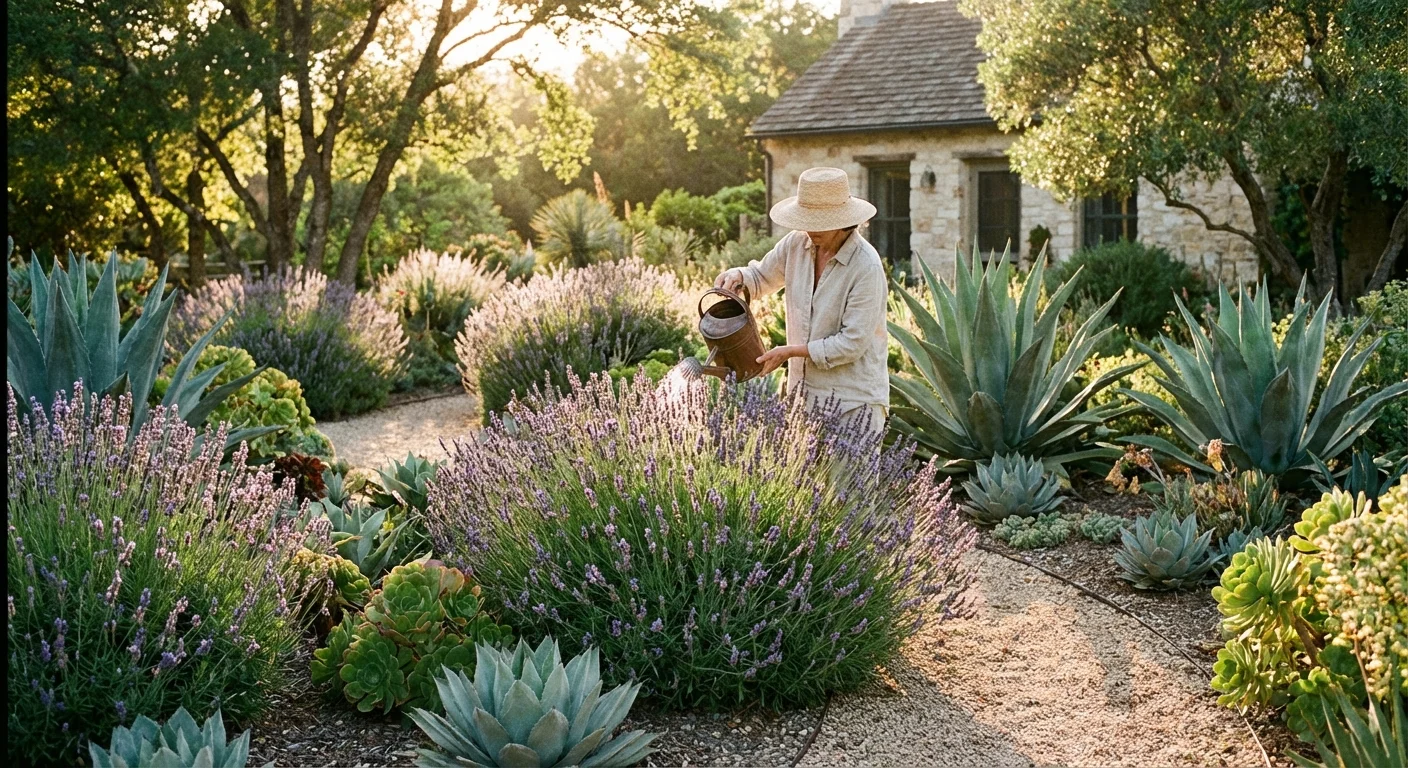
The Great Outdoors: Landscaping and Exterior Use
When summer arrives, outdoor water usage skyrockets. To truly save water at home, you must critically evaluate how you maintain your lawns, gardens, and hardscapes.
- Water your lawn in the early morning: Watering during the heat of the day causes massive evaporation; watering at night promotes fungal growth. The sweet spot is between 4:00 AM and 8:00 AM, allowing the water to soak deep into the root zone before the sun climbs high.
- Let your grass grow longer: Adjust your lawnmower blade to a height of about three inches. Taller grass shades the soil, reducing moisture evaporation and encouraging deeper, more drought-resistant root systems.
- Embrace hydrozoning: When planning your garden, group plants with similar water needs together. This prevents you from overwatering drought-tolerant native plants just to keep a thirsty neighboring hydrangea alive.
- Install a rain barrel: Position a rain barrel beneath your downspouts to capture roof runoff. This untreated, free water is highly beneficial for ornamental gardens, container plants, and washing outdoor equipment.
- Sweep, do not hose, your hardscapes: Using a garden hose to blast leaves and dirt off your driveway or patio uses dozens of gallons of water. Grab a sturdy push broom instead—it gets the job done without touching the water supply.
- Apply mulch generously: Spread a two- to three-inch layer of organic mulch around your trees, shrubs, and flower beds. Mulch acts as a protective barrier that retains soil moisture, regulates temperature, and suppresses water-stealing weeds.
- Wash your car at a commercial facility: Washing your car in the driveway easily wastes over 100 gallons of water, and the toxic runoff flows directly into storm drains. Commercial car washes are required by law to capture, treat, and recycle their water, making them the superior environmental choice.
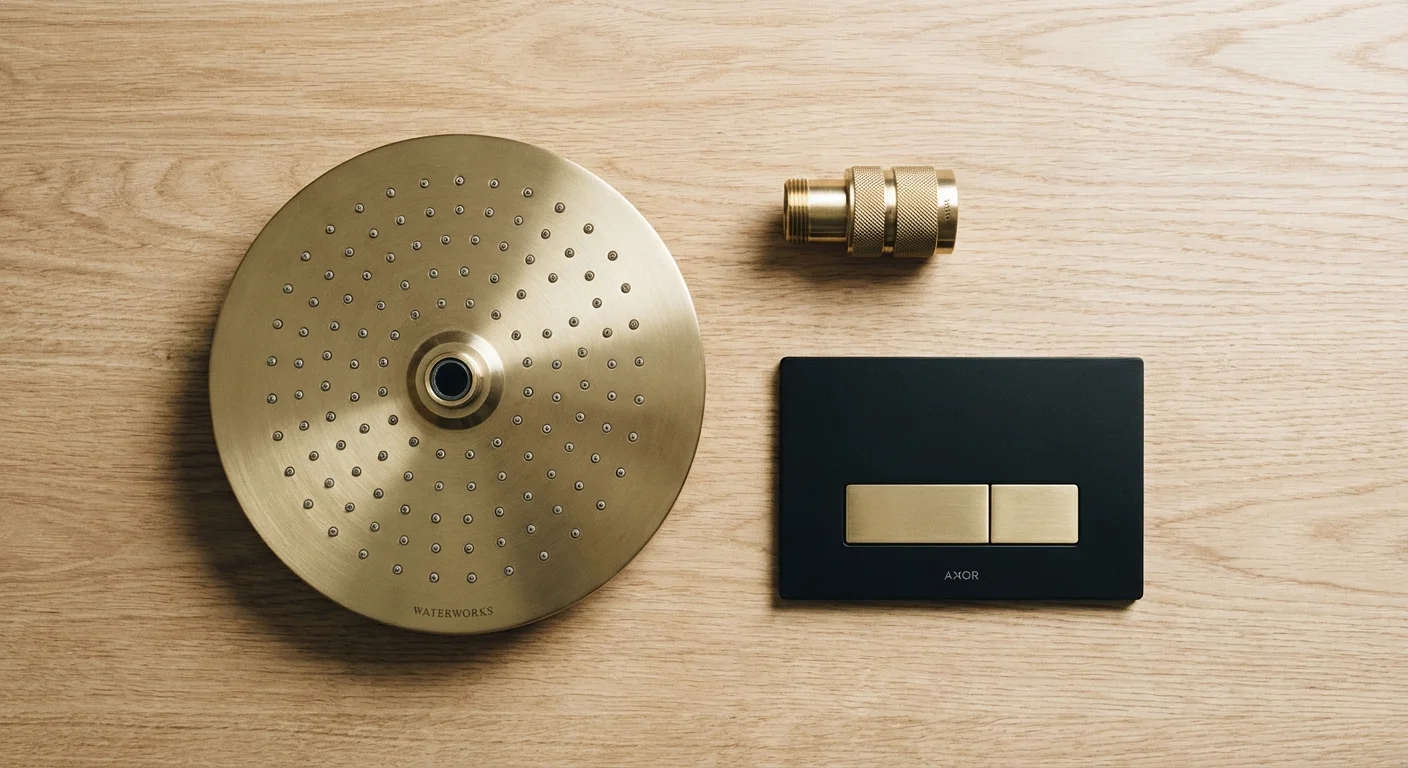
Comparing Water Saving Fixtures
Understanding the mathematical difference between standard and high-efficiency fixtures highlights exactly why upgrading your hardware is crucial. The table below illustrates the typical water consumption rates you can expect when you make the switch.
Tracking these fixture checks as part of your monthly home maintenance calendar ensures you catch leaks before they impact your bill.
| Fixture Type | Older / Standard Model Usage | High-Efficiency Model Usage | Estimated Annual Savings (Family of 4) |
|---|---|---|---|
| Toilet | 3.5 – 7.0 gallons per flush | 1.28 gallons per flush | ~13,000 gallons |
| Showerhead | 2.5 – 3.0 gallons per minute | 1.5 – 2.0 gallons per minute | ~2,900 gallons |
| Bathroom Faucet | 2.2 gallons per minute | 1.0 – 1.5 gallons per minute | ~1,500 gallons |
| Washing Machine | 30 – 40 gallons per load | 13 – 15 gallons per load | ~6,000 gallons |
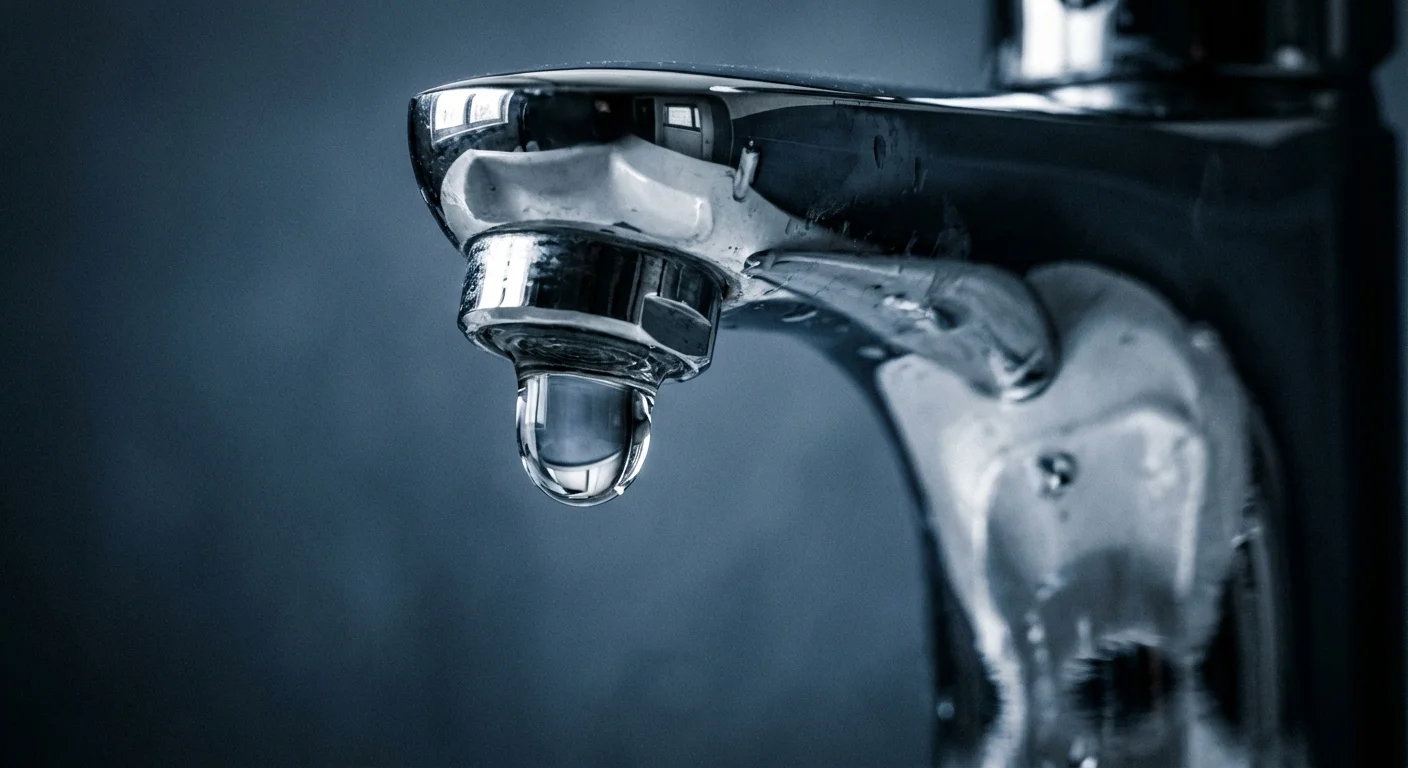
What Can Go Wrong
While conserving water is overwhelmingly positive, certain modifications require careful execution to prevent secondary issues in your home.
Installing extremely low-flow showerheads in homes with naturally poor water pressure can render the shower unusable. Before purchasing hardware, test your existing pressure; if it is already weak, look for aerating showerheads specifically engineered for low-pressure systems. Additionally, swapping out an old, high-volume toilet for a modern low-flow model in an older house can sometimes expose issues with aging cast-iron plumbing. Older pipes occasionally rely on the heavy rush of a 3.5-gallon flush to push waste through long, slightly sloped horizontal runs. If you experience frequent clogs after upgrading, you may need a plumber to evaluate the pitch of your waste lines.
Finally, always check your local regulations before installing a rain barrel or a greywater recycling system. While most municipalities encourage rain harvesting, some regions with strict water rights laws heavily regulate or outright ban the collection of rainwater.
When to Call a Professional
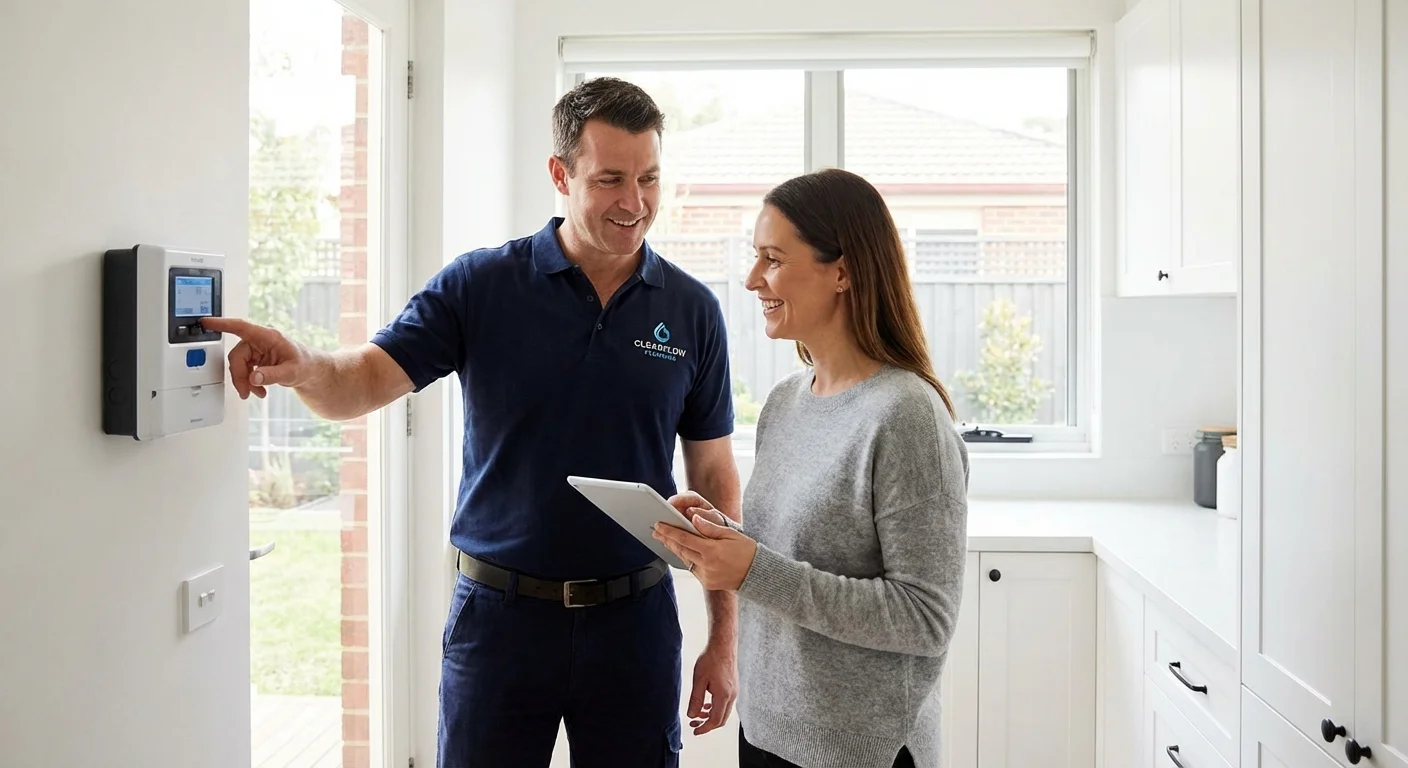
You can handle most conservation efforts—like installing aerators, swapping showerheads, and adjusting your routines—on your own. However, certain situations demand the expertise of a licensed plumber or landscape specialist. Rely on trusted professional resources and local contractors when facing the following scenarios:
- Main water line leaks: If your water meter continues to spin when all fixtures in the house are completely shut off, you likely have a hidden leak in your walls, foundation, or underground service line. This requires immediate professional diagnostic tools.
- Whole-house pressure issues: If you want to install water saving fixtures but suffer from erratic or dangerously high water pressure, a plumber should install a Pressure Reducing Valve (PRV) at your main shutoff to protect your pipes and appliances.
- Greywater system design: Rerouting water from your showers and washing machines to irrigate your lawn (greywater recycling) involves complex plumbing alterations and strict adherence to building codes. Never attempt this without a professional designer and installer.
Frequently Asked Questions
Does hand washing dishes save more water than using a dishwasher?
No, hand washing generally wastes far more water. A modern, Energy Star certified dishwasher uses between three and four gallons of water per cycle. Hand washing the same amount of dishes with the tap running can easily consume 20 to 27 gallons. Even if you use the two-basin method for hand washing, a fully loaded efficient dishwasher remains the superior choice.
Do low-flow toilets actually flush properly?
Early generation low-flow toilets from the 1990s earned a poor reputation for requiring multiple flushes. However, today’s models feature completely redesigned trapways, larger flush valves, and optimized bowl shapes. Modern high-efficiency toilets clear waste effectively and forcefully while using only 1.28 gallons of water.
How can I tell if my home has a hidden water leak?
The most reliable method is the water meter test. Turn off all water sources inside and outside your home—ensure no appliances are running and no toilets are refilling. Go look at your water meter and record the number. Wait two hours without using any water, then check the meter again. If the number has increased, you have a hidden leak.
Transforming your home into a water-efficient sanctuary does not happen overnight. Begin by tackling the behavioral changes, which cost absolutely nothing, and gradually phase in upgraded fixtures as your budget allows. By implementing these 25 changes, you protect a vital natural resource while actively shrinking your utility expenses.
The tips in this article are meant as general guidance. Your specific situation—including your home’s age, layout, and local building codes—may require different approaches. When in doubt, consult a professional.
Last updated: February 2026


Leave a Reply