

A staggering 30 to 40 percent of the food supply in the United States ends up in the trash. That translates to hundreds of dollars rotting in the back of your refrigerator each year. The secret to reversing this costly trend does not require a complete lifestyle overhaul; it starts the exact moment you walk through your front door with your grocery bags. By implementing a zero waste grocery storage system, you actively protect your food investment, keep produce fresh significantly longer, and dramatically cut down on household garbage.
When you toss a moldy clamshell of raspberries or a wilted bag of spinach into the garbage, you lose more than just the money spent at the checkout counter. You also waste the water, energy, and transportation resources required to bring that food to your kitchen. Transitioning to eco friendly kitchen storage is a powerful, hands-on way to take control of your household efficiency. You will buy less, throw away less, and enjoy fresher meals simply by rethinking where and how you unpack your weekly groceries.
The Hidden Costs of Disorganized Grocery Storage
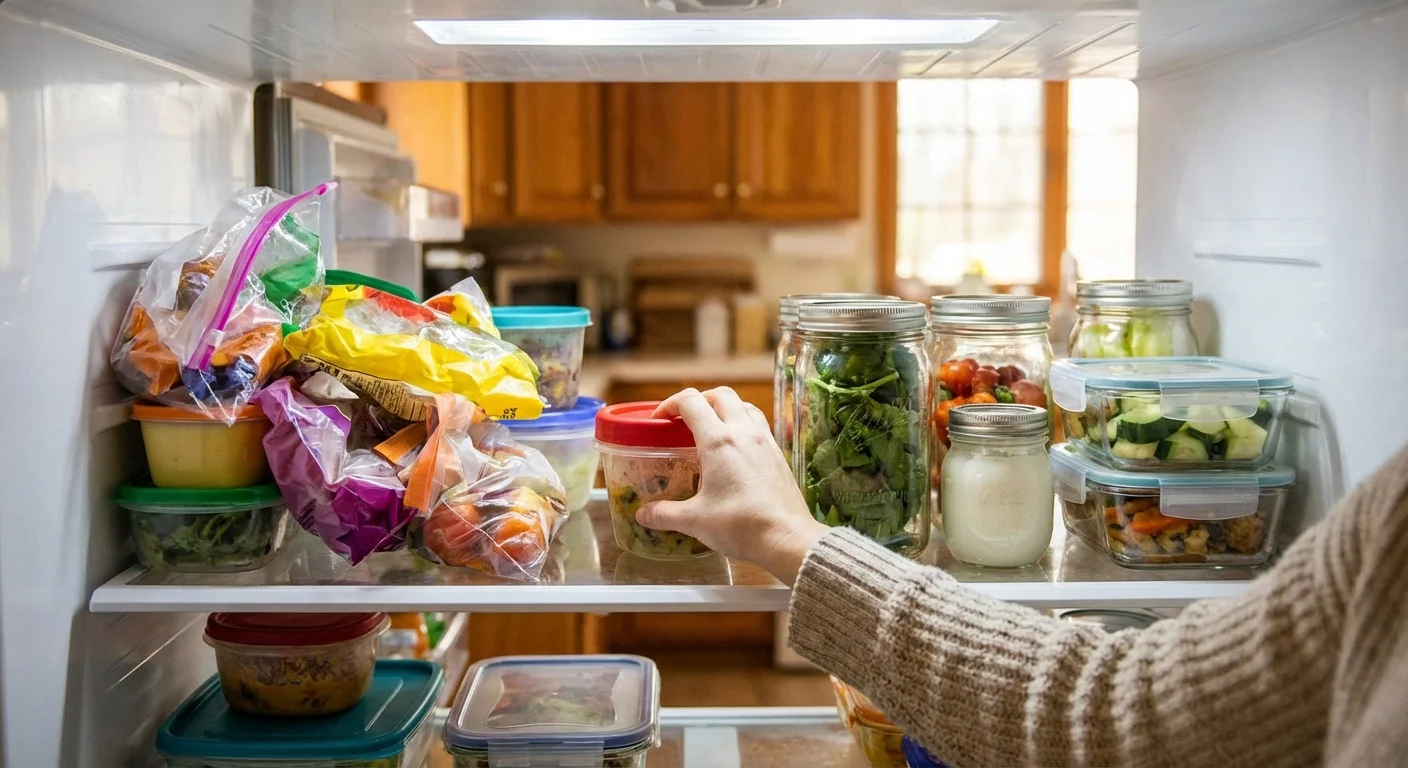
Most modern kitchens suffer from a severe lack of functional organization. When you shove groceries onto crowded shelves in their original plastic packaging, you create blind spots. Foods get pushed to the back, blocked by taller items, and forgotten until they start emitting an unpleasant odor. This chaotic approach guarantees food spoilage and forces you to overbuy items you already own but simply cannot see.
If you are working with limited square footage, exploring clever small kitchen solutions can help you fit these systems into even the tightest quarters.
Proper grocery management flips this dynamic. By immediately decanting dry goods, properly prepping fresh produce, and utilizing clear, reusable food containers, you establish a visual inventory of your kitchen. You know exactly what you have, which dictates what you cook and prevents redundant purchases. A streamlined refrigerator and pantry operate efficiently; cool air circulates properly around containers, keeping temperatures stable and extending the shelf life of highly perishable items.
“Clutter is caused by a failure to return things to where they belong. Therefore, storage should reduce the effort needed to put things away, not the effort needed to take them out.” — Marie Kondo, Organizing Consultant
Unpacking Your Haul: The First Steps to Zero Waste
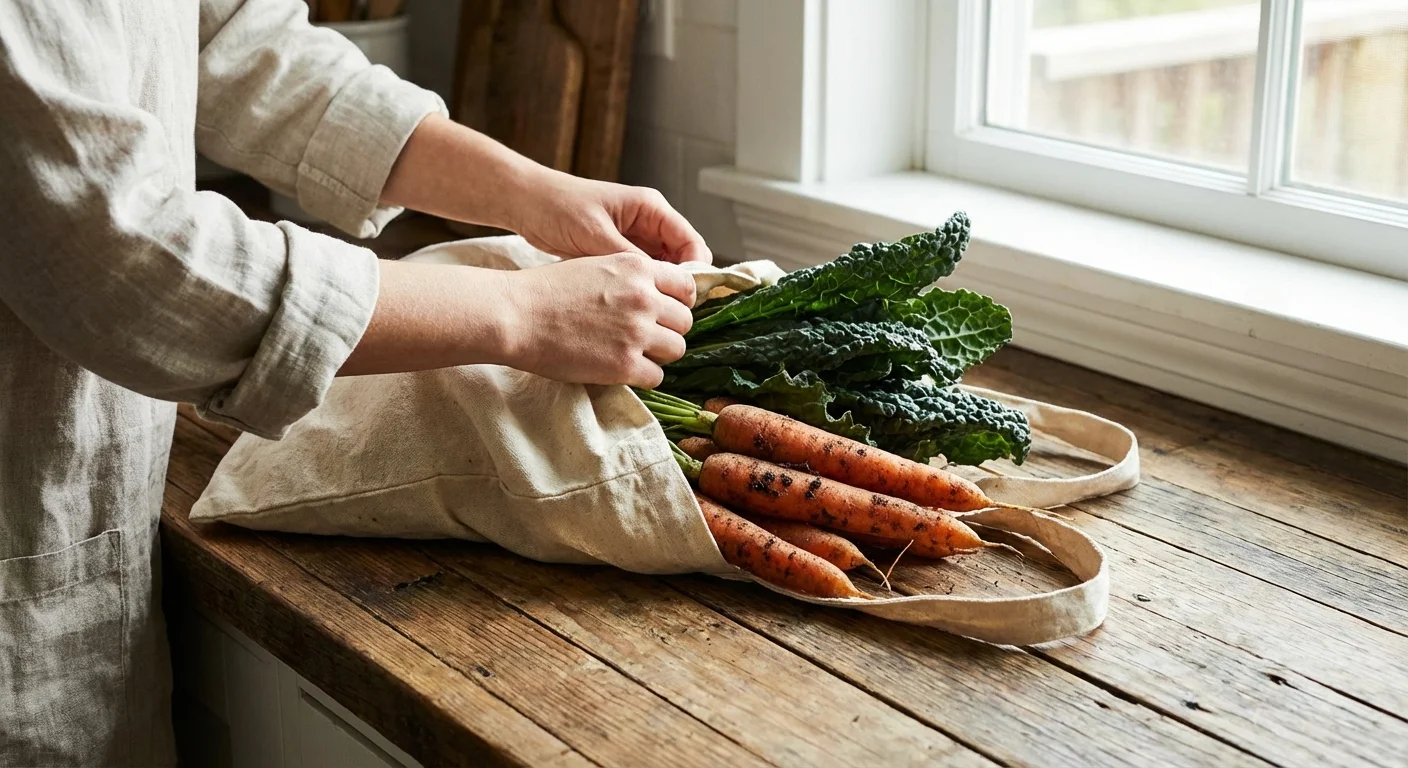
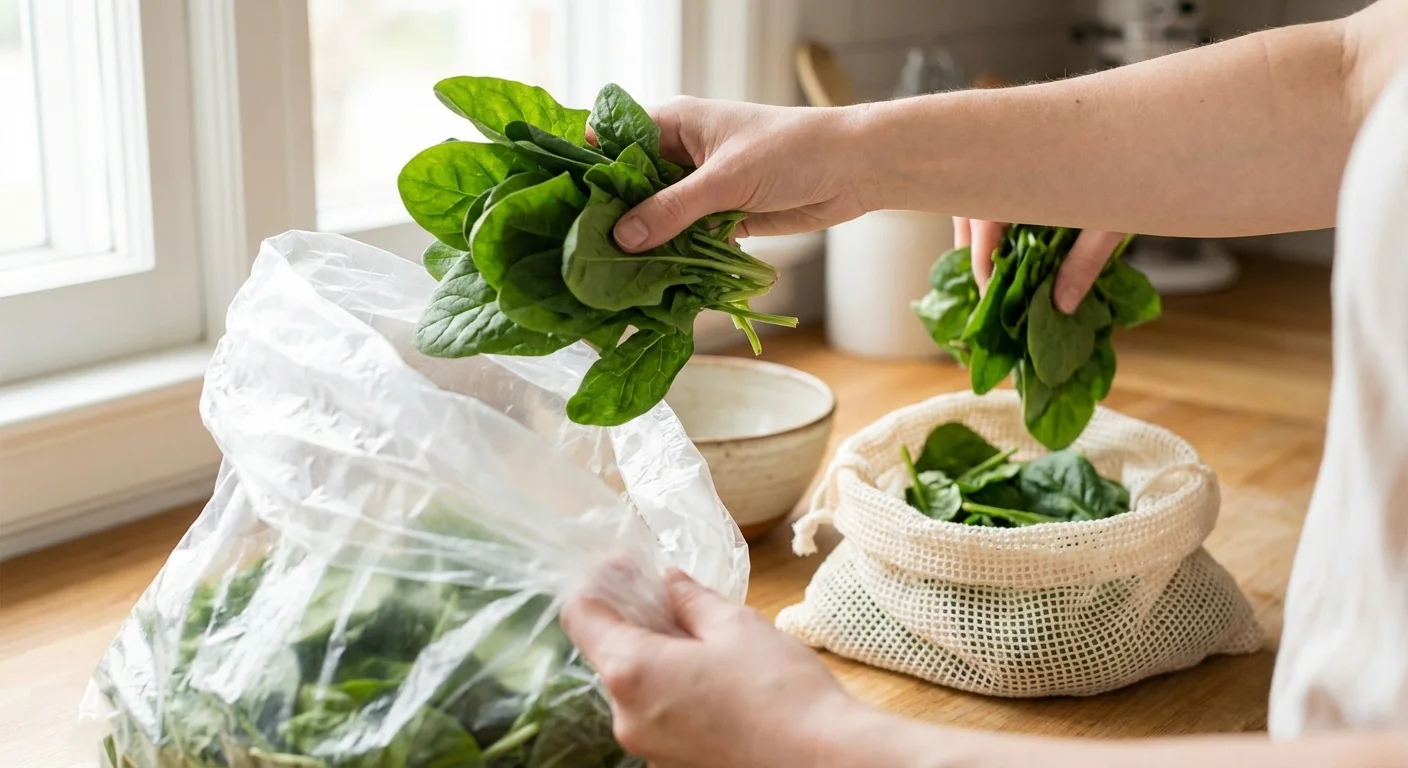
The transition from the grocery bag to the fridge or pantry dictates the lifespan of your food. Do not simply transfer plastic grocery bags straight into the refrigerator crisper drawers. Plastic bags trap moisture, accelerating the decay process for most vegetables, while suffocating others that need airflow.
Instead, establish an unpacking routine. Clear your countertops before you bring the groceries inside. Group items by their final destination: pantry, refrigerator door, refrigerator shelves, crisper drawers, or freezer. Remove restrictive rubber bands from leafy greens and herbs—these bands bruise delicate stems and restrict nutrient flow if you plan to store them in water. Take items out of non-breathable plastic produce bags immediately. If you purchase items in bulk, transfer them to your permanent glass or stainless steel storage vessels while everything is still out on the counter.
A Guide to Eco Friendly Kitchen Storage Containers
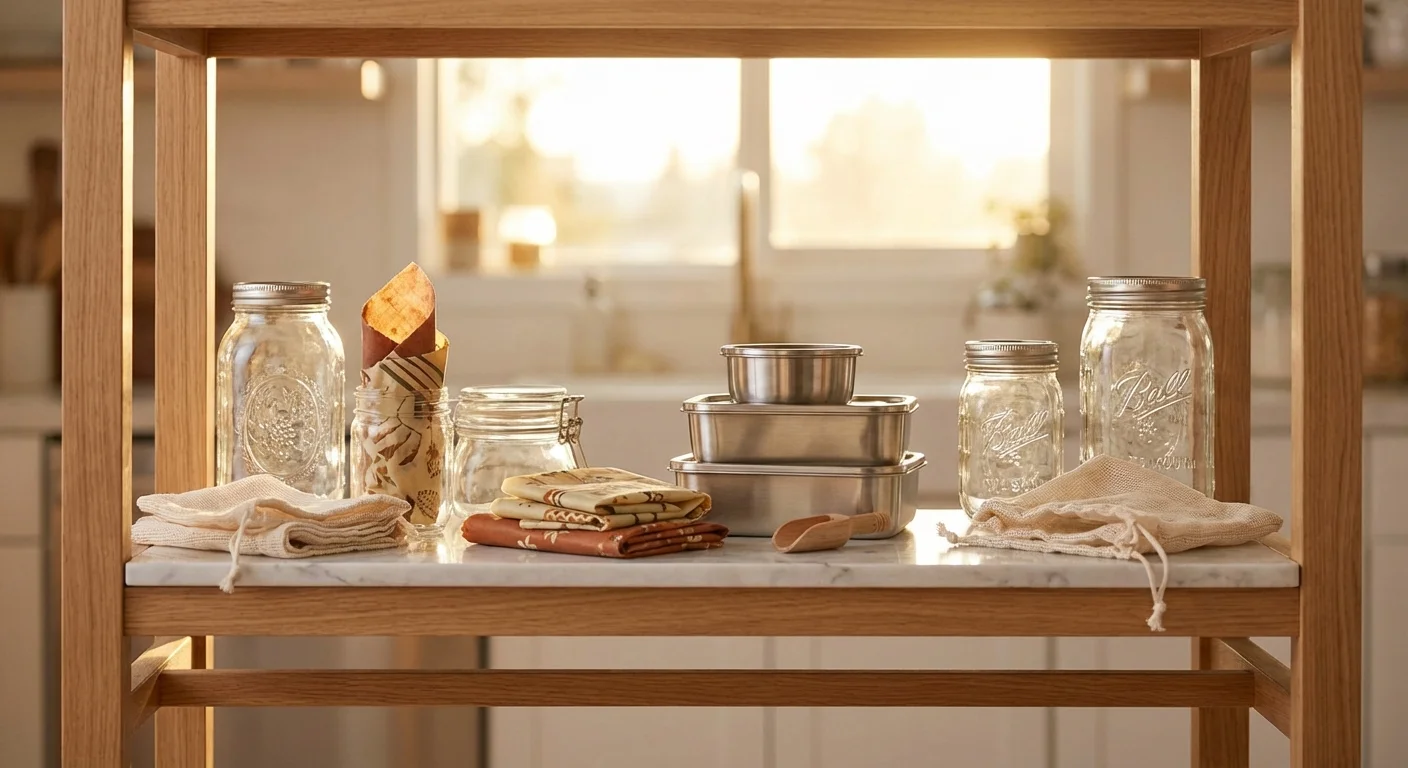
Ditching single-use plastics requires a reliable arsenal of sustainable alternatives. Building a collection of reusable food containers is an investment that pays for itself by keeping food fresh longer and eliminating the need to continuously buy plastic wrap or flimsy zip-top bags. Look to expert testing from sources like Good Housekeeping to find durable brands, and focus on materials that will last a lifetime.
| Material | Best Used For | Pros | Cons |
|---|---|---|---|
| Glass Jars & Containers | Dry goods, soups, leftovers, cut fruit | Non-toxic, doesn’t absorb odors, visually clear, microwave and dishwasher safe. | Heavy, breakable, can be difficult to transport for on-the-go lunches. |
| Food-Grade Silicone Bags | Freezer storage, sandwiches, chopped vegetables | Flexible, lightweight, extreme temperature resistance, highly durable. | Can absorb strong odors (like garlic or onion) over time; requires careful drying. |
| Stainless Steel | Lunch boxes, robust leftovers, raw meat storage | Unbreakable, lightweight, rust-resistant, completely odor-proof. | Opaque (cannot see contents without opening), not microwave safe. |
| Beeswax Wraps | Wrapping cheese, covering bowls, half-cut lemons | Compostable, breathable, naturally antimicrobial, molds to any shape. | Heat sensitive (cannot wash in hot water or use on hot bowls), requires periodic rewaxing. |
Mastering Fridge Zones for Sustainable Food Storage
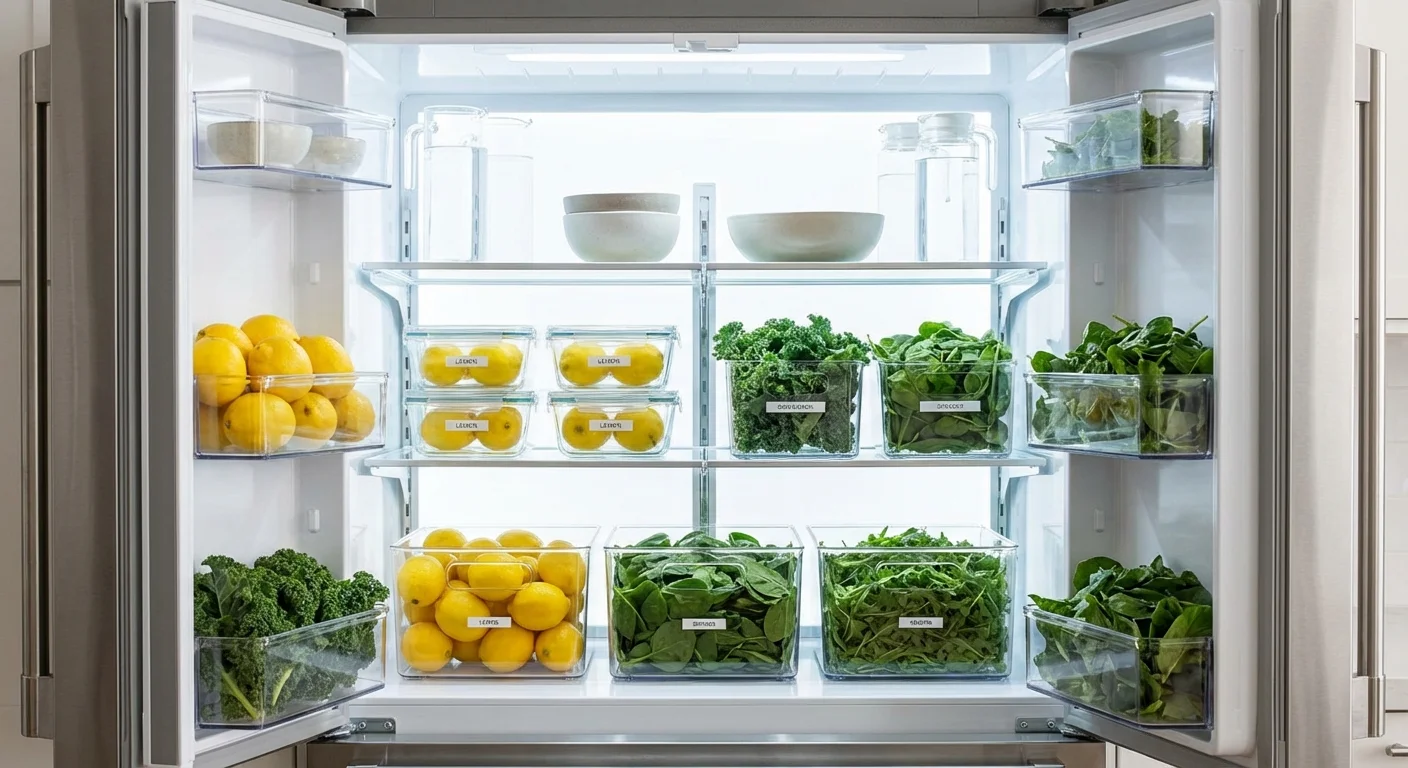
Your refrigerator is not a uniform climate. Different zones operate at slightly different temperatures and humidity levels, and understanding this micro-geography is crucial if you want to reduce food waste at home. Many homeowners instinctively put milk in the door for easy access, but this is a critical error. The door is the warmest part of the fridge, subject to temperature spikes every time it opens.
To ensure your refrigerator maintains these precise temperatures effectively, it is important to regularly deep clean your major appliances to remove dust from coils and maintain door seals.
Reserve the top shelves, which maintain the most consistent temperature, for items that do not need cooking, such as leftovers, hummus, and deli items. The lower shelves are the coldest zone—perfect for raw meat, dairy, and eggs. Always store raw meat in a designated stainless steel or glass container with a raised edge to catch potential leaks and prevent cross-contamination.
Crisper drawers offer humidity control. As a general rule, use the high-humidity setting (drawer closed) for thin-skinned, easily wilted vegetables like spinach, lettuce, and cucumbers. Use the low-humidity setting (drawer open) for fruits that are prone to rotting, such as apples, pears, and stone fruits. Furthermore, you must separate your produce based on ethylene gas production. Ethylene is a natural ripening hormone emitted by certain fruits, which prematurely ages sensitive vegetables stored nearby.
- High Ethylene Producers: Apples, avocados, bananas, melons, peaches, pears, and tomatoes. Keep these away from sensitive greens.
- Ethylene Sensitive Produce: Asparagus, broccoli, cabbage, carrots, leafy greens, and fresh herbs.
For more specific layout strategies tailored to modern appliances, Real Simple provides excellent visual guides on configuring your refrigerator shelves to maximize airflow and visibility.

Pantry Organization Using Reusable Food Containers
Pantry waste usually stems from neglected items expiring or falling victim to pantry moths and pests. Keeping bulk grains, flours, and legumes in their original paper or thin plastic bags invites both staleness and infestations. Decanting is the most effective defense.
If you are starting from scratch, learning how to design a pantry storage system can provide the structural foundation needed for long-term food preservation.
When you bring home dry goods, immediately transfer them into airtight glass or hard plastic reusable food containers. This process achieves three things: it creates an impenetrable barrier against pests, it locks out moisture to preserve freshness, and it gives you a precise visual read on your inventory. If you need storage inspiration, resources from The Container Store often showcase how uniform, modular containers maximize vertical shelf space.
Implement the First In, First Out (FIFO) method in your pantry. When restocking an item like rice or oats, never dump the new batch on top of the old batch. Empty the remaining older grains into a bowl, wash and dry the container, pour the new grains in, and then add the older grains back to the top so they get consumed first. Label your jars with the contents and the expiration date using a washable wax pencil or a piece of masking tape.
Extending the Life of Fragile Greens and Produce
Leafy greens and delicate herbs are notorious for turning to slime just days after purchase. You can dramatically extend their lifespan with a few zero-waste storage techniques that manage moisture effectively.
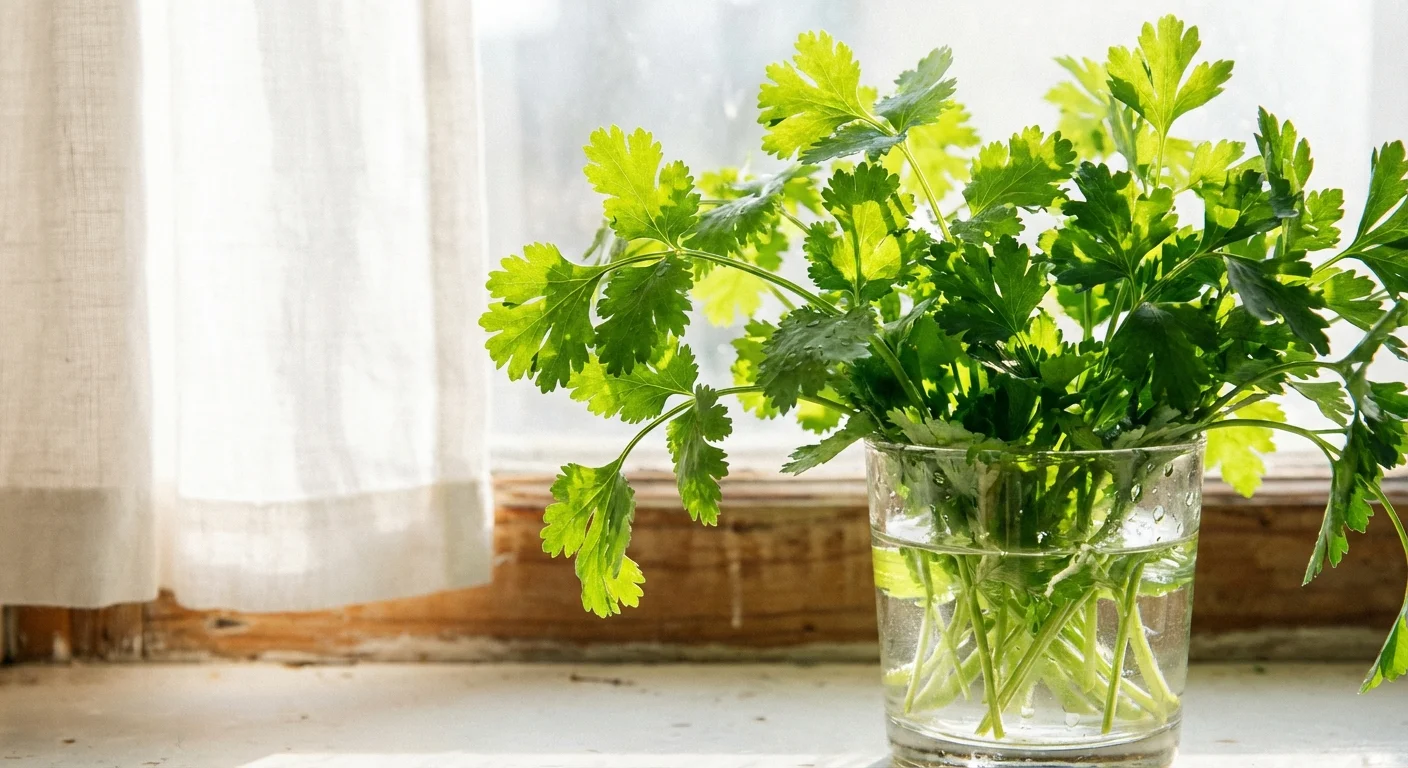
For hardy herbs like rosemary, thyme, and sage, wrap them loosely in a damp organic cotton cloth or Swedish dishcloth and place them in an airtight container in the fridge. For tender herbs like cilantro, parsley, and mint, treat them like a bouquet of flowers. Snip a half-inch off the bottom of the stems and place them upright in a glass jar with an inch of fresh water. Cover the top loosely with a reusable silicone bag or a beeswax wrap to trap humidity, and store them in the fridge. Change the water every three to four days to prevent bacterial growth.
Carrots and celery lose their crunch because they become dehydrated. To keep them crisp for weeks, cut them into sticks and submerge them completely in a jar of fresh water in the refrigerator. Change the water every few days to keep it clear. If your celery has already gone limp, trimming the ends and placing it in an ice water bath for thirty minutes will shock it back to a crisp texture.
Freezing: Your Ultimate Tool to Reduce Food Waste at Home
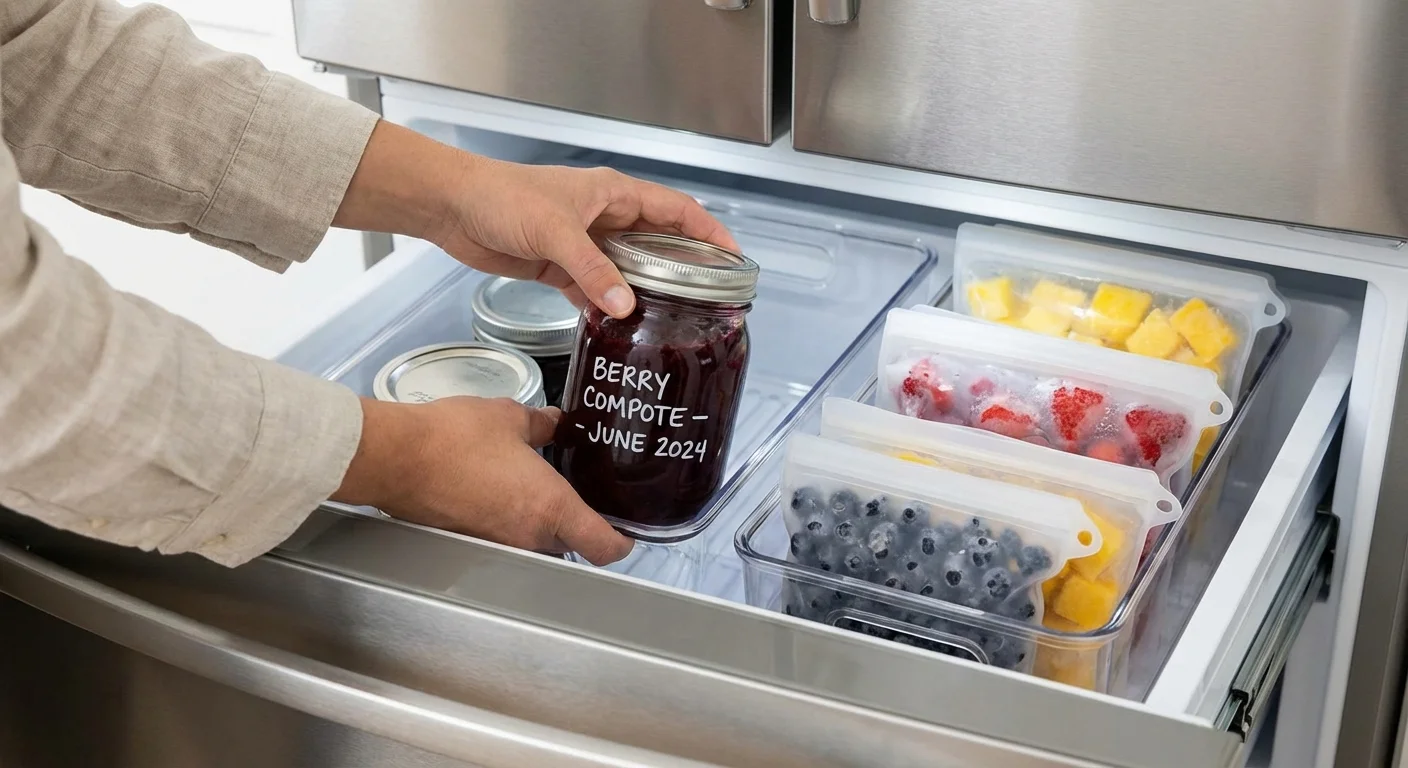
Your freezer acts as a pause button for almost any ingredient on the verge of spoiling. Mastering the freezer is arguably the most effective way to reduce food waste at home. When you notice bread getting stale, slice it immediately and freeze it in a silicone bag; you can pop slices directly into the toaster later. When bananas become too brown for the counter, peel them, break them in half, and freeze them in a dedicated container for future smoothies or baking.
For the few items that cannot be frozen or salvaged, establishing a simple home composting system ensures that food scraps return to the earth rather than a landfill.
Do not throw away vegetable scraps. Keep a large silicone bag or stainless steel container in your freezer specifically for onion skins, carrot peels, celery ends, mushroom stems, and herb stalks. Once the bag is full, boil the scraps with water and a bay leaf for an hour, strain it, and you have free, flavorful, zero-waste vegetable broth.
When freezing liquid items like broth or leftover soup in glass jars, always leave at least an inch of headspace at the top. Liquids expand as they freeze; if the jar is filled to the brim, the glass will shatter under the pressure. For items that tend to stick together—like berries, chopped peppers, or cookie dough—freeze them flat on a baking sheet for two hours before transferring them into a long-term storage bag. This prevents them from freezing into an unusable, solid block.
Common Mistakes to Avoid
Even well-intentioned homeowners make errors that inadvertently accelerate food spoilage. Correcting these common mistakes will instantly improve your zero waste grocery storage success.
Washing berries immediately: Moisture is the enemy of delicate fruits like strawberries, raspberries, and blackberries. If you wash them before storing, they will quickly mold, even in the refrigerator. Store them unwashed in a well-ventilated container, and only rinse the exact amount you plan to eat right before consumption.
Storing onions and potatoes together: These pantry staples often end up in the same basket, but they are a toxic combination for each other. Onions emit high levels of ethylene gas and moisture, which causes potatoes to sprout eyes and rot rapidly. Keep potatoes in a cool, dark, dry place, and store onions in a completely separate location with excellent ventilation.
Overcrowding the refrigerator: Cramming every square inch of your fridge blocks the air vents. Without proper cold air circulation, warm pockets develop, creating breeding grounds for bacteria and causing food to spoil prematurely. Keep your fridge roughly two-thirds full to maintain optimal airflow and temperature consistency.
Frequently Asked Questions About Zero-Waste Grocery Storage
How do I store raw meat without using single-use plastic zip bags?
Transfer raw meat from its butcher paper or grocery packaging into a dedicated stainless steel or glass container with a leak-proof silicone seal. Stainless steel is excellent because it chills quickly, keeping the meat at a safe temperature. Always store meat on the very bottom shelf of the fridge to prevent any accidental drips onto other foods.
Can I safely reuse commercial glass jars from pasta sauce or pickles?
Yes; repurposing commercial glass jars is the cornerstone of sustainable food storage. To remove lingering smells—especially from pickle or garlic jars—wash the jar thoroughly in hot soapy water, then let it soak overnight filled with a mixture of baking soda and warm water. The metal lids can sometimes hold onto odors permanently, so reserve those specific jars for storing strong-smelling foods, or use them for non-food items.
How long do beeswax wraps actually last, and how do I clean them?
With regular use and proper care, a high-quality beeswax wrap will last up to a year. Wash them only with cool or lukewarm water and mild, alcohol-free dish soap. Hot water melts the wax. When the wrap loses its grip and becomes thin, you can refresh it by melting new beeswax pellets over the fabric in the oven, or simply compost it, as the materials are completely biodegradable.
Do silicone storage bags hold onto food smells?
Silicone is generally odor-resistant, but it can absorb strong smells or stains from foods like tomato sauce or curries. To remove persistent odors, bake the empty, clean silicone bag in the oven at 350°F (175°C) for 10 to 15 minutes. The heat opens the pores of the silicone and burns off the residual odor-causing oils.
Changing your kitchen habits requires a bit of upfront effort, but the payoff is immediate and satisfying. Start small by decanting your dry goods or investing in a few high-quality glass containers. As you watch your food stay crisp, flavorful, and vibrant for days longer than it used to, these zero-waste methods will naturally become your standard routine. You will save money, drastically reduce your household trash output, and build a kitchen that feels deeply functional and organized.
This guide provides general home improvement information. Every home is different—what works in one space may need adaptation in yours. For structural changes or electrical/plumbing work, consult a licensed professional.
Last updated: February 2026








Leave a Reply