
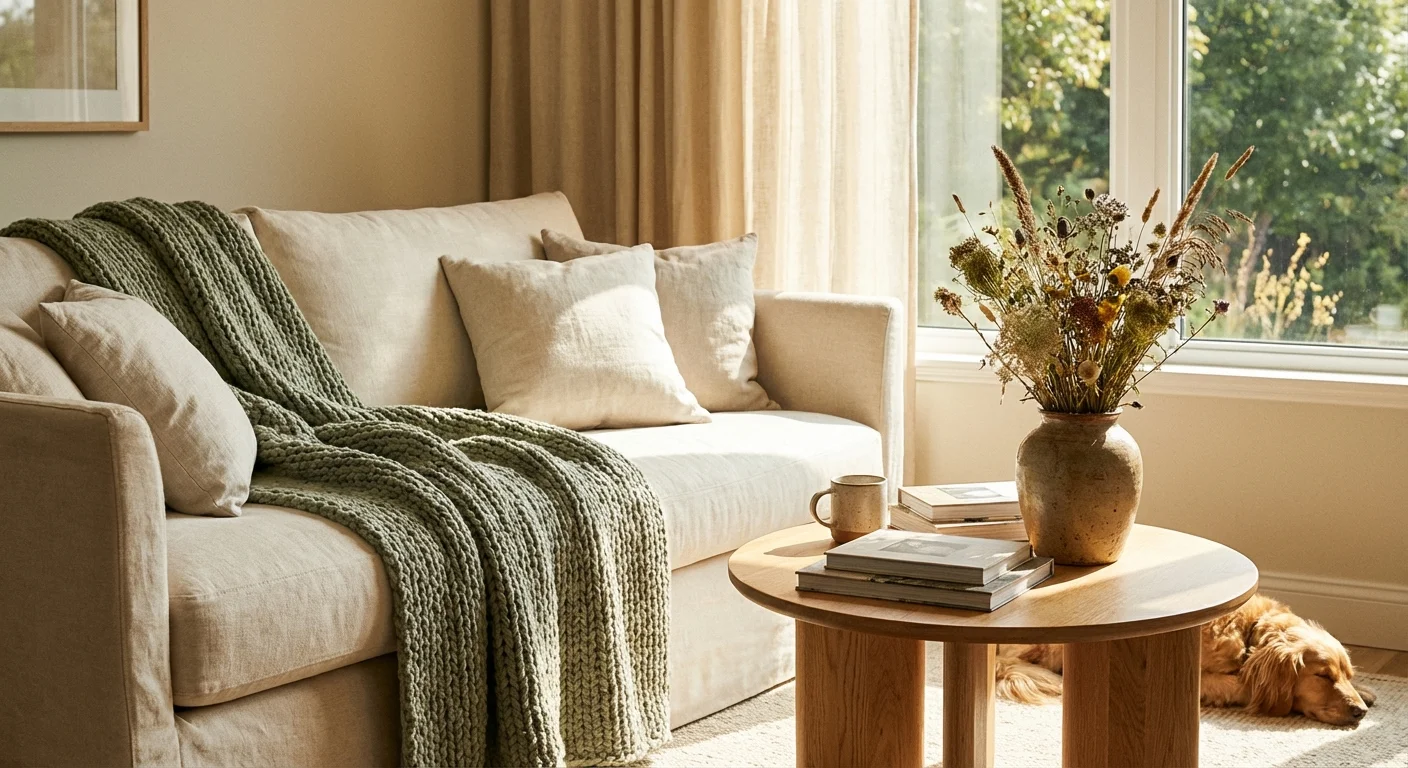
Flipping through high-end design magazines or scrolling through curated social media feeds can leave you feeling defeated about your own home. When professional designers casually mention a $5,000 sofa or a $1,200 rug, updating your space feels completely out of reach. But high style does not require a high budget. By relying on strategic design principles, a bit of sweat equity, and targeted spending, you can execute a stunning budget living room makeover that entirely shifts the mood and function of your home.
The secret lies in identifying what actually changes how a room feels. Structural changes and new furniture suites cost thousands. Color, lighting, layout, and texture cost very little. When you cap your spending at $300, you are forced to make deliberate, impactful choices rather than throwing money at vague aesthetic problems. This guide breaks down exactly where to allocate your funds, where to rely on resourcefulness, and how to execute a cheap living room update that looks professionally curated.

The Essentials: Your Strategy for Success
Before buying a single can of paint or throw pillow, you need a roadmap. A strict budget requires discipline. Keep these core principles in mind as you begin:
- Shop your own home first: A chair from the bedroom or a rug from the dining area might be exactly what your living room needs.
- Focus on high-impact surfaces: Walls and floors dictate the atmosphere of the room more than individual decor items.
- Embrace upcycling: Secondhand furniture offers better build quality than cheap new pieces; it just requires a fresh finish.
- Prioritize lighting: Bad lighting makes expensive rooms look cheap; great lighting makes budget rooms look luxurious.
Phase One: The Zero-Dollar Foundation
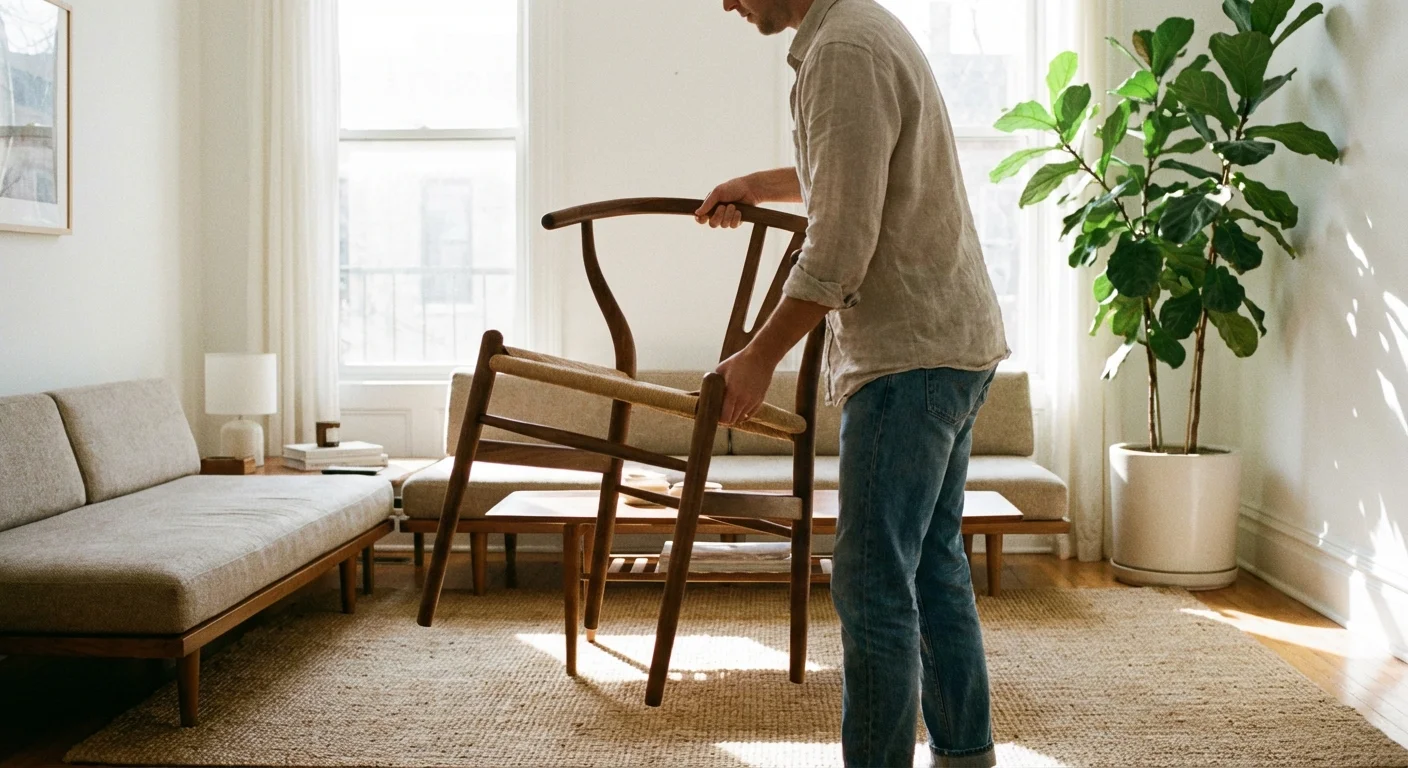
The most dramatic living room transformation under 300 dollars starts with spending nothing at all. Clutter and poor furniture placement drag down a room’s aesthetic faster than outdated decor. Before making purchases, clear the canvas.
This phase is also the perfect time to consider budget-friendly ways to make your living room cozier through seasonal adjustments.
Begin by removing everything from the room that does not belong. Stacks of mail, outgrown toys, and random charging cables create visual noise. Once you clear the superficial clutter, evaluate your decorative items. Remove every piece of tabletop decor, wall art, and throw pillow. Place them in a box. Your room should look bare. This exercise breaks your visual habituation—the tendency to ignore items just because they have always been there.
“The objective of cleaning is not just to clean, but to feel happiness living within that environment.” — Marie Kondo, Organizing Consultant
Next, tackle the furniture layout. Most people instinctively push all their furniture against the walls, believing it makes the room look larger. In reality, this creates an awkward, cavernous gap in the center of the room and pushes conversation areas too far apart. Instead, try “floating” your furniture. Pull the sofa away from the wall by at least a few inches. Group chairs closer to the sofa to create an intimate conversation zone. Anchor this grouping around a clear focal point—a fireplace, a large window, or an architectural feature—rather than defaulting to the television. You will be amazed at how a simple layout change refreshes the entire space.
Phase Two: High-Impact Paint Strategies
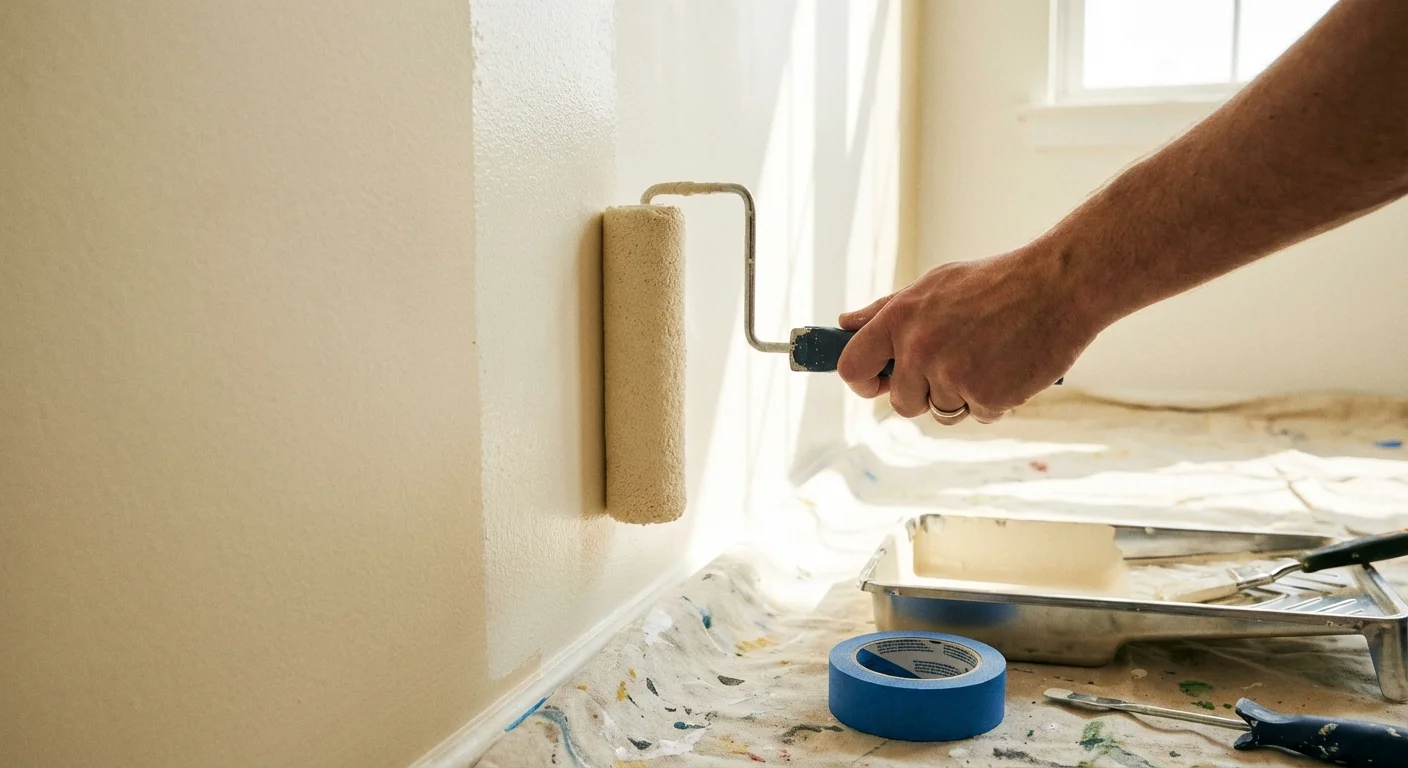
Paint gives you the highest return on investment in interior design. A standard gallon of high-quality interior paint costs between $40 and $60, covers about 400 square feet, and has the power to completely alter the room’s architecture and mood.
To ensure your finish looks flawless, follow our complete DIY guide on how to paint your walls like a professional.
If your walls currently feature an outdated beige or a scuffed builder-grade white, painting the entire room a fresh, modern shade instantly elevates the space. Crisp whites with warm undertones make small rooms feel expansive and clean, while deep, moody colors like forest green or navy blue mask architectural imperfections and create a cozy, sophisticated atmosphere.
If you want to stretch your paint budget further, consider these targeted techniques:
- Color Drenching: Paint the baseboards, walls, and window trim the exact same color. This contemporary technique obscures awkward transitions and makes ceilings appear higher.
- The Accent Arch: Instead of painting a full accent wall, paint a solid geometric shape—like an arch—behind a bookshelf or a console table to create an artificial architectural feature.
- Ceiling Impact: A dark or vibrant color on the ceiling draws the eye upward. A gallon of paint easily covers a standard living room ceiling and offers an unexpected designer touch.
Preparation dictates the final look. Wash your walls, patch small holes with spackle, and use painter’s tape for crisp lines. Rushing the prep work is the fastest way to make a fresh coat of paint look sloppy.
Phase Three: Mastering Affordable Lighting
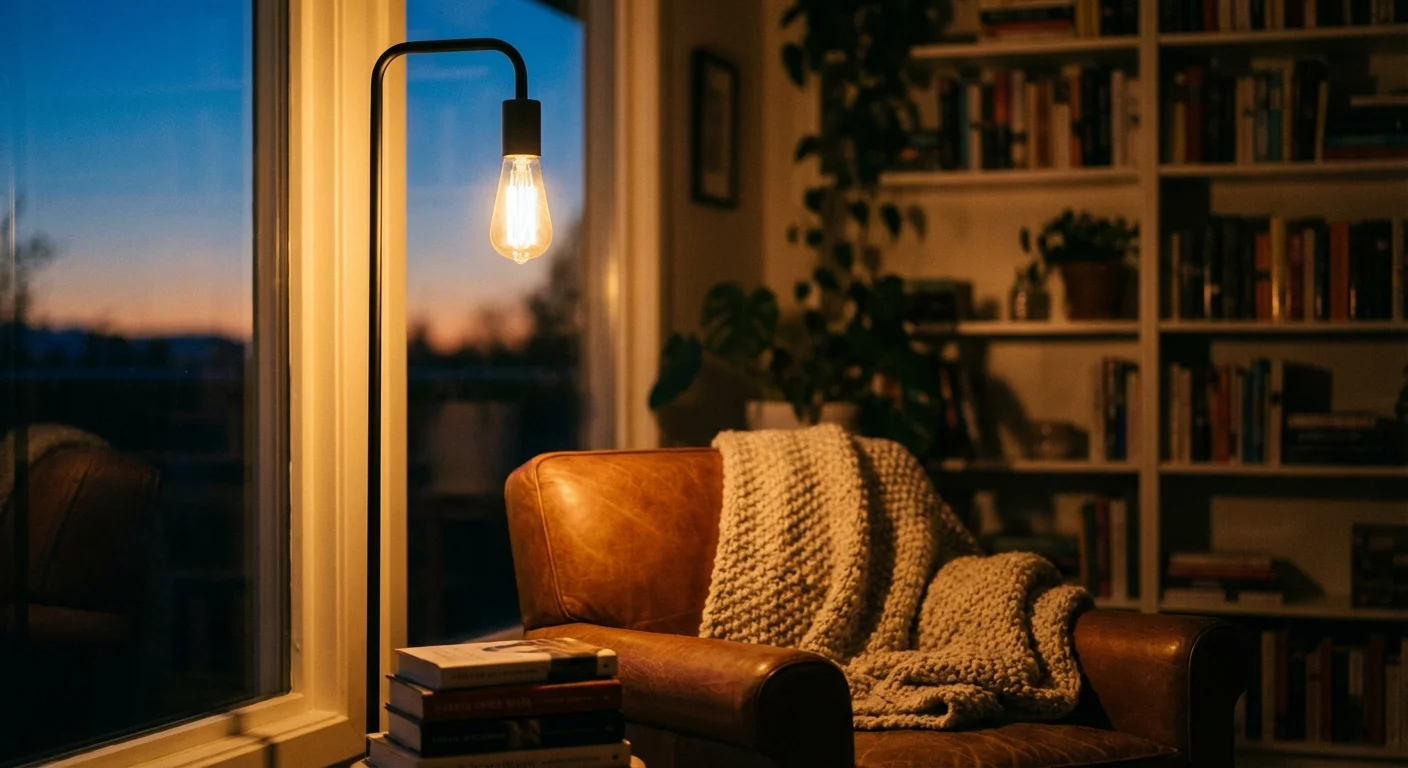
Lighting is the unsung hero of interior design. You can execute perfect affordable living room decor, but if you illuminate it with a single, harsh overhead bulb, the room will feel like a waiting room. Good lighting is layered and intentional.
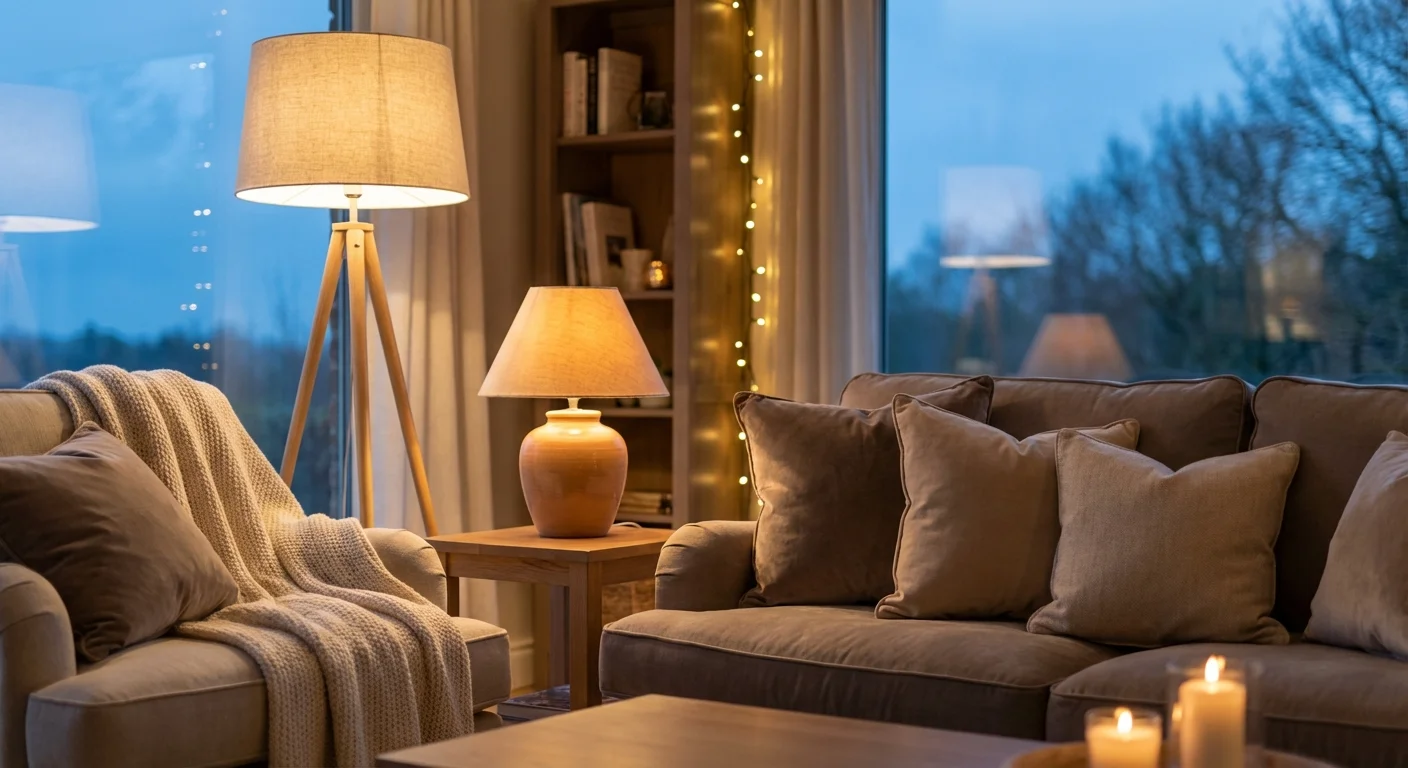
You need three types of lighting in your living room: ambient (overall illumination), task (for reading or working), and accent (to highlight art or dark corners). Shut off your overhead fixture completely and aim to place at least three points of light at eye level around the room.
Sourcing cheap lighting fixtures is remarkably easy. Thrift stores and estate sales overflow with solid brass, ceramic, and wood lamp bases for under $15. Often, the only issue is an outdated lampshade. Buy the cheap base, wipe it down, and invest $20 in a crisp, modern drum shade from a big-box store. If the brass is tarnished or the ceramic color clashes, a $6 can of matte spray paint offers an instant modernization.
Equally important is the bulb inside the lamp. Swap out harsh, cool-toned bulbs for warm white LEDs. Look for bulbs labeled 2700K (Kelvin); they cast a warm, inviting glow reminiscent of candlelight and traditional incandescent bulbs. You can verify energy-efficient options through resources like Energy Star to ensure long-term savings on your utility bills.
Phase Four: Transforming Textiles on a Dime
Textiles introduce texture, pattern, and comfort. They soften hard edges and absorb sound. Unfortunately, brand-new rugs, curtains, and pillows quickly drain a $300 budget. You have to buy smart.
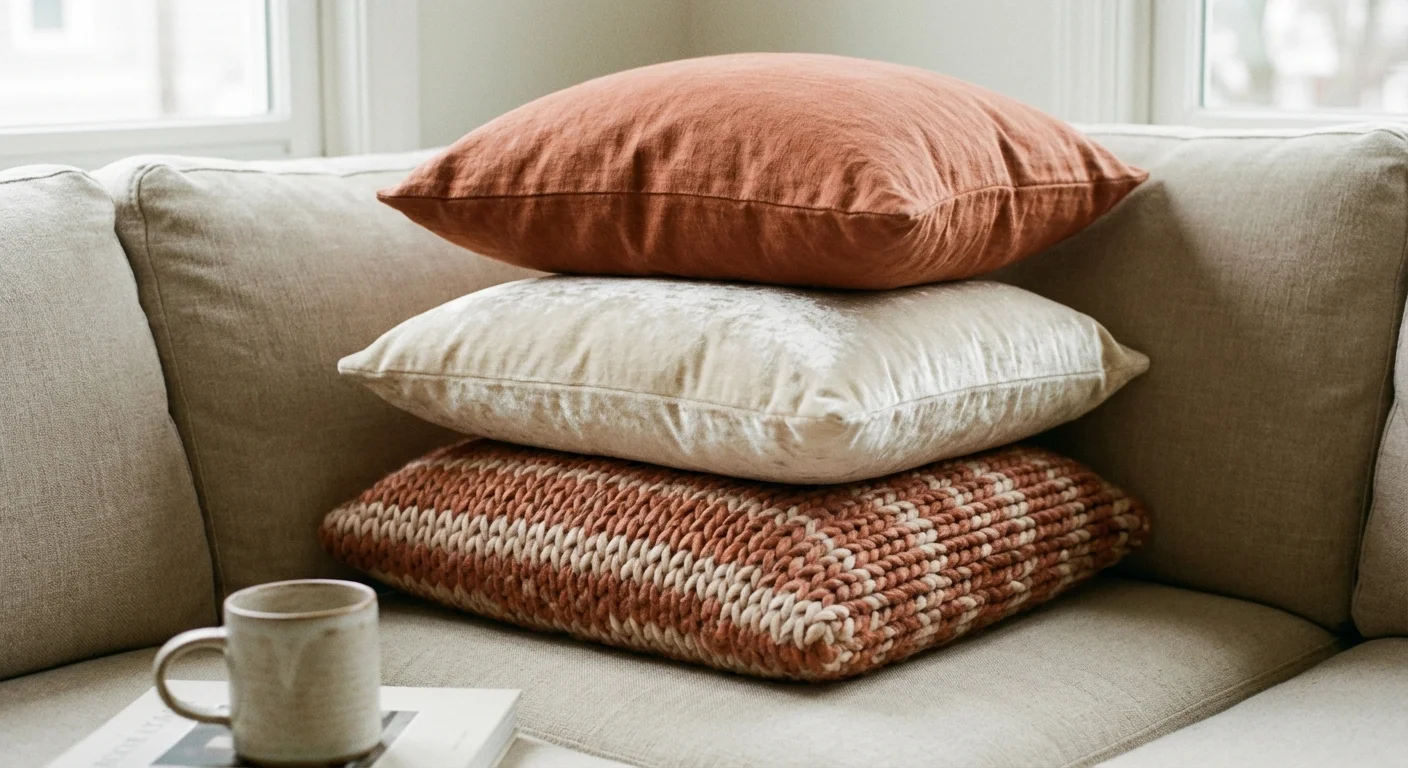
Throw Pillows: Never buy completely new pillows if you already have some on your sofa. Instead, buy pillow covers. You can find high-quality velvet, linen-blend, and woven covers online for $10 to $15 each. Slip them over your existing, outdated pillows. If your current pillows are flat and lifeless, buy inexpensive down-alternative inserts—always size up the insert. If your cover is 18×18 inches, buy a 20×20 inch insert. This designer trick ensures the pillow looks plump and luxurious.
Curtains: Window treatments frame the room. Instead of spending $100 on custom drapes, buy long, inexpensive curtains (like the RITVA or TIBAST lines from IKEA). The secret is how you hang them. Mount your curtain rod close to the ceiling, well above the window frame, and extend the rod 10 to 12 inches past the sides of the window. Let the fabric just kiss the floor. This trick makes the windows appear massive and the ceilings significantly higher.
Area Rugs: Rugs anchor your furniture. A large, patterned wool rug will destroy your budget, but you can achieve a sophisticated look by layering. Purchase a large, inexpensive jute or sisal rug (often found for under $100 for an 8×10). If you want more color or softness, layer a smaller, cheaper patterned rug directly on top of the jute base.
Phase Five: Sourcing Art Without Gallery Prices
Blank walls leave a living room feeling unfinished, but original art is notoriously expensive. Fortunately, the internet has democratized access to beautiful imagery.
Museums like the Metropolitan Museum of Art and the National Gallery of Art offer high-resolution downloads of public domain artwork for free. You can download a stunning vintage oil painting landscape, send the file to a local print shop or office supply store, and have it printed on thick matte paper for around $10.
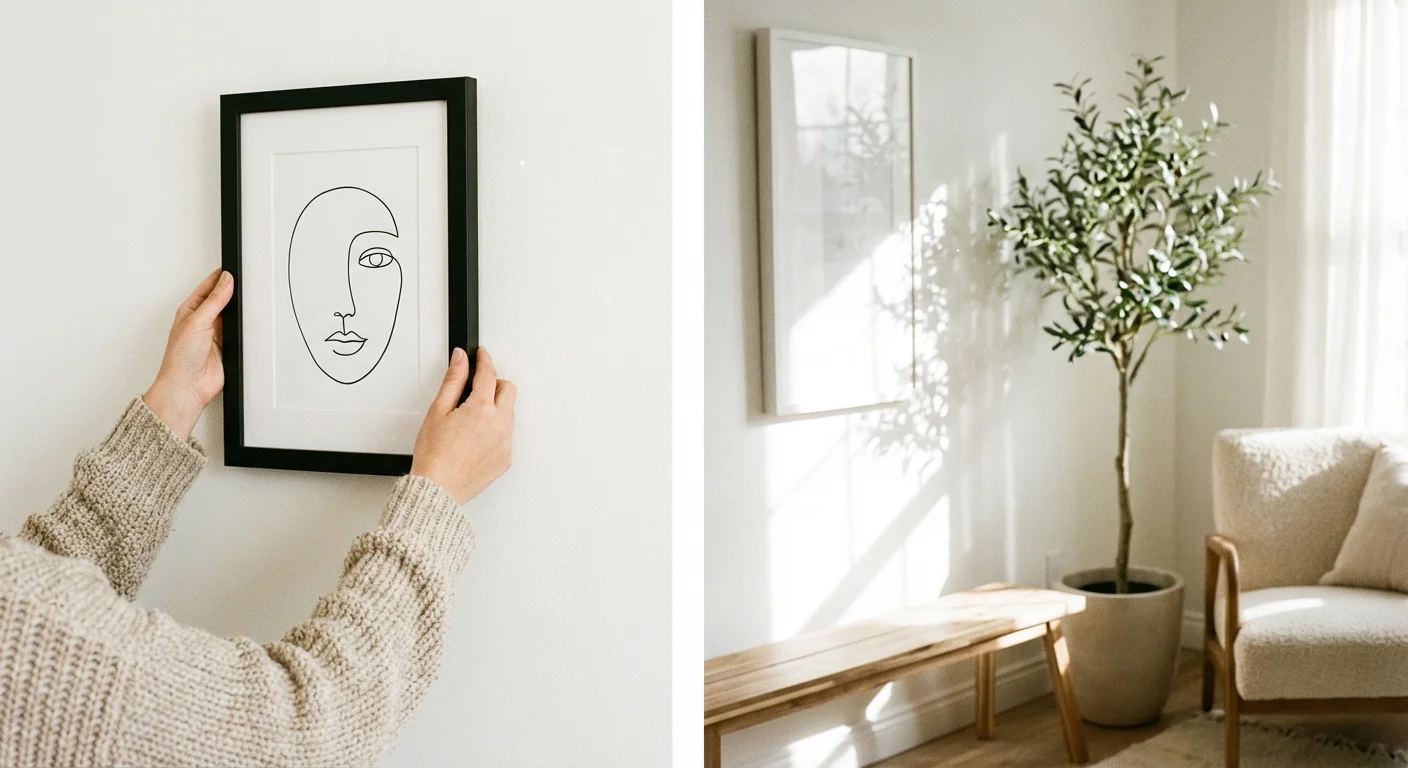
For frames, bypass custom framing shops entirely. Visit local thrift stores and look past the ugly artwork to inspect the frames themselves. Solid wood frames with glass can be purchased for a few dollars. Discard the old art, clean the glass, and insert your new print. If you want to make a small print look expensive, purchase an oversized frame and a large, custom-cut mat board. A 5×7 photo floating in a sea of white matting inside a 16×20 frame instantly looks like fine art.
You can also find brilliant DIY wall art ideas on sites like Apartment Therapy or The Spruce, which frequently showcase how to frame unusual items like vintage scarves, pages from discarded botanical books, or even textured fabric scraps.

The $300 Budget Breakdown
How you allocate your funds depends entirely on the current state of your living room. Below is a comparison table outlining two different ways to spend your $300 budget effectively.
| Category | Scenario 1: The Paint & Upcycle Plan | Scenario 2: The Textile & Lighting Plan |
|---|---|---|
| Paint & Supplies | $80 (2 gallons + premium brushes/tape) | $0 (Keeping current wall color) |
| Lighting | $40 (2 thrifted lamps + modern bulbs) | $90 (1 floor lamp, 1 table lamp, new shades) |
| Textiles (Pillows/Curtains) | $60 (4 new pillow covers, basic sheer curtains) | $120 (4 covers, heavy drapes, throw blanket) |
| Rugs | $0 (Keeping existing flooring) | $60 (Small accent rug to layer) |
| Art & Accessories | $50 (Printed digital art + thrifted frames) | $30 (Digital art downloads + mat boards) |
| Upcycling Materials | $70 (Sandpaper, stain, sealer for coffee table) | $0 (No furniture alterations) |
| Total Spent | $300 | $300 |
In Scenario 1, the bulk of the work goes into changing the architecture of the room via paint and refinishing an existing piece of furniture. In Scenario 2, the money is deployed to soften the room through layers of fabric and ambient light. Both approaches yield dramatic living room refresh ideas; you simply must choose the path that solves your room’s specific problems.

Avoiding Common Errors
When executing a budget living room makeover, the pressure to stretch every dollar can lead to poor decision-making. Avoid these common pitfalls to ensure your room looks intentional rather than haphazard.
Buying Lots of Small Items: When browsing discount stores, it is tempting to load up your cart with $5 knick-knacks, fake plants, and small signs. This is a trap. Ten cheap items spread across a room look like clutter. Pool that $50 and buy one substantial, impactful piece—like a large ceramic vase or a beautiful table lamp. Scale matters; larger items lend visual weight and sophistication.
The “Floating Rug” Syndrome: An area rug that is too small shrinks the entire room. A 5×7 rug sitting awkwardly in the middle of a seating arrangement, disconnected from the furniture, looks cheap. Ensure that at least the front two legs of your sofa and chairs rest firmly on the rug. If a large rug breaks the budget, use the layering trick mentioned earlier or save your money until you can afford the correct size.
Ignoring Cord Management: Nothing ruins a carefully styled room faster than a tangle of black cords hanging down from a wall-mounted TV or trailing across the floor from a lamp. Spend $15 of your budget on a cord-concealing kit or zip ties. Tucking wires out of sight instantly elevates the perceived value of the space.
Matching Furniture Sets: Buying a matching sofa, loveseat, and recliner suite might seem easy, but it creates a showroom aesthetic devoid of personality. A curated room mixes materials. Pair a fabric sofa with a leather armchair or a wooden coffee table with a metal side table. Tension between different textures and eras creates high-end design.
Frequently Asked Questions
Where are the best places to find cheap living room decor that doesn’t look cheap?
Estate sales, local thrift stores, and Facebook Marketplace are superior to discount big-box stores. Older items often feature solid wood construction, real brass, and heavier fabrics. Look past the current finish—focus on the shape and the material. A heavy ceramic lamp base from 1980 can easily be painted to look like a modern designer piece.
What is the absolute biggest change I can make for under $50?
Paint. Nothing else comes close. For under $50, you can purchase a gallon of premium paint and completely change the color of your walls. If your walls are fine, use that $50 to paint an outdated piece of furniture, like an old brick fireplace surround or a scratched coffee table.
Can I really do a living room transformation under 300 dollars if I need new furniture?
Buying brand new furniture under this budget is almost impossible without sacrificing quality entirely. However, you can absolutely acquire furniture within this budget if you buy secondhand. Look for people moving out in a hurry on local digital marketplaces. You can frequently find solid wood media consoles, chairs, and coffee tables for under $40 if you are willing to pick them up and apply a fresh coat of wax or stain.
How do I make my current cheap sofa look better?
If replacing the sofa isn’t an option, focus on distraction and texture. Drape a high-quality, heavy throw blanket neatly over the back or seat to hide wear and tear. Swap out the manufacturer’s throw pillows for larger, textured pillows in linen or velvet. Finally, pull the sofa away from the wall to give it breathing room.
Making the Change
Creating a beautiful home is less about having unlimited funds and more about having a clear vision. By editing out the clutter, prioritizing lighting and layout, and strategically applying paint and textiles, you can fundamentally alter your living space over a single weekend. Take inventory of what you already own, select the areas that need the most help, and start building your $300 plan today. The most difficult step is simply getting off the couch and starting.
This is educational content based on general best practices. Individual results vary based on your home, budget, and circumstances. Always prioritize safety and consult professionals for major projects.
Last updated: February 2026





Leave a Reply