
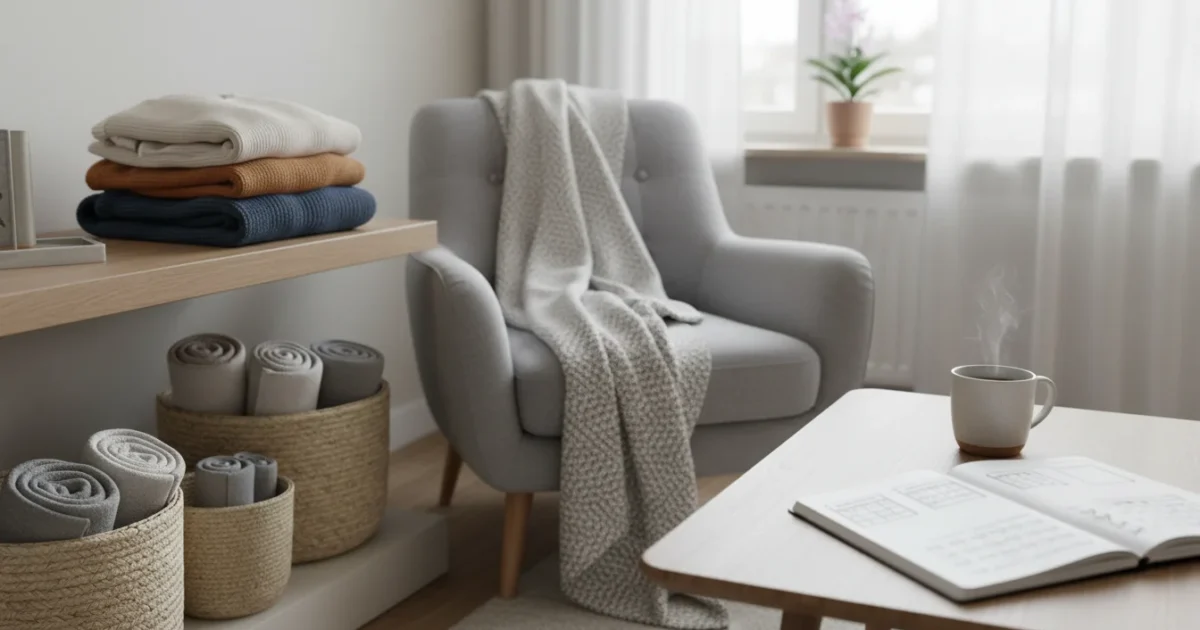
You desire a home that feels like a sanctuary, a place where you can relax, unwind, and truly be yourself. Achieving this often involves more than just decluttering or organizing. It includes creating an atmosphere, a feeling that greets you the moment you walk through the door. Candles offer an incredibly powerful yet simple tool for cultivating this sense of home ambiance. With their soft glow, captivating scents, and elegant presence, candles transform ordinary spaces into cozy havens.
While candles provide the glow, arranging furniture for maximum coziness can help establish the physical flow of your sanctuary.
This approach to home atmosphere aligns perfectly with the art of hygge, which focuses on finding joy in simple, cozy moments.
This guide empowers you to use candles not only for stunning candle decor but also with the utmost attention to safety. We will explore how to select the right candles, position them for maximum effect, and maintain them properly. Get ready to illuminate your home and elevate your everyday living with beautiful, safe, and realistic solutions.
Candle Safety First: Your Non-Negotiable Rules for Peace of Mind
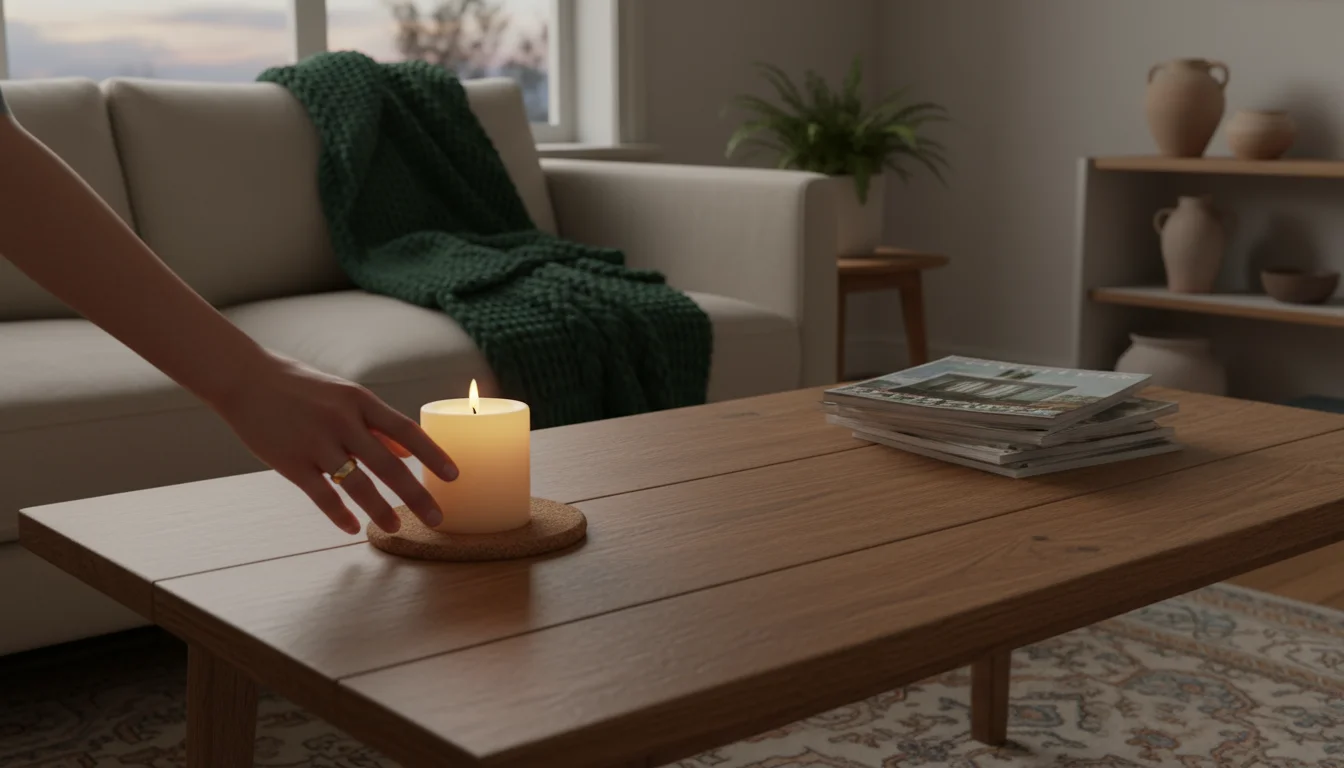
Before you begin arranging beautiful candle decor, you must prioritize safety. A flickering flame, while inviting, requires constant vigilance. Neglecting basic safety precautions risks fire hazards and compromise your indoor air quality. Implement these essential rules to enjoy the soothing glow without worry.
General Safety Practices
- Never Leave a Burning Candle Unattended: This rule is paramount. Always extinguish candles before leaving a room, going to sleep, or leaving your home.
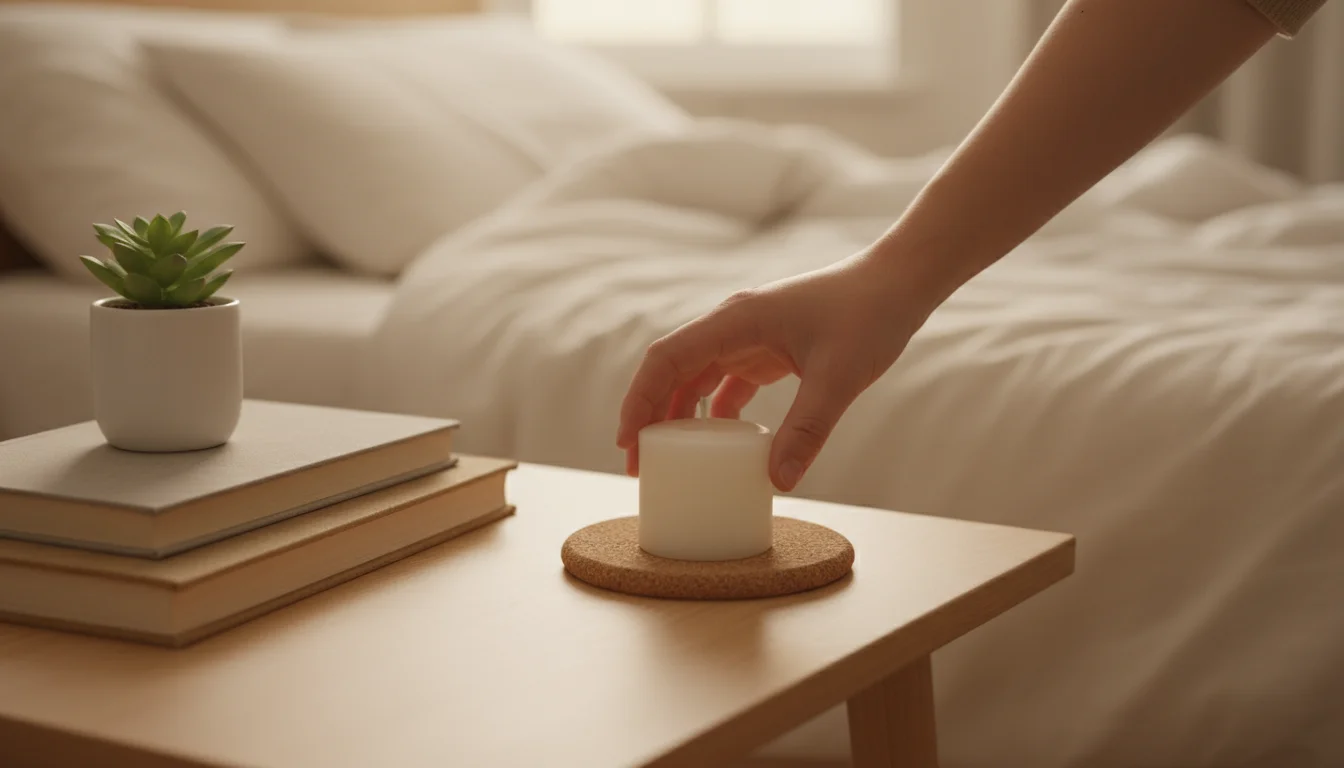
- Place Candles on Stable, Heat-Resistant Surfaces: Ensure the surface can withstand heat and does not wobble. A ceramic plate, metal tray, or stone coaster works well.
- Keep Candles Away from Flammables: Maintain a safe distance from curtains, bedding, carpets, books, paper, clothing, and any other combustible materials. A minimum of 12 inches is a good guideline.
- Keep Out of Reach of Children and Pets: Curious hands and wagging tails easily knock over candles, leading to serious accidents. Place candles on high shelves or in secure, enclosed lanterns.
- Avoid Drafts: Drafts cause candles to burn unevenly, drip excessively, and increase the risk of the flame coming into contact with nearby objects. They also cause soot buildup.
- Extinguish Candles Properly: Use a snuffer to put out the flame, preventing wax splatter and minimizing smoke. If you do not have a snuffer, gently blow out the flame, ensuring no embers remain.
- Do Not Move Burning Candles: Moving a lit candle risks spilling hot wax and potential burns or fire.
- Burn in a Well-Ventilated Area: Burning candles, especially paraffin wax varieties, release particulate matter into the air. According to the EPA (Environmental Protection Agency), proper ventilation helps minimize potential indoor air pollutants. Open a window slightly or use an exhaust fan in a nearby room.
- Burn Candles for Appropriate Durations: Most candles perform best when burned for 2-4 hours at a time. Burning for too short a period causes tunneling, while burning for too long overheats the wax and container, potentially leading to instability or cracking.
Container and Placement Considerations
The vessel holding your candle plays a crucial role in its safe operation. Always check the candle manufacturer’s instructions for specific guidance regarding container use and placement. When you integrate candles into your home ambiance, think about their surroundings.
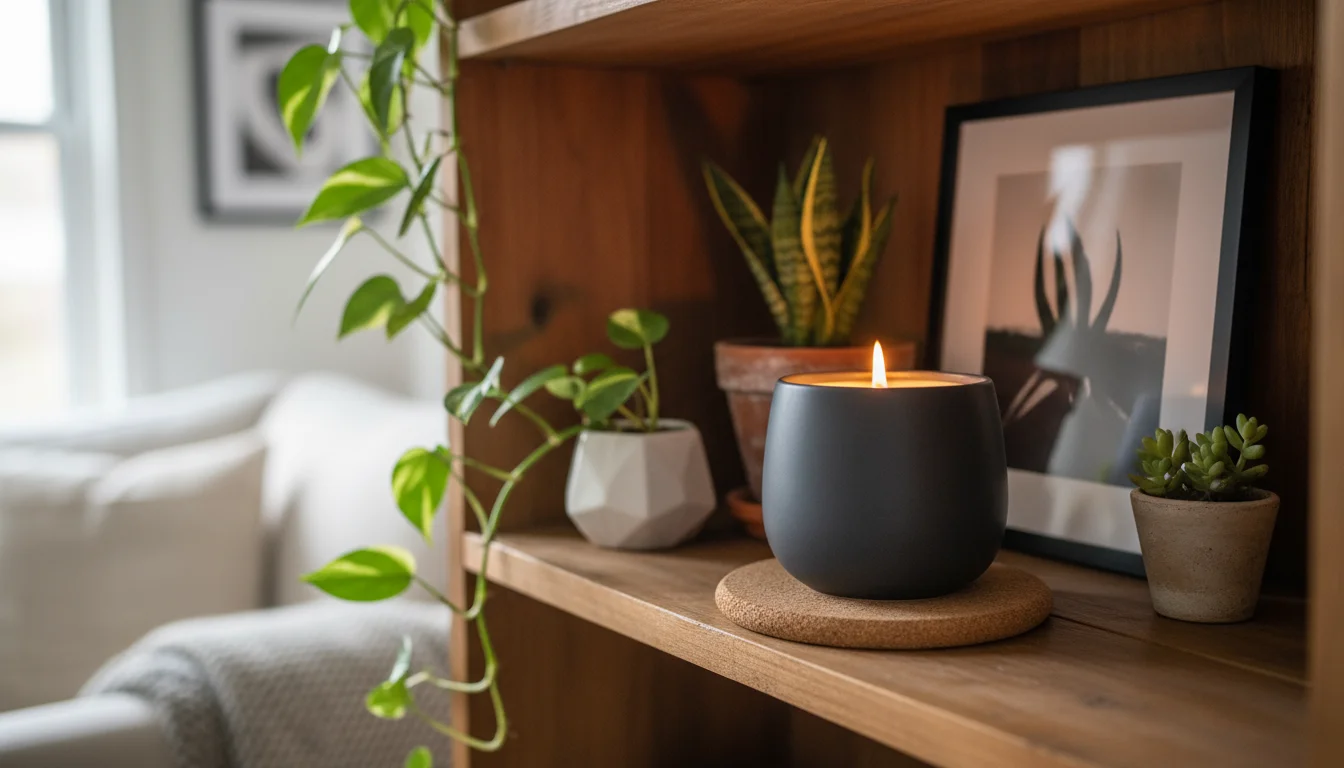
For example, if you place a candle on a bookshelf, ensure ample clearance above and around the flame. A general rule is to have at least two feet of clear space above the candle. Also, consider the material of the shelf itself. Wooden shelves may heat up over time, so placing a protective, heat-resistant barrier underneath is always a smart choice.
Never place candles directly on electronics, such as televisions or stereo systems, as the heat damages sensitive components and creates a fire risk. Always use caution and common sense. These simple practices help you enjoy the beauty of candlelight responsibly.
Choosing Your Perfect Candle: Types, Waxes, and Scents
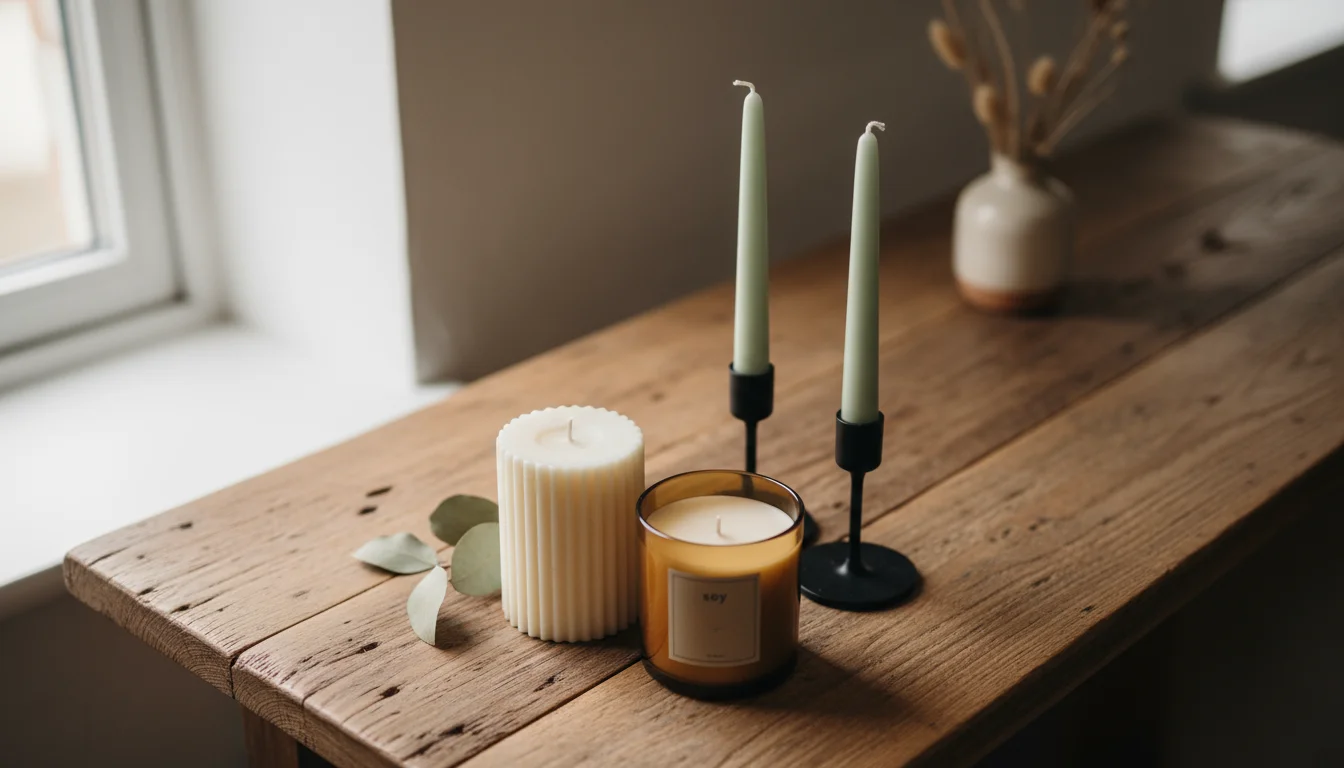
With countless options available, selecting the right candle for your home ambiance and candle decor needs can feel overwhelming. Understanding the different types, waxes, and scent profiles simplifies your choice and ensures you pick products that align with your values and budget.
Understanding Wax Types
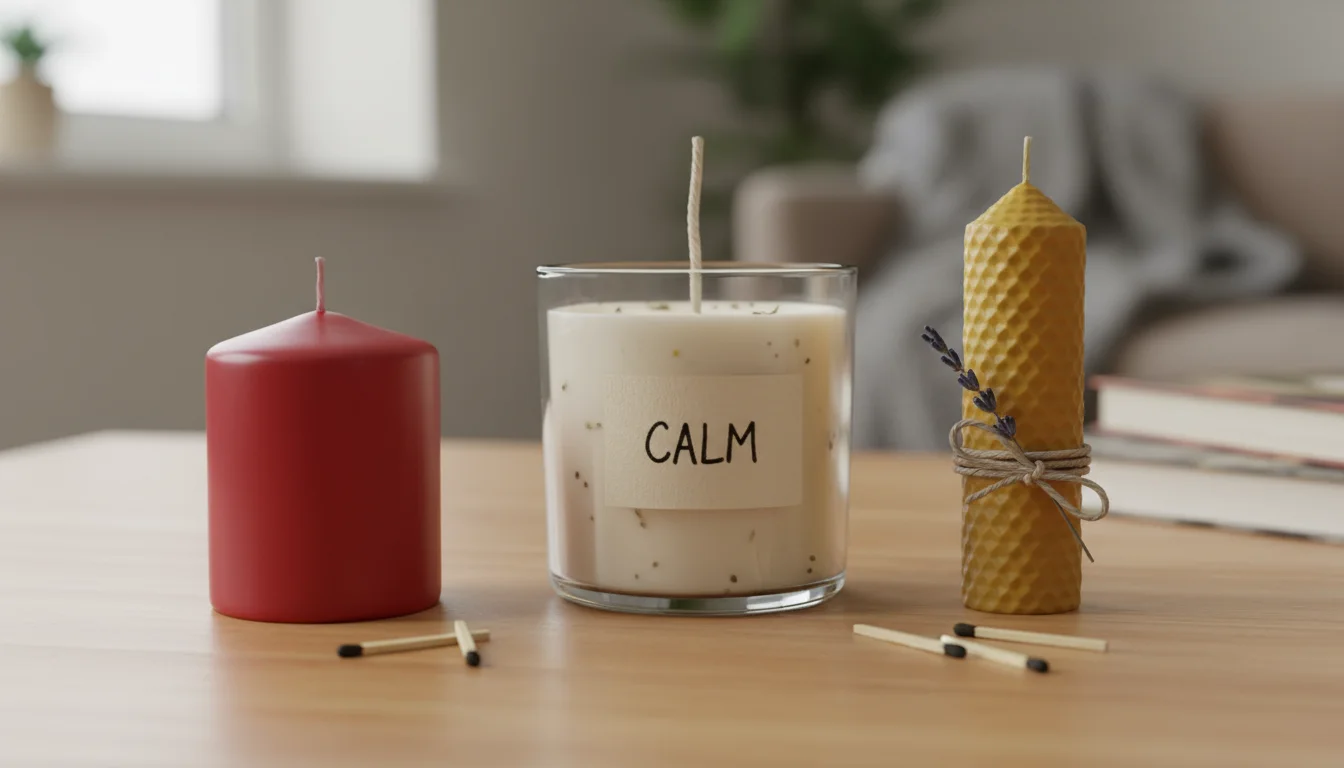
The type of wax determines a candle’s burn time, scent throw, and even its impact on indoor air quality. Each has distinct characteristics:
- Paraffin Wax: This is the most common and often the most affordable candle wax. It holds color and fragrance well. Paraffin is a byproduct of petroleum refining. Some concerns exist regarding the release of soot and other compounds when burned.
- Soy Wax: Derived from soybeans, soy wax is a natural, renewable, and biodegradable option. It burns cleaner and longer than paraffin, producing less soot. Soy candles generally have a more subtle scent throw, which many people prefer for a gentle home ambiance. They often come at a slightly higher price point.
- Beeswax: Produced by bees, beeswax is a completely natural and non-toxic wax. It burns very cleanly and produces a natural, subtle honey scent. Beeswax candles often purify the air by releasing negative ions, which helps neutralize pollutants. They are typically the most expensive option but offer exceptional quality and burn time.
- Coconut Wax: Made from coconut oil, this sustainable wax burns slowly and cleanly. It offers an excellent scent throw and has a luxurious, creamy appearance. Coconut wax often blends with other natural waxes, such as soy, to enhance performance.
For those sensitive to strong odors or concerned about air quality, consider opting for natural waxes like soy, beeswax, or coconut. Consumer Reports often provides guidance on product safety and ingredients, which can help you make informed decisions about candle purchases.
Wick Types Matter
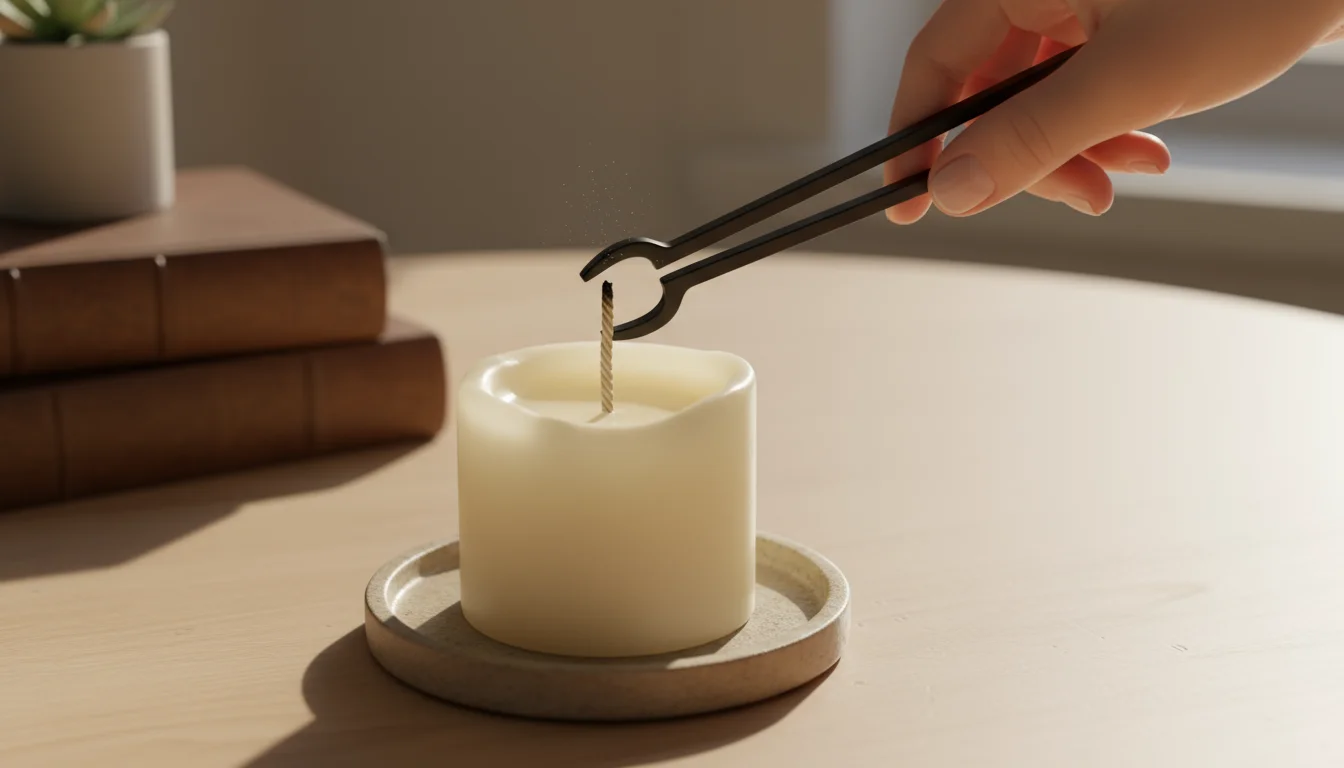
The wick significantly impacts a candle’s burn quality. Most wicks consist of braided cotton, but you will also find wood wicks:
- Cotton Wicks: The standard, these wicks require regular trimming to ensure a clean, even burn and prevent excessive soot and a large flame.
- Wood Wicks: These wicks offer a unique crackling sound, reminiscent of a fireplace, adding an extra layer to your cozy lighting. They often produce a wider, more even melt pool. Wood wicks also require trimming, usually just breaking off the charred top portion before each burn.

Selecting Scents for Your Home
Scent plays a crucial role in creating home ambiance. Consider how different scents affect your mood and which complement specific rooms:
- Relaxing Scents: Lavender, chamomile, sandalwood, and vanilla promote calm and are perfect for bedrooms or bathrooms.
- Invigorating Scents: Citrus (lemon, grapefruit), peppermint, and eucalyptus can energize and boost focus, ideal for a home office or kitchen.
- Cozy Scents: Cinnamon, pine, cedarwood, amber, and spiced apple evoke warmth and comfort, perfect for living areas during cooler months.
- Clean Scents: Fresh linen, cotton, or subtle floral notes create a sense of cleanliness and freshness, suitable for any room.
- Scent-Free Options: For those with allergies or sensitivities, or when you prefer to let other home fragrances take center stage, scent-free candles remain a beautiful choice for pure cozy lighting and visual appeal.
When choosing scented candles, look for those using essential oils or high-quality fragrance oils. These typically offer a more authentic and pleasant aroma than cheaper, synthetic alternatives. Remember that a scent should enhance your space, not overpower it.
Styling with Light: Creative Candle Decor Ideas
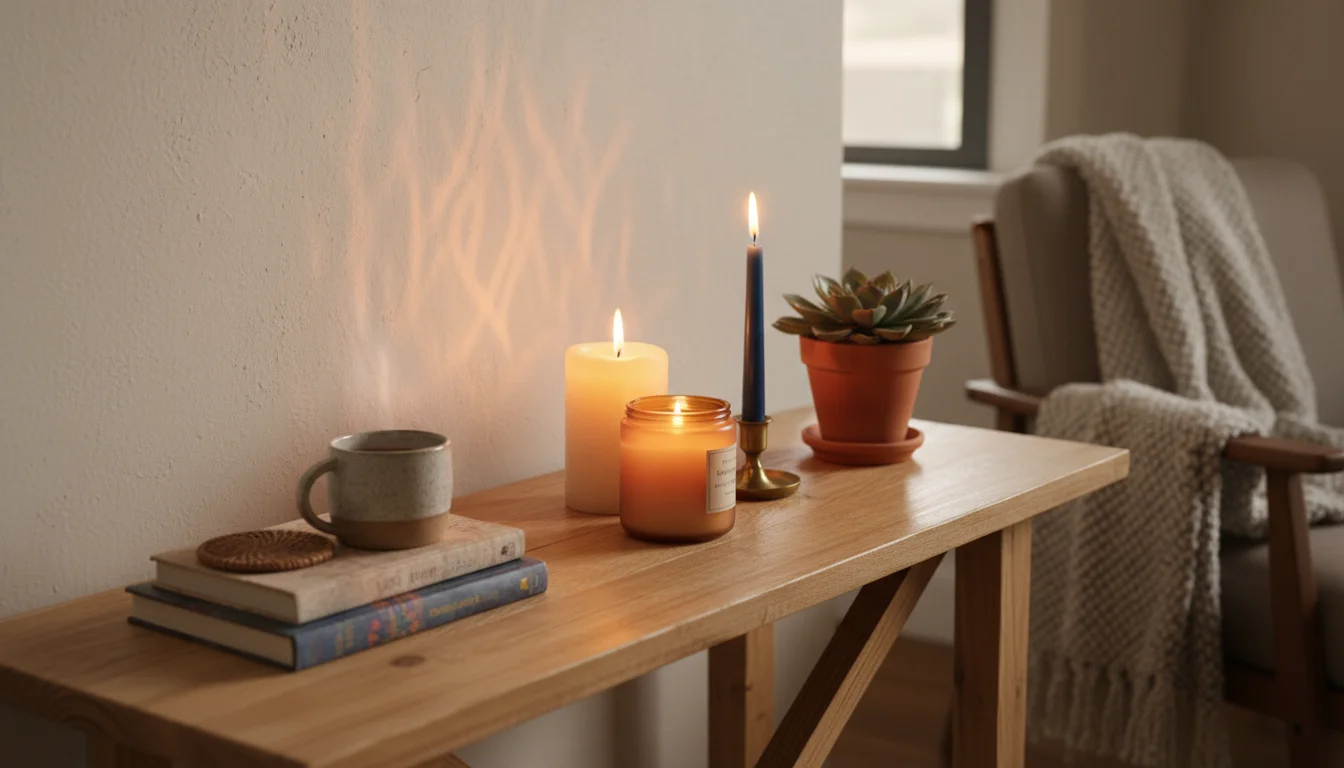
Once you understand candle types and safety, you can dive into the fun part: styling your home with candlelight. Candle decor transforms your space, adding warmth, texture, and visual interest. Approach candle styling with intention, considering scale, balance, and the existing elements of your room.
Candlelight provides the perfect soft glow for a cozy reading nook where you can relax with your favorite book.
To create a truly balanced atmosphere, consider how candles can work together when you layer lighting for a cozy living room.
Grouping and Layering for Impact
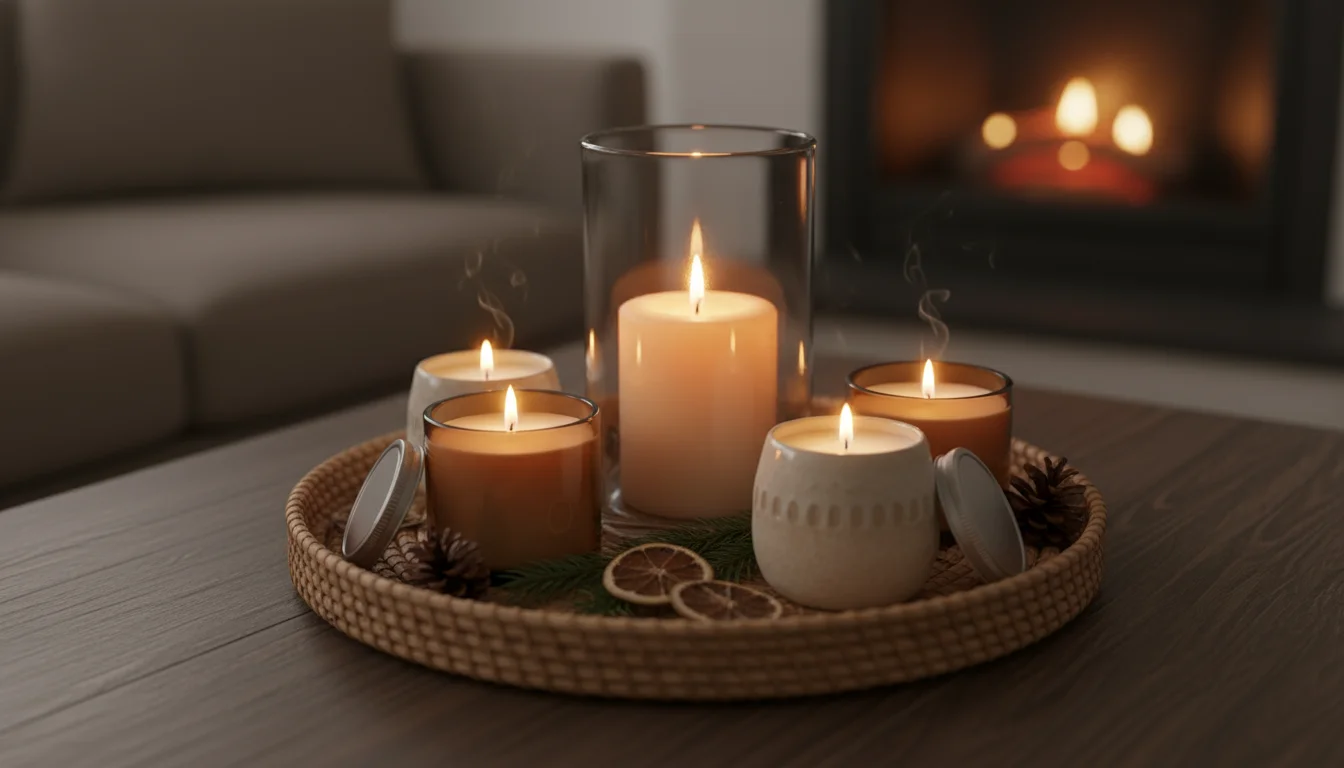
One single candle often looks lovely, but grouping candles creates a more dramatic and sophisticated statement. Think in odd numbers: three, five, or seven candles create a natural visual flow.
- Vary Heights: Combine candles of different heights, or use varying candle holders, to add visual dynamism. This layering creates depth and prevents the arrangement from looking flat.
- Mix Textures: Pair smooth pillar candles with ribbed glass votives, or metal lanterns with ceramic holders. These textural contrasts make your display more engaging.
- Use Trays: Grouping candles on a decorative tray, mirror, or charger plate defines the display and keeps it contained. This also helps with safety by providing a stable base and catching any drips.
- Incorporate Natural Elements: Surround your candle arrangements with pebbles, small stones, sand, or even seasonal elements like pinecones or faux cranberries for an organic touch.
As The Spruce often advises for home organization and decor, creating “zones” or designated areas helps define purpose. Apply this to candles by creating distinct ambient zones within a room. A collection of pillar candles on a coffee table forms a relaxation zone, while a single, elegant taper candle on a mantelpiece acts as a focal point.
Strategic Placement for Optimal Ambiance
Where you place your candles significantly impacts the mood and light distribution. Consider these practical ideas:
- Mantelpieces: A classic spot for elegant tapers or a grouping of pillar candles. Ensure ample clearance from the ceiling and any decor above.
- Coffee Tables and Side Tables: Perfect for creating cozy lighting in your living area. Use sturdy holders and ensure they are out of the path of traffic.
- Dining Tables: Taper candles in candelabras or low-profile pillar candles create a romantic dinner setting. Avoid heavily scented candles that might interfere with food aromas.
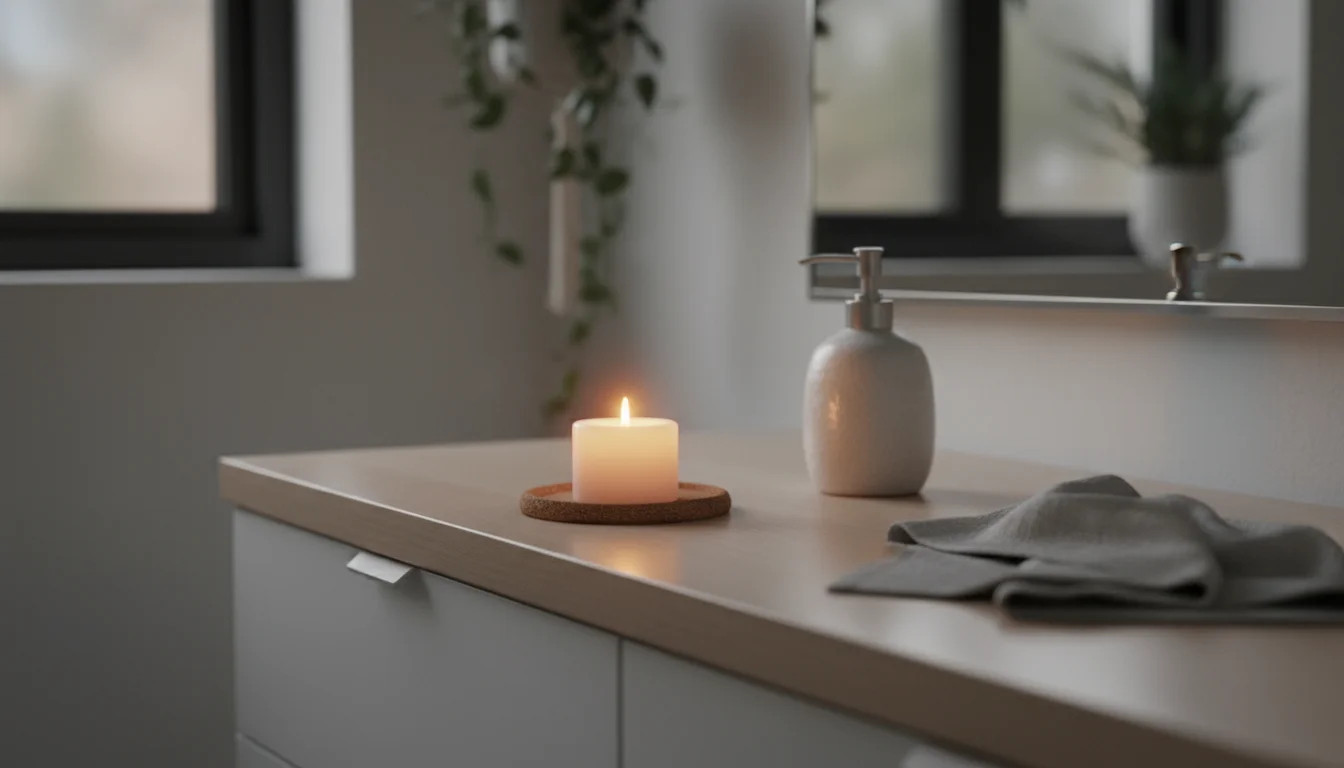
- Bathrooms: A single votive or small pillar candle on the vanity or beside the tub transforms a bathroom into a spa-like retreat. Ensure it is away from towels and other flammables.
- Bookshelves: Place candles within a decorative niche or on a clear shelf, ensuring they are not too close to books or wooden surfaces. Use a non-combustible base.
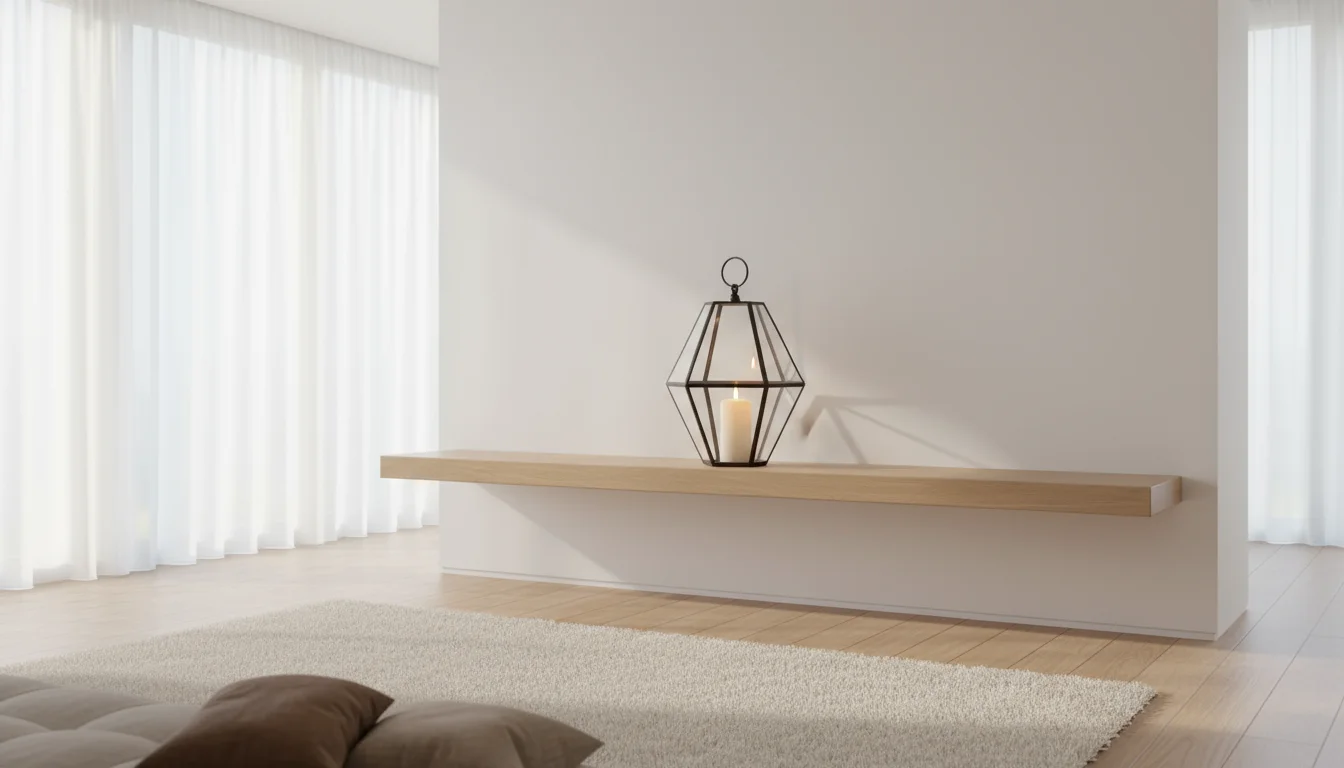
- Entryways: A beautifully lit candle on an entryway console table offers a warm welcome home, setting an inviting tone from the moment you arrive.
Budget-Conscious Decor Tips
You do not need to spend a fortune to achieve stunning candle decor. Many affordable options and DIY solutions exist:
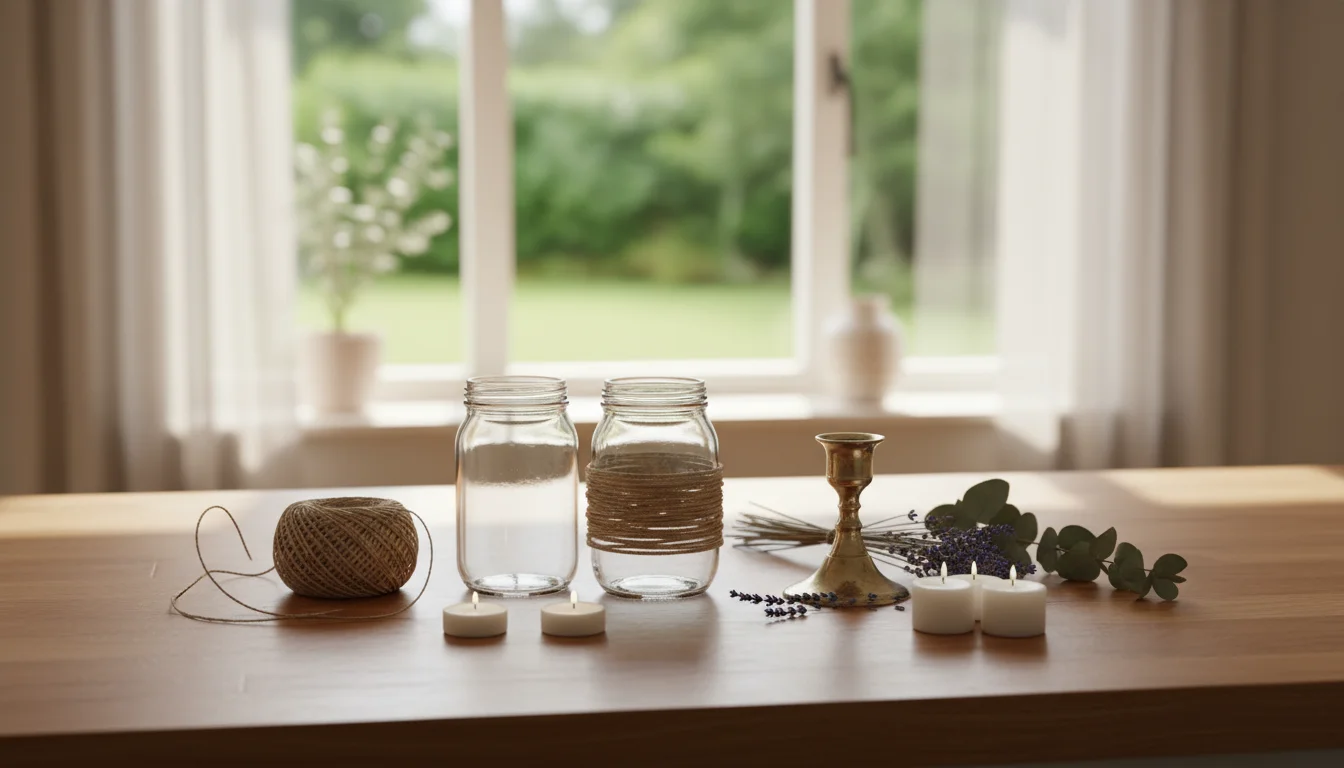
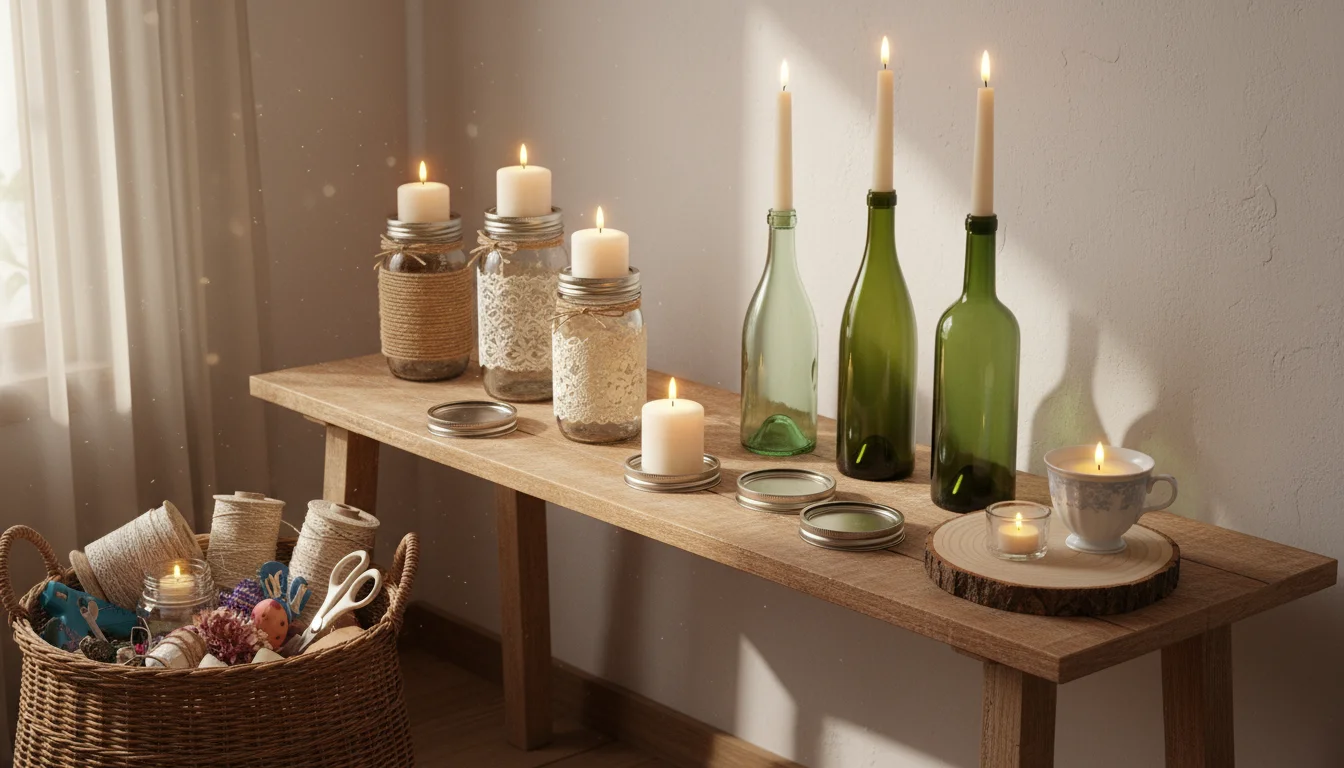
- Repurpose Jars: Clean glass jars from food items make excellent votive holders. Decorate them with twine, paint, or fabric scraps.
- Thrift Store Finds: Look for unique candle holders at thrift stores and antique shops. A fresh coat of spray paint can transform them.
- Discount Retailers: Stores like TJ Maxx, HomeGoods, or even your local dollar store often carry stylish and inexpensive candles and holders.
- Bulk Buys: If you use candles frequently, buying unscented pillar or votive candles in bulk can significantly reduce costs.
Remember, the goal is to enhance your space, not clutter it. Choose a few key areas for candle decor rather than scattering candles haphazardly. This creates a more cohesive and impactful home ambiance.

Room-by-Room Ambiance: Tailoring Candles to Your Space
Each room in your home serves a different purpose, and your candle choices should reflect that. Tailoring your candle selection and placement to specific areas maximizes their impact on your home ambiance. Think about the size of the room, its function, and the mood you want to evoke.
Pairing candles with window treatments that make rooms feel cozier can block out drafts and enhance the warm glow in any setting.
In the sleeping area, candles can be one of many cozy bedroom ideas used to promote relaxation and better rest.
The Living Room: Heart of Home Ambiance
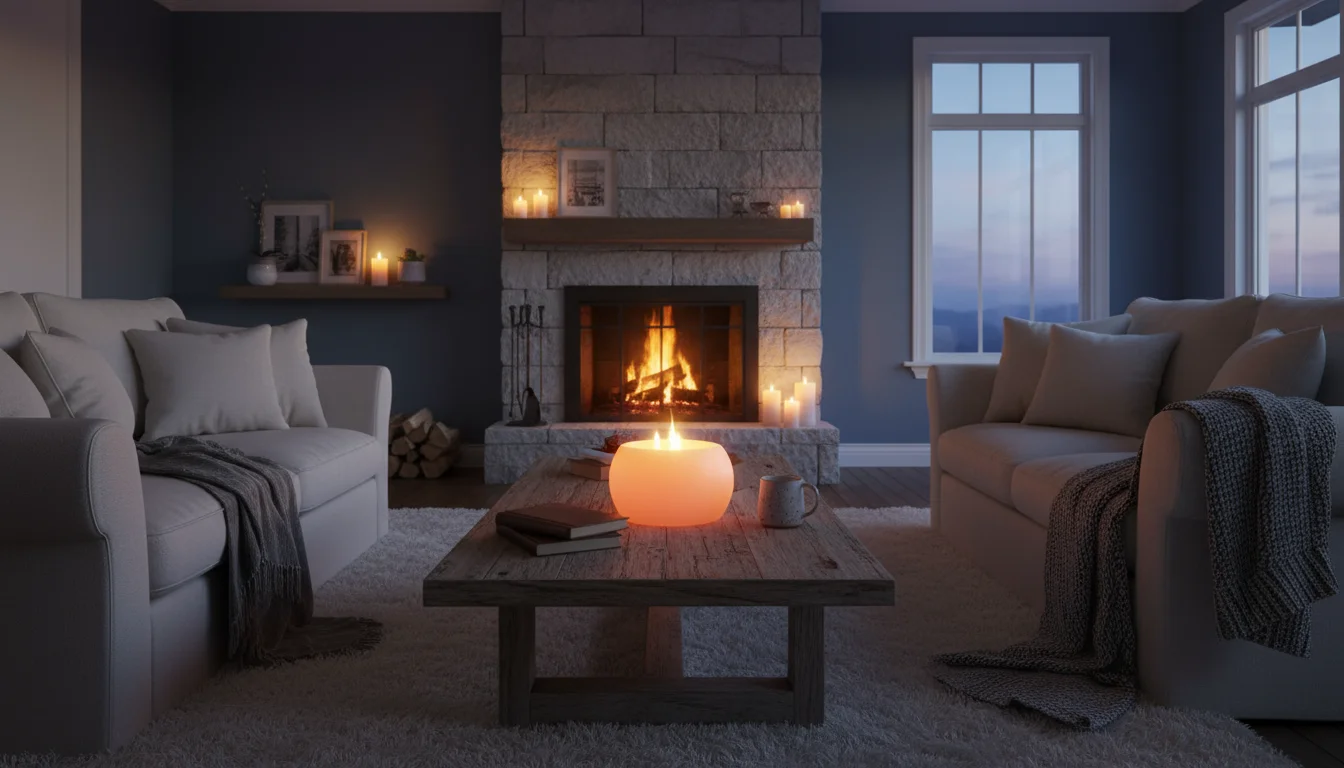
The living room often acts as a central gathering space. Here, you want cozy lighting that invites conversation and relaxation. Large pillar candles or multiple-wick candles work well on coffee tables or side tables, providing a substantial glow. Consider placing a few smaller votives on shelves or window sills for layered light. Scents like warm vanilla, amber, or a subtle woodsy blend enhance the feeling of comfort.
If you have an open-concept living and dining area, ensure your chosen scents complement rather than clash. A gentle, universally appealing fragrance is often best for these larger, multi-functional spaces.
The Bedroom: A Sanctuary of Calm
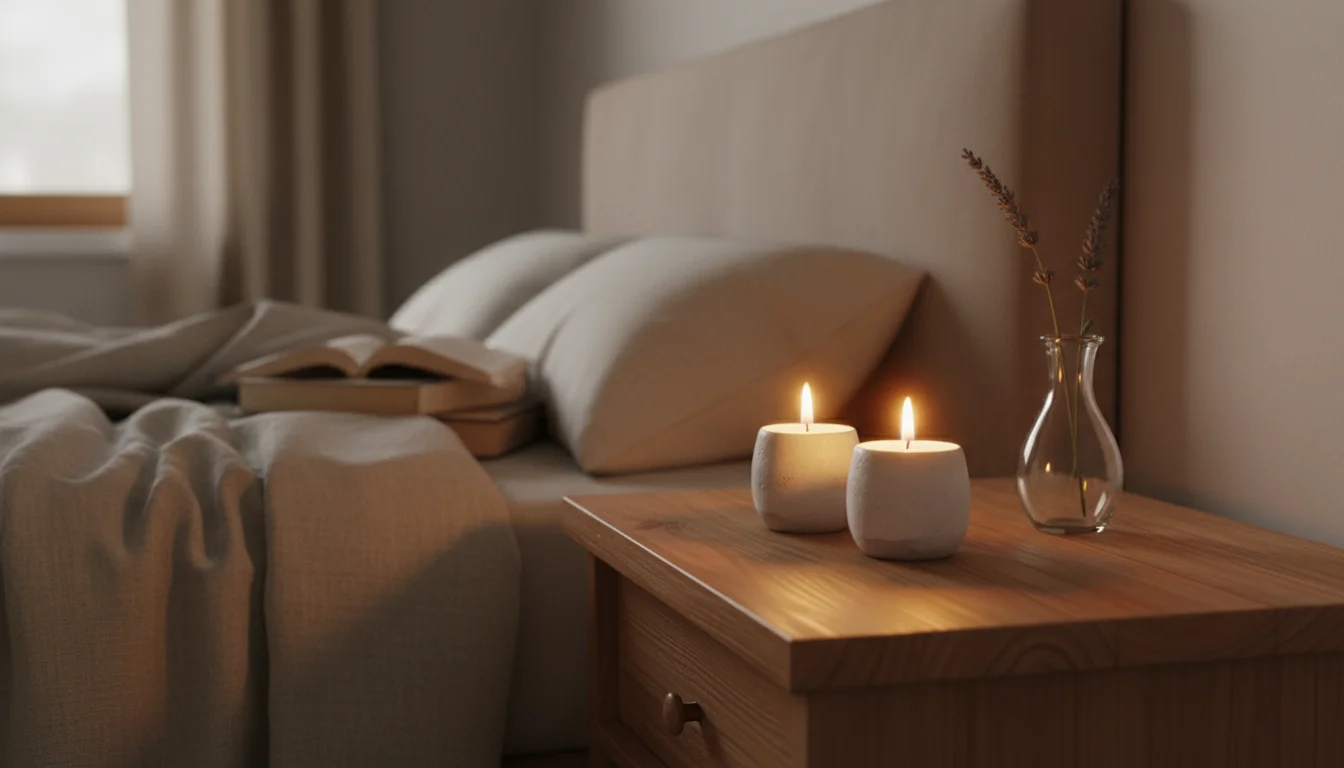
Your bedroom should be a haven for rest and rejuvenation. Opt for soft, calming scents like lavender, chamomile, or unscented candles if you prefer. Place candles on your bedside table, dresser, or a vanity, always ensuring they are far from bedding, curtains, and other flammable items. Small votives or tea lights in decorative holders create a delicate glow without overpowering the space. Remember to extinguish all candles before you fall asleep.
The Bathroom: Spa-Like Serenity
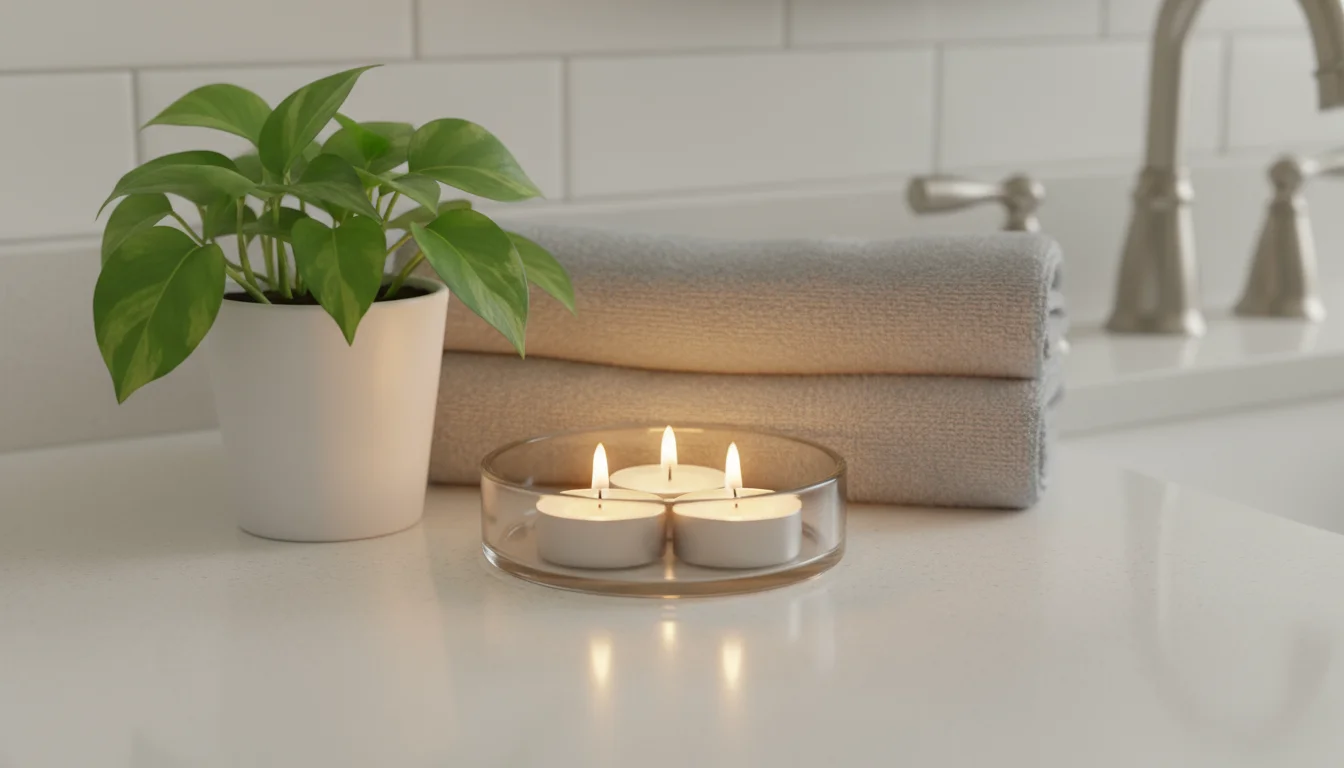
Transform your bathroom into a personal spa with the right candles. Water-safe votives or small pillar candles placed on the edge of the tub, a shelf, or the vanity counter can create a truly luxurious experience. Choose refreshing or soothing scents like eucalyptus, peppermint, ocean breeze, or a clean linen fragrance. Ensure the candles are stable and away from towels and shower curtains.
As Real Simple often suggests for creating organized and relaxing spaces, strategically placed elements make a big difference. For bathrooms, this means using a simple grouping of unscented tea lights in a clear glass dish next to a small plant for a minimalist, calming effect.
The Dining Room: Elegant Evenings
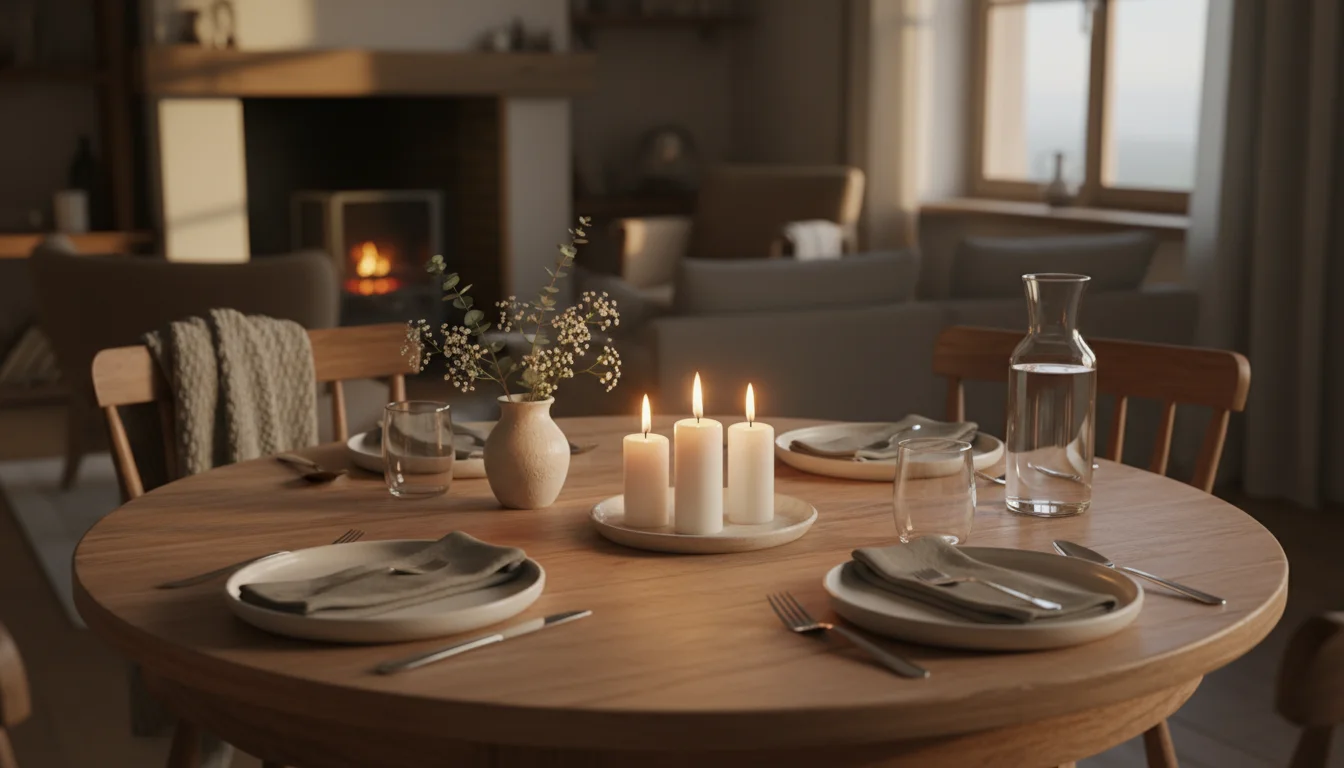
Candles elevate any dining experience, turning an ordinary meal into a special occasion. Taper candles in elegant candlesticks are a classic choice for a formal dinner. For a more casual setting, a centerpiece of low-profile pillar candles or votives adds warmth without obstructing views across the table. Crucially, choose unscented candles for the dining room. Scented candles can interfere with the aroma and taste of your food, distracting from the culinary experience.
Small Spaces: Maximizing Impact
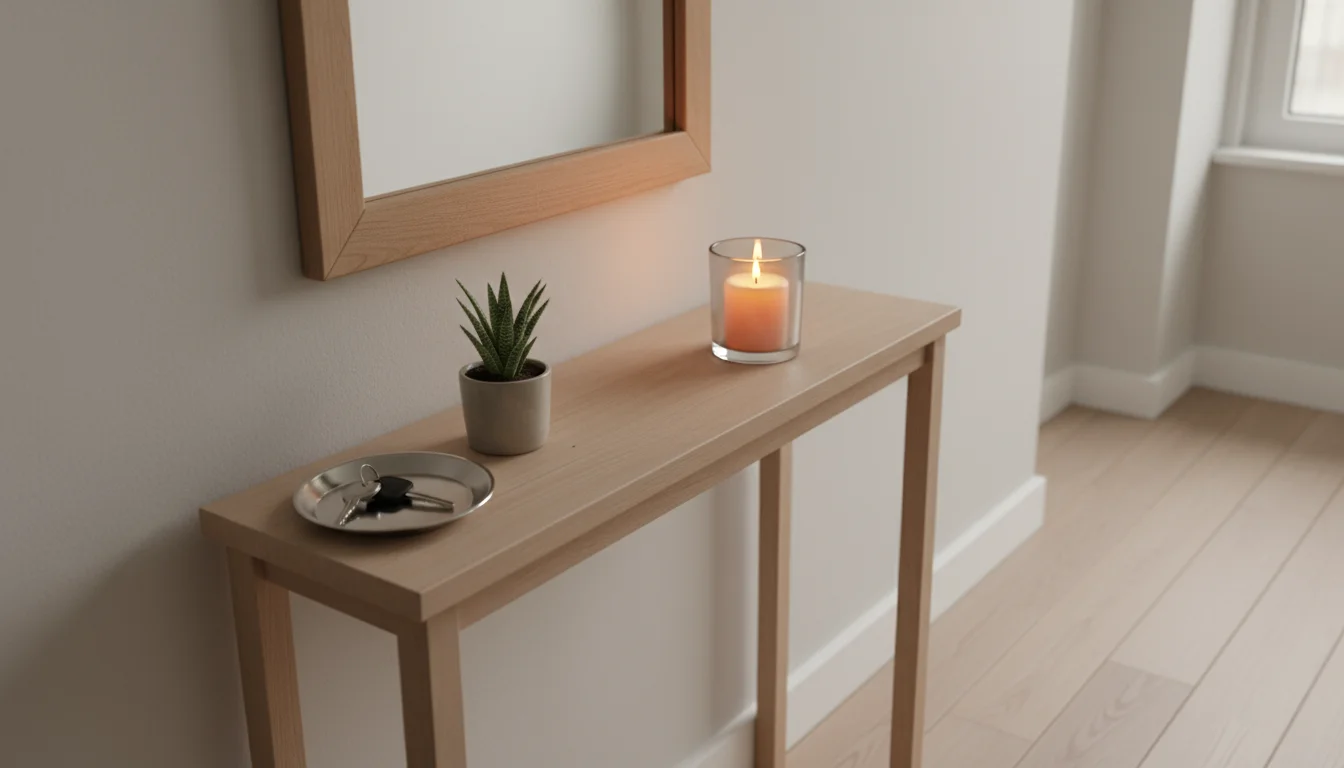
Even in apartments or smaller homes, candles create significant impact. Focus on strategic placement and smaller sizes. A single, well-chosen candle on a window sill, a narrow bookshelf, or a small entry table can deliver effective cozy lighting. Use mirrors to amplify the candle’s glow and make the space feel larger. Remember to maintain safe distances, especially in compact areas where items are naturally closer together.
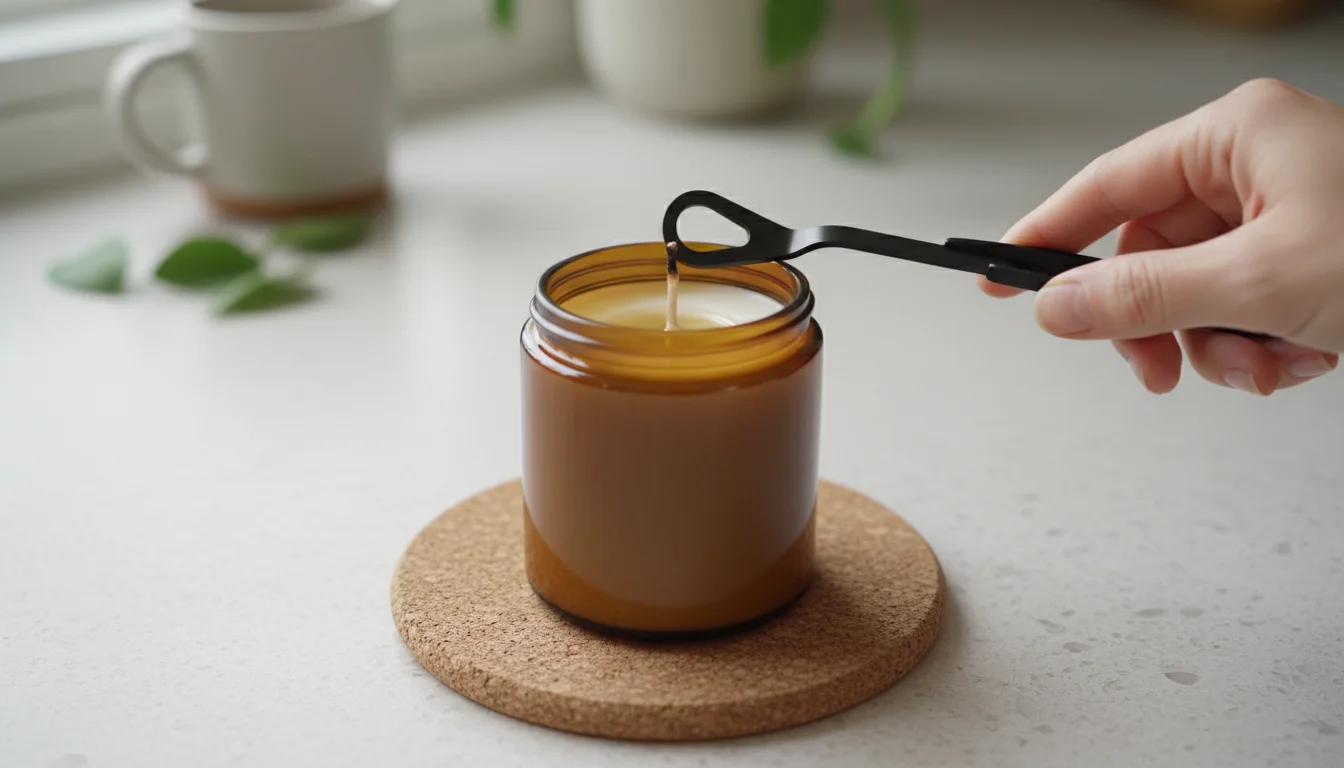
Candle Care and Maintenance: Extend Their Life and Beauty
Proper candle care goes beyond just safety. It ensures your candles burn efficiently, last longer, and continue to provide beautiful home ambiance without issues like tunneling or excessive soot. Integrating these simple maintenance steps into your routine maximizes your candle experience.
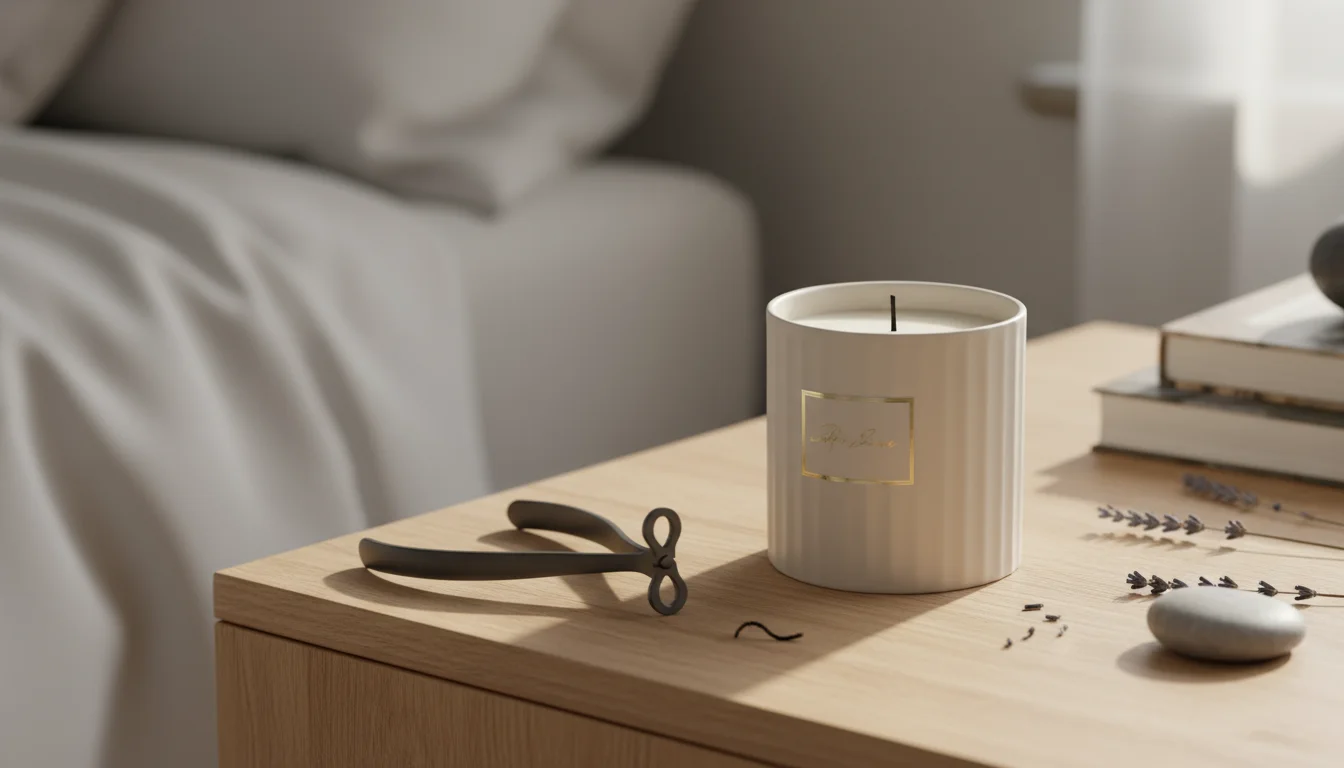
Trim Your Wick Every Time
This is arguably the most important candle care tip. Before each burn, trim your candle wick to about 1/4 inch (6mm). A trimmed wick ensures a clean, even burn, preventing common problems:
- Excessive Soot: A long wick produces a larger flame and more soot, which stains your candle vessel and nearby surfaces.
- Mushrooming: When the wick forms a “mushroom” shape at the tip, it means it is too long and collects carbon, leading to a larger, less controlled flame.
- Uneven Burning: A too-long wick causes the candle to burn hotter and faster, creating a wider, deeper melt pool that sometimes leads to tunneling.
You can use special wick trimmers, or simply sharp scissors, to snip off the excess. Remove any trimmings from the wax before lighting.
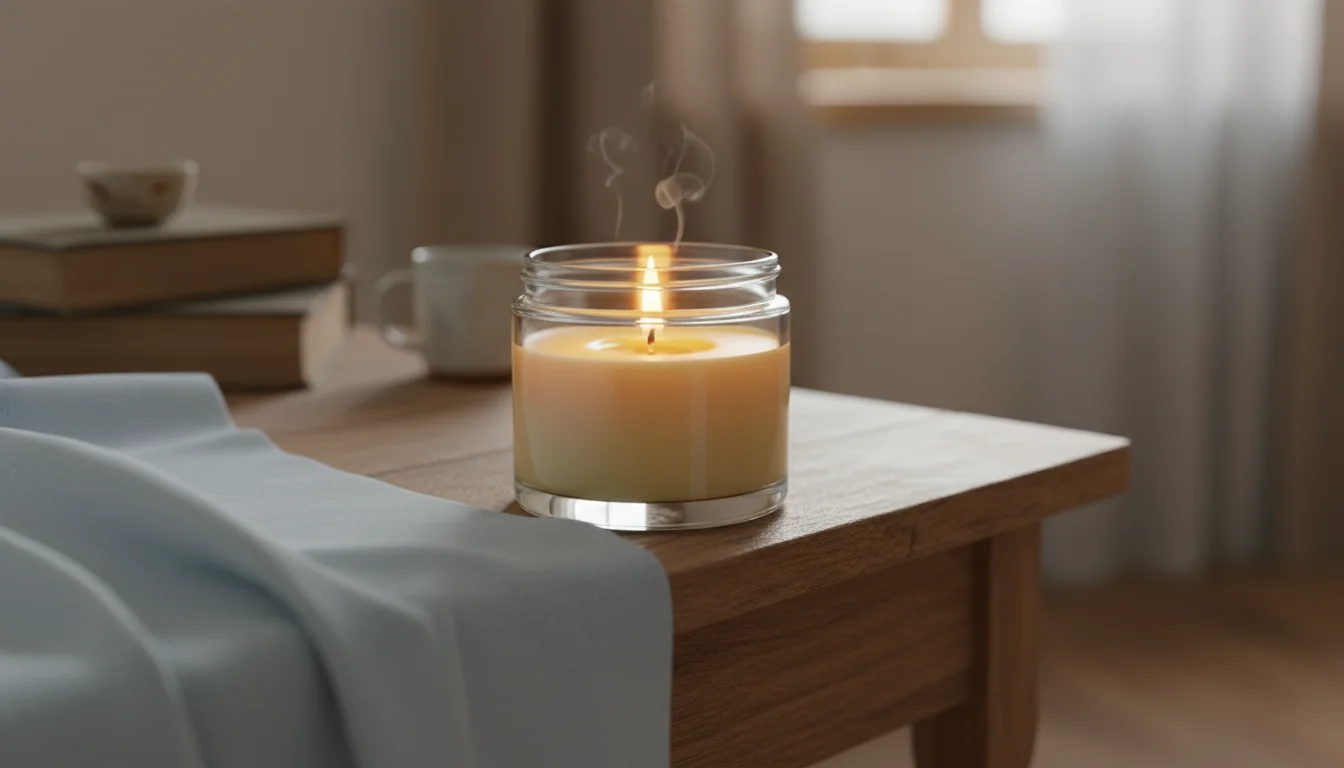
Establish a “Melt Pool Memory”
The first time you light a new candle, allow it to burn long enough for the entire surface layer of wax to melt and reach the edges of the container. This creates a full “melt pool.” This initial burn sets the candle’s memory, ensuring it burns evenly on subsequent uses and prevents “tunneling,” where the wick burns straight down the middle, leaving solid wax around the edges. For most candles, this takes 2-4 hours, depending on diameter.

Avoid Overburning
While establishing a melt pool is important, avoid burning candles for excessively long periods. Most manufacturers recommend not burning a candle for more than 4 hours at a time. Burning for too long can:
- Overheat the container: This potentially causes the glass to crack or break, a significant safety hazard.
- Deplete fragrance: The scent often becomes less potent after prolonged burning.
- Increase soot: Longer burns can lead to more carbon buildup on the wick and increased soot production.
Allow the candle to cool completely and the wax to solidify before trimming the wick and relighting.
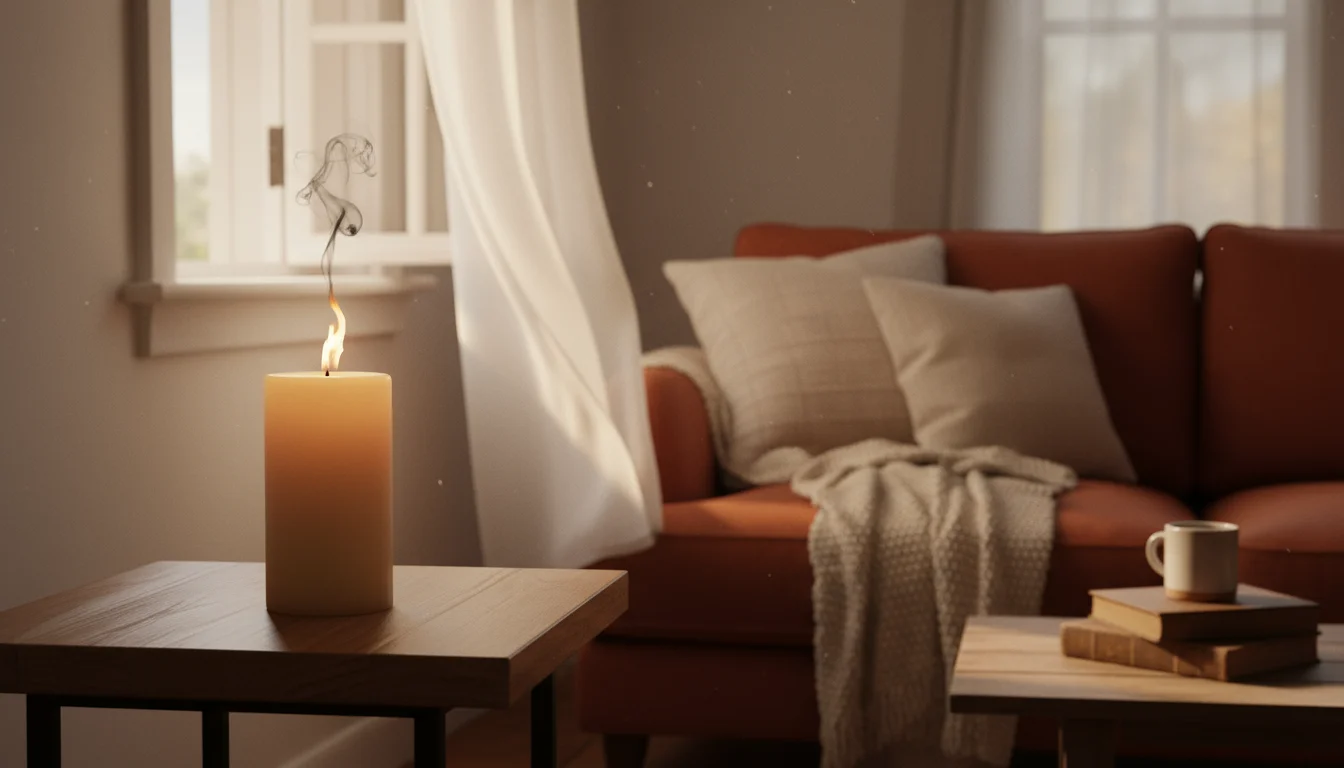
Prevent Soot and Smoke
Beyond wick trimming, other factors contribute to soot and smoke. Always burn candles in draft-free areas, as drafts cause the flame to flicker and produce more soot. If you notice excessive smoke, extinguish the candle, let it cool, trim the wick, and try relighting it in a calmer spot.

Store Candles Properly
Store candles in a cool, dark place, away from direct sunlight or extreme temperatures. Heat causes candles to melt, warp, or lose their fragrance. Sunlight causes discoloration. Keeping them in their original packaging or in airtight containers helps preserve their scent and quality for longer.
Smart Alternatives and Budget-Friendly Solutions
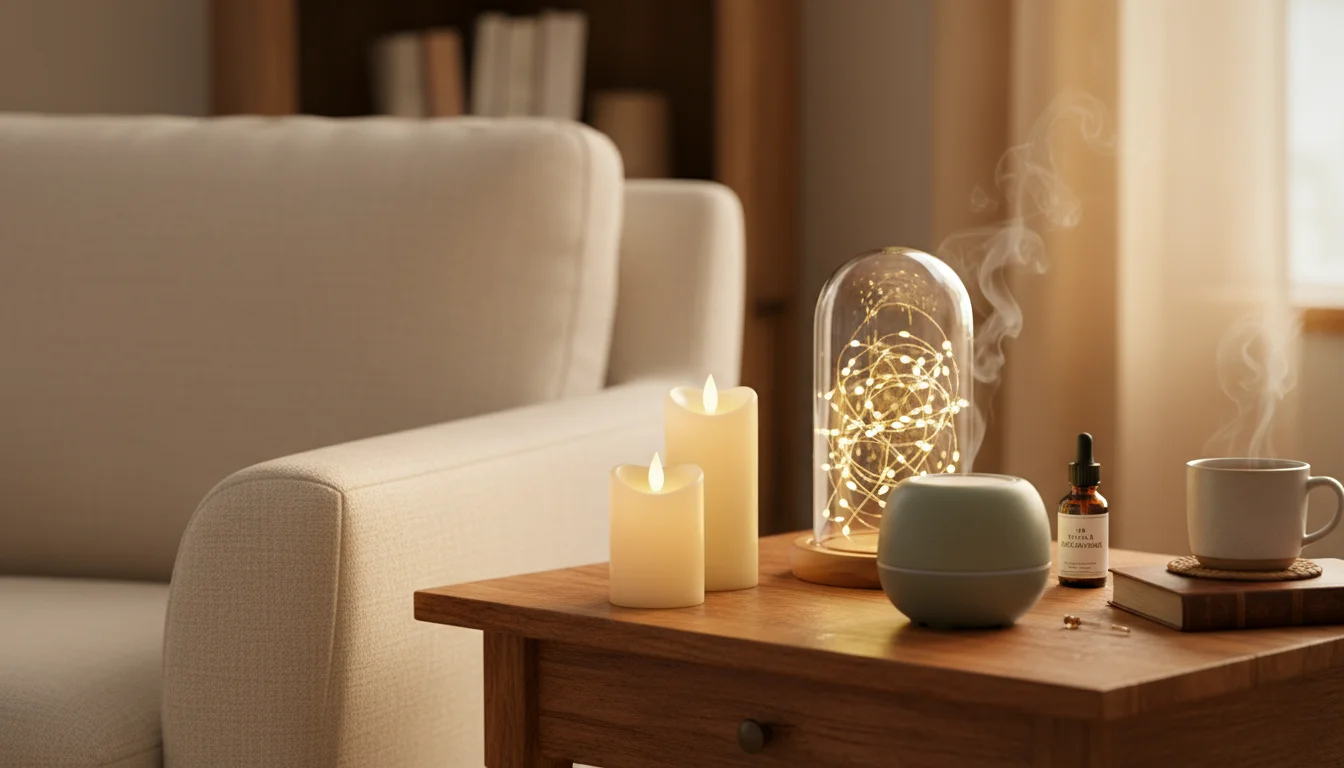
While real candles create unmatched cozy lighting, you might seek alternatives for safety, budget, or convenience. Many excellent options exist to achieve a similar home ambiance without a live flame. These solutions also integrate beautifully into your candle decor.

Embrace LED Candles for Safety and Convenience
LED candles offer the flickering glow of real candles without any of the fire risks, soot, or wax mess. They are particularly ideal for homes with children, pets, or individuals with mobility challenges. You can place them in areas where a real flame would be too risky, like inside bookshelves, near curtains, or in bedrooms where you might fall asleep with them “burning.”
- Rechargeable Options: Invest in rechargeable LED candles to save money on batteries and reduce waste.
- Timers and Remotes: Many LED candles come with built-in timers, allowing you to set them to turn on and off automatically, creating consistent home ambiance effortlessly. Remote controls offer convenience for hard-to-reach placements.
- Wax Shells: Choose LED candles with real wax exteriors for a more authentic look and feel.
While they do not offer a fragrance, you can pair LED candles with other scent diffusers to get the best of both worlds.
Aromatherapy Diffusers: Scent Without Flame
For scent-focused ambiance, essential oil diffusers are a fantastic, flame-free alternative. They disperse fine mists of essential oils into the air, providing therapeutic benefits and delightful fragrances. Diffusers allow you to customize your home’s aroma precisely, and you can switch scents easily.
- Ultrasonic Diffusers: These use water and ultrasonic vibrations to create a fine, scented mist. They often include ambient light features.
- Nebulizing Diffusers: These diffusers use no water and directly atomize essential oils for a more concentrated scent experience.
Pair a diffuser with LED candles to achieve both visual cozy lighting and a personalized fragrance.
DIY Candle Holders and Decor
Saving money on candle decor allows you to allocate more of your budget to quality candles or other home comforts. Unleash your creativity with these DIY ideas:
- Mason Jars: Simple, clear mason jars transform into beautiful votive or pillar candle holders. Add twine, lace, or paint for a personalized touch.
- Canning Jar Lids: Use the flat metal inserts of canning jar lids as bases for pillar candles, placing them on a larger heat-resistant surface.
- Wine Bottles: If you enjoy tapers, repurpose empty wine bottles as unique, tall candle holders. Ensure the candle fits snugly in the opening.
- Wood Slices: Find or cut thin wood slices from branches for rustic candle bases. Sand them smooth and apply a clear sealant.
- Small Bowls/Mugs: Ceramic bowls, teacups, or mugs that no longer have matching sets make charming holders for votives or tea lights. Always check they are heat-safe.
These budget-friendly solutions prove that you do not need to spend a lot to create a warm and inviting atmosphere. Your ingenuity can lead to unique and personal candle decor that enhances your home ambiance.
Frequently Asked Questions
When should I stop burning a container candle?
You should stop burning a container candle when about 1/2 inch of wax remains at the bottom. Continuing to burn a candle with less wax can cause the container to overheat and potentially crack or break, creating a fire hazard. The flame also risks direct contact with the surface below.
Are scented candles bad for indoor air quality?
Scented candles, particularly those made with paraffin wax and synthetic fragrances, release particulate matter and volatile organic compounds (VOCs) into the air. While most studies indicate typical use does not pose a significant health risk for most people, some individuals with asthma or allergies may experience sensitivities. To minimize potential issues, choose candles made with natural waxes (soy, beeswax) and essential oils, ensure good ventilation, and burn candles for limited durations.
How can I make my candles last longer?
To make your candles last longer, always trim the wick to 1/4 inch before each burn. Allow the candle to form a full melt pool that reaches the edges of the container during the first burn to prevent tunneling. Avoid burning candles for more than 4 hours at a time, letting them cool completely between uses. Store candles in a cool, dark place away from direct sunlight.
What is a candle “tunnel” and how do I fix it?
Candle tunneling occurs when a candle burns down the center, leaving a ring of un-melted wax around the edges of the container. This happens if the first burn did not create a full melt pool. To fix it, you can sometimes wrap aluminum foil around the rim of the candle, allowing the heat to reflect inward and melt the stubborn edge wax. Burn the candle until the entire top surface is liquid, then remove the foil. In the future, always ensure the initial melt pool reaches the container’s edges.
Can I reuse candle jars?
Absolutely! Reusing candle jars offers an eco-friendly way to reduce waste and create new decor. Once your candle finishes burning, scrape out any remaining wax, wash the jar thoroughly with hot, soapy water, and remove the wick clip. You can then use the clean jar for storage, as a planter, a pen holder, or even as a new votive holder for tea lights or smaller candles.
Creating a beautiful and safe home ambiance with candles is entirely within your reach. You now possess the knowledge to choose the right candles, style them effectively, and maintain them for lasting enjoyment. Prioritize safety, experiment with scents and styles, and watch as your home transforms into a more inviting, comfortable, and truly lived-in space. Enjoy the warm glow and peaceful atmosphere you cultivate.
For expert home organization guidance, visit
The Spruce — Home Organization,
Real Simple — Organizing,
Good Housekeeping — Organization,
Better Homes & Gardens — Home Organization,
The Container Store — Organization Tips,
IKEA Home Organization,
Martha Stewart — Home,
Houzz — Home and
Apartment Therapy.
Disclaimer: This article is for informational purposes only and is not a substitute for professional advice. Consult professional organizers or specialists for personalized recommendations.
Candles are also a essential component when creating a reading nook that feels secluded and warm.
For further inspiration, check out these budget-friendly ways to make your living room cozier throughout the year.






Leave a Reply