
Creating a truly cozy room involves more than just soft throws and warm lighting. The paint color you choose establishes the fundamental mood, wrapping your space in an embrace of comfort. Selecting the perfect shade might seem daunting with countless options available, but you can achieve a wonderfully inviting atmosphere with the right approach. This guide empowers you to confidently pick paint colors that transform any room into your personal sanctuary.
Embracing the art of hygge can help you choose colors that truly reflect a sense of sanctuary and comfort.
Why Paint Color Defines Your Cozy Room
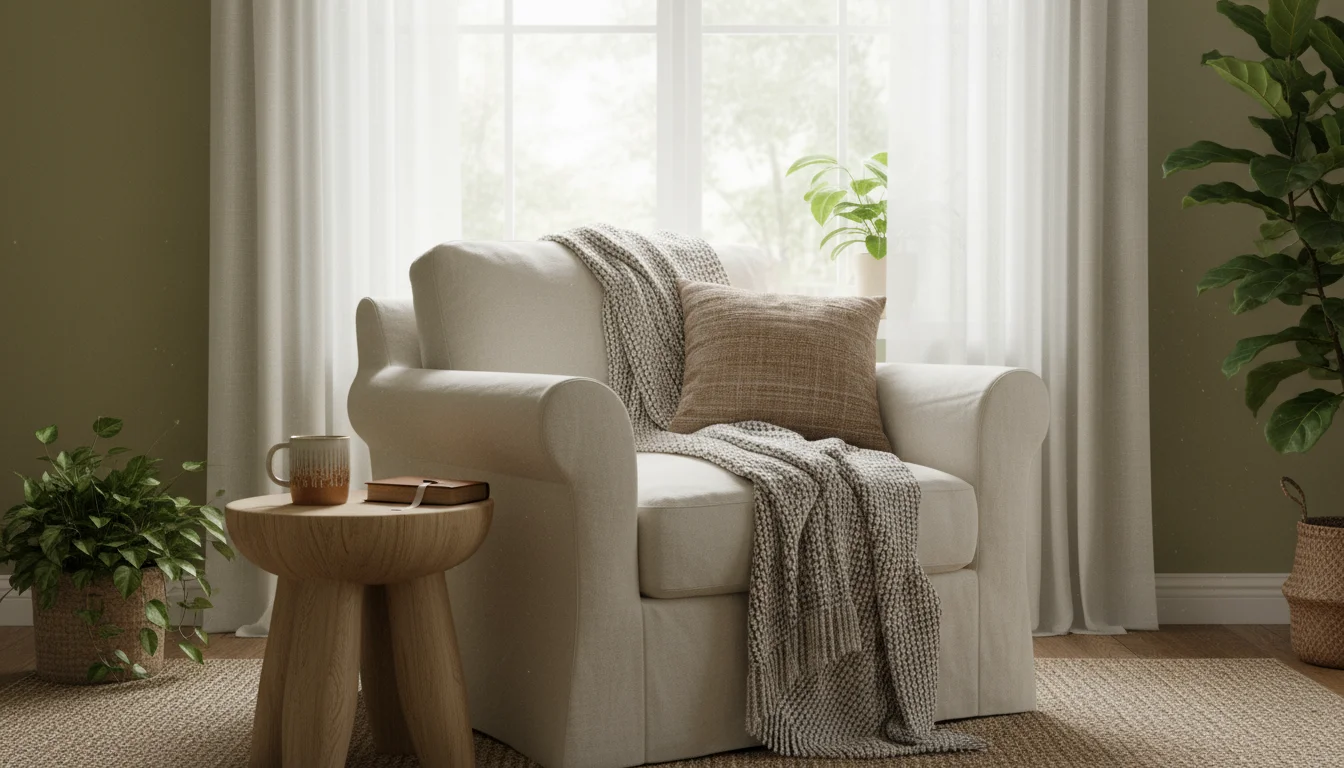
Paint color is the backbone of any room’s ambiance. It influences your perception of space, temperature, and emotion. For a cozy room, the right color choice acts as a visual hug, making large rooms feel intimate and small rooms feel intentionally snug. You are creating a backdrop that supports relaxation, warmth, and personal comfort. It is about more than aesthetics; it is about crafting an emotional experience.
Imagine walking into a room painted in a cool, stark white versus one adorned with a soft, muted sage. The white might feel expansive, but the sage instantly offers a sense of calm and groundedness. This contrast highlights the power of `cozy paint colors`. They do not simply cover walls; they set the stage for your daily life, encouraging you to unwind and feel secure. Achieving a cozy feel means leaning into colors that inherently carry warmth, depth, or a sense of envelopment.
Understanding Cozy Color Psychology and Warm Tones
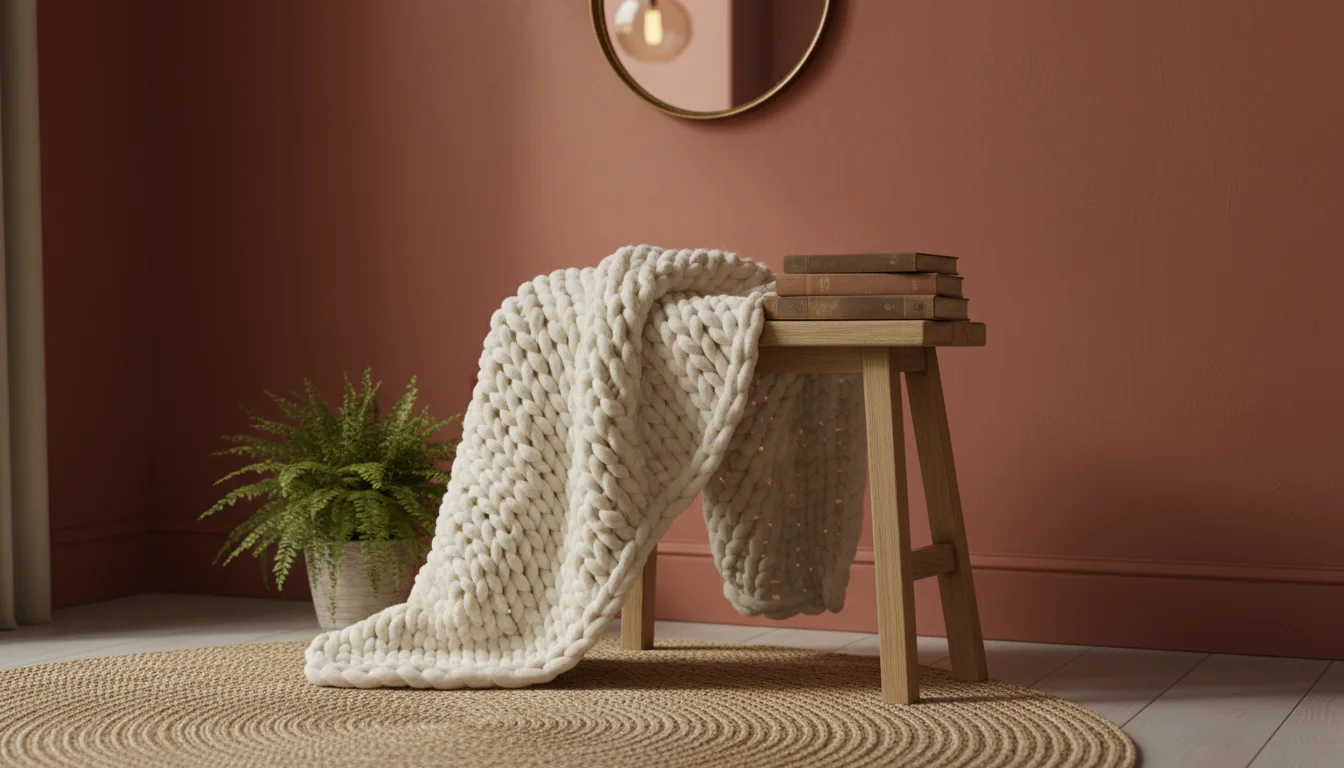
Color psychology plays a significant role in how you perceive your environment. When aiming for coziness, you typically gravitate toward `warm colors`. These hues evoke feelings of comfort, happiness, and intimacy. Think of the sun, fire, or earth. Their inherent energy makes a space feel inviting.
Beyond the wall color, you can heighten the sensory experience by creating ambiance with candles to add a gentle flicker of warmth.
- Reds and Oranges: These are the most vibrant warm colors. Deep terracotta, burnt orange, or a muted brick red can create a passionate, energetic coziness. Use them as an accent wall or in smaller doses to avoid overwhelming the space. They are excellent for rooms where you want a sense of vibrant life and warmth.
- Yellows: Sunny yellows bring cheer and light, even on the dullest days. Opt for softer, buttery yellows or golden ochres to maintain a cozy feel without being too stimulating. Bright, primary yellows might feel energetic, but they rarely feel truly cozy.
- Browns and Neutrals: Earthy browns, greiges (a mix of grey and beige), and warm creams form a grounding foundation. These colors provide a sophisticated backdrop that can feel incredibly warm and organic. They are versatile, allowing you to layer textures and other colors easily. According to The Spruce, warm neutrals create a versatile backdrop for layering. They allow furniture and decor to stand out while maintaining an inviting atmosphere.
- Greens and Blues (with a warm twist): While often considered cool colors, certain shades of green and blue possess a warm undertone that contributes to coziness. Think olive green, forest green, or a deep teal. These colors derive their warmth from their yellow or red components, creating a sophisticated depth that wraps a room in comfort. Avoid icy blues or sharp lime greens if coziness is your goal.
Understanding these general categories helps you narrow down your initial choices. Remember, the goal is not just any warm color, but the specific shade that resonates with your desired cozy aesthetic.
The Impact of Light on Your Chosen Hue
Light profoundly influences how a paint color appears in your room. A shade that looks perfect in a store might appear completely different on your wall due to natural and artificial light sources. Considering your room’s orientation and window placement helps you predict how colors will behave.
If your space currently feels dim, you might want to explore ways to improve natural light to see how it shifts your favorite paint samples.
For a more comprehensive look at illumination, check out our ultimate guide to layered lighting for creating warm and inviting spaces.
To further manage natural light levels, consider how the right window treatments can complement your paint and enhance the room’s warmth.
Here is how different lighting scenarios affect `cozy paint colors`:
- North-Facing Rooms: These rooms receive indirect, cooler light throughout the day. Colors tend to appear duller or have a blue tint. To counteract this, choose colors with stronger warm undertones to prevent the space from feeling cold. For example, a beige with a noticeable yellow or pink undertone will shine here.
- South-Facing Rooms: Flooded with bright, warm light all day, south-facing rooms can handle cooler tones without feeling chilly. However, for coziness, you might find that highly saturated warm colors appear too intense. Opt for slightly muted or softer versions of your preferred `warm colors`.
- East-Facing Rooms: These rooms get bright, warm light in the morning, then transition to cooler, dimmer light in the afternoon. Colors will look truest in the morning. Choose colors that look good in both warm and cool light. A balanced neutral or a soft green can work beautifully.
- West-Facing Rooms: West-facing rooms receive warm, intense light in the afternoon and evening. Colors will look their brightest and warmest during this time. Be careful with overly strong warm colors here, as they might become overwhelming. Soft, muted warm tones or warm neutrals generally perform well. As noted by experts at This Old House, testing paint samples on different walls helps you see how light changes the color throughout the day.
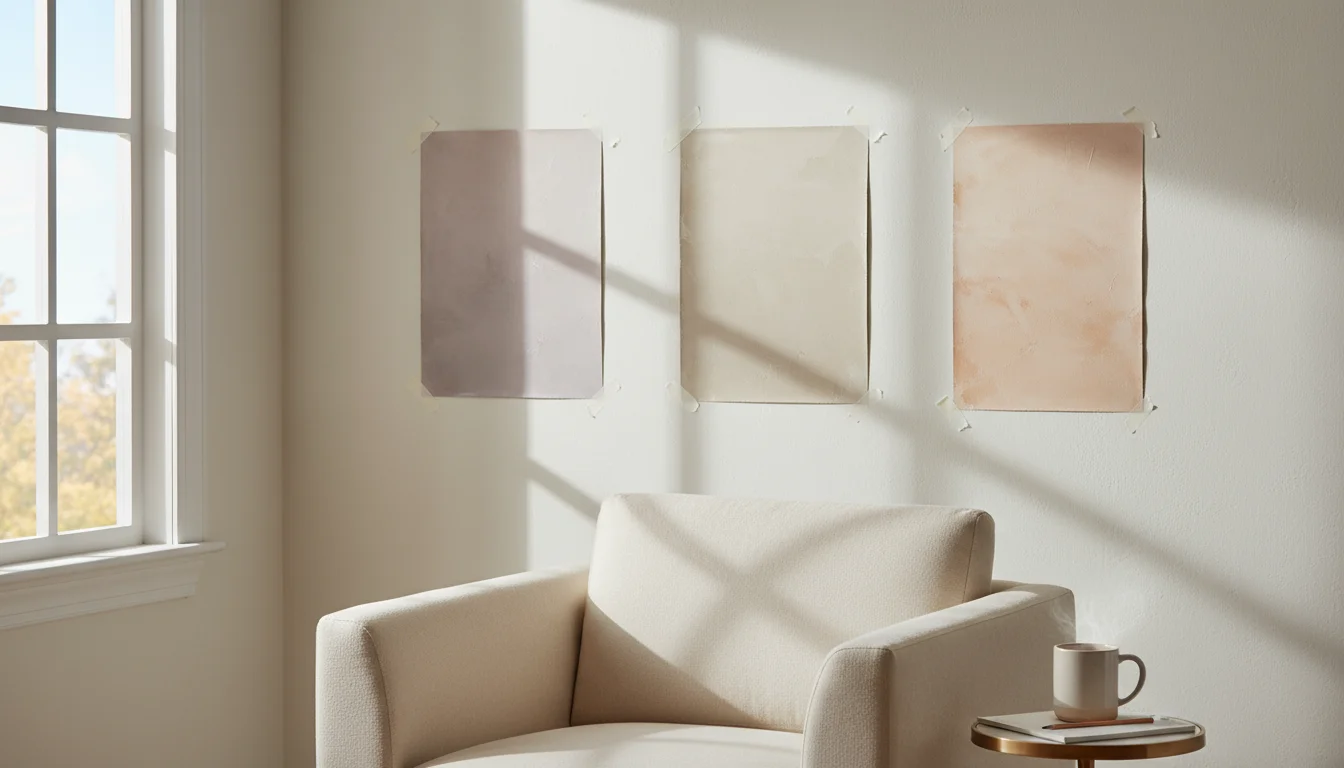
Artificial lighting also plays a crucial role. Incandescent bulbs emit a warm, yellow light, which enhances warm paint colors. LED bulbs come in various temperatures, from warm white to cool daylight. Consider the type of bulbs you use and how they interact with your chosen paint. Always view your paint samples under both natural and artificial light before making a final decision.
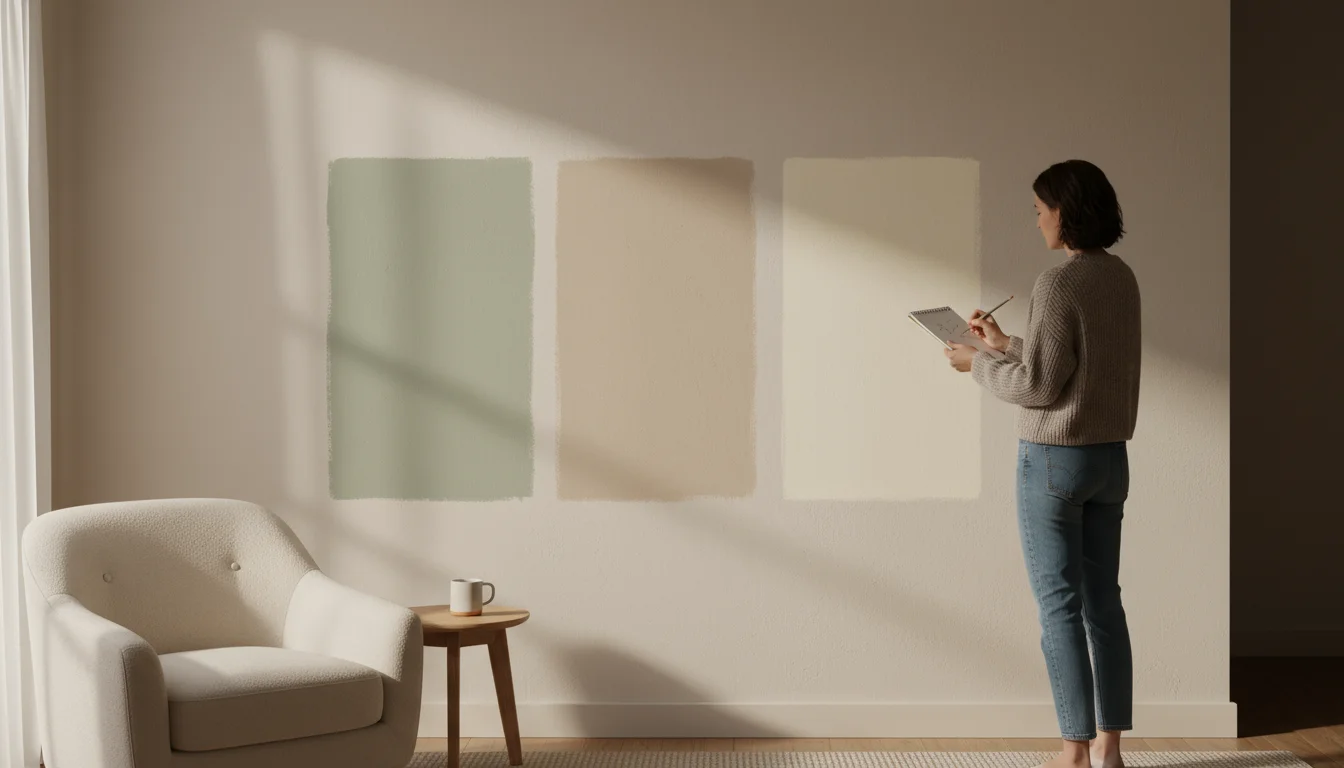
Step-by-Step: Finding Your Perfect Cozy Shade
Choosing the right paint color is a process, not a single decision. Following a systematic approach helps you avoid costly mistakes and ensures you love your final choice. These `room painting tips` guide you through the selection journey.

Step 1: Define Your Desired Cozy Vibe
Start by visualizing what “cozy” means to you. Do you envision a rustic cabin feel, a modern minimalist warmth, or a traditional snug space? Consider existing furniture, decor, and textiles. Your paint color should complement these elements, not compete with them. Collect inspiration photos from magazines or online platforms like Houzz or Pinterest. This initial vision helps you define the direction of your `cozy paint colors`.
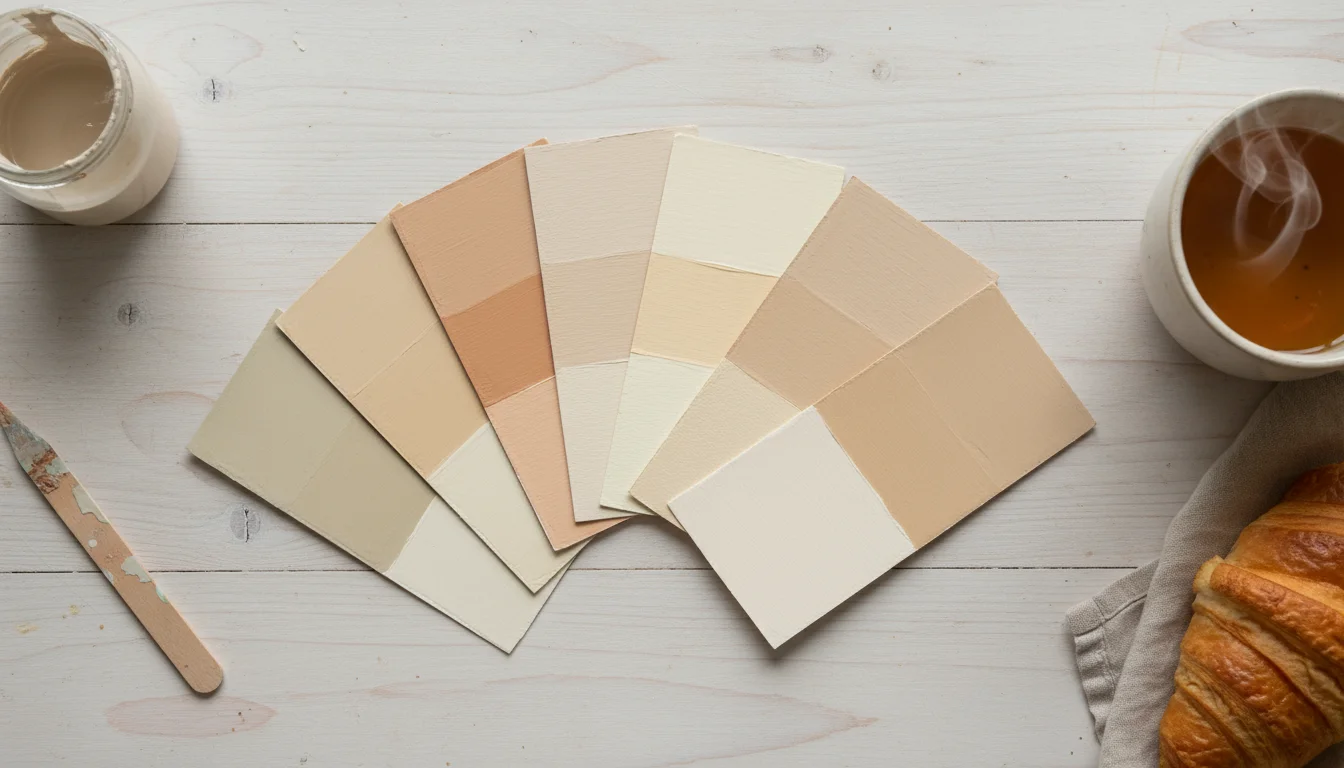
Step 2: Research and Select Initial Color Swatches
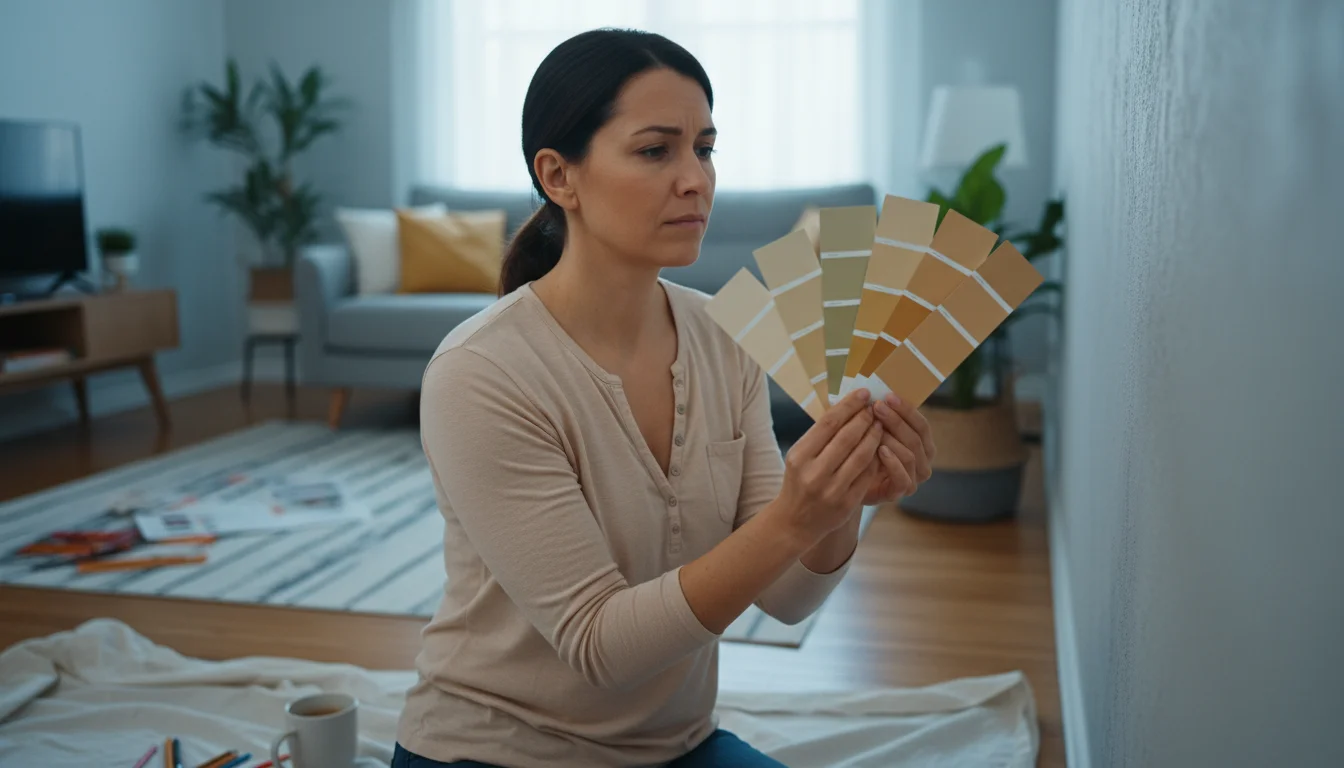
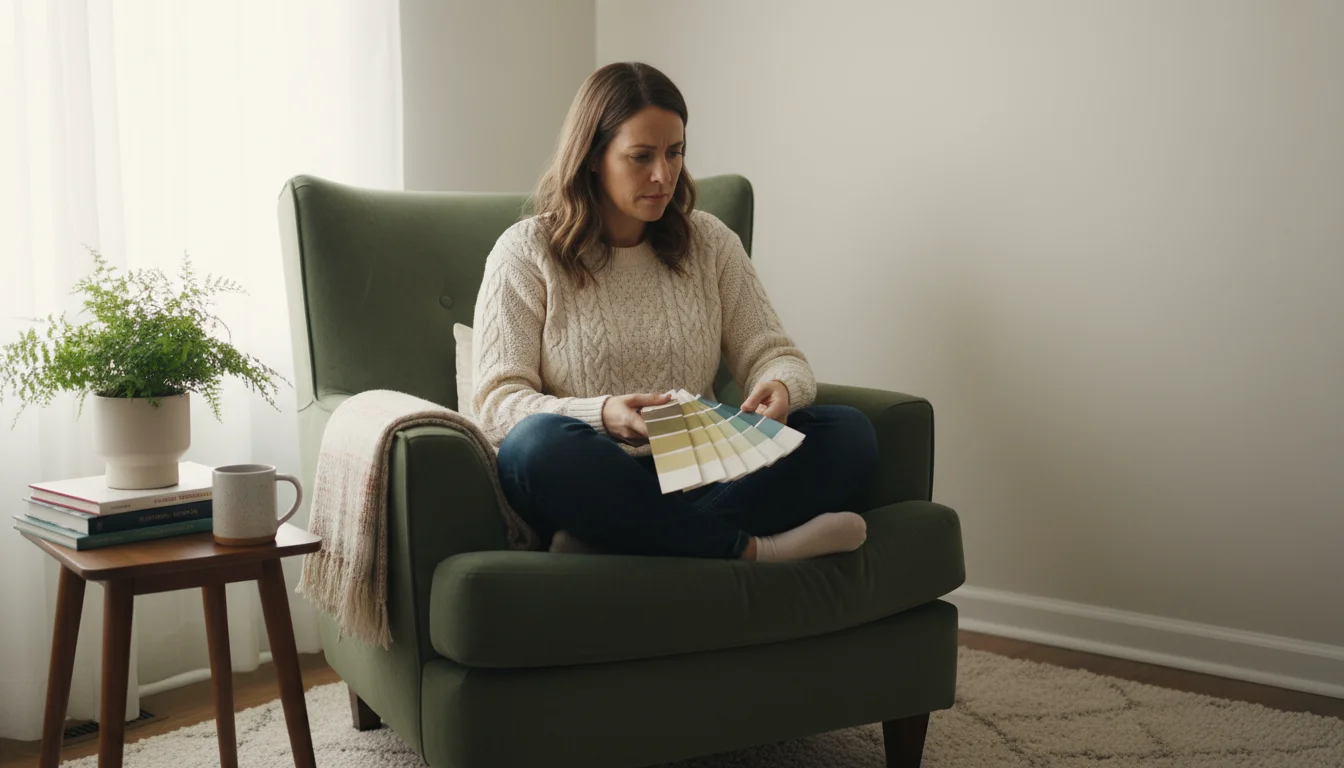
Based on your desired vibe and understanding of color psychology, head to the paint store. Pick up a variety of swatches that align with your vision. Do not be afraid to grab several shades within the same color family. For instance, if you like greige, pick up five different greige swatches. Look for options with subtle warm undertones: a hint of yellow, pink, or red. Avoid anything too stark or cool.
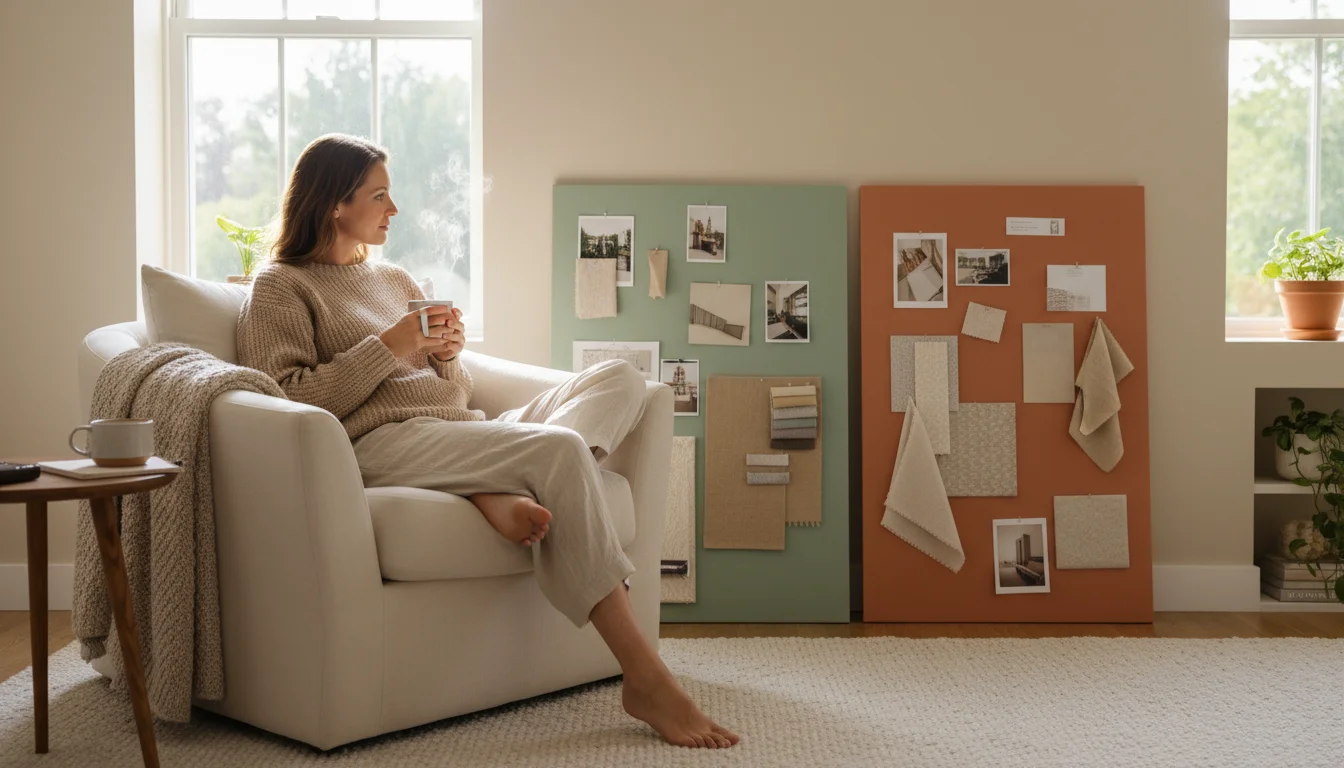
Step 3: Test Paint Samples in Your Room
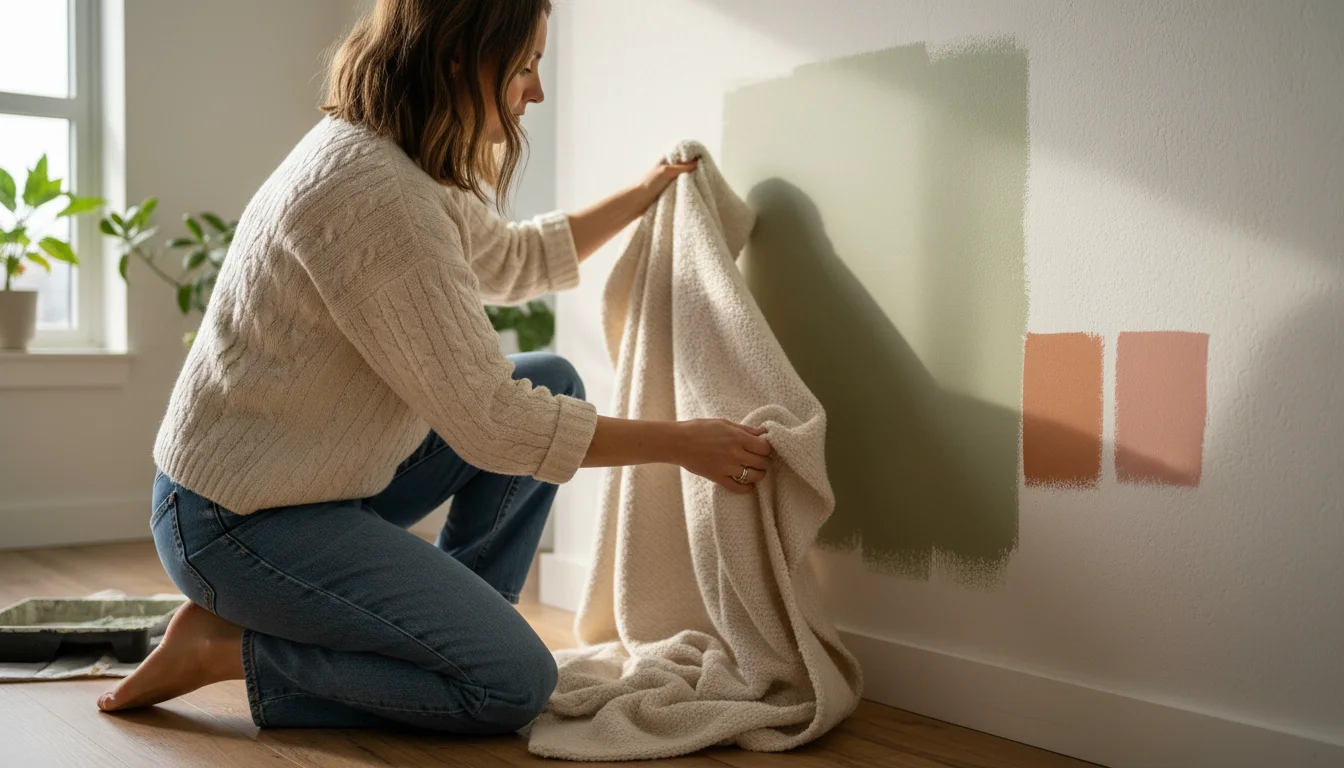
This is arguably the most critical step. Never judge a color solely by its tiny swatch. Purchase sample pots of your top 2-3 choices. Paint large swatches directly onto different walls in your room. Paint an area at least 2 feet by 2 feet. Paint them on walls that receive different amounts of light throughout the day. If you prefer not to paint directly on your wall, paint large foam boards and move them around the room.
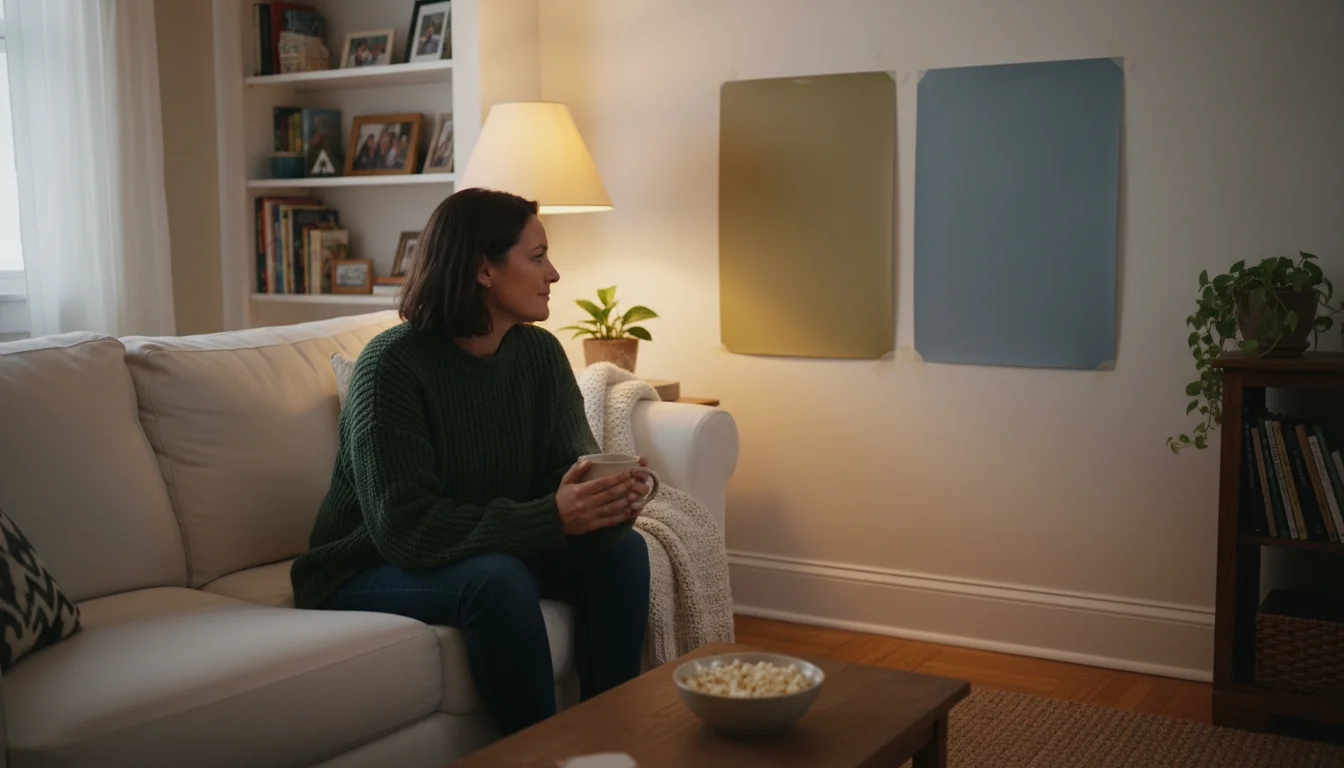
Step 4: Observe and Evaluate
Live with your samples for a few days. Observe how the colors change under different lighting conditions. How do they look in the morning sun, afternoon light, and evening artificial light? Does the color enhance your existing furniture and decor? Do you still feel a sense of coziness? According to Apartment Therapy, viewing samples throughout the day and night is essential to understand how the color truly behaves in your space.
Step 5: Make Your Decision
After thorough observation, you should feel confident in your choice. Trust your gut feeling, but ensure it aligns with the practical observations. Do not rush this decision. The time spent testing saves you the hassle and cost of repainting.
Exploring Cozy Color Palettes for Every Style
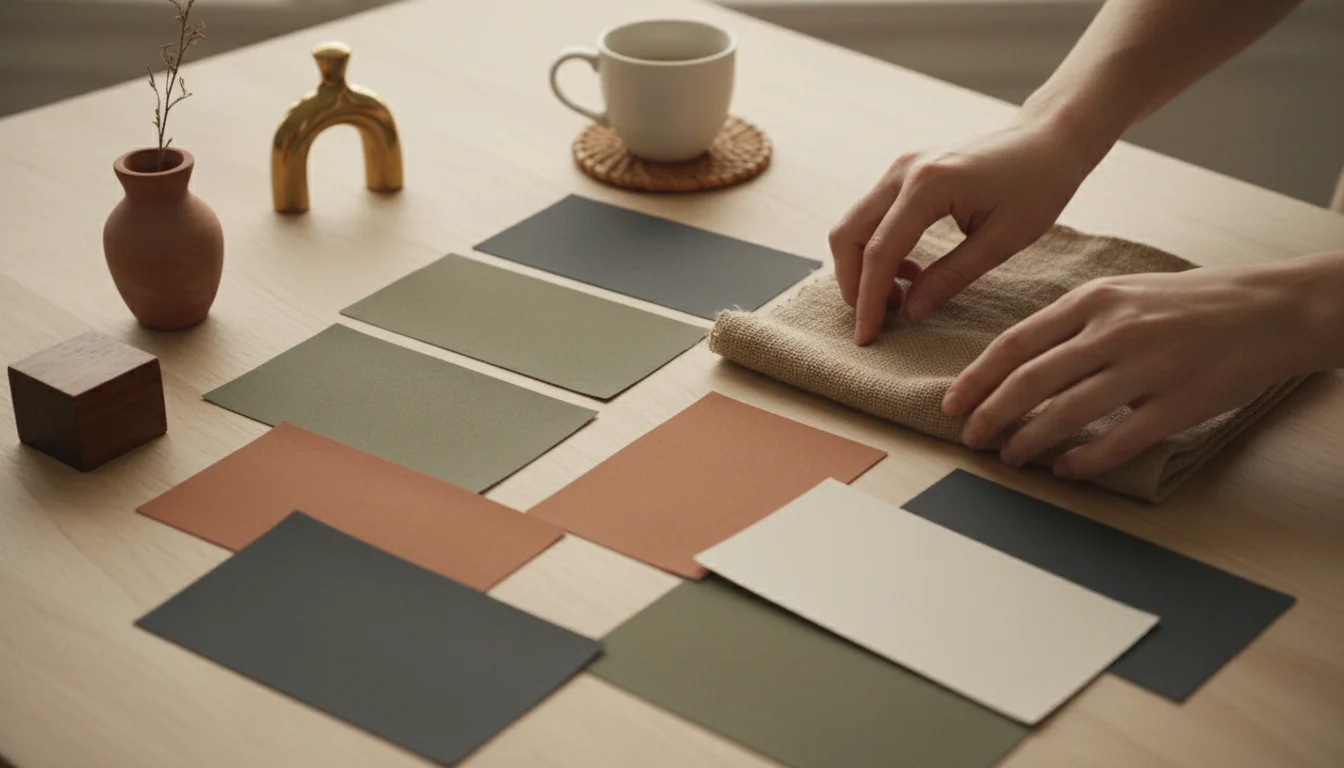
Beyond individual colors, consider how different shades combine to create a cohesive and cozy palette. Here are a few popular cozy palettes and how you can achieve them:
These palettes work exceptionally well when paired with specific cozy bedroom ideas designed for rest and relaxation.
| Palette Name | Primary Paint Colors | Accent Colors & Textures | Cozy Vibe Achieved |
|---|---|---|---|
| Earthy Retreat | Muted Olive Green, Warm Greige, Creamy White | Terracotta, Dark Wood, Linen, Jute, Brass accents | Grounded, natural, organic, serene |
| Warm Desert Hues | Soft Terracotta, Sandy Beige, Light Peach | Cactus Green, Rust, Woven Rattan, Leather | Inviting, sun-drenched, bohemian, artistic |
| Sophisticated Comfort | Deep Charcoal Gray (with brown undertones), Muted Navy, Soft Cream | Emerald Green, Gold, Velvet, Faux Fur, Dark Wood | Luxurious, elegant, intimate, calm |
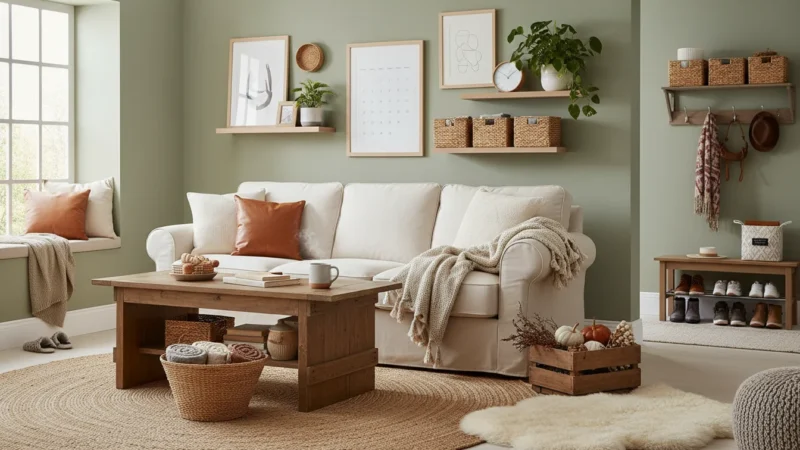
| Rustic Charm | Warm Off-White, Sage Green, Deep Muted Red | Plaid, Wool, Distressed Wood, Black Iron, Stone | Homely, traditional, welcoming, nostalgic |
| Gentle Modern | Light Warm Gray, Soft Blush Pink, Clean White | Pale Wood, Textured Knit, Copper, Geometric Patterns | Calm, contemporary, understated, bright yet soft |
When selecting a palette, think about the dominant color for your walls, then choose complementary shades for trim, furniture, or accent pieces. The goal is harmony, where all elements contribute to the overall feeling of comfort and warmth.
Avoiding Common Paint Color Pitfalls
Even with the best intentions, you can encounter challenges when choosing paint colors. Recognizing these common mistakes helps you navigate around them.
Don’t forget that lighting is dynamic; learning how to layer lighting for a cozy living room will prevent any color from feeling flat.
- Skipping the Sample Stage: We cannot stress this enough. A tiny swatch is not enough. You must see the paint on your wall under real-life conditions. This prevents the disappointment of a color looking entirely different once applied to the entire room.
- Ignoring Undertones: Every color has an undertone, a subtle hue that emerges in certain lighting. A gray might have a blue undertone making it feel cool, or a green undertone making it feel earthy. Understand if your chosen color has warm or cool undertones and how that impacts the cozy feeling.
- Matching Everything Too Perfectly: While coordination is good, an overly matched room can feel bland or sterile. Introduce variety through textures, patterns, and accent colors. The paint provides the foundation, but other elements bring life.
- Forgetting the Ceiling: The ceiling is your “fifth wall.” Painting it a lighter shade of your wall color, or even a soft white, can maintain the cozy envelopment without making the room feel too small. A bright white ceiling against very dark walls can sometimes create a jarring contrast.
- Rushing the Decision: Paint is a significant commitment. Take your time with samples. Live with them for a few days, seeing them in different lights. A rushed decision often leads to regret.

Budget-Friendly Strategies for Cozy Paint Updates
Creating a cozy atmosphere does not require a massive budget. Many `room painting tips` emphasize smart choices that save money while still delivering a big impact.
If you are looking for more ways to save, explore these budget-friendly ways to make your living room cozier throughout the seasons.
Finally, pairing your fresh paint with some of the best area rugs can add texture and depth without breaking the bank.
- Start with an Accent Wall: If painting an entire room feels too costly or overwhelming, choose one wall for a bold, `warm color`. This creates a focal point and introduces coziness without needing gallons of paint. It is also an excellent way to test out a color you are unsure about.
- Use Remnant or “Oops” Paints: Check your local hardware store’s “oops” paint section. These are mis-tinted paints sold at a significant discount. You might find a hidden gem that works perfectly for your cozy vision, especially for smaller projects or accent walls.
- DIY Painting: Hiring painters can be expensive. With a little research and basic tools, you can paint a room yourself. Watch online tutorials from sources like Bob Vila or Family Handyman to learn proper techniques. Invest in quality brushes and rollers; they make a difference in the finish and save you frustration.
- Prioritize High-Traffic Areas: Focus your paint budget on the rooms where you spend the most time or where coziness is most desired, such as the living room or bedroom.
- Incorporate Thrifted Decor: Once your walls are painted, enhance the cozy feel with affordable decorative elements. Look for throw blankets, pillows, and decorative items at thrift stores or flea markets. These unique finds often add character and warmth that new items cannot replicate.
Remember, coziness comes from the feeling a room evokes, not the price tag of its components. Smart paint choices and thoughtful decor create a welcoming haven.
Frequently Asked Questions
What are the absolute best cozy paint colors for a bedroom?
For a bedroom, prioritize soft, muted versions of warm colors. Consider soft sage green, dusty rose, warm taupe, or a creamy off-white. These colors promote relaxation and calm, which are essential for a good night’s sleep and a peaceful morning.
Can I use dark colors to create a cozy room?
Absolutely. Dark colors like deep charcoal, forest green, or even a rich navy can create a dramatically cozy and enveloping atmosphere. The key is to ensure they have warm undertones and to balance them with lighter textiles and strategically placed lighting to prevent the room from feeling too cavernous. Dark ceilings can also enhance the cozy feeling.
How do I make a small room feel cozy without feeling cramped?
For a small room, use lighter `warm colors` or warm neutrals. Soft creams, light greiges, or pale blues with warm undertones can make the room feel open yet inviting. Maintain coziness through textures, layering, and strategic lighting. Avoid highly saturated, bright colors on all walls, which can sometimes make a small space feel busier rather than cozier.
Should all my rooms have cozy paint colors?
Not necessarily. While many people desire coziness in living areas and bedrooms, other rooms might benefit from different moods. For example, a home office might thrive with a more invigorating color, or a bathroom might feel fresh with a crisp, clean hue. Aim for consistency in flow, but each room can have its own personality, unified by a general sense of home comfort.
What if I dislike my chosen paint color after painting?
If you genuinely dislike the color, you have options. First, live with it for a few days to see if it grows on you or if you can adjust to it. Sometimes adding furniture and decor changes your perception. If not, repainting is the ultimate solution. Next time, always use larger samples and observe them for several days under various lighting conditions to prevent a repeat.
For expert home organization guidance, visit
Better Homes & Gardens — Home Organization,
EPA — Indoor Air Quality,
Energy Star,
CDC — Cleaning and Disinfecting and
American Cleaning Institute.
Disclaimer: This article is for informational purposes only and is not a substitute for professional advice. Consult professional organizers or specialists for personalized recommendations.
While you choose colors, you should also think about how to arrange furniture for maximum coziness to complete the look.

Leave a Reply