
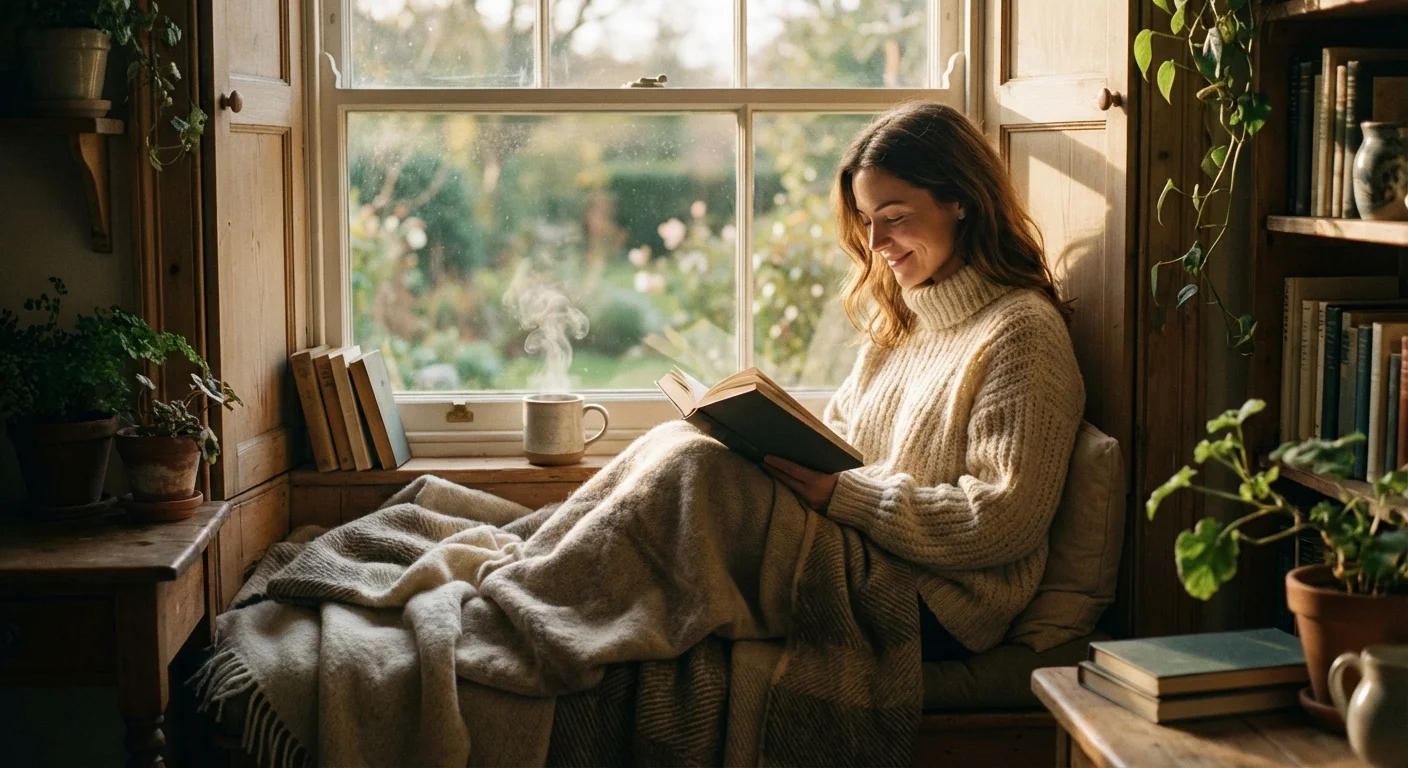
Denmark endures up to 17 hours of absolute darkness per day during the depths of winter. The temperatures plummet, the skies turn a relentless shade of gray, and people are forced indoors for months at a time. Yet, year after year, global surveys consistently rank Denmark among the top three happiest countries on Earth. Their secret weapon against the gloom is not an antidepressant or a sunlamp; it is a cultural concept and design philosophy known as hygge.
By focusing on specific environmental cues, you can easily make any room feel warmer through intentional layering and sensory adjustments.
Pronounced “hoo-gah,” this untranslatable Danish word encompasses a feeling of cozy contentment, profound well-being, and the intentional enjoyment of the simple things in life. While Americans often approach home decor as a visual checklist—matching furniture sets, achieving specific aesthetic trends, or creating showroom-perfect spaces—hygge interior design prioritizes how a room feels over how it looks. It is about creating a sanctuary that protects you from the rush of the outside world.
Bringing this philosophy into your own living space requires a fundamental shift in perspective. You are not just decorating; you are staging your environment to foster connection, relaxation, and comfort. Whether you live in a sprawling suburban house or a compact city apartment, integrating Danish cozy decor into your daily life is entirely achievable. This guide will walk you through the practical, actionable steps to transform your house into a true haven.

The Core Philosophy of Hygge Interior Design
Before moving a single piece of furniture or buying a new throw blanket, you must understand what makes a home truly hyggelig (the adjective form of hygge). American design culture heavily emphasizes square footage and open-concept living. We build massive rooms with soaring ceilings, which can inadvertently create cold, echoing spaces that feel isolating. Hygge pushes back against this cavernous trend by focusing on intimacy and warmth.
This focus on physical ease and emotional well-being is also the key to designing a cozy home office that supports both comfort and focus.
Hygge home design champions the idea of the “lived-in” space. A magazine-perfect living room where nobody wants to sit on the pristine white sofa is the exact opposite of hygge. Instead, this design approach demands practicality and deep physical comfort. Every item in your home should serve a purpose, tell a story, or provide genuine physical ease.
“Hygge is about an atmosphere and an experience, rather than about things. It is about being with the people we love. A feeling of home. A feeling that we are safe, that we are shielded from the world.”
— Meik Wiking, CEO of the Happiness Research Institute
When you start making design choices through the lens of atmosphere rather than acquisition, your home naturally begins to evolve. You stop worrying about whether your armchairs match perfectly and start caring about whether they are actually comfortable enough to curl up in for three hours with a good book.
Mastering the Art of Lighting
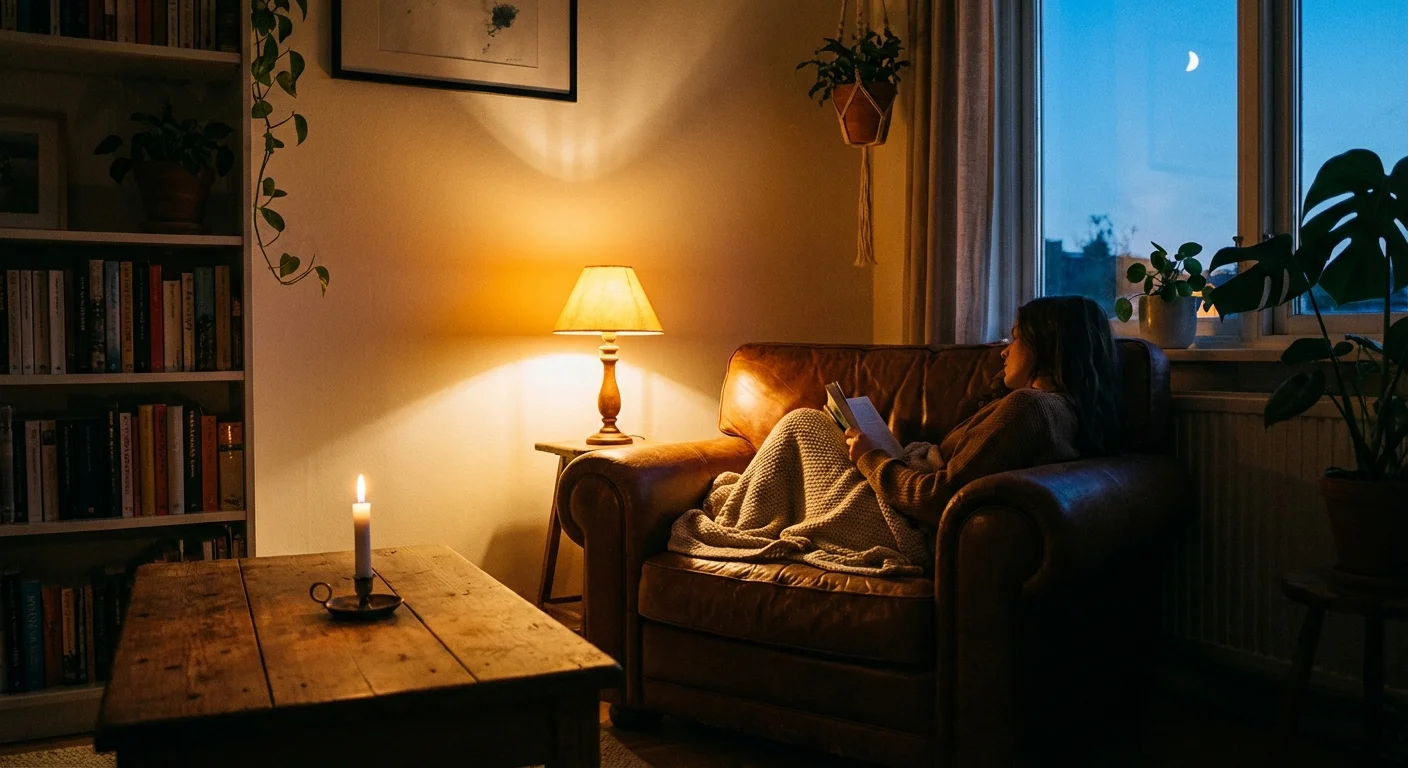
If you take only one piece of advice from this entire guide, let it be this: overhead lighting is the enemy of hygge. Nothing destroys a cozy atmosphere faster than a harsh, unshielded 5000K LED bulb glaring down from the ceiling like an interrogation spotlight. In Danish cozy decor, lighting is the absolute foundation of the home’s atmosphere.
If you are working with a limited budget, there are many affordable lighting upgrades that can dramatically improve your home’s ambiance for under $100.
Danes use light to carve out smaller, intimate zones within larger rooms, a concept known as “pools of light.” Instead of illuminating an entire room uniformly, you want to create gentle islands of brightness where people naturally gather. To achieve this, you need to layer your lighting sources strategically.
- Choose Warm Color Temperatures: Swap out your cool, blue-toned bulbs for soft white or warm white options. You want bulbs that fall between 2200K and 2700K on the Kelvin scale. These emit a golden, fire-like glow that mimics sunset and naturally signals to your brain that it is time to wind down.
- Embrace Multiple Light Sources: A hygge living room relies on table lamps, floor lamps, wall sconces, and string lights. Aim for at least three to five distinct light sources in your main living spaces, scattered at different heights.
- Install Dimmer Switches: Flexibility is crucial. Dimmers allow you to adjust the room’s mood instantly. You can find excellent insights on integrating smart, dimmable lighting systems that adjust color temperature through resources like Consumer Reports.
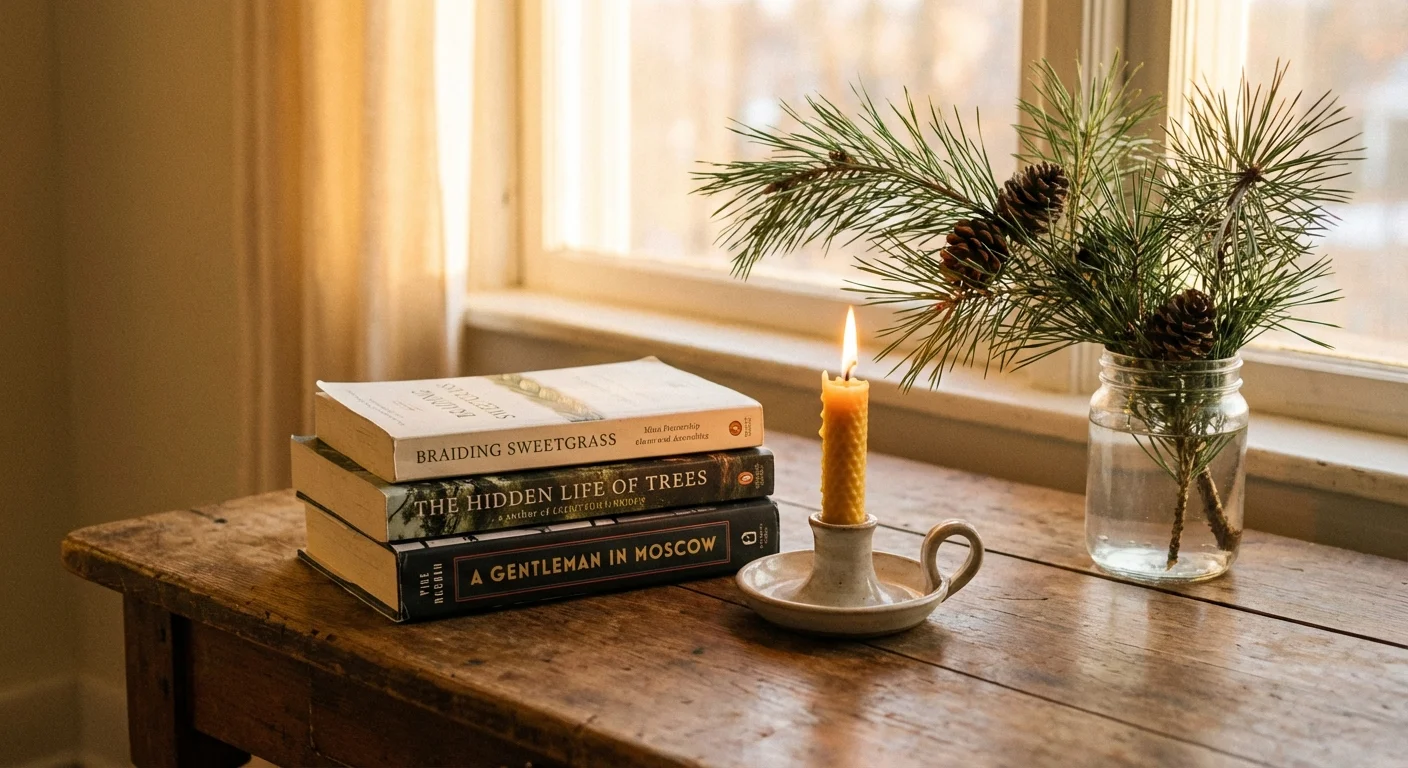
- Light Candles Generously: Denmark burns more candles per capita than any other nation. The flickering, organic light of a candle instantly softens a room. To keep your indoor air quality healthy, opt for natural beeswax or soy candles with cotton wicks, avoiding heavily artificially scented paraffin.
Designing the Perfect Hygge Living Room
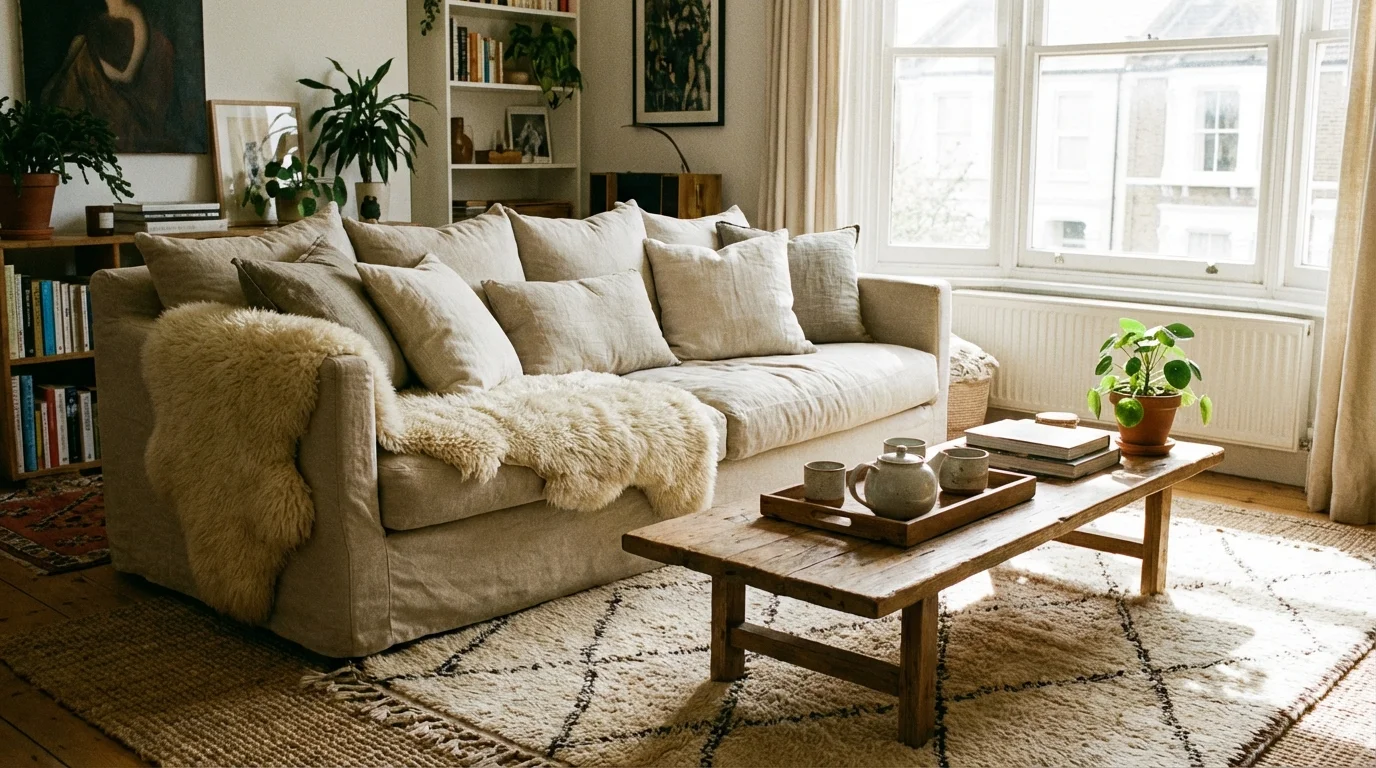
Your living room is typically the epicenter of your home’s social life; it is where you gather with family, entertain close friends, and unwind after a long day. To create a true hygge living room, you need to shift the focal point away from the television.
While the living area is for social connection, transforming your bedroom into a restful retreat is a vital part of the hygge lifestyle for better restoration.
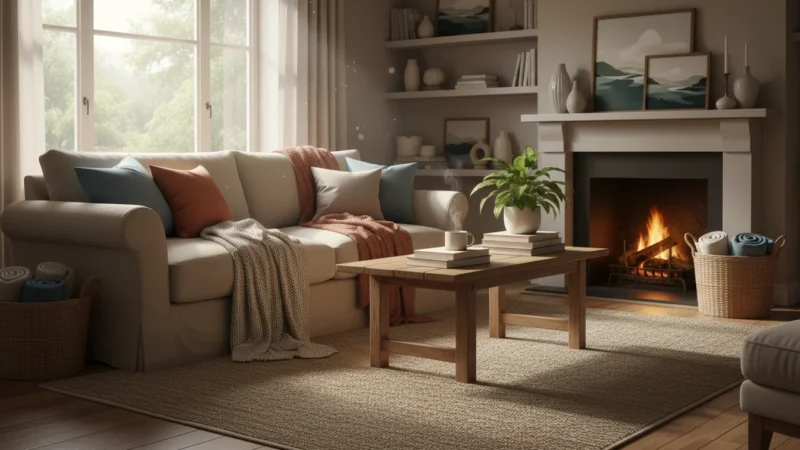
In many American homes, all furniture points directly at a massive screen, turning the room into a home theater rather than a space for conversation. While there is nothing wrong with enjoying a movie night, a hygge-centric layout encourages eye contact and interaction. Arrange your sofas and chairs to face one another. If you have a fireplace, make that the architectural anchor of the room.
Creating a Hyggekrog
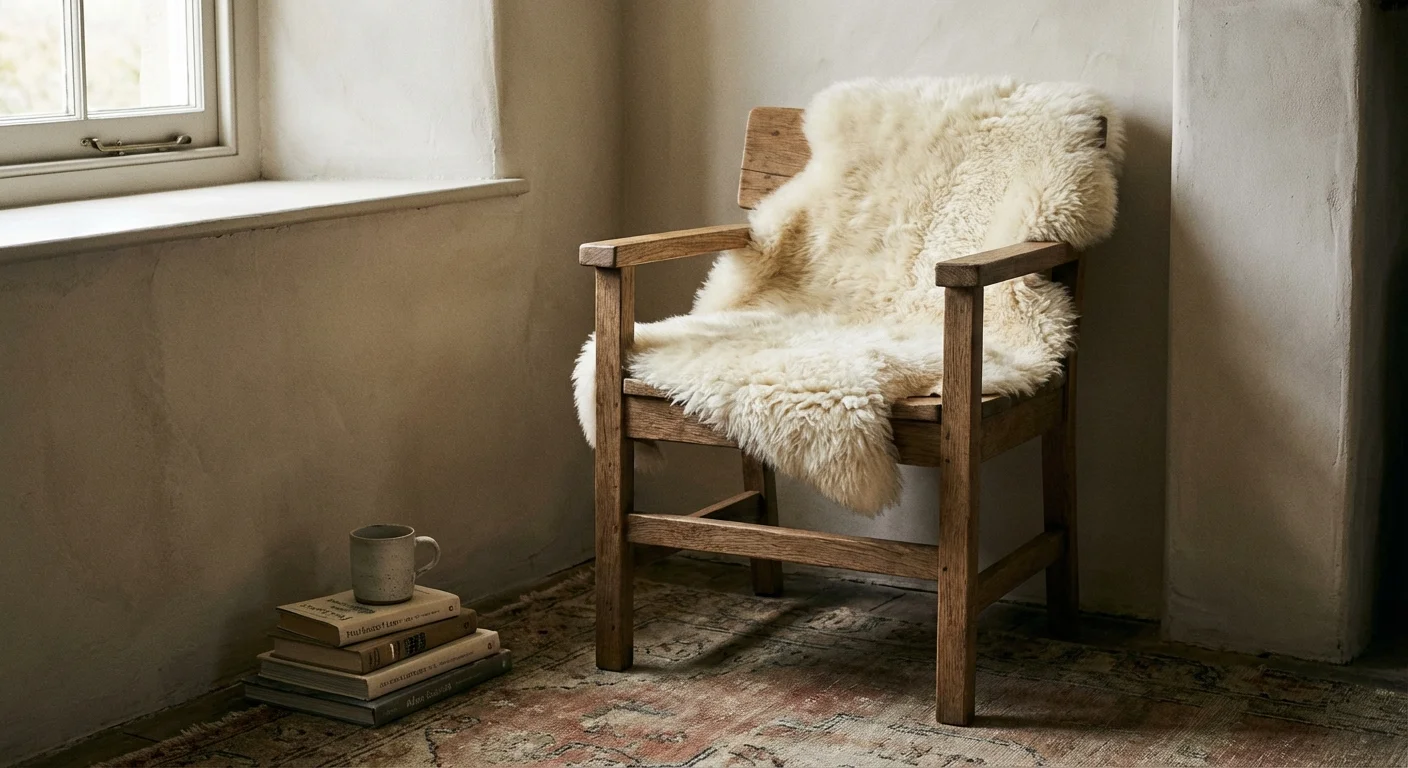
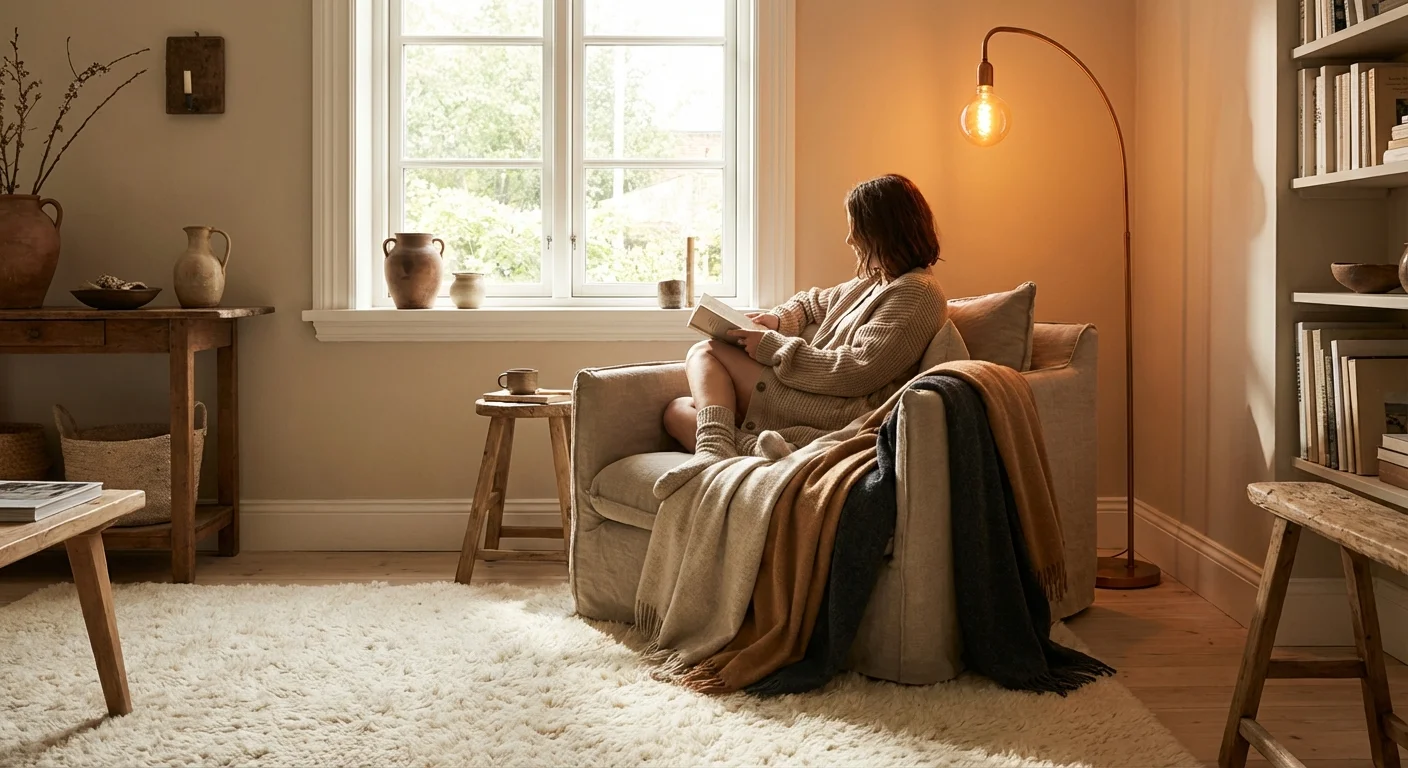
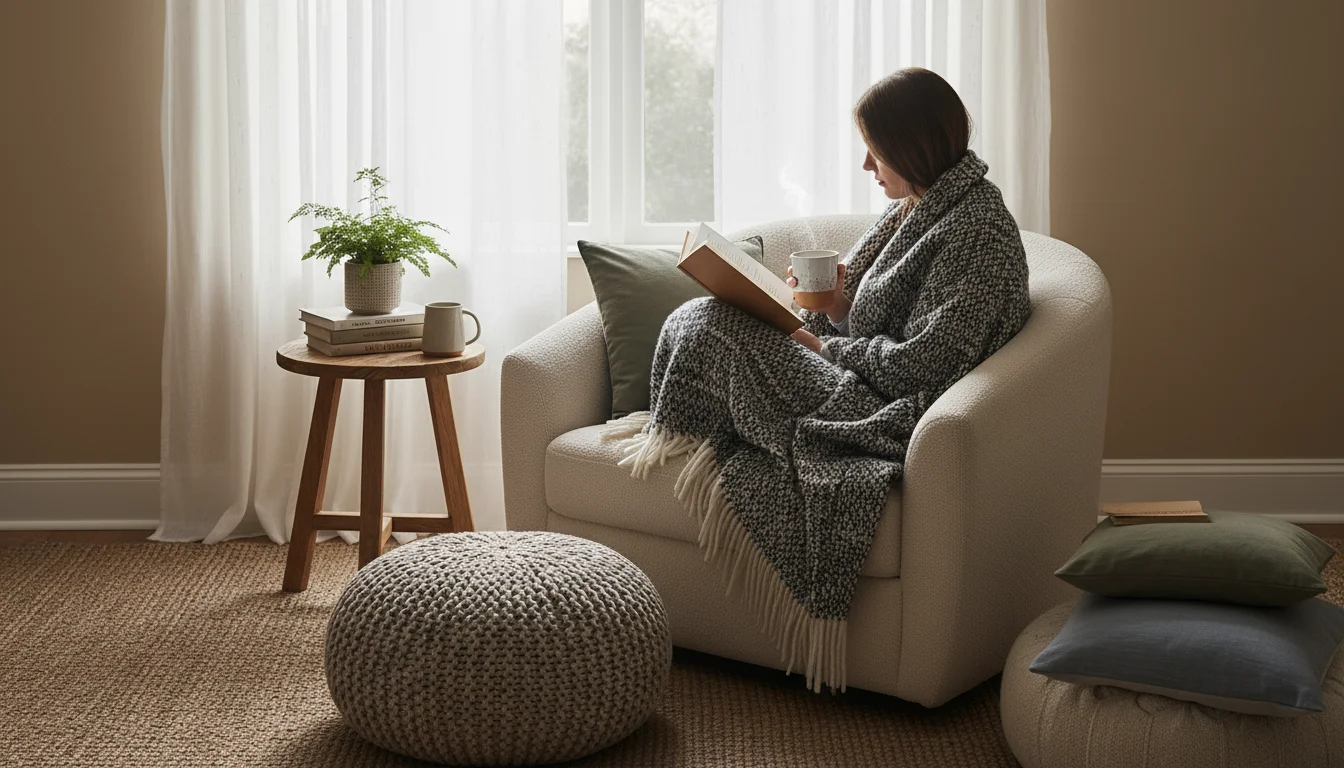
Every hygge home design needs a hyggekrog. Translating roughly to “cozy nook,” a hyggekrog is a dedicated corner of a room specifically designed for solitary relaxation. It is the place you retreat to when you want to drink tea, read a book, or simply watch the rain fall against the window.
Building your own hyggekrog is simple and rarely requires buying new furniture. Find a window with a pleasant view or a quiet corner of your living room. Add a deeply comfortable armchair or a pile of floor cushions. Layer the seat with a thick, textured throw blanket—such as merino wool or faux sheepskin—and ensure there is a small side table nearby to hold a warm beverage. Finally, add a dedicated reading lamp. This small, intentional space communicates to your brain that rest is not just allowed, but encouraged. For brilliant ideas on maximizing small corners, you can explore the layout guides on Apartment Therapy.

Texture Over Color: A Tactile Experience
Scandinavian design is famous for its muted, neutral color palettes: soft grays, warm whites, muted sages, and gentle taupes. Because hygge interior design avoids loud, visually jarring colors that demand attention, it relies heavily on texture to keep a room from feeling flat or sterile.
When you walk into a hygge-inspired room, you should immediately want to reach out and touch things. The interplay of rough and smooth, hard and soft, creates a dynamic, inviting environment. Consider integrating the following materials into your home:
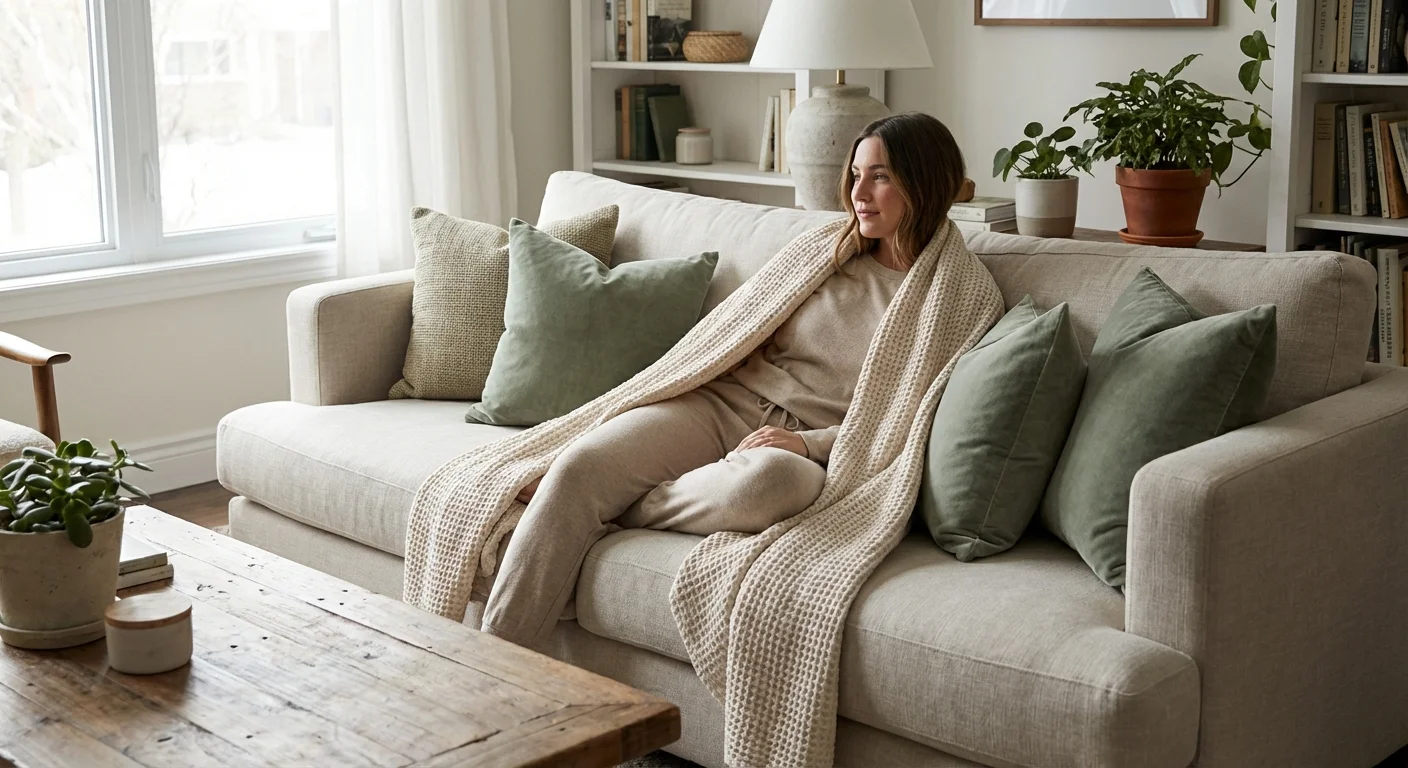
- Chunky Knits: Heavy, oversized knit blankets thrown casually over the arm of a sofa invite you to curl up.
- Natural Wood: Raw, unpainted wood brings the grounding energy of nature indoors. Think solid oak coffee tables, exposed ceiling beams, or a simple stack of birch firewood.
- Vintage Leather: A well-worn leather armchair adds character and warmth. Leather ages beautifully, developing a patina that tells the story of the home.
- Tactile Ceramics: Replace mass-produced, perfectly glossy mugs with handmade pottery. Holding a slightly textured, heavy ceramic mug filled with hot coffee is a quintessential hygge experience.
Bringing Nature Indoors
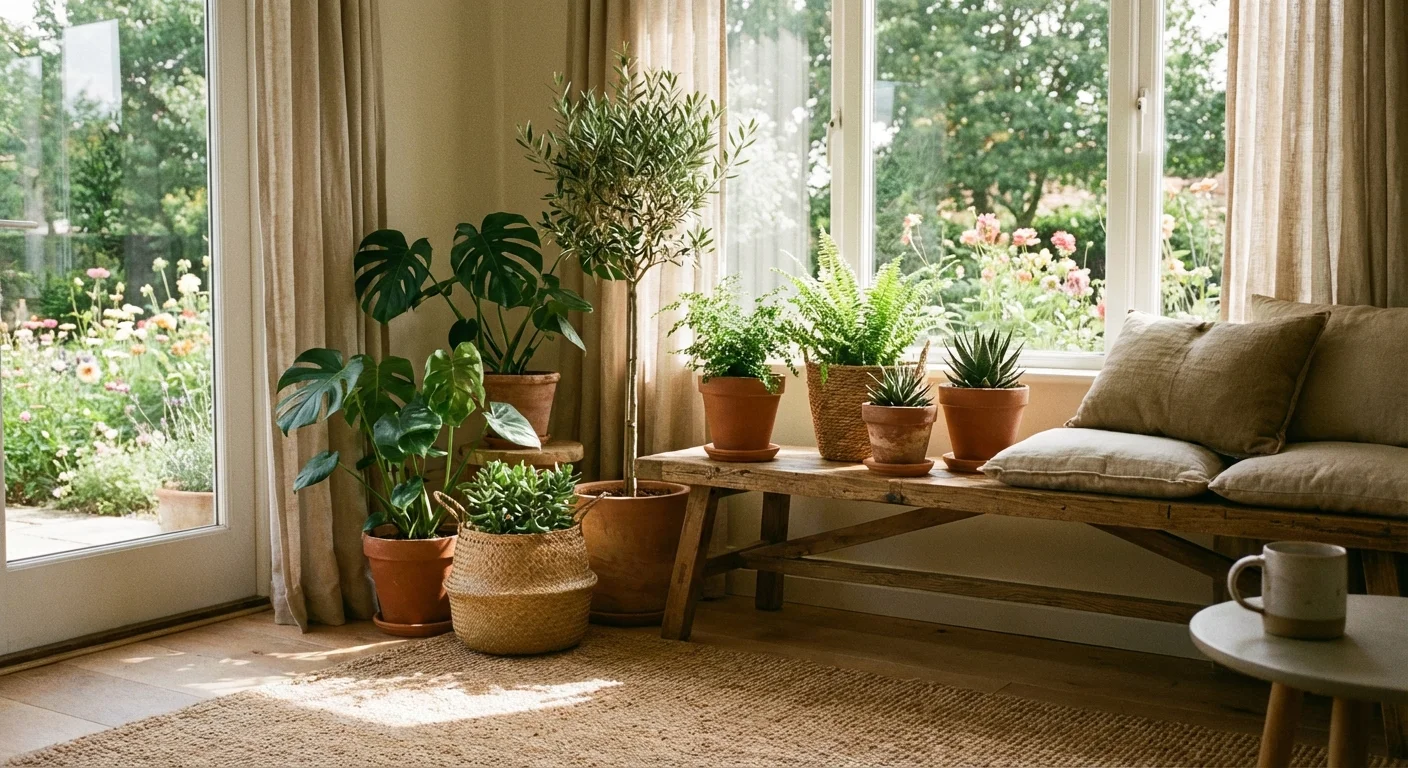
The Danish concept of coziness is deeply intertwined with the natural world. Because harsh winters keep people indoors, bringing elements of the outdoors inside is a psychological necessity. This practice—known in architectural circles as biophilic design—reduces stress and improves cognitive function.
Houseplants are the easiest and most effective way to introduce nature into your living space. They purify the air, add vibrant, organic color to neutral palettes, and require a level of slow, mindful care that perfectly aligns with the hygge lifestyle. Ferns, pothos, and snake plants are robust options that thrive in various indoor lighting conditions. If you lack a green thumb, placing fresh branches or eucalyptus in a simple glass vase provides a similar organic touch without the long-term maintenance.
Beyond plants, incorporate raw, unpolished natural materials. A bowl of smooth river stones, woven seagrass baskets for storing blankets, or linen window treatments that allow dappled sunlight to filter through all contribute to a grounded, earthy atmosphere.
American Comfort vs. Danish Hygge
To truly grasp how to create hygge at home, it helps to contrast it with standard American decorating habits. While both aim for comfort, they achieve it through entirely different philosophies.
| Design Element | Standard American Approach | Danish Hygge Approach |
|---|---|---|
| Focal Point | The largest television possible, mounted prominently. | The fireplace, a window view, or a conversational seating area. |
| Lighting | Bright, recessed overhead LED lighting; ceiling fans with exposed bulbs. | Low-level lamps, warm-toned bulbs (2700K), and abundant candlelight. |
| Scale and Size | Oversized furniture sets, open-concept floor plans. | Intimate “zones” within rooms, cozy nooks, appropriately scaled seating. |
| Decor Focus | Symmetry, matching sets, and seasonal aesthetic trends. | Tactile materials, mismatched vintage pieces, and personal sentiment. |
| Scent Profile | Strong, synthetic plug-in air fresheners or heavy room sprays. | Natural baking smells, fresh coffee, woodsmoke, or subtle essential oils. |
How to Create Hygge at Home Without Spending a Fortune
One of the greatest misconceptions about interior design trends is that you must buy a completely new set of belongings to achieve the look. Capitalism has attempted to commodify hygge—selling expensive “hygge socks” and premium “hygge candles”—but the true essence of the concept is intrinsically anti-consumerist.
You don’t need a huge budget to see big changes; a simple budget-friendly room makeover can breathe new life into your sanctuary for under $300.
Hygge is not something you buy; it is something you practice. You can deeply transform your home’s atmosphere using what you already own, guided by a few mindful principles.
Step 1: Relentless, Mindful Decluttering
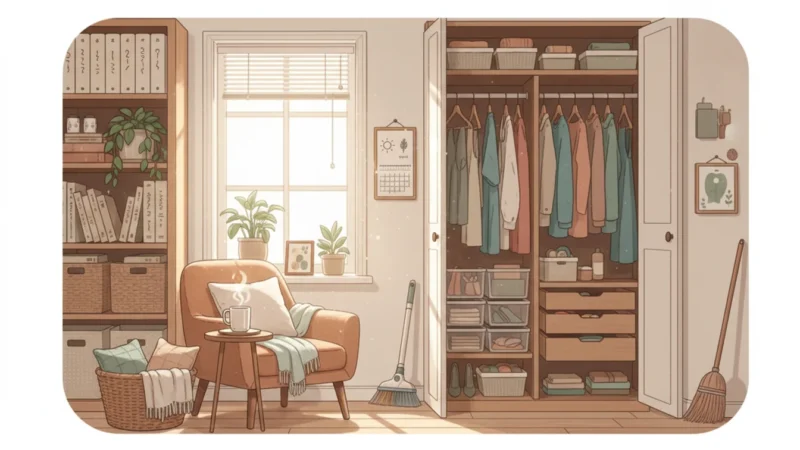
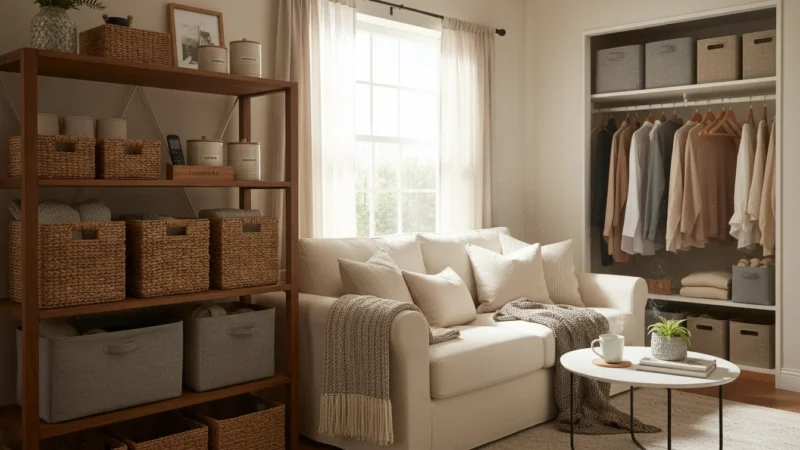
Visual clutter leads to mental clutter. You cannot relax in a space that constantly reminds you of chores you need to do or things you need to organize. Before adding cozy elements, you must subtract the noise. Clear off your flat surfaces, organize your mail, and remove items that do not bring you peace or serve a daily function.
“The space in which we live should be for the person we are becoming now, not for the person we were in the past.”
— Marie Kondo, Organizing Expert
Step 2: Repurpose and Rearrange
Shop your own house. Move that incredibly comfortable armchair from the guest bedroom into the corner of your living room to create your hyggekrog. Gather all the blankets you own that are currently hidden in closets and drape them invitingly over your sofas. Group your favorite books on a side table instead of hiding them on a dusty top shelf. For practical, budget-friendly inspiration on repurposing and functional storage, IKEA Ideas offers excellent examples of maximizing existing spaces.
Step 3: Cultivate the Sensory Experience
Hygge engages all five senses. Once your lighting (sight) and textiles (touch) are in place, focus on the remaining senses. Keep a heavy-bottomed pot on the stove simmering with water, cinnamon sticks, and orange peels to create a natural, comforting aroma. Curate a quiet acoustic playlist to play softly in the background. Keep your pantry stocked with high-quality loose-leaf tea, rich hot chocolate, and your favorite coffee beans.
Common Hygge Decorating Mistakes to Avoid
As you transition your home toward this Danish philosophy, watch out for these frequent missteps that can inadvertently ruin the cozy atmosphere you are trying to build.
Mistaking Clutter for Coziness
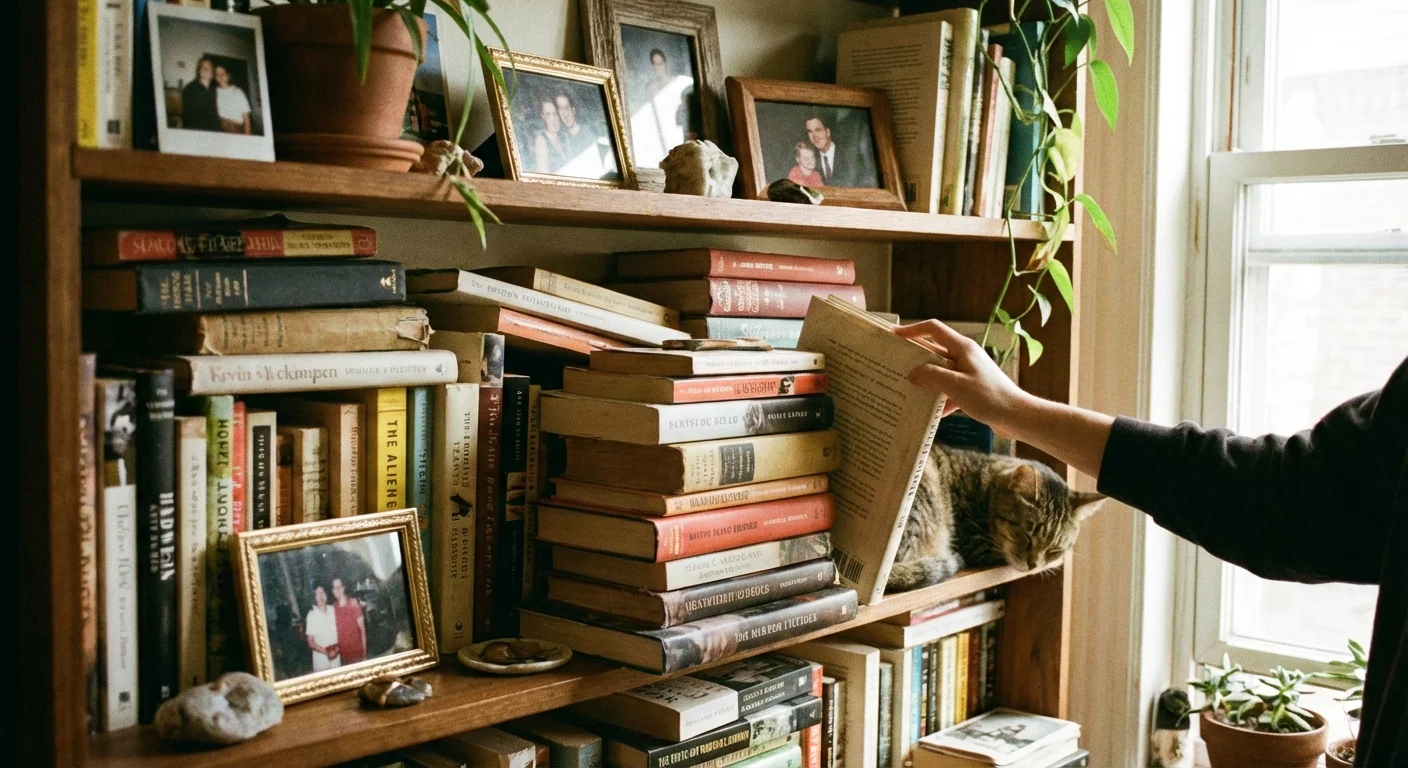
There is a fine line between a room feeling “lived-in” and a room being messy. While hygge shuns sterile, minimalist showrooms, it absolutely requires cleanliness and organization. Piles of laundry, stacks of unread mail, and overcrowded shelves cause subconscious stress. Keep your spaces tidy, allowing your selected decor items room to breathe.
Relying on Faux Materials
Authenticity is a cornerstone of hygge home design. Whenever possible, avoid synthetic materials that try to mimic nature. A scratchy acrylic blanket will never provide the same deep comfort as genuine cotton or wool. Faux wood laminate feels entirely different underfoot than real hardwood. If budget is a constraint, it is better to have one high-quality, authentic wool throw than three cheap, synthetic ones.
Forcing the Aesthetic in the Wrong Climate
While chunky knits and roaring fires make sense in a snowy climate, forcing that exact aesthetic in a hot, humid environment feels unnatural and uncomfortable. If you live in a warmer climate, adapt the principles. Use lightweight linen throws instead of heavy wool. Swap the fireplace for a beautiful collection of varying-height pillar candles. Emphasize open windows, gentle breezes, and lush indoor plants to create a breezy, summer hygge.
Ignoring the “Togetherness” Aspect
You can have the perfect lighting, the best blankets, and a beautiful cup of tea, but if your home does not facilitate human connection, it is missing the heart of the concept. Ensure your dining table is clear of laptops and paperwork by dinnertime. Keep board games easily accessible. Arrange your spaces to welcome guests without requiring a flurry of panicked cleaning.
Frequently Asked Questions About Hygge Living
What colors are considered hygge?
Hygge color palettes heavily lean on warm neutrals and earth tones. Think soft creams, muted grays, warm taupes, dusty greens, and blush pinks. The goal is to avoid highly saturated, aggressive colors like neon green or stark, primary red, which can overstimulate the brain and disrupt relaxation.
Can I achieve a hygge home if I have children or pets?
Absolutely. In fact, hygge is perfectly suited for chaotic family life because it embraces imperfection and prioritizes comfort over pristine appearances. Opt for durable, washable natural fabrics. Incorporate large, soft floor cushions for kids to play on, and use woven baskets to easily sweep away toys at the end of the day. The focus on togetherness makes hygge an ideal family design philosophy.
Is hygge just a winter design trend?
While the concept shines brightest during long, cold winters, hygge is a year-round lifestyle. Summer hygge involves picnics in the park, drinking iced tea on a shaded porch, opening windows to let fresh air circulate, and bringing fresh-cut summer flowers indoors. The core principle of intentional comfort remains exactly the same, regardless of the season.
How do I make my home smell hyggelig?
Avoid harsh, chemical-heavy artificial air fresheners. Instead, focus on natural, nostalgic scents. Baking bread or cookies is considered peak hygge. You can also rely on natural beeswax candles, diffuse subtle essential oils like cedar, lavender, or bergamot, or simply open your windows daily to let fresh air cycle through the home—a practice the Danes call udluftning.
Embracing the Slow Life
Transforming your house into a sanctuary of Danish cozy decor is an ongoing, deeply personal journey. It is not a project you finish in a single weekend by making a massive trip to a home goods store. Instead, it is a slow curation of items, habits, and lighting choices that collectively tell the brain it is safe to finally relax. By turning down the overhead lights, investing in tactile comforts, and arranging your spaces to foster connection, you are actively choosing peace over pace.
Begin tonight. Turn off your main ceiling light. Light a single candle. Brew a cup of something warm, pull a soft blanket over your lap, and allow yourself to simply sit and exist in your space. That quiet, contented exhale? That is the true essence of hygge.
This is educational content based on general best practices. Individual results vary based on your home, budget, and circumstances. Always prioritize safety and consult professionals for major projects, especially regarding electrical work or fireplace maintenance.
Last updated: February 2026
Leave a Reply