

You stack books on your nightstand with the best intentions, fully planning to read before bed. Yet, the environment works against you; the lighting feels harsh, your pillows lack back support, and the distraction of your phone sits inches away. Creating a dedicated space for reading solves this modern dilemma. When you carve out a physical area specifically meant for getting lost in a story, you signal to your brain that it is time to slow down, unplug, and focus.
If you are looking for more inspiration, there are many ways to start creating a reading nook in any room by simply working with the space you already have.
You do not need an expansive library or a massive budget to create a stunning retreat. Whether you live in a compact studio apartment or a sprawling suburban house, underutilized corners and awkward alcoves offer hidden potential. From repurposing an unused closet to styling a sophisticated bay window, building a dedicated retreat requires strategy rather than square footage.
The Essentials: What You Need to Know
- Location matters more than size: A functional retreat requires as little as a three-by-three-foot corner, provided it sits away from high-traffic walkways.
- Lighting requires a layered approach: Relying on overhead fixtures causes eye strain; you need a combination of ambient light and directed task lighting.
- Ergonomics dictate comfort: A beautiful chair fails if it forces you into a rigid posture. Look for seating with a slight backward tilt and adequate lumbar support.
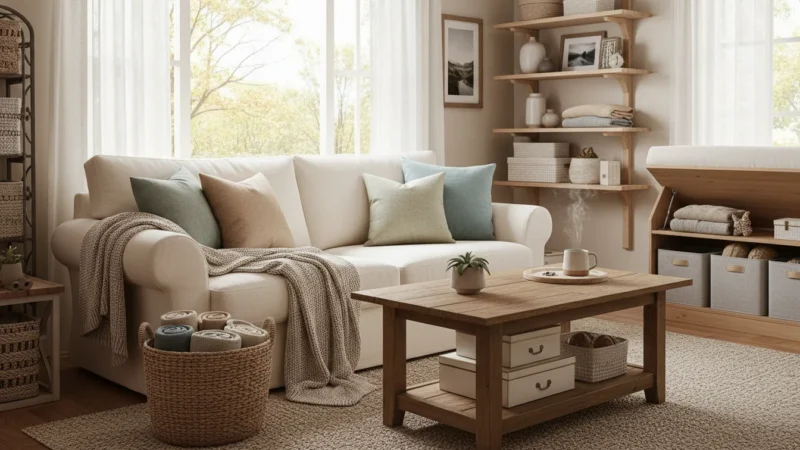
- Storage keeps the peace: Incorporating floating shelves or a small side table prevents your space from becoming another dumping ground for household clutter.
The Anatomy of a Perfect Book Nook Design
Successful book nook design balances three core elements: seating, lighting, and a surface for your accessories. If you miss one of these components, the space feels incomplete and eventually falls out of use.
Many of these comfort-focused principles also apply to creating a meditation space at home, as both rely on minimizing distractions and maximizing soft textures.
Understanding how to arrange furniture for maximum coziness can help you position your new nook so it feels integrated into the room’s layout.
By designating a spot specifically for relaxation, you utilize one of many environment changes that can help lower daily tension.
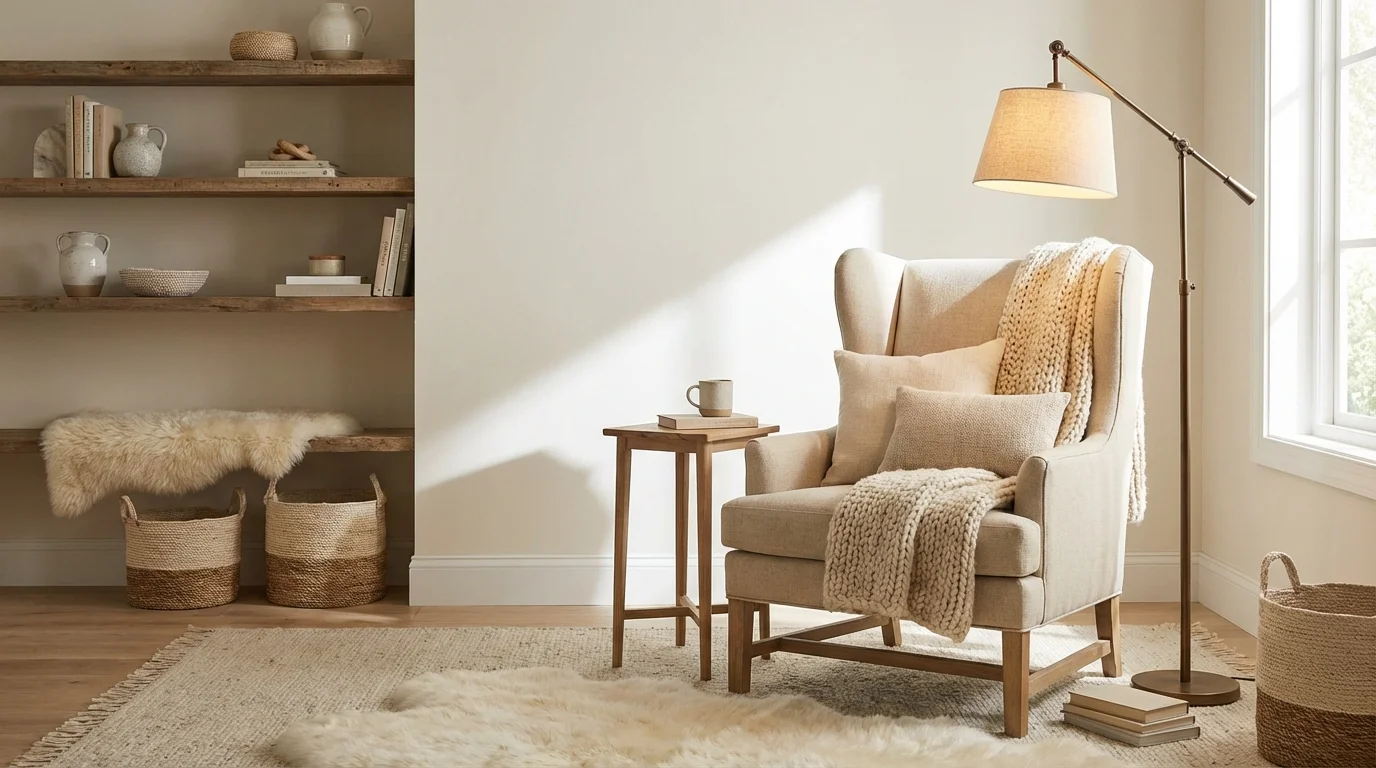
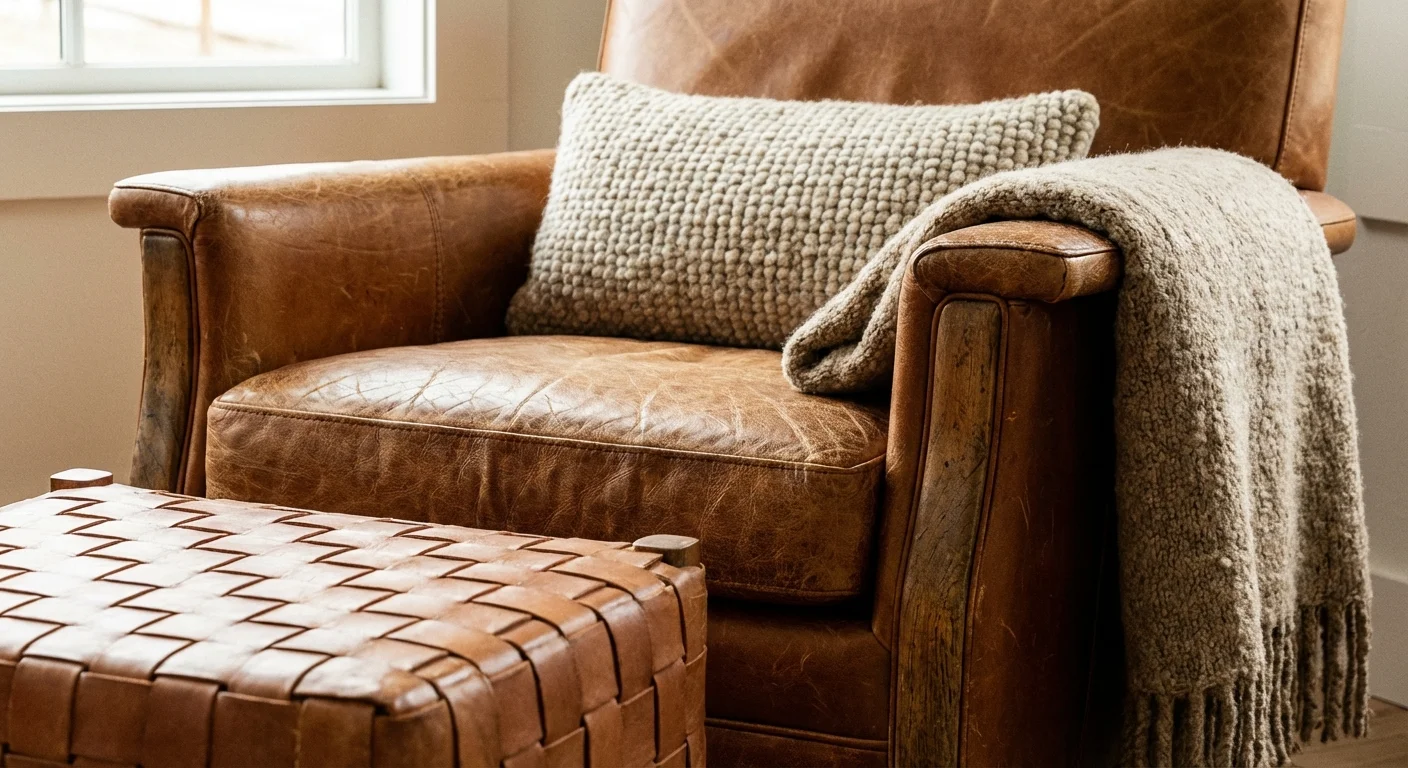
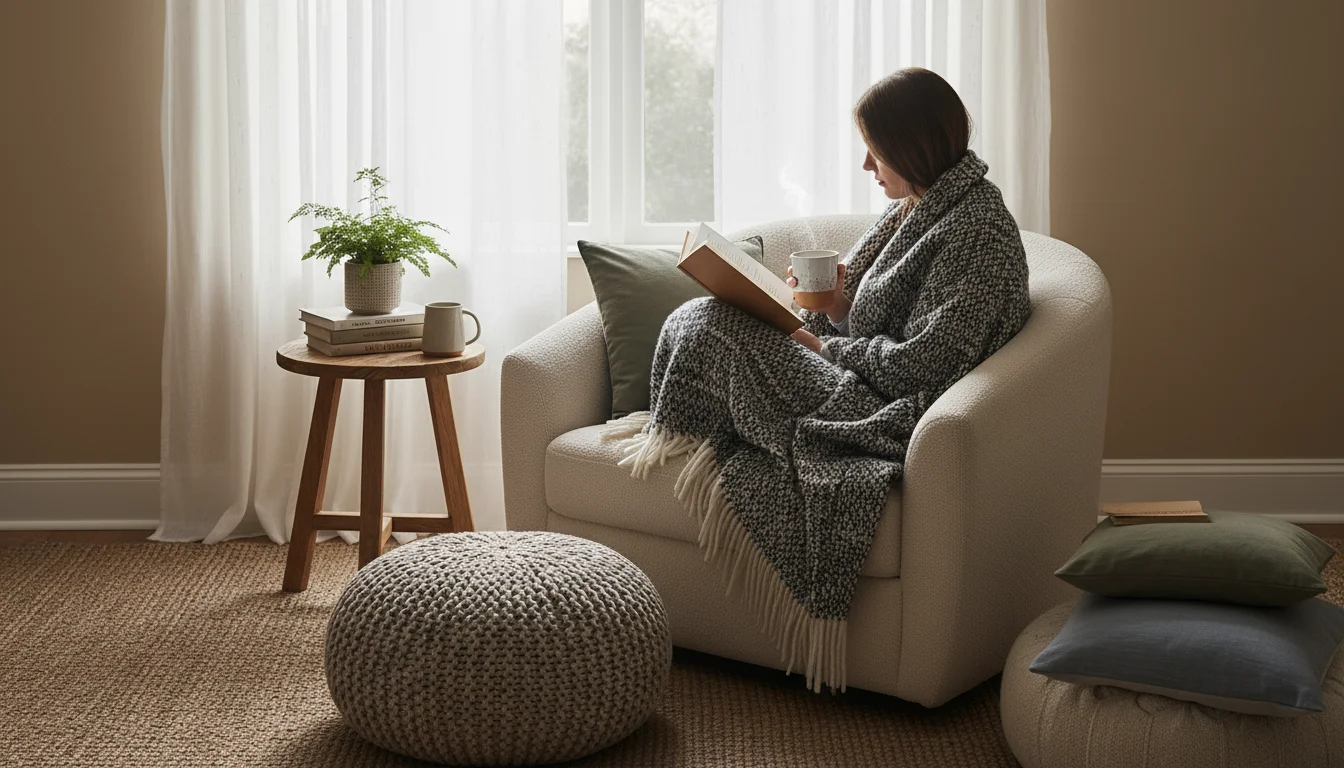
Start with the foundation of comfort. The right chair invites you to sit for hours without needing to constantly shift your weight. Look for high backs to support your neck during long reading sessions and wide armrests to prop up heavy hardcovers. If your feet dangle, add a structured pouf or a low ottoman to relieve lower back pressure.
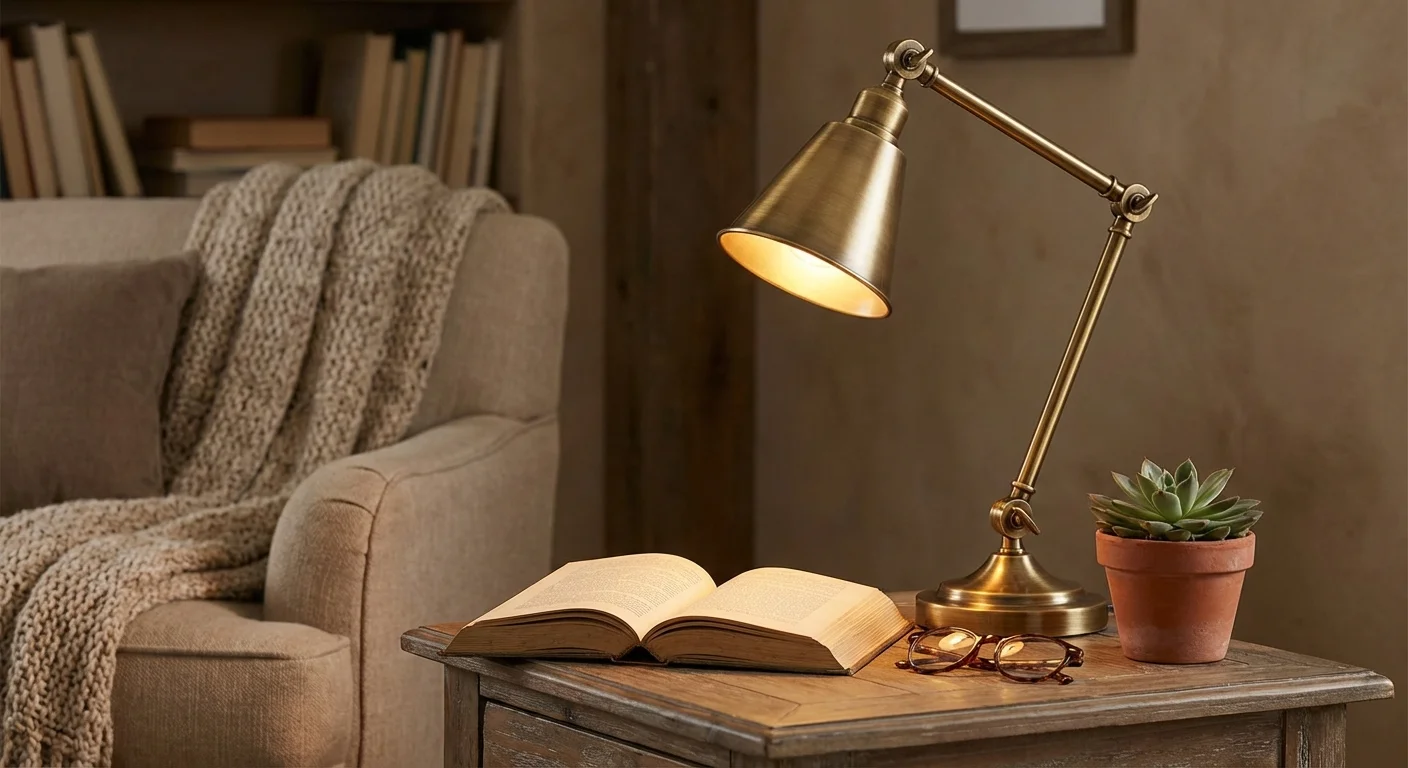
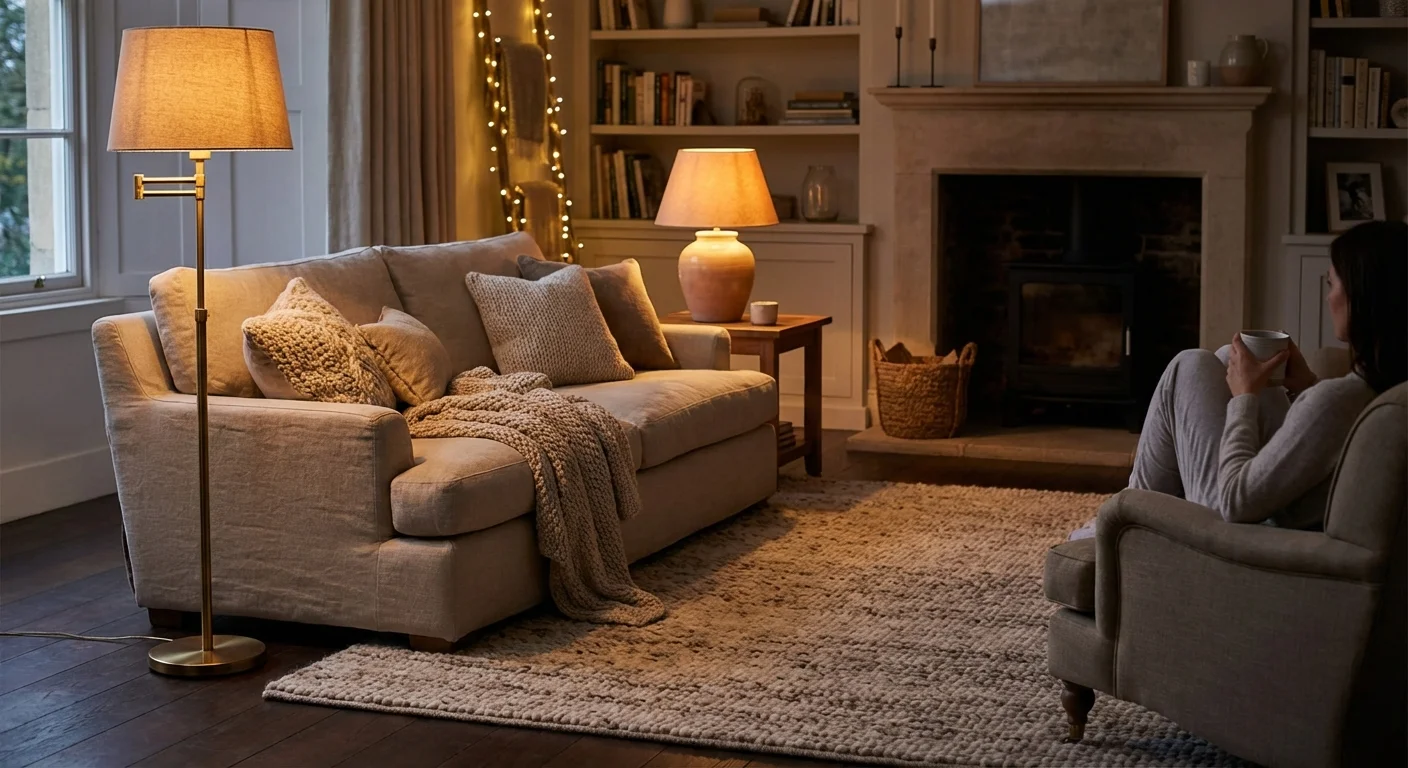
Next, tackle the lighting. Eye strain ruins a good reading session faster than a poorly written plot. Avoid relying solely on ceiling lights, which cast harsh shadows over your pages. Instead, employ task lighting. A floor lamp with an adjustable neck allows you to direct light exactly where you need it. Aim for LED bulbs with a color temperature between 2700K and 3000K; this range provides a warm, inviting glow without sacrificing the clarity needed to read small text.
Finally, every reading space requires a landing zone. You need a place to set down a hot mug of tea, a pair of reading glasses, or a pen for annotating. A slender drink table, a floating wall shelf, or even a deep windowsill fulfills this requirement without demanding much floor space.
“The space in which we live should be for the person we are becoming now, not for the person we were in the past.” — Marie Kondo, Organizing Consultant
Budget-Friendly DIY Reading Corner Ideas
Building a dedicated space does not require maxing out your credit card. A DIY reading corner often emerges from items you already own, combined with a little creativity and elbow grease.
If painting a closet feels too permanent, you can achieve a similar effect by using accent wall ideas to visually distinguish your reading corner from the rest of the room.
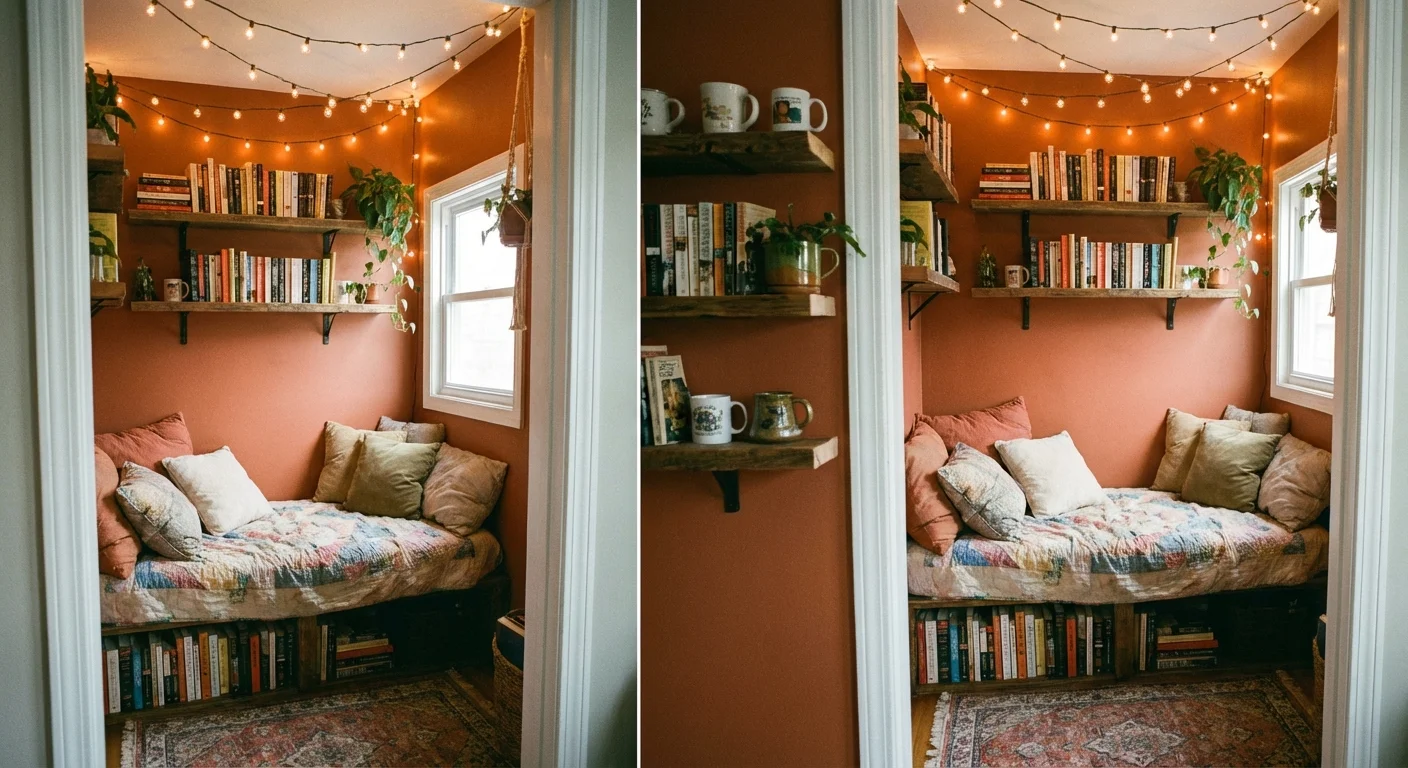
Consider the unused closet. If you have a secondary guest room closet that currently holds nothing but empty boxes, remove the doors entirely. Paint the interior a moody, contrasting color—like a deep forest green or a warm terracotta—to define the space. Install a sturdy piece of sanded plywood at bench height, secure it to the wall studs with heavy-duty brackets, and add a custom-cut foam cushion upholstered in a durable canvas. You instantly create a recessed hideaway for less than a hundred dollars.
For an even simpler approach, look to the awkward spaces between existing furniture. If you have a few feet of empty wall between your sofa and the living room window, claim it. Anchor the space visually by laying down a distinct, textured area rug—a faux sheepskin or a small Persian runner works beautifully. Bring in a thrifted wingback chair, drape a heavy knit throw over the back, and install an inexpensive plug-in wall sconce. By visually separating this corner from the rest of the living room, you establish a distinct zone without erecting a single wall. Small space solutions like these frequently appear in publications like Apartment Therapy, highlighting how visual boundaries matter just as much as physical ones.
Reading Nook Ideas by Room
Every room presents unique opportunities for a quiet retreat. You just need to look past a room’s primary function to spot the potential for reading nook ideas.
The Living Room Window Seat
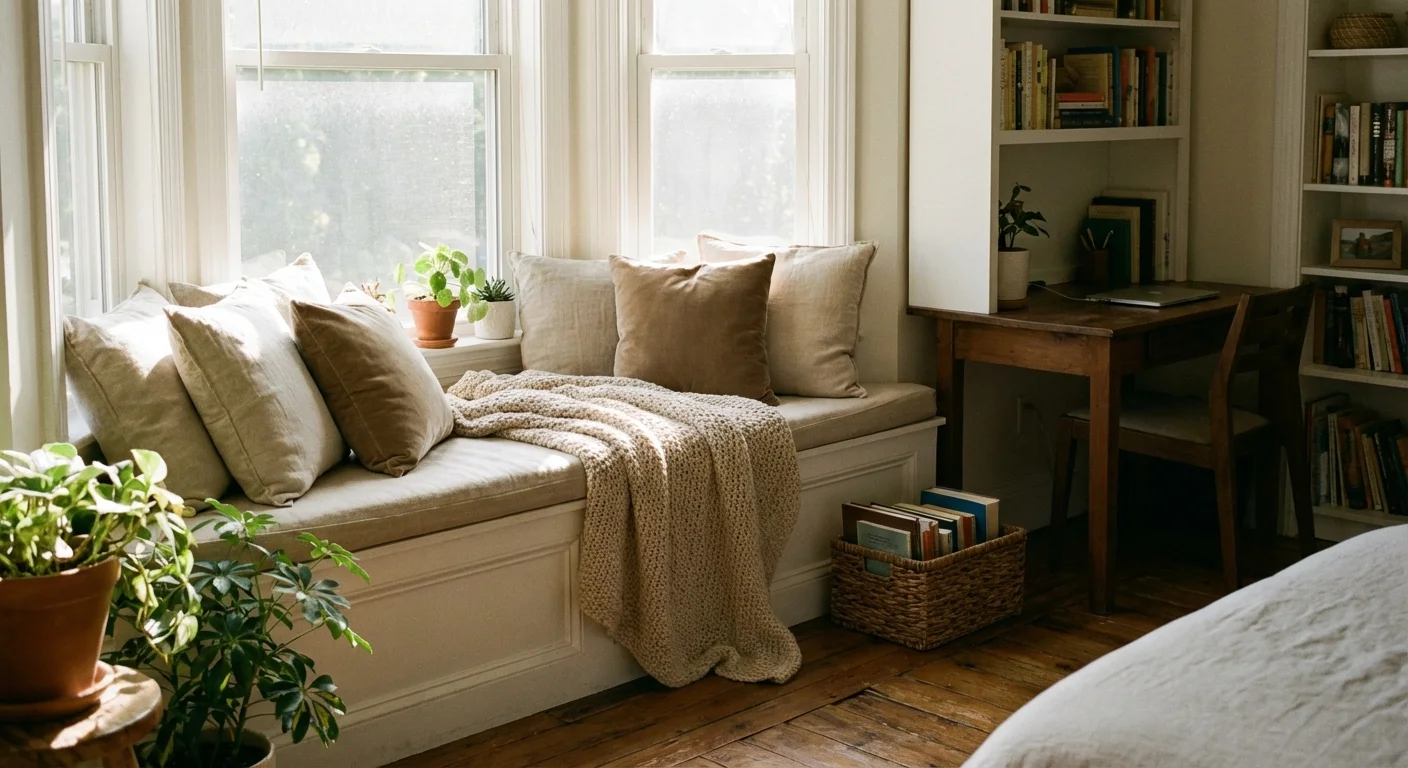
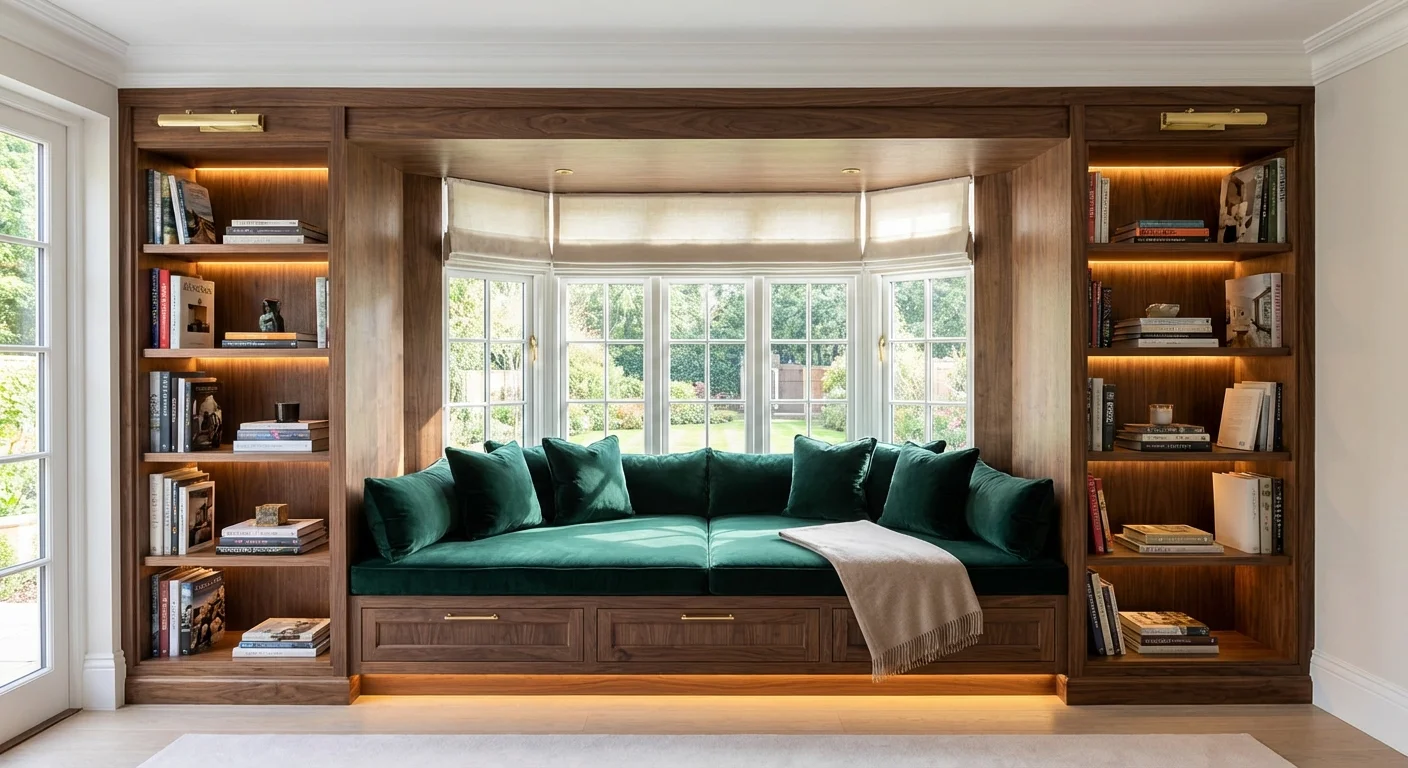
If your living room features a large window or a bay layout, you possess prime real estate. Natural light provides the best illumination for daytime reading. To capitalize on this, slide a low-profile bench directly beneath the sill. If purchasing a new bench strains your budget, turn a sturdy, low bookshelf on its side, secure a heavy piece of finished wood to the top, and add seating pads. Flank the bench with tall, narrow bookcases to frame the window and keep your current reading list within arm’s reach.
The Bedroom Corner Retreat
Bedrooms naturally lend themselves to quiet activities. To prevent your bed from becoming your only seating option—which often leads to poor posture and accidental naps—utilize an empty bedroom corner. Choose a plush, oversized accent chair that contrasts with your bedding. Introduce a small, round pedestal table and a textured ceramic lamp. This setup offers a transitional space where you can wind down for thirty minutes before officially climbing under the covers.
The Hallway or Under-Stair Hideaway
Walkways and transitional spaces frequently harbor dead zones. The triangular space beneath a staircase offers perhaps the most iconic location for a cozy retreat. While converting a sealed under-stair space requires some drywall removal, the result pays off beautifully. Line the interior with beadboard for texture, install warm puck lighting overhead, and load the alcove with deep floor cushions. Even an oversized hallway landing can house a slender bench and a wall-mounted magazine rack to utilize otherwise wasted square footage.
The Kids’ Room Canopy
Encouraging children to read starts with making the activity feel like an adventure. In a child’s bedroom or playroom, suspend an inexpensive fabric canopy from the ceiling to create a tent-like atmosphere. Fill the floor beneath it with washable, durable bean bag chairs and oversized plush pillows. Mount narrow picture-ledge shelves on the adjacent wall so the book covers face outward; this makes it much easier for young readers to browse and select their next adventure.
Choosing Your Reading Nook Furniture
Selecting reading nook furniture requires balancing your room’s aesthetic with strict ergonomic demands. Not all chairs serve the same purpose; a sleek mid-century modern accent chair might look stunning, but if it lacks neck support, you will abandon it within twenty minutes. Use the comparison table below to weigh your seating options based on your available space and budget.
| Furniture Type | Best Application | Average Cost | Space Requirement |
|---|---|---|---|
| Oversized Armchair | Traditional corners and spacious bedrooms. Offers maximum back support. | $250 – $800 | Moderate (Requires roughly 3×3 feet plus legroom) |
| Chaise Lounge | Elongated spaces or open living rooms. Ideal for those who prefer to read semi-reclined. | $350 – $1,200 | Large (Requires 5-6 feet of depth) |
| Floor Poufs / Cushions | Kids’ rooms, low-ceiling attics, or ultra-budget setups. Easily movable. | $40 – $150 | Minimal (Easily stowed away when not in use) |
| Built-in Window Bench | Permanent home upgrades and bay windows. Maximizes storage if built with hinged lids. | $500 – $2,500+ | Variable (Utilizes existing architectural features) |
How to Create a Cozy Reading Space Anywhere
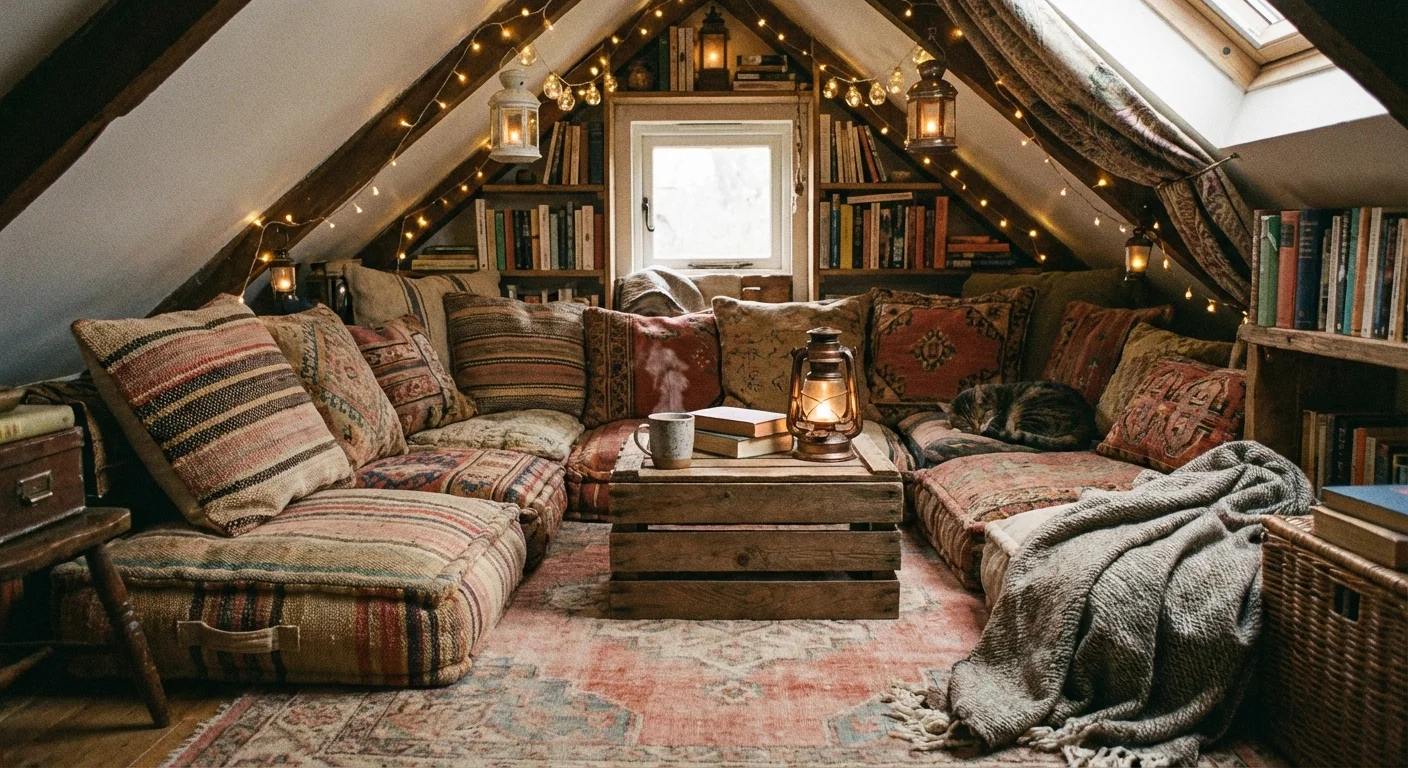
Turning a rigid chair into a cozy reading space relies heavily on sensory details. The visual appeal draws you in, but the tactile experience keeps you there.
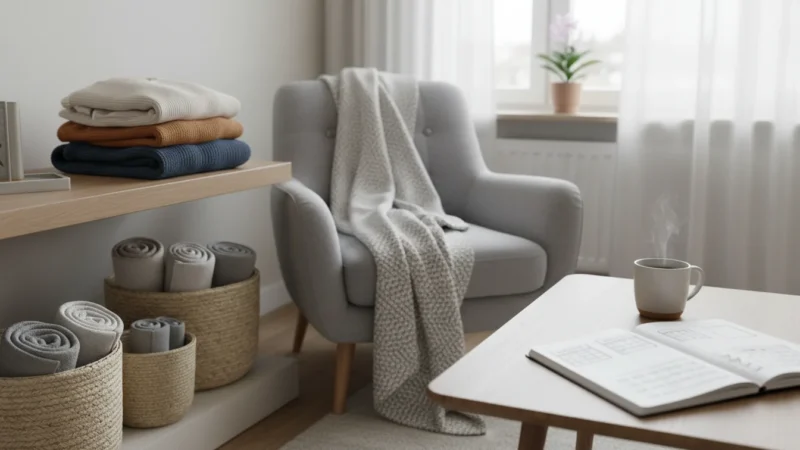
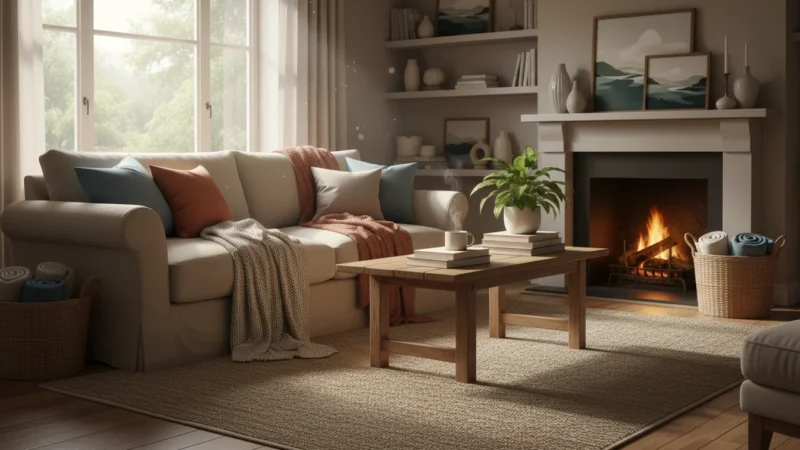
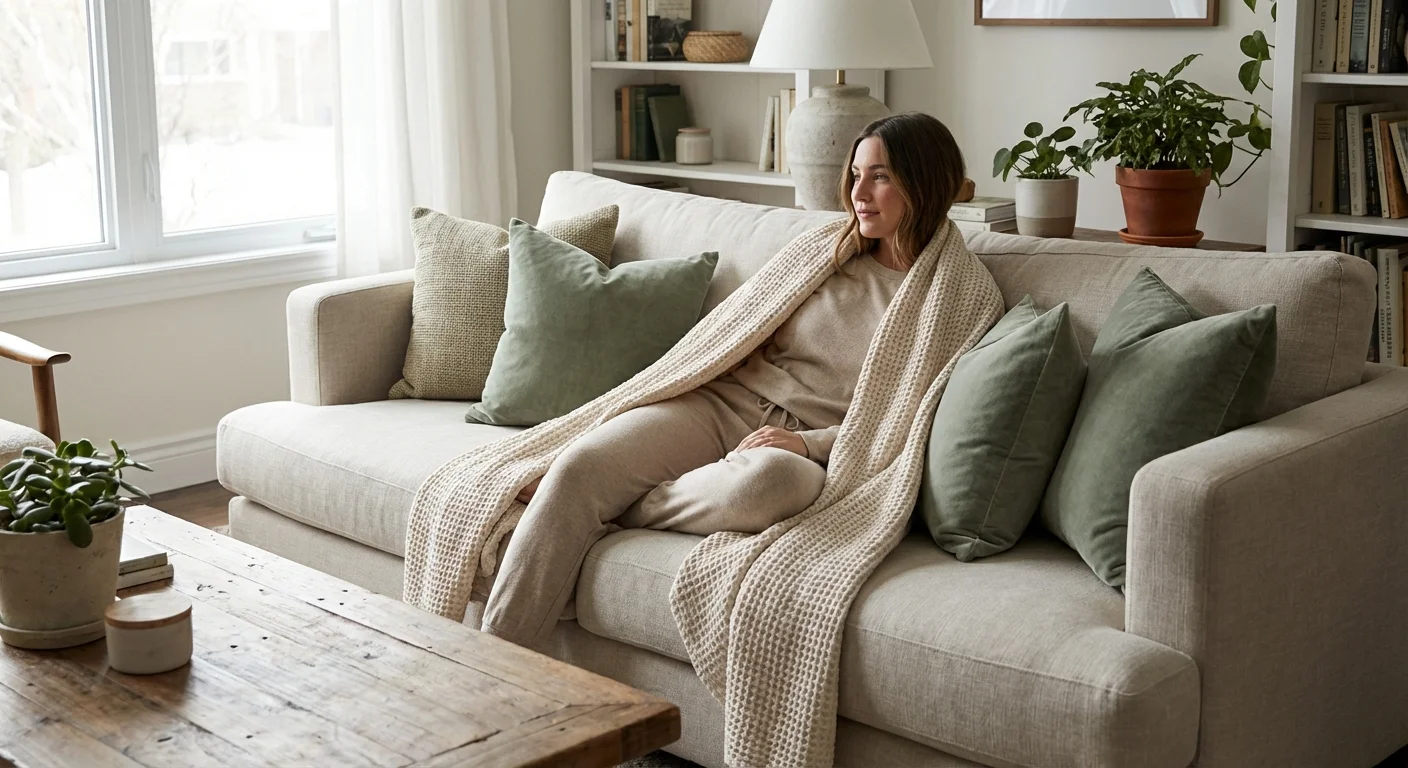
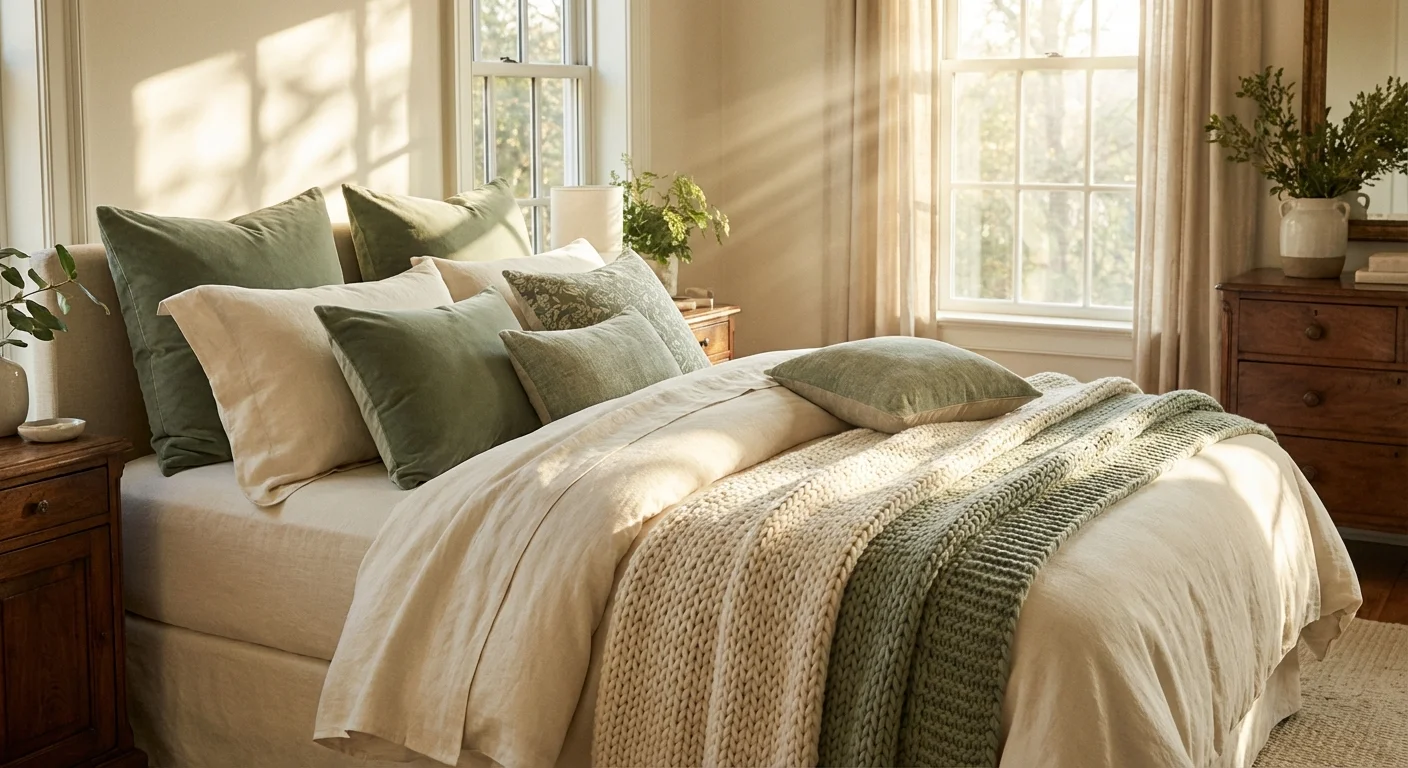
Start with textiles. Layering fabrics softens hard architectural lines and absorbs sound, making the space feel instantly more intimate. Drape a heavy, chunky-knit blanket or a weighted throw over your seating. Introduce pillows with varying textures—mix smooth velvet with rough linen or woven wool. These organic, tactile elements signal relaxation. Interior design experts, such as those featured in Architectural Digest, frequently emphasize the power of touch in grounding a room’s design.
Next, consider your acoustic environment. If you live in a noisy household or a busy apartment building, sound easily shatters your focus. While you cannot soundproof a corner, you can mitigate distractions. Place a heavy area rug beneath your chair to absorb footsteps and ambient echoes. Keep a pair of quality noise-canceling headphones or a small white noise machine on your side table to drown out the television in the next room.
Finally, engage your sense of smell. Scent strongly ties to memory and mood. Keeping a scented candle, a reed diffuser, or a bundle of dried eucalyptus nearby establishes a sensory routine. When you light that specific sandalwood or lavender candle, your brain quickly associates the scent with focus and relaxation.
Avoiding Common Errors in Nook Design
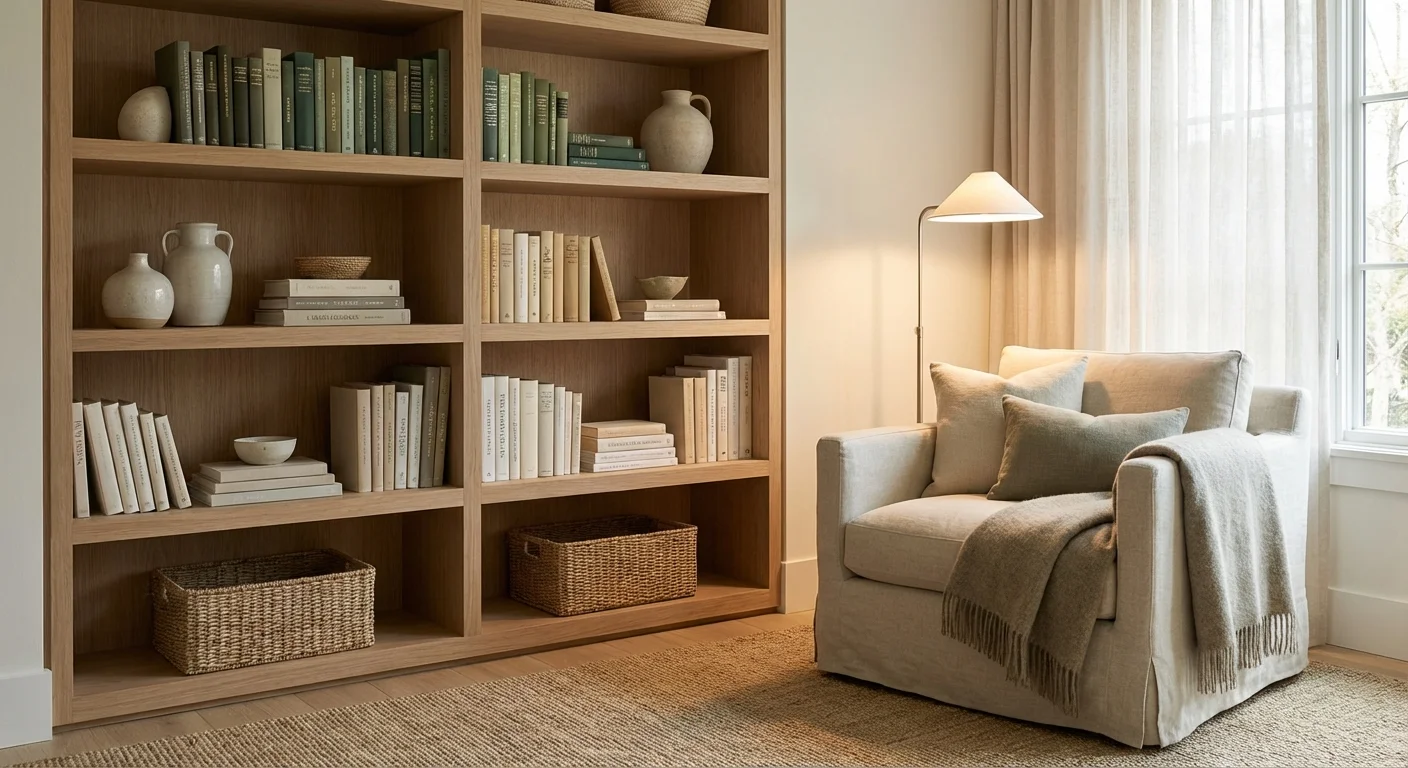
Even with the best intentions, certain design missteps can render your new retreat uncomfortable or impractical. Avoid these frequent pitfalls when planning your space.
Choosing Form Over Function: Purchasing a highly structured, rigid chair simply because it matches your sofa often leads to an unused space. Reading requires movement; you shift, cross your legs, and lean back. Always test seating for long-term comfort, prioritizing depth and cushioning over strict modern aesthetics.
Ignoring Cord Management: Placing your perfect chair and lamp in a corner without an accessible outlet creates a tripping hazard. Avoid running extension cords across doorways. If you lack nearby outlets, utilize rechargeable LED bulbs in your lamps or invest in a high-quality battery-operated wall sconce to keep the floor clean and safe.
Overcrowding the Zone: You want a side table for your coffee, but squeezing a large, bulky desk next to your chair creates a cramped environment. Give your arms and legs room to breathe. Opt for nesting tables, a slim C-table that slides over the arm of your chair, or floating wall shelves to maintain an airy feel.
When DIY Isn’t Enough
While painting a closet or arranging a corner falls easily within the realm of weekend DIY, certain reading nook upgrades require professional intervention. Know when to put down the hammer and call a licensed contractor.
Structural Built-Ins: If you want to construct a permanent window seat that requires modifying load-bearing walls, altering HVAC vents beneath a window, or tying into existing custom cabinetry, hire a carpenter. Professional builders ensure the bench can support adequate weight and that airflow in the room remains unobstructed.
Hardwired Lighting: Plug-in sconces offer a great DIY workaround, but if you desire clean, hardwired reading lights seamlessly integrated into your walls, bring in an electrician. Running new wire behind drywall, especially in older homes with outdated electrical panels, poses severe fire risks if done incorrectly.
Opening Staircases: Converting the space beneath your stairs looks magical, but stairs bear a massive structural load. Removing the wrong studs or cutting into the stringers to create a doorway compromises the integrity of the staircase. Always consult a structural professional before opening these enclosed spaces.
Frequently Asked Questions
How much space do I actually need for a reading nook?
You need surprisingly little space. A functional footprint of three feet by three feet comfortably accommodates a moderate-sized armchair, a floor lamp, and a small side table. Focus on utilizing corner areas, alcoves, or the empty space beside a large window.
What color temperature is best for a reading lamp?
Aim for a color temperature between 2700K and 3000K for evening reading. This range provides a warm, soft white light that minimizes harsh glare on the page while still offering enough clarity to prevent eye strain. For spaces used primarily during the day, a slightly cooler bulb around 4000K mimics natural daylight.
How do I make a reading nook in an open-concept living space?
To establish a nook within a large, open floor plan, rely heavily on visual boundaries. Turn the back of your reading chair toward the main living area to block visual distractions. Anchor the chair with a specific area rug, and use a tall floor plant or a freestanding bookshelf as a room divider to create a sense of enclosure.
Can I create a nook without buying new furniture?
Absolutely. Shop your own home first. Repurpose a dining chair by adding a thick, supportive cushion. Relocate an end table from a spare bedroom. Instead of a lamp, pull your setup close to a window for natural light. The goal is intentionality, not necessarily new purchases.
Creating a dedicated space for your reading habit fundamentally changes how you engage with your books. You move away from scrolling on your phone in bed and step into an environment specifically tailored for comfort and focus. Whether you drag a comfortable thrift-store chair into a sunny corner or convert a spare closet into a moody, immersive library, prioritize your own physical comfort and lighting needs.
Take a walk through your home today and look for that one empty corner. Clear out the clutter, pull up a comfortable seat, and start building your retreat. This guide provides general home improvement information. Every home is different—what works in one space may need adaptation in yours. For structural changes or electrical/plumbing work, consult a licensed professional.
Last updated: February 2026


Leave a Reply