
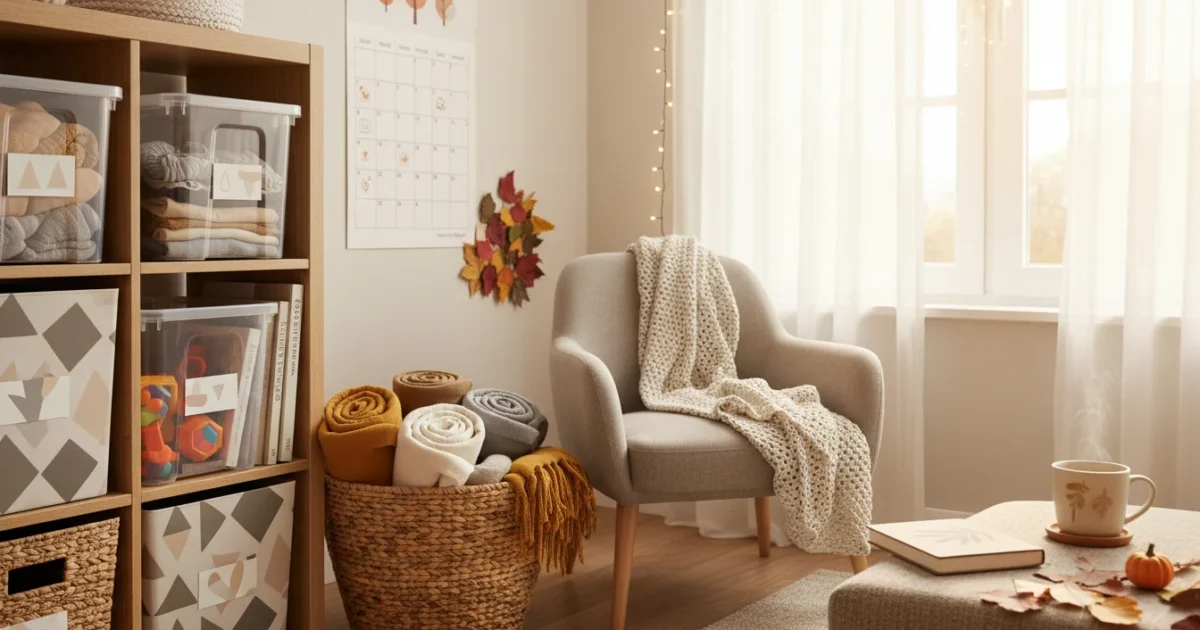
Creating a home that feels truly comfortable and inviting often starts from the ground up. Your flooring choice significantly impacts the overall warmth, aesthetics, and functionality of your living space. As your home organization coach, I understand you seek practical, realistic solutions. You want floors that look good, feel good, and stand up to real life, all while staying within your budget.
Beyond your floors, there are many budget-friendly ways to make your living room cozier through small, seasonal decor changes.
This comprehensive guide reviews various flooring options, focusing on what makes them cozy and how they perform in different scenarios. You will discover materials that offer warmth, softness, and durability, ensuring your home becomes the comfortable sanctuary you deserve.
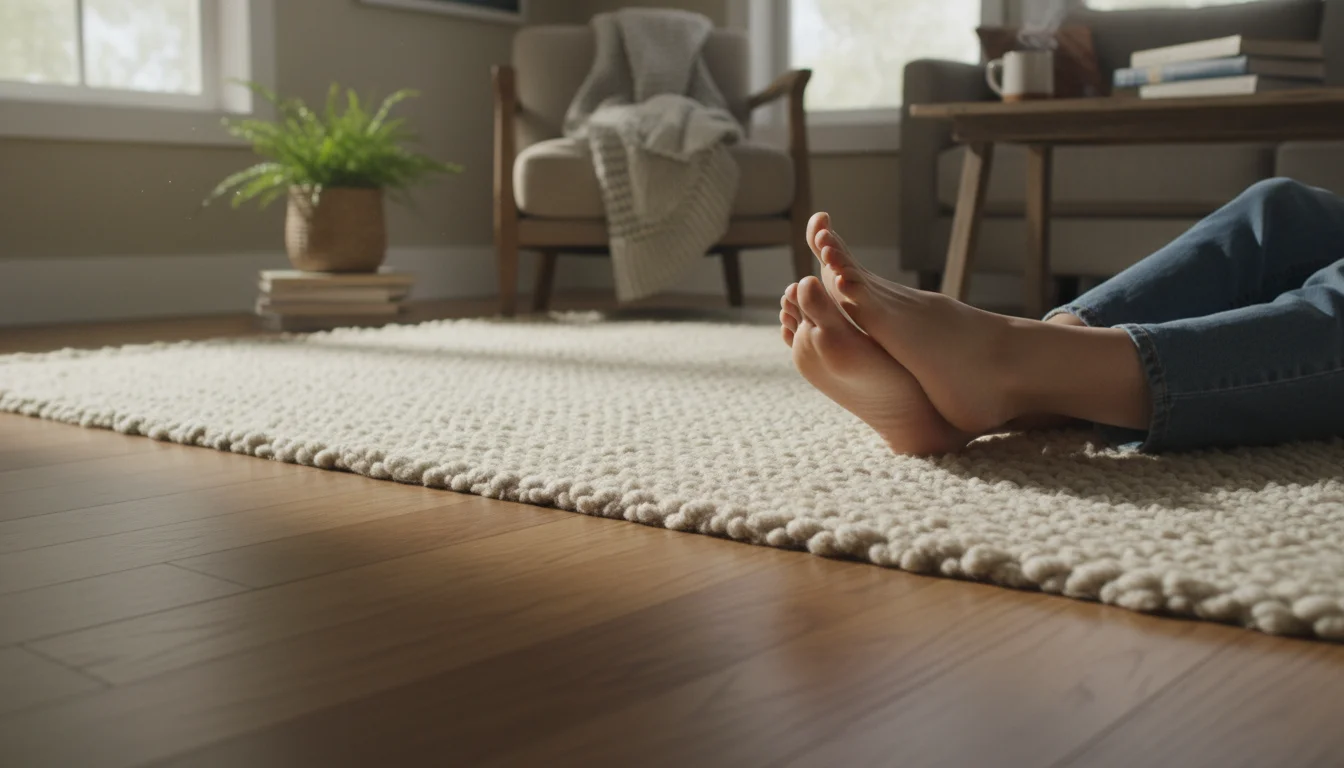
Understanding What Makes Flooring “Cozy”
What exactly defines cozy flooring? It goes beyond mere aesthetics. A cozy floor makes you feel comfortable, warm, and secure. Several factors contribute to this feeling:
The right choice of paint color can also work in tandem with your flooring to create a unified, warm atmosphere.
Finding the right balance between these factors is essential for bringing Danish coziness to your home and embracing the hygge lifestyle.
- Thermal Comfort: Some materials naturally retain heat better, preventing that chilly shock when you step out of bed on a winter morning. Warm floors are a key component of a comfortable home.
- Softness and Underfoot Feel: A soft surface cushions your steps and reduces fatigue, making you want to linger longer in a room.
- Sound Absorption: Hard surfaces can amplify noise, creating an echoey, less intimate atmosphere. Materials that absorb sound contribute to a quieter, more peaceful home.
- Texture and Visual Warmth: The visual appeal and texture of a floor can evoke a sense of warmth and inviting comfort, even before you touch it.
- Ease of Maintenance: A floor that is easy to clean and maintain reduces stress, contributing to a more relaxed and cozy living environment.
Understanding these elements helps you evaluate different flooring options through the lens of coziness, ensuring your selection aligns with your vision for a comfortable home.
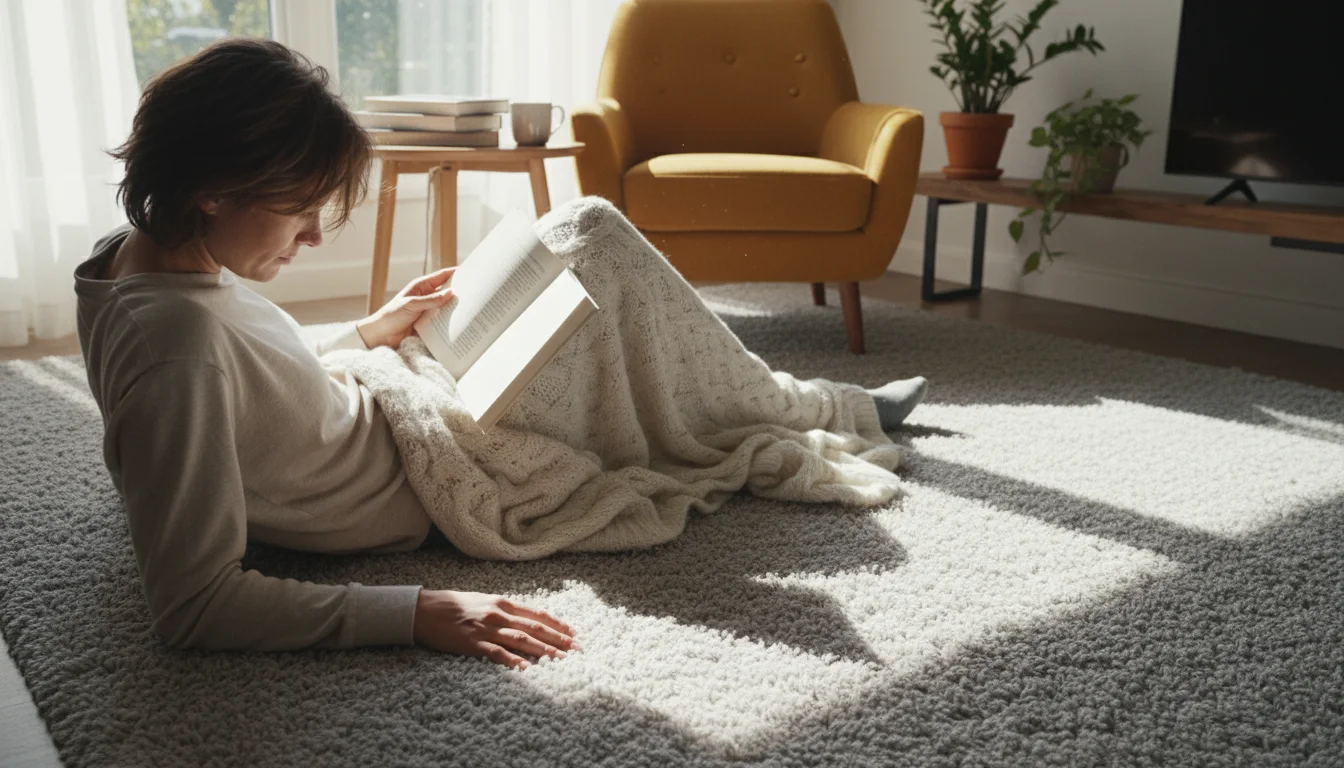
Carpet: The Classic Choice for Warmth and Softness
Carpet remains a perennial favorite for those prioritizing warmth and softness. It truly offers a soft landing, making it an excellent choice for bedrooms, living rooms, and play areas where you want to relax and feel completely at ease.
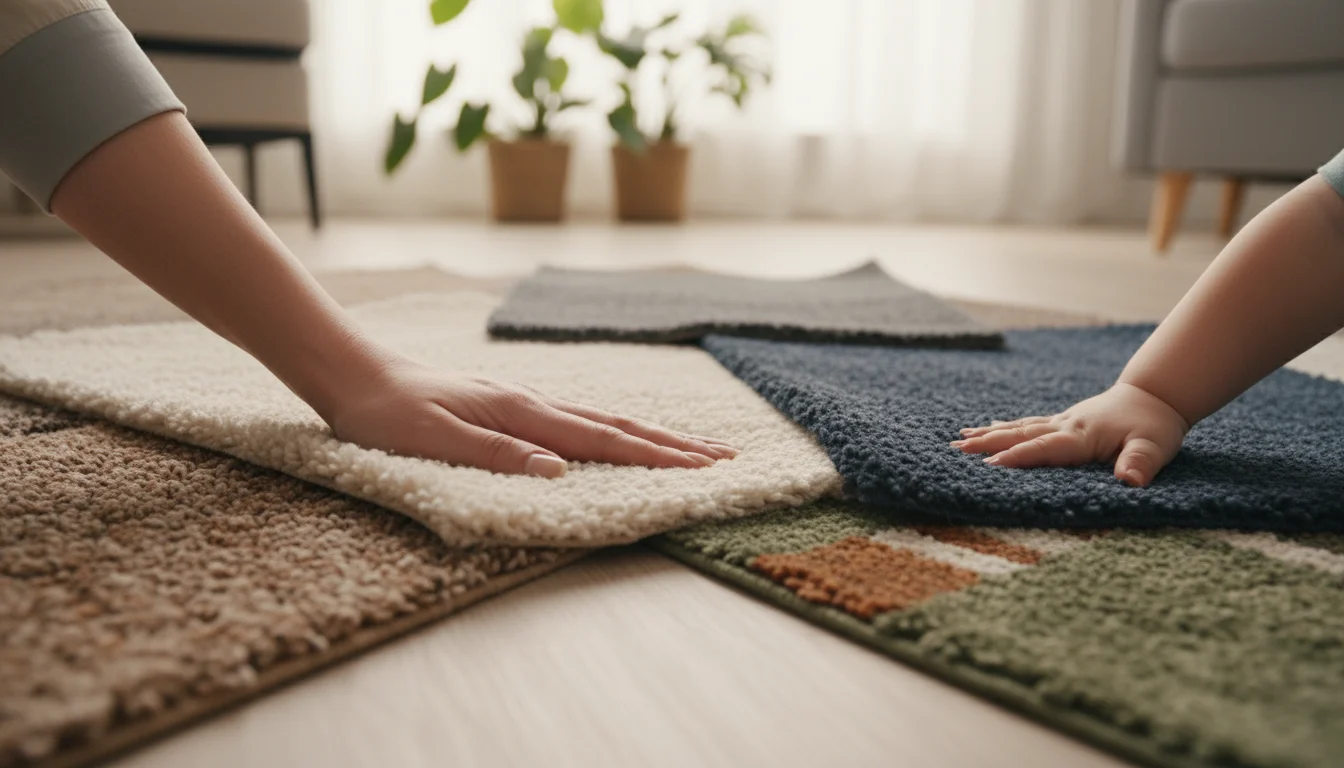
Reviewing Carpet Types and Materials
- Pile Types:
- Cut Pile: Looped fibers are cut, creating an upright, soft surface. Examples include plush (dense, smooth), Saxony (velvety, shows foot traffic), frieze (twisted, textured, hides foot traffic well), and shag (long, loose fibers, very soft but challenging to clean).
- Loop Pile: Fibers remain looped, offering durability. Examples include Berber (large, chunky loops, very durable) and level loop (uniform, dense loops).
- Cut and Loop Pile: Combines cut and looped fibers to create patterns and textures, offering durability with some softness.
- Materials:
- Nylon: Extremely durable, resilient, and stain-resistant, making it ideal for high-traffic areas. You get excellent longevity and a wide range of colors.
- Polyester (PET): Offers vibrant colors and good stain resistance, often made from recycled plastic bottles. It is soft but generally less resilient than nylon.
- Polypropylene (Olefin): Water-resistant and budget-friendly, often used in outdoor carpets or basements. It is not as durable as nylon or polyester.
- Wool: A luxurious natural fiber known for its incredible softness, durability, and natural stain resistance. Wool also acts as a natural insulator, contributing significantly to warm floors. It often carries a higher price tag.

Pros of Carpet for Coziness
- Unmatched Softness: No other flooring option feels quite as soft underfoot. You get immediate comfort.
- Excellent Insulation: Carpet fibers trap air, acting as a natural insulator. This keeps your home warmer in winter and can even help with cooling in summer, potentially lowering your energy bills.
- Superior Sound Absorption: Carpet significantly reduces ambient noise and echoes, creating a quieter and more peaceful environment. This is particularly beneficial in multi-story homes or open-plan layouts.
- Safety: Carpet provides a softer surface, reducing the impact of falls, which is a great benefit for homes with children or elderly residents.
- Variety: You find an almost endless array of colors, patterns, and textures to match any decor style.
Cons of Carpet
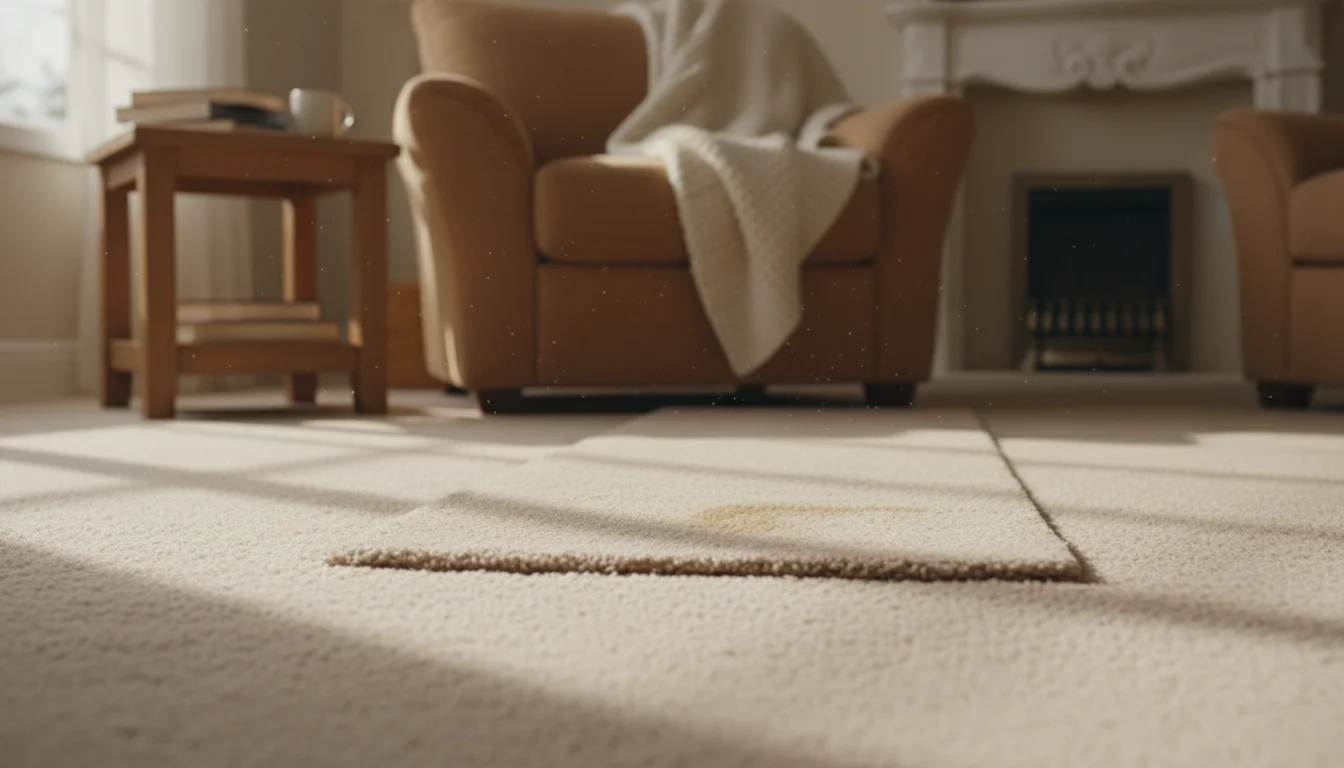
- Maintenance: Carpet requires regular vacuuming and occasional deep cleaning to remove trapped dirt and allergens. Stains can be challenging to remove.
- Allergens: While carpet traps allergens, preventing them from circulating in the air, you must clean it regularly to remove these trapped particles. According to EPA guidance on indoor air quality, proper ventilation and regular cleaning are crucial for managing indoor pollutants.
- Durability: Some carpet types, particularly those with looser piles, may show wear and tear more quickly in high-traffic areas.
- Moisture Issues: Carpet is not suitable for moisture-prone areas like bathrooms or basements, as it can harbor mold and mildew.
Best for: Bedrooms, living rooms, family rooms, dens.

Hardwood Flooring: Natural Beauty with a Warm Embrace
Hardwood floors offer timeless elegance and a warmth that comes from natural materials. While not as soft as carpet, hardwood provides a distinctive type of coziness through its visual appeal, inviting texture, and ability to hold warmth when paired with smart strategies.
To complete the look, consider window treatments that make rooms feel cozier by adding another layer of texture to your space.
To accentuate the warm tones of your natural wood, you can layer lighting for a cozy living room to create the perfect evening ambiance.
Reviewing Hardwood Types and Finishes
- Species:
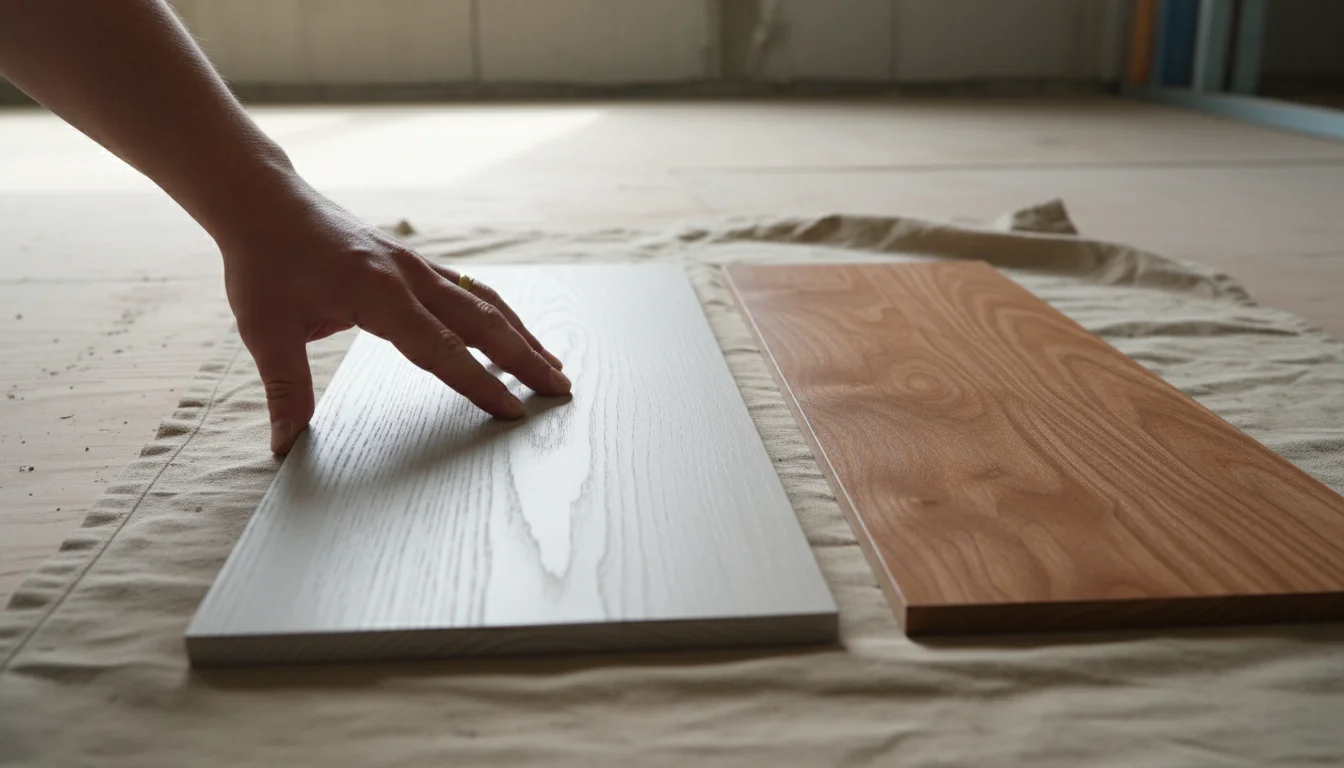
- Oak: The most popular choice, known for its distinct grain pattern, durability, and versatility. Red oak has warm, reddish tones, while white oak offers cooler, grayish hues.
- Maple: A harder wood with a finer, more subtle grain. It resists dents well but can be harder to stain evenly.
- Cherry: Boasts rich, reddish-brown tones that deepen with age. It is softer than oak or maple and more prone to dents.
- Walnut: Offers deep chocolate-brown tones and a beautiful grain. It is a softer hardwood, appreciated for its luxurious appearance.
- Finishes:
- Polyurethane: The most common finish, providing a durable, water-resistant layer that protects the wood. It comes in various sheens from matte to high-gloss.
- Oil-based: Penetrates the wood, enhancing its natural look and feel. It offers a more natural, low-sheen finish but requires more frequent reapplication.
- Aluminum Oxide: Extremely durable, often applied in factories to prefinished hardwood. It offers superior scratch resistance.

Pros of Hardwood for Coziness
- Timeless Aesthetic: Hardwood floors never go out of style. They add natural beauty and sophistication to any home, contributing to a sense of established comfort.
- Adds Value: Hardwood is a significant selling point for homes, often increasing resale value.
- Natural Warmth: Wood naturally feels warmer than tile or stone. You can significantly enhance this warmth by incorporating area rugs, especially those with thick piles, which also add softness and sound absorption.
- Durability and Longevity: With proper care, hardwood floors can last for decades, even centuries. You can refinish them multiple times to refresh their look and extend their life.
- Easy to Clean: Hardwood is excellent for allergy sufferers as it does not trap dust, dander, or pollen. You can easily sweep or vacuum it, then damp mop.

Cons of Hardwood
- Cost: Hardwood is generally one of the more expensive flooring options, both in terms of material and installation.
- Prone to Scratches and Dents: Depending on the wood species and finish, hardwood can scratch or dent from pet claws, furniture movement, or dropped objects.
- Moisture Sensitivity: Solid hardwood can warp, cup, or buckle if exposed to excessive moisture or humidity fluctuations.
- Can Be Colder: While naturally warmer than tile, solid hardwood can still feel cold underfoot compared to carpet, especially without radiant heating or area rugs.
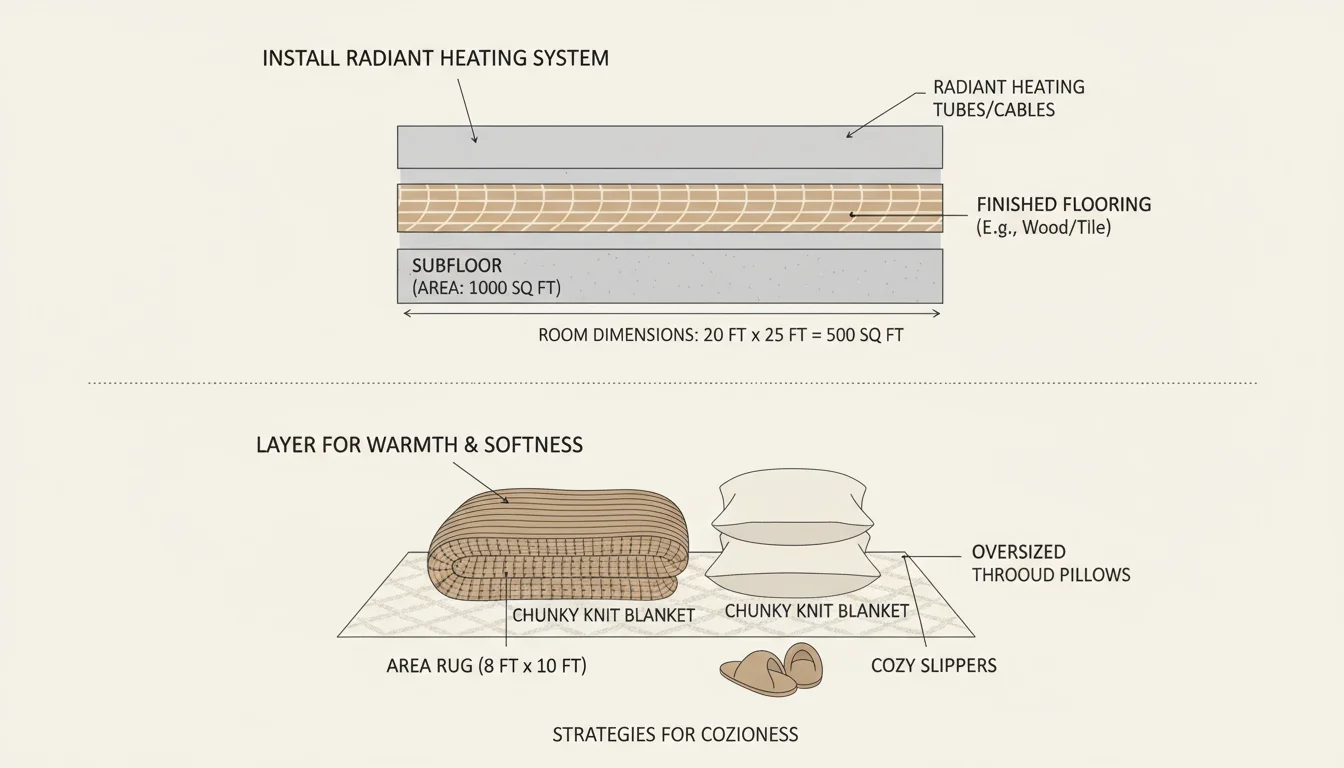
Strategies for Coziness: Install radiant heating systems underneath, or layer with soft, luxurious area rugs to add warmth, color, and texture. This Old House offers practical advice on hardwood floor installation and maintenance, helping you keep your floors beautiful for years.
Best for: Living rooms, dining rooms, bedrooms, hallways.
Laminate and Engineered Wood: Budget-Friendly Warmth
For those seeking the look of hardwood without the higher price tag or maintenance, laminate and engineered wood offer compelling alternatives. They provide visual warmth and a relatively comfortable feel underfoot, making them excellent flooring options for a cozy home.
Reviewing Laminate Flooring
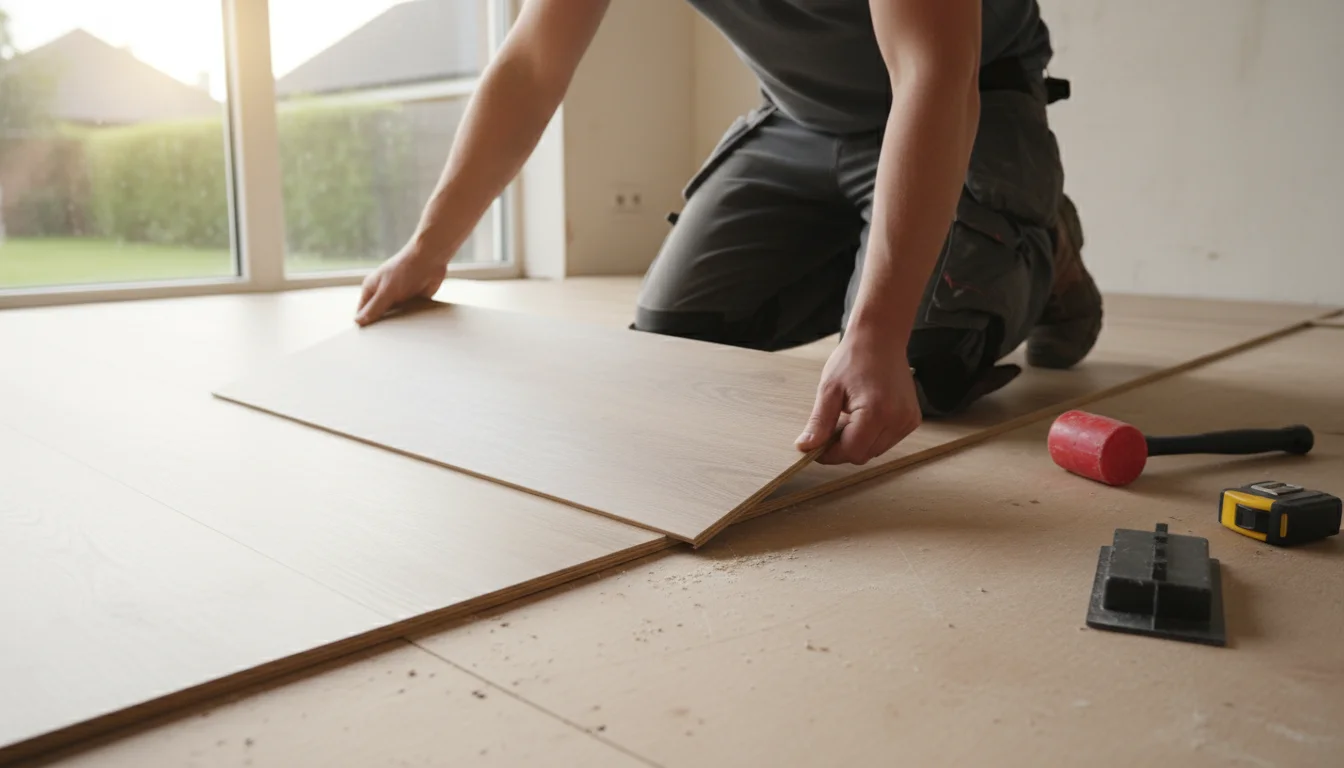
Laminate flooring consists of several layers: a base layer for stability, a core layer (usually high-density fiberboard), a photographic layer that mimics wood or stone, and a clear wear layer for protection. You get the aesthetic without the cost of real wood.
- Pros:
- Affordability: Significantly less expensive than solid hardwood.
- Durability: The tough wear layer resists scratches, dents, and fading, making it suitable for active households.
- Easy Installation: Many laminate products feature a click-lock system, allowing for DIY installation over an existing subfloor.
- Maintenance: Easy to clean with sweeping and damp mopping.
- Realistic Look: High-quality laminates can closely mimic the look and texture of natural wood.
- Cons:
- Not Real Wood: You do not get the genuine feel or value of solid hardwood.
- Moisture Sensitive: While the surface resists spills, standing water can cause the core to swell and warp.
- Sound: Can sometimes sound hollow or clicky underfoot without a proper underlayment.
- Cannot Be Refinished: Once the wear layer is compromised, you must replace the planks.
Reviewing Engineered Wood Flooring
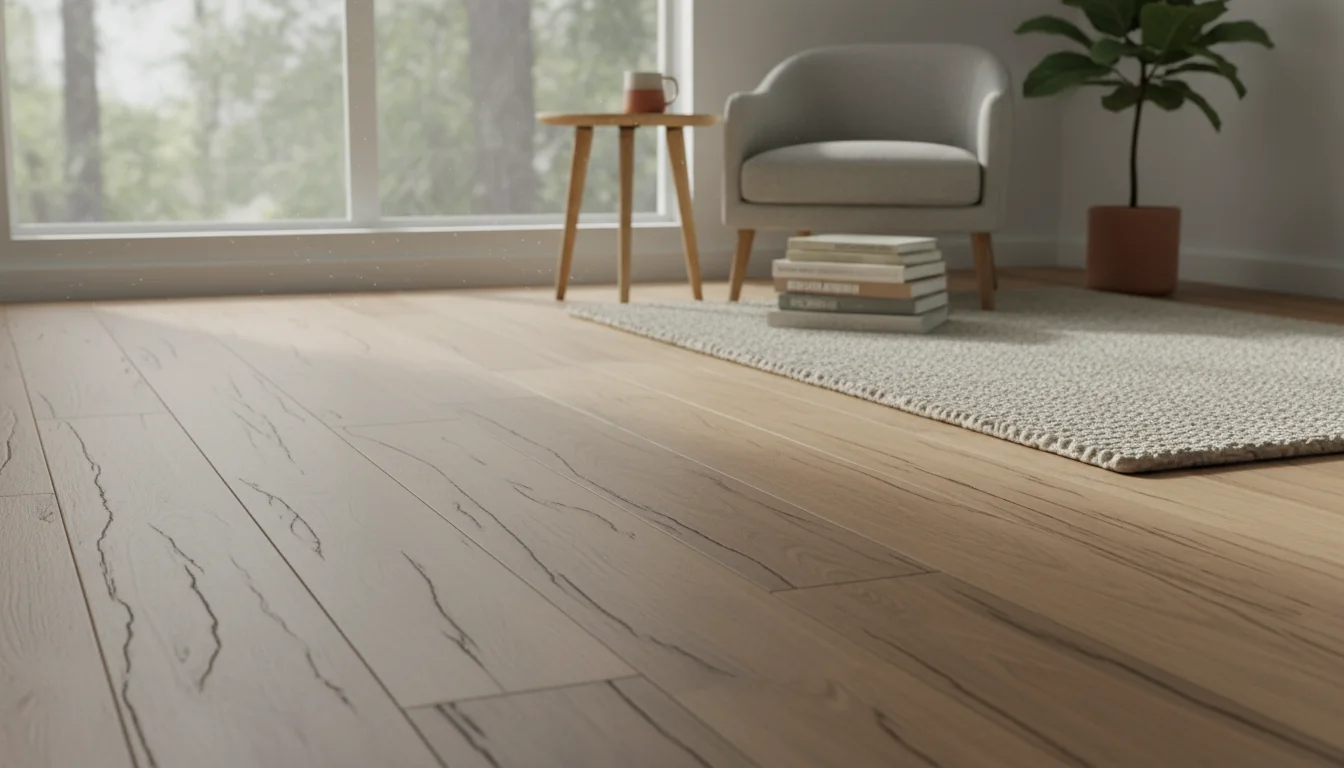
Engineered wood flooring uses a real wood veneer on top of multiple layers of plywood or high-density fiberboard. This construction provides stability and makes it less susceptible to moisture changes than solid hardwood.
- Pros:
- Real Wood Surface: You get the authentic look and feel of natural wood, as the top layer is genuine hardwood.
- Dimensional Stability: Its layered construction makes it more resistant to humidity fluctuations, making it suitable for areas where solid hardwood might be risky, such as basements.
- Versatile Installation: You can install engineered wood as a floating floor, glued down, or stapled/nailed down.
- Refinishable: Depending on the thickness of the top veneer, you can refinish engineered wood floors one or more times.
- Cons:
- Cost: More expensive than laminate, though generally less than solid hardwood.
- Durability: The real wood veneer can still scratch and dent like solid hardwood.
- Limited Refinishing: Thinner veneers offer fewer opportunities for refinishing.
Best for:
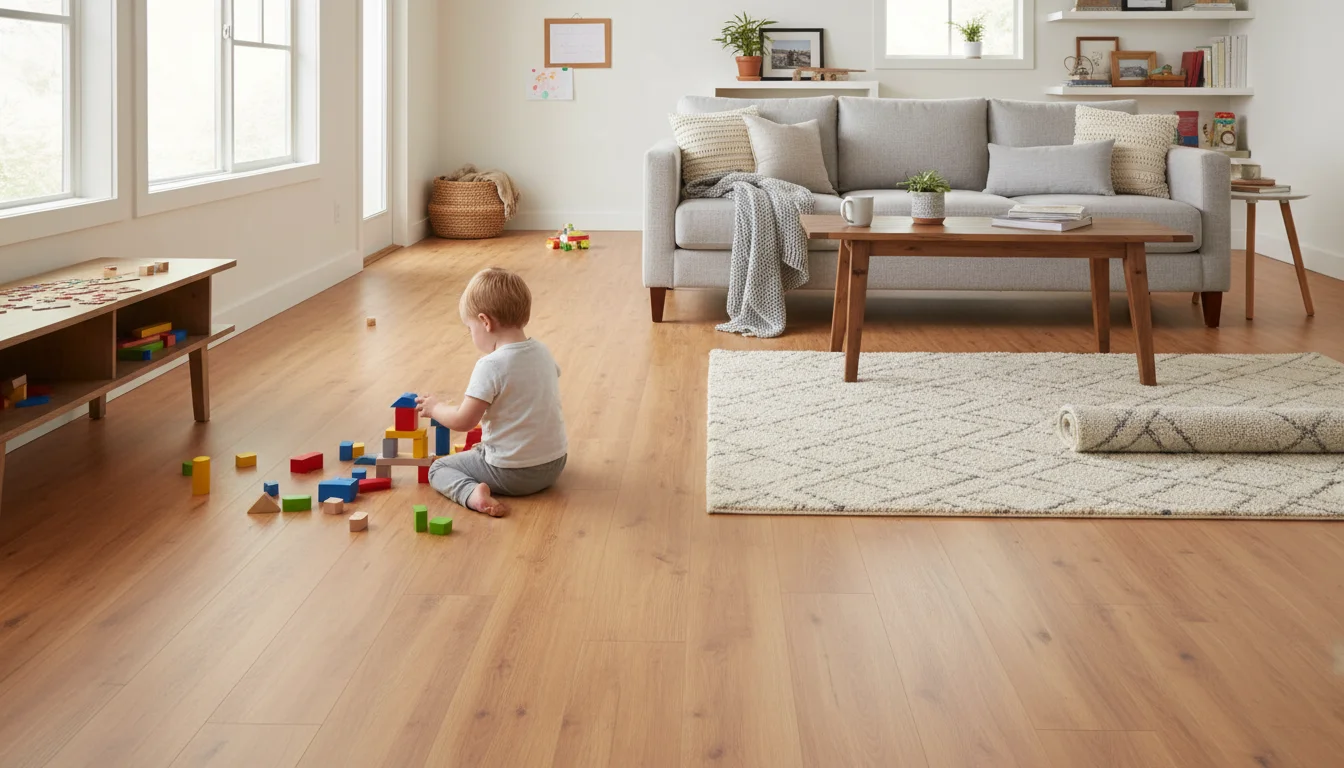
- Laminate: Living rooms, dining rooms, bedrooms, hallways, areas with pets and kids.
- Engineered Wood: Anywhere solid hardwood would go, including basements or areas with higher humidity.
Vinyl and Luxury Vinyl Tile (LVT/LVP): Versatile and Comfortable
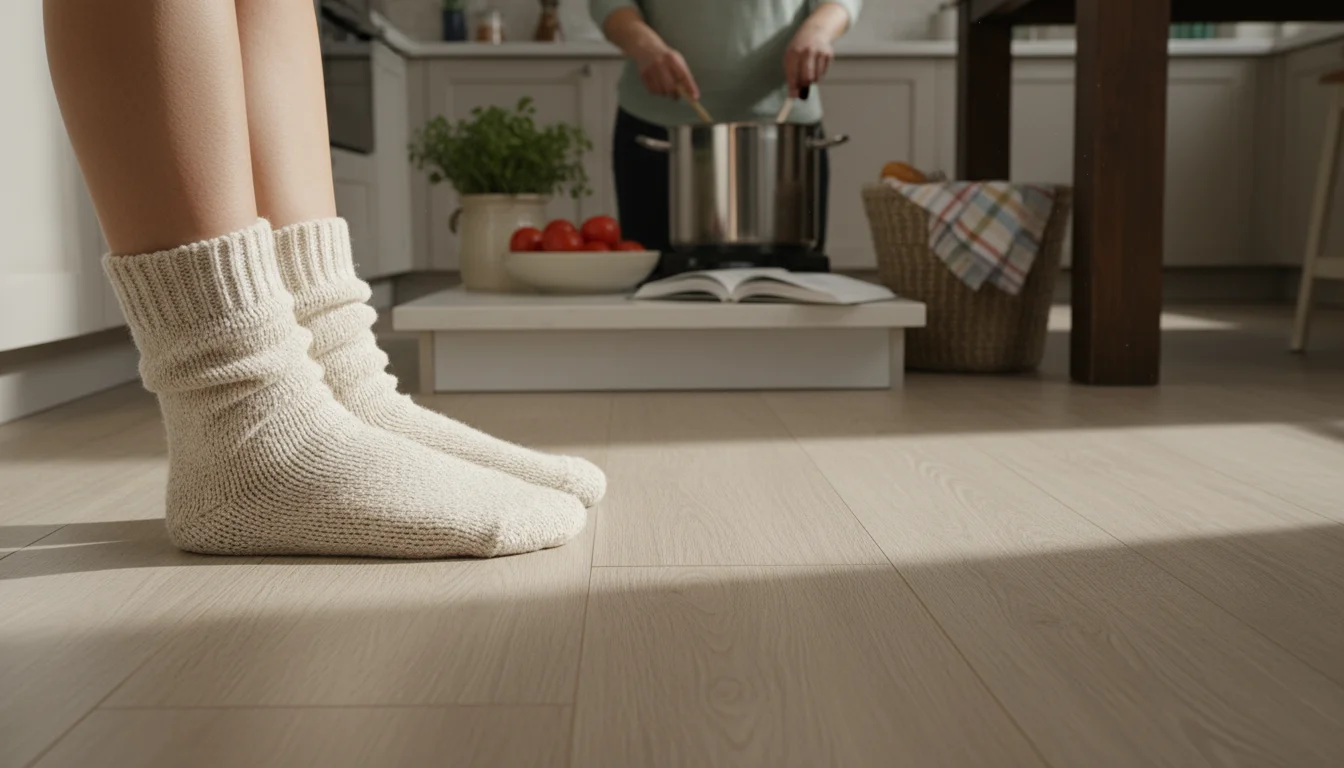
Vinyl flooring has evolved dramatically, moving far beyond the sheet vinyl of yesteryear. Today’s luxury vinyl tile (LVT) and luxury vinyl plank (LVP) options offer incredible durability, water resistance, and comfort underfoot, making them excellent choices for cozy flooring in high-traffic or moisture-prone areas.
Once your durable flooring is in place, consider adding window treatments that make rooms feel cozier to finish the look.

Reviewing Vinyl and LVT/LVP
Modern vinyl flooring comes in sheets, tiles (LVT), or planks (LVP). LVT and LVP feature multiple layers: a resilient backing, a core layer (often waterproof and rigid for LVP/LVT), a high-definition printed design layer, and a clear wear layer. You get beautiful designs combined with practical performance.
- Pros:
- Water Resistance: Many LVT/LVP products are 100% waterproof, making them ideal for kitchens, bathrooms, laundry rooms, and basements. You do not need to worry about spills.
- Durability: The robust wear layer resists scratches, dents, and scuffs, standing up well to pets and active families.
- Comfort Underfoot: Vinyl provides a softer, more resilient feel than tile or hardwood, reducing fatigue and offering more comfortable warm floors.
- Sound Dampening: It naturally absorbs sound, contributing to a quieter home environment.
- Design Versatility: LVT/LVP can realistically mimic the look of natural wood, stone, and ceramic tile in a vast array of colors and patterns.
- Affordability: Generally more budget-friendly than hardwood or natural stone, while offering similar aesthetics.
- Cons:
- Can Dent: Heavy furniture or sharp objects can still cause dents or punctures.
- Synthetic Feel: While visually impressive, it does not offer the natural tactile feel of real wood or stone.
- Environmental Concerns: Some older or lower-quality vinyl products can off-gas volatile organic compounds (VOCs). Look for products with low-VOC certifications for better indoor air quality, a point frequently emphasized by home improvement experts like Bob Vila.
- Difficult to Repair: If a plank or tile gets severely damaged, you might need to replace the entire piece, which can be challenging if you do not have spares.
Best for: Kitchens, bathrooms, laundry rooms, basements, entryways, high-traffic areas, and anywhere you need a durable, water-resistant, and comfortable flooring solution.
Cork and Bamboo: Sustainable and Naturally Warm
If you prioritize sustainability alongside comfort, cork and bamboo flooring options offer unique textures and natural warmth. These materials bring an eco-conscious appeal and a distinctive aesthetic to your home.
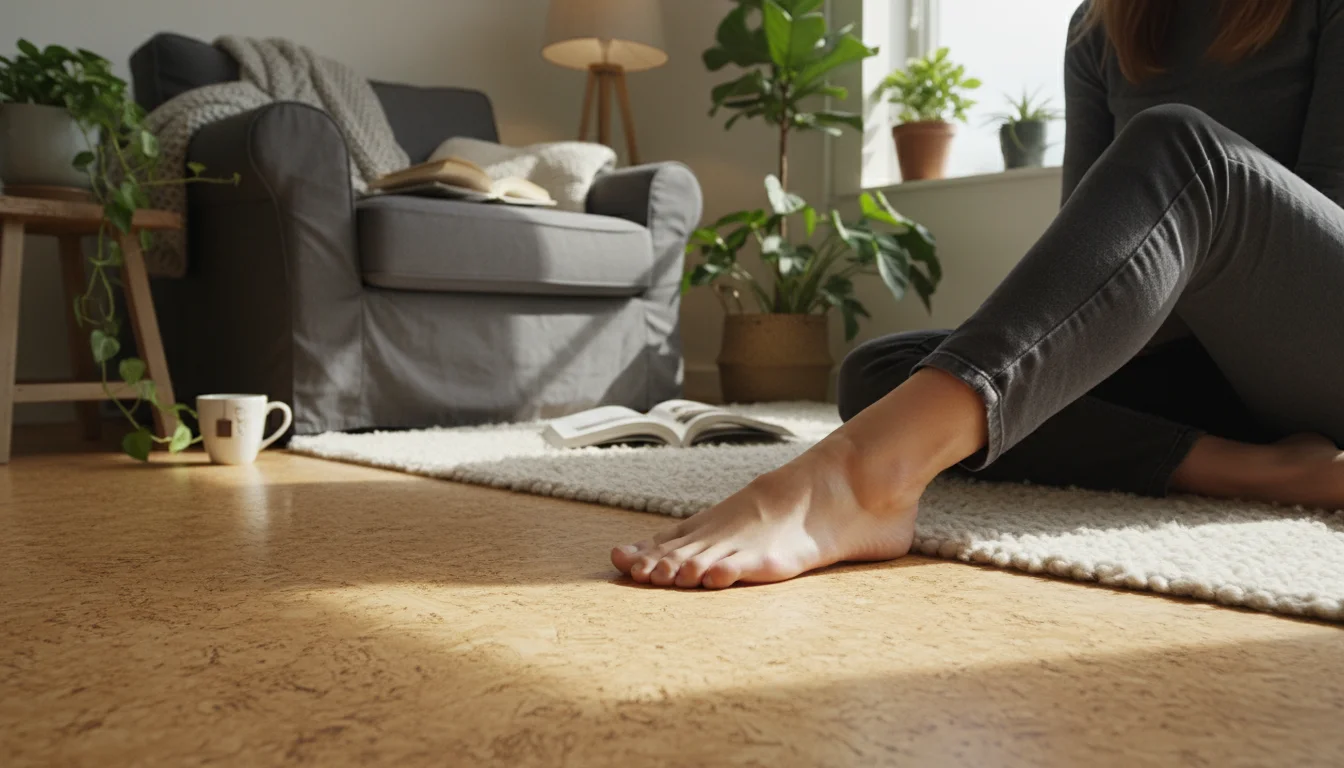
Reviewing Cork Flooring
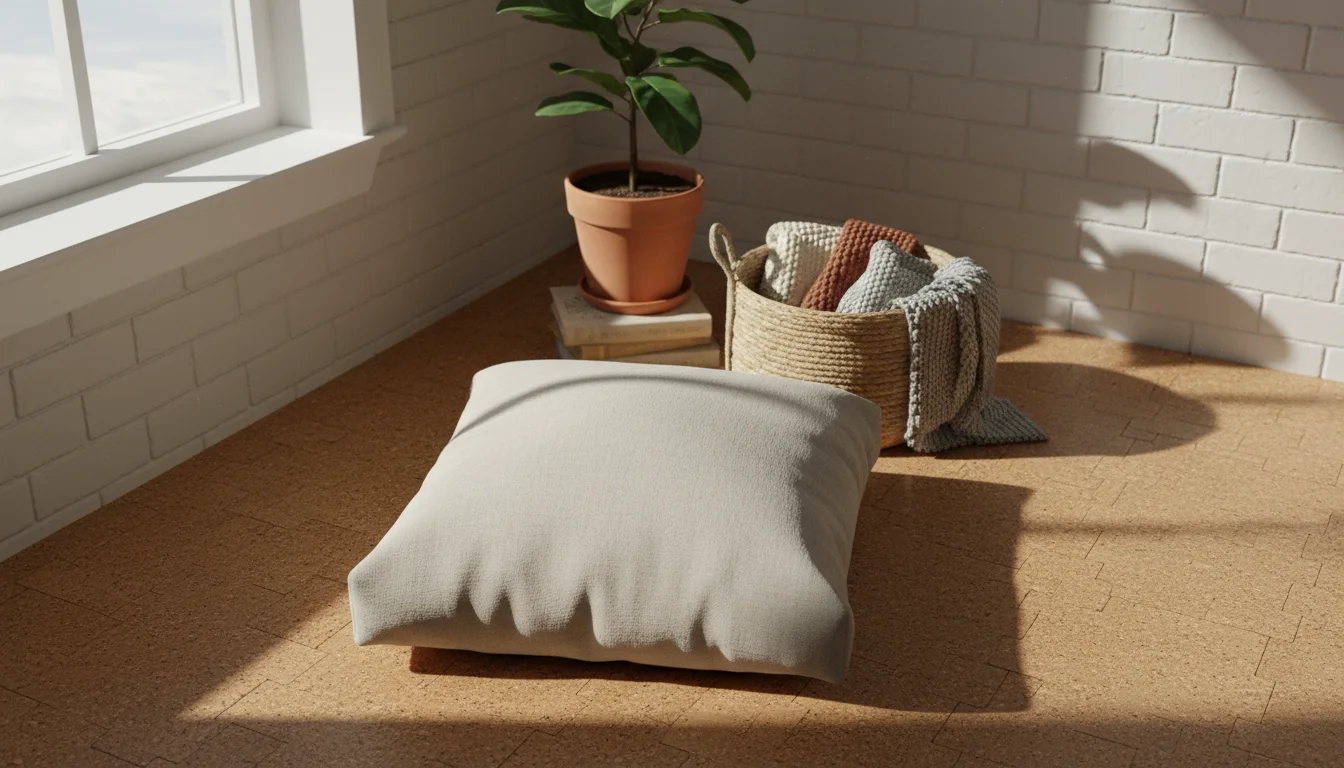
Cork is a natural material harvested from the bark of cork oak trees without harming the tree itself. It regenerates, making it a highly sustainable resource. Cork flooring comes in planks or tiles and typically features a wear layer over a cork veneer, a high-density fiberboard core, and a cork backing.
- Pros:
- Exceptional Softness and Resilience: Cork has a natural elasticity, making it incredibly soft and comfortable underfoot. It cushions your steps and can even recover from minor indentations.
- Excellent Insulator: Its cellular structure traps air, making cork an outstanding thermal insulator. You experience genuinely warm floors that help maintain room temperature.
- Superior Sound Absorption: Cork naturally dampens sound, reducing echoes and creating a quieter, more serene living space.
- Anti-Microbial Properties: Cork contains suberin, a waxy substance that naturally repels mold, mildew, and pests, making it a hygienic choice.
- Eco-Friendly: As a rapidly renewable resource, cork is an environmentally responsible flooring option.
- Unique Aesthetic: Cork’s natural texture and varying tones offer a distinct, earthy look.
- Cons:
- Prone to Dents: While resilient, heavy furniture or sharp objects can leave permanent dents.
- Water Sensitivity: Like wood, cork can be damaged by excessive moisture unless sealed properly.
- Fading: Prolonged exposure to direct sunlight can cause cork to fade over time.
- Durability: While durable, it may not withstand the same level of heavy abuse as some harder flooring options.
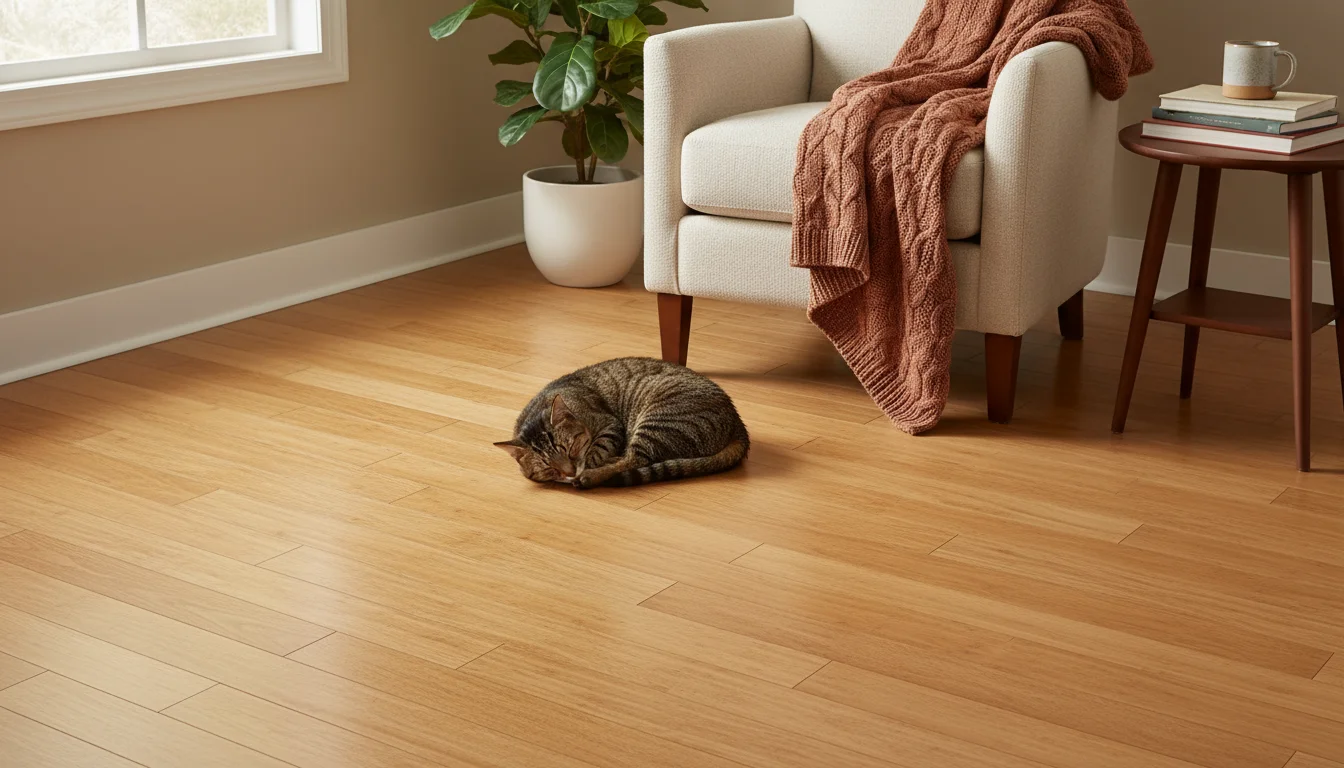
Reviewing Bamboo Flooring
Bamboo is a grass, not a wood, but it possesses wood-like qualities due to its strength and hardness. It grows rapidly, making it a highly renewable resource. Bamboo flooring comes in various constructions: horizontal, vertical, and strand-woven. Strand-woven bamboo is the hardest and most durable.
- Pros:
- Durability: Strand-woven bamboo is exceptionally hard, often surpassing many traditional hardwoods in durability, making it resistant to dents and scratches.
- Sustainable: Bamboo reaches maturity in 3-5 years, making it an excellent eco-friendly alternative to traditional hardwoods.
- Distinctive Look: Bamboo offers a clean, modern aesthetic with a unique grain pattern, ranging from light blonde to rich amber tones.
- Natural Warmth: Like wood, bamboo feels naturally warmer underfoot than tile.
- Cons:
- Water Sensitivity: Like wood, bamboo can expand or contract with humidity changes and is susceptible to water damage if exposed to standing water.
- Scratch Potential: While hard, cheaper or less durable bamboo can still scratch.
- Sourcing Concerns: Ensure you purchase from reputable manufacturers with proper certifications to guarantee sustainable harvesting practices and low-VOC emissions. For more information on sustainable materials, Energy Star provides resources on energy-efficient building materials and practices.
Best for:
- Cork: Bedrooms, home offices, living rooms, kitchens (with proper sealing).
- Bamboo: Living rooms, dining rooms, hallways, bedrooms.

Tile with Radiant Heating: The Ultimate Warm Floors
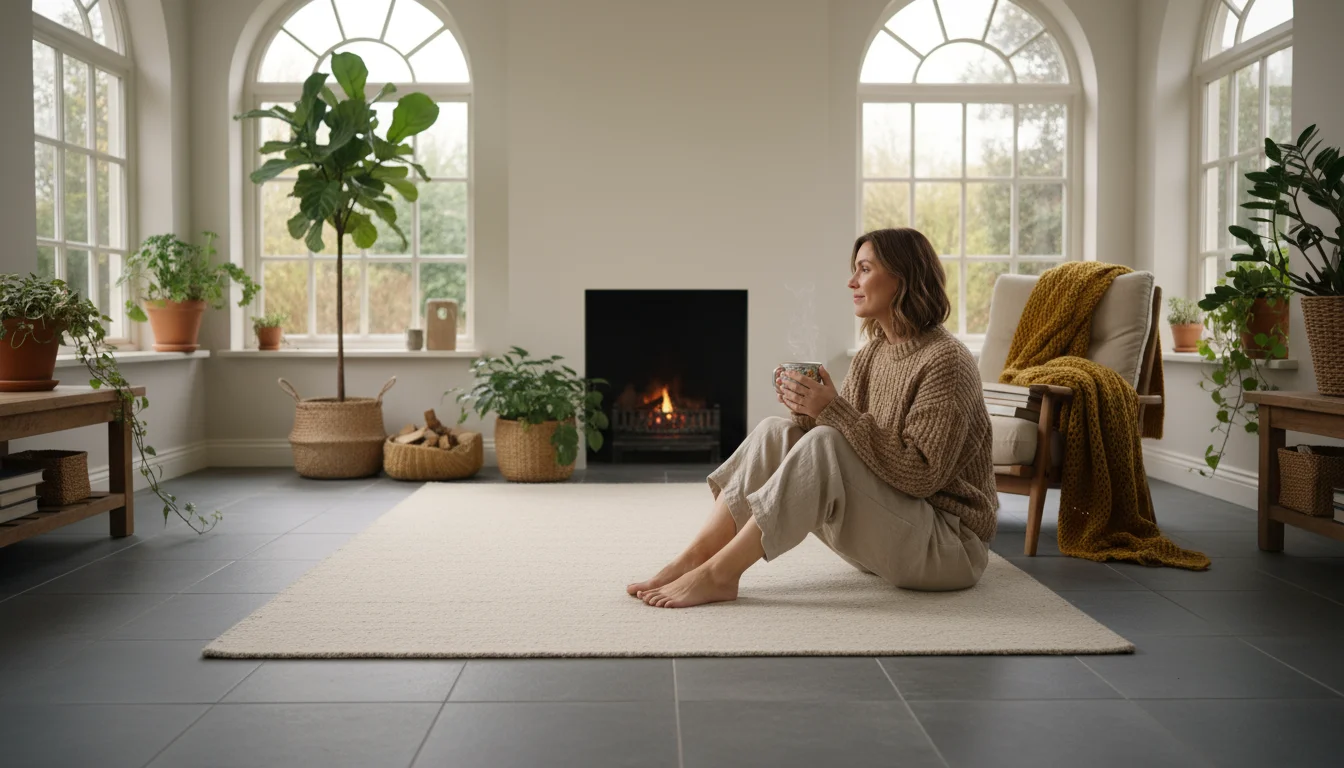
While ceramic, porcelain, and natural stone tiles are typically known for being cold underfoot, pairing them with radiant heating transforms them into the epitome of warm floors. This combination offers unparalleled comfort and luxurious coziness, especially in bathrooms and kitchens.
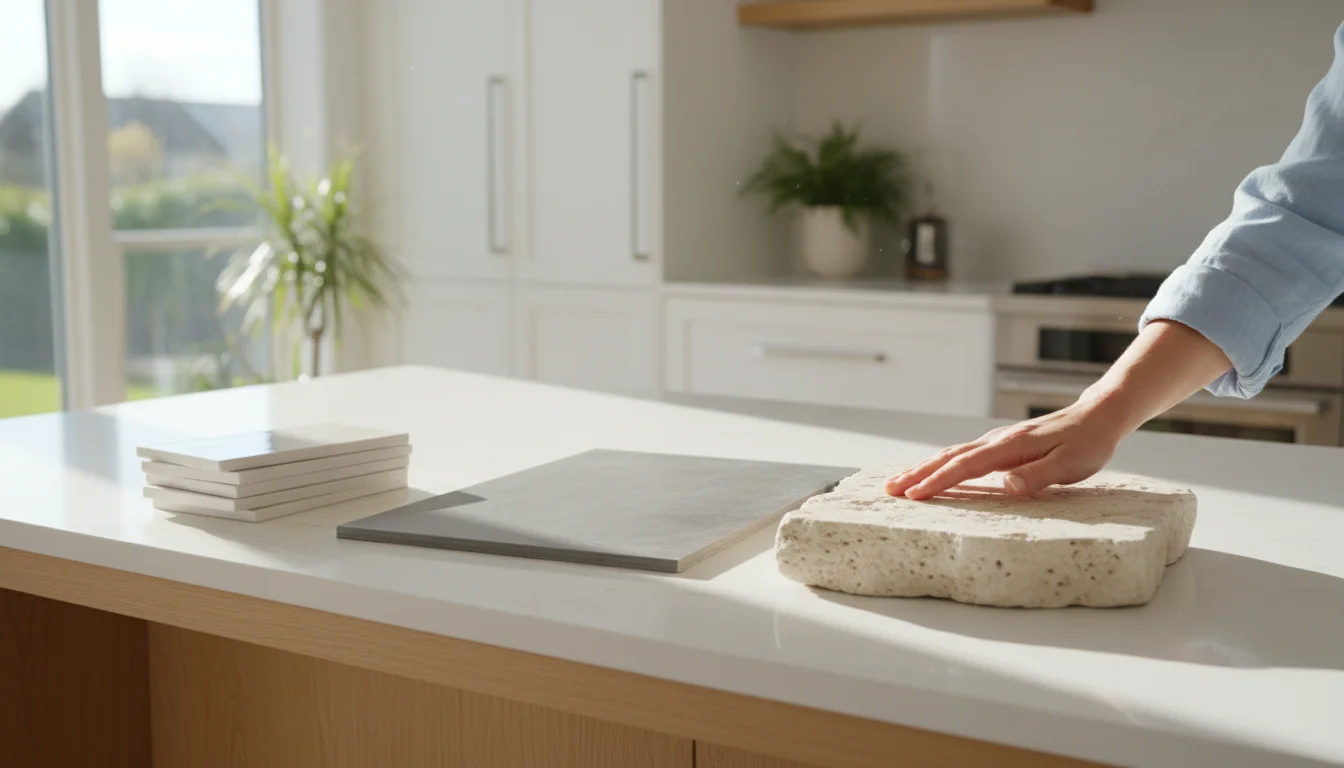
Reviewing Tile Types
- Ceramic Tile: Made from clay and other natural materials, fired at high temperatures. It is durable, water-resistant (especially glazed varieties), and available in a vast array of colors, patterns, and sizes.
- Porcelain Tile: A type of ceramic tile made from denser clay and fired at higher temperatures. This makes it extremely hard, durable, and highly water-resistant, often impervious to water. It stands up well to heavy traffic.
- Natural Stone Tile: Includes materials like marble, granite, travertine, and slate. Each stone offers unique patterns, colors, and textures, providing a luxurious, earthy feel. Stone is very durable but requires more maintenance, including regular sealing.
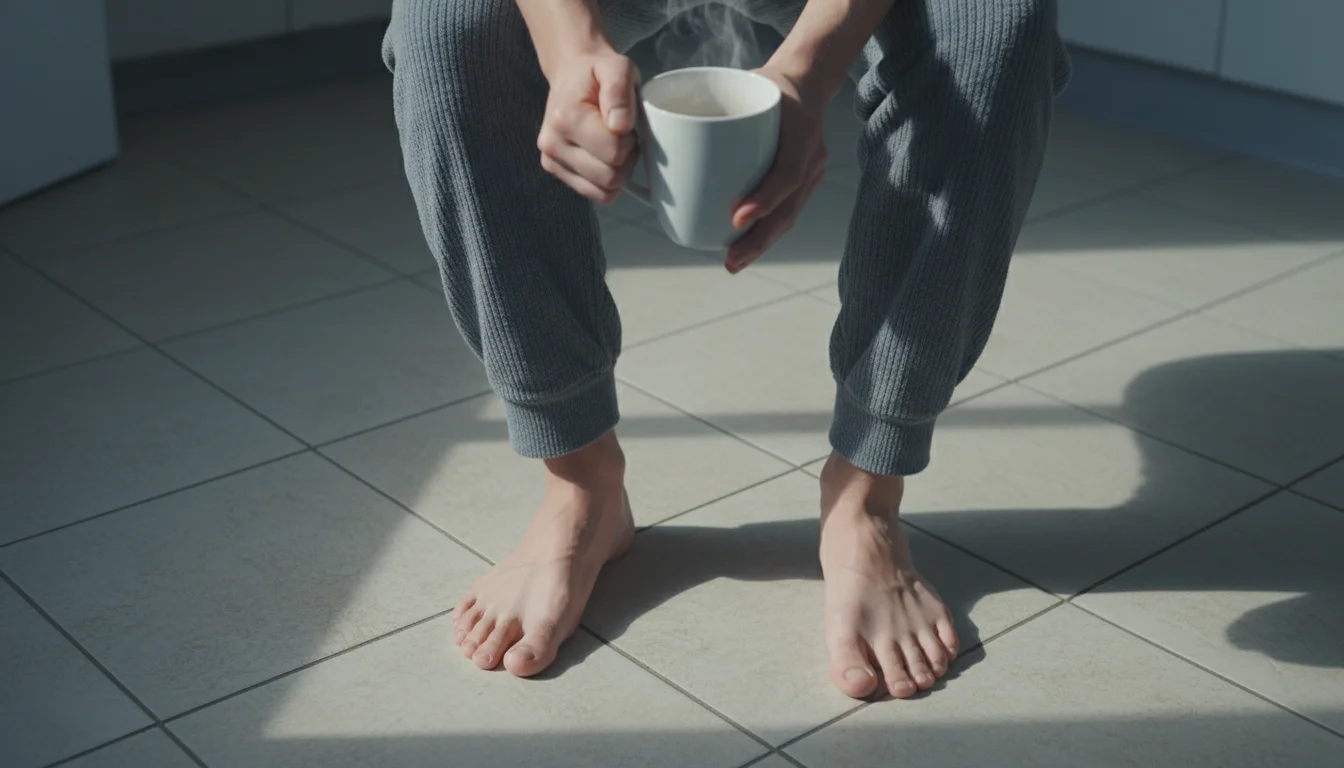
Why Tile Alone Can Be Less Cozy (Without Heating)
- Cold to the Touch: Tile materials have high thermal conductivity, meaning they quickly draw heat away from your feet, making them feel cold, especially in cooler climates.
- Hard Surface: Tile offers no cushioning, making it hard on joints and feet during prolonged standing.
- Sound: Hard tile surfaces can contribute to echoes and increase ambient noise.
The Game Changer: Radiant Heating Systems
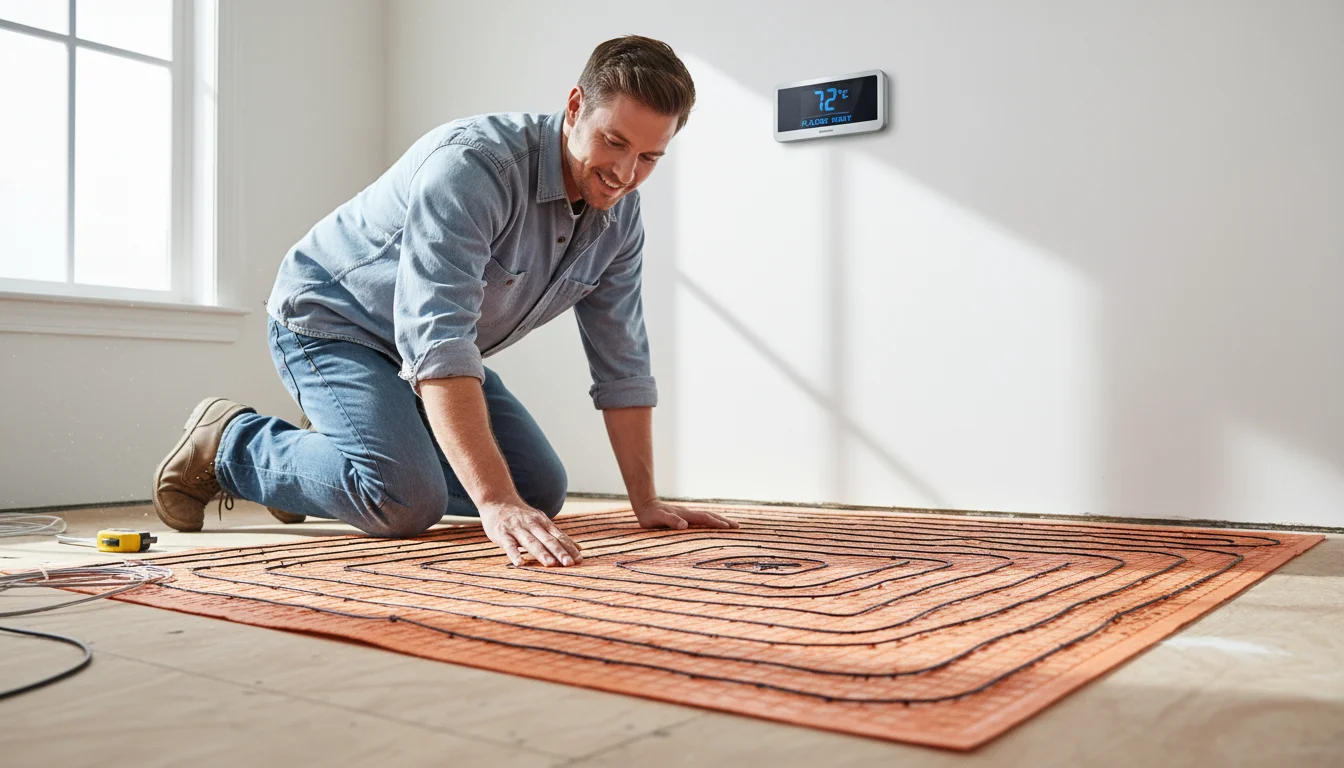
Radiant heating systems installed beneath your tile literally turn your floor into a gentle, consistent heat source. This significantly elevates the comfort level of your home.
- Electric Mat Systems:
- How it Works: Electric heating cables or mats are installed directly under the tile mortar. You control them with a dedicated thermostat, often programmable.
- Pros: Easier to install than hydronic systems, especially for smaller areas like bathrooms. You get instant warmth where you need it.
- Cons: Can be more expensive to operate for very large areas.
- Hydronic (Hot Water) Systems:
- How it Works: A network of tubing circulates warm water beneath the subfloor or within a concrete slab. A boiler or water heater supplies the warm water.
- Pros: Extremely energy-efficient for heating large areas, provides very even and consistent heat, suitable for whole-house heating.
- Cons: More complex and expensive to install, particularly in existing homes.
Pros of Tile with Radiant Heating for Coziness
- Ultimate Warm Floors: You enjoy consistently warm, comfortable surfaces underfoot, eliminating cold spots.
- Energy Efficiency: Radiant heat heats objects and people directly, often allowing you to set your thermostat lower while feeling just as warm as with forced air. According to Energy Star, radiant floor heating can reduce heat loss and improve overall comfort.
- Even Heating: Radiant systems distribute heat uniformly across the floor, providing consistent room temperature.
- Durability and Water Resistance: You retain all the inherent benefits of tile: extreme durability, water resistance (especially porcelain), and easy cleaning.
- Allergy Friendly: Like other hard surfaces, tile does not trap dust or allergens.

Cons of Tile with Radiant Heating
- High Upfront Cost: The initial installation of both tile and the radiant heating system can be expensive.
- Installation Complexity: Requires professional installation, particularly for hydronic systems.
- Slow Response Time: Radiant systems take longer to heat up than forced air, but they also retain heat for longer.
Best for: Bathrooms, kitchens, entryways, mudrooms, basements, or open-plan living areas where durability, water resistance, and luxurious warmth are top priorities.

Choosing Your Cozy Flooring: Practical Considerations
Selecting the best cozy flooring for your home involves more than just aesthetics. You must consider several practical factors to ensure your choice aligns with your lifestyle, budget, and long-term needs.
- Budget Realities: Flooring options vary significantly in price. You must account for material costs, installation expenses (DIY vs. professional), and any necessary subfloor preparations.
- Budget-Friendly: Laminate, sheet vinyl, some LVT/LVP.
- Mid-Range: Quality LVT/LVP, engineered wood, some carpet types.
- High-End: Solid hardwood, wool carpet, natural stone, tile with radiant heating.
You can achieve a cozy feel on any budget by strategically using area rugs, choosing DIY-friendly options, or tackling installation yourself.
- Your Lifestyle:
- Pets: Consider scratch-resistant options like LVT/LVP, strand-woven bamboo, or durable hardwoods. Carpets, especially loop piles, can be problematic with pet claws.
- Kids: Prioritize durability and ease of cleaning. LVT/LVP, laminate, or resilient carpets (like nylon) work well.
- High-Traffic Areas: Entryways, hallways, and living rooms demand robust flooring. Look for options with high wear ratings, such as porcelain tile, strand-woven bamboo, or commercial-grade carpet.
- Maintenance Commitment: Each flooring type requires a different level of care.
- Low Maintenance: LVT/LVP, laminate, engineered wood (sweeping, damp mopping).
- Moderate Maintenance: Hardwood (regular sweeping, occasional damp mopping, professional refinishing every 7-10 years).
- High Maintenance: Wool carpet (frequent vacuuming, professional deep cleaning annually), natural stone (regular sealing, specialized cleaners).
Be realistic about the time and effort you are willing to invest in keeping your floors looking their best. The Spruce offers extensive guides on home organization, including practical cleaning routines for various flooring types.
- Climate Considerations: Your local climate influences how certain flooring materials perform.
- Humidity: In humid environments, engineered wood and LVT/LVP offer better stability than solid hardwood or cork, which can expand or contract.
- Cold Climates: Carpet, cork, and tile with radiant heating provide significant insulation and warmth.
- Installation Method:
- DIY-Friendly: Click-lock laminate, LVT/LVP, and some engineered wood products are suitable for confident DIYers.
- Professional Installation: Solid hardwood, natural stone, tile, and radiant heating systems typically require expert installation to ensure longevity and proper function. Factor this cost into your budget.
- Room Function: Match the flooring to the room’s purpose. You want moisture resistance in bathrooms and kitchens, softness in bedrooms, and durability in entryways.
Frequently Asked Questions
Which flooring option is truly the warmest?
Carpet, especially wool carpet, provides the most natural insulation and feels warmest underfoot without any additional heating systems. Cork also excels at thermal insulation. For an actively heated surface, tile or stone paired with a radiant heating system offers the ultimate warm floors.
Can I combine different cozy flooring types in my home?
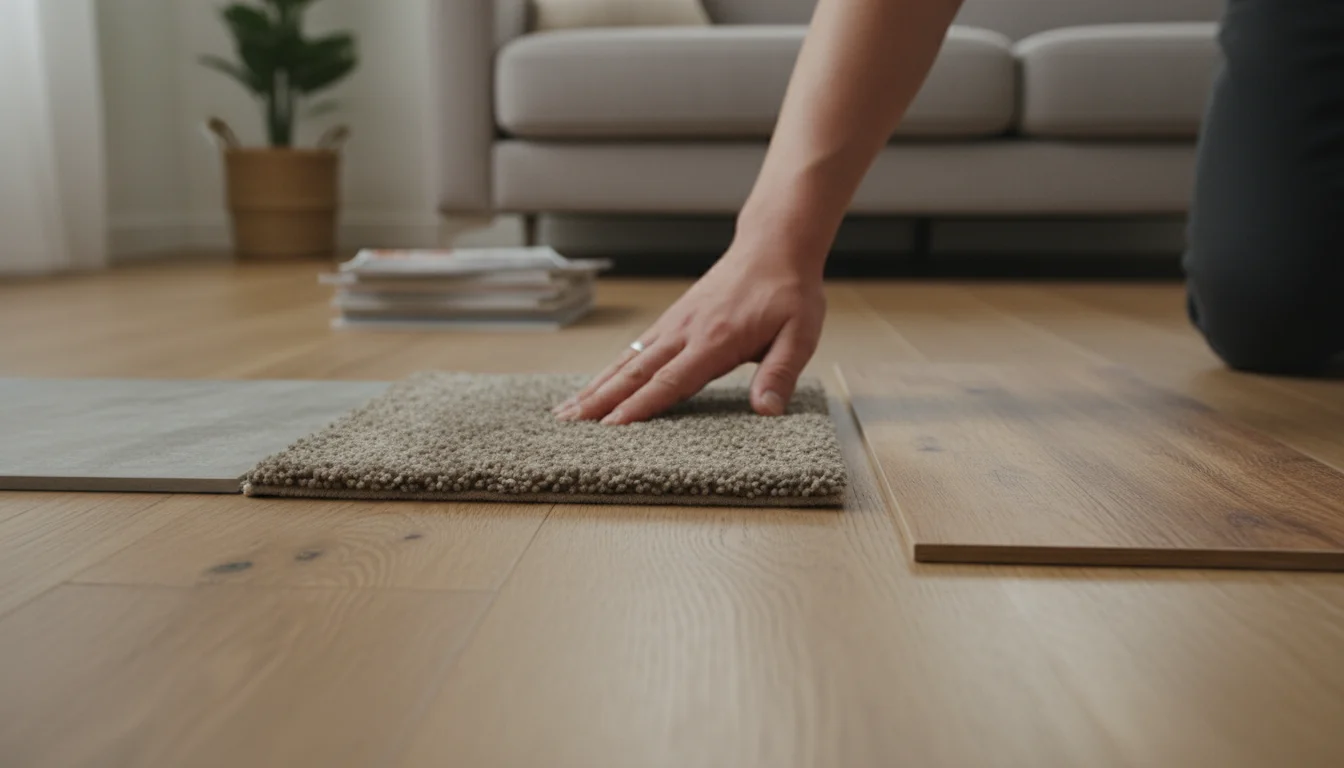
Absolutely, you can and often should combine different flooring types to suit each room’s specific needs and aesthetic. For example, you might use LVT in the kitchen for durability and water resistance, plush carpet in bedrooms for softness, and engineered wood in the living room for a classic look. This approach creates distinct zones and enhances the coziness in each area.
How do I maintain cozy flooring to keep it looking good?
Maintenance depends on the material. Generally, regular sweeping or vacuuming removes dirt and grit that can scratch surfaces. Spot clean spills immediately. For carpet, professional deep cleaning annually extends its life and removes allergens. For hardwood and engineered wood, use pH-neutral cleaners and avoid excessive moisture. For LVT/LVP, simple sweeping and damp mopping suffice. Always follow the manufacturer’s specific cleaning instructions.
What about allergies with cozy flooring?
If allergies are a concern, you generally want to choose hard-surface flooring like hardwood, laminate, LVT/LVP, or tile. These surfaces do not trap allergens like dust mites, pet dander, and pollen, making them easier to clean thoroughly. If you love the feel of carpet, opt for low-pile, tightly woven options and vacuum frequently with a HEPA filter vacuum. Consider area rugs that you can regularly clean or even send out for professional cleaning.
Is underlayment important for warmth?
Yes, underlayment plays a crucial role in enhancing the coziness and performance of many flooring types. A good underlayment can provide additional insulation, reduce sound transmission, smooth out minor subfloor imperfections, and add a layer of cushioning for a softer feel underfoot. Specific underlayments are available for laminate, engineered wood, and LVT/LVP, designed to improve thermal comfort and acoustic properties. Always check the manufacturer’s recommendations for the correct underlayment for your chosen flooring.
For expert home organization guidance, visit
American Cleaning Institute,
National Association of Professional Organizers and
Institute for Challenging Disorganization.
Disclaimer: This article is for informational purposes only and is not a substitute for professional advice. Consult professional organizers or specialists for personalized recommendations.


Leave a Reply