

The Essentials:
- Keep it small: Focus on micro-zones like a single drawer or one shelf rather than entire rooms.
- Use strict time limits: A timer prevents burnout and bypasses the brain’s natural resistance to large tasks.
- Sort ruthlessly: Limit your choices to Keep, Donate, Relocate, or Trash.
- Stop immediately: When the 15 minutes end, tie up the trash bag and walk away.
Staring at a kitchen counter buried under unopened mail, stray charging cables, and random coffee mugs triggers a visceral reaction. Your chest tightens; your brain short-circuits. The sheer volume of decisions required to clear that single surface feels insurmountable. Instead of dealing with the mess, you pivot on your heel, walk into another room, and distract yourself. The physical weight of visual clutter is real, and the paralysis it causes stops most organization efforts before they ever begin.
Most home organization advice demands marathon weekend sessions. Experts tell you to pull everything out of your closets, dump it onto your bed, and sort through every possession you own. While that method yields dramatic television makeovers, it completely ignores the reality of managing a home while balancing work, family, and simple human exhaustion. If you want to declutter when overwhelmed, tearing your living room apart on a Saturday morning guarantees tears, frustration, and a bigger mess by Sunday night.
You need a sustainable, low-stakes approach. By radically scaling down your expectations and shrinking your timeline, you can bypass decision fatigue entirely. The secret to reclaiming your home is an easy decluttering system built on tiny, fifteen-minute daily sprints.

The Psychology of Clutter Paralysis
Understanding why you freeze when faced with a messy room is the first step toward fixing the problem. Your brain processes heavy visual clutter as a constant, low-grade threat. Every item sitting out of place acts as a tiny visual to-do list: the book you meant to read, the paperwork you need to file, the sweater that needs dry cleaning. When hundreds of these items surround you, your brain cannot prioritize them. The result is cognitive overload.
Research into home environments consistently shows that women living in highly cluttered spaces exhibit chronically elevated levels of cortisol—the body’s primary stress hormone. This hormonal spike mimics the fight-or-flight response. You literally lack the mental bandwidth to decide whether to keep an old spatula because your nervous system is actively treating your messy kitchen like a predator.
“Clutter is nothing more than postponed decisions.” — Barbara Hemphill, Organizing Expert
Beyond the biological stress response, emotional attachments complicate the process. We keep things out of guilt over the money spent, out of a scarcity mindset fearing we might need the item someday, or out of aspirational hopes tied to our fantasy selves—the version of you who makes homemade pasta every Tuesday and needs three different pasta machines. Confronting these emotions is exhausting; doing it for hours on end is impossible for a beginner.
Why the 15 Minute Declutter Actually Works
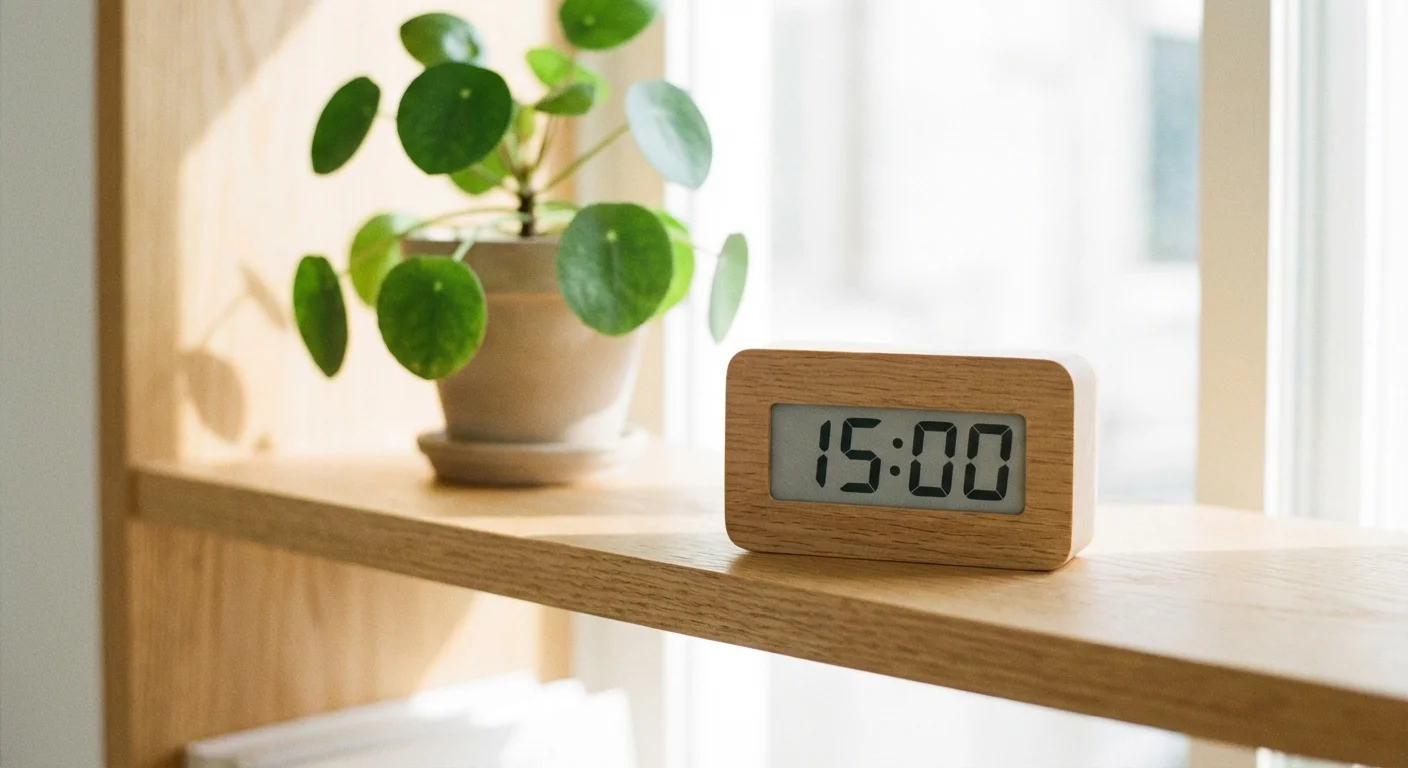
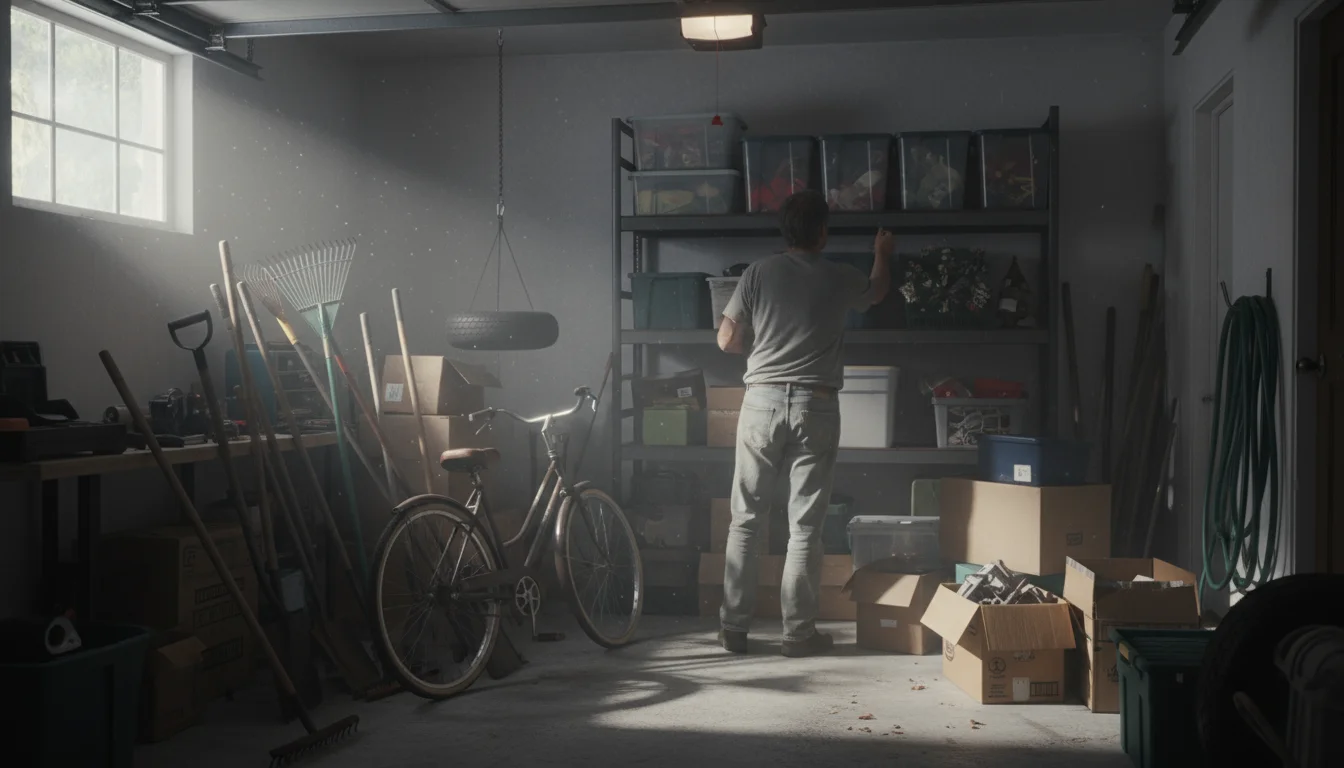
The 15-minute constraint works because it relies on Parkinson’s Law, which states that work expands to fill the time allotted for its completion. Give yourself an entire weekend to clean the garage, and you will spend four hours agonizing over a box of old cables. Give yourself exactly 15 minutes to clear one specific workbench, and you will make rapid, ruthless decisions.
Once you build confidence with these short bursts, you can easily integrate them into a 20-minute daily cleaning routine to manage the rest of your housework.
This time-boxing strategy bypasses the amygdala’s fear response. The brain perceives a 15-minute commitment as safe and easily achievable. Anyone can endure a mild inconvenience for a quarter of an hour. Furthermore, completing a 15-minute sprint delivers a quick hit of dopamine. That small sense of accomplishment builds momentum, transforming a daunting chore into a highly rewarding daily habit.
If you are researching how to start decluttering, the best advice is to stop looking at the entire house. Stop looking at the entire room. Shrink your focus until the task feels laughably easy.
Your Starter Kit: Tools for an Easy Decluttering System
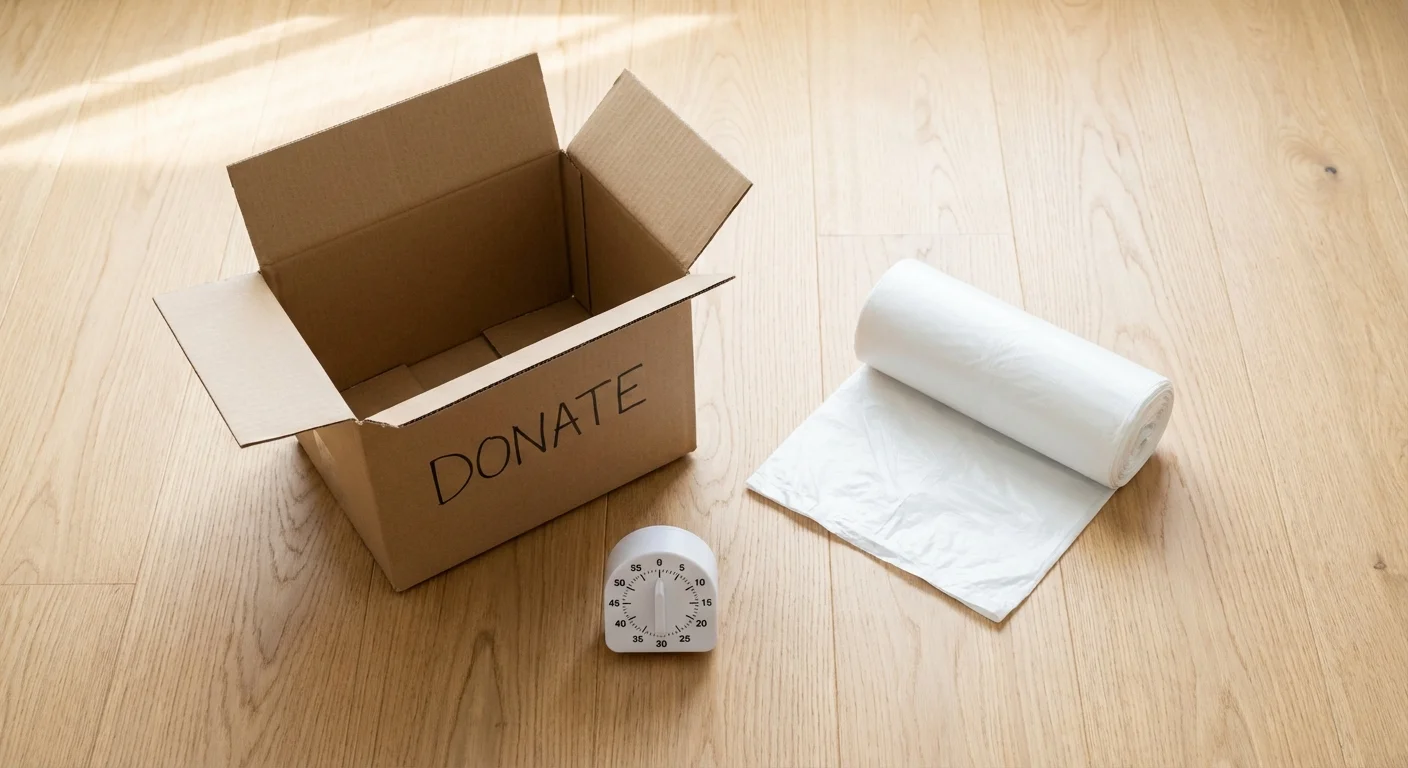
Before you set your timer, you need a physical system to manage the items you handle. Do not overcomplicate this step. Buying expensive acrylic bins and woven baskets before you purge is a massive mistake. You only need a few basic items to execute this system.
Once you have your tools ready, learning the one-touch rule to stop clutter can help you maintain these spaces long after the timer stops.
- Heavy-Duty Trash Bags: Black, opaque bags work best. Once an item goes into the trash, you cannot see it, which prevents second-guessing.
- The Donate Box: A sturdy cardboard box or a dedicated reusable tote bag. Place this near your front door or directly in the trunk of your car.
- The Relocate Basket: A laundry basket serves perfectly here. Use this for items that belong in another room. Do not walk to the other room to put the item away during your 15 minutes—that wastes time and breaks your focus. Just toss it in the basket.
- A Digital Timer: Use your phone, a kitchen timer, or a smart speaker. The audible alarm is crucial.

The 15-Minute-a-Day System: Step-by-Step
Executing this method requires strict adherence to the rules. If you bend the rules, you invite overwhelm back into the process. Here are the core beginner decluttering tips applied in a systematic, daily routine.
These small daily victories are also the perfect way to prep your home for a more thorough spring cleaning reset when the seasons change.
Step 1: Define a Micro-Zone
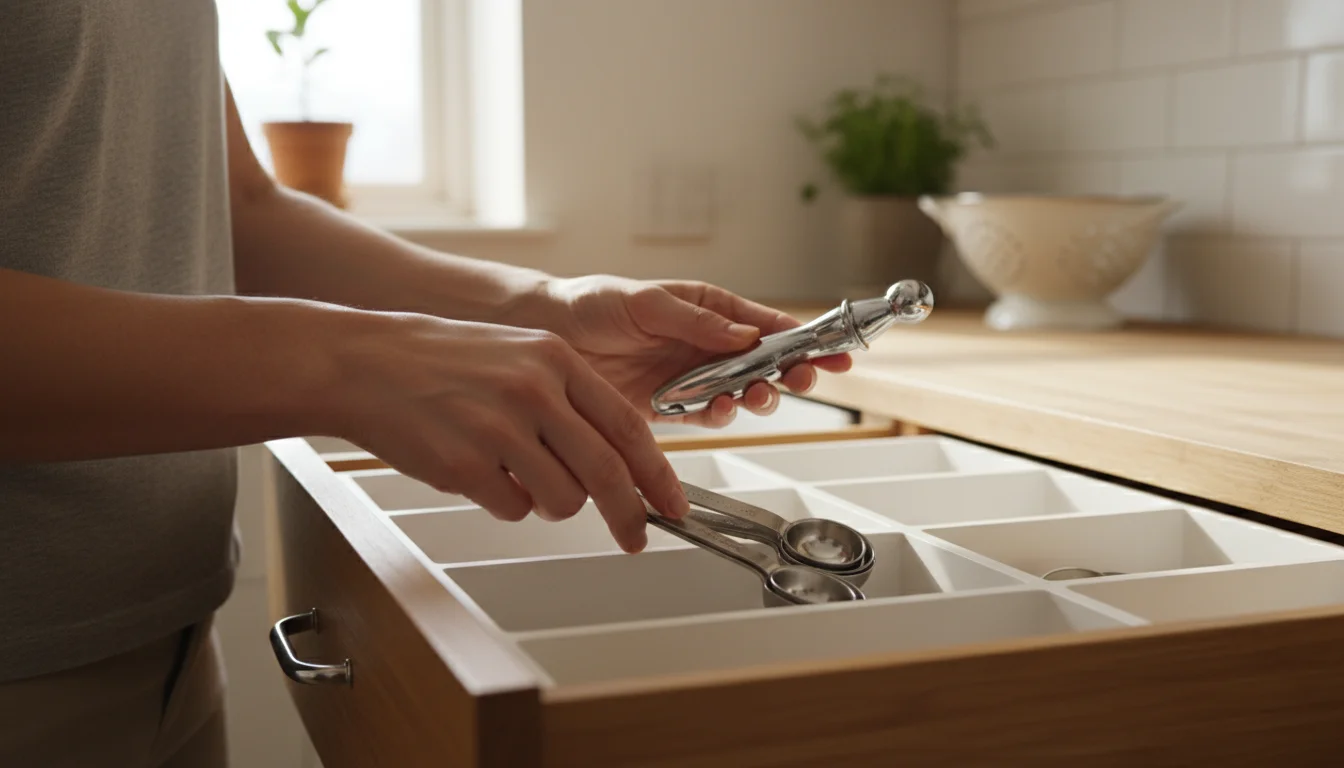
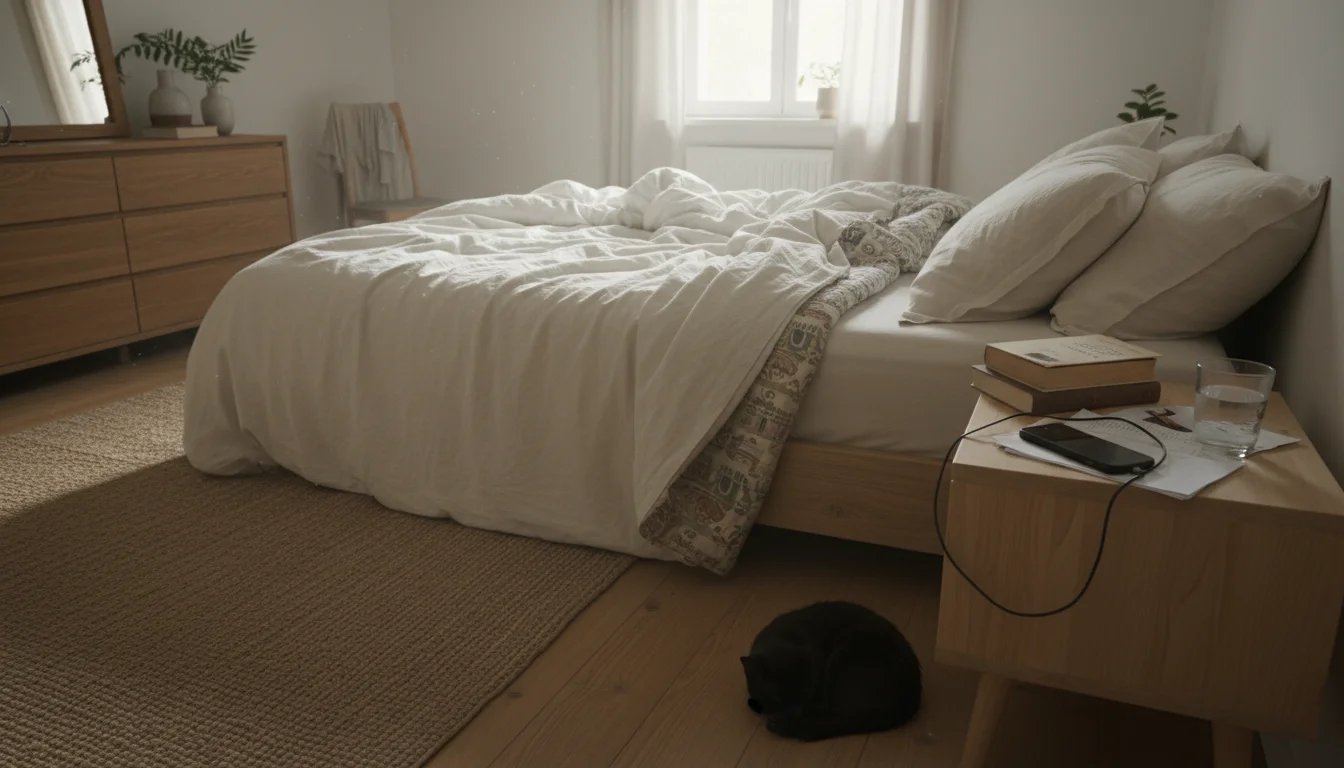
Never declare, “I am going to declutter the kitchen today.” That is too broad. Instead, define a micro-zone. A micro-zone is a space so small you can reasonably empty it, wipe it down, and sort its contents in under 15 minutes. Excellent examples include the silverware drawer, the top shelf of the medicine cabinet, or the surface of your nightstand. Be specific.
Step 2: Set the Timer and Start the Sort
Hit start on your 15-minute timer. Move quickly. Pick up the first item your hand touches and make an immediate decision. You have four choices:
- Trash: Expired products, broken items, obvious garbage.
- Donate: Items in good condition that you have not used in the last year, do not fit, or no longer serve your lifestyle.
- Relocate: Items you use and love that simply belong in a different room (drop them in the laundry basket).
- Keep: Items that belong in this exact micro-zone and are used regularly.
Do not allow yourself a “maybe” pile. If you struggle with an item, ask yourself a highly practical question: If I needed this item today, would I even remember that I owned it? If the answer is no, it goes in the donate box.
Step 3: The Hard Stop
When the alarm sounds, you must stop sorting immediately. Do not pull another item out of a drawer. Do not start on the next shelf. The power of the 15 minute declutter lies in its boundary. If you keep going, you risk burnout, making it much harder to convince yourself to do the daily sprint tomorrow.
Step 4: The Five-Minute Reset
After the timer rings, take five extra minutes to close the loop. Throw the trash bag in the outside garbage bin. Put the donate box in your car. Take your Relocate Basket and swiftly drop the items into their correct rooms. Put the Keep items back into the newly cleared micro-zone.

Micro-Zones: Where to Start When You Feel Lost
Deciding where to begin often halts progress. When selecting your daily target, choose areas that offer high-impact visual relief or resolve daily friction. For excellent ideas on breaking down room spaces, Apartment Therapy often showcases how tackling tiny footprints can dramatically change the feel of a room.
If you are clearing out your home in preparation for a move, following a moving house declutter checklist can help you stay focused on the high-priority items.
Here is a practical list of micro-zones to tackle during your first two weeks:
- The Entryway Drop Zone: Clear the keys, old mail, and random receipts from the surface right inside your front door. This area sets the tone for your entire home.
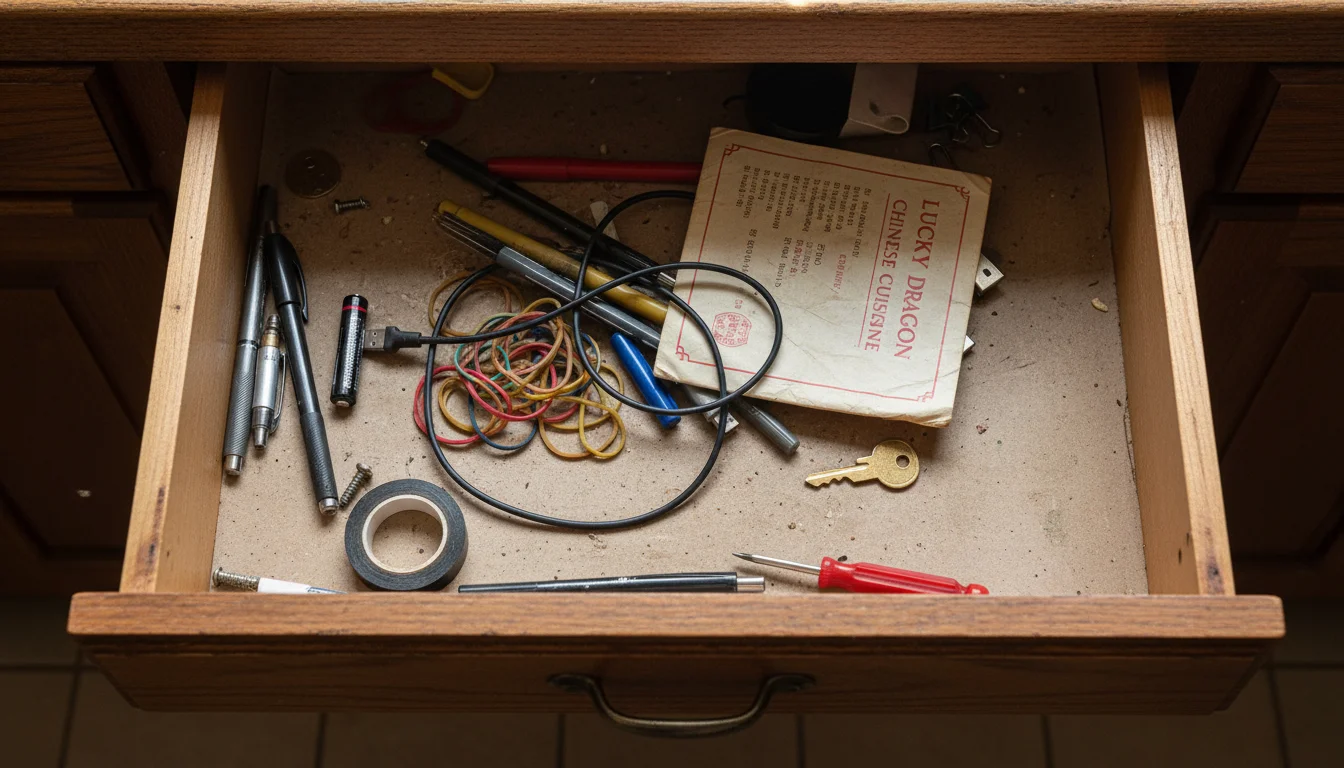
- The Junk Drawer: Dump it entirely onto the counter. Toss the dried-out pens, mystery screws, and expired coupons.
- One Refrigerator Door: Throw away expired condiments and sticky, half-empty jars of obscure sauces.
- The Bathroom Counter: Put away daily toiletries; trash old makeup sponges and empty toothpaste tubes.
- Your Sock Drawer: Pull out only the single, unmatched socks or those with holes.
- The Car Console: Grab a trash bag and clear out coffee cups, napkins, and toll receipts.
- The Hallway Coat Closet Floor: Match up stray shoes; donate coats nobody has worn in two winters.

Comparing Methods: Daily Sprints vs. Weekend Marathons
If you still feel tempted to clear your calendar and attempt a massive home overhaul, review the concrete differences between these two methodologies. A sustainable approach will always outpace a volatile one.
For those who prefer a more philosophical and category-based approach, the KonMari Method offers an alternative to these time-boxed sprints.
| Feature | 15-Minute Daily System | Weekend Marathon Method |
|---|---|---|
| Time Commitment | 15 minutes per day; easily fits into busy schedules. | 12 to 16 hours over two days; requires clearing your calendar entirely. |
| Burnout Risk | Very Low. The hard stop prevents exhaustion. | Extremely High. Decision fatigue usually peaks around hour four. |
| Mess Factor | Contained. You only displace a tiny amount of items at once. | Catastrophic. Pulling everything out means living in chaos if you fail to finish. |
| Emotional Toll | Manageable. You handle micro-doses of sentimentality. | Overwhelming. Confronting years of past purchases all at once triggers heavy guilt. |
| Long-Term Habit | Builds daily maintenance muscle, preventing future clutter. | Often results in cyclical binge-and-purge behavior; the clutter inevitably returns. |

What Can Go Wrong: Avoiding Common Decluttering Traps
Even with an easy decluttering system, pitfalls exist. The most common mistake beginners make is pulling everything out of a large space—like emptying an entire walk-in closet onto the bedroom floor—before the 15-minute timer starts. When the alarm rings, you are left with a mountain of clothing you cannot sleep next to. Always work sequentially. Empty one specific drawer, process it, and put the keepers back. Never pull out more than you can handle in your allotted time.
Another frequent trap involves the premature purchase of organizing supplies. It feels highly productive to walk into a big-box store and buy matched sets of woven baskets and clear plastic tubs. However, you cannot organize clutter. If you buy containers before you purge, you will end up storing garbage in expensive boxes. Sort first, assess what you are keeping, measure your newly cleared space, and then source appropriate storage solutions. For guidance on practical storage that actually fits, The Spruce offers extensive advice on measuring and selecting the right containers post-purge.
Finally, avoid starting with highly sentimental items. Do not attempt to declutter your grandmother’s photo albums, your wedding memorabilia, or your child’s baby clothes during your first few weeks. Sentimental items drain your emotional energy and severely slow down your decision-making process. Build your decluttering muscles on low-stakes items—like expired pantry goods and old magazines—before tackling the emotional heavyweights. For a deeper dive into the psychology of letting go, Real Simple frequently publishes expert advice on navigating emotional attachments to physical objects.

When to Call a Professional
While the 15-minute system works wonders for standard household clutter, certain situations require specialized support. Acknowledging when a mess has grown beyond your capacity is a sign of practical self-awareness, not a personal failure.
- Severe Hoarding Tendencies: If clutter blocks doorways, creates fire hazards, or prevents the use of essential appliances like the stove or shower, a 15-minute daily sprint will not suffice. This situation requires intervention from a certified professional organizer trained in chronic disorganization, often alongside a mental health professional.
- Major Life Transitions: Dealing with the physical estate of a deceased loved one, navigating a sudden divorce, or preparing for an abrupt downsizing can paralyze even the most organized individuals. Professionals offer objective, compassionate labor to move the process along when grief makes decisions impossible.
- ADHD and Executive Dysfunction: If you suffer from severe executive dysfunction, the steps required to sort, categorize, and follow through on donations might present an insurmountable neurological barrier. An organizer acts as a “body double,” keeping you focused and handling the logistical friction.
- Physical Limitations: If your clutter involves heavy lifting, climbing tall ladders, or navigating tight, dusty spaces (like attics and crawlspaces), and you have mobility or health issues, hire help to prevent injury.
Frequently Asked Questions
What if 15 minutes isn’t enough time to finish an area?
If you consistently fail to finish a micro-zone in 15 minutes, your zones are too large. Cut them in half. Instead of doing the entire pantry shelf, do just the right side of the pantry shelf. The goal is completion, not covering square footage. It is far better to finish a tiny space successfully than to leave a larger space half-done.
How do I deal with expensive items I never use?
The “sunk cost fallacy” traps many people. You feel guilty getting rid of a $200 juicer you used once. Understand that the money is already gone; keeping the item in a cabinet does not put the money back in your bank account. Instead, the item continues to cost you mental energy and physical space. Donate it, allow someone else to benefit from it, and let go of the guilt.
What should I do with my donate box once it is full?
Get it out of the house immediately. Do not leave a full donate box sitting in your hallway for three weeks; you will inevitably start pulling items back out of it. Make dropping off donations a fixed part of your weekly routine, tying it to an existing errand like grocery shopping or your commute to work.
Can I do multiple 15-minute sessions a day?
Yes, but proceed with caution. If you feel highly motivated, you can do a session in the morning and another in the evening. However, do not let a burst of motivation trick you into a three-hour marathon. The strict time limit protects you from burning out. Consistency over time always yields better results than sporadic bursts of intense effort.
Taking back control of your living space does not require a superhuman effort or an empty weekend calendar. It simply requires a commitment to radical consistency. By relying on a timer, focusing on micro-zones, and making quick, decisive choices, you can dismantle mountains of clutter piece by piece. Start today. Grab a trash bag, walk over to your most annoying junk drawer, set your timer for 15 minutes, and take the first step toward a calmer, lighter home.
The tips in this article are meant as general guidance. Your specific situation—including your home’s layout, the volume of items, and any underlying physical or mental health conditions—may require different approaches. When in doubt, consult a professional organizer or healthcare provider.
If you are ready to expand this system, try a 30-day declutter challenge to tackle every corner of your home at a sustainable pace.
Last updated: February 2026





Leave a Reply