
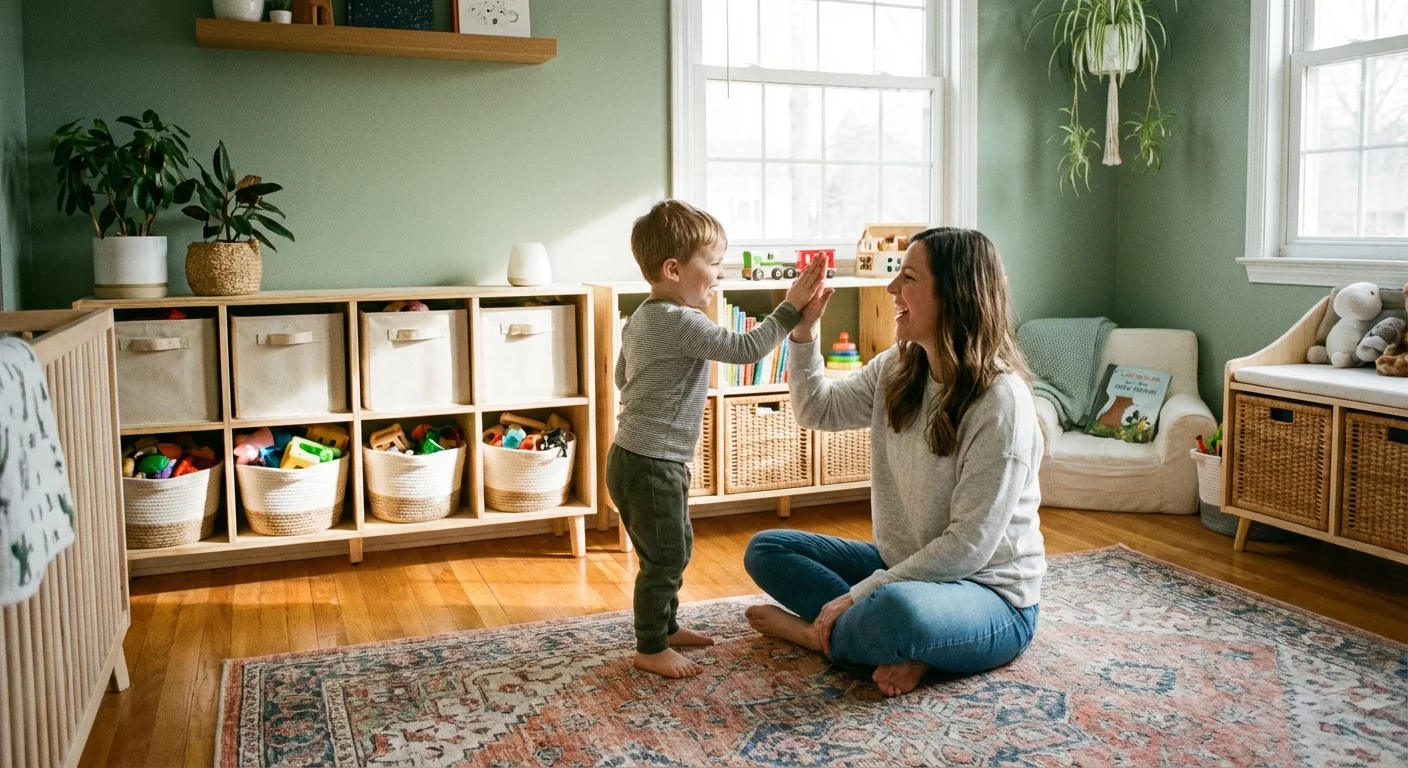
You spend a full weekend in late August meticulously arranging your child’s room. You line up the markers by color, fold the t-shirts into perfect squares, and arrange the books by height. Fast forward to mid-October, and you are tripping over a rogue building block while wading through a sea of permission slips and mismatched socks. The pristine back-to-school setup has collapsed under the weight of daily reality.
Before implementing new systems, you might find it helpful to declutter your bedroom in one weekend to ensure you are only organizing the items your child truly needs and uses.
The failure of that early-fall organizing marathon does not mean your child is incapable of keeping a tidy space; it simply means the system was designed for an adult’s aesthetic rather than a child’s daily habits. Sustainable kids room organization relies on reducing friction. If putting a toy away takes more than two steps, a child will simply drop it on the floor. Creating systems that survive the school year requires a shift from complex perfection to accessible practicality.
The Essentials: What You Will Learn
- How to shift from adult-centric organizing to child-friendly drop systems.
- Methods for dividing a bedroom into functional, manageable zones.
- Specific toy storage ideas that take the pain out of evening cleanup.
- Strategies for kids closet organization that encourage independent dressing.
- Techniques to manage the endless influx of school papers and art projects.
Why Traditional Organizing Fails Children
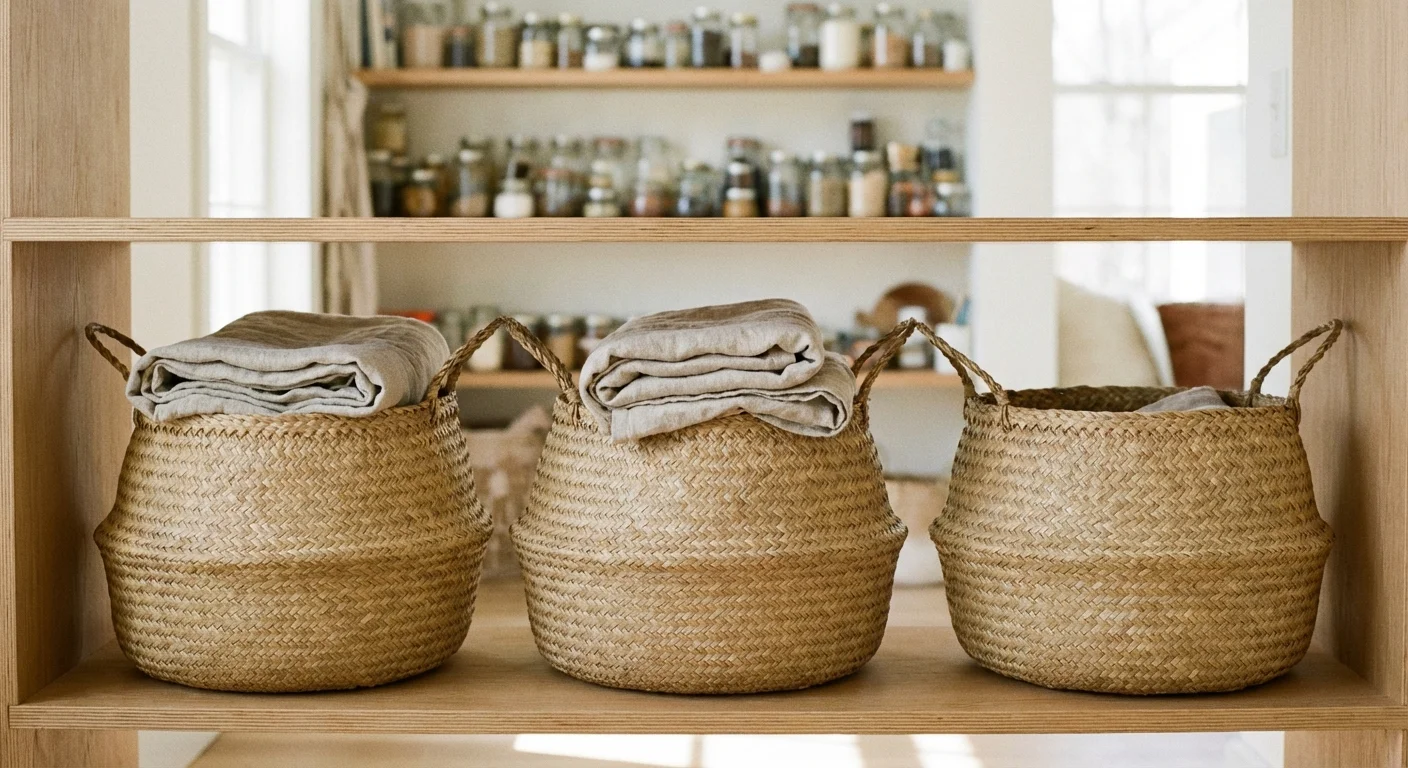
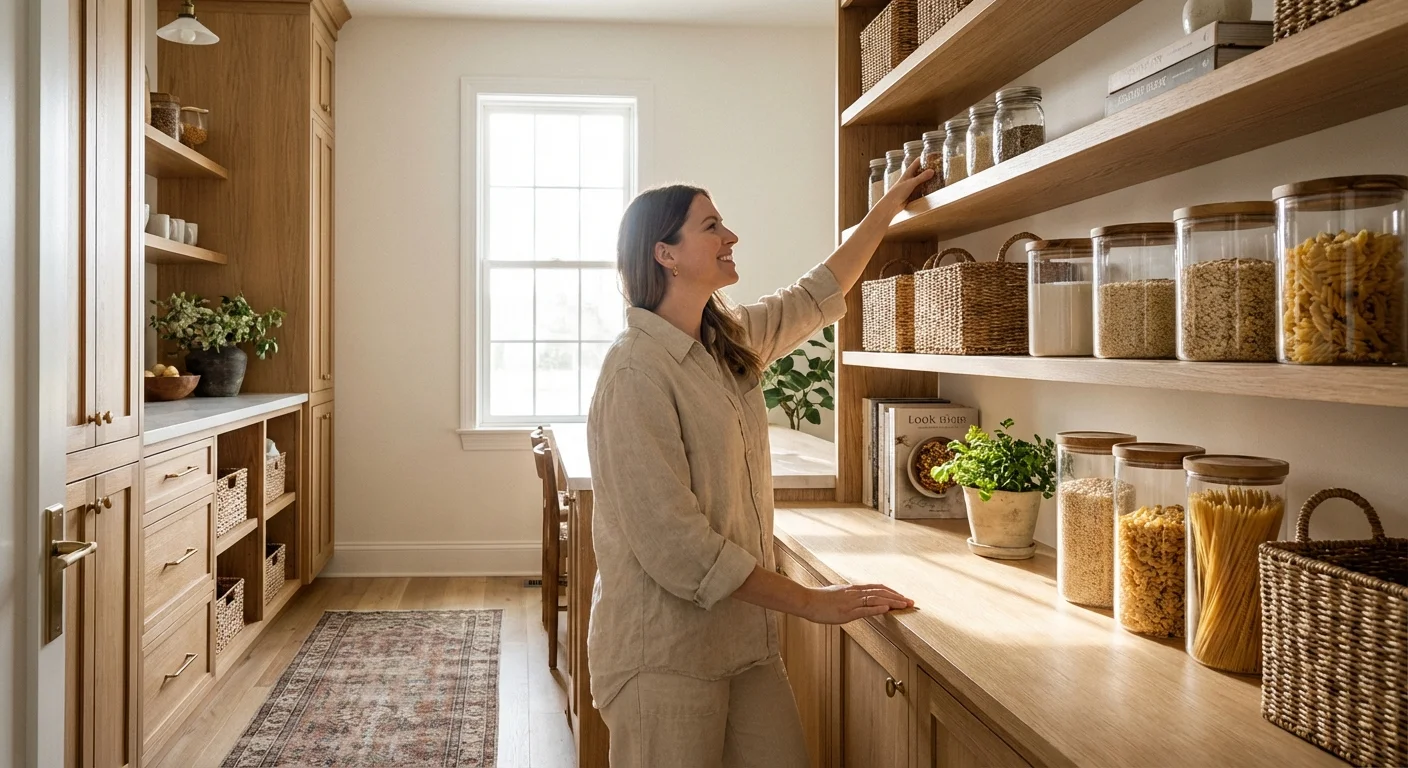
Most home organization inspiration focuses heavily on visual appeal—matching woven baskets, delicate glass jars, and perfectly aligned hangers. While these methods work beautifully in a master bedroom or a specialized pantry, they often crumble in a child’s active space. Children lack the fully developed executive functioning skills required to maintain multi-step organizational systems. When you require a seven-year-old to pull out a heavy basket, unlatch a lid, place the toy inside, replace the lid, and slide the basket perfectly back onto a shelf, you are setting the system up for failure.
To keep the room manageable, try pairing these systems with a 15-minute daily reset to tackle small messes before they grow.
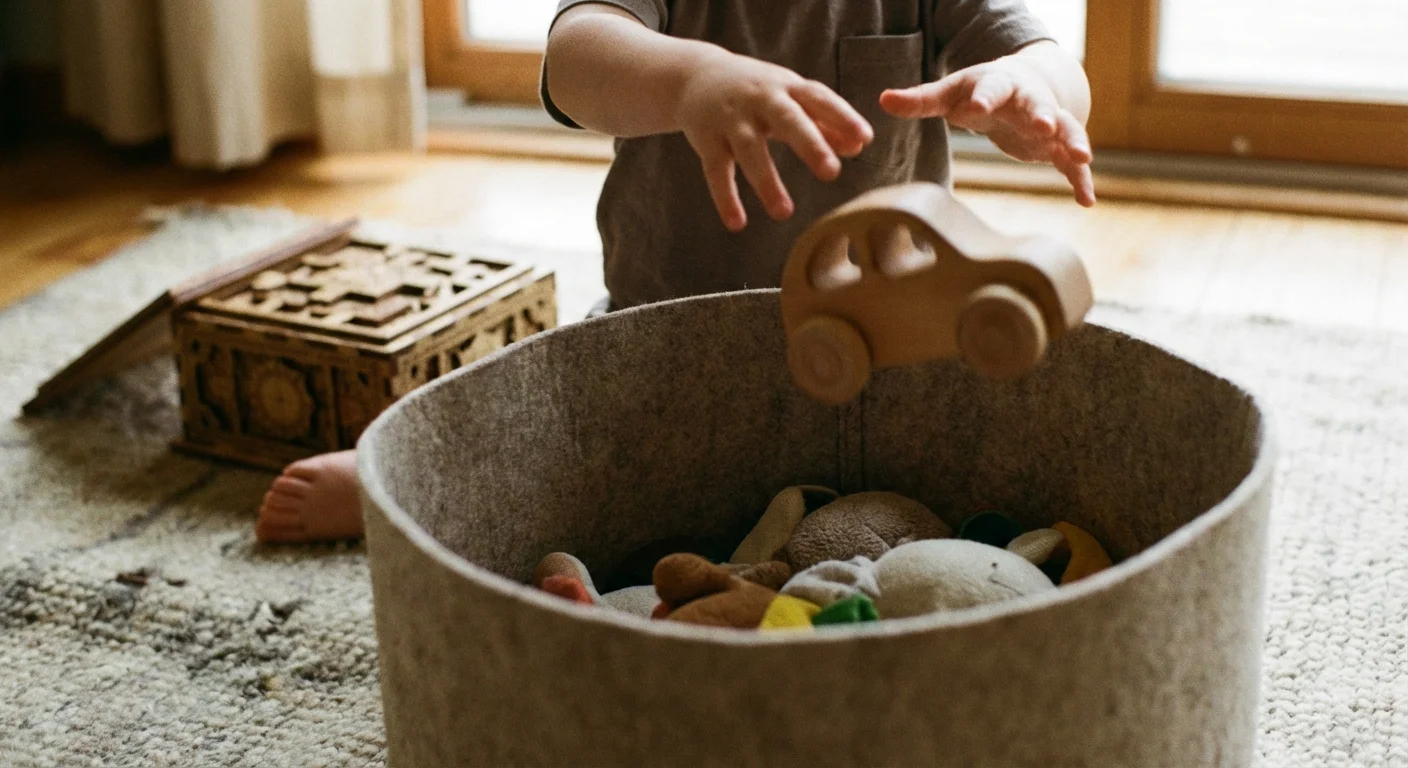
Effective systems prioritize the “drop and go” philosophy. The easier an item is to put away, the more likely your child will actually do it. This means favoring open bins over lidded boxes, broad categories over hyper-specific sorting, and utilizing floor-level storage rather than high shelving. The goal is to build a framework where a ten-minute evening sweep is entirely manageable for the child, minimizing parental intervention and eliminating the weekend cleaning battle.
“When children are around one year old, they begin to learn how to walk and talk, and they can also learn how to tidy up. The key is to make it a natural part of their daily routine.” — Marie Kondo, Organizing Consultant
The Zone Method: Dividing to Conquer
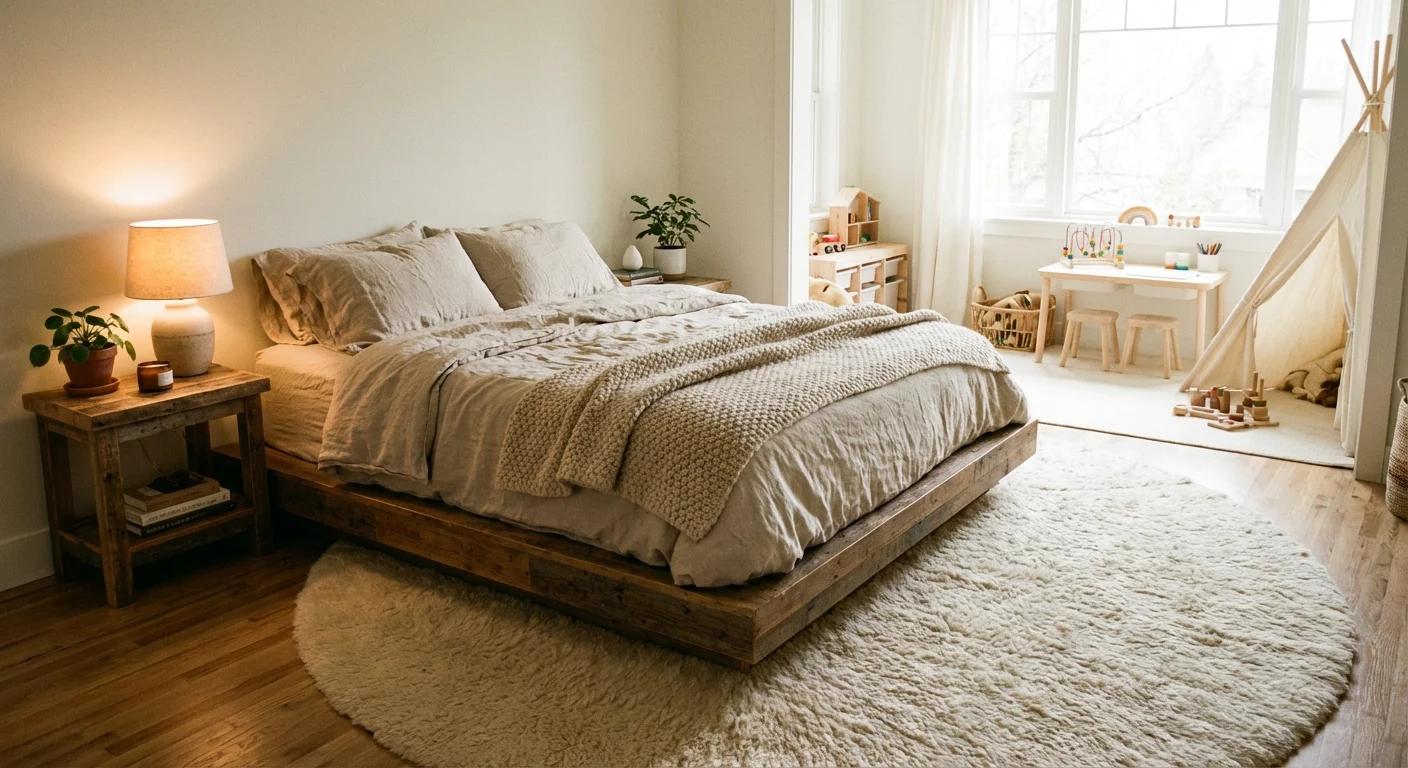
A child’s bedroom serves multiple purposes: it is a place to sleep, play, dress, and study. When these activities blur together, the room quickly descends into chaos. Implementing the Zone Method clarifies where items belong and prevents the entire room from becoming a disaster area simultaneously. By establishing distinct areas, you give your child a mental map of their space.
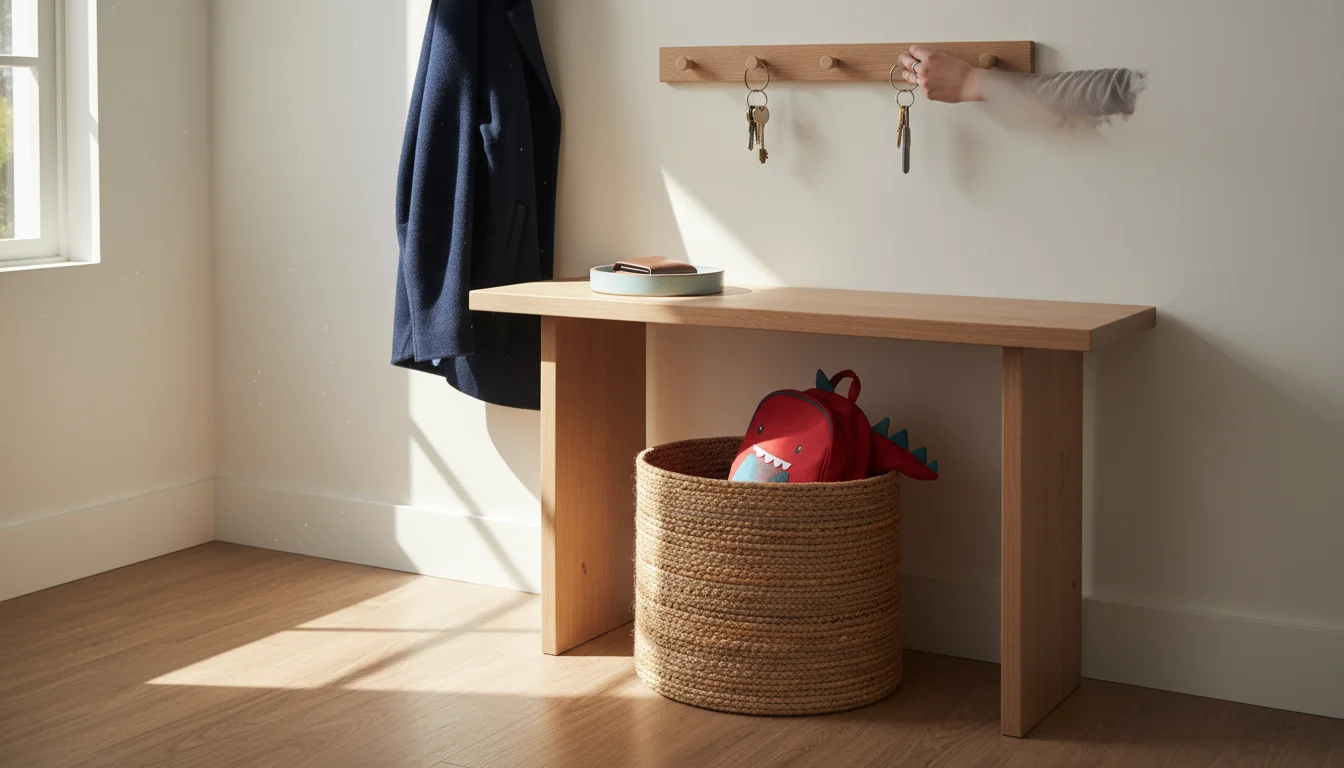
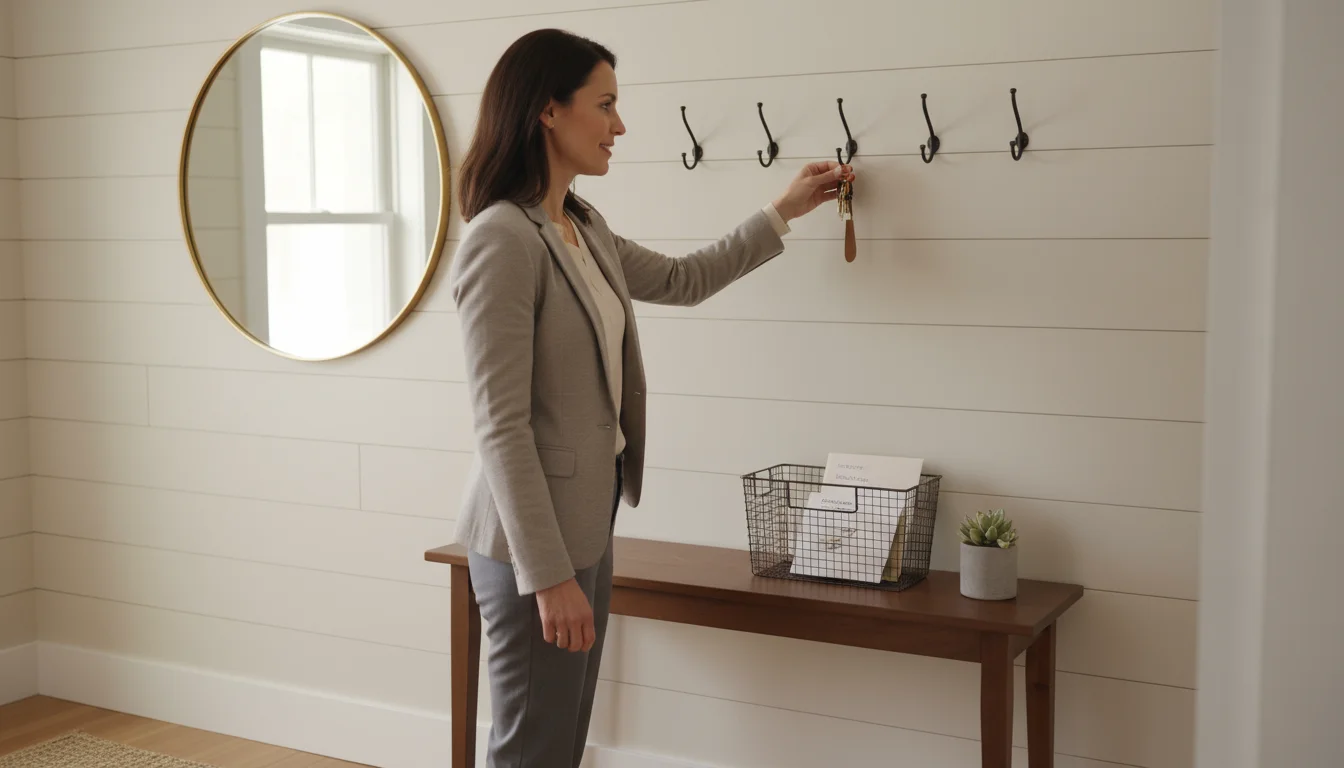
This approach is similar to organizing your entryway, where establishing clear landing spots prevents clutter from migrating further into the home.
The Sleep Zone
Keep the area immediately surrounding the bed calm and uncluttered. Avoid storing high-energy toys near the sleeping area. Instead, utilize this space for comfort items, a reading lamp, and a small bedside caddy or narrow nightstand to hold a water bottle and current reading materials. Under-bed areas are excellent for long-term storage, but ensure you use rolling bins or drawers so items do not get shoved into a dusty abyss.
The Play Zone
Designate a specific corner or wall for active play. This is where your heavy-duty toy storage belongs. Anchor all heavy bookshelves to the wall to ensure safety, and lay down a visual boundary—like a soft, washable area rug—to define the play space. When toys migrate beyond the rug, it serves as a visual cue that it is time to tidy up.
The Study Zone
For school-aged children, a dedicated homework station is vital for school year organization. Keep the desktop entirely clear. Store supplies in rolling carts or wall-mounted cups to maximize the work surface. Limit the available supplies to the necessities; a child does not need access to forty colored pencils when completing a math worksheet. Keep the reserve supplies in a secondary, less accessible location.
The Dressing Zone
Position the laundry hamper directly next to the closet or dresser. If the hamper is across the room, clothes will inevitably end up on the floor. Add low hooks for jackets, backpacks, and the clothes that have been worn for a few hours but are not yet dirty enough for the wash.
Children’s Bedroom Storage: Furniture That Works Overtime
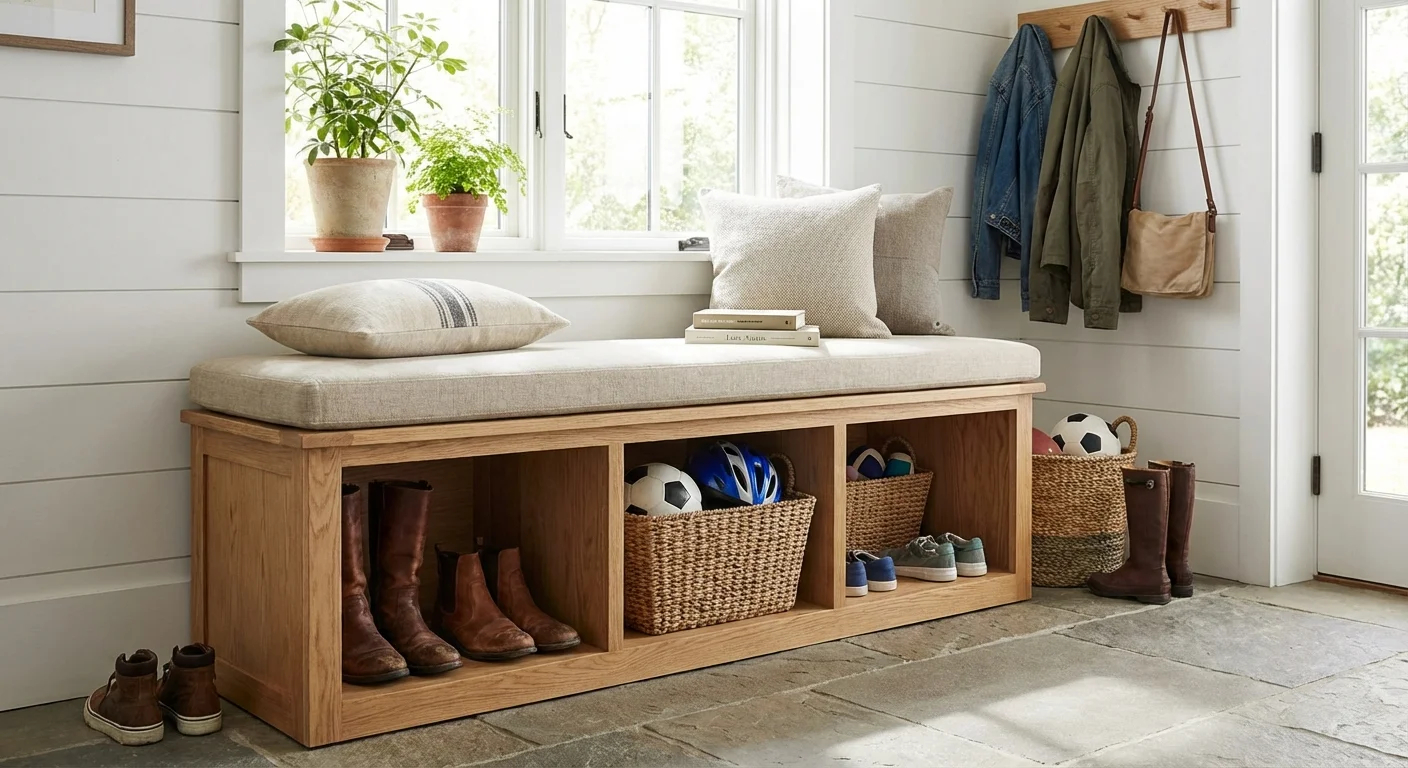
When selecting furniture for a child’s room, prioritize pieces that serve dual purposes. Floor space is premium real estate, especially in smaller homes or shared bedrooms. Standard dressers and single-purpose beds consume square footage without offering maximum utility.
Consider upgrading to a captain’s bed with integrated drawers, which entirely eliminates the need for a separate bulky dresser. For older kids, a loft bed creates a highly efficient footprint, allowing you to place a desk or a cozy reading nook directly underneath. When looking for versatile shelving, modular cube systems remain a staple for good reason. Resources like IKEA Ideas frequently highlight how modular shelving can transition from holding oversized toddler toys to housing teenage book collections and electronics.
Storage Style Comparison: What Works Best?
Choosing the right type of container dictates how well your child maintains the room. Different items require different storage approaches.
| Storage Type | Best Used For | Pros | Cons |
|---|---|---|---|
| Open Bins (No Lids) | Blocks, stuffed animals, dress-up clothes, daily toys. | Easiest cleanup; supports the “drop and go” method; visually accessible for young kids. | Can look cluttered if overfilled; collects dust over time. |
| Closed Cabinets / Drawers | Clothing, board games, puzzles, extra school supplies. | Creates a clean visual aesthetic; protects items from dust and damage. | Out of sight means out of mind; requires multiple steps to put items away. |
| Clear Acrylic Containers | Small collections, craft supplies, building brick sets. | Allows children to see exactly what is inside without dumping the contents. | Shows the internal mess; can crack if dropped onto hard floors. |
Toy Storage Ideas That Actually Make Cleanup Easy
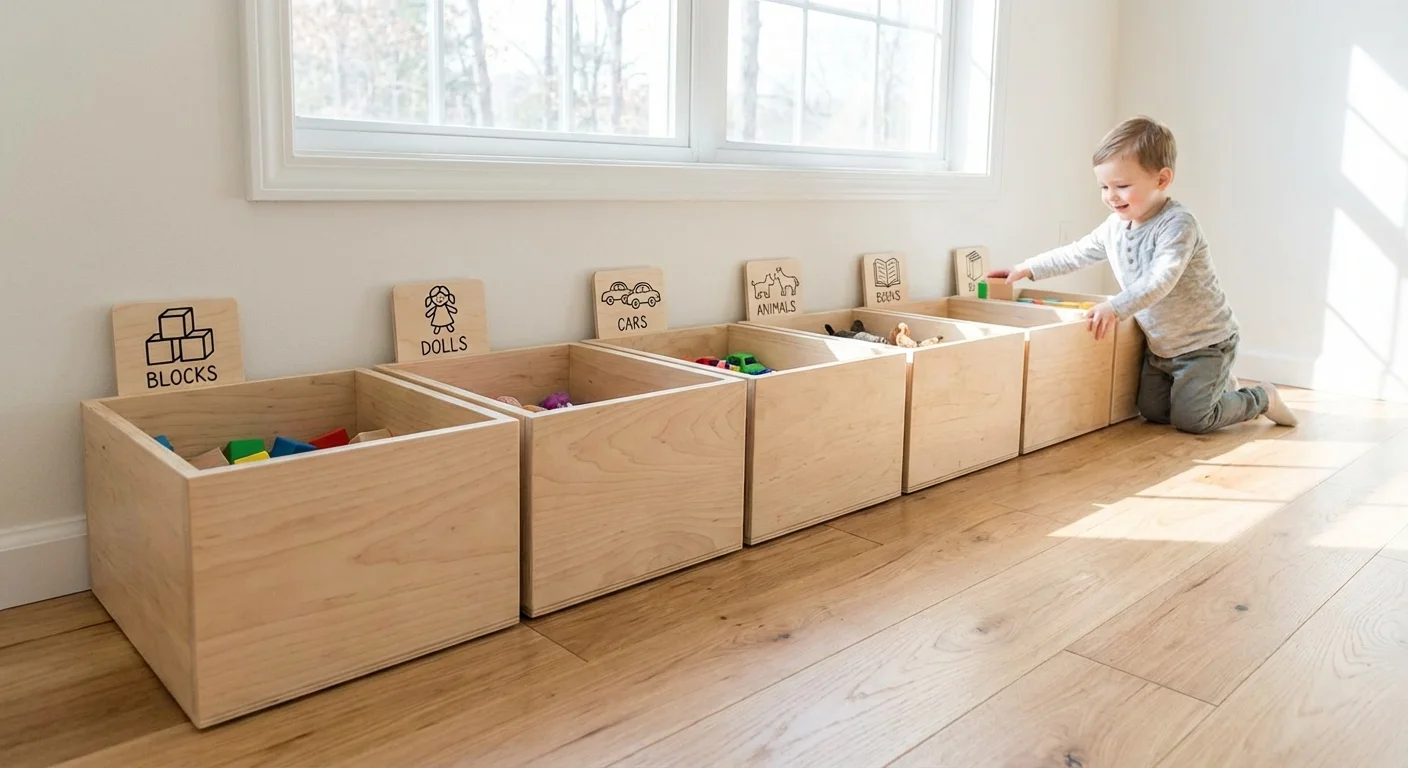
Toy clutter is the primary enemy of children’s bedroom storage. The sheer volume of plastic vehicles, action figures, and plush toys can overwhelm even the most disciplined organizer. To build a system that survives the chaotic school months, you must simplify the sorting process.
Embrace Broad Categories
Do not sort building bricks by color. Do not separate the wooden train tracks from the plastic train tracks. Micro-organizing is exhausting and impossible for a child to maintain. Instead, use large, sturdy bins dedicated to broad categories: “Building,” “Vehicles,” “Action Figures,” and “Art.” If an item roughly fits the category, it goes in the bin. This reduces decision fatigue during the evening cleanup routine.
The Power of Picture Labels
For toddlers and early elementary students, text labels are virtually useless. Utilize picture labels instead. Take a photograph of the items that belong in a specific bin, print it out, and use clear packing tape to affix it to the front of the container. This provides a clear, unmistakable visual cue for where items live.
Implement a Toy Rotation System
Children play more creatively when they have fewer options. When faced with fifty toys, a child will often dump them all out and play with none. Keep roughly one-third of your child’s toys accessible in their room. Pack the remaining two-thirds into opaque storage bins and place them in a garage, basement, or high closet. Every four to six weeks, swap the toys. The “new” toys will hold their attention much longer, and you will have significantly less daily clutter to manage.
Conquering Kids Closet Organization
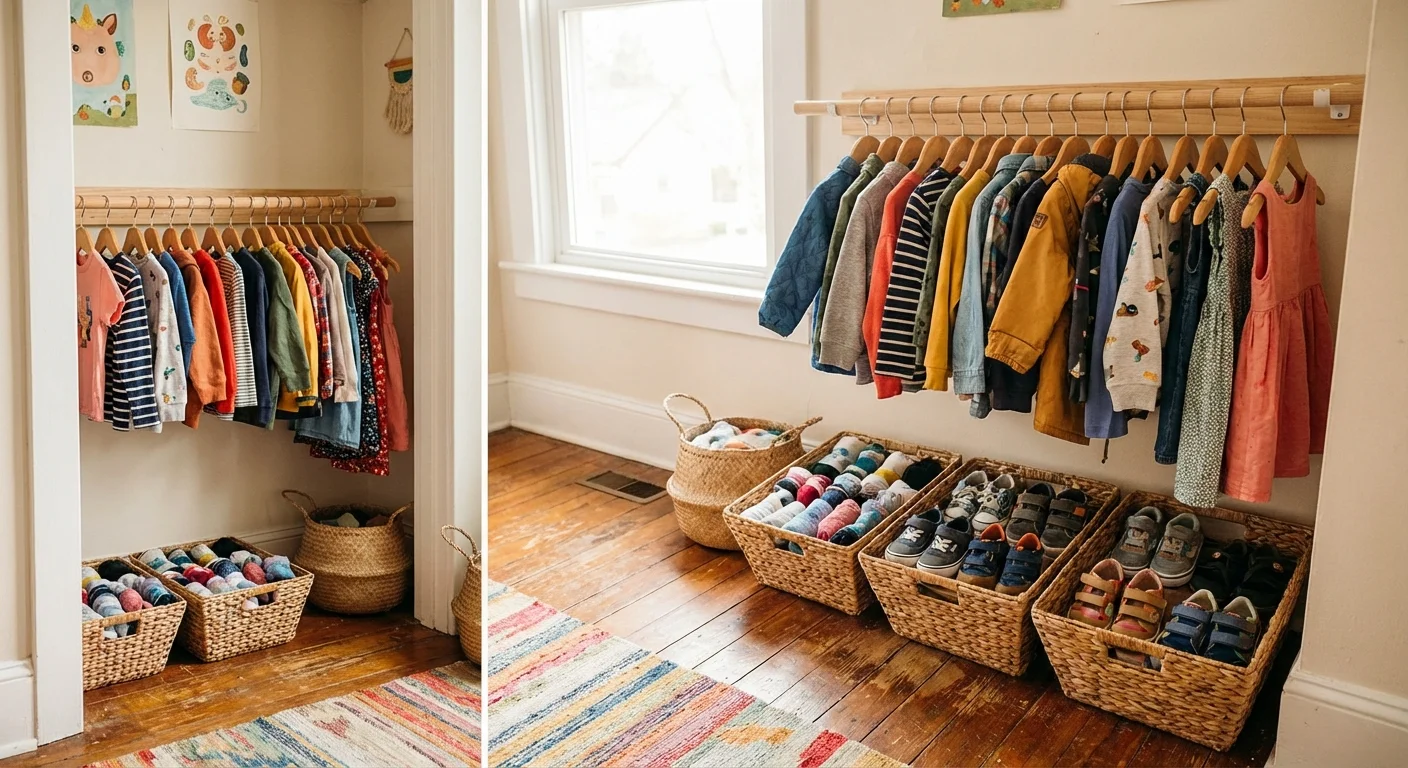
Standard closets are built for adults. The hanging rod sits roughly 66 inches off the floor, rendering it completely inaccessible to a six-year-old. When a child cannot reach their clothing, you become the default wardrobe manager, adding unnecessary stress to your busy school mornings.
Lower the Hanging Rod
The single most impactful change you can make to a child’s closet is installing an adjustable secondary hanging rod. Bring the rod down to roughly 36 inches off the floor. This allows your child to reach their own shirts and dresses, fostering independence. You can use the upper rod for out-of-season clothing, spare blankets, or formal wear that requires adult supervision.
Day-of-the-Week Organization
School mornings are notoriously chaotic. Eliminate the daily argument over outfits by utilizing a hanging sweater organizer with five to six compartments. On Sunday evening, work with your child to choose their outfits for the entire week—including underwear and socks. Place one complete outfit into each cubby. When Tuesday morning rolls around, your child simply pulls the clothes from the “Tuesday” cubby. This preemptive planning is a cornerstone of effective school year organization.
Ditch the Dresser for Bins
Folding tiny children’s clothing into neat stacks inside a dresser drawer is a frustrating exercise; the moment your child searches for a favorite shirt, the entire stack falls apart. Instead, use canvas bins inside the closet for items that do not wrinkle easily. Dedicate one bin entirely to socks, one to underwear, and one to pajamas. Do not bother folding these items. Simply toss them into their designated bins straight from the laundry basket.
School Year Organization: Taming the Paper Clutter
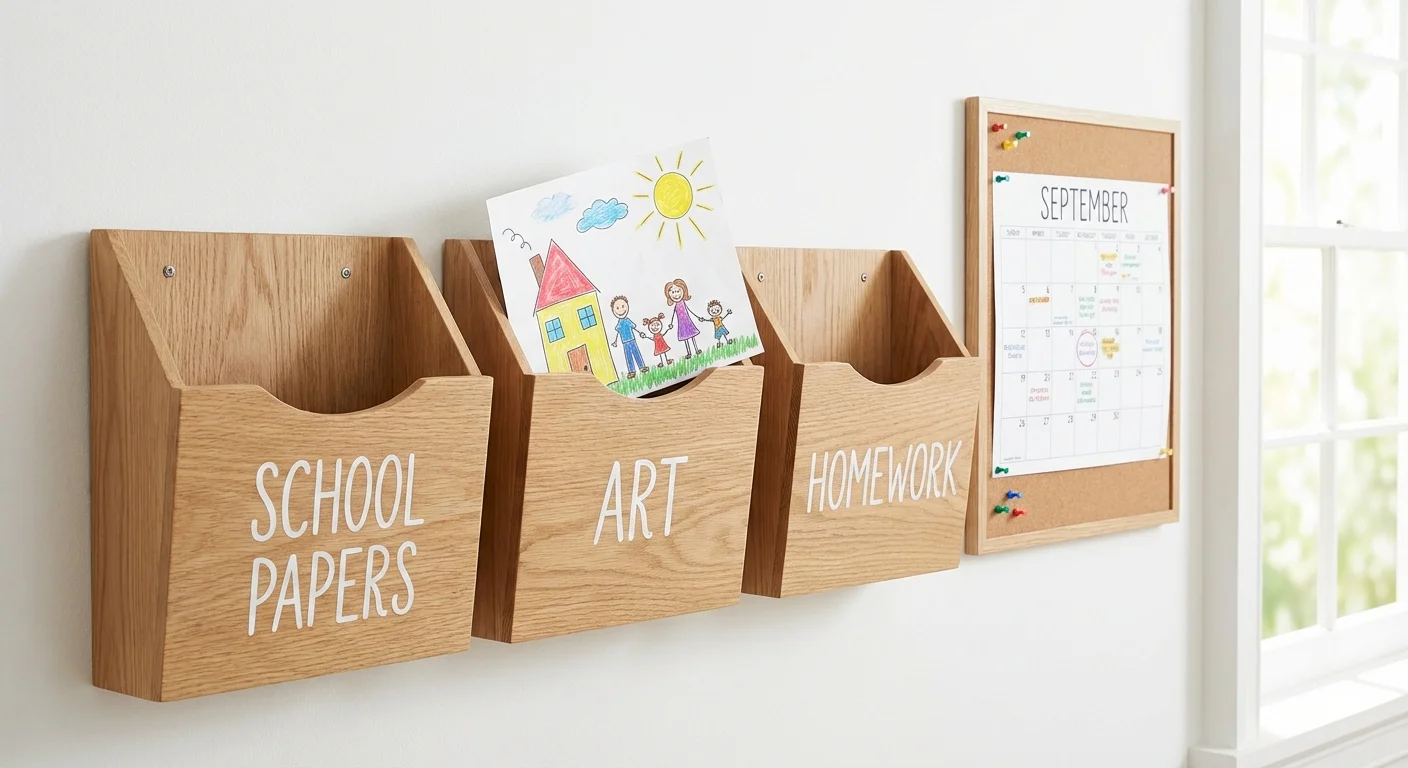
From September to June, your home is bombarded with a relentless wave of permission slips, spelling tests, fundraiser packets, and macaroni art. Without a strict processing system, this paper trail will quickly bury your child’s desk and your kitchen counters.
To build on the momentum of a tidy kids’ room, consider starting a 30-day declutter challenge to simplify the rest of your home.
The Inbox/Outbox System
Set up a simple inbox tray on your child’s desk. When they empty their backpack after school, all loose papers go directly into the inbox. You review this tray every evening. Forms requiring a signature are signed and immediately moved to their backpack. Tests and worksheets that simply need reviewing are checked and recycled. This system centralizes the paper influx and prevents important documents from disappearing under a pile of dirty laundry.
The Friday Cleanout Ritual
Backpacks and desks accumulate debris at an astonishing rate. Implement a mandatory “Friday Cleanout.” Before the weekend officially begins, have your child empty their backpack completely. Shake out the crumbs, throw away the broken pencils, and clear out the crumpled papers. Resetting the baseline every single week prevents the slow build-up of clutter that leads to a mid-semester organizational collapse.
Curating the Art Gallery
Children produce a staggering amount of artwork. While you want to encourage their creativity, you cannot realistically keep every doodle. Dedicate a specific display area—such as a corkboard in their room or a string with clothespins across a wall. When the display is full, a new piece of art can only go up if an older piece comes down. At the end of the month, photograph the best pieces and place only the most spectacular 3D projects or significant milestones into a dedicated, flat memory box. Recycle the rest guilt-free. Experts at Real Simple often recommend this digital archiving method to preserve memories without sacrificing physical space.
When DIY Isn’t Enough
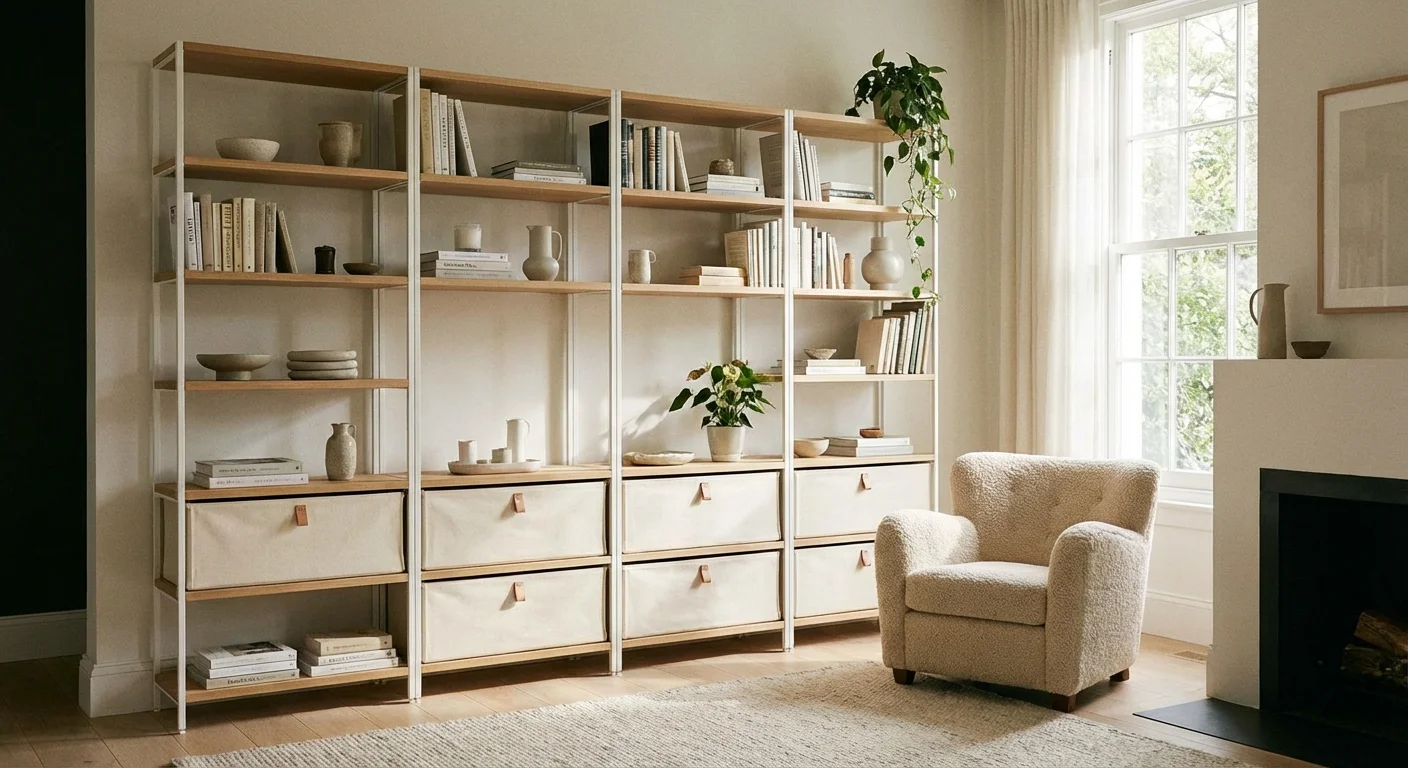
While most kids’ rooms can be managed with sensible bins and updated routines, some situations require a more structural approach. You might need to bring in professional closet installers or carpenters if you encounter the following:
- Extreme Space Limitations: In exceptionally small, shared bedrooms where standard furniture physically will not fit, custom built-in bunk beds or integrated wall storage can safely maximize vertical space.
- Architectural Quirks: Rooms with steeply slanted ceilings, awkward alcoves, or non-standard floor plans often render store-bought modular furniture useless. A professional can design custom shelving that utilizes dead space.
- Safety Concerns: If you reside in an older home with crumbling drywall or uneven flooring, anchoring heavy furniture yourself might not provide the necessary security. A professional can ensure bookcases and wardrobes are securely fastened to structural studs.
Avoiding Common Errors
Even with the best intentions, parents frequently fall into organizational traps that guarantee the system will fail within a few weeks. Knowing what to avoid is just as important as knowing what to implement.
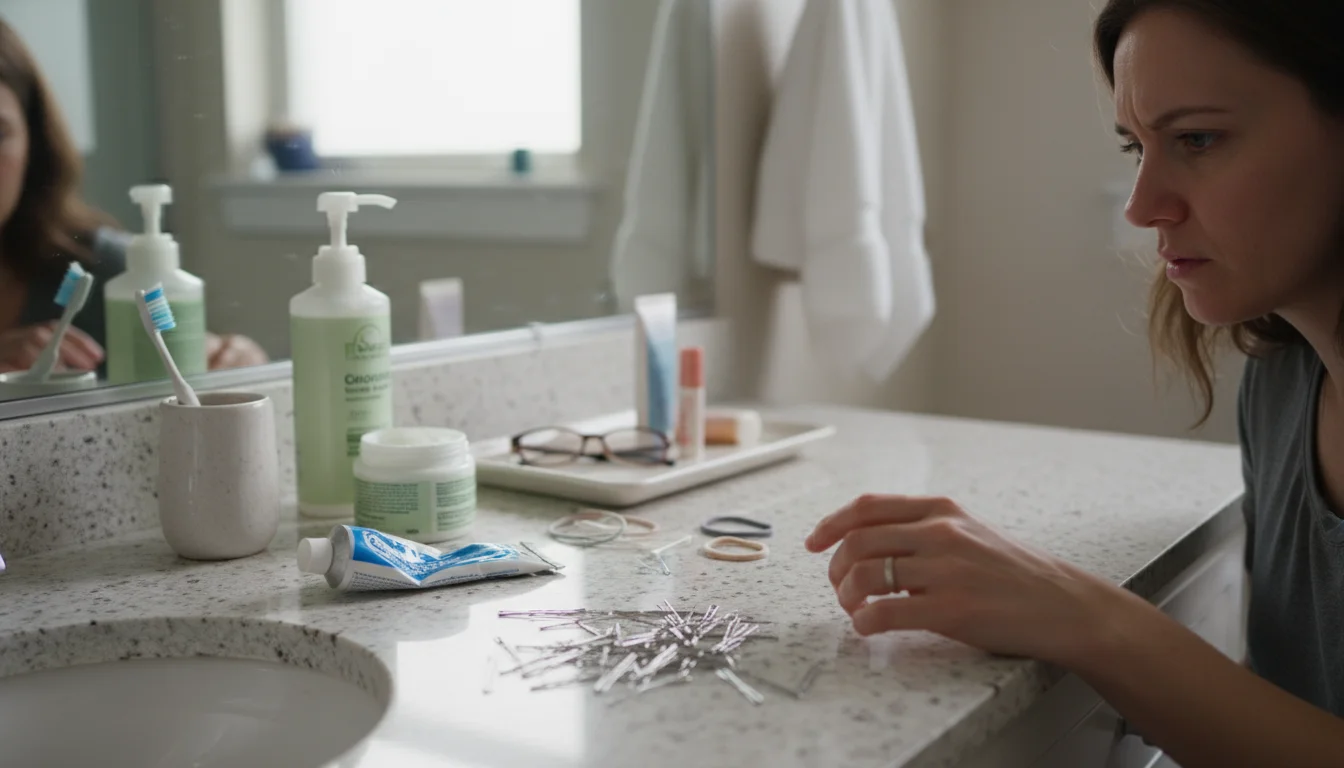
Buying Bins Before Purging: This is the most common mistake in home organization. Do not head to the store to buy beautiful baskets until you have rigorously decluttered the room. You cannot organize trash. Sort, purge, and donate first. Once you know exactly what remains, you can measure your space and purchase the appropriate storage solutions.
Holding Onto Outgrown Items: Children grow rapidly, both physically and developmentally. A closet stuffed with clothes that are two sizes too small makes finding current clothing impossible. Keep a dedicated “Donate” bin in the bottom of the closet. The moment your child tries on a shirt that is too tight, toss it directly into the bin. Once the bin is full, put it in your car trunk and drop it off at a local charity.
Organizing While They Are Away: It is incredibly tempting to wait until your child goes to school, grab a trash bag, and ruthlessly purge their room. While this is faster, it severely damages trust and teaches them nothing about maintenance. Include your child in the process. Ask them which toys they still love and which they are ready to pass on to another child. Building this analytical skill is crucial for their long-term ability to manage their own space. Resources like The Spruce emphasize that involving children in the decluttering process builds lifelong organizational habits.
Frequently Asked Questions
How often should I purge my child’s toys and clothes?
Aim for a major decluttering session twice a year. The best times are late August (right before the school year begins) and early December (just before the influx of holiday gifts). However, maintain a daily mindset of letting go by using an accessible donation bin year-round.
What is the best way to organize a shared kids’ bedroom?
In a shared room, respecting personal boundaries is vital. Ensure each child has their own dedicated storage space, even if it is just one drawer or one specific shelf. Color-coding is highly effective here—assign blue bins to one child and green bins to the other. For shared toys, utilize a neutral communal zone in the center of the room.
How do I get my child to actually maintain the organizational system?
Consistency and clear expectations are the driving forces behind maintenance. Tie the ten-minute evening tidy-up to an established daily routine, such as right before brushing their teeth. Make sure the systems are simple enough for them to handle independently, and offer specific praise for their efforts. Say “I love how you put all the books back on the shelf” rather than a generic “good job.”
How do we handle large, oddly shaped toys?
Bulky items like oversized trucks, dollhouses, or large musical instruments defy standard bin storage. Dedicate a specific section of floor space in the closet or a designated “parking garage” corner of the room for these items. Do not try to force them onto shelves where they pose a falling hazard.
Implementing a practical kids room organization strategy dramatically reduces morning friction and evening cleanup battles. By lowering closet rods, embracing broad categories for toy storage, and tackling school paper clutter immediately, you create an environment that your child can actually manage. The goal is progress, not absolute perfection. A lived-in room will always get messy, but with the right foundational systems in place, returning it to order takes minutes rather than an entire weekend.
Take one small step this weekend: tackle the closet layout or implement the Friday backpack cleanout. Once you see the immediate relief that one functioning system provides, you can confidently move on to the next zone. This is educational content based on general best practices. Individual results vary based on your home, budget, and circumstances. Always prioritize safety and consult professionals for major projects.
Last updated: February 2026


Leave a Reply