
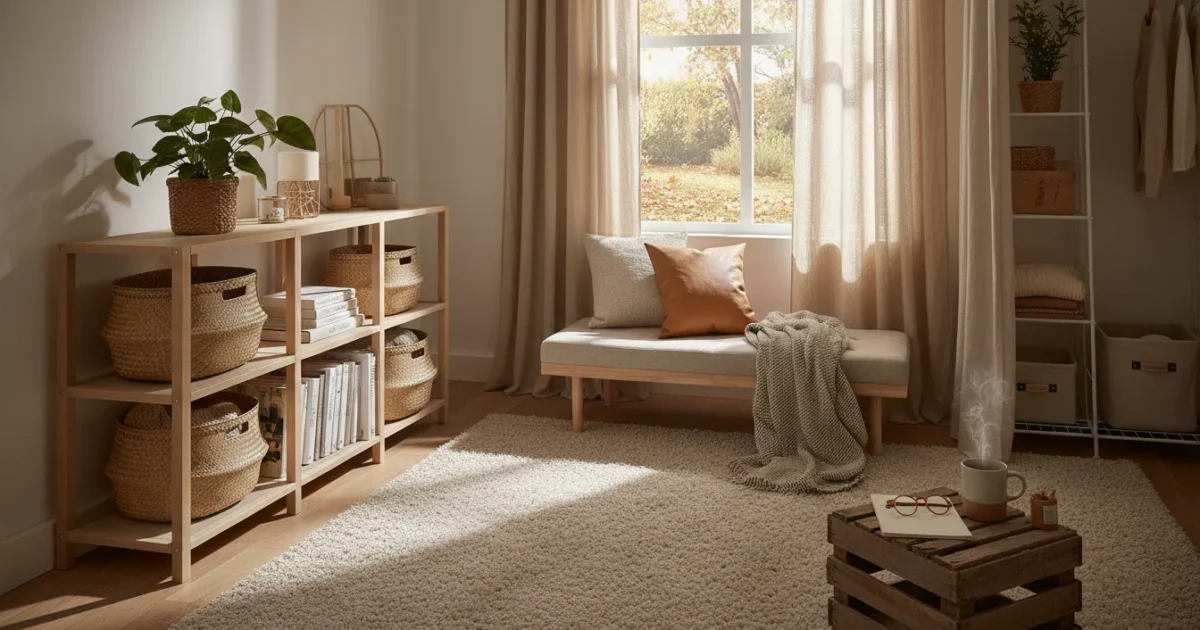
A small bedroom closet often feels like a constant battle against clutter. You dream of an organized space where finding your favorite shirt takes seconds, not minutes. The reality for many busy homeowners, renters, and apartment dwellers is a cramped space overflowing with clothes, shoes, and forgotten items. This challenge is completely solvable. With the right strategies, you transform your small closet into an efficient, functional storage system. This guide provides practical, actionable insights to help you maximize your closet space, making your daily routine smoother and your bedroom feel more serene. You deserve a closet that works for you, not against you.
Once your storage is sorted, focus on arranging your furniture for maximum coziness to complete your bedroom retreat.

Understanding Your Small Closet’s Potential
You probably view your small closet as a limitation, but consider it a puzzle awaiting a clever solution. Even the smallest spaces hold significant potential when you approach them strategically. A common mistake involves stuffing everything inside, believing more items mean less space. Instead, adopt a mindset of efficiency. Think about how professional organizers approach a confined area: they focus on vertical space, smart categorization, and multi-functional items. This transformation allows your closet to serve as a functional extension of your bedroom, not a frustrating bottleneck.
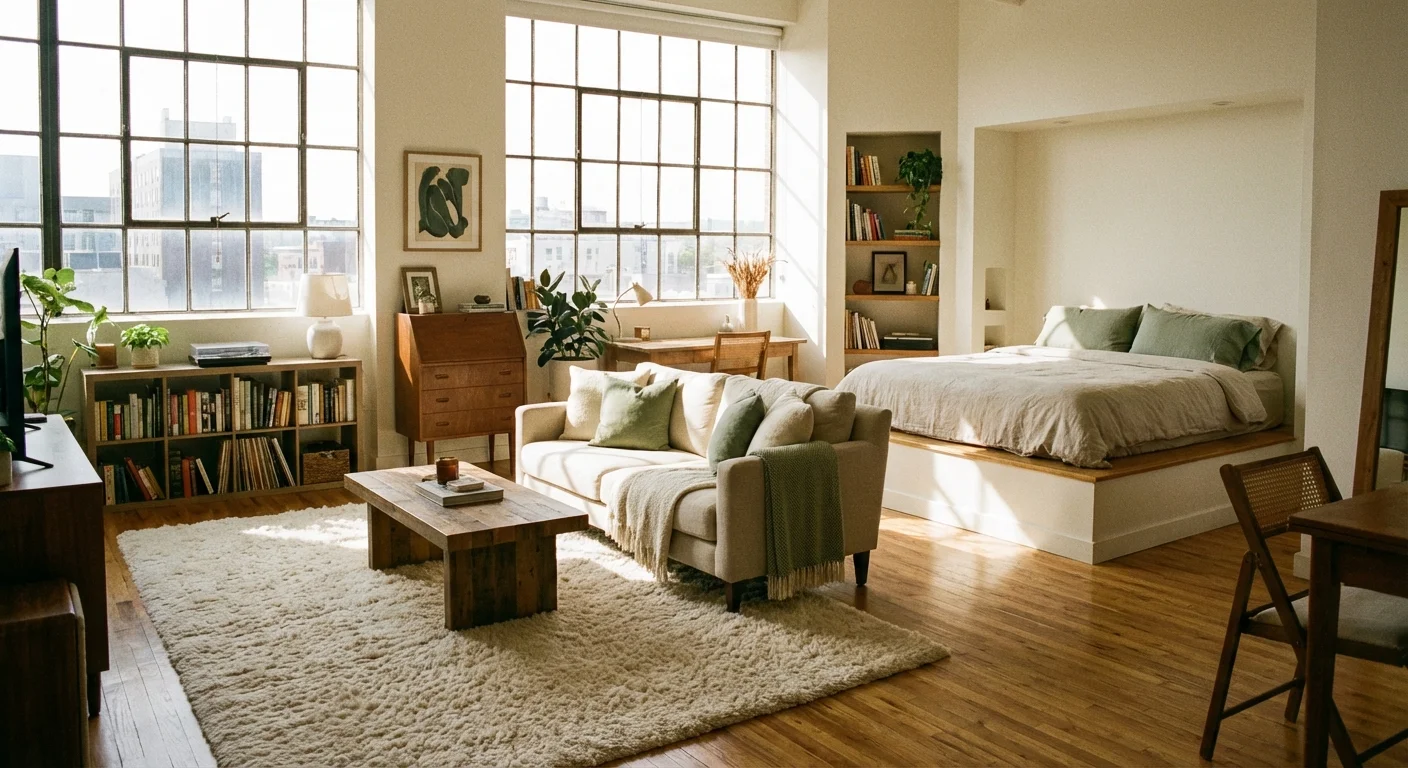
If you are working with a truly limited floor plan, incorporating studio apartment layout tips can help you balance storage needs with overall style.
The first step involves envisioning your ideal closet. What do you want it to look like? How do you want it to feel? This mental blueprint guides your decisions during the organization process. Recognize that maximizing a small closet is not about magic, but about thoughtful planning and consistent effort. According to the National Association of Professional Organizers, effective organization improves productivity and reduces stress. Applying these principles to your closet creates a ripple effect, bringing calm to your entire bedroom.

The Essential Decluttering Process
Before you buy a single organizer, declutter. This step is non-negotiable for achieving true space maximization in any small closet. You cannot organize clutter effectively; you only rearrange it. Commit to pulling everything out of your closet. Yes, everything. This sounds daunting, but it gives you a clear picture of what you own and forces decisions. Allocate at least an hour, possibly two, for this initial purge. You need to make four distinct piles:
This deep dive into your wardrobe is also an excellent opportunity to perform some spring cleaning inside the closet itself.
If your space needs more than just a closet purge, learning how to declutter your bedroom in one weekend can help you reset your entire environment.
- Keep: These are items you love, use regularly, and fit well. They bring you joy and serve a practical purpose.
- Donate/Sell: Clothes that no longer fit, styles you do not wear, or items in good condition that someone else could use. Think about local charities, consignment shops, or online marketplaces.
- Toss/Recycle: Items that are damaged beyond repair, stained, ripped, or too worn out to donate. Check with your local waste management for textile recycling options.
- Relocate: Things that do not belong in your closet, such as linens for another room, old papers, or items you store seasonally. Find their proper home immediately.
Be honest with yourself during this process. Ask challenging questions: Have I worn this in the last year? Does it fit my current lifestyle? Do I truly love this item? Real Simple often emphasizes the importance of paring down possessions to create a more functional home. This decluttering phase is your chance to shed the excess and make room for what genuinely serves you.
Smart Storage Solutions for Every Inch
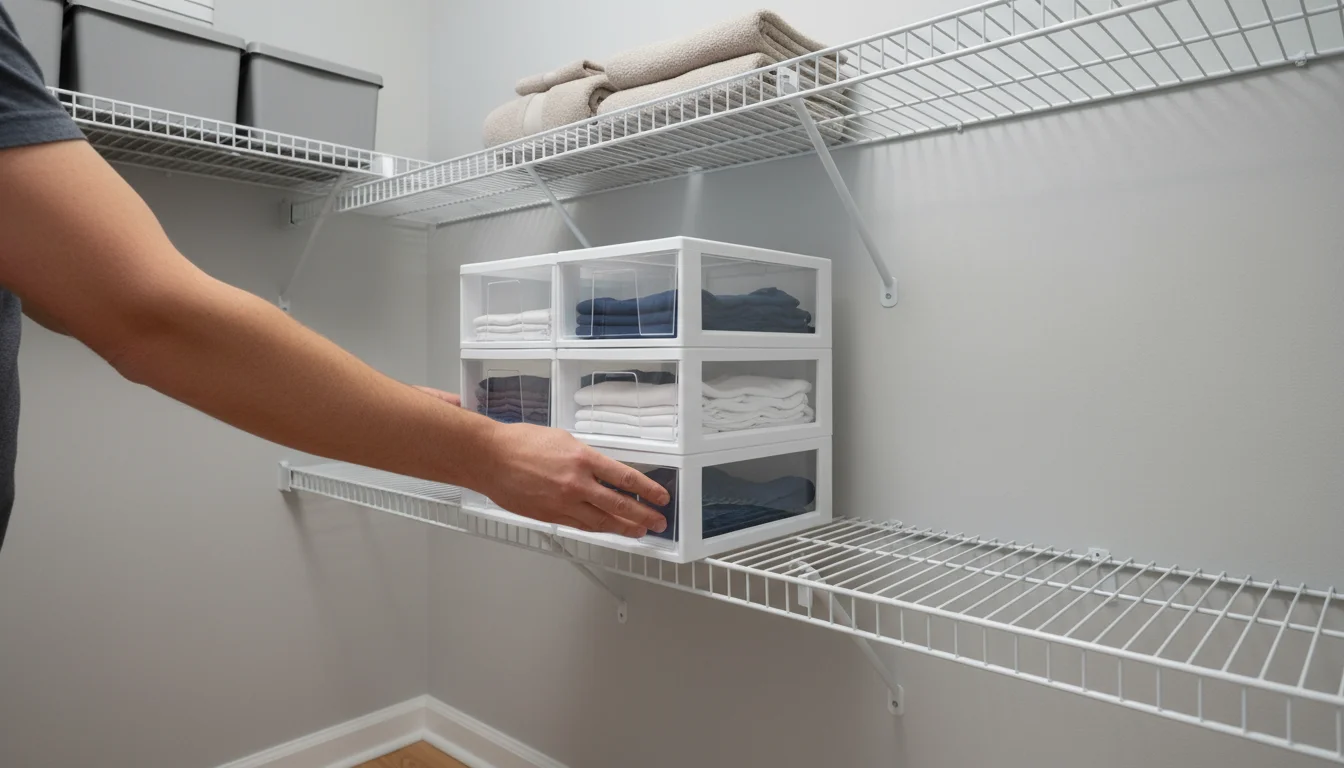
Once you declutter, you have a blank canvas. Now, you introduce smart storage solutions to maximize every available inch of your small closet. This involves thinking vertically, utilizing wasted space, and choosing products that fit your specific needs and budget.
For larger households, finding closet organization ideas that actually work for families is key to preventing morning chaos.
Implementing 7 simple closet organization hacks can provide immediate relief for households struggling with limited square footage.
Hanging Solutions
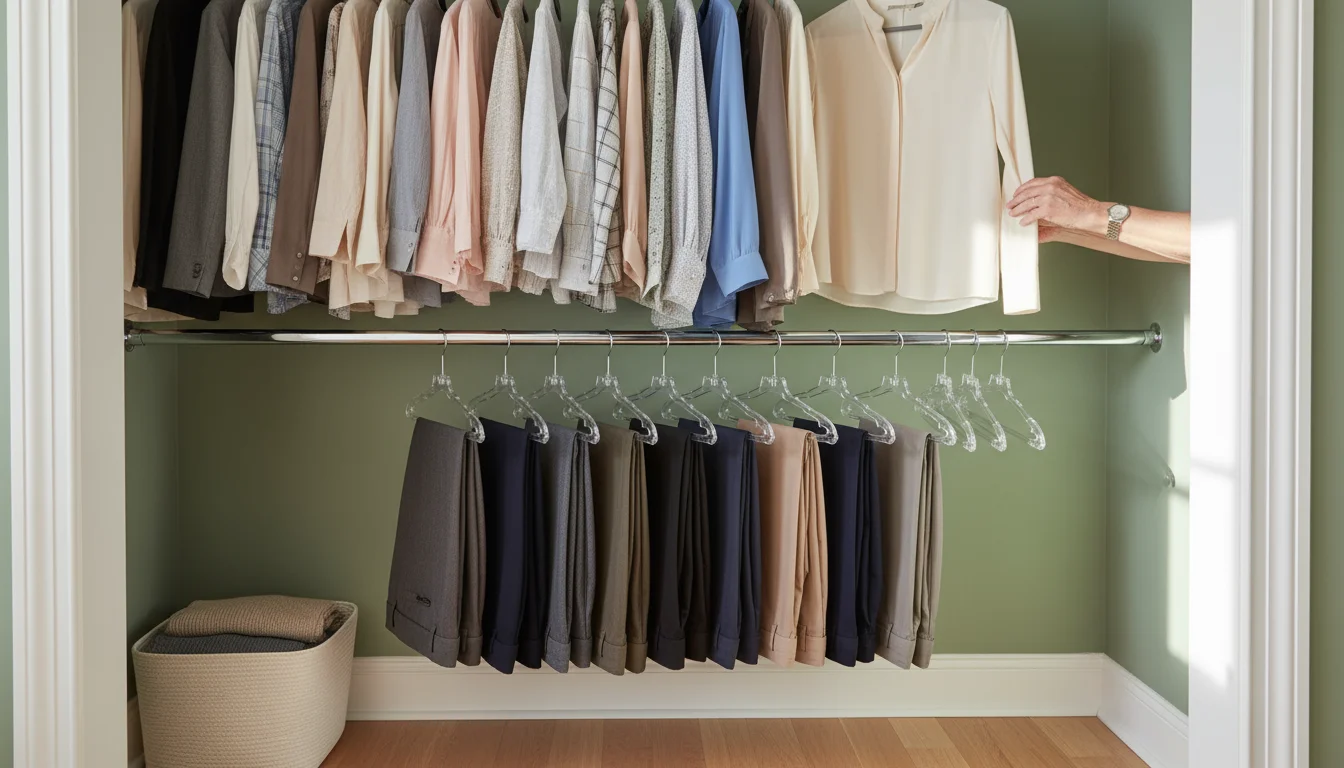
- Slimline Hangers: Switch to velvet slimline hangers. They take up significantly less space than bulky plastic or wooden hangers, often gaining you 30-50% more hanging room. Their non-slip surface also prevents clothes from falling off.
- Layered Hanging: Use cascaded hangers or S-hooks to hang multiple items vertically. For example, hang several skirts or pants on one multi-level hanger.
- Double Hanging Rods: If your closet has one high rod, install a second, lower rod. This doubles your hanging capacity for shirts, blouses, and shorter items. Ensure you leave enough clearance for clothes to hang freely without touching the floor.
Shelf and Drawer Maximization
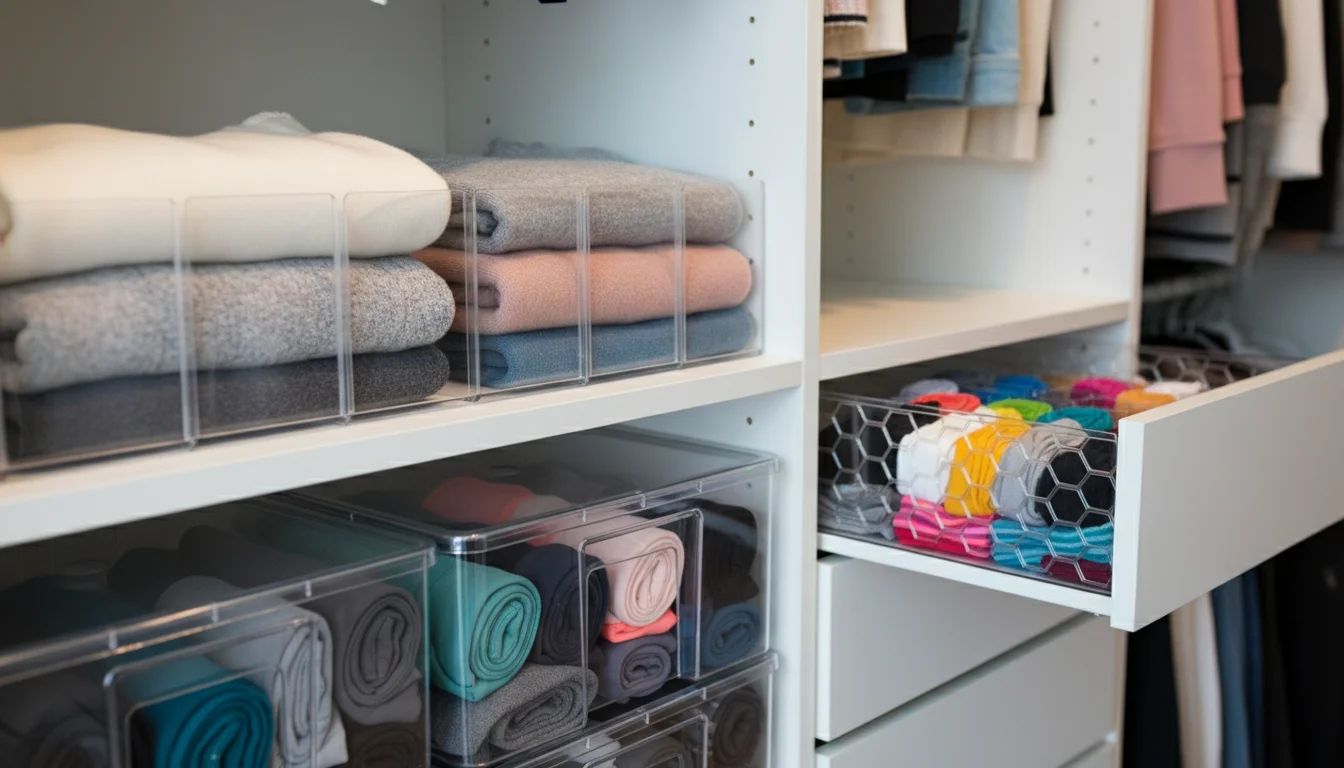
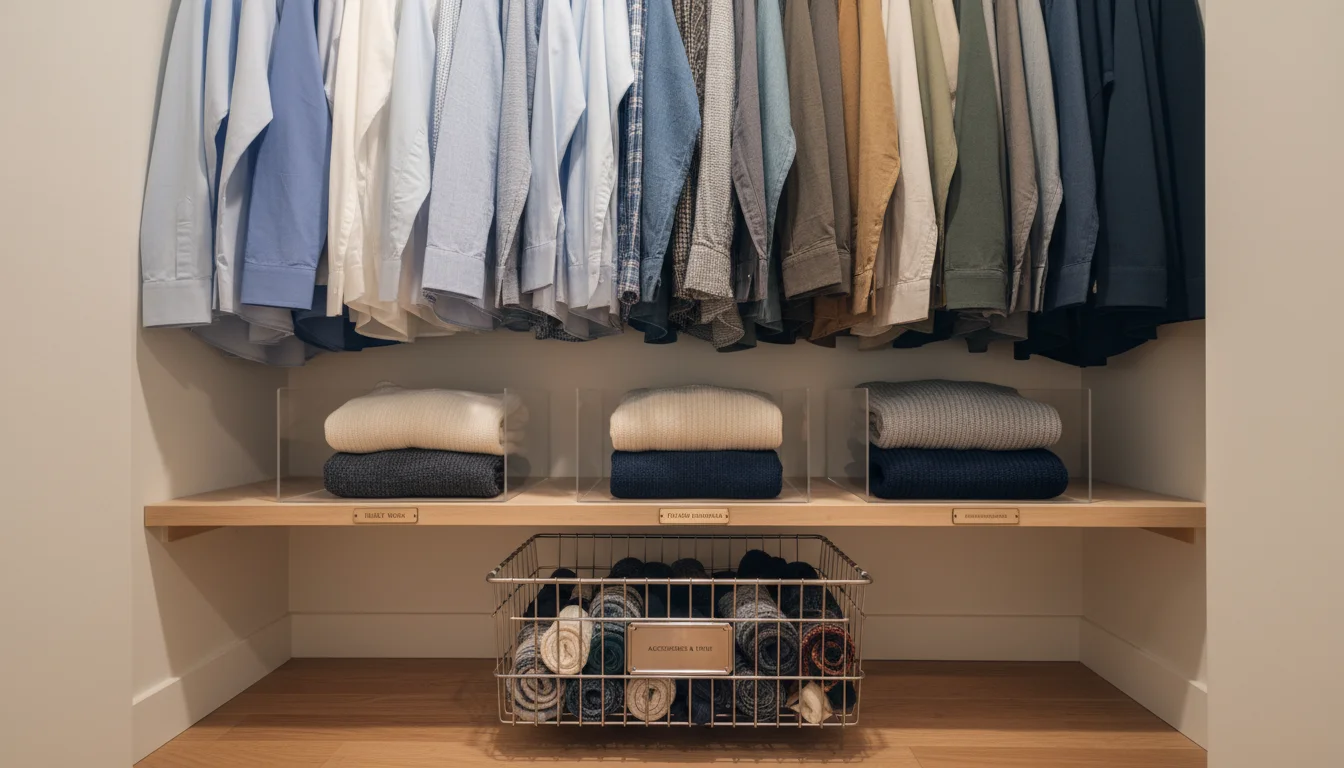
- Shelf Dividers: Keep stacks of sweaters, jeans, or linens neat and from toppling over with clear shelf dividers. These create defined sections on open shelves.
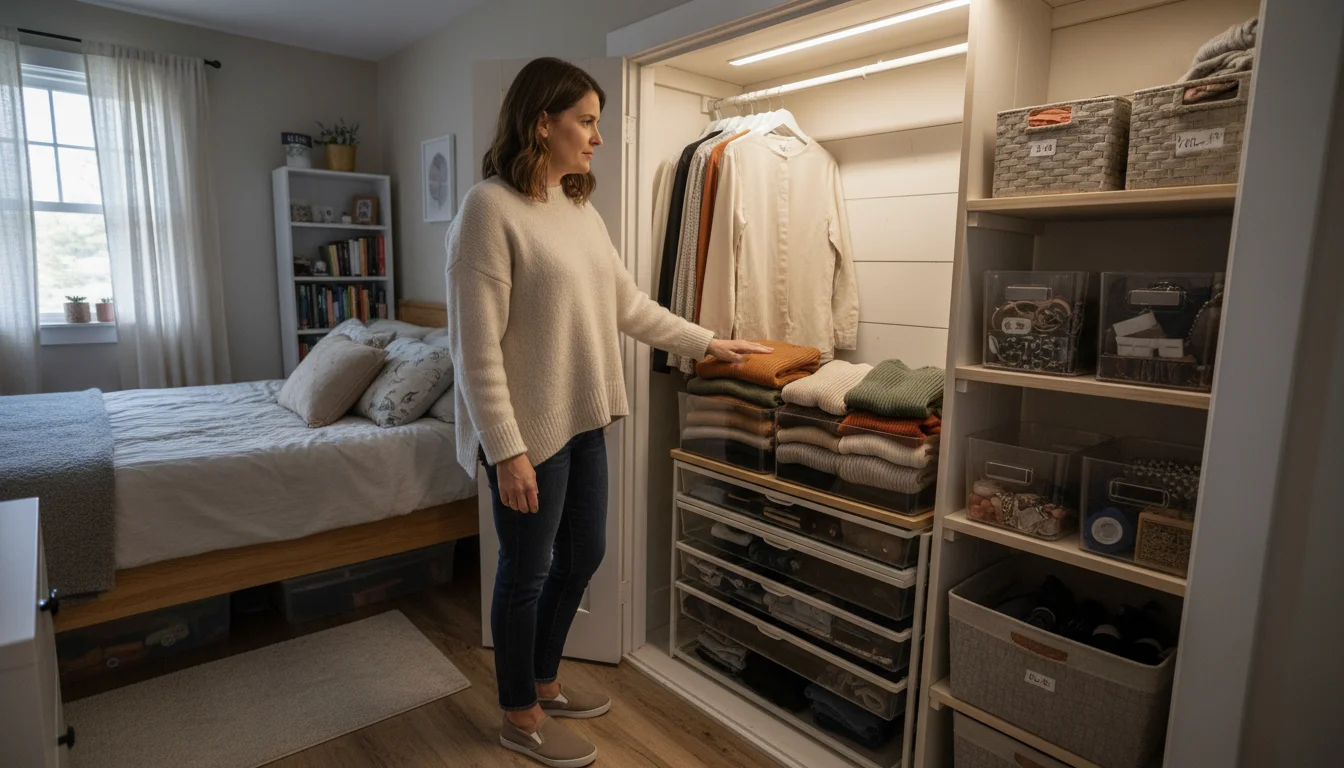
- Stackable Bins and Drawers: Utilize stackable bins on shelves or the closet floor for items like accessories, undergarments, or activewear. Clear bins allow you to see contents easily, saving time.
- Drawer Organizers: Even if your closet lacks built-in drawers, you can add standalone drawer units. Use small drawer inserts or dividers inside them to separate socks, ties, or jewelry, preventing items from becoming a tangled mess.
Utilizing Every Nook and Cranny
- Back-of-Door Organizers: An over-the-door shoe organizer or a multi-pocket fabric organizer adds valuable storage for shoes, scarves, belts, or even small toiletries.
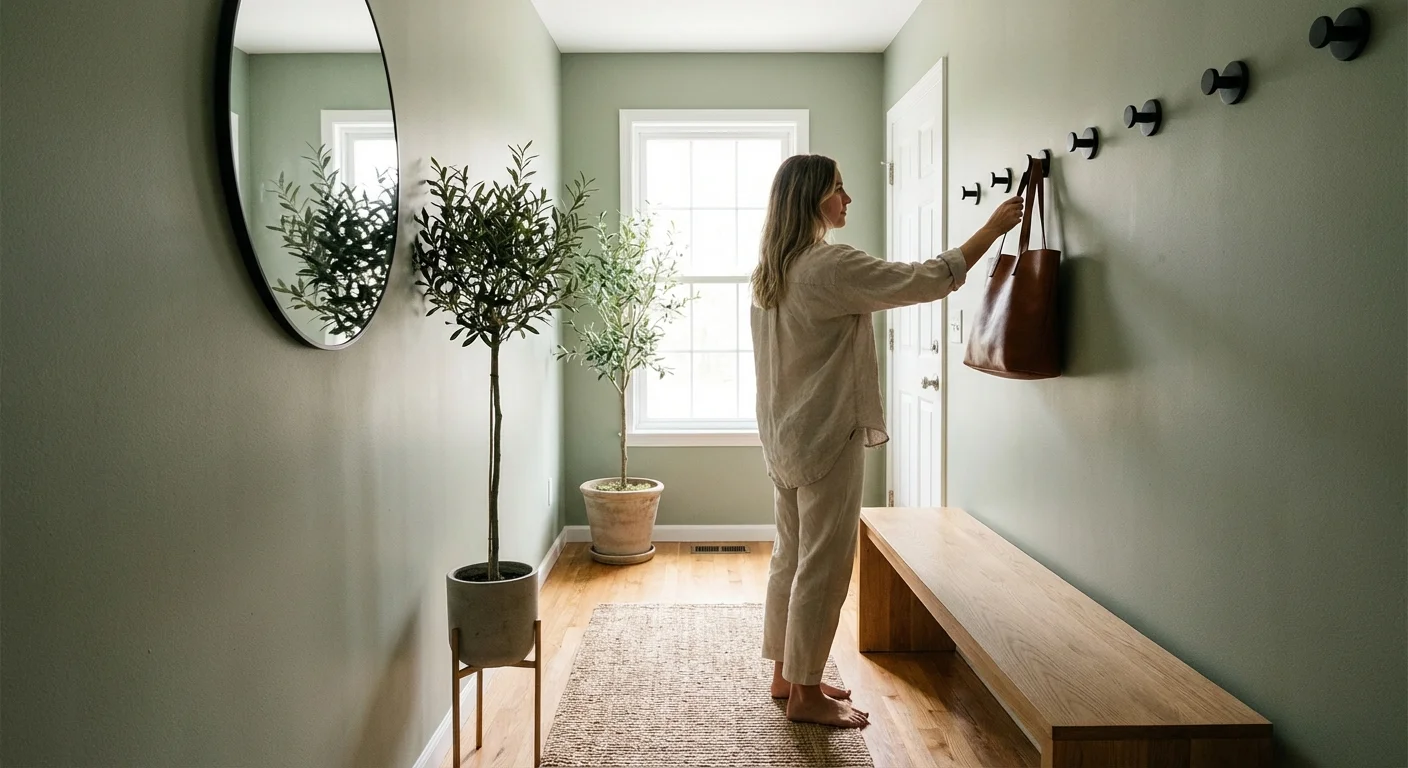
- Wall-Mounted Hooks: Install hooks on empty wall space inside your closet for robes, bags, or items you grab frequently.
- Under-Bed Storage: Extend your closet’s reach with under-bed storage containers. These are ideal for seasonal clothing, extra bedding, or items you do not access daily. Choose options with wheels for easy retrieval.
Selecting the right products makes a significant difference. While custom closet systems offer tailored solutions, many affordable and effective options exist from retailers like The Container Store or IKEA Home Organization. Prioritize functionality and durability over fleeting trends.
Zone Your Closet for Peak Efficiency
Once you have decluttered and gathered your storage tools, it is time to assign “zones” within your small closet. Zoning means designating specific areas for specific types of items, ensuring everything has a home. This system streamlines your routine, making it effortless to put things away and find them later. Think of your closet in terms of categories and how frequently you access them.
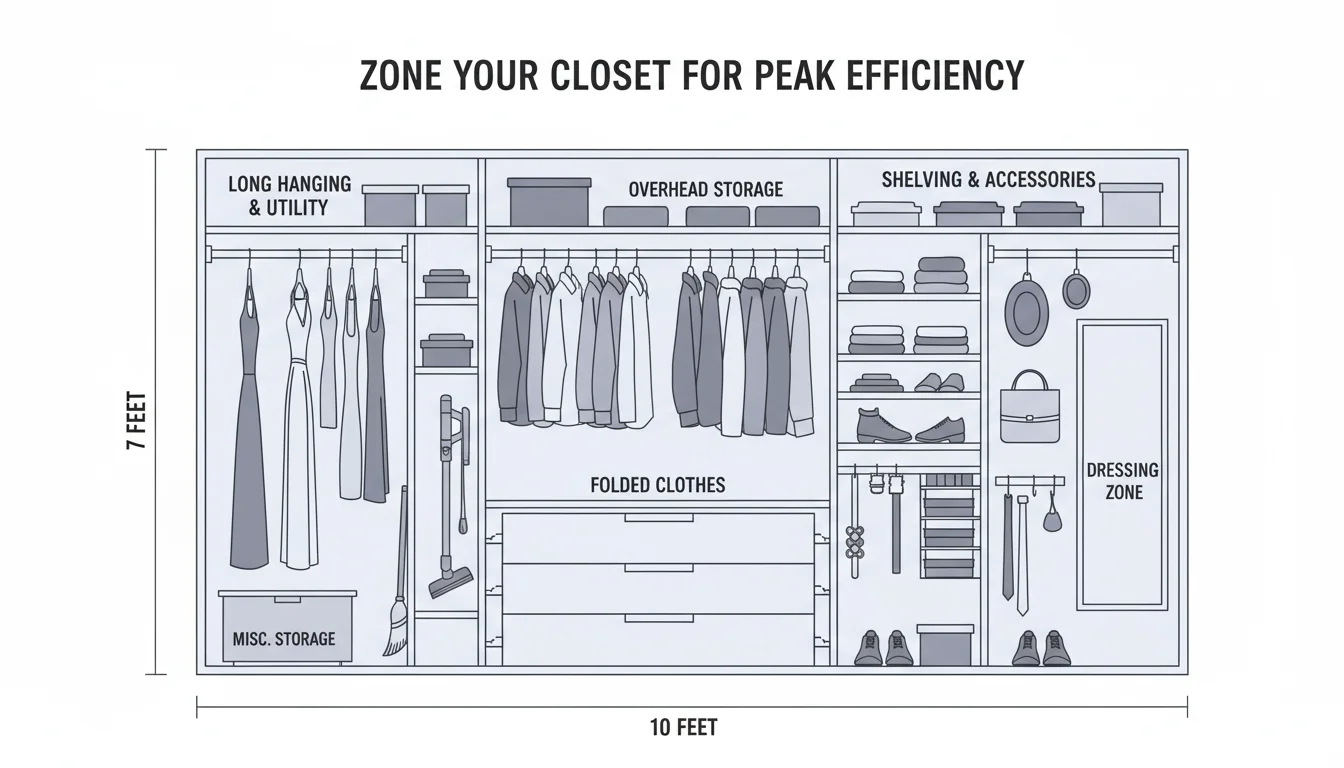
| Zone Name | Purpose | Typical Contents |
|---|---|---|
| Daily Wear Hanging | Most frequently worn clothes. | Shirts, blouses, work pants, dresses. |
| Folded Essentials | Items best folded to maintain shape. | Sweaters, jeans, t-shirts, activewear. |
| Accessories & Intimates | Small, often misplaced items. | Socks, underwear, bras, ties, scarves, jewelry. |
| Shoe Storage | Footwear for various occasions. | Everyday shoes, heels, boots, sneakers. |
| Seasonal/Infrequent | Items used only at certain times of year or rarely. | Heavy coats, holiday attire, formal wear, extra blankets. |
Place your most frequently accessed items in the easiest-to-reach zones. For instance, daily wear hangs at eye level, while seasonal items go on higher shelves or in under-bed storage. This approach minimizes effort and frustration. Utilize clear containers for folded items to maintain visibility. Labeling bins provides a quick reference, especially helpful for items you access less often.
DIY Hacks and Budget-Friendly Fixes
You do not need to spend a fortune to achieve an organized small closet. Many clever, budget-friendly solutions exist, often using items you already own or can acquire cheaply. These DIY hacks empower you to customize your space without breaking the bank.
Consider adding corner shelving to capture often-wasted space in the back corners of your closet.
For those tricky angles, implementing corner shelving ideas to use every inch can turn dead space into a stylish display or storage nook.
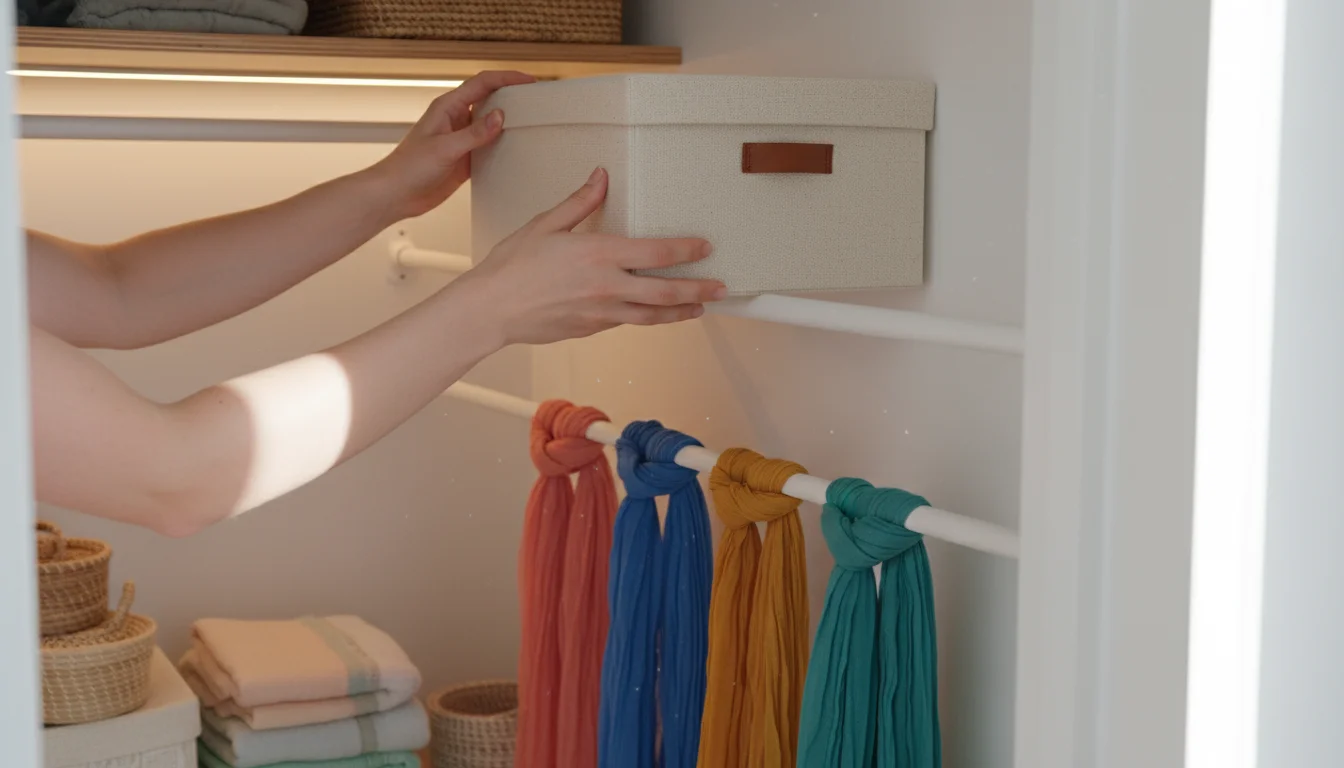
- Tension Rod Magic: Install tension rods inside your closet for extra hanging space for scarves, belts, or even light shirts. You can also use a tension rod to create an additional short shelf for small items by placing a lightweight board or cardboard on top.
- Repurposed Containers: Shoe boxes, gift boxes, or even sturdy cardboard boxes transform into excellent drawer dividers or small shelf bins. Cover them with decorative paper or fabric for a polished look.
- PVC Pipe Organizers: Cut PVC pipes into short segments and stack them in drawers for a DIY tie or belt organizer. This keeps cylindrical items neatly rolled and visible.
- Pegboard Power: Install a small pegboard on an empty wall inside your closet or on the back of the door. Use hooks and small shelves to customize storage for jewelry, tools, or small bags. This provides incredible flexibility.
Remember, creativity is your best asset when dealing with budget constraints. Look around your home for items you can repurpose. Old magazine files store clutches or flip-flops vertically. Over-the-door hooks meant for towels hold handbags. According to Bob Vila, clever DIY solutions often provide highly customized storage that perfectly fits unique spaces, outperforming generic store-bought items.
Maintaining Your Organized Small Closet
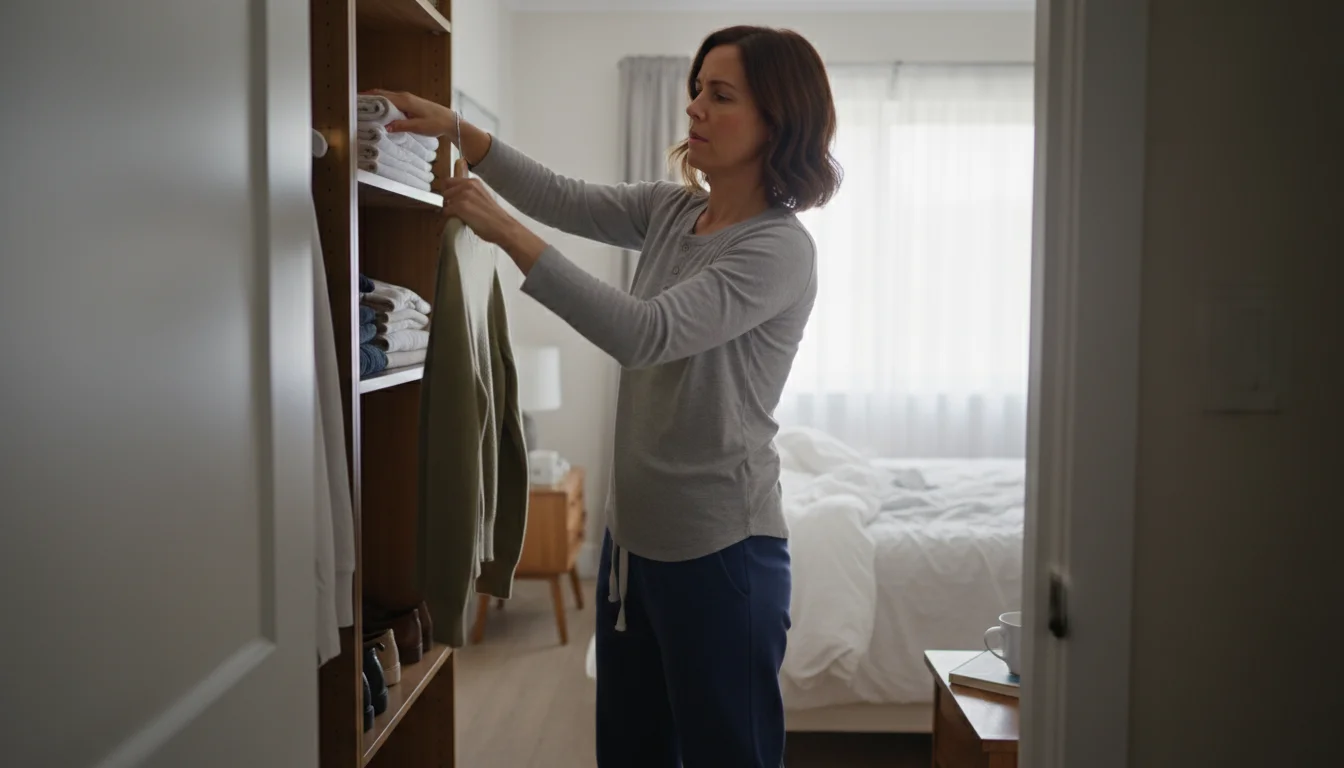
The initial organization is a significant achievement, but consistency keeps your small closet functional and clutter-free. Maintaining order requires ongoing, small efforts, not another massive overhaul. Adopt these habits to ensure your space remains efficient:
Mastering a small closet builds skills you can use throughout your home, like implementing tiny kitchen organization to keep every room functional.
- The “One In, One Out” Rule: When you bring a new item into your closet, commit to removing an old one. This prevents accumulation and keeps your inventory at a manageable level.
- Regular Micro-Decluttering: Spend 5-10 minutes each week or every other week to quickly tidy your closet. Put away stray items, refold stacks, and remove anything that does not belong. This prevents small messes from snowballing into overwhelming clutter.
- Seasonal Rotations: Store off-season clothing in clear, labeled bins in another part of your home (like under the bed or in a guest closet). This frees up prime closet real estate for the items you currently wear. When the seasons change, swap out the bins.
- Immediate Put-Away: Develop the habit of putting clothes away immediately after you take them off. Do not let them accumulate on a chair or the floor. Each item has a designated home, making this process quick and simple.
You created a system that works for your life. Maintaining it ensures you continue to reap the benefits of a calm, functional closet.
Frequently Asked Questions
How often should I declutter my small closet?
After mastering your wardrobe, you might want to apply similar principles to learn how to make a small bathroom feel bigger and more organized.
Aim for a thorough decluttering session at least twice a year, typically during seasonal changes (spring and fall). These larger purges address items you no longer wear or use. Supplement this with weekly or bi-weekly “micro-decluttering” sessions, taking 5-10 minutes to tidy and put things away.
What if I have too many clothes for my small closet?
First, revisit the decluttering process with even stricter criteria. Consider a capsule wardrobe approach, focusing on versatile pieces. Explore alternative storage solutions outside the closet, such as under-bed storage, a clothing rack in another room, or dresser drawers. Remember, you do not need to keep everything if it means constant clutter and frustration.
Are custom closet systems worth the investment for a small space?
Custom closet systems offer highly efficient, tailored solutions that maximize every inch. They can be a worthwhile investment if your budget allows and you plan to stay in your home long-term. However, excellent results are achievable with modular, DIY, and budget-friendly solutions. Assess your needs, budget, and desired commitment before deciding.
How do I store bulky items like coats or blankets in a small closet?
Vacuum-seal bags significantly compress bulky items like winter coats, duvets, and blankets, reducing their volume by up to 75%. Store these compressed bags on high shelves or under your bed. Utilize the prime hanging space for everyday items, and reserve a small section for one or two frequently used bulky items. Consider a coat rack near the door for daily jackets if closet space is extremely limited.
Should I store shoes inside or outside my small closet?
This depends on your specific closet and bedroom layout. Inside the closet, use vertical shoe racks, over-the-door organizers, or clear stackable shoe bins on the floor. If closet space is too tight, consider a slim shoe cabinet near your bedroom door or a shoe bench at the foot of your bed. The goal is to keep them tidy and accessible without creating clutter.
For expert home organization guidance, visit
Apartment Therapy,
The Container Store — Organization Tips and
IKEA Home Organization.
Disclaimer: This article is for informational purposes only and is not a substitute for professional advice. Consult professional organizers or specialists for personalized recommendations.
If your bedroom is particularly tight, pairing these closet tricks with murphy bed ideas for small apartments can drastically open up your floor plan.

Leave a Reply