
Living with a tiny kitchen presents a unique set of challenges. You crave an organized, functional space, yet feel constantly limited by square footage and storage. It is easy to feel overwhelmed by clutter and inefficient layouts. At BrightLivingGuide.com, we understand your frustrations and offer practical, actionable solutions designed for real life. This guide delivers 20 innovative, space-saving strategies to transform your small kitchen into a highly efficient hub, ensuring you maximize every inch without breaking your budget.
You can achieve a kitchen that feels more spacious and works harder for you. We focus on realistic systems that maintain order, offering smart product recommendations and clever DIY ideas to help you implement lasting change. Get ready to discover how even the smallest kitchen can become a beautifully organized and functional heart of your home.

Understanding Your Small Kitchen’s Potential
Transforming your small kitchen begins with a clear understanding of its current state and future possibilities. Many homeowners and renters approach small kitchen organization by simply adding more containers. However, the most effective strategy starts with decluttering and defining functional zones. Zones are designated areas for specific activities, like a baking zone or a coffee station. Establishing these zones helps you assign a “home” for every item, streamlining your workflow and preventing clutter buildup.
For those living in compact homes, these organizational strategies work hand-in-hand with studio apartment layout tips to create a better overall flow.
If you find the task of sorting your belongings overwhelming, taking a 30-day declutter challenge is a great way to manage the process in small, bite-sized steps.
Before you introduce any new organization products, take everything out of your cabinets and drawers. Evaluate each item. Do you use it regularly? Is it broken? Do you have duplicates? Be ruthless in this initial decluttering phase. You cannot organize clutter effectively. You merely move it around. This process clears your mind and your space, preparing you to implement truly effective space-saving solutions.
According to experts at Real Simple — Organizing, decluttering before organizing is crucial for creating sustainable systems. They emphasize that removing items you do not use simplifies your space, making it easier to maintain order over time. Once you streamline your belongings, you gain a clearer picture of the actual storage you require, guiding your product choices more effectively.
Maximizing Vertical Space: Walls and Cabinet Interiors
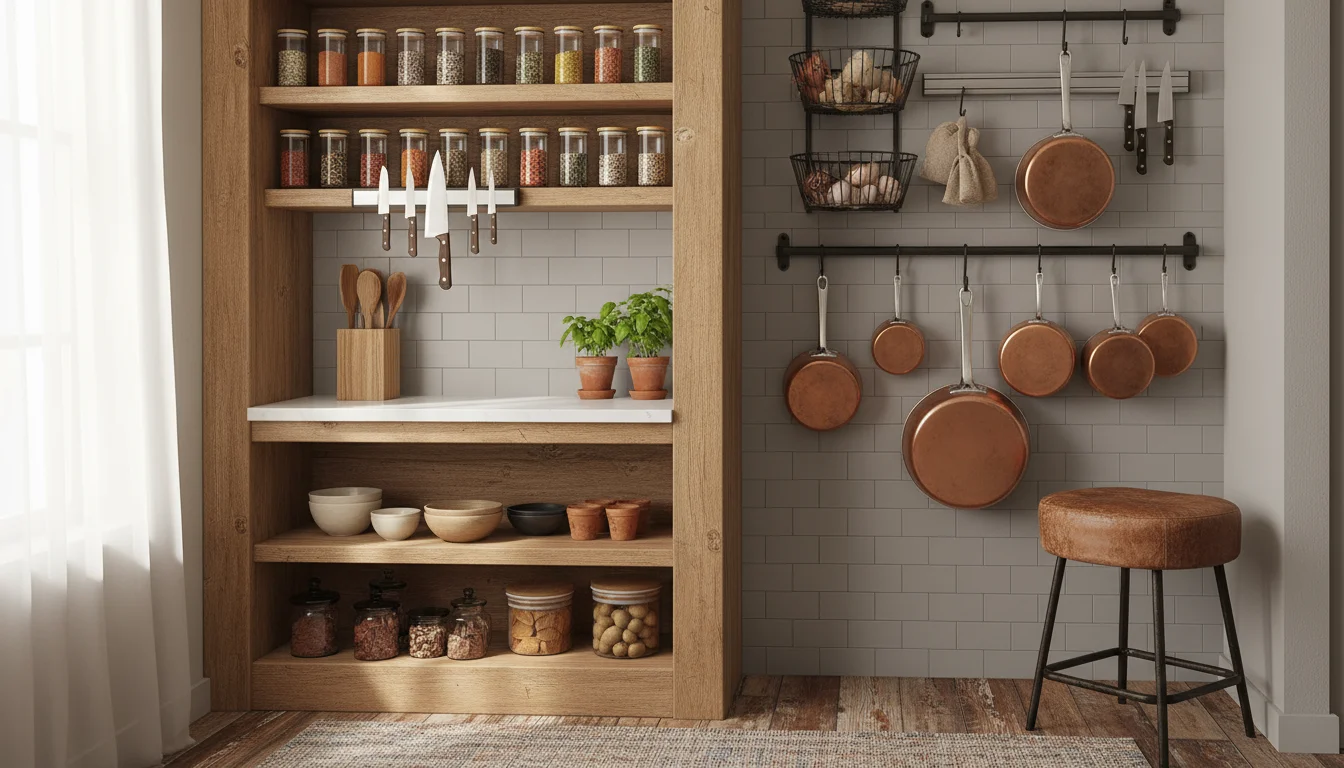
Vertical space is your best friend in a small kitchen. You possess walls, cabinet doors, and even the often-overlooked area above your cabinets. Utilize these surfaces to free up precious counter and drawer space. These solutions turn previously unused areas into functional storage.
Learning to maximize your walls is one of the most effective strategies for any cramped room, allowing you to lift items off the floor and counters.
These organizational principles are universal; you can also apply similar techniques to how to make a small bathroom feel bigger and more functional.
- Magnetic Knife Strips: Mount a magnetic strip on an empty wall or the side of a cabinet. This solution keeps your knives safely stored, visible, and easily accessible. It also frees up valuable drawer space and removes bulky knife blocks from your countertop.
- Wall-Mounted Pot Racks: A wall-mounted pot rack stores pots and pans vertically. This frees up cabinet space, making your cookware easy to grab. You can find sleek, minimalist designs that add a touch of style to your small kitchen.
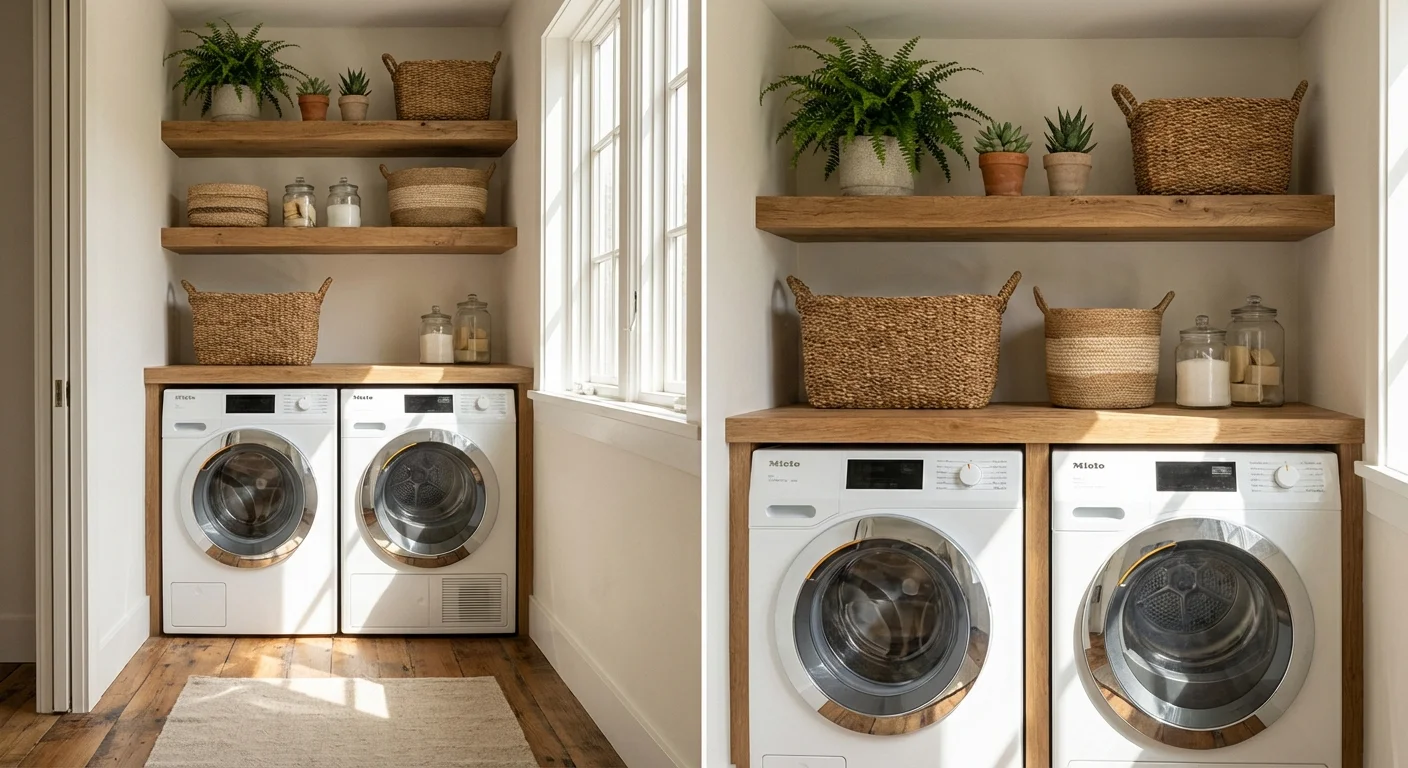
- Floating Shelves: Install floating shelves on any available wall space. They offer open storage for everyday essentials, decorative items, or frequently used dishes. Choose shelves that match your kitchen’s aesthetic for a cohesive look.
- Inside-Cabinet Door Organizers: Maximize the back of cabinet doors. Install slim spice racks, foil and plastic wrap dispensers, or even small baskets for cleaning supplies. This solution keeps items out of sight yet immediately accessible.
- Pegboards: A pegboard system offers ultimate flexibility. Hang pots, pans, utensils, and even small shelves for spices. You can reconfigure it easily as your storage needs change, making it a dynamic solution for small kitchens. As Apartment Therapy often highlights, pegboards provide customizable and highly adaptable storage, perfect for apartment dwellers and tiny spaces.
Smart Storage Inside Cabinets and Drawers
Once you address vertical space, turn your attention to the often-chaotic interiors of your cabinets and drawers. These areas often become black holes for miscellaneous items. Strategic inserts and organizers create order, ensuring every item has its dedicated spot.
For those with a reach-in or walk-in pantry, applying solid pantry organization principles can prevent food waste and save you time during meal prep.
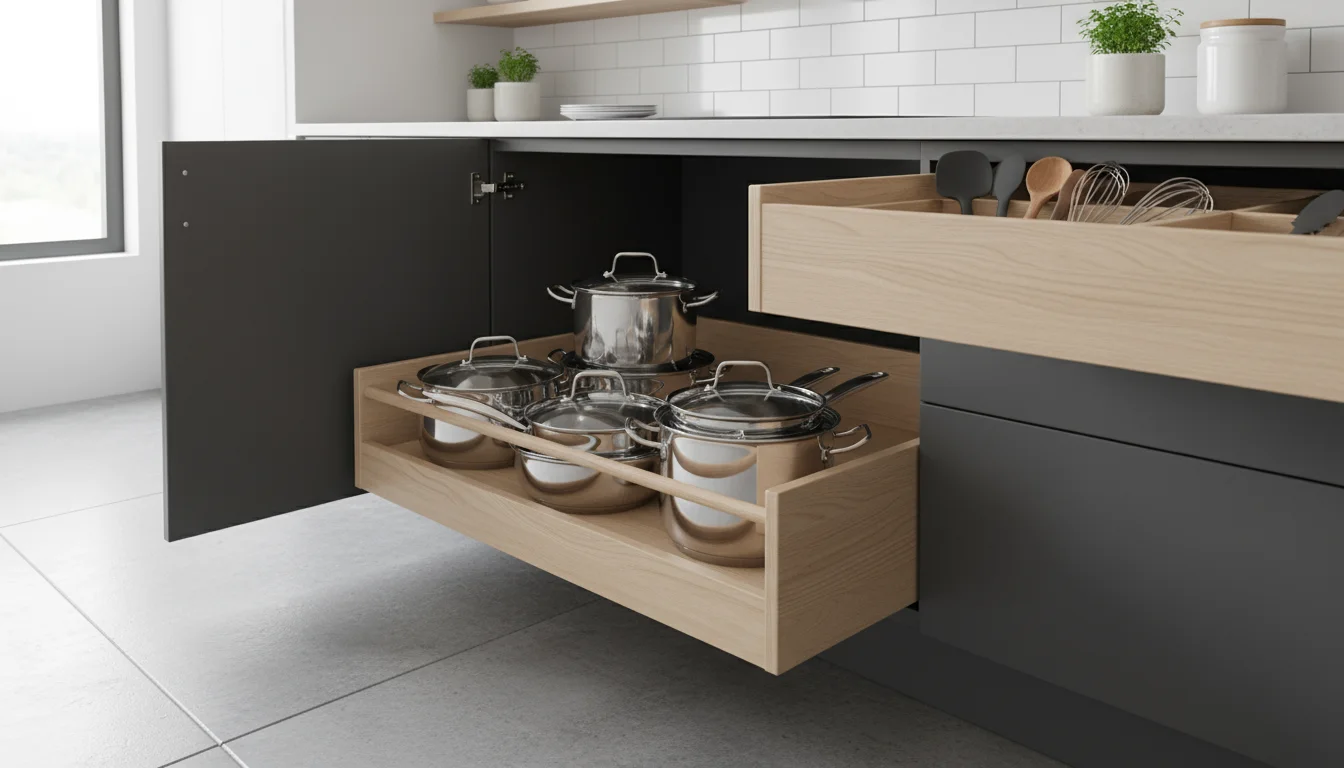
- Pull-Out Shelves/Drawer Organizers: Install pull-out shelves in deep cabinets to access items at the back without rummaging. For drawers, use custom or adjustable drawer organizers to keep utensils, gadgets, and small items neatly separated. Products from The Container Store, for example, demonstrate how well-designed drawer dividers optimize space and prevent clutter.
- Stackable Pantry Shelves: Double or triple your storage within pantry cabinets using stackable shelves. These risers create multiple levels, allowing you to store canned goods, spices, and small appliances without wasted vertical space.
- Pot Lid Organizers: Pot lids often create awkward stacks. A dedicated pot lid organizer, either mounted inside a cabinet door or placed upright in a drawer, keeps them neatly contained and easy to find.
- Under-Sink Organizers: The area under your sink often becomes a jumbled mess of cleaning supplies. Utilize a tiered or pull-out organizer designed for this tricky space. Look for models with cutouts for pipes to maximize usable area.
- Drawer Dividers/Inserts: Prevent your junk drawer from becoming a reality. Use adjustable drawer dividers or pre-made inserts to categorize and separate kitchen tools, foil, plastic wrap, and other small items. This makes finding what you need effortless.
Unlocking Countertop and Appliance Efficiency
Countertop space is gold in a small kitchen. You must optimize its use, keeping it clear for food preparation while still having essential items accessible. Smart appliance placement and multi-functional tools free up valuable surface area.
To make your workspace feel even larger, consider ways to improve natural light, which can instantly brighten a cramped kitchen.
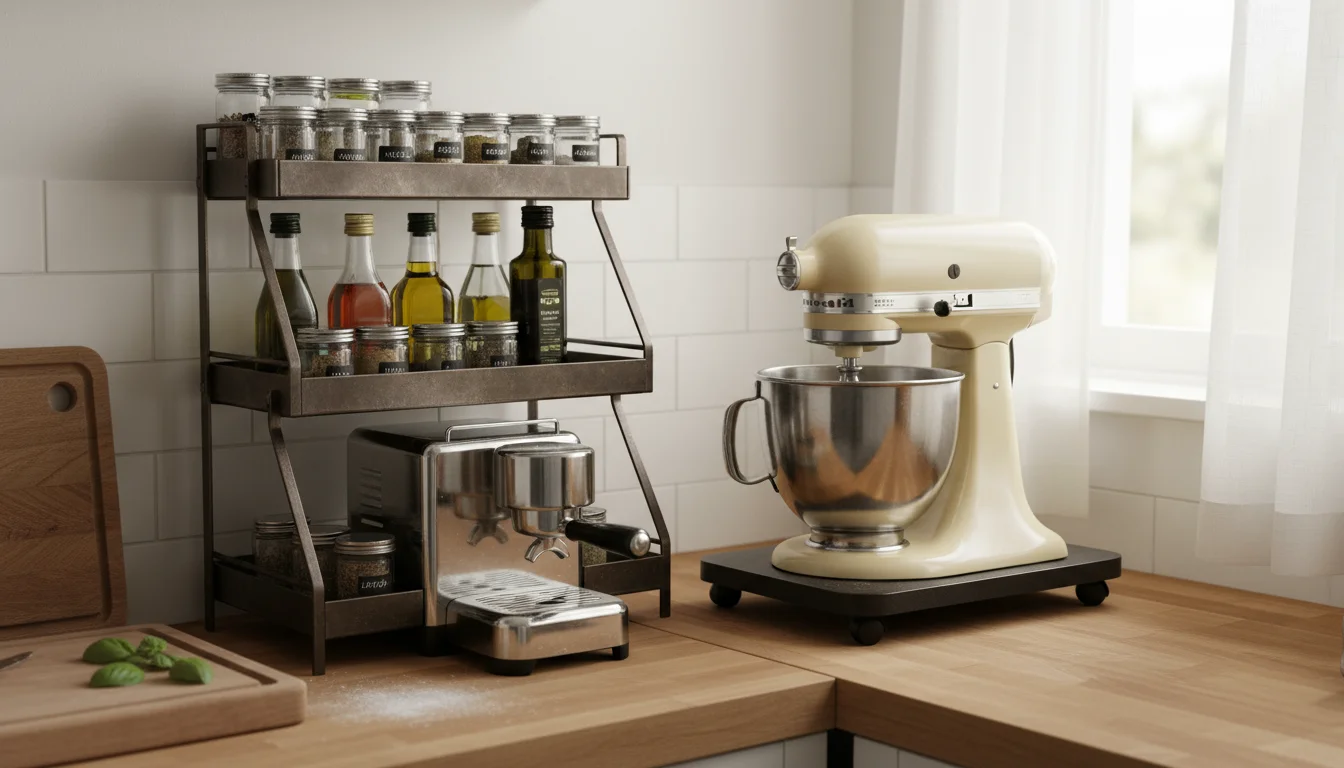
- Multi-tier Countertop Shelves: Add a small, multi-tier shelf to a corner or along the back of your counter. This vertical solution holds spices, oils, or small appliances like a toaster or coffee maker, effectively stacking items to save horizontal space.
- Appliance Caddies/Sliders: Heavy appliances like mixers or coffee makers take up permanent counter space. Place them on sliding caddies or trays. You can easily pull them out for use and slide them back under cabinets or into corners when finished.
- Corner Shelving Units: Corners are often underutilized. A small corner shelving unit can provide extra storage for cookbooks, decorative items, or small bowls. Choose open designs to maintain an airy feel.
- Over-the-Sink Drying Racks: A roll-up or extendable drying rack fits directly over your sink. This eliminates the need for a bulky dish rack on your counter, providing a convenient drying space that disappears when not in use.
- Rolling Carts/Islands: A compact rolling cart or small portable island offers extra counter space when you need it and rolls away to a corner or pantry when you do not. Many models include shelves or drawers for additional storage. This solution offers flexible functionality for your small kitchen.
Creative Nooks and Underutilized Spots
Beyond the obvious, your small kitchen likely holds untapped potential in hidden nooks and often-ignored spaces. Thinking creatively about these areas can yield significant storage gains.
These tips are especially helpful for those looking for vertical storage ideas for small apartments where every square inch of the home must be optimized.
Just as you reclaim hidden kitchen areas, you can find success maximizing closet space in a small bedroom by using every available inch.
- Over-the-Door Pantry Organizers: If you have a pantry door or even a utility closet door near your kitchen, install an over-the-door organizer. These typically feature multiple mesh pockets or shelves, ideal for storing snacks, spices, small cleaning supplies, or frequently used pantry staples.
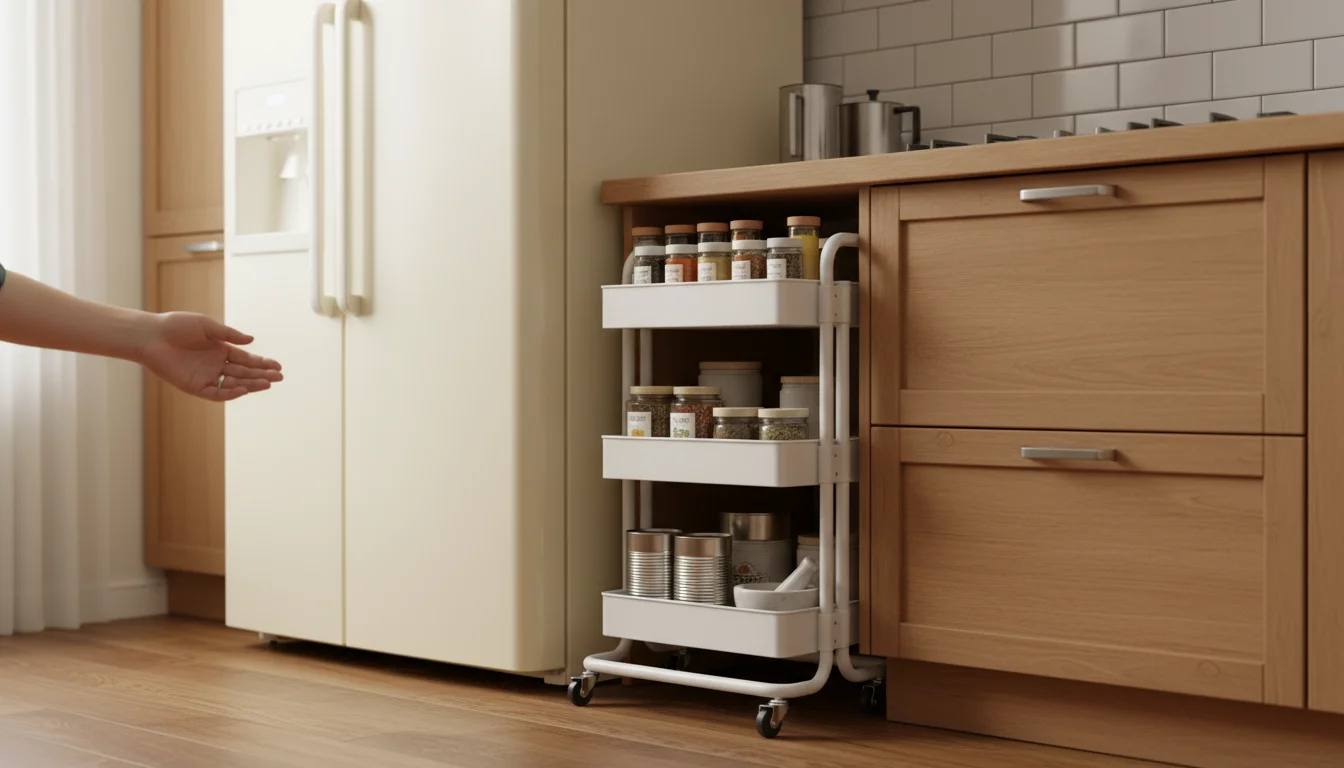
- Slim Rolling Carts: Do you have a narrow gap between your refrigerator and the wall, or between a cabinet and the stove? A slim, multi-tiered rolling cart can slide into these tight spaces, providing hidden storage for spices, canned goods, or cleaning products.
- Magazine File Organizers: Repurpose magazine file holders for flat items. These work wonderfully inside cabinets or pantries for storing cutting boards, baking sheets, cooling racks, and even plastic wrap boxes vertically. This simple solution prevents stacks from toppling over.
- Command Hooks: Command hooks are a renter’s best friend. Use them on the inside of cabinet doors or on backsplash tiles to hang measuring cups, spoons, dish towels, oven mitts, or even lightweight cutting boards. They offer easy, damage-free installation.
- Dish Drying Mats/Foldable Racks: Replace bulky dish racks with quick-drying mats or foldable racks. These options store away in a drawer or under the sink when your dishes finish drying, instantly reclaiming counter space. Good Housekeeping’s organization tips often highlight how compact, adaptable tools greatly enhance small kitchen functionality. Their advice emphasizes multi-use items that store easily, minimizing visual clutter.
Choosing the Right Products for Your Budget
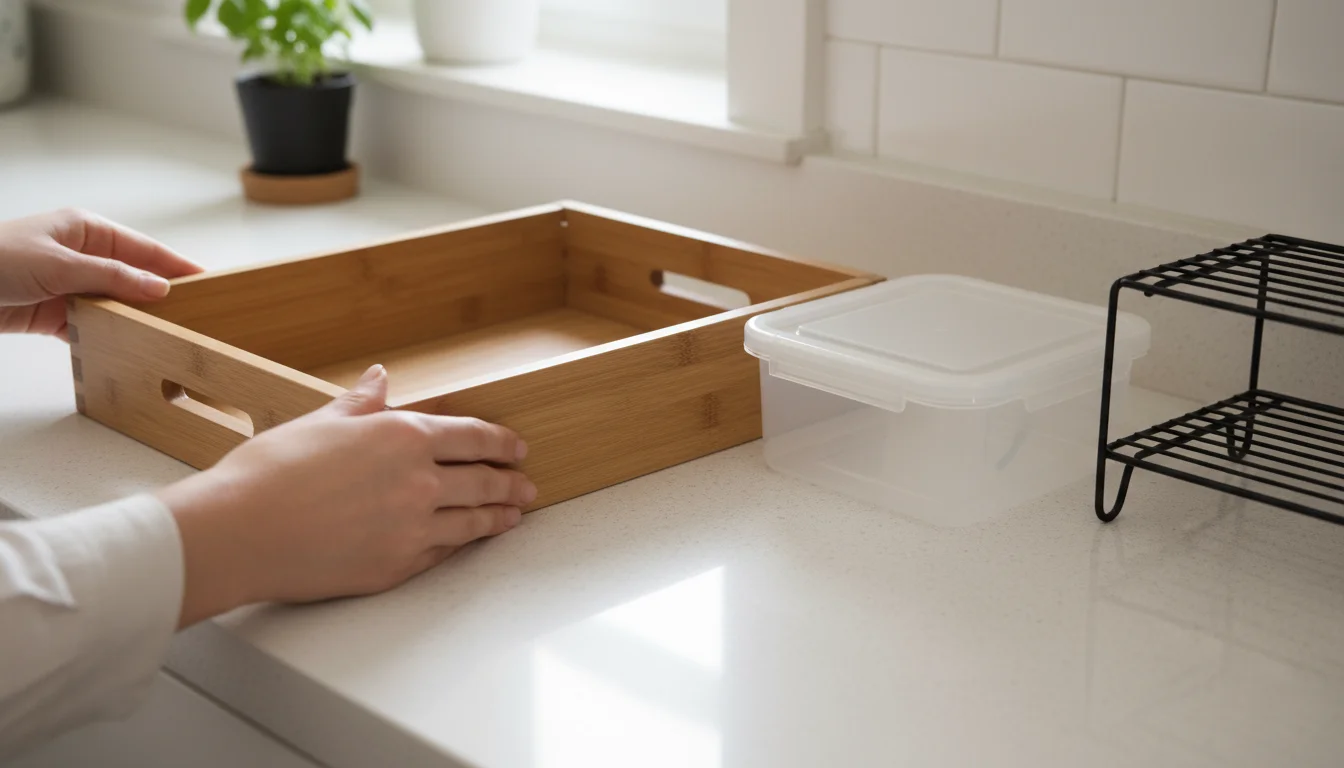
Implementing these 20 solutions involves selecting products that fit your needs and your wallet. You do not need to overhaul your entire kitchen at once or spend a fortune. Prioritize your pain points and invest in solutions that offer the most impact. Start with one or two areas that cause you the most frustration, such as a cluttered countertop or a messy pantry. Address those first, then gradually expand your efforts.
Consider multi-functional items. A rolling cart that serves as both extra counter space and storage provides more value than a single-purpose item. Look for adjustable products, like expandable drawer dividers or stackable shelves, which adapt to different items and cabinet sizes. Durable materials ensure your investment lasts.
Budget-friendly options abound. You can find excellent organizers at home goods stores, online retailers, and even dollar stores. You can also explore DIY alternatives. Repurpose shoeboxes as drawer dividers, use clear plastic containers for pantry items, or craft simple shelves from reclaimed wood. The key is creativity and understanding your exact needs before you buy. Remember, an organized kitchen means a functional kitchen, not necessarily a kitchen filled with expensive gadgets.
Maintaining Your Organized Small Kitchen
Creating an organized small kitchen is an achievement, but maintaining it requires consistent, realistic habits. Life happens, and your kitchen will experience daily use. Establish simple routines to keep your systems effective without feeling overwhelmed.
To maintain this high level of organization throughout the year, follow a room-by-room spring cleaning guide to refresh every corner of your home.
Once you have mastered the kitchen, consider extending your decluttering journey with these under-bed storage ideas for a tidier home.
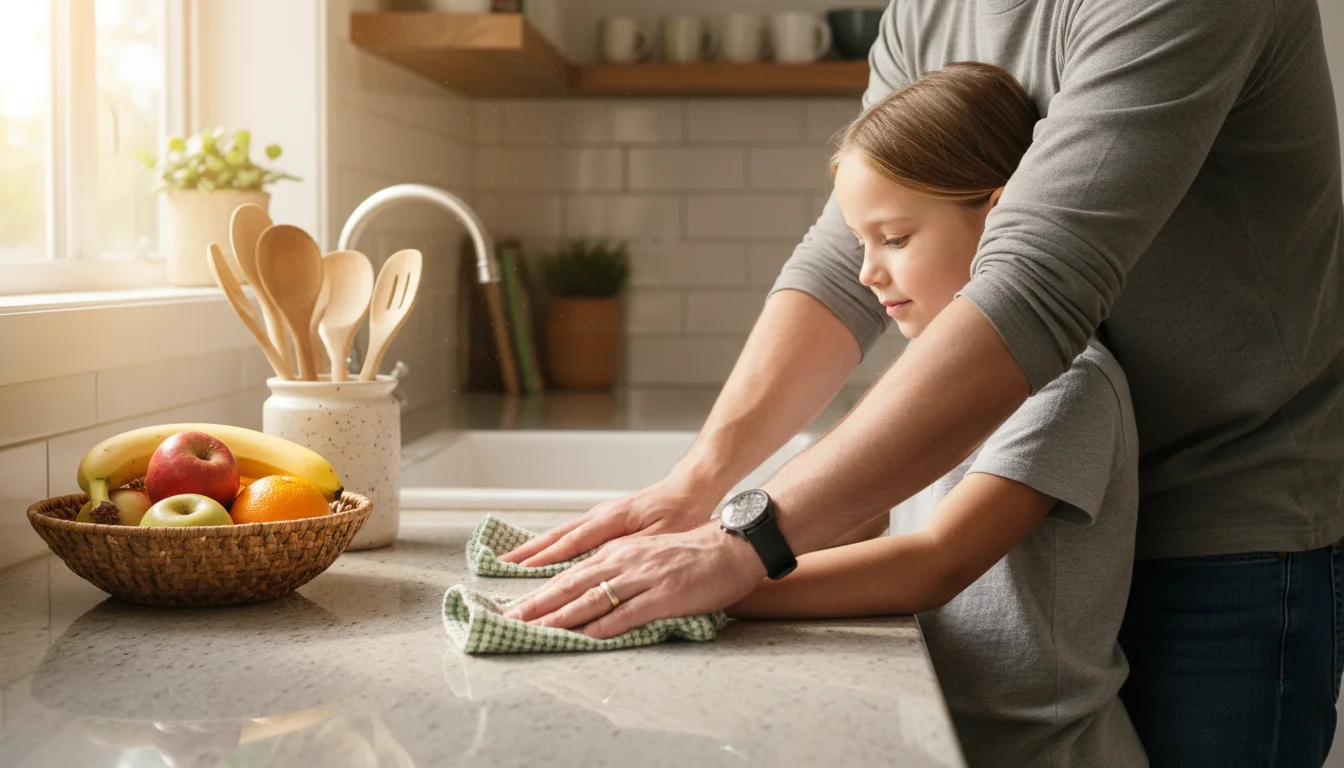
A quick daily reset prevents clutter from accumulating. Wipe down counters, put dishes away promptly, and return items to their designated homes after use. Teach everyone in your household these habits. When everything has a specific place, tidying becomes much quicker and easier. Periodically, perhaps every few months, revisit your organized zones. Re-evaluate what you own. Do you still use that gadget? Has your spice collection grown too large? Adjust your systems as your cooking habits or household needs change. An organized kitchen is not a static state, it is an ongoing process of gentle maintenance and adaptation.

Frequently Asked Questions
How do I start decluttering my small kitchen?
If your tiny kitchen is part of an open-plan living area, our studio apartment layout tips can help you create a more cohesive design.
Begin by removing everything from one cabinet or drawer. Sort items into categories: keep, donate, toss, or relocate to another room. Only return items you regularly use and truly need. Be honest about duplicates or items you have not touched in a year. Once that section is clear, organize it using the solutions discussed, then move to the next area. This methodical approach prevents overwhelm.
What are the best small kitchen appliances to save space?
When choosing appliances for a small kitchen, prioritize multi-functional and compact options. Consider an air fryer that also toasts and bakes, a compact food processor, or a mini-blender that doubles as a travel cup. Look for appliances that store vertically or fit easily into a corner. Always check dimensions before purchasing to ensure a perfect fit in your limited space.
Can I organize a tiny kitchen on a tight budget?
Absolutely. Focus on decluttering first, as this costs nothing and often reveals more space than you realized. Repurpose items you already own, like baskets for pantry storage or old magazine files for cutting boards. Utilize DIY solutions such as simple shelves or hooks. When buying new, prioritize inexpensive options like tension rods, basic drawer dividers, or wall-mounted baskets from discount stores. You do not need fancy gadgets to create an organized system.
How often should I reorganize my kitchen?
While daily tidying keeps things generally neat, plan a deeper reorganization every 3-6 months. This allows you to reassess your inventory, declutter new items that have accumulated, and adjust your systems to match evolving needs. Small, regular check-ins prevent major organizational overhauls later, keeping your kitchen consistently functional.
For expert home organization guidance, visit
Real Simple — Organizing,
Good Housekeeping — Organization, and
Apartment Therapy.
Disclaimer: This article is for informational purposes only and is not a substitute for professional advice. Consult professional organizers or specialists for personalized recommendations.


Leave a Reply