
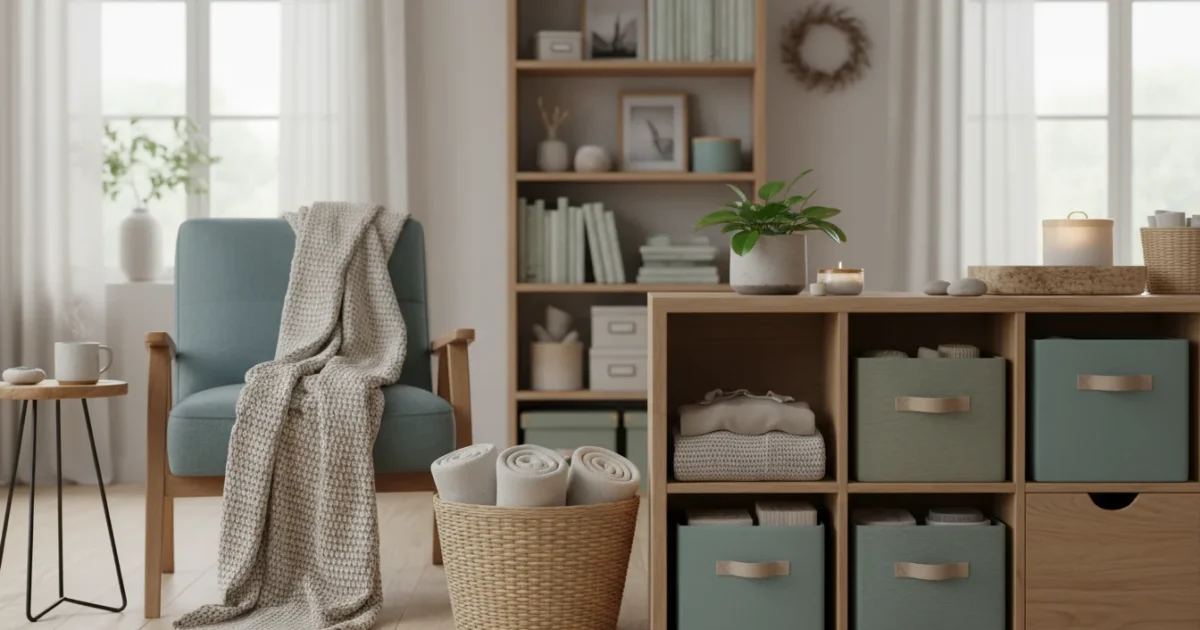
Do you ever feel like your home shrinks a little more each day, even when you consistently declutter? You are not alone. Many homeowners, renters, and apartment dwellers struggle with maximizing limited square footage. The solution often lies not in expanding your physical footprint, but in looking up. Vertical storage offers a powerful way to reclaim your space, transforming unused wall areas into highly functional organization zones. This guide provides practical, actionable insights to help you utilize your walls effectively, creating a more organized and comfortable home.
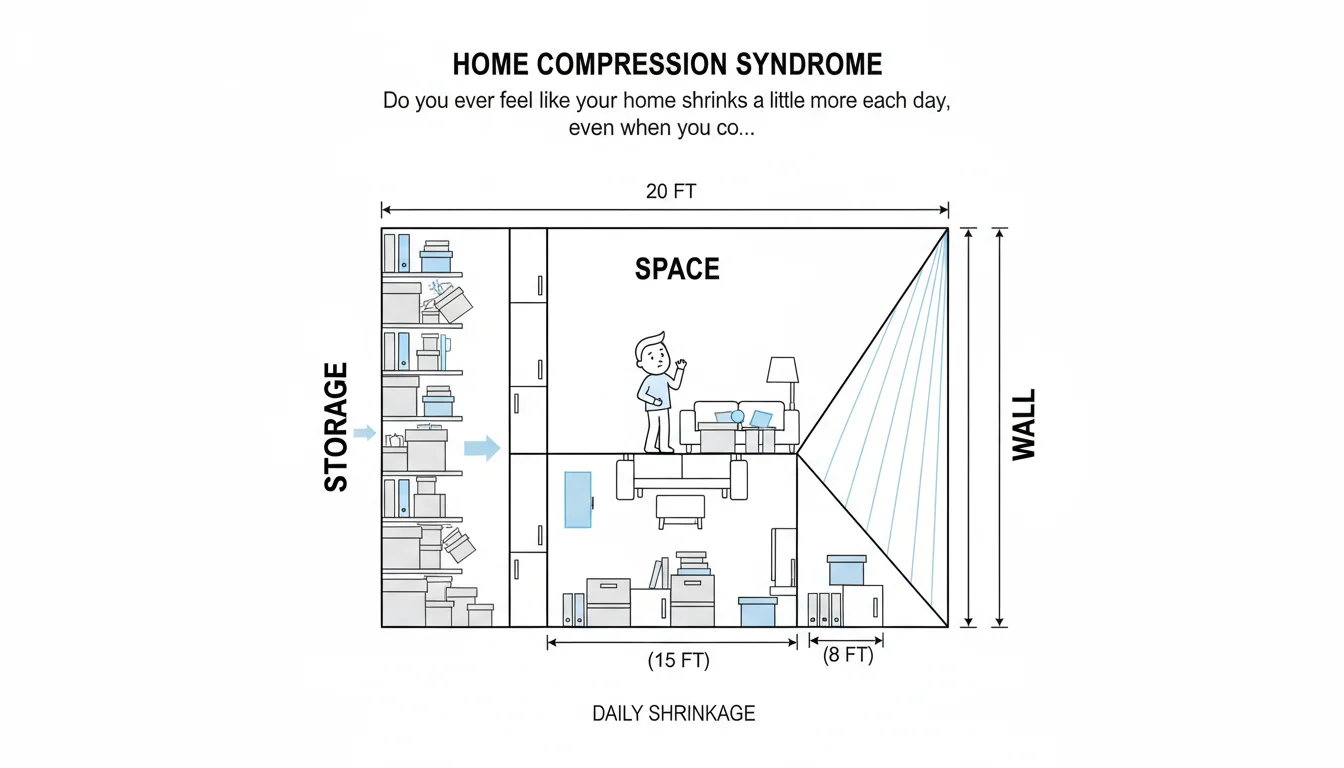
Maximizing vertical space is a cornerstone of efficient home organization, particularly valuable for anyone navigating the challenges of a small living area or simply seeking to optimize their existing layout. It involves thinking beyond floor-level furniture and seeing your walls, doors, and even ceilings as prime real estate for storage. We will explore how to implement these systems, from budget-friendly DIY options to smart product investments, ensuring your home remains tidy and functional without feeling overwhelmed.
Understanding Vertical Storage: Your Secret Weapon for Space
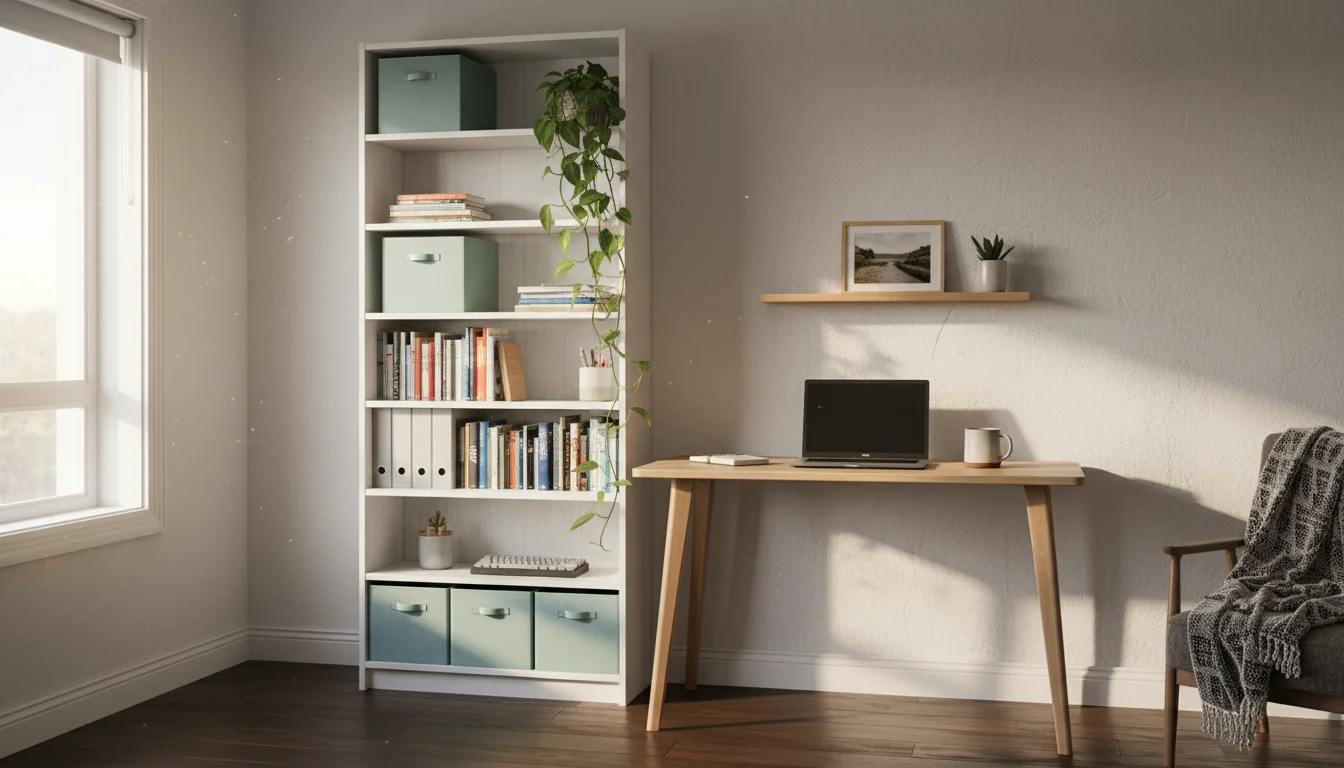
Vertical storage refers to any organizational system that utilizes the height of a room, extending storage solutions upwards from the floor. Think shelves, wall-mounted cabinets, hanging organizers, and stacking units. Instead of spreading items horizontally, you condense them vertically. This approach fundamentally changes how you perceive and use your living area.
These principles are also vital when maximizing closet space in a small bedroom to keep your sleeping area serene and tidy.
For those living in extremely compact quarters, exploring vertical storage ideas for small apartments can offer specialized inspiration for tight floor plans.
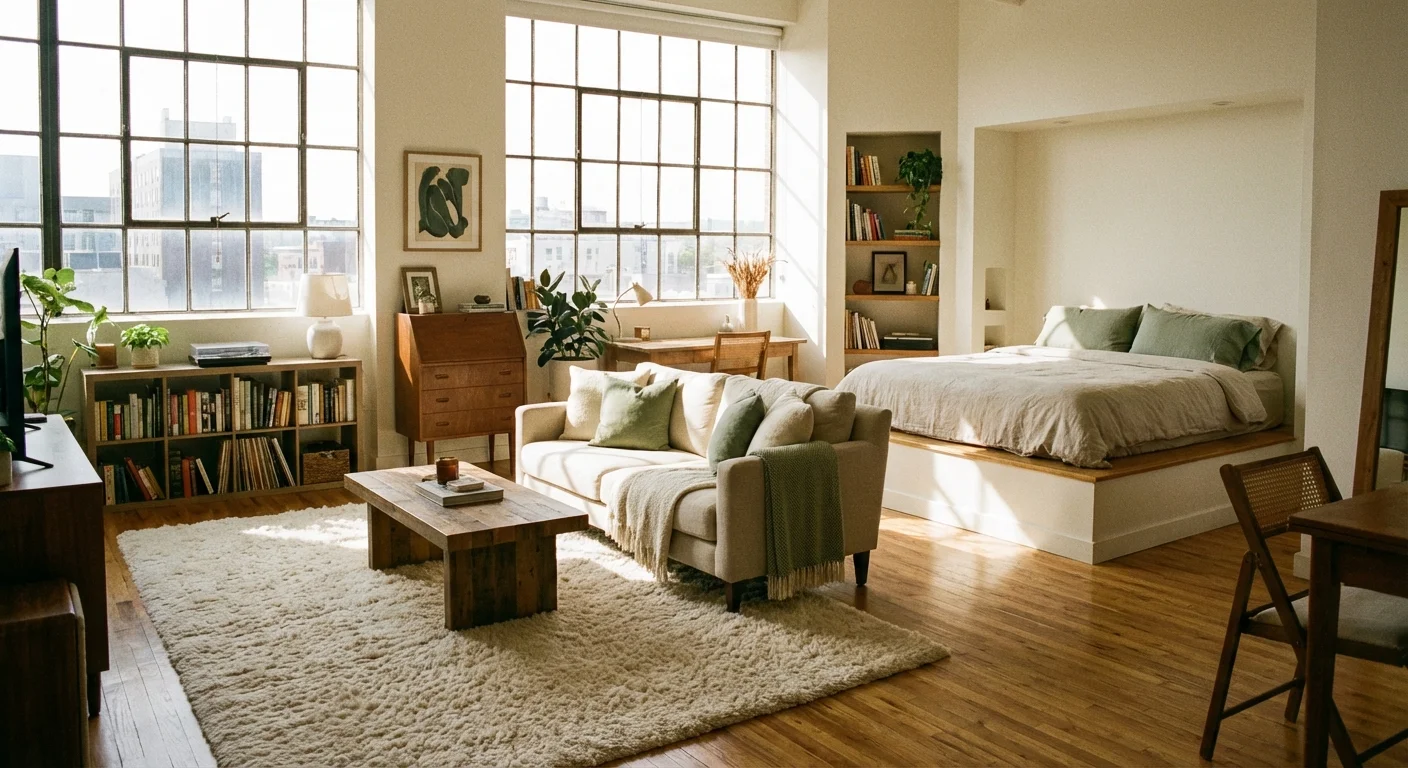
Tall, open shelving units can also function as effective studio apartment room divider ideas to separate living and sleeping areas.
The concept is simple yet transformative. Imagine a typical floor plan. Most people focus on filling the horizontal surfaces: tables, desks, dressers, and floor space. However, the vertical expanse, from the floor to the ceiling, often remains underutilized. By shifting your perspective and incorporating elements that climb the walls, you unlock significant hidden storage potential. This strategy is not about adding more clutter, but about intelligently containing and displaying what you already own, making it accessible and organized.
Effective vertical storage integrates seamlessly into your decor, providing both functionality and aesthetic appeal. It helps define “zones,” which are designated areas for specific activities or item categories, making your home feel more intentional and less chaotic. For example, a vertical shelving unit in a living room can serve as a display for books and decorative items, while also housing baskets for remote controls and charging cables, effectively creating a dedicated entertainment zone.
Why Vertical Storage Works for Real Homes
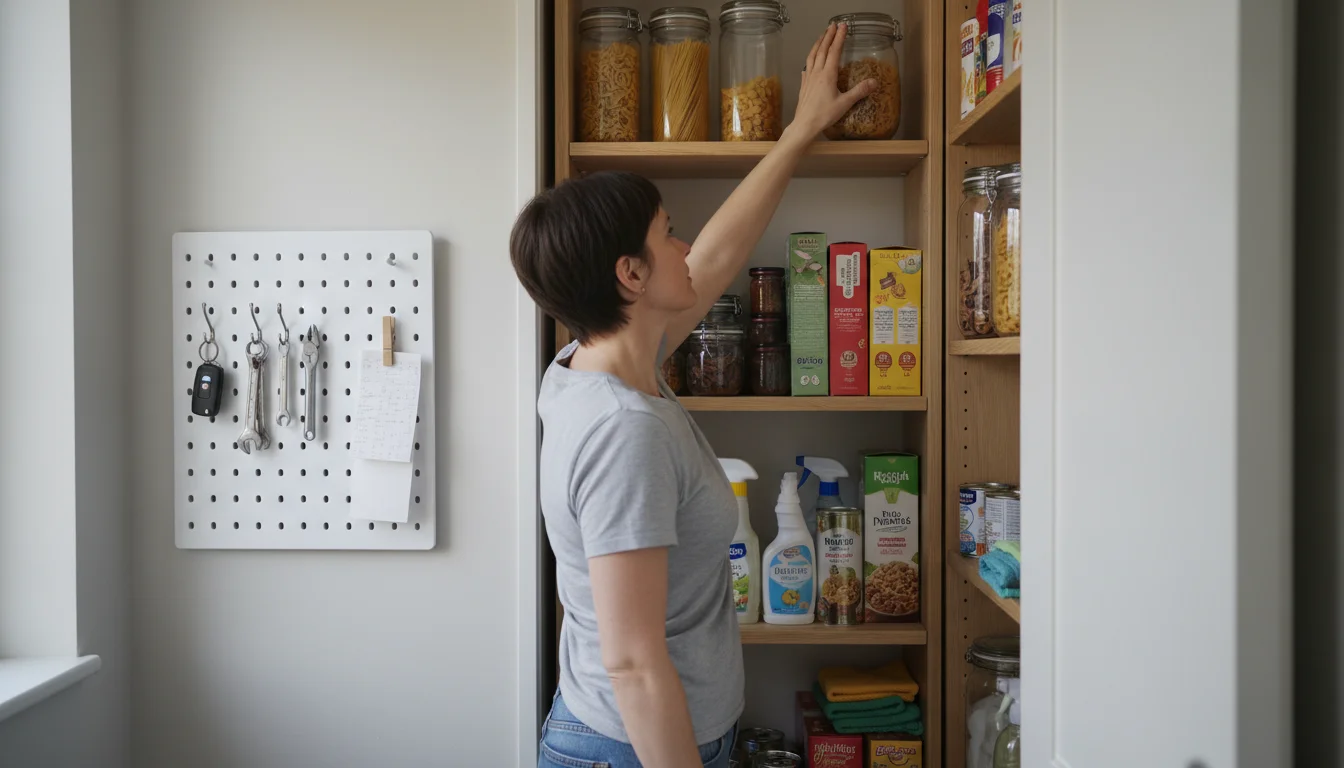
Vertical storage offers a multitude of benefits, particularly for busy individuals managing real-life constraints such as limited space and tight budgets. It provides actionable solutions that deliver tangible results in home comfort and organization.
While focusing on walls is key, combining these efforts with under-bed storage ideas ensures no space in your home is wasted.
Pairing these wall systems with the best multifunctional furniture for small homes is a game-changer for overall efficiency.
-
Maximizes Small Spaces: This is the most obvious advantage. In apartments or compact homes, every inch counts. Vertical solutions free up valuable floor space, making rooms feel larger and less cramped. You gain significant storage without expanding your footprint.
-
Improves Accessibility: When items are stored vertically, they often become more visible and easier to retrieve. Instead of digging through deep drawers or stacks, you can quickly spot what you need on a shelf or hanging organizer. This reduces frustration and saves time.
-
Enhances Visual Appeal: Well-designed vertical storage can elevate your home’s aesthetic. Floating shelves display art and books beautifully, while uniform baskets on high shelves create a clean, cohesive look. It helps you manage visual clutter, promoting a sense of calm.
-
Boosts Organization and Decluttering: Implementing vertical storage forces you to categorize and contain your belongings. This process naturally aids in decluttering, as you evaluate what truly needs a place. According to the National Association of Professional Organizers, creating designated homes for items is crucial for maintaining order, and vertical systems excel at this.
-
Cost-Effective Solutions: You do not need a massive budget to implement vertical storage. Many DIY options use affordable materials, and even store-bought solutions range widely in price, offering options for every financial plan. You invest in smarter organization, not just more stuff.
-
Versatility and Adaptability: Vertical storage systems adapt to various needs. You can reconfigure shelves, add or remove hanging components, and switch out bins as your needs change. This flexibility ensures your organization system remains effective over time.

Getting Started: Assess Your Space and Needs
Before you purchase a single shelf or hammer a nail, take time to understand your current situation. A thorough assessment prevents wasted effort and ensures your vertical storage solutions genuinely meet your needs.
Step 1: Identify Your Problem Areas
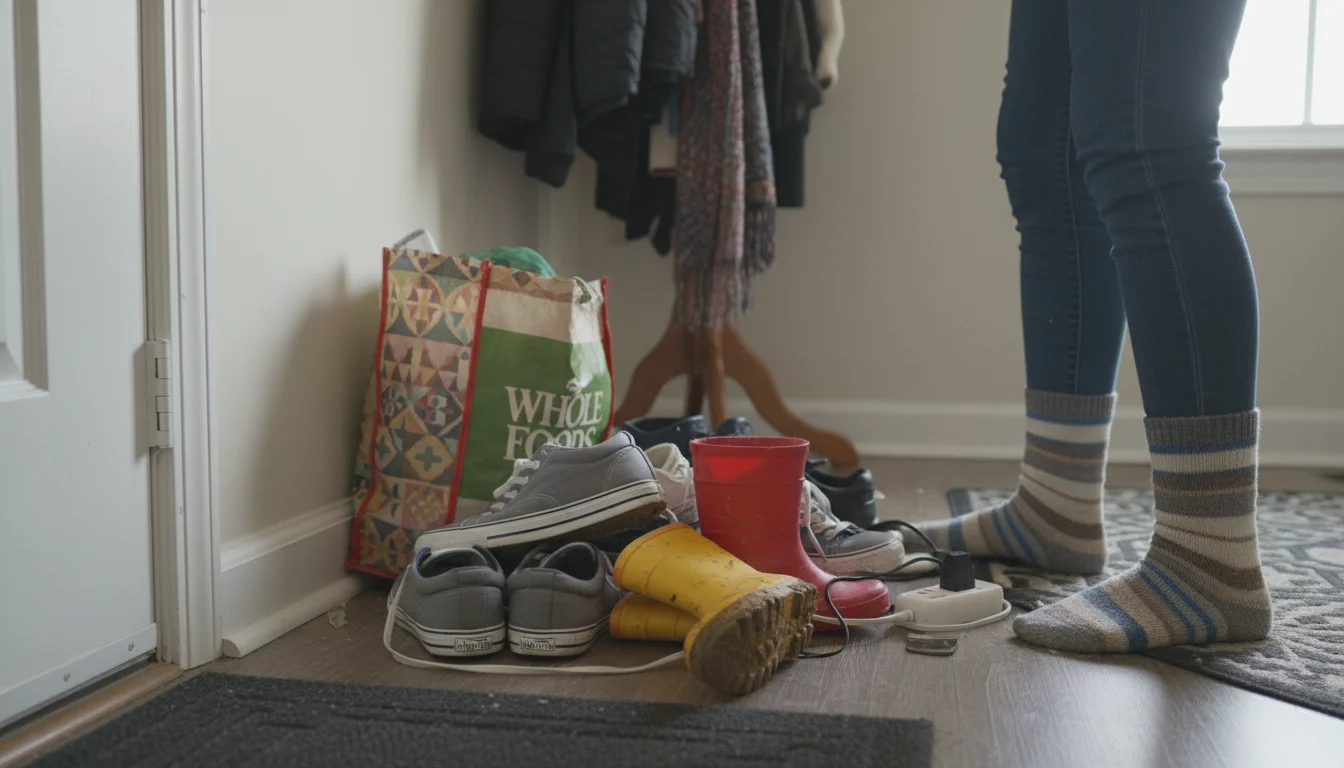
Walk through your home with a critical eye. Where do you consistently encounter clutter? Is it a pile of shoes by the door, overflowing kitchen counters, or a chaotic desk? Pinpoint the specific spots where items accumulate and cause stress. These are your prime candidates for vertical intervention.

Step 2: Declutter and Purge
You cannot organize clutter, you just rearrange it. Before planning any storage, remove items you no longer use, love, or need. Apply a ruthless approach: donate, sell, recycle, or discard. This step is non-negotiable and dramatically reduces the volume you need to store. As experts at The Spruce Home Organization often advise, decluttering before organizing is key to long-term success.

Step 3: Measure and Map
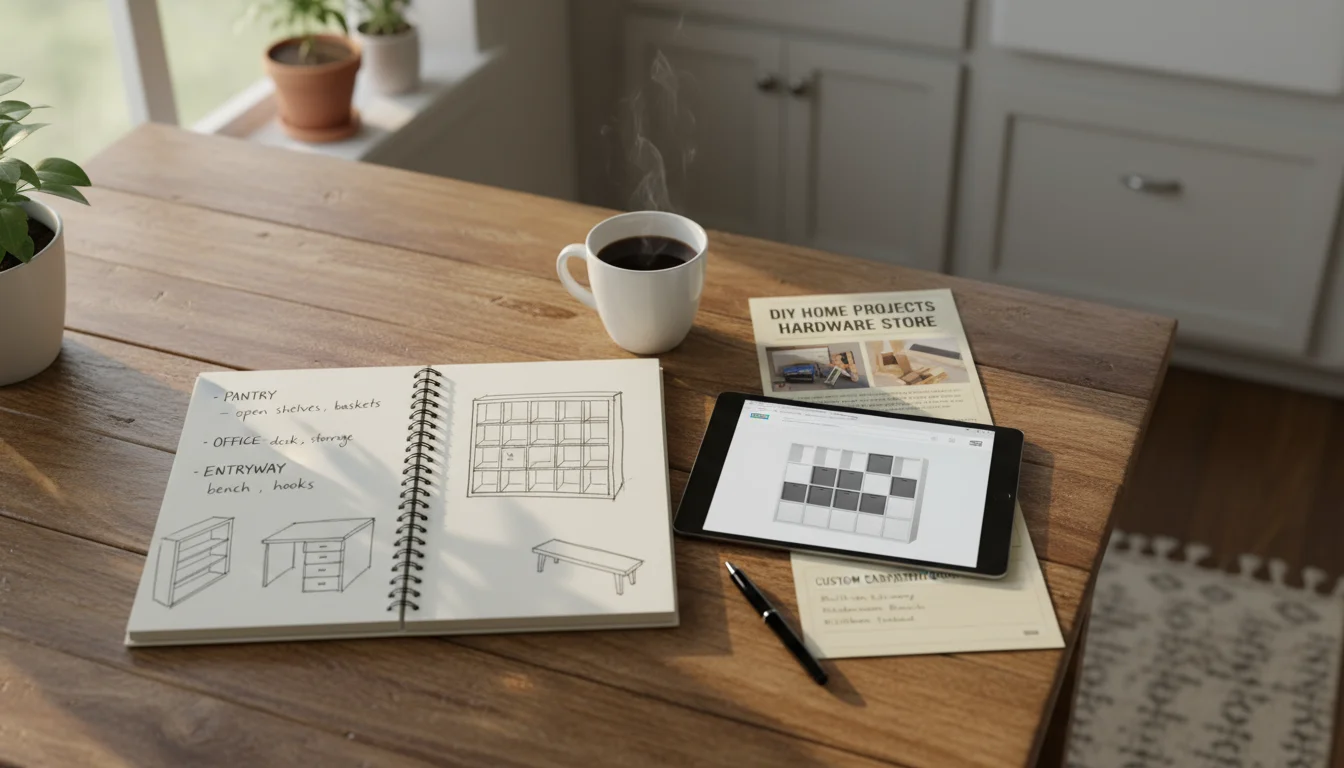
Grab a tape measure. Measure the available wall space in your target areas. Consider height, width, and depth. Also, note any obstacles like windows, doors, light fixtures, or electrical outlets. This gives you a clear picture of your usable vertical real estate. Sketch out rough diagrams of your walls, marking potential areas for shelves, hooks, or cabinets. Consider how items will be accessed: do you need frequently used items at eye level, or can less-used items go higher?
Step 4: Categorize Your Items
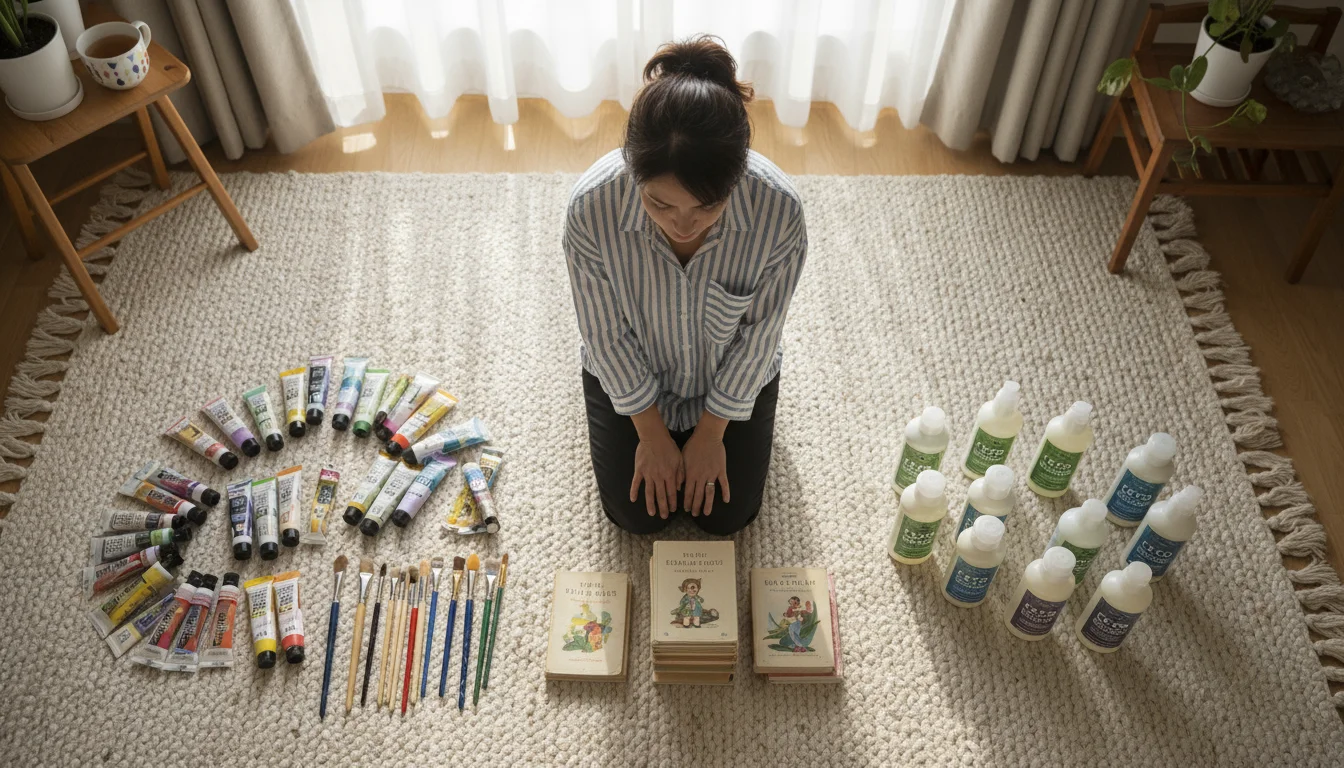
Once you declutter, categorize what remains. Group like items together: all books, all craft supplies, all cleaning products. This helps you understand the volume and type of items you need to store, informing your choice of vertical solution. For instance, heavy books require sturdy shelving, while small art supplies might benefit from clear, wall-mounted bins.
Step 5: Define Your Goals and Budget
What do you want to achieve with vertical storage? More accessible pantry items? A tidy home office? A less cluttered entryway? Setting clear goals helps you stay focused. Simultaneously, establish a realistic budget. This guides your choices between DIY projects, affordable off-the-shelf units, or more custom, higher-investment solutions.
Clever Vertical Storage Solutions for Every Room
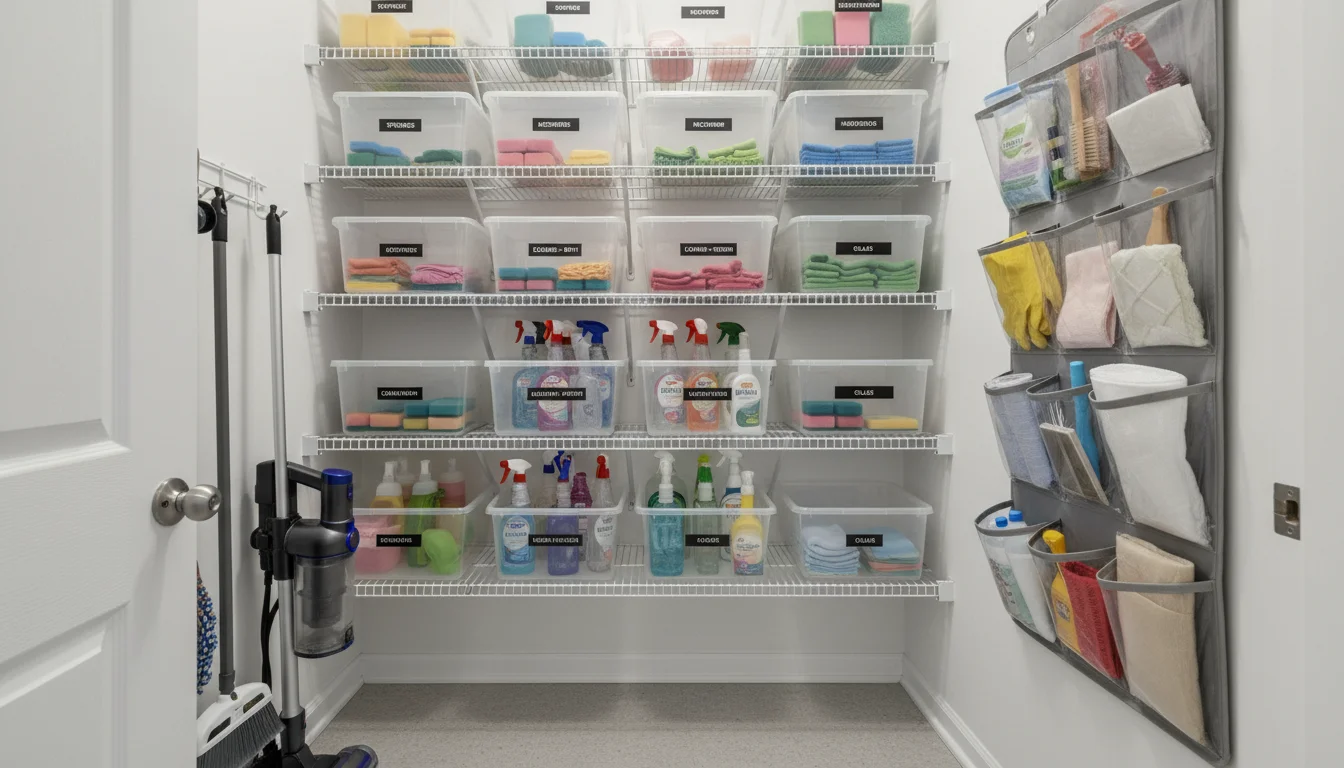
Vertical storage opportunities exist in every corner of your home. These examples illustrate how you can implement these ideas practically, transforming various spaces into models of efficiency.
To truly leave no stone unturned, integrate corner shelving ideas to transform awkward nooks into functional displays.
Vertical space is also vital when learning how to make a small bathroom feel bigger and more organized.
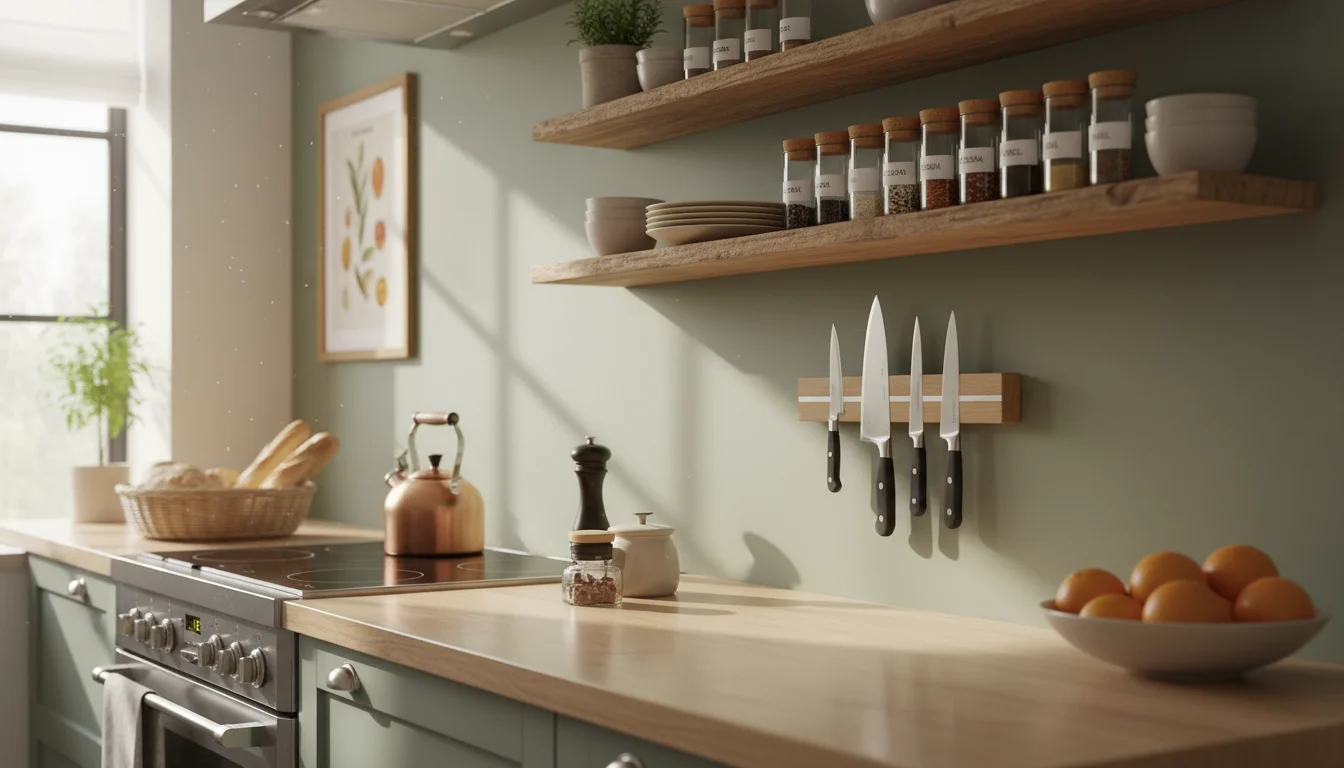
Kitchen: Maximize Pantry and Counter Walls
Your kitchen is often a hub of activity and notorious for accumulating items. Vertical solutions here create immense relief.
-
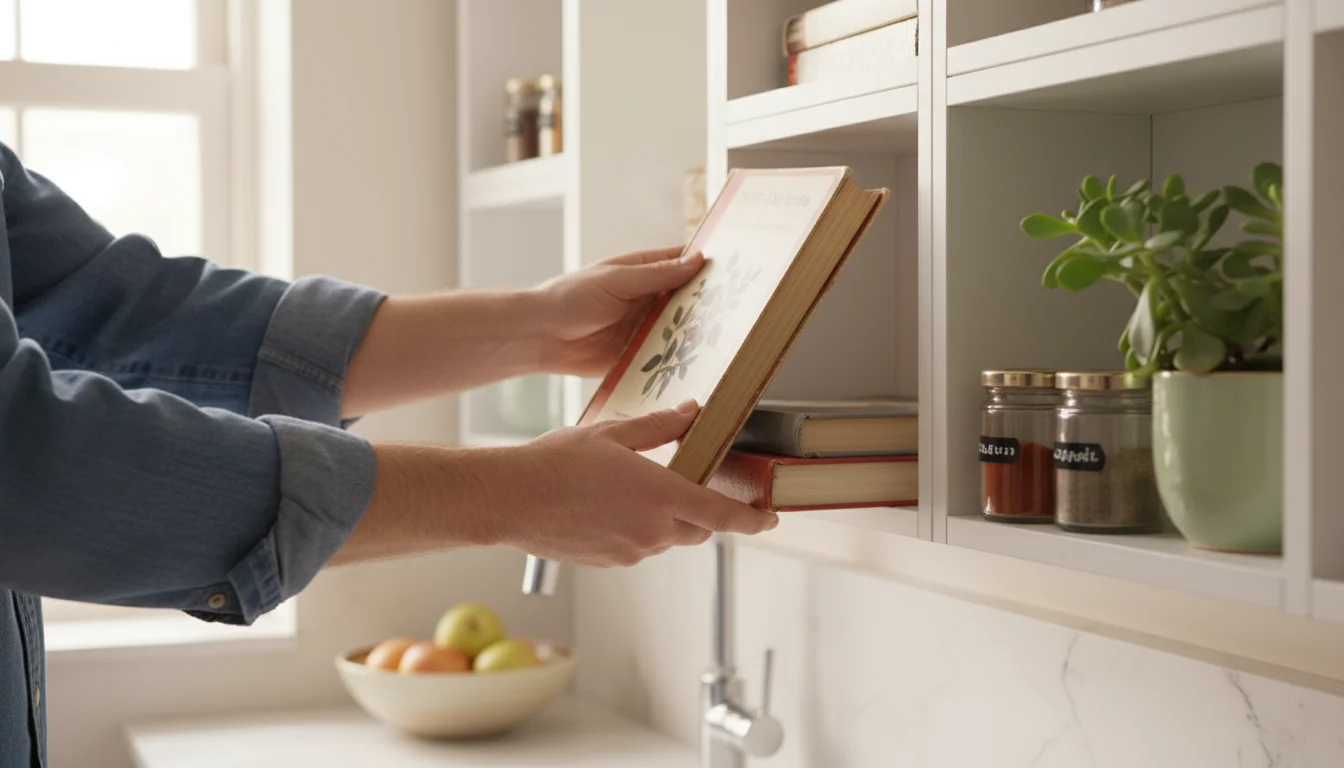
Wall-Mounted Shelves: Install floating shelves above your counters or along an unused wall. Use them for frequently accessed spices, cookbooks, small appliances, or decorative items. Consider corner shelves to utilize awkward angles.
-
Pot and Pan Racks: Hanging a pot rack above an island or stove frees up cabinet space. This is a practical and often stylish solution, keeping heavy cookware easily accessible.
-
Magnetic Knife Strips: These strips declutter drawers and keep sharp knives safely out of reach, mounted conveniently on the wall.
-
Pegboards: A pegboard system offers incredible versatility. Mount it in a pantry or on an empty kitchen wall. You can hang tools, small utensils, measuring cups, and even small baskets for spices, reconfiguring as needed.
-
Over-the-Door Organizers: The back of your pantry or kitchen cabinet door offers space for small items like foil, plastic wrap, or cleaning supplies.
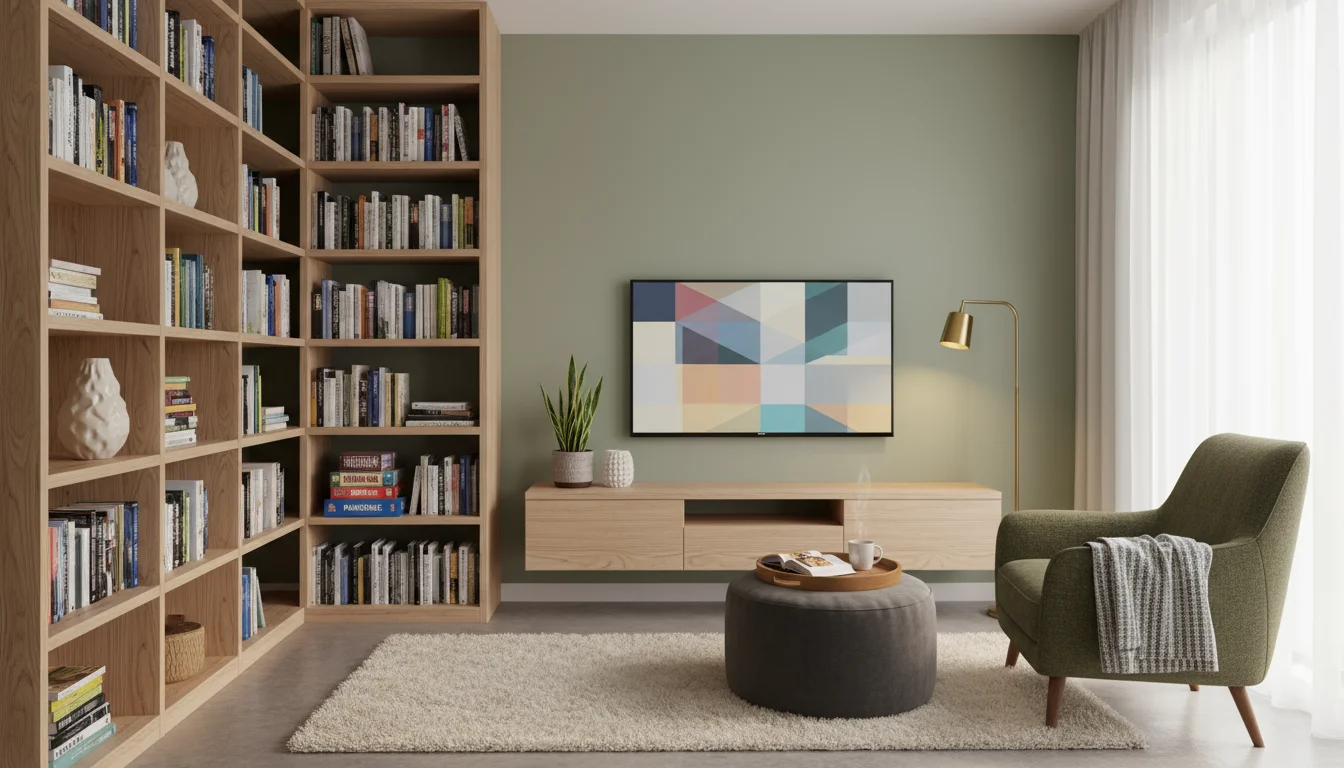
Living Room: Display and Conceal
In the living room, vertical storage can blend functionality with aesthetics.
-
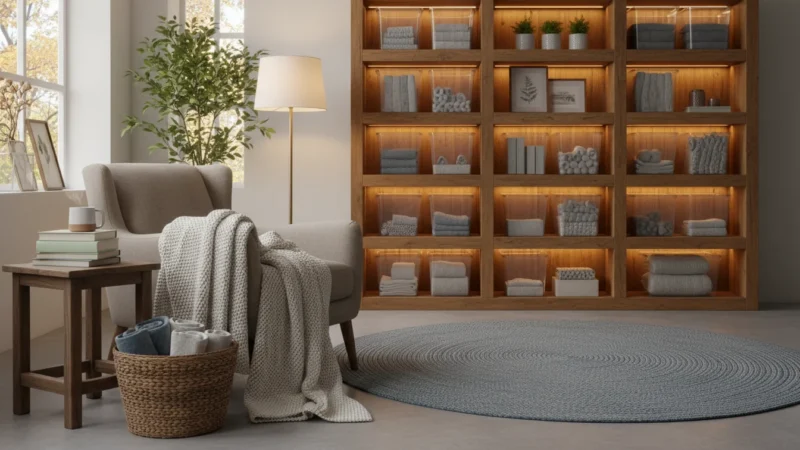
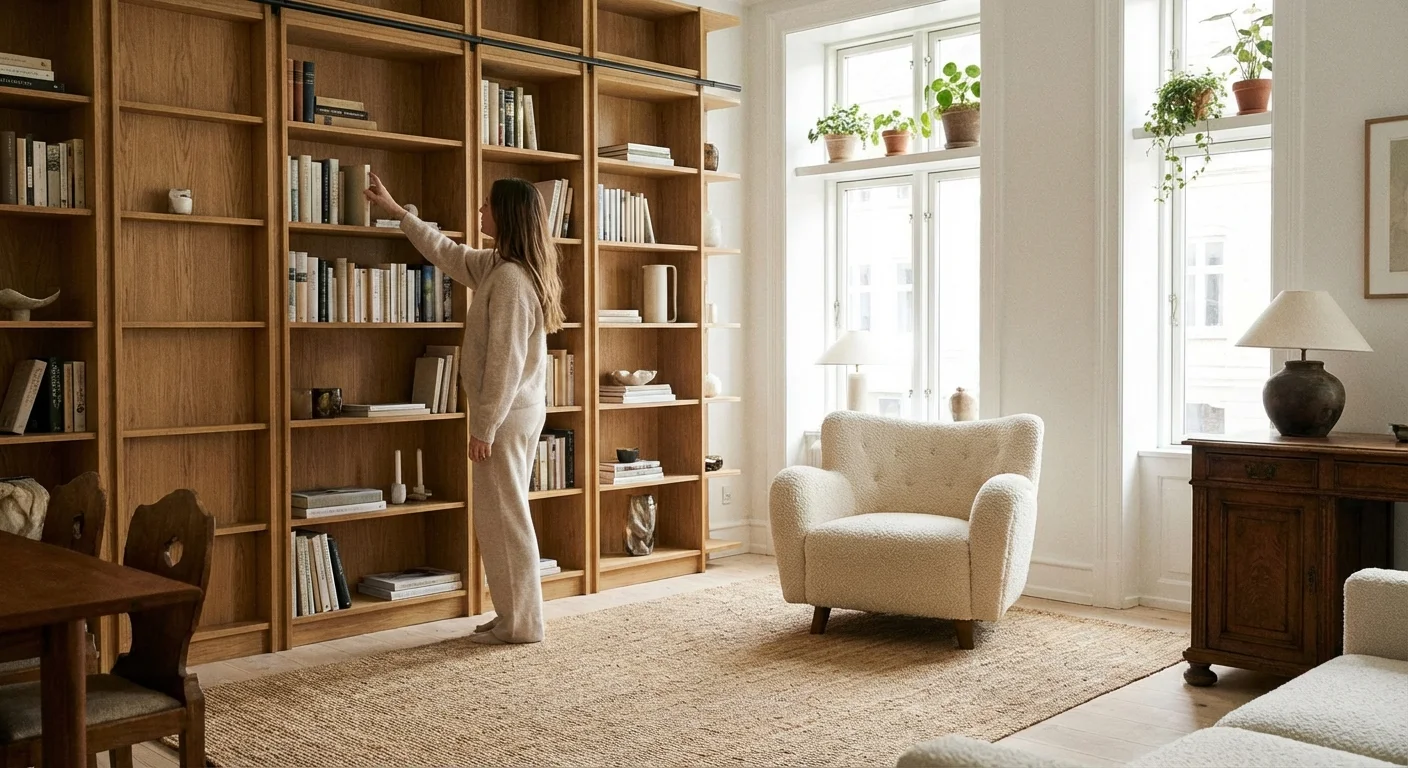
Tall Bookshelves: Floor-to-ceiling bookshelves provide ample storage for books, decor, and even board games. Look for units with adjustable shelves for maximum flexibility.
-
Floating Wall Units: A series of floating shelves and closed cabinets mounted on the wall can create a modern, customized entertainment center. These keep media devices and wires hidden while displaying your favorite pieces.
-
Picture Ledges: These narrow shelves are perfect for displaying framed photos, small art, or lightweight decorative objects without taking up much room depth.
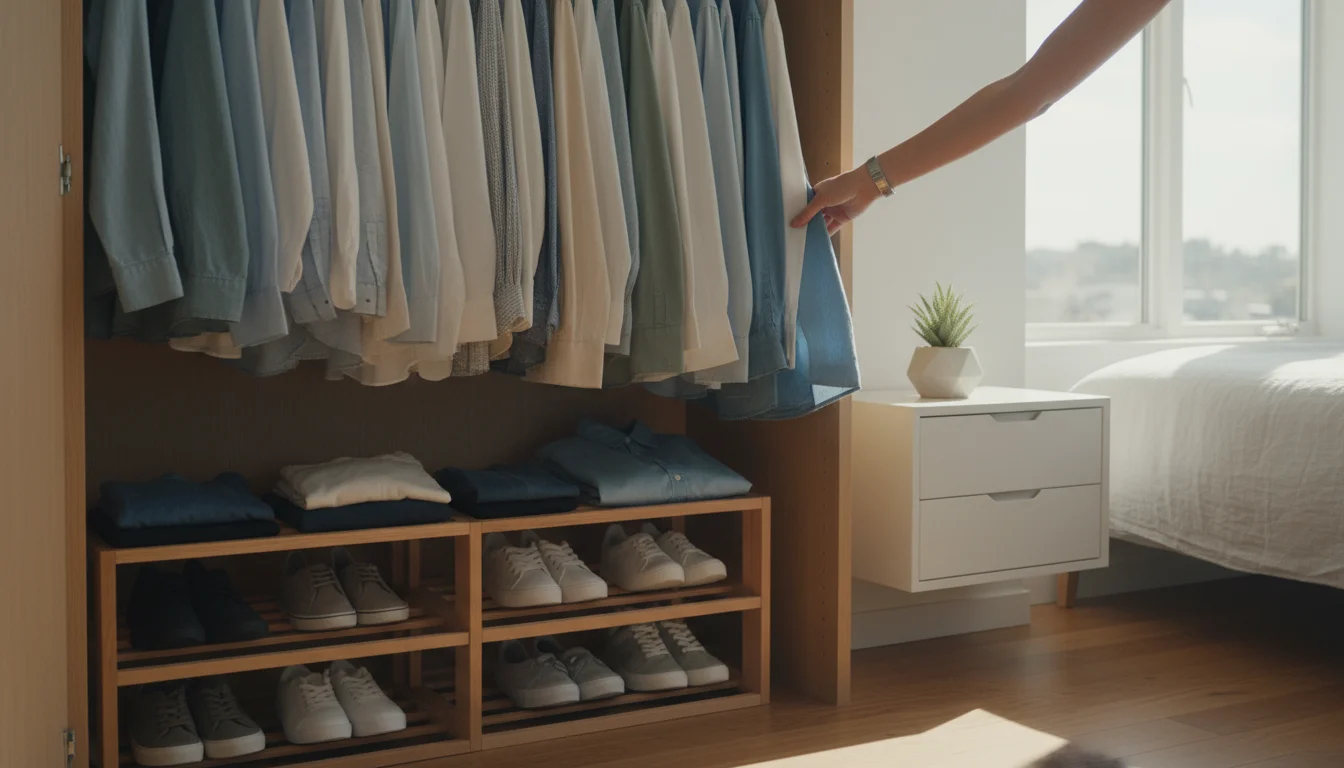
Bedroom: Closet and Wall Solutions
Bedrooms benefit from vertical systems that organize clothing, accessories, and personal items.
-
Closet Systems: Install additional shelving, double hanging rods, or drawer units within your closet. This maximizes the vertical space inside, often doubling storage capacity. Consider specialized hanging organizers for shoes, belts, or scarves.
-
Wall-Mounted Nightstands: In smaller bedrooms, floating nightstands or small shelves attached to the wall free up floor space next to the bed.
-
Over-the-Door Shoe Organizers: The back of your bedroom door is prime real estate for shoes, accessories, or even small toiletries.
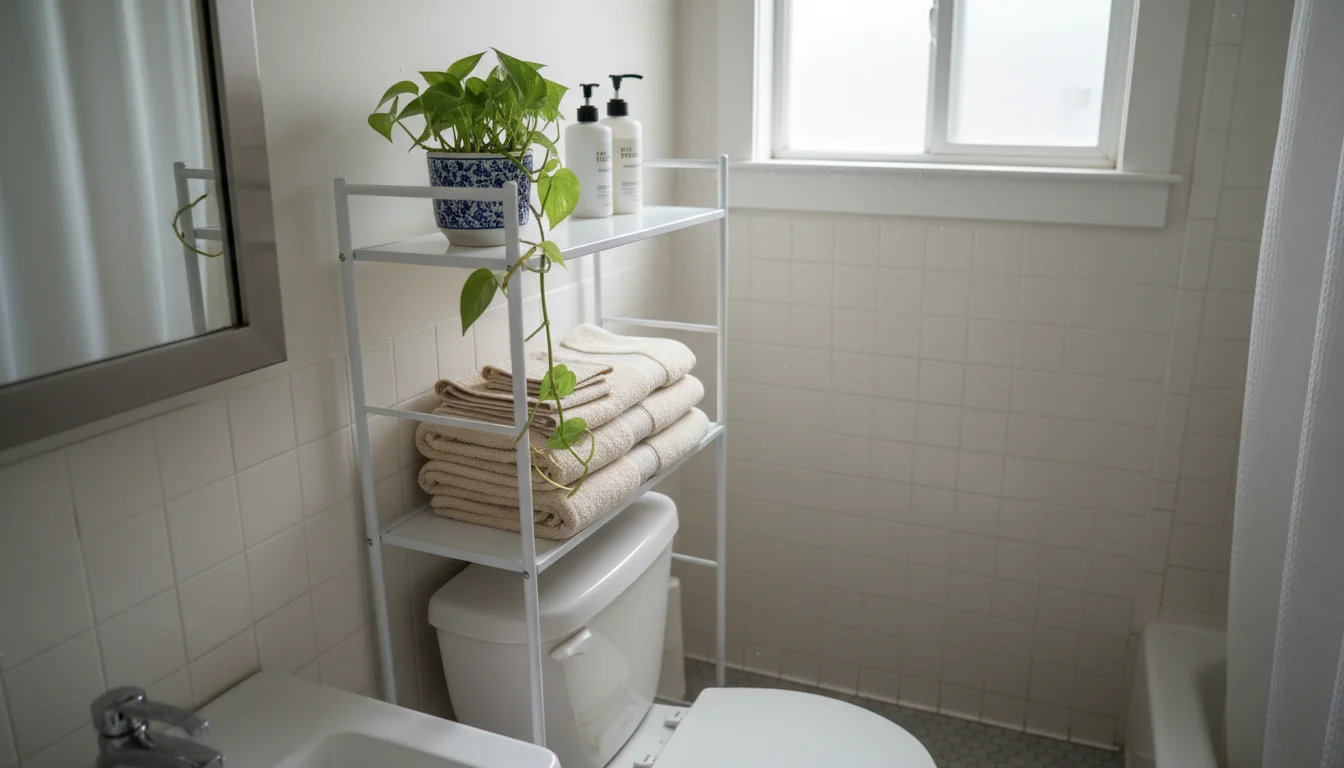
Bathroom: Tidy and Accessible
Bathrooms, particularly small ones, thrive on vertical organization.
-
Over-the-Toilet Shelving Units: These units utilize the often-wasted space above the toilet for towels, toiletries, and decorative items.
-
Shower Caddies: Hanging caddies keep shampoos, conditioners, and soaps neatly organized and off the shower floor.
-
Wall-Mounted Cabinets: Small, shallow wall cabinets store medicines, extra toilet paper, or personal care products discreetly.
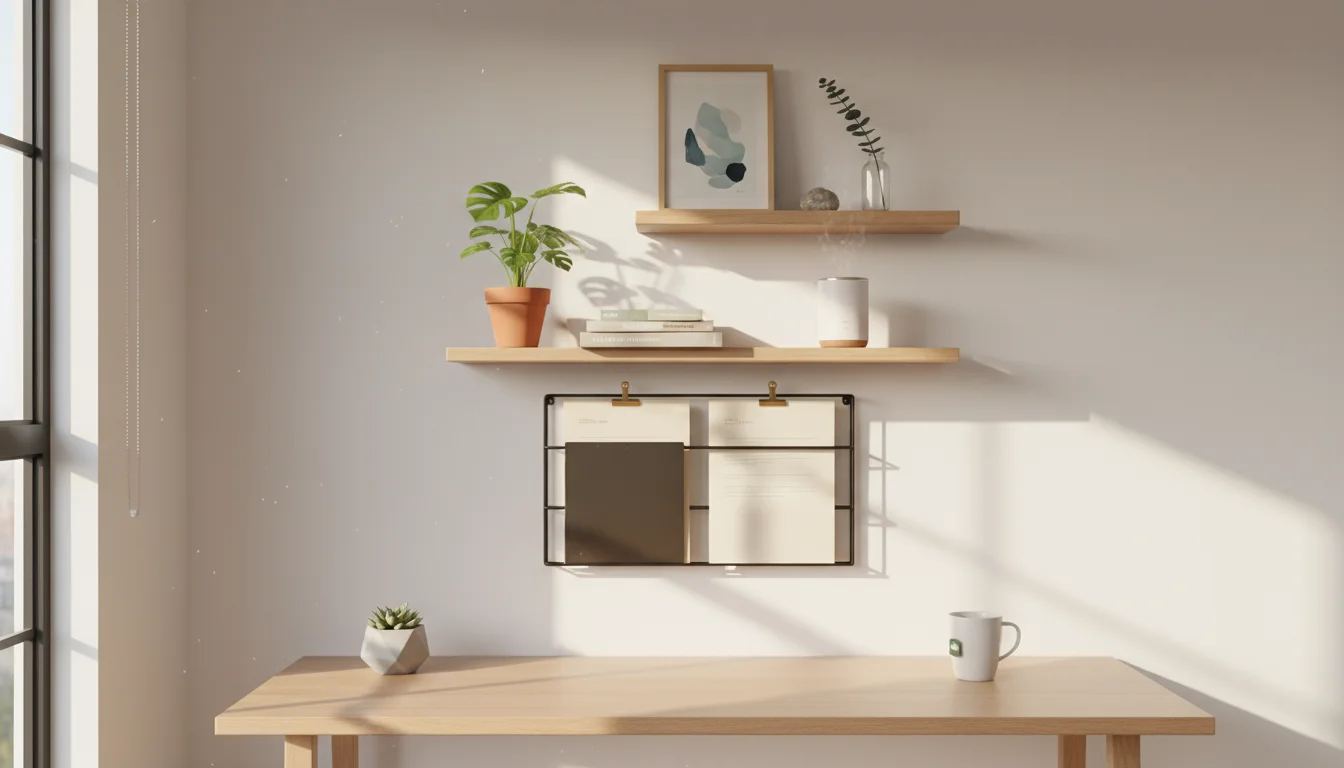
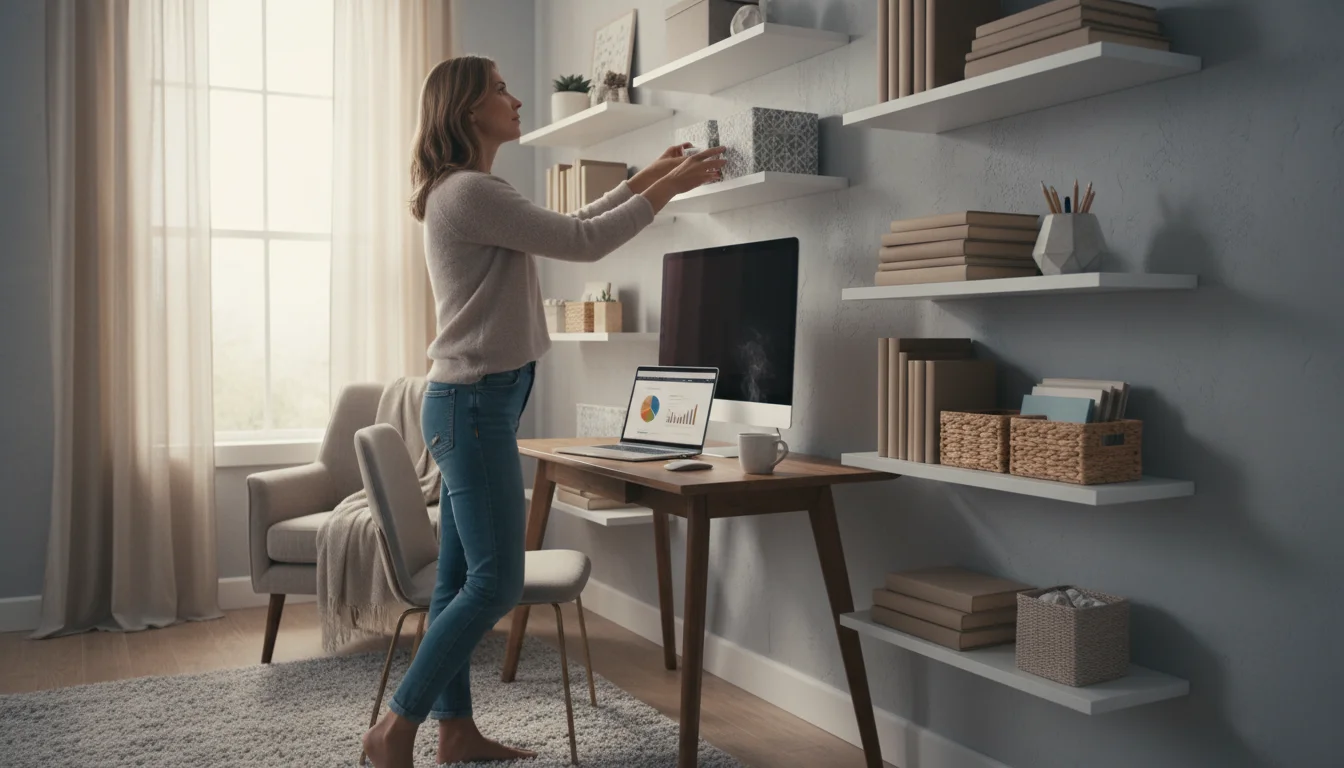
Home Office: Productivity Power-Up
A tidy office enhances focus and productivity. Vertical storage keeps supplies and documents in order.
-
Wall Files and Magazine Holders: Mount file holders vertically on the wall to store documents, mail, or magazines, keeping your desk clear.
-
Floating Desk Shelves: Above your desk, install shelves for books, office supplies, and reference materials. This keeps essentials within reach without cluttering your workspace.
-
Cork Boards or Whiteboards: While not strictly “storage,” these vertical surfaces hold notes, reminders, and schedules, preventing paper piles on your desk.
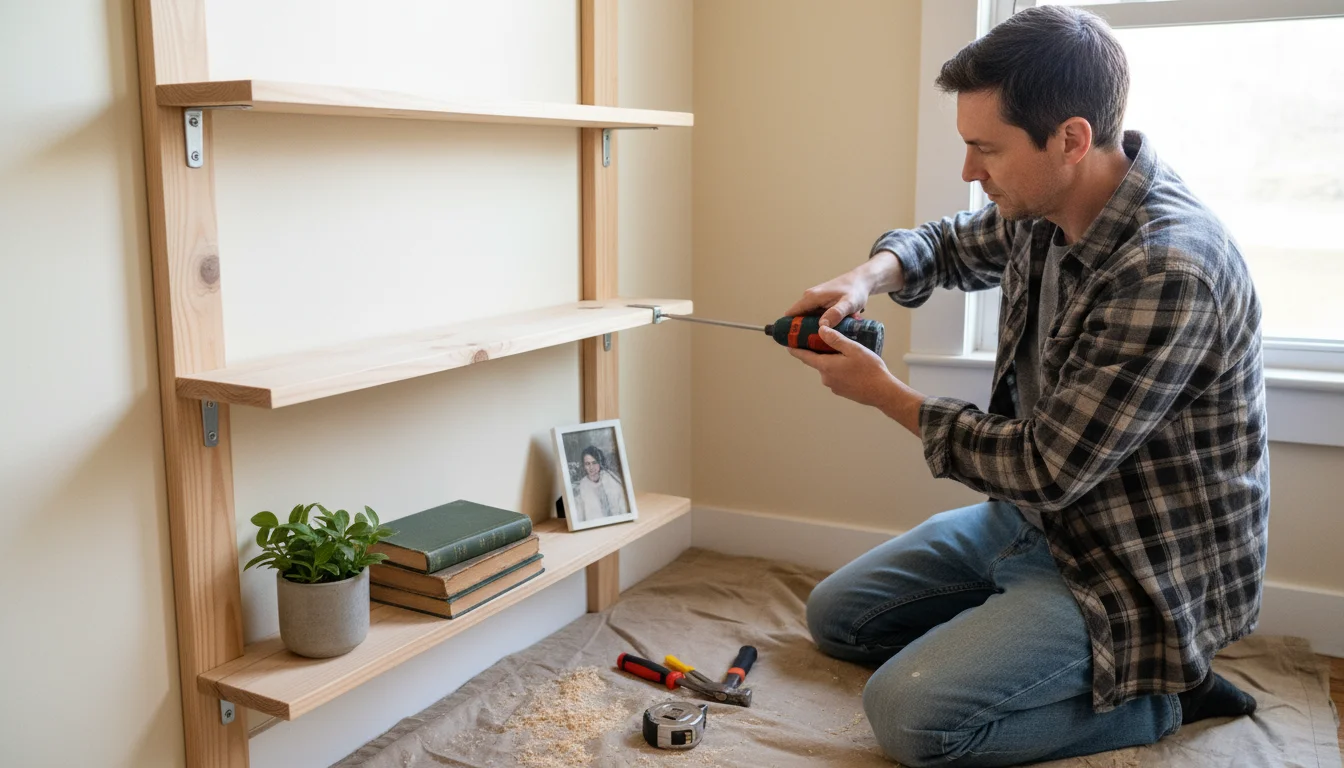
DIY Vertical Storage Projects on a Budget
You do not need to spend a fortune to implement effective vertical storage. Many impactful solutions are achievable with basic tools and a bit of creativity. These DIY projects are budget-friendly and allow for customization to your specific needs and style.
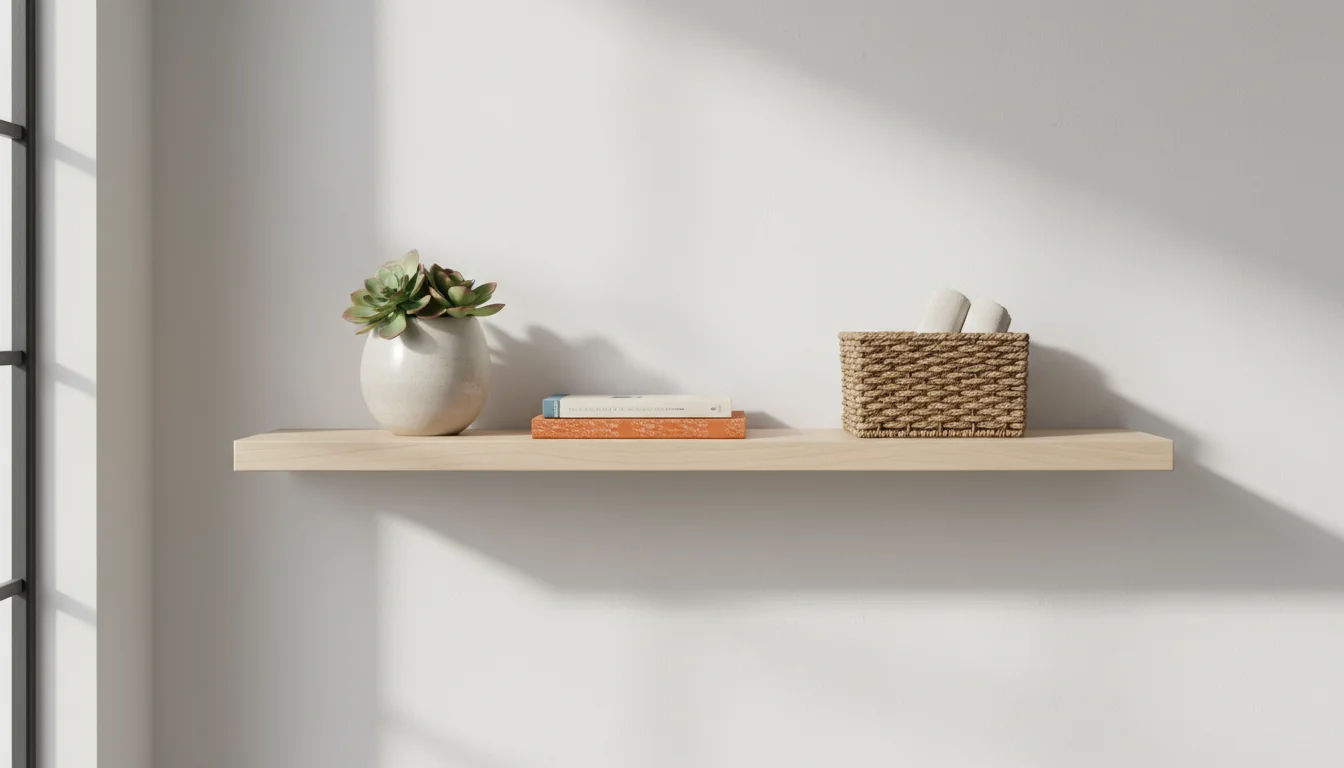
1. Simple Floating Shelves
Concept: Basic wooden shelves mounted directly to wall studs or with appropriate anchors.
Materials: Pine or common board, shelf brackets or invisible shelf supports, screws, drill, level, stud finder.
Process:
- Measure your desired shelf length and depth.
- Cut the wood to size, or have a hardware store do it.
- Sand and paint or stain the wood to match your decor.
- Locate wall studs using a stud finder. If studs are unavailable, use drywall anchors rated for the weight you plan to store.
- Attach brackets or invisible supports to the wall, ensuring they are level.
- Secure the shelf to the supports.
Tip: For a clean look, use invisible floating shelf brackets. For heavier items, secure into studs whenever possible.
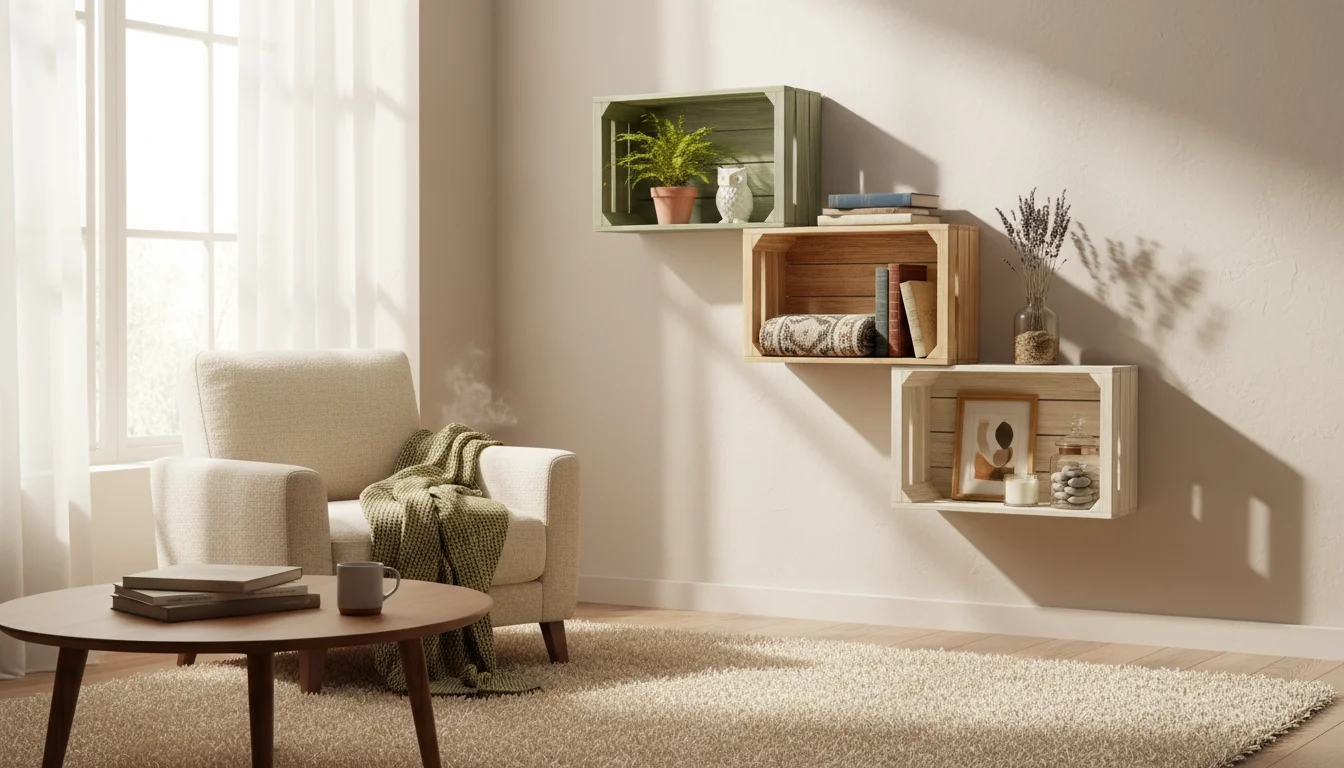
2. Repurposed Crate or Box Shelves
Concept: Use old wooden crates or sturdy boxes as wall-mounted storage cubbies.
Materials: Wooden crates (e.g., from craft stores, wine crates), screws, drill, level, sandpaper, paint/stain (optional).
Process:
- Clean and lightly sand the crates to remove splinters.
- Paint or stain them if desired.
- Decide on your arrangement on the wall (stacked, staggered, etc.).
- Secure each crate to the wall using screws driven through the back of the crate into wall studs or heavy-duty anchors. Ensure each crate is level and securely fastened.
Tip: These work well for displaying books, small plants, or decorative items, creating a rustic or eclectic look.
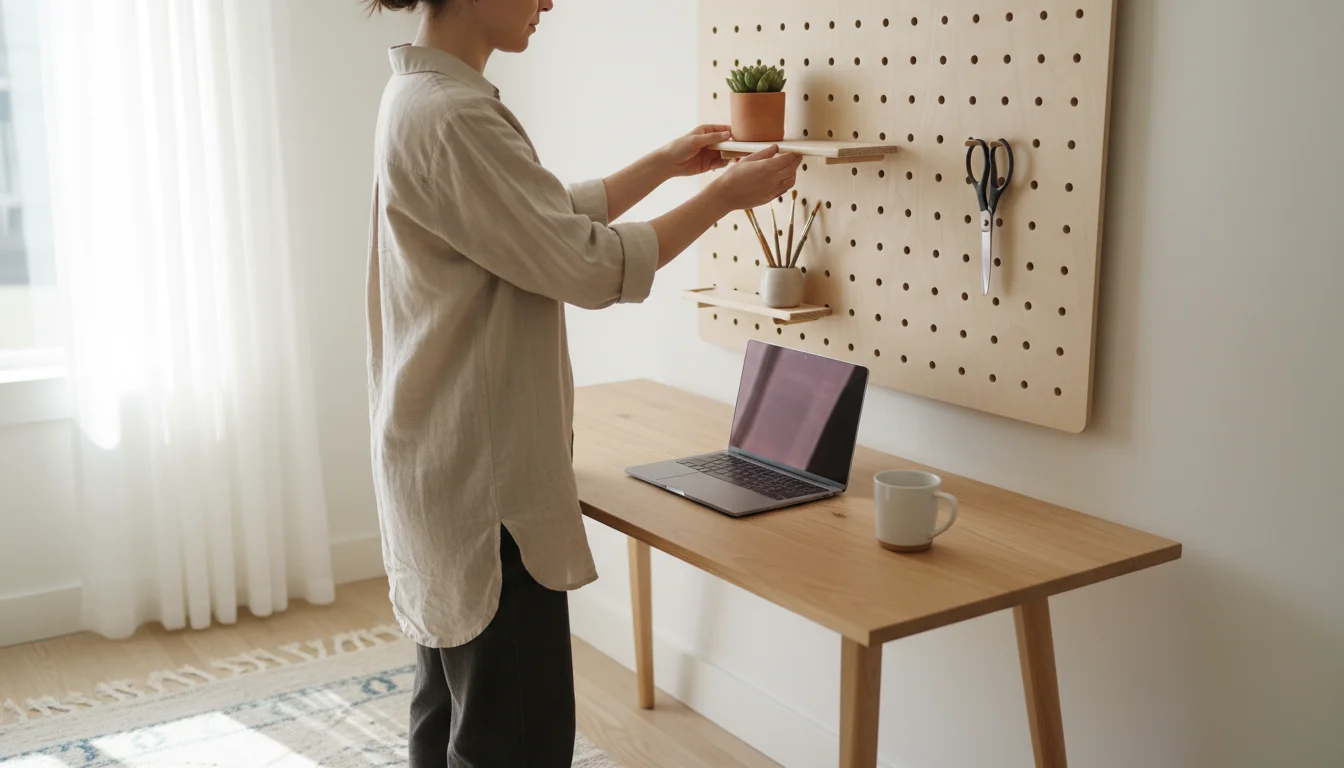
3. Pegboard Wall Organizer
Concept: A versatile wall panel with holes for pegs, hooks, and small shelves.
Materials: Pegboard sheet, 1×2 furring strips (to create space behind the pegboard), screws, drill, level, pegboard hooks/accessories.
Process:
- Measure your desired pegboard area.
- Cut the pegboard and furring strips to size.
- Attach the furring strips to the wall, creating a frame around the perimeter where the pegboard will sit. This spacing allows hooks to fit through the holes.
- Mount the pegboard to the furring strips using screws, ensuring it is flush and secure.
- Add various pegboard hooks, baskets, and small shelves to customize your storage.
According to Family Handyman, pegboards offer unparalleled flexibility for tool storage and craft organization due to their adaptable design.
Tip: Paint the pegboard and furring strips a fun color to make it a decorative feature.
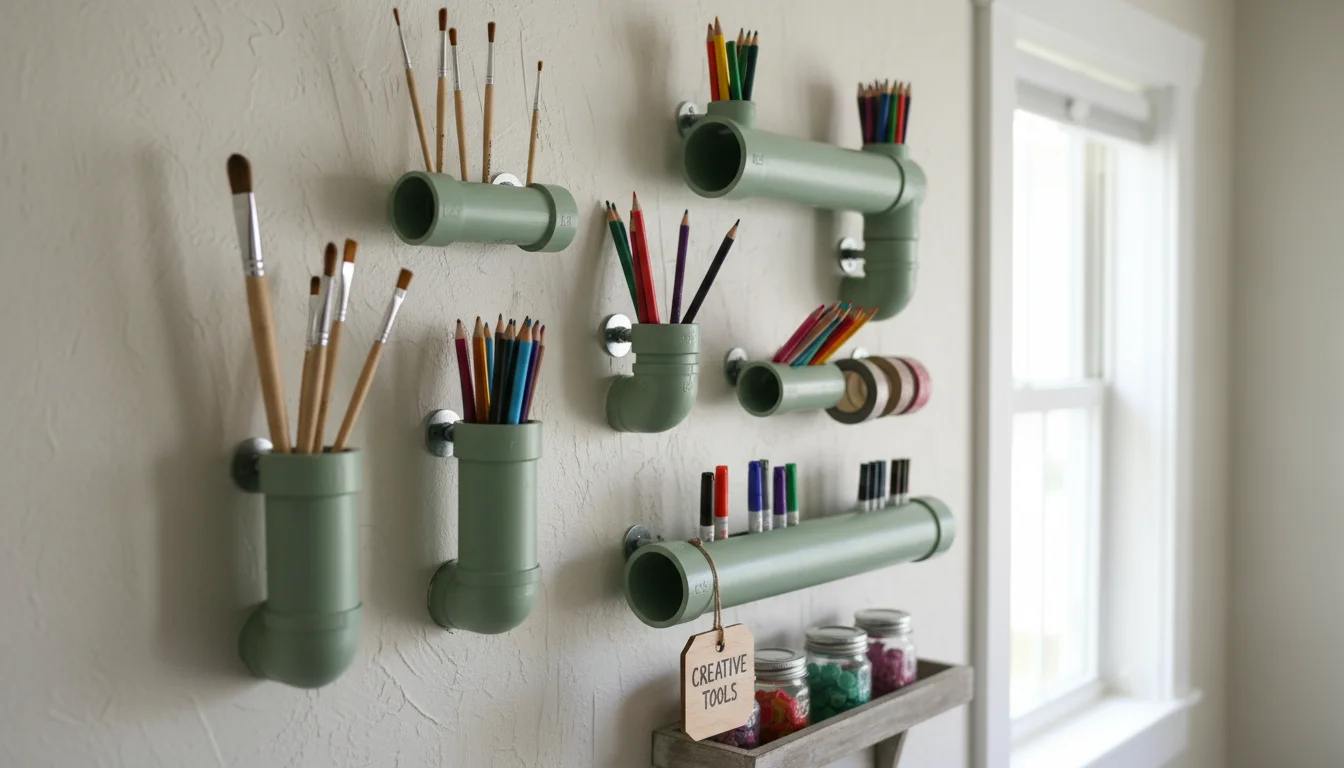
4. PVC Pipe Organizers
Concept: Short sections of PVC pipe mounted to a wall to hold tools, craft supplies, or small items.
Materials: PVC pipe (various diameters), PVC pipe clamps, screws, drill, hacksaw (to cut pipe).
Process:
- Cut PVC pipe into desired lengths (e.g., 6-12 inches).
- Arrange the pipe sections on the wall.
- Use PVC pipe clamps to secure each section to the wall, screwing into studs or anchors.
Tip: Excellent for organizing pencils, paint brushes, small spray cans, or even hair tools in a bathroom. Paint the PVC for a more finished look.
Maintaining Your Vertical Storage Systems
Implementing vertical storage is only half the battle. Maintaining these systems ensures your home remains organized and prevents clutter from creeping back in. Consistent maintenance requires minimal effort but yields significant long-term benefits.
Schedule Regular Reviews
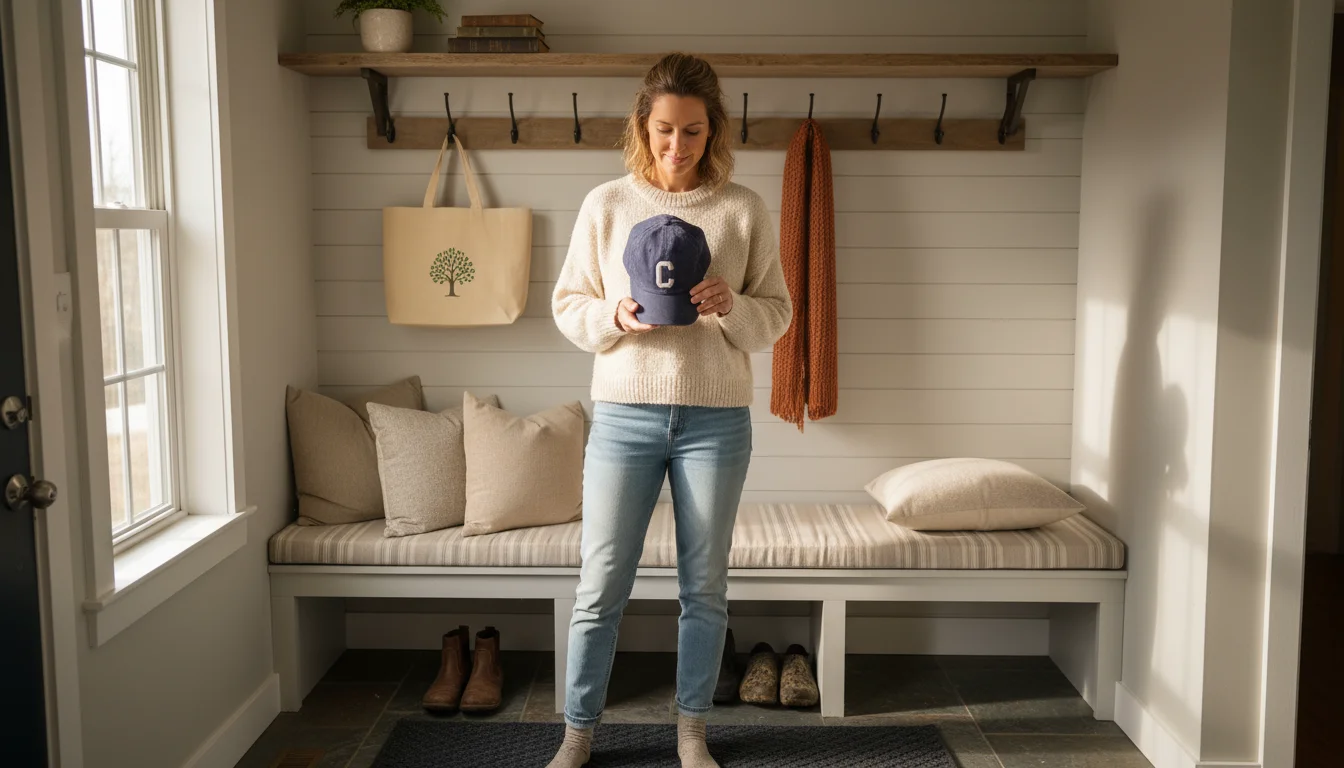
Set aside time, perhaps quarterly, to review your vertical storage. Look at each shelf, hook, and bin. Do you still use everything stored there? Are items still in their designated homes? This quick check helps you identify items that have become obsolete or migrated out of place. Consider this a mini-decluttering session focused on your vertical spaces.

“One In, One Out” Rule
Apply the “one in, one out” rule to categories stored vertically. For example, if you add a new book to your bookshelf, consider donating or removing an older one. This prevents your shelves from becoming overstuffed, maintaining the clean lines and functionality of your system.
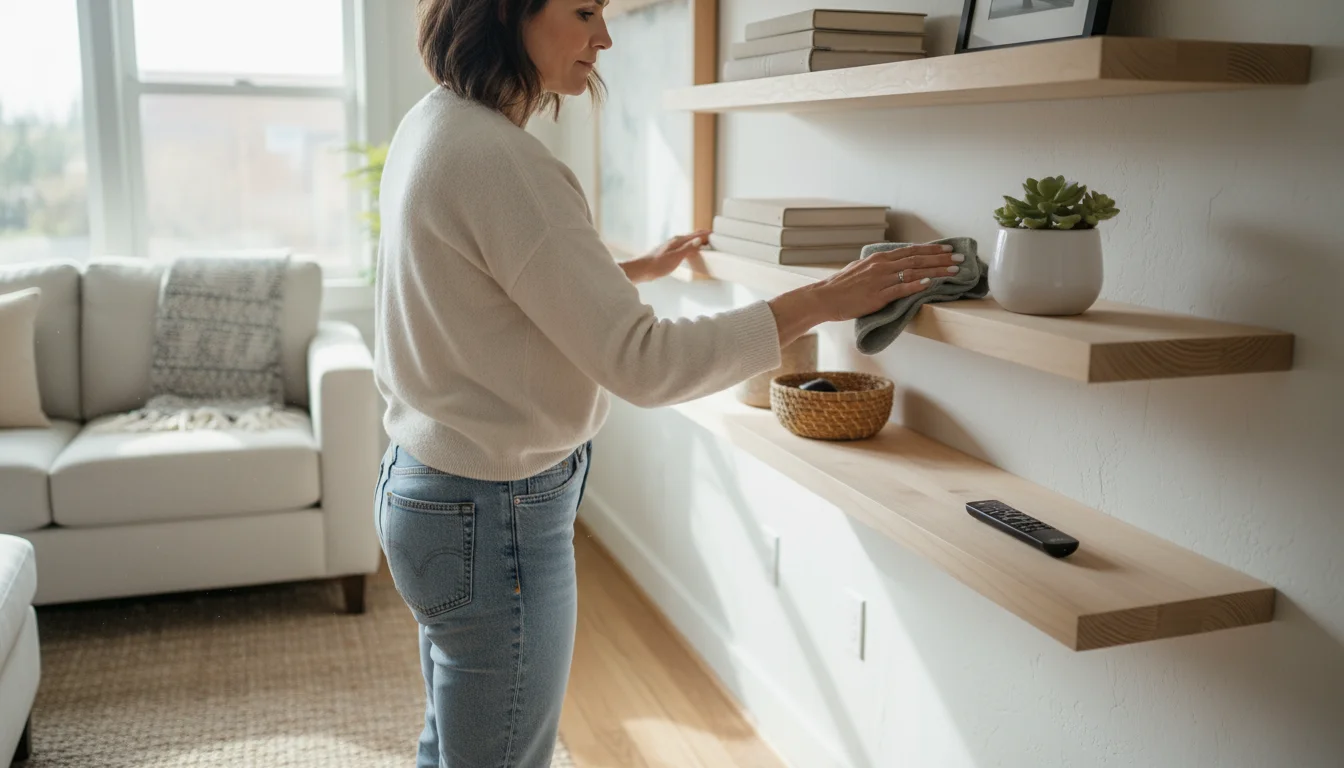
Dust and Clean Regularly
Just like any other surface, shelves and hanging organizers collect dust. Incorporate dusting your vertical storage into your regular cleaning routine. Wipe down shelves, vacuum baskets, and clean any glass or metal components. Cleanliness contributes to a feeling of order and comfort in your home.
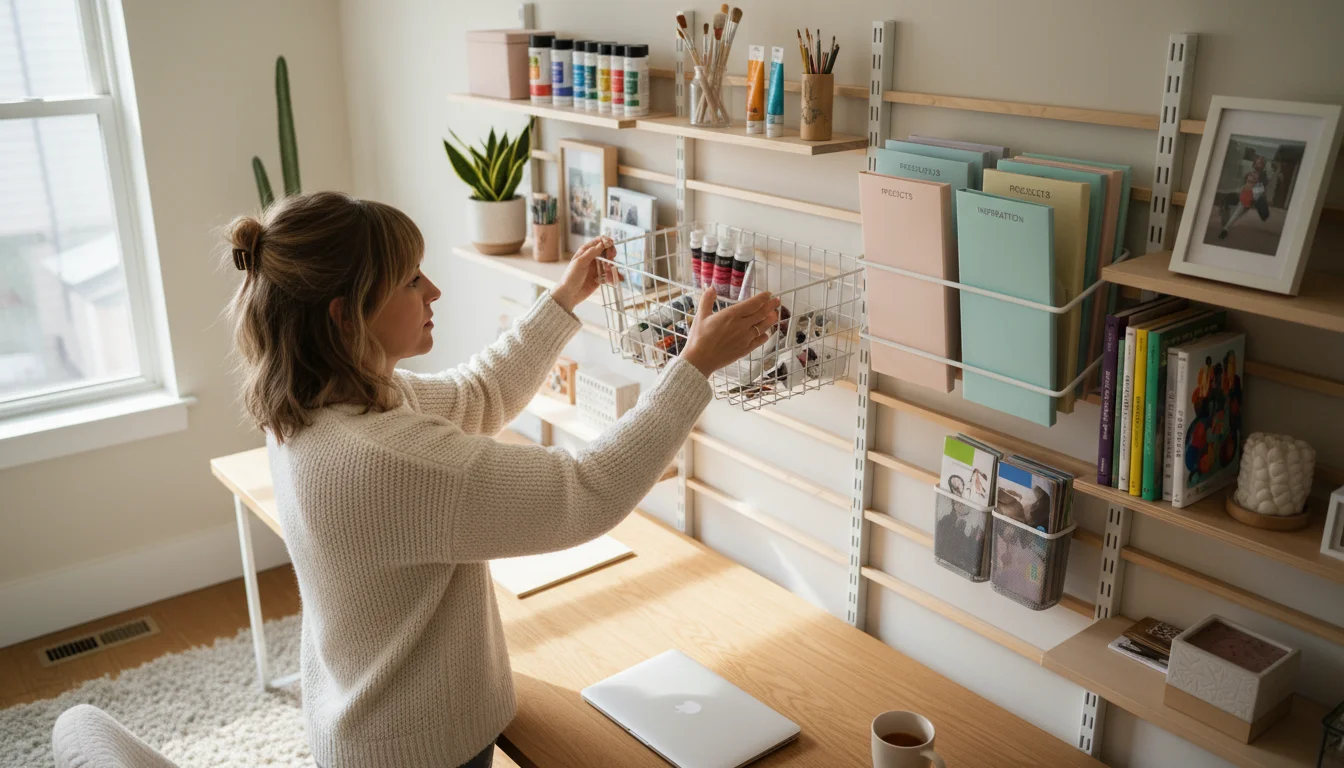
Adjust and Adapt as Needed
Your life changes, and your storage needs will too. Be willing to adjust your vertical systems. Perhaps you need to move a shelf to accommodate taller items, or add more hooks for a new hobby. Vertical storage systems often offer flexibility, allowing you to reconfigure them to suit evolving demands. Do not view your initial setup as permanent, view it as a living system designed to support your life.
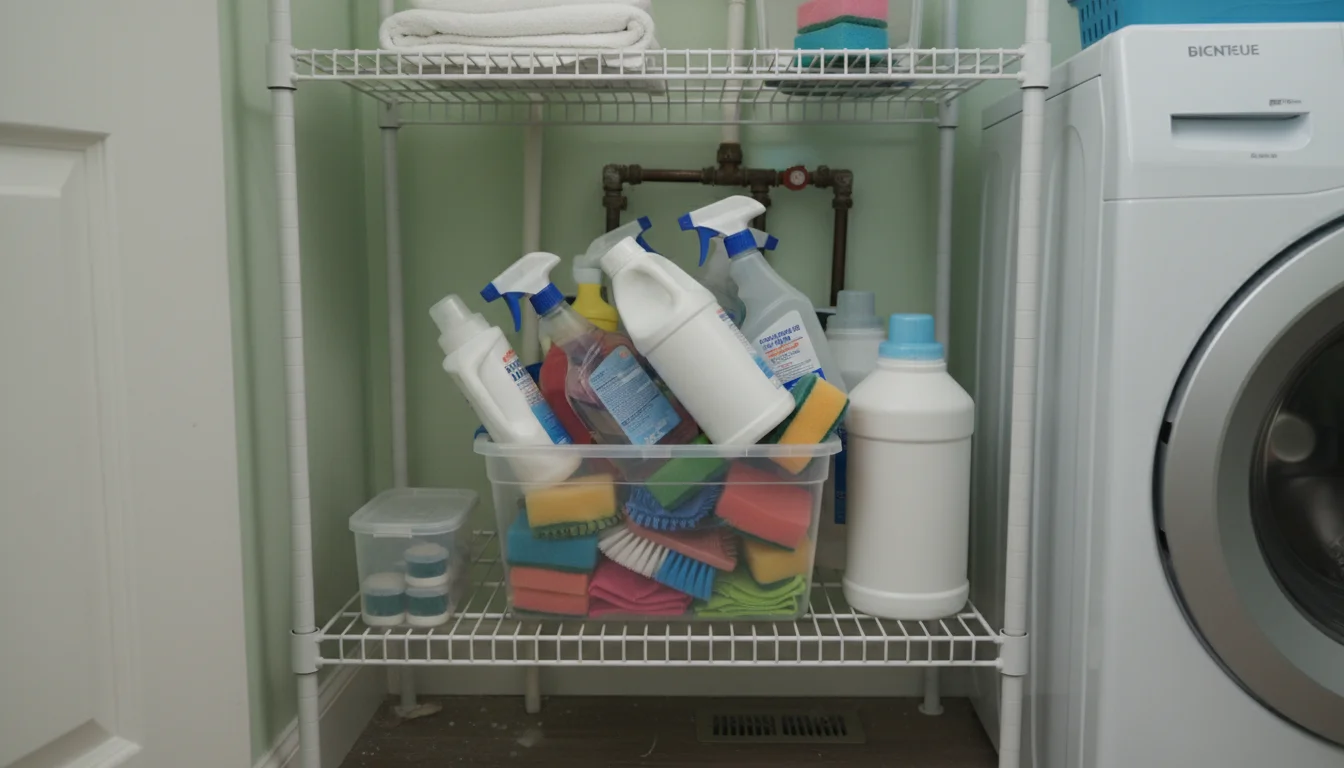
Common Vertical Storage Mistakes to Avoid
While vertical storage offers immense potential, certain missteps can hinder its effectiveness. Avoiding these common mistakes helps you create truly functional and sustainable organizational systems.

Overstuffing Shelves and Organizers
A primary mistake is thinking vertical storage means you can keep everything. Overstuffing shelves defeats the purpose of organization, making items difficult to access and creating visual clutter. Leave some breathing room on shelves. If you find yourself consistently overfilling, revisit the decluttering stage.
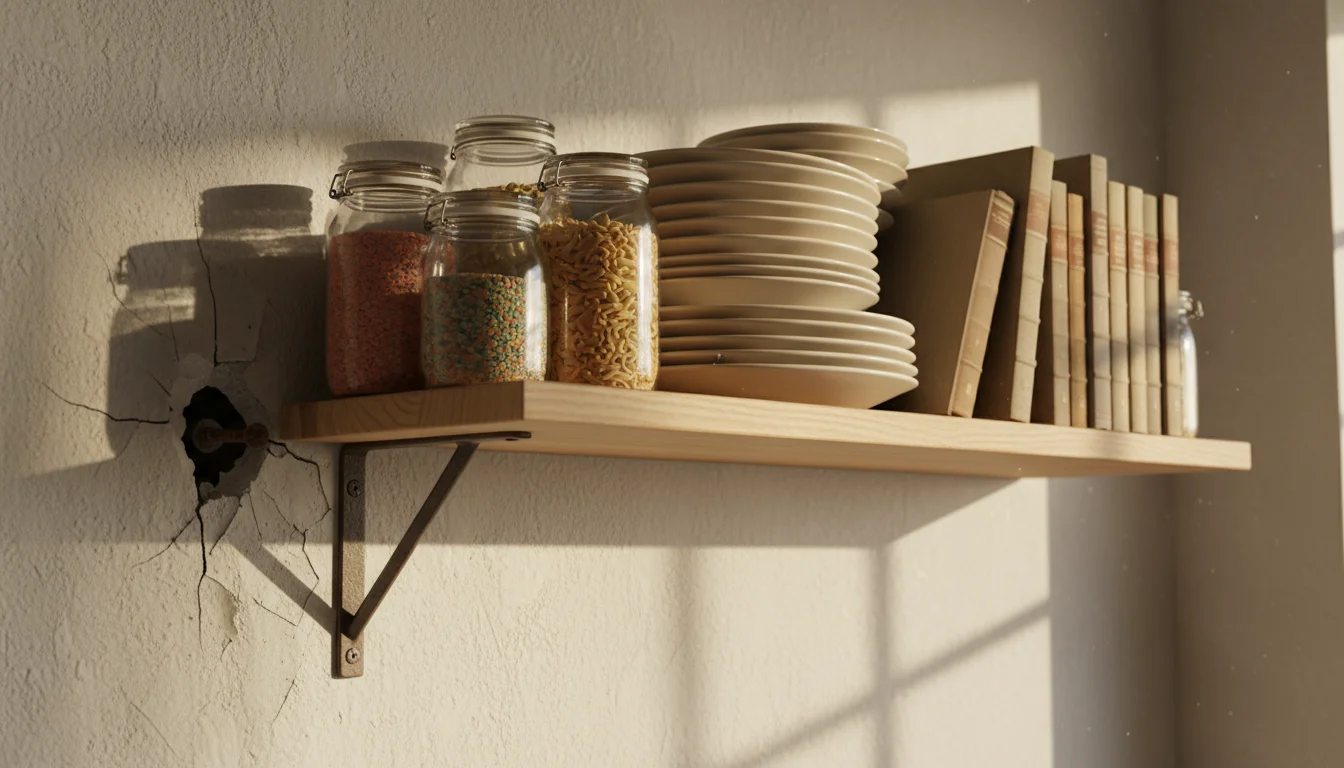
Ignoring Weight Limits
Every shelf, hook, and wall-mounted unit has a weight capacity. Overloading can lead to damage, or worse, cause the unit to pull away from the wall, posing a safety hazard. Always check manufacturer specifications and use appropriate anchors for the wall material. Heavy books, for instance, require sturdy, well-secured shelving, not flimsy decorative units.
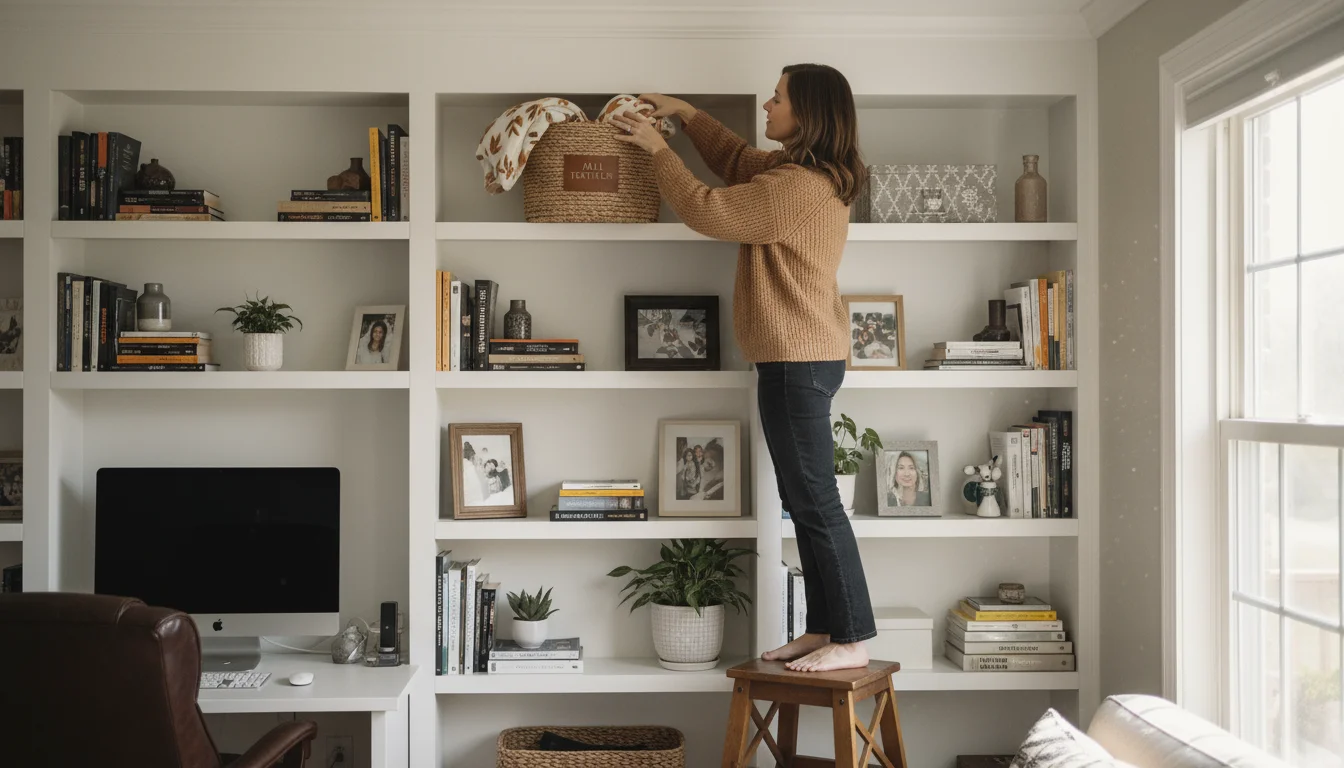
Not Utilizing the Full Height
Some people install shelves but stop at eye level, leaving significant vertical space above. While frequently used items belong at accessible heights, less-used items, seasonal decor, or extra supplies can occupy higher shelves. Use attractive bins or baskets on these higher shelves for a cohesive look and easy retrieval with a step stool.
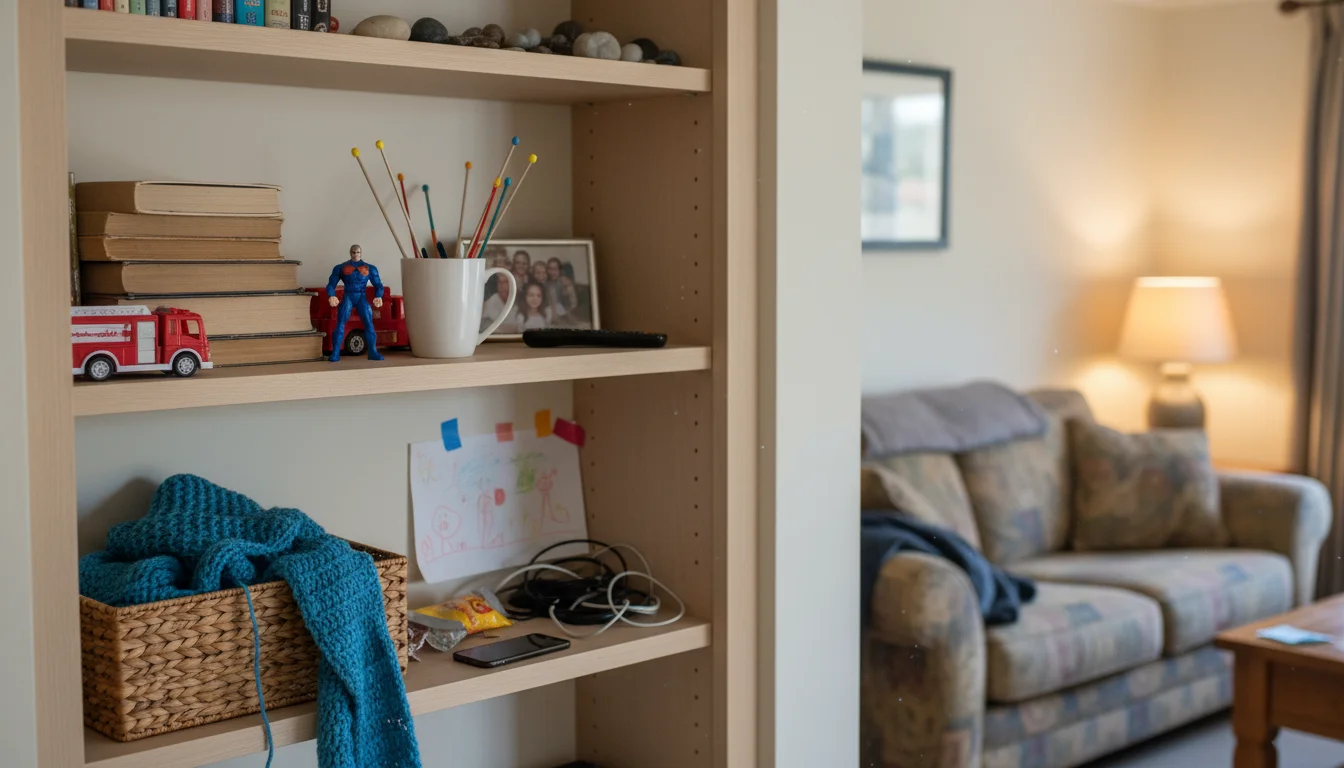
Failing to Categorize Items
Simply putting items onto shelves without a system leads to disorganization. Group similar items together. Designate specific shelves or bins for certain categories. For example, all office supplies on one shelf, all craft items on another. This makes finding things easy and ensures your system remains tidy.
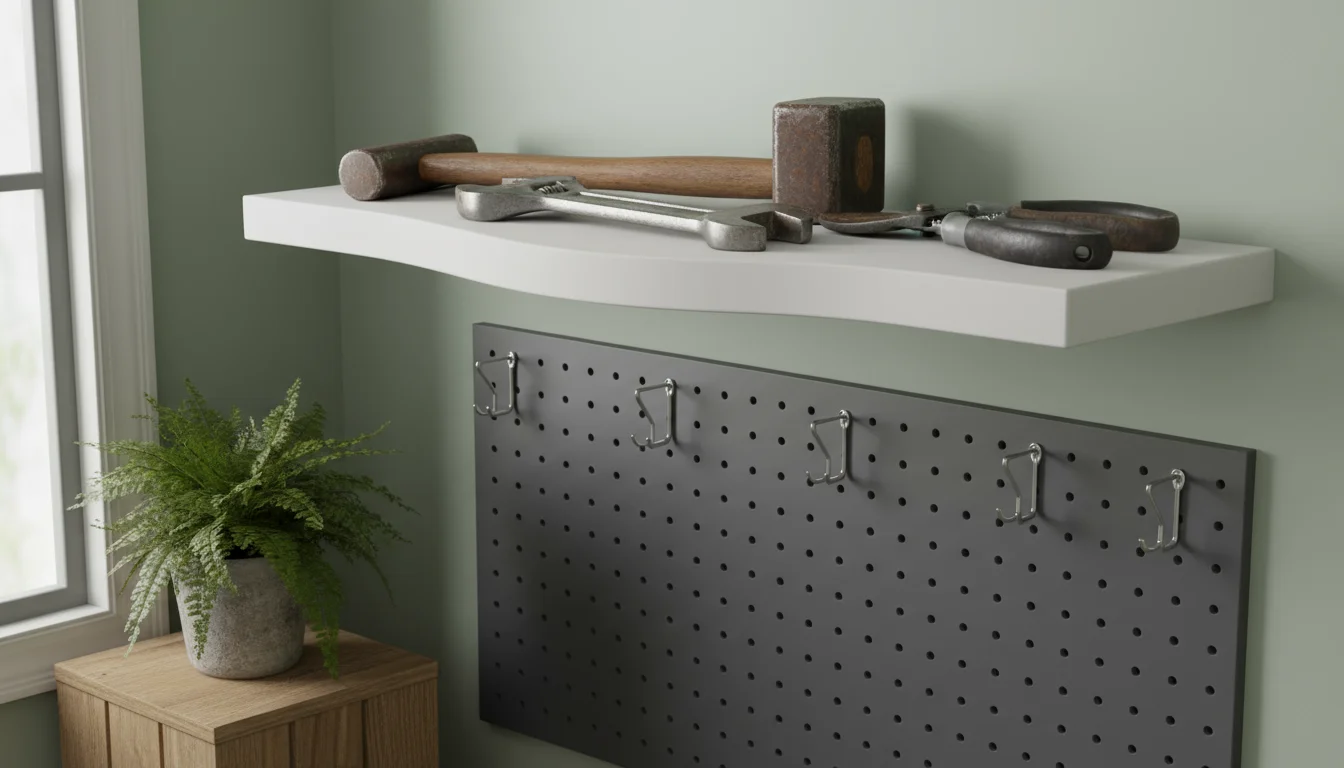
Choosing the Wrong Storage Type for the Item
Do not store heavy tools on delicate floating shelves. Do not use open shelving for items you prefer to keep private or dust-free. Match the storage solution to the item. Bookshelves work for books. Wall-mounted cabinets work for hidden storage. Hooks work for hanging items. Thoughtful pairing maximizes both functionality and longevity.
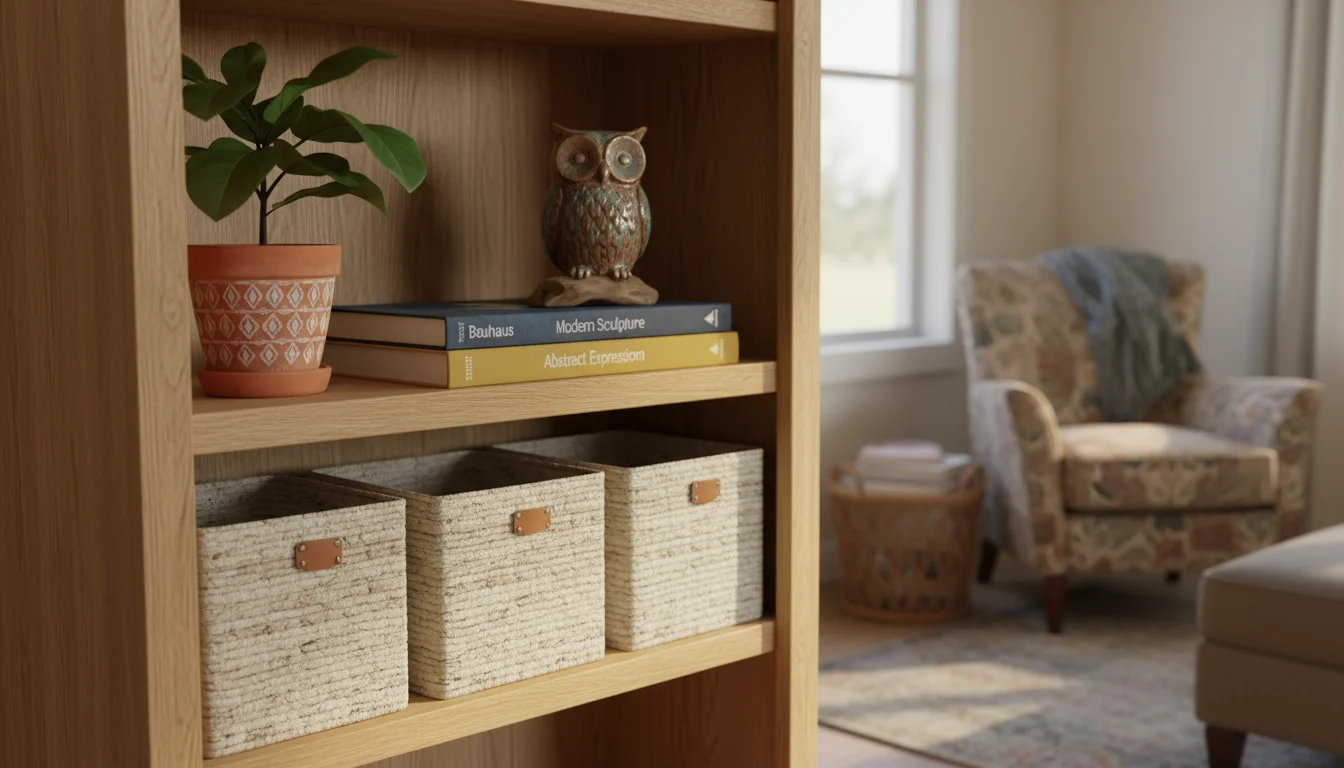
Forgetting About Aesthetics
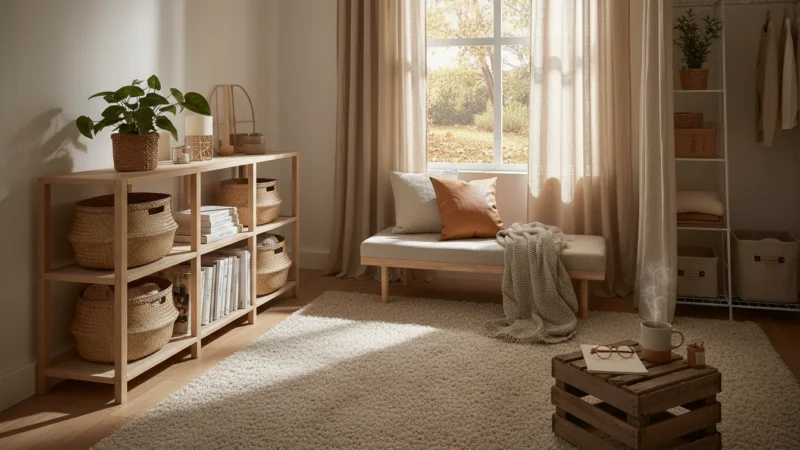
Functional storage does not have to be ugly. Vertical storage is highly visible. Consider the materials, colors, and overall style of your chosen solutions. Use attractive baskets, uniform containers, and integrate decorative elements to make your vertical storage an intentional part of your home’s decor, rather than just a utilitarian afterthought. As Real Simple Organizing suggests, blending organization with aesthetics creates spaces that feel both practical and pleasing.
Frequently Asked Questions
What types of walls support vertical storage installations?
Most walls can support some form of vertical storage. Drywall requires specific anchors (toggle bolts, molly bolts) for heavier items. Always try to locate and screw into wall studs for maximum strength. Masonry walls (brick, concrete) require specialized masonry drill bits and anchors. Always consult the product instructions for proper installation on your wall type.
How high should I install shelves for optimal use?
Install shelves at varying heights based on their purpose. Place frequently used items at eye level (roughly 4-5 feet from the floor). Less frequently used items can go higher (up to the ceiling, accessible with a step stool) or lower. Leave adequate space between shelves for items you plan to store, ensuring easy retrieval without knocking things over.
Can vertical storage really help declutter, or does it just hide things?
Vertical storage helps declutter by giving every item a designated home. It forces you to categorize and contain belongings, which is a key step in decluttering. However, it only works if you first purge unnecessary items. If you simply store clutter vertically, you are just moving the mess. Combine decluttering with smart vertical solutions for lasting order.
What are some budget-friendly vertical storage solutions?
Several budget-friendly options exist. Consider simple floating shelves using inexpensive lumber, repurposed crates or boxes, pegboard systems, or over-the-door organizers. DIY solutions using PVC pipes or even tension rods in cabinets can also provide effective storage without significant cost.
How can I make vertical storage look appealing in my home?
Achieving appealing vertical storage involves several strategies. Use cohesive containers like matching baskets or bins. Integrate decorative elements such as plants or framed art. Select shelving units and organizers that complement your home’s aesthetic in terms of material and color. Arrange items thoughtfully, creating visual balance and avoiding an overly cluttered appearance.
For expert home organization guidance, visit
HGTV Home, Apartment Therapy, The Container Store Organization Tips and IKEA Home Organization.
Disclaimer: This article is for informational purposes only and is not a substitute for professional advice. Consult professional organizers or specialists for personalized recommendations.
For more detailed inspiration, explore our complete guide to tiny kitchen organization for 20 more space-saving hacks.
While these shelves help tidy up, learning how to make a small bathroom feel bigger also involves strategic lighting and mirror placement.
If your wardrobe is still overflowing, consider these additional tips for maximizing closet space in a small bedroom.
For those with zero floor space to spare, fold-down desk ideas can create a workspace that completely disappears after hours.

Leave a Reply