

Your garage holds immense potential. For many homeowners, renters, and apartment dwellers, it often transforms into a catch-all space, accumulating everything from holiday decorations to gardening tools and forgotten DIY projects. Without a clear plan, this vital area quickly becomes a source of stress, inefficiency, and even safety hazards. Imagine walking into your garage and easily finding what you need, with every item having a designated home. This vision is entirely achievable with the right garage shelving system.
The secret to transforming your garage lies in understanding the different types of storage systems available and selecting the one that best suits your lifestyle, your belongings, and your budget. This guide empowers you to make informed decisions, ensuring your garage organization efforts lead to lasting order and functionality. We will explore various garage shelving options, discuss their benefits and drawbacks, and provide practical advice for implementation, helping you reclaim your garage as a truly useful extension of your home.
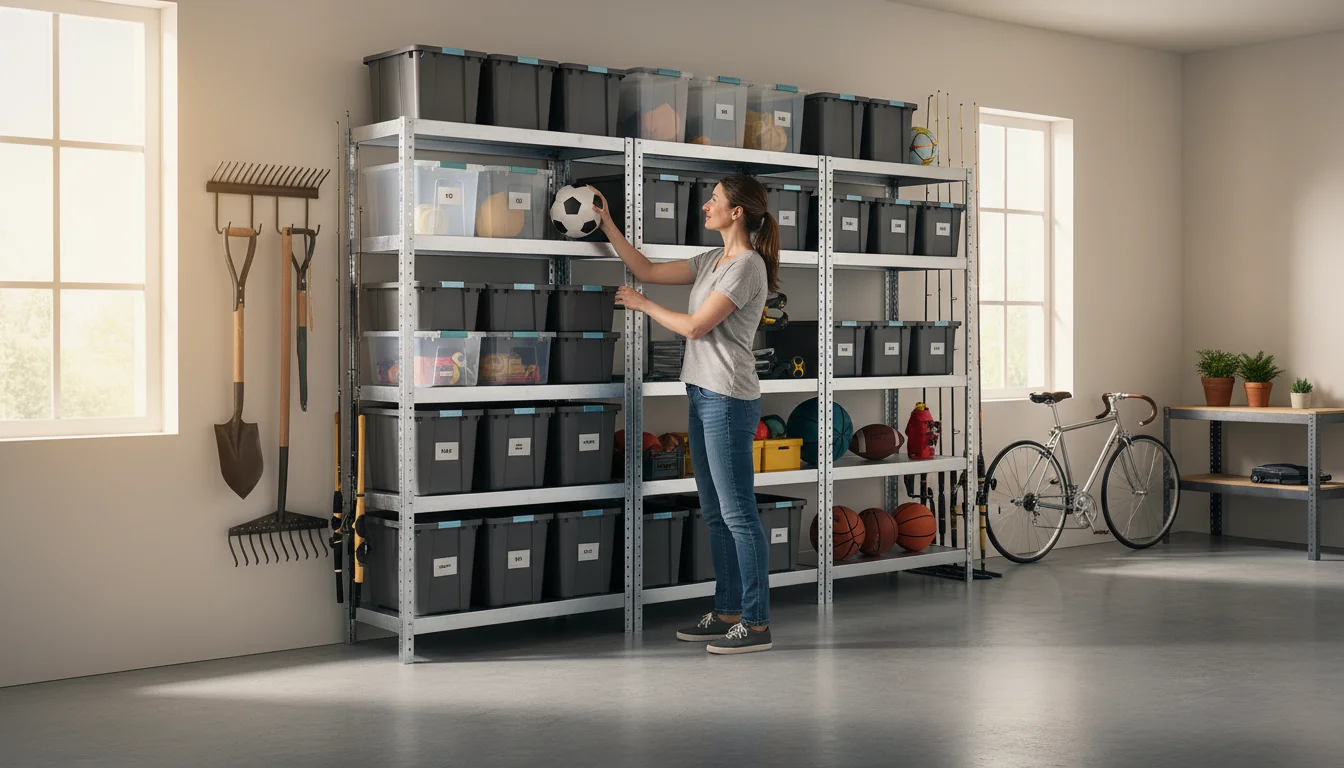
Why Your Garage Needs a Strategic Shelving System
A well-organized garage does more than just look tidy, it fundamentally changes how you interact with your space and your belongings. Investing in a strategic garage shelving system brings numerous practical benefits to your home life.
- Maximizes Space: Vertical storage is a game-changer for any area, especially the garage. Shelving lifts items off the floor, instantly creating more usable space for vehicles, workbenches, or even a home gym. You essentially add square footage without building an extension.
- Enhances Accessibility: When everything has a designated spot, you spend less time searching for tools, sports equipment, or cleaning supplies. A clear system means you can easily see and reach what you need, saving you precious minutes and frustration. According to the National Association of Professional Organizers, creating a home for every item is a cornerstone of effective organization.
- Improves Safety: Clutter on the floor creates tripping hazards. Piles of boxes can fall over, and sharp tools left unsecured pose a risk, particularly to children and pets. Shelving systems eliminate these dangers by securing items safely off the ground. This also prevents potential damage to valuable items from moisture or pests.
- Protects Belongings: Storing items on shelves keeps them away from damp concrete floors, which can lead to rust, mold, and mildew. Proper storage protects everything from delicate holiday decor to expensive power tools, extending their lifespan and preserving their value.
- Creates Functional Zones: Shelving allows you to define specific areas, or “zones,” for different categories of items. You can create a gardening zone, an automotive zone, a sports equipment zone, or a holiday decoration zone. This functional separation makes putting items away and retrieving them intuitive and efficient.
- Boosts Your Home’s Value: An organized, functional garage contributes positively to your home’s overall appeal and value. Potential buyers often look for well-maintained, organized spaces, and a thoughtful garage storage setup makes a significant impression.
Moving from a chaotic garage to an organized one begins with selecting the right garage shelving. This choice depends heavily on what you store, how much you have, and the structure of your garage itself.

Before You Buy: Assess Your Garage and Your Stuff
Before you even consider which garage shelving system to buy, you must perform two critical steps: decluttering and thorough assessment. Skipping these steps often leads to purchasing the wrong system or, worse, replicating your clutter on new shelves.

Step 1: The Great Garage Declutter
You cannot organize clutter, you can only move it around. The first and most crucial step involves a ruthless decluttering session. Pull everything out, or at least create working zones, and sort items into four categories:
- Keep: Items you regularly use, truly value, or need for specific purposes.
- Donate/Sell: Items in good condition that you no longer use or need. Garage sales, local charities, or online marketplaces are great options.
- Recycle: Cardboard, old electronics (check local e-waste programs), and other recyclable materials.
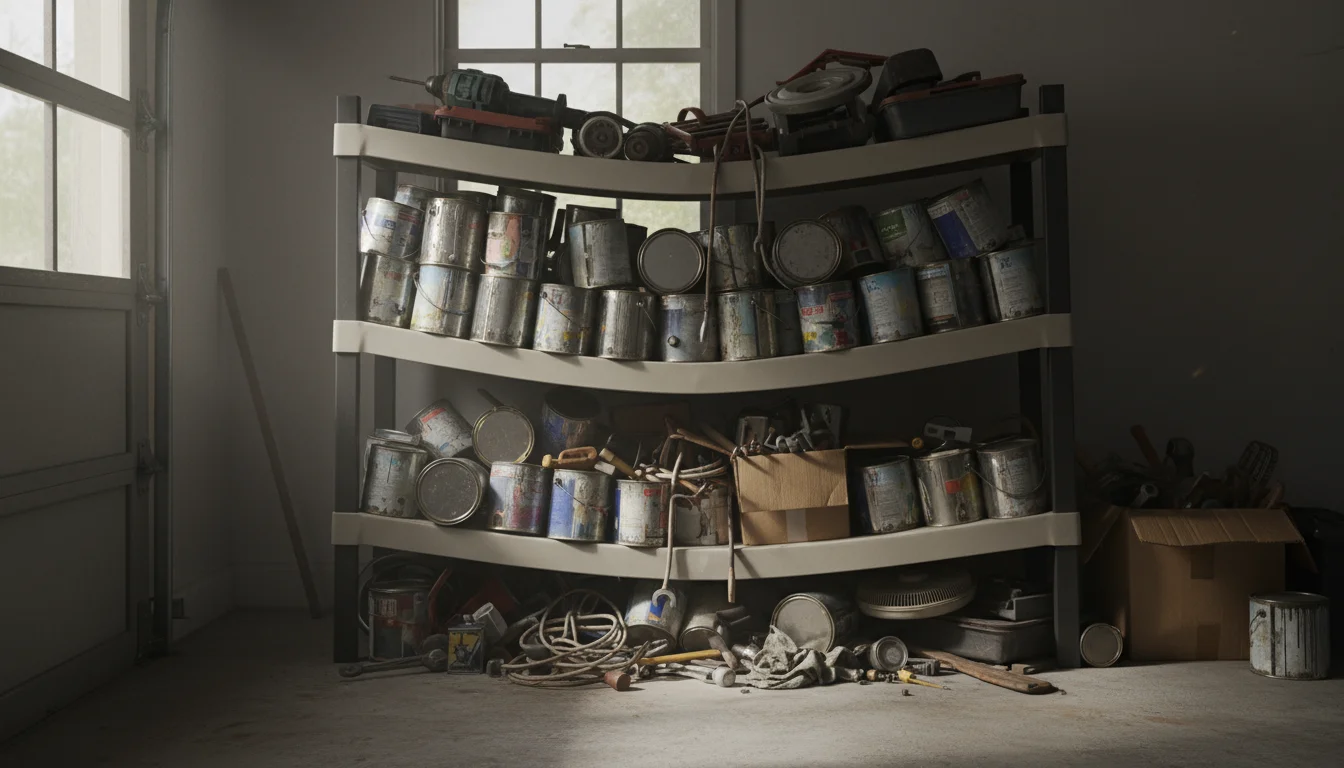
- Discard/Dispose: Broken items, hazardous materials (paint, chemicals, old batteries), or anything that cannot be donated or recycled. Research local disposal guidelines for hazardous waste; do not just throw it in the regular trash. As EPA — Indoor Air Quality advises, proper disposal of chemicals prevents indoor air quality issues.
Be honest with yourself during this process. Do you really need that broken lawnmower you have been meaning to fix for three years? Is that collection of empty paint cans still useful?
Step 2: Measure and Analyze Your Space
Once you reduce the volume of your belongings, you can accurately measure your available space and understand your storage needs.
- Overall Dimensions: Measure the length, width, and height of your garage. Pay attention to ceiling height, as this impacts overhead storage options.
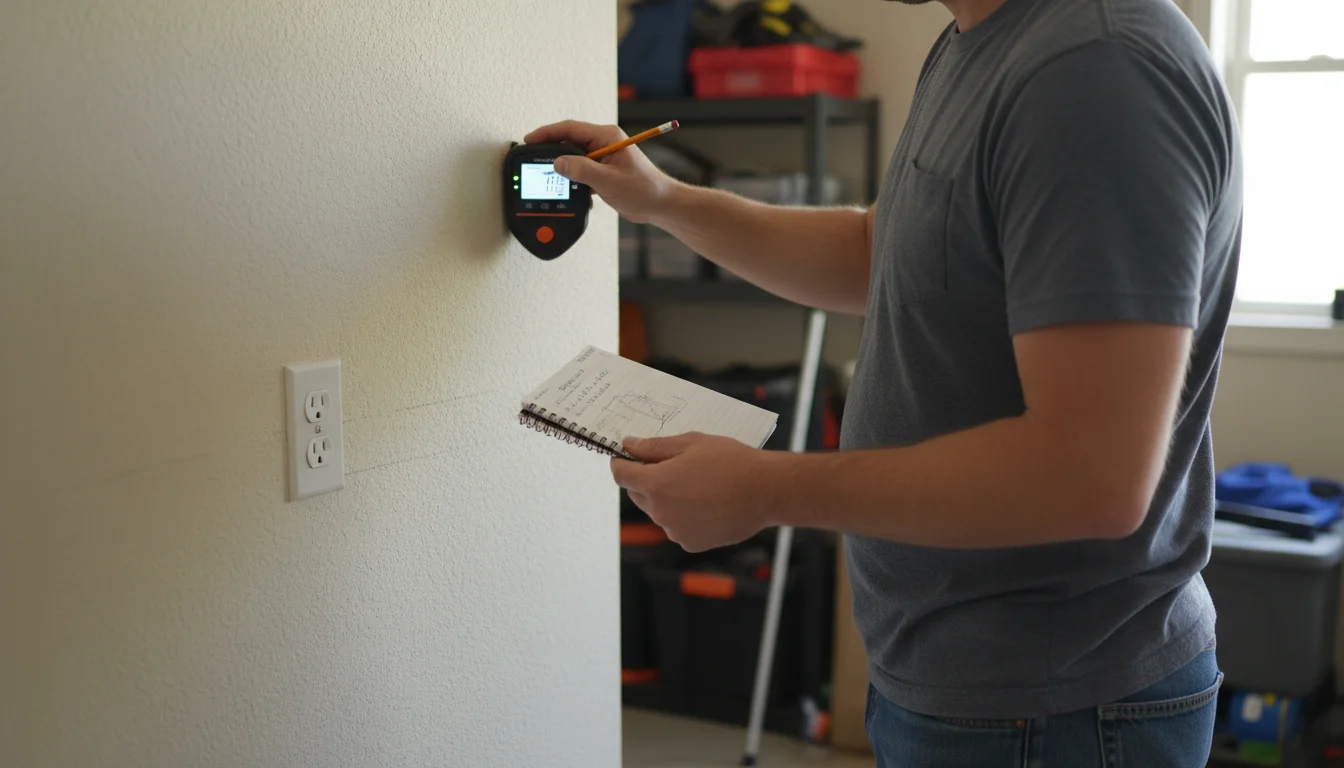
- Wall Space: Measure usable wall sections. Account for windows, doors, electrical outlets, light switches, and any existing wall-mounted items like hose reels or utility sinks. Identify studs in your walls if you plan for wall-mounted shelving. A stud finder proves invaluable here.
- Obstructions: Note garage door tracks, water heaters, fuse boxes, and any other fixed obstacles that might interfere with shelving placement. You must ensure you maintain clear access to these vital systems.
- Floor Space: Determine how much floor space you need to keep clear for parking vehicles, walking paths, or a workbench. Shelving should not impede daily functions.

Step 3: Categorize and Assess Your Remaining Items
With your “keep” pile ready, take stock of what you actually need to store. This detailed inventory guides your shelving choices.
- Weight: Group items by weight. Heavy tools, paint cans, and bulk supplies require robust shelving, while lighter items like holiday decorations or cleaning supplies can use lighter-duty options.
- Frequency of Use: Categorize items by how often you access them. Frequently used items (e.g., car detailing supplies, daily tools) need easily accessible shelving. Rarely used items (e.g., seasonal gear, sentimental boxes) can go on higher shelves or in overhead storage.
- Size and Shape: Note the dimensions of your largest, most awkwardly shaped items. Think about lawnmowers, sports equipment, large storage totes, or lumber. Your shelving must accommodate these.
- Environmental Needs: Do any items require special storage conditions, such as protection from dust, moisture, or extreme temperatures? This might influence your choice of enclosed cabinets or specific materials.
- Budget: Establish a realistic budget for your garage organization project. This will help you narrow down options from high-end custom systems to more affordable DIY solutions.
Completing this assessment provides a clear roadmap. You now understand not only how much space you have, but also precisely what you need to store and how it needs to be stored. This preparation prevents wasted money and ensures your new garage shelving system truly works for you.

Unpacking the Types of Garage Shelving Systems
With your garage decluttered and assessed, you are ready to explore the various garage shelving options. Each type offers distinct advantages and caters to different storage needs, weight capacities, and budgets.
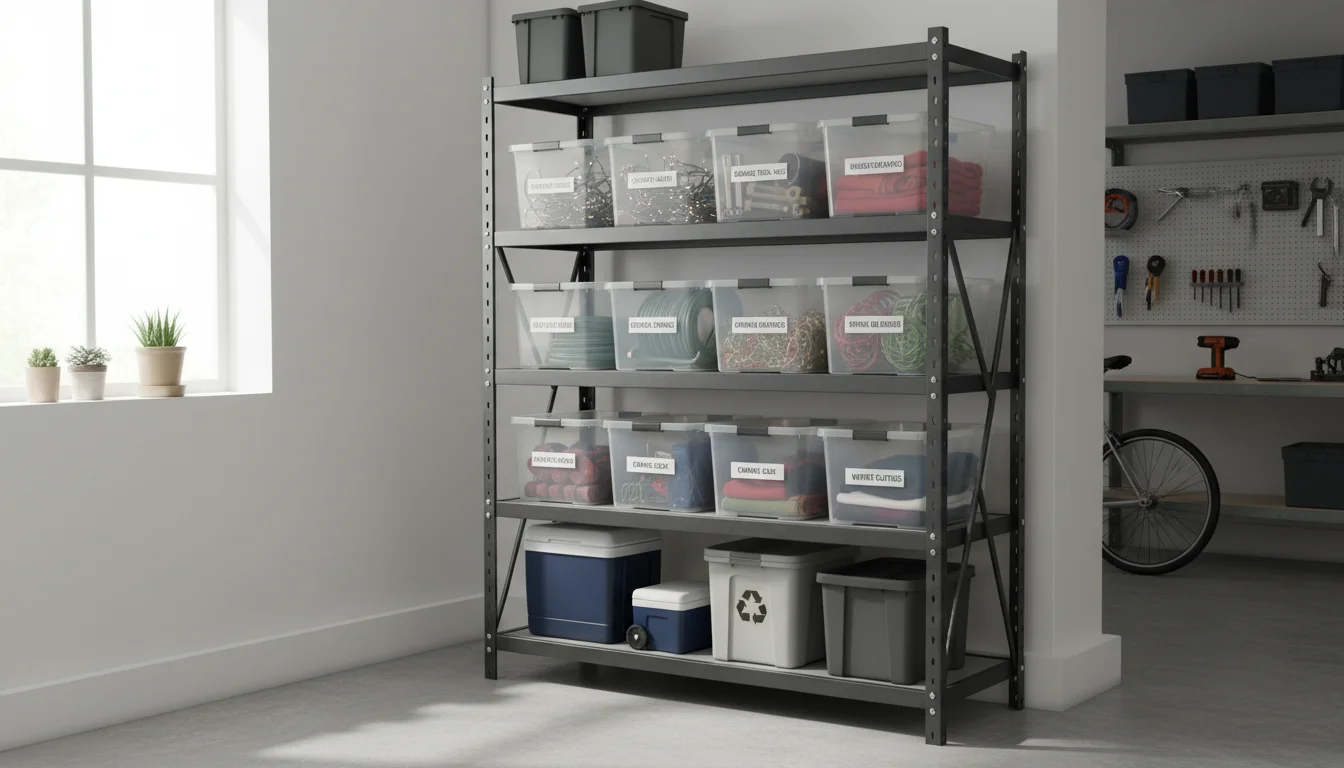
1. Freestanding Metal Shelving Units
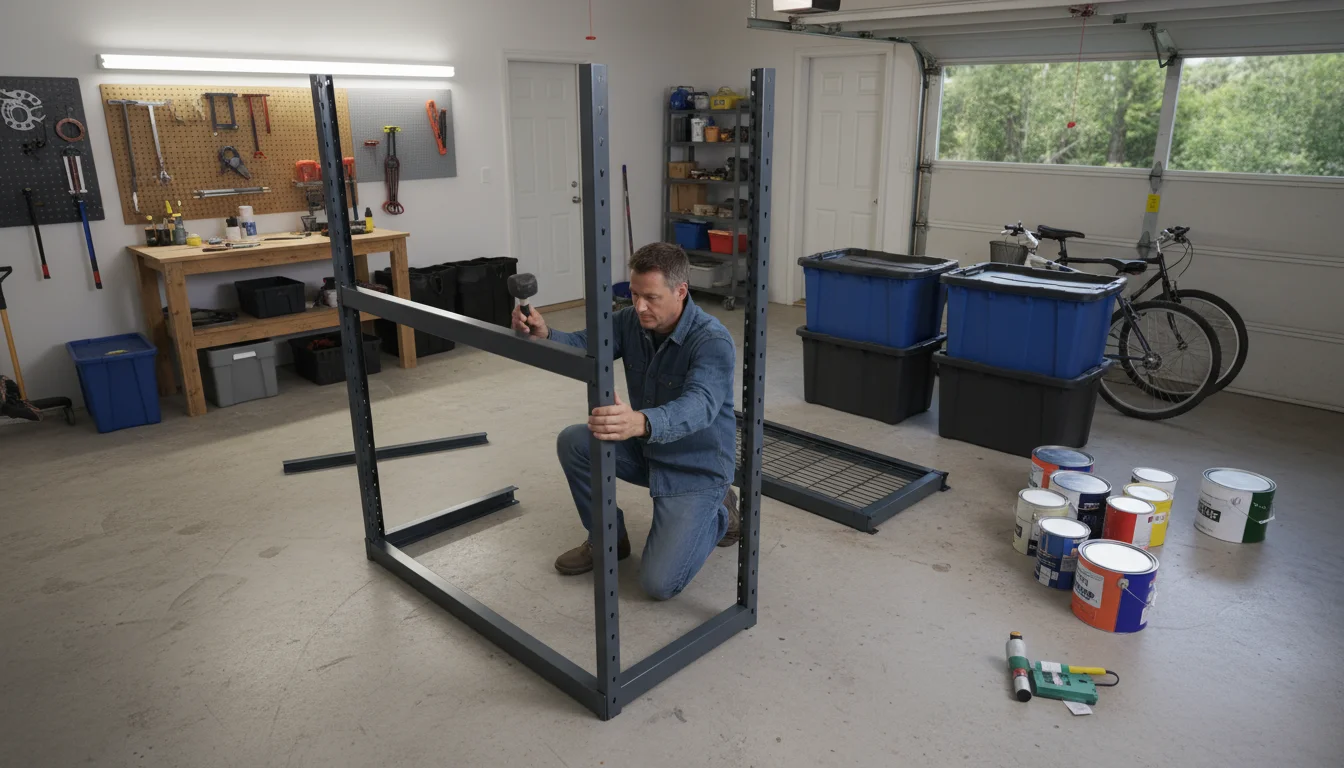
These are the workhorses of garage organization, recognizable by their sturdy metal frames and solid or wire shelves. You do not need to attach them to a wall, offering flexibility in placement.
-
Pros:
- High Weight Capacity: Often capable of holding hundreds, even thousands, of pounds per shelf, making them ideal for heavy tools, paint cans, and bulk items.
- Adjustable: Most models allow you to reposition shelves at various heights, customizing the unit for different item sizes.
- Relatively Easy to Assemble: Many models feature boltless designs for quick snap-together assembly.
- Versatile: Suitable for a wide range of items, from automotive supplies to heavy-duty storage bins.
- Portable: You can move them relatively easily if your needs or garage layout change.
-
Cons:
- Takes Up Floor Space: Requires floor space, which can be a premium in smaller garages.
- Stability: While sturdy, you should still anchor taller units to the wall for earthquake safety or to prevent tipping, especially if you have children or pets.
- Aesthetics: Often purely functional in appearance, they might not offer the sleek look of some custom systems.
- Best For: Storing heavy items, bulk supplies, tools, large storage bins, and workshops. They offer a robust solution for serious garage organization.
2. Wall-Mounted Shelving Systems
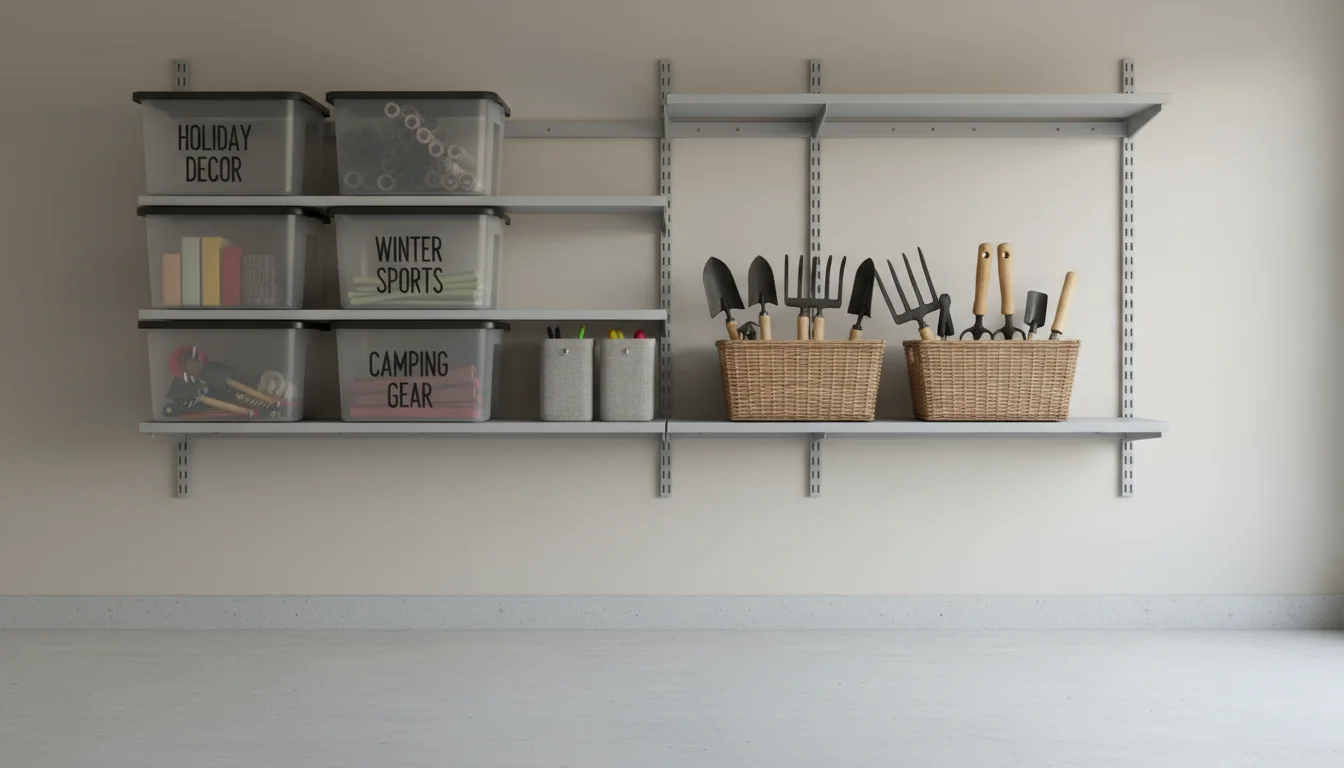
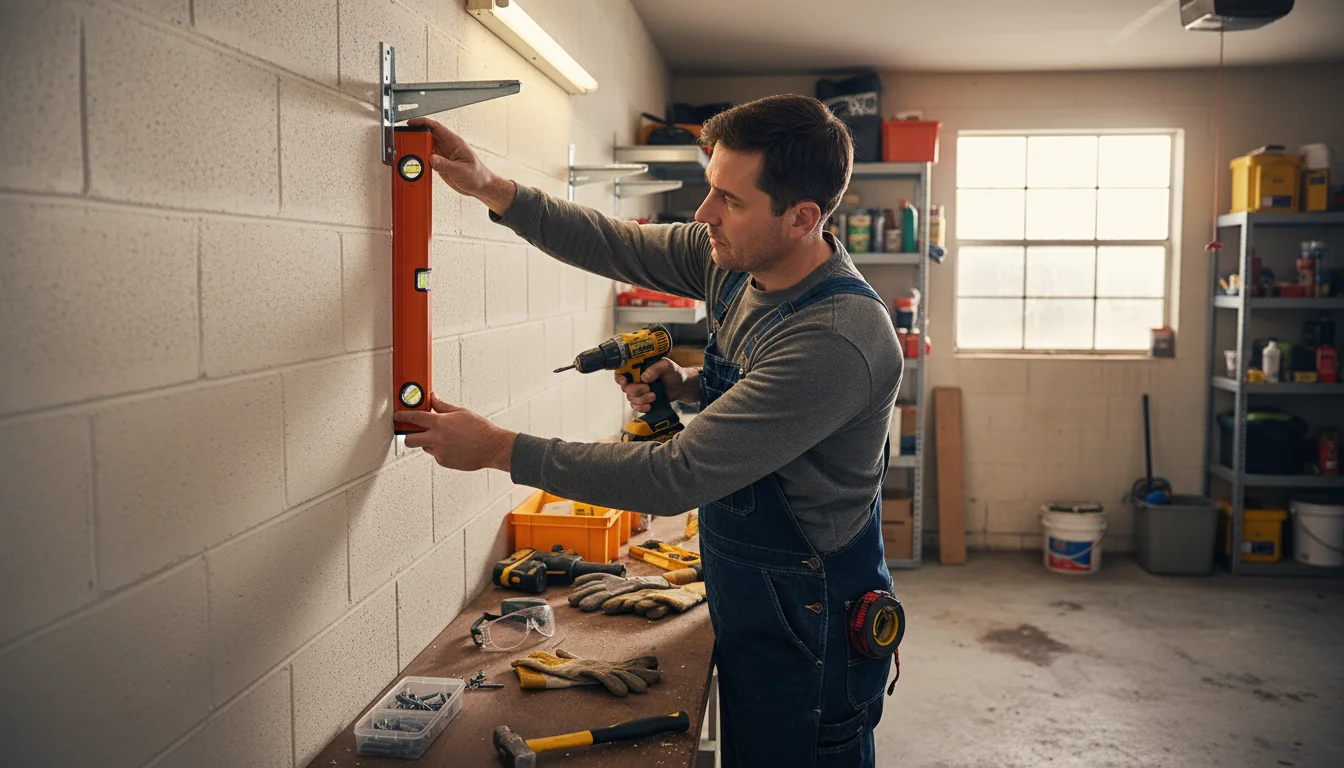
Wall-mounted systems attach directly to your garage walls, freeing up valuable floor space. They come in several varieties, including fixed shelves and adjustable track systems.
Fixed Wall-Mounted Shelves
These are individual shelves or shelf kits that you screw directly into wall studs.
-
Pros:
- Maximizes Floor Space: Keeps everything off the floor.
- Customizable Layout: You decide the length, depth, and spacing of individual shelves, allowing for highly tailored solutions.
- Strong (if installed correctly): When properly anchored into studs, these shelves offer significant weight capacity.
-
Cons:
- Installation Requires DIY Skills: You need to locate studs and use appropriate hardware. Improper installation can lead to shelves failing.
- Less Flexible: Once installed, adjusting their height or moving them requires repair work to the wall.
- Best For: Creating permanent storage above a workbench, along unused wall sections, or for specific items that need dedicated, fixed spaces.
Adjustable Rail/Track Systems (e.g., slatwall, Gladiator Garageworks, Elfa)
These systems feature horizontal rails or panels that attach to your wall studs. You then hook various accessories, including shelves, hooks, baskets, and cabinets, onto these rails.
-
Pros:
- Ultimate Flexibility: Easily reconfigure your storage layout as your needs change. Move shelves, add hooks, or swap components without drilling new holes.
- Comprehensive Storage: Supports a wide array of accessories, allowing you to store tools, sports gear, bikes, and bulky items alongside traditional shelves.
- Clean Look: Often presents a very neat, integrated appearance.
- Maximizes Wall Space: Utilizes every inch of vertical wall space effectively.
-
Cons:
- Higher Initial Cost: Can be more expensive than freestanding units, especially for extensive systems.
- Installation: Requires precise installation of the rail system into studs for maximum stability and weight bearing.
- Proprietary Accessories: You usually need to purchase accessories specifically designed for your chosen brand’s rail system.
- Best For: Homeowners wanting a highly organized, flexible, and visually appealing system that adapts to changing storage needs. Ideal for organizing tools, sports equipment, and various garage items. As Bob Vila often highlights, flexible wall systems provide superior organization for diverse items.
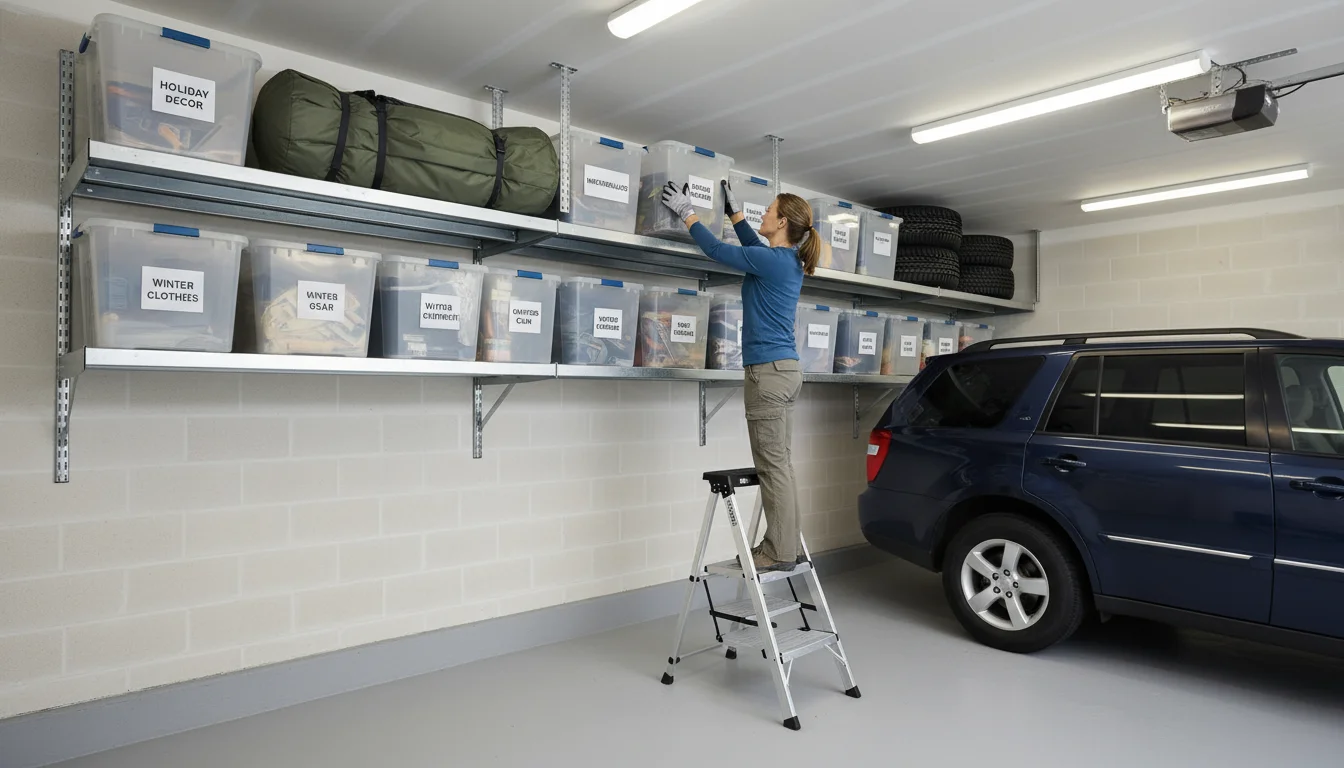
3. Overhead Storage Racks
These heavy-duty racks mount to your garage ceiling, providing an excellent solution for long-term or seasonal storage.
-
Pros:
- Frees Up All Floor and Wall Space: This is their primary advantage, making them perfect for smaller garages or for parking vehicles without obstruction.
- High Weight Capacity: Many models can hold hundreds of pounds, suitable for large totes, tires, or camping gear.
- Durable: Typically constructed from heavy-gauge steel.
-
Cons:
- Accessibility: Requires a step stool or ladder to access items. Not suitable for frequently used items.
- Installation: Crucial to install correctly into ceiling joists for safety. This often requires two people and careful measurement.
- Headroom: Ensure enough clearance for your garage door, vehicle, and walking path.
- Best For: Storing seasonal items (holiday decorations, camping gear, winter tires), rarely used tools, large storage bins, and anything you need to keep long-term but not access daily.

4. Modular/Custom Cabinet and Shelving Systems
These systems combine various components, including cabinets, drawers, and integrated shelving, to create a cohesive and often enclosed storage solution.
-
Pros:
- Clean Aesthetics: Enclosed cabinets hide clutter, creating a very tidy and finished look.
- Security: Many cabinets offer locking mechanisms, securing valuable tools or hazardous chemicals away from children.
- Dust Protection: Protects items from dust, dirt, and moisture.
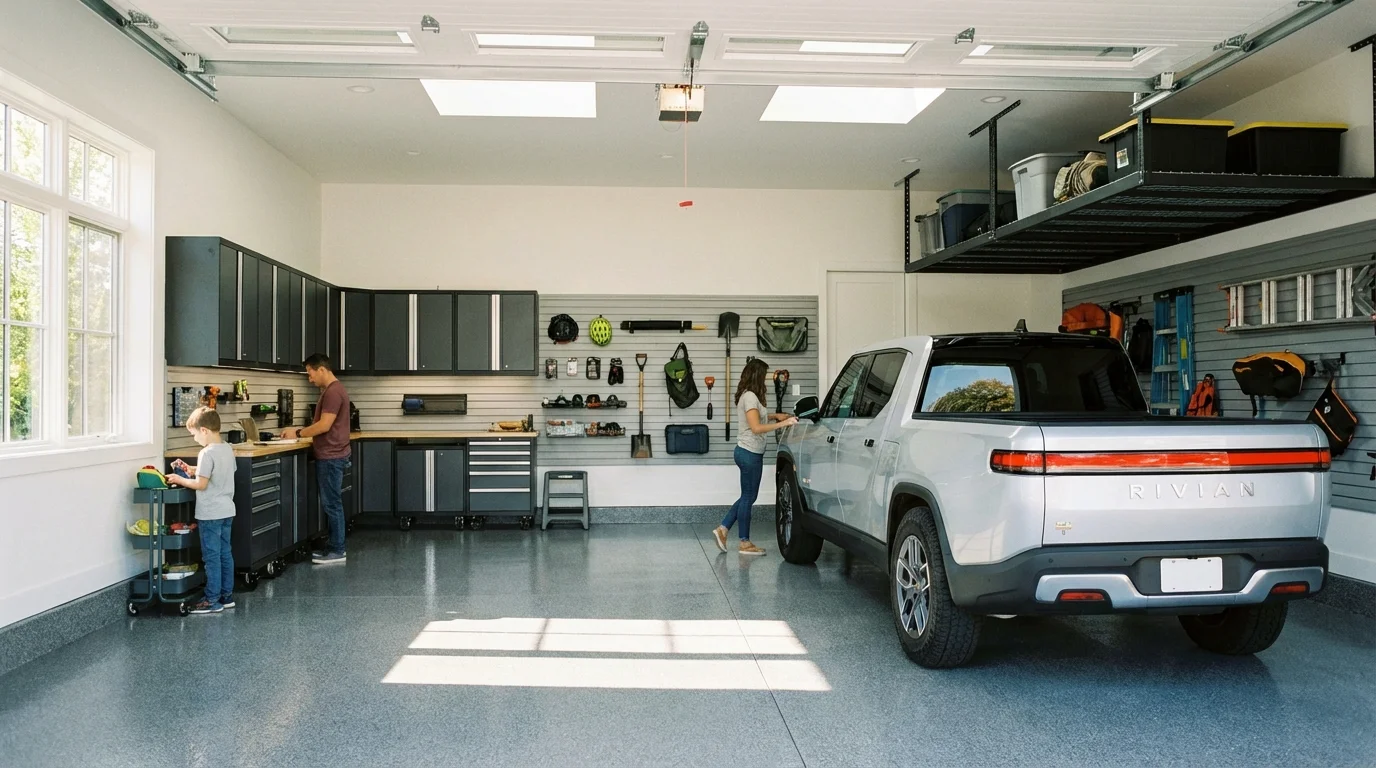
- Tailored Solutions: Custom systems are designed to fit your exact space and needs, often incorporating workbenches and integrated lighting.
-
Cons:
- Highest Cost: Often the most expensive option, especially for custom-designed systems.
- Installation Complexity: Larger systems can be complex to install and may require professional help.
- Less Flexible (once installed): While modular components offer some flexibility, the overall layout is more permanent than track systems.
- Best For: Homeowners desiring a premium, organized, and aesthetically pleasing garage. Ideal for creating a dedicated workshop, housing valuable equipment, or simply achieving a high-end, uncluttered look.

5. Wire Shelving Units
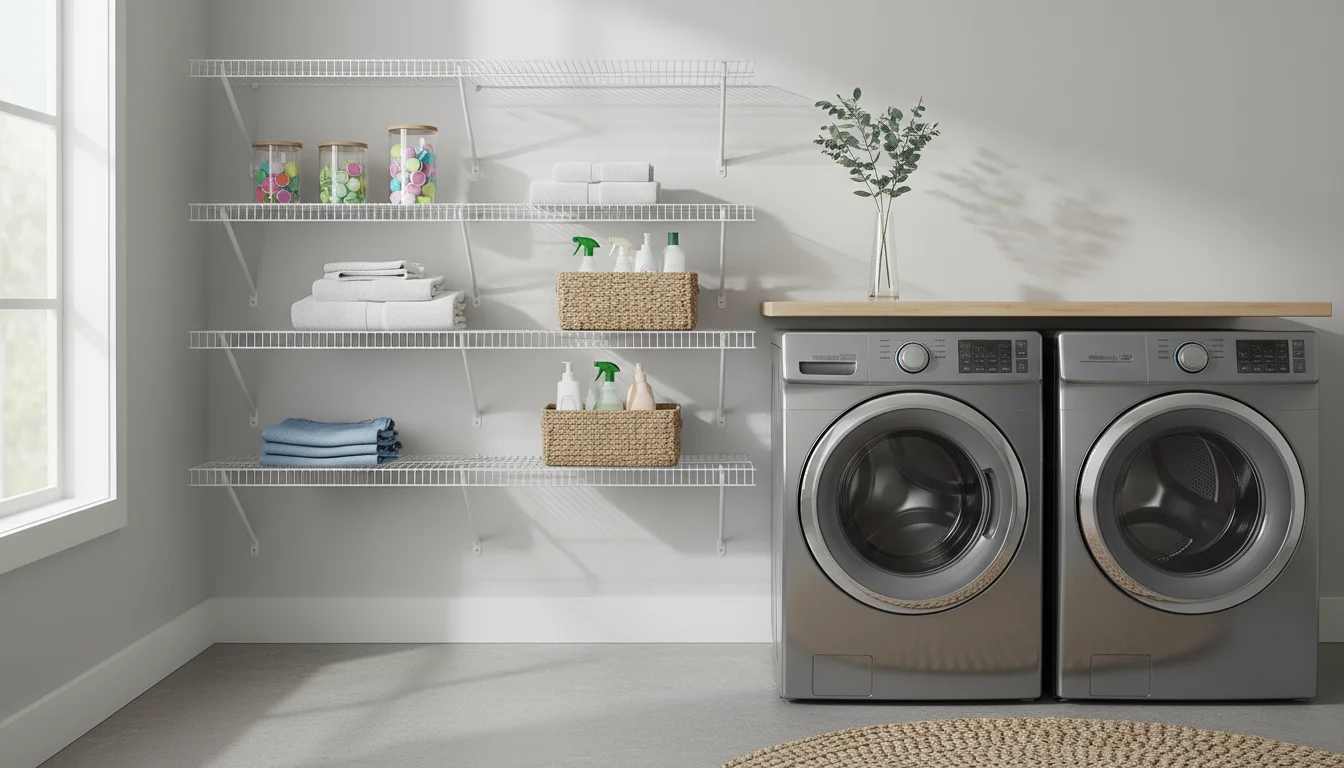
Typically made from chrome-plated steel or powder-coated wire, these units often feature adjustable shelves.
-
Pros:
- Affordable: Generally less expensive than heavy-duty metal shelving or custom systems.
- Visibility: Open wire construction allows for easy visibility of stored items and good air circulation.
- Easy to Assemble: Most snap together quickly without tools.
- Adjustable: Shelves typically adjust in 1-inch increments.
-
Cons:
- Lower Weight Capacity: While sturdy for many items, they do not match the capacity of heavy-duty metal units.
- Small Items Can Fall Through: Requires bins or shelf liners for small or unstable items.
- Less Robust: May not withstand the same abuse as solid metal shelving.
- Best For: Lighter household items, pantry storage in a utility area of the garage, cleaning supplies, and general storage where high weight capacity is not a primary concern.
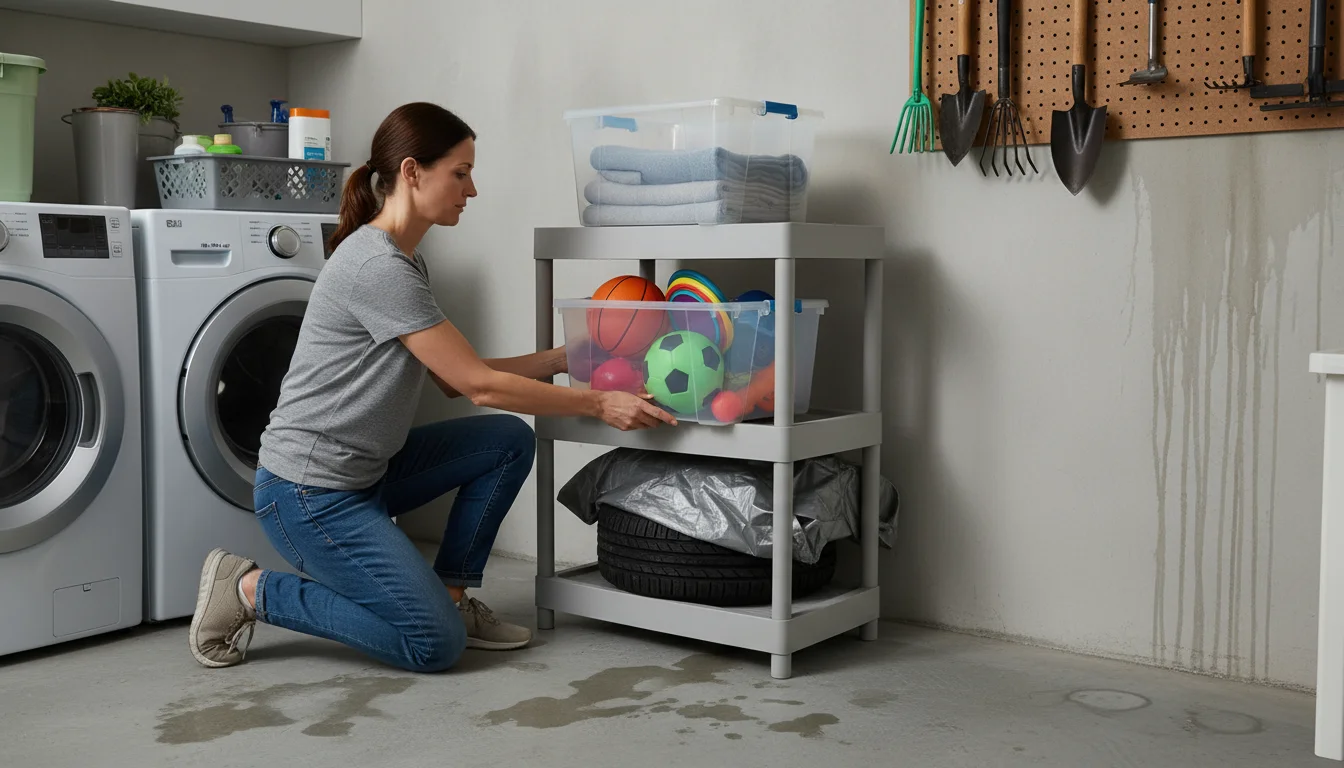
6. Plastic Shelving Units
Made from durable plastic, these units are lightweight and easy to clean.
-
Pros:
- Economical: Often the most budget-friendly shelving option.
- Moisture and Rust Resistant: Ideal for damp environments or storing items like garden pots and soil.
- Lightweight: Easy to move and assemble.
- Easy to Clean: Wipes down effortlessly.
-
Cons:
- Lowest Weight Capacity: Only suitable for very light items, typically under 100 pounds per shelf.
- Less Durable: Can become brittle over time with temperature fluctuations and heavy loads.
- Less Stable: Taller units can be prone to wobbling; you should anchor them to a wall.
- Best For: Light storage, such as cleaning supplies, small garden tools, sports balls, or children’s toys. Excellent for utility areas where moisture might be a concern.
Understanding these distinct types of garage shelving allows you to envision how each might fit into your garage organization plan. You can often combine different types to create a comprehensive solution that leverages the strengths of each.

Choosing the Right Shelving for Your Needs and Budget
Now that you understand the different types of garage shelving, let us match them to your specific requirements. The goal is to find a system, or combination of systems, that effectively organizes your items while respecting your space and financial limitations.
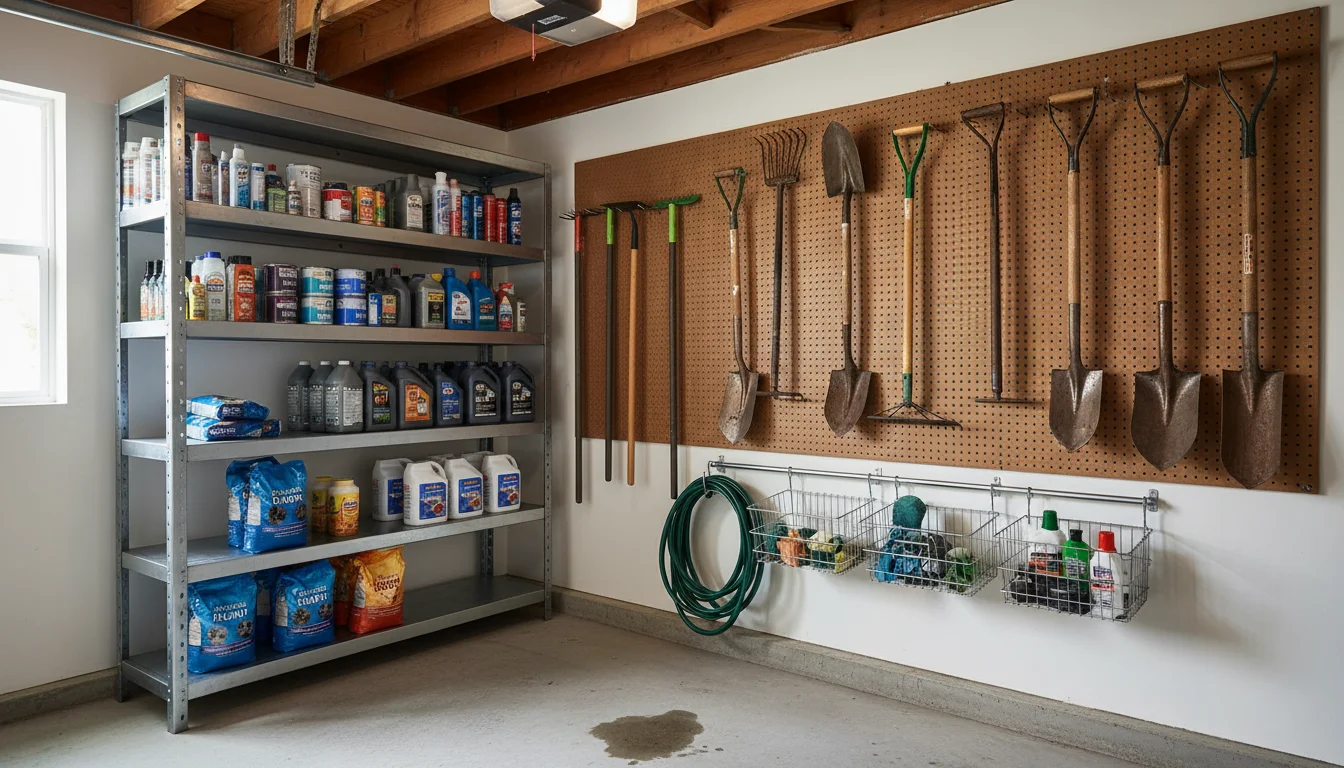
Matching Shelving to Your Items and Usage
Refer back to your item assessment. This is where your detailed inventory pays off.
-
Heavy and Bulky Items (e.g., paint cans, automotive fluids, large tools, bulk pet food):
Recommendation: Heavy-duty freestanding metal shelving. Its robust construction and high weight capacity are perfect for these items. Ensure the shelves themselves are solid or have very tight wire grids to prevent smaller items from falling through.
-
Frequently Accessed Tools and Equipment (e.g., gardening tools, car detailing supplies, workshop items):
Recommendation: Wall-mounted adjustable rail/track systems or sturdy fixed wall-mounted shelves. These keep items visible and within easy reach, off the workbench, and off the floor. Consider pegboards or specialized hooks within these systems for optimal organization.
-
Seasonal or Rarely Used Items (e.g., holiday decorations, camping gear, old photo albums, winter tires):
Recommendation: Overhead storage racks. These utilize ceiling space, completely freeing up your floor and walls. Use sturdy plastic totes to protect items from dust and pests.
-
Small Parts and Hardware (e.g., screws, nails, small automotive parts):
Recommendation: While not shelving per se, integrate small parts organizers, drawer units, or clear plastic bins on your chosen shelving type. Modular cabinet systems often include dedicated drawer sections for these items.
-
Items Needing Protection (e.g., electronics, sensitive documents, valuable tools):
Recommendation: Modular or custom cabinet systems with enclosed doors. These protect items from dust, moisture, and provide a secure, lockable environment. According to Consumer Reports — Home, enclosed storage options offer the best protection for sensitive items from garage environmental factors.
-
Lightweight and General Household Items (e.g., cleaning supplies, sports balls, small plastic containers):
Recommendation: Wire shelving or plastic shelving units. These are budget-friendly options suitable for items that do not require extreme weight capacity. Utilize bins and baskets on wire shelves to contain smaller items.
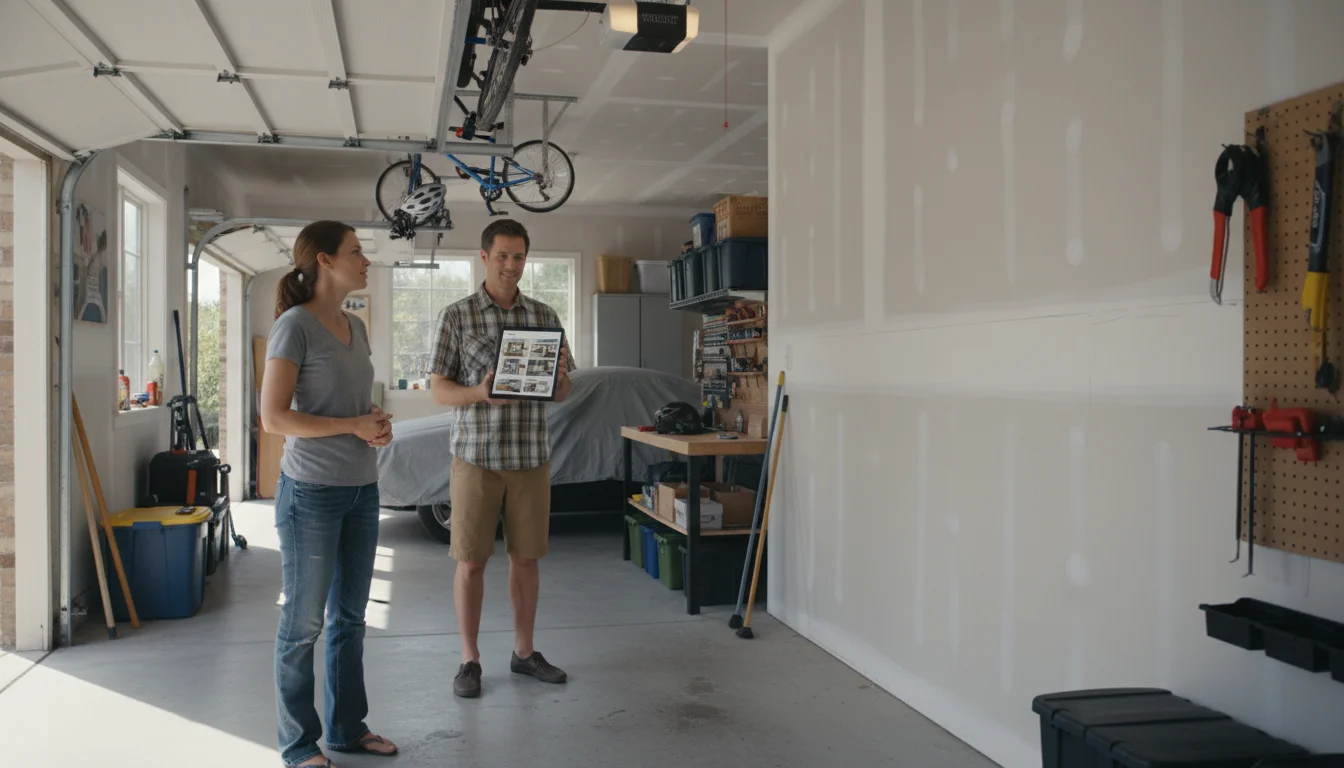
Considering Your Garage Layout and Space
- Small Garages: Maximize vertical space with wall-mounted systems and overhead racks. Keep floor space clear with freestanding units only if absolutely necessary and securely anchored.
- Large Garages: You have more flexibility. Consider a combination of systems, such as heavy-duty freestanding units for bulk storage and a wall-mounted track system for a workbench area. Modular cabinet systems can define specific zones effectively.
- Attached vs. Detached Garages: Attached garages may benefit from more aesthetically pleasing or enclosed options (like cabinets) if they connect directly to living spaces. Detached garages might prioritize pure utility and robust storage.
Budget Considerations
Your budget plays a significant role in your final decision.
| Budget Tier | Shelving Options | Notes |
|---|---|---|
| Entry-Level/DIY Friendly | Plastic shelving, basic wire shelving, DIY wooden shelves | Affordable, often lower weight capacity, may require some assembly skills for wooden shelves. Best for light-duty, temporary, or small-scale solutions. |
| Mid-Range/Good Value | Heavy-duty freestanding metal shelving, basic wall-mounted track systems, simple fixed wall shelves | Offers good durability and weight capacity for most needs. A solid balance of cost and functionality. You can find excellent options from major retailers. |
| Premium/Long-Term Investment | Extensive wall-mounted track systems, modular cabinet systems, custom-designed solutions, overhead racks | Highest quality, durability, aesthetics, and customization. These are built to last and provide comprehensive, integrated organization. Consider these if you plan to stay in your home long-term or have specific high-value storage needs. |
Do not be afraid to mix and match. You might use heavy-duty metal shelves for your power tools and a more affordable plastic unit for your recycling bins. This approach allows you to optimize both functionality and cost. Prioritize the areas that give you the most frustration and tackle those first with the appropriate shelving, then expand as your budget and time allow.
Installation Tips and Safety First
Proper installation ensures your garage shelving is safe, stable, and capable of holding its intended weight. Rushing or cutting corners during installation risks damage to your items or, worse, serious injury.
Essential Installation Guidelines
- Read the Instructions: Every shelving unit comes with specific assembly and installation instructions. Read them thoroughly before you begin. Manufacturers design their products to work best when you follow their guidance.
- Gather the Right Tools: You will likely need a tape measure, stud finder, level, drill, appropriate drill bits, a hammer, and safety glasses. For heavy-duty shelving or wall-mounted systems, a second person can make the job significantly easier and safer.
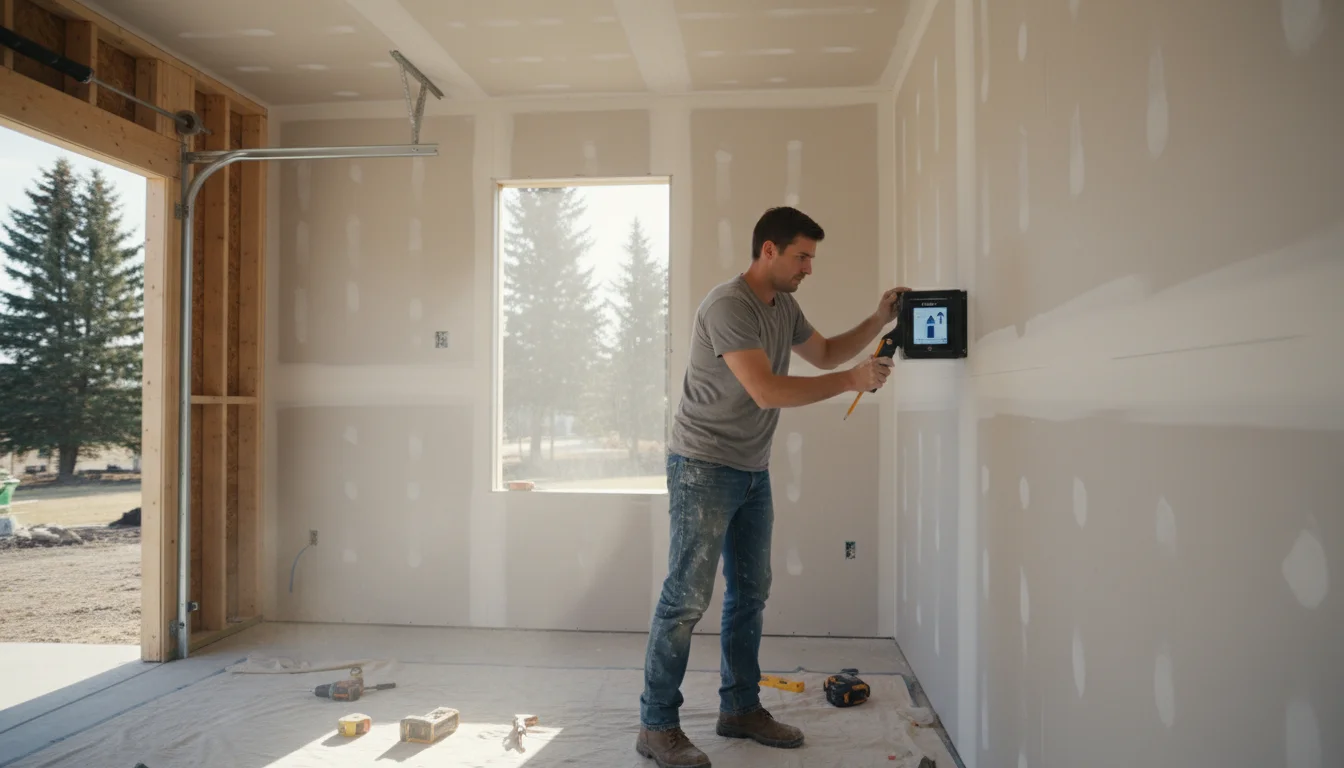
- Locate Wall Studs: For any wall-mounted or freestanding shelving units that require anchoring, locating wall studs is paramount. Use a reliable stud finder. Mark the center of the studs with a pencil. Anchoring into drywall alone is insufficient for supporting significant weight and will likely fail. Experts at This Old House consistently emphasize the importance of fastening into studs for secure wall installations.
- Anchor Freestanding Units: Even heavy-duty freestanding metal shelves can tip over if overloaded or bumped. Always anchor taller units to the wall using wall anchor straps or brackets provided by the manufacturer. This simple step adds a crucial layer of safety.
- Level Everything: Use a level to ensure shelves are perfectly horizontal. Unlevel shelves can cause items to slide, create instability, and put uneven stress on the shelving unit, potentially leading to failure.
- Test Weight Capacity: Before fully loading your shelves, perform a small test. Place some weight on a shelf to ensure it feels secure. Do not exceed the manufacturer’s stated weight capacity per shelf or per unit. Exceeding these limits is a primary cause of shelving failure.
- Account for Clearance: Ensure shelving does not obstruct your garage door’s operation, vehicle access, or walking paths. Leave adequate space around electrical panels, water heaters, and utility access points.
Prioritize Safety
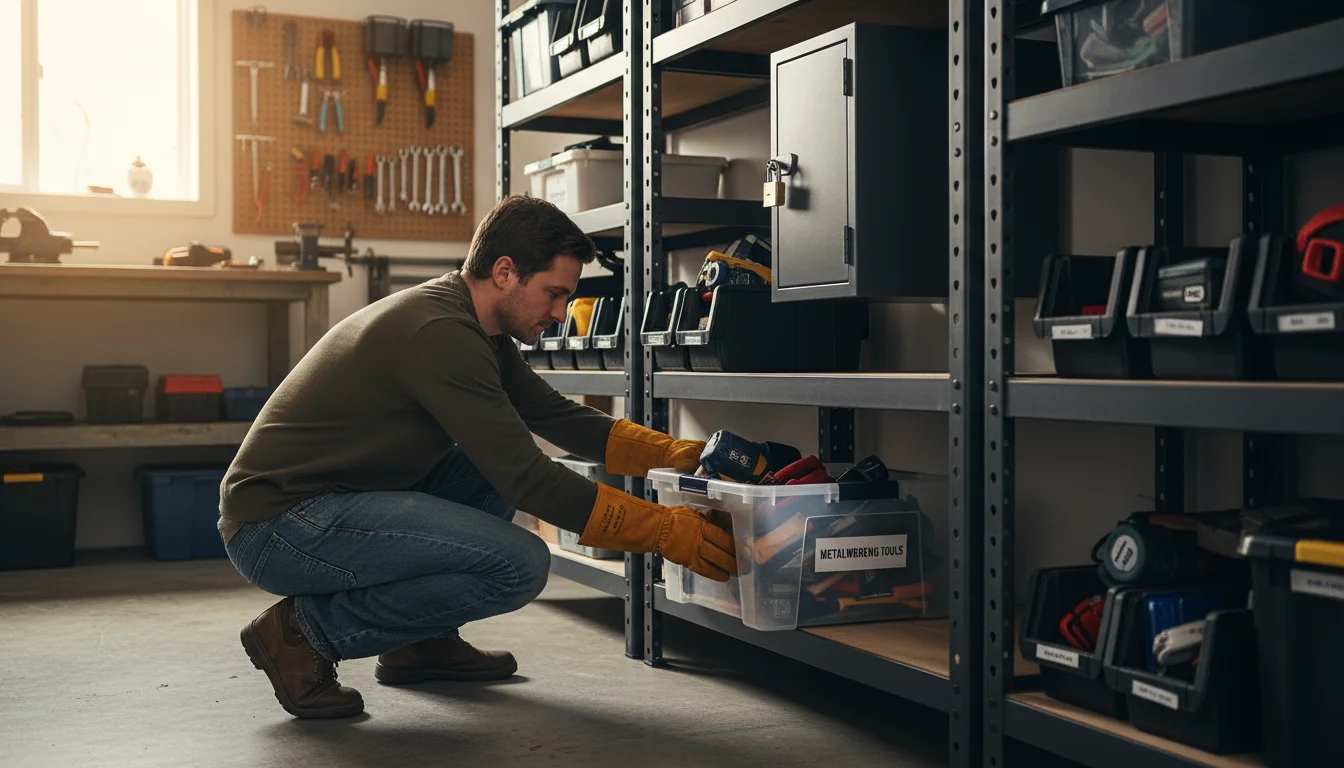
- Wear Safety Gear: Always wear safety glasses when drilling or using power tools. Consider gloves when handling metal shelving components to prevent cuts.
- No Overloading: This bears repeating. Do not exceed the manufacturer’s weight limits. Distribute weight evenly across shelves, placing heavier items on lower shelves for stability.
- Secure Hazardous Materials: Store paints, chemicals, and other hazardous materials on dedicated, secure shelves, preferably in locked cabinets and out of reach of children and pets. Always ensure proper ventilation when storing these items, as recommended by the EPA — Indoor Air Quality.
- Keep Aisles Clear: Maintain clear pathways in your garage. Shelving should enhance, not hinder, safe movement.
- Supervise Children and Pets: Keep children and pets away from the installation area. Once installed, teach children not to climb on shelves.
Taking your time and following these installation and safety guidelines ensures your new garage shelving system provides reliable, long-lasting storage without compromising safety.
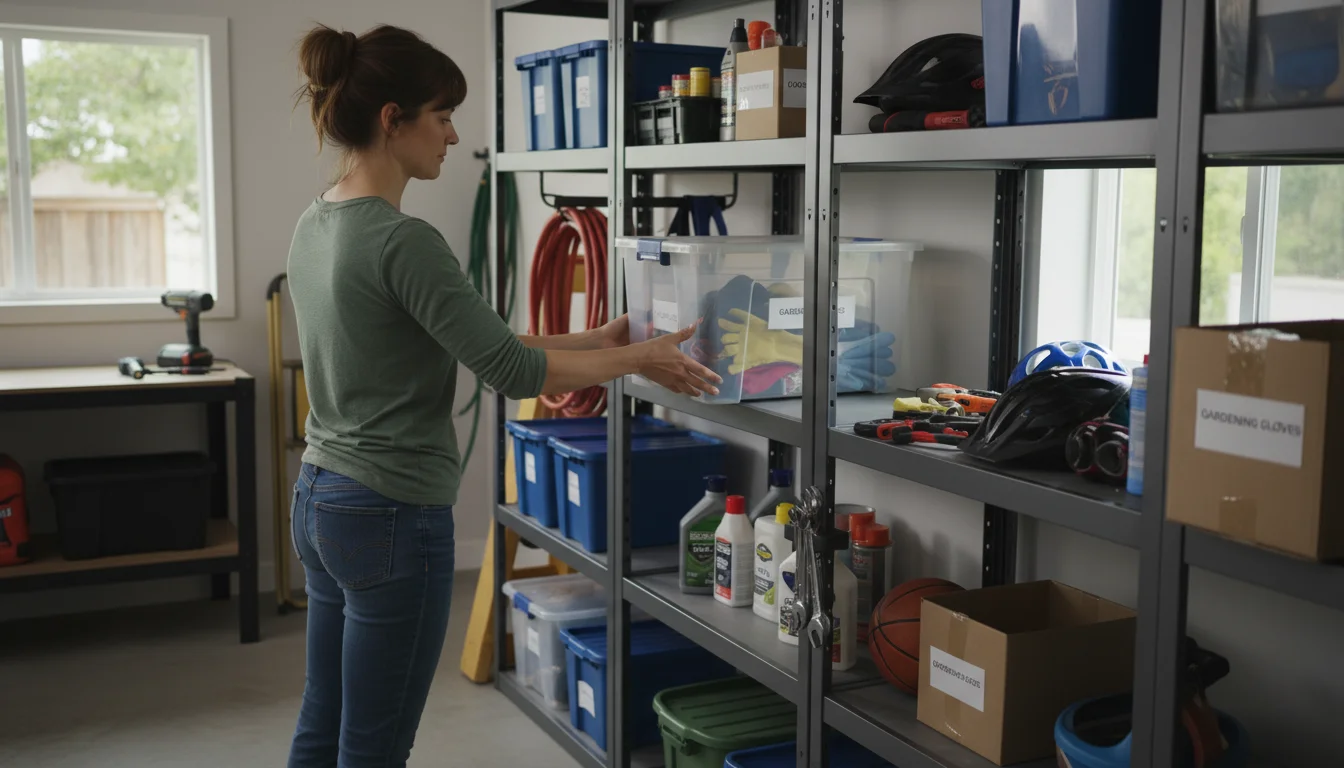
Organizing Your Shelves for Lasting Order
Installing the right garage shelving system marks a significant achievement. Now, the real work of maintaining that order begins. Effective organization ensures your garage remains functional and clutter-free for the long term.
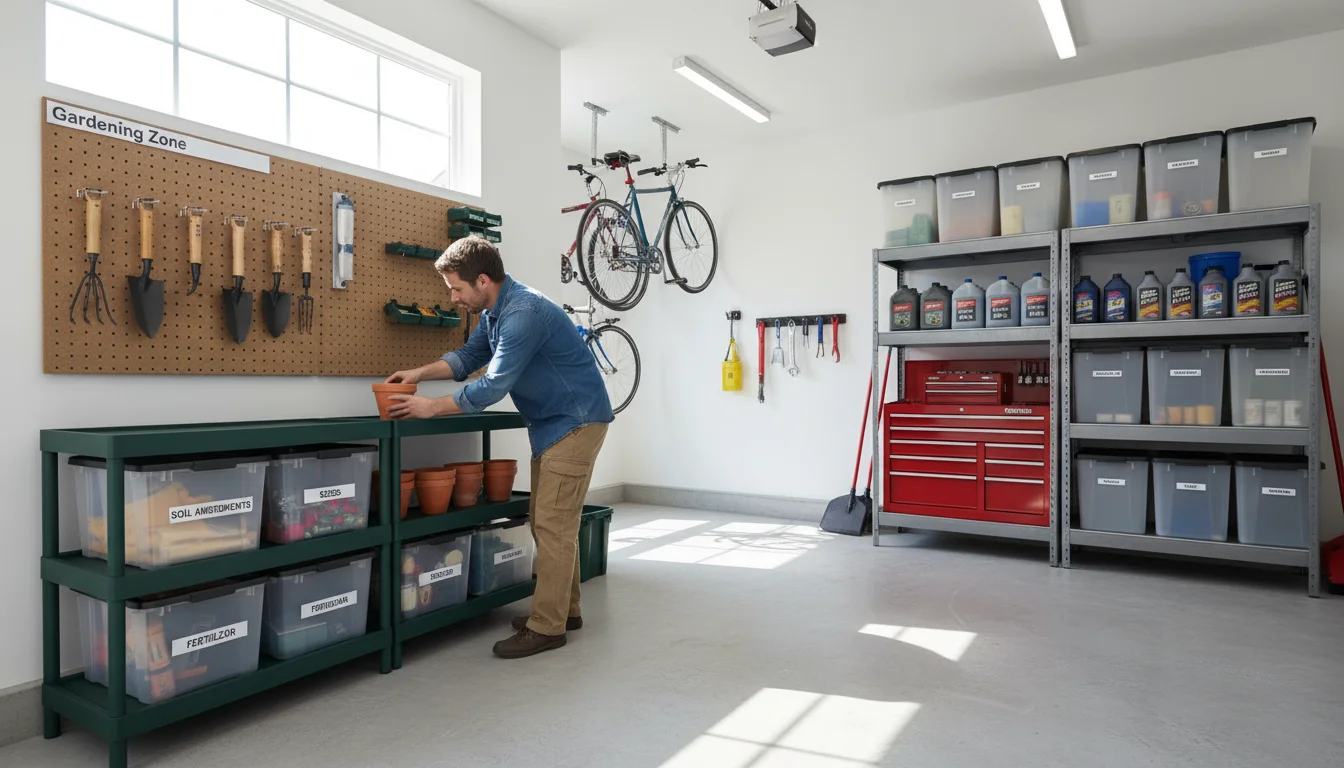
Implement the “Zone” System
As discussed, creating dedicated areas, or “zones,” for specific categories of items simplifies both storage and retrieval. This is where your shelving truly shines.
- Automotive Zone: Dedicate shelves for car cleaning supplies, motor oil, car fluids, and emergency kits. Store frequently used items on lower, easily accessible shelves.
- Gardening Zone: Group gardening tools, fertilizers, pots, and soil. Plastic shelving can work well here due to its moisture resistance.
- Tool Zone: Organize hand tools, power tools, and hardware. Use clear bins for small items and consider a pegboard or track system for often-used tools to keep them visible and accessible.
- Seasonal/Holiday Zone: Utilize upper shelves or overhead racks for holiday decorations, camping gear, and out-of-season sports equipment. Label these bins clearly.
- Sports Equipment Zone: Store balls, rackets, protective gear, and activewear in designated bins or on appropriate shelving. Net bags can help contain balls.
- Outdoor Recreation Zone: Kayaks, bikes, and other large recreational items may need specialized wall mounts or hooks, but their accessories can live on nearby shelving.
Place items you use most frequently at eye level or waist level for easy access. Store heavier items on lower shelves for stability and ease of lifting. Reserve the highest shelves for lightweight, rarely used items.
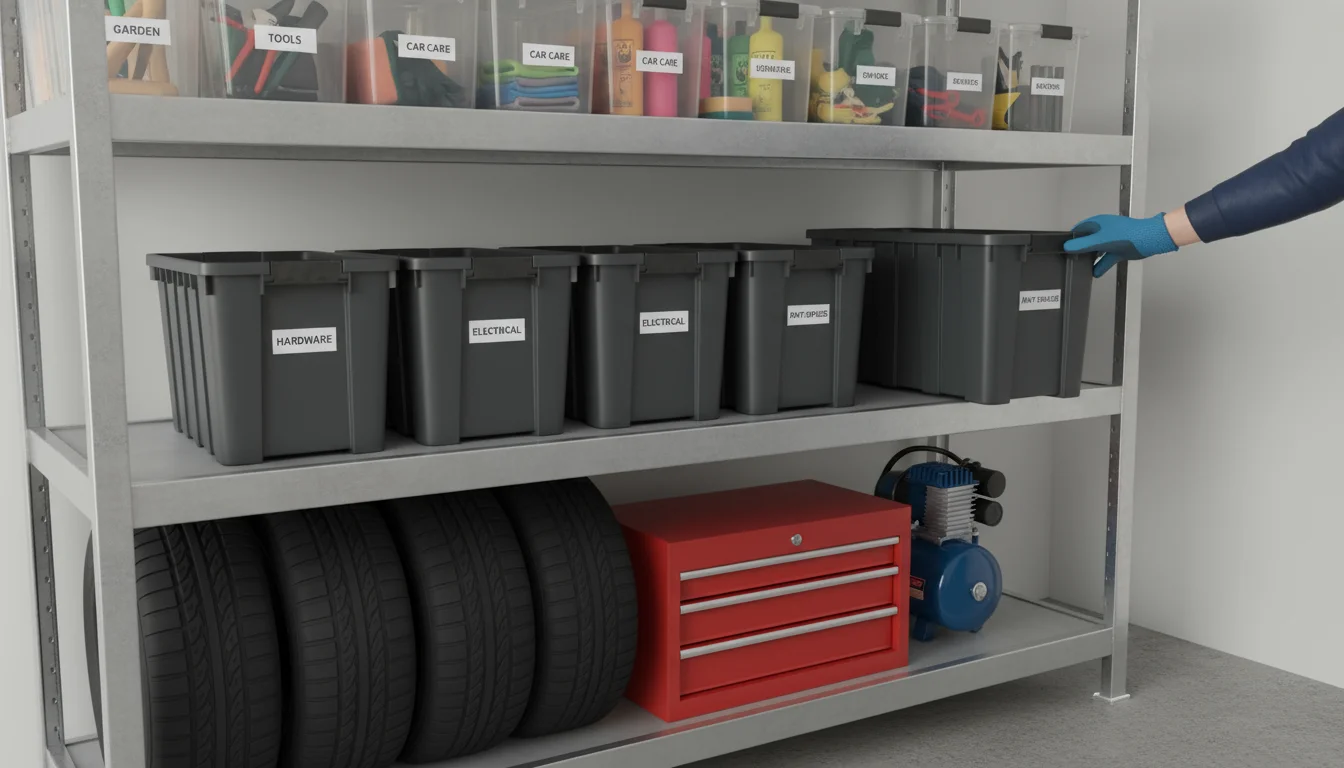
Leverage Containers and Labels
Even with great shelving, items can become disorganized if they do not have a defined home within the shelves. Containers and labels are your best friends here.
- Clear Bins: Use clear plastic bins so you can see the contents at a glance. They protect items from dust and pests.
- Opaque Totes: For items you do not want to see, or for seasonal storage, opaque totes work well. Make sure they are stackable and sturdy.
- Dividers and Drawers: Incorporate drawer units or shelf dividers for small parts, hardware, or office supplies kept in the garage.
- Label Everything: Labeling is non-negotiable for lasting organization. Use large, clear labels that you can read easily. Label the outside of bins with their contents, and even label shelves themselves if certain items always live there. Real Simple — Organizing consistently advocates for clear labeling to maintain order in any space.
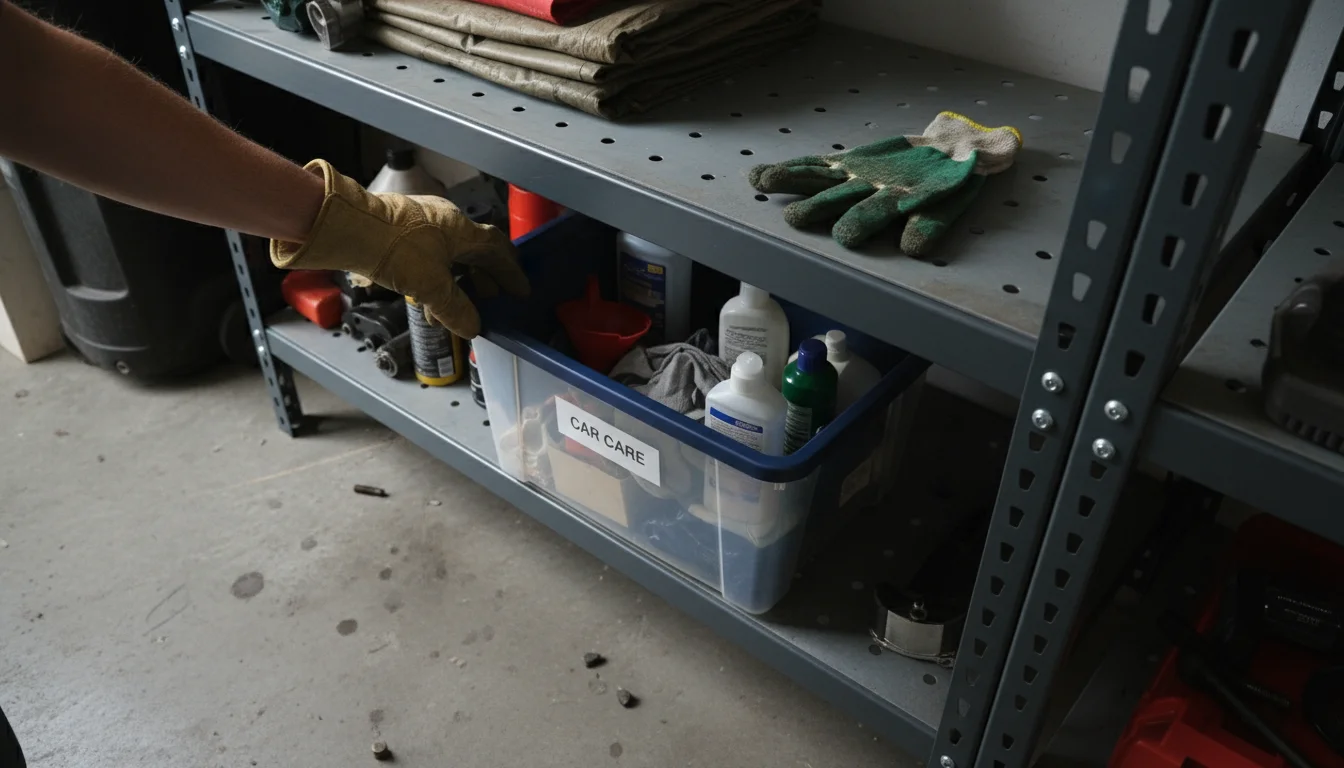
Maintain Your System
Organization is not a one-time event; it is an ongoing practice. Schedule regular, quick tidy-ups.
- Daily Habit: Put items back immediately after use. This prevents accumulation.
- Weekly Check: Spend 5-10 minutes each week to straighten up, return misplaced items, and identify any new clutter.
- Quarterly Review: Conduct a more thorough review every few months. Re-evaluate your zones, declutter anything new that has accumulated, and adjust your shelving as your storage needs evolve.
By consistently applying these organizational principles, your garage shelving system will serve its purpose for years, making your garage a truly functional and enjoyable part of your home.
Common Mistakes to Avoid When Setting Up Garage Storage
Even with the best intentions, people often make common errors when setting up garage storage. Avoiding these pitfalls saves you time, money, and frustration.
- Skipping the Declutter: Attempting to organize a cluttered garage leads to buying too much or the wrong type of shelving. Always declutter first to understand your true storage needs.
- Ignoring Weight Limits: Overloading shelves is a serious safety hazard. Always check and respect the manufacturer’s weight capacity guidelines. Placing heavy items on light-duty shelving guarantees failure.
- Not Anchoring Units: Freestanding units, especially taller ones, require anchoring to the wall. Skipping this step risks tipping, particularly in homes with children or in earthquake-prone areas.
- Blocking Access: Do not place shelving where it obstructs garage doors, vehicle access, electrical panels, water heaters, or other utility access points. Plan your layout carefully to maintain clear pathways.
- Buying Before Measuring: Guessing your space or item dimensions leads to ill-fitting shelving. Measure everything twice before purchasing any units.
- Neglecting Vertical Space: Limiting storage to eye level wastes valuable overhead space. Utilize wall-mounted and ceiling-mounted options to maximize your garage’s storage potential.
- Forgetting About Future Needs: While you do not need to plan for every possibility, consider if your needs might change. Will you acquire more sports equipment, tools, or seasonal decor? Choose systems that offer some adjustability or expandability.
- Not Using Containers and Labels: Just putting items on a shelf without proper containment or labeling eventually leads back to disarray. Containers keep items tidy, and labels ensure everything goes back to its designated spot.
- Prioritizing Aesthetics Over Function: While a beautiful garage is desirable, ensure your chosen system is primarily functional for your actual needs. A sleek but inadequate system will not solve your storage problems.
By being mindful of these common mistakes, you can approach your garage shelving project with confidence, creating a system that truly works for your home and lifestyle.

Frequently Asked Questions
Can I mix different types of garage shelving in one garage?
Absolutely, mixing shelving types is often the most practical and efficient approach. For example, use heavy-duty freestanding metal shelving for large, bulky items, a wall-mounted track system above your workbench for tools, and overhead racks for seasonal storage. This allows you to leverage the strengths of each system for different categories of items, optimizing both space and budget.
How much weight can garage shelving typically hold?
Weight capacity varies significantly by shelving type and construction. Heavy-duty freestanding metal shelving can often hold 500 to 2,000 pounds per shelf or more. Wall-mounted systems, when installed correctly into studs, can also hold substantial weight, typically 100 to 200 pounds per linear foot. Wire and plastic shelving have much lower capacities, often ranging from 25 to 100 pounds per shelf. Always consult the manufacturer’s specifications for exact weight limits for your specific unit.
Is it better to buy pre-assembled shelving or assemble it myself?
Most garage shelving comes unassembled. This allows for easier transportation and often lower cost. Assembly typically involves following detailed instructions, and many modern units feature boltless designs for quicker setup. While some higher-end custom or modular cabinet systems might offer professional installation, for most standard shelving, you will assemble it yourself. This saves money and provides flexibility in arrangement.
What is the best way to clean garage shelving?
Cleaning depends on the material. For metal shelving, wipe down with a damp cloth and mild soap, then dry thoroughly to prevent rust. Plastic shelving cleans easily with soap and water. For wire shelving, use a brush or vacuum to remove dust and debris, followed by a damp cloth. Regular cleaning, at least quarterly, helps maintain the longevity and appearance of your storage system. As the American Cleaning Institute recommends, consistent cleaning practices prolong the life of household items.
What should I do if my garage floor is uneven?
Uneven garage floors can affect the stability of freestanding shelving. Look for units with adjustable leveling feet, which allow you to compensate for slight variations. Alternatively, you can place shims under the feet of the shelving unit to level it. Always ensure the unit is stable and not rocking before loading it. For very uneven floors, anchoring the unit to the wall becomes even more critical for safety.
For expert home organization guidance, visit
EPA — Indoor Air Quality,
Energy Star,
CDC — Cleaning and Disinfecting,
American Cleaning Institute and
National Association of Professional Organizers.
Disclaimer: This article is for informational purposes only and is not a substitute for professional advice. Consult professional organizers or specialists for personalized recommendations.







Leave a Reply