
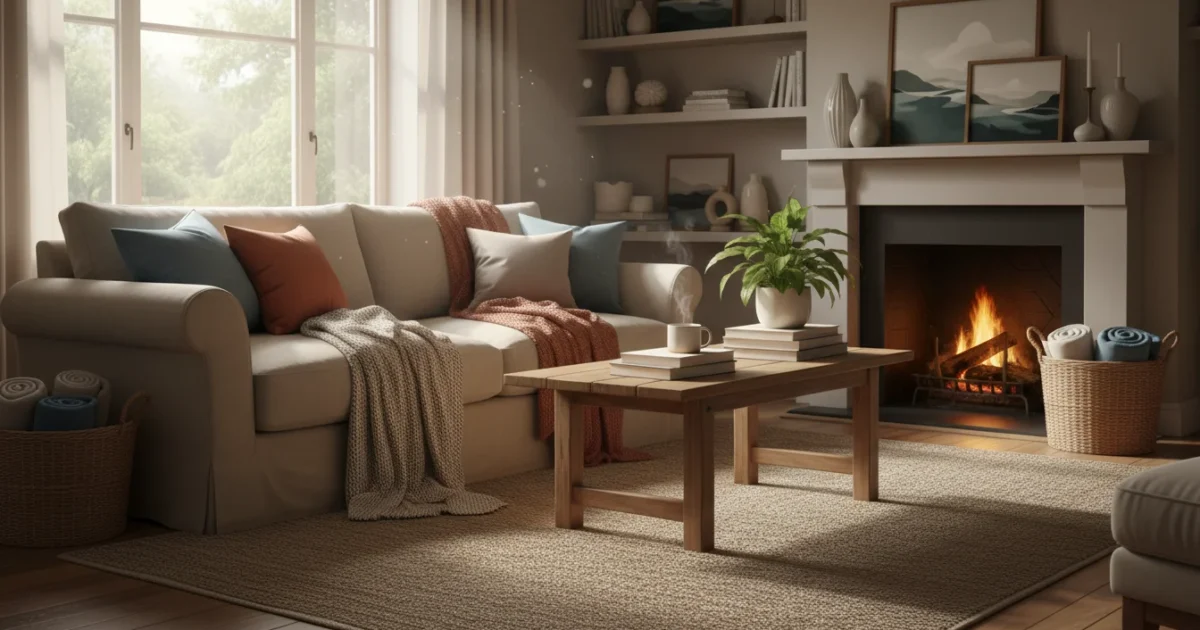
Bringing warmth and comfort into your home transforms a house into a haven. Area rugs play a crucial role in achieving this cozy atmosphere. They offer more than just aesthetic appeal. A well-chosen area rug provides insulation, softens hard floors, and defines spaces. Whether you live in a sprawling home or a compact apartment, the right rug elevates your environment. This guide explores the best area rugs for adding warmth to any room, helping you select pieces that enhance comfort, style, and practicality.
In open layouts, a rug acts similarly to smart room dividers, visually separating the living area from the dining space.
Beyond floor coverings, incorporating elements like the best throw blankets can further enhance the tactile warmth of your living space.
Why Area Rugs Bring Essential Warmth and Comfort
Area rugs do more than tie a room together aesthetically. They provide significant functional benefits that contribute to a comfortable living space. Think about a cold morning. Stepping onto a soft, warm rug feels much better than encountering chilly hardwood or tile. This immediate physical comfort is just one aspect of the warmth they offer.
To trap even more heat, consider pairing your new rug with insulating window treatments that prevent drafts.
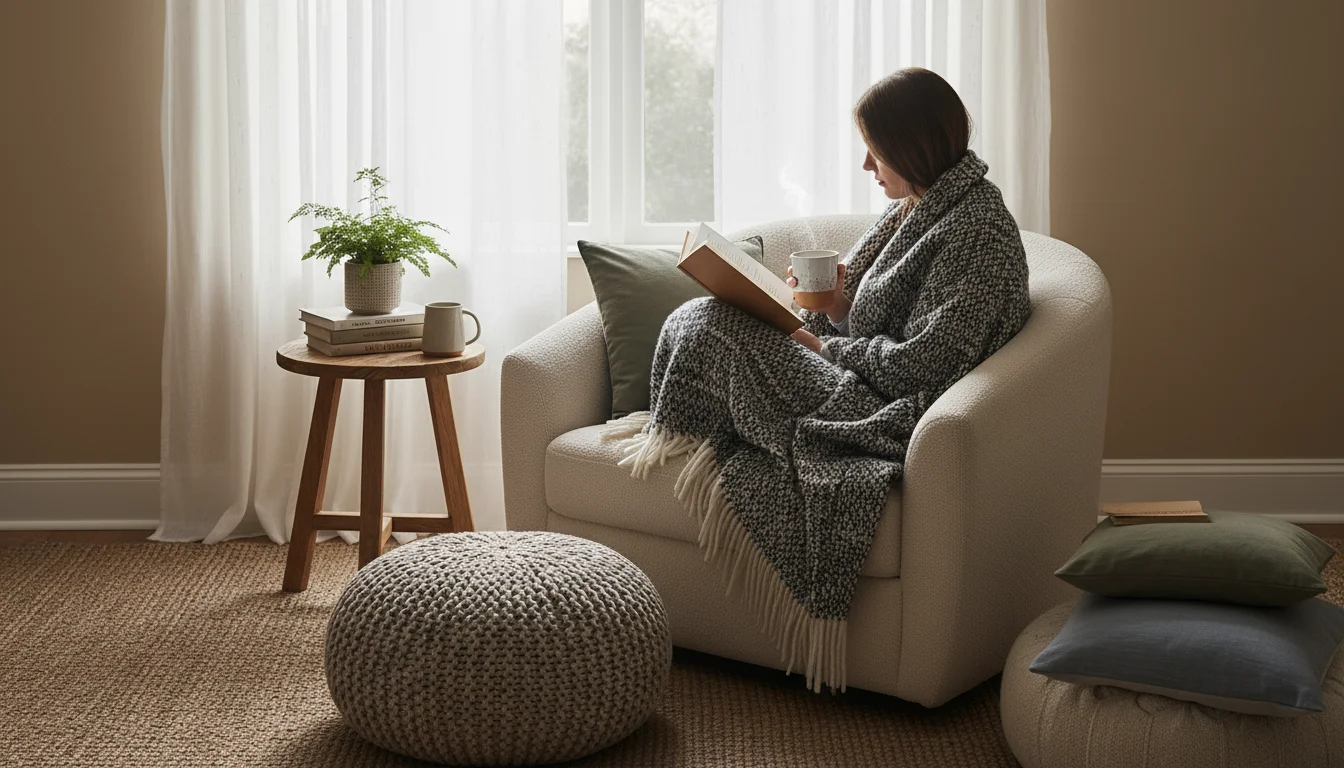
This approach to interior comfort is a key part of the art of hygge, which focuses on creating a serene and warm atmosphere.
First, area rugs act as insulators. Floors, especially those on a concrete slab or above unheated basements, can lose a significant amount of heat. A rug, particularly one with a thick pile and a quality rug pad, creates a barrier. This barrier traps warm air, preventing it from escaping through the floor and stopping cold air from seeping upwards. You experience a noticeable difference in room temperature, making your home feel naturally warmer. This insulation can also translate into energy savings. Your heating system works less to maintain a comfortable temperature when rugs help retain warmth.
Second, rugs absorb sound. Hard surfaces like wood, tile, or laminate reflect sound, causing echoes and making a room feel stark and noisy. This lack of acoustic dampening can make a space feel less inviting. A plush area rug absorbs sound waves, reducing echo and ambient noise. This creates a quieter, more peaceful environment. A quiet room often feels calmer and therefore cozier, enhancing overall comfort. According to The Spruce, rugs are essential for improving a room’s acoustics and adding a tactile element of comfort.
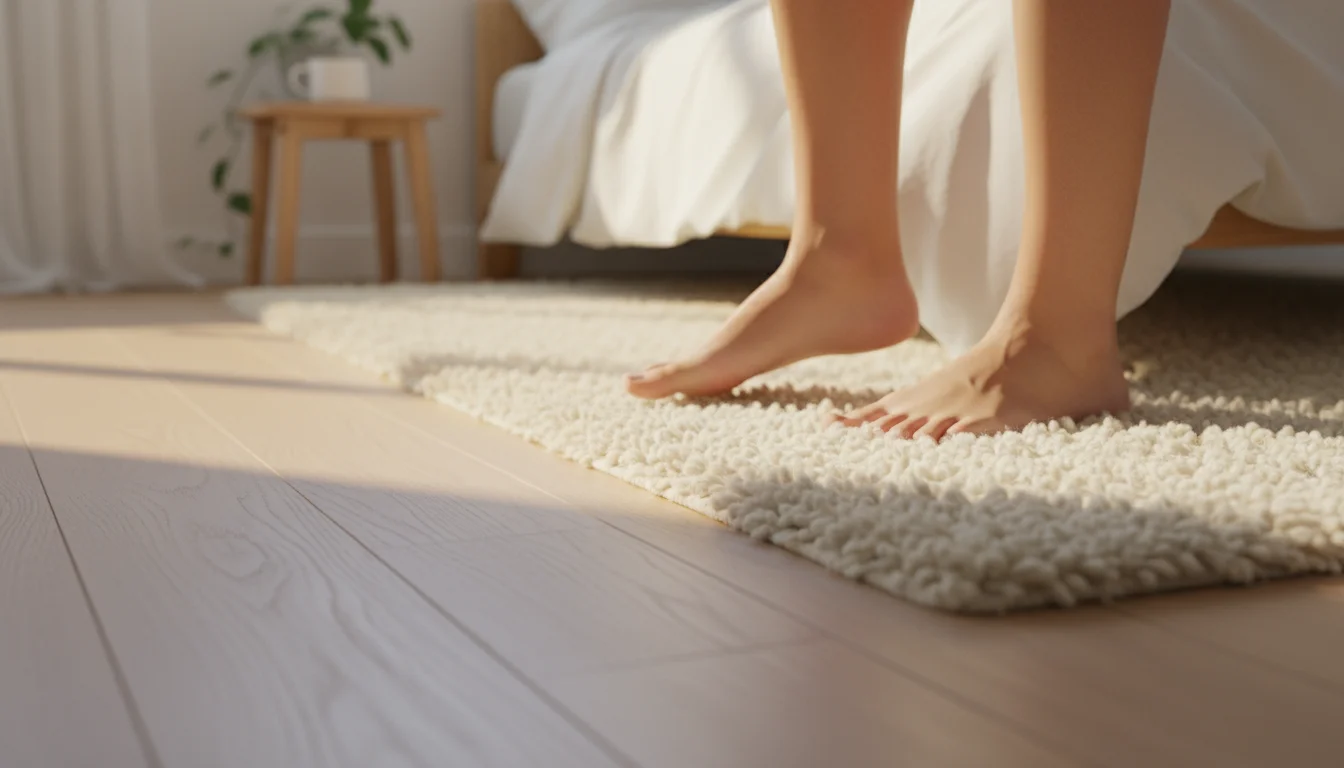
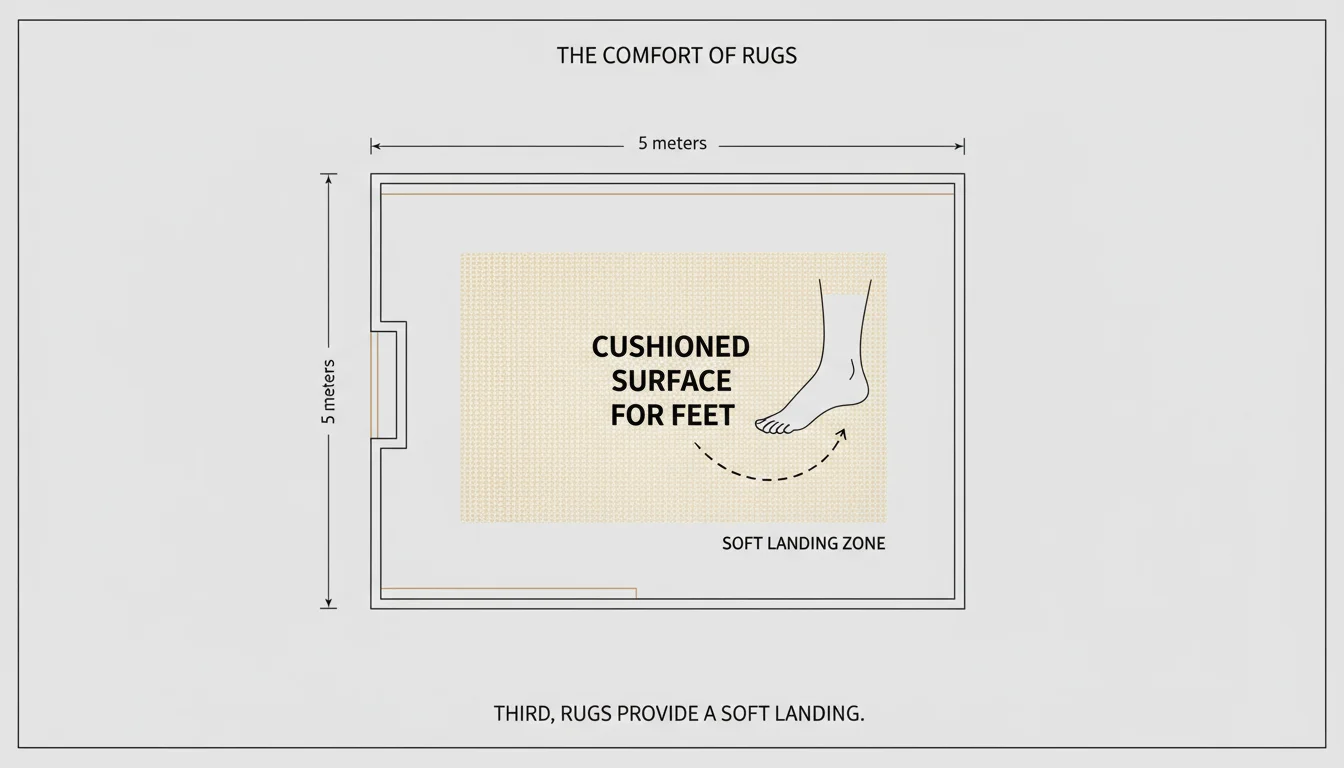
Third, rugs provide a soft landing. They offer a cushioned surface for your feet, making walking and standing more comfortable. This is especially beneficial in living rooms where you spend a lot of time on your feet, or in bedrooms where you want a soft surface to greet you each morning. For homes with children or pets, rugs also offer a layer of protection, cushioning falls and reducing the impact of playtime activities. This sense of physical softness contributes directly to a feeling of warmth and security in your home.
Finally, rugs visually warm a room. Their texture, color, and pattern introduce visual interest and softness that hard floors cannot. A room with only hard surfaces can feel cold and impersonal. Introducing an area rug instantly adds depth, personality, and a focal point, making the space feel more inviting and lived-in. Warm tones and plush textures naturally draw the eye and make a room feel more welcoming, cultivating a genuinely warm atmosphere.
Understanding Rug Materials: Your Guide to Coziness
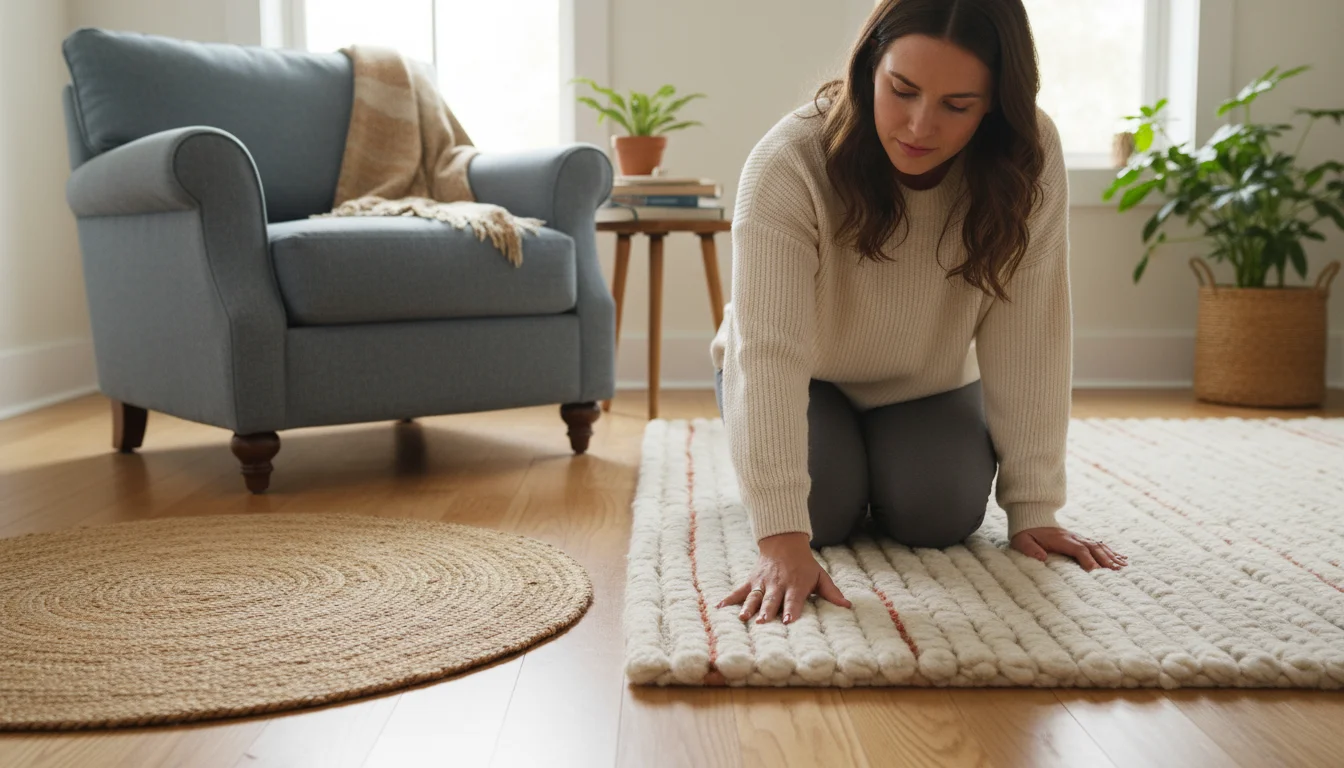
The material of your area rug significantly influences its warmth, durability, and care requirements. Consider both natural and synthetic fibers to find the perfect balance for your lifestyle and budget. Each material offers distinct benefits when it comes to creating a cozy home.
If you are considering a full renovation, explore our ultimate guide to cozy flooring options to find the best base for your rugs.

Natural Fibers for Supreme Warmth
- Wool: Wool rugs are the gold standard for warmth and luxury. Wool fibers naturally trap air, providing excellent insulation. They are incredibly soft underfoot, making them perfect for living room rugs and bedrooms. Wool is also naturally resilient, resisting crushing and matting, and it boasts natural stain and flame resistance. While a higher initial investment, a quality wool rug can last for decades. Its ability to regulate humidity also contributes to a comfortable indoor environment.
- Cotton: Cotton rugs offer a softer, more casual feel than wool. While not as insulating as wool, thick cotton weaves or braided cotton provide a pleasant warmth. They are often more affordable and easier to clean, making them a practical choice for family-friendly spaces. You can often machine wash smaller cotton rugs, a significant advantage for busy households.
- Jute and Sisal: These plant-based fibers offer a natural, earthy texture. They are durable and excellent for high-traffic areas. However, jute and sisal rugs offer less warmth and softness than wool or cotton. They are best layered with a softer rug on top or used in transitional spaces where extreme coziness is not the primary goal. Their texture can still add a visual warmth and organic feel.
- Sheepskin and Faux Fur: For ultimate softness and immediate warmth, sheepskin or faux fur rugs are unparalleled. They add a luxurious, tactile element, perfect for accent rugs next to a bed or in front of a fireplace. They provide intense warmth underfoot, transforming a small area into a super cozy spot. Due to their delicate nature, they usually serve as accent pieces rather than full room coverage.

Synthetic Fibers for Practical Warmth
- Polypropylene (Olefin): Polypropylene rugs are incredibly popular for their affordability, durability, and stain resistance. They are an excellent choice for homes with pets or children. While not as soft or insulating as wool, thicker polypropylene rugs still offer a comfortable warmth and softness underfoot. They come in a vast array of colors and patterns, providing versatile options for any decor.
- Nylon: Nylon rugs are known for their exceptional durability and resilience. They resist crushing and matting, making them suitable for high-traffic areas like living room rugs or entryways. Nylon offers good warmth and softness, often mimicking the feel of wool at a lower price point. It also stands up well to cleaning, making it a practical choice for busy families.
- Polyester: Polyester rugs are very soft, offering a luxurious feel. They are also highly stain-resistant and retain color well. While not as resilient as nylon, they provide good warmth and comfort. Polyester rugs are often a good budget-friendly option for bedrooms or low-traffic living areas where softness is a priority.
Pile Height and Weave: Key Factors for a Truly Cozy Rug
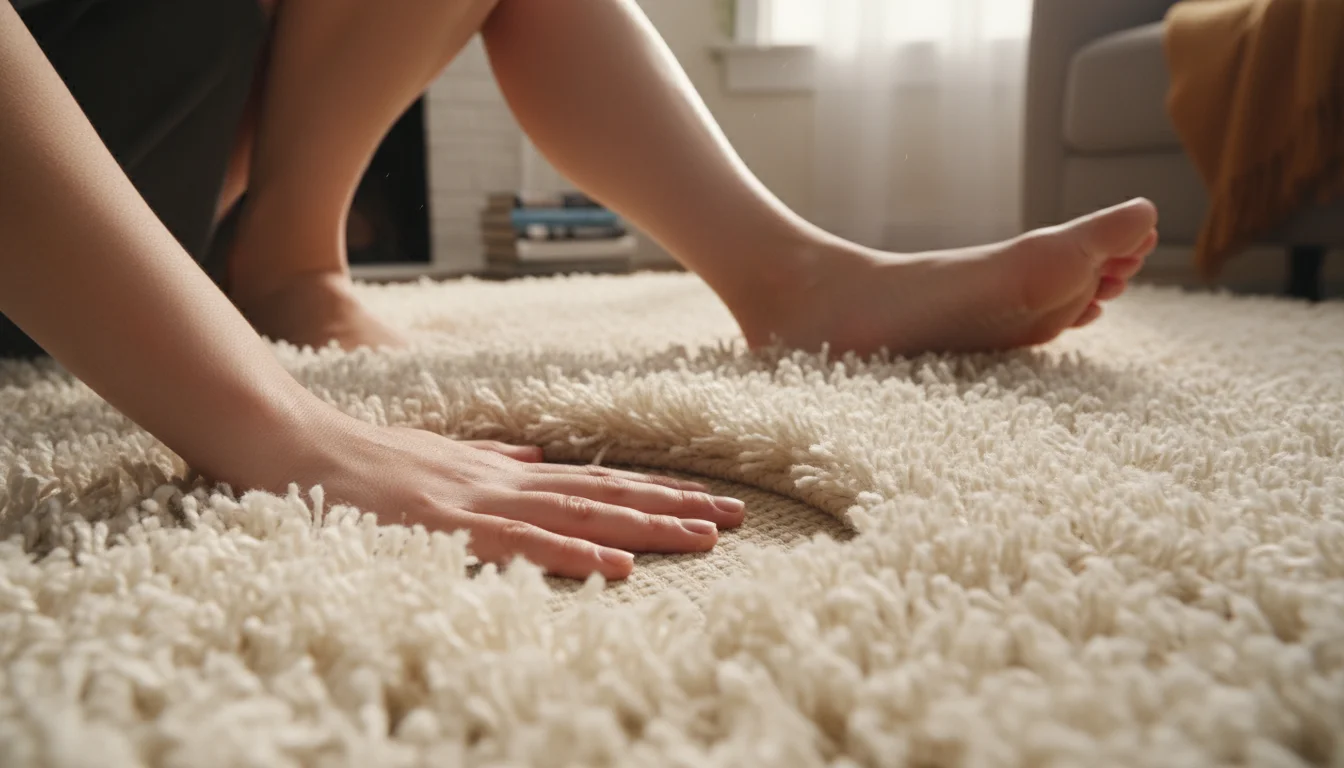
Beyond material, the pile height and weave construction of your area rug significantly impact its warmth and softness. These elements determine how much cushioning and insulation a rug provides.
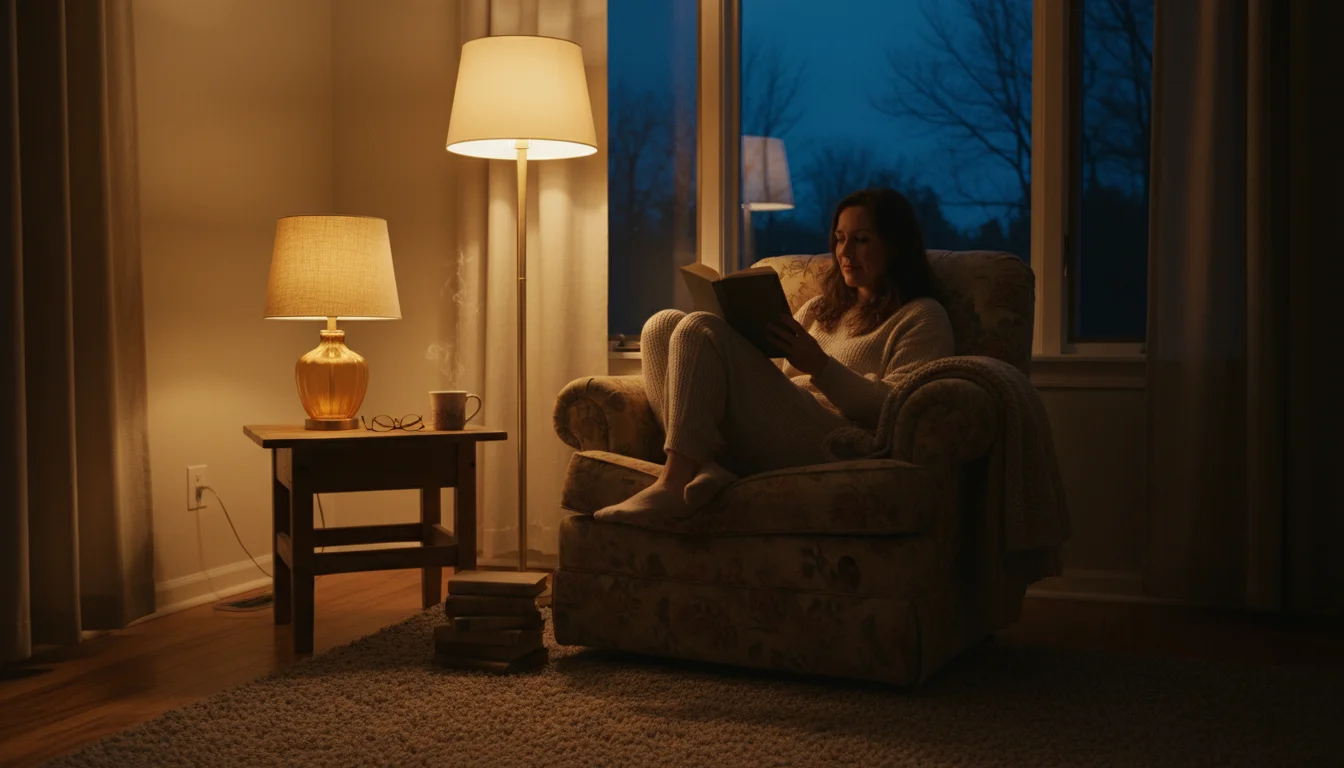
Just as you layer lighting for warm inviting spaces, choosing different pile heights adds depth and visual warmth to your home.
Understanding Pile Height
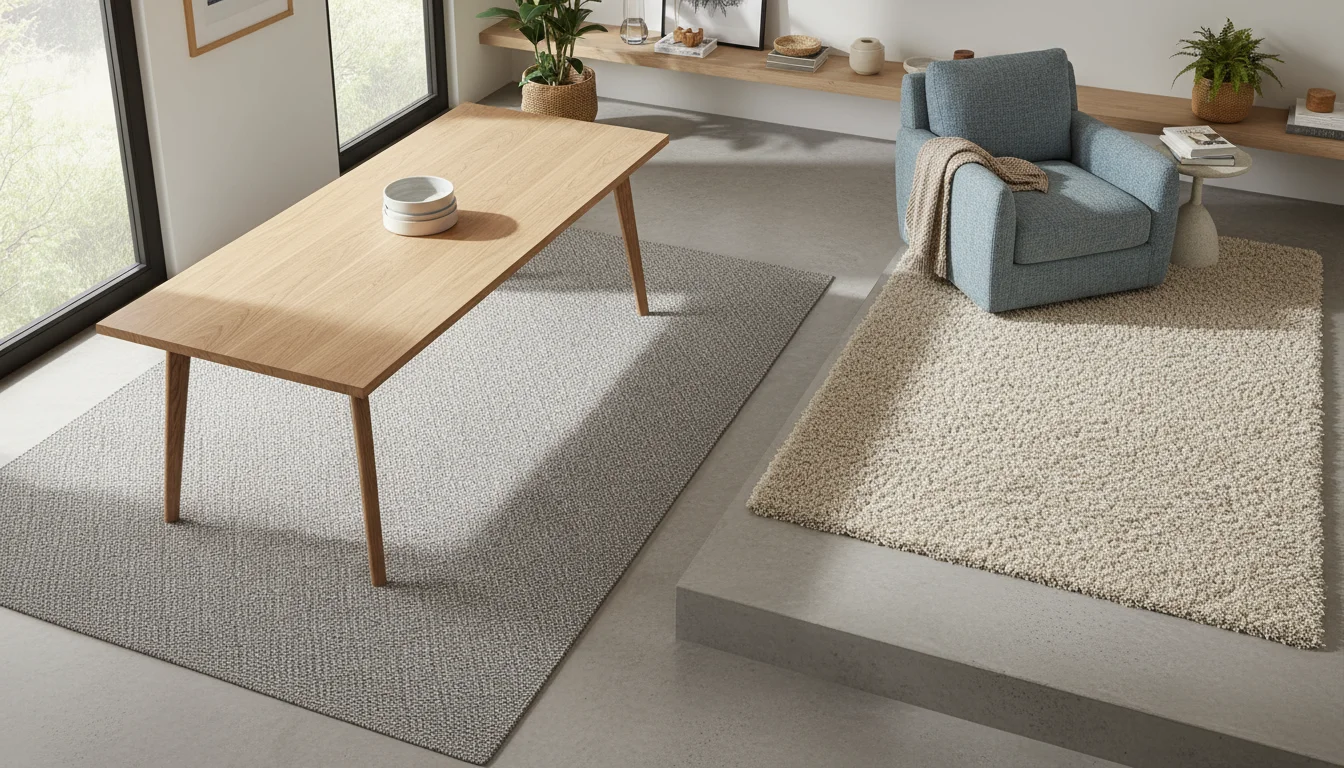
Pile height refers to the length of the fibers that make up the rug’s surface. Generally, a higher pile means more warmth and softness.
- Low Pile (less than 1/4 inch): These rugs are flat and tight, offering minimal warmth and cushioning. Examples include flatweave rugs and some tightly woven commercial-grade rugs. They are durable and easy to clean, making them suitable for high-traffic areas or under dining tables where warmth is not the top priority. They provide visual warmth but less tactile comfort.
- Medium Pile (1/4 to 1/2 inch): This is a versatile range, offering a balance of softness, warmth, and durability. Many common area rugs fall into this category. They provide good insulation and feel pleasant underfoot without being difficult to clean or tripping hazards. These are excellent choices for general living spaces.
- High Pile (more than 1/2 inch): High-pile rugs, such as shag rugs or deep-pile frieze, offer the most significant warmth and luxurious softness. The long fibers trap more air, providing superior insulation. They create a plush, inviting surface perfect for bedrooms, nurseries, or cozy living room nooks. While supremely comfortable, they require more effort to clean and are not ideal for high-traffic zones or under heavy furniture where fibers might crush.
Exploring Weave Types
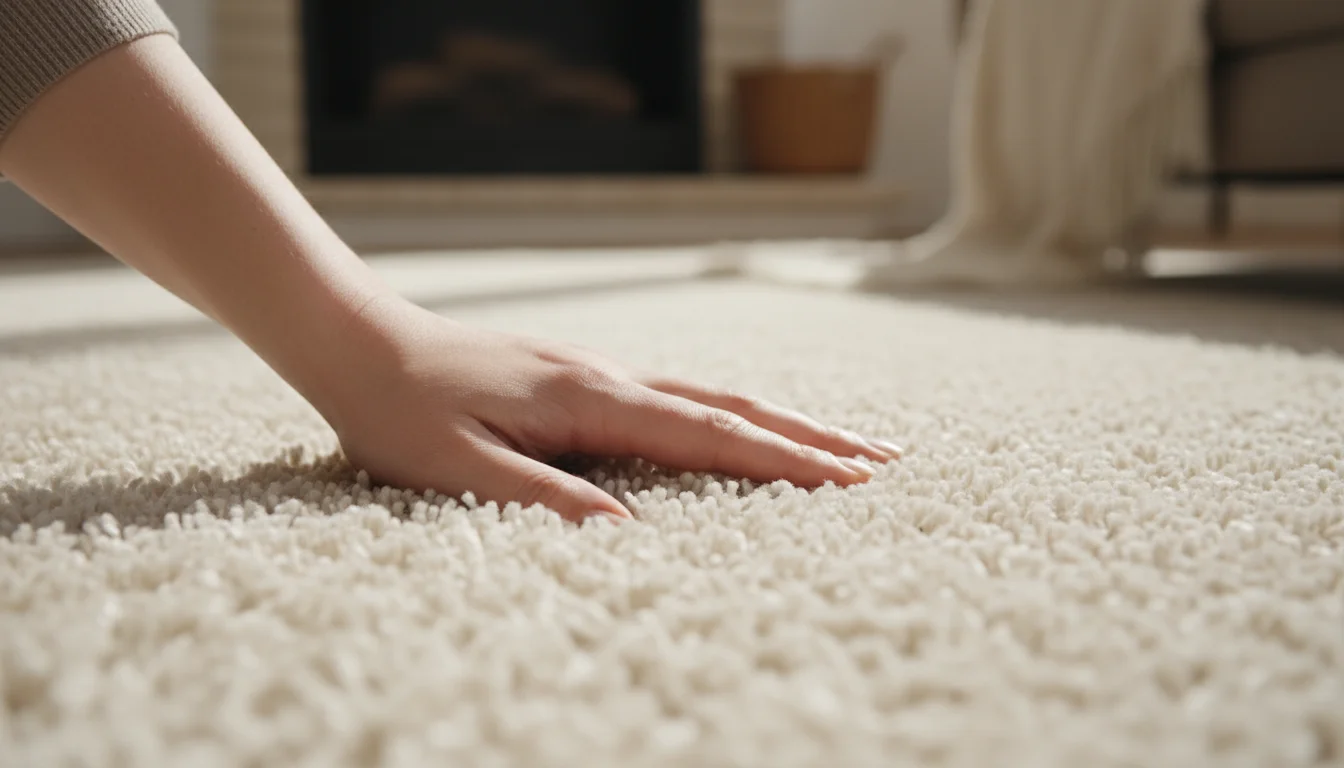
The way a rug’s fibers are constructed also plays a role in its warmth and feel.
- Cut Pile: This is the most common type, where the yarn loops are cut, creating an upright, soft surface. Examples include velvet, Saxony, and frieze carpets. Cut pile rugs generally feel softer and provide good warmth because the fibers stand up, creating more surface area for insulation. Higher density cut pile offers greater warmth.
- Loop Pile: In loop pile rugs, the yarn forms continuous loops. These rugs are very durable and resist crushing, making them suitable for high-traffic areas. Examples include Berber carpets. While durable, loop pile rugs typically offer less softness and warmth than cut pile rugs unless the loops are very dense and high.
- Cut and Loop Pile: This construction combines both cut and looped fibers, creating varied textures and patterns. It offers a balance of durability and softness. The cut sections contribute to warmth and comfort, while the looped sections enhance resilience.
- Flatweave: Flatweave rugs have no pile at all. The warp and weft threads are tightly woven together, resulting in a thin, flat fabric. Examples include kilim and dhurrie rugs. These rugs offer minimal warmth and softness but are highly durable, reversible, and easy to clean. They provide excellent visual texture and define a space without adding bulk. Layering a flatweave with a smaller, high-pile rug can add both texture and warmth.
Sizing Your Area Rug for Maximum Impact and Warmth
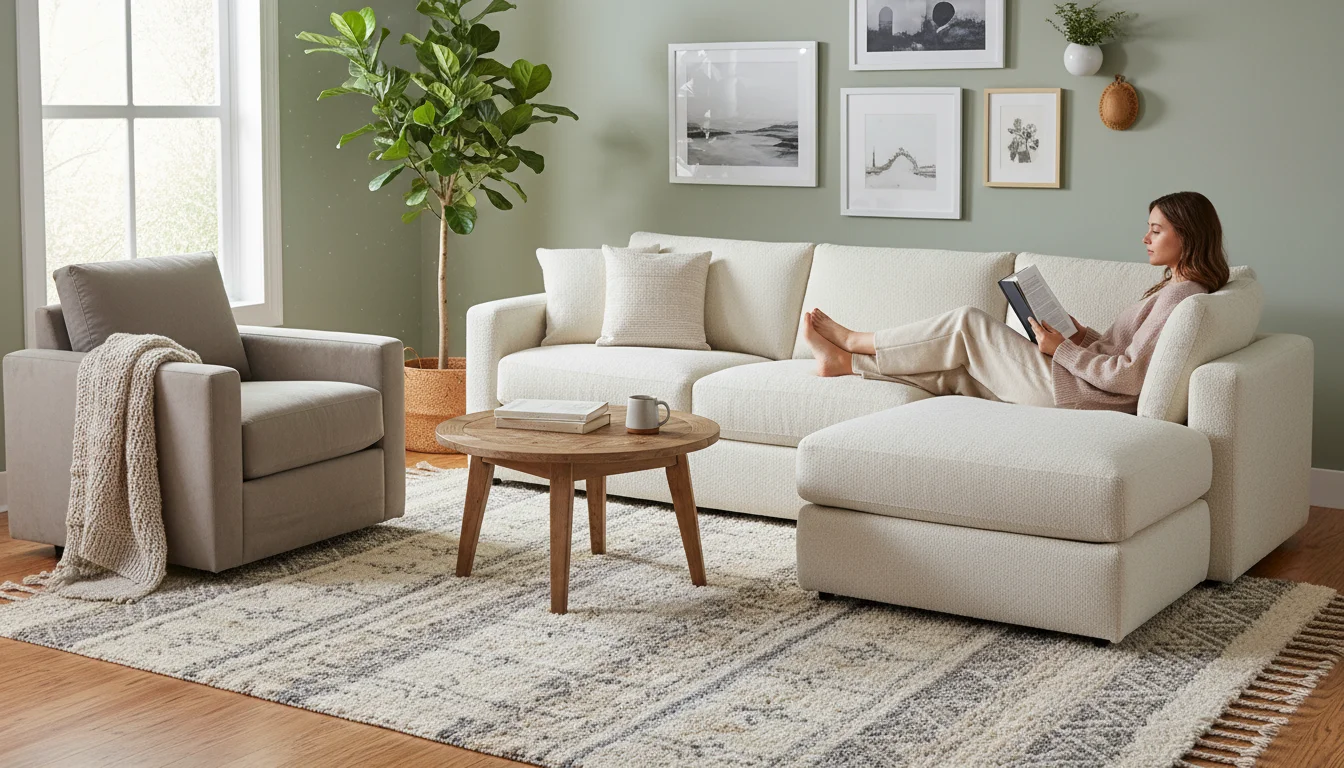
Choosing the correct size for your area rug is paramount to achieving the desired warmth and comfort in a room. An ill-sized rug can make a space feel awkward or diminish its impact. A properly sized rug grounds your furniture, defines your zones, and maximizes the cozy feeling underfoot.
How you arrange your furniture often dictates the ideal size and placement of your rug to ensure the room feels balanced.
Once you have selected the right size, learning how to arrange furniture for maximum coziness can help ground the rug and complete the room’s layout.
General Sizing Principles for Any Room
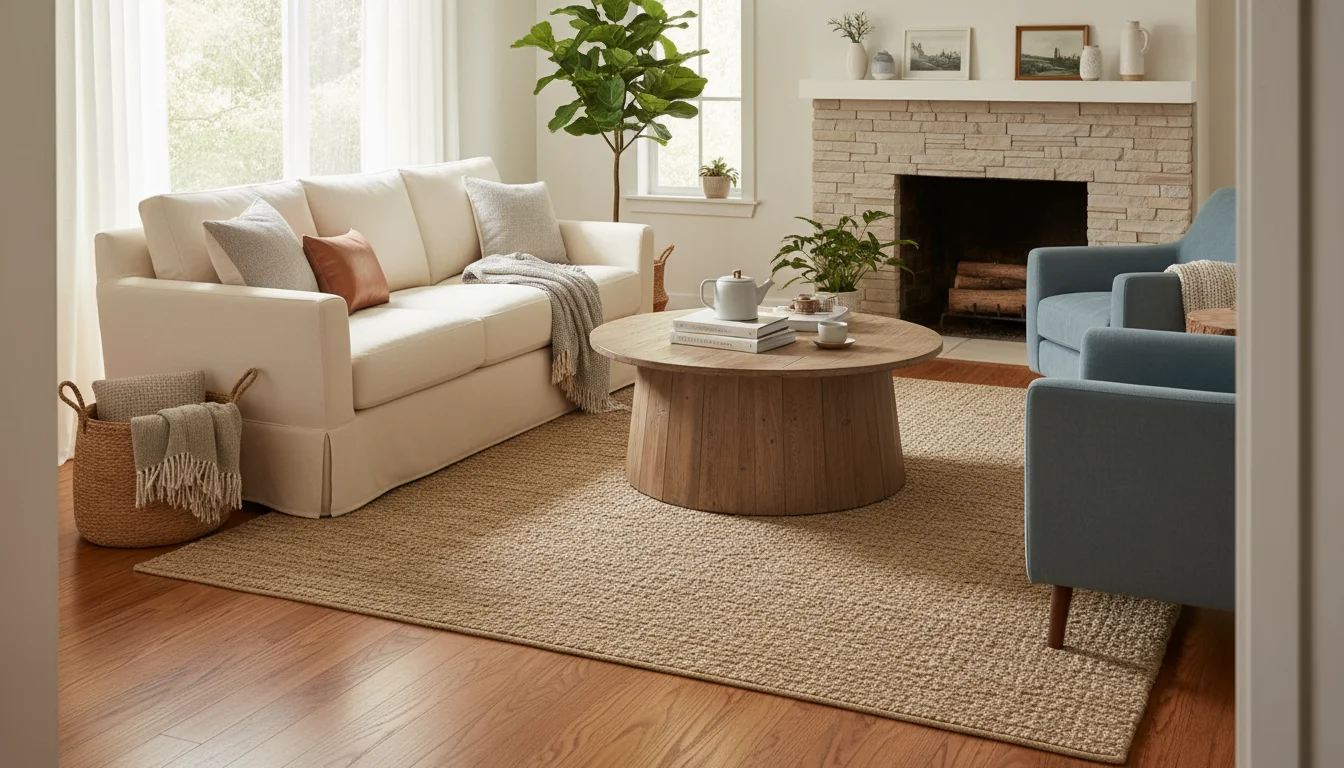
- Room Coverage: Aim for the rug to cover a significant portion of the floor space, leaving approximately 12 to 24 inches of bare floor around the perimeter of the room. This creates a cohesive look without overwhelming the room or making it feel too small. For smaller rooms, 12-18 inches might suffice. For larger rooms, 18-24 inches works well.
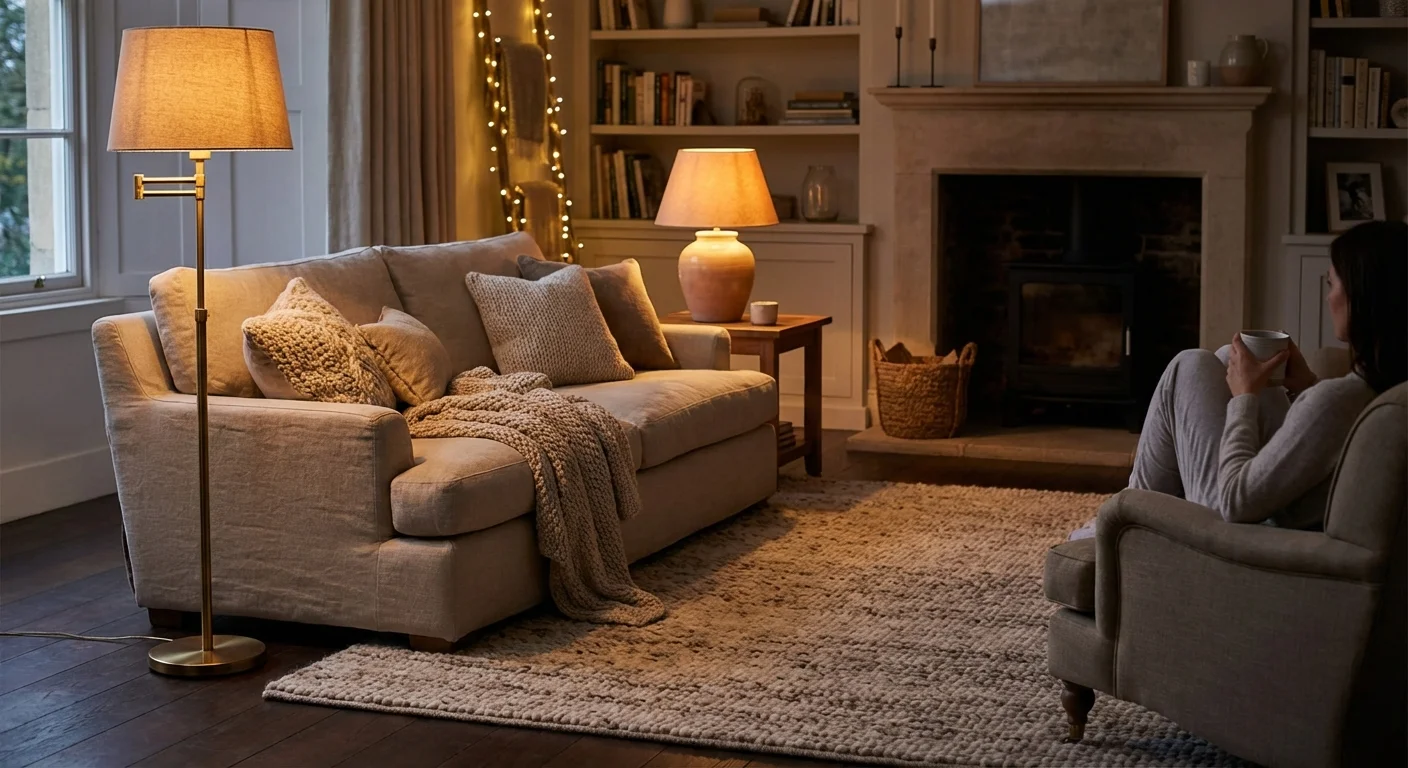
- Furniture Placement: As a rule of thumb, ensure that at least the front two legs of your main furniture pieces rest on the rug. This anchors the furniture and creates a unified seating arrangement. For ultimate warmth and luxury, choose a rug large enough for all furniture legs to sit entirely on the rug.
- Traffic Paths: Consider how people move through the room. The rug should extend into major traffic paths so you are not stepping on and off the rug constantly. This prevents wear patterns and keeps the cozy feeling consistent.
- Rug Pad: Always use a rug pad. It prevents slipping, protects your floors, and adds an extra layer of cushioning and insulation. A good rug pad can enhance the perceived warmth and extend the life of your area rug. As Real Simple often advises, a quality rug pad is an essential investment for comfort and safety.
Room-Specific Sizing Guidance
- Living Room:
- Standard Layout: Choose a rug large enough for the front legs of all sofas and armchairs to sit on the rug. Common sizes include 8×10 or 9×12 feet. This creates a defined conversation area.
- Large Room/Open Concept: Opt for an even larger rug, such as 10×14 or 12×15 feet, so all furniture sits entirely on the rug. This helps delineate the living zone in an open space and maximizes warmth underfoot.
- Dining Room:
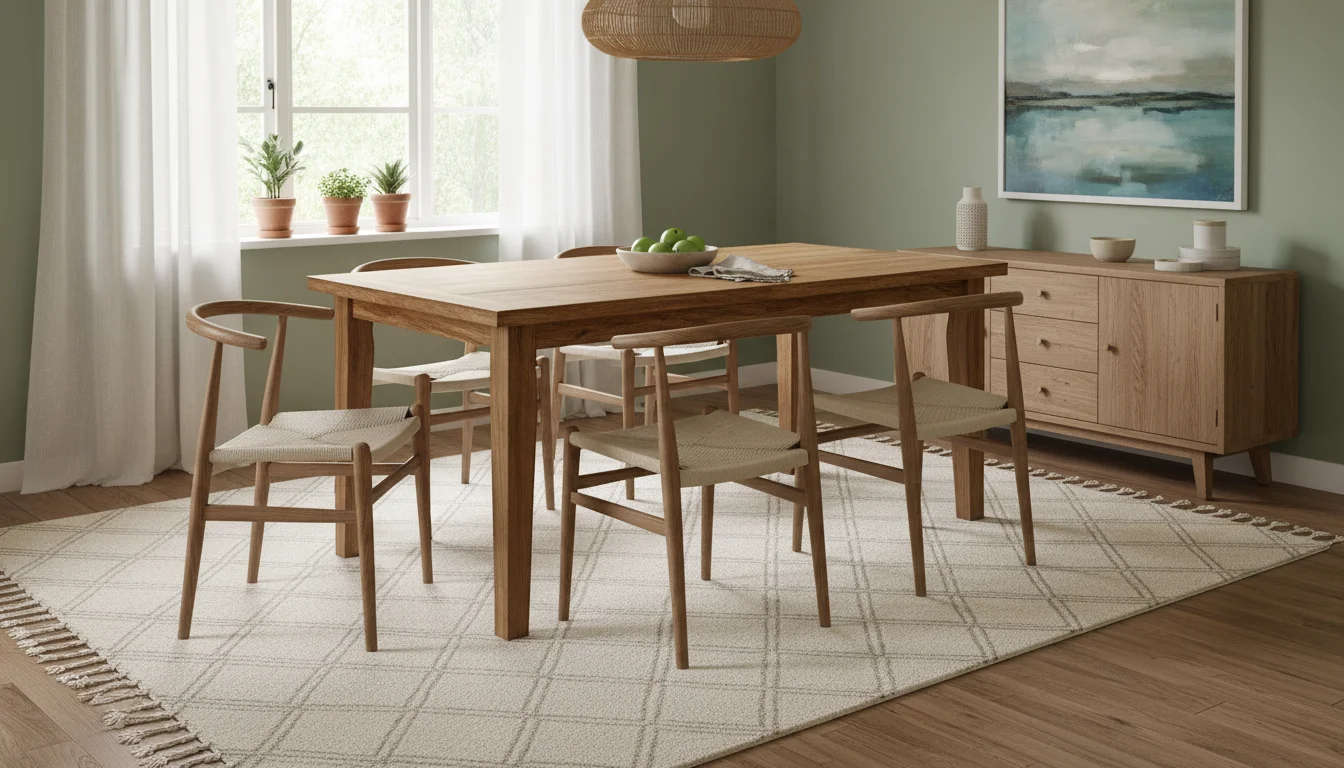
- Ensure the rug extends at least 24 inches beyond the edges of the dining table on all sides. This allows chairs to remain on the rug even when pulled out, preventing chair legs from catching on the rug’s edge and providing warmth for everyone seated. Measure your table and add 48 inches to both length and width to determine the minimum rug size.
- Bedroom:
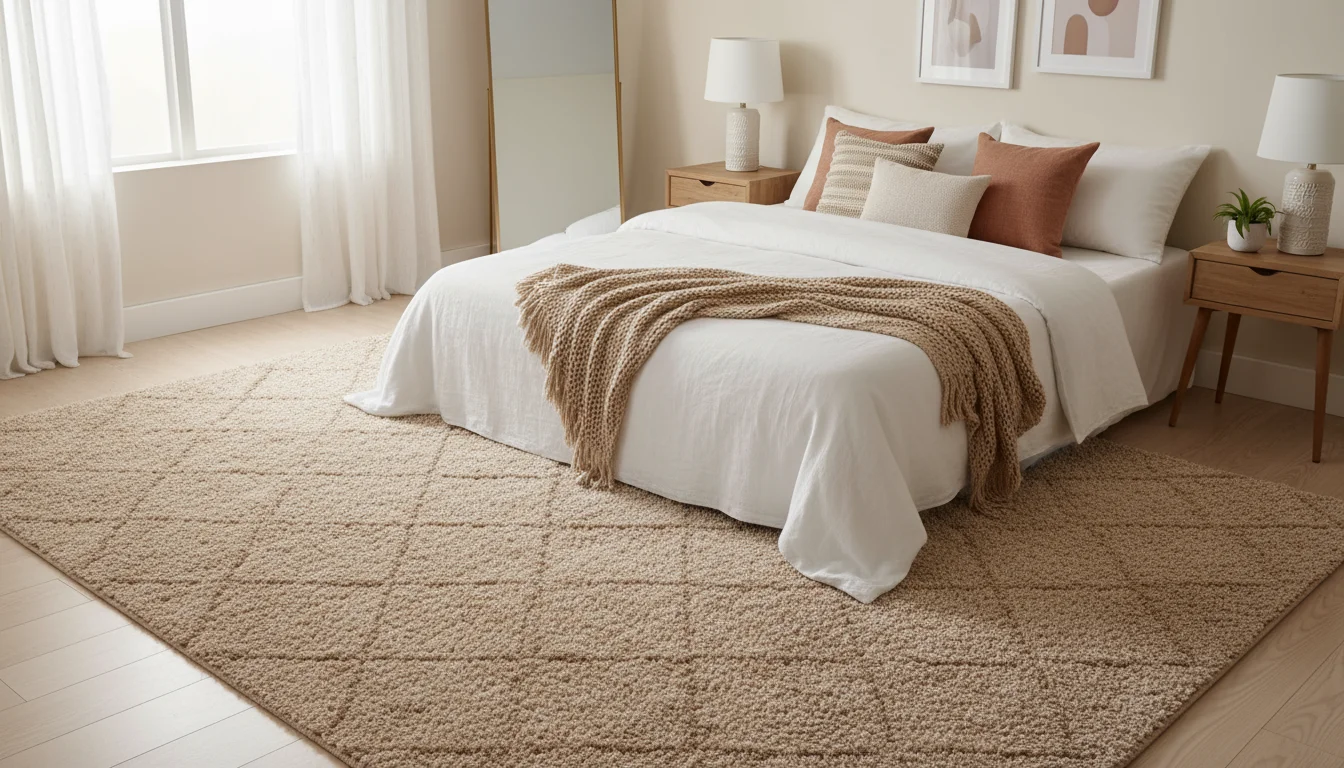
- Under the Bed: The most popular option is to place a large rug (e.g., 8×10, 9×12, or even 10×14 feet) underneath the bed, extending out at least 18-24 inches on the sides and foot of the bed. This provides a soft, warm landing for your feet when you get out of bed. For a queen bed, an 8×10 or 9×12 works well. For a king bed, a 9×12 or 10×14 rug is ideal.
- Runners or Small Rugs: For smaller bedrooms or specific zones, consider runners on either side of the bed or a small rug at the foot of the bed. This offers targeted warmth where you need it most.
- Entryway/Hallway:
- Runners work best here. They should cover most of the hallway length, leaving a few inches of bare floor at each end. In an entryway, a small, durable rug can welcome guests and trap dirt, while providing a spot of warmth.

Best Area Rugs for High-Traffic Living Areas
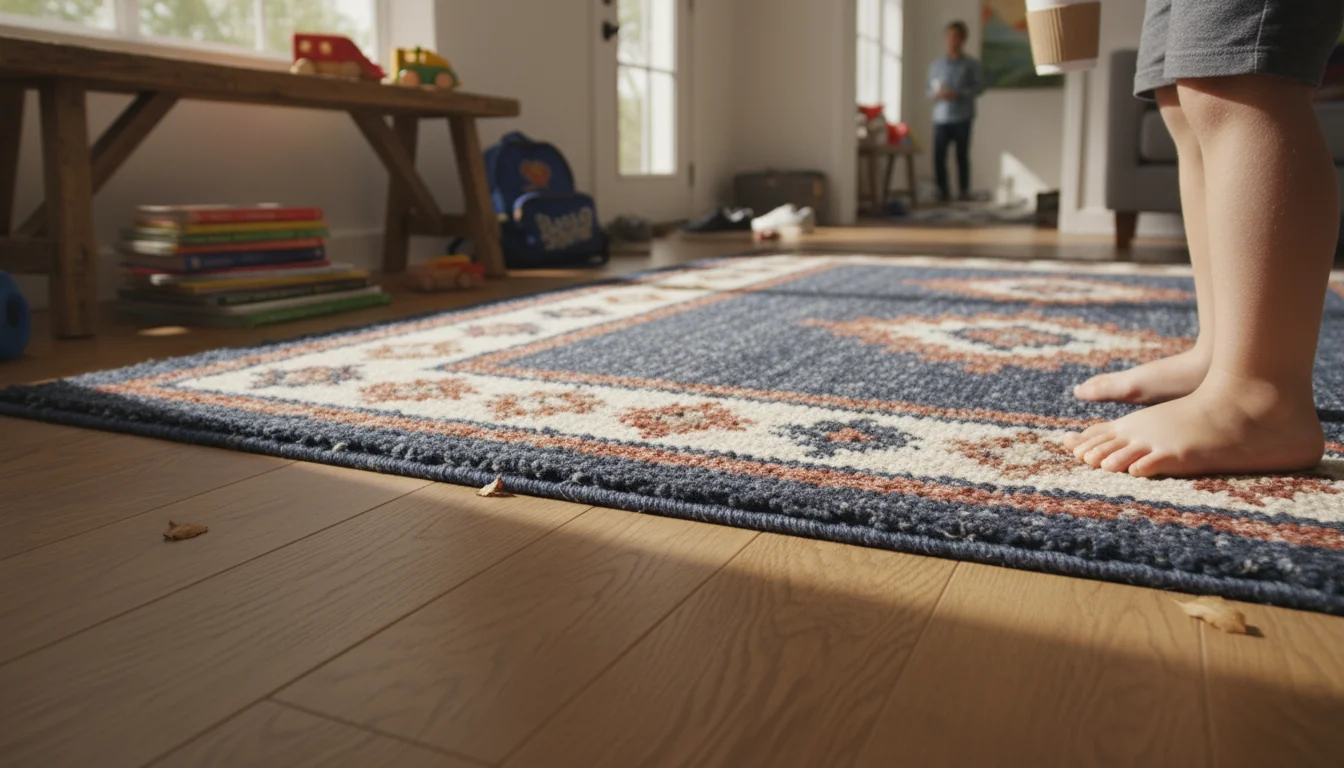
High-traffic areas like living rooms, family rooms, and hallways demand area rugs that balance warmth and comfort with exceptional durability. These spaces see constant activity, requiring materials and constructions that resist wear, crushing, and staining while still providing that inviting, cozy feeling. Your living room rug is often the central piece, so choose wisely.
Material Recommendations for Durability and Warmth
- Wool: Still a top contender for living room rugs, even in high-traffic zones. Wool fibers are naturally resilient, springing back from compression, which helps them maintain their plush look longer. Their natural lanolin content also offers excellent stain resistance. Choose a denser, lower-to-medium pile wool rug for the best balance of durability and warmth. Avoid very high pile wool in super high-traffic paths as it can show wear more quickly.
- Nylon: An outstanding synthetic option for high-traffic areas. Nylon is incredibly strong, durable, and resistant to abrasion and crushing. Modern nylon rugs offer good softness and insulating properties, making them a warm and practical choice for busy households. They clean relatively easily, which is crucial for areas prone to spills.
- Polypropylene (Olefin): A budget-friendly workhorse, polypropylene excels in durability and stain resistance. It is an excellent choice for homes with children and pets. While not as soft as wool or nylon, a thicker, denser polypropylene rug still provides substantial warmth and comfort underfoot. Its fade resistance makes it suitable for sunny living spaces.
Weave and Pile Height for Longevity and Comfort
In high-traffic areas, prioritize durability in the rug’s construction:
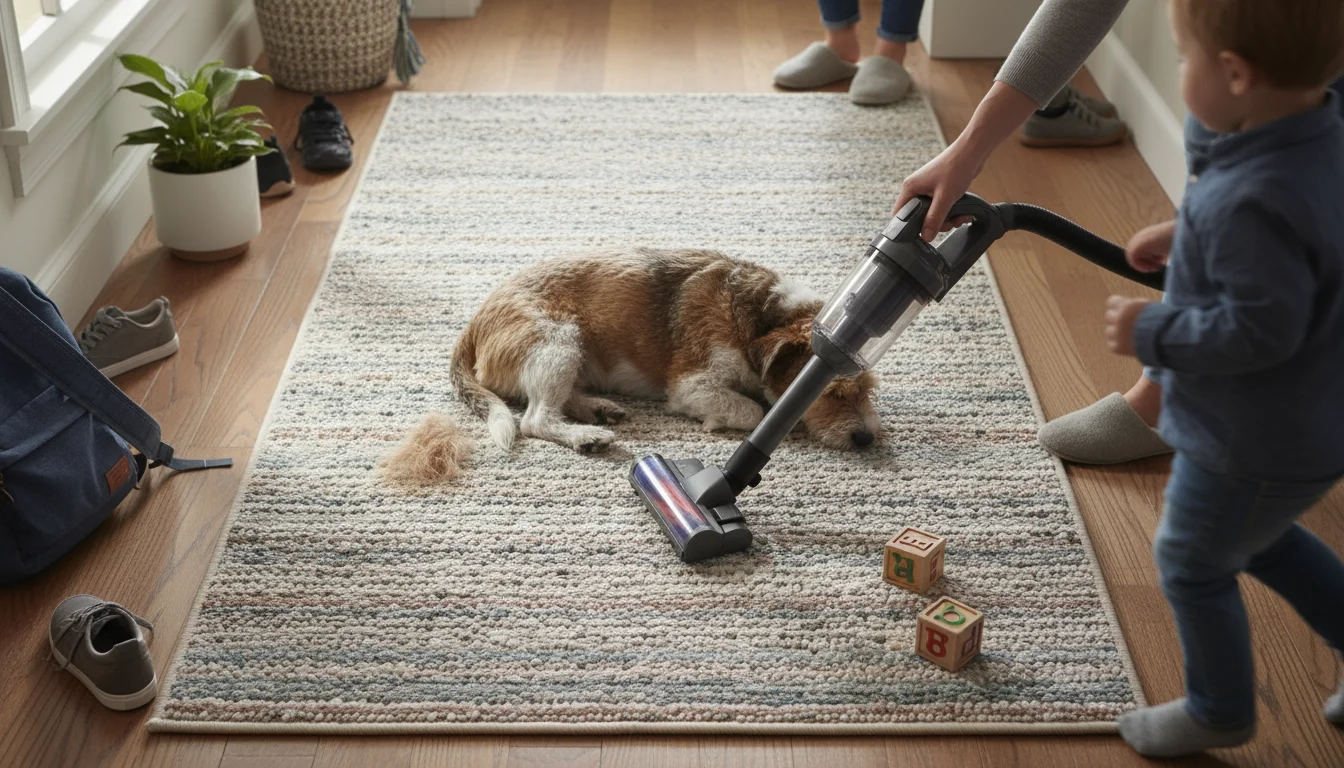
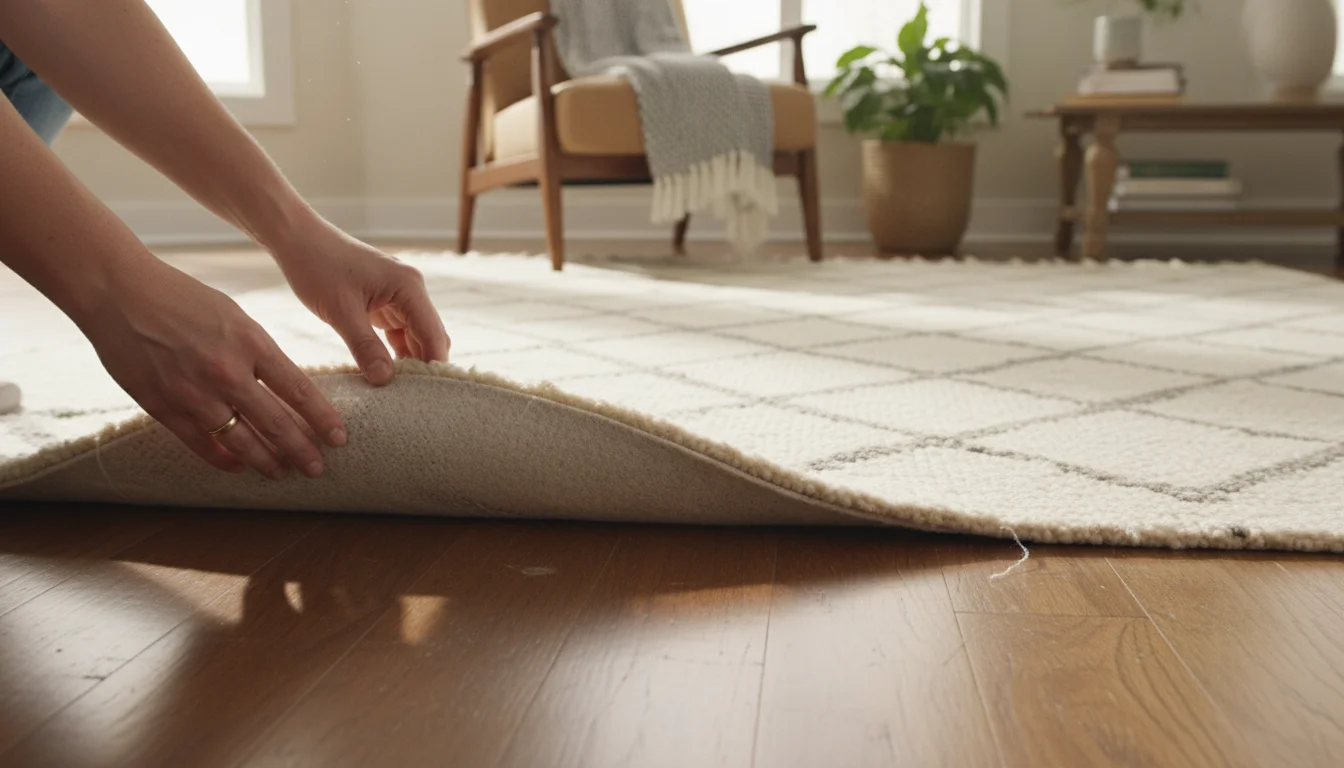
- Medium Pile Cut Pile: This combination offers a good balance. The cut pile provides softness and warmth, while a medium height (1/4 to 1/2 inch) resists crushing better than a high pile. It’s also easier to vacuum and maintain.
- Loop Pile (e.g., Berber): While less soft, loop pile rugs are exceptionally durable and resistant to crushing, making them excellent for areas with heavy foot traffic. If you choose a loop pile, look for dense, tightly woven loops to maximize any inherent warmth.
- Blended Fibers: Many manufacturers combine fibers, such as wool and nylon, to achieve the best of both worlds: the softness and natural resilience of wool with the enhanced durability of nylon. These blends can be ideal for living room rugs that need to withstand heavy use.
Practical Considerations for Busy Homes
When selecting your living room rugs, think beyond the immediate warmth. Consider:
- Pattern and Color: Busy patterns and darker colors often hide dirt and spills better than solid, light colors. This keeps your rug looking fresh between deep cleanings.
- Stain Treatment: Many synthetic rugs come with factory-applied stain treatments. If considering a natural fiber, inquire about stain protection options or consider professional application.
- Rug Pad: A dense, non-slip rug pad is non-negotiable. It adds extra cushioning, extends the life of the rug by absorbing impact, and prevents the rug from shifting, which can be a tripping hazard in busy areas.
By carefully selecting materials and construction, you can enjoy a warm, comfortable, and durable area rug that stands up to the demands of your busiest living spaces.

Creating Retreats: Cozy Rugs for Bedrooms and Nurseries
Bedrooms and nurseries are personal sanctuaries. They prioritize softness, quiet, and profound comfort. In these spaces, the goal for area rugs shifts from sheer durability to maximizing tactile warmth and a serene atmosphere. You want a rug that invites bare feet and contributes to a calm, cozy environment.
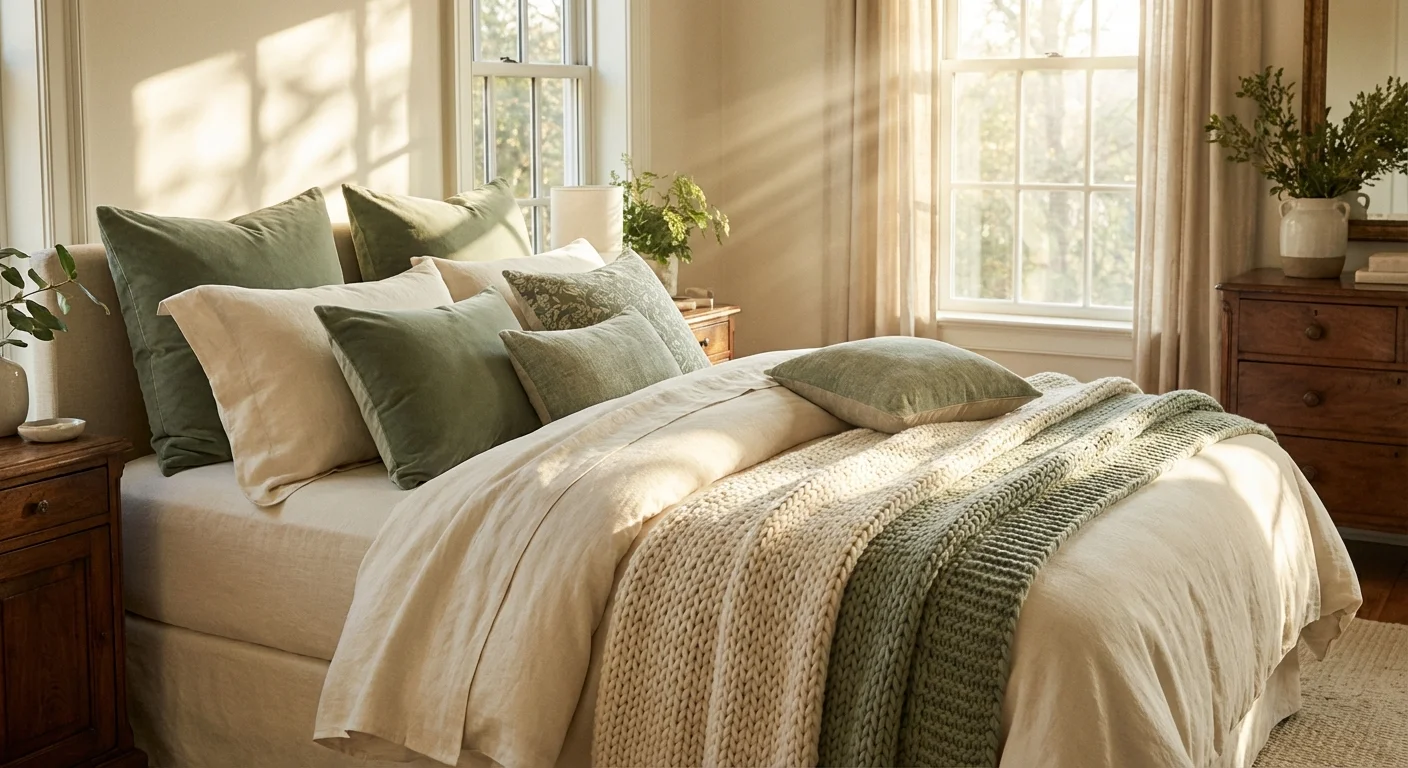
A plush rug is just the beginning; consider these cozy bedroom ideas to turn your sleeping area into a true sanctuary.
You can also combine plush textiles with other cozy bedroom ideas to create the perfect environment for rest.
Prioritizing Softness and Insulation
For these intimate spaces, focus on materials and constructions that offer plushness and superior insulation:
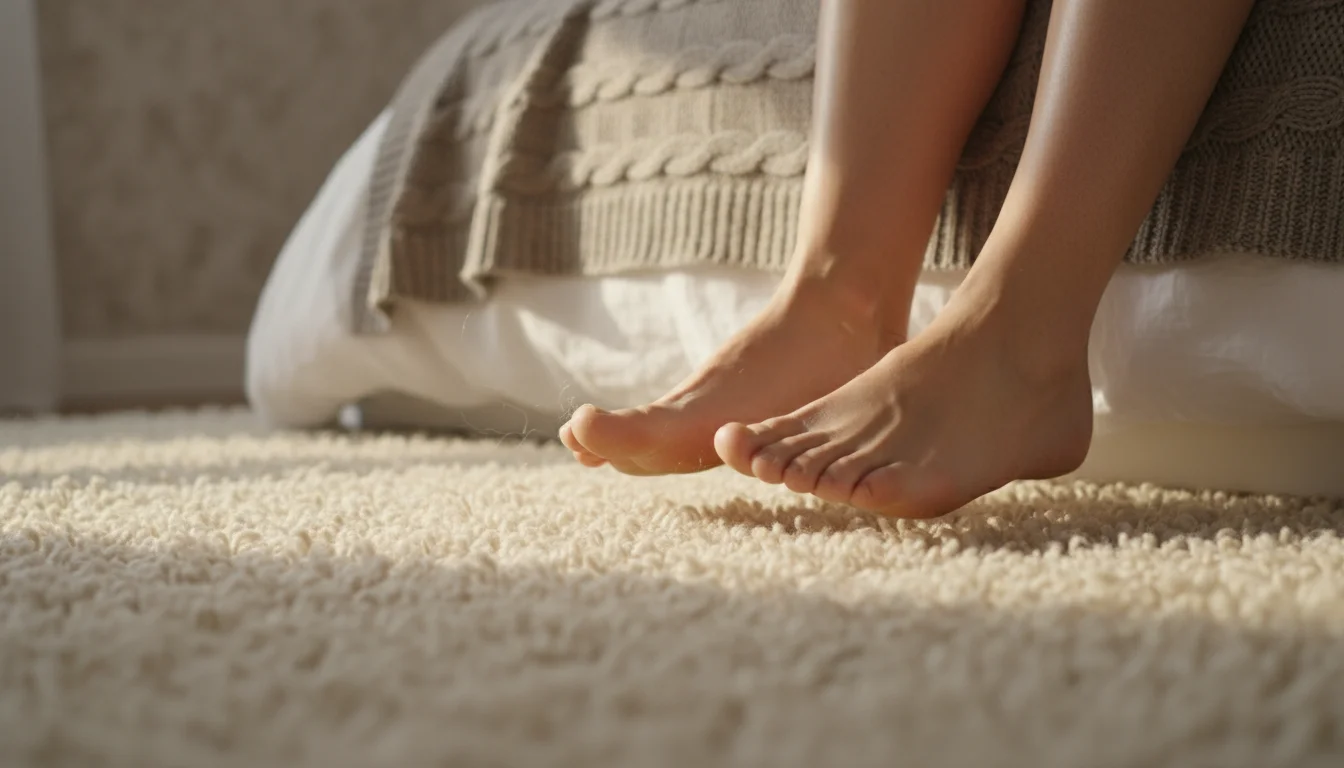
- High-Pile Wool: A thick, luxurious wool rug is an unparalleled choice for bedrooms. Its deep fibers provide incredible softness, excellent insulation against cold floors, and natural sound absorption. Imagine stepping out of bed onto a cloud of wool each morning. Wool also has hypoallergenic properties, making it a good option for those with sensitivities, and it helps regulate humidity, creating a more comfortable breathing environment.
- Shag Rugs: Shag rugs, with their long, loose pile, are the epitome of coziness. They offer extreme softness and warmth, transforming a bedroom into a luxurious retreat. While they require more dedicated vacuuming, their comfort payoff is immense. Modern shag rugs come in various materials, including wool, cotton, and polyester.
- Faux Fur or Sheepskin: For accent warmth, small faux fur or genuine sheepskin rugs add a touch of decadent softness. Place them beside the bed or as a textural layer in a reading nook. They provide intense warmth and a luxurious feel where you need it most.
- Soft Polyester: Modern polyester rugs can be incredibly soft and plush, offering a luxurious feel at a more accessible price point than wool. Their high stain resistance is a bonus for nurseries, making spills easier to manage. Choose a high-pile polyester for maximum comfort.
Color, Pattern, and Placement for Serenity
Beyond material, the visual elements and placement of your rug contribute to the room’s overall tranquility and warmth.
- Calming Colors: Opt for soft, muted colors, warm neutrals, or gentle pastels. These hues promote relaxation and create a peaceful backdrop. Cool tones can also work if they are soft and paired with warm textures.
- Subtle Patterns: Avoid overly busy or contrasting patterns. Subtle textures, tone-on-tone designs, or gentle geometric patterns enhance visual interest without being disruptive. The goal is to create a soothing visual field.
- Under-the-Bed Placement: As discussed in the sizing section, placing a large rug under the bed, extending out on the sides and foot, maximizes the warm and soft area underfoot. This ensures your first step out of bed is onto comfort. For a nursery, a large rug that covers most of the floor provides a soft, warm play area for babies and toddlers.
- Rug Pad for Extra Comfort: In bedrooms and nurseries, a thicker rug pad (up to 1/2 inch) adds an extra layer of cushioning and insulation. This enhances the luxurious feel and further dampens sound, contributing to a quiet, restful space.
Creating a cozy bedroom or nursery means focusing on elements that invite relaxation and comfort. A soft, warm area rug forms the foundation for this serene atmosphere, making these rooms truly feel like a retreat.
Budget-Friendly Warmth: Achieving Comfort Without Breaking the Bank
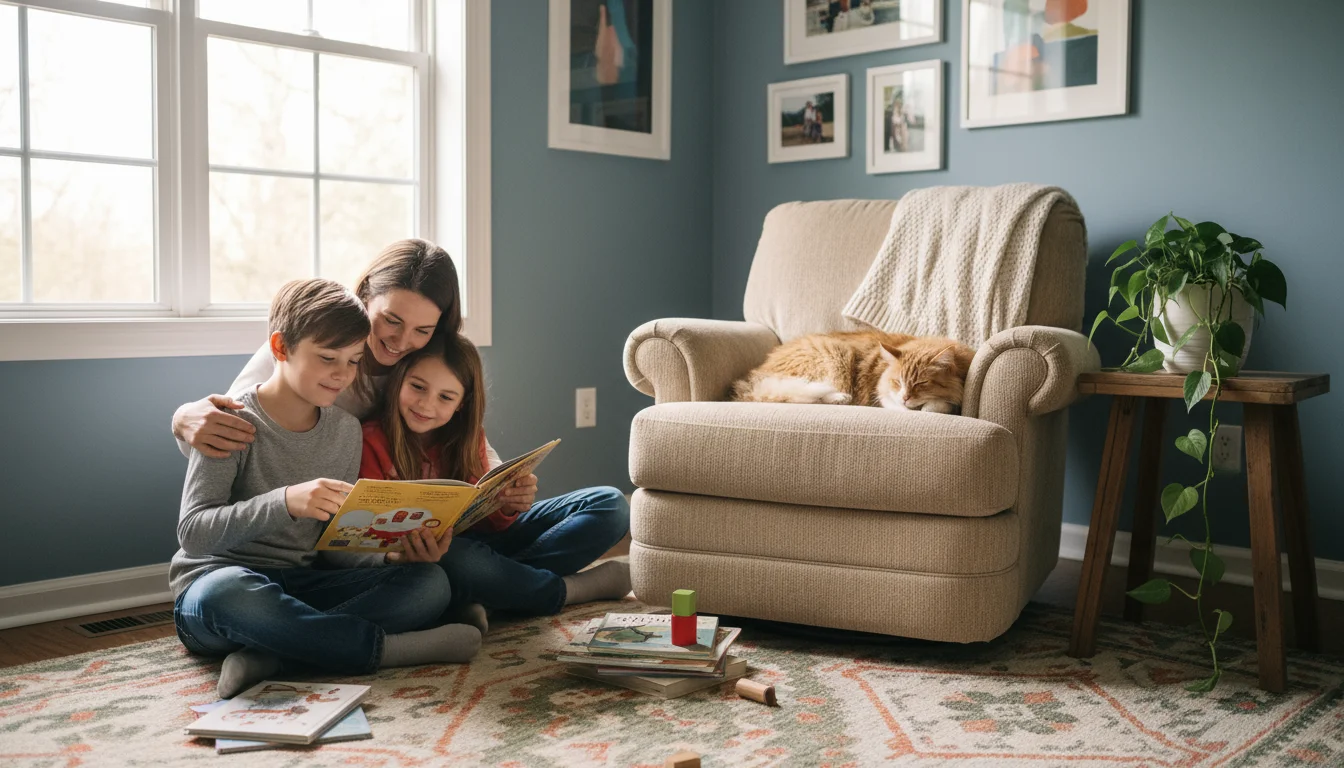
You do not need a large budget to bring warmth and comfort into your home with area rugs. Many affordable options deliver significant coziness and style. Smart shopping and an understanding of materials empower you to create a warm, inviting space without financial strain.
Pairing an affordable rug with other budget-friendly living room updates can create a high-end feel without the high-end price tag.
For more inspiration, check out these budget-friendly ways to make your living room cozier during the colder months.
Exploring other budget-friendly ways to make your living room cozier can help you achieve a high-end, welcoming look for less.
Affordable Rug Materials
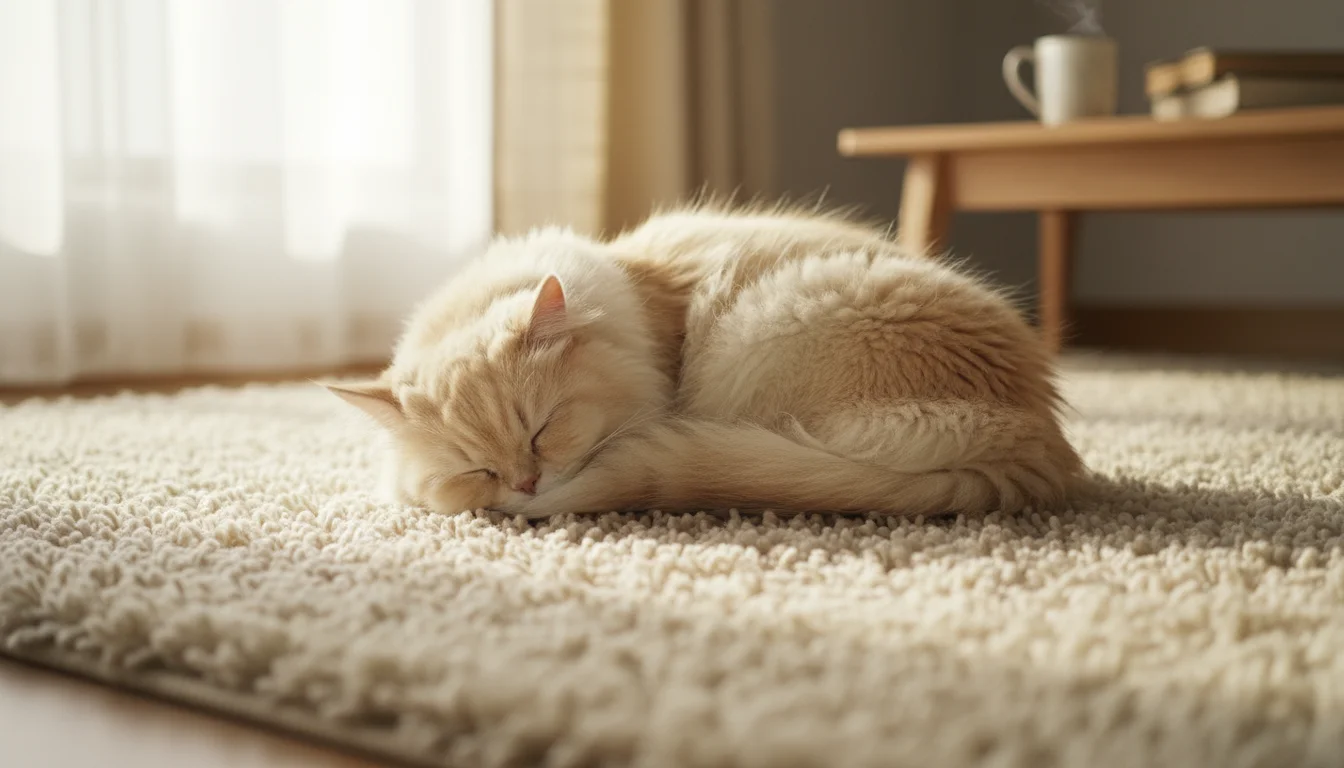
- Polypropylene (Olefin): This is your go-to for budget-friendly warmth. As mentioned, polypropylene rugs are durable, stain-resistant, and come in countless styles. You can find thick, soft polypropylene rugs that mimic the feel of more expensive natural fibers. Look for higher pile options for maximum softness and insulation.
- Polyester: Another excellent value option. Polyester rugs are known for their softness and vibrant colors. They feel luxurious underfoot and often come in shag or deep-pile varieties, providing significant warmth. They are also highly stain-resistant, making them practical for busy households.
- Cotton Blends: While pure cotton can be pricier, cotton blend rugs often offer a good balance of softness and affordability. Look for thicker weaves or braided cotton for added comfort and warmth.
- Jute/Sisal (Layered): While these natural fibers are not inherently soft or warm on their own, they are often very affordable. You can use a large jute rug as a base layer and then add a smaller, softer, and warmer rug (like a sheepskin or high-pile synthetic) on top. This layering technique adds visual texture and targeted warmth without the high cost of a large, luxurious rug.
Smart Shopping Strategies
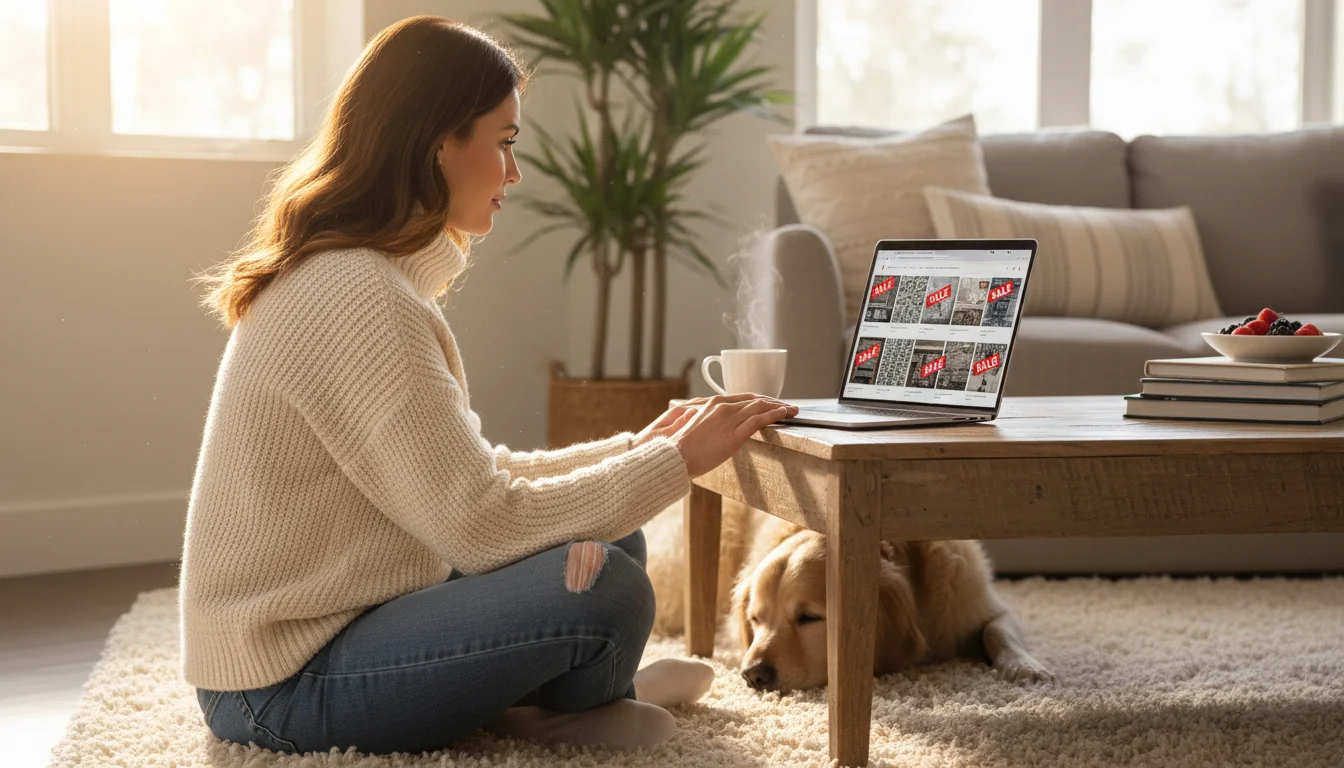
- Look for Sales: Retailers frequently offer sales on area rugs, especially during holiday weekends or seasonal clearances. Plan your purchase around these times to get the best deals.
- Consider Smaller Sizes: If a large rug is out of budget, consider using two smaller rugs to define zones or place them strategically where warmth matters most, such as beside the bed or in front of a sofa.
- Ready-Made vs. Custom: Ready-made rugs are almost always more affordable than custom-sized or custom-designed options.
- Online Retailers: Online rug retailers often have a wider selection and more competitive pricing than brick-and-mortar stores due to lower overheads. However, ensure you understand their return policy for fit and color accuracy.
- Outlets and Discount Stores: Check home goods outlets or discount stores for overstock or last-season rugs. You can often find incredible deals on quality pieces.
- Use a Rug Pad: Investing in a good rug pad enhances the comfort and warmth of even an inexpensive rug. It also protects your floor and extends the life of the rug, making your purchase a better long-term value.
Achieving a warm and inviting home does not require breaking the bank. By choosing the right materials and employing smart shopping strategies, you can find beautiful, cozy rugs that fit your budget and transform your living spaces.
Maintaining Your Warmth: Care and Cleaning for Your Area Rugs
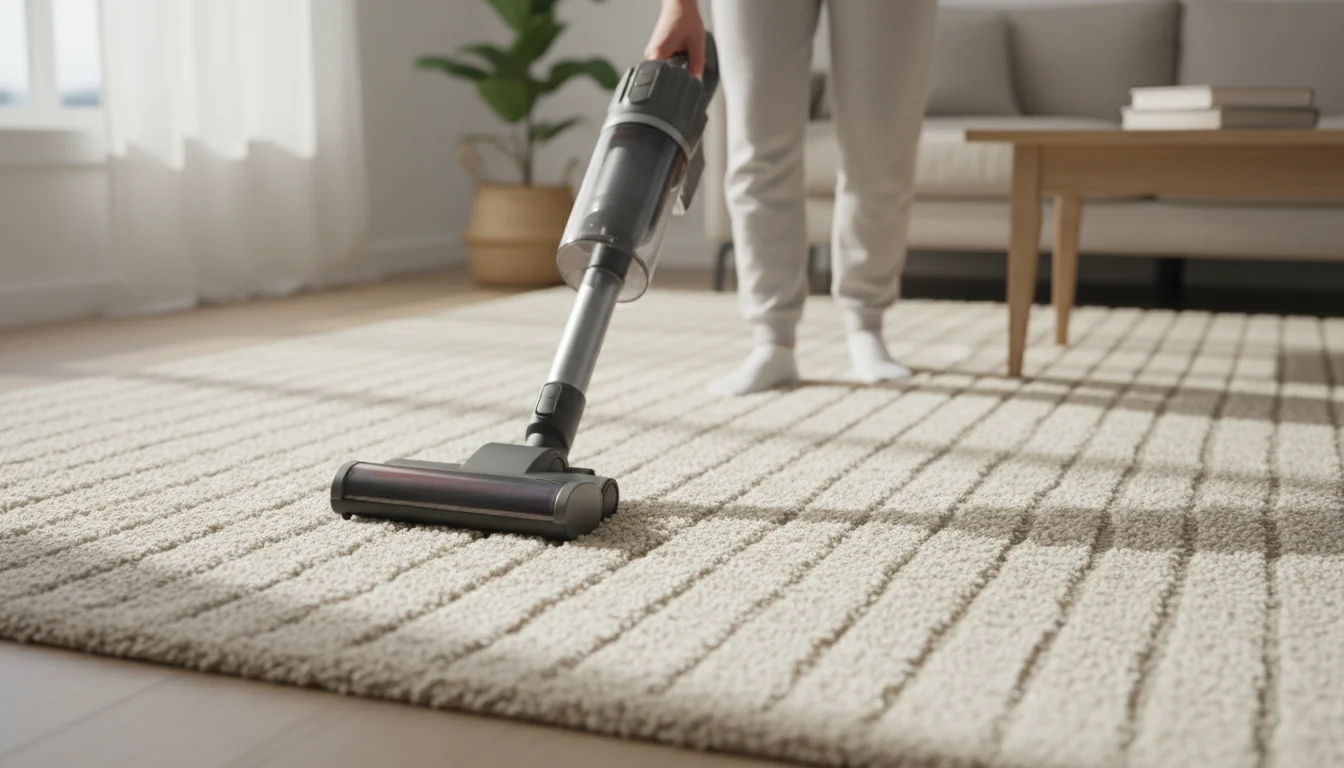
Your area rugs work hard to bring warmth and comfort into your home. Proper care and regular cleaning ensure they maintain their beauty, plushness, and insulating properties for years to come. Neglecting maintenance can lead to flattened pile, trapped allergens, and diminished warmth. According to Better Homes & Gardens, consistent rug care is key to longevity and maintaining a fresh appearance.
Deep cleaning your rugs is a vital part of a thorough spring cleaning to remove allergens and trapped dust.
Routine Maintenance for Daily Freshness
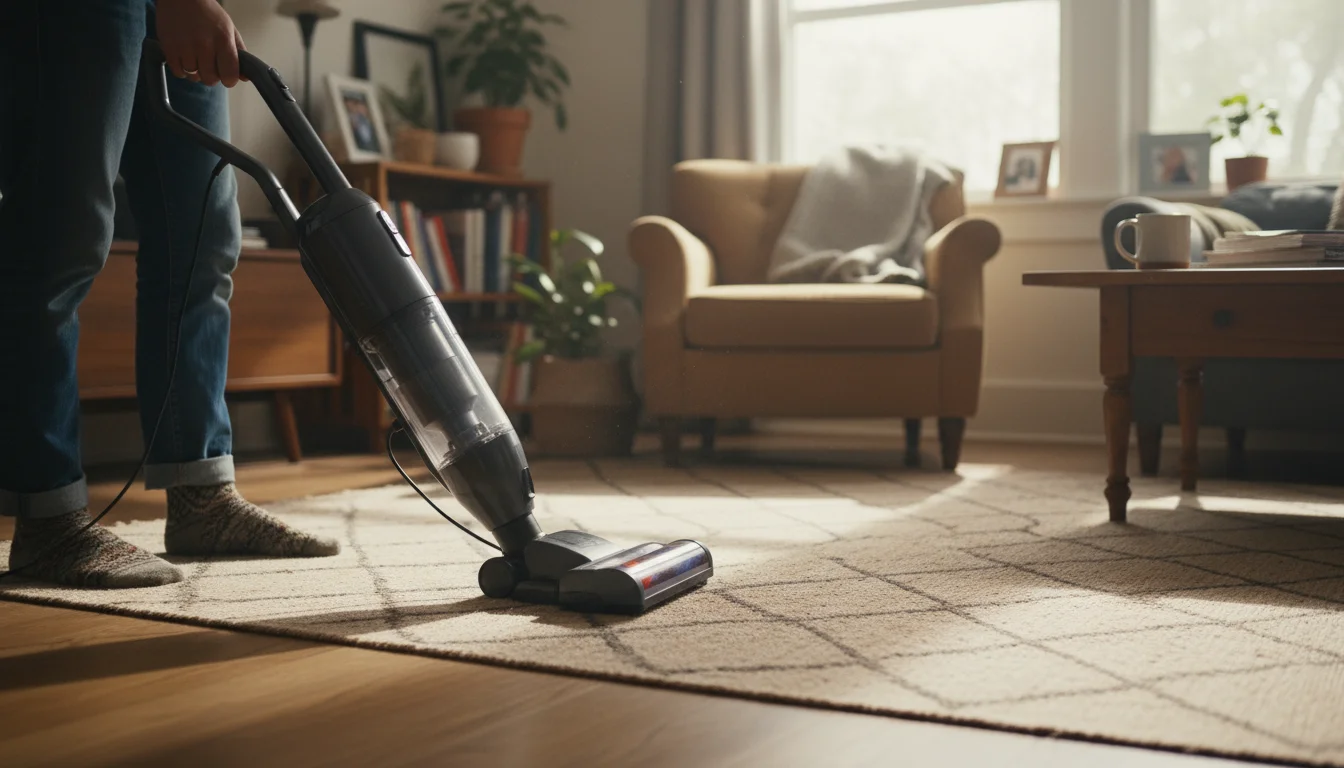
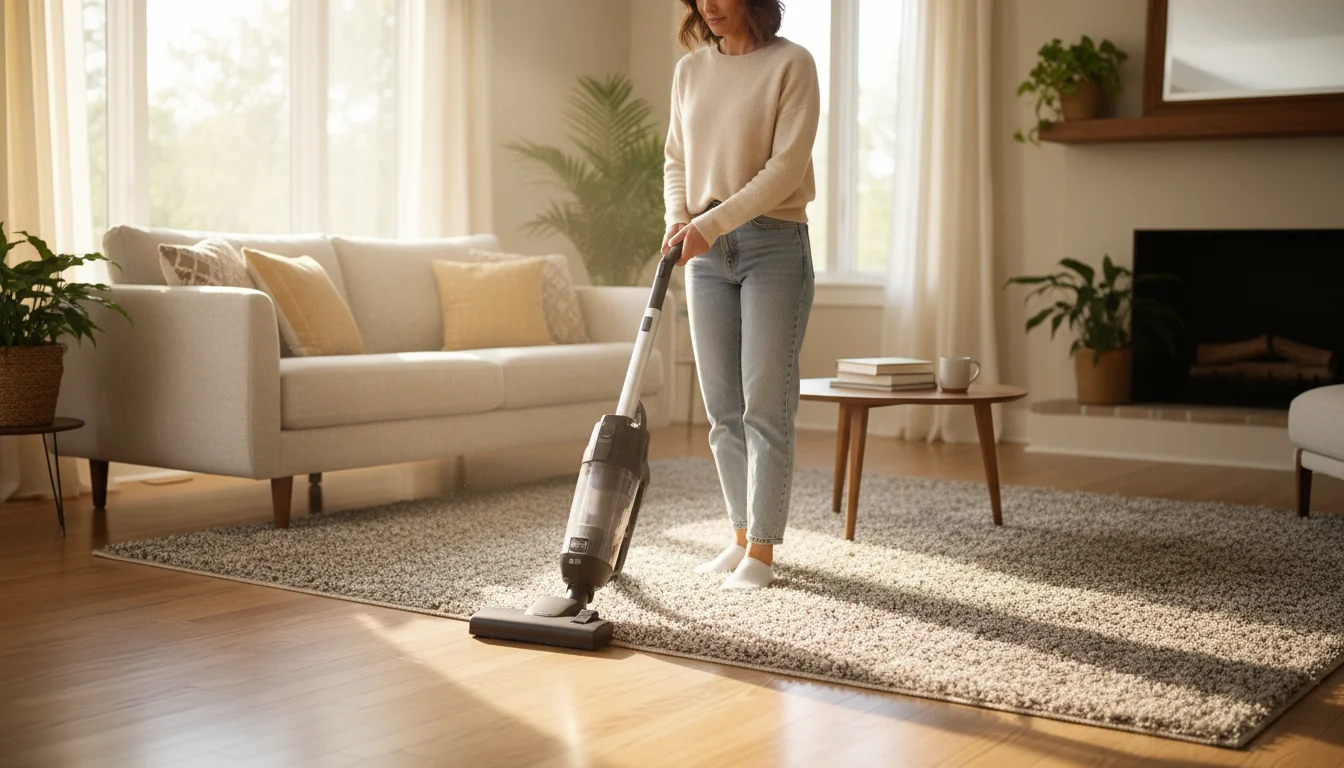
- Regular Vacuuming: This is your most important defense against dirt and debris. Vacuum high-traffic area rugs at least once or twice a week, and less frequently for low-traffic ones. Use a vacuum with adjustable height settings to avoid damaging high-pile rugs. For shag rugs, consider using a vacuum attachment or a canister vacuum with strong suction. Regular vacuuming prevents dirt from settling deep into the fibers, which can cause wear and dullness.
- Rotate Your Rugs: Every 6-12 months, rotate your area rugs 180 degrees. This helps distribute wear evenly, preventing certain areas from flattening or fading prematurely due to sun exposure or foot traffic.
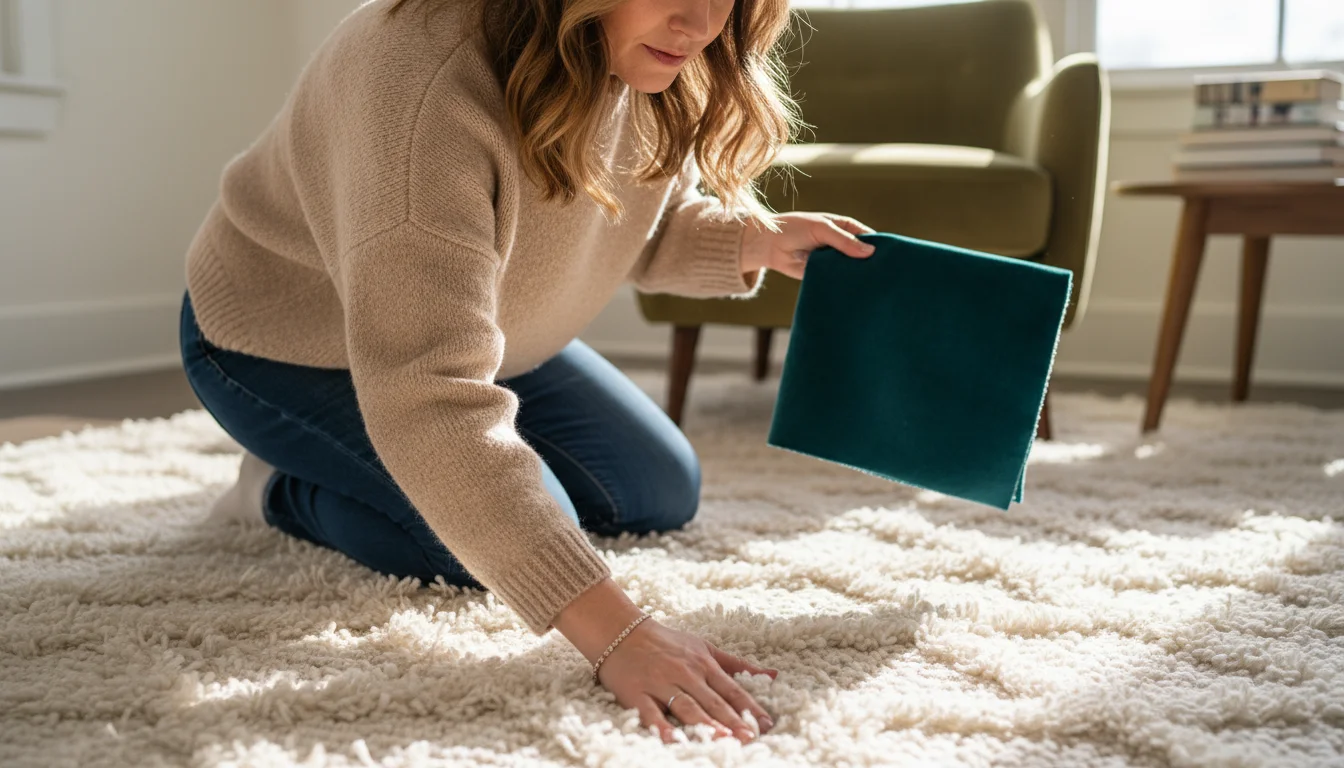
- Address Spills Immediately: Blot spills, do not rub. Use a clean white cloth or paper towel to absorb as much liquid as possible. Work from the outside of the spill inward to prevent spreading. Follow the rug manufacturer’s cleaning instructions for specific stain removal, or use a mild detergent diluted with water.
- Shake Out Smaller Rugs: For smaller rugs, take them outside and give them a good shake or beat to remove loose dirt and dust. This is especially effective for cotton or synthetic throw rugs.
Deep Cleaning for Lasting Coziness
Even with regular vacuuming, rugs accumulate dirt and allergens that require deeper cleaning. The frequency depends on foot traffic, pets, and household members with allergies.
- Spot Cleaning: For isolated stains or soiled spots, use a rug-specific spot cleaner. Always test the product in an inconspicuous area first to ensure it does not cause discoloration.
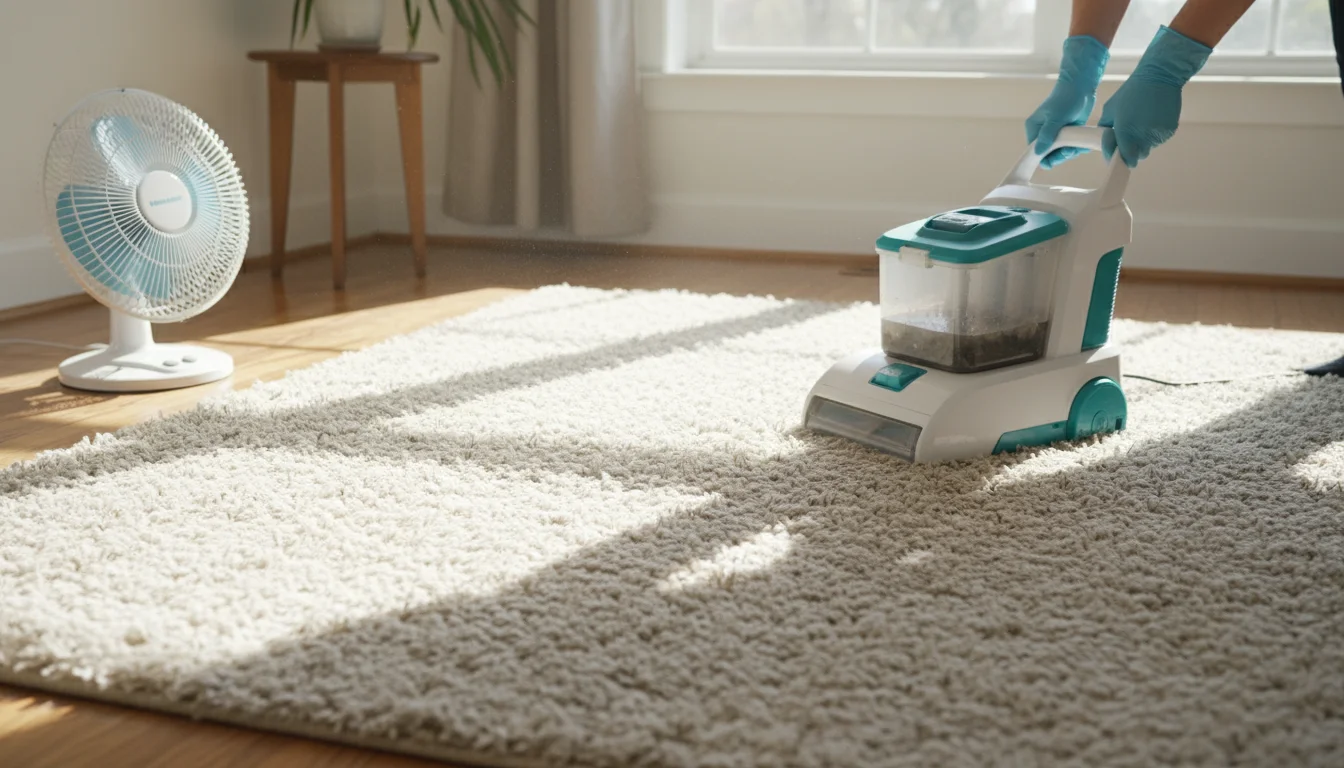
- Shampooing/Steam Cleaning (DIY): You can rent carpet cleaners or purchase home shampooers. Follow the instructions carefully. Ensure you do not over-wet the rug, as excessive moisture can damage the backing or lead to mildew. Allow ample drying time, using fans or open windows to aid the process. This helps lift embedded dirt and revive the pile, restoring its warmth and softness.
- Professional Cleaning: For valuable rugs, delicate materials like silk or viscose, or rugs that need a thorough refresh, professional cleaning is the best option. Professionals have specialized equipment and knowledge to deep clean rugs safely and effectively, extending their lifespan and preserving their integrity. Aim for professional cleaning every 1-3 years, depending on use.
Indoor Air Quality Considerations
Rugs can trap allergens like dust mites, pet dander, and pollen, impacting indoor air quality. Regular cleaning is critical to mitigate this. The EPA emphasizes the importance of maintaining clean flooring, including rugs, to improve indoor air quality. If you have severe allergies, consider low-pile, easy-to-clean rugs and vacuum with a HEPA filter.
Frequently Asked Questions
What is the warmest rug material?
Wool is generally considered the warmest rug material. Its natural fibers are excellent at trapping air, providing superior insulation and a soft, luxurious feel underfoot. High-pile wool rugs offer the greatest warmth.
How do I choose an area rug for a cold room?
When selecting a rug for a cold room, prioritize materials like wool or high-pile synthetics such as polyester or nylon. Opt for a rug with a medium to high pile height, as thicker rugs offer better insulation. Ensure you choose a size that covers a significant portion of the floor, especially in walking paths, and always use a dense rug pad for extra insulation and comfort.
Can rugs really save on heating costs?
Yes, area rugs can contribute to energy savings. By acting as an insulating layer, especially on hard, cold floors, they help prevent heat loss through the floor and keep warm air trapped in the room. This means your heating system works less to maintain a comfortable temperature, potentially leading to lower energy bills. The effect is more pronounced with thicker, higher-pile rugs and quality rug pads.
How do I keep my area rug from sliding?
To prevent your area rug from sliding, always use a high-quality rug pad. Rug pads provide grip on hard floors, holding the rug in place. They also add extra cushioning and insulation, enhance comfort, and protect your floors from wear. Choose a rug pad that is slightly smaller than your rug’s dimensions, leaving about an inch of rug exposed around the edges.
Are high-pile rugs difficult to clean?
High-pile rugs require more effort to clean than low-pile options. Their long fibers can trap more dirt and debris, and regular vacuuming needs more passes. You might need a vacuum without a beater bar or one with adjustable height settings to prevent snagging the fibers. For deep cleaning, professional services are often recommended to thoroughly remove embedded dirt and maintain the rug’s plushness without damage.
For expert home organization guidance, visit
Good Housekeeping — Organization,
Better Homes & Gardens — Home Organization and
EPA — Indoor Air Quality.
Disclaimer: This article is for informational purposes only and is not a substitute for professional advice. Consult professional organizers or specialists for personalized recommendations.
Leave a Reply