
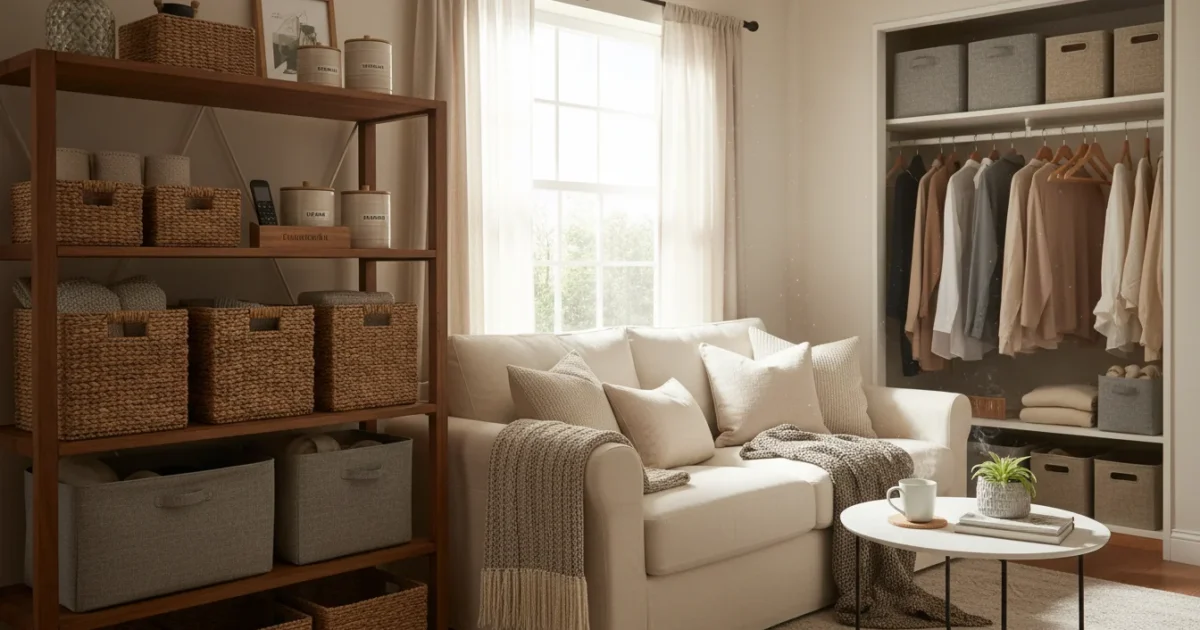
Creating a truly comfortable and inviting home involves more than just selecting beautiful furniture. It requires thoughtful furniture arrangement, transforming a collection of items into a cohesive, cozy layout that truly feels like your sanctuary. For busy homeowners, renters, and apartment dwellers, the goal is often to design spaces that offer both functionality and a welcoming atmosphere, without requiring endless hours or a huge budget. This guide helps you achieve maximum coziness through practical, actionable steps for arranging your furniture, ensuring every room feels like a warm embrace after a long day.
If you are looking for simple seasonal updates, there are many budget-friendly ways to enhance your living room’s comfort without a major renovation.
You can create a home that feels naturally good, organized, and deeply comforting. We focus on realistic living solutions, emphasizing systems you can easily maintain. Let’s explore how strategic furniture arrangement elevates your home’s comfort and appeal.
Understanding Coziness: More Than Just Soft Blankets
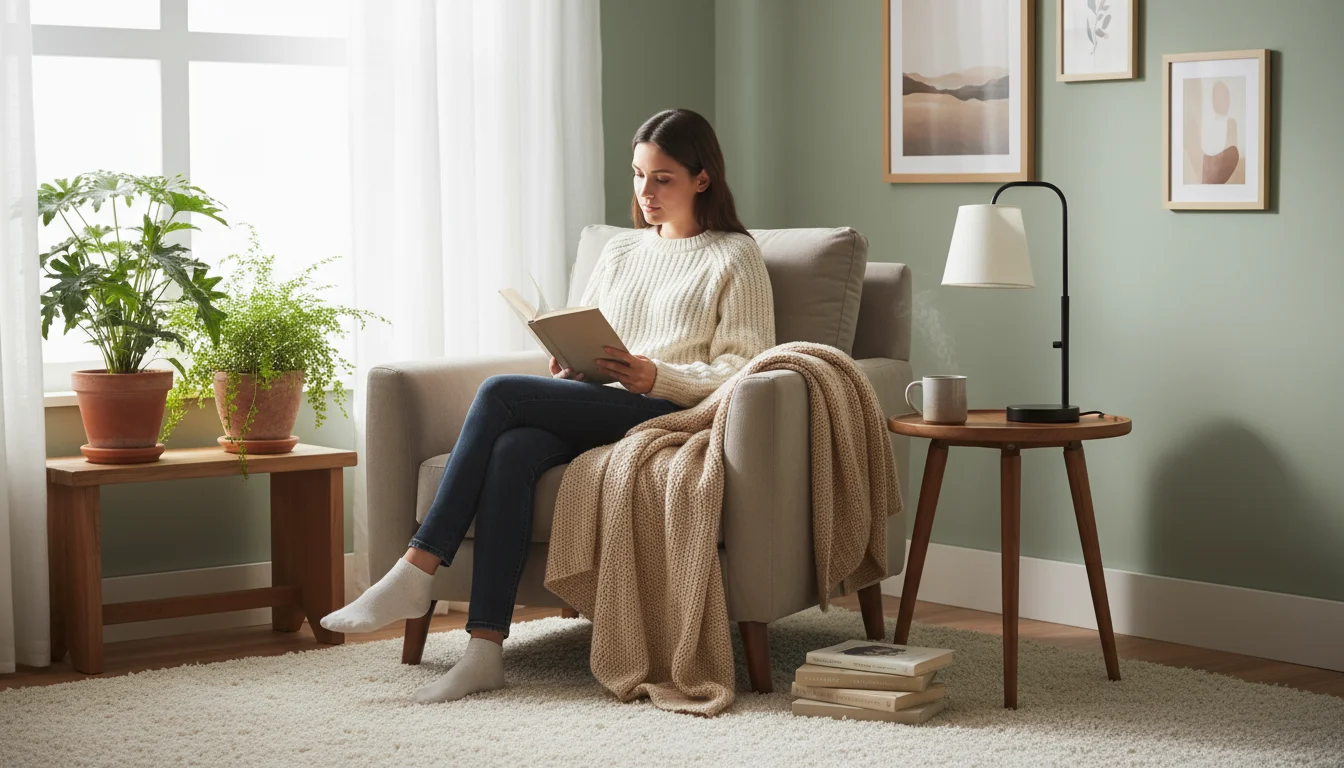
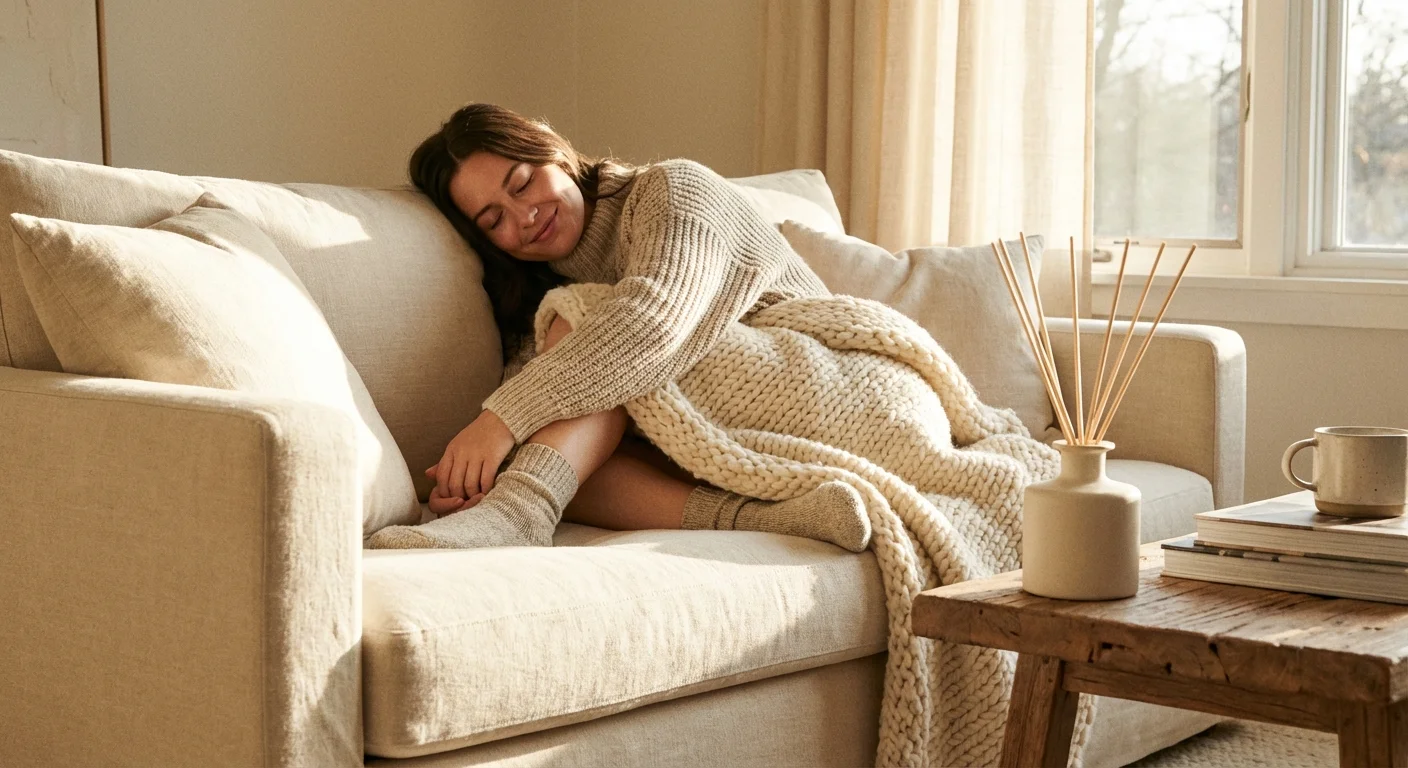
Coziness goes beyond aesthetics. It evokes feelings of warmth, security, and relaxation. Think about how certain spaces make you feel—a snug corner with a good book, a comfortable living room design where conversations flow easily, or a bedroom that promotes restful sleep. This feeling stems from intentional design choices, particularly in how you arrange your furniture.
Beyond furniture placement, you can dramatically improve the mood by learning how to layer lighting for a warm, inviting glow.
This focus on intentional comfort is a core principle of the art of Hygge, which helps transform a house into a true sanctuary.
A truly cozy space supports your well-being. It reduces visual clutter, encourages relaxation, and provides a sense of enclosure without feeling cramped. Studies suggest that environments designed for comfort and ease can lower stress levels and improve mood. By focusing on smart furniture arrangement, you actively design an environment that nurtures your mental and emotional state.
Creating coziness often involves defining zones. Zones are designated areas for specific activities. For example, your living room might have a “conversation zone” centered around a sofa, a “reading zone” with a comfy armchair, and even a “work-from-home zone” if space allows. Clearly defining these zones with furniture helps organize the space mentally and physically, contributing to an overall sense of order and calm.

Your Starting Point: Assess Your Space and Needs
Before moving a single piece of furniture, take a step back and evaluate your room. This crucial first step prevents unnecessary heavy lifting and helps you develop a clear plan for your cozy layout.
While measuring your space, it is also the perfect time to choose the perfect paint color to complement your new layout.
Measure Everything
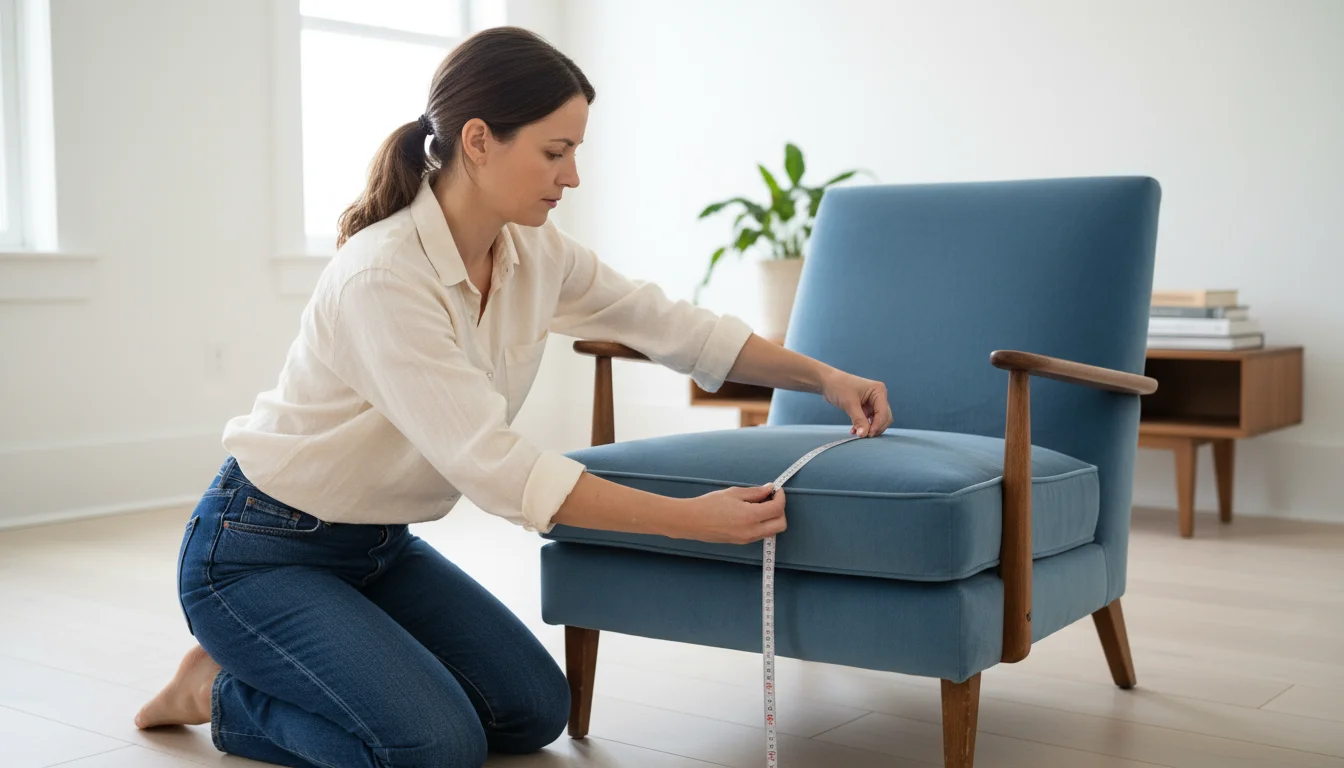
You cannot effectively arrange furniture without understanding its dimensions and the room’s dimensions. Measure:
- The length and width of the room.
- The height of walls and any architectural features like windows, doors, and built-in shelving.
- All your furniture pieces: length, width, and height of sofas, chairs, tables, and storage units.
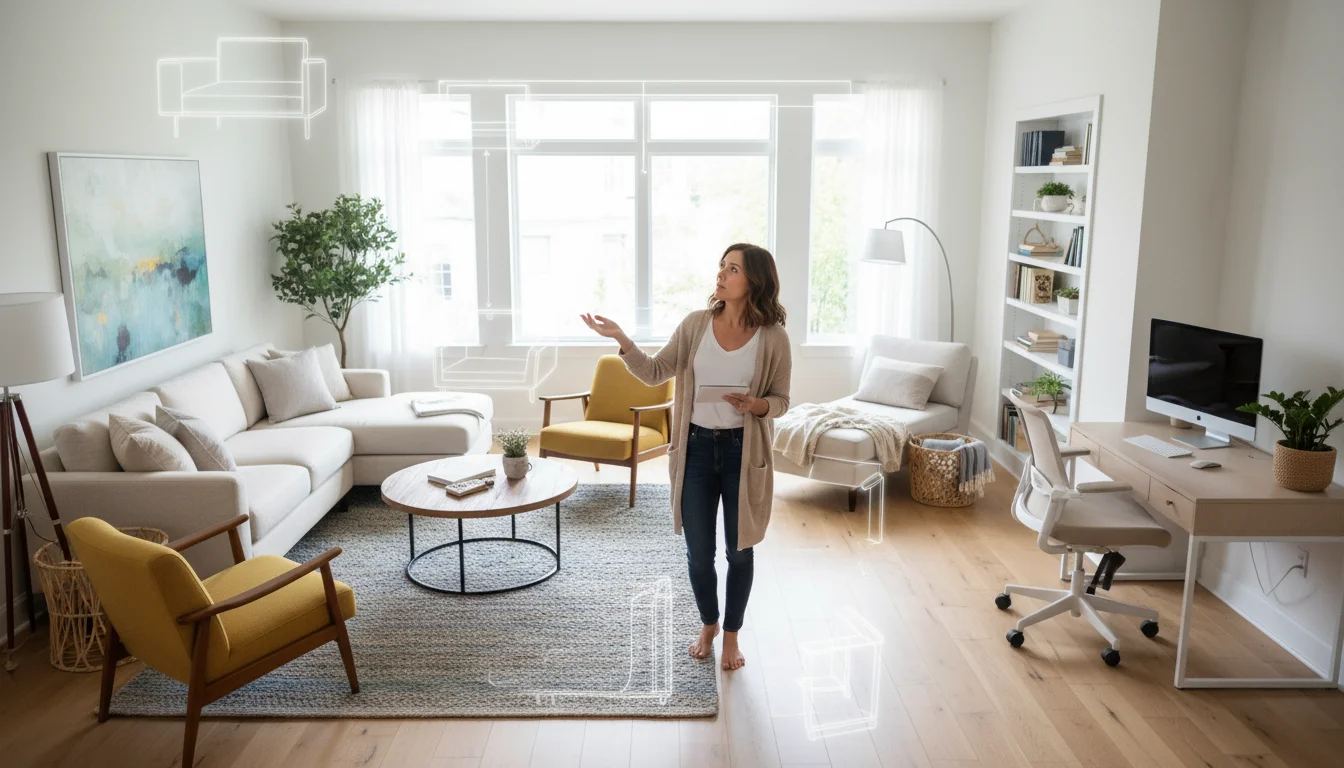
Accurate measurements allow you to sketch out different furniture arrangement options on paper or using an online tool, saving time and effort.
Identify Your Room’s Purpose and Activities
Consider how you actually use the room. Is it primarily for:
- Relaxing and watching TV?
- Entertaining guests and lively conversations?
- Reading and quiet contemplation?
- Dining or working from home?
Your answers dictate the necessary zones and the best furniture arrangement. For instance, a family room might prioritize a large, comfortable sofa and clear pathways, while a formal living room might focus on multiple conversation areas.
Map Out Traffic Flow
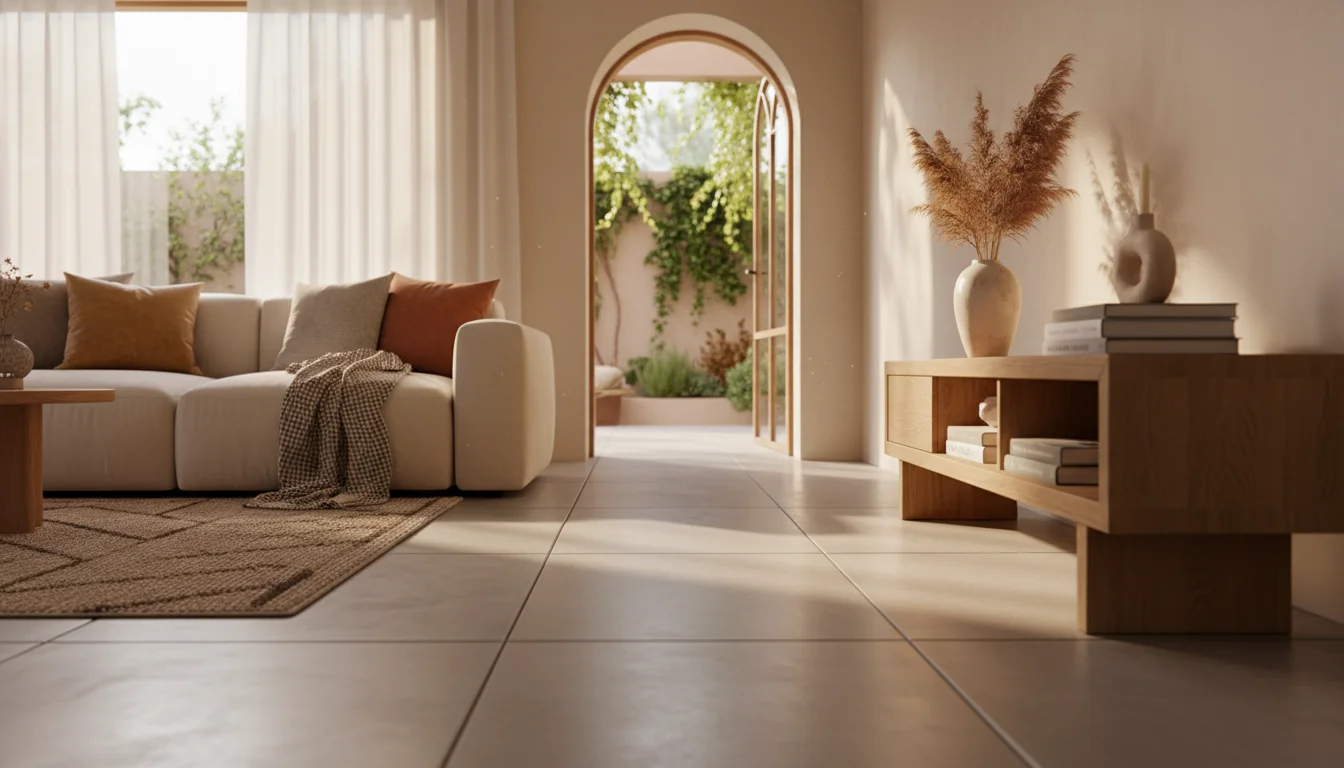
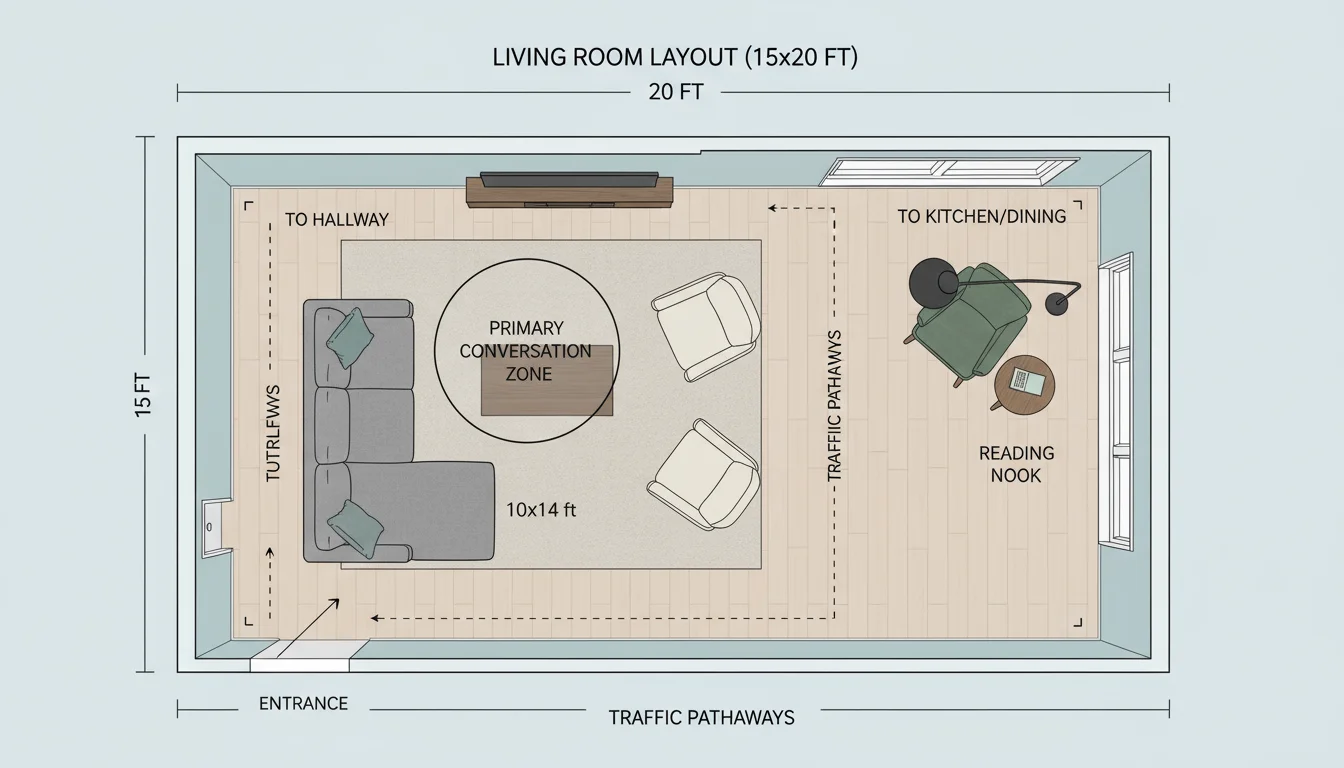
Traffic flow refers to the natural paths people take through a room. Good traffic flow prevents bottlenecks and makes a space feel more expansive and comfortable. Ensure you have clear, unobstructed pathways, ideally 30-36 inches wide, around furniture groupings and leading to doorways. Avoid placing large pieces of furniture directly in the main traffic lanes.
Locate Your Focal Point
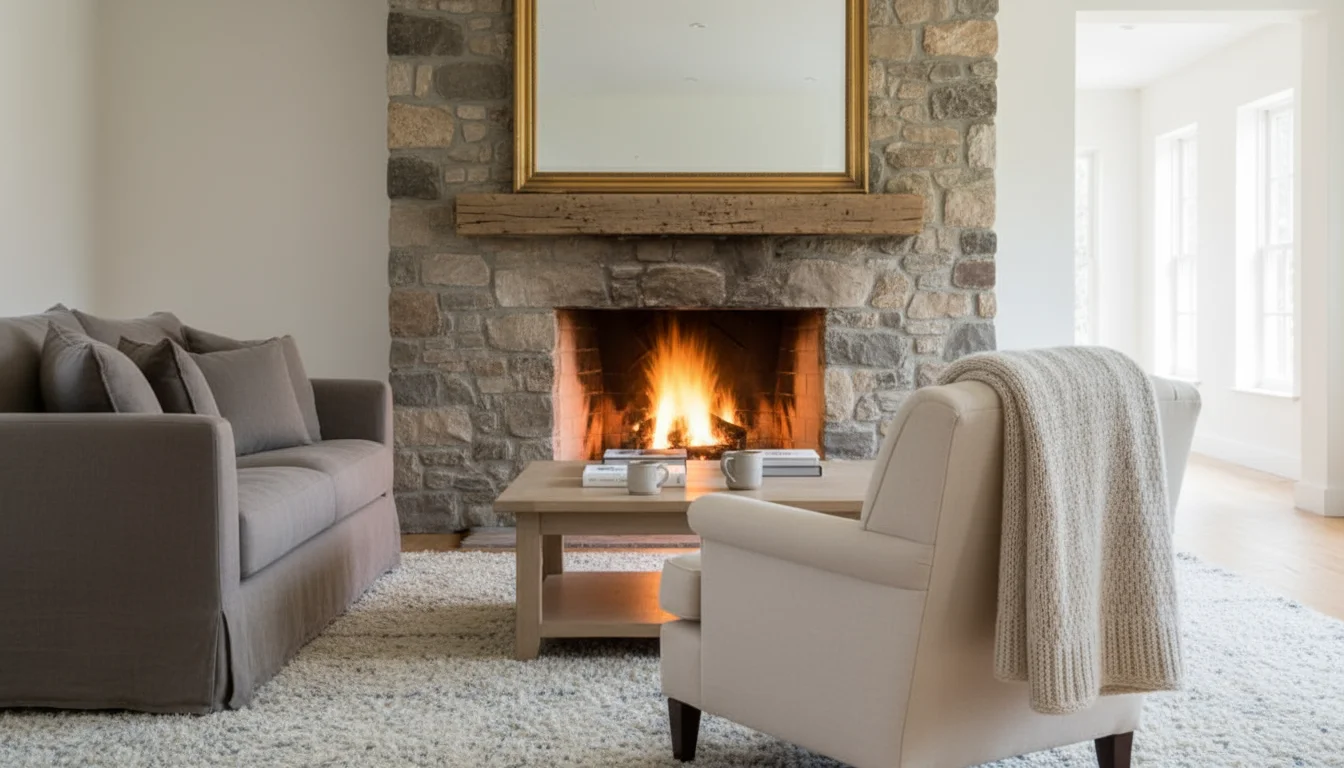
Every room benefits from a focal point, something that draws your eye and anchors the space. This could be a fireplace, a large window with a view, a piece of artwork, or even a television. Once you identify your focal point, arrange your primary furniture pieces, like your sofa and main seating, to face or complement it. This creates a natural center for your cozy layout.
According to The Spruce Home Organization, understanding your home’s natural flow and existing features is fundamental to creating both functional and aesthetically pleasing spaces. A thoughtful assessment prevents common design pitfalls and lays the groundwork for a truly customized, cozy environment.
The Art of Grouping: Creating Conversation Zones
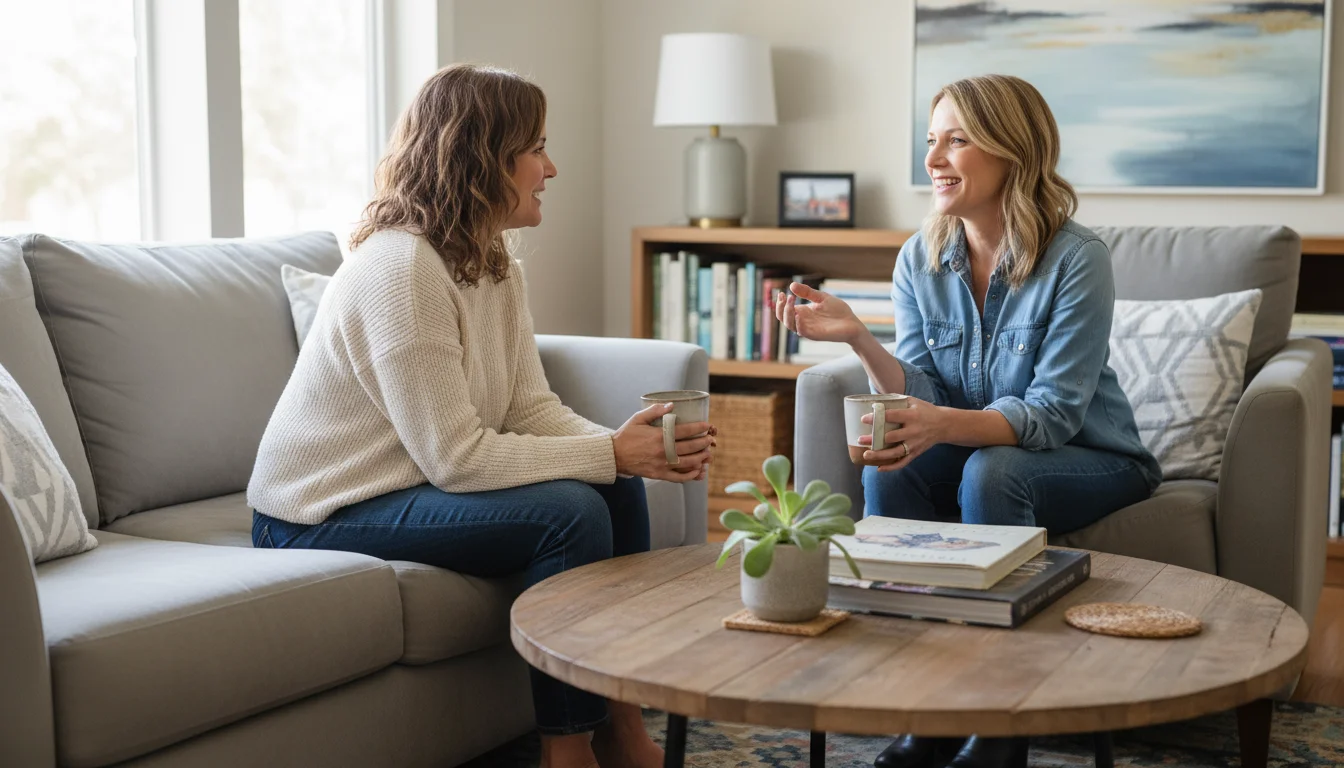
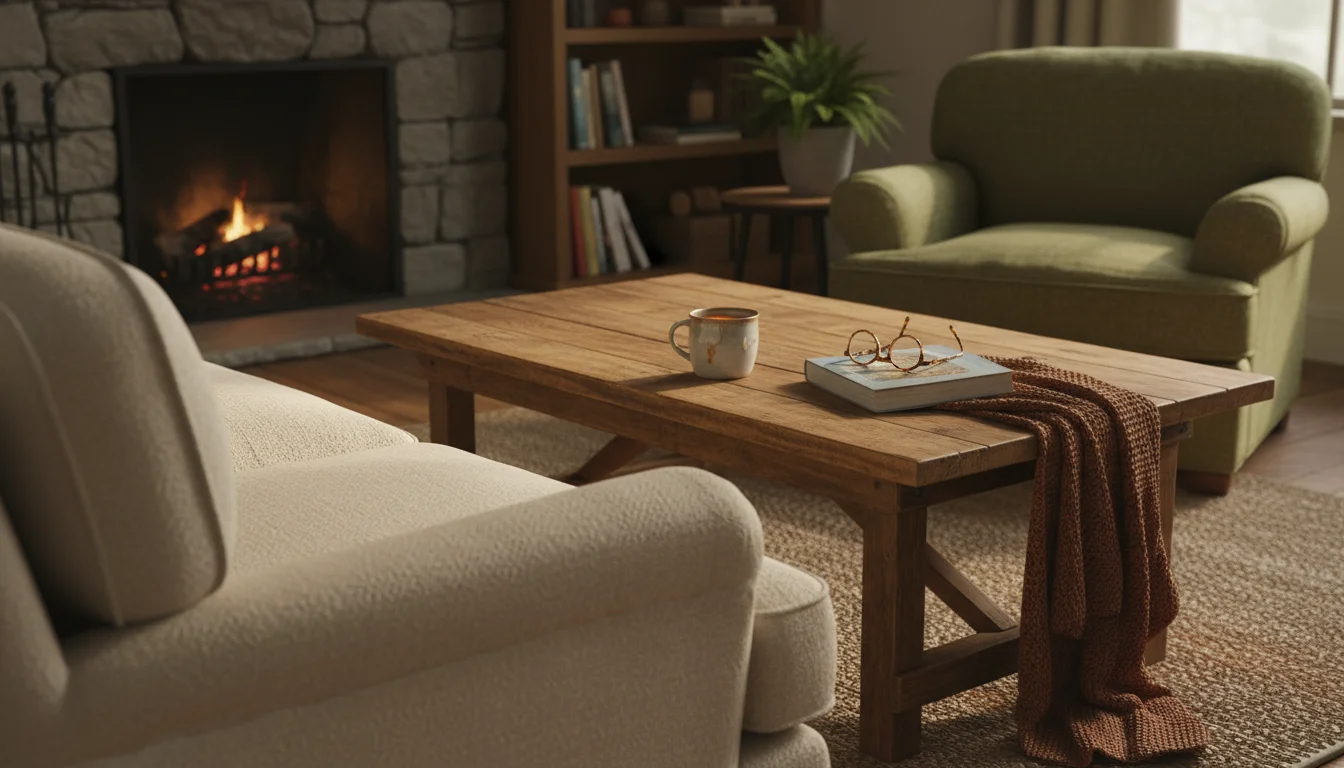
One of the most effective ways to foster coziness is through thoughtful furniture grouping. Instead of lining furniture against walls, bring pieces together to create intimate conversation zones. This makes a room feel more welcoming and encourages interaction.
Properly selected window treatments can also help frame your conversation zone while adding a sense of privacy and softness.
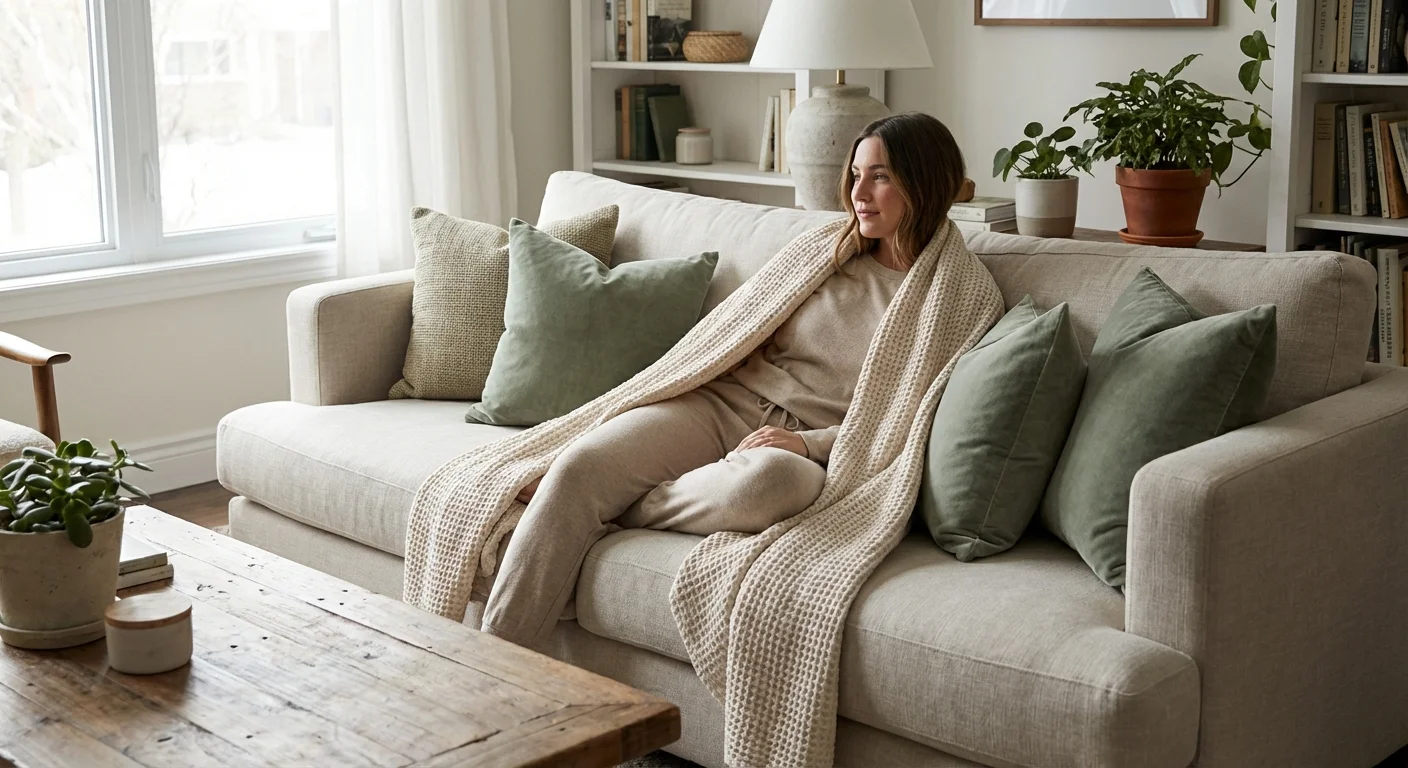
Adding some of the best throw blankets to these seating areas invites everyone to stay and relax a little longer.
To complete the atmosphere in your conversation area, consider adding candles to provide a warm, flickering light that encourages relaxation.
The Main Conversation Area
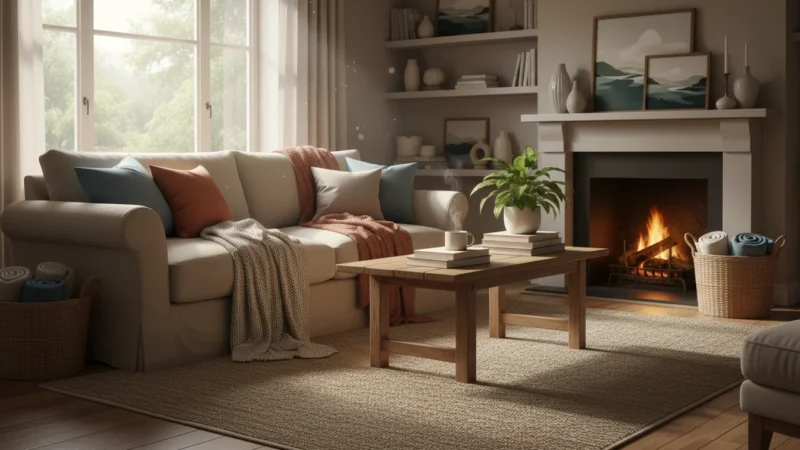
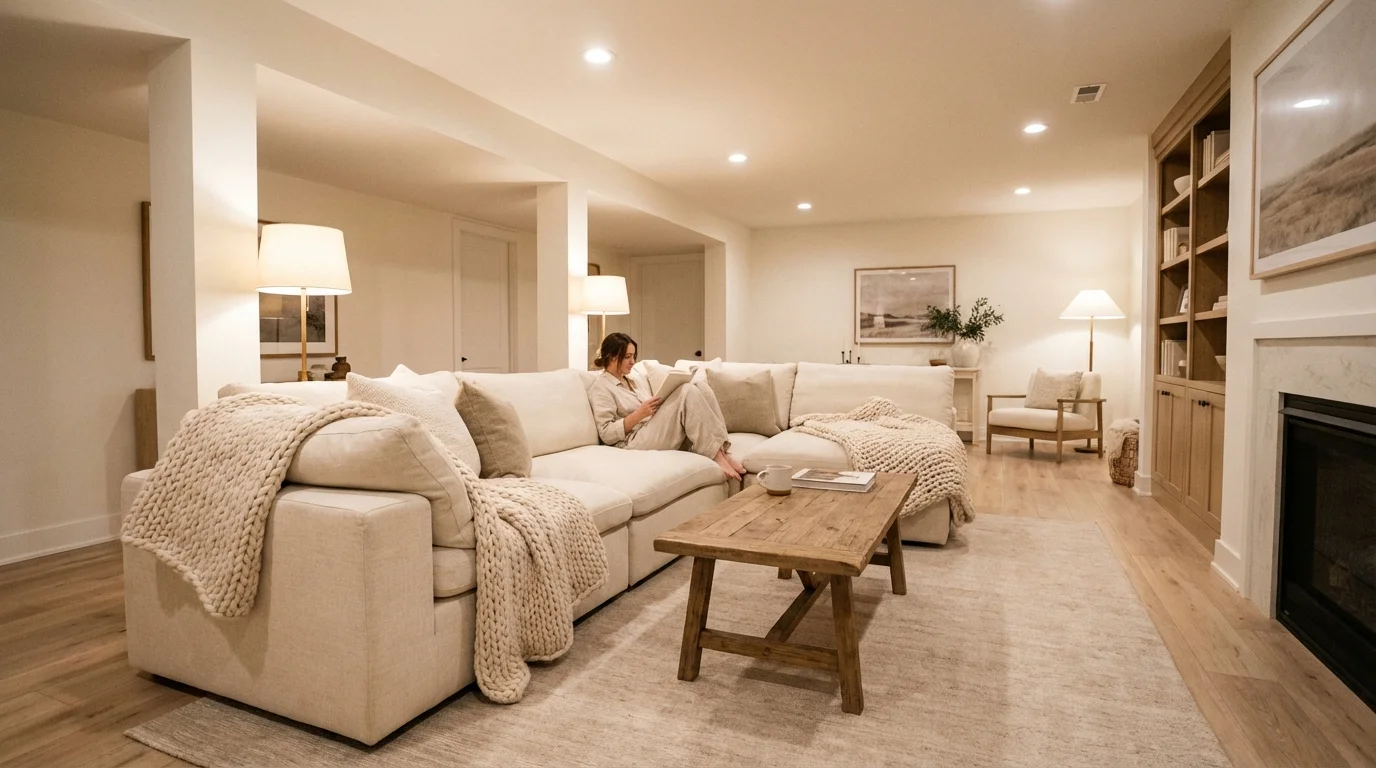
In a living room, your main seating area should facilitate easy conversation. Place sofas and chairs facing each other, or at a 90-degree angle, close enough so people can talk without shouting. A good rule of thumb is to keep seating within 8 feet of each other. A coffee table placed centrally, about 14-18 inches from the sofa, provides a convenient spot for drinks and books, reinforcing the feeling of a contained, inviting space.
Anchor with an Area Rug
An area rug visually anchors your main conversation zone. It defines the space, adds warmth and texture, and helps absorb sound, contributing to a quieter, more intimate atmosphere. Ensure the rug is large enough so that at least the front legs of all major seating pieces rest on it. This creates a unified look and prevents furniture from appearing to float aimlessly in the room.
Create Smaller Nooks
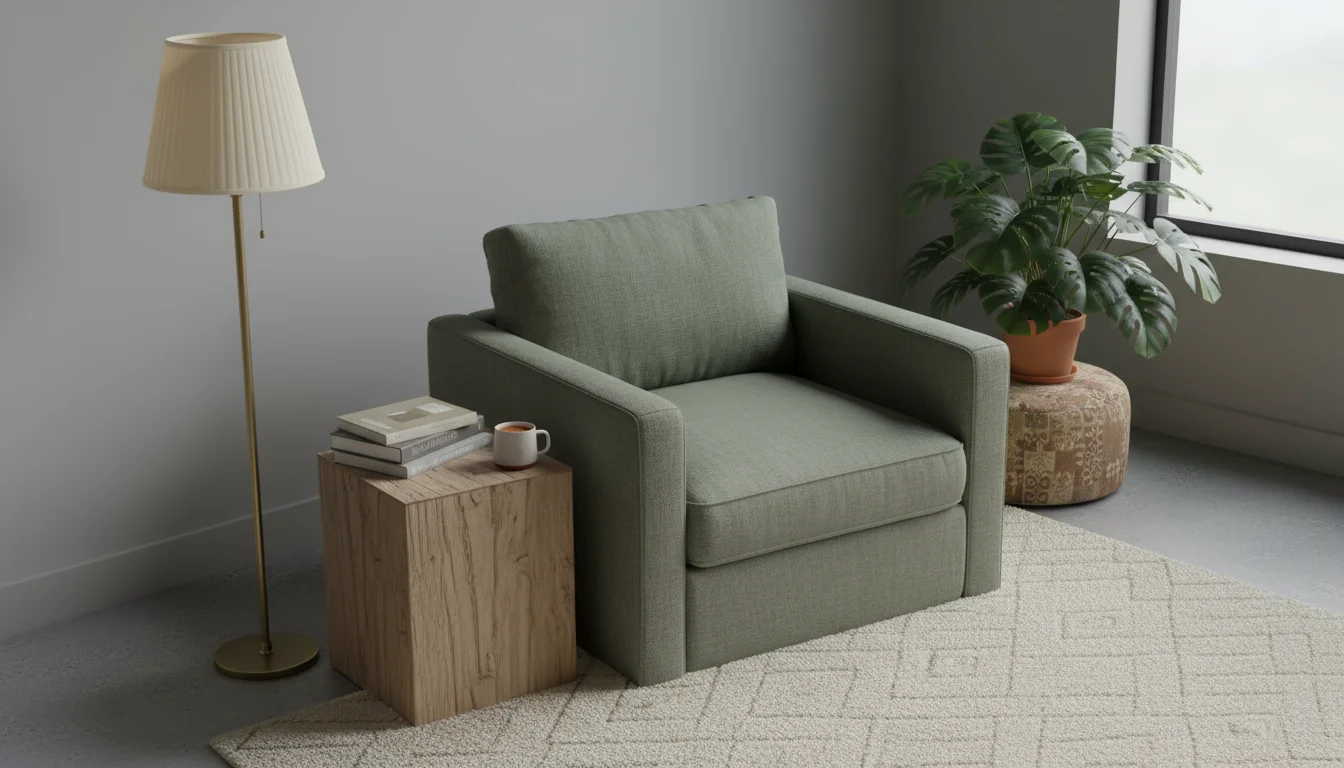
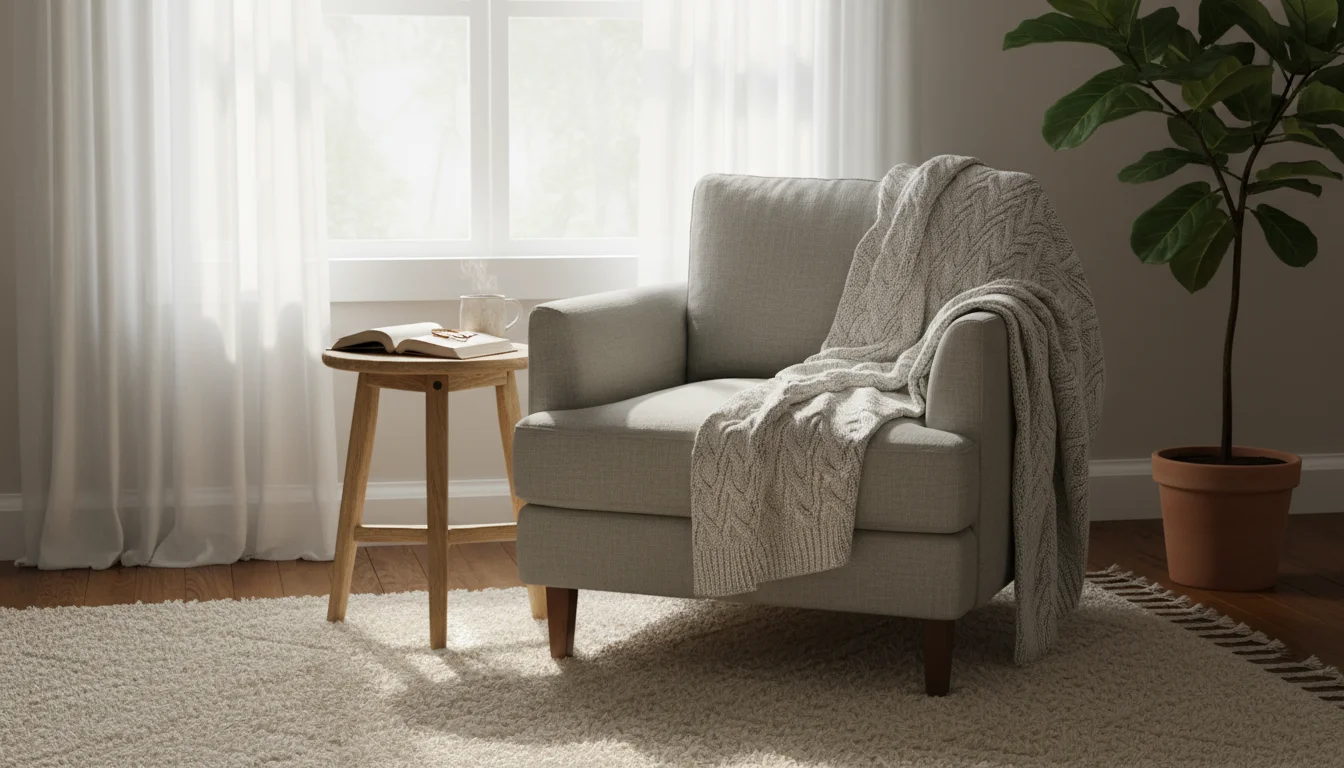
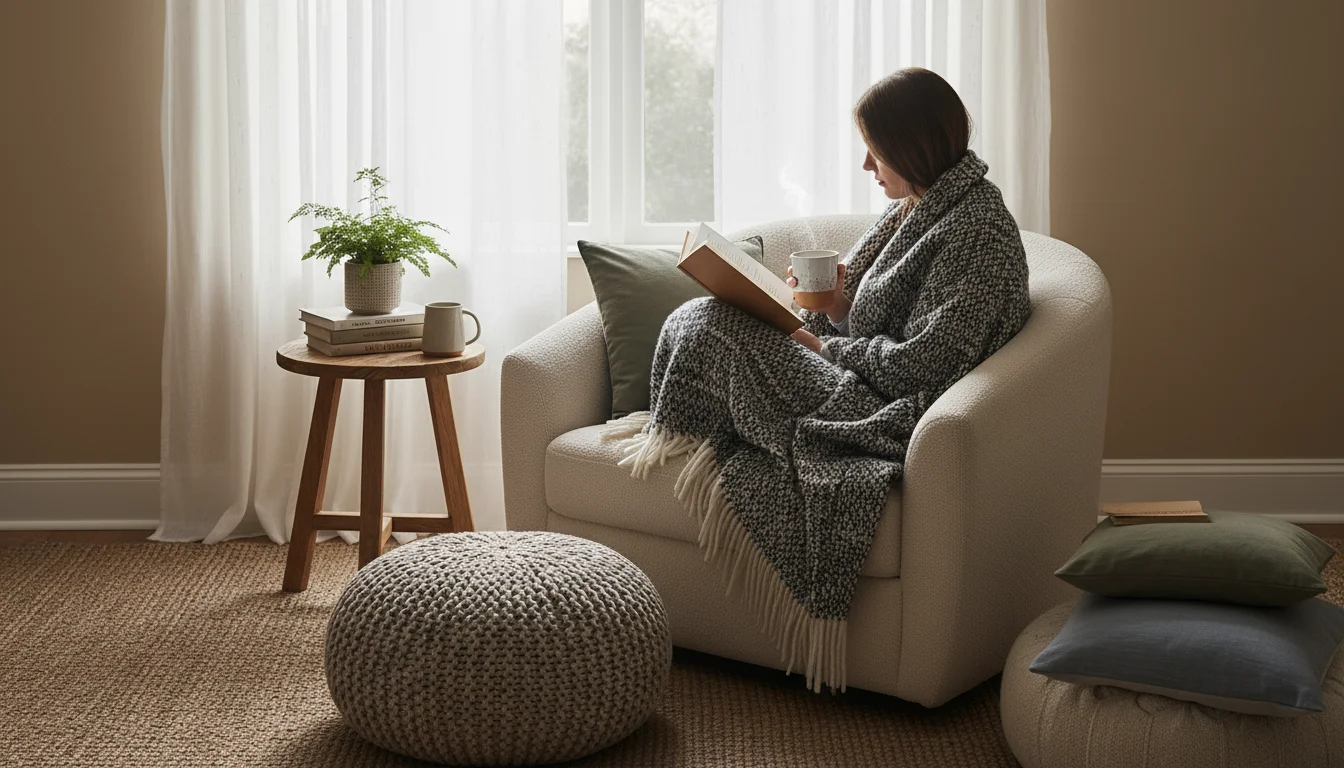
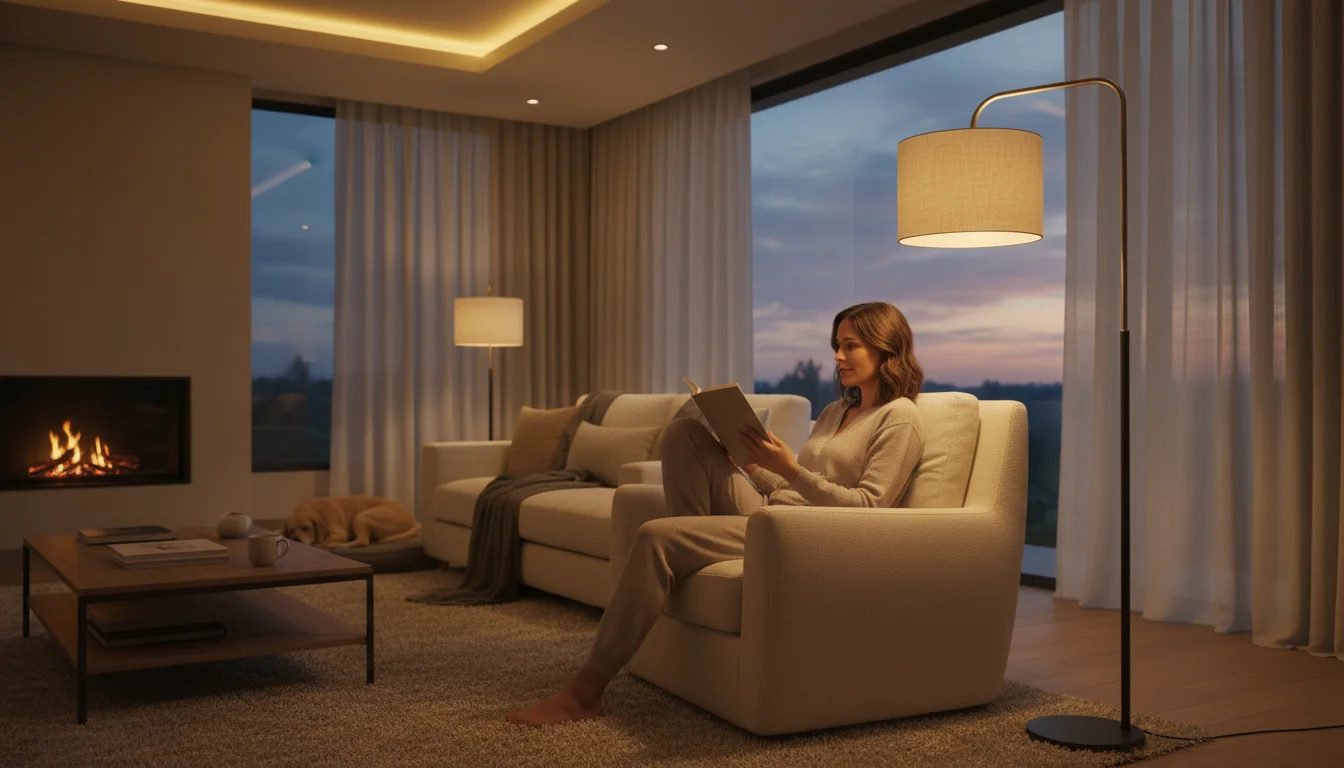
Beyond the main grouping, consider creating smaller, secondary zones. A single armchair with a floor lamp and a small side table in a corner becomes a perfect reading nook. Two smaller armchairs with a shared end table can form a secondary conversation area, ideal for more intimate discussions or simply enjoying a cup of coffee. These smaller groupings add layers of coziness and provide options for different moods and activities.
Balancing Scale and Proportion: Choosing the Right Pieces
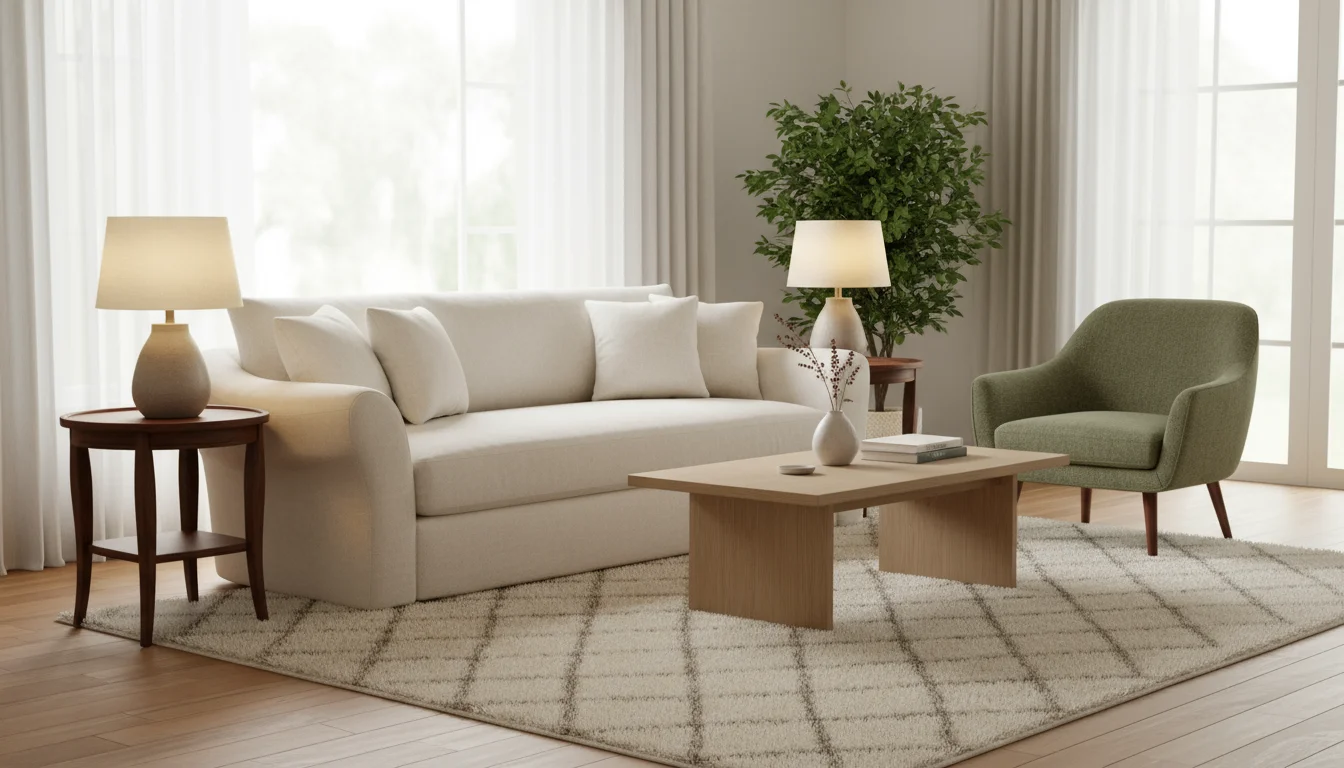
The size and visual weight of your furniture significantly impact how cozy a room feels. Incorrect scale can make a room feel either cavernous and empty or overly cramped and overwhelming.
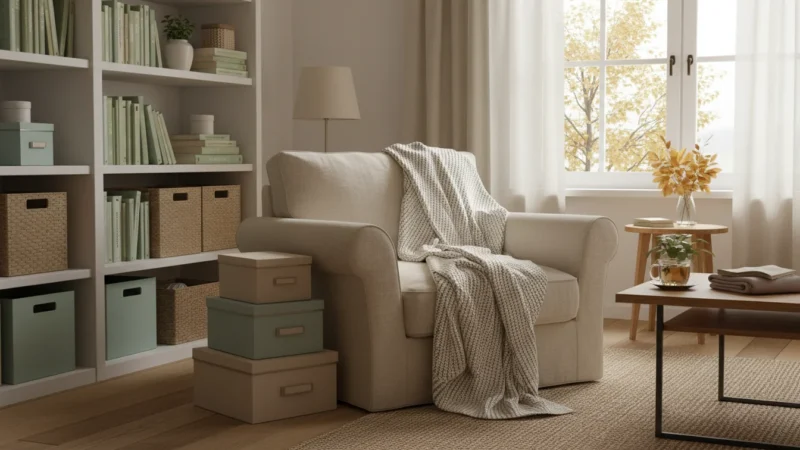
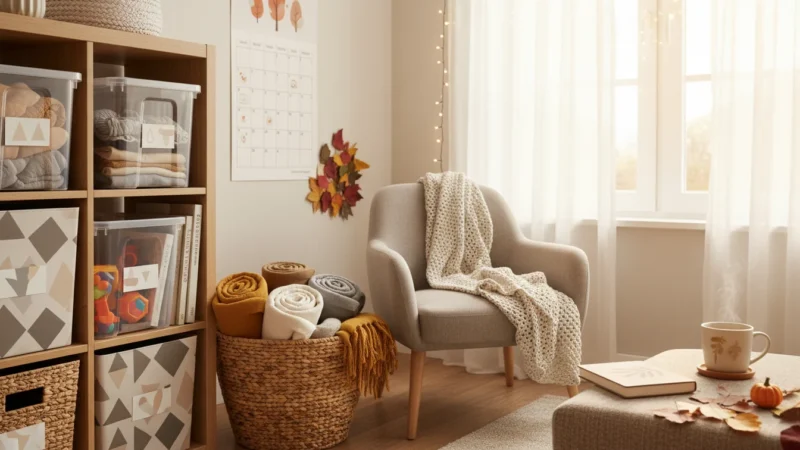
To keep the floor space open and balanced, consider vertical storage to draw the eye upward and reduce visual weight on the ground.
Match Furniture to Room Size
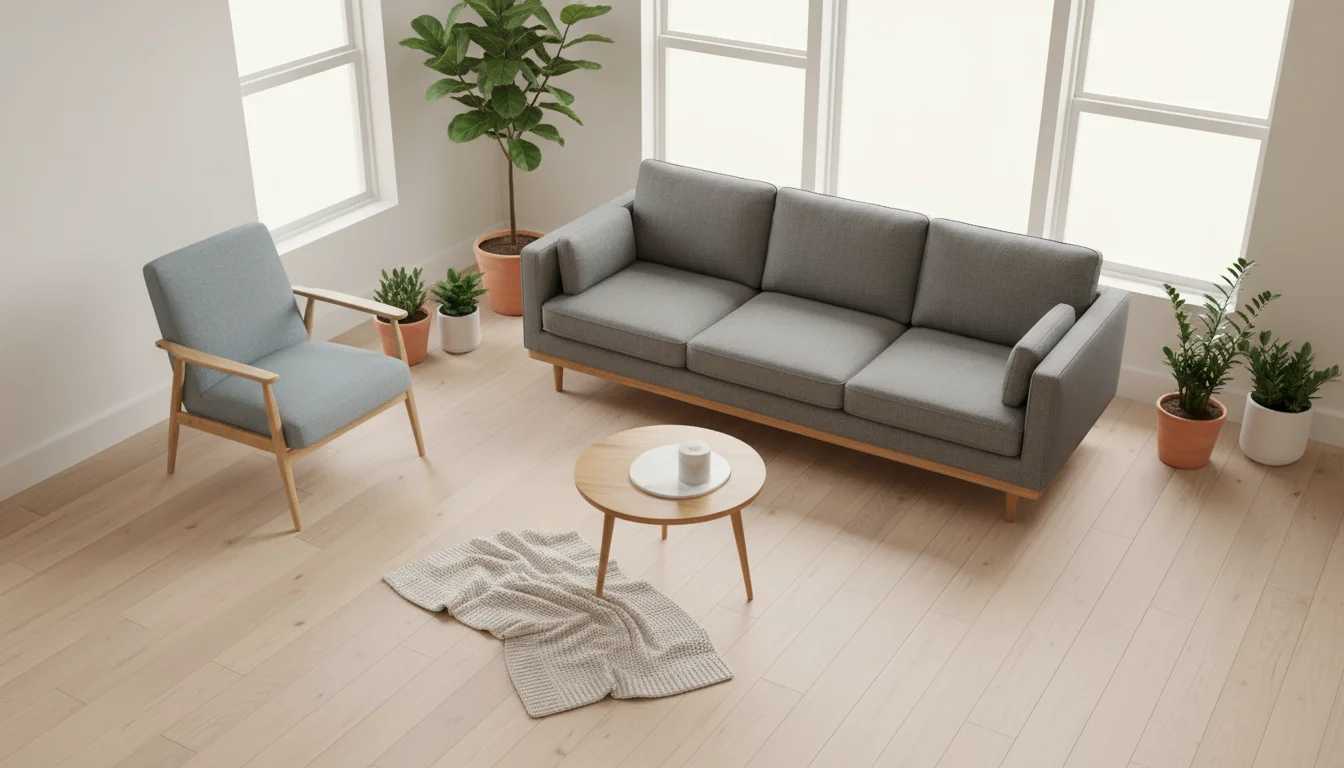
A large, sprawling sofa overwhelms a small apartment living room, just as delicate, petite chairs get lost in a grand, open-concept space. Choose furniture pieces that are proportionate to the size of your room. In smaller spaces, opt for streamlined pieces with visible legs to maintain an airy feel. In larger rooms, you can handle more substantial, perhaps even oversized, pieces, creating a grand but still inviting look.
Consider Visual Weight
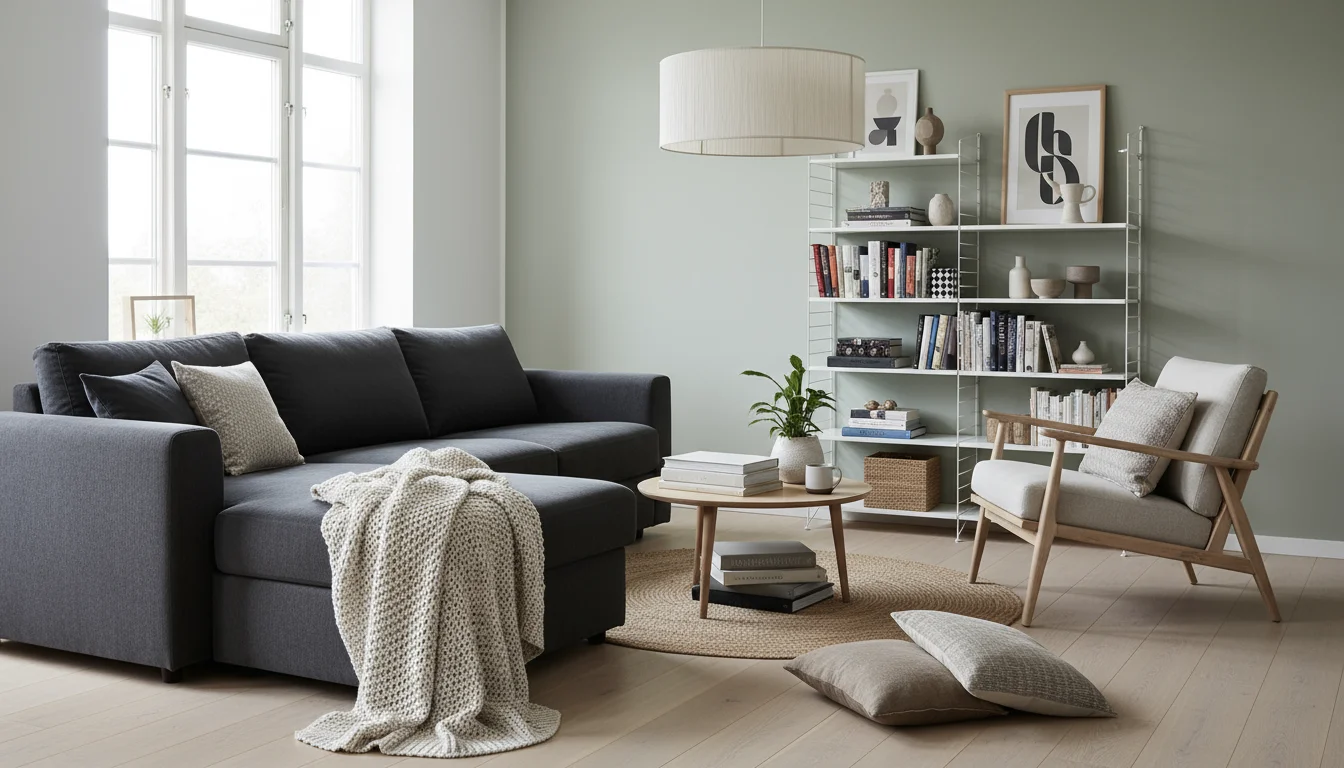
Visual weight refers to how heavy or light a piece of furniture appears. A bulky, dark sectional has more visual weight than a light-colored, slender armchair. For a cozy layout, balance visual weight. Pair a substantial sofa with lighter accent chairs, or use open shelving instead of a heavy closed cabinet. This balance prevents any single area from feeling too heavy or unbalanced, promoting a harmonious and comfortable feel.
Vary Heights
A room where all furniture sits at the same height can feel flat and uninteresting. Introduce varying heights to add dimension and visual interest. Use a tall floor lamp next to a low armchair, a console table behind a sofa, or artwork hung at eye level above a chest. This layering of heights guides the eye around the room and contributes to a more dynamic, yet still cozy, environment.
Achieving proper scale and proportion is essential for a balanced and comfortable room. As noted by experts at Houzz — Home, thoughtful consideration of furniture size and arrangement creates a foundational sense of harmony, making your space feel naturally inviting.
Lighting, Textiles, and Texture: The Unsung Heroes of Coziness
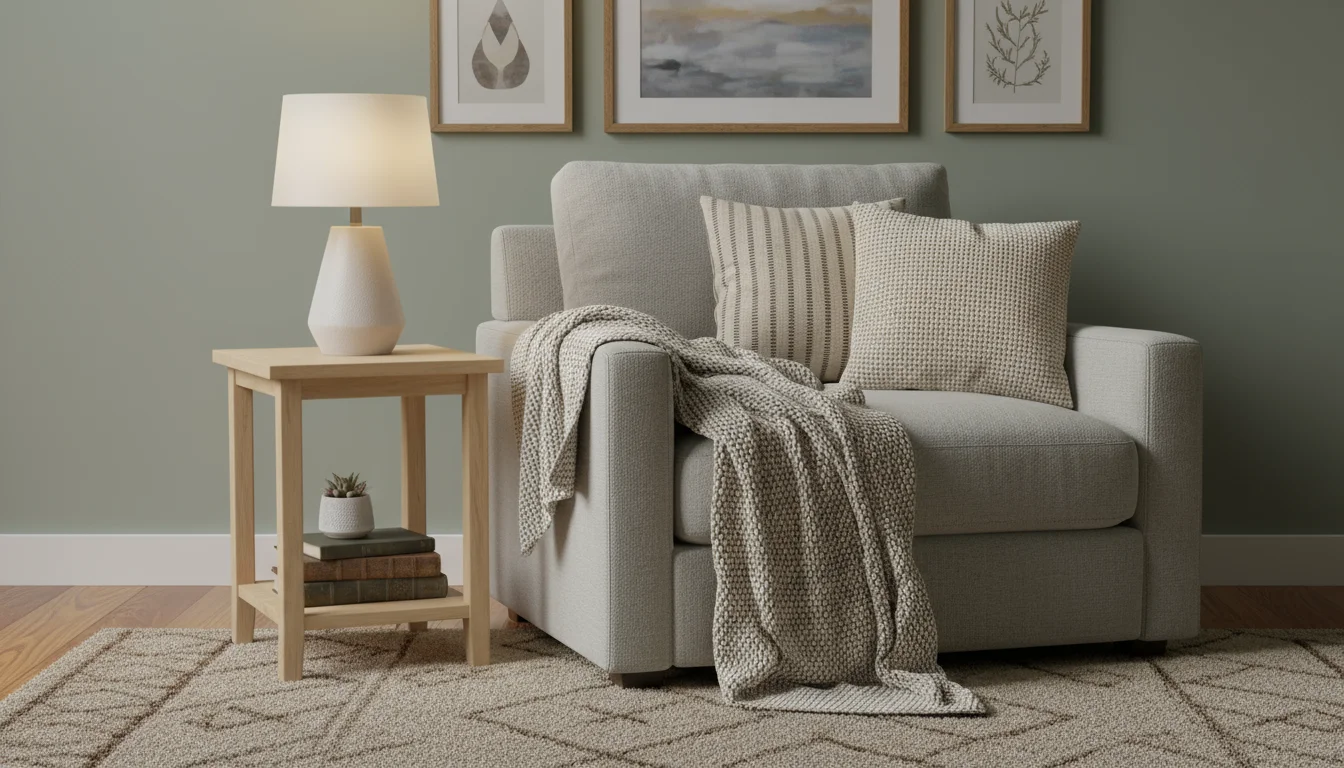
Once your main furniture arrangement is in place, layer in elements that soften the space, add warmth, and enhance the cozy atmosphere. These are the details that transform a functional room into an inviting haven.
Strategic Lighting
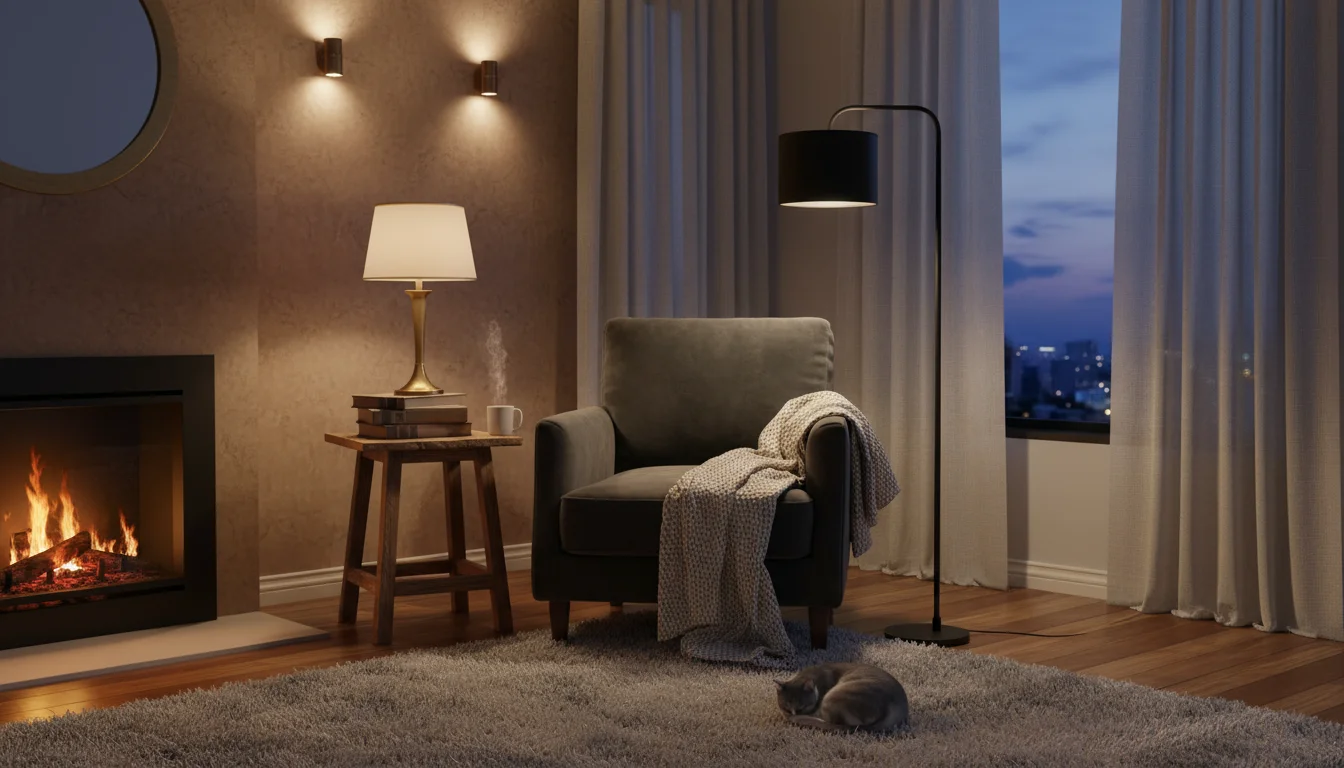
Harsh overhead lighting rarely contributes to coziness. Instead, incorporate multiple layers of lighting at different heights. Use table lamps on end tables, floor lamps next to seating, and perhaps wall sconces for ambient light. Opt for warm-toned light bulbs (2700K-3000K) and dimmers to control intensity. The goal is soft, diffused light that eliminates shadows and creates a gentle glow, perfect for relaxation.
Layered Textiles
Textiles are your best friends for adding softness and warmth. Think:
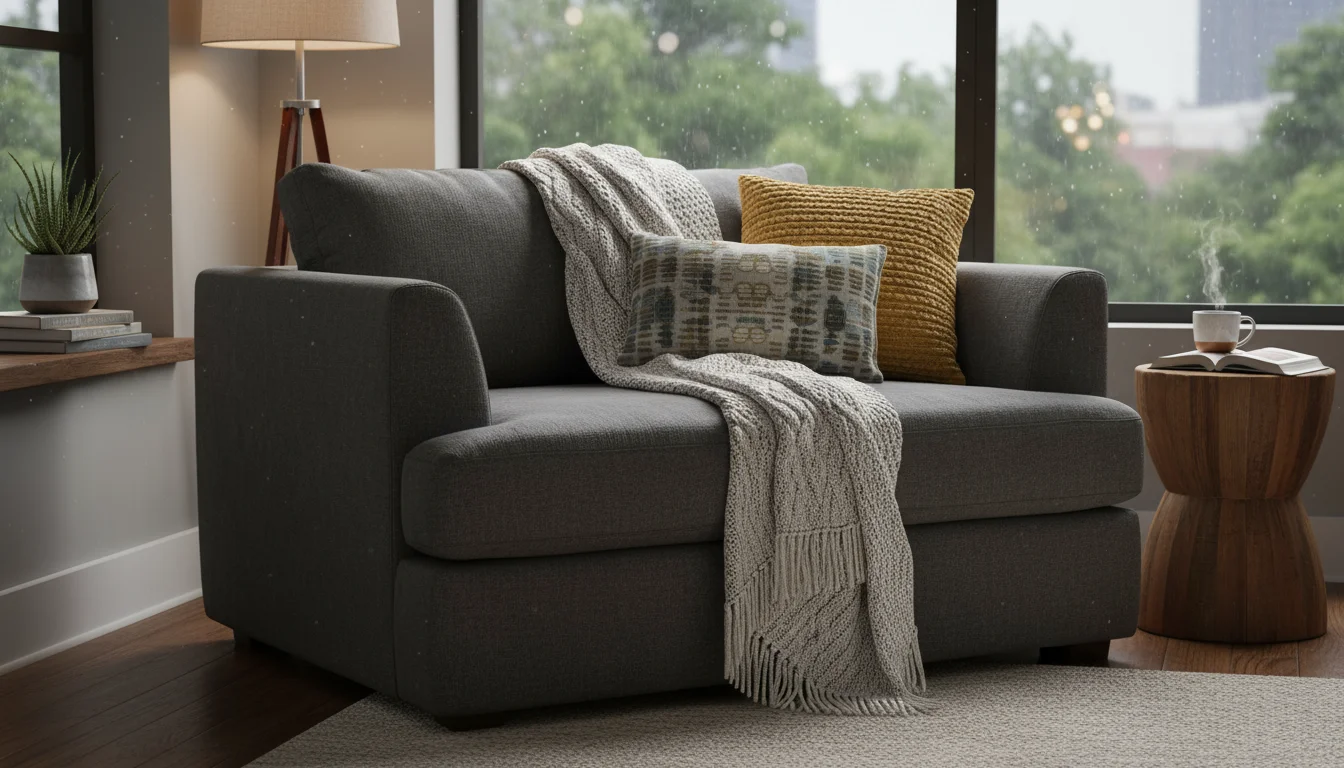
- Area Rugs: We already discussed their role in defining zones, but their texture also adds coziness. Choose rugs with a soft pile or interesting weave.
- Throw Blankets: Drape plush throw blankets over sofas and armchairs. They invite snuggling and add a pop of color or texture.
- Decorative Pillows: Pile on decorative pillows in varying sizes, textures, and patterns. They offer additional comfort and personalize your space.
- Curtains: Floor-length curtains or drapes, especially in thicker fabrics, add softness to windows, provide privacy, and help insulate the room, enhancing the feeling of enclosure.
Embrace Texture
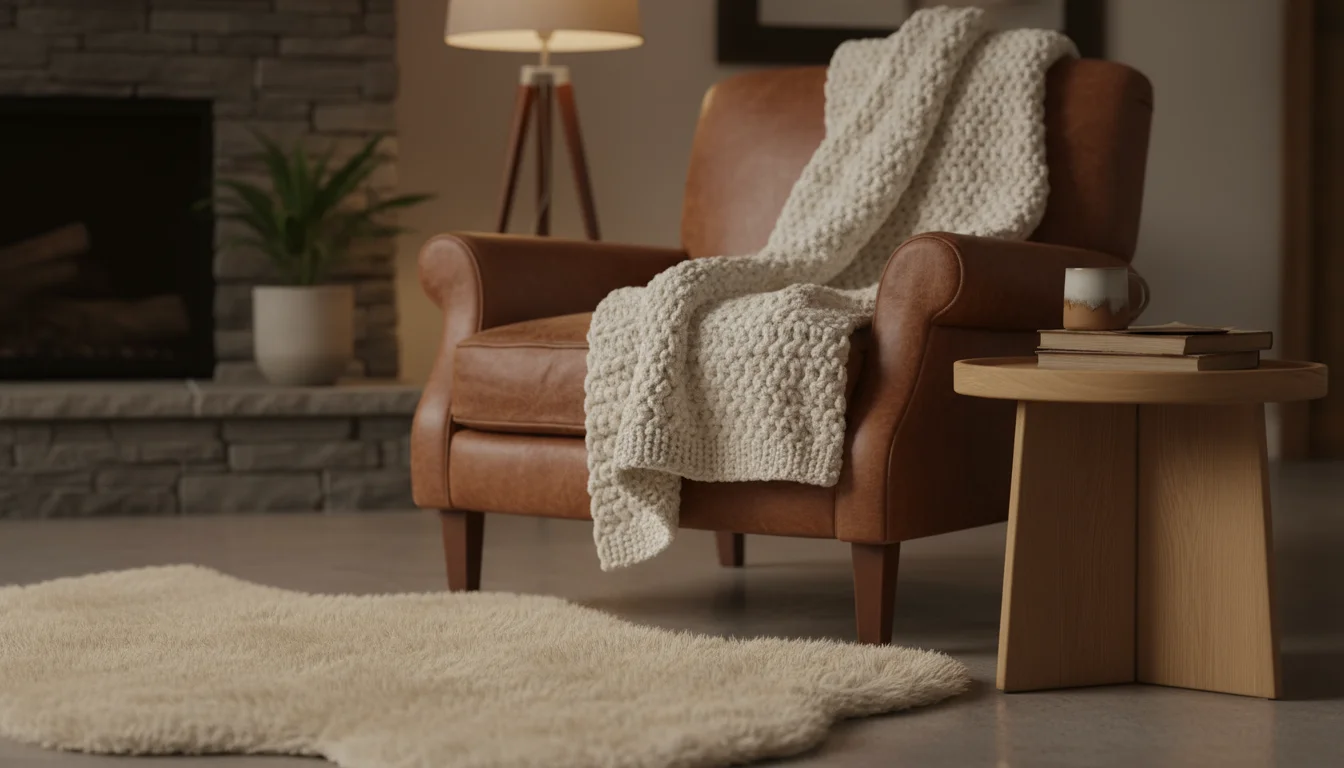
Incorporate a variety of textures to create visual and tactile interest. Mix smooth leather with chunky knits, polished wood with fuzzy faux fur, and sleek metal with woven baskets. This textural interplay adds depth and richness to your cozy layout, making the room feel more layered and luxurious. According to Apartment Therapy, layering various textures is a key strategy for making any room feel more inviting and visually complex, transforming a sterile space into a rich, sensory experience.
Maximizing Coziness in Small Spaces
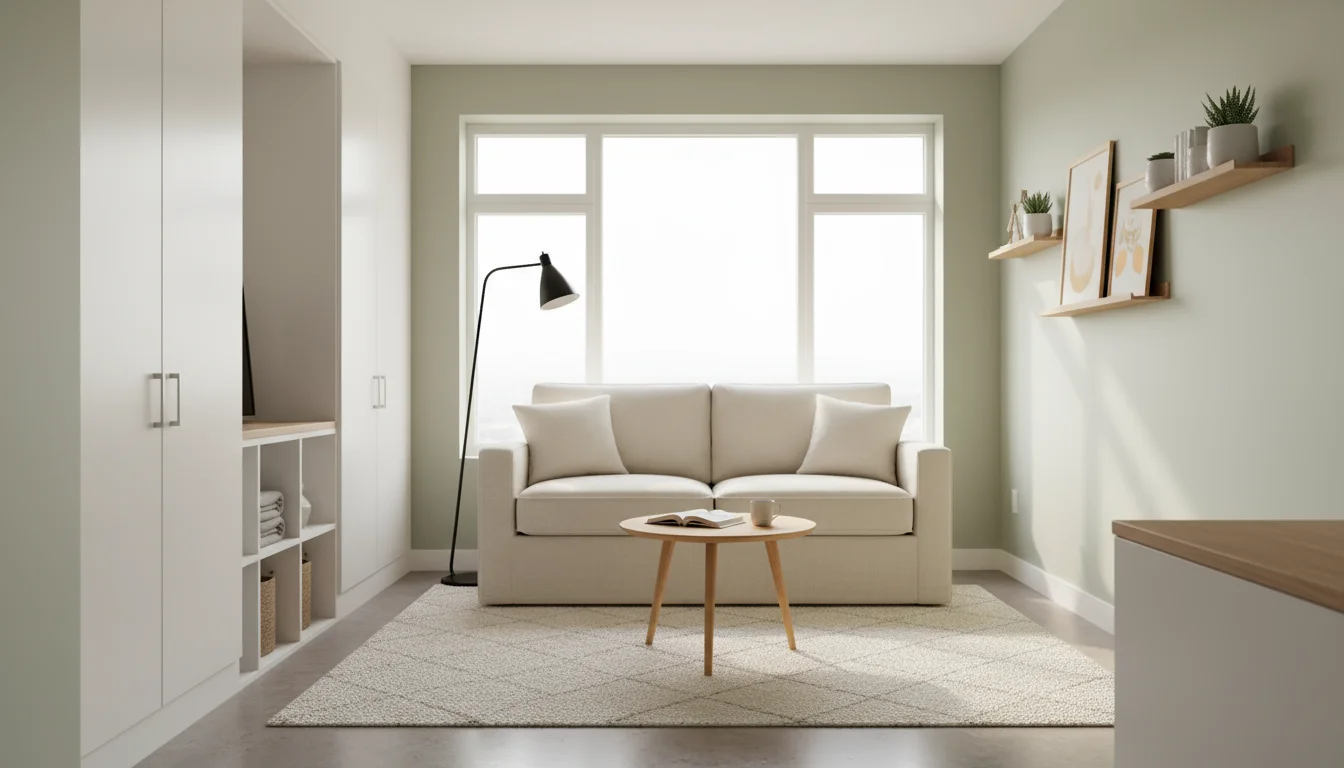
Small spaces present unique challenges, but they also offer inherent advantages for creating coziness. With thoughtful furniture arrangement, you can make even the most compact room feel expansive and inviting.
Choose Multi-Functional Furniture
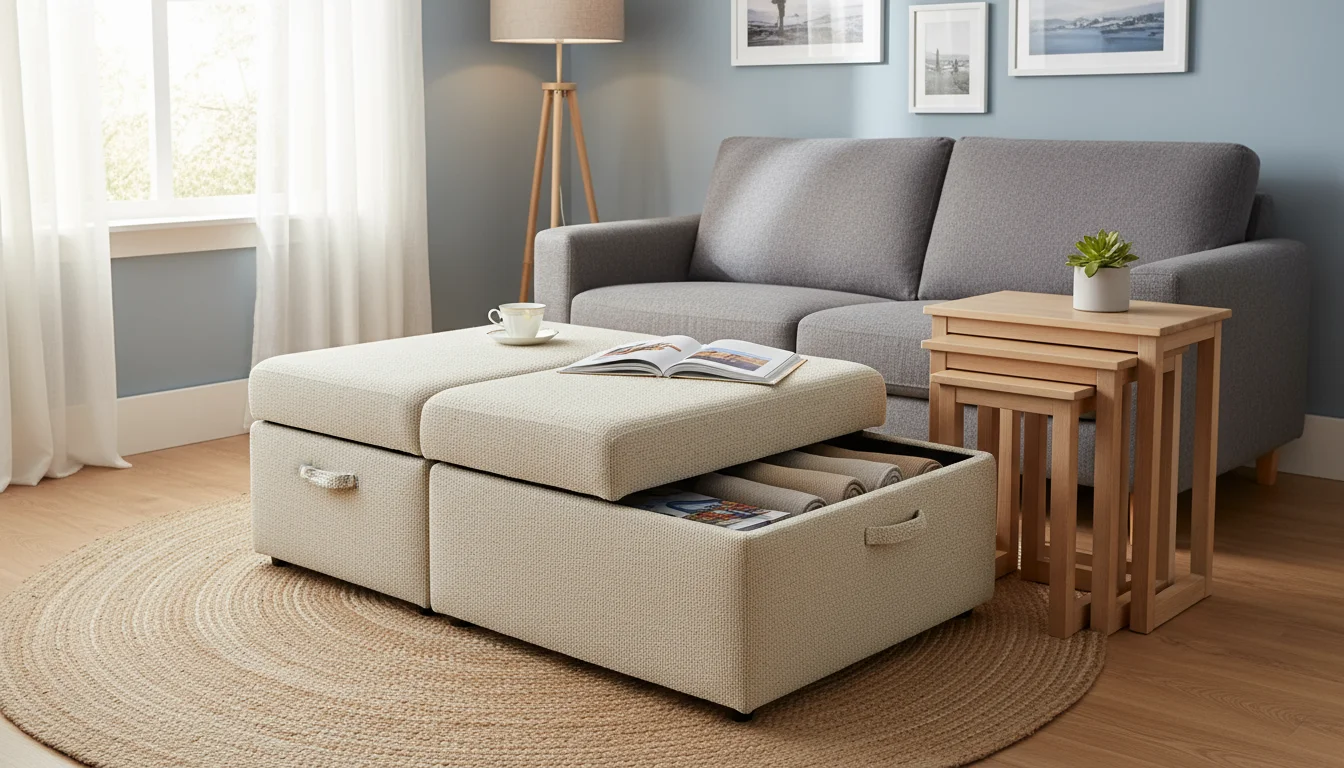
In a small apartment or home, every piece of furniture should earn its keep. Opt for:
- Ottomans with Storage: These serve as extra seating, a footrest, and hidden storage for blankets or magazines.
- Sofa Beds or Daybeds: Perfect for guest rooms or living rooms that need to double as sleeping areas.
- Nesting Tables: Provide flexible surface space that can be tucked away when not needed.
- Console Tables: Slim console tables can function as desks, dining surfaces, or entryway organizers.
This approach maximizes utility without overwhelming the room.
Embrace Vertical Space
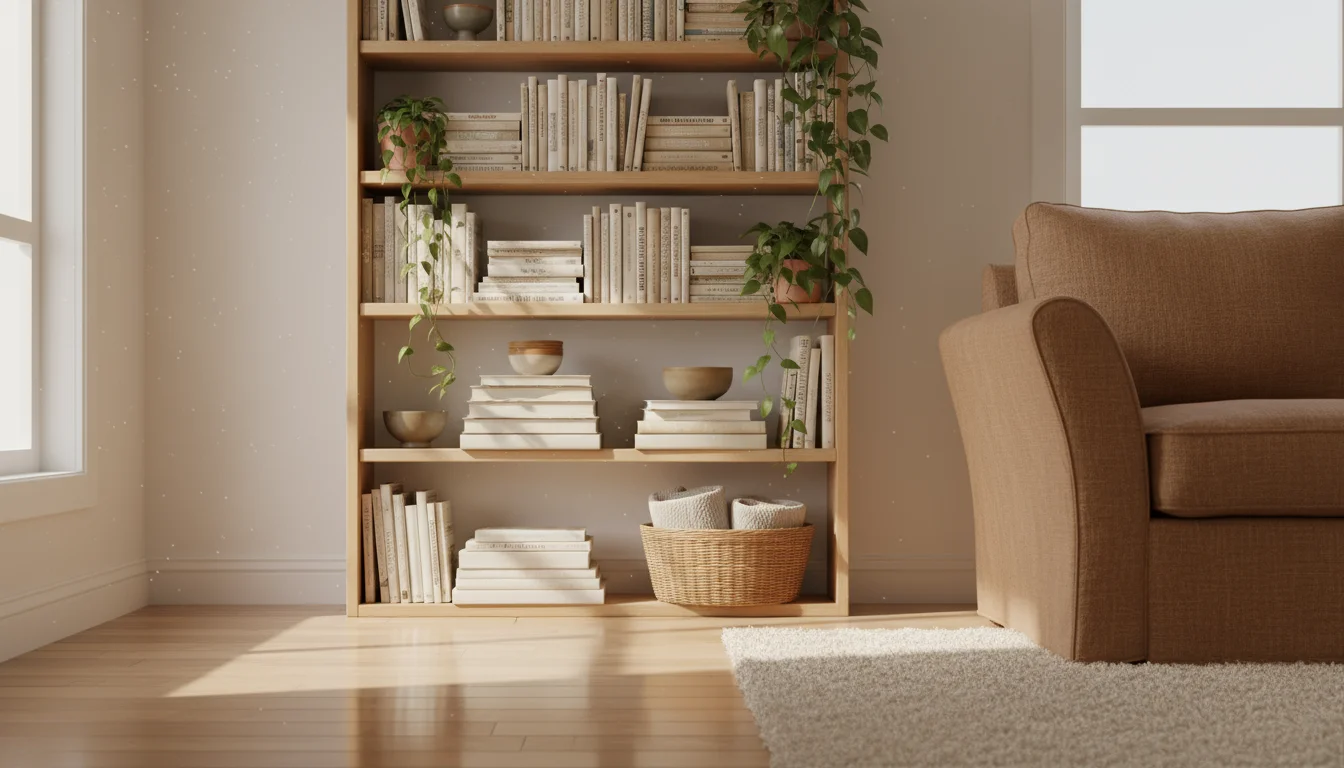
When floor space is limited, look up! Install floating shelves, tall narrow bookshelves, or wall-mounted cabinets. Vertical storage keeps clutter off the floor, which immediately makes a room feel larger and more organized. Use these shelves to display decorative items, books, or plants, adding personality without consuming precious square footage.
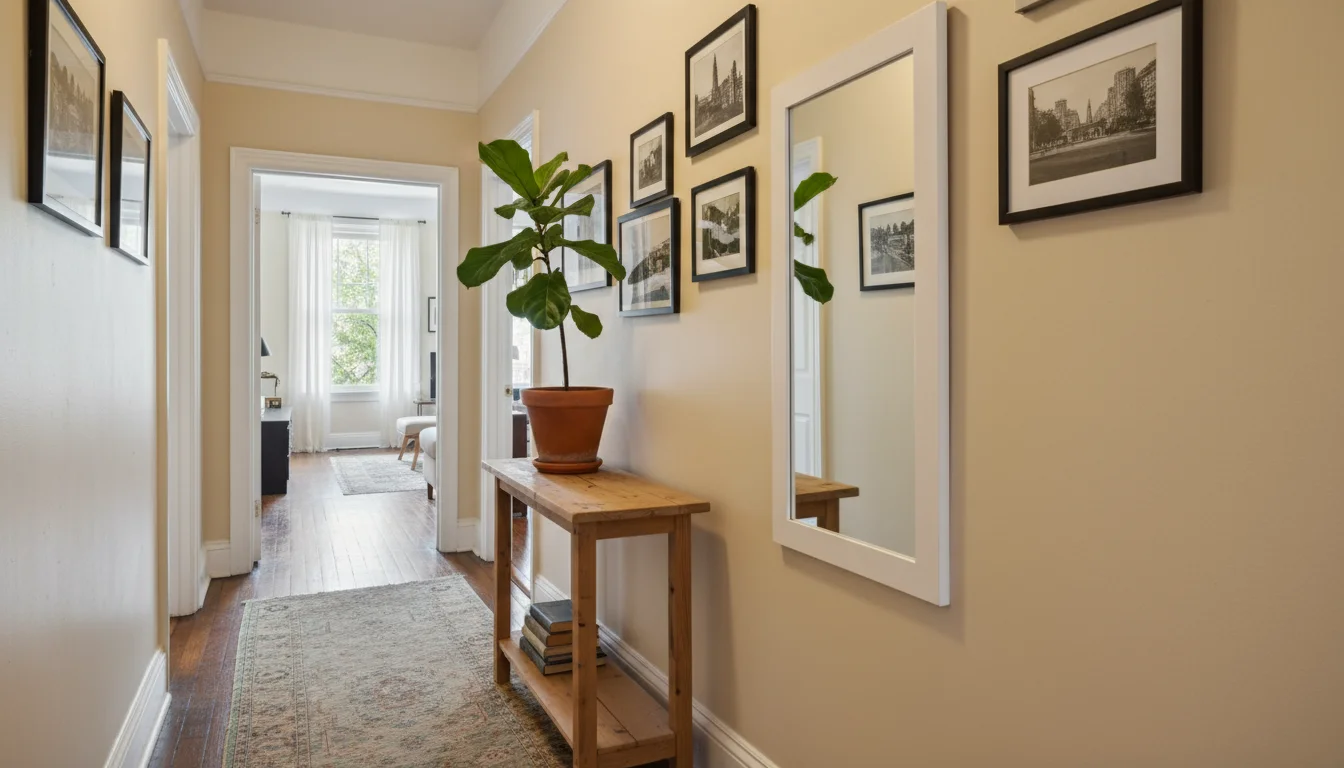
Use Mirrors Strategically
Mirrors are a designer’s secret weapon for small spaces. A large mirror placed strategically can reflect light and create the illusion of more depth and space. Position it opposite a window to amplify natural light, or in a narrow hallway to make it feel wider. This simple trick adds openness, enhancing the feeling of coziness by reducing any sense of confinement.
For more detailed insights on maximizing space, Real Simple Organizing offers numerous guides on smart storage solutions and furniture choices that excel in compact environments, proving that even small homes can feel incredibly expansive and comfortable with the right approach.
Beyond the Living Room: Applying Coziness Throughout Your Home
The principles of cozy furniture arrangement extend beyond the living room. Apply these ideas to every space in your home to create a consistent sense of comfort and invitation.
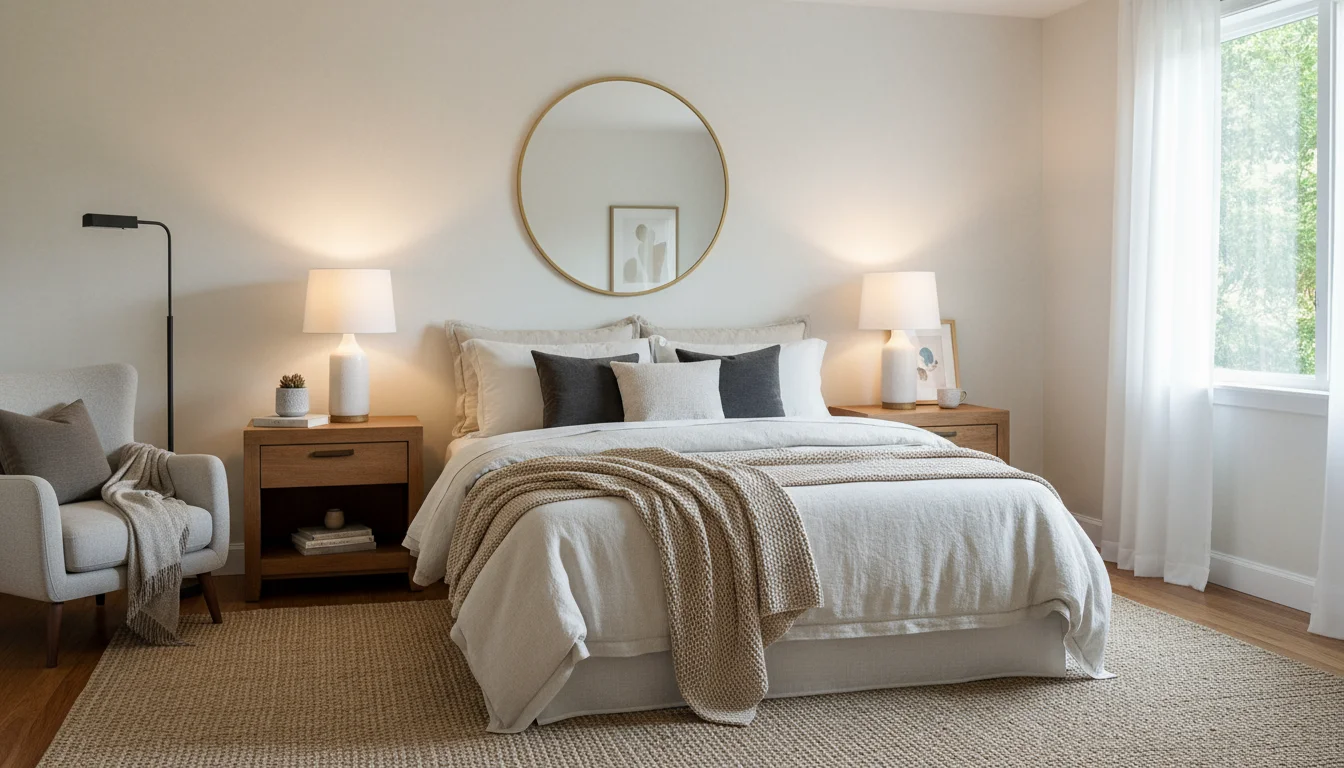
Bedrooms: Your Personal Retreat
Your bedroom is your ultimate sanctuary. Arrange your bed as the undisputed focal point, preferably against the longest wall. Flank it with bedside tables that provide practical storage and surface space for lamps and personal items. Consider adding a comfortable armchair or chaise lounge in a corner if space allows, creating a dedicated reading or relaxation zone. Soft lighting, plush bedding, and a calming color palette further enhance the cozy atmosphere. Ensure pathways around the bed are clear, allowing for easy movement and a peaceful flow.
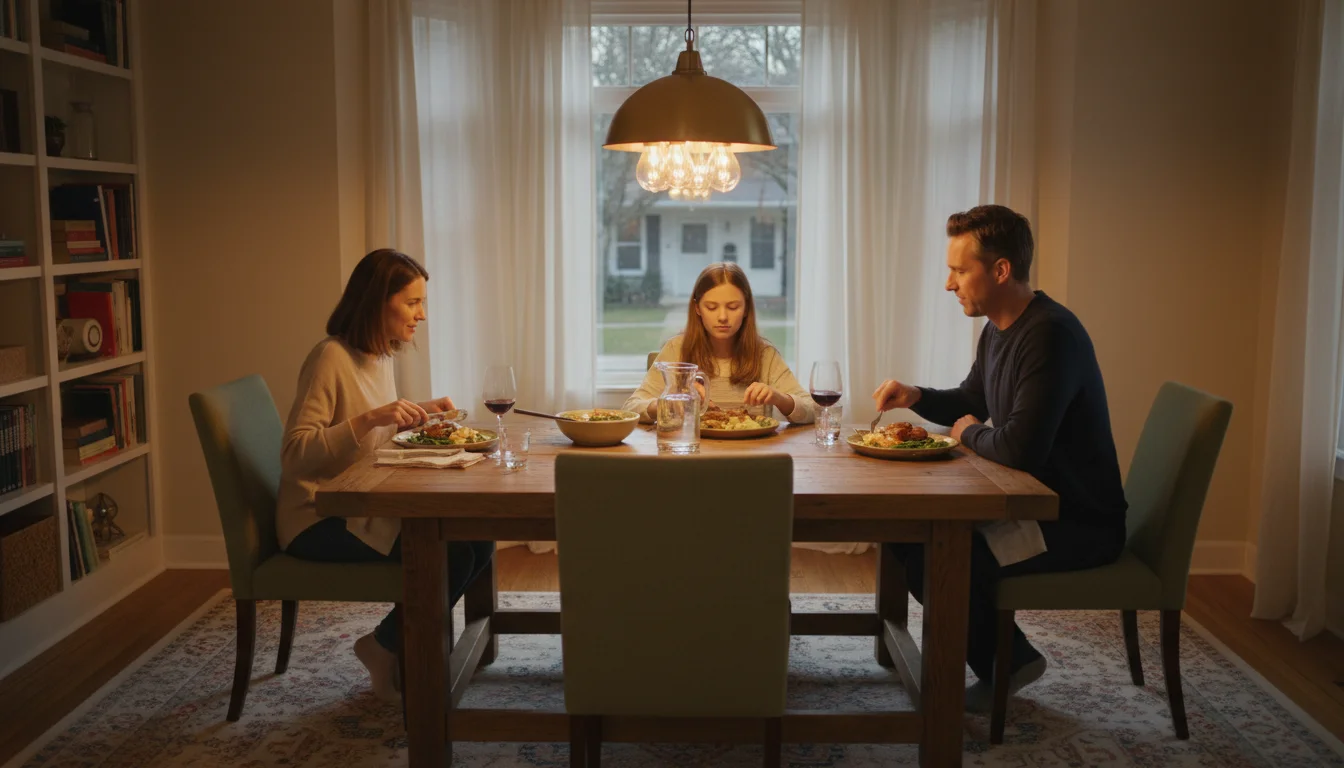
Dining Areas: Gathering with Warmth
In dining rooms, the table is naturally the central focus. Arrange chairs comfortably around it, ensuring enough space for people to pull chairs out and move around easily. Avoid pushing furniture tightly against walls. If you have a buffet or console, keep it functional but uncluttered. Soft lighting, perhaps a dimmer over the dining table, and textile elements like a tablecloth or placemats can transform the dining experience into something more intimate and cozy.
Entryways and Hallways: The First Impression
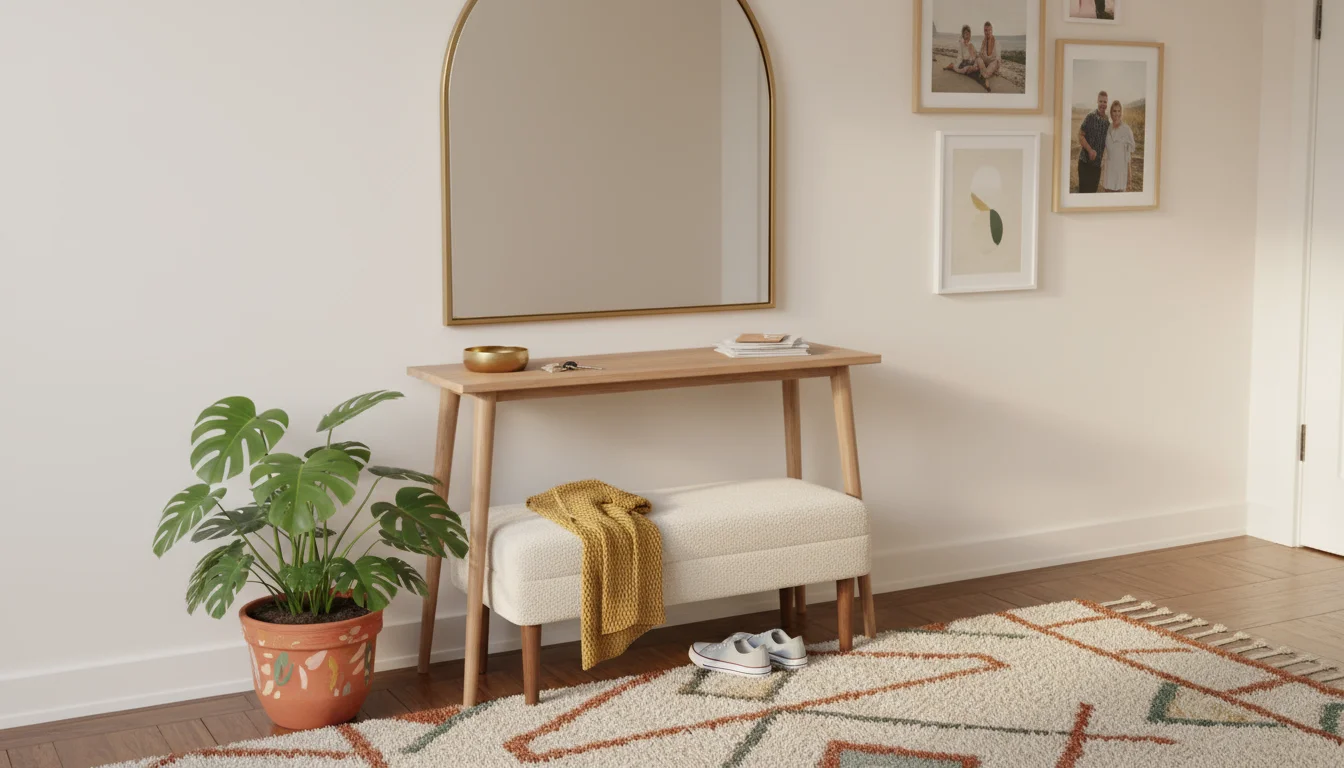
Even small entryways benefit from thoughtful furniture arrangement. A slim console table with a mirror above it provides a drop zone for keys and mail. A small bench or stool offers a place to sit while putting on shoes. Ensure these pieces do not obstruct traffic flow. Adding a soft rug and a small plant can make an entryway immediately more welcoming, setting a cozy tone for the rest of your home.
Common Mistakes to Avoid for a Cozy Layout
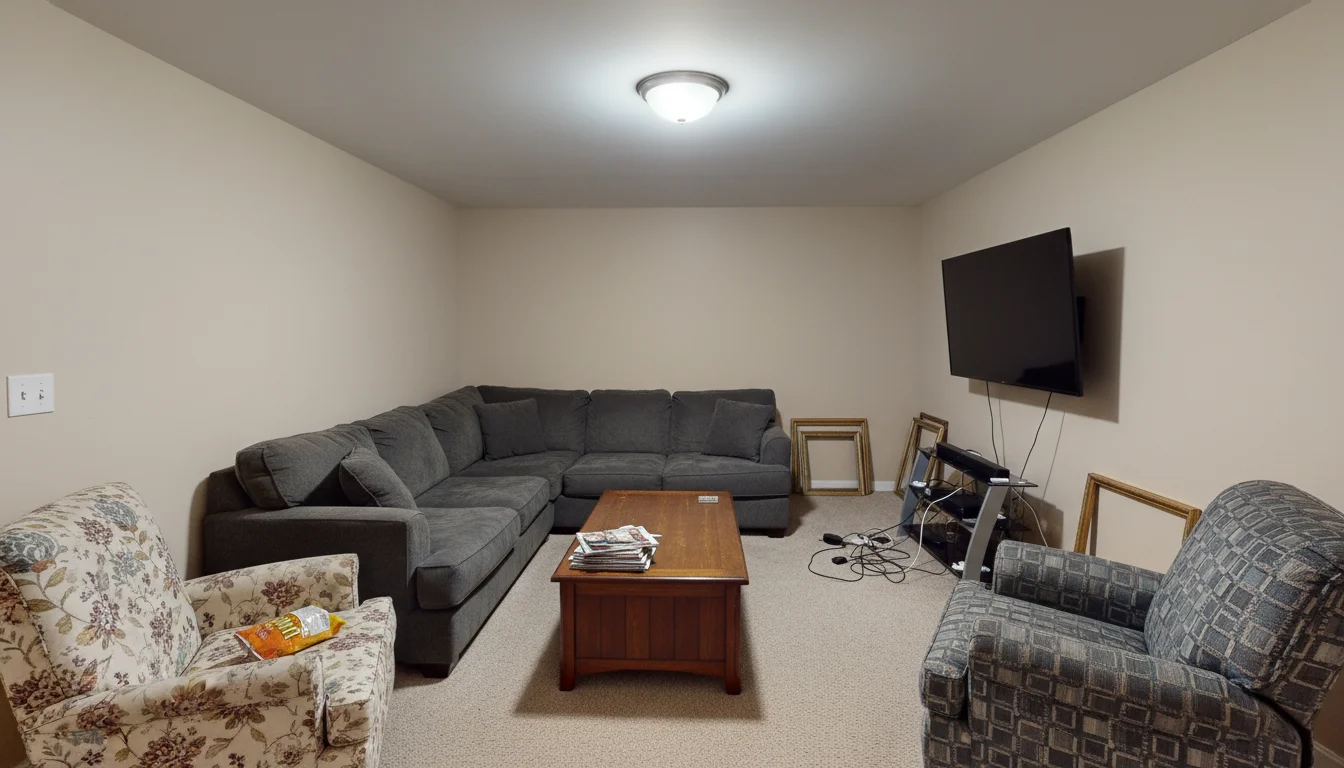
Even with the best intentions, some common missteps can inadvertently undermine your efforts to create a cozy and functional space. Recognizing and avoiding these mistakes ensures your furniture arrangement truly maximizes comfort.
Pushing All Furniture Against Walls
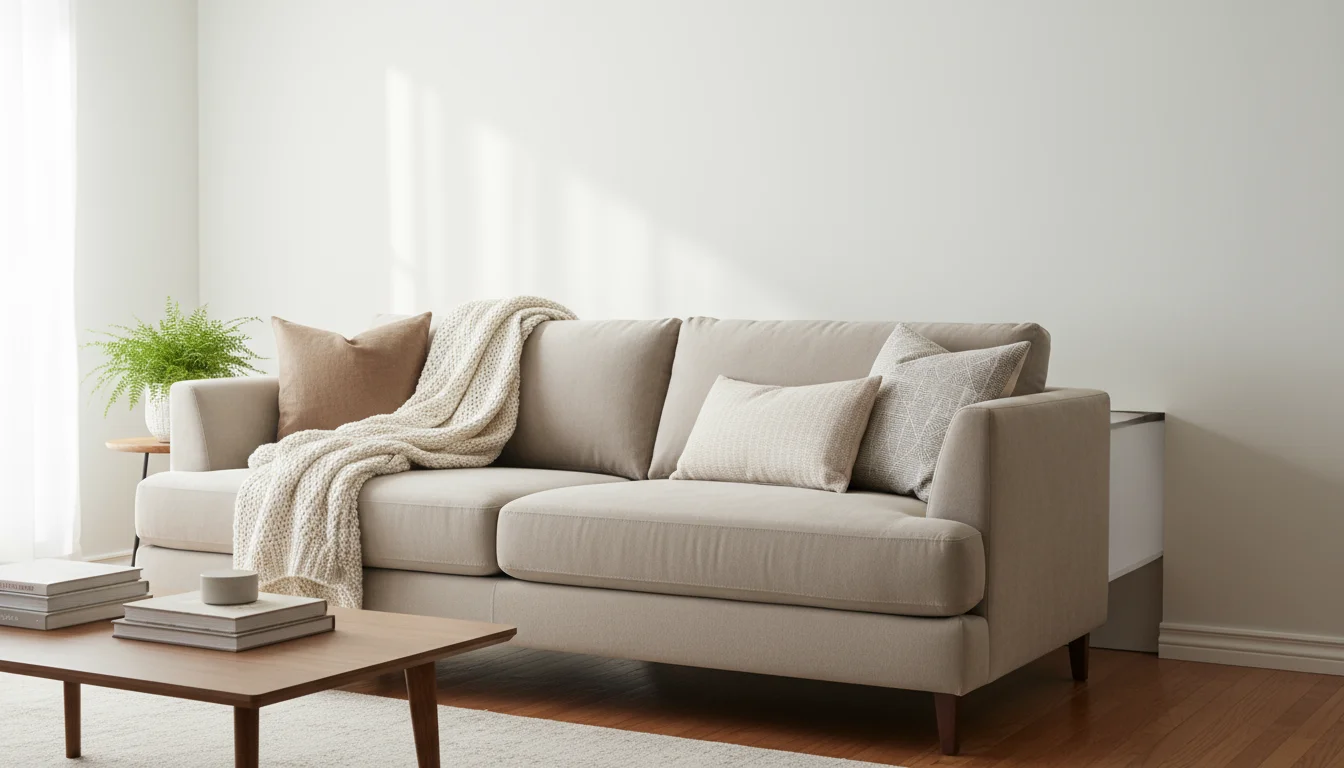
This is a pervasive habit, especially in smaller rooms, born from the desire to create more open floor space. However, it often makes a room feel like a waiting area, lacking intimacy and warmth. Instead, pull furniture a few inches or even a few feet away from the walls. This creates a more inviting atmosphere and allows for better air circulation, visually expanding the room. Even in small spaces, a slight pull-away makes a difference.
Blocking Windows or Doorways
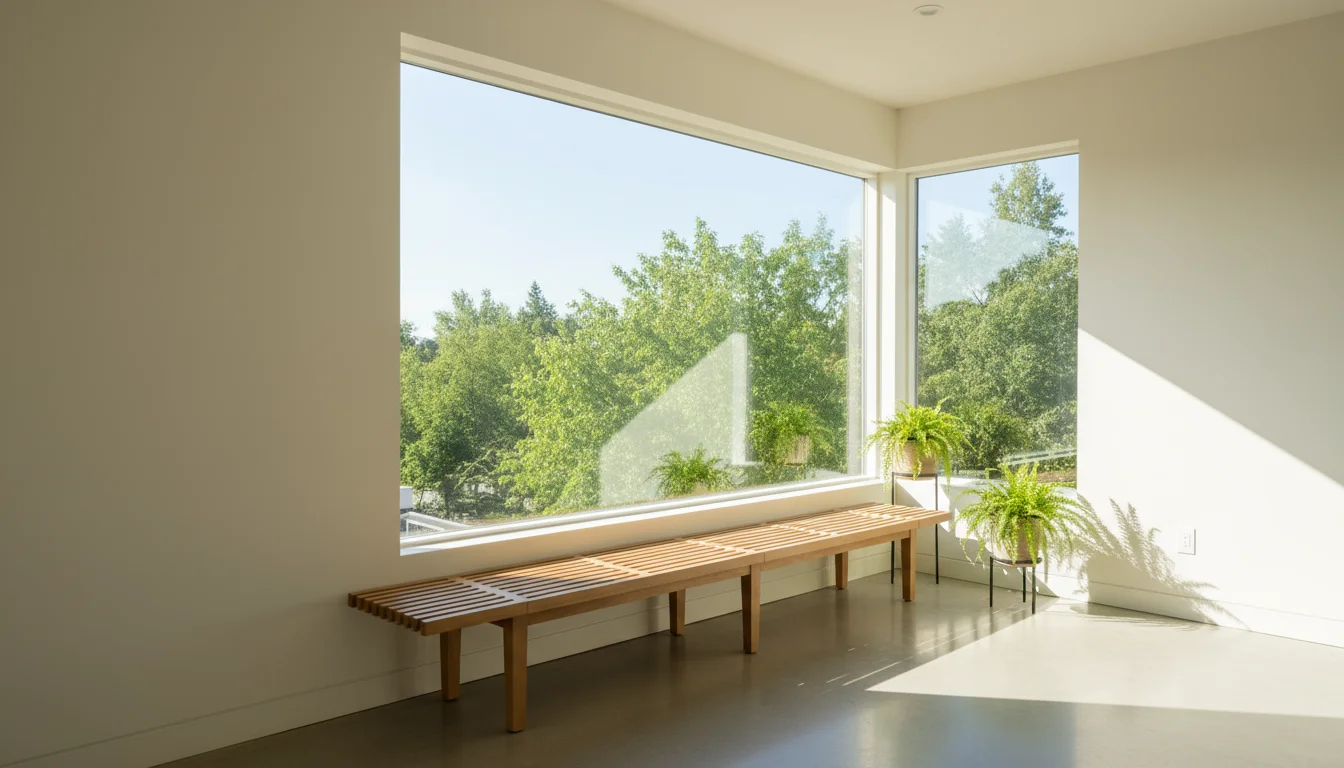
While you might gain a little wall space, blocking windows or doorways significantly hinders natural light and traffic flow. This makes a room feel smaller, darker, and less accessible, directly counteracting the goal of coziness. Always prioritize clear access and allow natural light to flood your space. If you must place furniture near a window, opt for low-profile pieces that do not obstruct the view or light.
Over-Filling the Space with Too Much Furniture
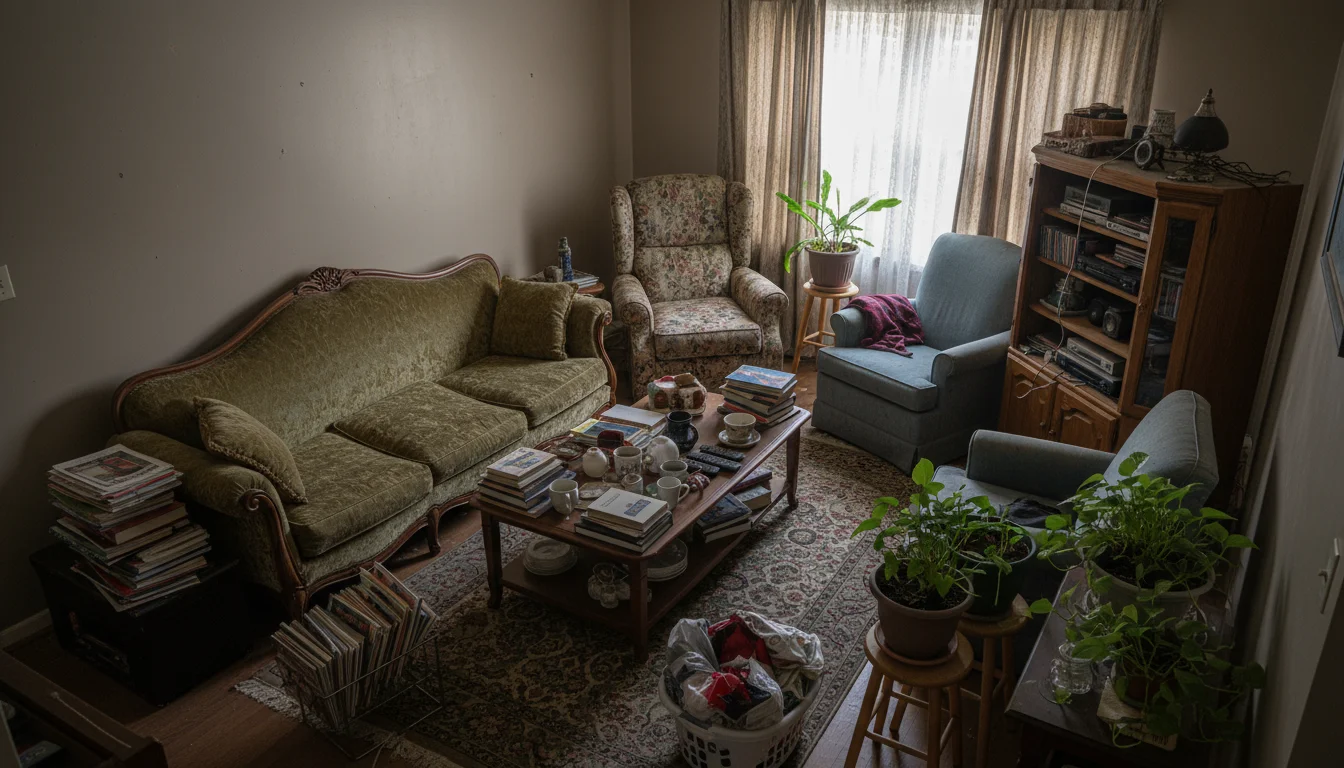
A cluttered room cannot feel cozy. Too many pieces of furniture, especially oversized ones, make a room feel cramped and chaotic. This visual noise detracts from relaxation. Embrace the “less is more” philosophy. Choose fewer, higher-quality, and appropriately scaled pieces. If a piece doesn’t serve a clear purpose or enhance the room’s comfort, consider removing it or finding a more suitable location. You aim for comfort, not a furniture showroom.
Ignoring the Room’s Function
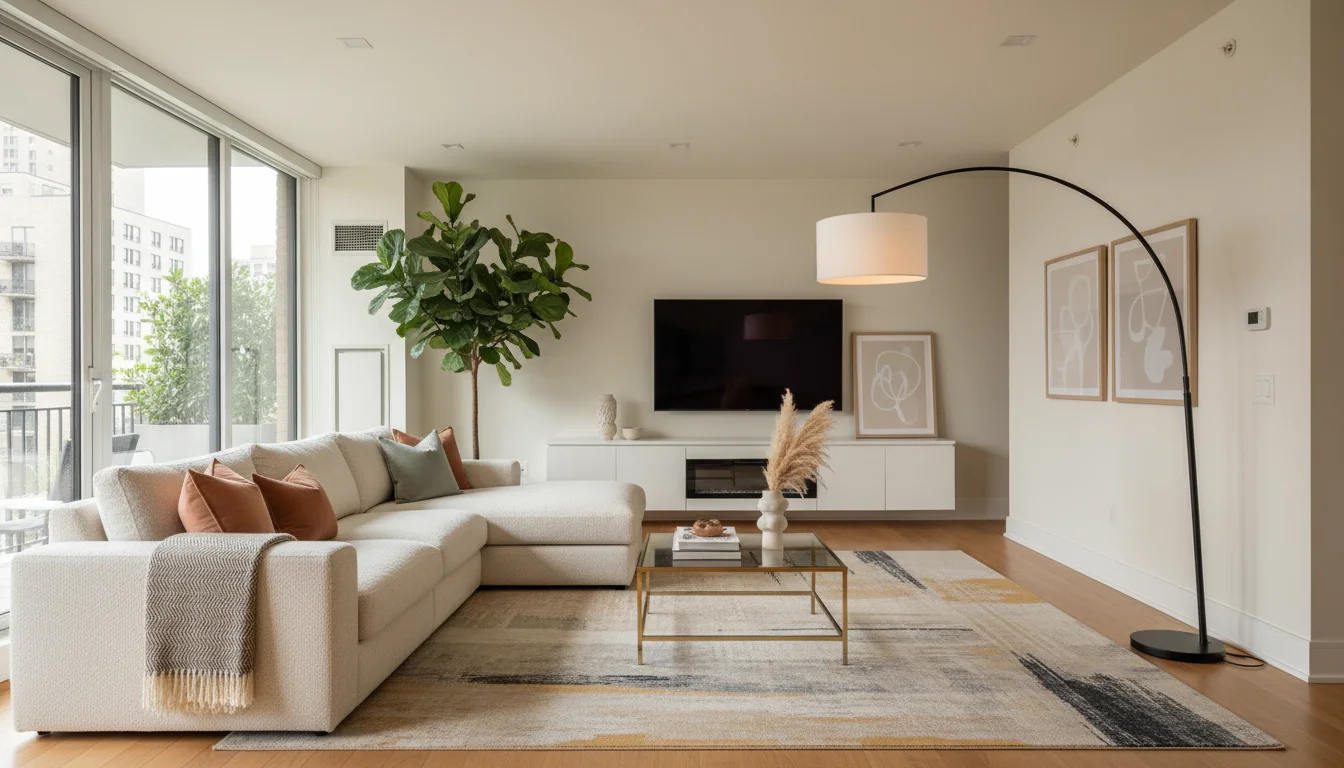
Sometimes, we arrange furniture purely for aesthetics, forgetting the practical purpose of the room. A beautiful living room design becomes frustrating if you cannot comfortably watch TV, access books, or enjoy conversation. Always let function guide your furniture arrangement decisions. Ensure lamps are within reach of seating, coffee tables are accessible, and pathways are clear for everyday activities.
According to Good Housekeeping Organization, avoiding these common errors in furniture placement is crucial for creating not only a beautiful space but also one that truly functions for your daily life, making it a comfortable and enjoyable place to be.

Maintaining Your Cozy Sanctuary
Achieving a cozy furniture arrangement is not a one-time event. It involves ongoing adjustments and a commitment to keeping your space inviting. Regular maintenance ensures your home remains a source of comfort and relaxation.

Regular Decluttering
Clutter is the enemy of coziness. Regularly assess your surfaces, shelves, and storage areas. Put away items that accumulate, such as mail, remotes, or magazines. Designate a “home” for every item, making it easy to tidy up quickly. A decluttered space feels lighter, more organized, and inherently more peaceful.
Seasonal Adjustments
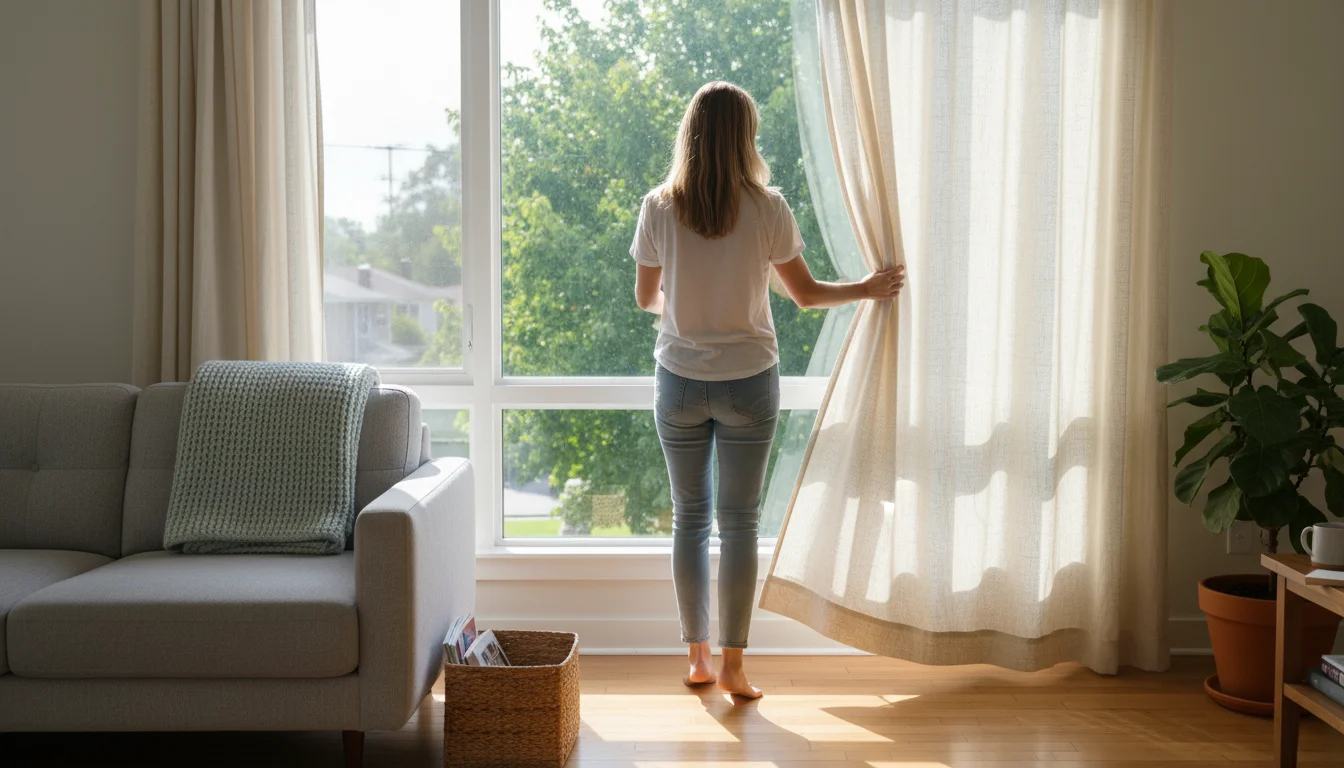
Consider making minor adjustments to your furniture arrangement and decor with the seasons. In winter, you might pull seating closer to a fireplace, add heavier throws, and use warmer lighting. In summer, you might lighten textiles, open up pathways to windows or outdoor spaces, and introduce lighter colors. These small changes keep your space feeling fresh and responsive to your needs.
Listen to Your Home
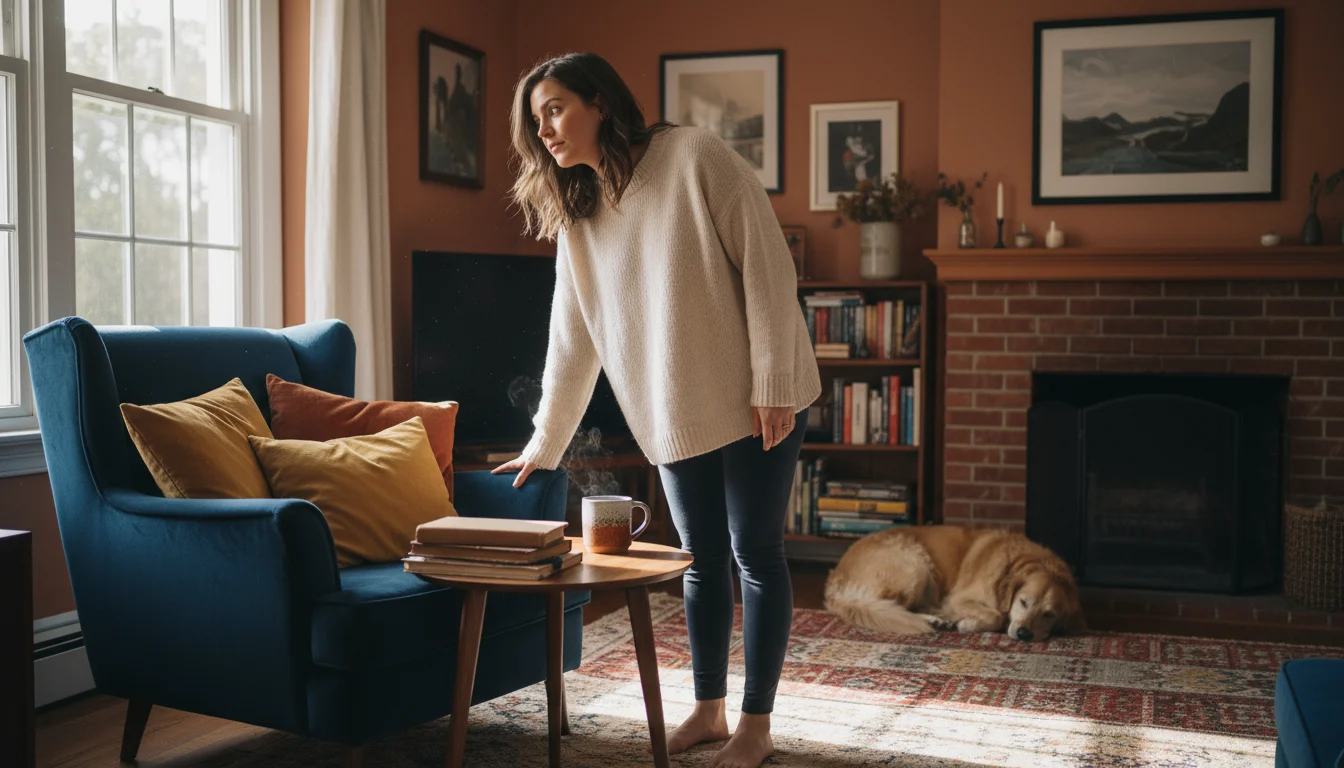
Pay attention to how your home feels when you use it. Do you consistently bump into a chair? Is a pathway frequently blocked? Does a certain corner feel neglected? These are cues that your furniture arrangement might need a tweak. Do not be afraid to experiment. Moving a side table, repositioning a lamp, or even swapping out an accent chair can significantly improve the functionality and coziness of a room. Your home should work for you, not the other way around.
By actively maintaining and occasionally refining your furniture arrangement, you ensure your home consistently provides the maximum level of comfort and coziness you desire. This ongoing dialogue with your living space transforms it into a dynamic, supportive environment.

Frequently Asked Questions
How do I make a large, open-concept room feel cozy?
To make a large, open-concept room feel cozy, focus on creating distinct zones for different activities. Use area rugs to visually define these zones, like a conversation area, a dining space, and a reading nook. Pull furniture away from walls to create intimate groupings. Incorporate plenty of soft textiles, varied lighting, and diverse textures to add warmth and break up the expansive feel. Varying furniture heights also helps create visual interest and coziness.
What is the ideal distance between a sofa and a coffee table for coziness?
The ideal distance between a sofa and a coffee table for coziness and functionality is generally 14 to 18 inches. This allows for comfortable reach to drinks or books without feeling too far away or too cramped. Ensure there is enough space to walk around the table easily, especially if it’s part of a main traffic path.
Can I achieve a cozy look on a tight budget?
Absolutely, you can achieve a cozy look on a tight budget. Focus on rearranging existing furniture, utilizing natural light, and incorporating affordable textiles. Shop for throw blankets, pillows, and small lamps at thrift stores or discount retailers. DIY projects like painting an old piece of furniture or creating your own artwork can also add personality and warmth without significant expense. Strategic decluttering costs nothing and immediately enhances coziness.
How do I incorporate a television into a cozy living room design?
Integrate your television thoughtfully into a cozy living room design by making it part of a larger focal point, such as placing it above a fireplace or within a built-in media unit. Consider its placement to minimize glare and ensure comfortable viewing from your main seating area. When not in use, you can visually soften its presence with surrounding decor, artwork, or by selecting a TV that blends seamlessly with your wall if mounting it. Avoid letting the TV dominate the room.
What role do plants play in creating a cozy atmosphere?
Plants play a significant role in creating a cozy atmosphere. They introduce natural elements, add color and texture, and improve indoor air quality, which contributes to a healthier, more inviting environment. Position plants strategically to fill empty corners, add height to a room, or bring life to a coffee table or shelf. Their presence immediately softens hard lines and brings a touch of tranquility, enhancing the overall feeling of comfort and coziness.
For expert home organization guidance, visit
Houzz — Home,
The Spruce — Home Organization and
Real Simple — Organizing.
Disclaimer: This article is for informational purposes only and is not a substitute for professional advice. Consult professional organizers or specialists for personalized recommendations.
Selecting the right window treatments can further enhance the feeling of enclosure and warmth created by your furniture.
For more inspiration on your sleeping quarters, explore these cozy bedroom ideas to improve your rest and relaxation.
Leave a Reply