
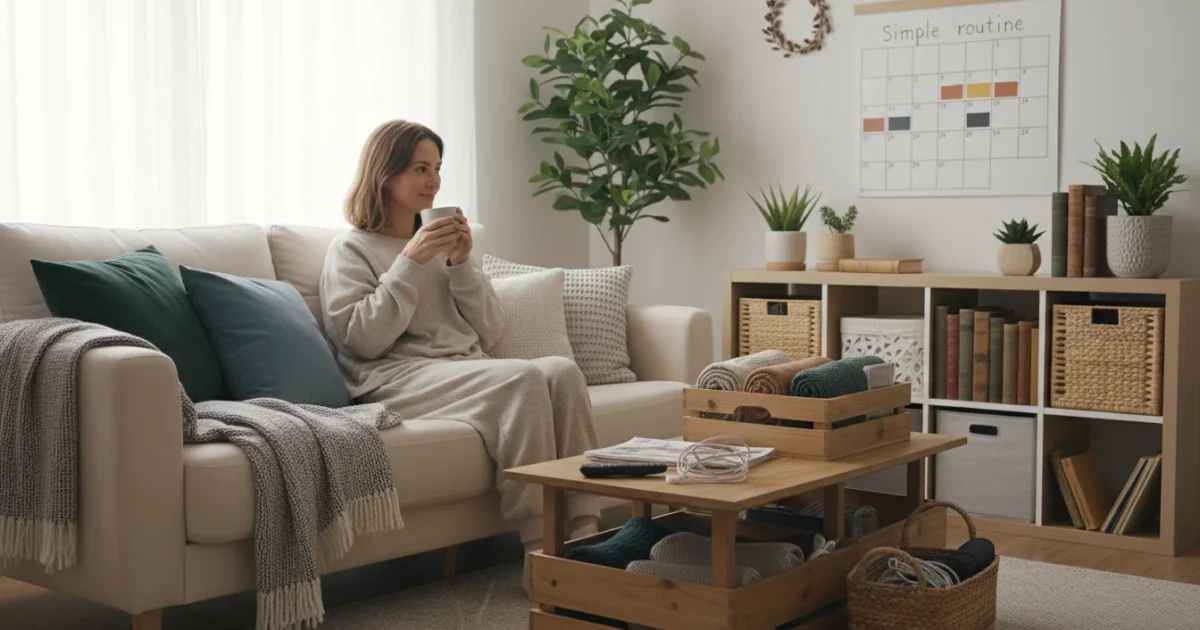
Living in a small home, apartment, or rental presents unique challenges, especially when you want both comfort and practicality. You need your space to work hard for you, serving multiple purposes without feeling cramped or cluttered. This is where multifunctional furniture becomes your greatest ally. It transforms compact areas into highly efficient, comfortable living environments, ensuring every square foot counts.
Embracing furniture that serves more than one purpose is not just a trend for small spaces; it is a smart, budget-conscious, and sustainable approach to home living. We will explore how to select, integrate, and maintain the best multifunctional pieces to create a home that truly adapts to your needs.
The Power of Multifunctional Furniture in Small Spaces
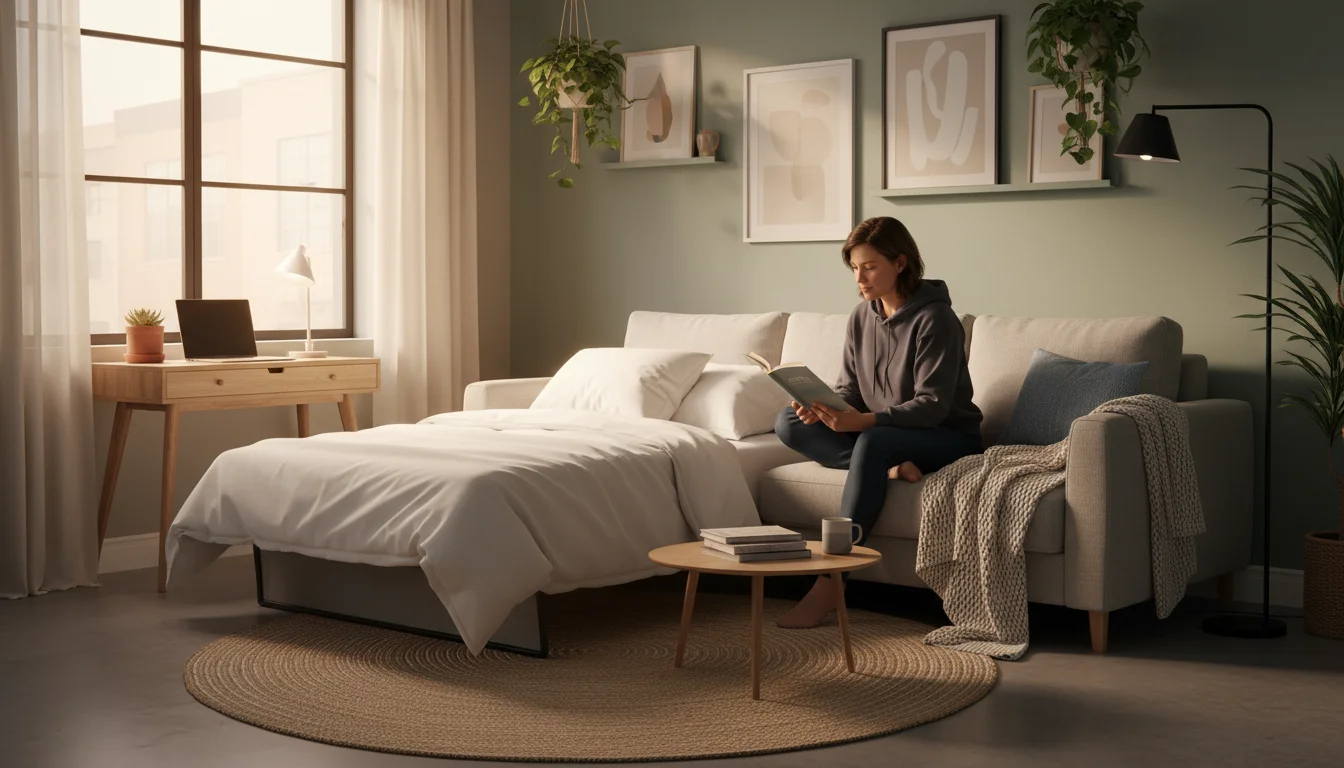
Multifunctional furniture, at its core, refers to pieces designed to fulfill two or more roles within your home. Imagine a sofa that converts into a bed, or an ottoman that provides seating, a footrest, and hidden storage. These items are the unsung heroes of small home living, turning spatial constraints into opportunities for clever design.
The benefits of integrating multifunctional furniture are clear and immediate. You reclaim valuable floor space, reduce visual clutter, and enhance the overall flexibility of your home. Instead of needing a separate guest room, a dedicated home office, and ample storage, a few well-chosen pieces can handle all these functions within your existing footprint. This approach makes your small home feel larger and more organized, allowing you to live comfortably without constant shuffling or compromise. Experts at Apartment Therapy often emphasize that thoughtful selection of items is crucial for maximizing utility in compact living environments, preventing your space from feeling overwhelmed.

Key Considerations When Choosing Multifunctional Furniture
Selecting the right multifunctional furniture for your small home requires careful thought. Do not rush into purchases. Instead, consider these practical factors to ensure your new pieces genuinely enhance your living space:
- Measure Your Space Accurately: Before you even begin browsing, measure the exact dimensions of the area where the furniture will go, including doorframes and hallways for delivery. Account for the furniture’s dimensions in both its primary and secondary configurations. For example, if you consider a sofa bed, measure its length and width as a sofa, and then its length and width when fully extended as a bed.
- Identify Your Primary Needs: What problem are you trying to solve? Do you need extra sleeping space for guests? More storage? A dedicated workspace that disappears when not in use? Prioritize the most critical functions. A piece that perfectly solves your main issue is far more valuable than one with many functions you rarely use.
- Prioritize Quality and Durability: Multifunctional furniture often gets more use and undergoes more transformations than single-purpose items. Invest in well-constructed pieces with sturdy mechanisms. Check reviews for longevity and ease of conversion. According to Consumer Reports, durability is a significant factor in furniture satisfaction, particularly for items that see frequent use or transformation. Look for solid wood frames, quality upholstery, and smooth-operating hardware.
- Match Your Style and Aesthetics: While functionality is paramount, the furniture should also blend seamlessly with your existing decor. Consider the color, material, and design. A piece that looks great in both its configurations contributes to a cohesive and inviting home environment.
- Set a Realistic Budget: Multifunctional furniture can range widely in price. Determine how much you are willing to spend. Remember that a higher upfront cost for a durable, high-quality piece can save you money in the long run by avoiding replacements. Also, consider budget-friendly options, including DIY projects or finding secondhand treasures.
- Assess Ease of Conversion: Some convertible pieces are effortless to transform, while others require more effort. If you plan to switch functions frequently, choose an item with smooth, intuitive mechanisms. Test it out in the store if possible.

Top Picks: Essential Multifunctional Furniture Pieces for Every Room
Let’s explore specific examples of multifunctional furniture that can revolutionize your small home, offering practical solutions for every area.
While focusing on furniture, remember that learning how to make a small bathroom feel bigger follows many of these same spatial principles.
Pairing these versatile furniture items with smart tiny kitchen organization ensures your entire home remains efficient and clutter-free.
Living Room Marvels
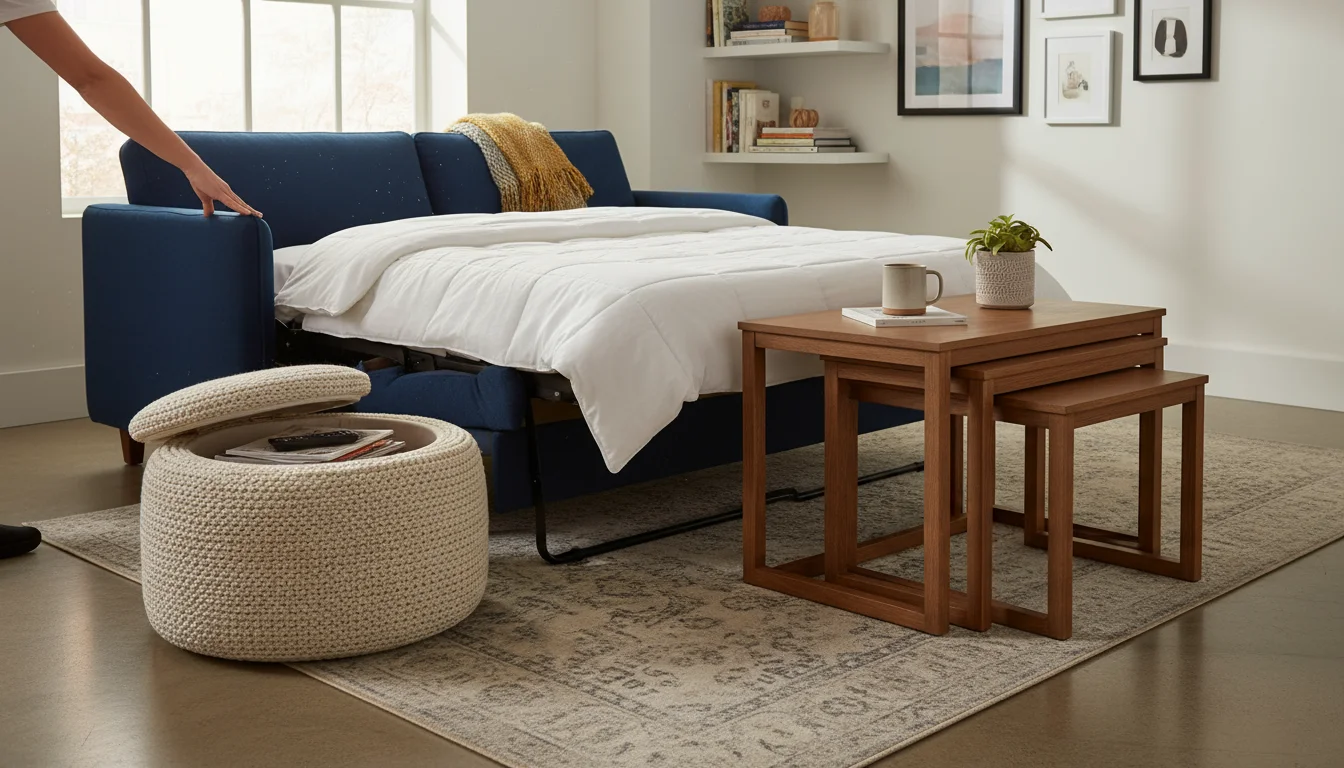
- Sofa Beds and Futons: The quintessential multifunctional item, a sofa bed instantly turns your living room into a guest room. Modern designs offer comfortable seating and surprisingly comfortable sleeping surfaces. Look for models with easy-to-pull-out mechanisms and integrated storage.
- Ottomans with Storage: These versatile pieces serve as a footrest, extra seating, and a hidden compartment for blankets, magazines, or remote controls. You can even use a sturdy, flat-topped ottoman as an impromptu coffee table.
- Nesting Tables: A set of nesting tables provides flexible surface space. Use them individually as side tables for drinks or snacks, then slide them together to save space when not needed. They are perfect for accommodating varying numbers of guests.
- Coffee Tables with Lift-Tops or Storage: A coffee table can be more than just a surface. Models with lift-tops transform into a comfortable workstation or a casual dining table. Others feature drawers or open shelves, offering vital storage for games, books, or electronics.
Dining and Kitchen Dynamos
- Drop-Leaf or Expandable Tables: These tables adapt to your needs. Keep them compact for daily meals, then extend them to accommodate family gatherings or dinner parties. This flexibility prevents your dining area from dominating your space permanently.
- Console Tables that Convert: A slim console table against a wall in your entryway or living room can cleverly transform into a full-sized dining table when guests arrive, ideal for those who rarely host large meals but appreciate the option.
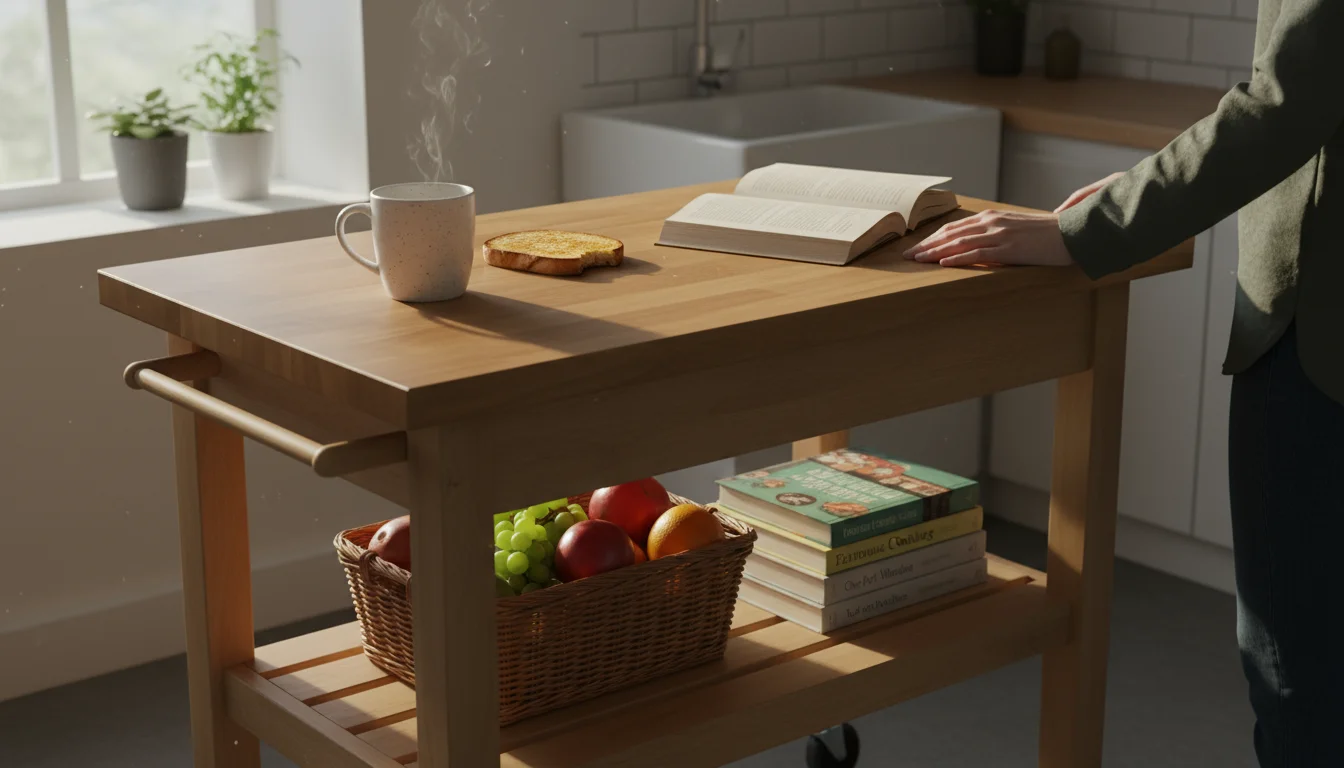
- Bar Carts/Kitchen Islands on Wheels: A mobile bar cart can store glassware and spirits, serve as an extra prep surface in the kitchen, or become a serving station during entertaining. A small island on wheels provides additional counter space and storage, moving out of the way when you need more room.
Bedroom Innovations
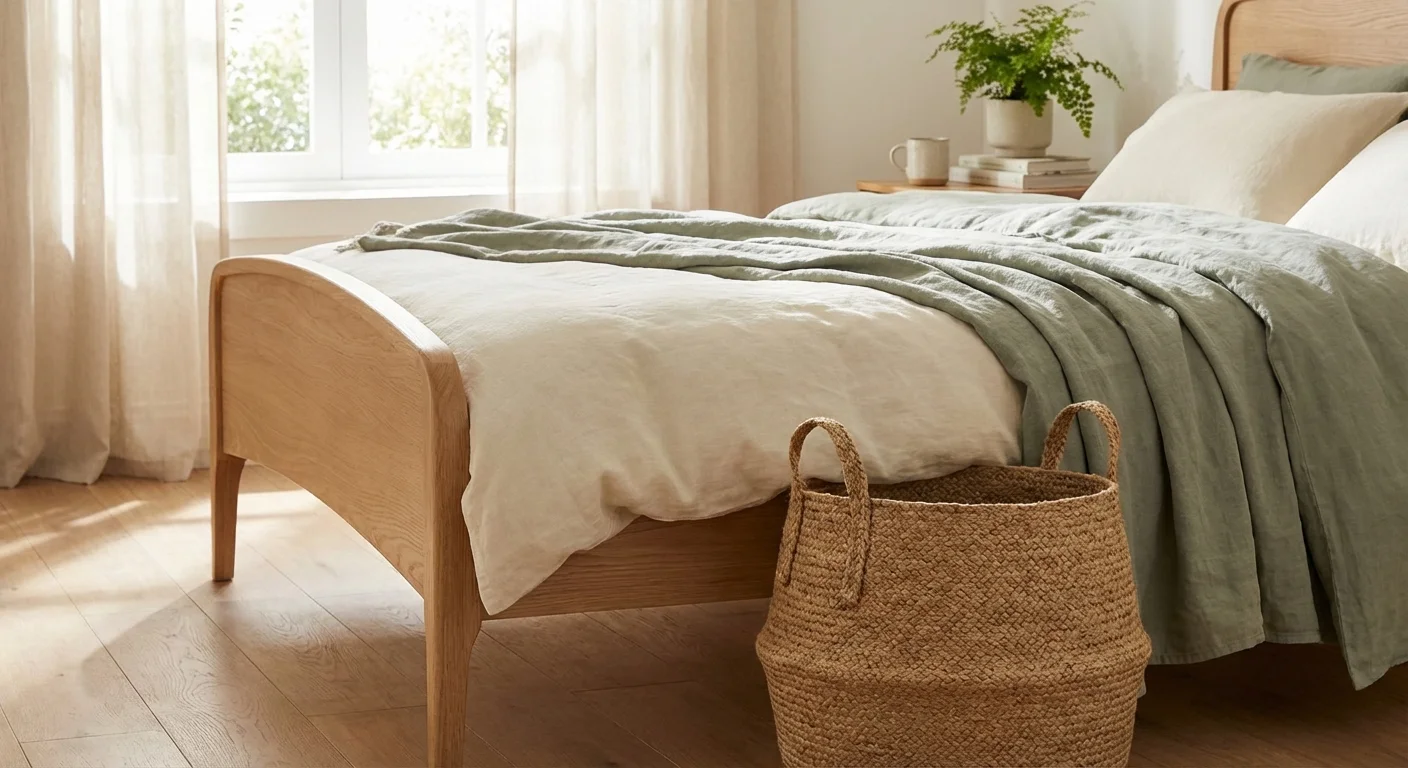
- Storage Beds: Maximize under-bed space with integrated drawers or lift-up platforms that reveal ample storage for linens, seasonal clothing, or extra bedding. This eliminates the need for bulky dressers.
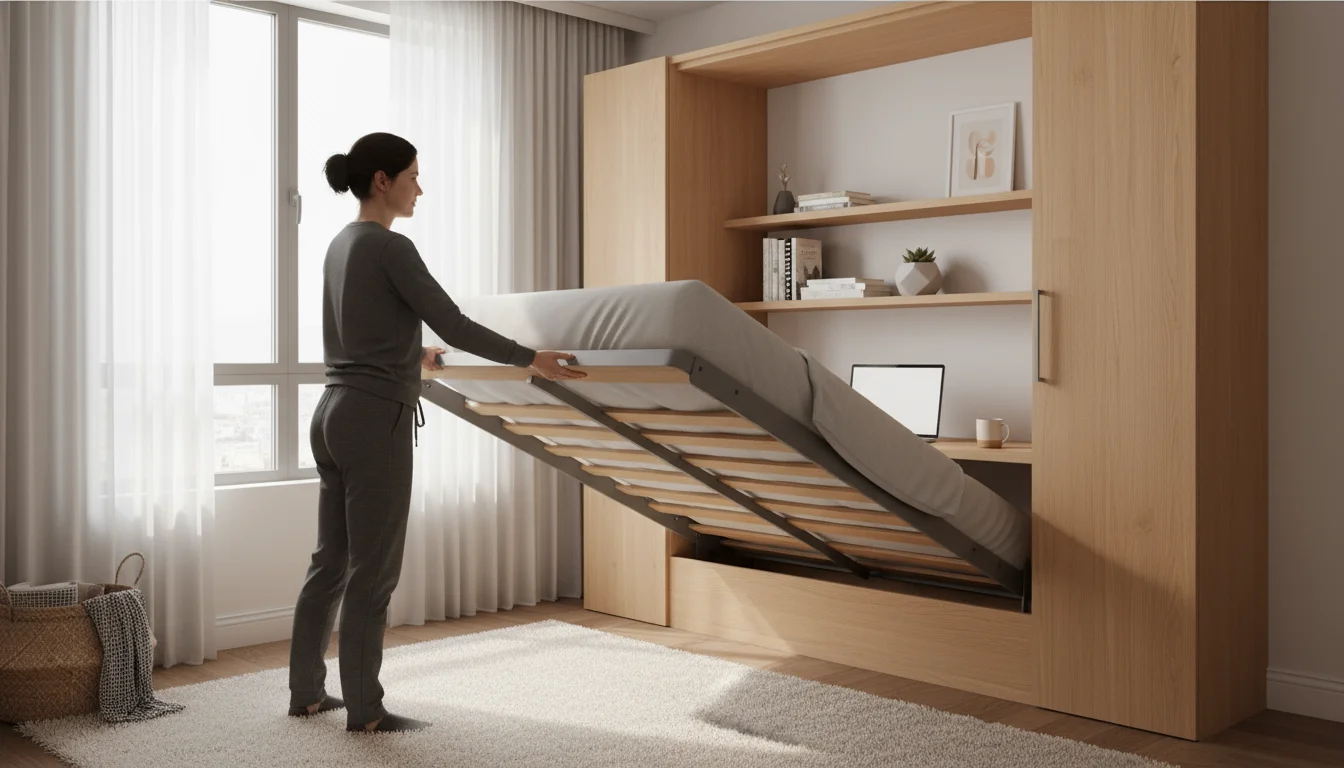
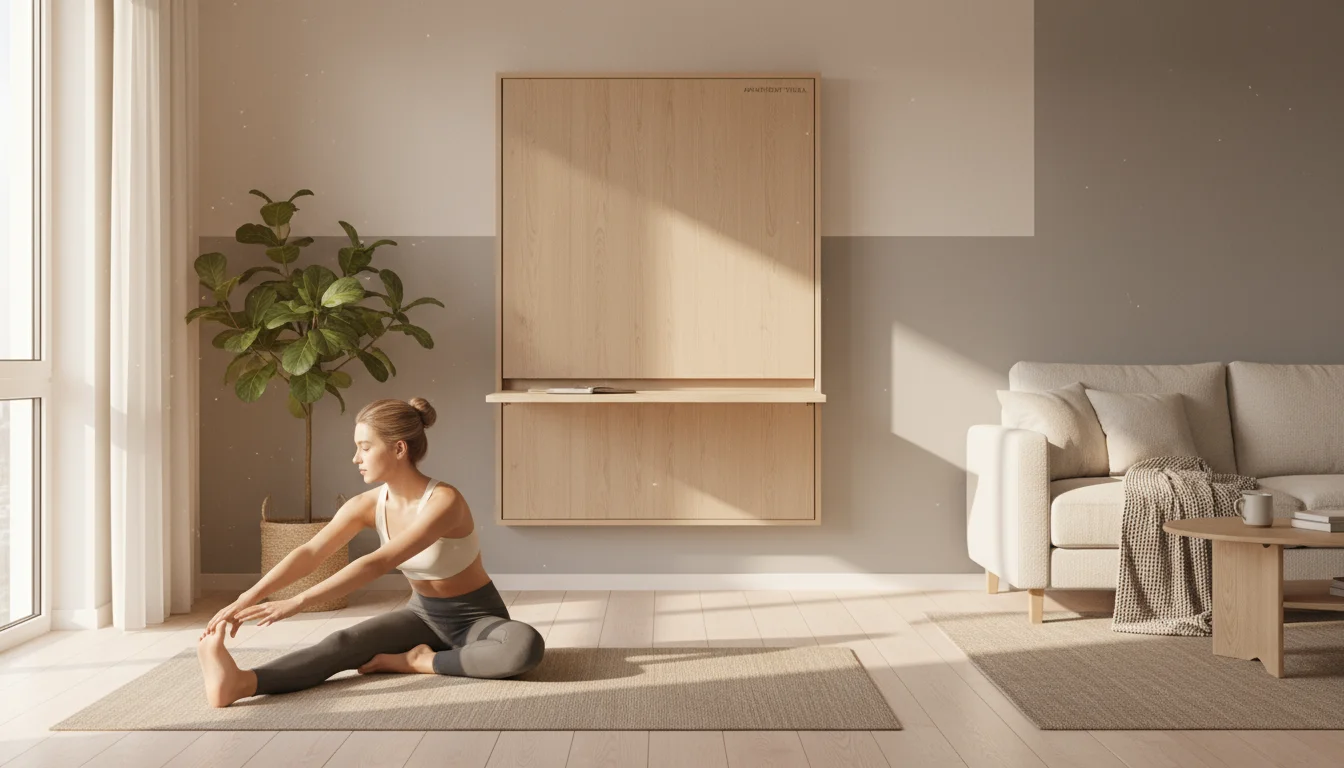
- Wall Beds (Murphy Beds): For the ultimate space-saving solution, a wall bed folds vertically into a cabinet or wall unit, completely reclaiming your floor space during the day. Many come with integrated shelving or desk components, adding even more functionality.
- Desk/Vanity Combos: A small desk in your bedroom can double as a vanity, especially with a mirror that stores away or flips up. This provides a dedicated area for work or personal care without needing two separate pieces of furniture.
Home Office Heroes
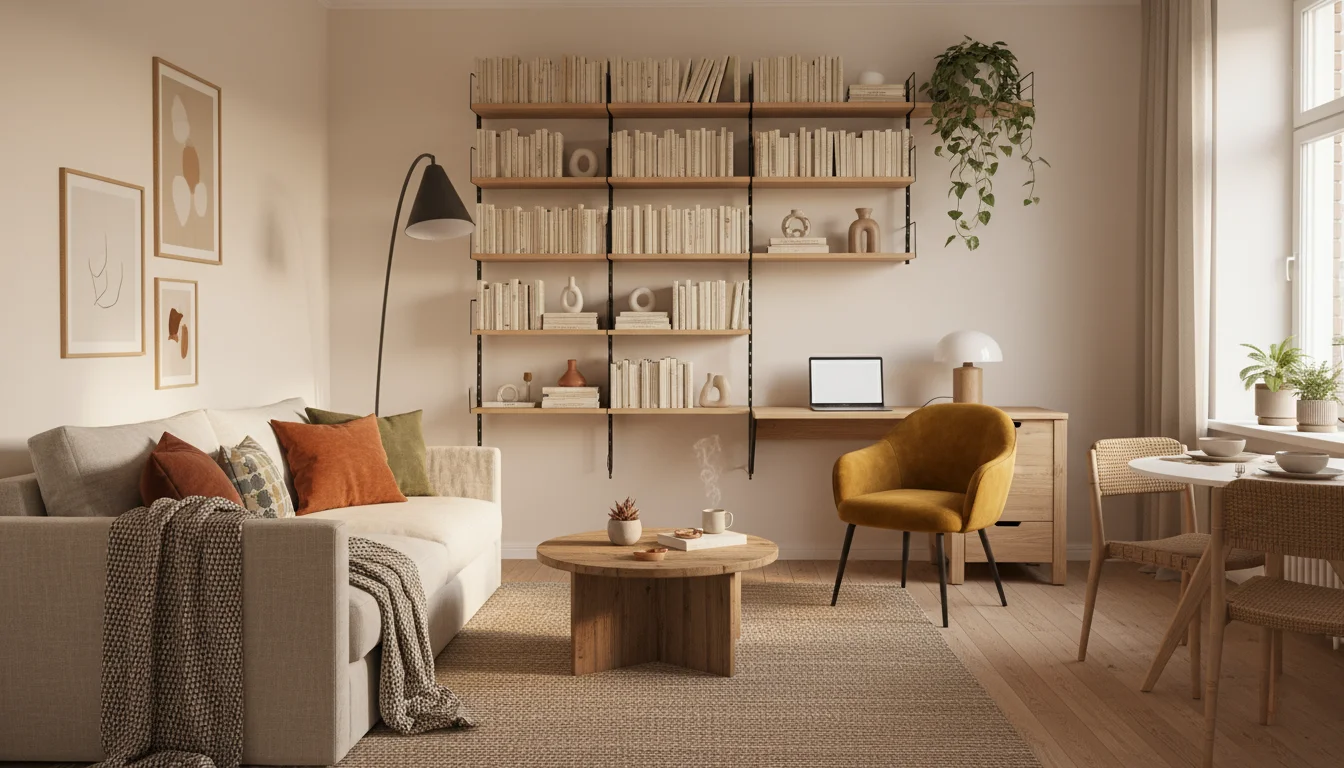
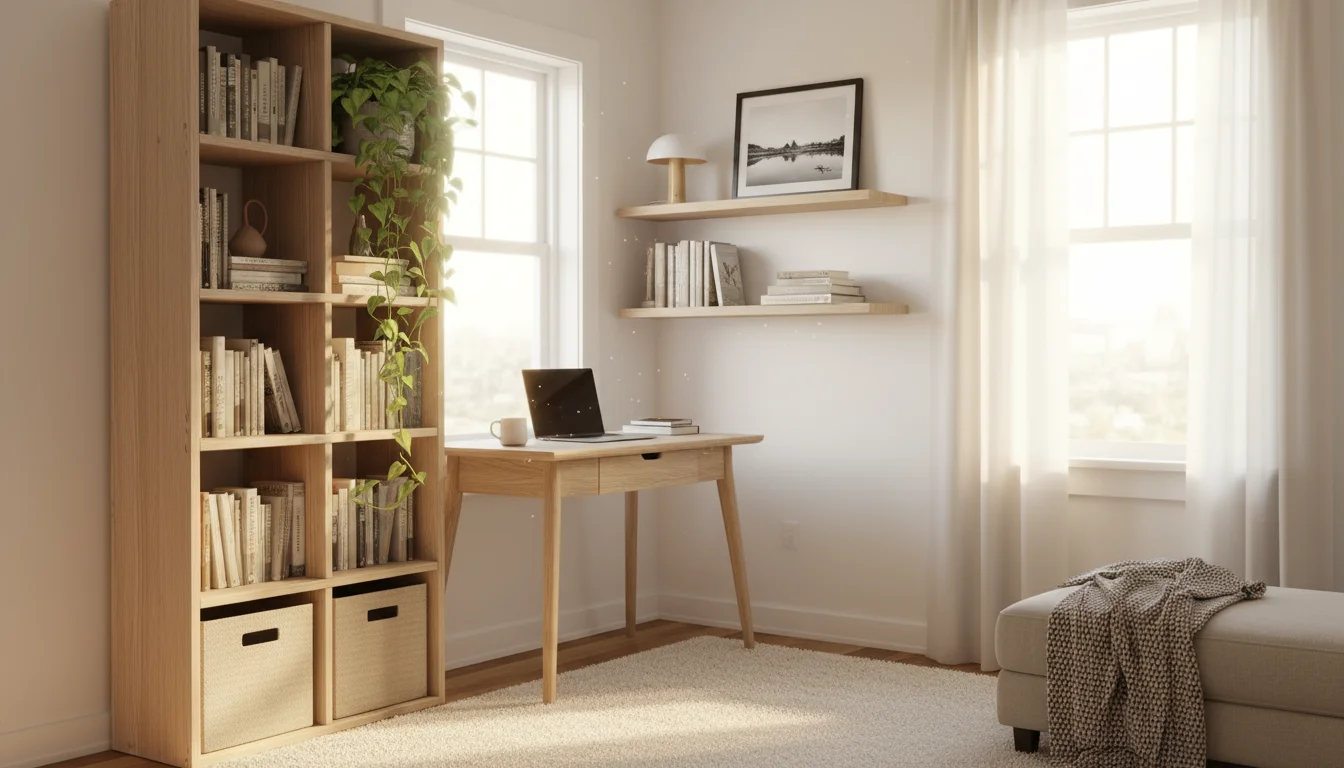
- Desk/Bookshelf Combos: Integrate your workspace with storage. A desk designed with built-in shelving or drawers provides a compact and organized solution for books, files, and office supplies.
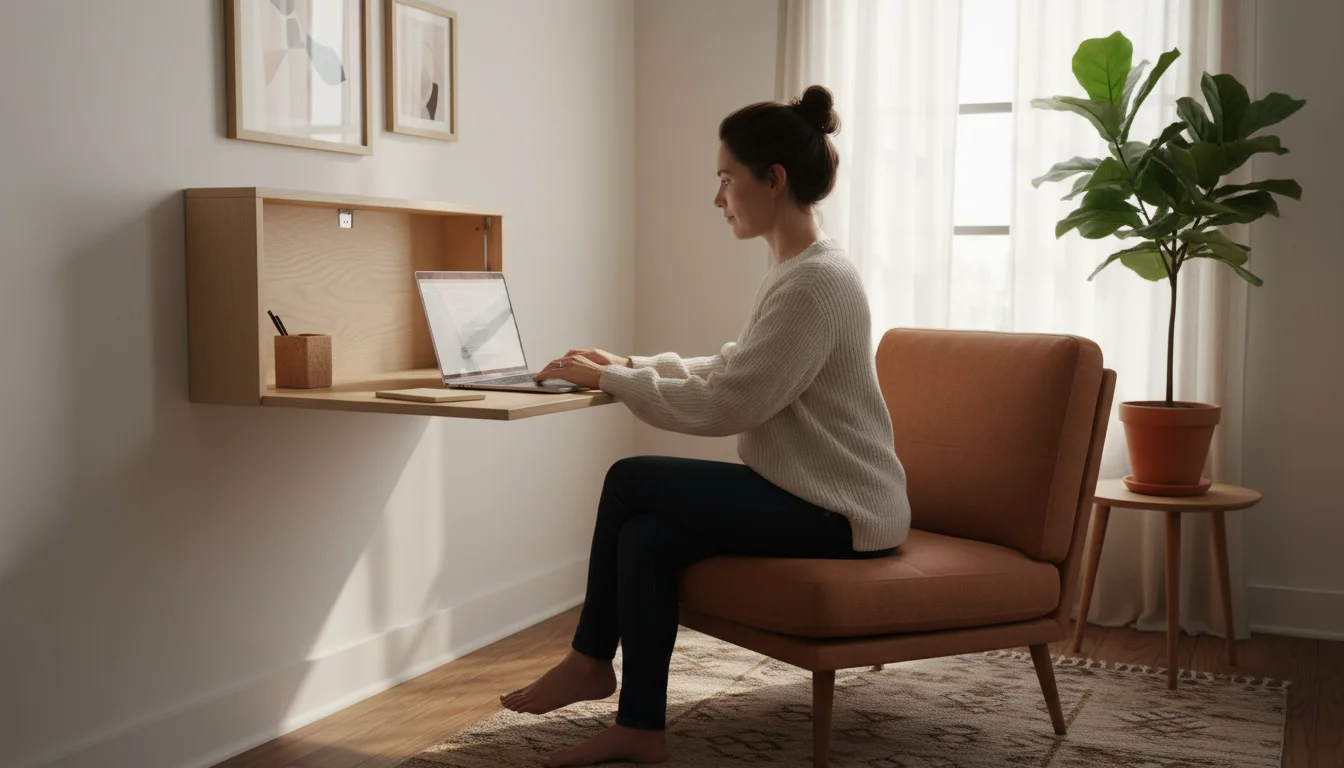
- Folding Desks: These desks can fold flat against a wall or tuck away into a closet when your workday ends, keeping your living space free from office clutter. They are ideal for hybrid workers or those who only need a temporary workspace.
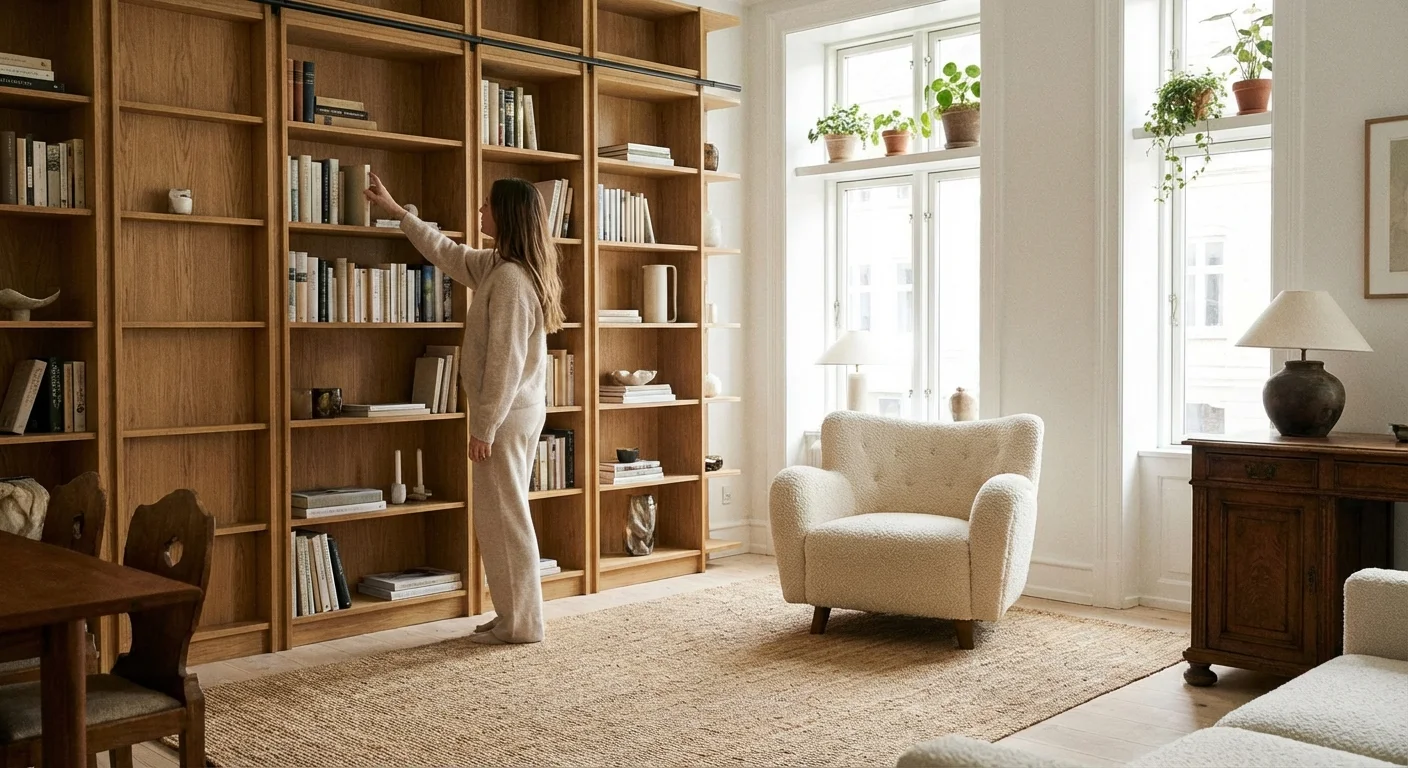
- Modular Shelving Systems: Highly adaptable shelving units can be reconfigured to suit different needs. Use them for books, decor, or as part of a modular desk setup, growing or shrinking with your requirements.
Maximizing Your Layout: Integrating Multifunctional Pieces
Acquiring multifunctional furniture is just the first step. The real magic happens when you integrate these pieces thoughtfully into your home layout. Consider these strategies:
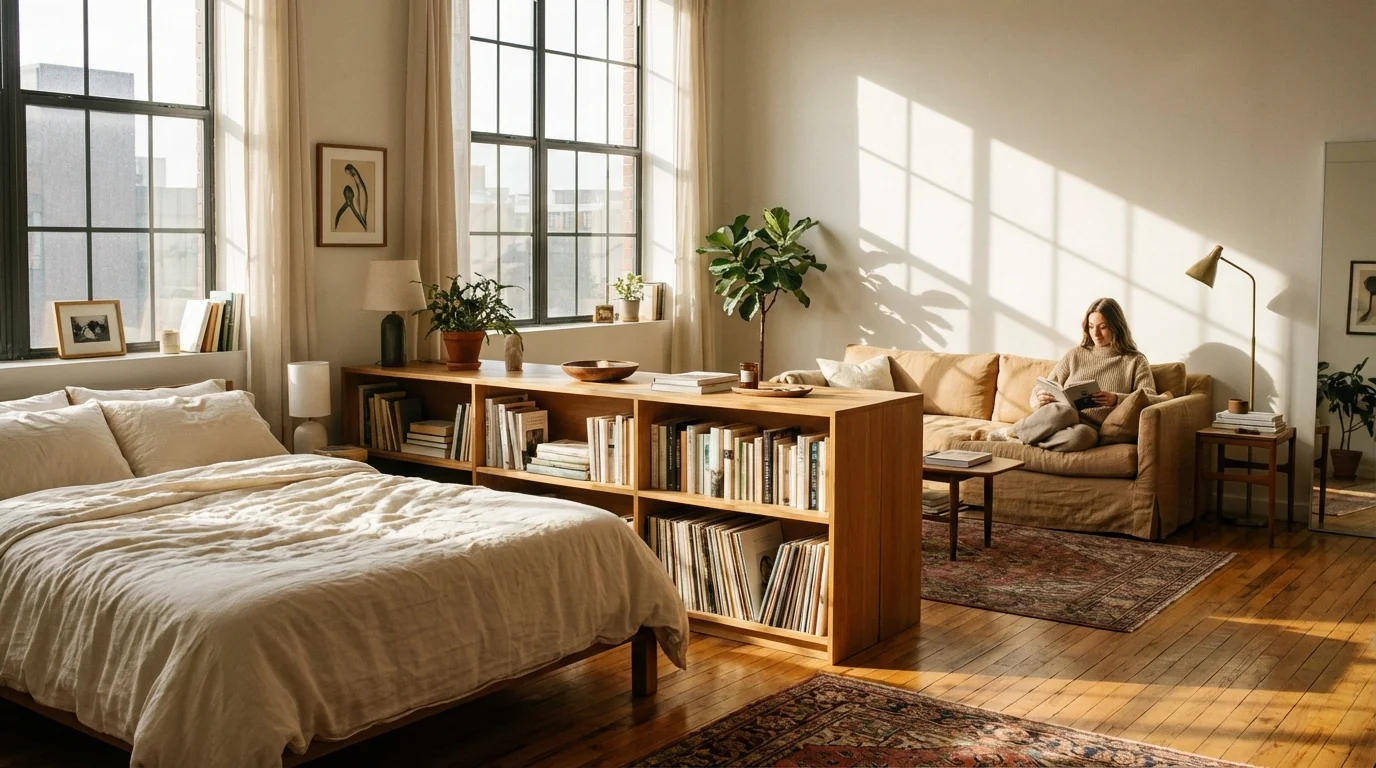
Incorporating studio apartment room divider ideas can further help separate living and sleeping areas without using solid walls.
A key part of the process is understanding how to arrange furniture to ensure your home feels cozy rather than cramped.
To truly utilize every square inch of your common areas, consider exploring unique corner shelving ideas for added utility.
- Zone Planning: Designate specific “zones” or areas for different activities. Even in a studio apartment, you can have a “sleeping zone,” a “working zone,” and a “relaxing zone.” Multifunctional furniture helps define these without needing permanent walls. For instance, a console table acting as a dining table can mark the edge of a dining zone.
- Leverage Vertical Space: Always look up! Wall-mounted shelving, tall storage units, and even wall beds free up precious floor space. When choosing multifunctional pieces, consider those that incorporate vertical elements, such as a desk with an overhead shelf or a storage bed with a tall headboard featuring cubbies.
- Ensure Clear Traffic Flow: Arrange your furniture to allow for unobstructed pathways throughout your home. Even when a piece is in its secondary function (like a sofa bed pulled out), you should still have enough room to move around comfortably. This requires careful measurement and planning. According to The Spruce, maintaining clear pathways is essential for both safety and the perception of spaciousness in any home, especially a small one.
- Embrace Flexibility: Your home’s needs can change daily. Choose pieces that you can easily reconfigure. For example, lightweight nesting tables can move around the room as needed, while modular seating can adapt for entertaining or quiet evenings.
- Use Lighting to Define Zones: Strategic lighting can further enhance your flexible layout. A floor lamp can highlight your reading nook, even if that nook is part of your living room sofa. Task lighting over a convertible desk signals a workspace, and softer ambient light can return the area to a relaxing space.
DIY Hacks and Budget-Friendly Solutions
Multifunctional furniture does not always require a hefty investment. You can achieve similar space-saving benefits through smart DIY projects and budget-conscious choices.
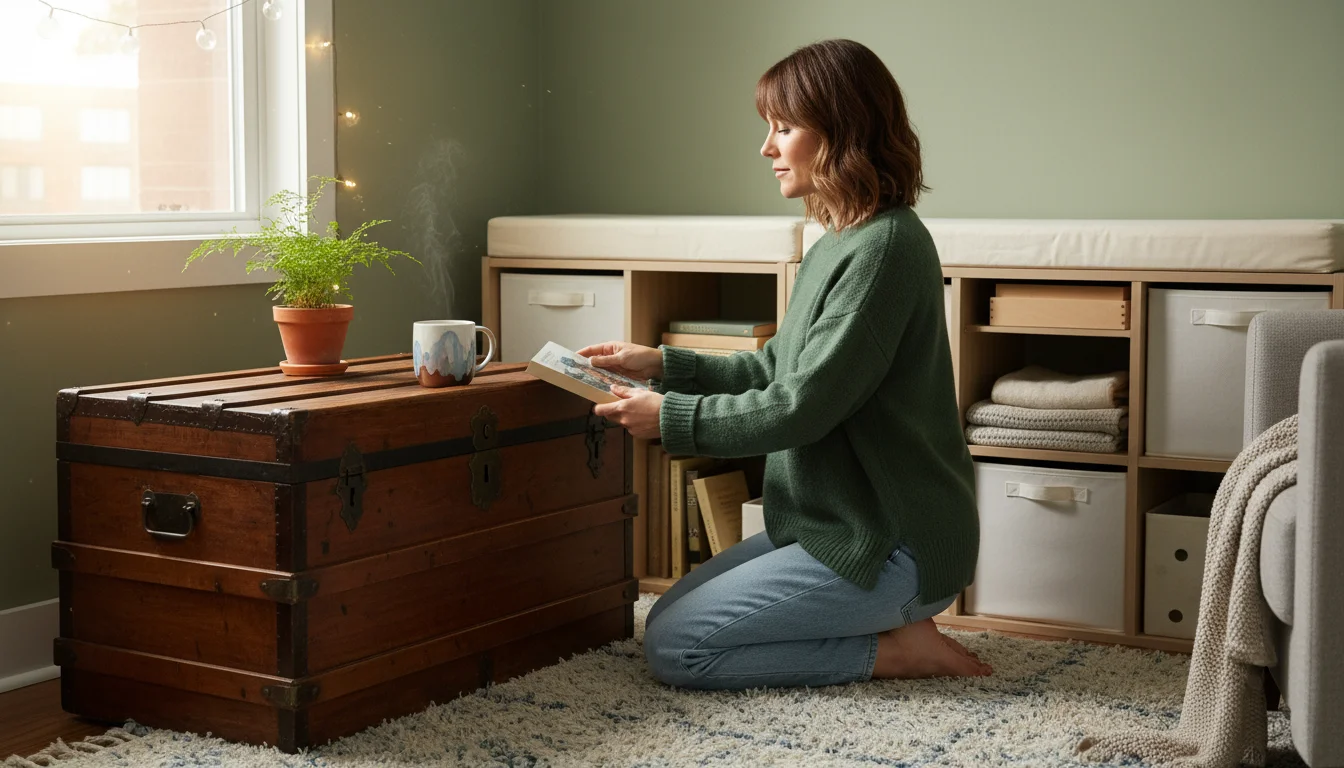
- Repurpose and Upcycle: Look at existing items with new eyes. An old wooden chest can become a coffee table with internal storage. Stacked vintage suitcases serve as a unique side table. Reusing materials is not only budget-friendly but also adds character to your home.
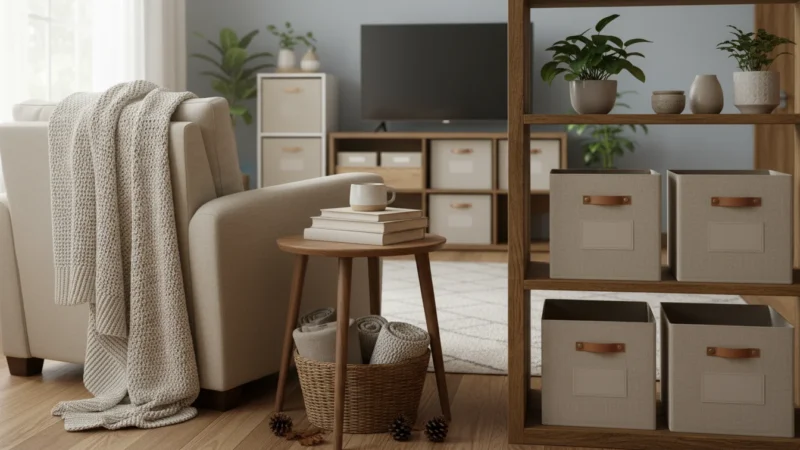
- Modular Storage Systems: Affordable cubby organizers, stackable bins, and basic shelving units can be configured in endless ways to create storage that also functions as room dividers, benches, or even media centers. Many retailers offer simple, cost-effective modular solutions. You can find excellent ideas for adapting basic modular pieces for multiple uses at IKEA Home Organization.
- Build Your Own Ottoman with Storage: With some basic woodworking skills, you can construct a simple wooden box, add a hinged lid, and upholster it. This creates custom storage and seating tailored to your space and style.
- IKEA Hacks: IKEA products are renowned for their versatility and affordability. Many online communities share creative “hacks” that transform standard IKEA items into custom, multifunctional pieces. For example, turning a simple KALLAX shelving unit on its side to serve as a bench with cubby storage.
- Thrift Store Finds: Keep an eye out for solid, well-built furniture pieces at thrift stores or secondhand shops. You can often find classic items like old trunks or sturdy sideboards that can be repurposed with a fresh coat of paint or new hardware.

Maintenance and Longevity for Your Smart Furniture
Since your multifunctional pieces work harder, they require a bit more attention to ensure they last. Proper care extends their lifespan and keeps them operating smoothly.
- Regular Cleaning: Follow the manufacturer’s cleaning instructions for upholstery, wood, or metal components. Dust regularly and spot-clean spills immediately to prevent stains.
- Inspect and Lubricate Mechanisms: For items with moving parts, such as sofa beds or lift-top coffee tables, periodically check hinges, tracks, and springs. Lubricate them with appropriate products (e.g., silicone spray for metal parts) if they start to creak or stick.
- Operate with Care: Always use convertible furniture as intended. Avoid forcing mechanisms or slamming parts shut. Gentle operation prevents wear and tear on the moving components.
- Protect Surfaces: Use coasters, placemats, and tablecloths to protect surfaces from spills, scratches, and heat damage. This simple step preserves the appearance and integrity of your furniture.
- Distribute Wear: If you have a sofa bed that you use frequently, consider rotating cushions or varying the sleeping side if possible, to distribute wear evenly.

Avoiding Common Mistakes When Decorating Small Spaces
Even with the best multifunctional furniture, certain pitfalls can make a small space feel cramped. Here is how to avoid them:
- Over-filling the Space: Resist the urge to buy too many pieces, even if they are multifunctional. A room with too much furniture, regardless of its individual size, will feel cluttered and small. Prioritize quality over quantity.
- Blocking Natural Light: Avoid placing tall or bulky furniture directly in front of windows. Natural light makes a room feel more open and airy. If you must place furniture near a window, opt for low-profile pieces.
- Ignoring Vertical Space: Neglecting walls and the area above eye level is a missed opportunity. Vertical storage and decor draw the eye upward, making the room feel taller.
- Poor Planning and Impulse Buys: Do not buy furniture on a whim. Always measure your space, consider your needs, and visualize how the piece will function in your home before making a purchase.
- Sacrificing Comfort for Functionality: While functionality is important, your furniture should also be comfortable. A sofa bed that is impossible to sleep on, or a desk that hurts your back, defeats the purpose. Prioritize pieces that offer both.

Frequently Asked Questions
Is multifunctional furniture expensive?
The cost of multifunctional furniture varies significantly based on quality, materials, and brand. While some high-end pieces can be a substantial investment, many budget-friendly options exist. You can find affordable solutions through DIY projects, second-hand stores, or retailers known for value, ensuring you do not compromise your budget.
Can multifunctional furniture truly save space?
Absolutely. By consolidating two or more functions into one piece, multifunctional furniture dramatically reduces the number of items needed in a room, freeing up valuable floor space. For example, a storage ottoman replaces a separate footrest, seating, and a storage bin, effectively maximizing your living area.
How do I choose the right style of multifunctional furniture?
Consider your existing decor and personal taste. Look for clean lines and neutral colors for versatility, or choose a statement piece if you want it to be a focal point. Ensure the piece complements your current aesthetic so your home feels cohesive and inviting, not piecemeal.
What is the most versatile piece of multifunctional furniture?
Many consider the sofa bed or a storage ottoman to be among the most versatile. A sofa bed instantly provides seating and sleeping space, while a storage ottoman offers seating, a footrest, and hidden storage. The “best” piece ultimately depends on your specific needs and the room’s primary function.
How often should I clean my convertible furniture?
Regular cleaning is essential. Dust surfaces weekly and vacuum upholstery as needed to prevent dust and debris buildup. For convertible parts, inspect and clean mechanisms every few months, ensuring smooth operation. Always follow the manufacturer’s specific cleaning and maintenance guidelines for the longest lifespan.
For expert home organization guidance, visit
American Cleaning Institute, National Association of Professional Organizers, Institute for Challenging Disorganization, Consumer Reports — Home and This Old House.
Disclaimer: This article is for informational purposes only and is not a substitute for professional advice. Consult professional organizers or specialists for personalized recommendations.


Leave a Reply