Living in a small space often means making clever choices about your furniture and layout. When you need a dedicated workspace, but a traditional desk takes up too much precious square footage, a fold-down desk becomes your ultimate space-saving solution. It offers the functionality of a full-sized desk exactly when you need it, then discreetly disappears when you do not. This versatility makes it perfect for apartment dwellers, tiny home owners, or anyone seeking a flexible home office without sacrificing their living area.
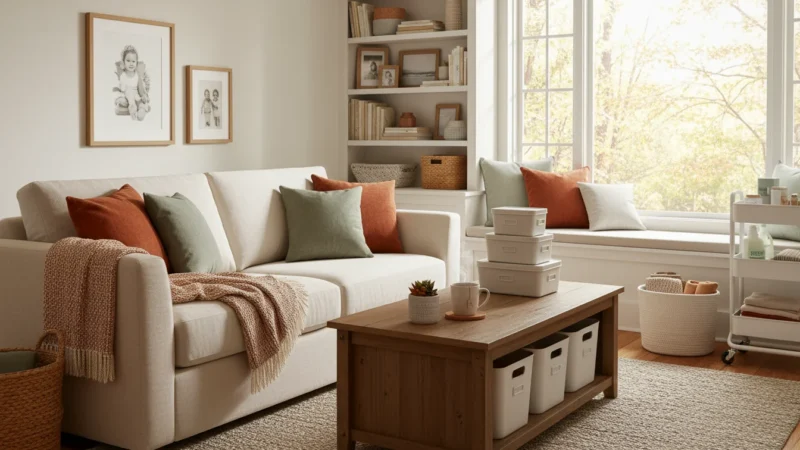
In addition to these solutions, you can find budget-friendly ways to make your living room cozier to create an inviting atmosphere while you work.
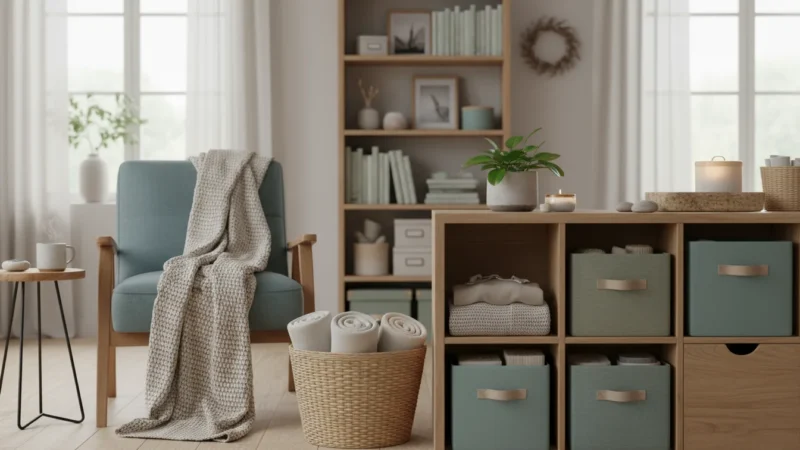
Beyond work, these surfaces can even help you in creating a reading nook in a quiet corner of your home.
Creating a functional and comfortable home office in a tiny space presents unique challenges. You need solutions that work hard, adapt to multiple uses, and keep clutter at bay. Fold-down desks deliver on all these fronts, transforming a wall or a cabinet into a productive zone in moments. Let’s explore how these ingenious desks can revolutionize your tiny home office and keep your living space feeling open and organized.
Why a Fold-Down Desk Transforms Your Tiny Office
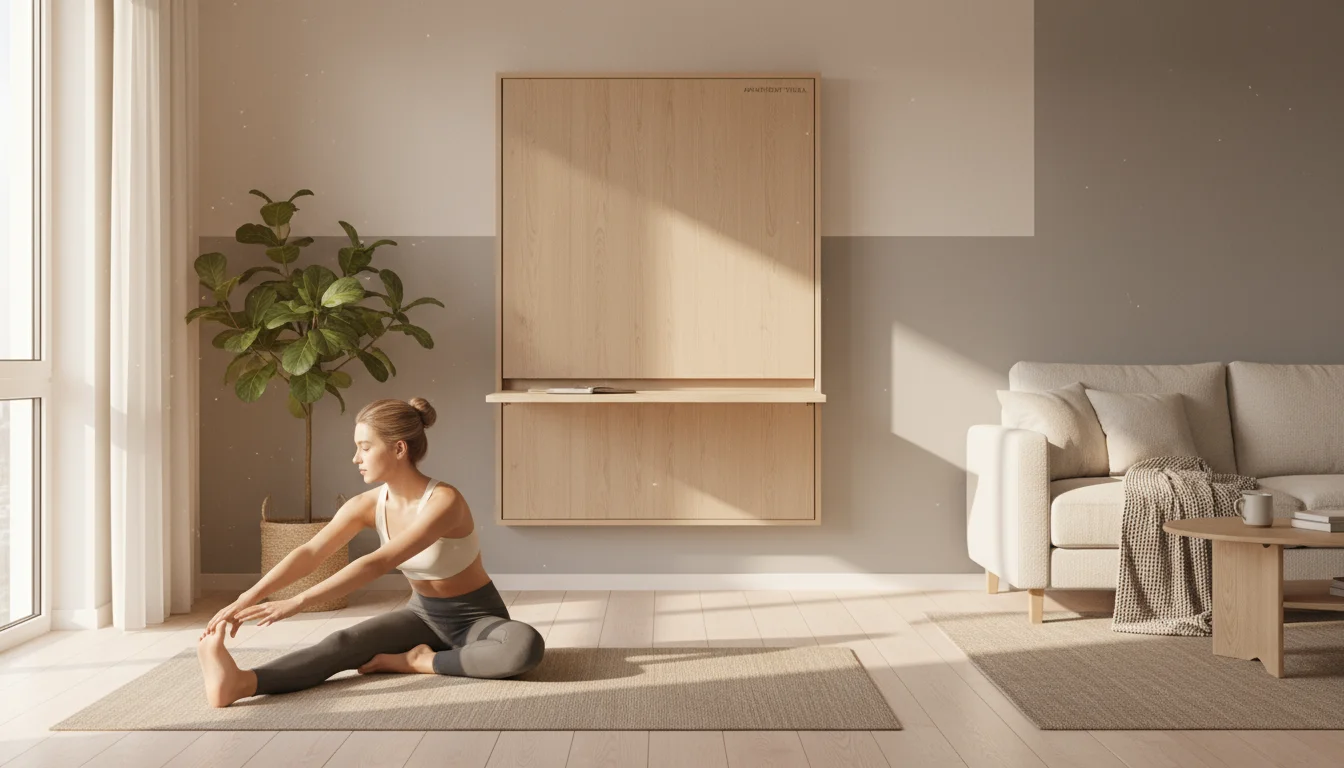
Tiny living spaces demand smart furniture that serves multiple purposes. A fold-down desk embodies this principle, offering a designated workspace that does not permanently consume your floor plan. Imagine a desk that lets you tackle your tasks with full focus, then vanishes to free up space for entertaining, exercise, or simply relaxing.
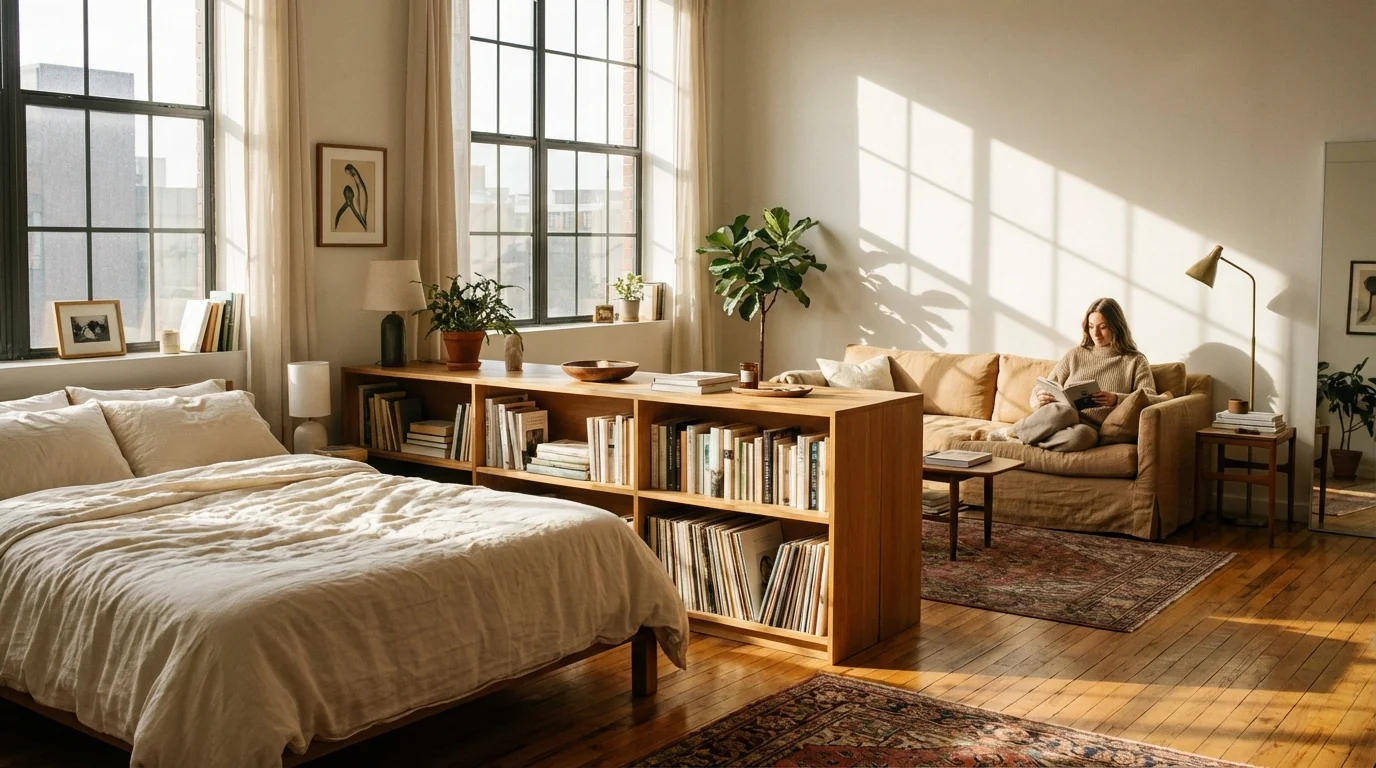
For more ways to define your living and working areas, check out these studio apartment room divider ideas that work without adding permanent walls.
The primary benefit of a fold-down desk is its ability to reclaim valuable floor space. In a small apartment or studio, every square foot matters. A traditional desk can make a room feel cramped and cluttered, interrupting the flow of movement. Fold-down desks, by contrast, offer a temporary, yet fully functional, surface. When closed, they typically present as a sleek panel, a shallow cabinet, or even blend seamlessly into existing shelving. This allows your room to maintain an open and airy feel, adapting to your needs throughout the day.
These desks also facilitate creating distinct “zones” within a single room. Zoning involves designating specific areas for particular activities. For example, your living room might also need to serve as your dining area and your home office. With a fold-down desk, you can define your “work zone” when the desk is down, signaling to your brain that it is time to concentrate. When you fold it back up, your “living zone” reclaims its full dimension, promoting relaxation and minimizing the feeling that your work is always encroaching on your personal space. This mental separation is crucial for maintaining work-life balance in a compact home.
According to experts at Apartment Therapy, maximizing space in small homes often involves choosing multi-functional items and implementing vertical storage solutions. A fold-down desk is a prime example of furniture designed with this philosophy, making it an invaluable asset for busy homeowners and renters alike.
Understanding Different Fold-Down Desk Styles
Fold-down desks come in various designs, each offering unique advantages depending on your space, aesthetic preferences, and specific needs. Understanding these styles helps you choose the perfect fit for your tiny home office.
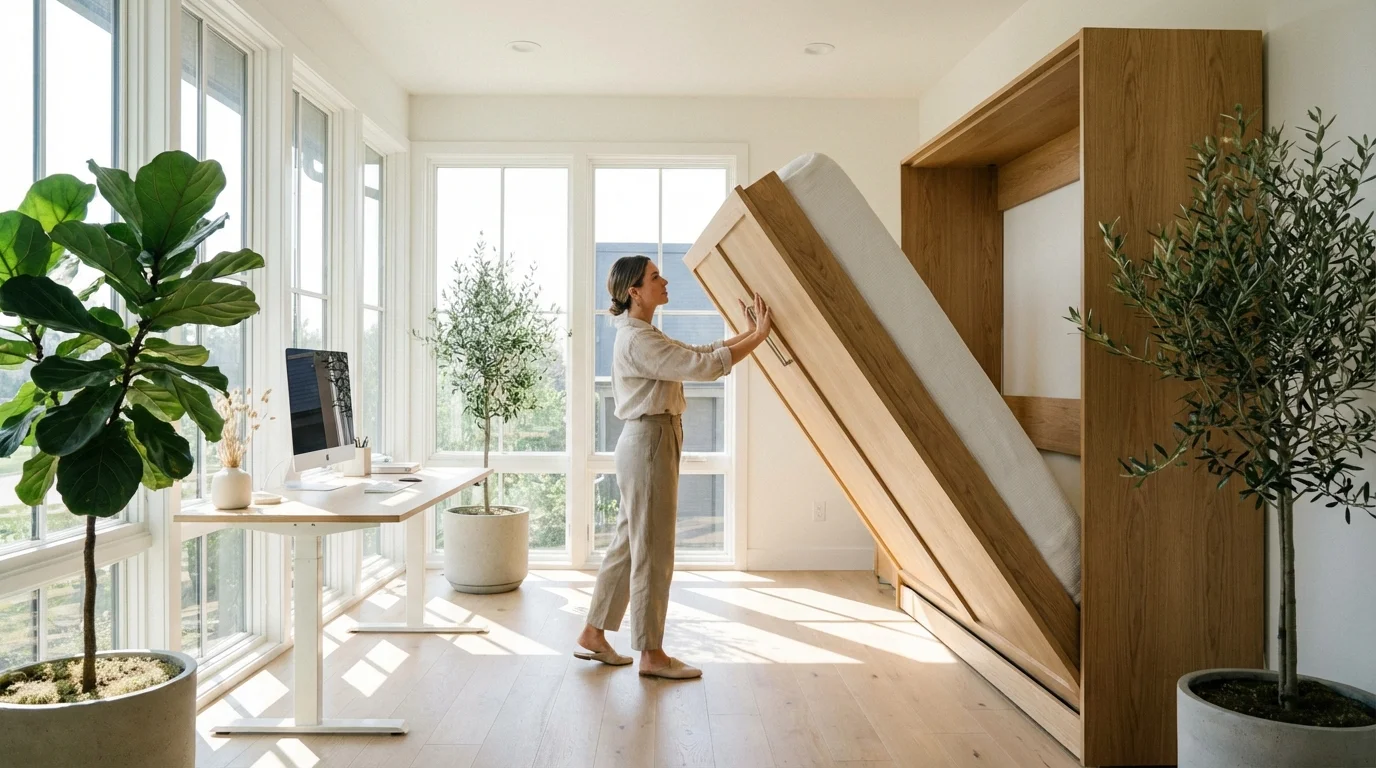
If you utilize a Murphy bed to save space, adding under-bed storage ideas can further help in organizing items that don’t belong in your work zone.
1. Wall-Mounted Fold-Down Desks:
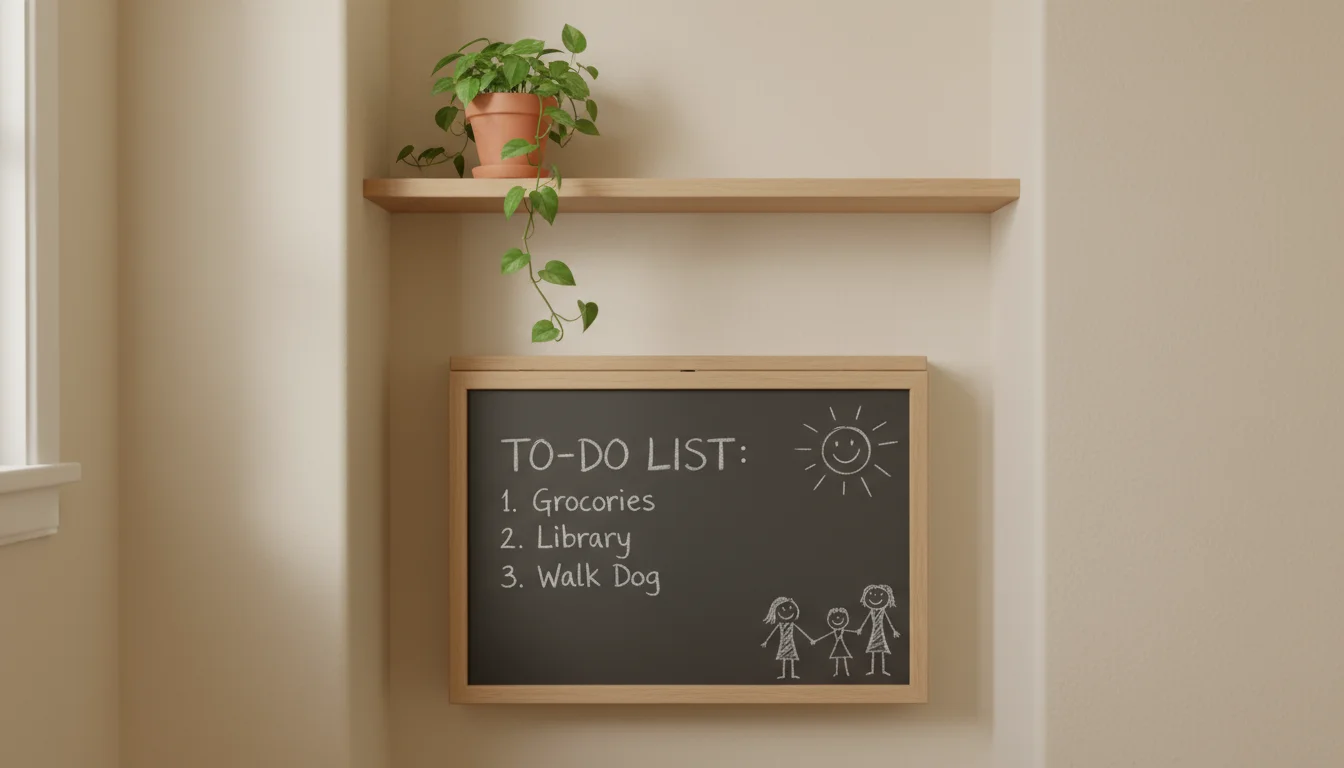
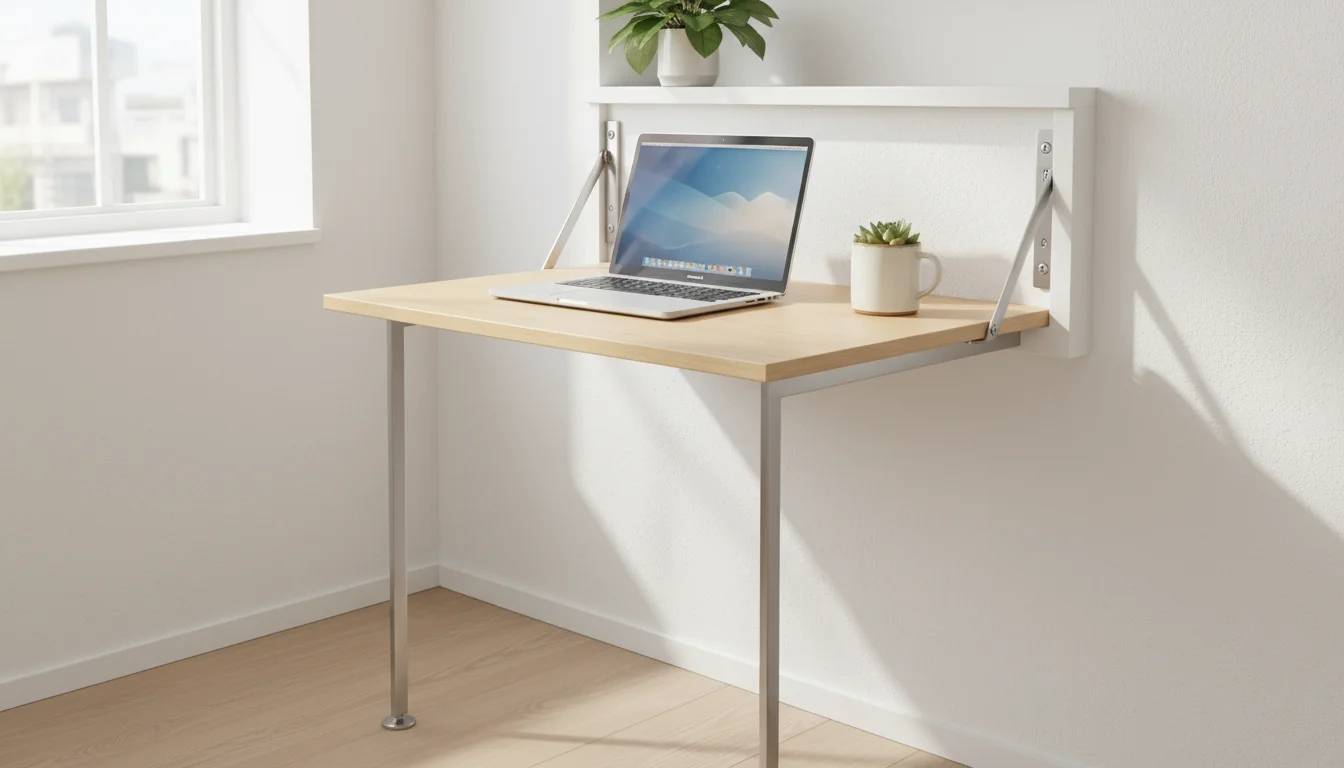
This is the most common and often the simplest type. A sturdy panel, usually made of wood or engineered wood, attaches to the wall with hinges. When open, it forms a flat work surface. When closed, it folds flush against the wall. Some designs include a small chalkboard, whiteboard, or corkboard on the underside of the panel when closed. These desks offer minimal visual clutter and are excellent for very tight spaces. They work well for laptop use, writing, or light tasks.
2. Cabinet or Bookshelf Integrated Desks:
These desks conceal themselves within a larger piece of furniture. You might find them built into a slim wall cabinet, a bookshelf, or even an entertainment unit. When you need a workspace, you open a door or pull down a panel that reveals the desk surface, often accompanied by small shelves or compartments for office supplies. This style offers a more polished, integrated look, effectively hiding your workspace when not in use. It is ideal for those who prefer their office area to completely disappear, maintaining a cohesive interior design.
3. Murphy Bed/Desk Combos:
For the ultimate space-saving solution in a studio apartment or a guest room, a Murphy bed/desk combination unit excels. These ingenious systems integrate a fold-down desk directly beneath a Murphy bed. During the day, the desk provides a functional workspace. In the evening, the desk folds away as the bed pulls down. This allows a single room to serve as both a bedroom and a fully functional office, a truly transformative solution for multi-purpose living. Bob Vila, a trusted name in home improvement, often highlights such innovative designs on Bob Vila, emphasizing their utility in maximizing square footage.
4. Convertible Console Tables:
While not always strictly “fold-down,” many console tables offer convertible features that achieve a similar space-saving effect. These tables might expand from a narrow console into a larger dining table or desk. Some designs feature a hinged top that folds open to double the surface area. They provide versatility and can easily transition from an entryway piece to a temporary desk or even an extra serving surface. This style works well for those who need occasional desk space and prefer freestanding furniture.
Each style caters to different levels of integration, storage needs, and aesthetic preferences, ensuring you can find a fold-down desk that perfectly complements your tiny home office vision.
Key Considerations for Choosing Your Fold-Down Desk
Selecting the right fold-down desk for your tiny home office involves more than just picking a pretty design. Thoughtful consideration of your needs and space ensures you choose a desk that functions effectively and enhances your daily life.
When work is done, maximizing closet space allows you to tuck away office supplies, helping you maintain a clear mental boundary between work and home life.
Ensure your new workspace supports your health by creating an ergonomic home office setup tailored to your specific physical needs.
1. Space Assessment and Placement:
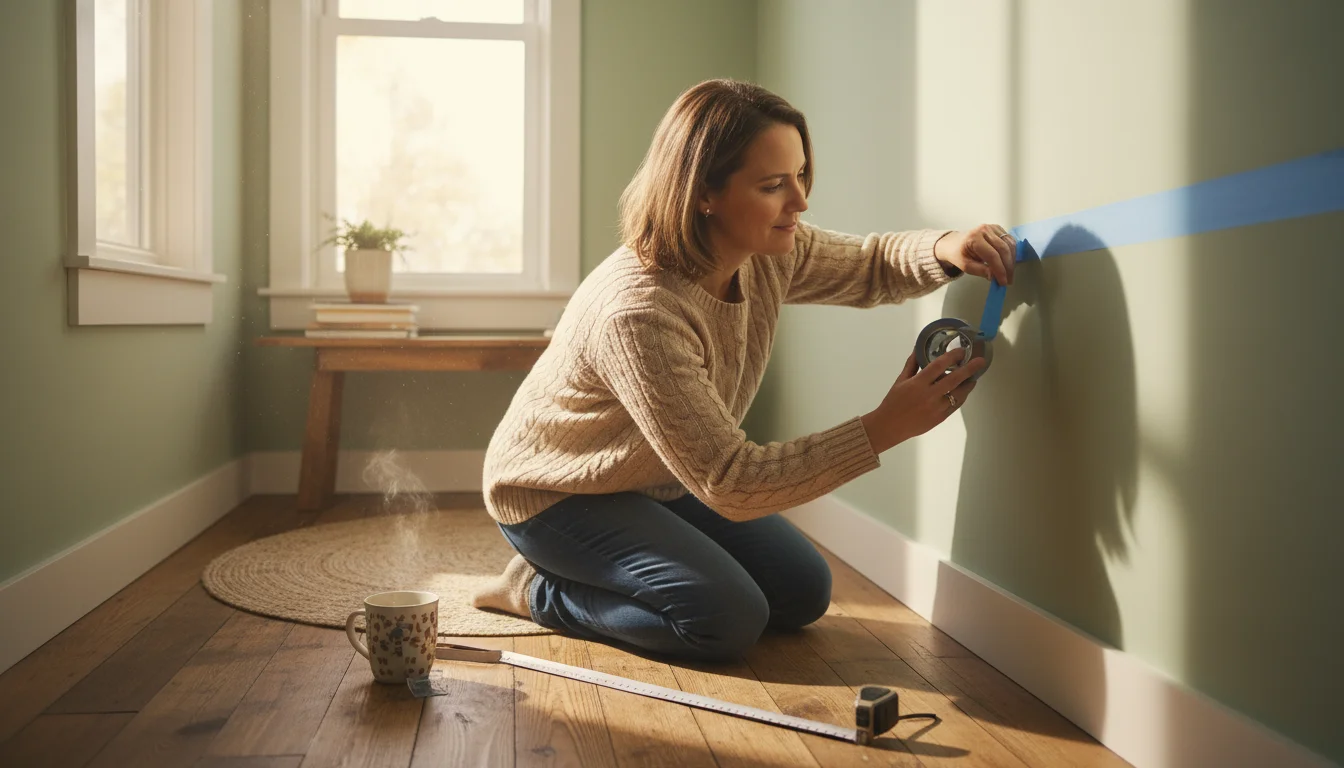
Before anything else, measure your available wall space or floor area meticulously. Consider where the desk will sit when open and closed. Ensure it does not block doorways, windows, or pathways. Think about the swing radius of the desk surface if it is wall-mounted. An open desk should not impede movement or block access to essential items. Mark out the dimensions with painter’s tape to visualize the desk in your space.
2. Functionality Needs:
What tasks will you perform at this desk?
- Laptop Work: A simple, shallow desk suffices.
- Monitor Use: You need a deeper, sturdier surface, possibly with cable management features. Check weight capacity carefully.
- Writing/Crafts: Consider the material for durability against pens, tools, or spills.
- Drawing/Design: A larger surface might be necessary, and perhaps an adjustable height feature, if available.
Identify your core activities to ensure the desk supports your work comfortably and efficiently.
3. Storage Integration:
A desk is only part of an office; storage for supplies is crucial. Many fold-down desks incorporate shelves, drawers, or cubbies. Some wall-mounted options hide shallow storage behind the folded panel. Integrated storage reduces clutter and keeps essentials close at hand. If the desk lacks storage, plan for nearby wall shelves, a slim rolling cart, or attractive bins.
4. Material and Durability:
Common materials include engineered wood (MDF, particleboard), solid wood, and metal.
- Engineered Wood: Often budget-friendly and comes in various finishes. Check the quality for longevity.
- Solid Wood: More durable, heavier, and generally more expensive. Offers a classic look.
- Metal: Provides a modern, industrial aesthetic, often very sturdy.
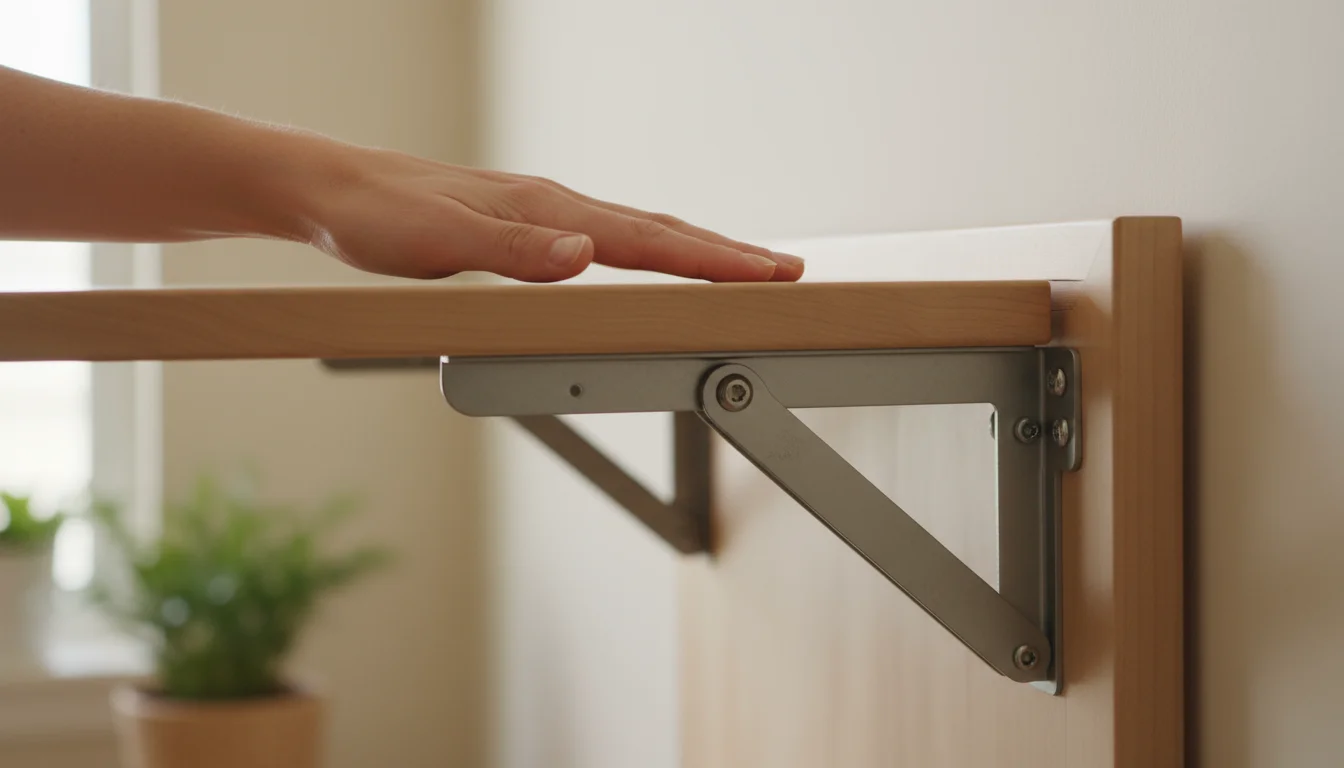
Consider the desk’s finish. A laminate surface is easy to clean, while solid wood might require more care but offers lasting beauty. The hinges and mounting hardware are also vital components; look for sturdy metal mechanisms.
5. Installation Requirements:
Wall-mounted desks require secure installation into wall studs. This often means locating studs with a stud finder and using appropriate hardware. If you are not comfortable with DIY installation, factor in the cost of professional assembly. Renters should check their lease agreements regarding wall modifications. Freestanding convertible desks usually require minimal assembly and no wall attachment, offering more flexibility.
6. Weight Capacity:
Every desk has a maximum weight capacity. This is critically important for fold-down desks, especially if you plan to use a desktop monitor, printer, or other heavy equipment. Exceeding the weight limit can lead to desk failure, damage to your wall, or even injury. Always check manufacturer specifications and err on the side of caution. Consumer Reports frequently emphasizes the importance of safety specifications and structural integrity when purchasing home goods, including furniture. Prioritize safety over aesthetics alone.
By carefully evaluating these factors, you can select a fold-down desk that not only fits your physical space but also supports your productivity and contributes to a well-organized home.
Top Fold-Down Desk Product Recommendations
When selecting a fold-down desk, you encounter a range of options, from budget-friendly DIY projects to sleek, integrated units. This section highlights different types of fold-down desks that cater to various needs and budgets, acting as a product review guide to help you find your ideal tiny home office solution.
1. The Basic Wall-Mounted Fold-Down Desk (Budget-Friendly, Minimalist)
These desks represent the entry point into fold-down solutions. They typically consist of a simple rectangular panel with robust hinges and a support leg or bracket system.
- Pros: Extremely space-efficient, often very affordable, easy to install for basic tasks. They disappear almost entirely when folded up.
- Cons: Limited or no integrated storage, smaller work surface. Not ideal for heavy equipment.
- Ideal User: Someone who primarily uses a laptop, needs a temporary writing surface, or has very limited wall space. Great for renters due to potentially less intrusive installation if secured properly.
- Example Features: Available in various finishes, some include a small shelf above the main surface when open. Many can support 20-30 lbs.
2. The Cabinet-Integrated Fold-Out Desk (Mid-Range, Discreet Storage)
These desks are part of a larger cabinet unit, providing both a work surface and hidden storage. When closed, they look like a regular cabinet or a decorative wall unit.
- Pros: Excellent for concealing your workspace and supplies, often includes shelves, cubbies, or even small drawers. Creates a very tidy appearance.
- Cons: Generally more expensive, requires a larger wall footprint than a basic fold-down. Installation might be more involved due to the size and weight of the cabinet.
- Ideal User: Someone who values a completely hidden office, needs integrated storage for papers and supplies, and wants a more permanent, yet flexible, setup.
- Example Features: Available in modern or traditional styles. Many models support a laptop and a small monitor. IKEA, for example, offers various clever storage solutions that include integrated desks, as seen on IKEA Home Organization.
3. The Murphy Bed/Desk Combo (Premium, Ultimate Space-Saver)
The pinnacle of multi-functional furniture, these units combine a full-sized bed that folds into the wall with a desk that appears when the bed is up.
- Pros: Unparalleled space-saving for studio apartments or multi-purpose guest rooms. Transforms a single room dramatically.
- Cons: High initial cost, complex professional installation usually required. You need to clear the desk before pulling down the bed.
- Ideal User: Those in studio apartments, micro-apartments, or anyone needing to convert a guest room into a full-time office and then back again.
- Example Features: Often custom-built or high-end modular units with built-in lighting and charging ports.
4. DIY Fold-Down Desk Solutions (Budget-Conscious, Customizable)
For the handy homeowner, building your own fold-down desk offers maximum customization and can be incredibly cost-effective.
- Pros: Fully customizable to your exact dimensions and aesthetic. Very budget-friendly. A sense of accomplishment from building it yourself.
- Cons: Requires basic carpentry skills, tools, and time. Quality depends on your craftsmanship.
- Ideal User: Those on a tight budget, who enjoy DIY projects, and have specific size or design requirements not met by off-the-shelf options.
- Example Materials: Plywood or solid wood for the surface, heavy-duty piano hinges, sturdy wall brackets, and a simple folding leg or chain support. Websites like Family Handyman provide numerous guides for DIY projects, including simple furniture builds.
| Desk Type | Key Features | Typical Price Range | Ideal Use Case |
|---|---|---|---|
| Basic Wall-Mounted | Minimalist panel, hinges to wall, often no storage. | $50 – $200 | Laptop work, quick tasks, very small spaces, renters. |
| Cabinet-Integrated | Hidden within cabinet, includes shelves/drawers. | $200 – $800+ | Discreet office, organized storage, more permanent setups. |
| Murphy Bed/Desk Combo | Integrated with full-size wall bed, complex system. | $1,000 – $3,000+ | Studio apartments, multi-purpose guest rooms, ultimate space saving. |
| DIY Fold-Down | Customizable materials and size, self-built. | $30 – $150 (materials only) | Specific size needs, budget constraints, hobbyists. |
Each of these options brings unique strengths to the table. Evaluate your budget, your skills, and your exact requirements to pinpoint the fold-down desk that best enhances your tiny home office experience.
Designing Your Efficient Tiny Home Office Zone
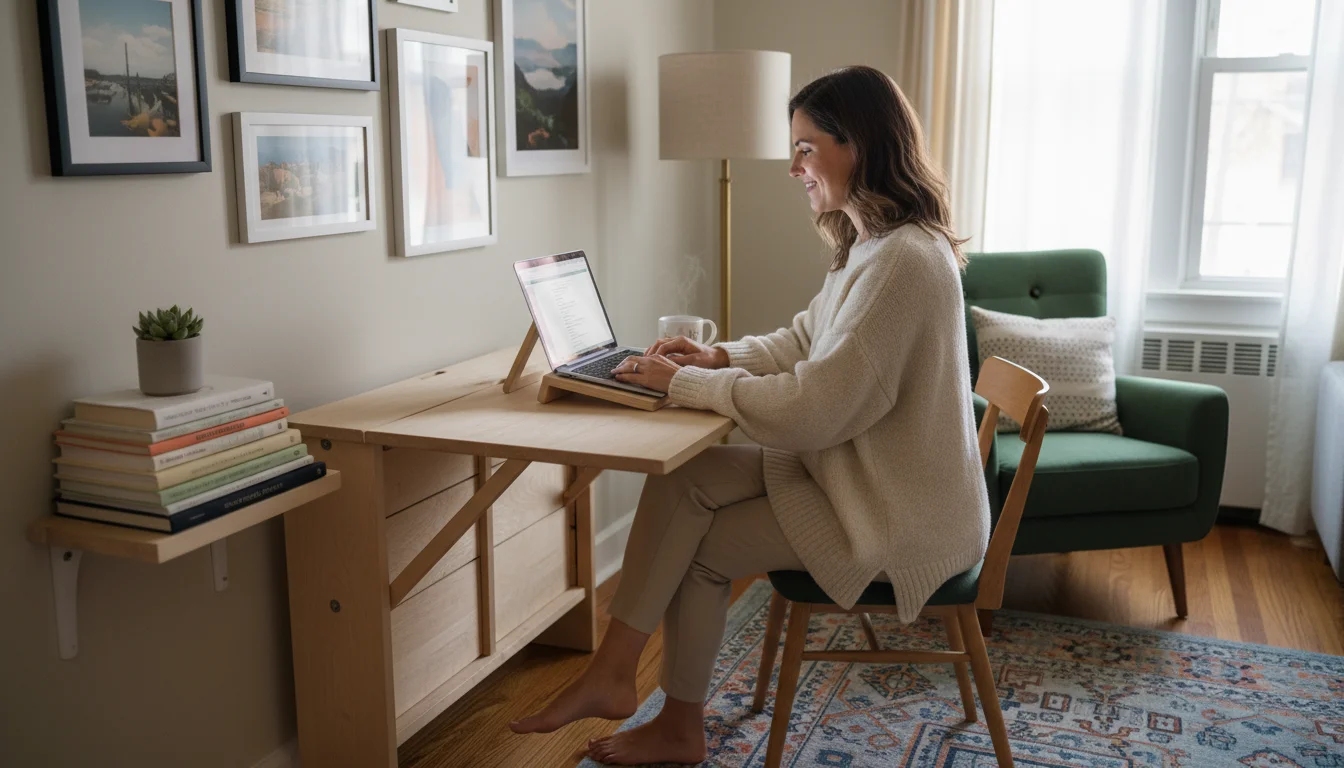
Integrating a fold-down desk into your small living area effectively means more than just finding a spot for it. You need to design a cohesive and productive “office zone.” A zone is a designated area for specific activities, even if it overlaps with other functions of the room. Here is how to create an efficient and comfortable work zone around your fold-down desk:
To keep the surrounding area tidy, you can also utilize under-bed storage for peripheral equipment and office supplies you don’t need every day.
1. Prioritize Ergonomics in a Compact Space:
Even with a fold-down desk, good posture remains paramount.
- Chair: Choose a comfortable, ergonomic chair that tucks neatly under the desk or folds flat for storage. Consider a stylish dining chair that can double as an office chair.
- Screen Height: Position your laptop or monitor so the top of the screen is at eye level. Use a laptop stand or a monitor arm if needed, ensuring it fits the desk’s depth and weight capacity.
- Keyboard and Mouse: Keep your keyboard and mouse close to your body to avoid reaching.
These adjustments prevent strain and enhance productivity during work sessions.
2. Master Vertical Storage:
When floor space is limited, look up! Wall-mounted shelves, pegboards, or slim floating shelves above or beside your fold-down desk provide crucial storage for books, files, and office supplies. Use attractive bins and containers to keep items organized and visually appealing. This strategy keeps your desk surface clear, even when you are working.
3. Optimize Lighting:
Good lighting reduces eye strain and boosts focus.
- Natural Light: Position your desk near a window if possible, but avoid direct glare on your screen.
- Task Lighting: A small, adjustable desk lamp is essential. Consider a clamp-on lamp that attaches to a shelf or the desk itself to save surface space.
- Ambient Lighting: Ensure the overall room is well-lit to prevent harsh contrasts.
4. Implement Smart Cable Management:
Cables create visual clutter and trip hazards.
- Cable Clips/Ties: Use adhesive cable clips or Velcro ties to secure cables neatly along the underside of your desk or up the wall.
- Cable Box/Sleeve: A small cable management box can hide power strips and excess cords.
- Wireless Peripherals: Opt for a wireless mouse and keyboard to reduce the number of cables.
A tidy workspace contributes significantly to a clear mind, enhancing focus.
5. Declutter Regularly:
A tiny office demands ruthless decluttering. Only keep essential items on or near your desk. When you finish working, put everything away. For papers, implement a “one-touch” rule: handle it, file it, or discard it immediately. This prevents clutter from accumulating and ensures your fold-down desk is ready for use without extra setup time. According to the National Association of Professional Organizers, creating sustainable systems for organization and decluttering is key to maintaining order in any space, especially small ones.
6. Personalize Thoughtfully:
Add a touch of personality without creating clutter. A small plant, a framed photo, or a piece of art can make your workspace more inviting. Choose items that bring you joy and motivation, but avoid anything that will get in the way of your work or complicate the desk’s folding mechanism.
By thoughtfully designing your office zone, you transform your fold-down desk from a mere surface into a productive, comfortable, and aesthetically pleasing part of your home.
Installation and Maintenance for Your Fold-Down Desk
Proper installation and regular maintenance ensure your fold-down desk remains sturdy, safe, and functional for years. Even the most budget-friendly desk can offer excellent longevity with the right care.
1. Secure Installation is Non-Negotiable:
For wall-mounted fold-down desks, secure installation is critical.
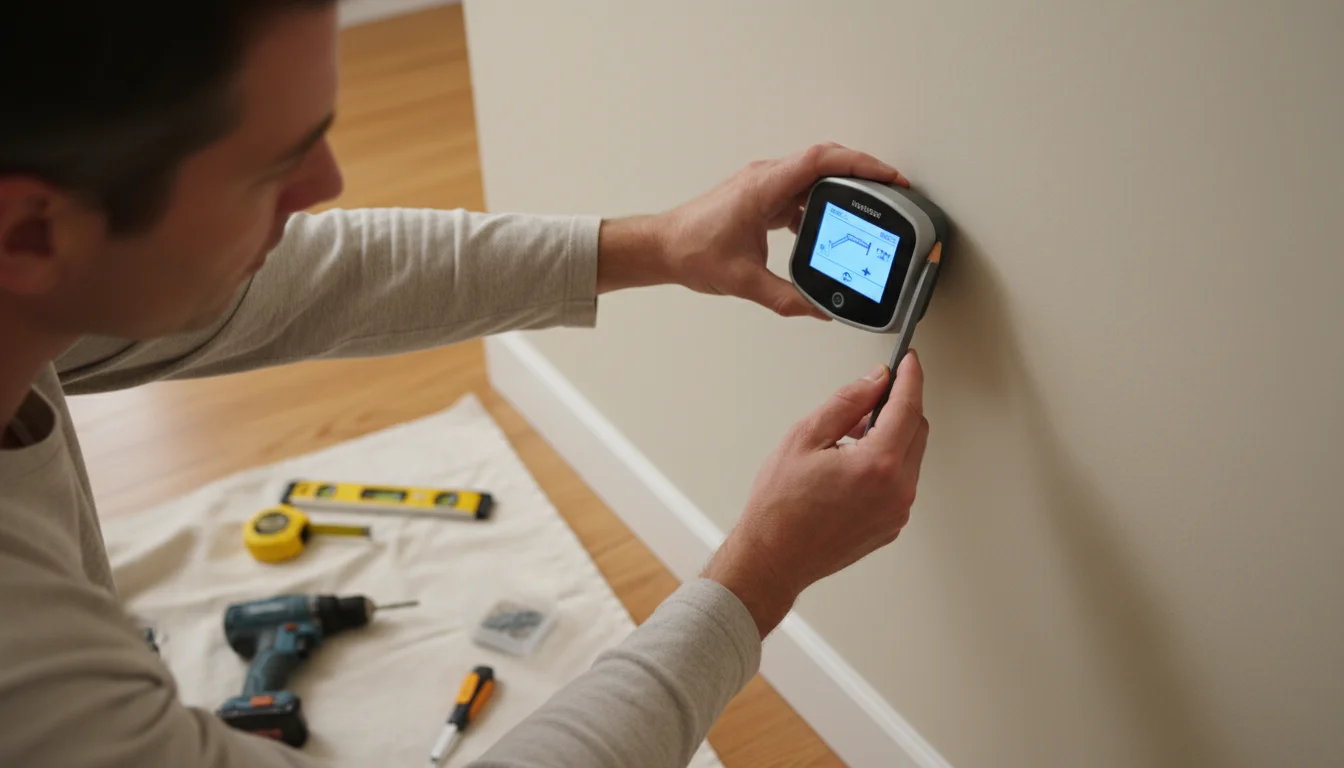
- Locate Studs: Always mount your desk to wall studs. Use a reliable stud finder to locate the center of at least two studs. Wood screws drilled directly into studs provide the strongest hold.
- Anchors for Drywall (If No Studs): If studs are unavailable where you need the desk, use heavy-duty toggle bolts or molly bolts designed for drywall. These anchors expand behind the wall, providing a much more secure hold than standard plastic anchors. However, stud mounting is always preferred for weight-bearing furniture.
- Leveling: Use a level to ensure the desk surface is perfectly horizontal when open. This prevents items from sliding and provides an ergonomic workspace.
- Follow Manufacturer Instructions: Each desk comes with specific installation guidelines and hardware. Deviating from these can compromise the desk’s stability and warranty.
For detailed guides on secure wall mounting, resources like This Old House offer comprehensive advice on safely attaching items to walls.
2. Regular Safety Checks:
Make it a habit to inspect your fold-down desk periodically.
- Hinges: Check that all hinges are tight and free of rust or damage. Lubricate them with a silicone spray if they become stiff or squeaky.
- Mounting Hardware: Ensure all screws and bolts securing the desk to the wall are snug. Loose connections can lead to instability.
- Support Mechanisms: If your desk has folding legs or support arms, check their locking mechanisms for proper function.
- Surface Integrity: Look for any cracks, splinters, or weakened areas on the desk surface itself. Address these promptly to prevent further damage.
3. Cleaning and Care by Material:
Proper cleaning preserves the desk’s appearance and lifespan.
- Laminate/Melamine: Wipe with a damp cloth and mild soap. Avoid abrasive cleaners that can scratch the surface.
- Solid Wood: Dust with a soft cloth. For cleaning, use a wood-specific cleaner or a damp cloth followed by a dry one. Avoid excessive moisture. Periodically condition solid wood with furniture polish or oil to prevent drying and cracking.
- Metal: Wipe with a damp cloth. For rust, use a mild abrasive pad and a rust remover, then protect with a clear sealant.
4. Troubleshooting Common Issues:
- Wobbly Desk: This usually points to loose mounting hardware or an uneven installation. Re-tighten screws, or if necessary, re-install, ensuring it is level and securely anchored.
- Sticking Hinges: Apply a small amount of lubricant (e.g., WD-40 or silicone spray) to the hinges. Work the desk up and down a few times to distribute the lubricant.
- Difficulty Folding/Unfolding: Check for obstructions around the desk. Ensure all mechanisms are clear and operating smoothly. Sometimes a slight adjustment to hinge screws can resolve alignment issues.
By following these installation and maintenance guidelines, your fold-down desk will provide a reliable and long-lasting workspace for your tiny home office.
Maximizing Productivity in a Compact Workspace
A fold-down desk provides the physical space you need, but maximizing your productivity in a tiny home office requires intentional habits and smart strategies. It is about creating an environment that fosters focus and minimizes distractions, even when your office shares space with your living room or bedroom.
1. Embrace Digital Decluttering:
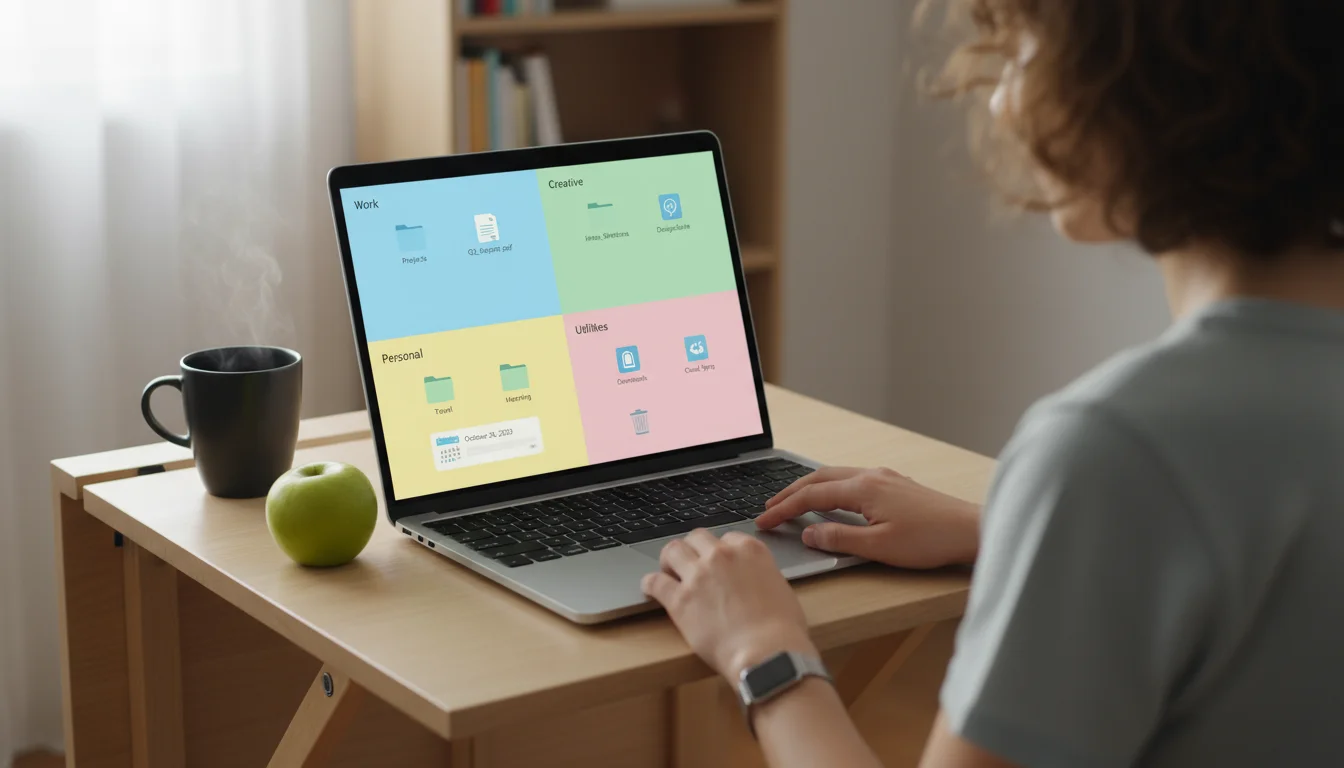
Your physical desk might be tiny, but your digital workspace does not have to be. A cluttered desktop or a disorganized cloud drive creates mental clutter. Take time to organize your files, delete unnecessary documents, and consolidate folders. A clean digital environment contributes to a clear mind and faster workflow. Use cloud services to store large files, freeing up your device’s storage and ensuring accessibility from anywhere.
2. Establish a Routine and Stick to It:
In a multi-purpose room, the line between work and leisure easily blurs. Establish a clear start and end time for your workday. When you “open” your fold-down desk, you signal the start of work. When you “close” it, you signal the end. This routine helps your brain transition between tasks and ensures you maintain a healthy work-life boundary. Consider a “getting ready” ritual, such as making a cup of tea or reviewing your to-do list, to mentally prepare for work.
3. Minimize Distractions Proactively:
Identify your biggest distractions and address them head-on.
- Noise: Use noise-canceling headphones, play instrumental focus music, or try a white noise app.
- Visual Distractions: Turn your back to the busiest part of the room if possible. Close unnecessary browser tabs and put your phone on silent and out of sight.
- Interruptions: If others are home, communicate your work schedule and politely request undisturbed focus time.
Creating a focused bubble, even within a shared space, helps you get more done in less time.
4. Incorporate Regular Breaks and Movement:
Sitting for long periods, especially in a compact setup, can lead to fatigue. Schedule short, regular breaks (e.g., 5 minutes every hour). Stand up, stretch, walk around your small living space, or step outside for some fresh air. This not only recharges your mind but also improves circulation and prevents physical stiffness, leading to sustained energy throughout your day.
5. Personalize for Motivation, Not Distraction:
While you should keep your desk clear, adding one or two thoughtfully chosen items can boost your mood and motivation. A small succulent, an inspiring quote, or a functional yet beautiful pen holder can make your workspace more inviting without adding clutter. Choose items that uplift you and reinforce your purpose, rather than contributing to visual noise.
By implementing these strategies, you empower yourself to be highly productive and focused, even when your tiny home office needs to share its space with the rest of your home.
Frequently Asked Questions
Q1: Are fold-down desks sturdy enough for a computer monitor?
A: Yes, many fold-down desks are sturdy enough for a computer monitor, but you must check the manufacturer’s specified weight capacity. Look for desks explicitly designed to hold monitors, often featuring reinforced hinges and mounting hardware. Some models also include built-in cable management for a cleaner setup.
Q2: How much weight can a wall-mounted fold-down desk typically hold?
A: The weight capacity varies significantly by design and construction. Basic models might hold 20-30 pounds, suitable for a laptop. More robust designs, especially those securely mounted into wall studs, can often support 50-70 pounds or more, accommodating a monitor, keyboard, and other peripherals. Always consult the product specifications to ensure it meets your needs.
Q3: Can I install a fold-down desk in a rented apartment?
A: Most renters can install a fold-down desk, but you must check your lease agreement first. Some landlords prohibit drilling into walls or require specific repair upon move-out. If drilling is allowed, ensure you securely mount the desk into studs to prevent damage. Alternatively, consider freestanding convertible console tables that do not require wall attachment.
Q4: What’s the best way to hide cables on a fold-down desk?
A: Cable management is crucial for a tidy fold-down desk. Use adhesive cable clips or ties to secure cords to the underside of the desk or along the wall. A small cable management box can hide power strips and excess cable slack. Some desks come with built-in channels or grommets for routing cables discreetly. Wireless peripherals also significantly reduce cable clutter.
Q5: How do I choose the right height for my fold-down desk?
A: The ideal desk height allows your arms to rest at a 90-degree angle when typing, with your feet flat on the floor. Standard desk height is typically 29-30 inches (74-76 cm). Measure your ergonomic chair and your sitting height to determine the optimal mounting height for a wall-mounted desk. If the desk is slightly off, use an adjustable chair or keyboard tray to achieve proper ergonomics.
A fold-down desk offers an unparalleled solution for creating a functional and comfortable workspace within the constraints of a tiny home. By choosing the right style, ensuring proper installation, and designing your office zone thoughtfully, you transform a small space into a productive haven that adapts to your daily life. Embrace the versatility, reclaim your living area, and enjoy the benefits of a well-organized tiny home office.
For expert home organization guidance, visit
Institute for Challenging Disorganization,
Consumer Reports — Home,
This Old House and
Family Handyman.
Disclaimer: This article is for informational purposes only and is not a substitute for professional advice. Consult professional organizers or specialists for personalized recommendations.
If your chosen spot is in a corner, consider pairing the desk with corner shelving to turn that overlooked area into a complete command center.
For those in very tight quarters, implementing clever vertical storage ideas above your desk can keep your work surface clear of pens and paperwork.

Leave a Reply