
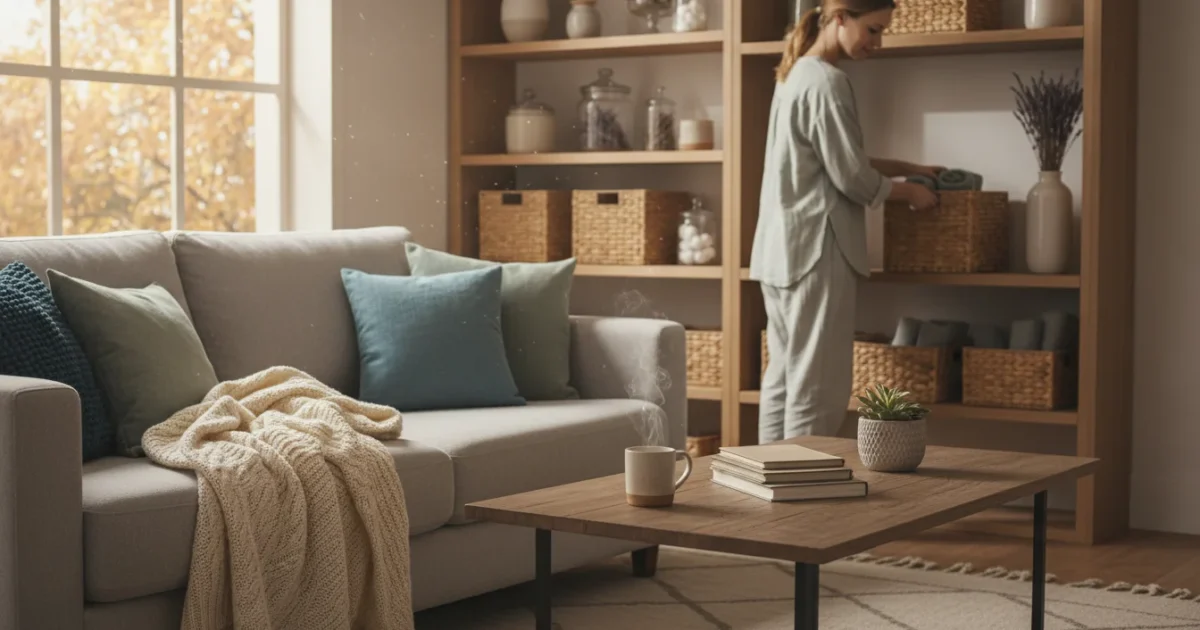
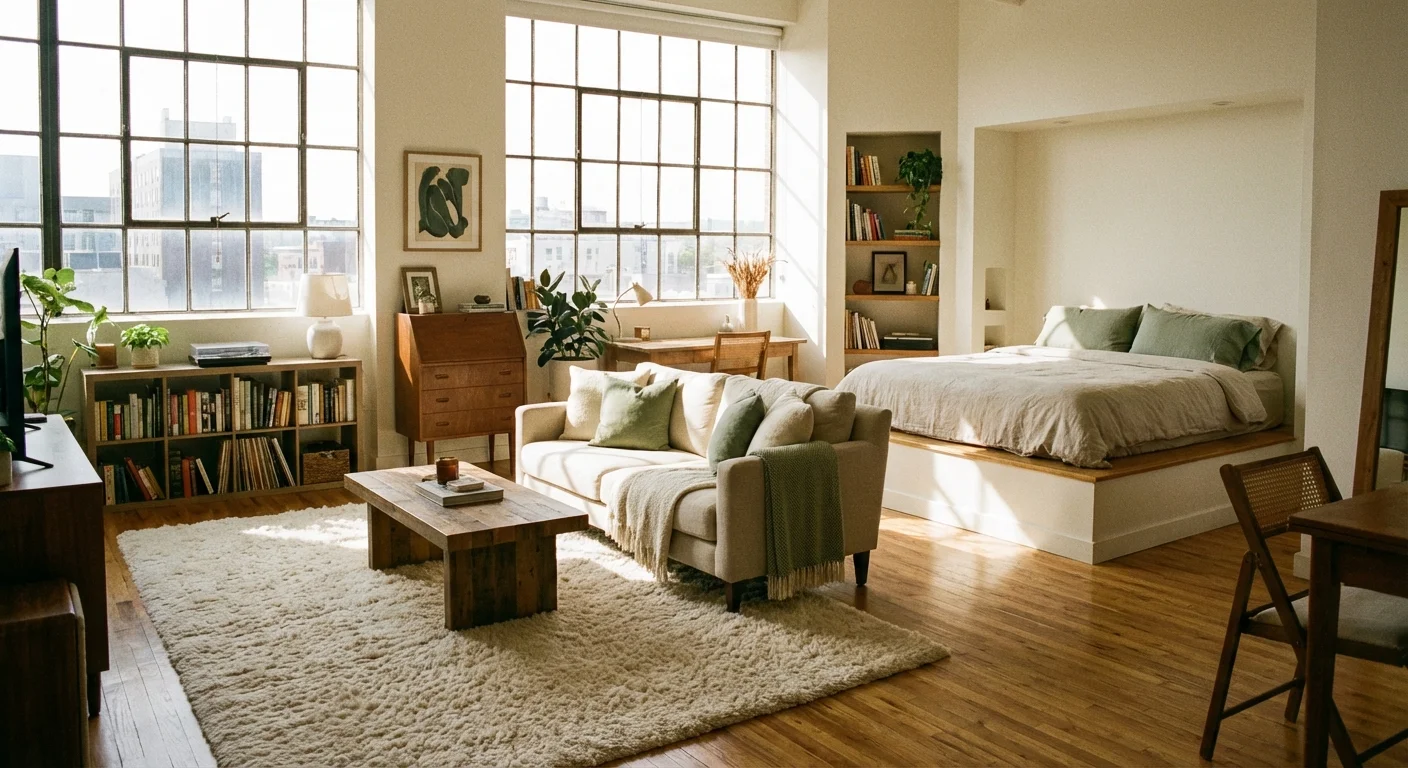
Living in a studio apartment offers unique advantages, like simplified living and often prime locations. However, these spaces also present a common challenge: how do you create distinct areas for sleeping, living, and working without permanent walls? The solution lies in smart space division. Effective room dividers transform a single open area into multiple functional zones, providing both practical utility and a sense of privacy. You can craft a home that feels organized, comfortable, and tailored to your daily needs, even in a compact footprint.
Effective layout strategies go beyond just dividers; learning how to arrange furniture for maximum coziness can tie your whole studio together.
Before diving into specific divider types, it is helpful to understand broader studio apartment layout tips to ensure your furniture placement is optimized.
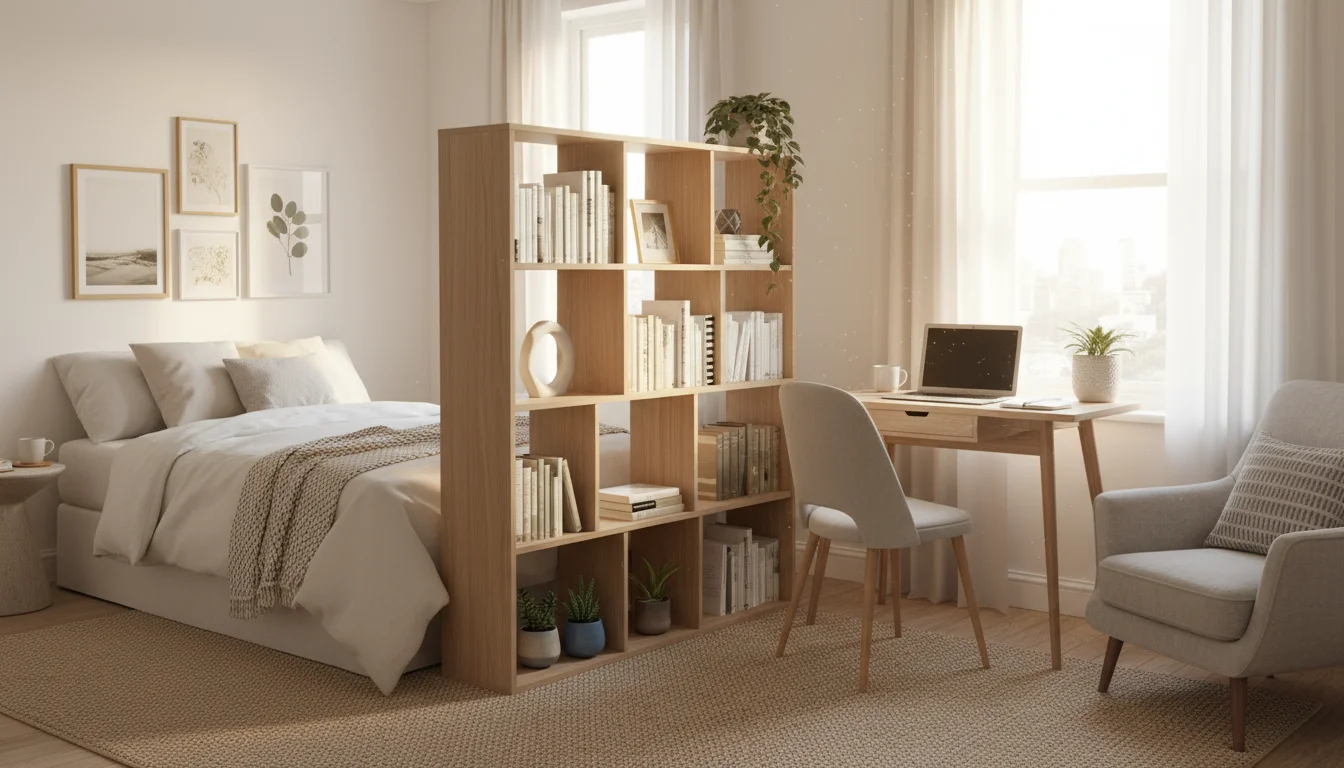
Maximizing Your Studio Apartment: The Power of Space Division
A studio apartment, by definition, combines your living, sleeping, and often dining areas into one open space. While this layout can feel liberating, it can also lead to a cluttered appearance and a lack of dedicated zones for different activities. This is where room dividers become essential. They help you define distinct areas, improving both the functionality and aesthetics of your home.
While you are optimizing your main living area, you might also want to learn how to make a small bathroom feel bigger to ensure every corner of your studio feels airy.
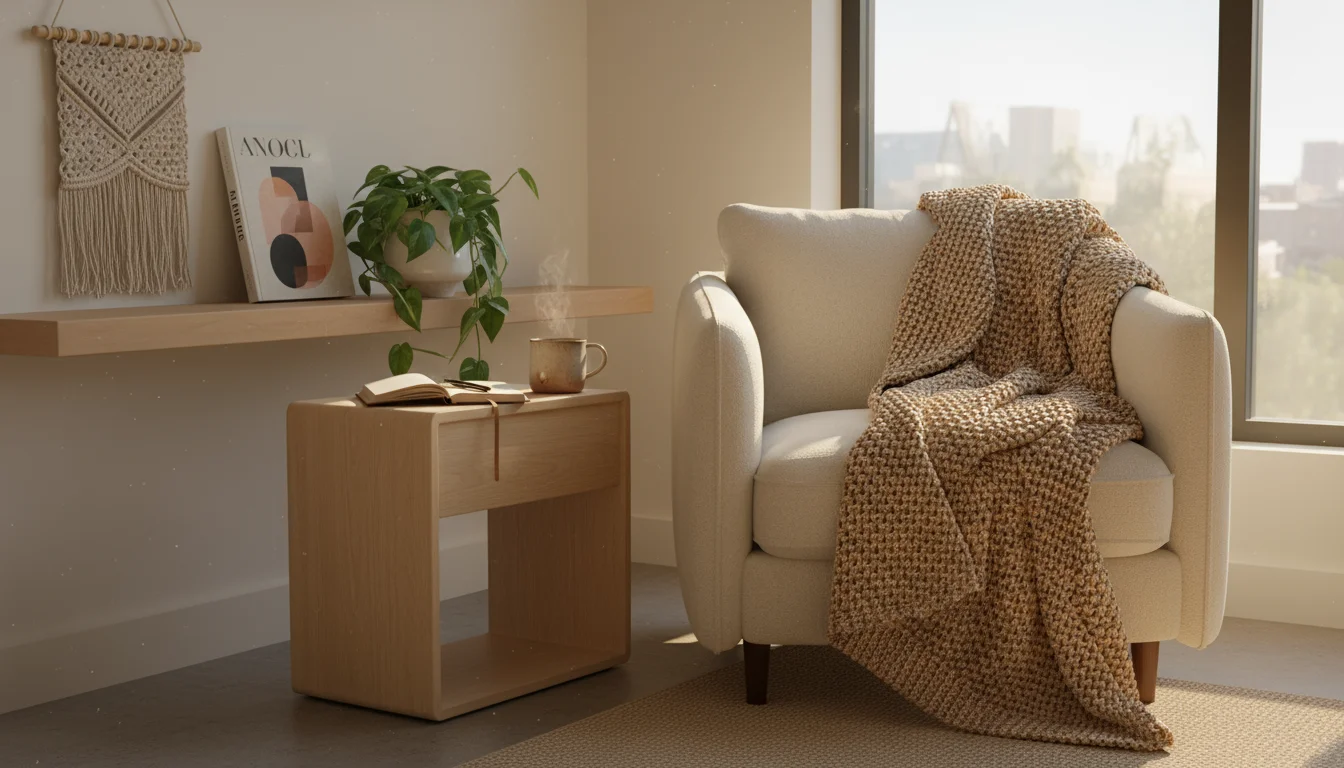
Once your zones are defined, you can focus on personal touches like creating a reading nook for a dedicated spot to unwind.
When you divide your studio, you gain more than just physical separation. You establish zones, which are designated areas for specific activities. For example, you might create a “sleep zone” for your bed, a “work zone” for your desk, and a “relax zone” for your sofa. This intentional zoning reduces visual clutter, making your space feel larger and more organized. It also enhances privacy, especially important if you share your studio or host guests. The psychological benefit of having separate areas for different parts of your day can significantly improve your well-being, helping you mentally shift gears between work and relaxation.
Consider the data: studies show that organized environments reduce stress and improve focus. By creating distinct zones with room dividers, you effectively organize your living space, contributing to a calmer home environment. As noted by experts at Real Simple, purposeful organization transforms chaotic spaces into functional, serene ones. This principle applies directly to studio apartments, where every square foot counts.

Understanding Your Needs: Planning for Effective Room Dividers
Before you invest in any room divider, take time to assess your studio apartment and your lifestyle. A little planning goes a long way in ensuring your chosen solutions genuinely work for you. Start by asking yourself critical questions about your space and habits.
If noise is a concern in your open-concept living, you might also look into how to reduce noise in your apartment for better acoustic privacy.
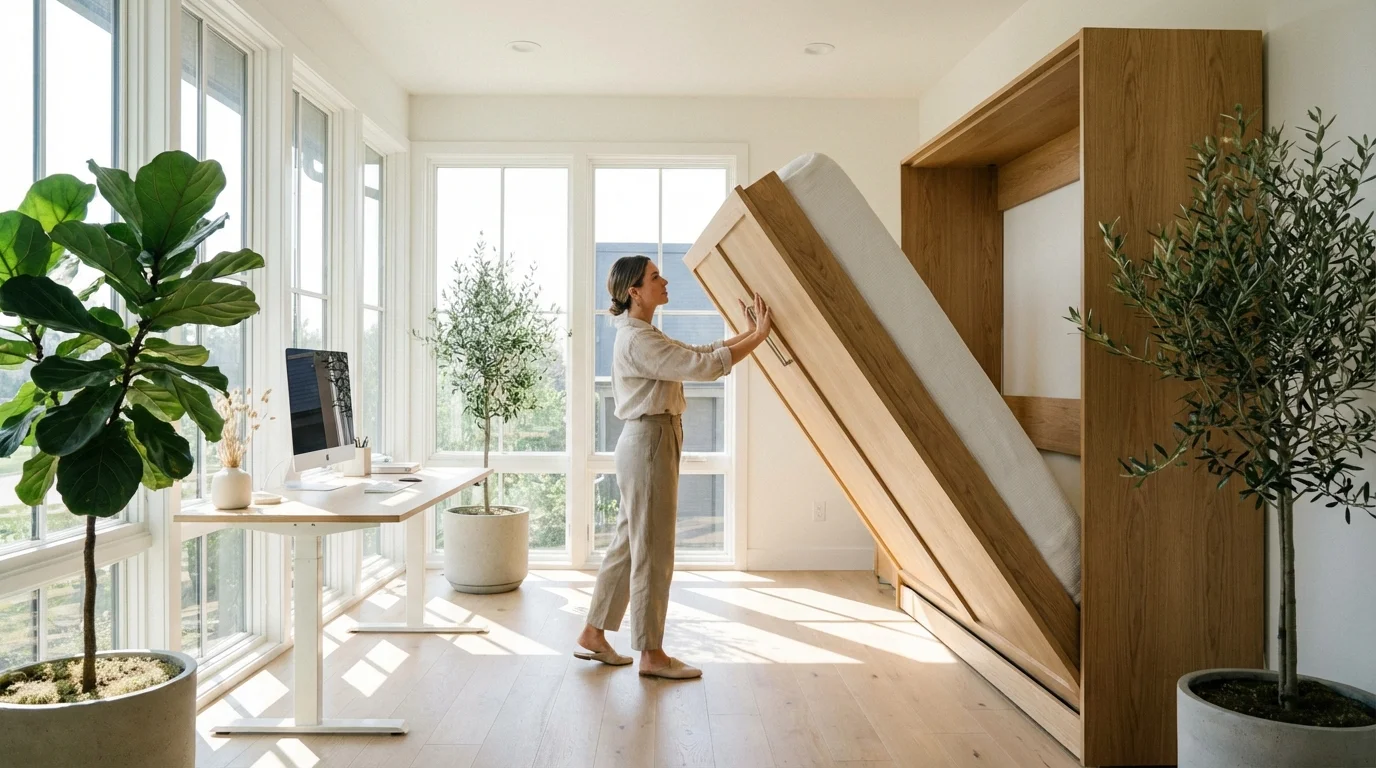
If you find that a permanent sleeping area takes up too much room, exploring Murphy bed ideas can help you clear the floor during the day.

Step-by-Step Planning Guide:
- Identify Your Zones: Walk through your studio. What activities do you perform daily?
- Where do you sleep?
- Where do you work or study?
- Where do you relax?
- Do you entertain guests?
- Where do you eat?
Pinpoint exactly what areas need separation. For instance, you might want to separate your sleeping area from your living area, or your home office from the rest of your home.
- Measure Your Space: Accurately measure the height, width, and depth of the areas you plan to divide. This prevents you from purchasing items that are too large, too small, or won’t fit through your doorway. Consider ceiling height for tall dividers or curtain rods.
- Assess Light and Airflow: Where do windows provide natural light? How does air circulate through your apartment? Permanent, solid dividers can block light and airflow, making your space feel cramped or stuffy. Opt for solutions that allow light to pass through if your studio relies on a single window for illumination.
- Consider Your Budget: Room dividers range from free (rearranging existing furniture) to hundreds of dollars for custom solutions. Establish a realistic budget from the outset. Many effective solutions are incredibly budget-friendly, requiring minimal investment.
- Think About Portability and Flexibility: Do you need a divider that can move easily, fold away, or be repositioned? If you entertain frequently or like to reconfigure your space, flexible options like screens or curtains offer significant advantages over fixed solutions.
Your goal is to create zones that enhance your living experience, not hinder it. By carefully considering these factors, you ensure your room divider choices align with your practical needs and aesthetic preferences.
Practical Room Divider Solutions: Furniture as Your Ally
One of the most effective and often budget-friendly ways to divide a studio apartment is by strategically using furniture. This approach combines function with separation, making every piece work harder for your space.
If floor space is at a premium, fold-down desk ideas can provide a dedicated work zone that disappears when you’re done for the day.
To maximize functionality near your dividers, consider corner shelving ideas that turn awkward gaps into useful storage nooks.
Using dividers that double as shelving is a great way to incorporate vertical storage ideas into your layout.
Choosing the best multifunctional furniture ensures that your dividers also serve as valuable storage or workspaces.
Open Shelving Units
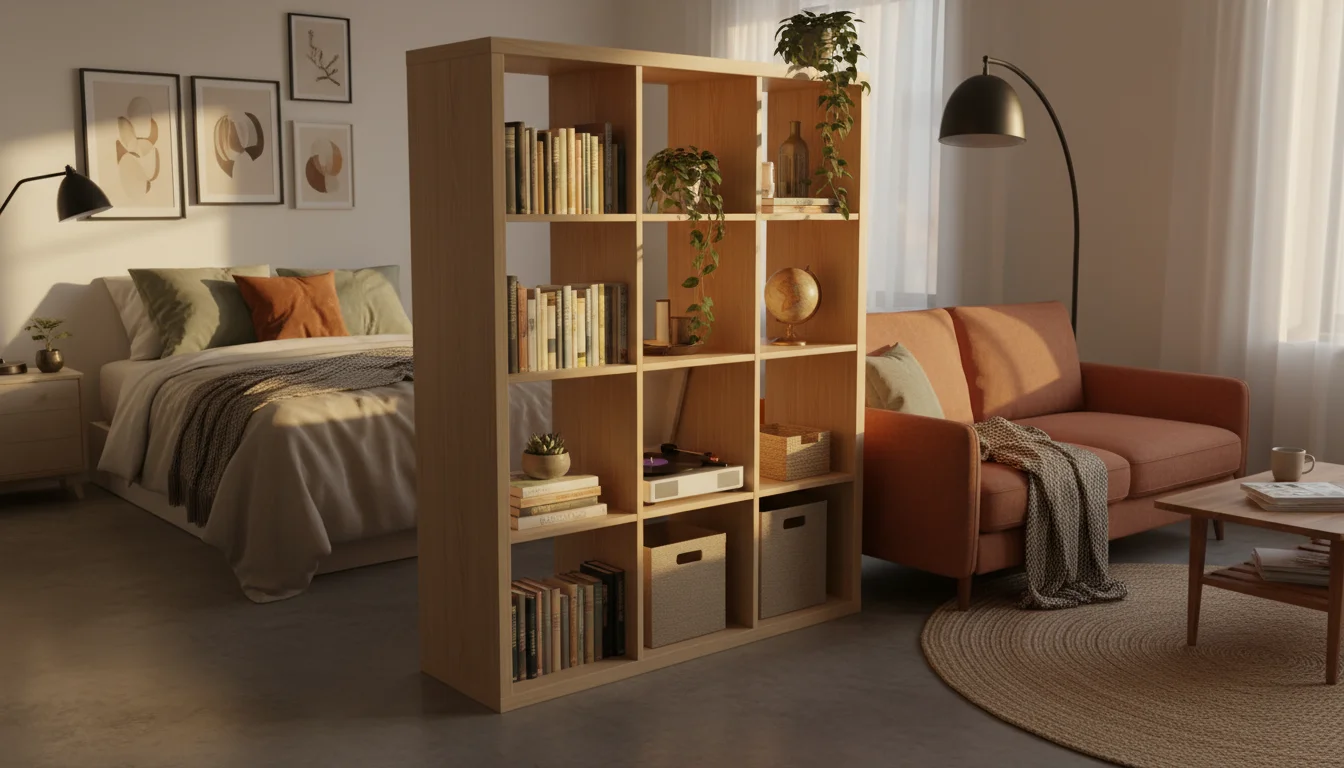
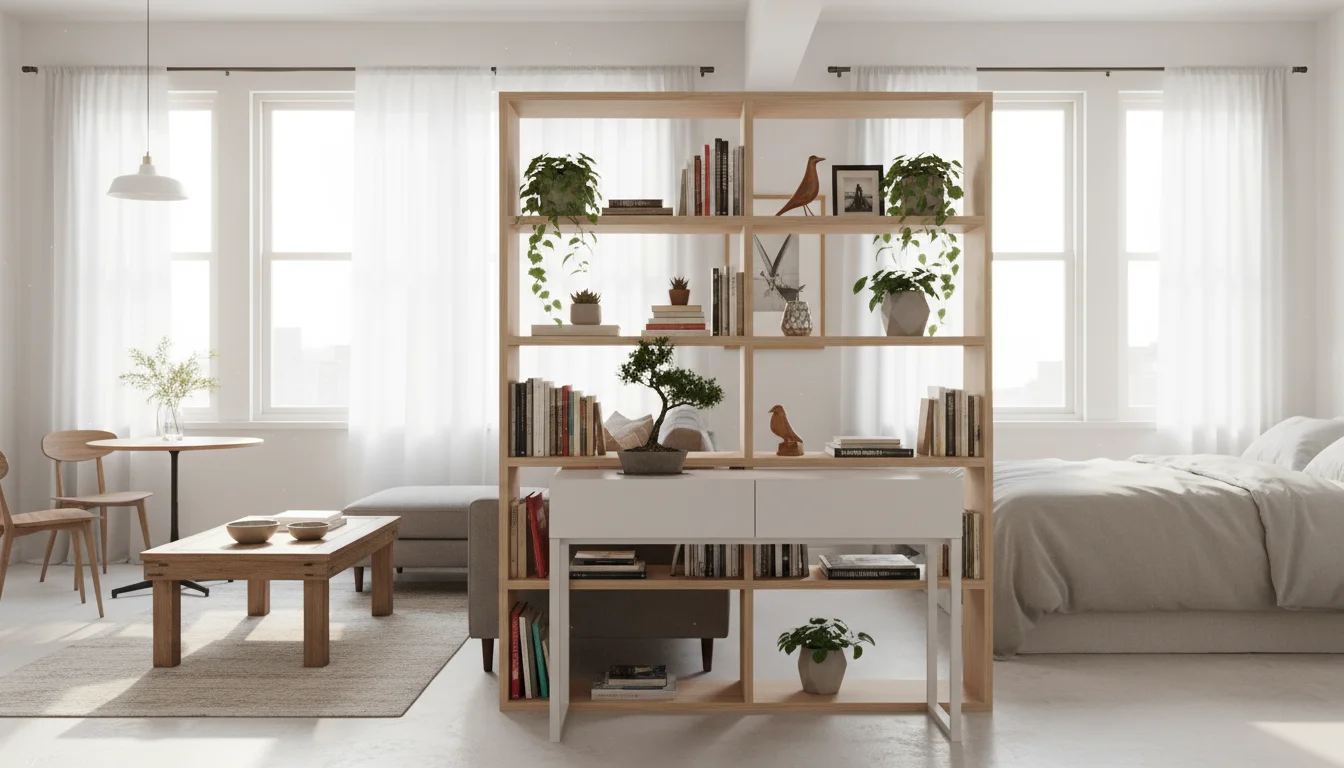
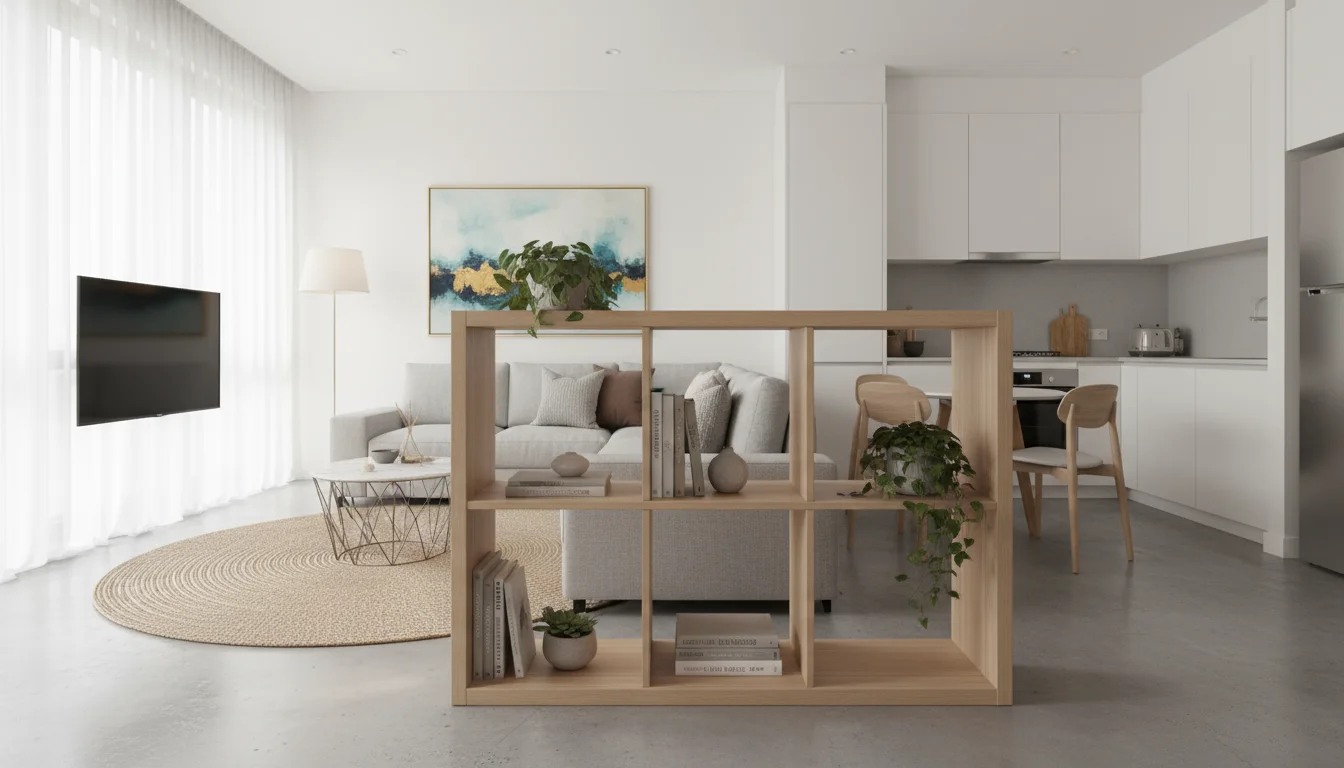
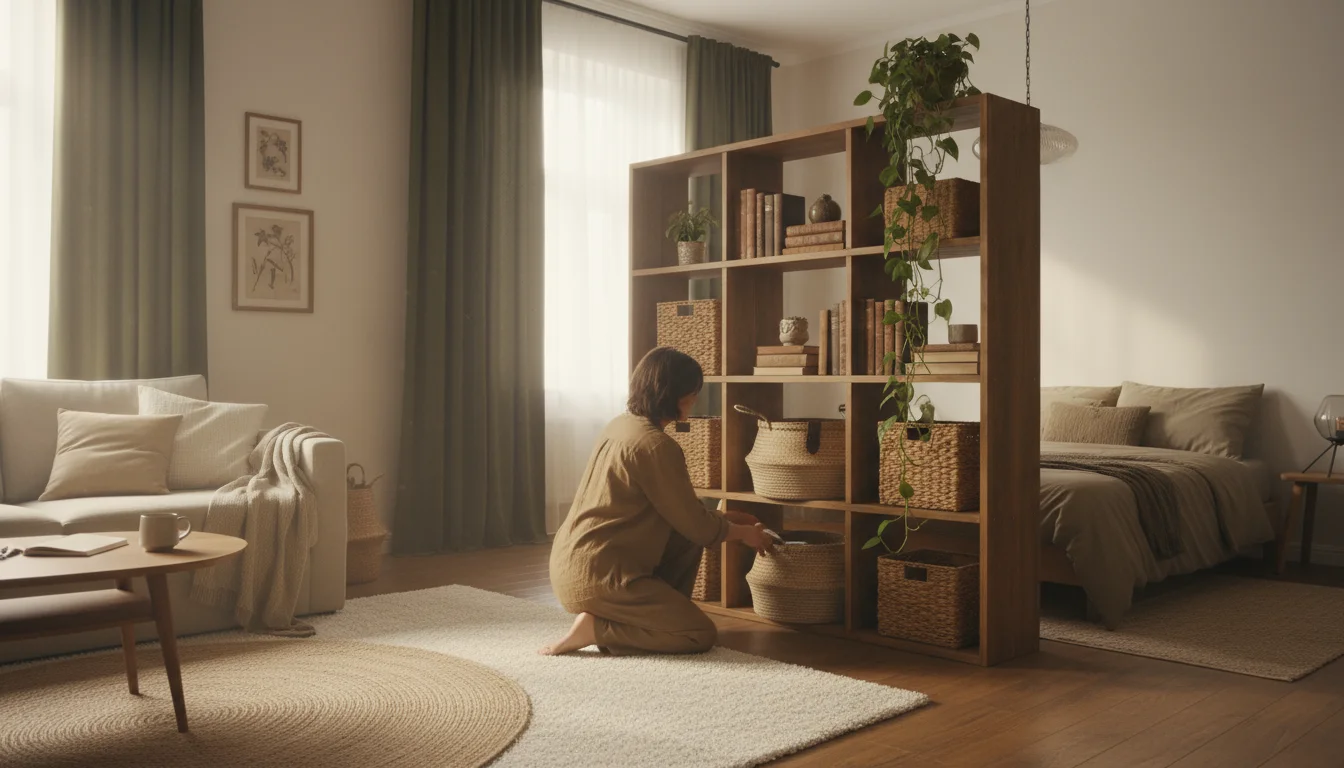
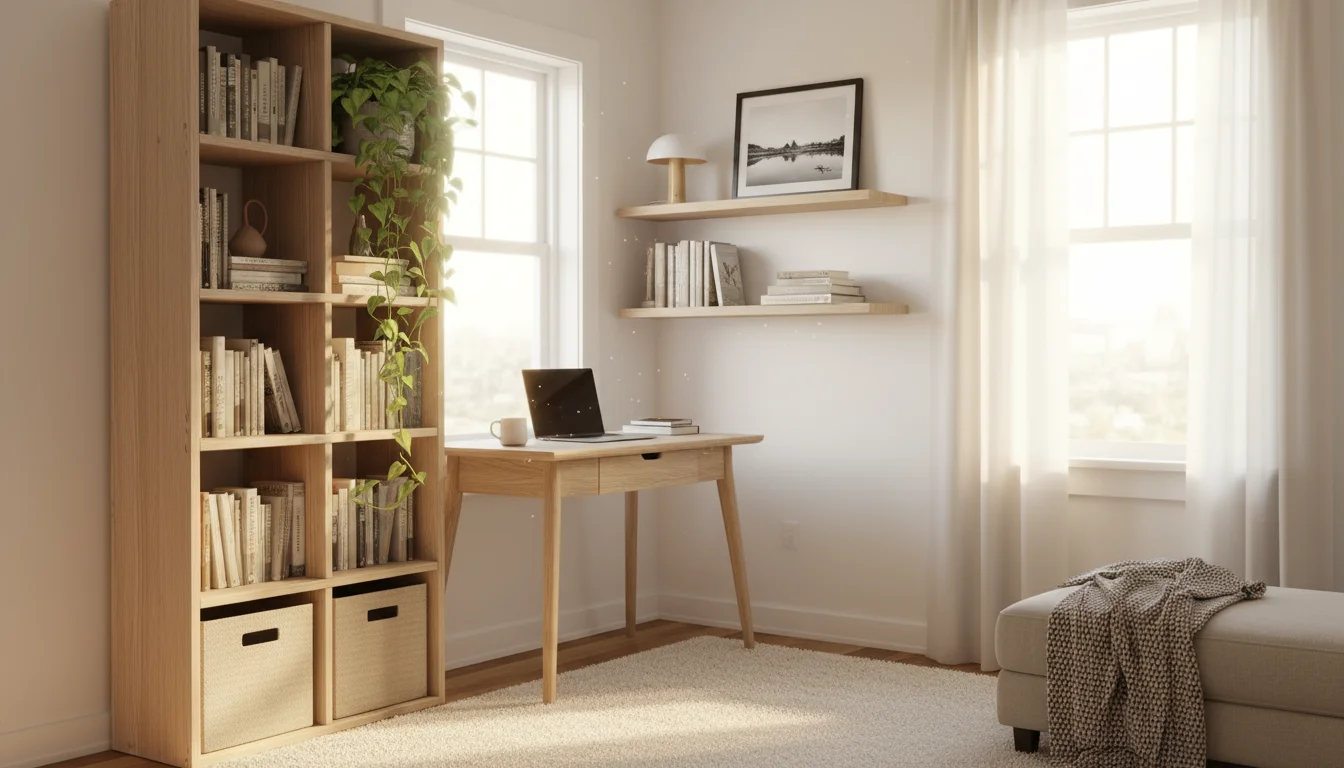
Open shelving units are a favorite for a reason. They provide significant storage while dividing your space without completely blocking light or sightlines. Choose units with open backs to allow light to filter through, or use them to display plants, books, and decorative items. These units create a clear visual break between areas, transforming a single room into distinct zones. A common use is placing a tall, open bookshelf at the foot of your bed to separate the sleeping area from your living room. According to Apartment Therapy, open shelving offers a perfect balance of division and spaciousness for small homes. For instance, an IKEA KALLAX unit, strategically placed, defines zones and provides ample storage for books, records, or decorative bins.
- Benefits: Dual-purpose (storage + division), allows light, customizable with baskets or decor.
- Considerations: Ensure stability, especially if tall. Anchor to the wall if children or pets are present.
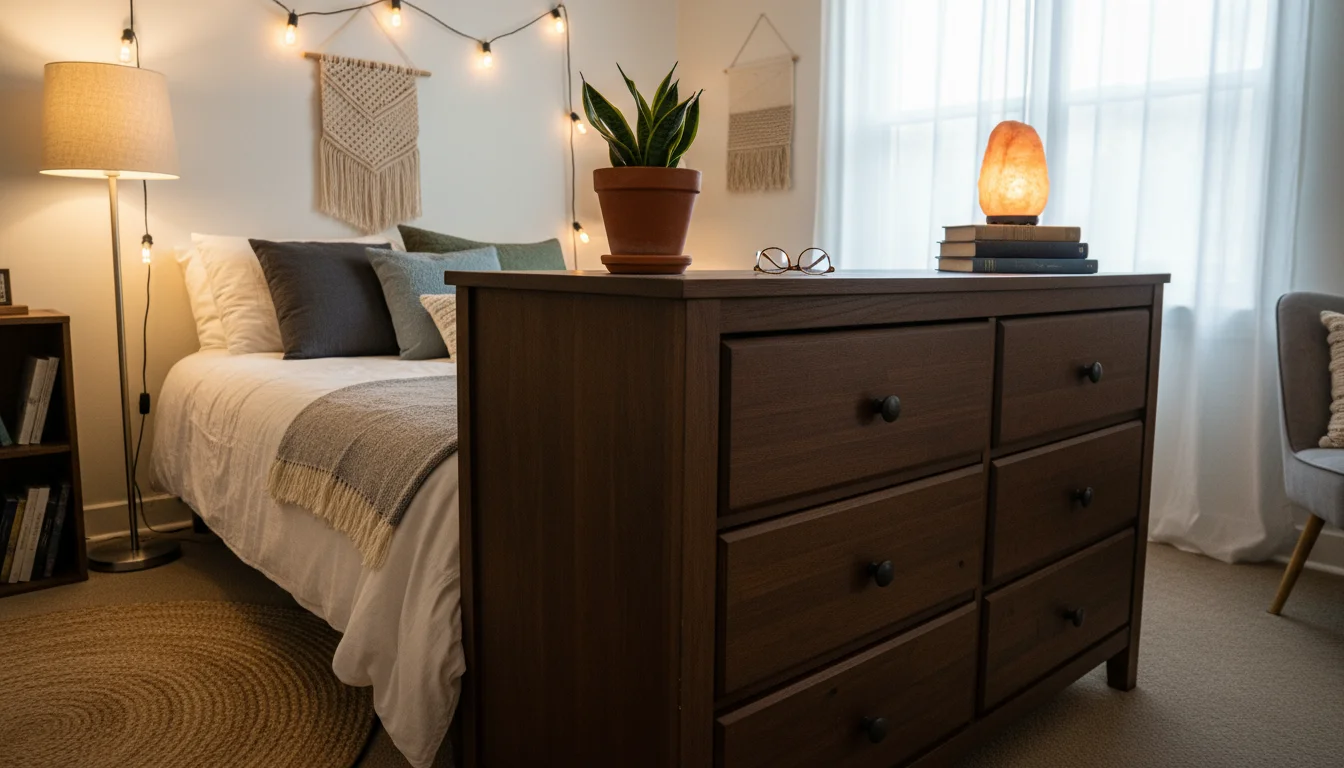
Closed Storage Units and Cabinets
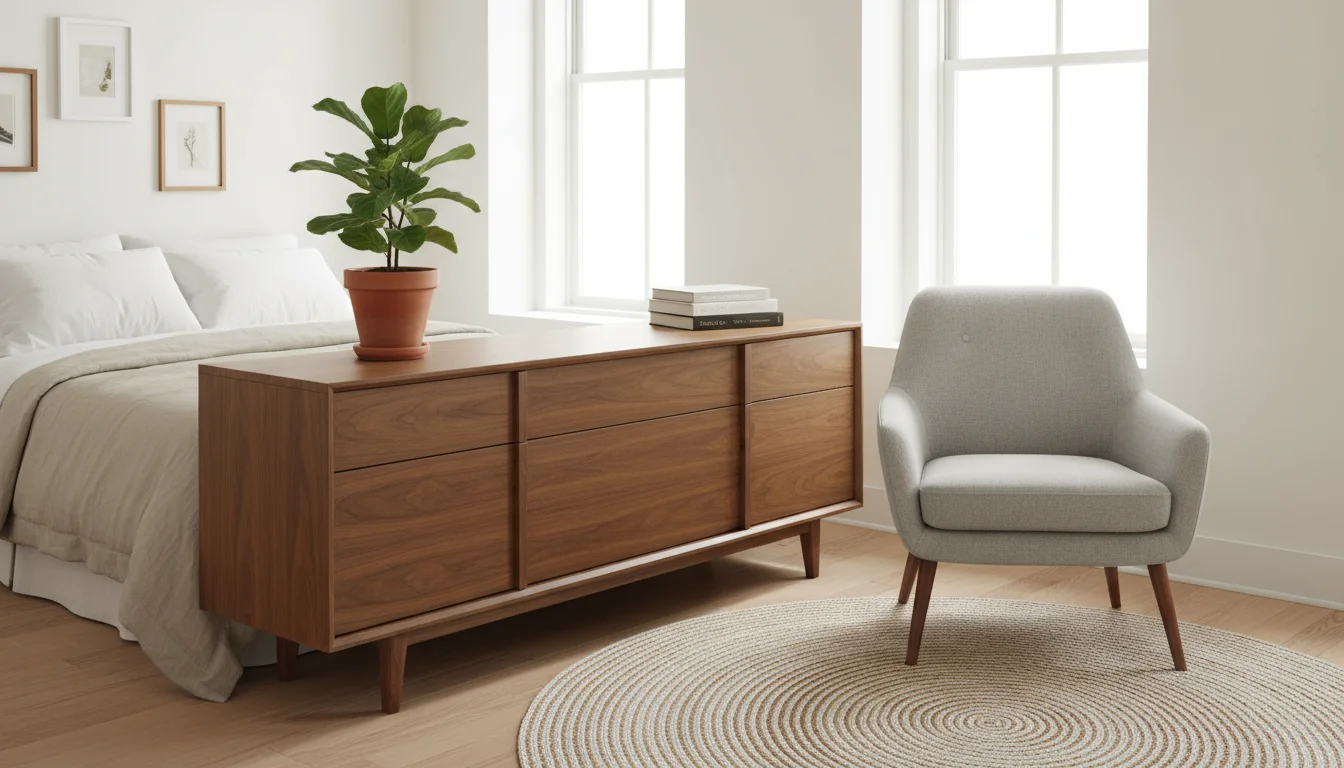
For more substantial division and maximum storage, consider closed cabinets, dressers, or entertainment units. These provide solid visual barriers, offering more privacy than open shelving. A long, low dresser can separate a sleeping area, while a tall cabinet might create a mini-hallway leading to your kitchen. This method provides excellent storage for clothing, linens, or media, keeping clutter out of sight.
- Benefits: High privacy, significant storage, solid visual break.
- Considerations: Can block light and airflow. Best for areas where complete separation is desired.
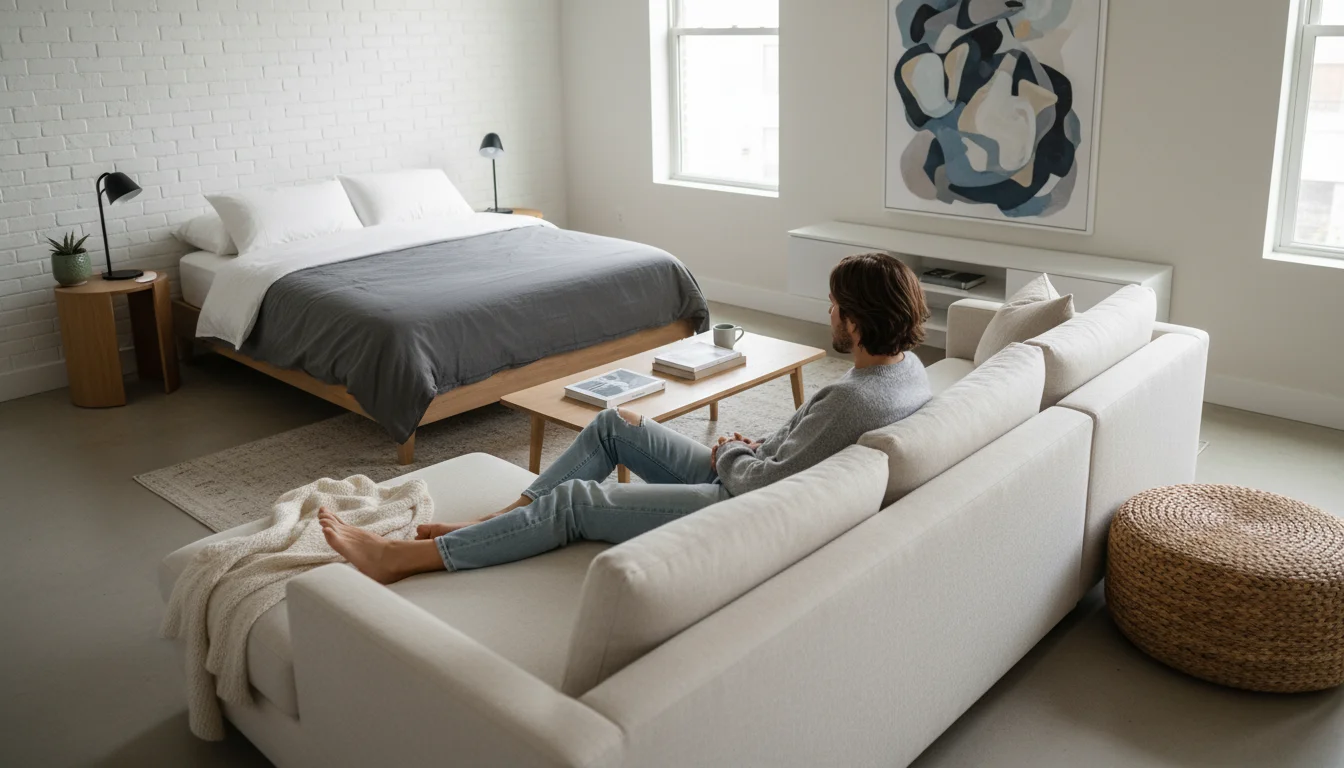
Sofas and Sectionals
Your living room furniture can serve as an informal room divider. Position a sofa with its back facing your sleeping area or kitchen, immediately delineating the living room from other parts of the studio. A sectional sofa can create a cozy “room within a room” feel. This is a very natural and comfortable way to define zones without adding extra pieces of furniture.
- Benefits: Uses existing furniture, creates a natural flow, defines seating areas.
- Considerations: Offers visual division, not privacy. Requires enough floor space to walk around.
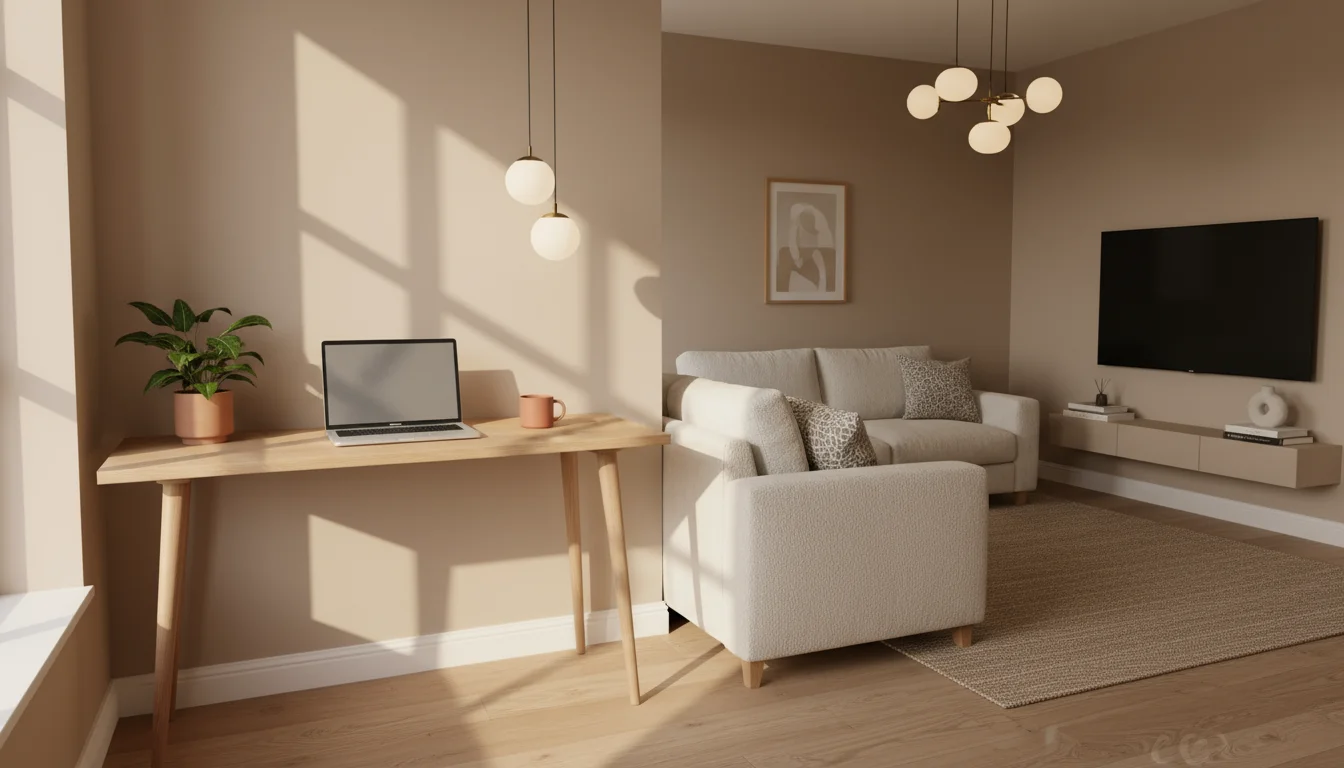
Desks and Workstations
If you work from home, a desk can effectively divide your work zone from your relaxation or sleeping area. Place your desk perpendicular to a wall, creating a natural barrier that signals a dedicated workspace. A console table can also serve this purpose, particularly if you need a narrow divider that does not consume too much floor space.
- Benefits: Defines a workspace, practical and functional.
- Considerations: May feel less private depending on the size of the desk.
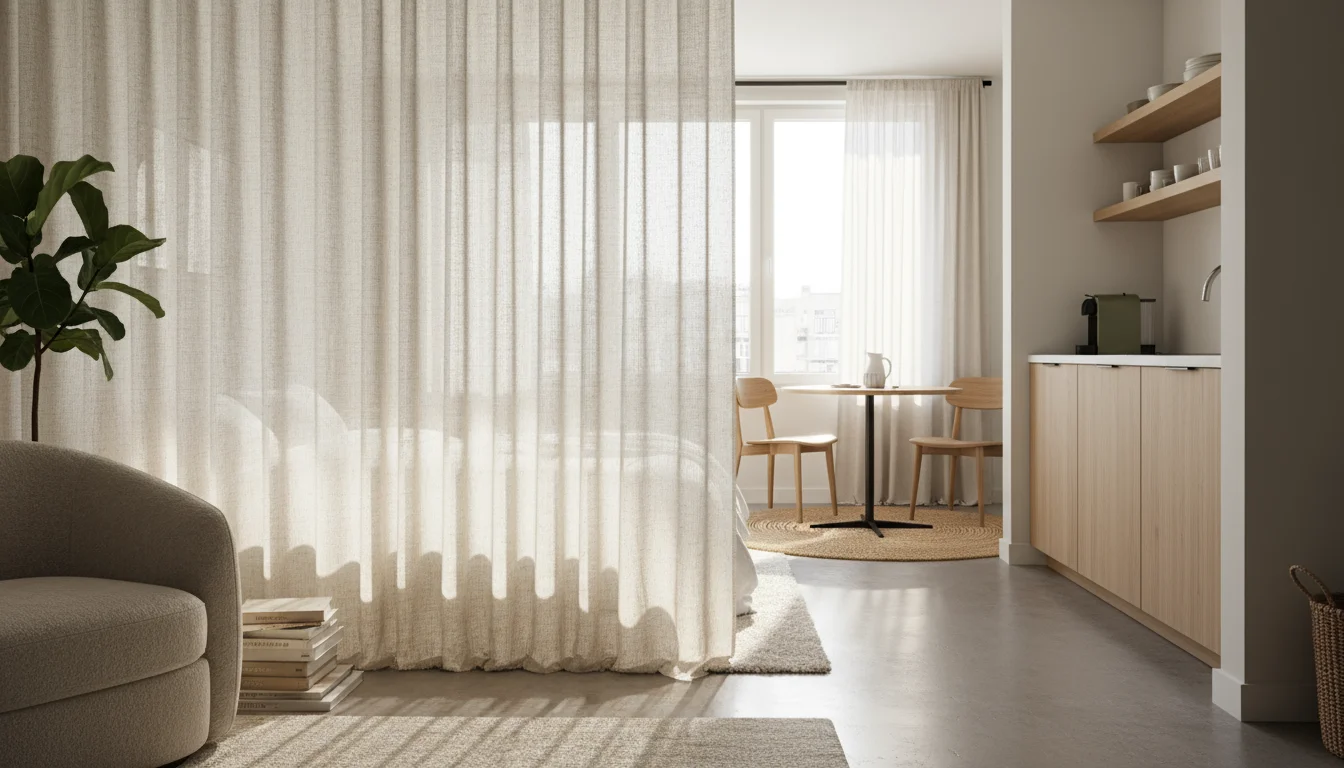
Soft & Flexible Divisions: Curtains, Screens, and Textiles
When you seek less permanent or more adaptable room divider options, soft and flexible solutions offer privacy, style, and ease of installation. These choices often work well in rental properties where permanent alterations are not an option.
Curtains and Drapes
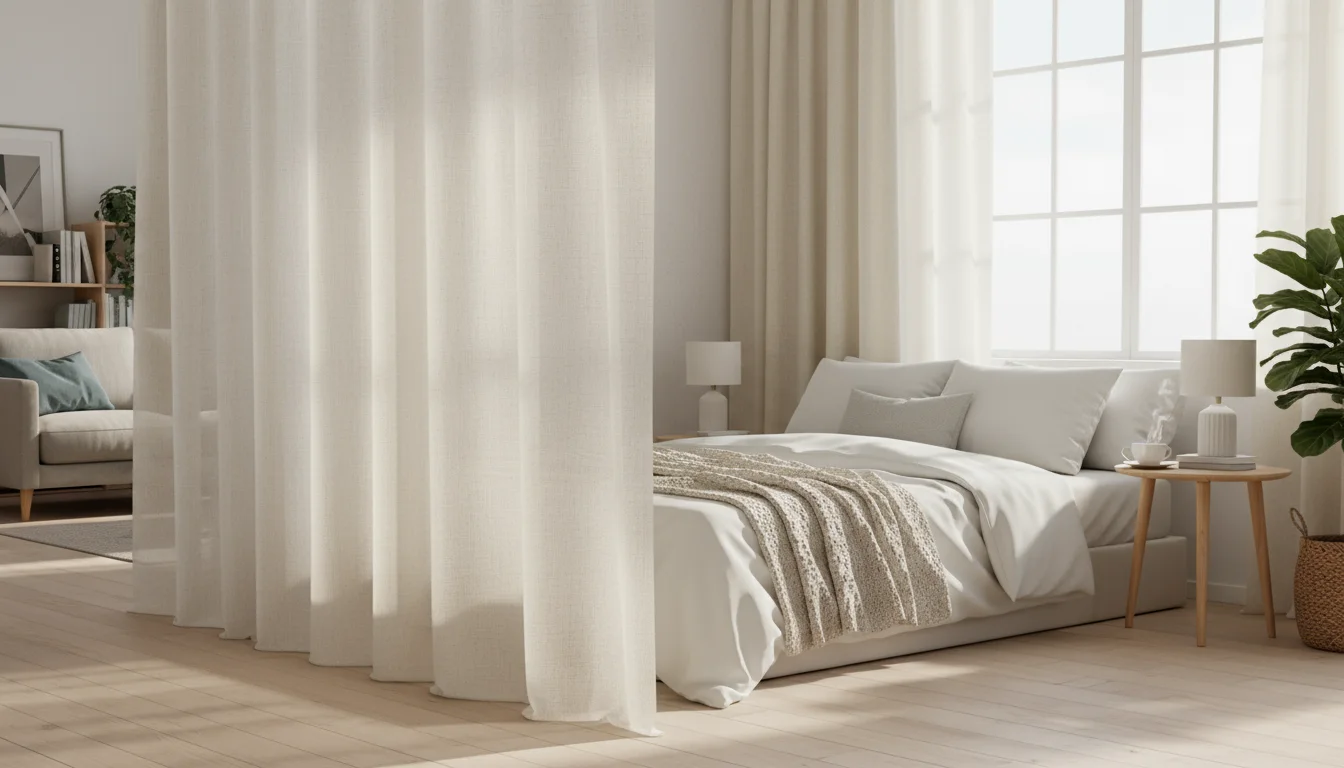
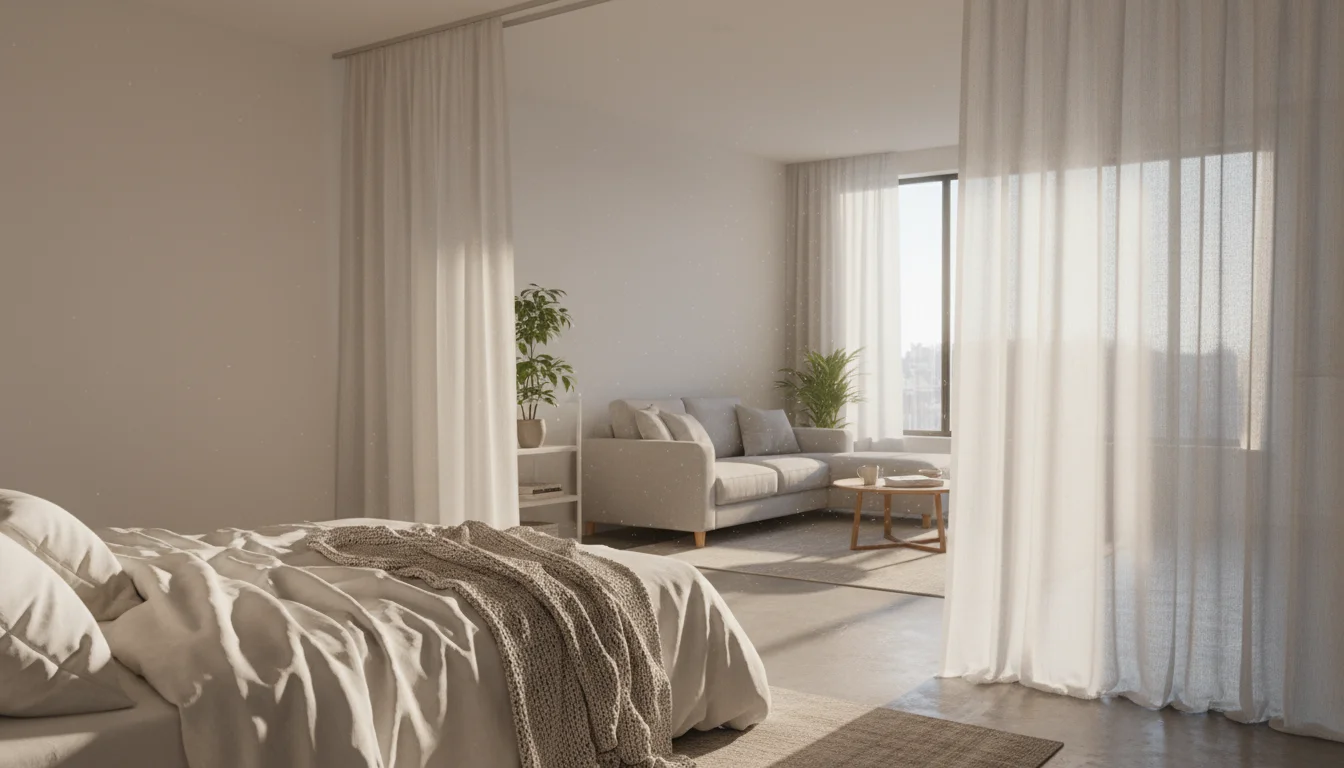
Curtains provide a versatile and elegant way to divide a studio apartment. Install a ceiling-mounted track or a tension rod to hang curtains, creating a soft, movable wall. Choose sheer fabrics to allow light to pass through or heavier, opaque fabrics for maximum privacy. Curtains are excellent for separating a sleeping nook, creating a dressing area, or simply softening the overall look of your space. You can easily pull them back when you want an open floor plan or draw them closed for intimacy.
- Benefits: Highly flexible, budget-friendly, offers privacy, wide range of styles/fabrics, improves acoustics.
- Considerations: Requires ceiling attachment or tension rod, may collect dust, does not block sound significantly.
Folding Screens and Shoji Screens
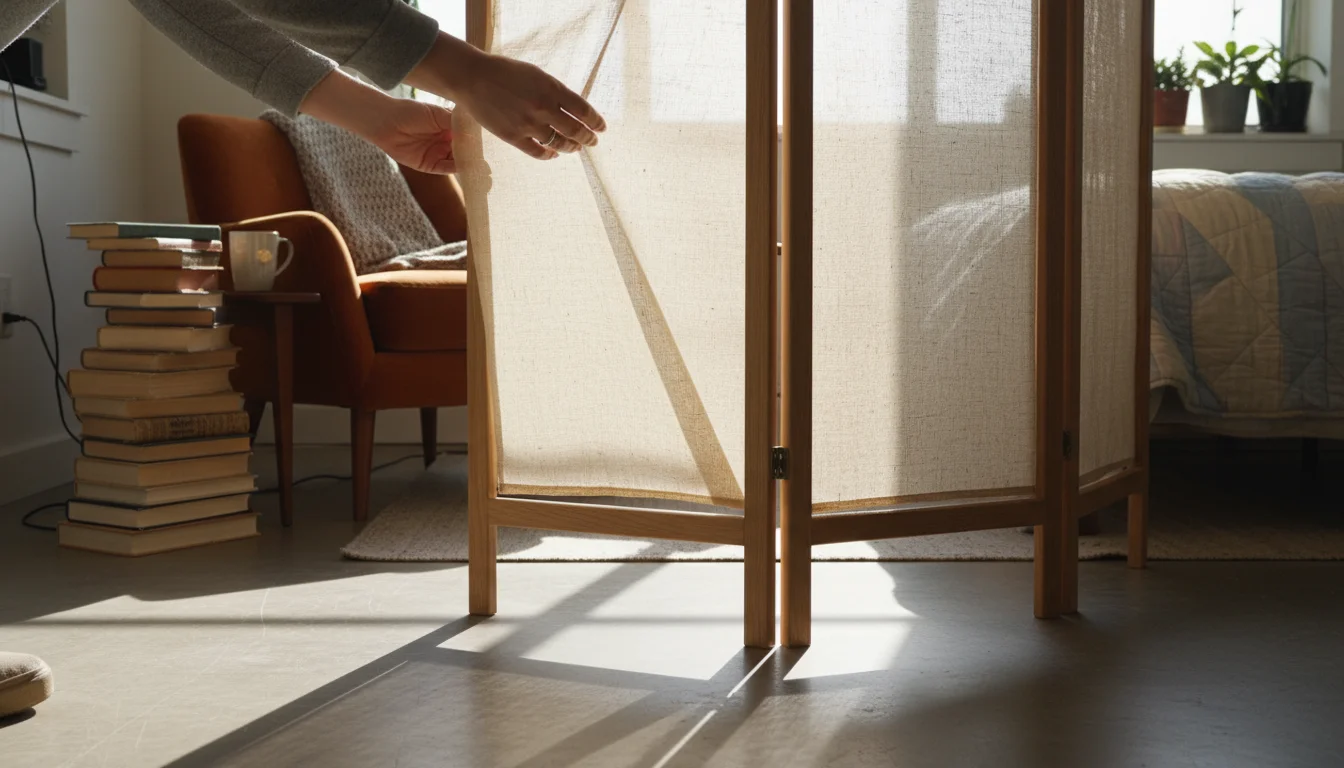
Folding screens offer a classic and decorative approach to space division. These portable dividers come in various materials, from wood and fabric to rattan and paper (like traditional Japanese shoji screens). You can easily move them, fold them away, or reposition them to suit your immediate needs. They provide instant privacy and add a touch of artistic flair to your home.
- Benefits: Portable, decorative, creates instant privacy, no installation required.
- Considerations: Can be tippy if not sturdy, may not block light entirely, not suitable for heavy items.
Fabric Panels and Room Divider Kits
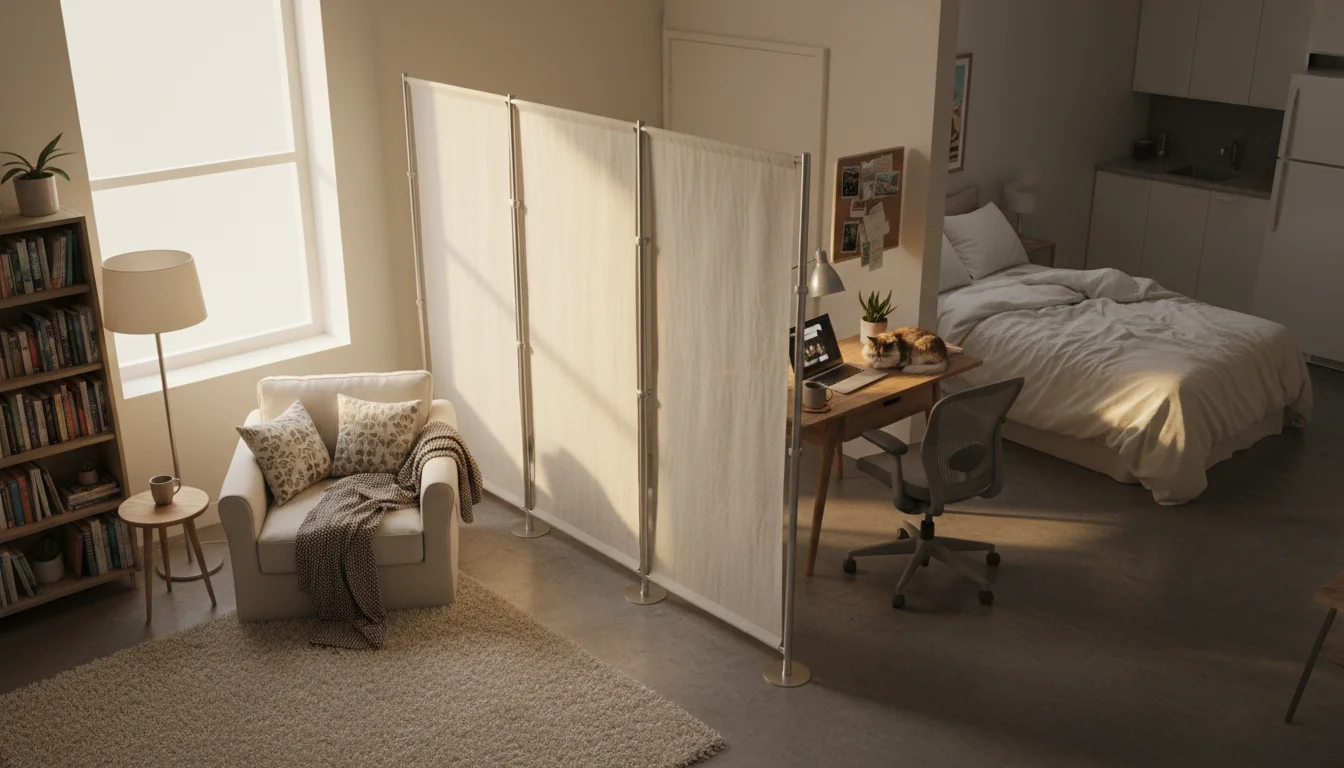
Similar to curtains, fabric panels are typically more structured and often hang from a single track, sliding easily to open or close. Many room divider kits include freestanding frames that hold tensioned fabric panels, offering a lightweight and modular solution. These are great for a modern, minimalist look and can be customized with various fabrics and patterns.
- Benefits: Modern aesthetic, often lightweight and easy to install, good for light control.
- Considerations: May not offer full sound privacy, can be prone to swaying if not well-secured.
Creative & Budget-Friendly DIY Room Dividers
You do not need a large budget to create effective and stylish room dividers. Many ingenious solutions utilize items you already own or require minimal investment. These DIY approaches allow for personal expression and a practical use of resources.
Plants and Greenery
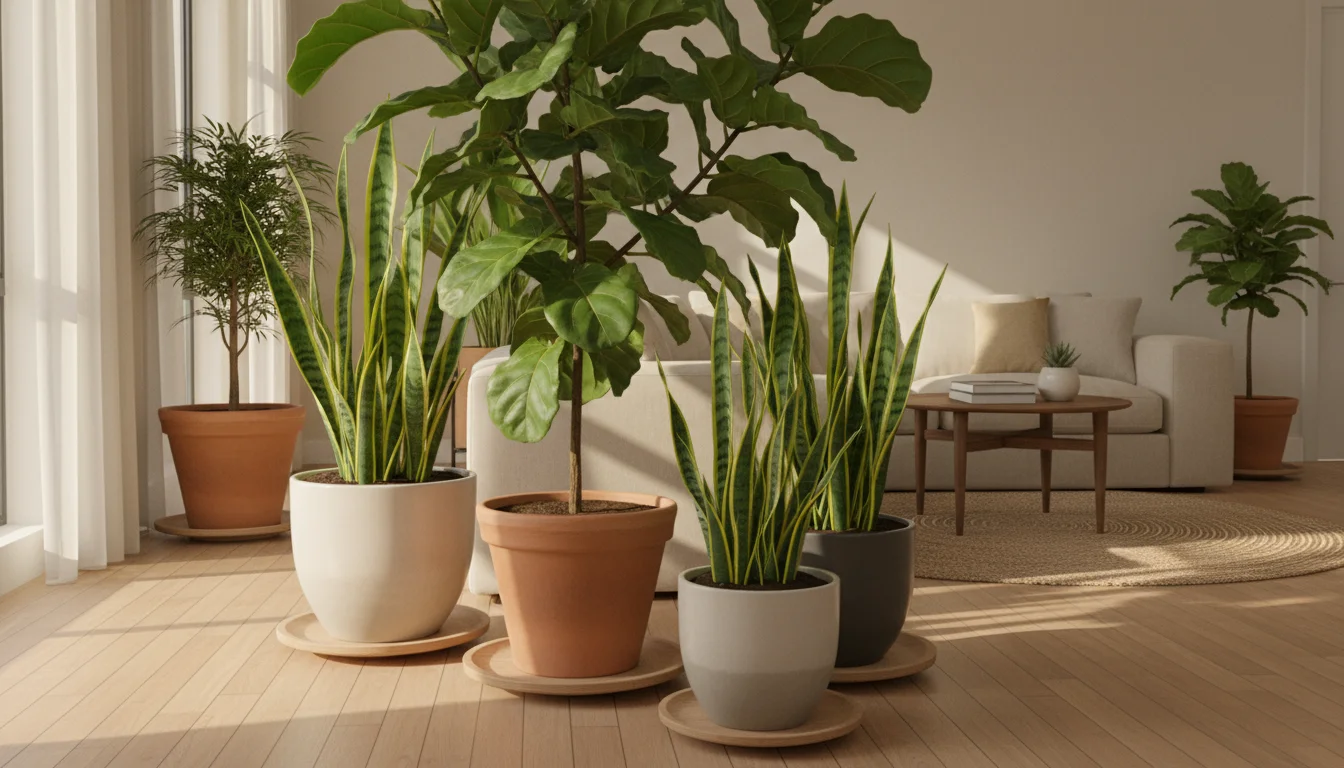
Create a living room divider by arranging a collection of tall plants on a low shelf, a plant stand, or even directly on the floor. Think about plants like snake plants, ZZ plants, or small trees like a Ficus lyrata. This method brings nature indoors, improves air quality, and creates a soft, natural barrier. Use a rolling plant caddy for heavier plants to easily move them.
- Benefits: Aesthetically pleasing, improves air quality, budget-friendly, brings nature indoors.
- Considerations: Requires plant care, does not offer full privacy, best for visual separation.
Rugs and Area Delineation
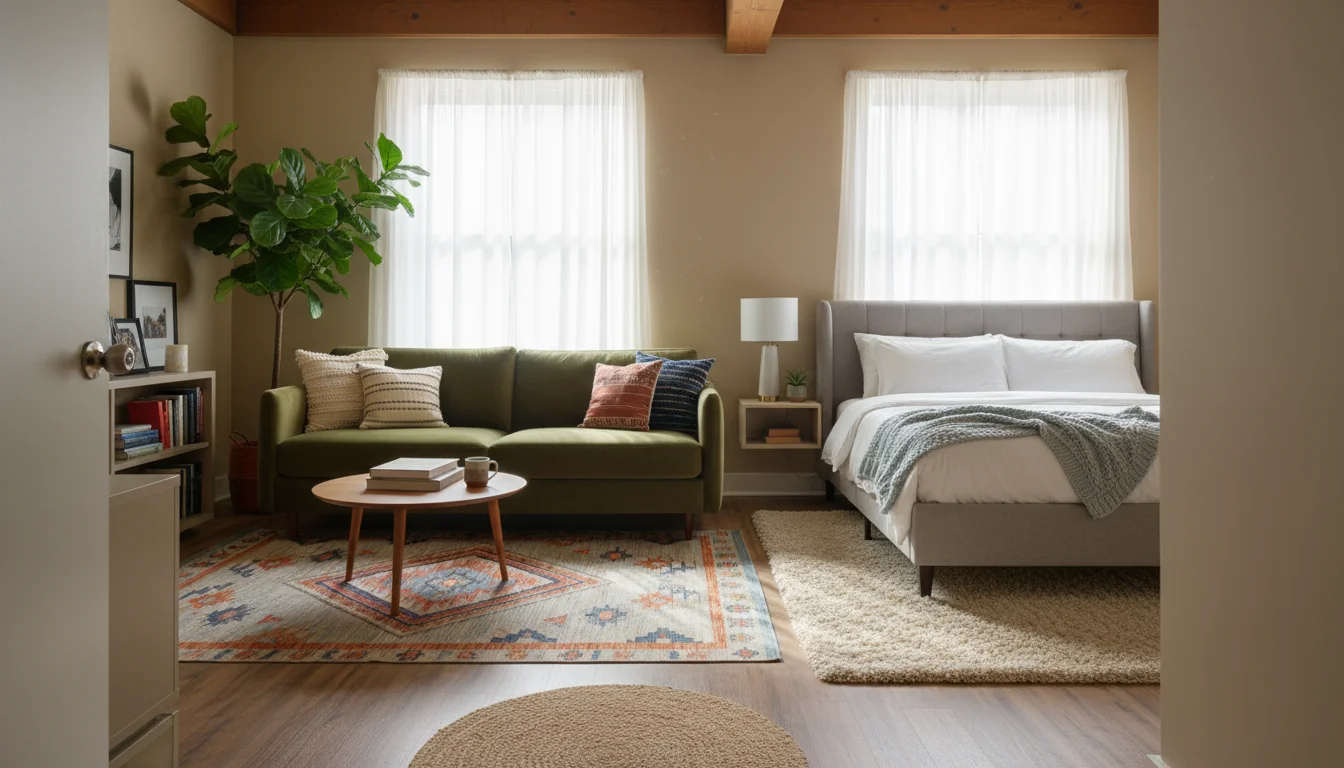
While not a physical divider, using large area rugs is a powerful visual trick to define zones within an open studio. A distinct rug in your living area and another under your bed clearly signals where one zone ends and another begins. This creates psychological boundaries without imposing physical barriers, making the space feel intentionally designed. This Old House suggests using rugs to define areas without physical walls, a clever trick for maintaining an open feel while still creating distinct spaces, as mentioned on their website.
- Benefits: Enhances decor, defines zones visually, no installation, easily changed.
- Considerations: Does not offer privacy or sound reduction, can be an investment depending on size/material.
Painted or Wallpapered Accent Walls
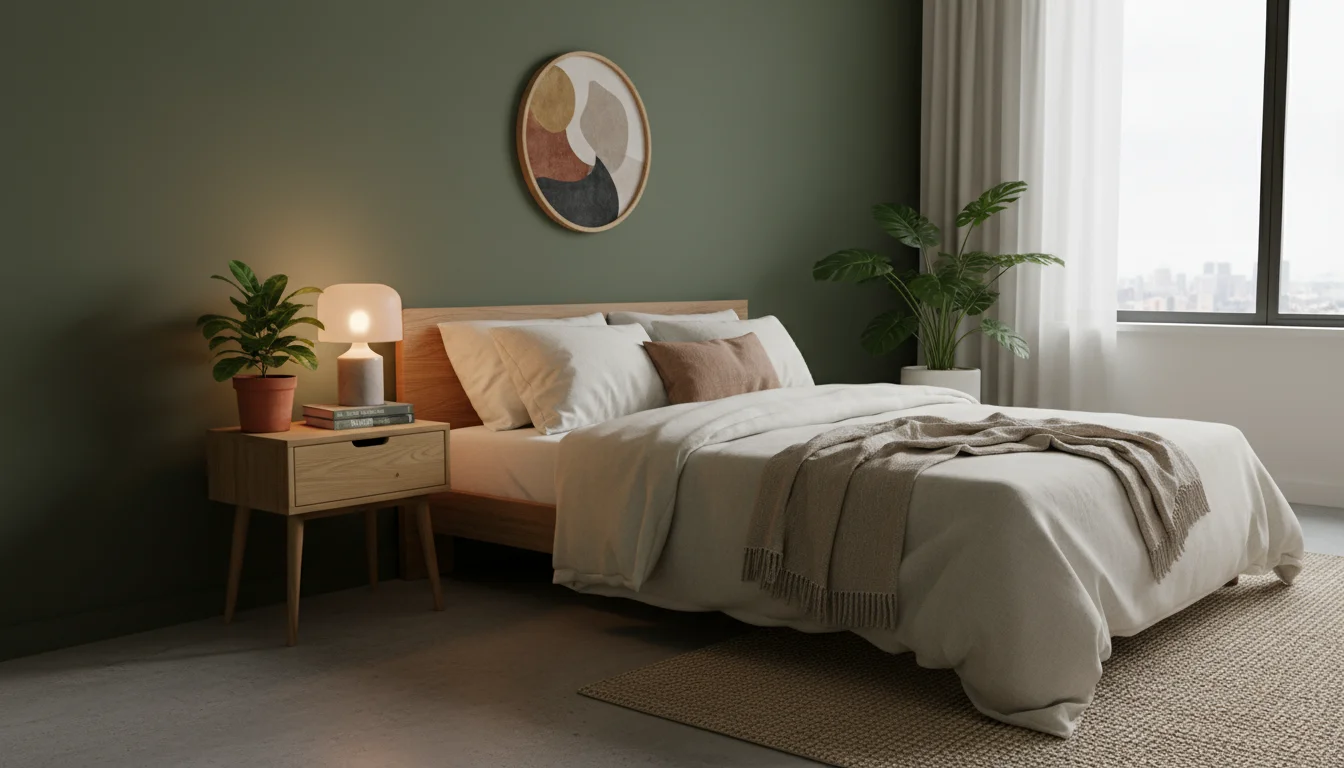
Similar to rugs, an accent wall does not physically divide but creates a strong visual demarcation. Paint the wall behind your bed a different color, or apply a bold wallpaper pattern to the wall behind your entertainment unit. This visual cue helps differentiate areas, making your studio feel less like one large box and more like a collection of purposeful spaces.
- Benefits: Adds character, visually defines zones, relatively low cost.
- Considerations: Requires landlord approval for renters, purely visual, does not provide privacy.
Tension Rods with Fabric or Macrame
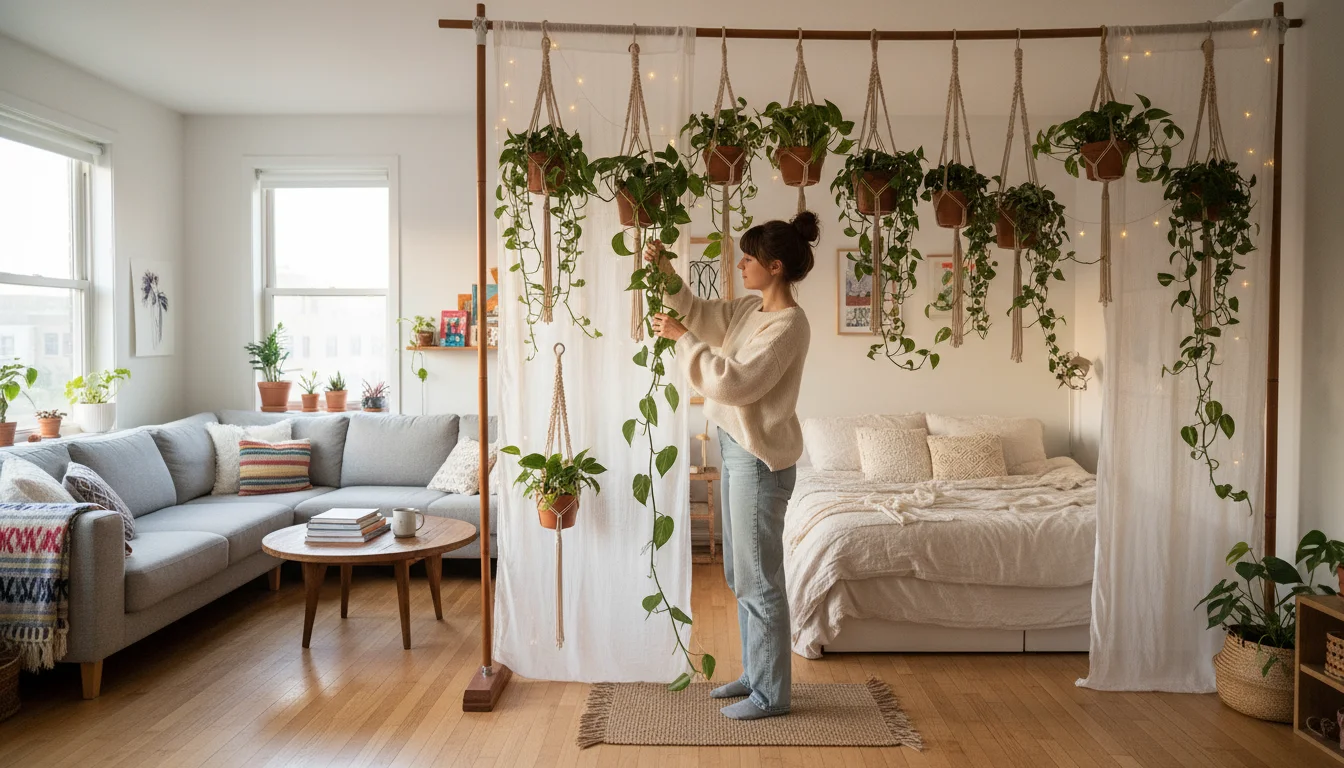
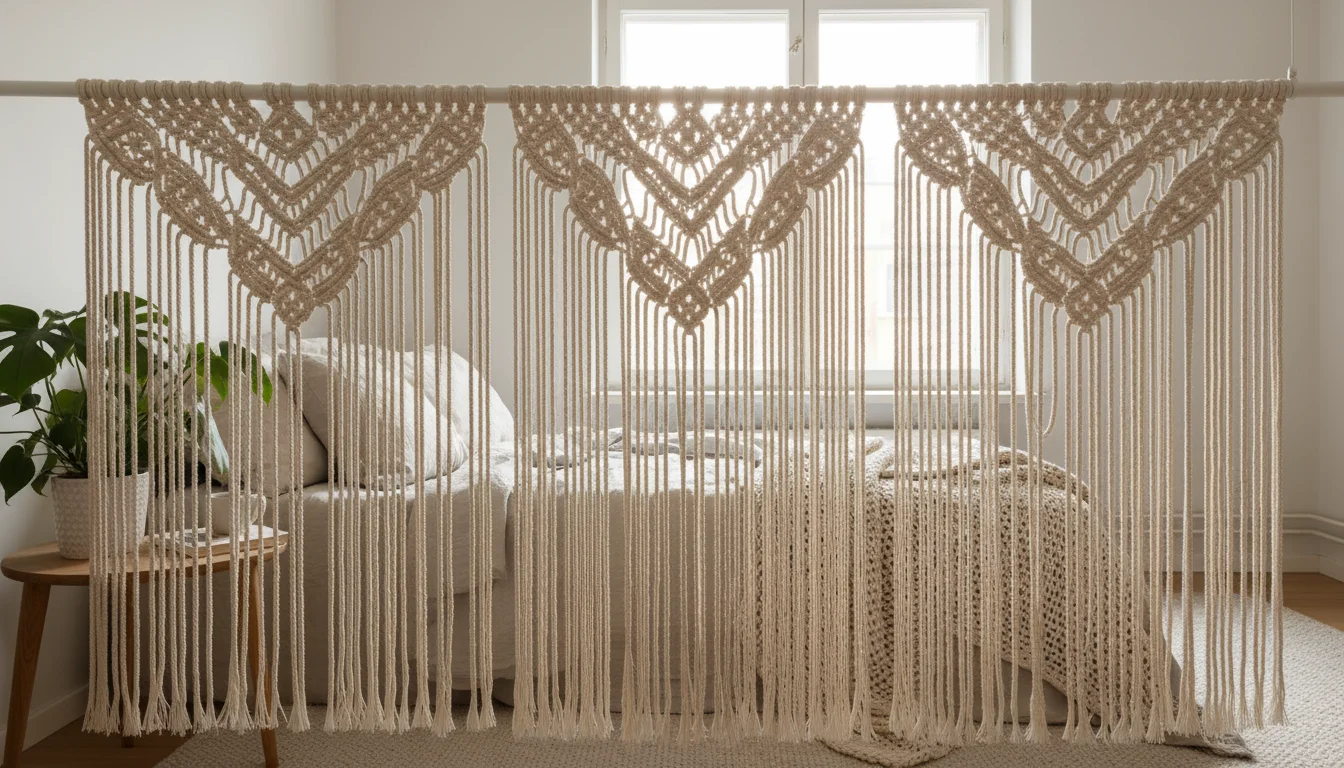
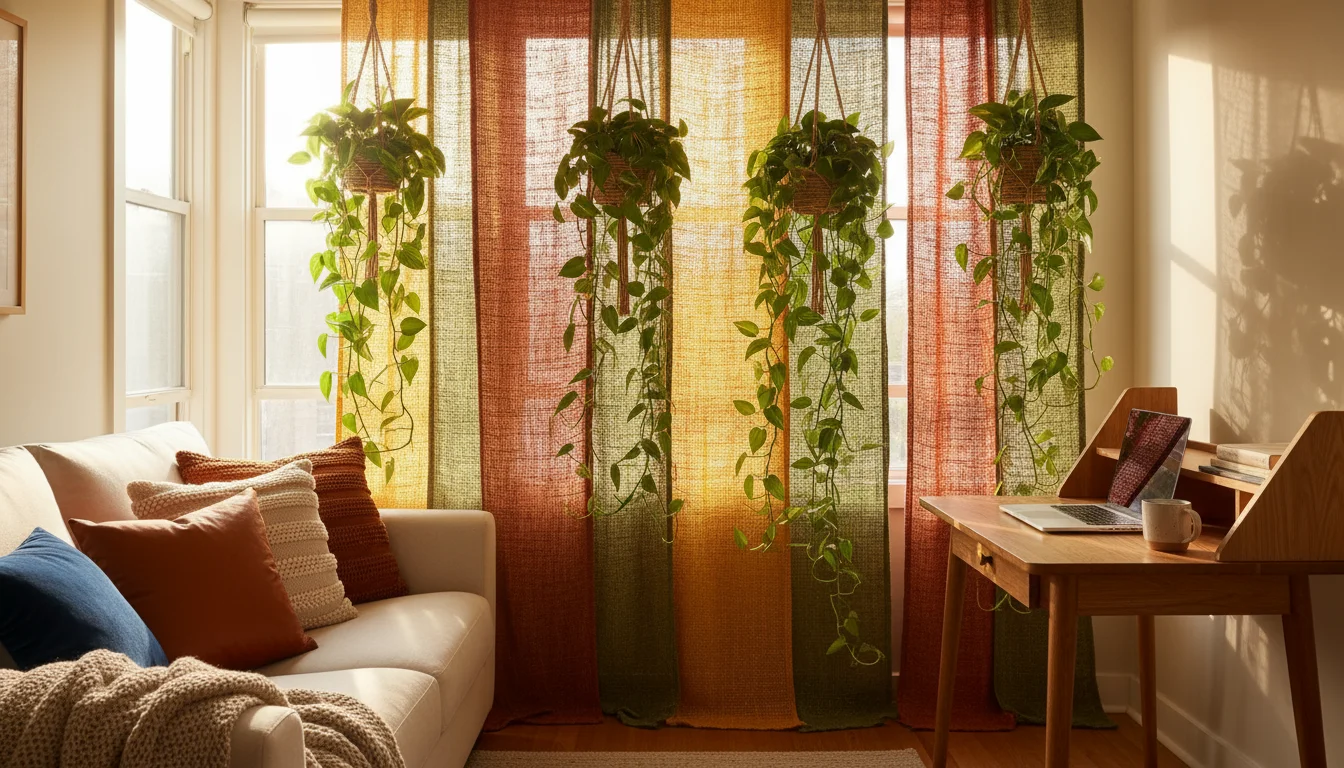
For a truly temporary and renter-friendly divider, use sturdy tension rods. You can hang a variety of materials: lightweight fabrics, macrame hangings, string curtains, or even decorative beaded strands. This works especially well for creating a soft barrier for a sleeping alcove or a small dressing area. Ensure the tension rod is firmly secured to prevent it from falling.
- Benefits: Extremely budget-friendly, no drilling required, easy to install and remove.
- Considerations: Limited to lighter materials, not as sturdy as permanent fixtures, can look less polished.
Balancing Light, Airflow, and Privacy with Your Dividers
Choosing a room divider involves more than just aesthetics; it means considering the practical aspects of your living environment. A poorly chosen divider can make your studio feel dark, stuffy, or even smaller than it is. Prioritizing light, airflow, and privacy ensures your divided space remains comfortable and functional.
Just as mirrors help a divided living area feel larger, they are also a key strategy when learning how to make a small bathroom feel bigger in a compact studio.
Maximizing Natural Light
- Sheer Curtains: If your studio has limited windows, opt for sheer or semi-sheer curtains. They offer a visual break while allowing natural light to filter through, preventing a dark, cave-like feeling in your newly separated zones.
- Open Shelving: Choose bookshelves or shelving units with open backs. These provide structure and division without creating a solid wall, letting light penetrate deeper into the space.
- Reflective Surfaces: Incorporate mirrors strategically. A large mirror placed opposite a window or near your divider can bounce light around, making both sides of the divided space feel brighter and larger.
- Low-Profile Dividers: Consider half-height dividers, like a console table or a low cabinet. These divide the space at eye level but leave the upper portion open, preserving light and an expansive feel.
Maintaining Healthy Airflow
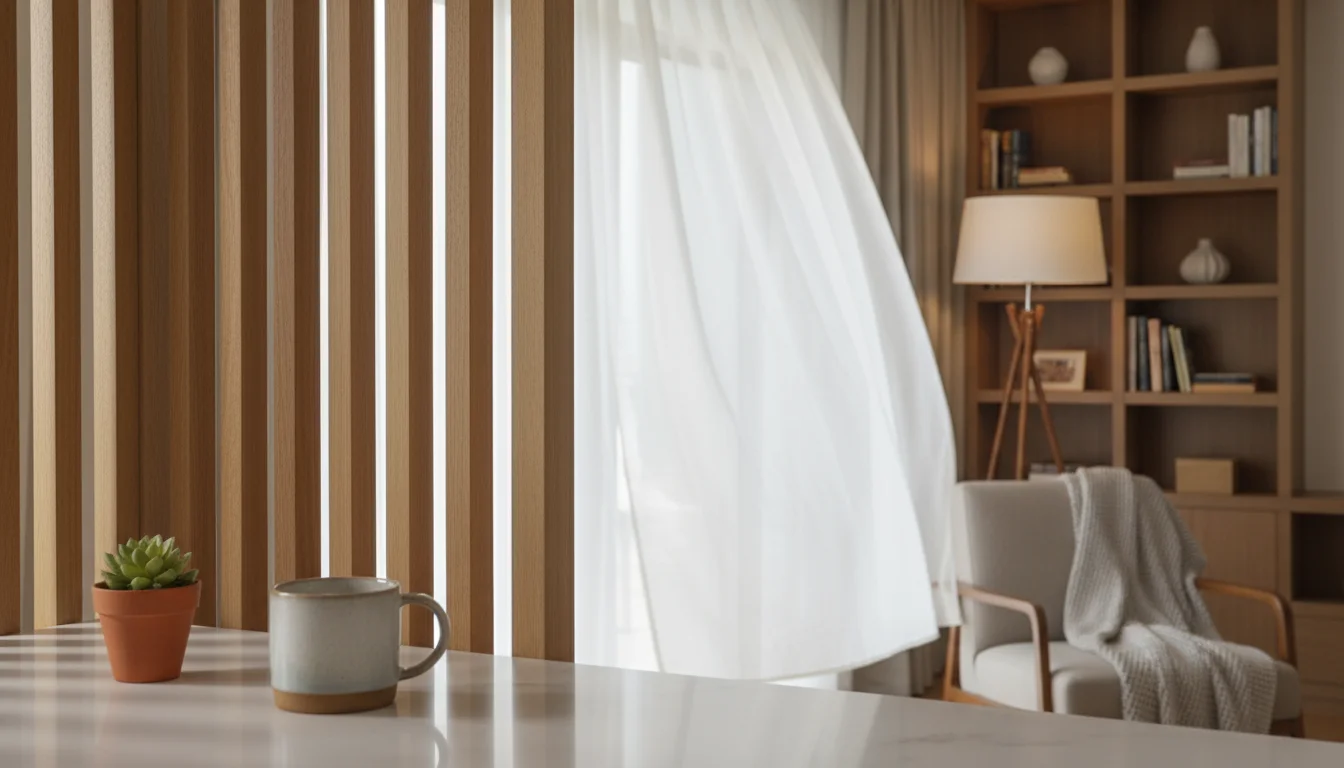
- Perforated or Slatted Screens: Look for screens with cut-outs, lattice patterns, or slatted designs. These designs allow air to move freely between zones, preventing stagnant air and maintaining good ventilation.
- Movable Dividers: Use screens or curtains that you can easily open, close, or reposition. This flexibility allows you to adjust airflow as needed, especially important for cooking odors or general air circulation.
- Furniture Placement: When using furniture as a divider, ensure there is adequate space around it for air to circulate. Avoid pushing large pieces directly against walls or other furniture if it creates an impenetrable block.
Achieving the Right Level of Privacy
- Solid Panels or Bookshelves: For maximum visual privacy, such as separating a sleeping area from a living space, solid folding screens or tall, closed-back shelving units are most effective.
- Opaque Curtains: Heavy, opaque drapes provide excellent visual privacy and can even offer some sound dampening, creating a more intimate feel for a sleeping nook.
- Strategic Placement: Even a partial divider can provide a significant sense of privacy if placed correctly. For example, a screen positioned to block the direct line of sight from your entrance to your bed effectively creates a private sleep zone.
Your goal is to strike a balance. You might prioritize light in your living area and privacy in your sleeping space. Tailor your choices to the specific needs of each zone you create.

Selecting the Best Room Divider for Your Lifestyle
With so many options, choosing the right room divider might feel overwhelming. By focusing on your lifestyle, aesthetic preferences, and practical needs, you can narrow down the choices and find the perfect fit for your studio.
Consider Your Aesthetic
Your room divider should complement your existing decor.
| Style Preference | Recommended Divider Type | Examples |
|---|---|---|
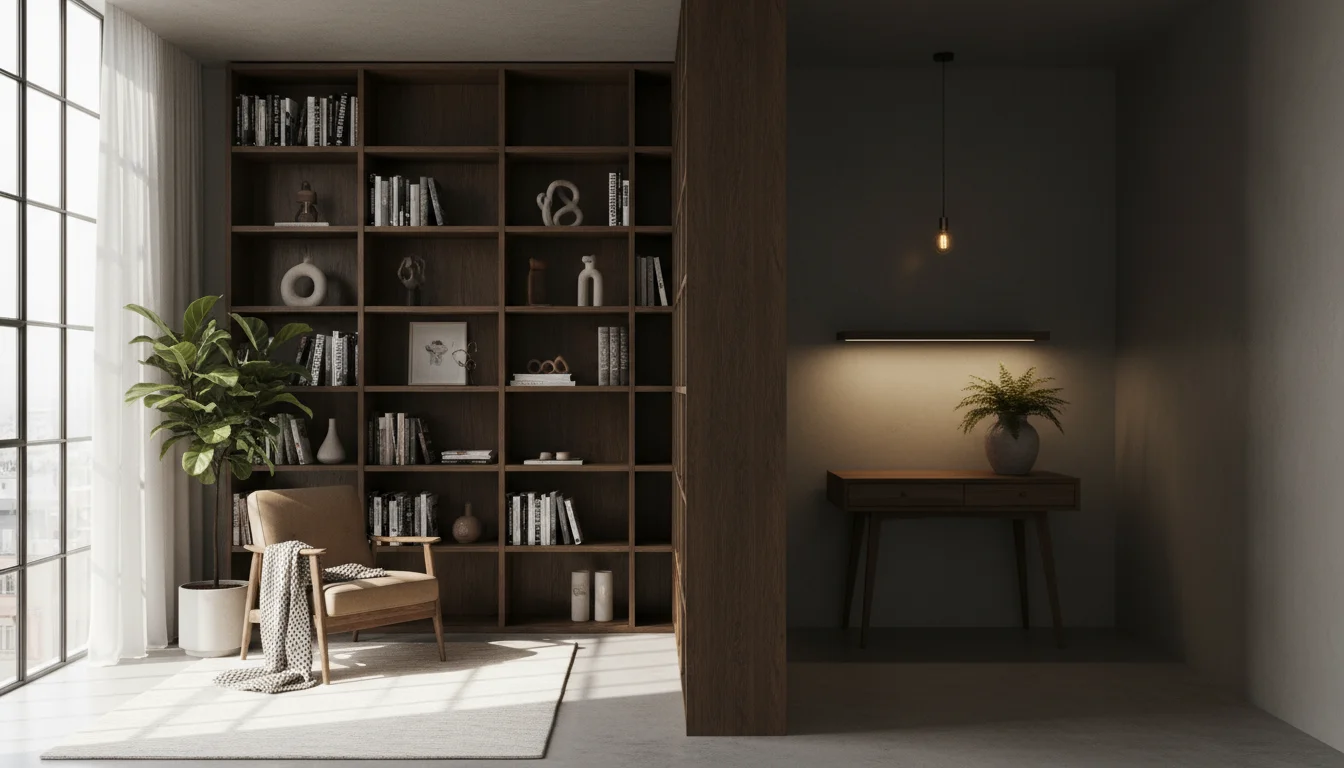
| Modern/Minimalist | Sleek open shelving, sliding panels, simple fabric screens | Metal frame bookshelves, clean-lined fabric dividers |
| Bohemian/Eclectic | Macrame hangings, beaded curtains, vibrant fabric drapes, plants | Woven tapestries, hanging planters, vintage folding screens |
| Traditional/Classic | Wooden folding screens, elegant drapes, enclosed cabinetry | Cherry wood room screens, velvet curtains, antique armoires |
| Industrial | Metal shelving units, reclaimed wood, glass panels | Black metal grid screens, open pipe shelving |
Evaluate Your Practical Needs
- Need for Storage? If storage is a primary concern, then shelving units, dressers, or cabinets are your best bet. They offer a dual purpose: dividing the space and holding your belongings.
- Desire for Flexibility? If you want to open up your space for entertaining or simply change configurations, prioritize movable options like folding screens, curtains on tracks, or even large plants on rolling caddies.
- Seeking Privacy? For a strong visual barrier, opaque screens, solid furniture, or heavy curtains provide the most seclusion. For less intense separation, open shelving or sheer curtains suffice.
- Budget Constraints? Remember that repurposing existing furniture, DIY solutions with tension rods, or using rugs and paint are highly effective and budget-friendly. New, custom-built dividers will naturally cost more.
By aligning your divider choice with both your personal style and your practical requirements, you ensure the solution serves you well for the long term. This approach leads to a more harmonious and efficient studio apartment.
Common Mistakes to Avoid When Implementing Room Dividers
Even with the best intentions, it’s easy to make missteps when dividing a studio apartment. Avoiding these common errors ensures your efforts result in a more functional and aesthetically pleasing home.
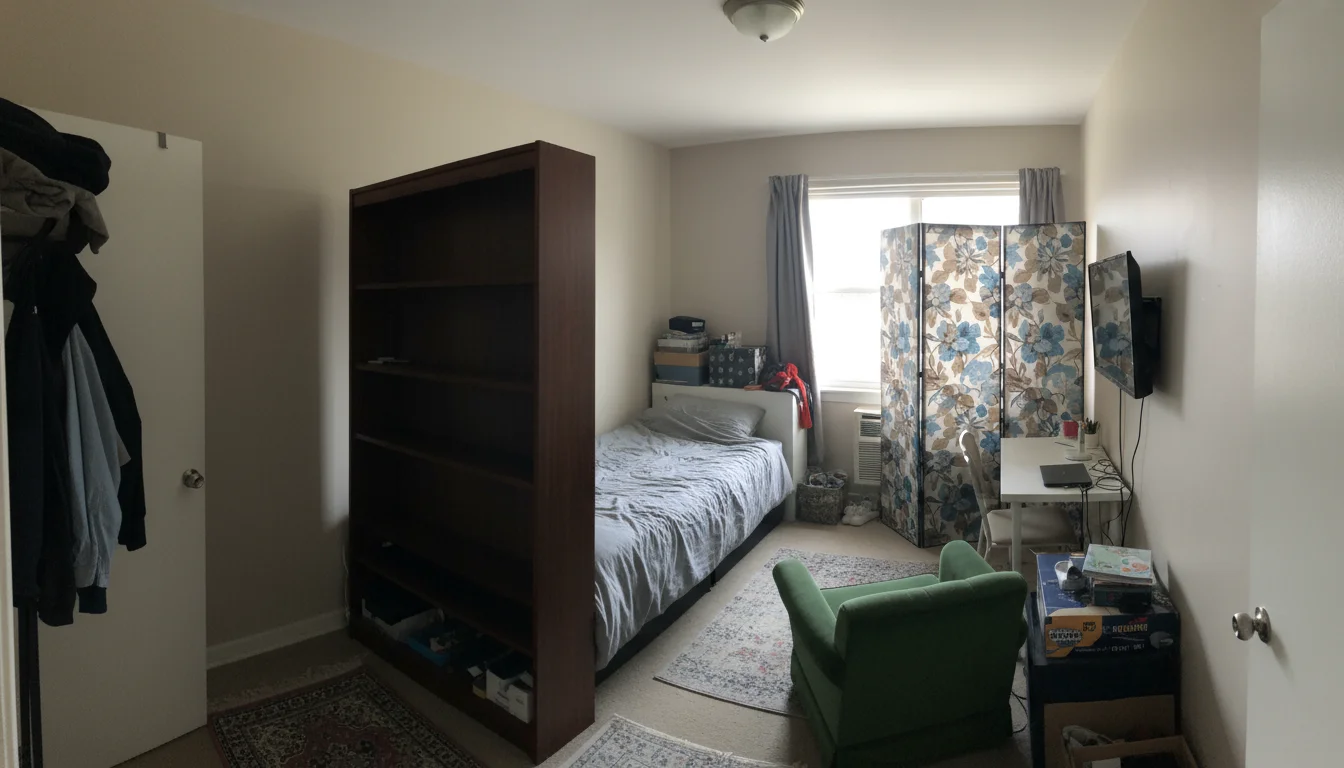
Blocking All Light and Airflow
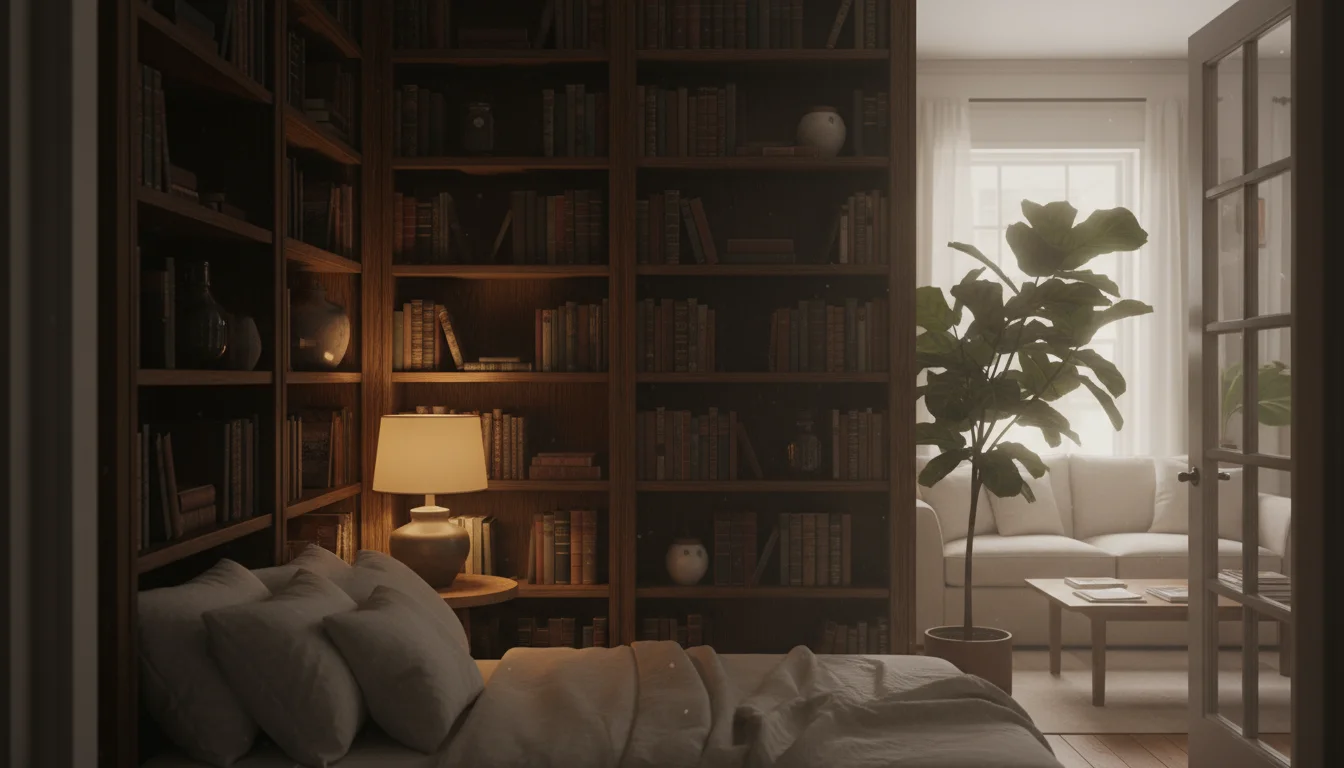
One of the most frequent mistakes is using solid, opaque dividers that extend from floor to ceiling, especially in studios with limited windows. This creates a “cave effect” in one or both zones, making the space feel smaller and darker. It also restricts air circulation, leading to stuffiness.
- Solution: Prioritize light-permeable options like open shelving, sheer curtains, or screens with cutouts. If you need privacy, consider a divider that stops short of the ceiling, allowing light and air to pass over.
Over-Dividing Your Space
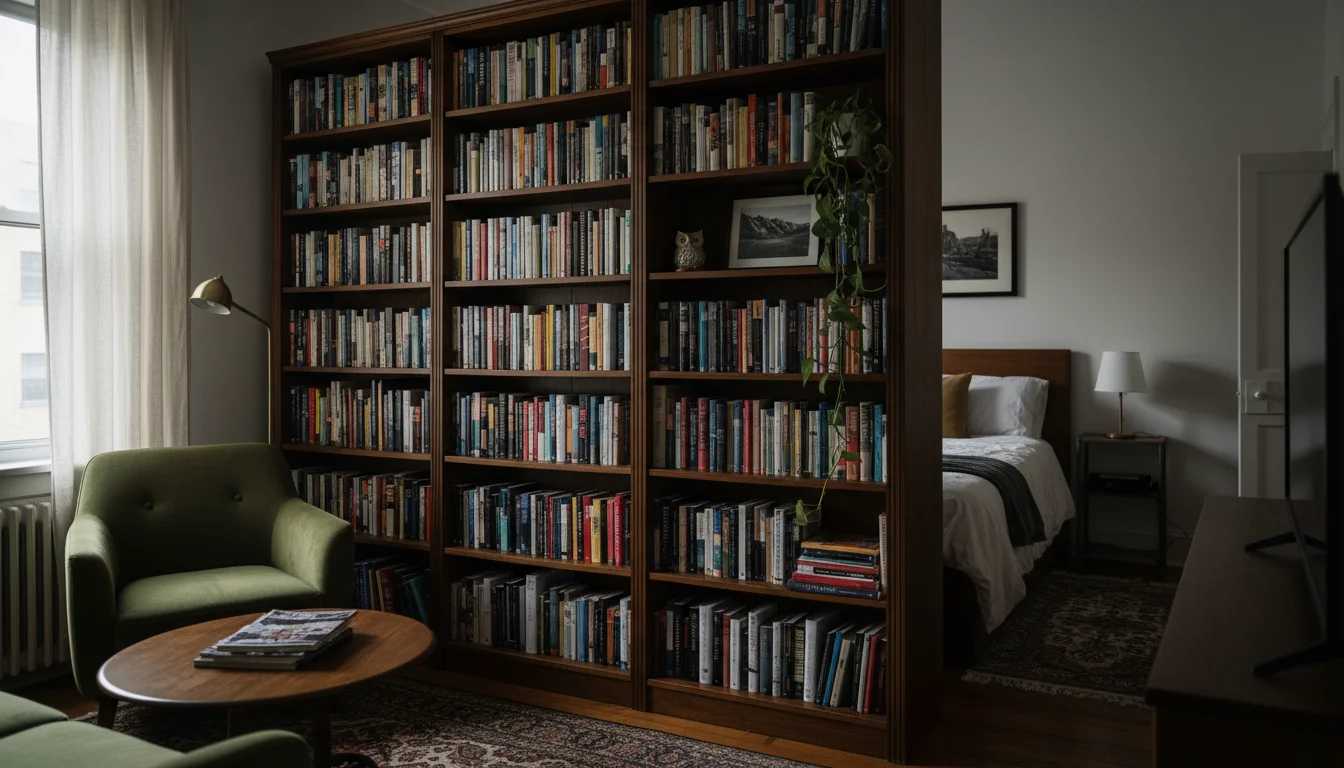
While the goal is to create zones, too many dividers can chop up a small studio into tiny, unusable sections. This makes the space feel cluttered and claustrophobic rather than organized and expansive. It often results from trying to define too many distinct areas in a limited footprint.
- Solution: Focus on dividing the most essential zones, typically sleeping from living/working. Embrace multi-functional furniture where one piece serves multiple purposes in different zones. Less is often more in small space design.
Ignoring Scale and Proportion
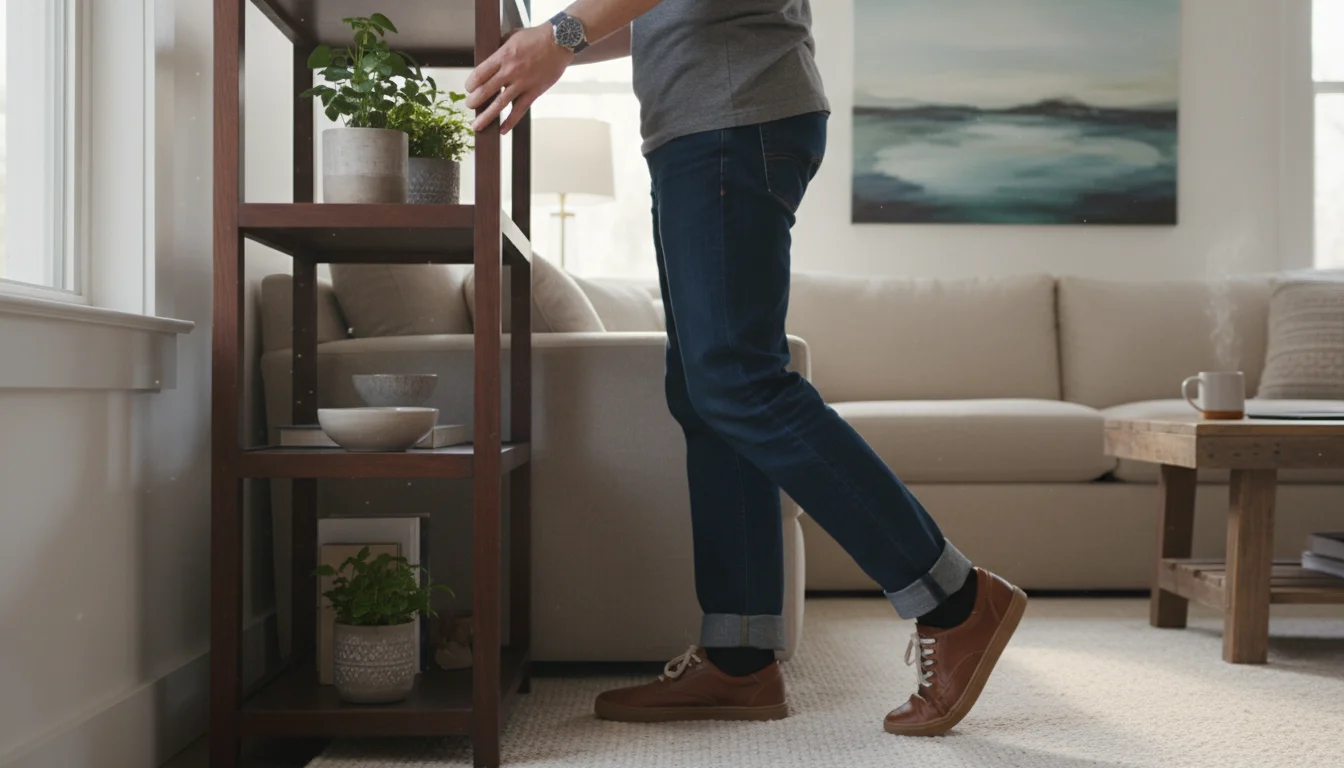
A massive, heavy bookshelf in a tiny studio can overwhelm the space. Conversely, a flimsy, too-short screen might look out of place and fail to provide effective division. The size and visual weight of your divider matter significantly.
- Solution: Choose dividers that are proportionate to your room and the area you are dividing. Consider the visual weight: an open-backed metal shelf looks lighter than a solid wooden cabinet of the same size. Measure carefully and visualize the piece in your space before committing.
Creating Obstacles, Not Pathways
A divider should guide flow, not impede it. Placing a divider in a way that blocks natural pathways or makes it difficult to move between zones creates frustration and discomfort. This can make your studio feel inefficient and difficult to navigate.
- Solution: Ensure clear pathways around your dividers. Leave enough space for comfortable movement, ideally at least 30-36 inches for main thoroughfares. If using furniture, ensure it is easy to walk around.
Neglecting Stability and Safety
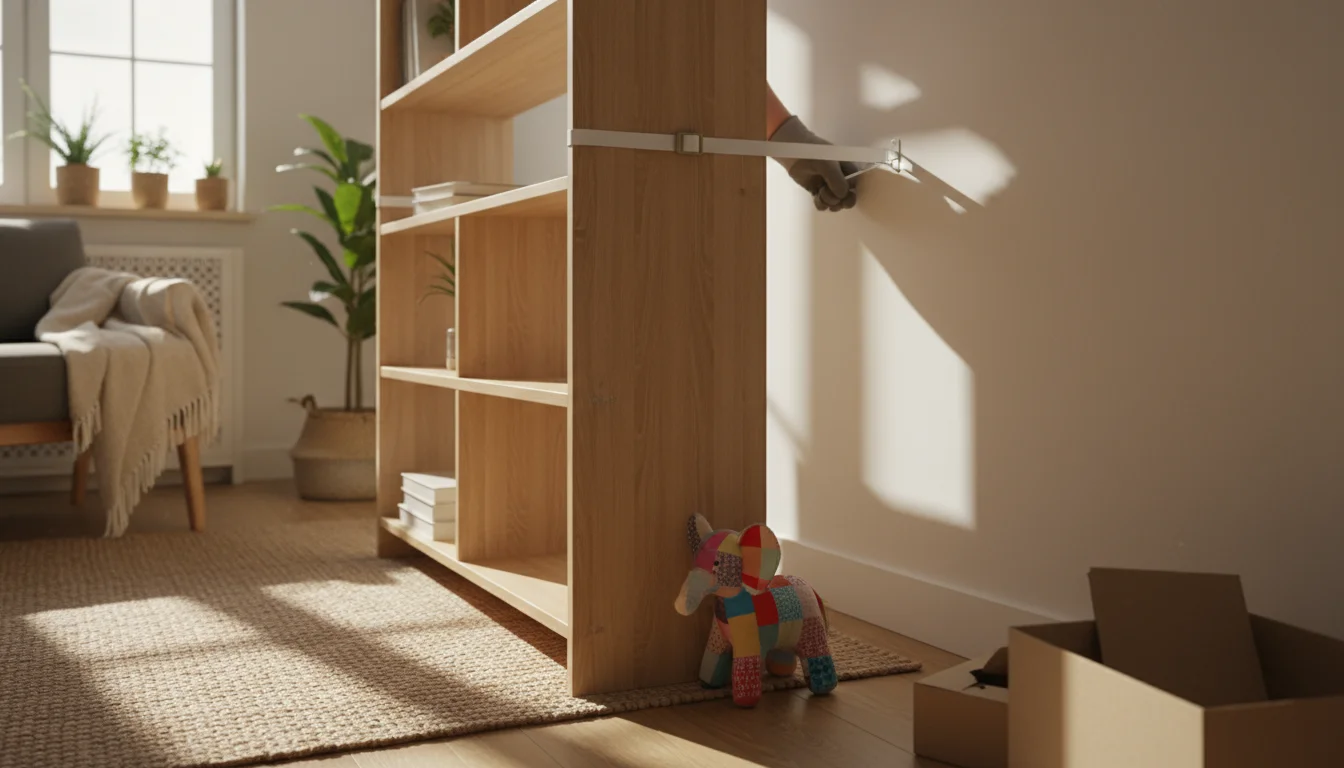
Tall, freestanding dividers, especially bookshelves, can be unstable and pose a safety risk, particularly in homes with children or pets. A toppling divider can cause serious injury.
- Solution: Always anchor tall furniture to the wall using anti-tip kits. For folding screens, choose sturdy models and place them where they are unlikely to be bumped or knocked over. Safety is paramount.
By being mindful of these pitfalls, you can implement room dividers that truly enhance your studio living experience.
Frequently Asked Questions
Can I use room dividers in a rental apartment?
Absolutely! Most room divider ideas are perfect for rentals because they do not involve permanent alterations to the structure. Options like freestanding screens, open shelving, curtains on tension rods, and strategic furniture placement are all renter-friendly. Always double-check your lease for any specific restrictions on mounting things to walls or ceilings, but generally, temporary solutions are encouraged for enhancing comfort.
How can I divide my studio without making it feel smaller?
The key is to use light, permeable, or partial dividers. Opt for open shelving that allows light to pass through, sheer curtains, or screens with cutouts. Consider half-height furniture that divides a zone at eye level but leaves the upper space open. Using rugs for visual division or painting an accent wall are also excellent ways to define zones without adding physical bulk.
What is the most affordable way to create a room divider?
The most affordable room dividers often involve repurposing items you already own or simple DIY projects. Rearranging your sofa to create a living zone, using a tall dresser as a barrier, or hanging a large piece of fabric on a tension rod are very budget-friendly. Collecting a group of tall plants can also create a beautiful and inexpensive natural divider. Think creatively about existing items before buying new ones.
Do room dividers help with sound privacy?
Most room dividers, especially those made of lightweight materials like fabric or open shelving, offer minimal sound privacy. Their primary function is visual separation. For better sound dampening, you would need heavier, opaque materials like solid wood screens, thick upholstered panels, or dense curtains that are ceiling-mounted and extend from wall to wall. Even then, you will still hear ambient sounds, but they may be slightly muffled.
How do I choose the right height for a room divider?
The ideal height depends on your needs. For full visual privacy, such as around a bed, a divider that reaches close to the ceiling (around 6-7 feet) works best. If you want to define zones while maintaining an open feel and allowing light to pass over, a half-height divider (3-5 feet tall, like a console table or a low bookshelf) is effective. Consider your eye level when seated and standing to ensure the divider achieves its intended purpose without feeling overwhelming or ineffective.
For expert home organization guidance, visit
Family Handyman, Bob Vila, HGTV — Home and Apartment Therapy.
Disclaimer: This article is for informational purposes only and is not a substitute for professional advice. Consult professional organizers or specialists for personalized recommendations.
To further declutter your sleeping zone, consider combining these furniture dividers with clever under-bed storage ideas for linens and seasonal clothing.
Leave a Reply