

You want a clean home, but you also want a healthy home and a healthy planet. For many busy homeowners, renters, and apartment dwellers, the idea of eco-friendly cleaning sounds appealing, but questions remain: Do these products actually work? Are they affordable? Can I truly achieve a spotless, fresh-smelling space without harsh chemicals? We understand your concerns. Your time is valuable, your budget is real, and you need solutions that fit your lifestyle without compromising effectiveness.
This article cuts through the greenwashing and confusion, providing practical, actionable insights into eco cleaning. You will discover how modern eco-friendly cleaning products effectively tackle grime, grease, and germs, all while supporting your well-being and the environment. We offer a trustworthy guide to selecting and using sustainable cleaning solutions that deliver real results, helping you create a comfortable, clean living space without the worry.

Why Make the Switch to Eco-Friendly Cleaning?
Making the leap to eco cleaning offers significant benefits for your health, your home, and the planet. Many conventional cleaning products contain volatile organic compounds (VOCs), phthalates, and other harsh chemicals. When you use these products, they release these substances into your home’s air, contributing to indoor air pollution. The EPA consistently highlights the importance of indoor air quality for respiratory health and overall well-being. Switching to eco cleaning products significantly reduces your exposure to these airborne irritants, creating a healthier living environment for everyone, including pets and children. You breathe easier, and your skin avoids contact with harsh irritants.
For those with furry friends, discovering how to remove pet odors naturally is an essential part of maintaining a fresh, chemical-free home.
Beyond personal health, your choices impact the environment. Traditional cleaners often contain ingredients that do not biodegrade easily. They wash down drains, entering our water systems and potentially harming aquatic life. Their manufacturing processes also consume considerable energy and resources, often generating significant waste. Eco-friendly cleaning products, by contrast, feature plant-derived, biodegradable ingredients. Many companies also prioritize sustainable sourcing, use recycled content in their packaging, or offer refillable options, minimizing their environmental footprint. This means less plastic waste in landfills and oceans, and fewer harmful chemicals contaminating our ecosystems.
A common misconception is that eco cleaning sacrifices effectiveness. This is simply not true anymore. Advancements in green chemistry mean today’s sustainable cleaning products effectively tackle everything from stubborn kitchen grease to bathroom grime and everyday dust. You do not need to choose between a clean home and an eco-conscious lifestyle. Modern formulations harness the power of natural enzymes, plant extracts, and mineral-based abrasives to deliver powerful cleaning performance. These products stand up to their conventional counterparts, often outperforming them in specific tasks without leaving behind strong chemical residues or fumes. You gain peace of mind, knowing your home is clean through methods that support both your family’s health and the planet’s well-being.

Understanding “Eco-Friendly”: What to Look For (and Avoid)
Navigating the world of “green” products can feel overwhelming, with many brands making various claims. Understanding what truly makes a product eco-friendly and what constitutes “greenwashing” empowers you to make informed decisions. First, look for reputable certifications. Labels like EPA Safer Choice or Ecocert provide independent verification that a product meets stringent health and environmental standards. These certifications assess everything from ingredient safety to manufacturing processes. They offer a reliable shortcut, ensuring the product genuinely aligns with eco-friendly principles.
Once you know what to look for, you can systematically replace every chemical cleaner in your home with these safer, greener alternatives.
Ingredient transparency is another critical factor. A truly eco cleaning product will openly list its ingredients, often highlighting plant-derived components. You want to see terms like “plant-based,” “biodegradable,” and “non-toxic.” These indicate ingredients break down safely in the environment and pose minimal risk to human health. Conversely, several harmful ingredients commonly found in traditional cleaners should raise red flags. Avoid products containing phthalates, parabens, chlorine bleach, ammonia, phosphates, and synthetic fragrances. These chemicals link to various health concerns and environmental damage. Knowing what to avoid is as important as knowing what to seek out.
Beyond the ingredients themselves, consider the product’s packaging and form. Concentrated formulas significantly reduce packaging waste and shipping emissions, as you simply add water at home. Refillable bottles and packaging made from recycled content or sustainable materials like glass or aluminum also demonstrate a brand’s commitment to sustainability. Consider options that offer subscriptions for refills, making it even easier to maintain your eco cleaning routine. Some companies even offer plastic-free alternatives, such as cleaning tablets or solid bars. By scrutinizing labels and packaging, you ensure your purchases truly support your commitment to a healthier home and a cleaner planet.
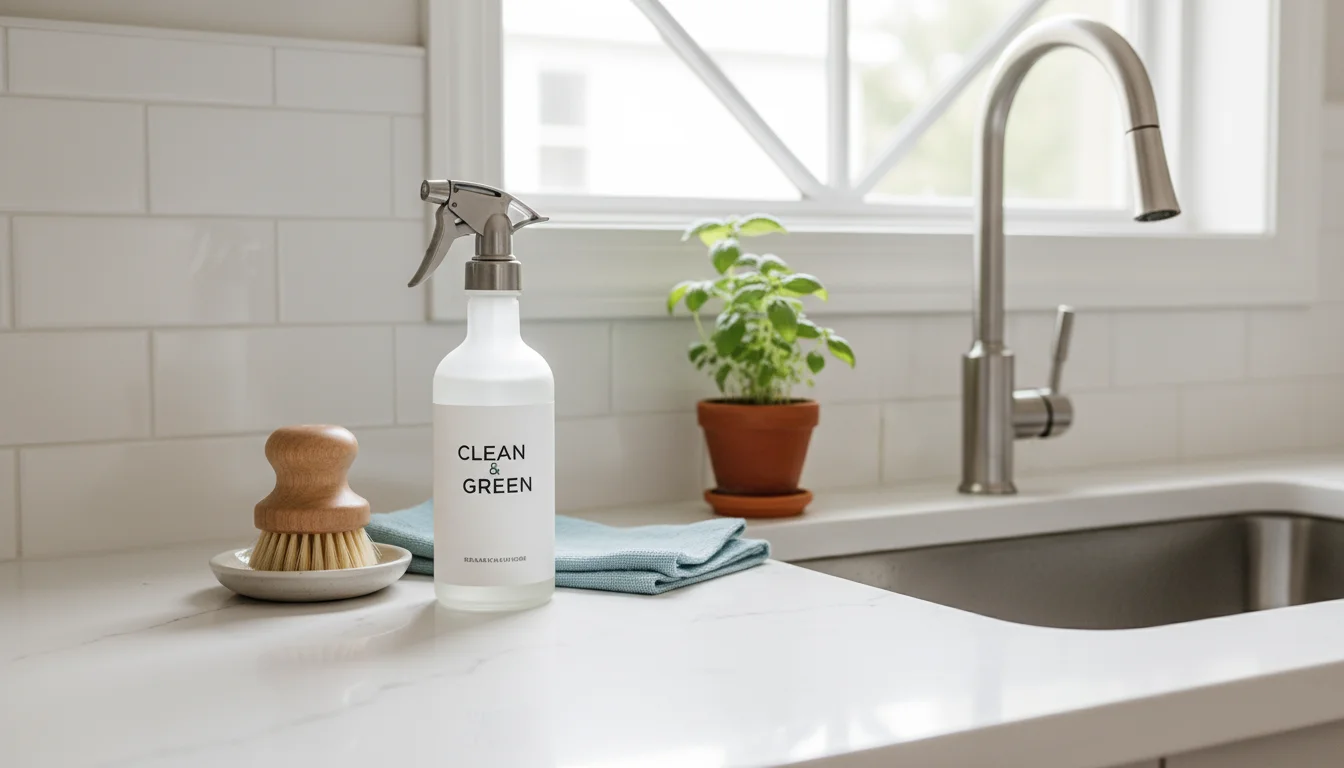
All-Purpose Eco Cleaners That Deliver: Our Top Picks
An effective all-purpose cleaner is the cornerstone of any cleaning routine. When you choose an eco-friendly option, you get the versatility you need without the harsh chemicals. Today’s best all-purpose eco cleaners harness natural cleaning power to tackle a wide range of surfaces and messes. Many formulations utilize plant-derived surfactants, which break down grease and grime effectively, and natural essential oils, which provide a pleasant, subtle scent without synthetic fragrances. These cleaners work well on countertops, sealed wood, tile, stainless steel, and even glass, making them incredibly practical for daily use.
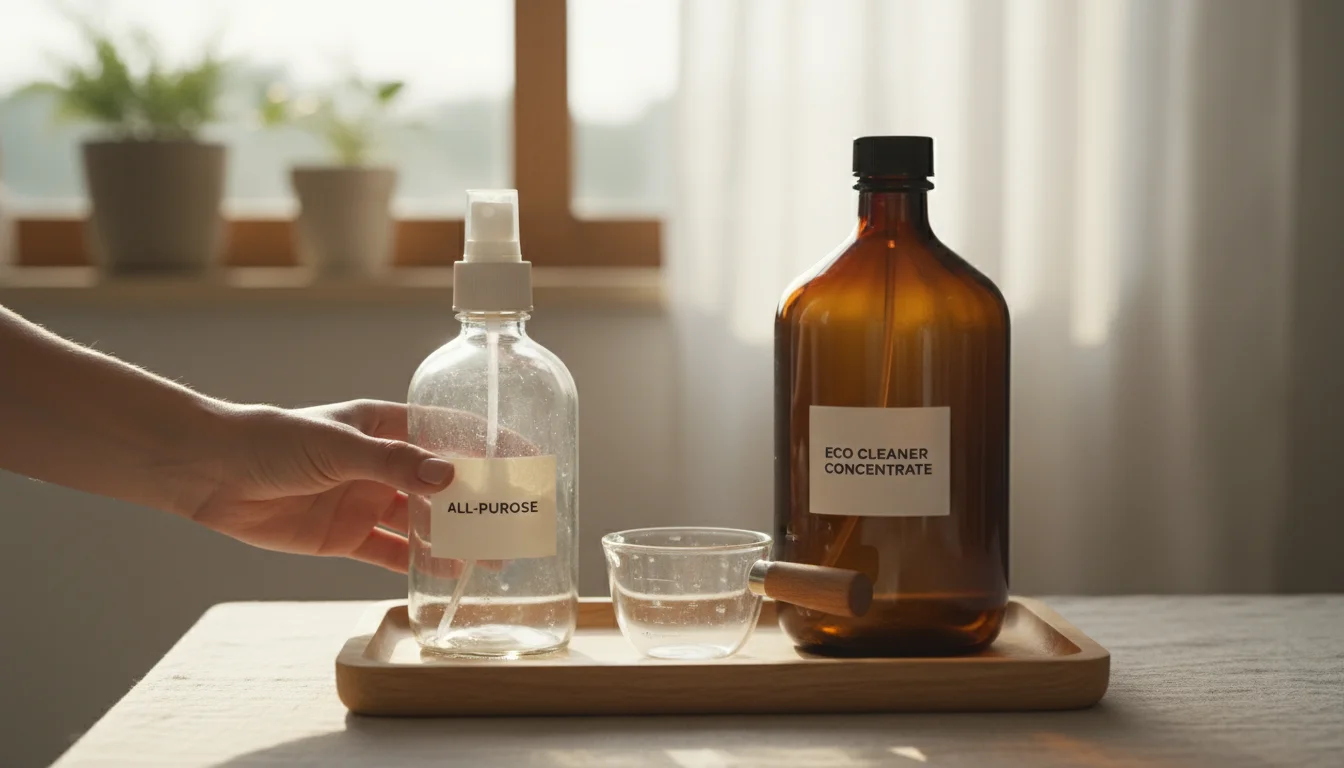
When selecting your all-purpose eco cleaner, consider its format. Liquid sprays offer convenience for quick wipe-downs, ready to use right out of the bottle. Look for brands that offer refill pouches or concentrates, allowing you to reuse your spray bottle endlessly and reduce plastic waste. Concentrated liquid formulas represent an excellent budget-conscious and eco-friendly choice. You purchase one small bottle of concentrate, then mix it with water in a reusable spray bottle. This significantly reduces packaging and shipping weight, saving you money in the long run. Some popular brands offer highly effective concentrates that yield multiple bottles of cleaner from a single purchase. Consumer Reports frequently evaluates cleaning products, and you will find many effective eco-friendly options performing well in their tests, often highlighting their efficacy on common household messes.
Cleaning tablets provide another innovative and sustainable option for all-purpose cleaning. These small, dissolvable tablets arrive in minimal, often compostable, packaging. You simply drop a tablet into a spray bottle filled with water, let it dissolve, and you have a fresh batch of cleaner. This method virtually eliminates plastic waste from packaging and is incredibly lightweight for shipping. Whichever format you choose, ensure the product specifies its suitability for multiple surfaces. Test a small, inconspicuous area first, especially on delicate finishes, to confirm compatibility. You will find these versatile products make daily tidying a breeze, keeping your home sparkling clean and free from chemical residues.
Specialized Green Products for Every Room
While all-purpose cleaners handle many tasks, specific areas of your home benefit from specialized eco cleaning products designed to tackle unique challenges. Targeting these specific needs with green alternatives ensures a thorough clean without resorting to harsh chemicals.
For a comprehensive seasonal refresh, our spring cleaning made simple guide helps you tackle every room efficiently.
Specifically for wood surfaces, learning how to maintain hardwood floors with the right eco-friendly tools can prevent long-term damage.
To handle more intensive tasks, follow our step-by-step guide for deep cleaning your kitchen to keep your food prep areas pristine.
- Kitchen: Your kitchen sees the most grease and food residue. Look for plant-derived degreasers and dish soaps that cut through stubborn oils. Many eco-friendly dish soaps use coconut-based surfactants for effective lather and cleaning, leaving dishes sparkling without residue. For counters and spills, a citrus-based all-purpose cleaner works wonders, as the natural acids in citrus help dissolve grease and provide a fresh scent.
- Bathroom: Hard water stains, soap scum, and mold present unique challenges in the bathroom. Seek out toilet bowl cleaners that use natural acids, like citric acid or lactic acid, to break down mineral deposits and sanitize. Vinegar-based bathroom sprays effectively tackle soap scum and mild mildew. Many eco-friendly options also incorporate essential oils like tea tree or eucalyptus for their natural antimicrobial properties, keeping your bathroom fresh and hygienic.
- Glass & Surfaces: Achieving streak-free glass and mirrors often proves difficult with conventional cleaners. Eco-friendly glass cleaners typically rely on distilled water, vinegar, and sometimes a tiny amount of plant-based alcohol to evaporate quickly without leaving streaks. These formulas are also excellent for stainless steel appliances, leaving them gleaming without smudges or chemical film. You will find these products often outperform traditional blue glass cleaners, providing a clearer finish.
- Laundry: Eco-friendly laundry detergents utilize enzymes and plant-based surfactants to remove stains and odors effectively. Many are concentrated, reducing packaging and requiring less product per load. Look for detergents free from optical brighteners, phosphates, and synthetic dyes, which can irritate sensitive skin and harm aquatic environments. Consider wool dryer balls as a reusable, chemical-free alternative to dryer sheets, reducing static and drying time.
- Floors: Different floor types require different care. For hardwood, look for pH-neutral, plant-based floor cleaners that will not strip the finish. For tile and laminate, a general-purpose eco cleaner mixed with water often works perfectly. Many brands offer concentrated floor cleaning solutions that you dilute, making them economical and environmentally sound. Ensure the product specifies “no-rinse” for ease of use, especially on larger floor areas.
By choosing specialized green products, you ensure every area of your home receives the targeted, effective cleaning it needs, all while maintaining your commitment to health and sustainability.
DIY Eco Cleaning Solutions: Budget-Friendly and Effective
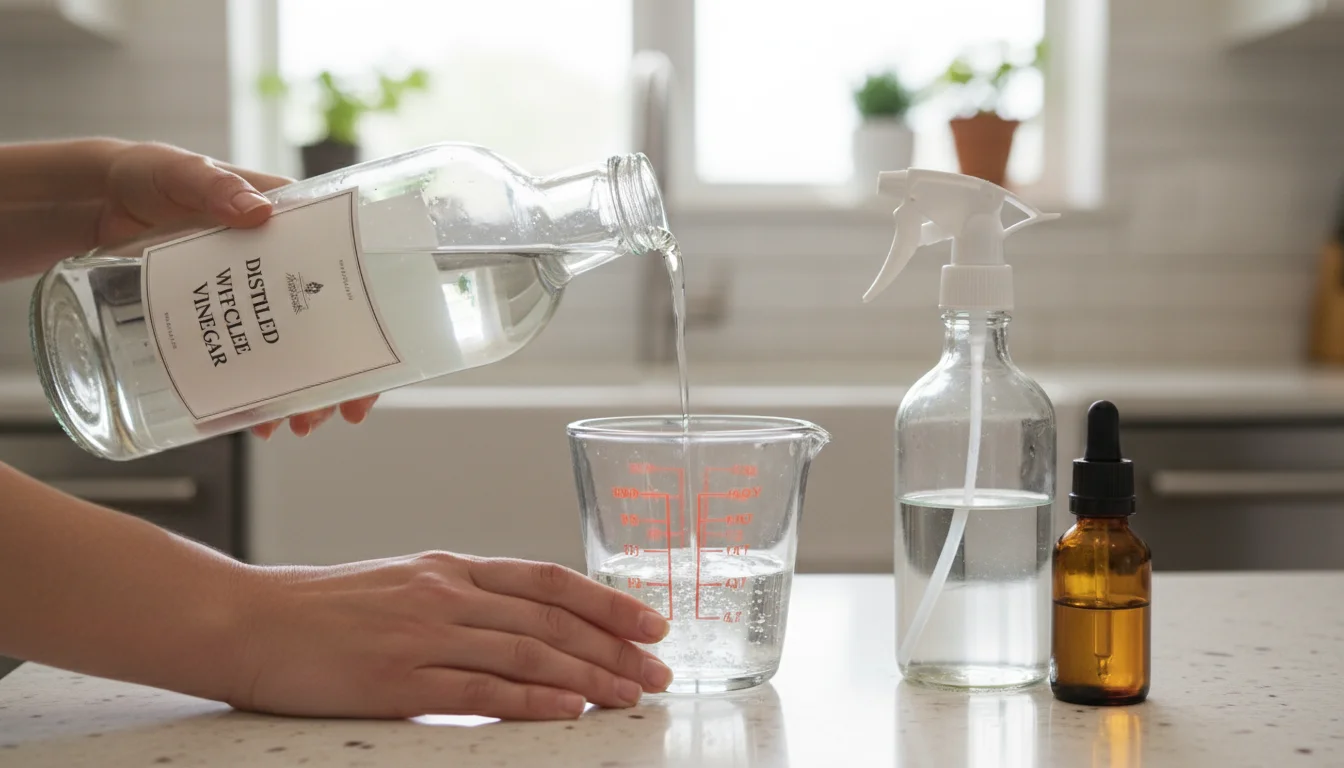
Creating your own eco cleaning solutions is an incredibly budget-friendly and effective way to maintain a clean home. You control the ingredients, avoid harsh chemicals, and significantly reduce plastic waste. Many common household staples transform into powerful cleaners. This approach empowers you to save money while living more sustainably. Here are some simple, practical DIY solutions you can start using today:
If you prefer making your own supplies, our natural cleaning products guide offers simple recipes that use common pantry staples.
- All-Purpose Cleaner: Combine 1 cup distilled white vinegar with 1 cup water in a spray bottle. Add 10-15 drops of essential oil (like lemon or tea tree) for scent and boosted cleaning power, if desired. This mixture effectively cleans countertops, windows, and most hard surfaces. Avoid using vinegar on natural stone, like granite or marble, as its acidity can etch the surface.
- Baking Soda Scouring Paste: For tough grime in sinks, tubs, and stovetops, mix baking soda with just enough water to form a thick paste. Apply it to the dirty area, let it sit for a few minutes, then scrub with a sponge or brush. The abrasive nature of baking soda gently lifts stains and grease without scratching. This works exceptionally well on burnt-on food.
- Glass Cleaner: Mix 2 cups water, 1/2 cup white vinegar, and 1/4 cup rubbing alcohol in a spray bottle. The alcohol helps with quick evaporation, ensuring streak-free results on windows, mirrors, and shiny surfaces. For an even simpler version, plain white vinegar diluted with water also works very well. Use a microfiber cloth for best results.
- Drain Cleaner/Deodorizer: Pour 1/2 cup baking soda down the drain, followed by 1/2 cup white vinegar. The reaction creates fizzing action that helps break down minor clogs and eliminates odors. Let it sit for 30 minutes, then flush with hot water. This method is safe for pipes and a great alternative to harsh chemical drain openers.
- Air Freshener: Fill a spray bottle with water and add 15-20 drops of your favorite essential oils, such as lavender, peppermint, or citrus blends. Shake well before each use and mist into the air to refresh rooms naturally, avoiding the synthetic chemicals often found in commercial air fresheners.
Always label your DIY cleaning bottles clearly and store them safely. While these ingredients are natural, they can still cause irritation if not handled properly. Remember to test any new solution in an inconspicuous area first to ensure it is suitable for your surfaces. Embracing DIY eco cleaning gives you control over what goes into your home, saving you money and supporting a cleaner environment.
Integrating Sustainable Cleaning into Your Routine
Shifting to eco cleaning does not require an overnight overhaul. The most sustainable changes are those you can maintain consistently. Start small, making one or two simple adjustments at a time. For instance, replace your current all-purpose cleaner with an eco-friendly option. Once you feel comfortable with that switch, move on to laundry detergent or dish soap. This gradual approach prevents overwhelm and allows you to discover which green products truly work for your household.
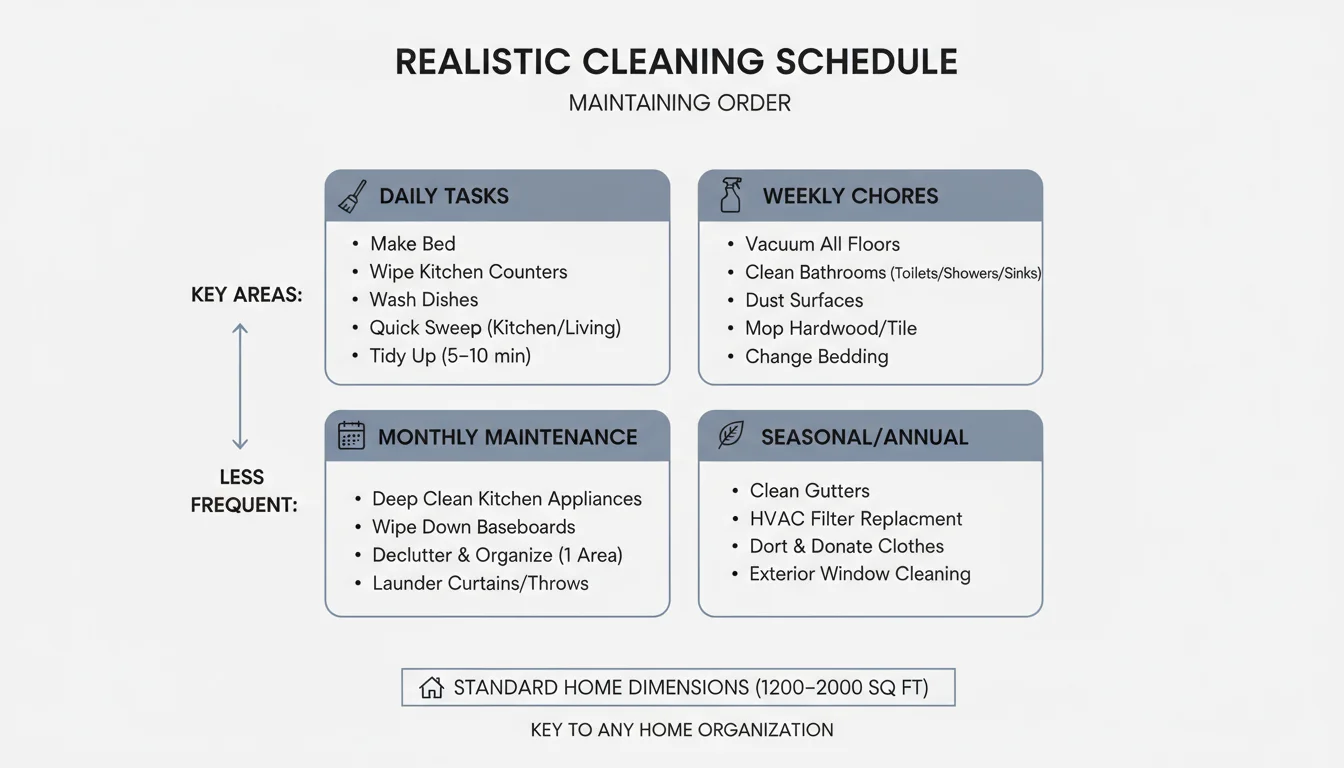
Developing a realistic cleaning schedule is key to maintaining order with any cleaning products, eco-friendly or not. Break down cleaning tasks into manageable “zones,” such as daily kitchen wipe-downs, weekly bathroom scrubs, and monthly deep cleans. Consistency is more effective than infrequent, intense cleaning sessions. For instance, wiping down your kitchen counters with an eco-friendly spray after each meal prevents grime buildup, making major cleaning sessions less daunting. Schedule specific times for these tasks, even if it is just 15 minutes a day. This helps ingrain cleaning into your routine, making it second nature.
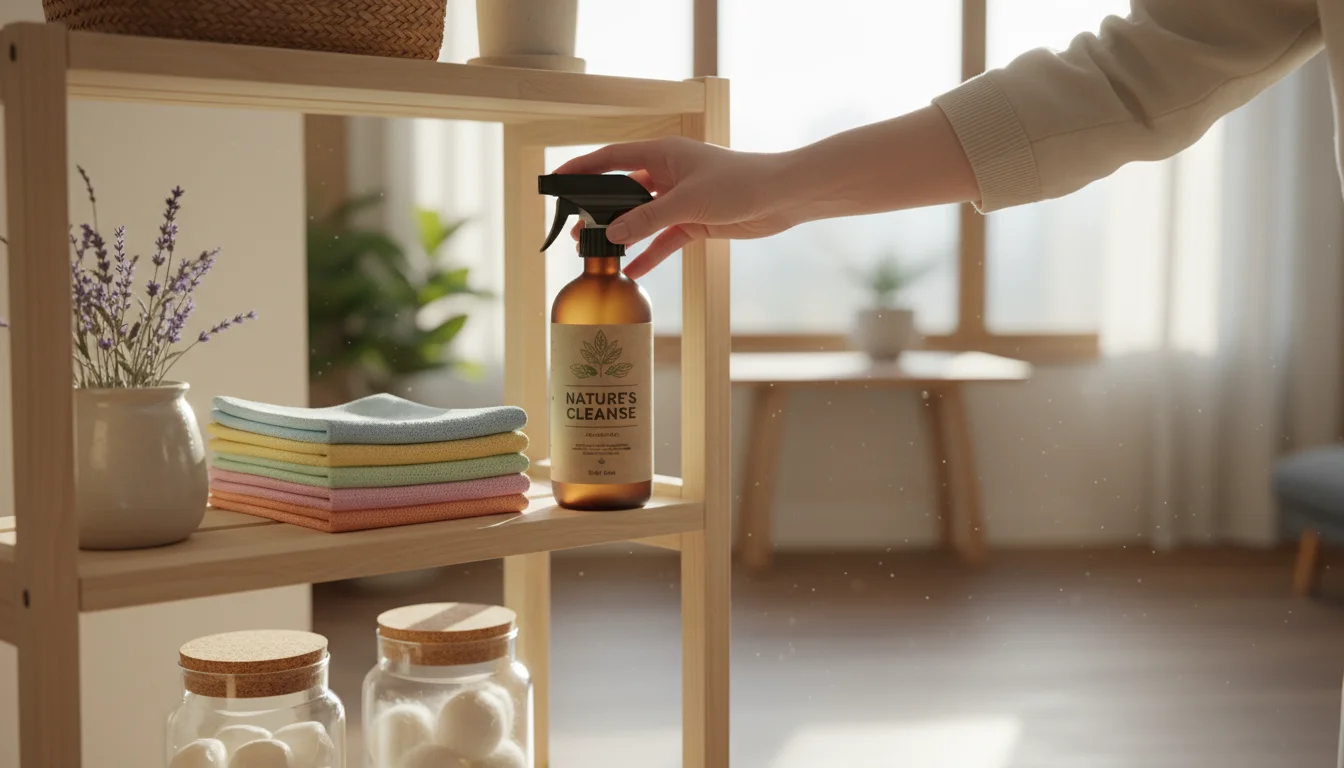
Properly storing your eco cleaning products extends their lifespan and maintains their efficacy. Keep them in a cool, dry place, away from direct sunlight, and always ensure caps are tightly sealed. For concentrated formulas, only mix what you need for a few weeks to maintain potency. Furthermore, invest in reusable cleaning tools. High-quality microfiber cloths, for example, effectively trap dirt and grime using less product and water. Wash and reuse them repeatedly, significantly reducing waste from disposable wipes. Consider a sturdy, reusable scrub brush instead of disposable sponges. These small shifts in habits make a big difference in the long run, proving that sustainable living is both practical and achievable.

Common Myths About Eco Cleaning (Busted!)
Many misconceptions surround eco-friendly cleaning, often deterring people from making the switch. Let’s bust some of these common myths, demonstrating how modern green cleaning solutions effectively meet your needs.
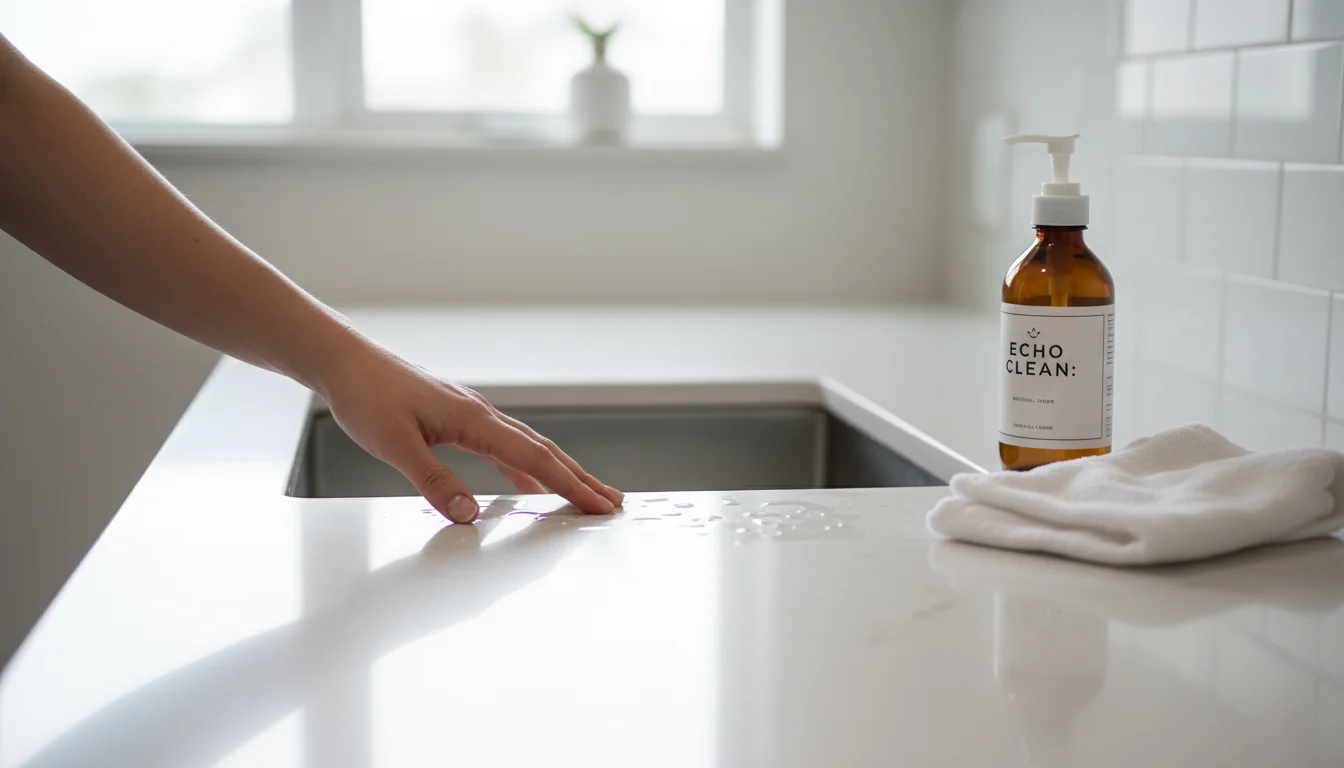
Myth 1: Eco cleaners are less effective than conventional products.
This is perhaps the most persistent myth, and it is simply no longer true. Early eco-friendly products sometimes struggled with performance, but green chemistry has advanced significantly. Today, many plant-based and mineral-derived formulas effectively cut through grease, lift stains, and eliminate odors. They utilize natural enzymes, powerful surfactants from renewable resources, and beneficial microbes to break down dirt and grime. In many cases, you will find these products perform on par with, or even surpass, their chemical-laden counterparts, all without the harsh fumes or residues. You get a genuinely clean home, free from chemical film, making your surfaces feel cleaner for longer.
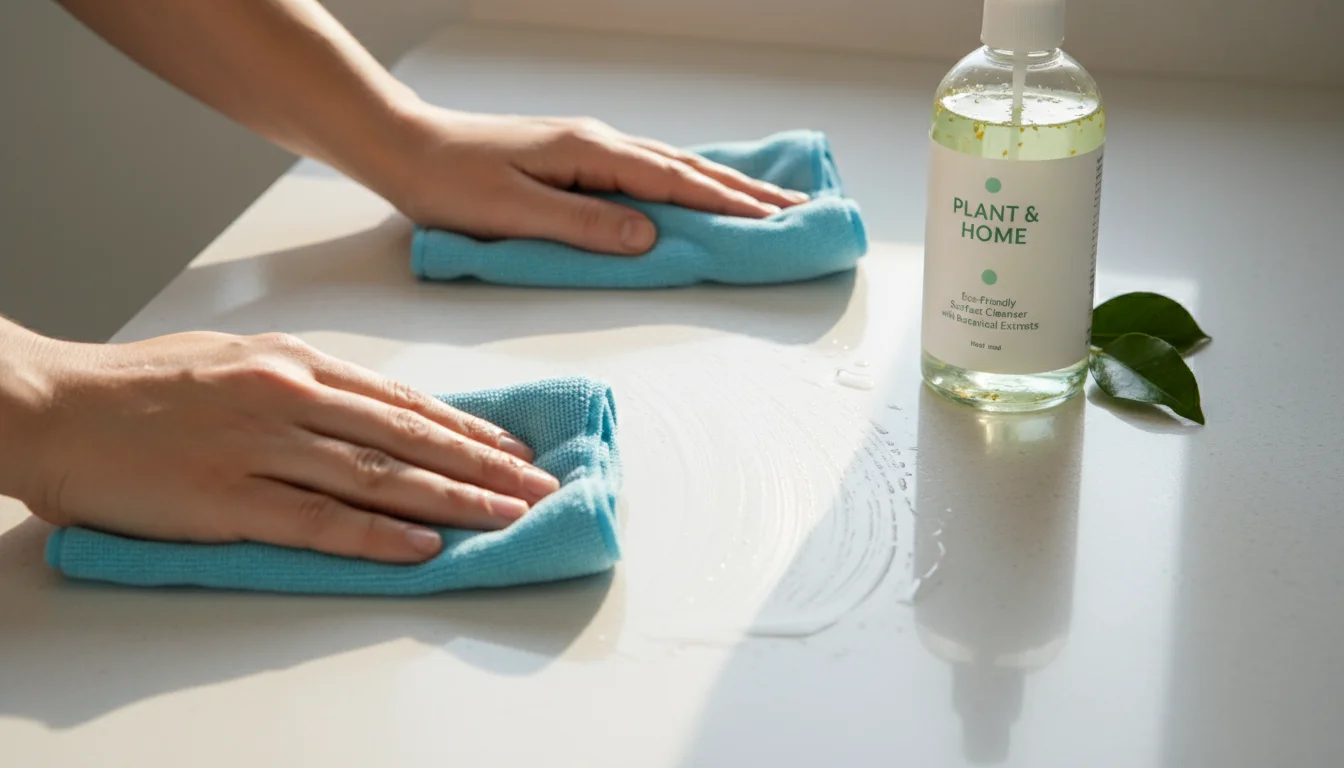
Myth 2: You need harsh chemicals, like bleach, to truly disinfect.
While bleach is a powerful disinfectant, you do not always need it for a hygienically clean home, nor is it the only effective option. Many eco-friendly cleaners contain ingredients with natural antimicrobial properties, such as hydrogen peroxide, citric acid, or specific essential oils like thymol (found in thyme oil). These ingredients effectively kill germs when used correctly and allowed sufficient contact time on surfaces. For everyday cleaning and sanitizing, a good eco-friendly all-purpose cleaner combined with thorough wiping often suffices. The Centers for Disease Control and Prevention (CDC) provides guidance on cleaning and disinfecting, emphasizing that proper cleaning (removing dirt and grime) is the first crucial step before any disinfection, regardless of the product used. You can achieve excellent sanitation without resorting to harsh, irritating chemicals.
Myth 3: Eco-friendly cleaning products are always more expensive.
While the initial purchase price of some eco-friendly products might seem higher, this often proves misleading. Many green cleaners come in concentrated formulas, meaning you use less product per cleaning session, making them last longer and ultimately saving you money over time. Refillable systems also reduce long-term costs significantly. Additionally, the investment in your family’s health and the reduction in exposure to harmful chemicals offers intangible benefits that far outweigh any minor price difference. When you consider the cost savings from potential health issues related to chemical exposure and the environmental benefits, eco cleaning often proves to be the more economical choice in the long run. DIY solutions, of course, offer a very low-cost alternative.

Frequently Asked Questions
Are eco-friendly cleaners safe for pets and children?
Yes, a primary benefit of eco-friendly cleaners is their enhanced safety. Most are formulated with non-toxic, plant-derived ingredients that pose significantly less risk if ingested or if skin contact occurs, compared to traditional chemical cleaners. Always check labels for specific safety instructions, but generally, these products create a much safer environment for your curious pets and little ones.
Do I need to buy special cleaning tools for green products?
No, you do not need special tools. Your existing sponges, brushes, and cloths work perfectly well with eco-friendly cleaning products. In fact, many people find that high-quality microfiber cloths, which are reusable and washable, enhance the effectiveness of green cleaners by trapping dirt more efficiently and reducing the need for excessive product.
How do I dispose of old chemical cleaners safely?
Never pour old chemical cleaners down the drain or throw them in regular trash. This can harm plumbing and contaminate water systems. Check with your local waste management facility or municipal website for specific hazardous waste disposal guidelines in your area. Many communities host special collection events for household hazardous waste, ensuring proper and safe disposal.
Can I mix different eco-friendly cleaning products?
While eco-friendly products generally pose fewer risks than conventional ones, it is still best to avoid mixing different cleaning solutions unless the product instructions specifically state it is safe. Mixing can sometimes reduce effectiveness, or in rare cases, create unforeseen reactions. Stick to using products as directed by the manufacturer for optimal results and safety.
For expert home organization guidance, visit
Houzz — Home, The Spruce — Home Organization and Real Simple — Organizing.
Disclaimer: This article is for informational purposes only and is not a substitute for professional advice. Consult professional organizers or specialists for personalized recommendations.









Leave a Reply