
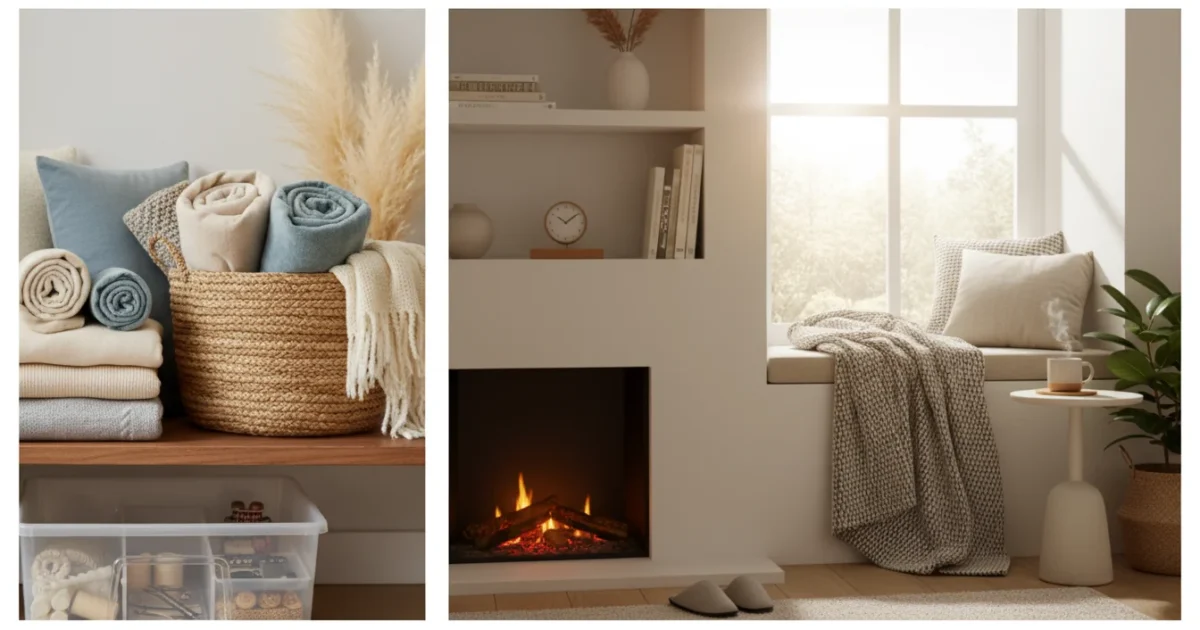
Shopping for secondhand furniture offers a unique opportunity to furnish your home with character, quality, and significant savings. It allows you to create spaces that truly reflect your personality, move away from mass-produced items, and embrace a more sustainable lifestyle. This guide provides practical, actionable insights, helping you navigate the world of pre-owned treasures with confidence. You will learn how to identify hidden gems, assess their condition, and integrate them seamlessly into your home, ensuring your finds enhance your living space for years.
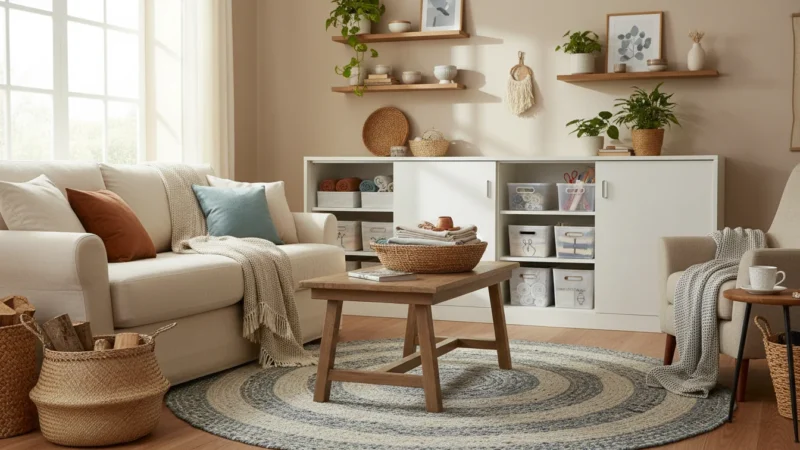
Combining these unique finds with other budget-friendly ways to make your living room cozier ensures your home feels warm and intentionally designed.
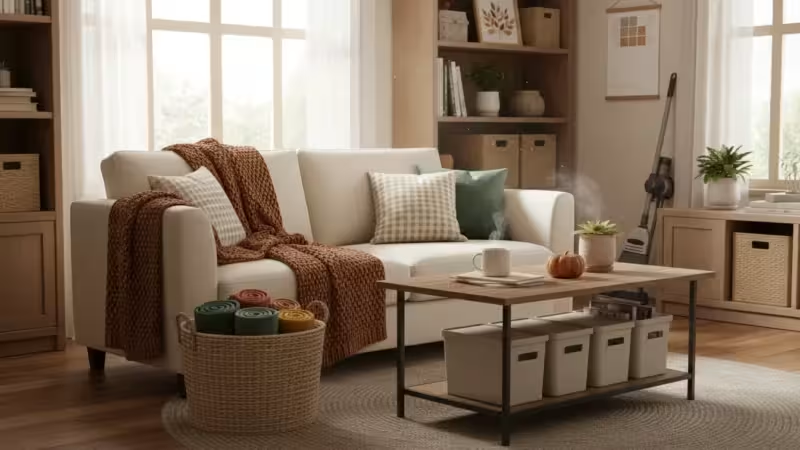
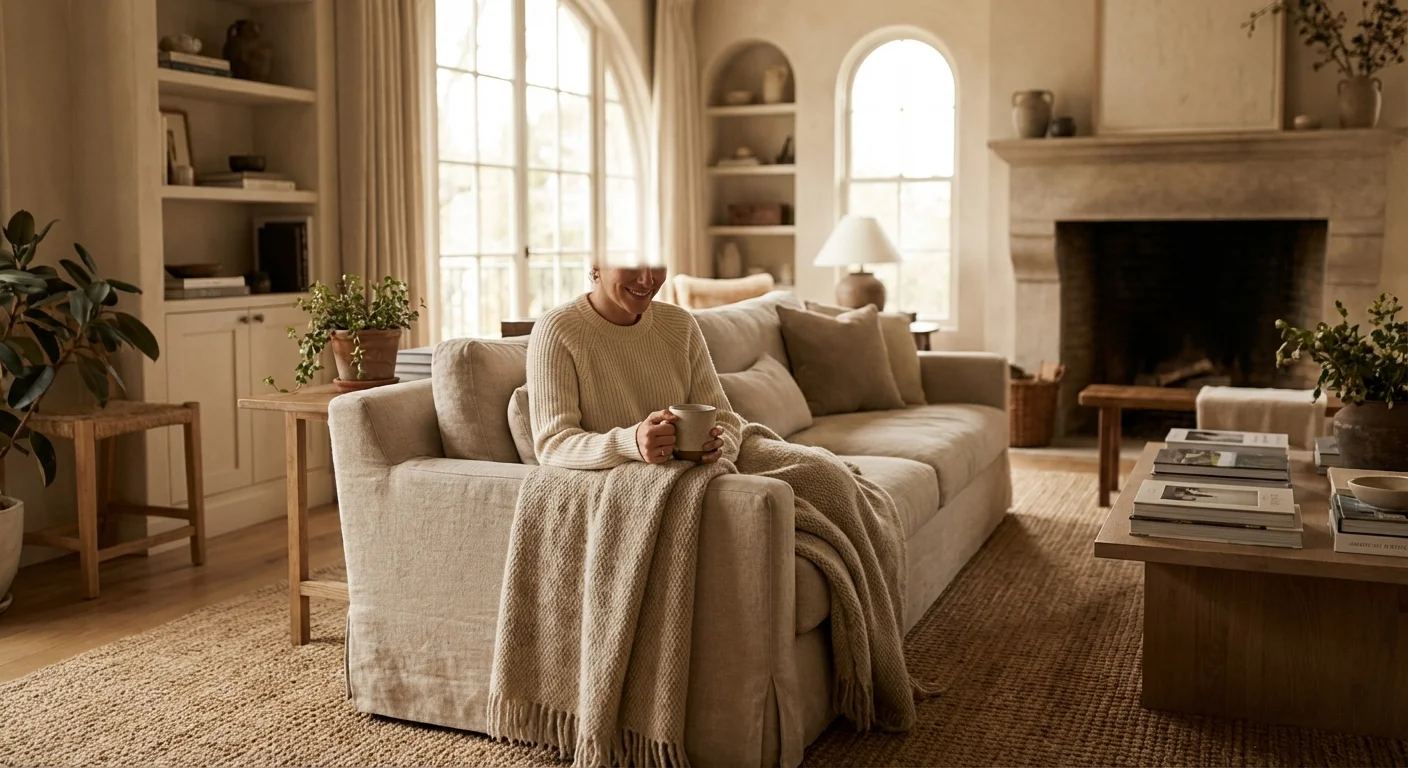
Curating pre-owned finds is a perfect way to embrace Danish coziness and make your home feel more inviting.
Why Choose Secondhand Furniture?
Opting for secondhand furniture brings numerous benefits to your home and your wallet. First, the cost savings are often substantial. You can find high-quality pieces, sometimes solid wood or unique designs, at a fraction of the retail price. This means you can stretch your budget further, acquiring more items or investing in other areas of your home.
Thrifting is also the most effective strategy for a complete budget living room makeover that doesn’t compromise on quality.
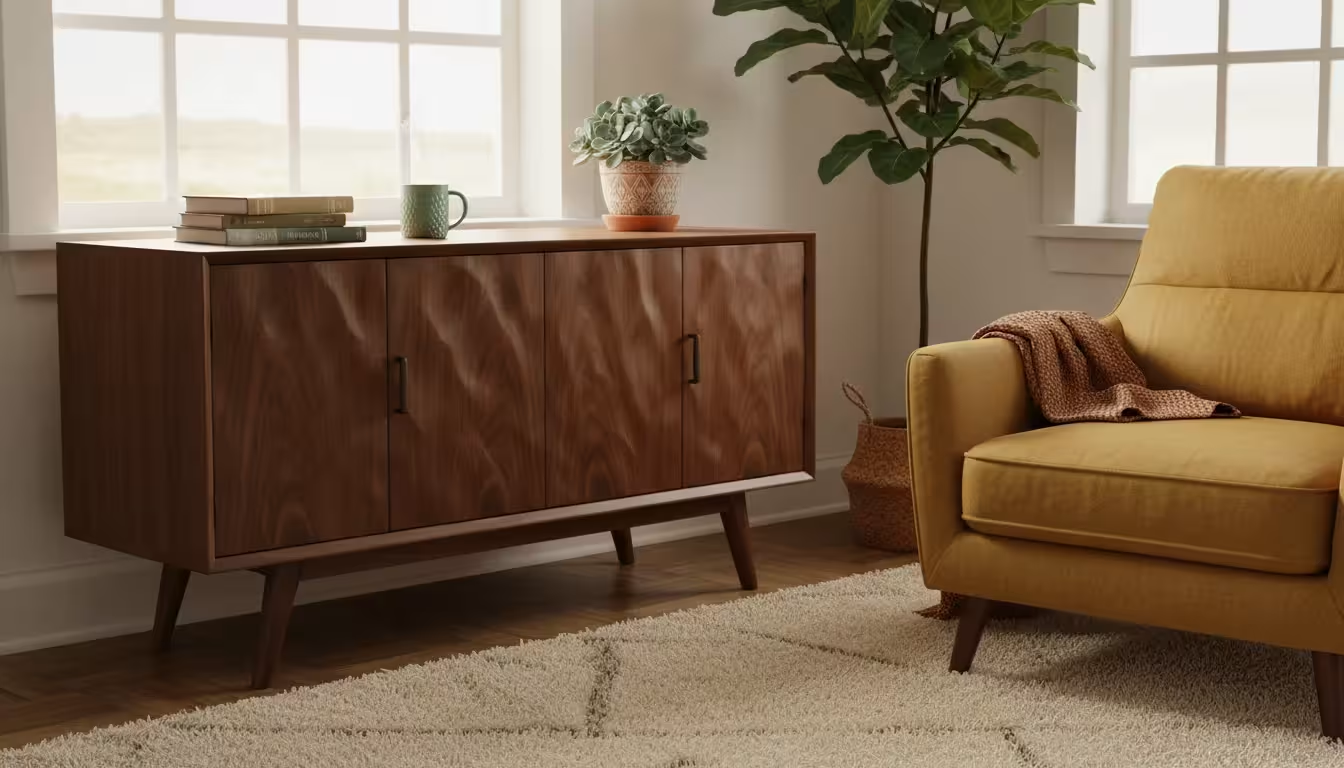
Beyond economics, secondhand furniture offers unparalleled character. Each piece carries a story, adding a layer of depth and individuality to your decor that new, mass-produced items rarely achieve. You might discover vintage chairs with intricate carvings, a mid-century modern credenza, or a rustic farmhouse table. These pieces become conversation starters, reflecting your distinct taste and style. You also contribute to a more sustainable decor movement. By purchasing pre-owned items, you reduce demand for new manufacturing, conserving resources and minimizing waste in landfills. This eco-friendly approach makes a positive impact, giving furniture a second life and supporting a circular economy.
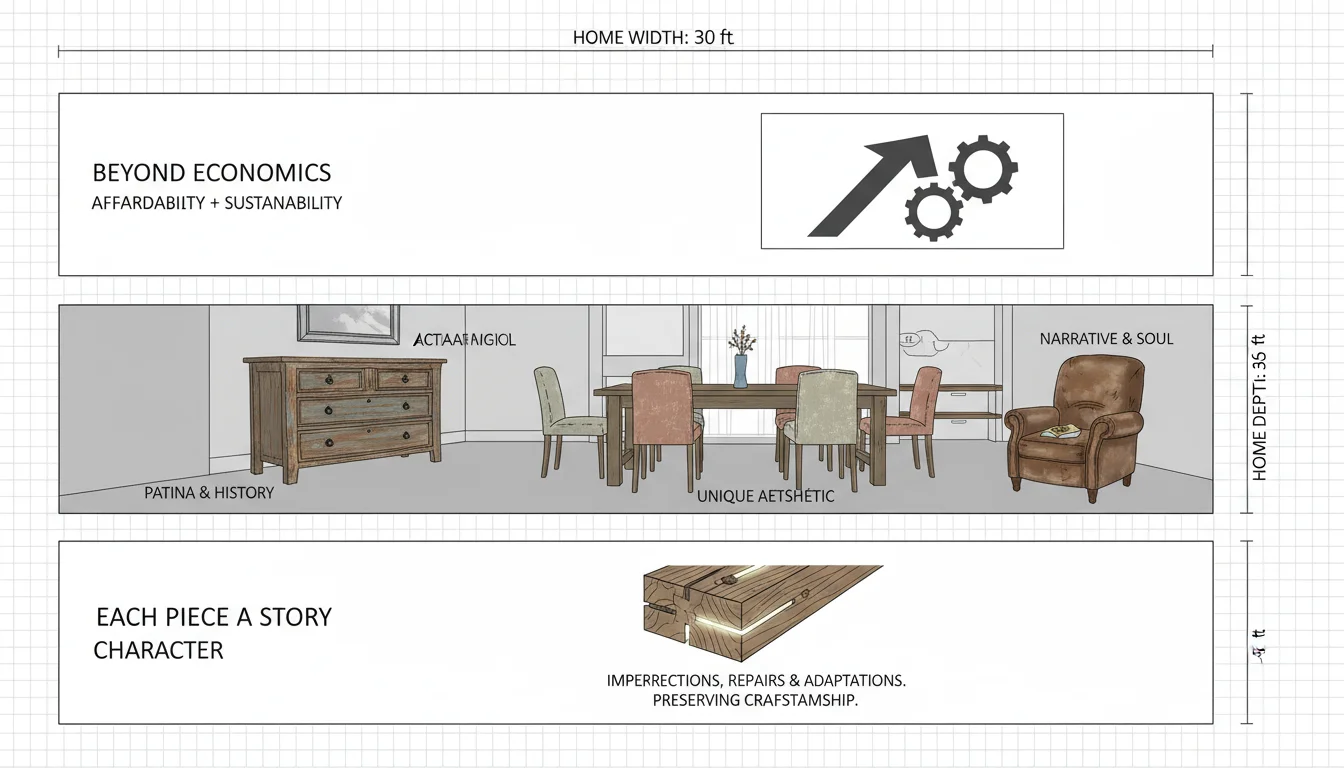
Durability is another key factor. Many older pieces were constructed with superior craftsmanship and materials, such as solid hardwoods and sturdy joinery, built to last generations. While modern furniture often relies on particle board and veneers, you often discover more resilient construction when you shop for secondhand furniture. This translates to furniture that withstands daily wear and tear better, offering a more reliable investment for your home.
Preparing for Your Hunt: Research and Measurements
Successful secondhand furniture shopping begins long before you even leave your home. Thorough preparation empowers you to make smart choices and avoid buyer’s remorse.
Assess Your Needs and Style
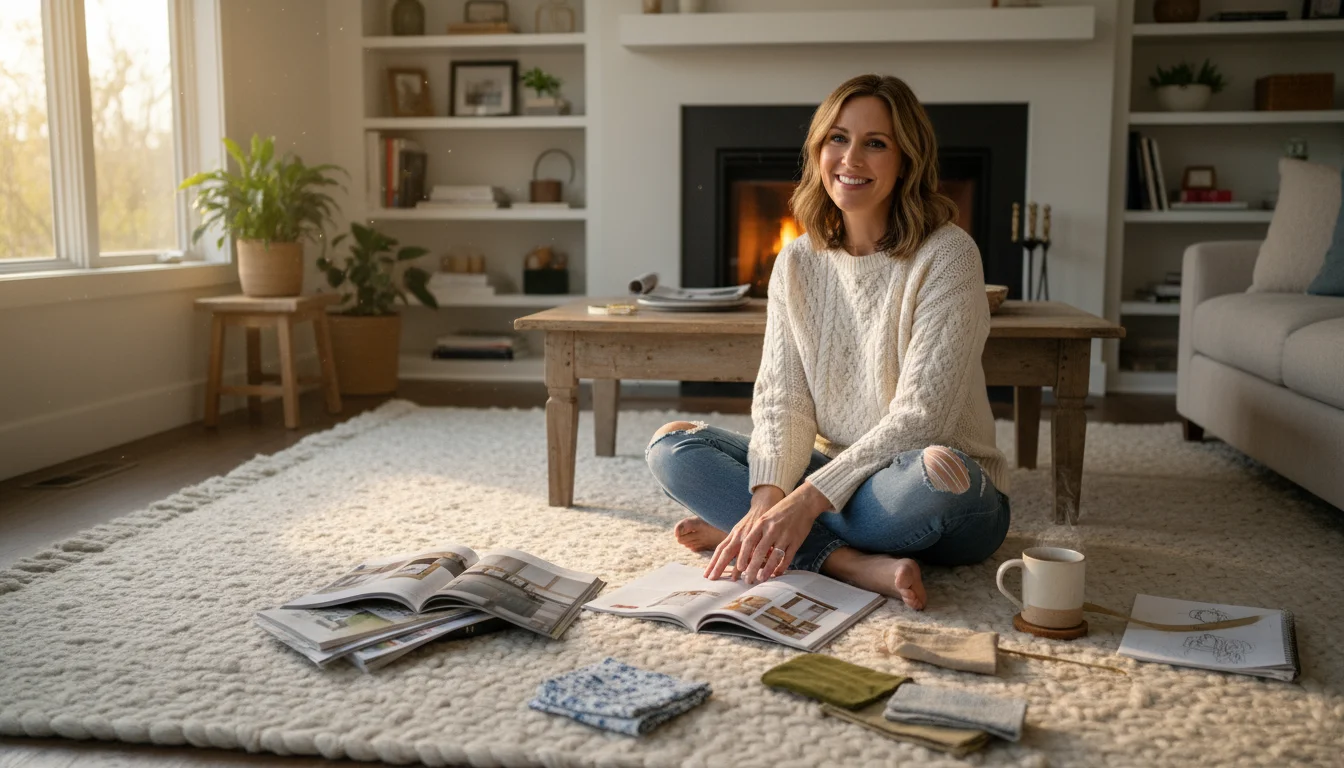
Start by identifying what you truly need. Do you require a larger dining table, extra seating for guests, or a bookshelf for your growing collection? Think about the specific function the piece will serve. Next, consider your existing home decor style. Do you lean towards modern, rustic, traditional, or eclectic? Having a clear vision prevents impulsive buys that clash with your current aesthetic. Gather inspiration from magazines, Pinterest, or interior design websites. Create a mental or physical mood board to solidify your ideas.
Measure Your Space
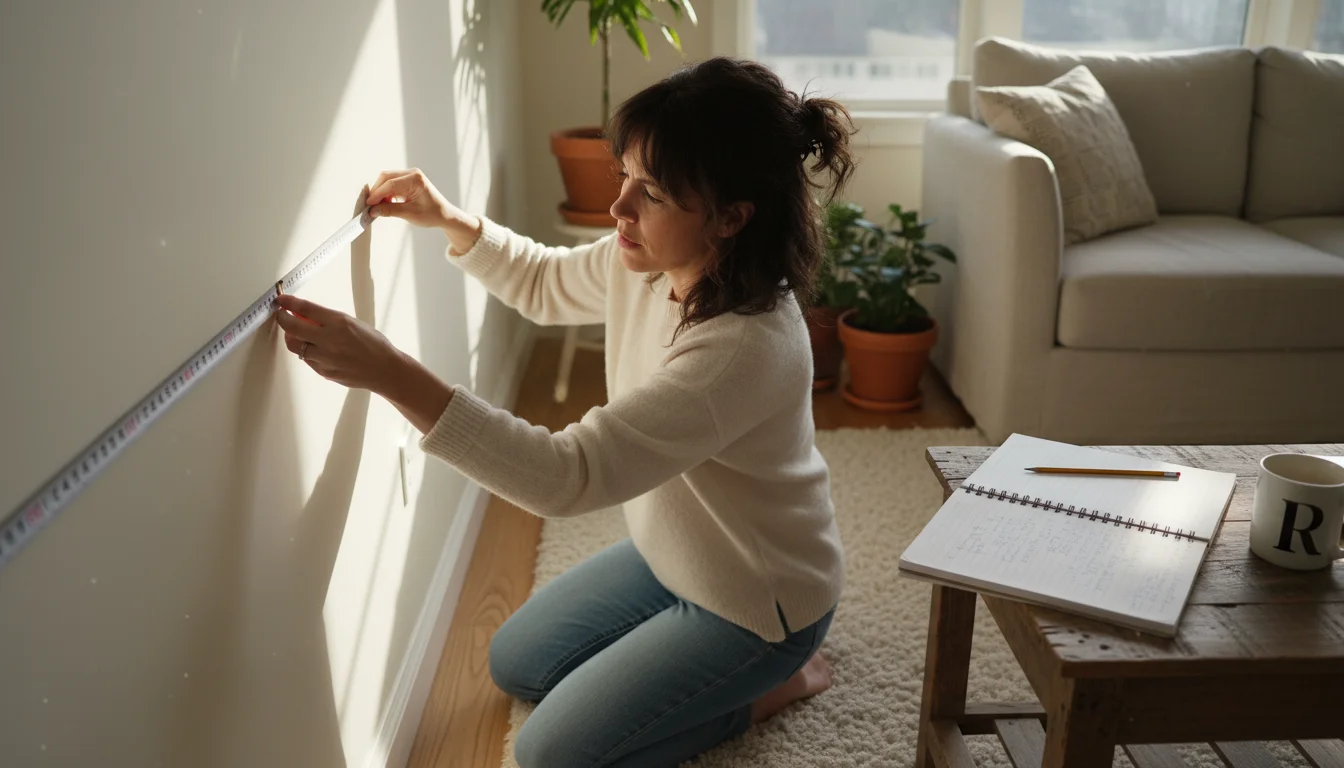
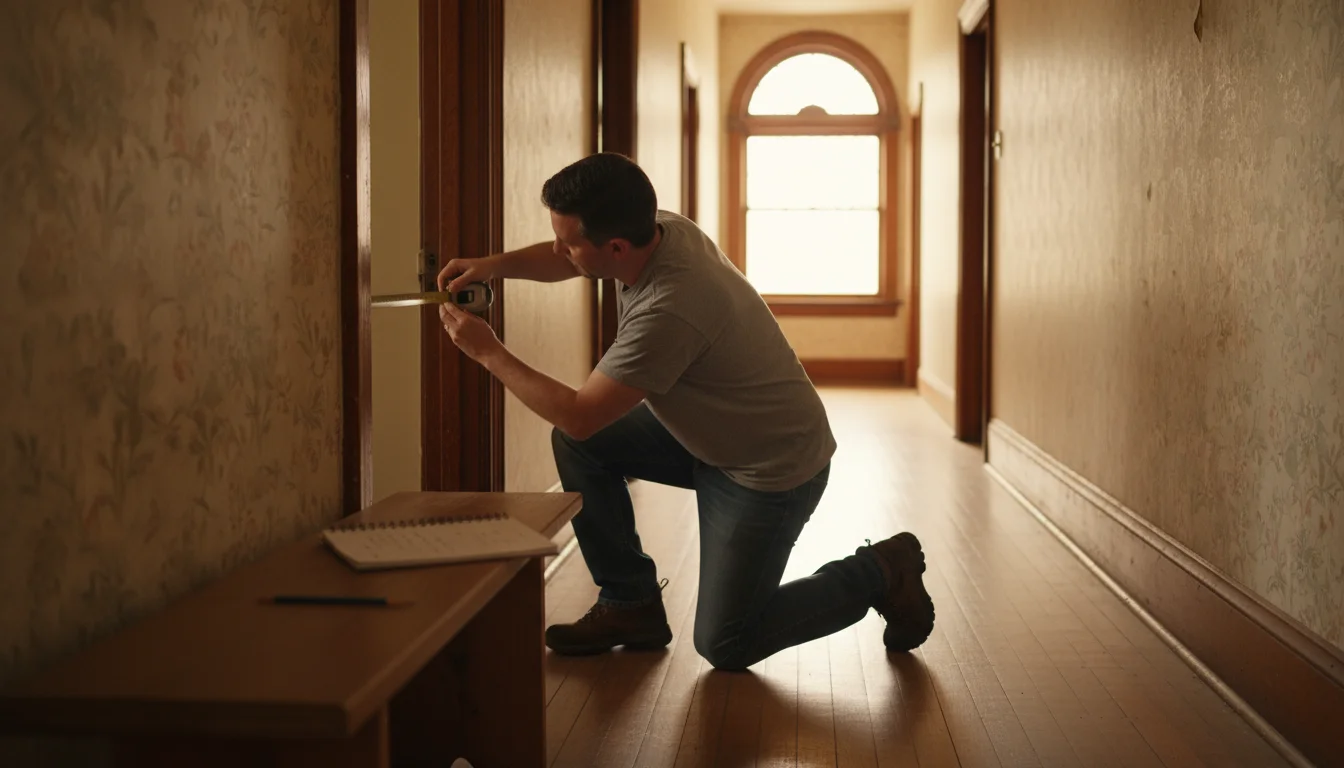
This step is non-negotiable. Measure the exact dimensions of the area where the new furniture will reside. Record the length, width, and height. Remember to account for pathways, doorframes, and stairwells, especially for larger items like sofas or armoires. You do not want to fall in love with a piece only to find it cannot fit through your front door or up your staircase. Carry a small tape measure with you when you shop. This simple tool saves you from significant frustration later.

Set a Realistic Budget
Determine how much you are willing to spend on each item. This prevents overspending and helps you prioritize. Remember that secondhand items sometimes require minor repairs, cleaning, or even professional upholstery, so factor these potential costs into your overall budget. A cushion of 10-20% for these eventualities is a smart approach. Knowing your budget allows you to filter options more effectively, focusing your search on pieces within your financial comfort zone.
Where to Find Secondhand Furniture Gems
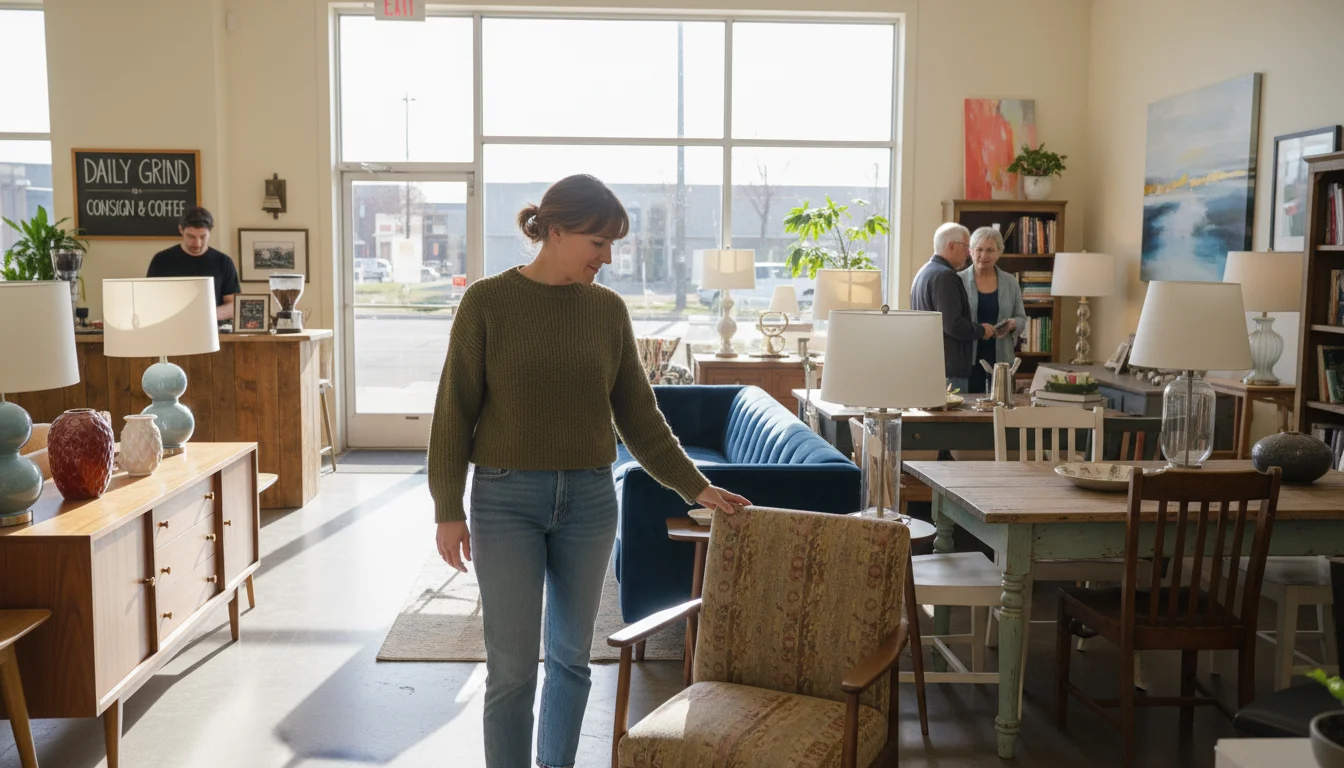
The beauty of secondhand furniture is its availability across a wide range of venues. Knowing where to look significantly increases your chances of finding exactly what you need.
This patience is key for following studio apartment layout tips that rely on finding just the right sized treasures.
- Thrift Stores and Charity Shops: These are often the first places people think of when starting to shop for secondhand furniture. Inventory rotates constantly, so frequent visits are key. Prices are typically very budget-friendly, and you might unearth unique vintage pieces. Check stores in wealthier neighborhoods, as they often receive higher quality donations.
- Consignment Shops: These stores curate their selections more carefully, often offering higher-end or designer furniture in excellent condition. Prices are higher than thrift stores but still significantly below retail. You usually find well-maintained items here.
- Online Marketplaces: Platforms like Facebook Marketplace, Craigslist, and local buy-and-sell groups offer a vast array of options. You can search from home, filter by location and price, and communicate directly with sellers. Exercise caution and meet in safe, public locations for viewing and transactions when possible.
- Estate Sales and Auctions: Estate sales provide opportunities to buy entire contents of a home, often including high-quality antique or vintage furniture. Attend the first day for the best selection, or the last day for the steepest discounts. Auctions can yield incredible deals, but require research into bidding strategies and item values.
- Flea Markets and Antique Malls: These venues offer a treasure trove of unique, sometimes quirky, pieces. Vendors often specialize in certain eras or styles. Be prepared to haggle and inspect items thoroughly, as conditions vary widely.
- ReStore or Habitat for Humanity Stores: These outlets sell donated building materials and home furnishings, often at very low prices. You might find anything from kitchen cabinets to gently used sofas. Your purchases also support a good cause.
Each source offers a different experience and price point. Explore several options to maximize your chances of finding the perfect pieces for your home. Remember, patience and persistence pay off when you shop for secondhand furniture.

The Art of Inspection: What to Look For
Once you locate a potential piece of secondhand furniture, a thorough inspection is crucial. This step prevents you from bringing home costly problems or unwanted surprises. Approach every item with a critical eye, checking for both obvious and hidden issues.
Structural Integrity
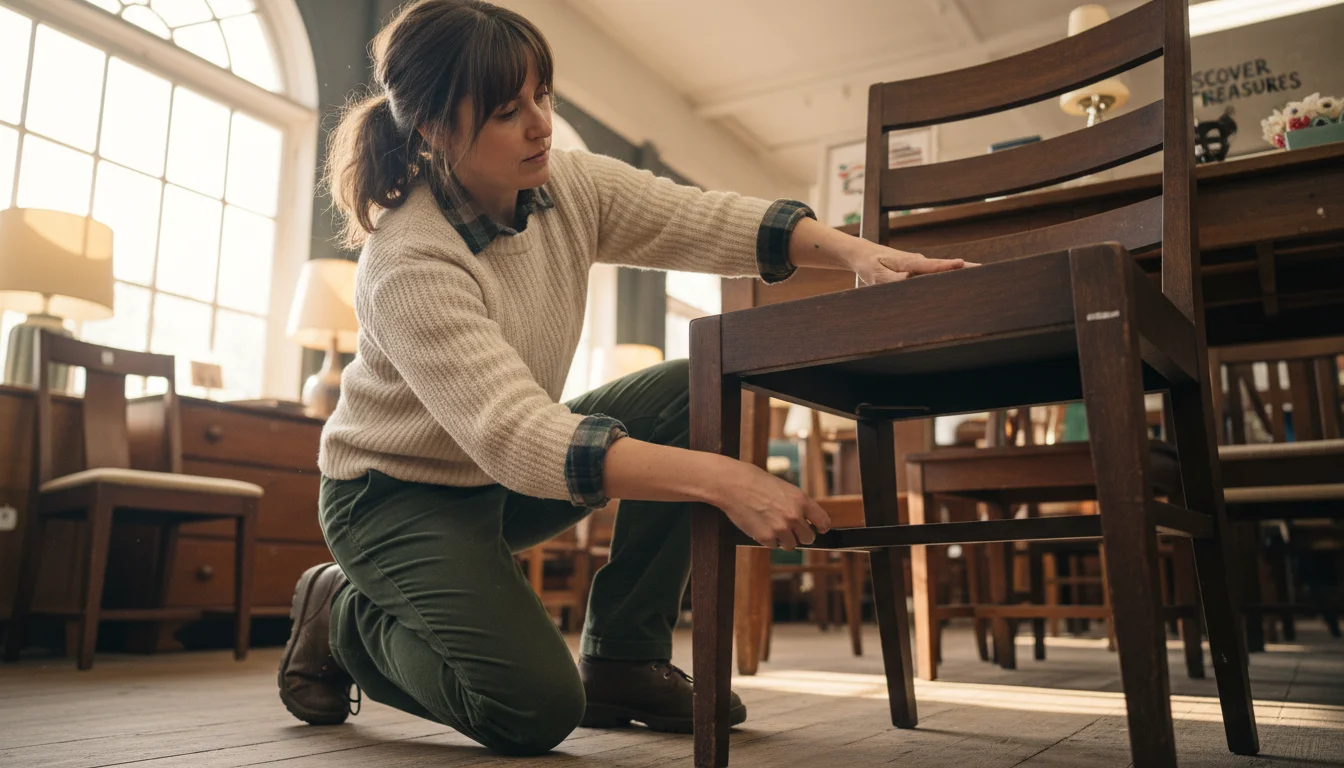
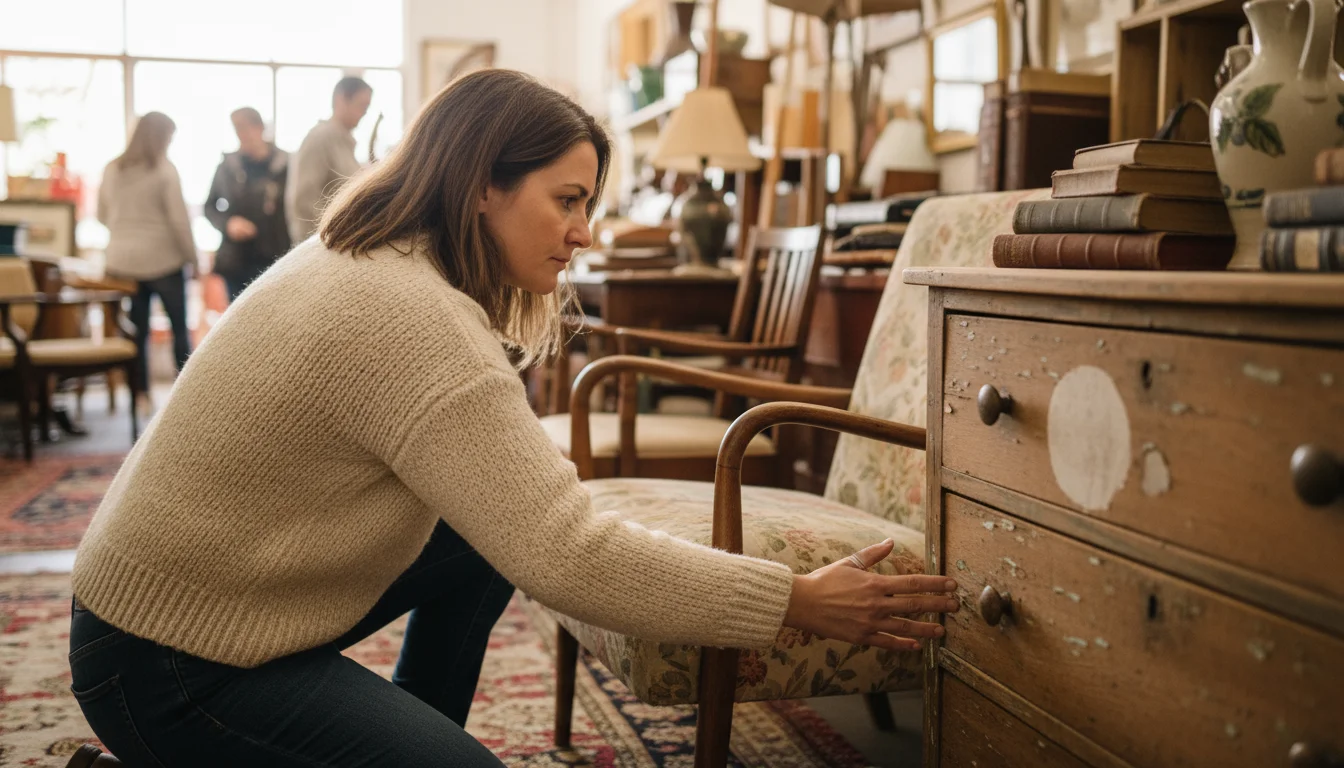
Begin by checking the overall stability. Gently shake tables and chairs to ensure they do not wobble. Open and close drawers to see if they slide smoothly on their glides or runners. Look for loose joints, cracks, or signs of repair. Solid wood construction is generally more durable than particle board or veneer. Turn items over to inspect the underside of tables or chair legs, as these areas often reveal structural weaknesses or previous repairs. According to Bob Vila, checking the weight and feel of wooden furniture can indicate its quality and durability, with heavier pieces often suggesting solid construction.
Pests
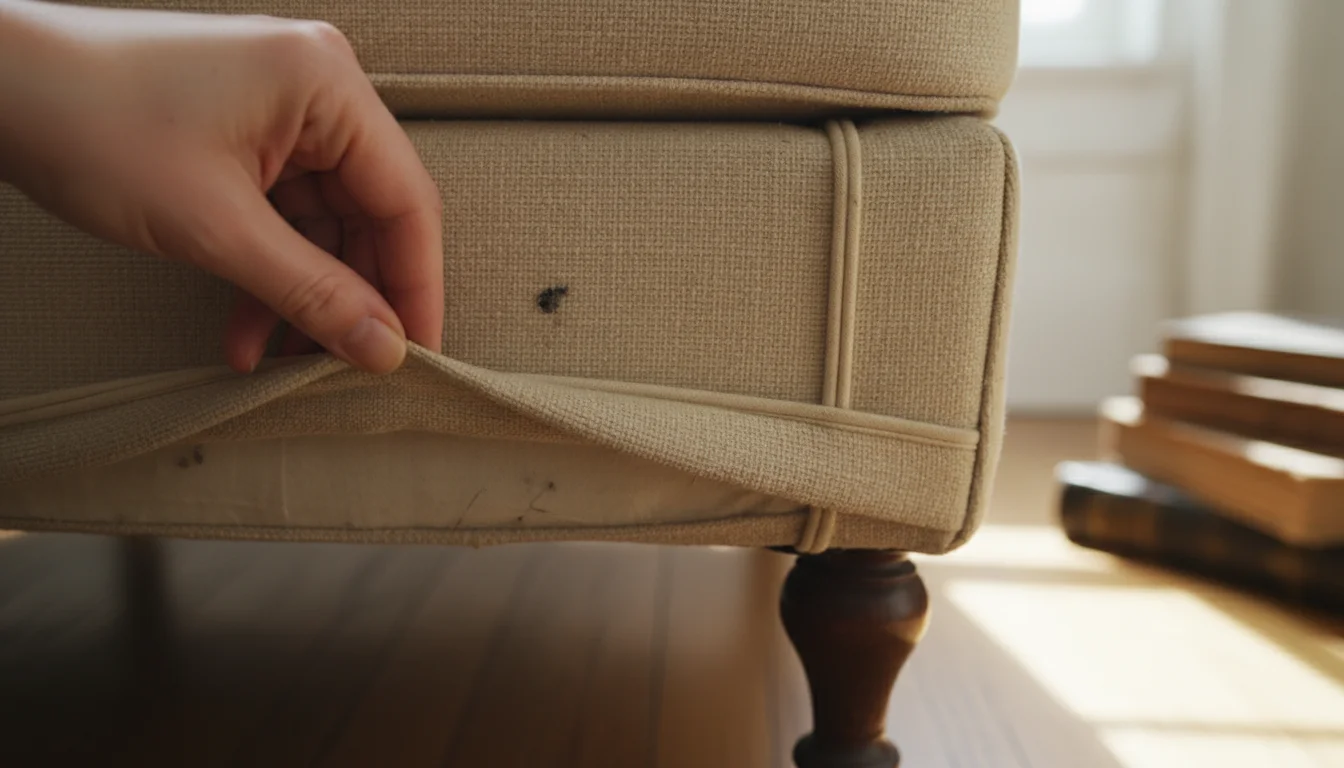
This is a critical concern, especially for upholstered items or wooden pieces with crevices. Look for small holes, sawdust-like debris (frass), or tiny tunnels in wood, which indicate woodworm or other borers. For upholstered items, inspect seams and undersides for signs of bed bugs or their eggs, which appear as tiny black spots. Avoid anything with clear signs of infestation. You risk bringing pests into your home, causing much larger problems.

Odors
Give the furniture a good sniff. Musty smells often indicate mildew or prolonged exposure to moisture, which can be difficult to eliminate. Smoke odors or strong pet smells can also linger despite cleaning efforts. While some mild odors dissipate with airing out and cleaning, persistent or strong smells are a red flag.
Finish and Upholstery
Examine the finish for scratches, dents, water rings, or peeling veneer. Assess if these imperfections are acceptable or if they require significant repair. For upholstered pieces, check for tears, stains, fading, or excessive wear. While a dirty but intact fabric might be cleanable, significant damage or pervasive odors often necessitate professional reupholstery, a cost you must factor into your budget. Look for sturdy fabric that feels durable.
Negotiating and Transporting Your Finds
Finding the perfect piece is only half the battle. Negotiating a fair price and safely getting your new treasure home require a strategic approach.

Mastering the Art of Negotiation
Many secondhand sellers, especially individuals on online marketplaces or at flea markets, expect some negotiation. Start with a polite inquiry, expressing your interest while subtly highlighting any minor imperfections you noticed during your inspection. Aim to offer 10-20% below the asking price, leaving room for a counteroffer. Be respectful and friendly; a good rapport often leads to a better deal. If the seller holds firm on price, ask if they will include delivery or other concessions. Remember, a polite “no” is always an option if the price does not align with your budget or the item’s value.
Planning for Transport
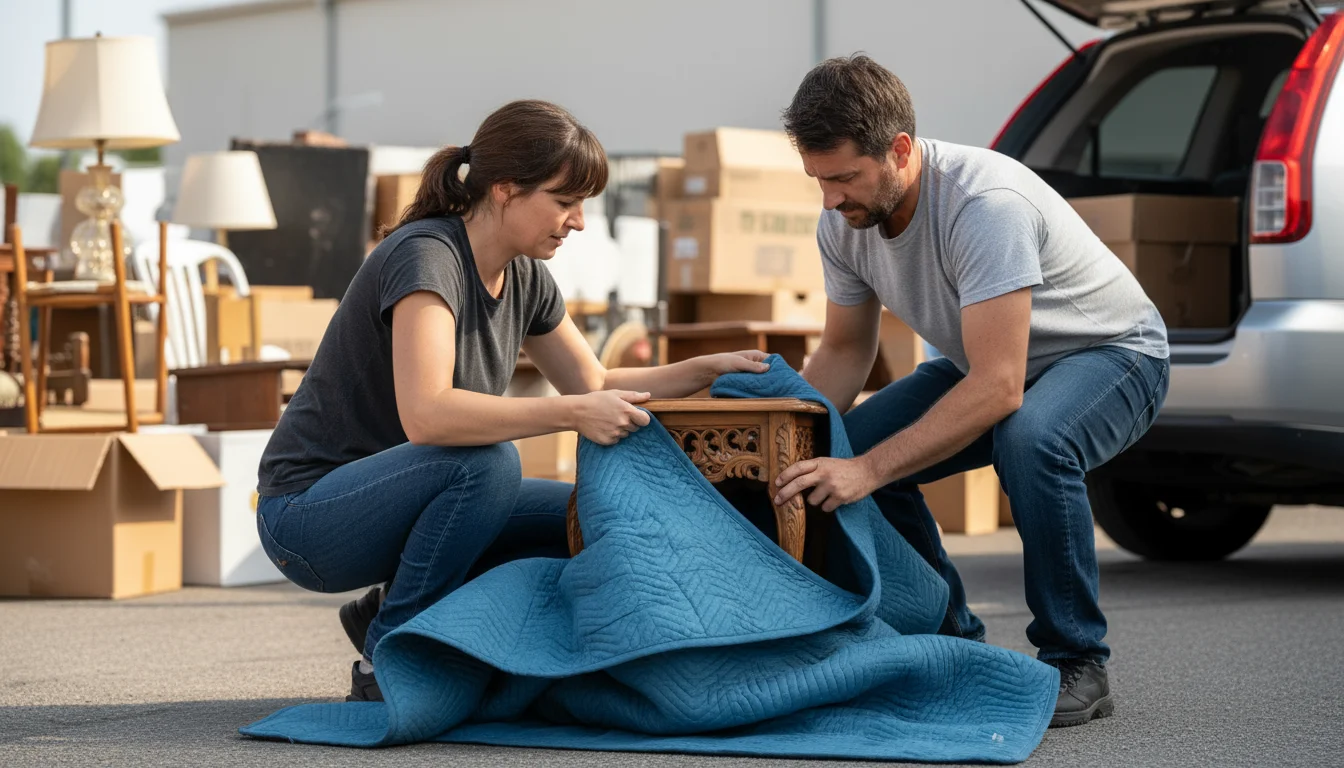
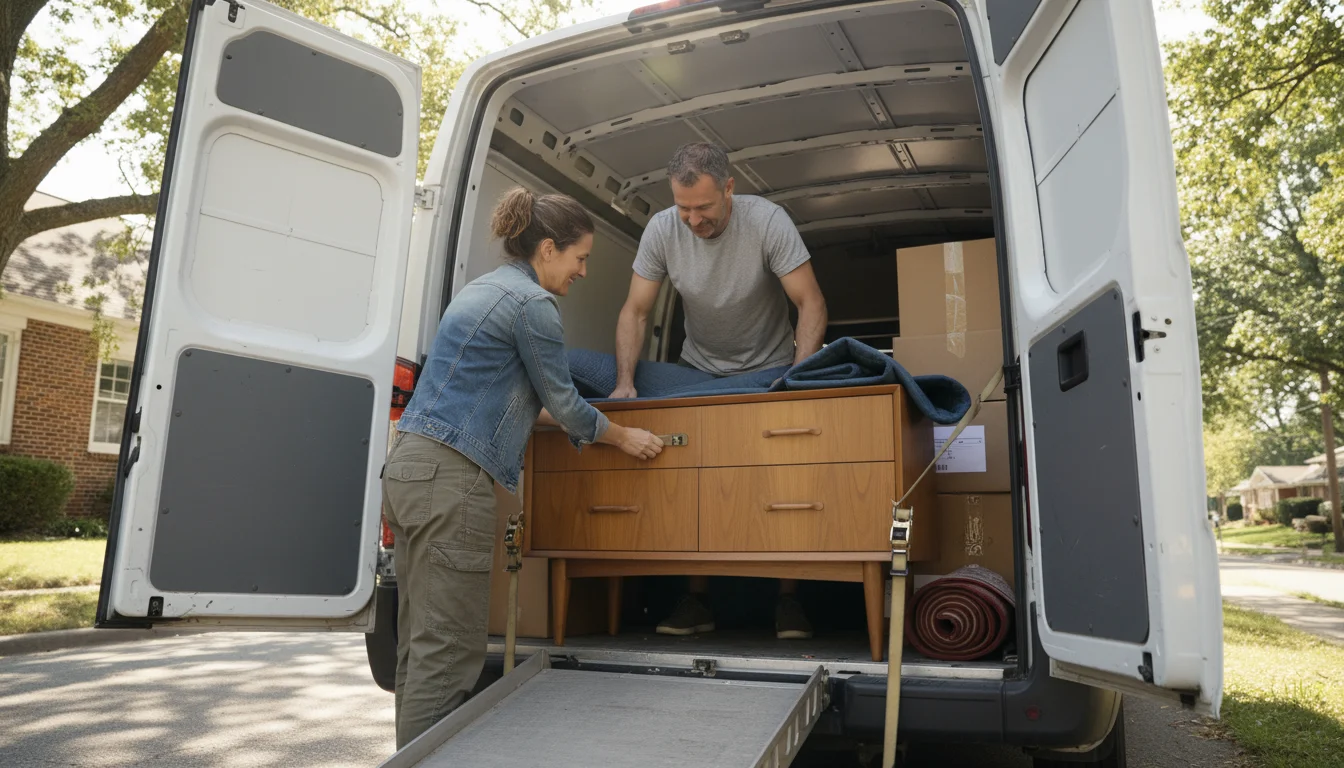
Before committing to a purchase, especially for larger items, consider how you will transport it. Measure your vehicle’s cargo space and confirm the furniture will fit. If it is too large for your car, explore options like renting a truck or van from a local hardware store or moving company. Many local moving services also offer single-item transport for a fee. If purchasing from an online seller, ask if they offer delivery, and if so, clarify the cost. For heavier items, bring a friend or family member to help with lifting. Ensure you have blankets, straps, or bungee cords to protect the furniture and secure it safely during transit, preventing damage during the journey home.
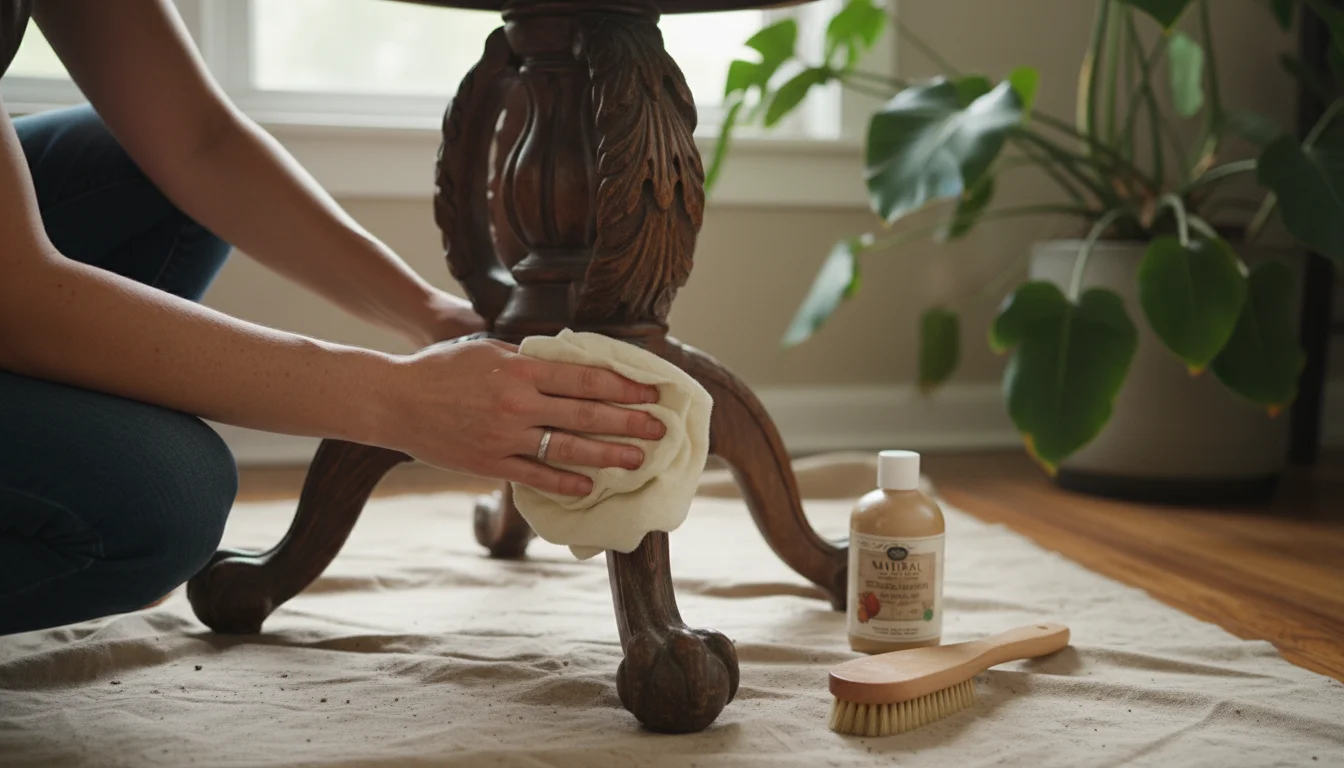
Bringing It Home: Cleaning and Restoration
Your new secondhand treasure needs some care before it settles into its permanent spot. Proper cleaning and minor restoration work preserve its beauty and ensure it is safe and ready for use.
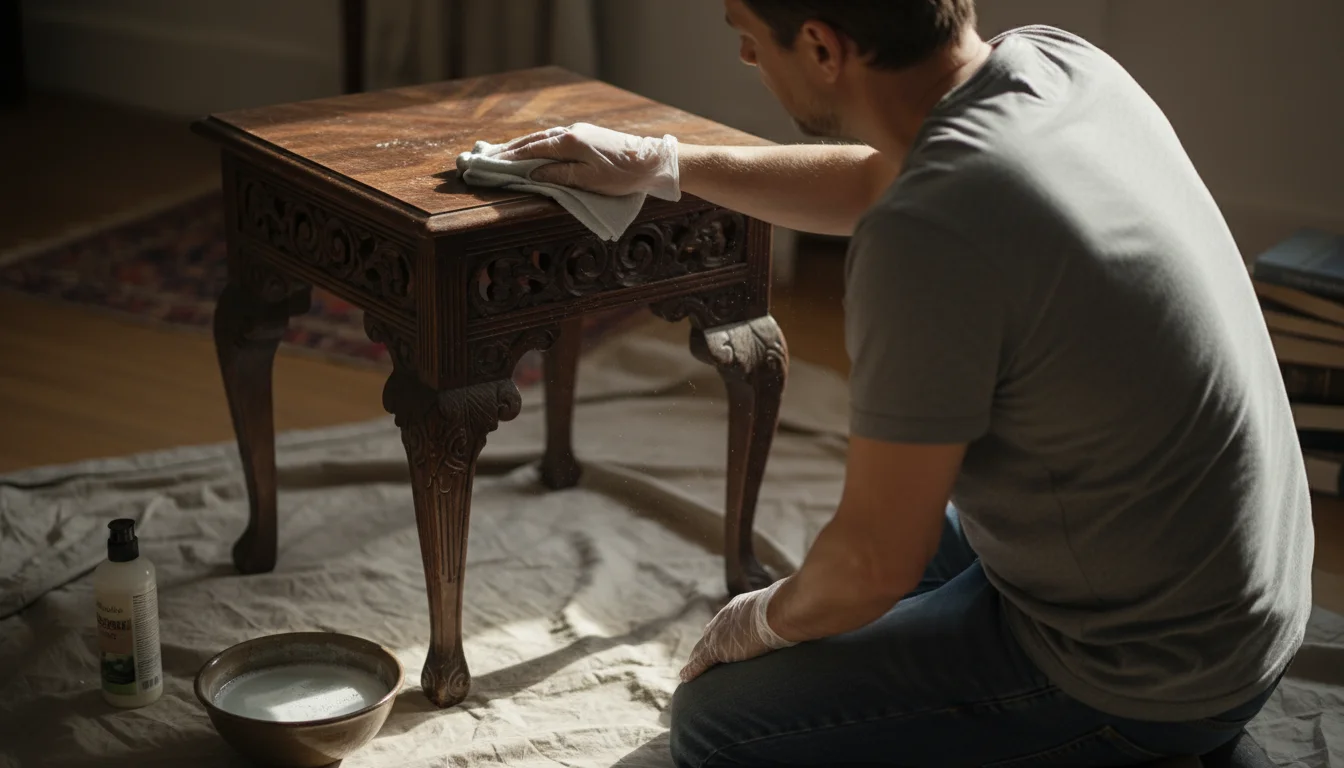
Thorough Cleaning
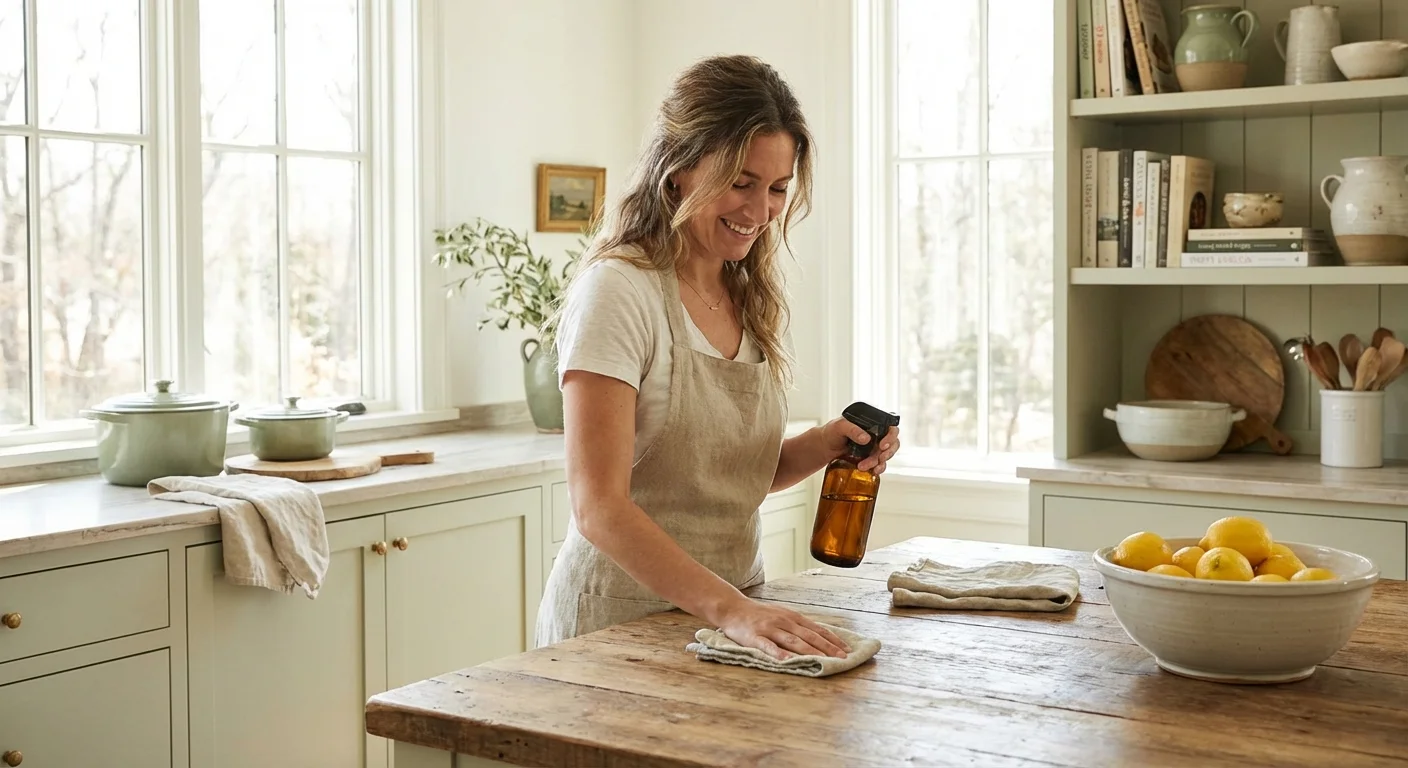
Even if a piece appears clean, always perform a deep clean. For wooden furniture, start by wiping it down with a damp cloth and mild soap (like dish soap diluted in water) to remove surface dirt. Follow with a wood-specific cleaner or polish. For upholstered items, vacuum thoroughly to remove dust and debris. Test a small, inconspicuous area with an upholstery cleaner or a mixture of mild detergent and water. Blot stains, do not rub. Allow upholstered items to air dry completely to prevent mildew. For disinfection, especially on hard surfaces, use an appropriate disinfectant spray or wipe. According to The Spruce, consistent cleaning practices extend the life of your furniture and maintain a healthier home environment.
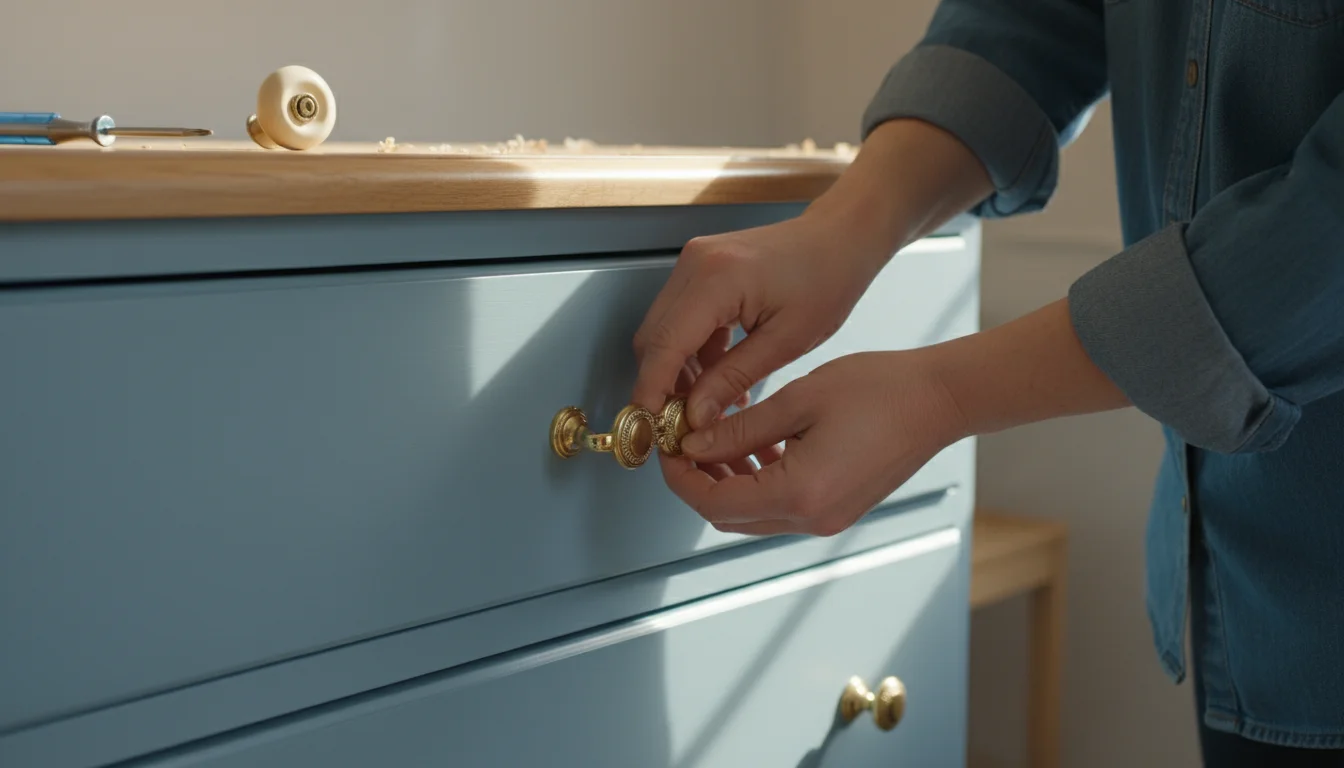
Minor Repairs and Refreshing
Many secondhand pieces benefit from minor repairs. Tighten loose screws on chairs and tables. Use wood glue for wobbly joints, clamping them until dry. For scratches on wood, consider using wood markers or furniture wax to camouflage imperfections. A fresh coat of paint or stain can transform a dated piece, giving it a modern update. For upholstered items with minor tears, consider fabric glue or a simple patch. Sometimes, replacing outdated hardware like drawer pulls or cabinet knobs makes a significant difference in the piece’s overall aesthetic, offering an affordable way to customize your find.
- Assess Damage: Identify all areas needing repair, from loose joints to chipped paint.
- Clean Thoroughly: Remove all dirt, dust, and grime before beginning any repairs or refinishing.
- Tighten & Glue: Address structural issues first. Tighten screws, re-glue loose joints, and secure any wobbly parts.
- Sand & Fill: For wooden pieces, sand rough spots and use wood filler for gouges or deep scratches.
- Refinish or Repaint: Apply new stain, varnish, or paint for a fresh look. Always follow product instructions for prep and application.
- Update Hardware: Replace old knobs or pulls to modernize the piece.
- Clean Upholstery: If reupholstering is not an option, deep clean existing fabric with appropriate solutions.
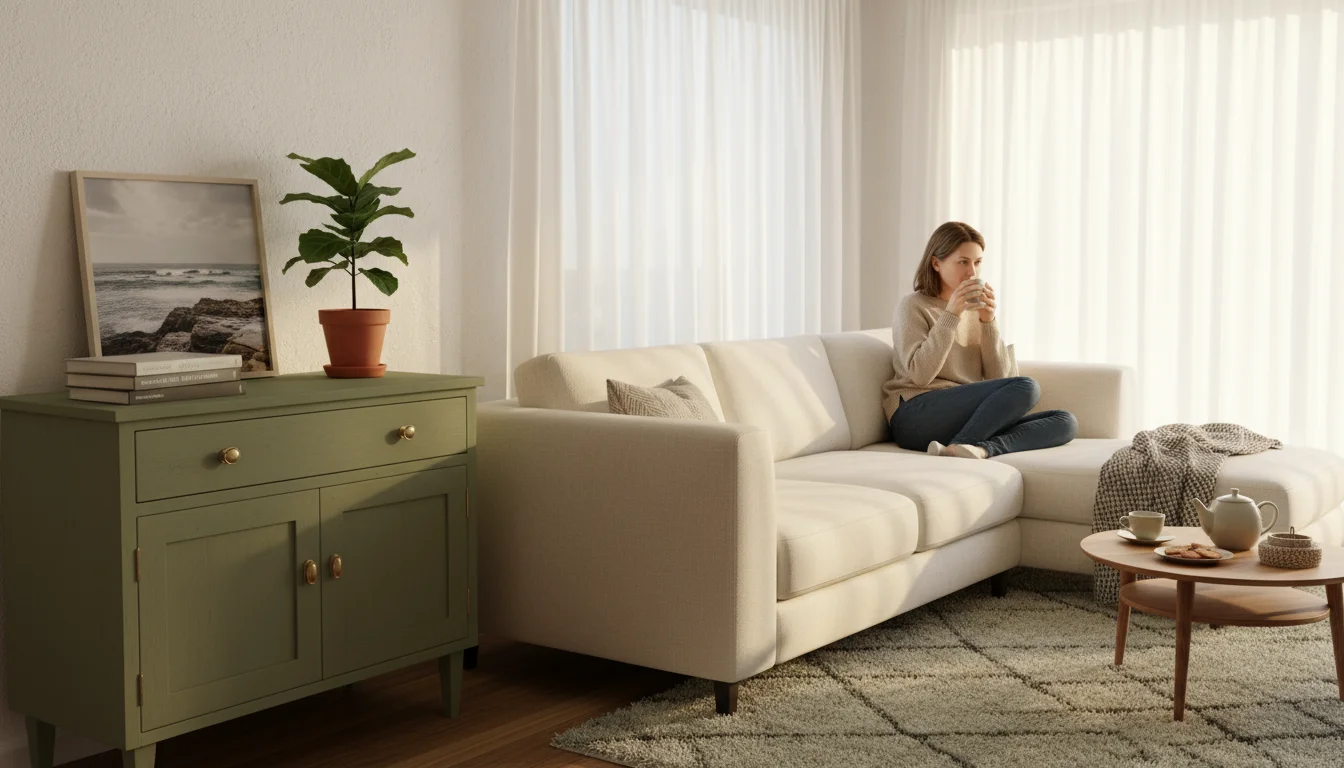
Integrating Secondhand Pieces into Your Decor
Seamlessly blending secondhand furniture with your existing decor elevates your home’s style. The goal is to create a cohesive, inviting space, not a disjointed collection of random items.
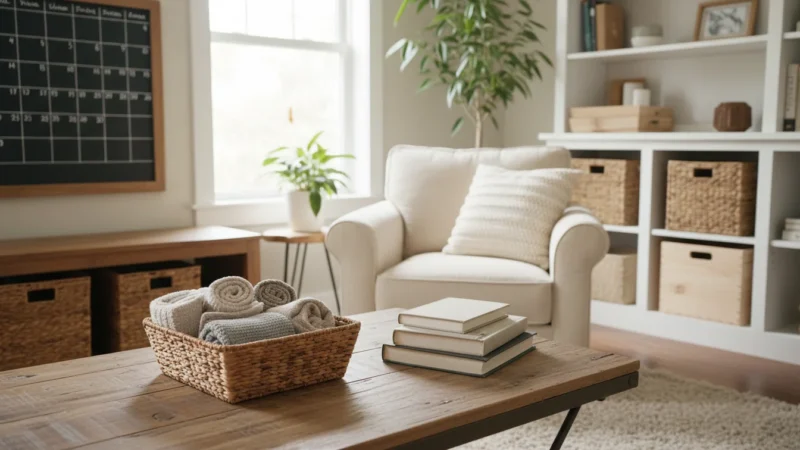
Once you have your new treasures, knowing how to arrange furniture will ensure your space feels cohesive and cozy.
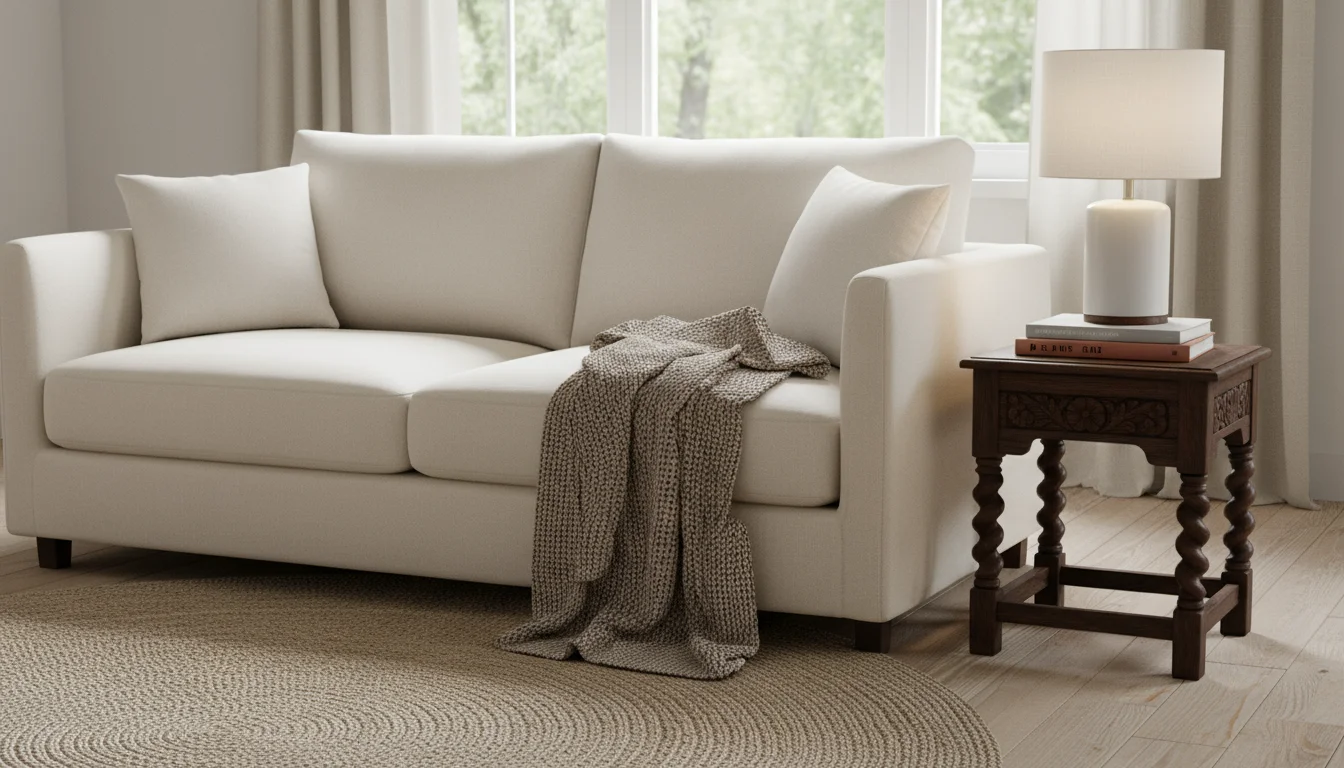
Mix and Match
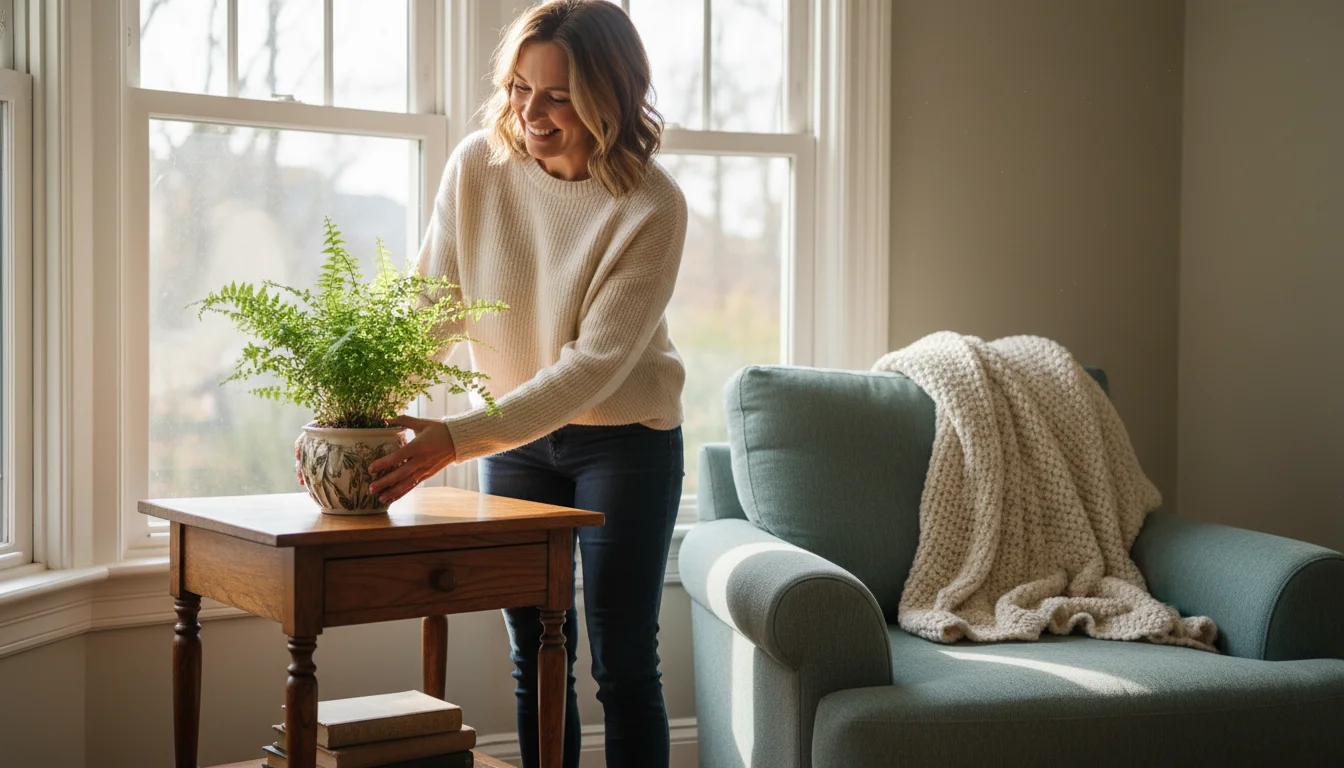
Do not feel pressured to furnish your entire home with secondhand items or to match everything perfectly. The most interesting rooms often combine new and old, modern and vintage. A contemporary sofa might look stunning next to a vintage side table, or a sleek dining table could pair beautifully with mismatched antique chairs. This approach adds depth and personality to your space, allowing each piece to stand out while contributing to the overall aesthetic.
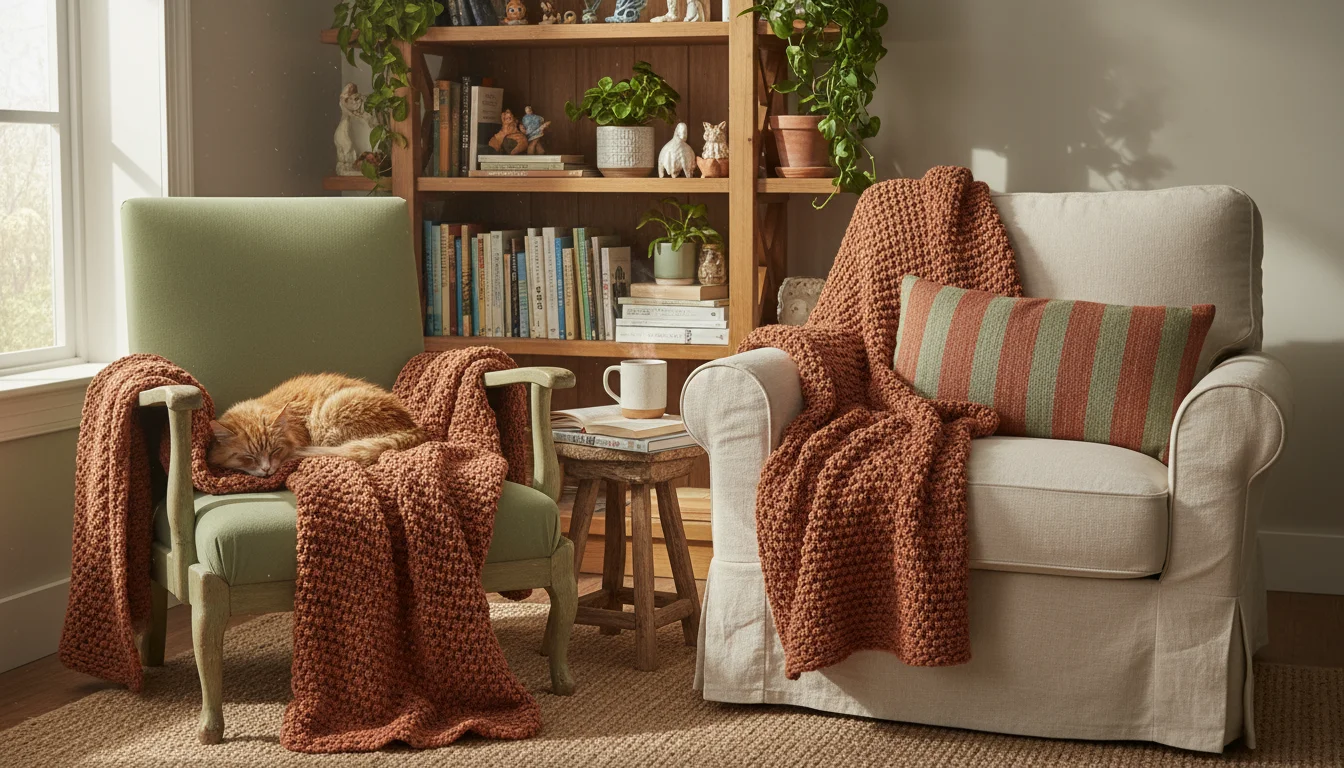
Create Cohesion with Color and Texture
Even if your furniture pieces come from different eras, you can tie them together through a consistent color palette or complementary textures. Paint a collection of disparate wooden chairs the same unifying color. Use throws, pillows, or rugs in similar tones or fabrics to link different seating areas. A piece with a distressed finish can complement a rustic theme, while a polished wooden item might fit a more traditional or elegant setting. Thoughtful textile choices create harmony.
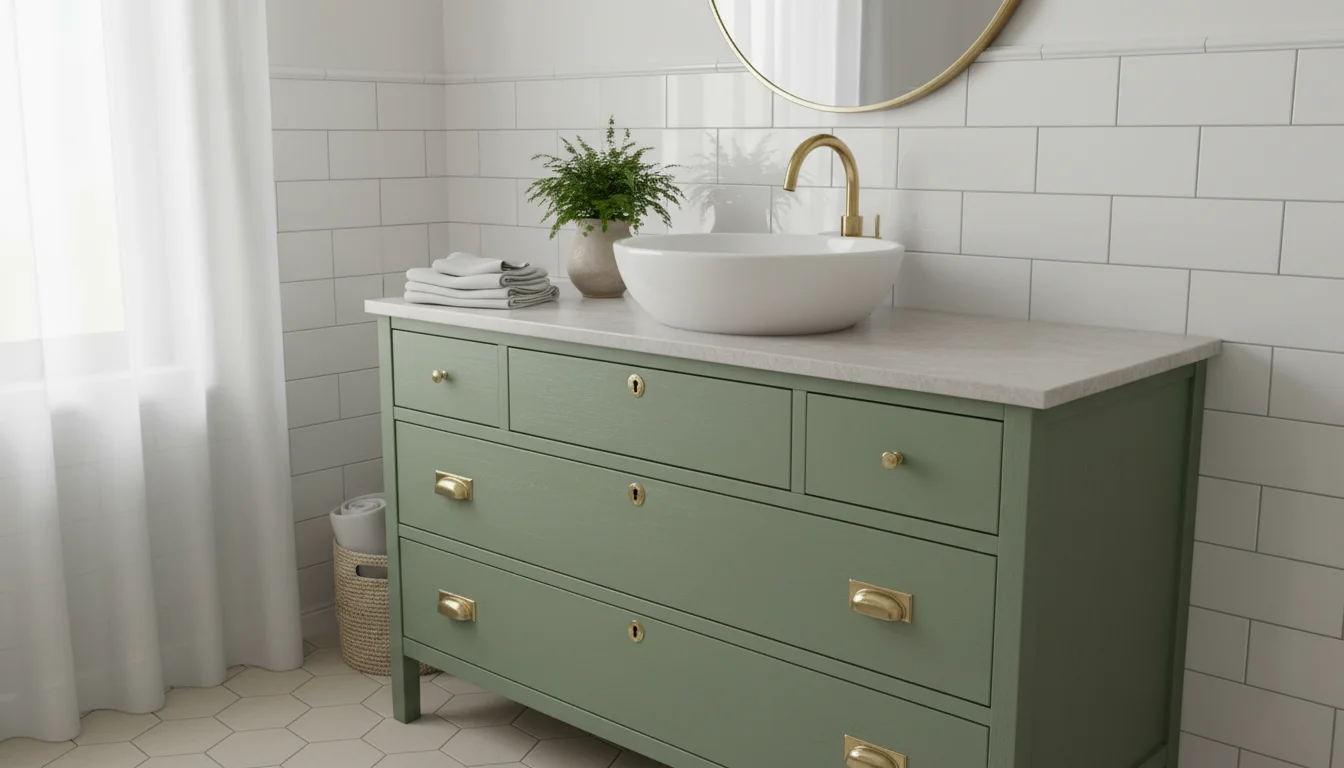
Repurpose with Creativity
Sometimes a secondhand find does not fit its original purpose but serves another beautifully. A vintage dresser makes a charming bathroom vanity with a little modification. An old wooden ladder can become a unique bookshelf or a display for blankets. A classic suitcase transforms into a quirky side table. Think outside the box and consider how a piece’s form or materials lend themselves to a new function. This creativity not only makes your home unique but also reinforces a sustainable decor ethos by giving objects a second life. As noted by experts at Apartment Therapy, repurposing furniture fosters a highly personalized and eco-conscious living space.
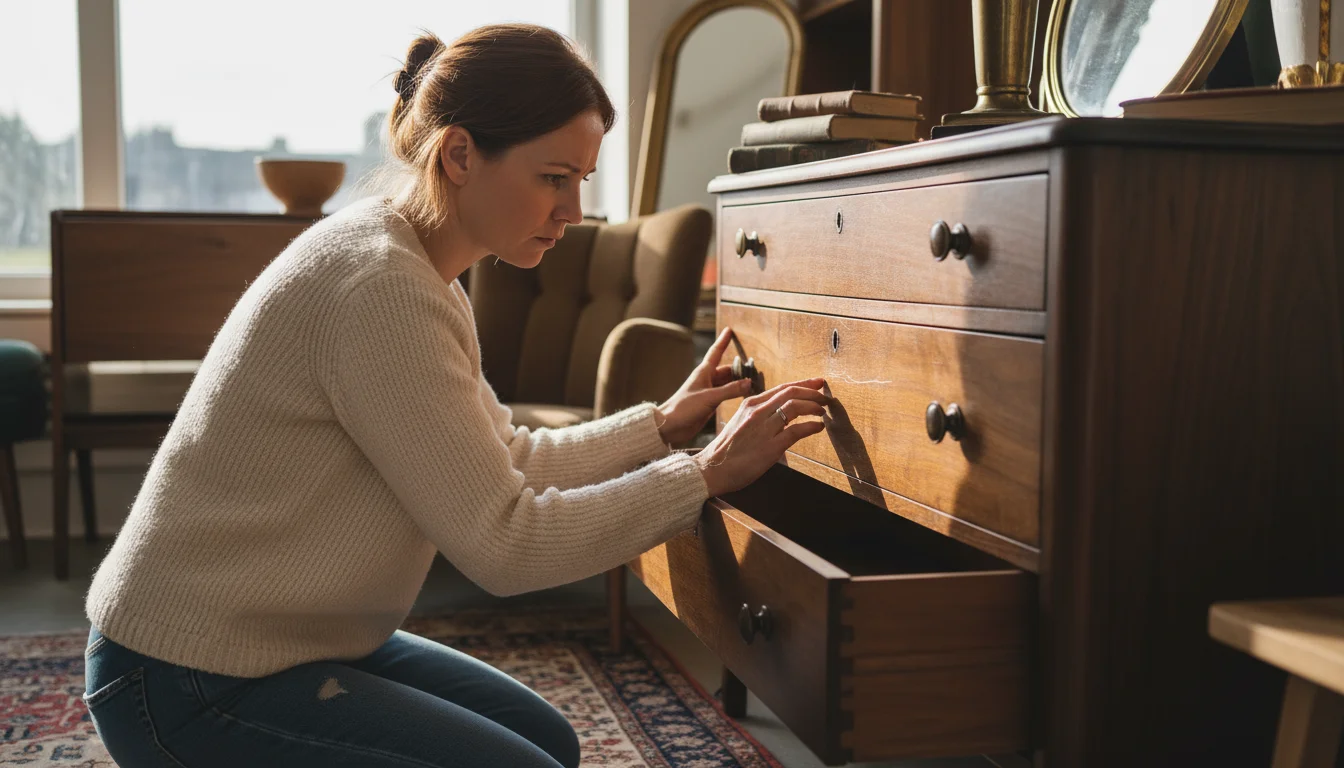
Common Mistakes to Avoid
While secondhand furniture shopping offers incredible rewards, certain pitfalls can lead to disappointment or wasted effort. Avoid these common mistakes to ensure a successful experience.
- Ignoring the “As-Is” Condition: Remember that secondhand items sell “as-is.” Do not assume minor damage is easily fixed without first assessing the effort and cost involved. Factor in potential repair expenses before purchasing. What appears to be a small scratch could hide a deeper issue.
- Impulsive Buying: Falling in love with a piece at first sight happens, but avoid buying without a thorough inspection and measurement. An impulse buy might not fit your space, clash with your decor, or harbor hidden problems. Stick to your prepared list and measurements.
- Neglecting Deep Cleaning: Skipping the deep cleaning step invites pests, odors, and allergens into your home. Always allocate time for a thorough cleaning and, if necessary, disinfection before introducing any secondhand item into your living space.
- Overestimating Your DIY Skills: Be realistic about your ability to restore or repair furniture. While some projects are simple, extensive upholstery work, complex carpentry, or complete refinishing often require professional help. Do not commit to a project that exceeds your skill level or time constraints.
- Forgetting Transport Logistics: Failure to plan for transportation is a common pitfall. Always confirm how you will get the item home before finalizing the purchase. This avoids scrambling at the last minute or, worse, having to leave a prized find behind.
- Buying for Resale Without Expertise: Unless you are an experienced flipper, avoid buying pieces solely with the intention of reselling them for profit. It requires significant market knowledge, time for restoration, and often storage space. Focus on finding pieces you genuinely need and love for your own home.

Frequently Asked Questions
What types of secondhand furniture offer the best value?
Solid wood pieces, especially those made from oak, cherry, or maple, generally offer excellent value because of their durability and potential for refinishing. Vintage mid-century modern furniture, when in good condition, also holds its value and can appreciate over time. Look for well-constructed items that simply need a bit of cleaning or minor repair, as these provide the most significant return on your investment.
How do I know if a piece of upholstered furniture has bed bugs?
Inspect thoroughly. Look for tiny reddish-brown stains (fecal spots) on seams, mattress tags, and crevices of the upholstery. You might also see tiny, translucent eggs or the bugs themselves, which are small, flat, and oval-shaped. If you see any signs, avoid the item entirely to prevent bringing pests into your home. A flashlight and a keen eye are your best tools.
Can I really mix modern and antique furniture without my home looking cluttered?
Absolutely, mixing styles creates a rich, layered look. The key is to find common elements, like a consistent color palette, similar wood tones, or a unifying theme. For instance, pair a sleek, modern sofa with a detailed antique coffee table. Use modern artwork or textiles to bridge the gap between different eras. Focus on balance and ensuring each piece has room to breathe, preventing a cluttered appearance.
Is it safe to buy secondhand mattresses or children’s car seats?
Generally, you should avoid buying secondhand mattresses due to hygiene concerns and the risk of bed bugs or other allergens. Similarly, never buy secondhand children’s car seats. They may have been in an accident, have expired, or have recalls you are unaware of, compromising a child’s safety. Prioritize safety and hygiene for these specific items by purchasing them new.
For expert home organization guidance, visit
The Spruce — Home Organization and
Real Simple — Organizing.
Disclaimer: This article is for informational purposes only and is not a substitute for professional advice. Consult professional organizers or specialists for personalized recommendations.



Leave a Reply