

Your kitchen often serves as the heart of your home. It also frequently holds a surprising amount of plastic, from food packaging to cleaning supplies and storage containers. You can make a significant difference for the environment and your wallet by taking practical steps to reduce plastic waste in this central space. You do not need to overhaul your entire kitchen overnight. Instead, focus on small, manageable changes that build into sustainable habits. This guide offers actionable strategies, budget-friendly swaps, and realistic solutions to help you cultivate a more sustainable kitchen, making it easier for you to reduce plastic and move towards a zero waste lifestyle.
Understanding Your Kitchen’s Plastic Footprint
Before you implement changes, understand where plastic currently dominates your kitchen. This is not about judgment. Instead, it offers a clear picture of your current habits and identifies the easiest areas for improvement. You might find plastics in your pantry, refrigerator, cleaning supplies, cooking utensils, and even your dishwashing accessories.
As you audit your space, you might find that organizing your kitchen cabinets makes it much easier to spot hidden plastic items tucked away in the back.
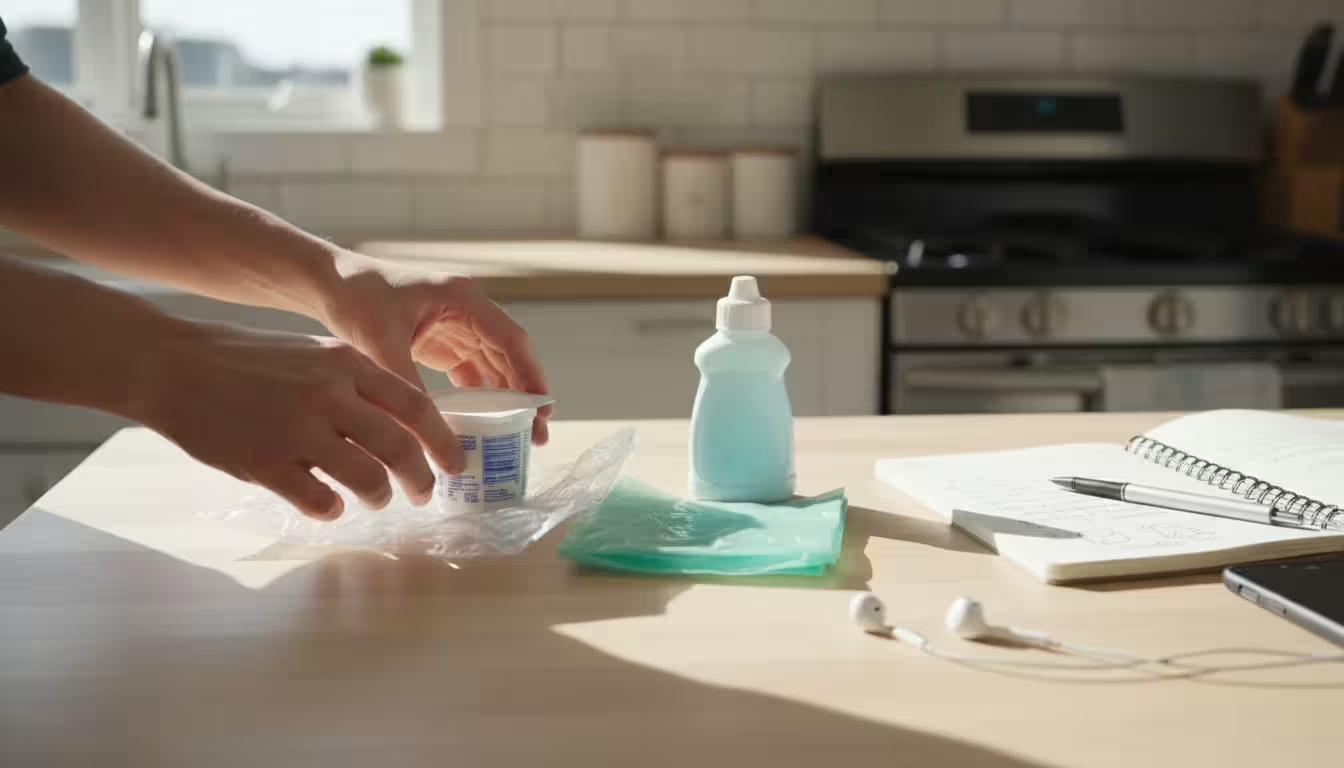
Start by observing your waste for a week. What types of plastic regularly end up in your trash or recycling bin? Note plastic bags from produce, yogurt containers, detergent bottles, snack wrappers, single-use coffee pods, and plastic cling wrap. This simple audit reveals patterns, helping you prioritize your efforts. For example, if you consistently throw away several plastic yogurt cups each week, switching to a large tub of yogurt or making your own becomes a clear first step. According to Real Simple, understanding your habits forms the foundation of any successful organization or decluttering project. Identifying these common plastic culprits empowers you to make targeted swaps. Your goal is to identify your “plastic pain points” and tackle them first for maximum impact.
Actionable Insight: Keep a small notebook or a dedicated “plastic audit” bin for one week. Jot down every piece of plastic packaging you discard. This visual representation often provides powerful motivation for change, highlighting the cumulative effect of small, daily plastic use.
Reusable Food Storage Solutions
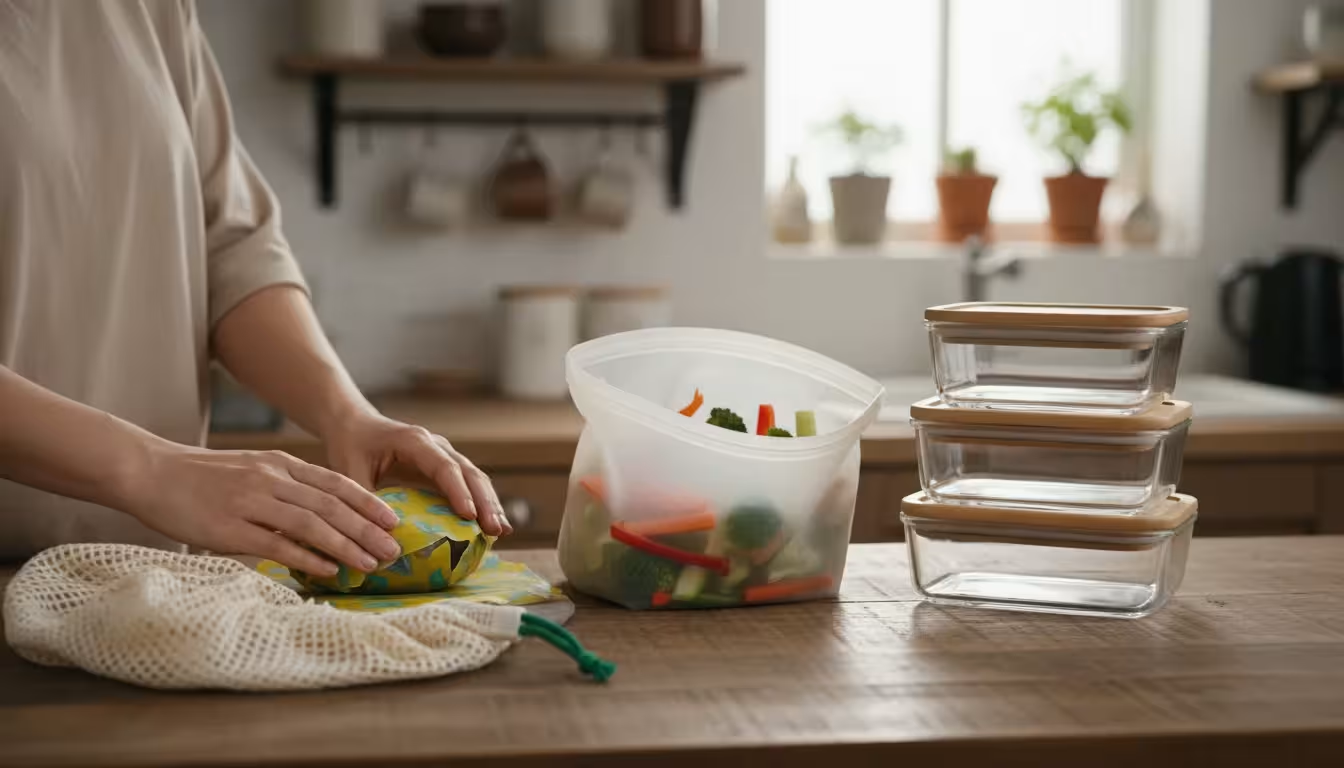
One of the most impactful ways to reduce plastic waste is by replacing single-use food storage items. Think beyond the plastic wrap and disposable sandwich bags. Many durable, food-safe alternatives offer longevity, safety, and peace of mind.
Finding room for these durable new containers is simple when you implement small kitchen solutions designed for maximum efficiency.
Glass Containers with Airtight Lids
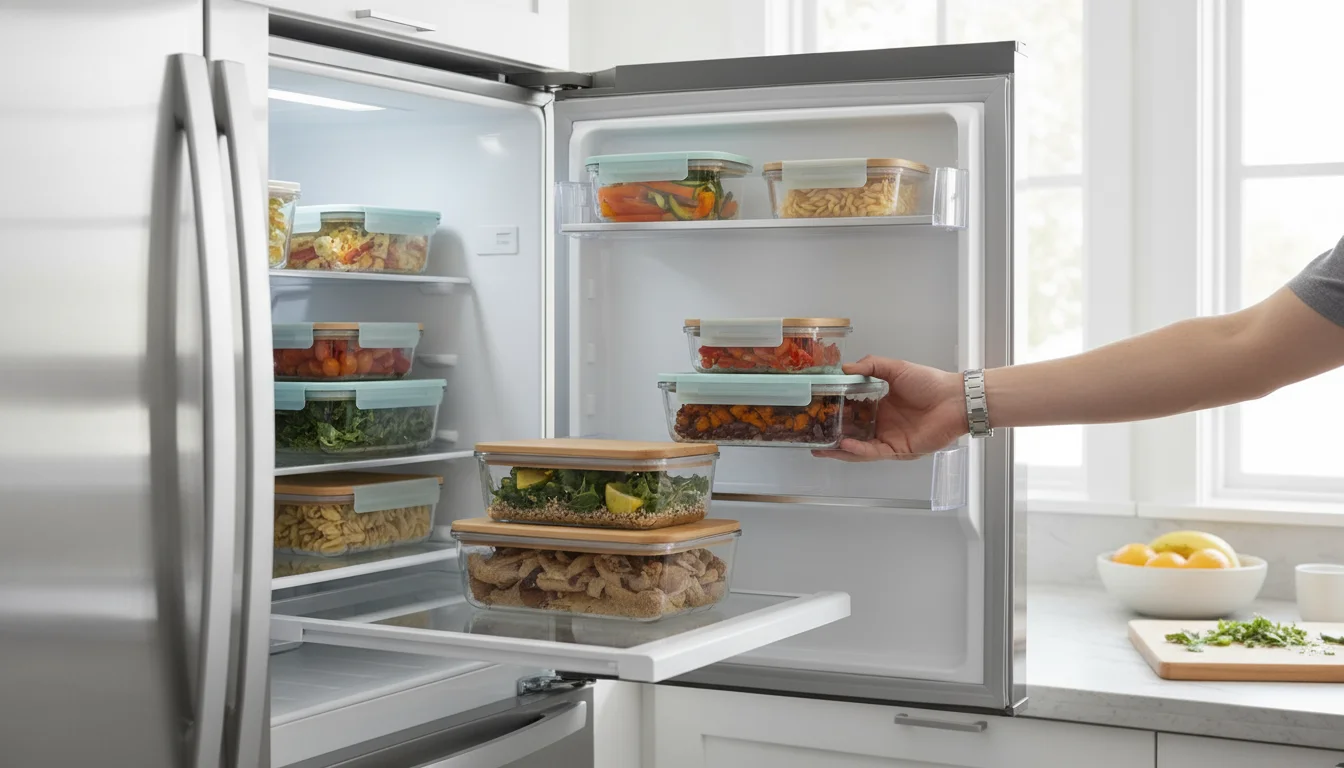
Glass containers are durable, microwave-safe, oven-safe, and do not leach chemicals into your food, even when heated. They come in various shapes and sizes, perfect for meal prepping, storing leftovers, or packing lunches. Many sets feature snap-on lids, often made from BPA-free plastic or bamboo, ensuring an airtight seal. Glass containers also offer excellent visibility, helping you see exactly what you have in your fridge and pantry, reducing food waste and making meal planning easier. Their non-porous surface also resists stains and odors, keeping your food fresh and your containers clean.
Silicone Bags and Wraps
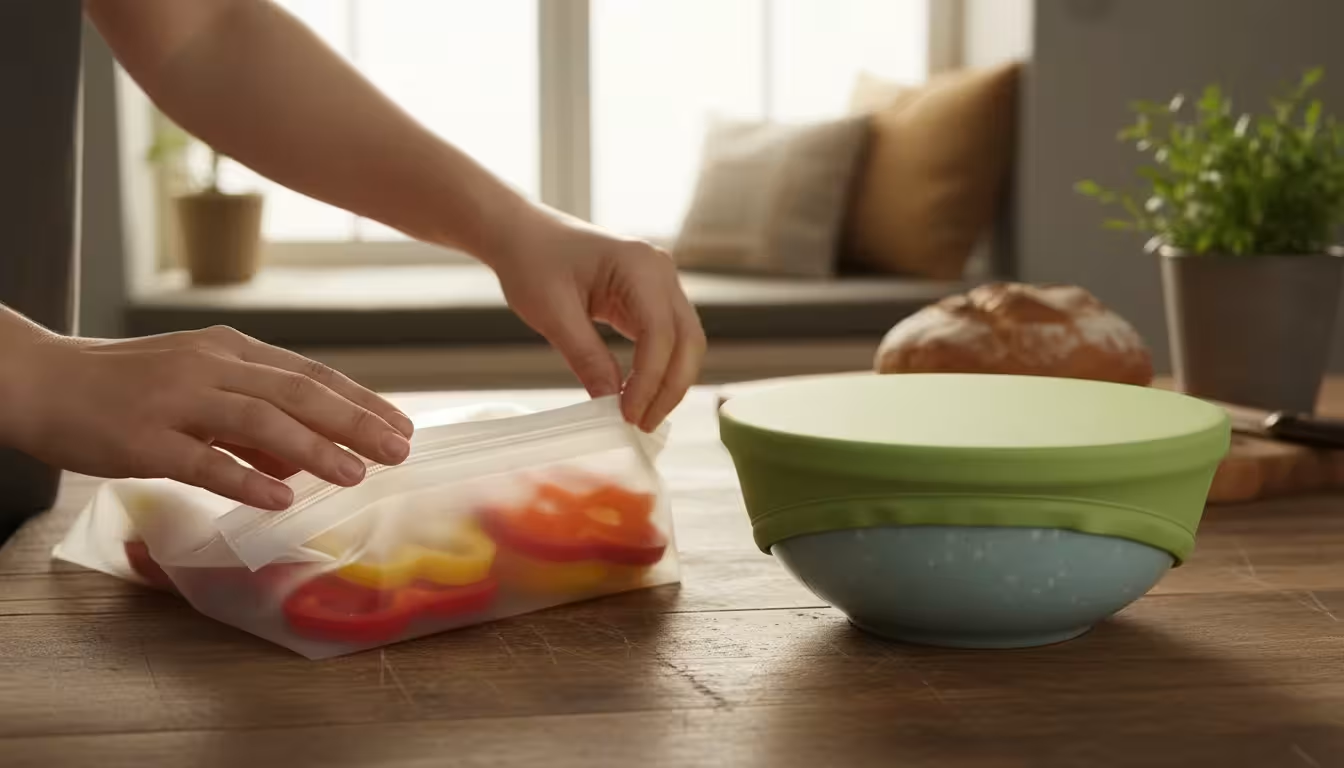
Flexible silicone bags offer a fantastic alternative to single-use plastic sandwich and snack bags. Made from food-grade silicone, they are incredibly durable, freezer-safe, microwave-safe, oven-safe, and dishwasher-safe, making them incredibly versatile. You can use them for storing fruits, vegetables, snacks, marinating meats, or even sous vide cooking. Their leak-proof seals keep food fresh, and their flexibility allows for easy storage in crowded fridges or bags. Silicone wraps, a newer innovation, provide a reusable, clingy seal for bowls and plates, mimicking plastic wrap without the environmental cost.

Beeswax Wraps
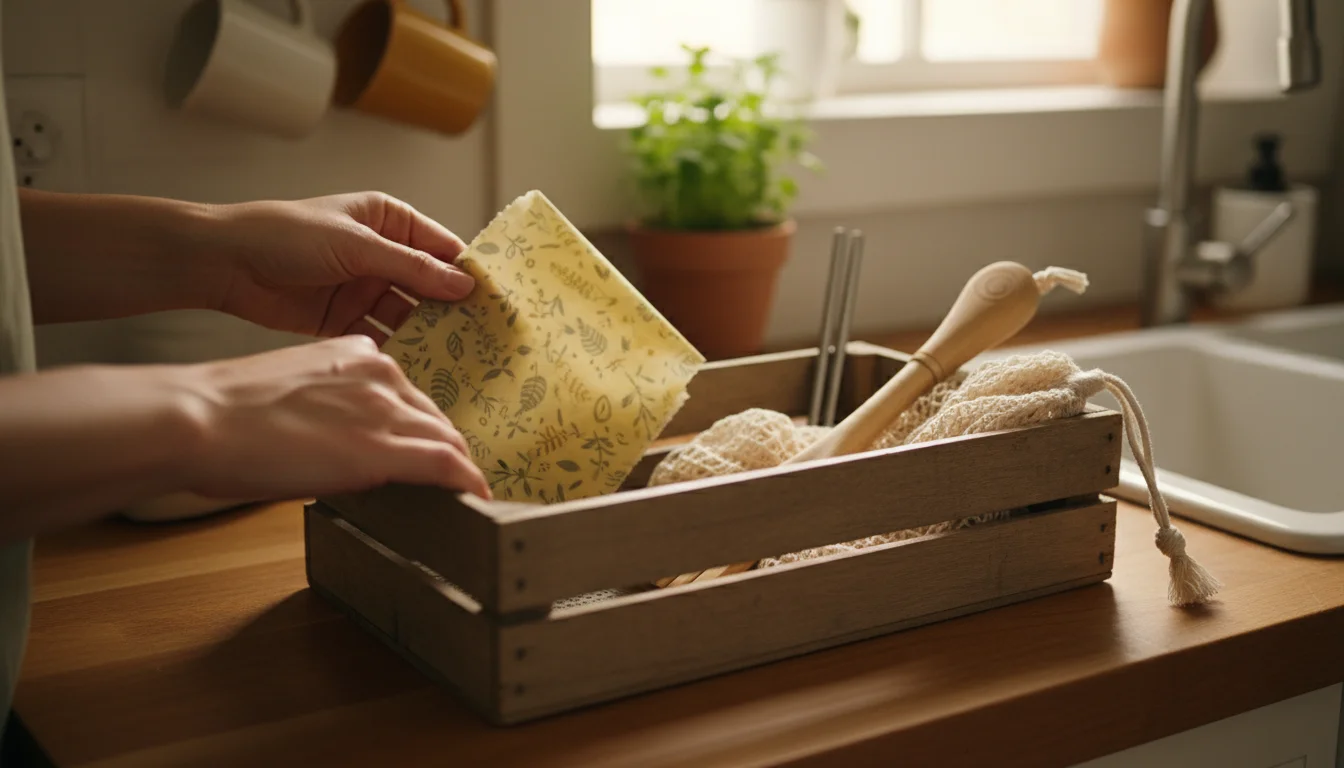
For a natural and compostable option, beeswax wraps excel at covering bowls, wrapping cheese, bread, or half-eaten fruits and vegetables. Made from cotton infused with a blend of beeswax, jojoba oil, and tree resin, they are pliable with the warmth of your hands and form a seal as they cool. You can wash them with cool water and mild soap, then air dry them. They are reusable for up to a year or even longer with proper care. Once they lose their stickiness, you can compost them, making them a truly zero waste option.
Stainless Steel Containers
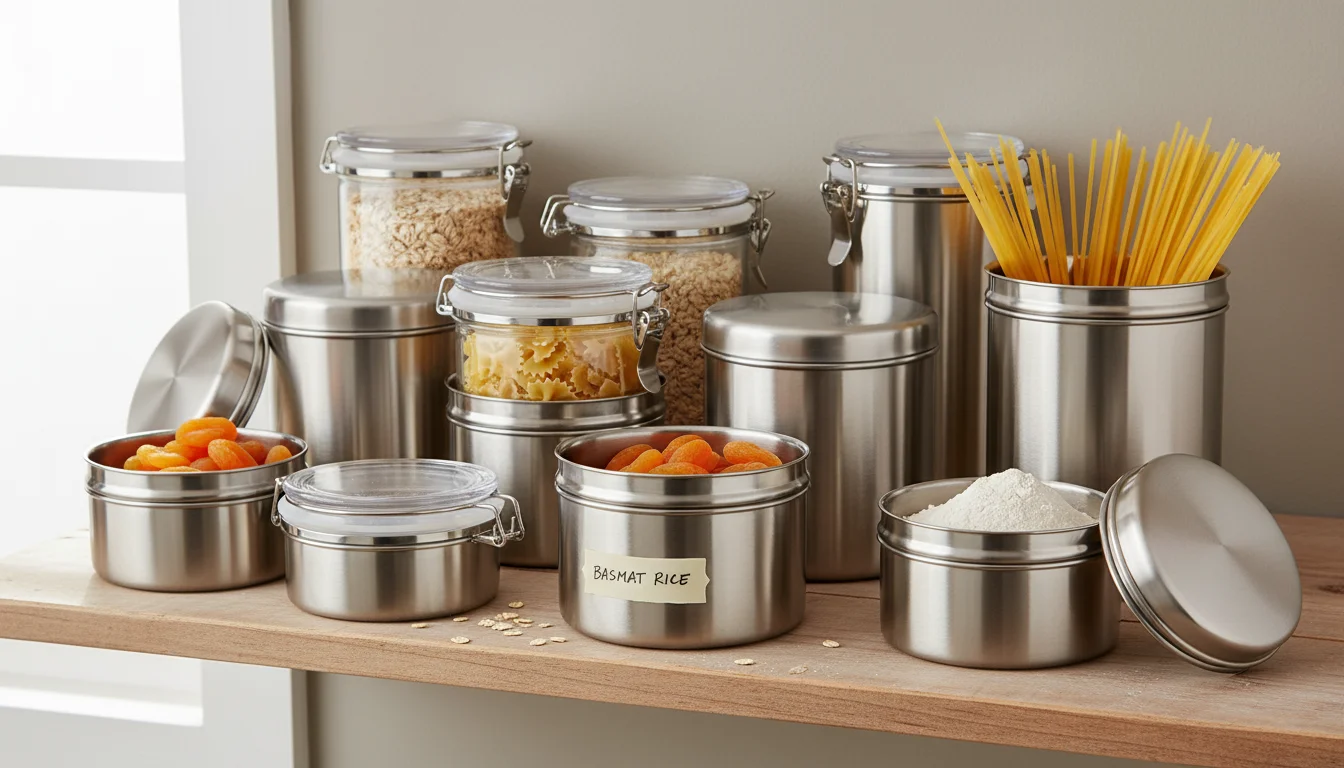
Lightweight, unbreakable, and rust-resistant, stainless steel containers are ideal for packing lunches, storing dry goods, or carrying snacks on the go. Many feature silicone-lined lids for a leak-proof seal. They maintain food temperature better than plastic, keeping items cool or warm for longer. Stainless steel is also non-reactive, meaning it will not impart flavors or odors to your food. Always ensure you choose containers made from food-grade stainless steel (like 18/8 or 304 grade) for safety and durability.
Smart Shopping: Avoiding Plastic at the Store
Your shopping habits significantly influence the amount of plastic entering your home. By making conscious choices at the grocery store, you can drastically reduce your consumption of single-use plastics. This requires a bit of planning and awareness, but the effort quickly becomes second nature.
Bring Your Own Reusables
- Shopping Bags: Always carry reusable shopping bags. Keep a stash in your car, by the door, or folded in your everyday bag so you never forget them. Choosing durable cotton or recycled material bags reduces your reliance on flimsy plastic grocery bags.
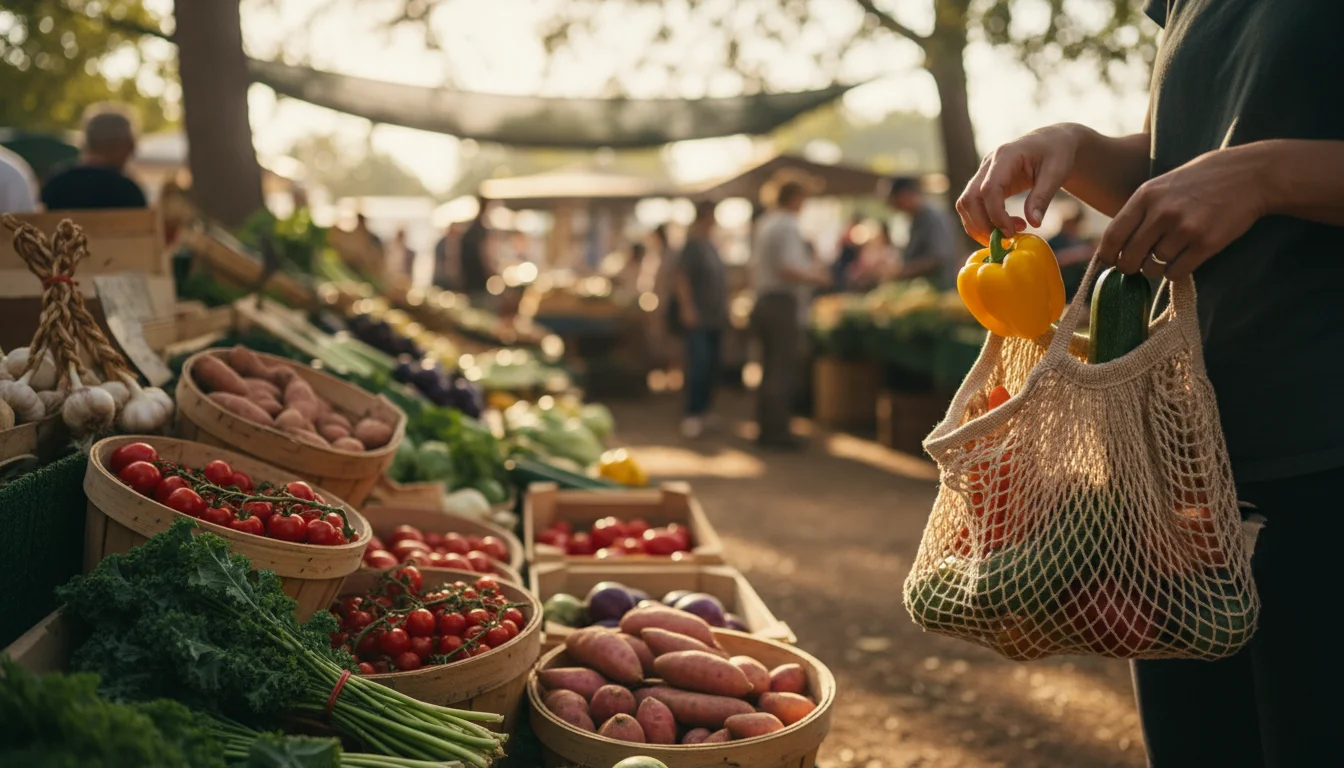
- Produce Bags: Invest in reusable mesh produce bags for fruits and vegetables. This eliminates the need for those flimsy plastic bags in the produce aisle. Many stores also allow you to place loose produce directly into your cart without any bag at all, further reducing waste.
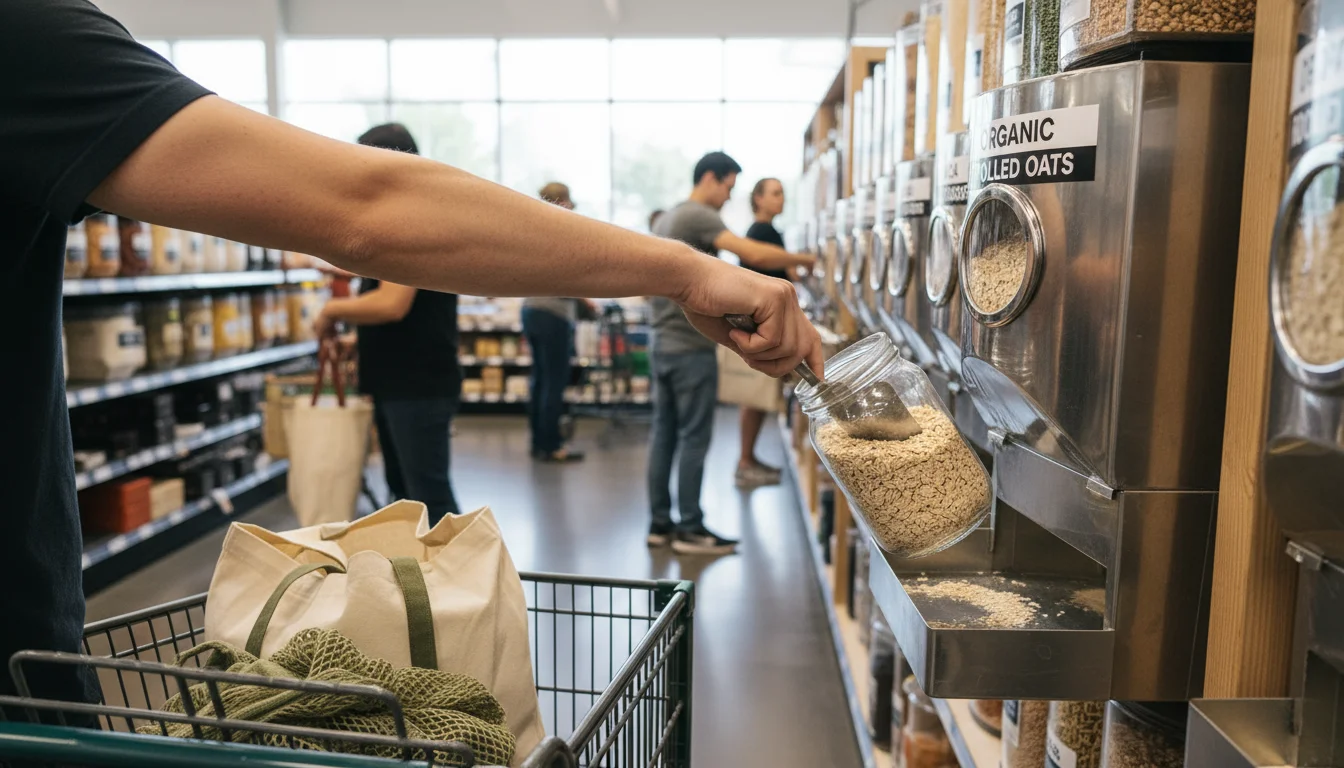
- Bulk Bins: Many grocery stores offer bulk sections for grains, nuts, seeds, pasta, coffee, spices, and even liquid items like oils and soaps. Bring your own reusable jars, containers, or cloth bags to fill them up. Remember to tare your containers at the customer service desk before filling them. This ensures you only pay for the product and not the weight of your container. You save money by buying only the amount you need, and you eliminate packaging.
Choose Packaging Wisely
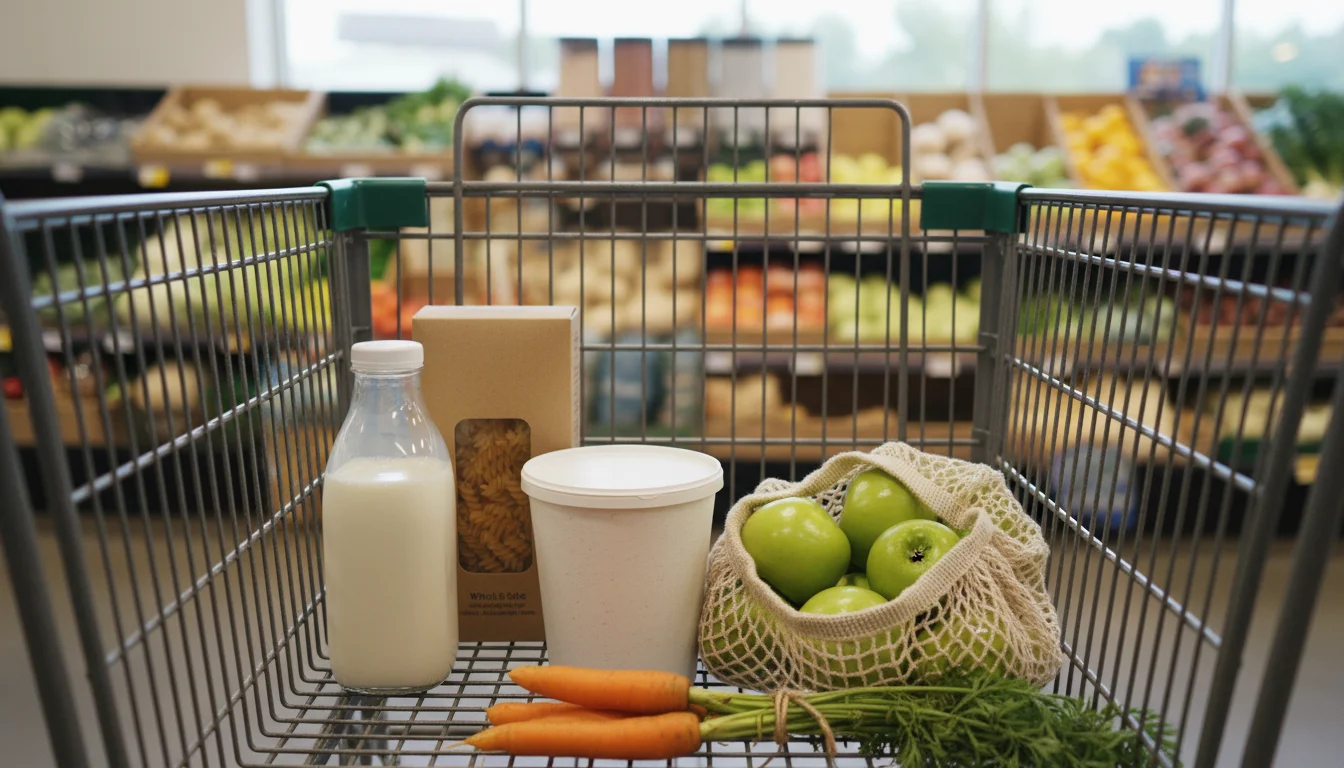
When reusable options are unavailable, opt for products packaged in glass, paper, cardboard, or metal. For instance, choose milk in glass bottles, yogurt in larger tubs or glass jars instead of individual servings, and pasta in cardboard boxes. Many brands now offer eco-friendly packaging, so actively seek them out. Look for items sold without packaging at all, such as bar soap or loose bakery items. Prioritize fresh, unpackaged foods over heavily processed, plastic-wrapped alternatives.
Practical Tip: Shop the perimeter of the grocery store first. This area typically features fresh produce, dairy, meats, and bakery items, which often have less packaging or more sustainable packaging options than processed items found in the center aisles. Plan your meals around these fresh, unpackaged ingredients.
When you cannot avoid plastic packaging, make sure you know your local recycling guidelines. Recycling varies significantly by municipality. According to the EPA, understanding local recycling rules helps ensure proper waste management and prevents contamination of recycling streams, ensuring that your efforts contribute positively.
Plastic-Free Cleaning and Dishwashing
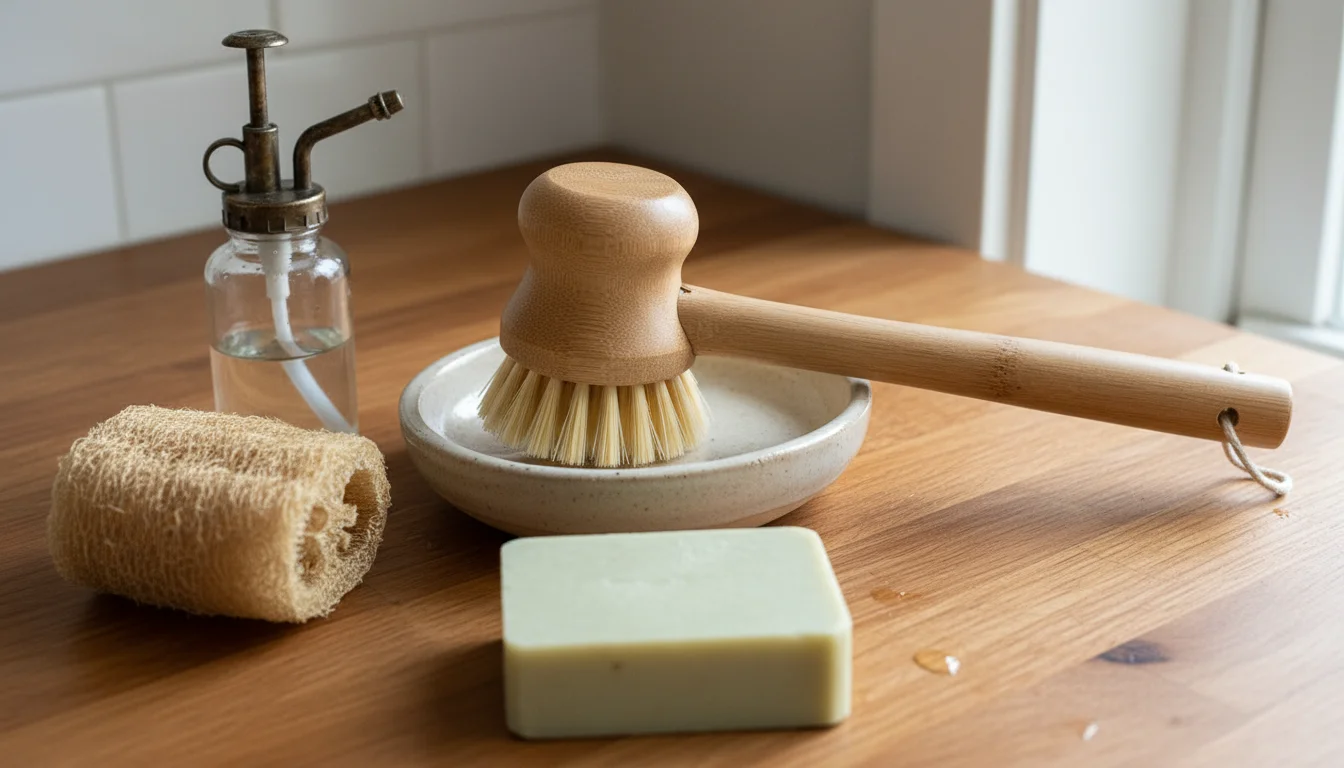
Cleaning supplies are another significant source of plastic in the kitchen. From spray bottles to dish soap containers, sponges, and scrubbing brushes, plastics often dominate this category. You can easily switch to more sustainable, plastic-free alternatives that clean just as effectively, often with fewer harsh chemicals.

Refillable Cleaning Products
Many eco-conscious brands now offer concentrated cleaning solutions or dissolvable tablets that you mix with water in a reusable spray bottle. This drastically reduces the amount of single-use plastic bottles you buy. These systems usually involve buying one starter kit with a durable bottle, then purchasing only refills. Consider making your own cleaners using common household ingredients like white vinegar, baking soda, and essential oils. These are often cheaper, non-toxic, and just as powerful. For example, a simple all-purpose cleaner combines equal parts white vinegar and water, with 10-15 drops of essential oil (like lemon or tea tree) for scent and added antibacterial properties. Store it in a reusable glass spray bottle.
Sustainable Dishwashing
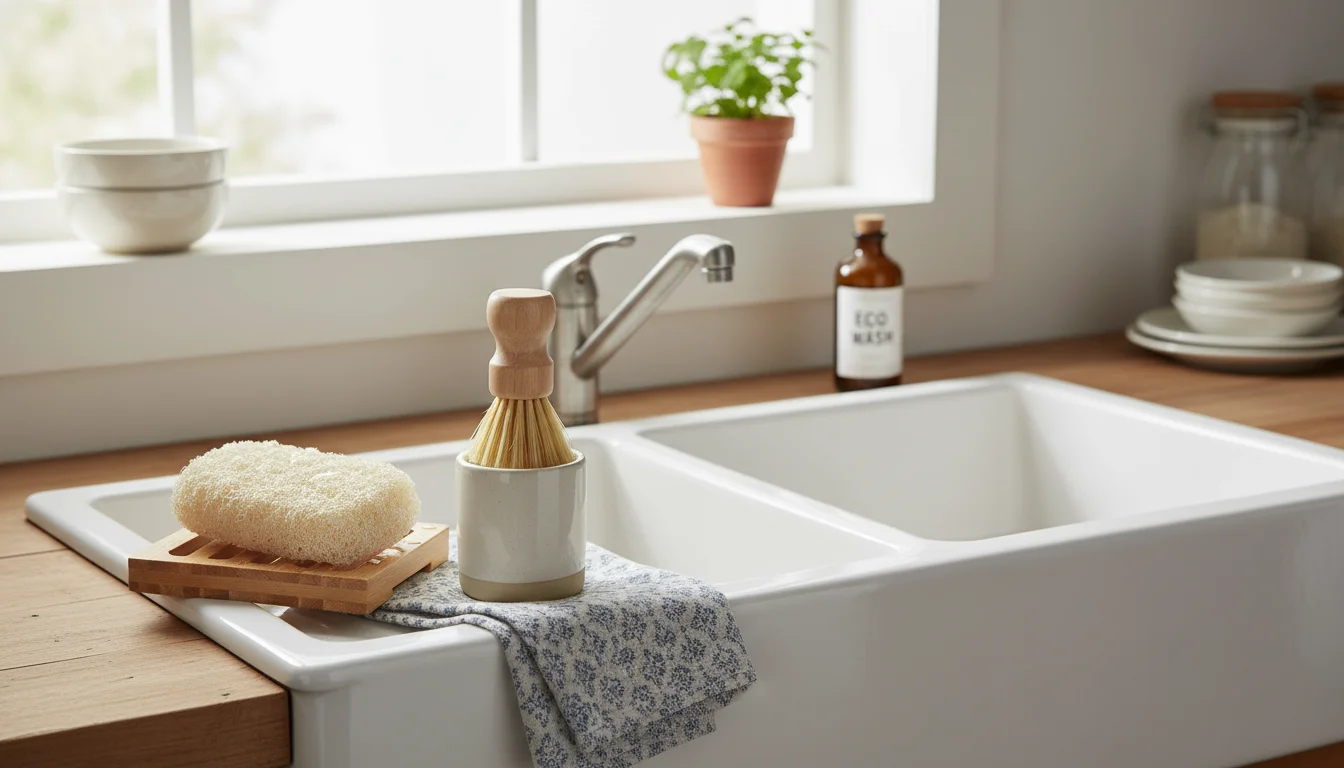
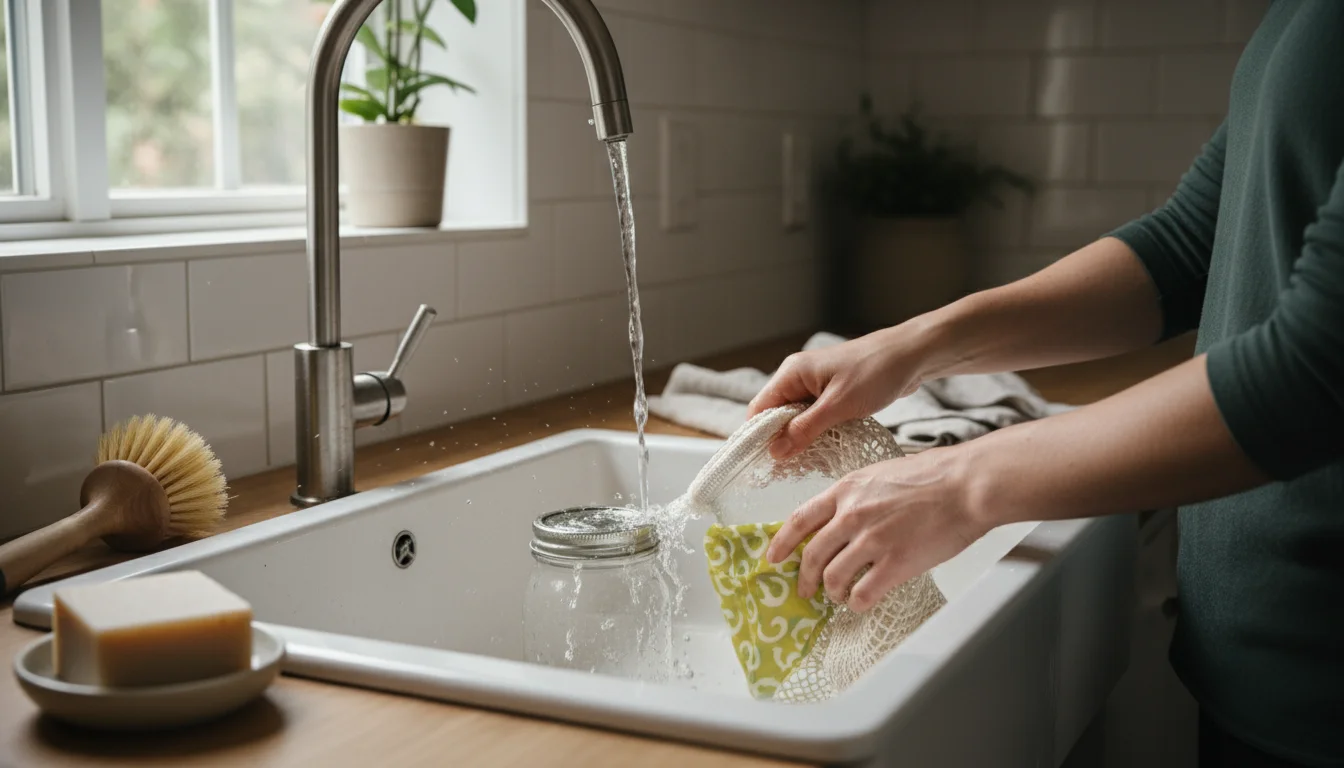
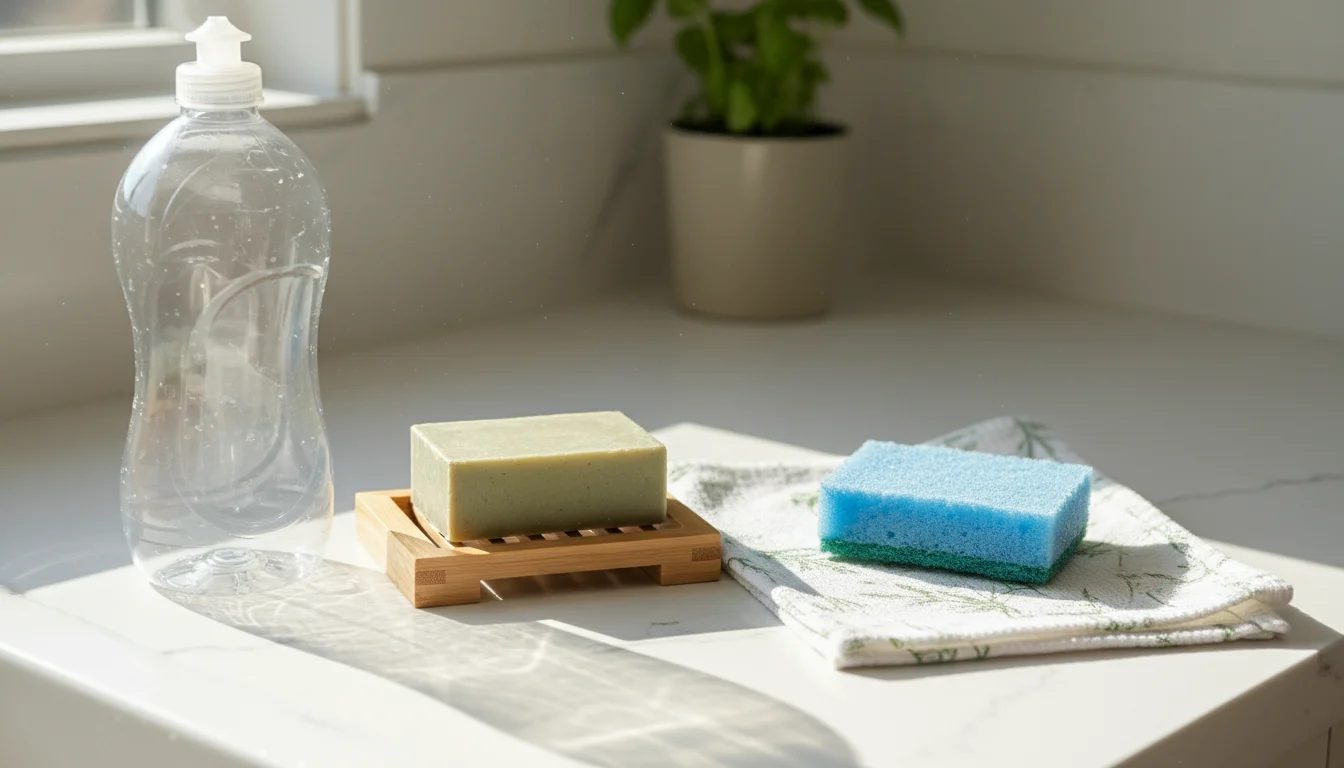
Replace your plastic dish brushes and sponges with natural alternatives. Wooden dish brushes with natural bristles and replaceable heads offer excellent scrubbing power and a long lifespan. Loofah sponges, made from the dried fibrous material of the loofah plant, are biodegradable and effective. Swedish dishcloths, made from cellulose and cotton, absorb liquids like a sponge but can be washed and reused for months, then composted. For dish soap, choose solid dish soap bars or liquid dish soap in refillable glass or metal containers. You can find dish soap bars that lather beautifully and clean effectively, often lasting longer than liquid soap in plastic bottles.
Laundry in the Kitchen Area (If Applicable)
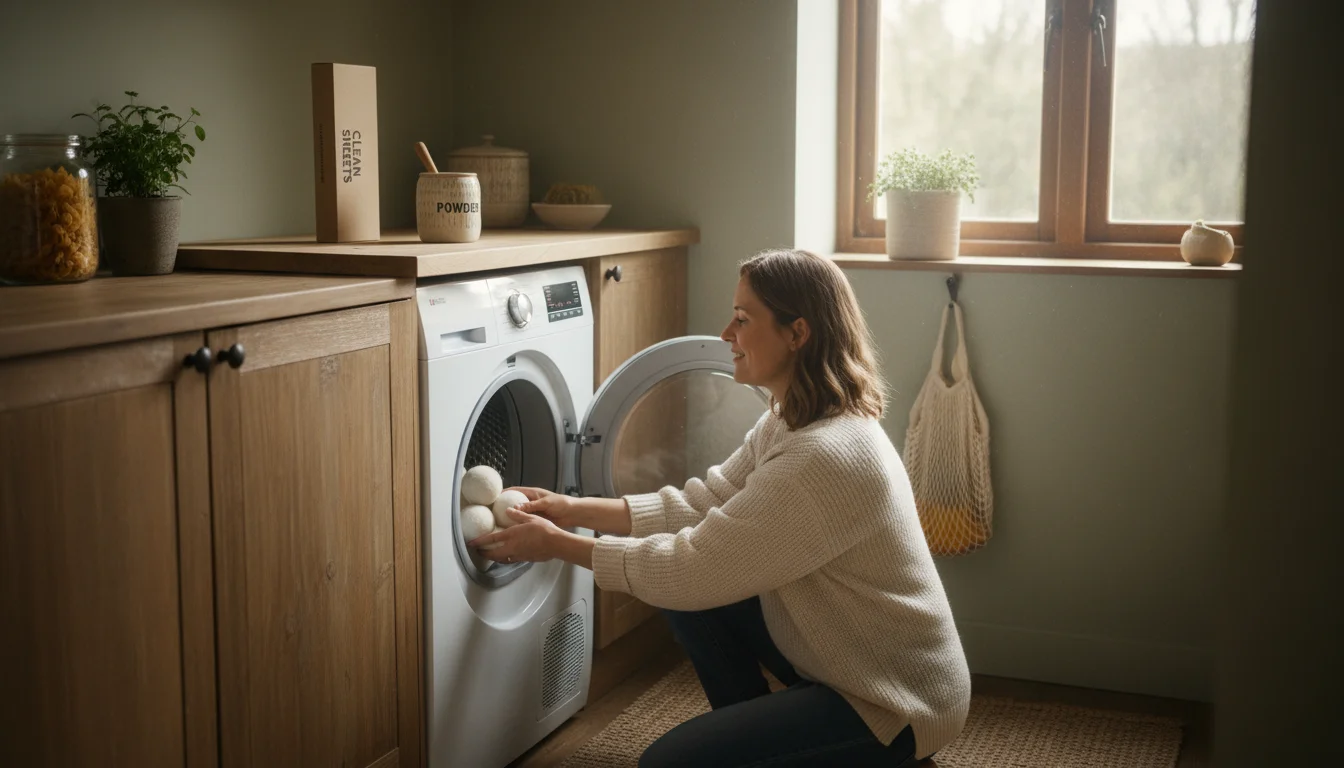
If your laundry area is adjacent to or within your kitchen, extend your plastic-free efforts there too. Switch to laundry detergent sheets, powder, or pods in cardboard boxes, reducing plastic jug waste. Use wool dryer balls instead of single-use dryer sheets. Wool dryer balls naturally soften clothes, reduce drying time, and are reusable for hundreds of loads. These small changes collectively reduce your plastic footprint significantly and contribute to an overall healthier home environment.

Rethinking Beverages: Ditching Disposables
Single-use beverage containers contribute substantially to plastic waste, making up a significant portion of littered items and landfill volume. Think about the countless plastic water bottles, soda bottles, and coffee pods you might use daily. Making simple shifts in this area offers immediate and tangible results, saving you money while protecting the planet.
Reusable Water Bottles and Coffee Cups
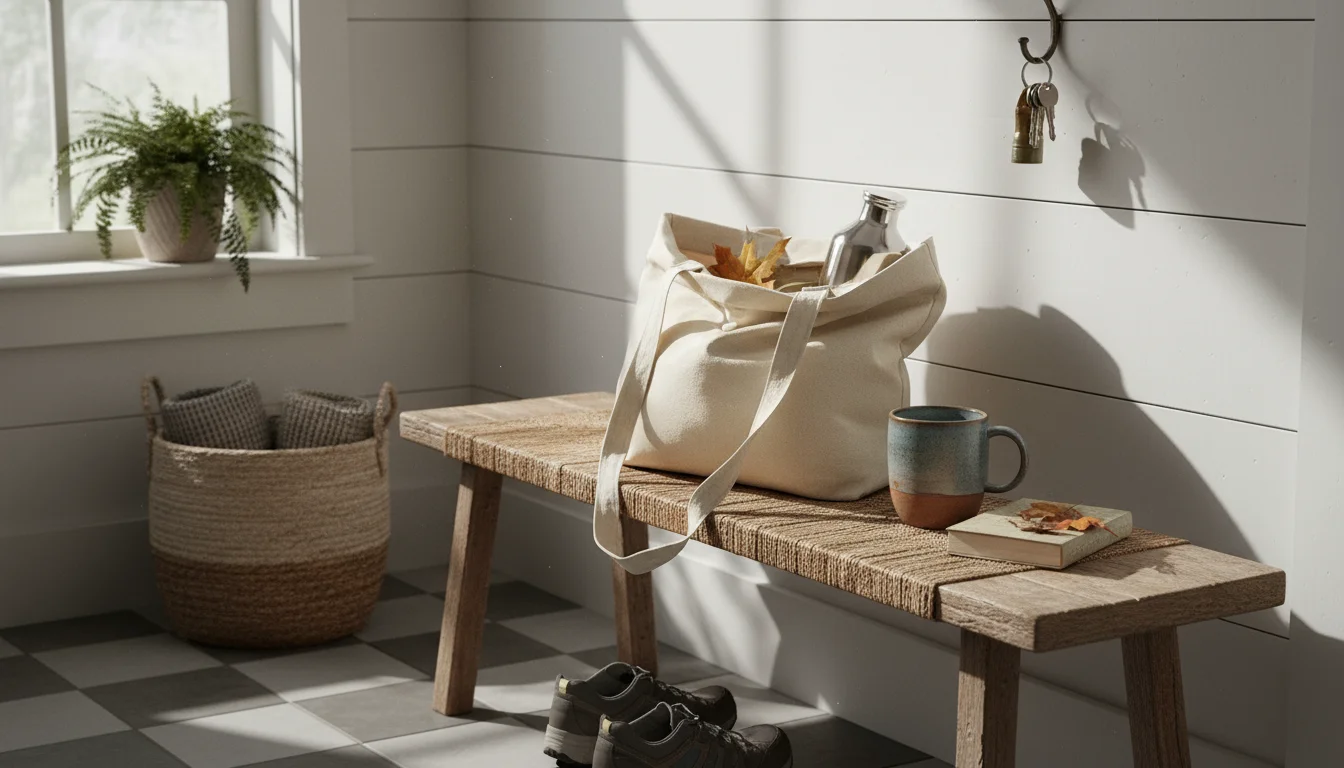
This is perhaps the easiest and most impactful switch. Carry a high-quality reusable water bottle, made from stainless steel or glass, and a travel coffee mug with you everywhere you go. Many coffee shops even offer discounts for bringing your own cup, providing a financial incentive for this sustainable habit. This eliminates countless single-use plastic bottles and coffee cups, which often contain a plastic lining making them difficult to recycle. Keep them clean and accessible so they become a natural part of your routine.

Filter Your Tap Water
If you dislike the taste of your tap water or have concerns about its quality, invest in a water filter. Options range from affordable pitcher filters to faucet-mounted filters, under-sink filtration systems, or even whole-house filtration systems. This eliminates the need to buy bottled water, saving you a considerable amount of money over time and drastically reducing plastic bottle waste. According to Consumer Reports, a good water filter offers a cost-effective and environmentally friendly solution for better-tasting, safer drinking water, providing peace of mind as well as convenience.

Brew Your Own Coffee and Tea
Switch from single-serve coffee pods, which are notoriously difficult to recycle due to their mixed materials, to a traditional coffee maker or a French press. Use ground coffee or whole beans you grind yourself. For tea, choose loose-leaf tea or tea bags made from compostable materials, actively avoiding those with plastic mesh or staples. This not only reduces plastic waste but often results in a richer, more flavorful beverage. Consider a reusable K-cup filter for your single-serve machine if you prefer that method, which allows you to use your own ground coffee.
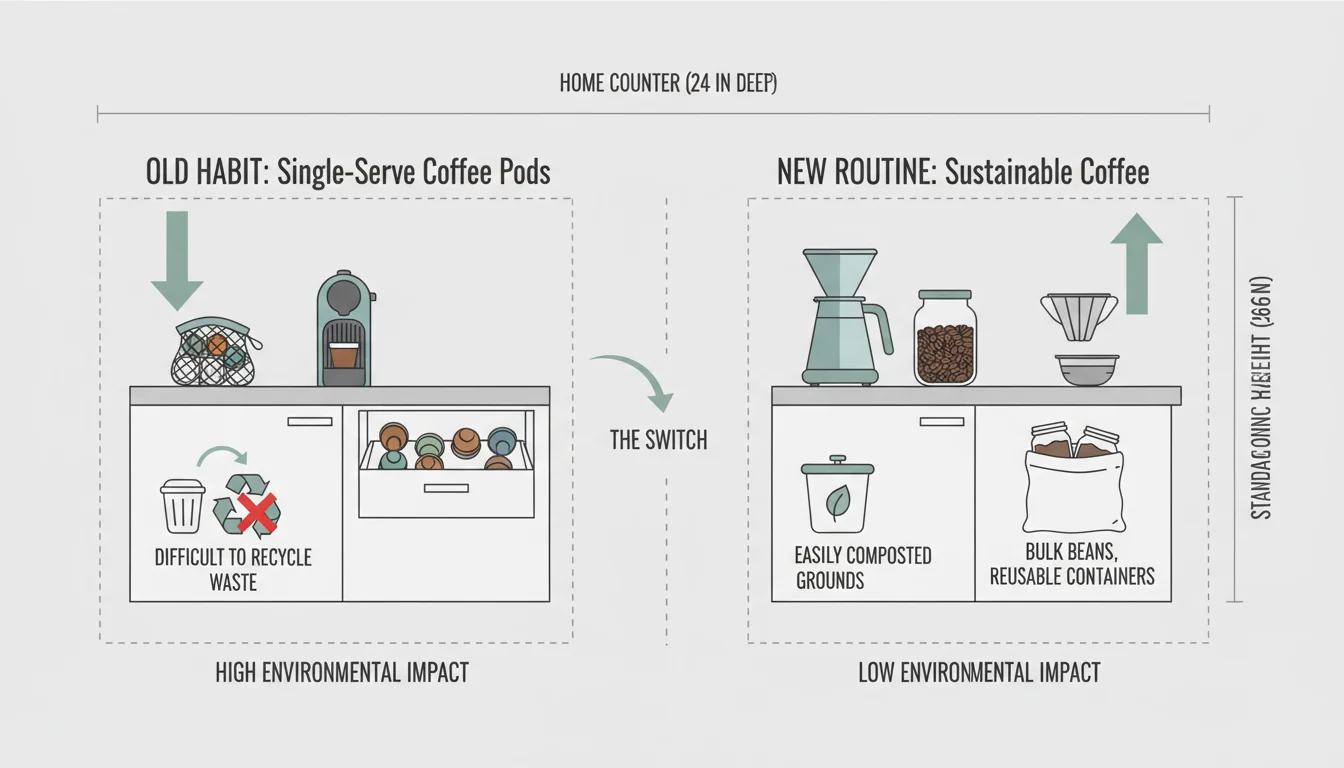
Budget-Friendly Tip: Start with one durable reusable water bottle and one reusable coffee cup. Calculate how much you spend on bottled water or daily coffee shop visits for a month. You will quickly see savings that justify the initial investment in reusable items.
Composting and Recycling: Maximize Your Efforts
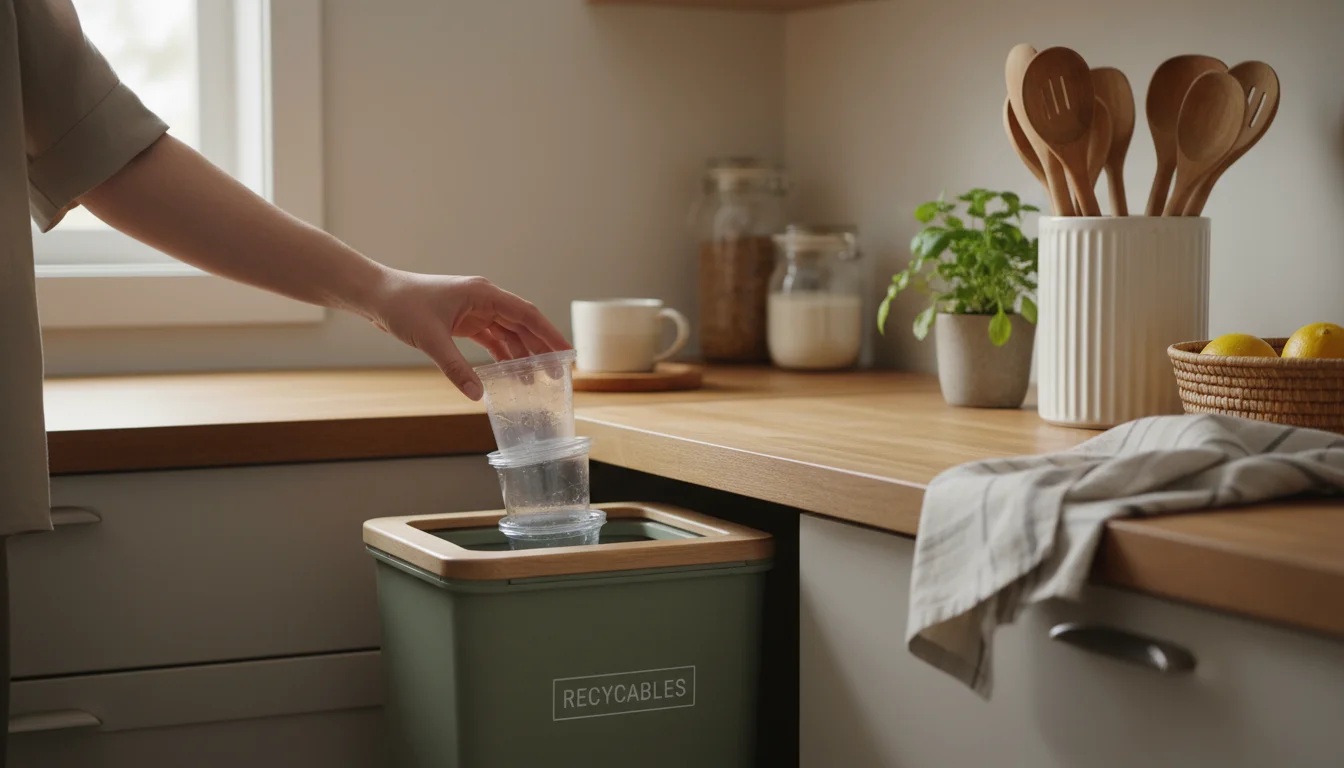
Even with diligent plastic reduction, some plastic waste remains unavoidable. Maximizing your composting and recycling efforts ensures you properly manage what plastic you do consume and divert organic food waste from landfills, which significantly impacts greenhouse gas emissions.
To take your sustainability efforts to the next level, follow a beginner’s guide to composting to handle your organic waste properly.

Understand Local Recycling Rules
Recycling programs vary widely from one municipality to another. Check your local city or county’s website or contact your waste management provider for precise guidelines. Understand which plastics they accept (e.g., #1 and #2 bottles, rigid plastics), whether you need to rinse containers, and if they accept plastic films or bags (most curbside programs do not). It is crucial not to “wishcycle,” which means putting items in the recycling bin hoping they are recyclable. Wishcycling contaminates the recycling stream, often leading to the entire batch going to the landfill, undermining all recycling efforts. Clean your recyclables by rinsing them to prevent odor and pest issues, and follow instructions regarding caps and labels.
Find Plastic Film Drop-Offs
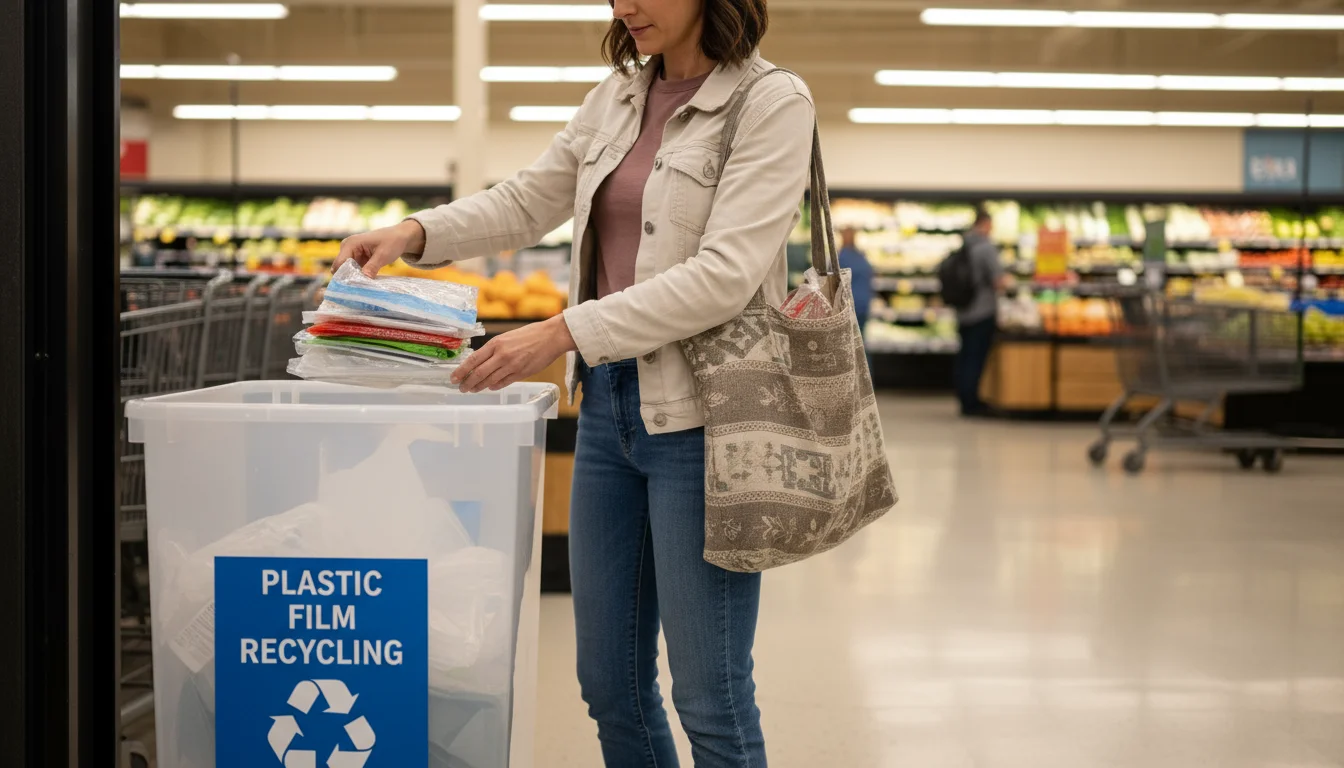
Grocery stores and other retailers often provide collection bins for plastic films and bags, which typically cannot go into curbside recycling. Gather your clean, dry plastic grocery bags, bread bags, produce bags, dry cleaning bags, and other soft plastic film packaging, and drop them off during your shopping trips. This small extra step keeps a significant amount of plastic out of landfills and ensures it goes to facilities equipped to process it. Look for signs at store entrances or customer service desks.
Start Composting Food Scraps
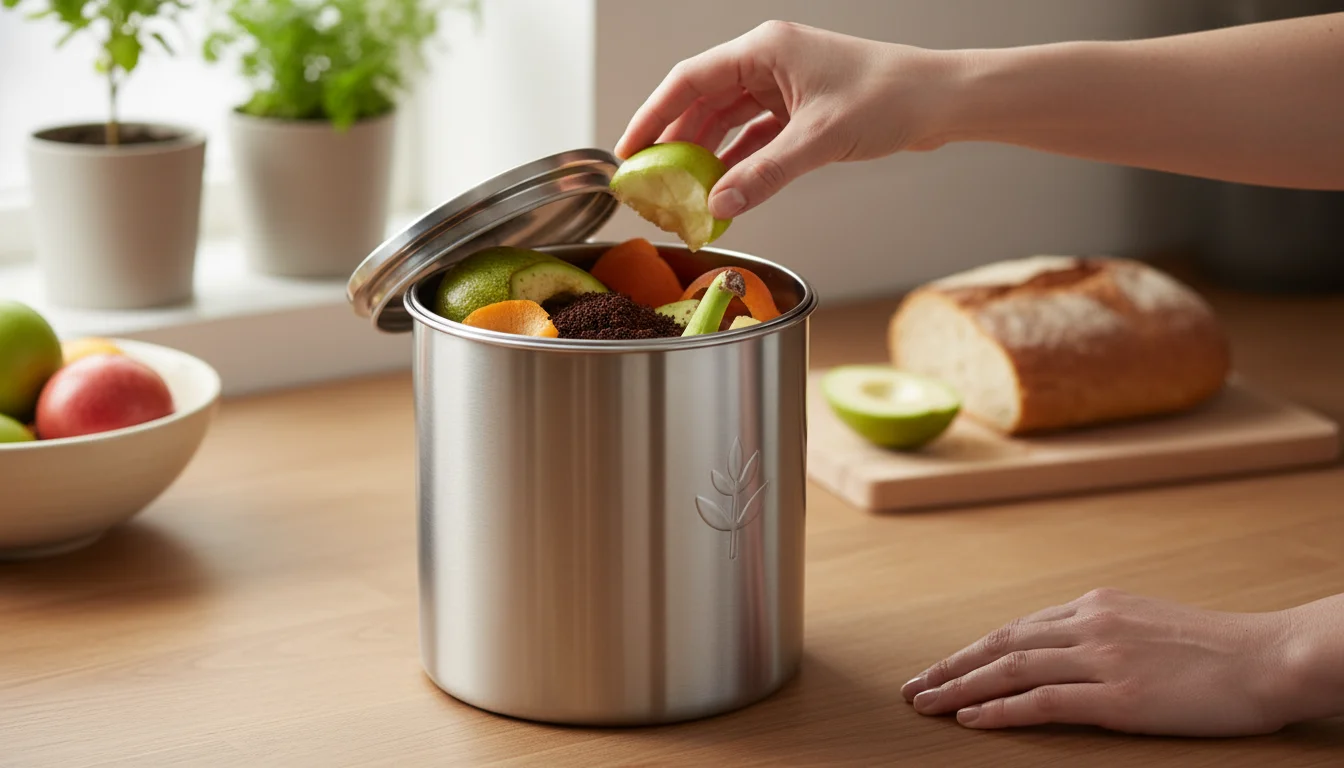
While not directly about plastic, composting food waste significantly reduces overall kitchen waste and has profound environmental benefits. When food scraps end up in landfills, they decompose anaerobically (without oxygen), producing methane, a potent greenhouse gas that contributes to climate change. Composting transforms them into nutrient-rich soil amendment. You can use a countertop compost bin for daily scraps, an outdoor compost pile for larger volumes, or participate in a local municipal composting program if available. This drastically cuts down the volume of trash you generate, giving you a greater sense of your overall waste reduction and contributing to healthier soil.
Actionable Step: Dedicate a small, easily accessible bin in your kitchen for composting food scraps like fruit peels, vegetable trimmings, coffee grounds, and tea bags. Empty it regularly into your main compost system to prevent odors.

DIY Kitchen Swaps: Homemade Alternatives
Making your own kitchen staples and cleaning products provides an excellent way to reduce packaging waste, save money, and gain control over the ingredients in your home. You eliminate plastic packaging and avoid unwanted chemicals frequently found in commercial products.
Integrating these DIY swaps into effective pantry organization systems ensures your homemade cleaners and bulk goods stay orderly.

Homemade Cleaning Solutions
You can create effective, non-toxic cleaners with basic, inexpensive ingredients.
- All-Purpose Cleaner: Combine 1 cup white vinegar, 1 cup water, and 10-15 drops of lemon or orange essential oil in a reusable glass spray bottle. Shake well before each use.
- Scrubbing Paste: Mix baking soda with a small amount of water to form a paste. Use it to scrub sinks, counters, and stovetops. It is naturally abrasive and deodorizing.
- Glass Cleaner: Mix 1/4 cup white vinegar, 1/4 cup rubbing alcohol, 1 tablespoon cornstarch, and 2 cups warm water in a spray bottle. The cornstarch helps prevent streaking.
These DIY cleaners are safe, effective, and drastically reduce your reliance on single-use plastic bottles.
DIY Food Items
Consider making foods you frequently buy packaged in plastic. This often improves flavor, saves money, and ensures you know exactly what ingredients you consume.
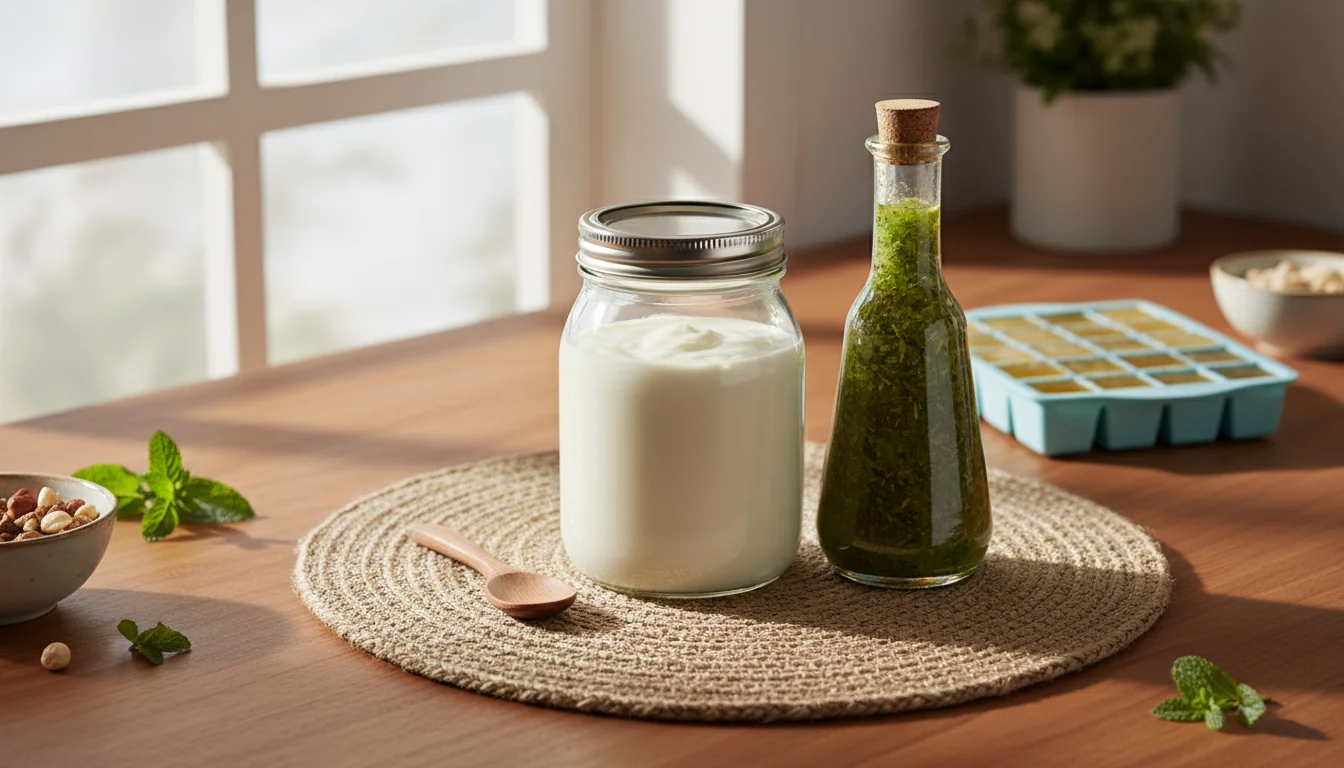
- Yogurt: Making your own yogurt at home requires a starter culture and milk, eliminating numerous individual plastic cups. You can make a large batch and store it in a single glass jar.
- Broth: Save vegetable scraps (onion peels, carrot tops, celery ends) and bones to make homemade broth. Freeze it in glass jars, silicone molds, or ice cube trays instead of buying boxed or canned versions.
- Salad Dressings: Store-bought dressings often come in plastic bottles filled with preservatives. Whip up your own vinaigrettes and creamy dressings in minutes using oil, vinegar, herbs, and spices. Store them in a reusable glass jar in the fridge.
- Bread and Baked Goods: If you enjoy baking, making your own bread, muffins, cookies, and granola avoids the plastic bags and trays from store-bought varieties. This also fills your home with wonderful aromas.
- Hummus: Blending chickpeas, tahini, lemon juice, and garlic takes minutes and avoids plastic tubs.
These DIY efforts not only reduce waste but also give you greater control over the ingredients you consume, promoting healthier eating habits. This Old House offers numerous guides on sustainable home practices and DIY projects that can help you reduce waste, emphasizing practical approaches for homeowners to adopt eco-friendly changes.
Overcoming Challenges and Staying Motivated
Transitioning to a plastic-reduced kitchen takes time and effort. You might encounter challenges, but you can overcome them with a little planning, realistic expectations, and persistence. Remember, every step counts.
Budget Constraints
Starting a sustainable kitchen does not require you to buy all new products at once.
- Phase in Changes: Replace items as they wear out or run out. When your plastic sponges are done, buy a natural loofah or a Swedish dishcloth. When your dish soap runs out, buy a bar or a refillable option. This approach spreads the cost over time.
- Look for Sales: Keep an eye out for sales on glass containers, reusable bags, or bulk items. Many stores offer discounts on larger quantities.
- DIY Solutions: Making your own cleaners and food items significantly reduces costs, as bulk ingredients are often far cheaper than packaged products. You will save money long-term by avoiding disposable items.

Time Limitations
Busy schedules make it hard to adopt new habits. You can still make progress.
- Start Small: Focus on one or two simple swaps first, like carrying a reusable water bottle or using cloth produce bags. Once those habits stick, add another.
- Plan Ahead: A quick grocery list review helps you identify bulk options or items with less packaging. Pre-wash your produce bags, or leave your reusable shopping bags by the door as a reminder.
- Batch Prep: Make larger batches of DIY items like cleaning solutions or yogurt to save time later in the week. Dedicate an hour once a month to make your cleaning supplies.
Small Space Solutions
Apartment dwellers and those with compact kitchens can still make significant strides in reducing plastic.
- Multi-functional Items: Choose items that serve multiple purposes. For example, a glass jar can store food, serve as a drinking glass, and go from freezer to microwave.
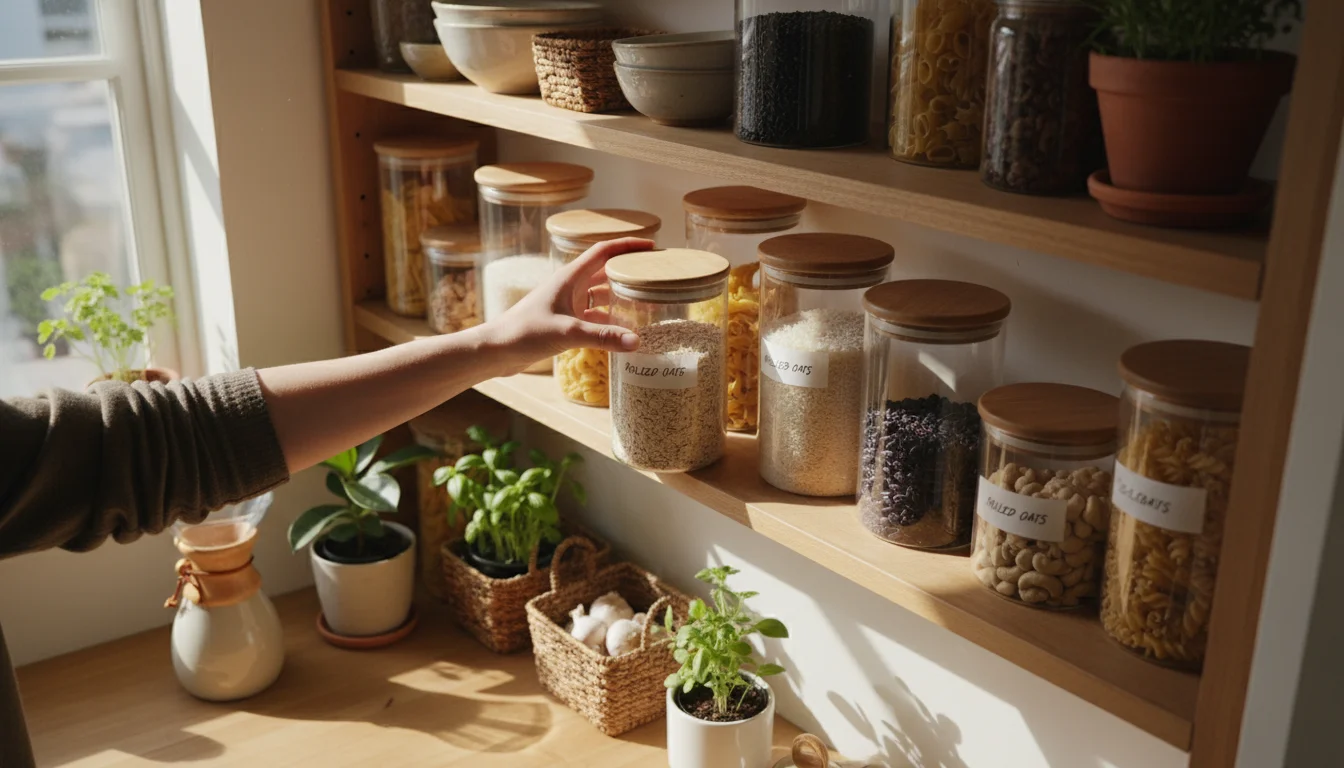
- Vertical Storage: Maximize vertical space with shelves, stackable containers, or drawer dividers for storing reusable containers. This helps keep things organized without taking up precious counter space.
- Minimalism: Focus on fewer, higher-quality reusable items rather than accumulating many. A well-curated collection of essential reusables reduces clutter and makes organization easier.
Remember that every small step you take makes a difference. Do not strive for perfection or feel discouraged by occasional slips. Instead, strive for progress. As experts at the National Association of Professional Organizers often highlight, consistency and small, achievable goals drive long-term success in home organization and habit formation. Your journey is about continuous improvement.

Your Sustainable Kitchen Journey: Next Steps
You have started your journey to reduce plastic waste in your kitchen, and your efforts create a healthier home and planet. This process is ongoing, so continue to assess your waste, explore new sustainable products, and share your experiences with friends and family. Encourage others to join you in making conscious choices for a brighter, cleaner future. Celebrate your progress and remember that every sustainable choice contributes to a larger positive impact.
You might find that these changes extend beyond the kitchen, inspiring you to reduce waste in other areas of your home and life. A sustainable kitchen becomes a gateway to a more mindful and eco-conscious lifestyle overall. Look for opportunities to reduce plastic in your bathroom, laundry room, or even your garden. Your commitment inspires others and creates a ripple effect of positive change.
Frequently Asked Questions
Is “zero waste” a realistic goal for most people?
Achieving absolute “zero waste” is challenging for most individuals and families, given current infrastructure and product availability. The goal is not perfection, but significant reduction. Focus on making consistent, practical changes that drastically cut down your personal waste. Every effort you make to reduce plastic and waste matters, even if you do not reach a true “zero waste” status. The emphasis should be on progress, not a flawless outcome.
Are eco-friendly products expensive?
While some sustainable products have a higher upfront cost, many become more economical in the long run. Reusable items like water bottles, coffee cups, and silicone bags eliminate repeated purchases of disposables, saving you money over time. DIY cleaning solutions and homemade food items are often significantly cheaper than their store-bought, plastic-packaged counterparts. You can also prioritize purchases, replacing items only as needed, rather than buying everything new at once, which makes the transition budget-friendly.
How do I convince my family to adopt plastic-reducing habits?
Lead by example. Start by implementing a few simple changes yourself, like using reusable water bottles or taking canvas bags to the grocery store. Make it easy for others by ensuring reusable items are clean, accessible, and ready to use. Explain the “why” behind your choices without lecturing, focusing on health benefits, cost savings, or environmental impact. Involve family members in fun activities, like choosing new reusable produce bags or making a DIY cleaner together. Small, positive reinforcement and making it convenient often work better than strict rules.
What should I do with existing plastic items I want to replace?
Do not throw away functional plastic items. Use them until they wear out or break. For example, continue using your plastic food containers until they are no longer usable or safe for food storage. Once an item is truly at its end of life, attempt to recycle it properly according to your local guidelines. If you have plastic items you no longer need but are still in good condition, consider donating them to local charities, thrift stores, or finding creative ways to repurpose them for other uses around your home, such as using old plastic containers for organizing tools or craft supplies.
How can I find bulk stores or plastic-free options near me?
Many online resources and apps help you locate bulk stores, refill shops, and farmers’ markets in your area. Websites like ZeroWasteHome.com or Litterless.com offer searchable directories. You can also check your local co-op or health food stores, which often have extensive bulk sections. A quick online search for “bulk food store [your city]” or “zero waste shop [your city]” usually yields good results. Farmers’ markets are also excellent places to buy fresh produce without packaging.
For expert home organization guidance, visit
Consumer Reports — Home,
This Old House,
Family Handyman and
Bob Vila.
Disclaimer: This article is for informational purposes only and is not a substitute for professional advice. Consult professional organizers or specialists for personalized recommendations.









Leave a Reply