

Investing in your home feels good, especially when those investments pay you back over time. As your home organization coach, I know you seek practical solutions that simplify life and reduce stress. Today, we delve into a topic that offers both: energy-efficient appliances. These aren’t luxury items, they are smart choices for any homeowner, renter, or apartment dweller looking to enhance comfort, manage budgets, and contribute to a more sustainable lifestyle.
While upgrading tech is vital, you can find even more savings by following a room-by-room guide to lower energy bills that addresses daily habits and small structural tweaks.
Upgrading to energy-efficient models presents a powerful opportunity for significant savings and a reduced environmental footprint. You might think these appliances carry a hefty price tag, but the long-term benefits in reduced utility bills and improved home performance make them a worthwhile consideration. We’ll explore why these appliances deserve your attention, how to identify the best options, and which specific models offer the most value for your everyday living.
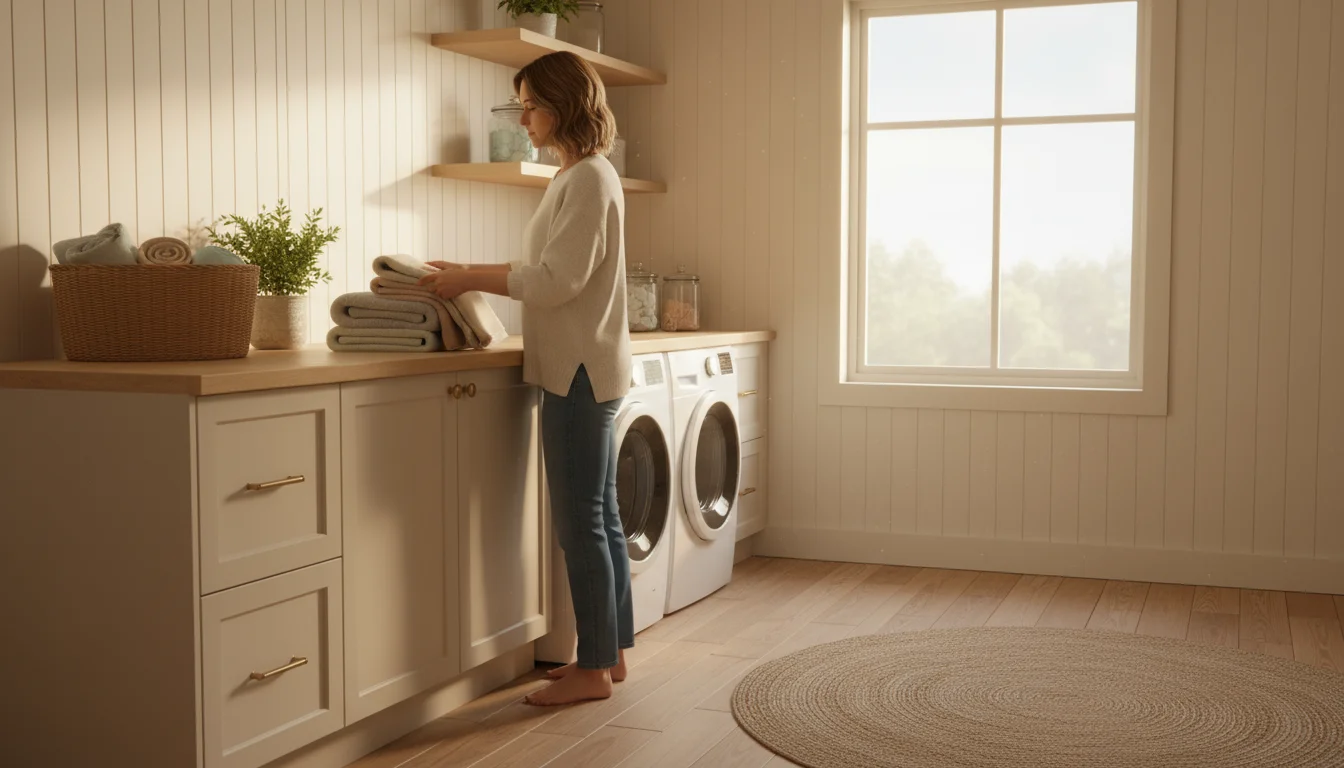
Why Invest in Energy-Efficient Appliances?
The decision to upgrade appliances often comes when an old unit breaks down or you simply want to enhance your home. Choosing an energy-efficient model brings a host of benefits that extend far beyond initial convenience. You gain immediate financial advantages, contribute positively to the environment, and often enjoy superior performance.
The money you save on utility bills can be reinvested into other areas of your home, perhaps by following a guide to buying quality secondhand furniture to furnish your space affordably.
Significant Energy Savings: This is arguably the most compelling reason. Energy-efficient appliances consume less electricity, natural gas, or water to perform the same tasks as their older, less efficient counterparts. This directly translates into lower utility bills each month, freeing up funds for other priorities or savings. Over the lifespan of an appliance, these cumulative energy savings can amount to hundreds or even thousands of dollars.
Environmental Impact: Reducing your energy consumption directly lessens your carbon footprint. When you use less power, you decrease the demand on power plants, many of which rely on fossil fuels. This leads to fewer greenhouse gas emissions and a cleaner environment. Investing in sustainable appliances makes you a part of the solution, helping to conserve natural resources for future generations. According to Energy Star, if all Americans purchased Energy Star certified clothes washers, we would save more than $3.3 billion in energy and water costs each year and prevent greenhouse gas emissions equivalent to more than 6 million cars.
Enhanced Performance and Features: Modern energy-efficient appliances often boast advanced technologies and features that improve usability and effectiveness. Think about refrigerators with precise temperature controls, dishwashers with targeted spray zones, or washing machines that adjust water levels automatically. These innovations not only save energy but also deliver better results, making your daily chores simpler and more effective.
Increased Home Value: While not the primary driver for everyone, upgrading to new, efficient appliances can enhance your home’s appeal and value. Potential buyers often look for homes that offer lower operating costs and modern amenities, making your property more attractive in the market.
Rebates and Incentives: Many utility companies and government programs offer rebates, tax credits, or other incentives for purchasing Energy Star certified or other high-efficiency appliances. These programs can significantly offset the initial purchase cost, making the investment even more accessible and appealing. Always check local and national programs available in your area.
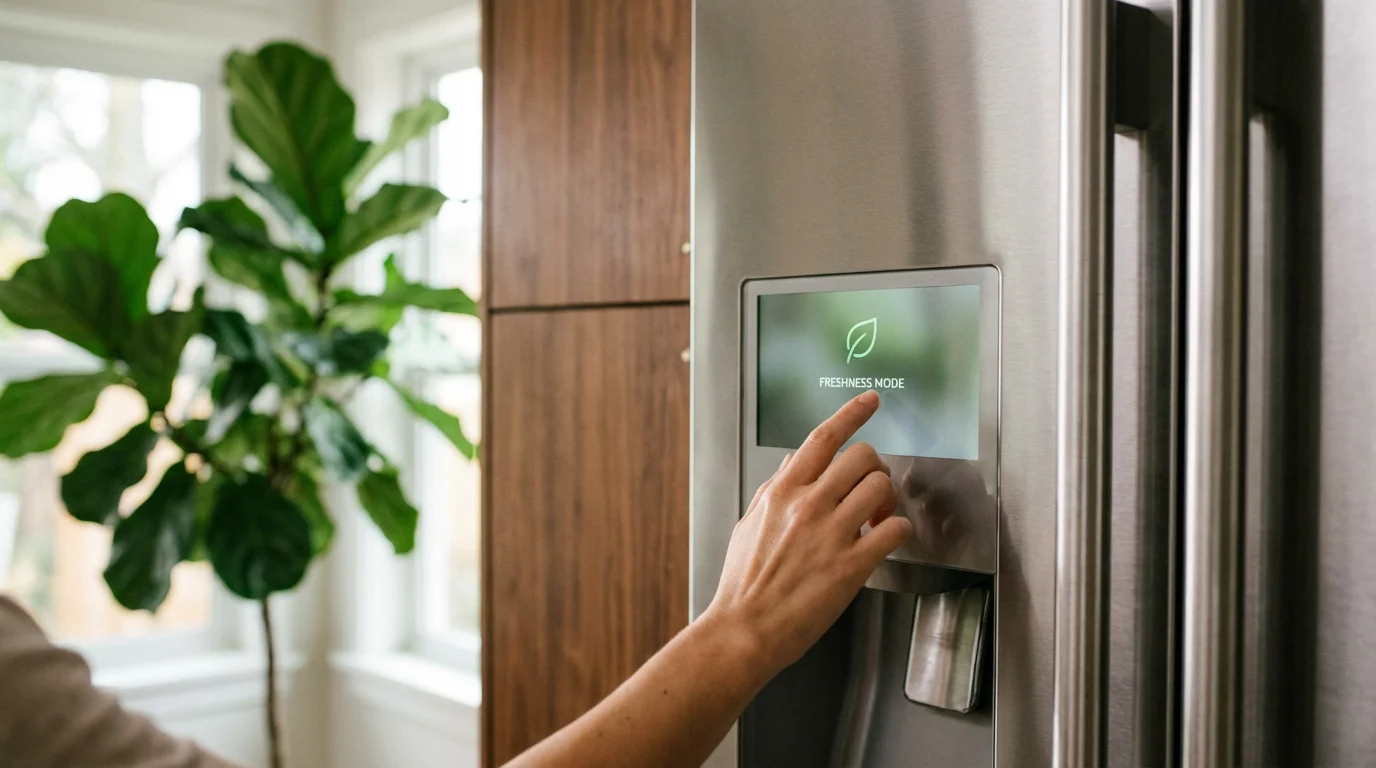
Understanding Energy Efficiency Ratings and Labels
When you shop for new appliances, you encounter various labels and ratings designed to help you make informed decisions. Knowing what these mean empowers you to choose the best option for your home and budget. The most recognizable and reliable indicator of an appliance’s efficiency in the United States is the Energy Star label.
For a breakdown of the specific models leading the industry this year, refer to our buying guide for energy-efficient appliances in 2026.
The Energy Star Label: This blue label signifies that an appliance meets strict energy efficiency guidelines set by the U.S. Environmental Protection Agency (EPA) and the U.S. Department of Energy (DOE). Energy Star certified products typically use 10 to 50 percent less energy and water than standard models, depending on the product type. When you see this label, you have a guarantee of energy savings and environmental protection without compromising performance.
The EnergyGuide Label: This bright yellow label, found on most major appliances, provides more detailed information. It estimates the appliance’s annual energy consumption (in kilowatt-hours or kWh) and its estimated annual operating cost. It also shows a comparison range, allowing you to see how that specific model stacks up against similar models in terms of efficiency. Pay close attention to the estimated annual operating cost, as this number directly impacts your wallet. Remember, this is an estimate based on average usage and national electricity costs, so your actual costs may vary depending on your usage habits and local utility rates.
Specific Efficiency Ratios: Some appliances have their own specific efficiency ratings:
- SEER (Seasonal Energy Efficiency Ratio) for Air Conditioners: A higher SEER rating indicates greater energy efficiency.
- EER (Energy Efficiency Ratio) for Air Conditioners: Similar to SEER but measures efficiency at a specific operating temperature.
- AFUE (Annual Fuel Utilization Efficiency) for Furnaces: A higher AFUE means a furnace converts a larger percentage of its fuel into usable heat.
- Uniform Energy Factor (UEF) for Water Heaters: A higher UEF indicates a more energy-efficient water heater.
Understanding these labels and ratings helps you directly compare different models. Do not just look at the purchase price. Consider the long-term operating costs as well. A slightly more expensive, highly efficient model often proves cheaper to own over its lifespan compared to a less efficient, cheaper option.

Kitchen Heroes: Refrigerators and Dishwashers
Your kitchen is often the hub of your home, and its appliances are workhorses. Upgrading these frequently used items to energy-efficient models offers substantial rewards in terms of both energy savings and daily convenience.
A high-performing kitchen works best when you also know how to organize kitchen cabinets like a pro to store your tools effectively around your new appliances.
To complement your new high-tech units, consider implementing tested kitchen organization solutions that streamline your meal prep and cleanup routines.
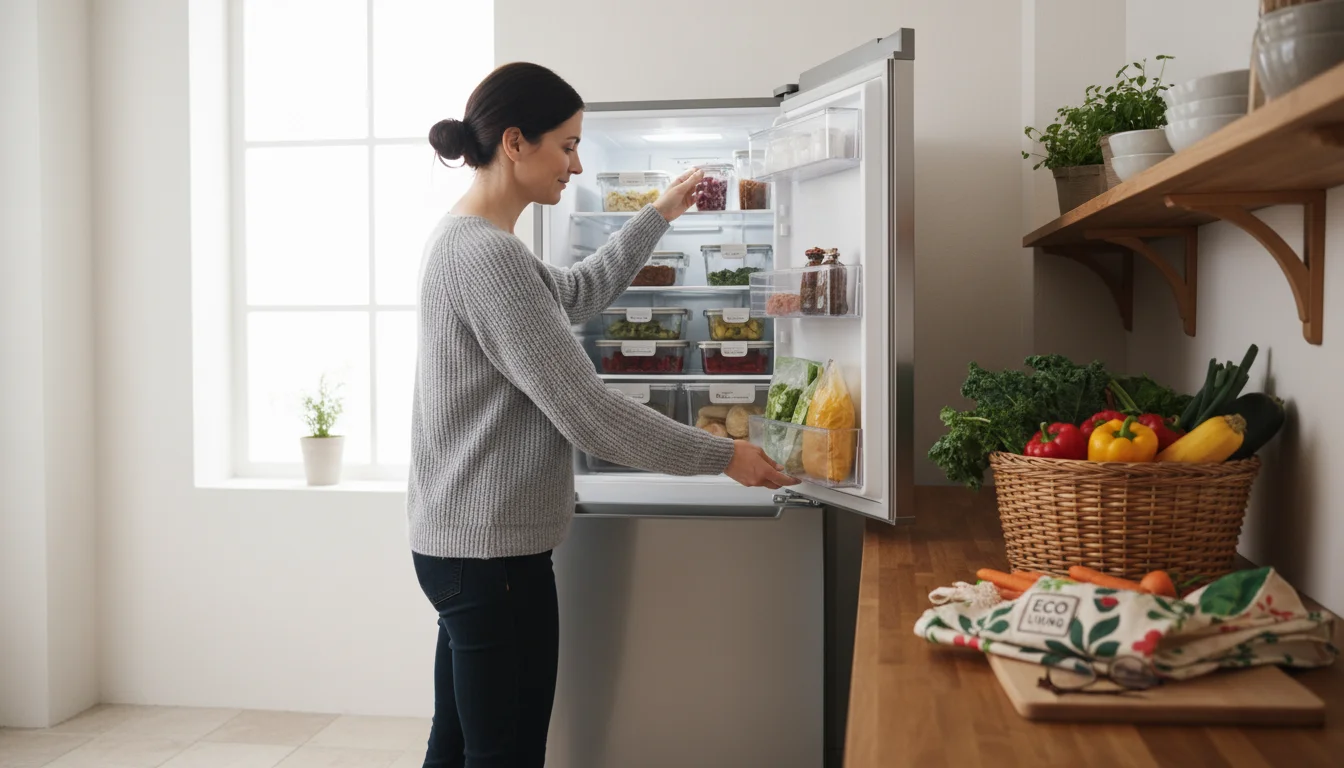
Energy-Efficient Refrigerators
Your refrigerator runs 24/7, making it one of the largest energy consumers in your home. An older model can be a significant drain on your electricity bill. Modern energy-efficient refrigerators have come a long way, offering advanced features and superior insulation.
What to Look For:
- Energy Star Certification: Always prioritize models with this label. They use less energy than conventional models, reducing greenhouse gas emissions.
- Capacity and Configuration: Choose a size appropriate for your household. An oversized refrigerator wastes energy. Side-by-side and French door models often use more energy than top-freezer models, though efficiency improvements have narrowed this gap. Top-freezer models generally use the least energy.
- Features: Consider features like smart temperature management, humidity-controlled crispers, and efficient ice makers. External ice and water dispensers can increase energy consumption slightly compared to internal or no dispenser options, but modern designs minimize this impact.
- Advanced Insulation: Better insulation means less work for the compressor, saving energy.
Practical Insight: Look for refrigerators with linear compressors, which are often more efficient and quieter. Also, consider models with door-in-door designs, which allow you to access frequently used items without exposing the entire refrigerator interior, thereby minimizing cold air loss. According to Consumer Reports Home, models with consistent temperature regulation throughout all compartments perform best, ensuring your food stays fresh longer while minimizing energy use.
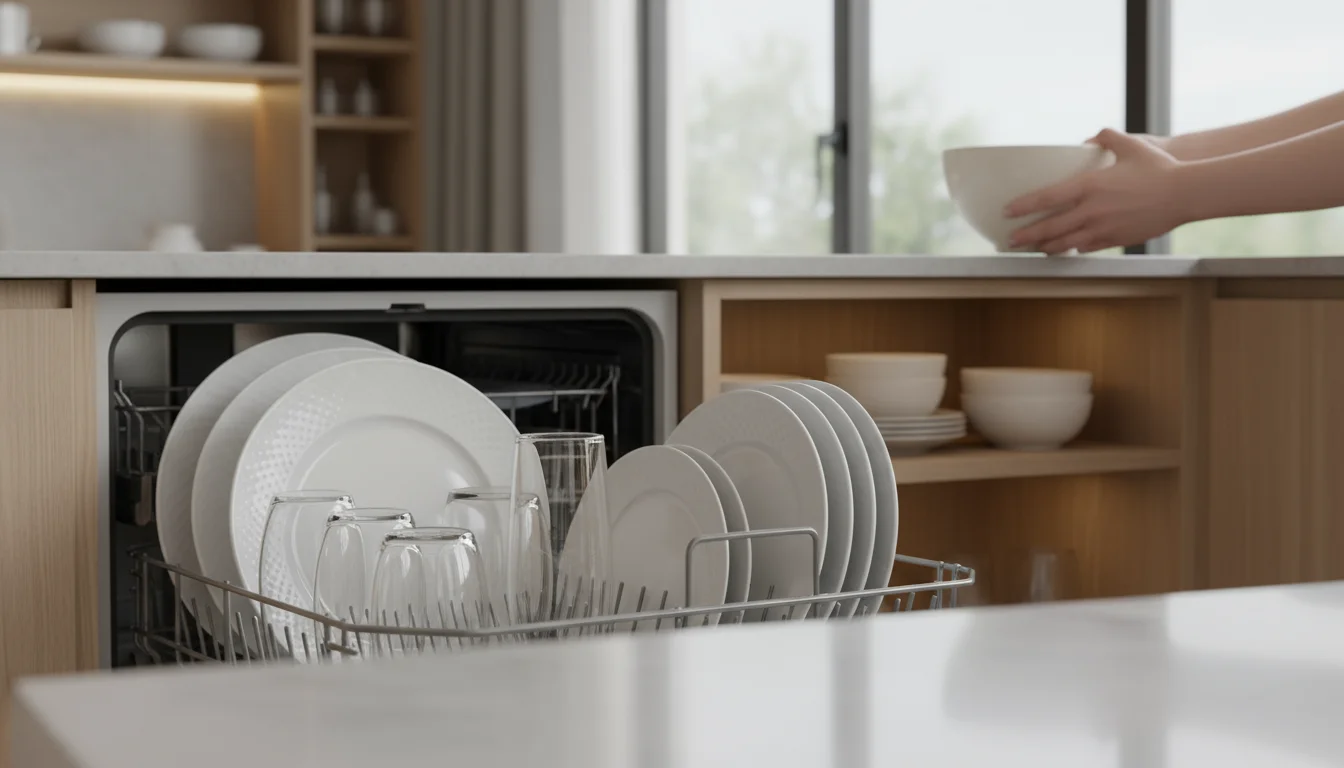
Energy-Efficient Dishwashers
Washing dishes by hand uses significantly more water and energy than a modern, efficient dishwasher. Upgrading your dishwasher saves both water and electricity, easing your utility bills and your conscience.
What to Look For:
- Energy Star Certification: An Energy Star certified dishwasher uses less water and energy than standard models. Many certified models save enough energy to pay for themselves over their lifetime.
- Water Consumption: Look at the gallons per cycle. Newer models use as little as 3-4 gallons per cycle, compared to 10+ gallons for older units.
- Soil Sensors: These sensors detect how dirty your dishes are and adjust the wash cycle accordingly, optimizing water and energy use.
- No-Heat Drying Option: Opt for models that use ambient air or condensation drying instead of a heated drying cycle, which significantly reduces energy consumption.
- Delay Start: This feature allows you to run the dishwasher during off-peak electricity hours when rates are lower, maximizing your energy savings.
Practical Insight: Always run your dishwasher only when it is full. Scraping plates instead of pre-rinsing them also saves water. Modern dishwashers handle food residue better than you might think.
Laundry Room Champions: Washers and Dryers
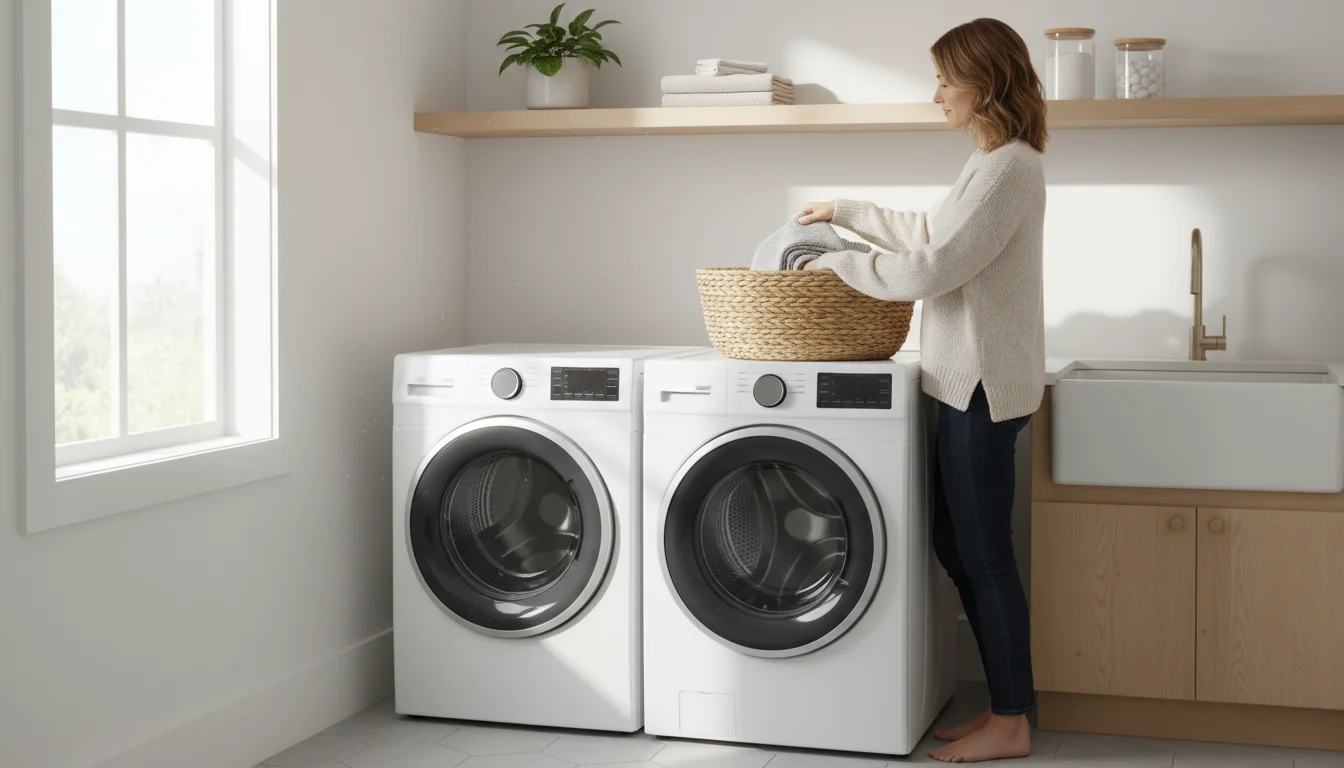
Laundry day does not have to be an energy drain. Your washing machine and dryer are major energy and water consumers. Upgrading to energy-efficient models makes a noticeable difference in your utility bills and your environmental impact.
Keep your laundry supplies and small essentials tidy by using the best drawer organizers to maximize your folding station’s efficiency.
Energy-Efficient Washing Machines
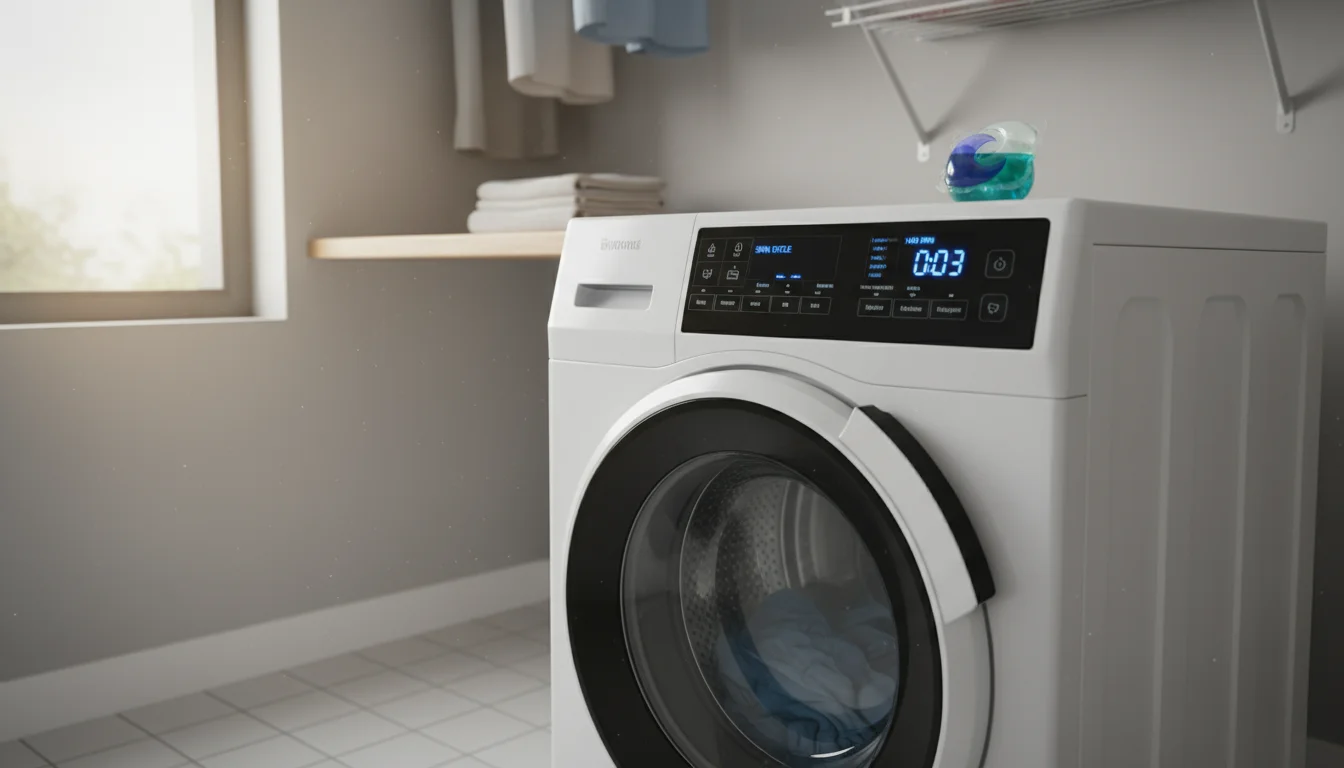
Washing machines consume significant amounts of water and electricity, particularly for heating water. High-efficiency (HE) washers drastically reduce both.
What to Look For:
- Energy Star Certification: An Energy Star certified washing machine uses about 25% less energy and 33% less water than conventional models.
- Front-Loaders vs. Top-Loaders: Front-loading HE washers are generally more water and energy efficient than top-loading HE washers. They use a tumbling action that requires less water. While top-loaders have improved, front-loaders typically remain the gold standard for efficiency.
- Water Level Sensors: These sensors detect the load size and adjust water levels accordingly, preventing unnecessary water waste.
- Spin Speed: Higher spin speeds extract more water from clothes, reducing drying time and thus saving energy in the dryer. Look for models with spin speeds of 1200 RPM or higher.
- Cold Water Wash Options: Using cold water for most loads can save a significant amount of energy, as heating water is the biggest energy drain for washers.
Practical Insight: Use HE detergent in your HE washer, as traditional detergents produce too many suds, potentially damaging your machine and affecting performance. Maximize each load without overloading the machine, which ensures thorough cleaning and efficient water use.
Energy-Efficient Dryers
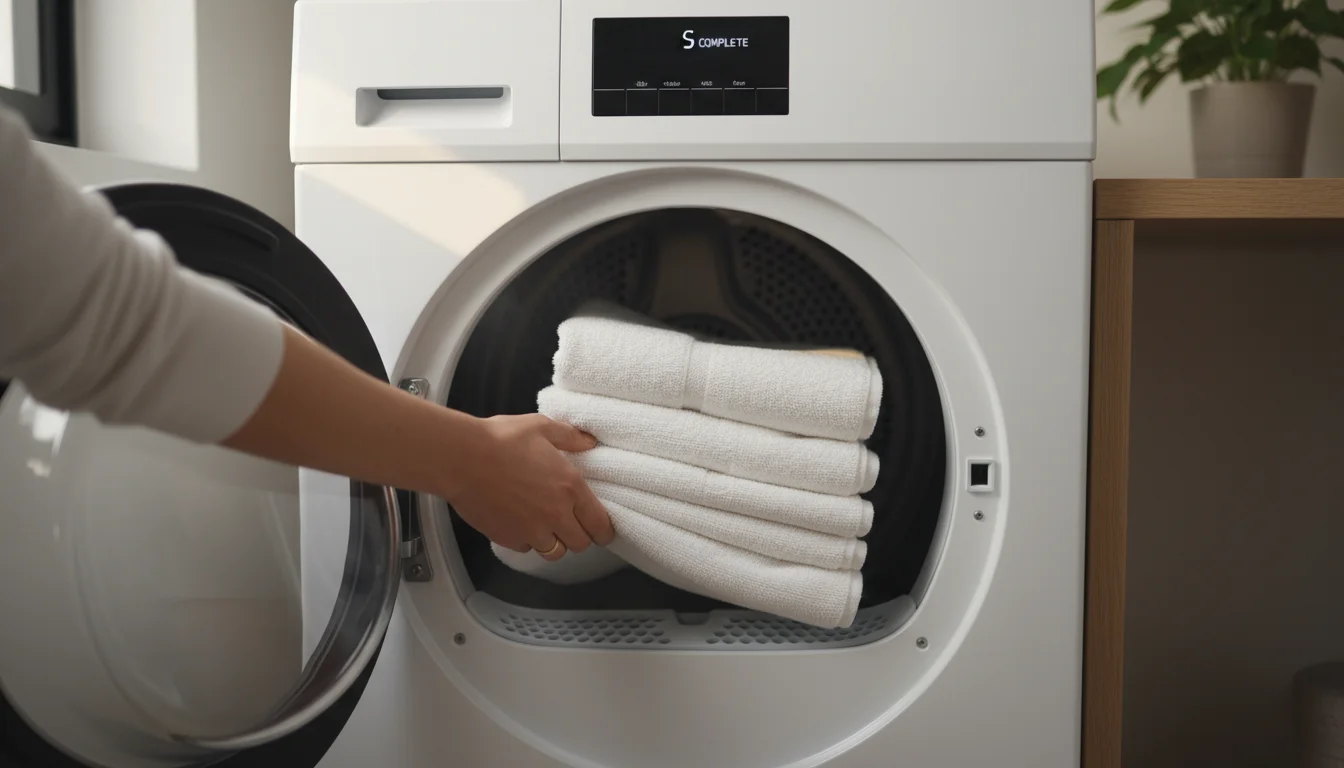
Conventional electric dryers are massive energy hogs. Heat pump dryers represent a revolutionary step in energy efficiency for laundry.
What to Look For:
- Energy Star Certification: Energy Star certified dryers use approximately 20% less energy than conventional models.
- Heat Pump Dryers: These are the most energy-efficient dryers available. They work by recirculating hot air, extracting moisture, and then reheating the air without venting it outside. This process uses significantly less energy than conventional electric dryers. They might have a higher upfront cost but offer substantial long-term energy savings.
- Sensor Drying: This critical feature automatically senses when clothes are dry and shuts off the machine, preventing over-drying and wasted energy.
- Moisture Sensors: Essential for accurate sensor drying.
- Ventless Operation (for heat pump models): This allows for more flexible installation, as you do not need an external vent.
Practical Insight: Clean the lint filter after every load to maintain efficiency and reduce fire risk. Consider using dryer balls to help fluff clothes and reduce drying time. For even greater energy savings, line dry clothes whenever possible, especially during warmer months.
Climate Control: HVAC Systems and Water Heaters
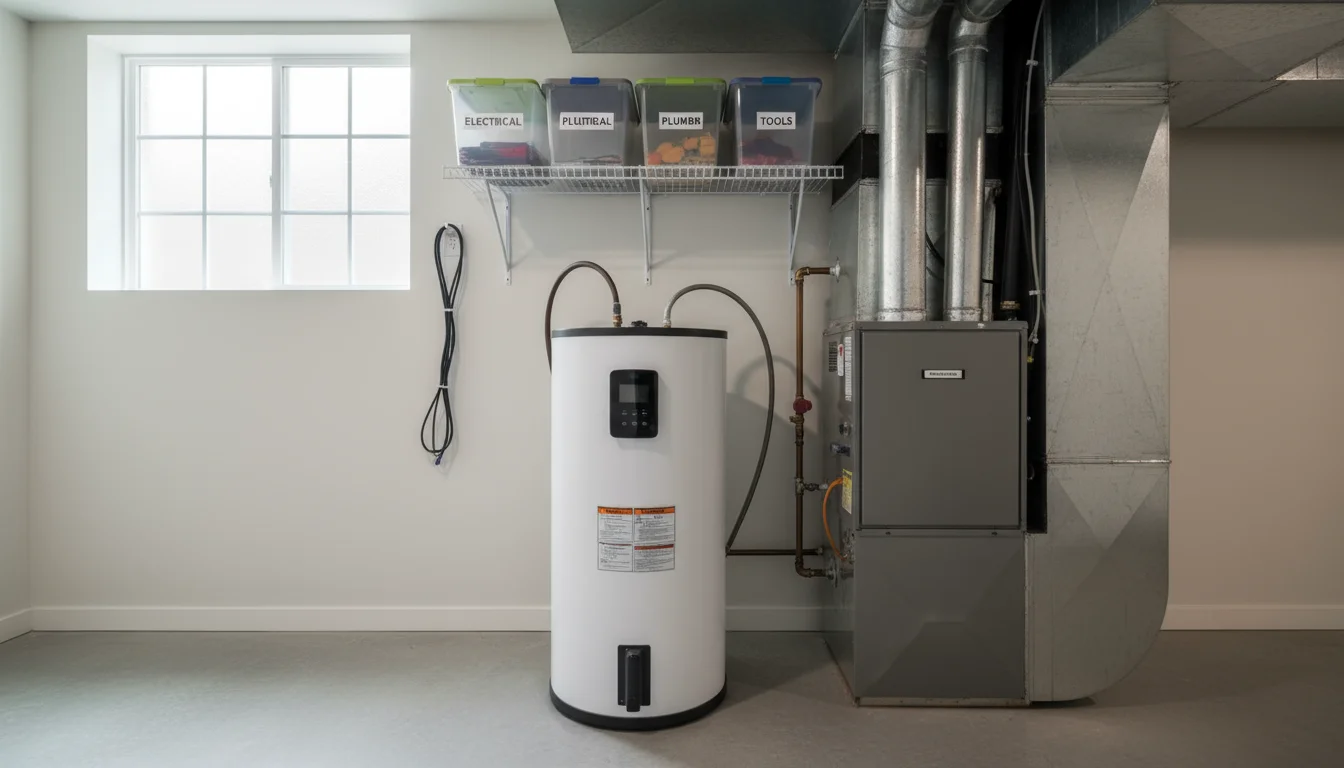
Your heating, ventilation, air conditioning (HVAC) system and water heater are vital for home comfort. They are also among the most significant energy consumers. Investing in efficient models in these categories provides substantial long-term benefits.
You can further reduce the need for artificial heating and lighting by learning how to improve natural light and managing window insulation effectively.
Upgrading your HVAC also presents a great opportunity to focus on creating a healthier home by improving air quality through better filtration and ventilation.
While choosing high-efficiency units is vital, installing smart thermostats for energy savings provides the precise control needed to keep your home comfortable without wasting power.
In addition to energy efficiency, your choice of HVAC system is a critical component in maintaining healthy indoor air quality for your family.

Energy-Efficient HVAC Systems
Your HVAC system keeps your home comfortable year-round, but it can also account for a large portion of your utility bills. Upgrading to a high-efficiency system offers comfort and significant energy savings.
What to Look For:
- SEER (Seasonal Energy Efficiency Ratio) and EER (Energy Efficiency Ratio) for ACs: Look for higher SEER ratings (15 or above is generally considered good) and EER ratings. A higher number indicates better efficiency.
- AFUE (Annual Fuel Utilization Efficiency) for Furnaces: A higher AFUE percentage (e.g., 90%+) means more of the fuel converts into heat for your home.
- Energy Star Certification: Systems with this certification meet strict efficiency guidelines.
- Variable-Speed Blowers: These motors run at slower speeds for longer periods, providing more consistent temperatures, better humidity control, and quieter operation while using less energy than single-speed motors.
- Zoned Systems: For larger homes, zoning allows you to heat or cool specific areas, preventing energy waste in unoccupied rooms.
- Smart Thermostats: These devices learn your preferences, optimize temperatures based on occupancy, and allow remote control, leading to significant energy savings. They are a highly recommended complement to any efficient HVAC system.
Practical Insight: Regular maintenance, including changing air filters monthly and scheduling annual professional tune-ups, ensures your HVAC system runs at peak efficiency. This Old House emphasizes that proper insulation and sealing air leaks are crucial for any HVAC system to perform efficiently, regardless of its SEER rating. This Old House provides excellent guides on identifying and sealing common air leaks around windows, doors, and utility penetrations.
Energy-Efficient Water Heaters
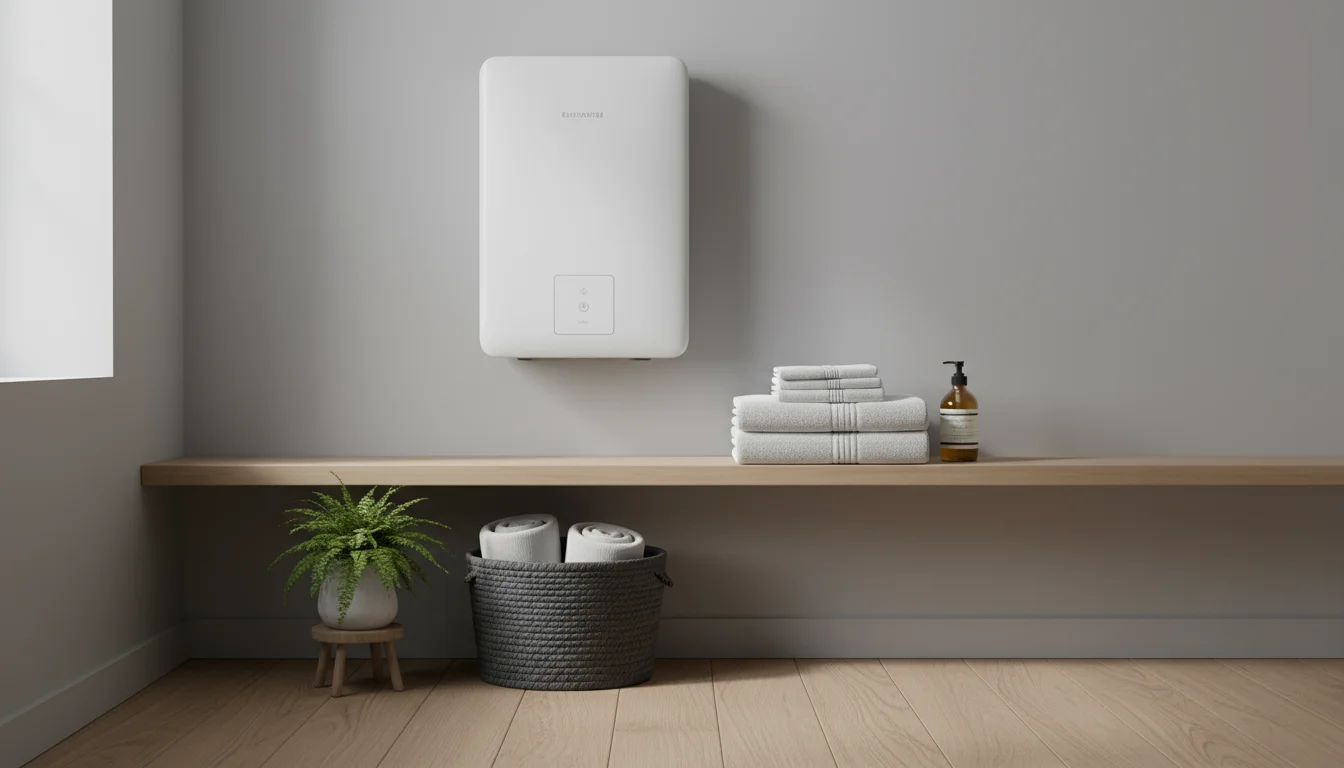
Heating water accounts for a substantial portion of your home’s energy use. Choosing the right type of energy-efficient water heater saves energy and ensures you always have hot water when you need it.
What to Look For:
- Uniform Energy Factor (UEF): A higher UEF indicates greater energy efficiency.
- Heat Pump Water Heaters (Hybrid Electric): These are highly efficient, using electricity to move heat from the surrounding air to the water, rather than generating heat directly. They can save up to 70% on water heating costs compared to conventional electric models.
- Tankless (On-Demand) Water Heaters: These units heat water only when you need it, eliminating standby energy losses from keeping a tank of water hot. They are excellent for homes with fluctuating hot water demands.
- Sizing: Choose a water heater appropriately sized for your household to avoid running out of hot water or heating more than you need.
Practical Insight: Insulate your hot water pipes to reduce heat loss, especially if they run through unheated areas. Lowering your water heater’s thermostat to 120 degrees Fahrenheit (from the common factory setting of 140 degrees) can also significantly reduce energy consumption without a noticeable impact on comfort.

Smart Cooking: Ranges, Ovens, and Induction Cooktops
The kitchen is where culinary magic happens, and modern cooking appliances can make that magic more energy efficient. From your stovetop to your oven, smart choices here contribute to lower energy bills and a more sustainable home.

Energy-Efficient Ranges and Ovens
While ranges and ovens do not have Energy Star ratings, you can still make efficient choices.
What to Look For:
- Convection Ovens: These ovens use a fan to circulate hot air, cooking food more evenly and typically 20-25% faster than conventional ovens. This reduced cooking time translates directly into energy savings.
- Self-Cleaning Features: Pyrolytic self-cleaning cycles use very high heat to burn off food residue. While these cycles are energy-intensive during operation, they eliminate the need for harsh chemicals and manual scrubbing. Use them judiciously.
- Precise Temperature Control: Ovens with accurate thermostats cook food more reliably, reducing instances of overcooking or needing to extend cooking times.
- Good Insulation: Well-insulated ovens keep heat inside, making them more efficient.
Practical Insight: Avoid opening the oven door frequently while cooking, as each peek can drop the internal temperature by 25-50 degrees Fahrenheit, requiring the oven to use more energy to reheat. Use appropriate-sized pots and pans that match your burner size to maximize heat transfer.

Induction Cooktops
Induction cooktops stand out as a highly energy-efficient alternative to traditional electric or gas stovetops.
What They Are: Induction cooktops use electromagnetic fields to directly heat the cookware itself, rather than heating the cooktop surface and then transferring that heat to the pan. This direct heating method is incredibly efficient.
Benefits of Induction:
- Superior Energy Efficiency: Induction is about 85-90% efficient, compared to 70-75% for electric coil or glass-ceramic cooktops and only 40-55% for gas burners. This means less wasted heat and faster cooking times.
- Faster Cooking: Water boils significantly faster on an induction cooktop than on gas or electric.
- Precise Temperature Control: Induction offers instant and precise temperature adjustments, similar to gas.
- Improved Safety: The cooktop surface itself does not get extremely hot, reducing the risk of burns. It cools down quickly after cookware removal.
- Easier Cleaning: Spills do not bake onto the cool surface, making cleanup a breeze.
Consideration: Induction requires specific ferromagnetic cookware (pots and pans that a magnet sticks to). Most cast iron, stainless steel, and some enamelware work. If your current cookware does not work, you might need to invest in a new set, but the long-term energy savings and cooking benefits often outweigh this initial cost.

Maximizing Your Energy Savings: Beyond the Purchase
Purchasing energy-efficient appliances is a fantastic first step, but how you use and maintain them significantly impacts your actual energy savings. Implementing smart habits ensures you get the most out of your investment.
To look even deeper into your monthly expenses, explore our comprehensive list of proven strategies to reduce energy bills for more quick household wins.
The simplest way to ensure your machines stay efficient for years is to follow a regular appliance cleaning and maintenance guide.
Proper Installation
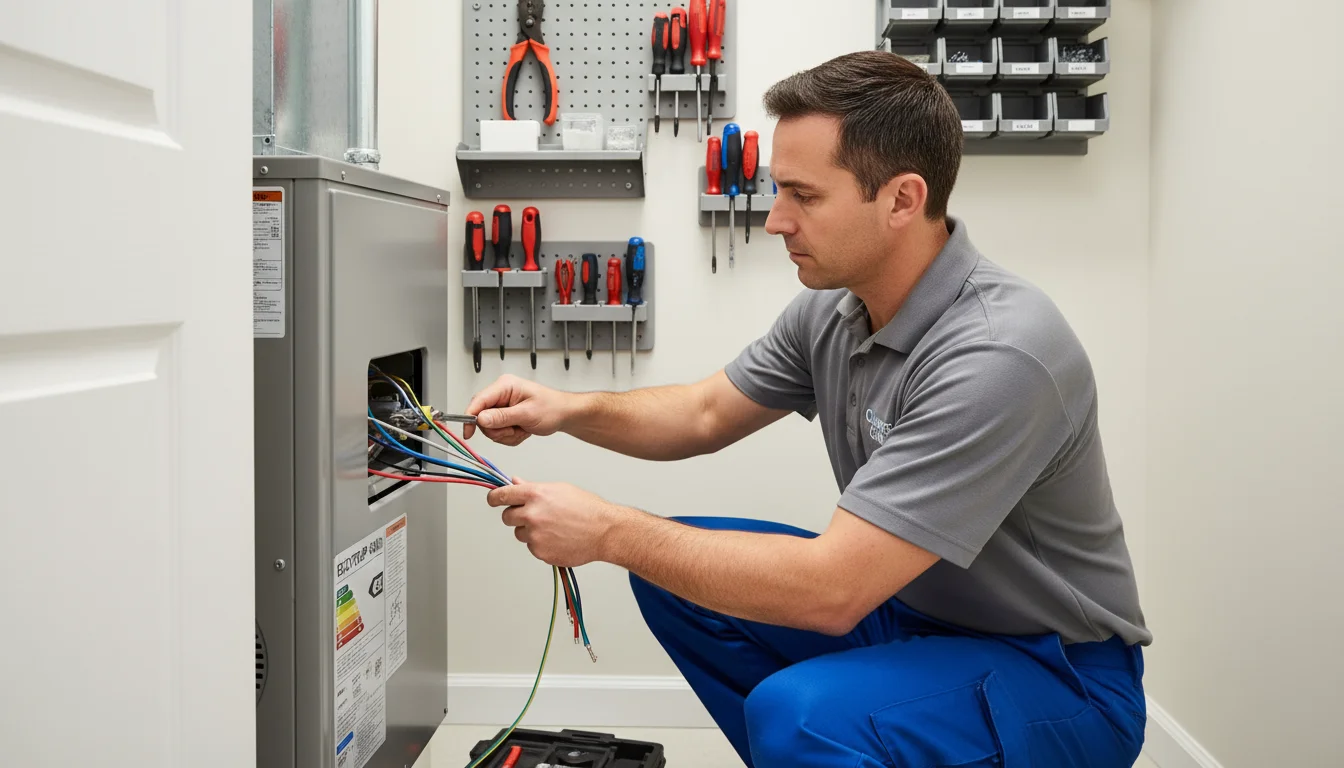
Incorrect installation can negate an appliance’s efficiency benefits. For major appliances like refrigerators, dishwashers, and especially HVAC systems, professional installation is crucial. They ensure proper venting, sealing, and connection, guaranteeing optimal performance and safety.

Regular Maintenance
Just like your car, appliances need routine care to run efficiently. Simple maintenance tasks prevent breakdowns and maintain peak performance:
- Clean Refrigerator Coils: Dust and debris on condenser coils force your refrigerator to work harder. Clean them annually.
- Check Refrigerator Door Seals: Ensure seals are tight and free of cracks to prevent cold air from escaping.
- Clean Dishwasher Filter: A clogged filter reduces cleaning effectiveness and can increase water usage.
- Clean Lint Traps: After every load in your dryer, clean the lint filter. Annually, clean the dryer vent hose to prevent blockages and fire hazards.
- HVAC Filter Replacement: Change your HVAC air filters monthly or every few months, depending on usage and household conditions.
- Professional Tune-Ups: Schedule annual professional maintenance for your HVAC system and water heater. Experts can identify and address issues before they become major problems.
Smart Usage Habits
Your daily routines play a massive role in appliance energy consumption.
- Refrigerators:
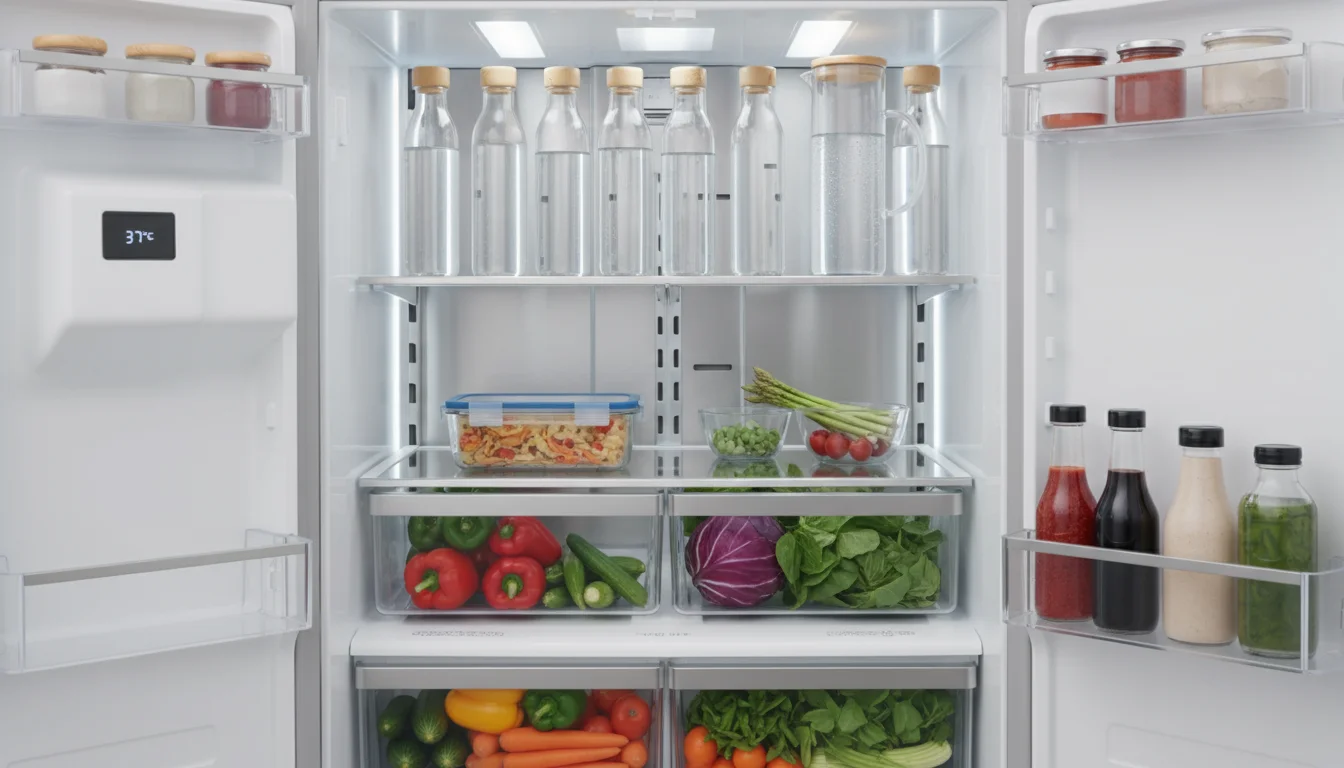
- Keep it full: A full refrigerator retains cold better than an empty one. If it is sparsely filled, use water bottles or jugs to take up space.
- Do not overfill: Blocking air vents impedes circulation, forcing the compressor to work harder.
- Allow hot food to cool: Putting hot food directly into the fridge makes the unit work harder to cool it down.
- Dishwashers:
- Run full loads: Avoid half-loads. Wait until the dishwasher is completely full.
- Use air-dry setting: Skip the heated dry cycle to save significant energy.
- Scrape, do not rinse: Most modern dishwashers do not require pre-rinsing.
- Washing Machines:
- Wash in cold water: This saves the most energy, as heating water consumes a lot of electricity.
- Run full loads: Maximize each wash to reduce the total number of cycles.
- Use appropriate cycles: Match the cycle to the soil level for optimal cleaning and resource use.
- Dryers:
- Dry consecutive loads: If possible, dry several loads back-to-back. The dryer retains heat from the previous cycle, reducing energy needed for the next.
- Do not over-dry: Use moisture sensors to prevent clothes from drying longer than necessary.
- Separate items: Dry heavy items separately from light items for more even drying.
- HVAC:
- Set smart thermostat schedules: Program your thermostat to adjust temperatures when you are away or asleep.
- Use ceiling fans: Fans create a wind-chill effect, making you feel cooler without lowering the thermostat setting as much.
- Seal leaks: Address drafts around windows and doors to prevent conditioned air from escaping.
- Water Heaters:
- Take shorter showers: Reducing shower time saves both water and the energy used to heat it.
- Fix leaks promptly: Even a small drip can waste gallons of hot water over time.

Budgeting for Smart Appliance Investments
The upfront cost of energy-efficient appliances can sometimes seem higher than conventional models. This initial investment can deter some homeowners, but a smart budgeting approach allows you to focus on the significant long-term savings and benefits.
If you are balancing an appliance upgrade with a full room makeover, you can save even more by following a smart shopper’s guide to secondhand furniture for your non-electric items.

Calculate Long-Term Savings
Do not just look at the purchase price. Factor in the estimated annual energy costs over the appliance’s lifespan. An appliance that costs a bit more upfront but saves you $50 a year in utility bills will often pay for itself in a few years and then continue saving you money for the remainder of its service life. This long-term perspective is crucial for understanding the true value of your investment.
For example, an Energy Star refrigerator might cost $100 more than a standard model, but if it saves you $40 a year on electricity, it pays for itself in just 2.5 years. Over its typical 10-15 year lifespan, that is hundreds of dollars in your pocket.

Prioritize Your Purchases
You probably cannot replace all your appliances at once. Prioritize those that consume the most energy or are the oldest and least efficient. Often, refrigerators, HVAC systems, and water heaters offer the greatest potential for energy savings due to their constant or heavy usage.
- Highest Energy Consumers: Start with appliances that run frequently or consume large amounts of power (e.g., HVAC, water heater, refrigerator).
- Oldest Appliances: Older models are typically far less efficient than even standard new models, let alone energy-efficient ones.
- Failing Appliances: If an appliance is on its last leg, replacing it with an energy-efficient model is a no-brainer.
Explore Rebates, Tax Credits, and Financing
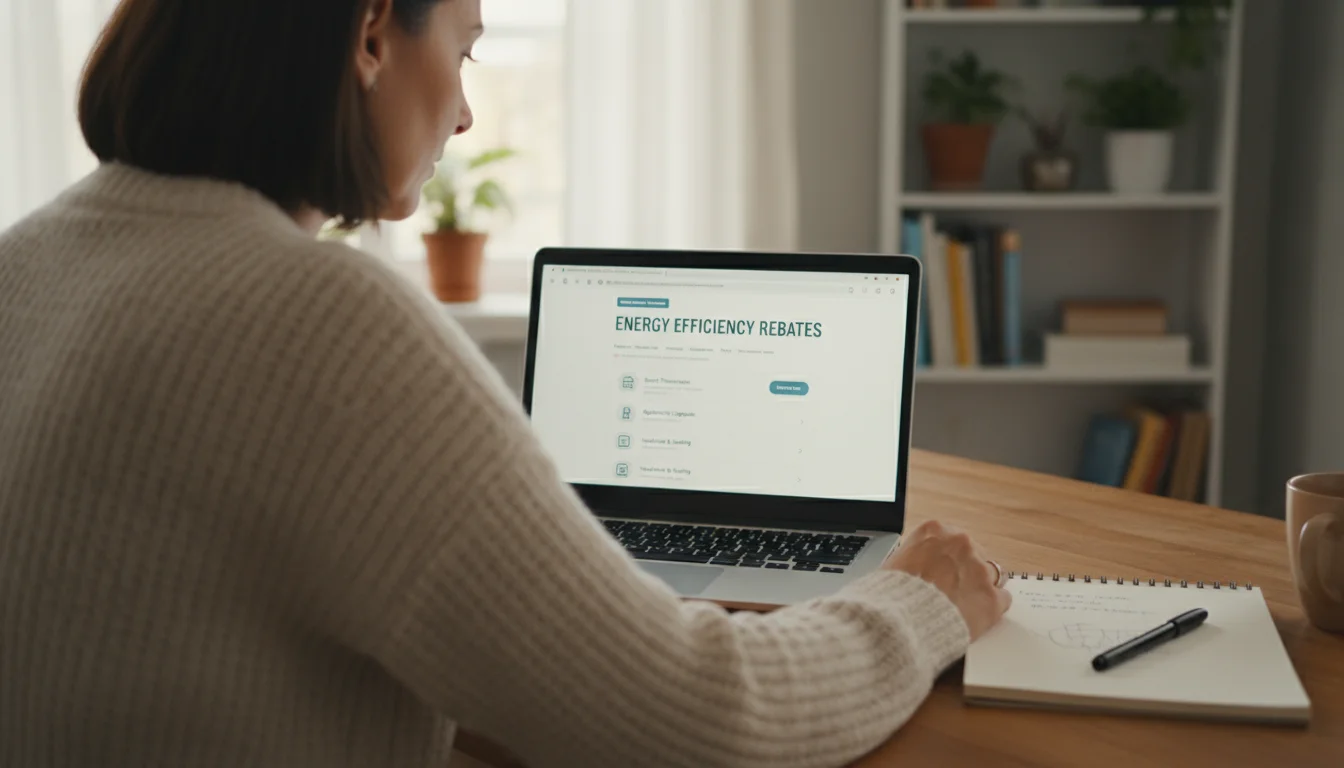
Many programs exist to make energy-efficient upgrades more affordable:
- Utility Company Rebates: Check your local electricity or gas provider’s website. They frequently offer rebates for purchasing Energy Star certified appliances.
- Federal and State Tax Credits: Government incentives can significantly reduce the net cost of certain high-efficiency appliances, especially for HVAC systems and water heaters.
- Financing Options: Some retailers and utility companies offer low-interest financing plans for energy-efficient upgrades, spreading the cost over time and making it more manageable.
- Manufacturer Promotions: Keep an eye out for sales and promotions directly from appliance manufacturers.
Look into these options before you buy. They can make the difference in choosing a superior, more efficient model.
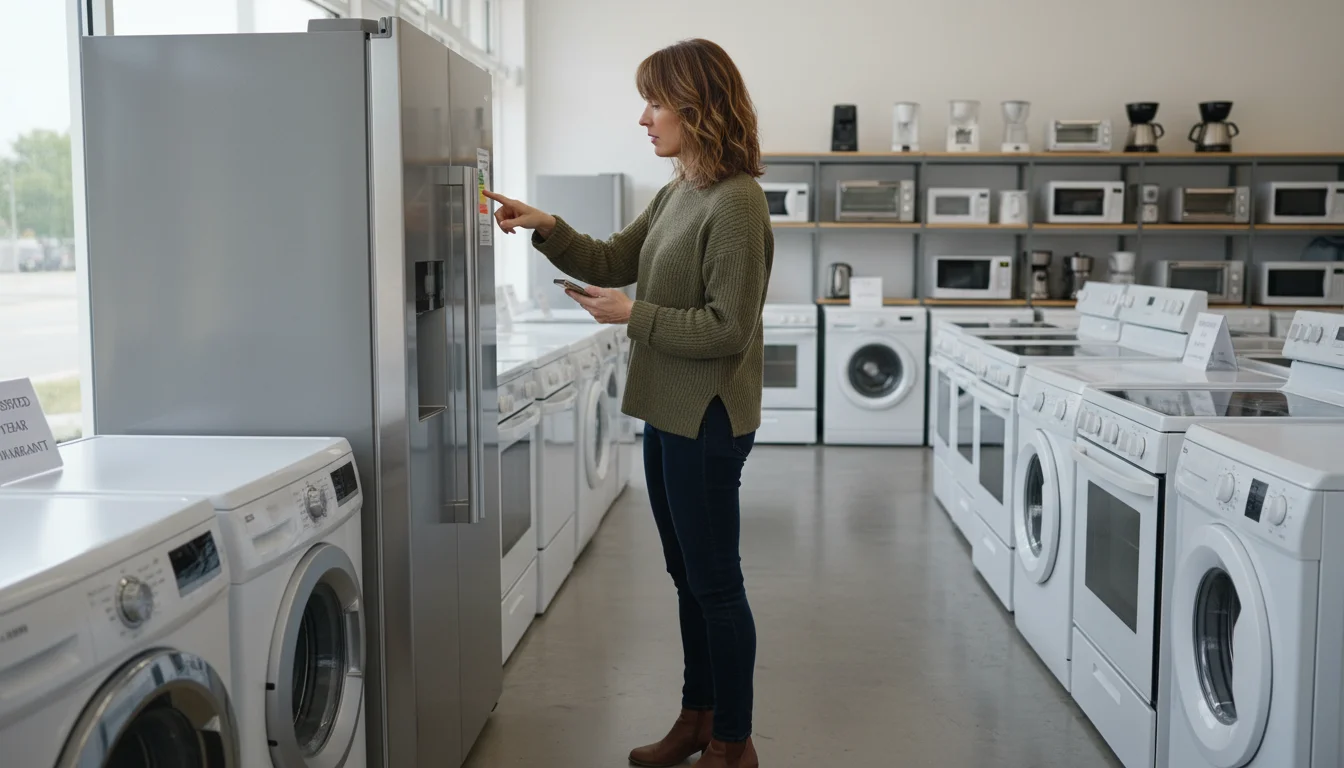
Consider Used or Refurbished Appliances
If your budget is very tight, consider purchasing used or refurbished energy-efficient appliances. Many appliance retailers, scratch-and-dent outlets, or even community programs offer gently used or professionally refurbished models at a fraction of the new price. Always check for a warranty and ensure the efficiency rating is still applicable.
Making smart choices about your appliance investments empowers you to create a more comfortable, affordable, and sustainable home. You save money, reduce your environmental impact, and enjoy better performance. It is a win-win for your home and your wallet.

Frequently Asked Questions
Is the higher upfront cost of energy-efficient appliances always worth it?
Yes, almost always. While the initial purchase price might be higher, energy-efficient appliances deliver significant long-term savings through reduced utility bills. When you calculate the lifetime operating costs, the payback period for the higher initial investment is often just a few years. After that, you enjoy pure savings for the remainder of the appliance’s life.
How do I know if an appliance is truly energy efficient?
Look for the Energy Star label, which indicates that the appliance meets strict energy efficiency guidelines set by the U.S. EPA and DOE. Also, review the yellow EnergyGuide label, which provides estimated annual operating costs and energy consumption (kWh) for direct comparison with similar models.
Can I really make a difference by just replacing one appliance?
Absolutely. While replacing multiple appliances yields greater savings, even swapping out one major energy-consuming appliance, such as an old refrigerator or washing machine, can lead to a noticeable reduction in your monthly utility bills. Every efficient choice you make contributes to overall energy savings and a smaller environmental footprint for your household.
Are smart appliances always energy efficient?
Not necessarily. While many smart appliances offer features like remote control and usage monitoring that can aid in energy management, “smart” does not automatically mean “energy efficient.” Always check for the Energy Star label or specific efficiency ratings (like SEER or UEF) in addition to smart features to ensure you are getting both convenience and savings.
What maintenance steps are most important for maintaining appliance efficiency?
Regular maintenance is crucial. Key steps include cleaning refrigerator condenser coils, checking door seals, cleaning dishwasher filters, regularly cleaning dryer lint traps and vents, and replacing HVAC air filters monthly. For major systems like HVAC and water heaters, annual professional tune-ups ensure they run at peak efficiency and help prevent costly breakdowns.
For expert home organization guidance, visit
Institute for Challenging Disorganization, Consumer Reports — Home, This Old House, Family Handyman and Bob Vila.
Disclaimer: This article is for informational purposes only and is not a substitute for professional advice. Consult professional organizers or specialists for personalized recommendations.









Leave a Reply