

Reducing waste in your home does not require an overhaul of your entire lifestyle. Instead, you can make small, impactful changes by replacing common single-use items with durable, reusable products. These sustainable swaps not only help the environment by cutting down on landfill waste, but they also offer long-term savings, reduce clutter, and simplify your routines. As your home organization coach, I will guide you through practical, budget-conscious solutions that fit seamlessly into your busy life, proving that a more sustainable home is an achievable goal for anyone.
You might think embracing a more sustainable, zero waste lifestyle involves complex solutions or expensive purchases, but often, it simply means choosing better products for everyday tasks. We focus on realistic living solutions here, and these reusable products deliver genuine value. We understand you juggle many responsibilities, so our advice prioritizes practicality and ease of integration. Let’s explore the best reusable products that truly make a difference, helping you build a home that is both comfortable and conscientious.
Why Reusable Products Matter for Your Home
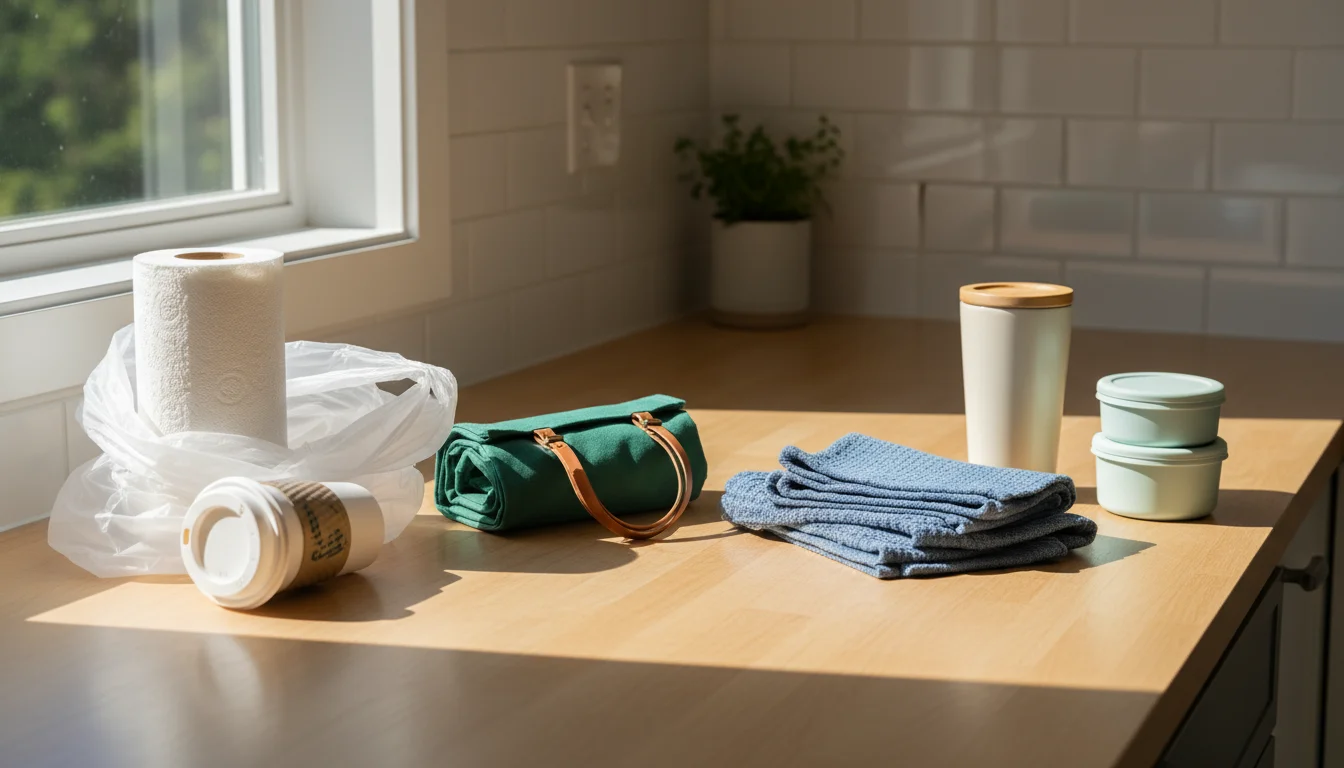
Every day, we use countless items designed for a single purpose, then discard them. Think about paper towels, plastic wrap, disposable coffee cups, and plastic bags. While convenient in the moment, these items quickly accumulate, contributing to overflowing landfills and consuming valuable resources. Choosing reusable products helps you break this cycle, creating a more organized, efficient, and environmentally friendly home.
Beyond the environmental benefits, making these sustainable swaps offers tangible advantages for your wallet and your home’s functionality. Initially, the upfront cost of a reusable item might seem higher than its disposable counterpart. However, over time, reusable products like silicone food bags or microfiber cloths pay for themselves many times over. You spend less on replacements, reducing trips to the store and freeing up valuable space in your pantry and under your sink. This shift helps you save money and reduces the sheer volume of items you manage, simplifying your home organization efforts.
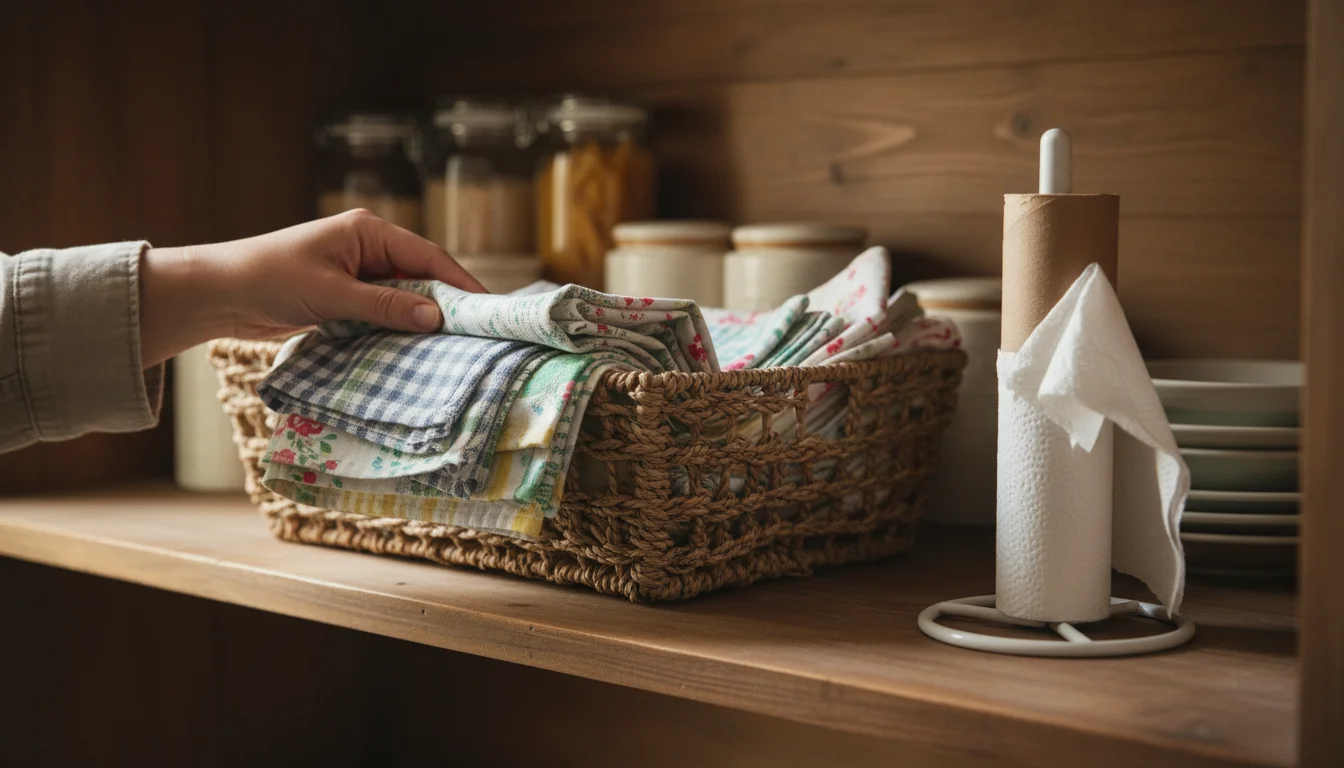
From an organizational perspective, fewer disposable items mean less clutter. Imagine a pantry free of endless boxes of plastic bags or a cleaning cabinet without dozens of specialty wipes. Reusable items often come with their own storage solutions or integrate easily into existing systems, promoting a more streamlined living space. For example, instead of a roll of paper towels, you store a neat stack of washable cloths. This change provides both visual calm and practical efficiency.
Starting Your Sustainable Swap Journey: A Practical Approach
Embarking on a zero waste journey does not require you to throw out everything you own and replace it immediately. That approach often leads to burnout and unnecessary expense. Instead, adopt a gradual, realistic strategy. Start small, focusing on areas where you use the most single-use items. This method allows you to adapt at your own pace, integrate new habits naturally, and experience the benefits without feeling overwhelmed.
A great time to implement these swaps is during your annual spring cleaning, allowing you to reset your home habits for the season ahead.
While focusing on small swaps, you may also want to evaluate larger upgrades like energy-efficient appliances to maximize your home’s overall sustainability.
Consider a “one in, one out” policy for your disposables. When you run out of paper towels, for instance, replace them with a set of reusable kitchen cloths instead of buying another roll. This simple strategy prevents waste and eases the transition. Think about your habits and identify your “hot spots” for single-use consumption. Is it your morning coffee run? Your packed lunches? Your daily cleaning routine? Targeting these specific areas first helps you see immediate impact and builds momentum.
Budget also plays a crucial role. You do not need to buy the most expensive reusable products. Many effective options are surprisingly affordable, and some even allow for DIY solutions. For instance, old t-shirts cut into rags serve perfectly as cleaning cloths. Prioritize quality for items you use frequently, but do not hesitate to explore budget-friendly alternatives for less intensive needs. Remember, the goal is progress, not perfection. As noted by experts at Real Simple, integrating small, manageable changes can lead to significant long-term impact on your home’s organization and sustainability.

Kitchen Essentials: Transforming Your Food Storage and Cooking
The kitchen often presents the biggest opportunity for sustainable swaps. Many single-use plastics and papers dominate this space, from food packaging to cleaning supplies. By replacing these items, you significantly reduce your environmental footprint and create a more organized, efficient kitchen.
Once you’ve made the switch to glass jars or silicone bags, using one of the best label makers helps keep your pantry looking professional and organized.
Organizing these items effectively is easy with proven kitchen organization ideas that maximize your storage space.
Reducing single-use items is a key step when you want to reduce plastic waste in your kitchen for a cleaner environment.
Reusable Food Storage Bags
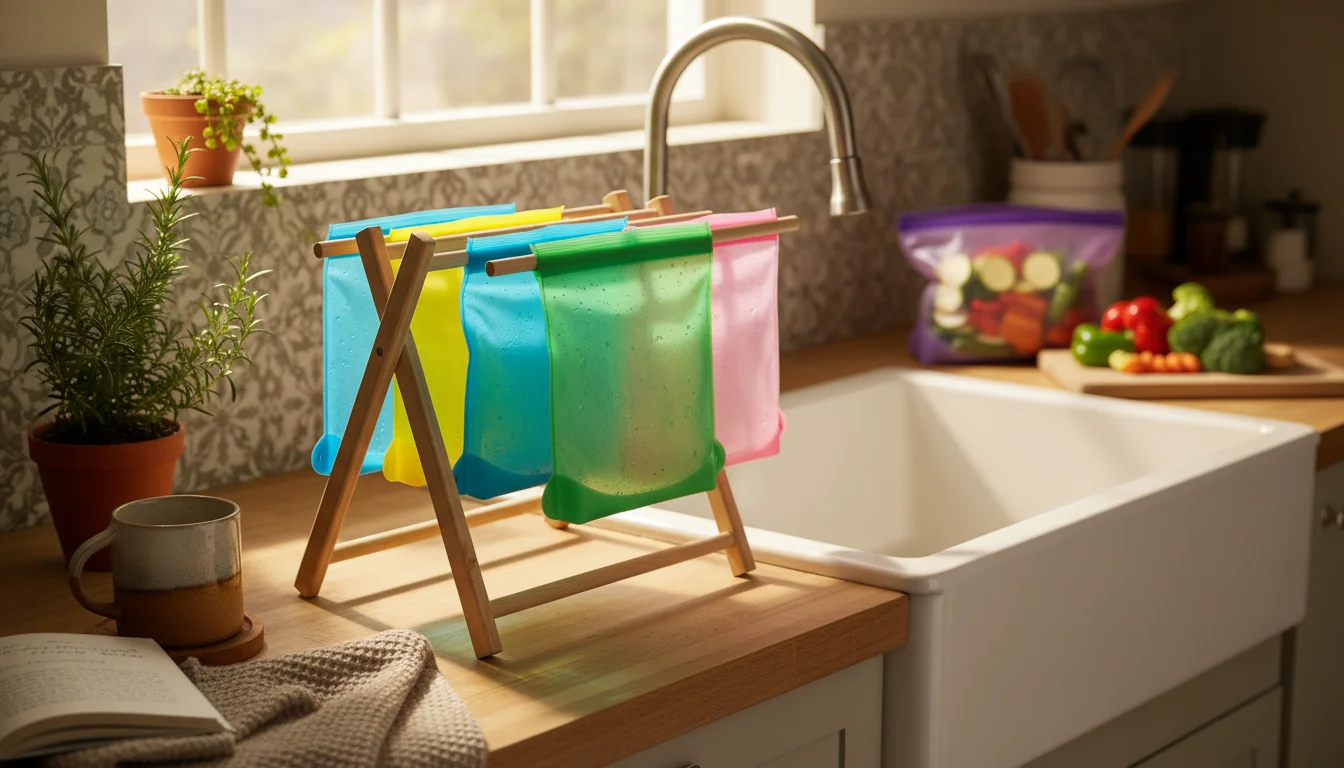
Say goodbye to flimsy plastic sandwich and freezer bags. Silicone food storage bags offer a durable, leak-proof, and freezer-safe alternative. You can wash and reuse them hundreds of times. They come in various sizes, perfect for packing lunches, storing leftovers, marinating food, or even sous vide cooking. While the initial investment is higher than a box of disposable bags, their longevity means substantial savings over time.
Beeswax Wraps and Silicone Lids
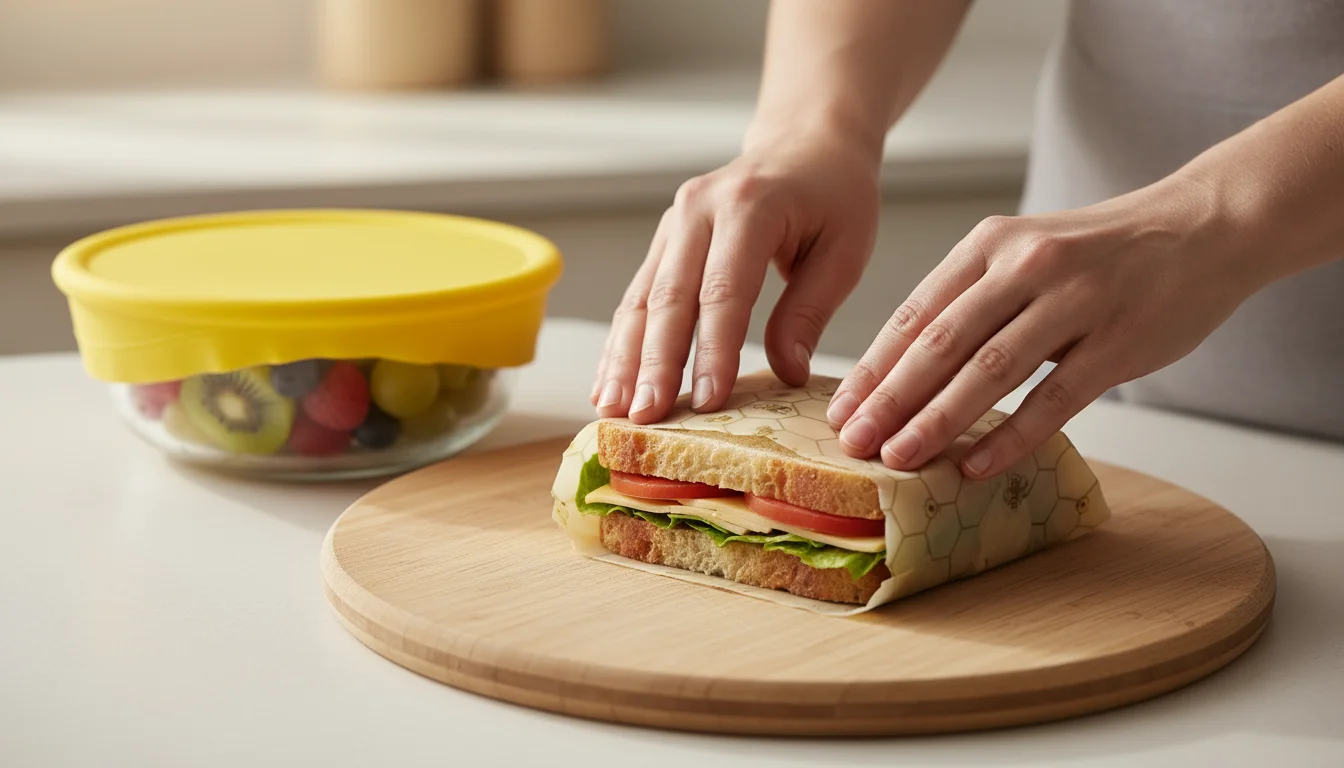
Plastic wrap is notorious for clinging to itself and ending up in landfills. Beeswax wraps, made from cotton infused with beeswax, jojoba oil, and tree resin, provide a breathable, moldable, and reusable alternative for covering bowls, wrapping sandwiches, or packing snacks. They are washable and last for about a year before composting. Silicone stretch lids offer another excellent option. These versatile lids stretch over bowls, cups, and containers of various shapes and sizes, creating an airtight seal. They are durable, easy to clean, and eliminate the need for disposable covers.
Reusable Produce Bags
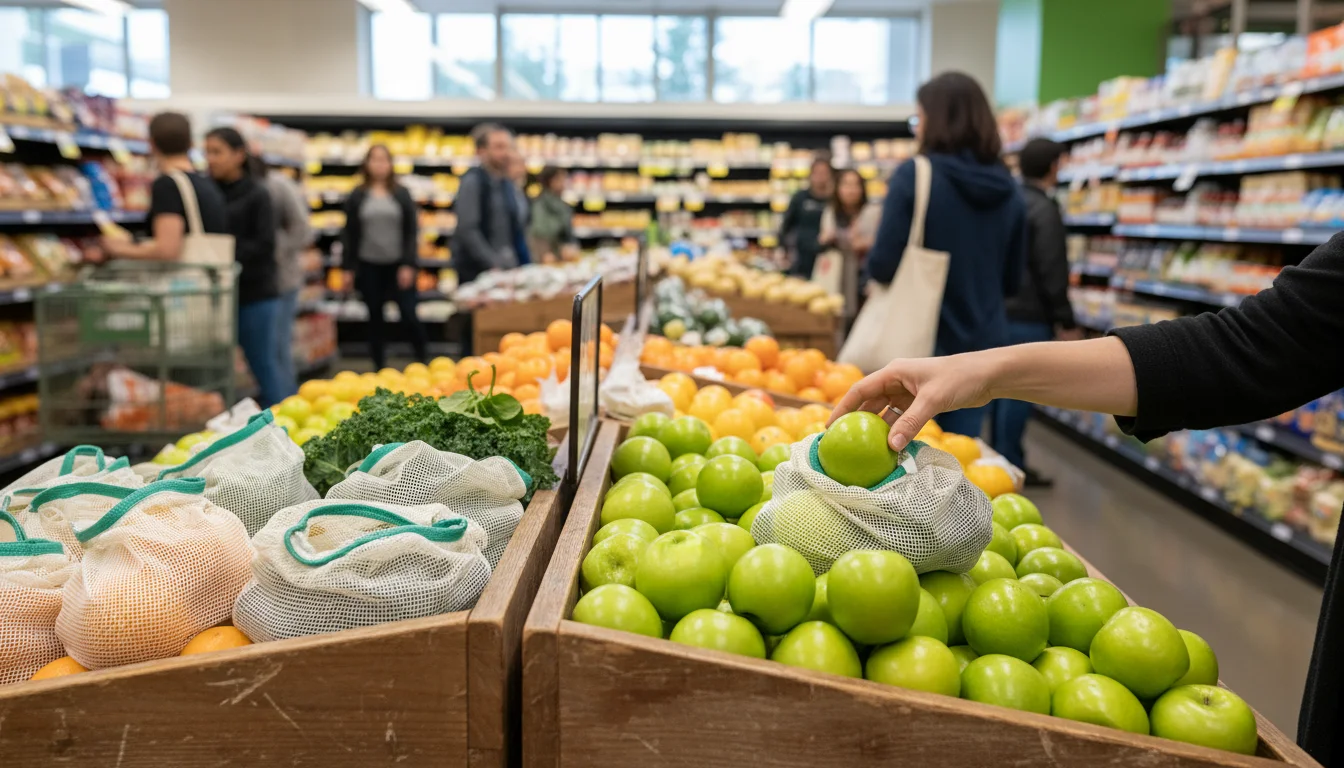
Those thin plastic bags at the grocery store add up quickly. Invest in a set of lightweight, mesh, or cotton reusable produce bags. Use them for fruits, vegetables, and bulk bin items. They keep your produce fresh and eliminate plastic waste from your shopping trips. Most are machine washable, making maintenance simple.

Washable Kitchen Cloths and Sponges
Paper towels are one of the most frequently used single-use items in the kitchen. Replace them with durable, absorbent, washable kitchen cloths made from cotton, bamboo, or microfiber. Keep a stack easily accessible in a drawer or basket. For dishes and countertops, consider reusable sponges made from cellulose or loofah, or invest in a long-lasting dish brush with replaceable heads. According to The Spruce — Home Organization, integrating these simple swaps dramatically reduces daily waste and simplifies cleaning routines.

Coffee Filters and Tea Bags
If you enjoy coffee or tea, switch to reusable options. Permanent coffee filters made from stainless steel mesh or cloth eliminate paper waste. For tea lovers, invest in loose leaf tea and a reusable tea infuser or fillable tea bags made from cotton or silicone. These changes not only reduce waste but often enhance the flavor of your beverages.
Cleaning and Laundry: Eco-Friendly Routines
Your cleaning and laundry routines offer another prime area for impactful reusable swaps. Many conventional cleaning products come in single-use plastic bottles, and laundry often involves disposable dryer sheets or pods. Shifting to reusable alternatives streamlines your supplies and lessens your environmental impact.
You can take your green routine even further by learning how to make your own natural cleaning products with simple household ingredients like vinegar and baking soda.
These eco-friendly tools fit perfectly into a daily cleaning routine that keeps your home tidy with minimal effort.

Refillable Cleaning Bottles and Concentrates
Instead of buying a new plastic bottle of cleaner every time you run out, invest in durable, refillable spray bottles. Purchase concentrated cleaning solutions or make your own using simple ingredients like vinegar, baking soda, and water. Many brands now offer cleaning tablets or refill pouches that dissolve in water, significantly reducing plastic waste. This approach saves money and reduces the clutter of multiple half-empty bottles under your sink.
Reusable Cleaning Cloths and Mop Pads
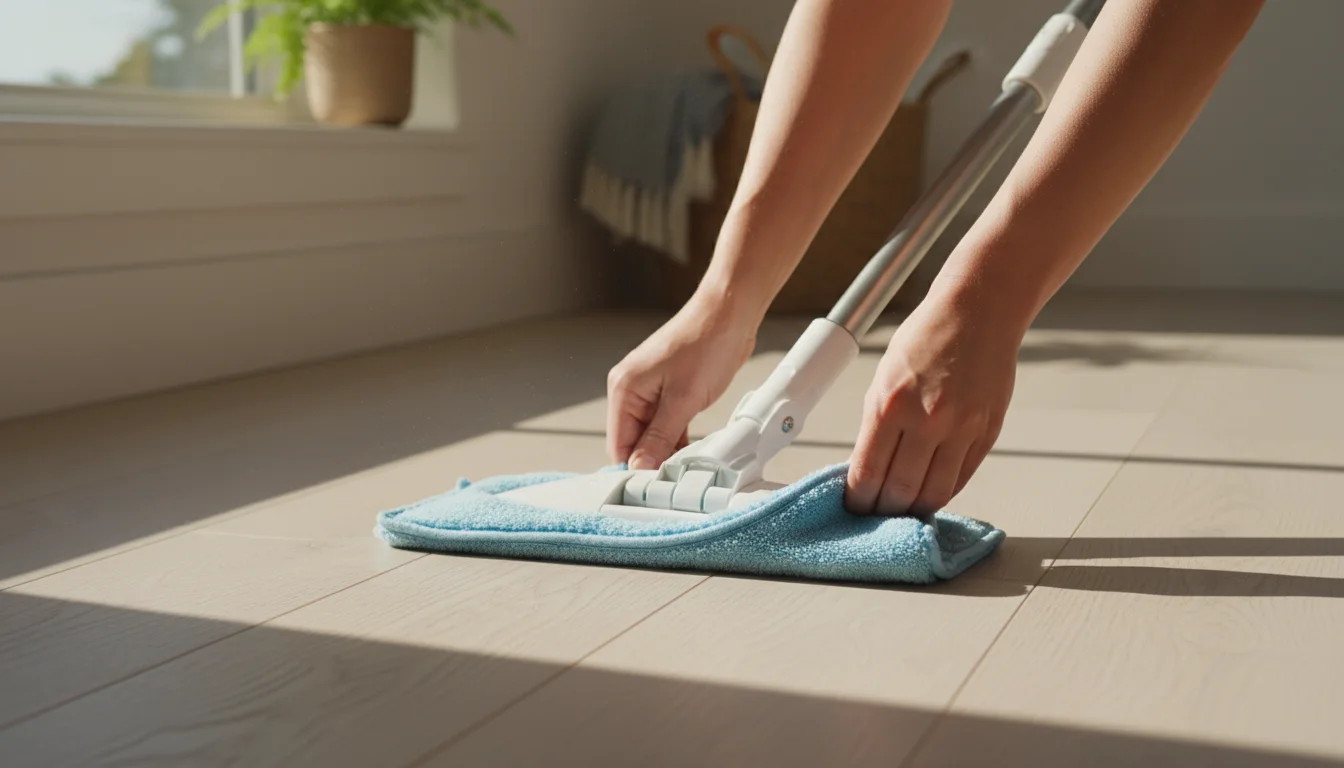
Just like in the kitchen, replace paper towels with reusable microfiber or cotton cleaning cloths for general household cleaning. These cloths are highly effective at trapping dust and dirt and wash easily. If you use a spray mop or a traditional mop with disposable pads, look for reusable, washable mop pads. Many brands offer compatible washable pads that attach with hook-and-loop fasteners or clips, providing a thorough clean without constant repurchasing.
Wool Dryer Balls
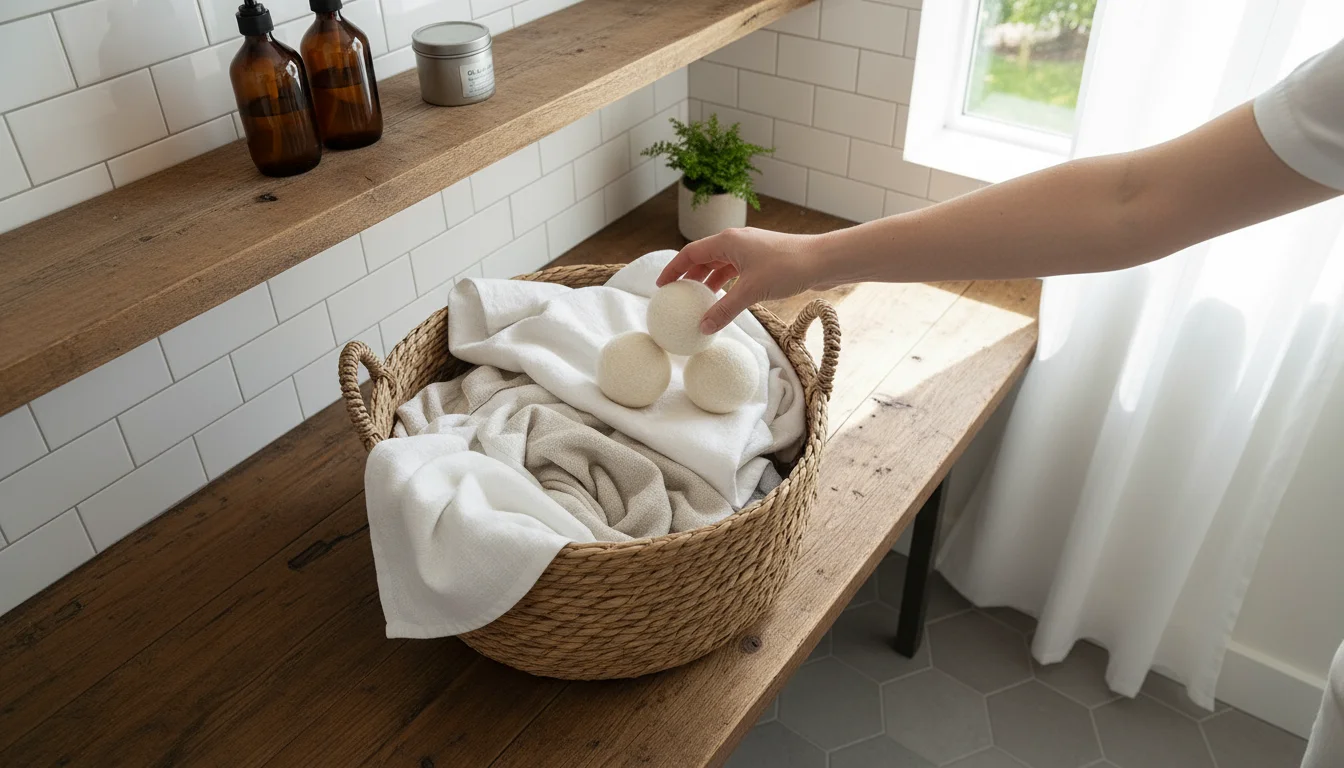
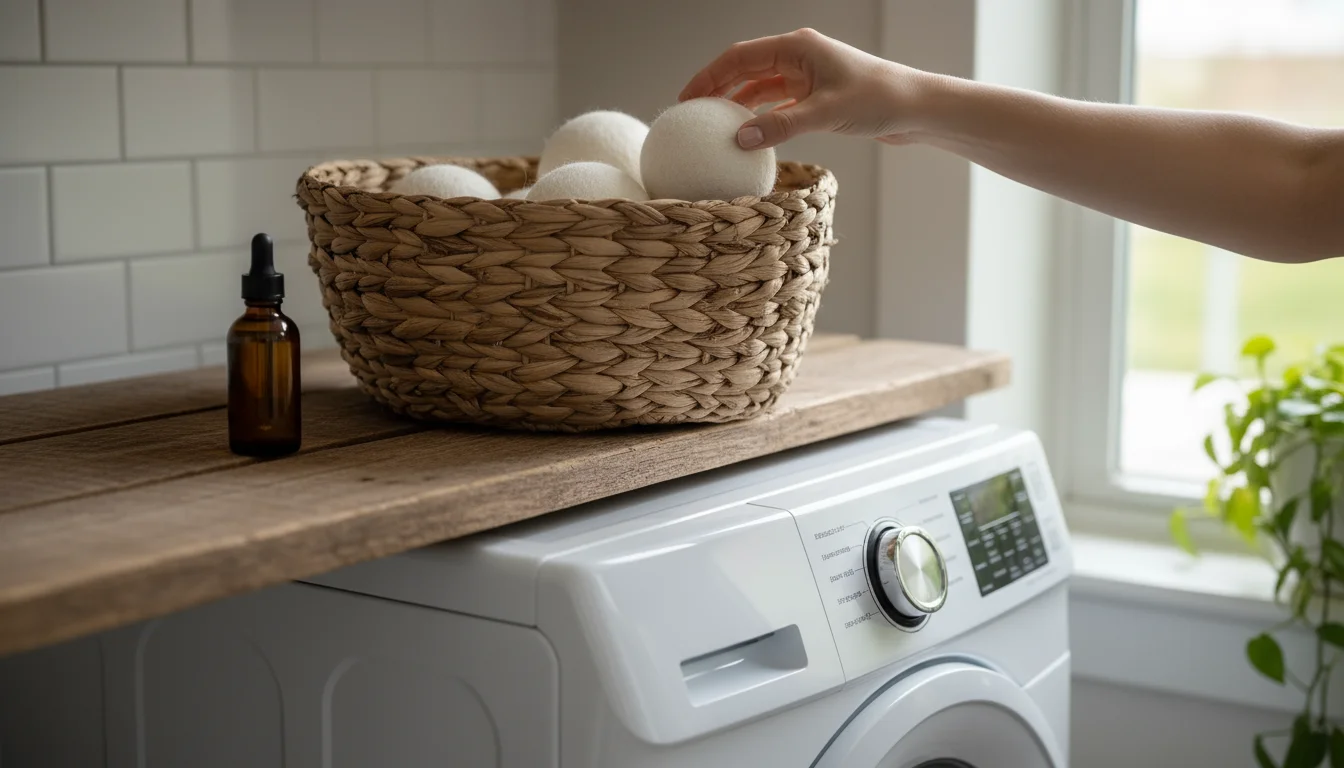
Swap disposable dryer sheets for wool dryer balls. These natural, chemical-free balls soften fabrics, reduce static, and help clothes dry faster, saving you energy and money. They typically last for hundreds of loads. For a subtle scent, you can add a few drops of essential oil to the dryer balls before tossing them into the dryer.

Personal Care and Bathroom: Smart Replacements
Your bathroom, often a hub for personal care, can generate a surprising amount of waste. From disposable razors to plastic toothbrushes, many items can easily transition to reusable options, enhancing your daily routine while reducing your ecological footprint.
Upgrading your bathroom with sustainable choices is a great time to also consider a bathroom refresh under $200 to improve both style and function simultaneously.

Safety Razors
Traditional cartridge razors generate significant plastic waste. Switch to a safety razor, which uses a single, recyclable metal blade. The initial purchase of the razor itself is higher, but replacement blades cost a fraction of cartridge refills. This swap provides a closer shave, reduces skin irritation, and drastically cuts down on plastic waste. Store your safety razor safely in a holder or on a shelf to prolong its life.
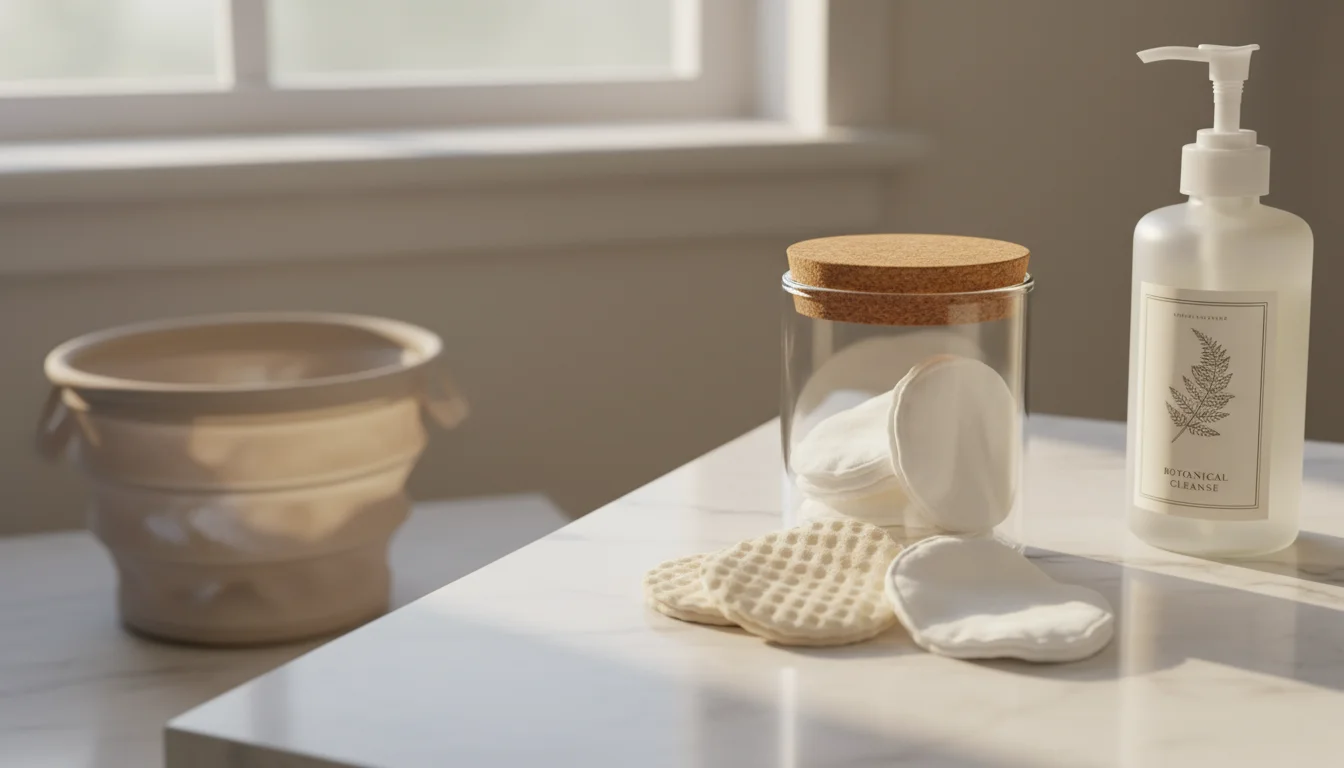
Reusable Cotton Rounds and Facial Cloths
If you use cotton balls or disposable cotton rounds for applying toner or removing makeup, consider reusable alternatives. Washable cotton rounds, often made from bamboo or organic cotton, feel soft on your skin and can be laundered hundreds of times. Keep a small mesh bag for collecting used rounds, then toss the bag directly into the washing machine.
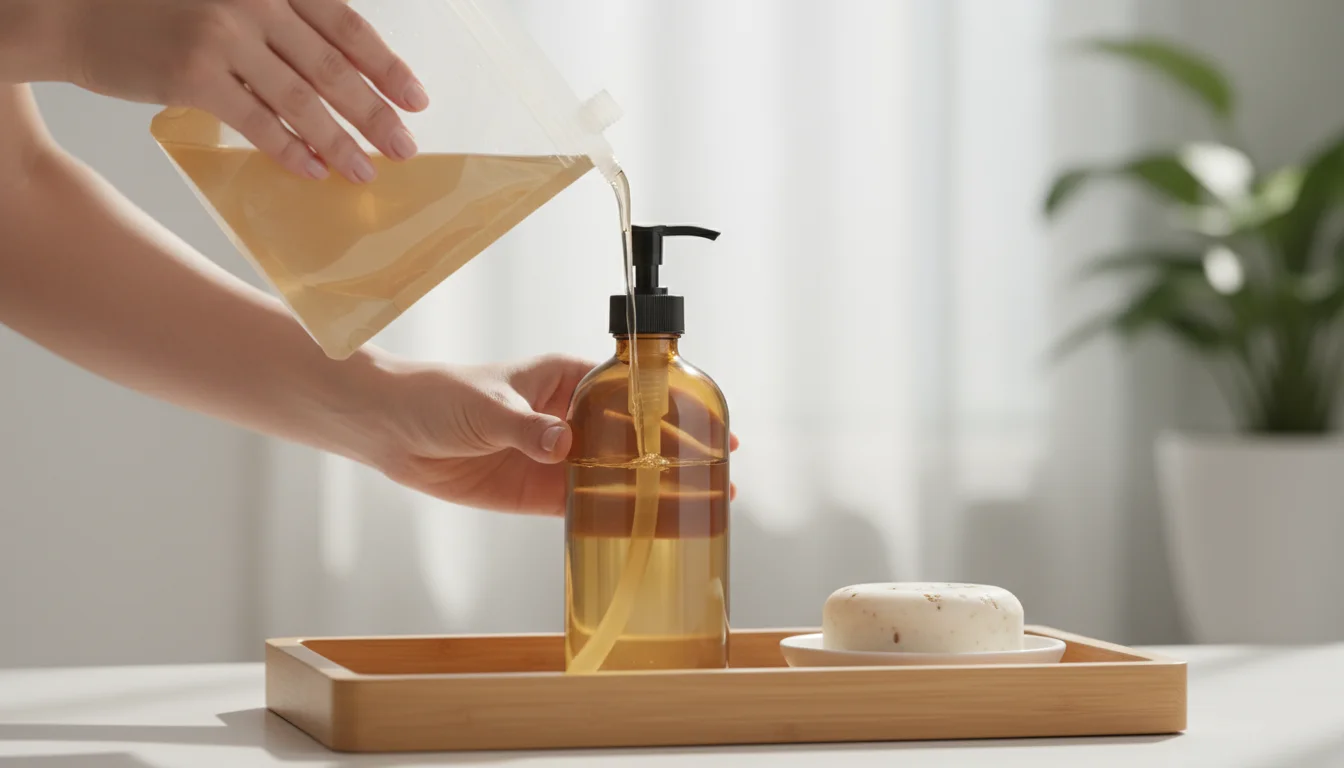
Refillable Soap and Shampoo Dispensers
Instead of buying new plastic bottles of hand soap, shampoo, and conditioner, purchase these products in bulk or concentrated refill pouches. Pour them into attractive, durable dispensers in your bathroom. Many companies now offer solid shampoo and conditioner bars, eliminating plastic bottles entirely. These bars lather beautifully and last a long time, often outperforming liquid counterparts.
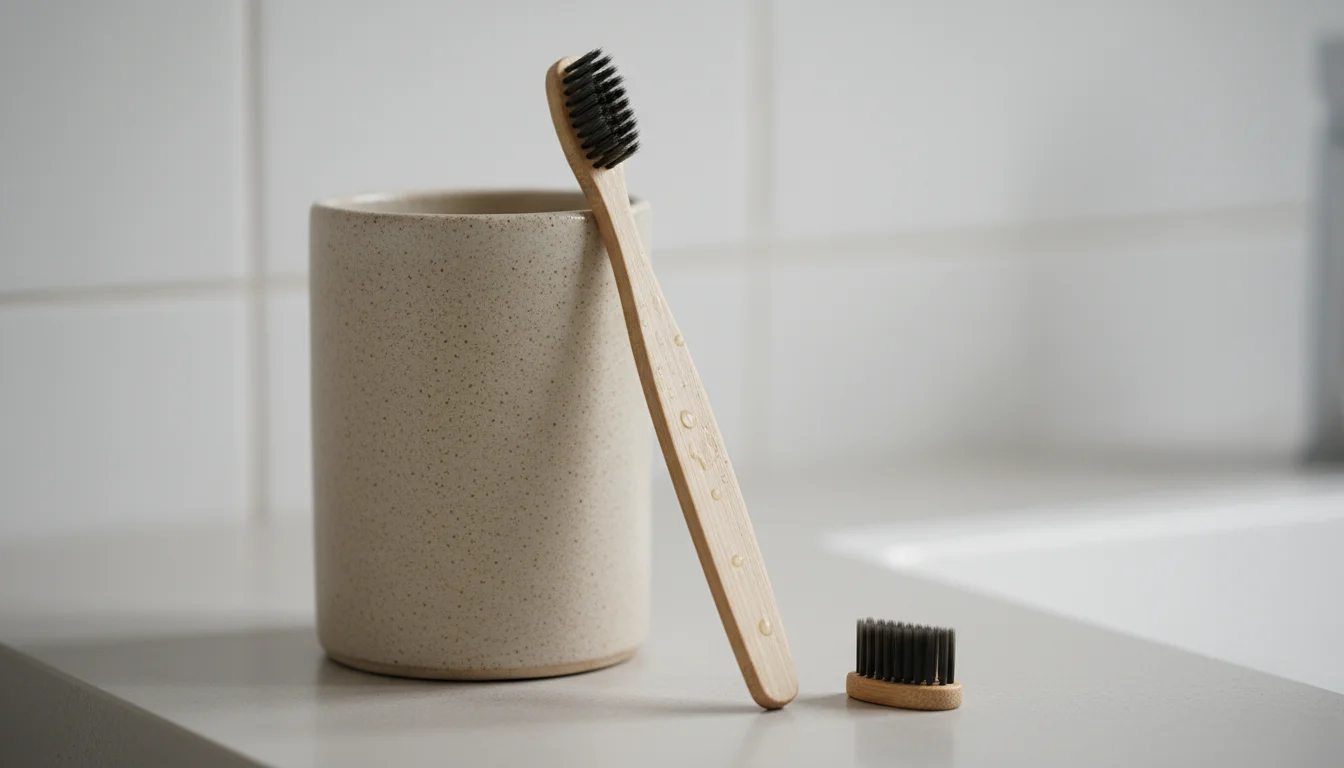
Bamboo Toothbrushes
Conventional plastic toothbrushes take hundreds of years to decompose. Opt for bamboo toothbrushes, which feature compostable handles. Many brands also offer toothbrushes with replaceable heads, further reducing waste. Remember to properly dispose of or compost the handle according to manufacturer instructions.

Shopping and On-the-Go: Staying Sustainable Outside the Home
Sustainability extends beyond your home’s walls. When you leave the house for errands, work, or leisure, opportunities to avoid single-use items abound. By planning ahead, you make impactful choices that support your zero waste goals.
For those looking to furnish their home sustainably, checking out a guide to buying secondhand furniture is a great way to find high-quality pieces without the waste of new manufacturing.

Reusable Shopping Bags
This is perhaps the most common and easiest sustainable swap. Keep several sturdy reusable shopping bags in your car, by your front door, or folded in your purse or backpack. Cotton, canvas, or recycled plastic bags are excellent choices. Make it a habit to bring them every time you shop, whether at the grocery store, farmers market, or retail outlets.

Reusable Water Bottles and Coffee Cups
Hydration and caffeine often lead to disposable plastic water bottles and paper coffee cups. Carry a high-quality reusable water bottle wherever you go. Many cafes offer discounts for bringing your own reusable coffee cup or mug. Investing in an insulated option keeps your drinks at the desired temperature for hours, adding convenience to your sustainable choice.
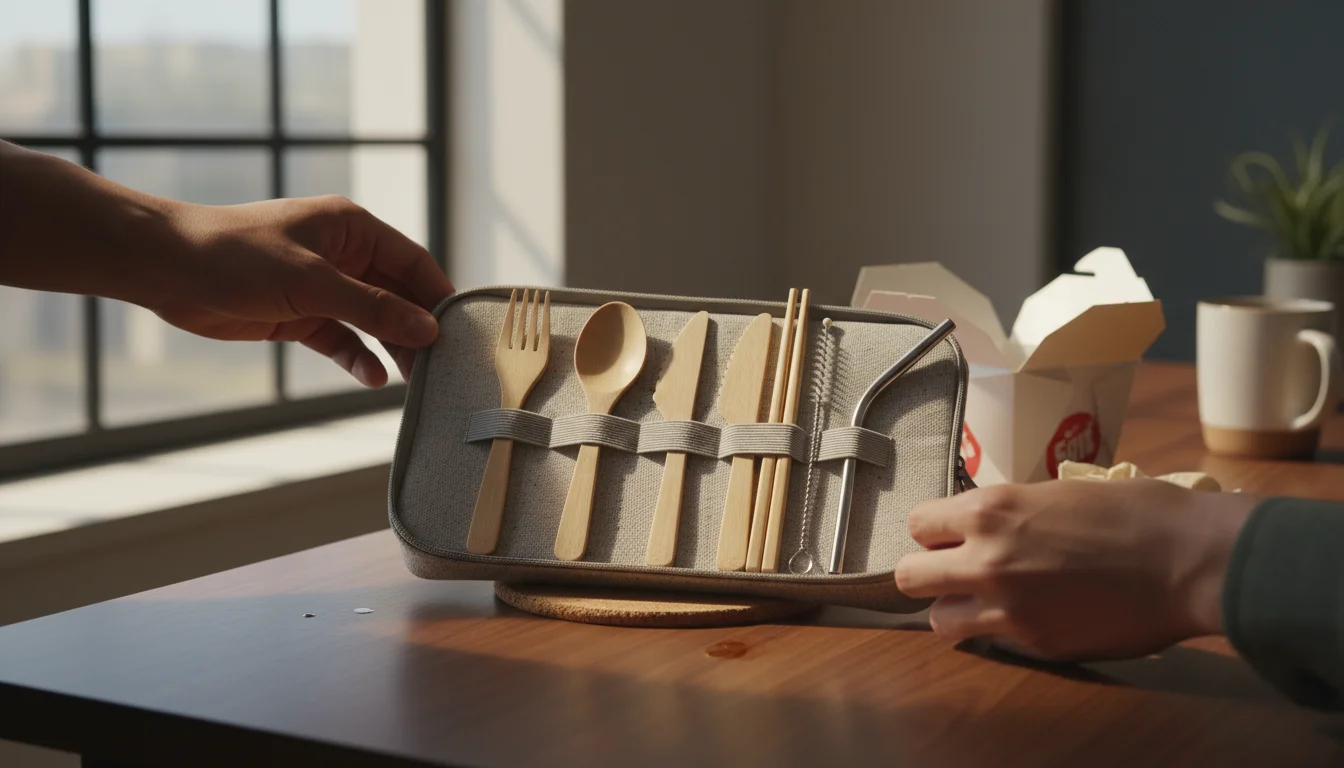
Reusable Utensils and Straws
When eating on the go or getting takeout, you often receive plastic utensils and straws. Assemble a small “on-the-go kit” with reusable bamboo or stainless steel utensils and a reusable straw. Keep it in your bag, car, or desk at work. This simple kit empowers you to decline single-use plastics and enjoy your meals responsibly.
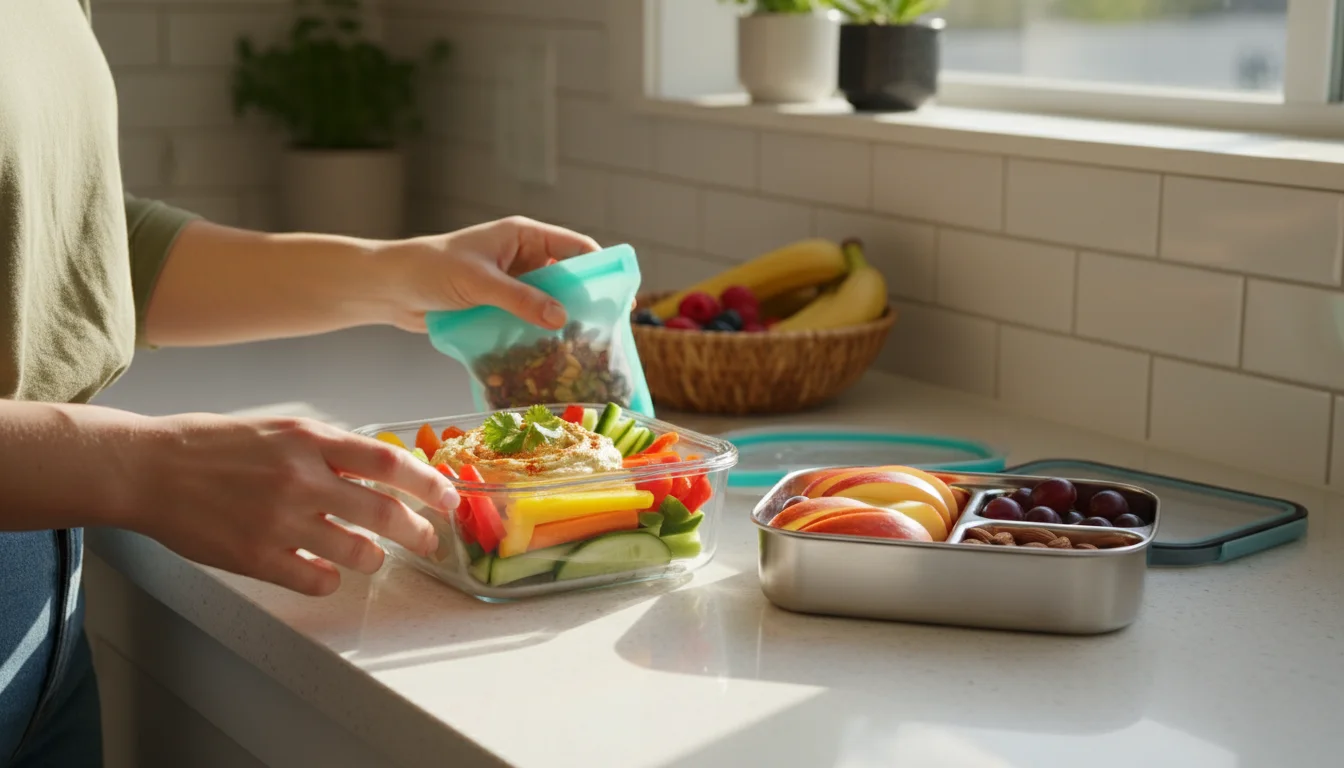
Snack and Lunch Containers
Packing your lunch or snacks for work or school helps you control portions, eat healthier, and avoid disposable packaging. Use durable, airtight containers made from glass, stainless steel, or BPA-free plastic. Combine these with your silicone food storage bags for a completely plastic-free or low-waste meal solution. According to Apartment Therapy, mindful choices like these can significantly reduce waste from daily routines.
Making Your Reusable Products Last: Care and Maintenance Tips
To truly embrace a sustainable lifestyle with reusable products, proper care and maintenance are essential. Longevity is key to maximizing their environmental and financial benefits. Neglecting care reduces their lifespan, potentially leading you back to single-use items. Follow these tips to ensure your reusable products serve you well for years.
- Follow Manufacturer Instructions: Always read and follow the care instructions that come with your reusable items. Some items might be dishwasher safe, while others require hand washing or specific temperatures.
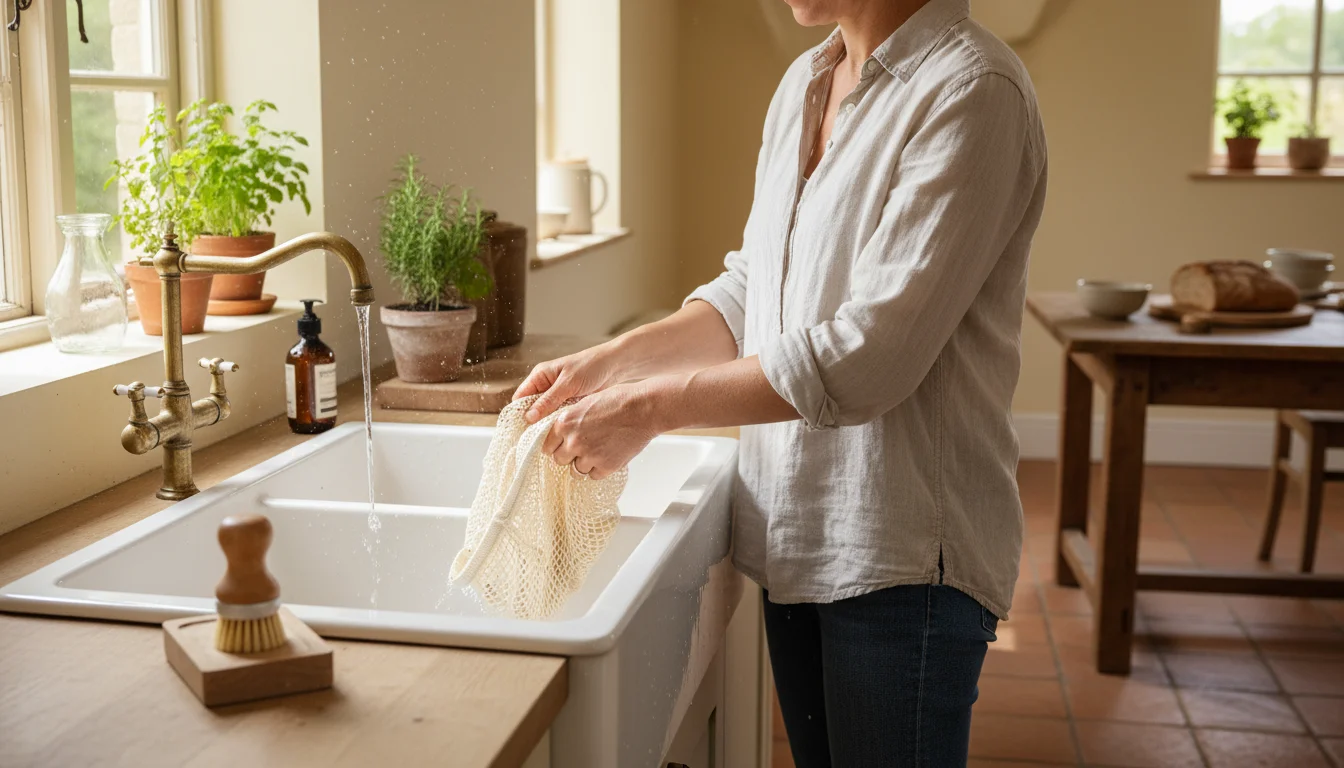
- Regular Cleaning: Clean your reusable items promptly after each use. This prevents odors, stains, and bacterial growth. For example, wash reusable produce bags immediately after emptying them, and rinse food storage bags thoroughly.
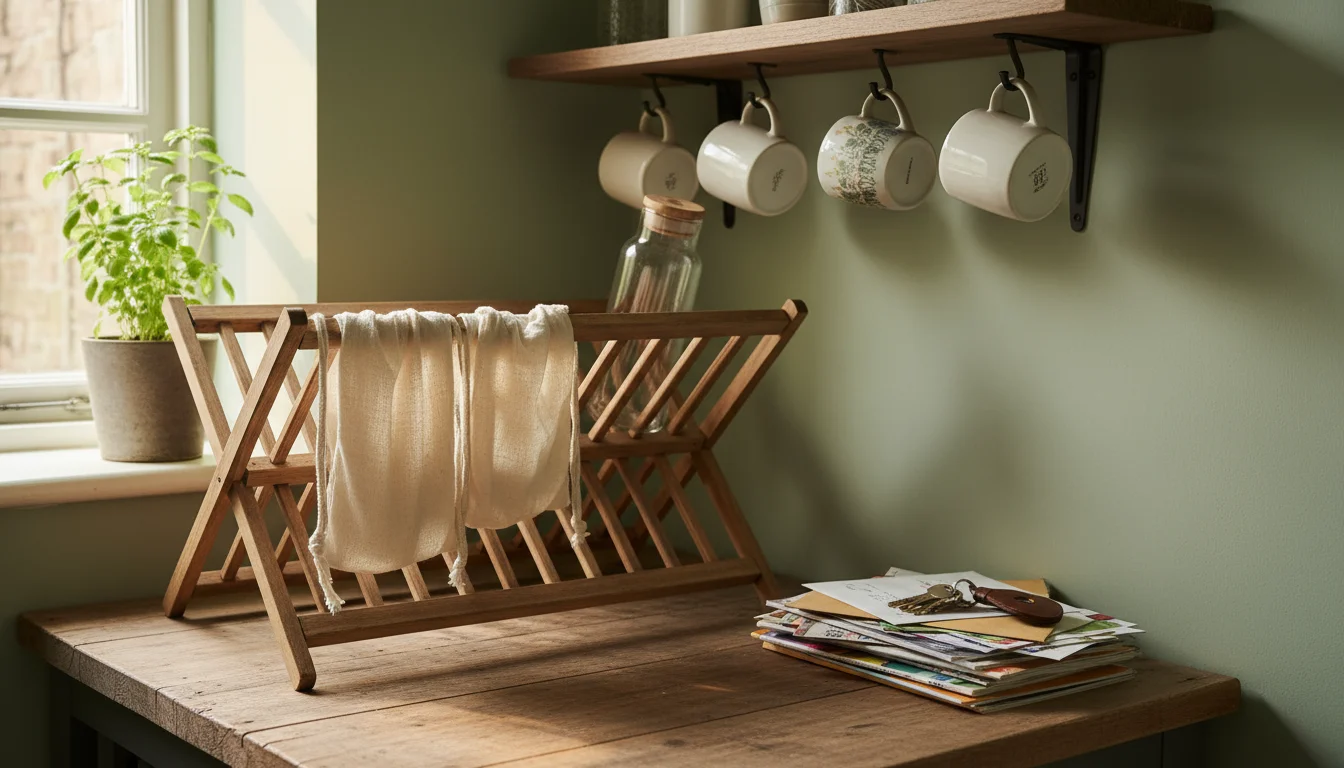
- Proper Drying: Ensure all reusable items are completely dry before storing them. Moisture can lead to mildew, especially with cloths, sponges, and food storage bags. Air dry items when possible to save energy and protect materials.
- Store Properly: Keep your reusable products in a designated, organized spot. This not only makes them easy to find when you need them but also protects them from damage. Store silicone bags unsealed to allow for air circulation, and stack cloths neatly.
- Repair When Possible: Before discarding an item, consider if you can repair it. A small tear in a reusable bag might be mendable, extending its life significantly.
- Rotate Usage: If you have multiple sets of an item, like kitchen cloths or produce bags, rotate their use. This distributes wear and tear evenly, prolonging the life of your entire collection.
By investing a little time in care, you protect your investment and continue to make a positive impact on your home and the planet.
Addressing Common Hurdles in Sustainable Living
While the benefits of reusable products are clear, you might encounter challenges along the way. Limited time, budget constraints, and small living spaces are common concerns for many homeowners and renters. Let’s address these realistically.
Time Constraints
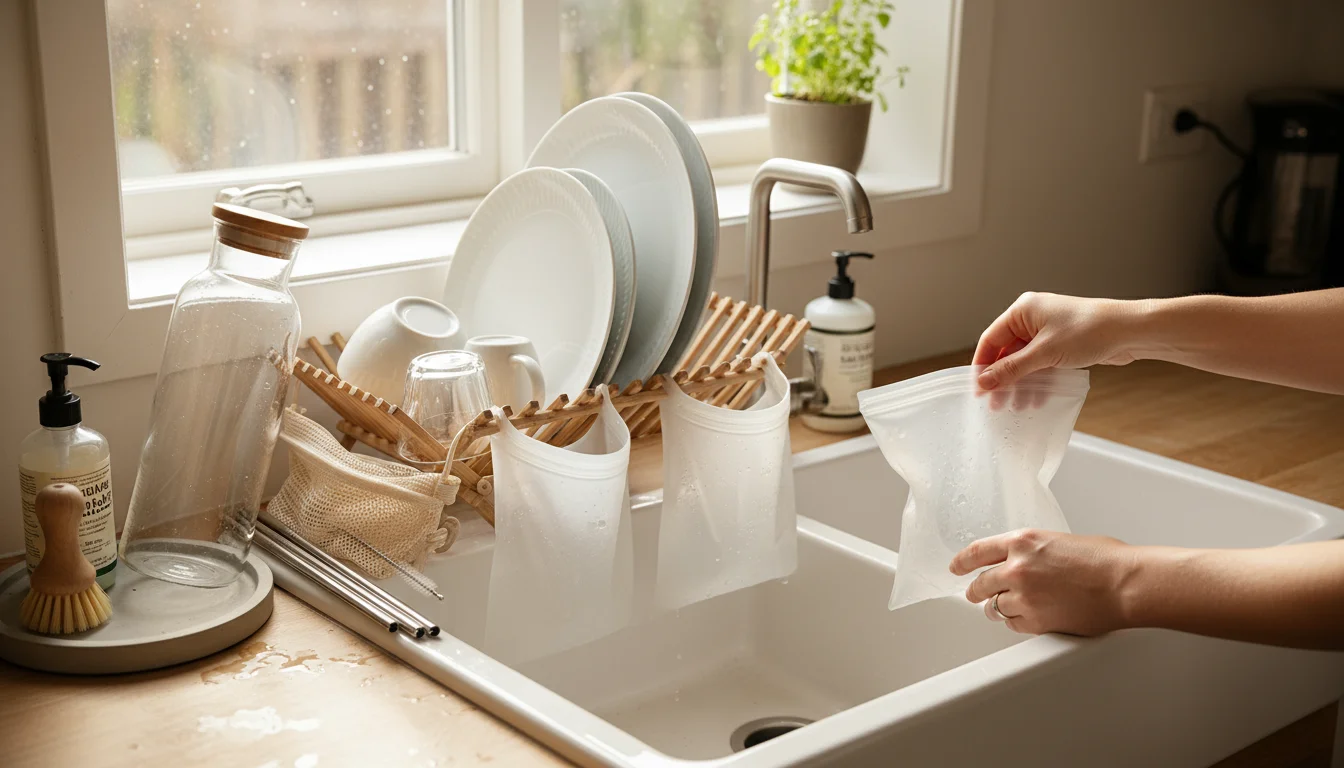
You might worry that cleaning and maintaining reusable items adds extra chores to your already busy schedule. The key here is integrating care into existing routines. For example, toss reusable kitchen cloths into your regular laundry load. Rinse silicone bags immediately after use and air dry them on a dish rack. Many reusable items are dishwasher safe, making cleanup effortless. Often, the time saved by not having to repurchase and dispose of single-use items balances out the small amount of time spent on care.
Budget Limitations
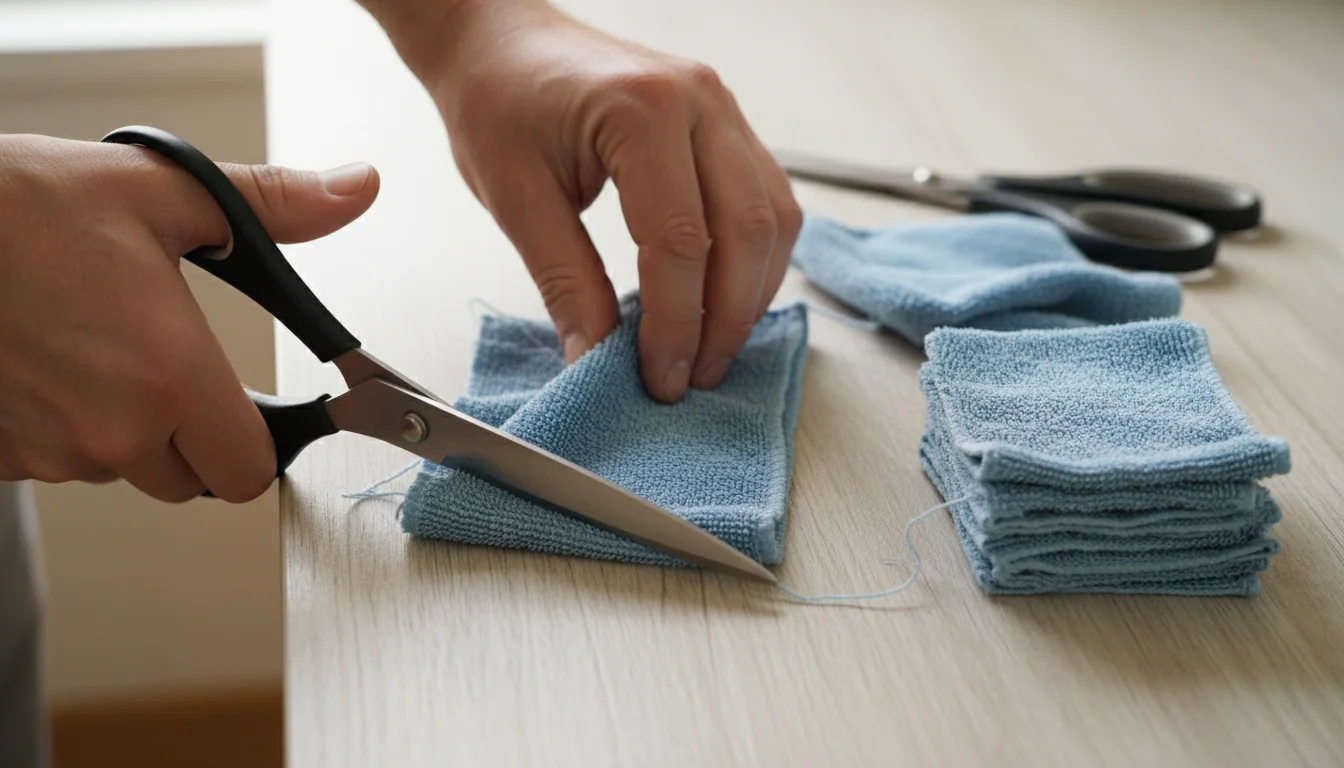
The upfront cost of some reusable products can seem daunting. Remember the principle of starting small and replacing items as they run out. Focus on high-impact, frequently used items first, where the cost savings accumulate fastest. Explore DIY solutions, such as cutting old towels into cleaning rags. Look for sales, consider second-hand options for certain items like glass jars, or choose basic, functional designs over premium brands. The goal is to avoid unnecessary expenditure, not to invest heavily all at once.

Small Living Spaces
For those in apartments or homes with limited storage, the idea of adding more “stuff” can feel counterproductive. Many reusable products are designed to be compact. Collapsible coffee cups, foldable shopping bags, and stackable food containers save space. By replacing single-use items, you actually reduce the overall volume of goods in your home. You no longer need to store bulk packages of paper towels or boxes of disposable bags. This strategic replacement frees up space rather than consuming it, aligning perfectly with good home organization principles.

Frequently Asked Questions
Are reusable products truly hygienic?
Yes, absolutely. Most reusable products, especially those for food and personal care, are designed for repeated washing and sanitizing. For example, silicone food bags are often dishwasher-safe and can withstand high temperatures. Reusable cleaning cloths should be washed regularly with your laundry. The key is consistent and proper cleaning according to manufacturer instructions. For items like safety razors, proper rinsing and drying prevents rust and maintains hygiene.
How do I remember to bring my reusable items when I leave the house?
Building a new habit takes time and consistent effort. Start by establishing “landing zones” for your essentials. Keep reusable shopping bags by your front door or in your car. Place your reusable water bottle and coffee cup next to your keys or wallet each night. Create a small “on-the-go kit” with utensils and a straw to keep in your everyday bag. If you forget, do not get discouraged; simply make a mental note for next time. Eventually, these actions become second nature.
What if I find the upfront cost too high for some reusable products?
Prioritize your purchases. Begin with the most frequently used single-use items that have affordable reusable alternatives. For example, start with reusable shopping bags, which are often inexpensive or even free from local events. Then, as your budget allows and as disposable items run out, invest in items like silicone food bags or a safety razor. Remember, the long-term savings often outweigh the initial cost. Consider DIY options for certain items, like turning old towels into cleaning rags, to keep costs down.
How do I dispose of reusable products when they reach the end of their life?
The disposal method depends on the material. Many silicone products are recyclable through specialized programs, not typically curbside. Glass and stainless steel items are generally recyclable. Natural materials like cotton, bamboo, or beeswax wraps are often compostable. Always check the manufacturer’s guidelines for end-of-life disposal. The goal is to extend their life as long as possible through proper care, but when they truly wear out, seek the most responsible disposal method available in your area.
Disclaimer: This article is for informational purposes only and is not a substitute for professional advice. Consult professional organizers or specialists for personalized recommendations.









Leave a Reply