

Choosing the right light bulb for your home feels like a small decision, but it impacts your energy bills, comfort, and even your daily routine. Many homeowners, renters, and apartment dwellers grapple with the options, particularly when balancing initial cost against long-term savings. Two main contenders dominate the energy-efficient lighting market: Compact Fluorescent Lamps (CFLs) and Light-Emitting Diodes (LEDs).
This article cuts through the confusion, offering practical, actionable insights into which bulb truly saves you more money over time. We will compare these lighting options as you would review any product for your home, focusing on cost, longevity, light quality, and environmental impact. Your goal is a comfortable, well-lit home without excessive utility costs, and we will help you achieve it with realistic, budget-conscious solutions.
Understanding Your Lighting Choices
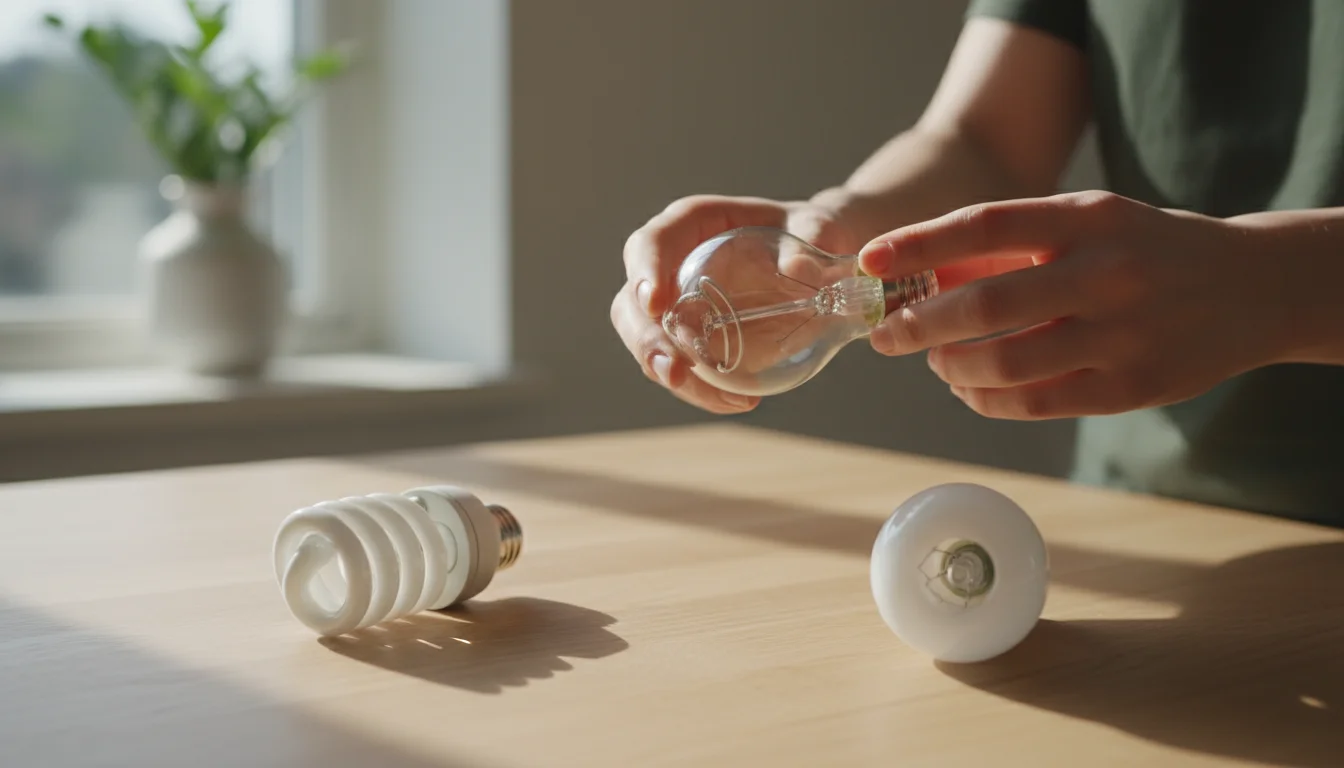
Lighting significantly influences your home’s ambiance and budget. Obsolete incandescent bulbs, once the standard, consumed vast amounts of electricity. Modern alternatives, like CFLs and LEDs, emerged to deliver substantial energy savings. Understanding these options empowers you to make informed decisions for your household.
Beyond bulbs, choosing energy-efficient appliances can lead to even greater long-term household savings.
For a broader look at efficiency, check out our room-by-room energy guide to find more savings throughout your house.
Energy-efficient lighting solutions are more than just a trend. They represent a fundamental shift towards more sustainable and economical living. When you consider which bulb saves more money, you are evaluating more than just the sticker price. You are looking at the total cost of ownership, which includes the purchase price, energy consumption over the bulb’s lifetime, and replacement frequency. This holistic view reveals the true value of your lighting investment.
The Compact Fluorescent Lamp (CFL) Deep Dive
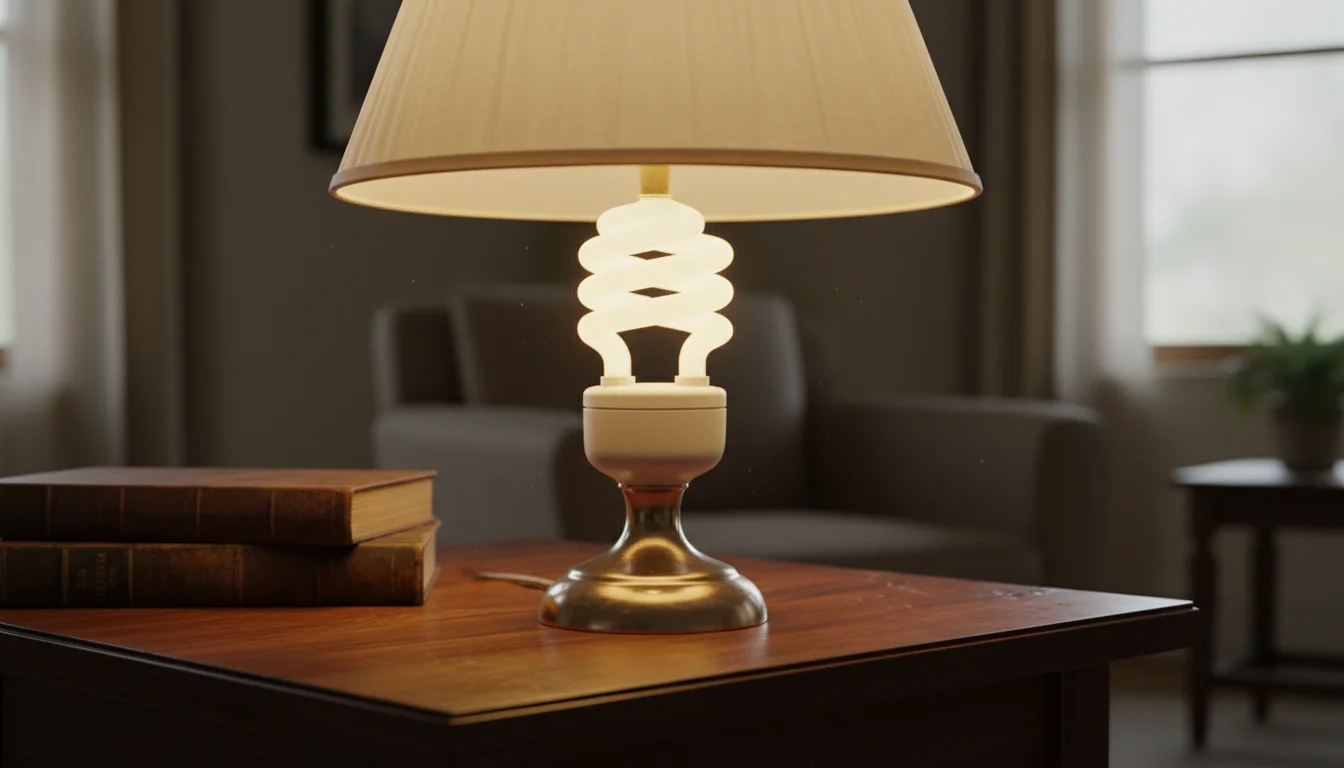
CFLs represent an early leap in energy-efficient home lighting, offering a significant upgrade from traditional incandescents. You likely remember their distinctive spiral shape, a compact version of the long fluorescent tubes common in commercial buildings.
How CFLs Work
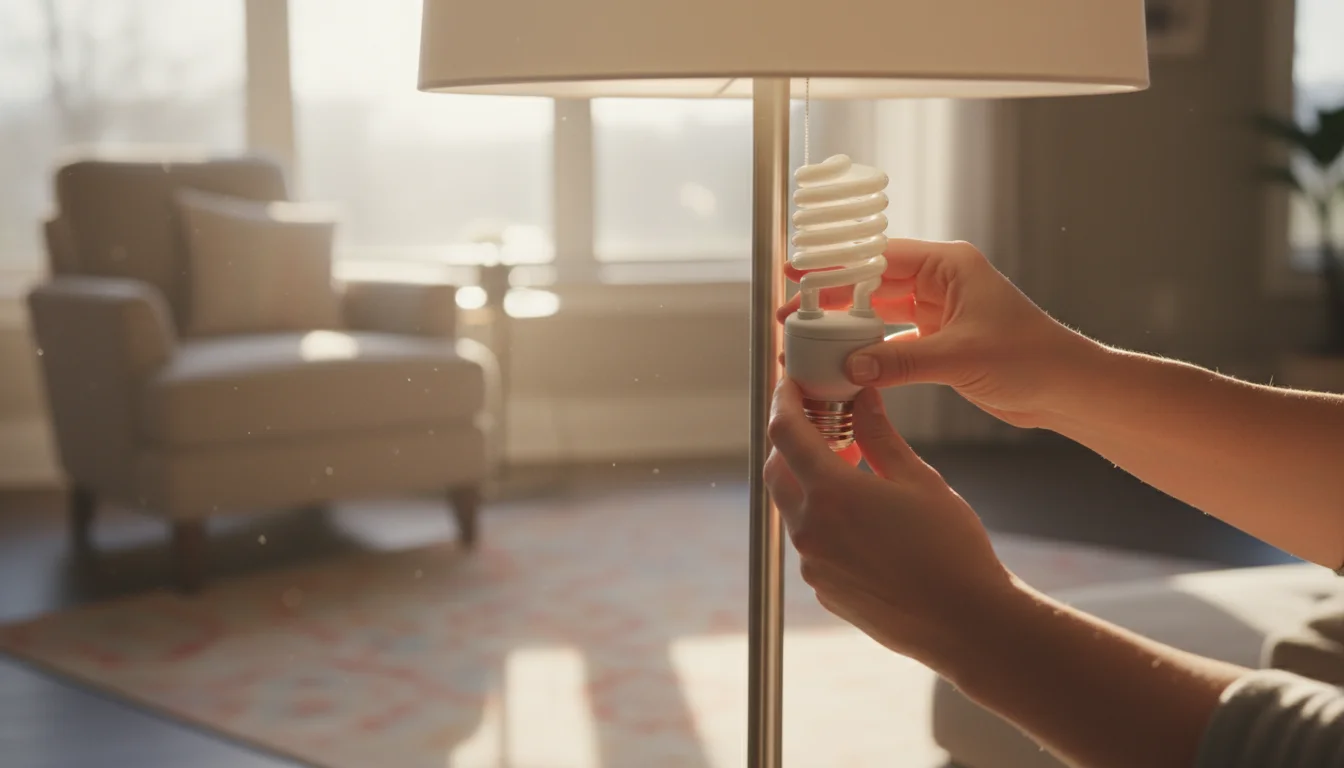
CFLs produce light by passing an electric current through a tube containing argon and a small amount of mercury vapor. This excites the mercury atoms, causing them to emit ultraviolet (UV) light. A phosphor coating on the inside of the tube then converts this UV light into visible light. This process makes them much more efficient than incandescents, which primarily generate heat.

The Advantages of CFLs
- Lower Initial Cost: CFLs generally cost less to purchase upfront compared to LED bulbs. This often makes them an attractive option for budget-conscious buyers looking for an immediate saving.
- Better Than Incandescents: They use about 70-75% less energy than comparable incandescent bulbs, providing significant energy savings and a longer lifespan.
- Widely Available: For many years, CFLs were the primary energy-saving choice, so you still find them readily available in many stores.
The Disadvantages of CFLs
- Slower Warm-Up: CFLs do not achieve full brightness immediately. They often require a minute or two to warm up, which frustrates users in high-traffic areas or where instant light is necessary.
- Light Quality Issues: Early CFLs often produced harsh, unnatural light with poor color rendering. While newer models improved, many people still associate them with a somewhat “cooler” or less appealing light compared to incandescents or LEDs. Flickering also occurs, especially when dimming.
- Mercury Content: A significant drawback of CFLs is the presence of a small amount of mercury. This necessitates special disposal procedures to prevent environmental contamination if a bulb breaks or burns out.
- Shorter Lifespan Than LEDs: While CFLs outlast incandescents, their lifespan typically ranges from 6,000 to 15,000 hours, which is considerably shorter than modern LED bulbs.
- Dimming Challenges: Many standard CFLs do not dim effectively, or they require special dimmer switches and compatible bulbs to function correctly.
- Fragility: The glass tubes of CFLs are relatively fragile and can break easily if dropped.
Understanding these characteristics helps you weigh the true cost and convenience of CFLs in your home. While they offer some energy savings, their limitations often lead many homeowners to seek more advanced lighting solutions.
The Light-Emitting Diode (LED) Deep Dive
LED bulbs represent the pinnacle of modern lighting technology for home use, offering unparalleled energy efficiency and versatility. Many home organization experts, including those featured on sites like Good Housekeeping’s Organization section, often recommend upgrading to LEDs as a simple, effective way to enhance home comfort and reduce expenses.
You can also pair these bulbs with smart home devices to automate your energy savings further.
Properly chosen LEDs also allow you to layer lighting for a cozy room, creating the perfect atmosphere for relaxation.
How LEDs Work
LEDs operate on a completely different principle than CFLs. They are solid-state lighting devices that produce light when an electric current passes through a semiconductor material. This process, called electroluminescence, generates light directly, without heating a filament or exciting gases. This direct conversion of electricity to light makes LEDs incredibly efficient.
The Advantages of LEDs
- Remarkable Energy Efficiency: LEDs use up to 80-90% less energy than traditional incandescent bulbs and significantly less than CFLs, leading to substantial energy savings on your utility bills.
- Exceptional Lifespan: This is where LEDs truly shine. Most LED bulbs last between 25,000 and 50,000 hours, and some even longer. This means fewer bulb replacements, reducing hassle and long-term costs. You could install an LED bulb today and not need to replace it for decades.
- Instant On: LEDs provide full brightness the moment you flip the switch, with no warm-up time or flickering. This makes them ideal for any space, especially high-use areas like bathrooms, kitchens, and hallways.
- Superior Light Quality: You find LEDs in a vast range of color temperatures, from warm, inviting yellows (2700K) to bright, crisp daylight (5000K-6500K). They also offer excellent Color Rendering Index (CRI) values, meaning they display colors accurately and vibrantly.
- Dimmability: Many LED bulbs are designed for smooth, flicker-free dimming, provided you use a compatible dimmer switch. This allows for precise control over your home’s ambiance.
- Durability: Since LEDs are solid-state devices, they are much more resistant to breakage from drops or vibrations than glass-based CFLs.
- Mercury-Free: LEDs contain no mercury, making them a safer and more environmentally friendly option for your home and for disposal.
- Cooler Operation: LEDs produce very little heat in the light beam, making them safer to touch and reducing cooling costs in your home. They do produce heat at their base, which they dissipate through a heatsink.
The Disadvantages of LEDs
- Higher Initial Cost: The most significant drawback for many consumers remains the higher upfront purchase price of LED bulbs compared to CFLs or incandescents. However, this cost has steadily decreased over time, and the long-term savings usually outweigh the initial investment.
- Heat Sensitivity: While LEDs produce less heat than other bulbs, their internal electronics are sensitive to excessive heat. Using LEDs in enclosed fixtures or poorly ventilated areas can shorten their lifespan. Always check the bulb’s packaging for recommended use.
- Compatibility Issues: Older dimmer switches or fixtures sometimes do not work seamlessly with certain LED bulbs, potentially causing flickering or buzzing. Fortunately, newer LED-compatible dimmers resolve these issues.
Despite the higher initial cost, the profound advantages of LEDs in terms of energy savings, longevity, and light quality make them a compelling choice for any homeowner focused on both comfort and budget. For more details on understanding energy-efficient lighting, you can consult resources like Energy Star’s official website.
Direct Comparison: Money, Longevity, and Total Cost
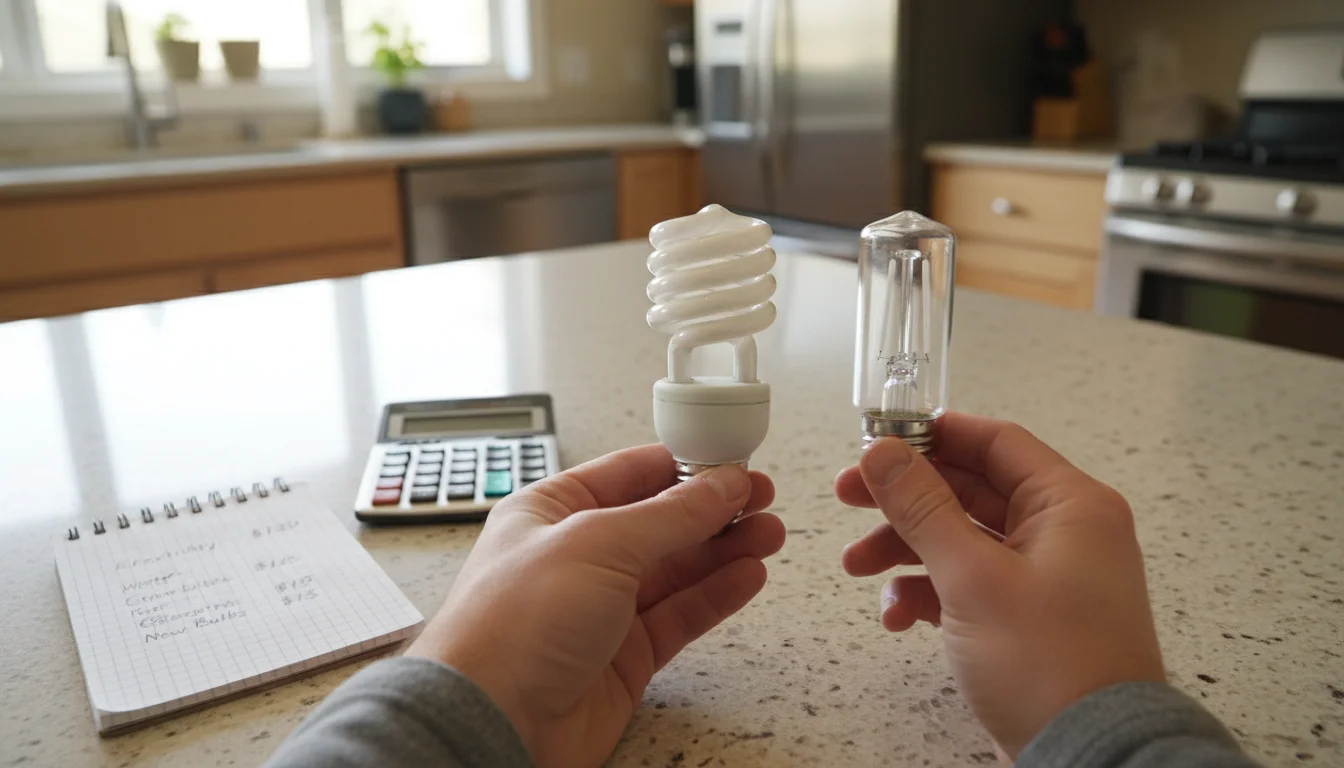
When you decide which bulb saves more money, you must look beyond the price tag. A true comparison considers the initial purchase price, the energy consumed over the bulb’s lifetime, and the cost of replacements. Let’s break down the financial impact of CFLs versus LEDs.
When evaluating which upgrades save the most money, many homeowners also explore if solar panels are worth the investment as a long-term sustainability move.
Checking for burnt-out bulbs and cleaning fixtures is a great addition to your monthly home maintenance calendar to keep your space bright.
Initial Purchase Price
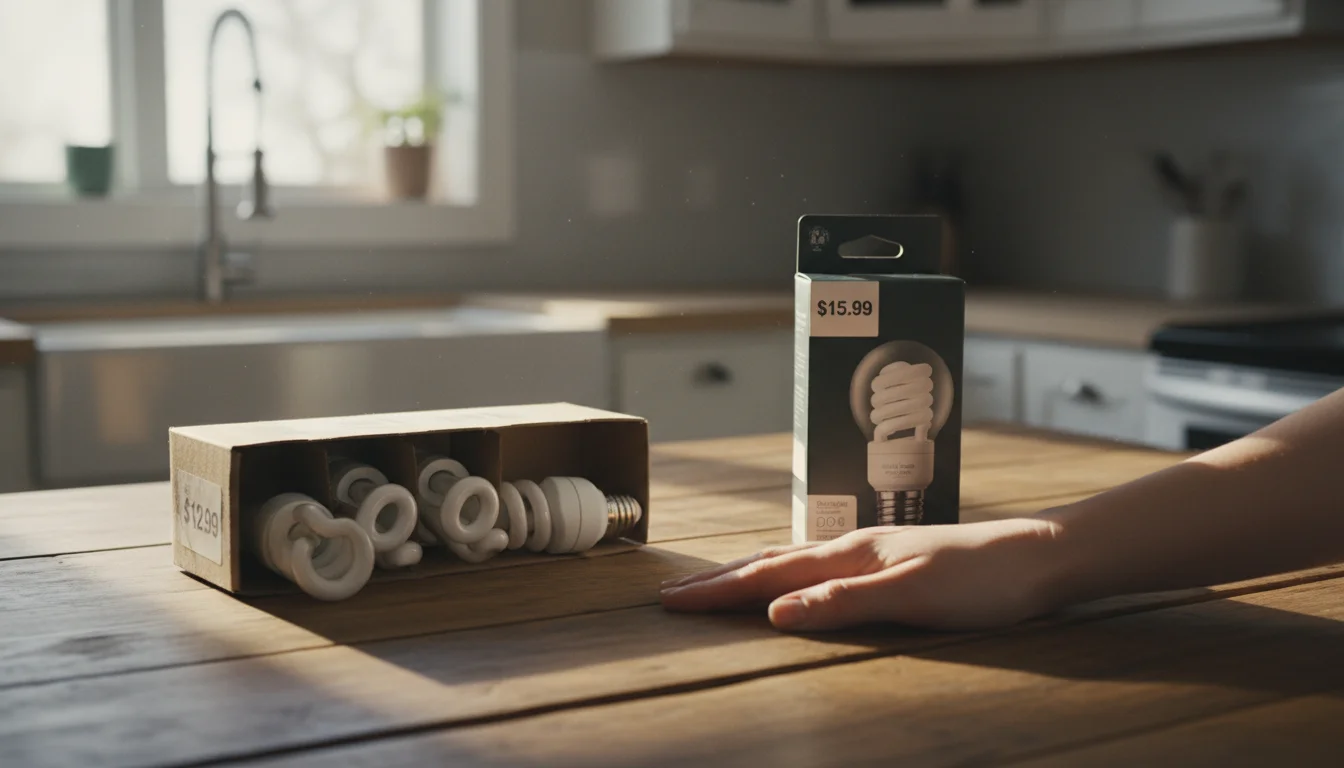
- CFLs: Typically cost $2-$5 per bulb. They offer an immediate, lower cost of entry.
- LEDs: Generally range from $3-$10 per bulb, depending on wattage, features, and brand. While prices have fallen dramatically, they remain higher than CFLs upfront.

Energy Consumption and Operating Cost
This is where LEDs truly shine in the battle for energy savings. LEDs use significantly less wattage to produce the same amount of light (lumens) compared to CFLs.
Consider a common scenario: replacing a 60-watt incandescent bulb. A comparable CFL might use 13-15 watts, while an equivalent LED uses only 8-10 watts. This difference might seem small per bulb, but it adds up across your entire home and over many years.
Let’s use an example with an average electricity cost of $0.15 per kilowatt-hour (kWh), with a bulb used for 3 hours per day:
| Bulb Type | Equivalent Wattage (to 60W Incandescent) | Annual Energy Cost (3 hrs/day @ $0.15/kWh) |
|---|---|---|
| CFL | 13 watts | $2.13 |
| LED | 9 watts | $1.48 |
For just one bulb, the annual energy savings with an LED compared to a CFL is approximately $0.65. This difference becomes substantial when you multiply it by dozens of bulbs throughout your home. A home with 20 such bulbs saves an additional $13 per year in electricity costs just by choosing LEDs over CFLs, on top of the savings already achieved over incandescents.
Bulb Lifespan and Replacement Cost
The lifespan of a bulb directly impacts your replacement costs and the convenience of not having to change bulbs frequently. According to data aggregated by resources like Consumer Reports, LED bulbs generally offer far greater longevity.
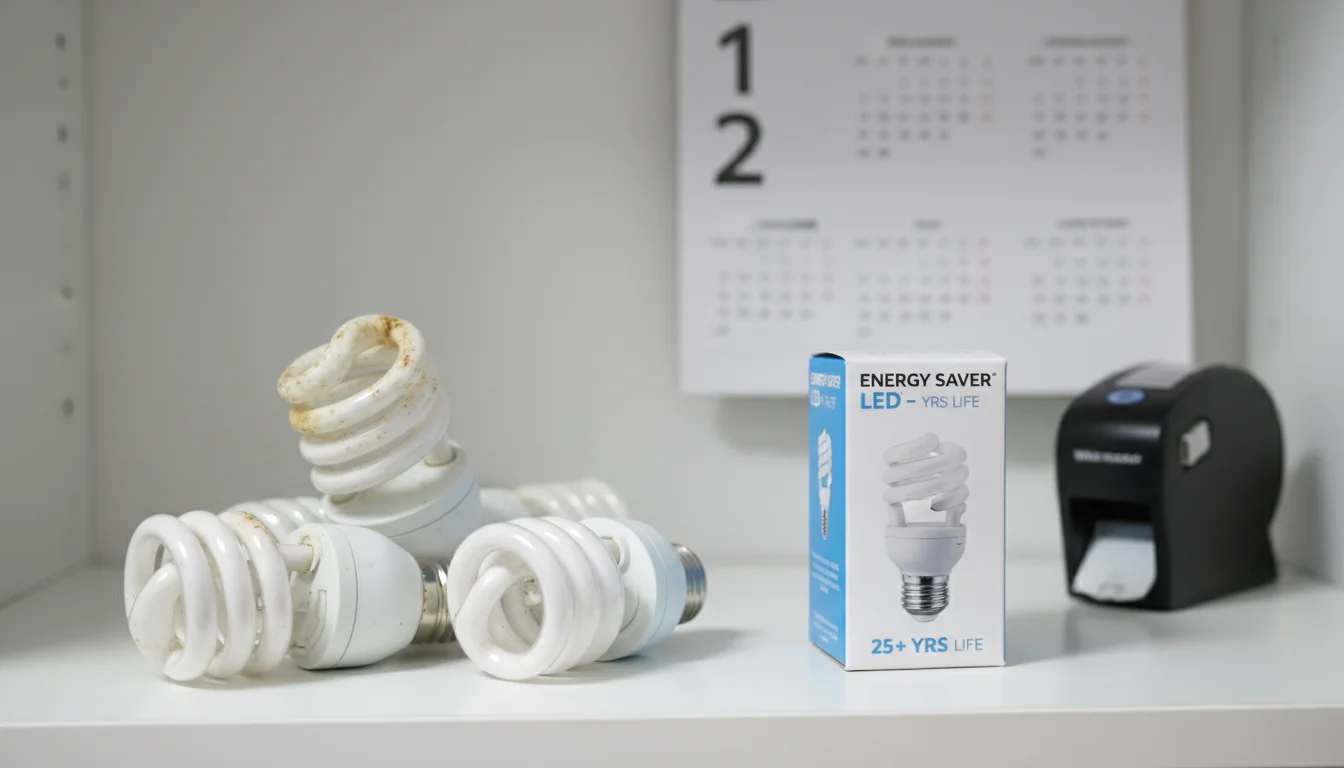
- CFLs: Average lifespan of 6,000 to 15,000 hours. If used 3 hours a day, a CFL lasts between 5.5 and 13.7 years.
- LEDs: Average lifespan of 25,000 to 50,000 hours. Used 3 hours a day, an LED lasts between 22.8 and 45.6 years.
To match the lifespan of one 25,000-hour LED bulb, you would need to purchase and replace CFLs approximately 2 to 4 times (assuming CFLs last 6,000-12,000 hours). Each replacement means not just the cost of a new bulb, but also the time and effort to purchase and install it.

Total Cost of Ownership (TCO)
The TCO combines the initial purchase price, the electricity cost, and the cost of replacements over a set period, for example, 25,000 hours (the minimum lifespan of many LEDs). Let’s assume a 25,000-hour period for one socket, comparing a $4 CFL (12,000-hour lifespan) with a $7 LED (25,000-hour lifespan).
CFL Total Cost (over 25,000 hours):
- Initial bulb cost: $4.00
- Replacement bulbs: One CFL lasts 12,000 hours, so you will need 1 additional bulb. Cost: $4.00
- Total bulbs needed: 2 (initial + 1 replacement) = $8.00
- Energy cost (25,000 hours @ 13W, $0.15/kWh): (13W * 25,000h / 1000) * $0.15/kWh = $48.75
- Estimated CFL TCO: $8.00 (bulbs) + $48.75 (energy) = $56.75
LED Total Cost (over 25,000 hours):
- Initial bulb cost: $7.00
- Replacement bulbs: 0 (the LED lasts the entire period) = $0.00
- Energy cost (25,000 hours @ 9W, $0.15/kWh): (9W * 25,000h / 1000) * $0.15/kWh = $33.75
- Estimated LED TCO: $7.00 (bulb) + $33.75 (energy) = $40.75
In this realistic scenario, choosing an LED bulb saves you approximately $16.00 per socket over the lifespan of the LED. When you multiply this by every fixture in your home, the total savings become substantial, making LED bulbs the clear winner for long-term financial benefits.

Beyond Cost: Performance and Environmental Impact
While monetary savings are a primary driver, the decision between LED and CFL also involves aspects of performance and environmental responsibility. These factors significantly contribute to your overall satisfaction and the ecological footprint of your home.
Combining efficient lighting with a complete weatherization guide ensures your home stays comfortable and cost-effective through every season.
Light Quality and Aesthetics
- Color Temperature: LEDs excel here, offering a vast range of “color temperatures” measured in Kelvin (K). You can find warm white (2700K-3000K) that mimics incandescent bulbs, neutral white (3500K-4100K) ideal for task lighting, and cool daylight (5000K-6500K) perfect for work areas or invigorating spaces. CFLs offer fewer options and sometimes produce a less pleasing light spectrum.
- Color Rendering Index (CRI): CRI measures how accurately a light source renders colors compared to natural light. LEDs generally boast higher CRI values (often 80+), meaning they make objects in your home appear more vibrant and true to their actual colors. CFLs often have lower CRI values, which can make colors appear duller or distorted.
- Instant On and Dimming: LEDs provide instant full brightness without any warm-up time or flickering, a significant advantage in entryways, bathrooms, or when you need immediate light. Many LEDs also dim smoothly and consistently, offering excellent control over your home’s ambiance. CFLs, conversely, often experience a warm-up period, and their dimming capabilities are usually limited, often leading to flickering or buzzing with standard dimmers.
Durability and Robustness
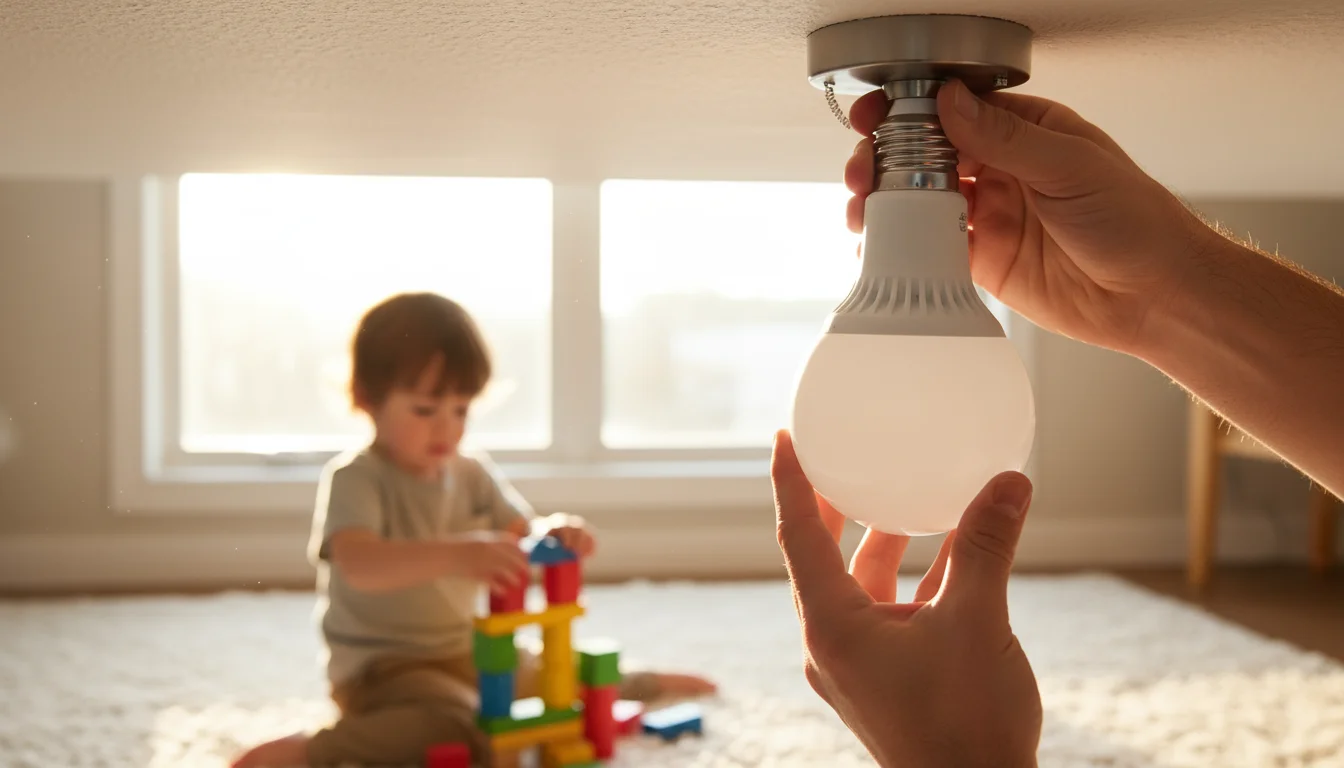
- Physical Resilience: LEDs are solid-state devices. They do not have filaments or glass tubes susceptible to breaking. This makes them significantly more durable and resistant to vibrations or accidental drops compared to the fragile glass spirals of CFLs. For homes with children or in areas prone to movement, LEDs offer a more robust solution.
- Impact Resistance: An LED bulb is much less likely to shatter if it falls, reducing the risk of broken glass and potential injury.
Environmental Impact and Safety
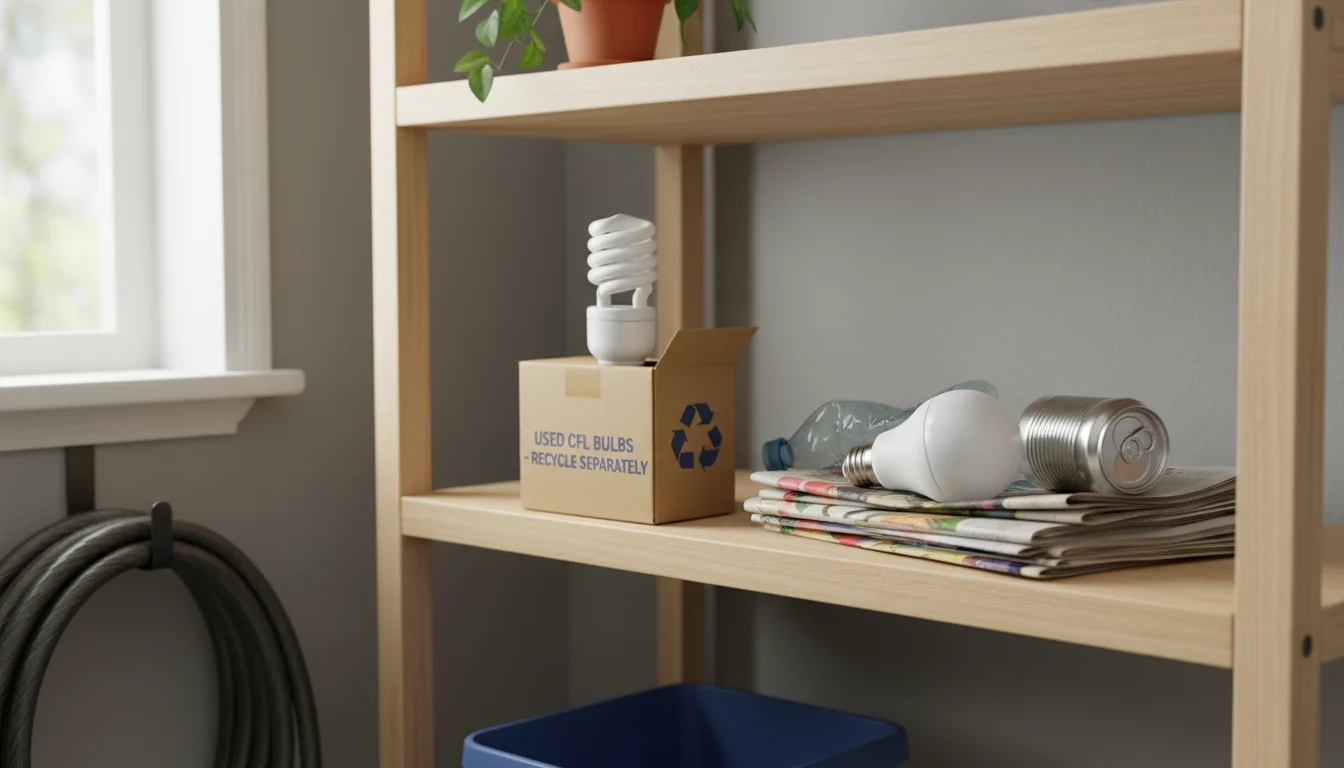
- Mercury Content: This is a critical distinction. CFLs contain a small amount of mercury, a neurotoxin that requires careful handling and specialized recycling. If a CFL breaks in your home, it releases mercury vapor, necessitating specific clean-up protocols. LEDs contain no mercury, making them inherently safer if broken and simpler to dispose of at the end of their exceptionally long life.
- Energy Consumption Reduction: Both CFLs and LEDs significantly reduce energy consumption compared to incandescents. However, LEDs go a step further, using even less electricity than CFLs for the same light output. This translates to a lower carbon footprint for your household, contributing to overall energy conservation efforts and reduced emissions from power plants. The reduced energy demand directly aligns with goals for a greener home.
- Heat Output: LEDs emit very little heat from the light source itself, which means they do not contribute significantly to your home’s heat load. This reduces the burden on your air conditioning system during warmer months, further contributing to energy savings. While CFLs also emit less heat than incandescents, LEDs remain cooler.
Considering these aspects, LEDs offer superior light quality and durability, along with a significantly smaller environmental footprint due to their mercury-free design and even lower energy consumption. These benefits enhance your living experience and align with responsible home management.

Making the Switch: Practical Steps for Your Home
Transitioning to LED lighting for your home does not have to be an overwhelming or expensive overhaul. You can implement a practical, budget-conscious strategy to upgrade your lighting gradually, maximizing your energy savings and enhancing your home’s comfort. This aligns with realistic living solutions for busy homeowners.
Making these changes is a great item for your monthly home maintenance calendar to keep your living space in top shape.
Prioritize High-Use Areas First
Start your lighting upgrade where it makes the biggest difference for both savings and convenience:
- Kitchens: Often have multiple lights and are used for extended periods for cooking, dining, and family activities.
- Living Rooms: Frequently used in the evenings for relaxation and entertainment.
- Bathrooms: Benefit from instant-on brightness and often involve task lighting.
- Hallways and Entryways: Benefit from instant-on, especially if they are frequently switched on and off.
- Bedrooms: Especially areas where reading or tasks occur.
Replacing CFLs or incandescents in these high-traffic, long-duration areas first ensures you see significant energy savings sooner.
How to Choose the Right LED Bulb
Selecting the correct LED involves understanding a few key metrics:
- Lumens (Brightness): Do not look at watts for brightness anymore. Lumens measure light output. Match the lumens of your old bulb:
- 450 lumens = 40W incandescent
- 800 lumens = 60W incandescent
- 1100 lumens = 75W incandescent
- 1600 lumens = 100W incandescent
- Color Temperature (Kelvin): This determines the “warmth” or “coolness” of the light.
- 2700K-3000K (Warm White): Cozy, inviting glow, similar to incandescents. Ideal for bedrooms, living rooms.
- 3500K-4100K (Neutral White): Balanced, good for kitchens, offices, task lighting.
- 5000K-6500K (Daylight): Bright, crisp light, great for workshops, reading nooks, or areas where you need high visibility.
- Wattage Equivalent: While lumens tell you brightness, LED packaging still often lists a “wattage equivalent” (e.g., “replaces 60W incandescent”). This helps you compare to what you are used to.
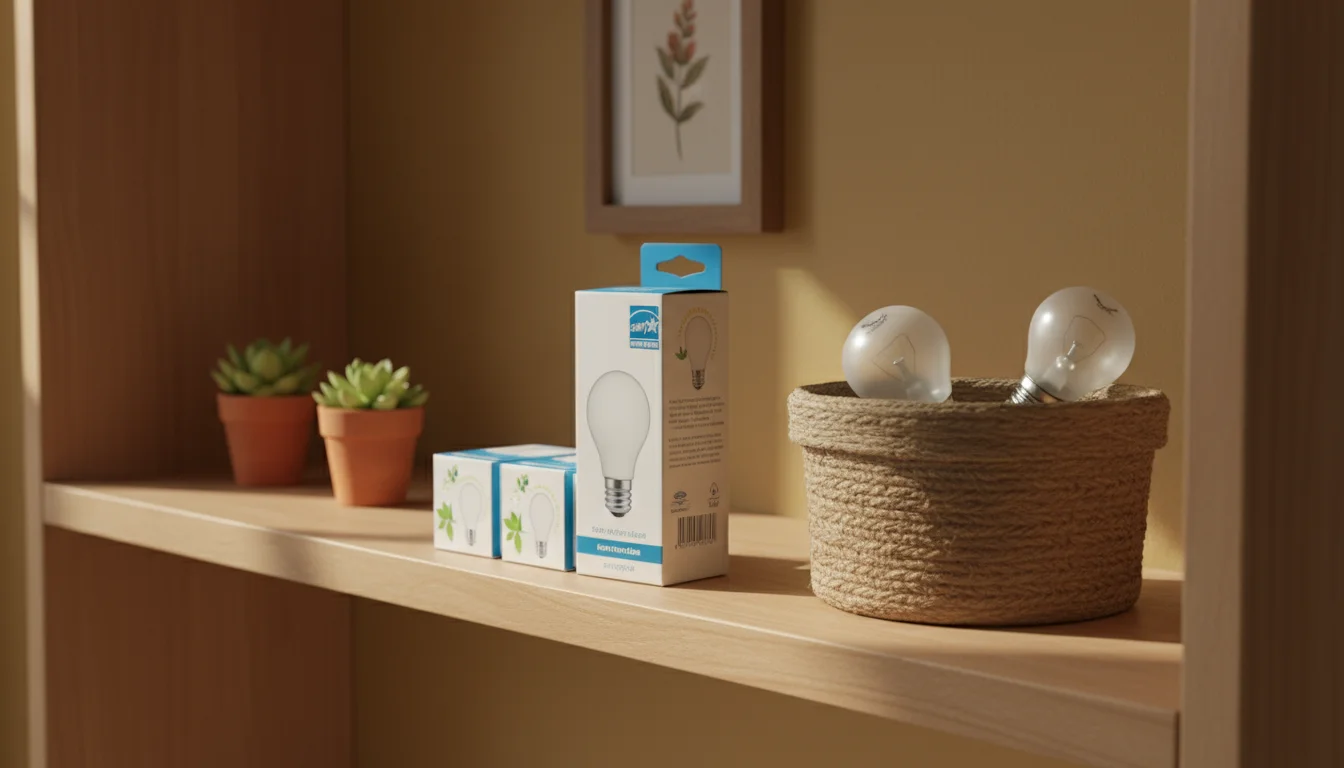
- Base Type: Ensure the LED bulb has the same base as your existing fixture (e.g., E26 standard screw base, GU10, candelabra).
- Dimmability: If you have a dimmer switch, make sure the LED bulb explicitly states it is dimmable. Also, consider upgrading to an LED-compatible dimmer for optimal performance.
- “Enclosed Fixture Rated”: For recessed lights, ceiling fans, or outdoor fixtures that enclose the bulb, choose LEDs specifically labeled as “enclosed fixture rated.” These are designed to dissipate heat effectively, preventing premature failure.
Budget-Conscious Replacement Strategy
You do not need to replace every bulb at once. Adopt a gradual approach:
- Replace as They Burn Out: When an old incandescent or CFL fails, replace it with an LED. This spreads the cost over time.
- Look for Sales: Keep an eye out for sales on LED bulbs at home improvement stores or online retailers. Bulk purchases often offer better value.
- Check for Rebates: Your local utility company might offer rebates or incentives for purchasing Energy Star certified LED bulbs. These programs significantly reduce the upfront cost.
Installation and Care Tips
- Screw In Gently: LEDs are durable, but you should still screw them in gently to avoid damaging the base.
- Avoid Over-Tightening: Do not over-tighten, as this can crack the plastic or glass housing.
- Check for Enclosed Fixtures: As mentioned, ensure bulbs are rated for enclosed fixtures if needed. Restricted airflow can cause LEDs to overheat and fail prematurely.
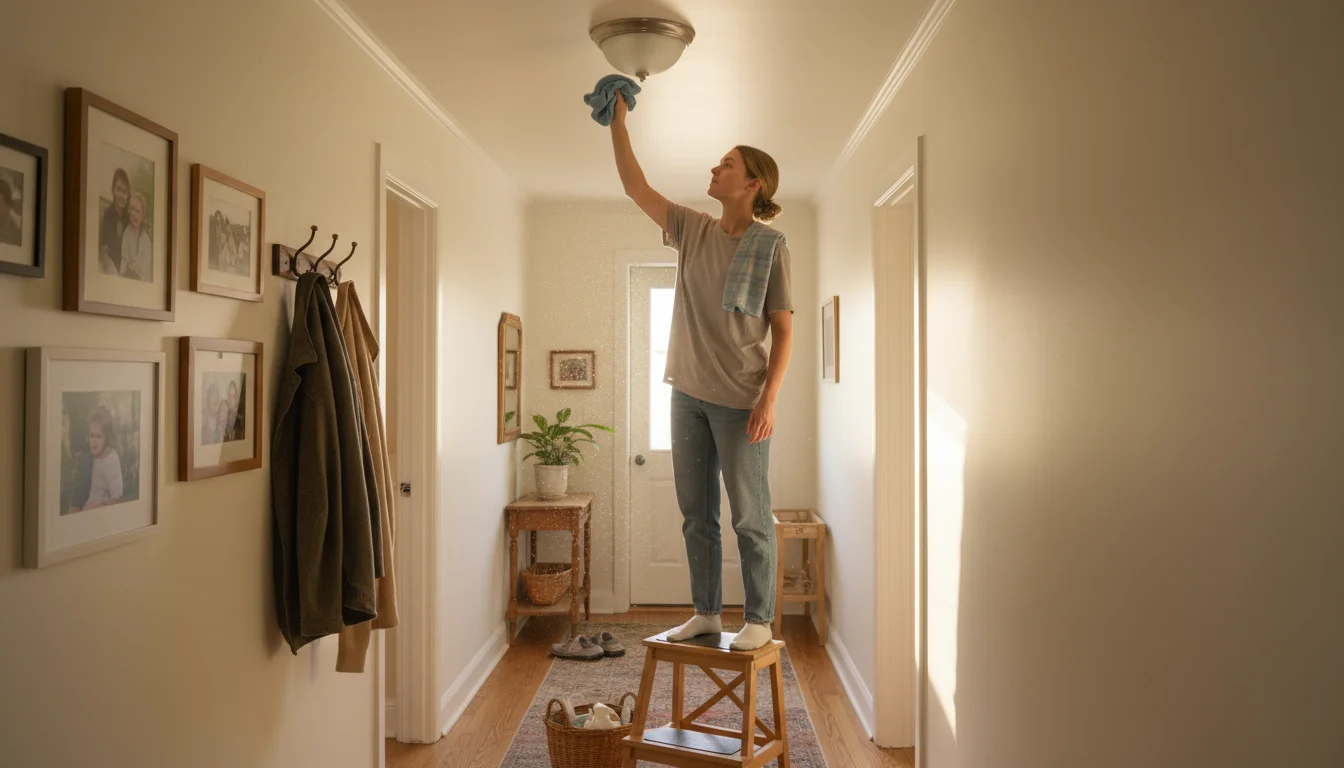
- Clean Periodically: Dust buildup on any bulb reduces light output. Safely clean bulbs with a dry or slightly damp cloth when fixtures are off and cool.
By following these steps, you will transition to LED lighting efficiently and economically, enjoying better illumination and lower bills without straining your budget. It is a smart, actionable way to improve your home.

Common Questions and Troubleshooting
Even with the best choices, questions and minor issues sometimes arise when transitioning to new lighting technology. Here are answers to common concerns you might encounter with LED and CFL bulbs:
My LED Bulb is Flickering, What is Wrong?
Flickering LED bulbs are usually a sign of incompatibility or a faulty connection. Here are common culprits and solutions:
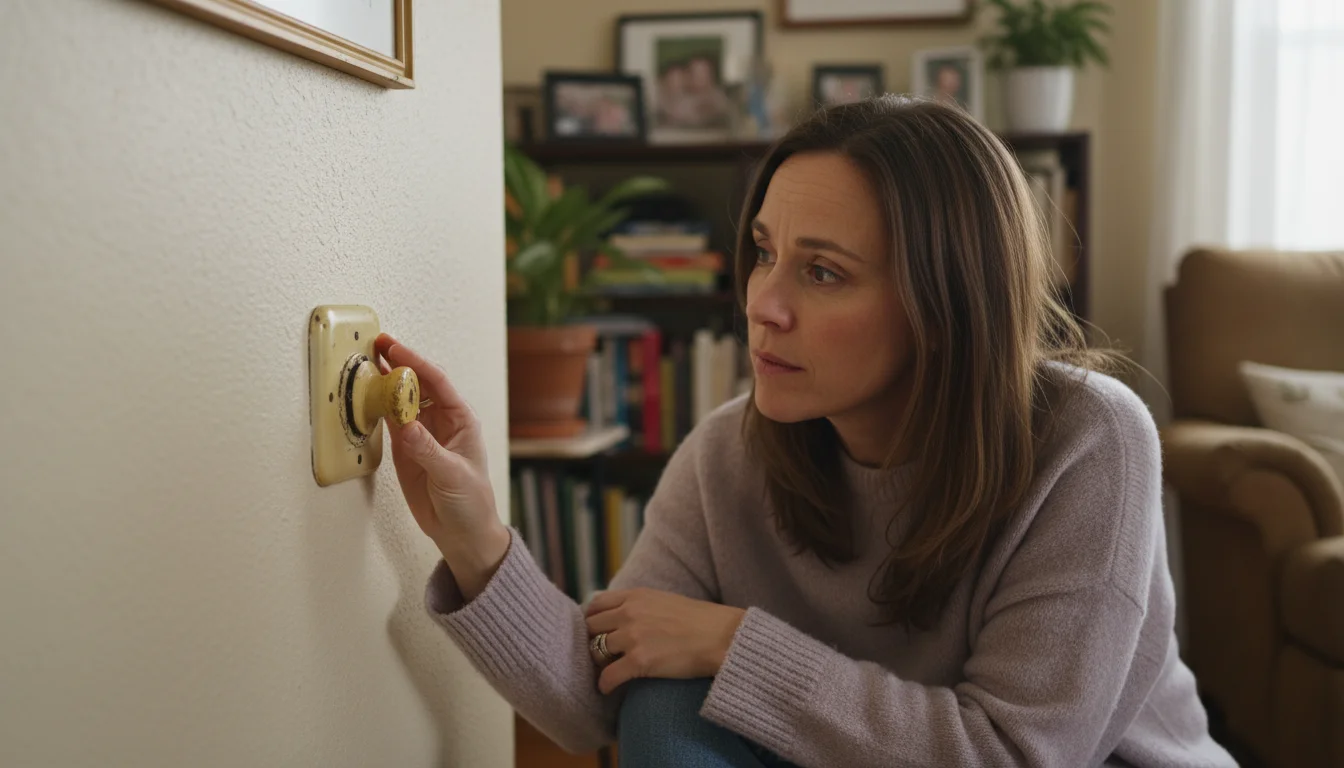
- Incompatible Dimmer Switch: Many older dimmers are designed for incandescent bulbs, which draw more power. LEDs draw very little power, and an old dimmer might not “see” enough load to work correctly, causing flickering. Solution: Install an LED-compatible dimmer switch.
- Loose Connection: Ensure the bulb is screwed in tightly to the socket. A loose connection can cause intermittent power and flickering.
- Voltage Fluctuations: Less common, but sometimes inconsistent power supply to your home can cause flickering. If only one LED flickers, it is probably not this.
- Fixture Issues: Occasionally, the fixture itself has a wiring issue. If the problem persists with multiple LED bulbs in the same fixture, consult an electrician.
Why Did My LED Bulb Die So Quickly? I Thought They Lasted for Decades!
While LEDs boast incredible lifespans, certain conditions can shorten them:
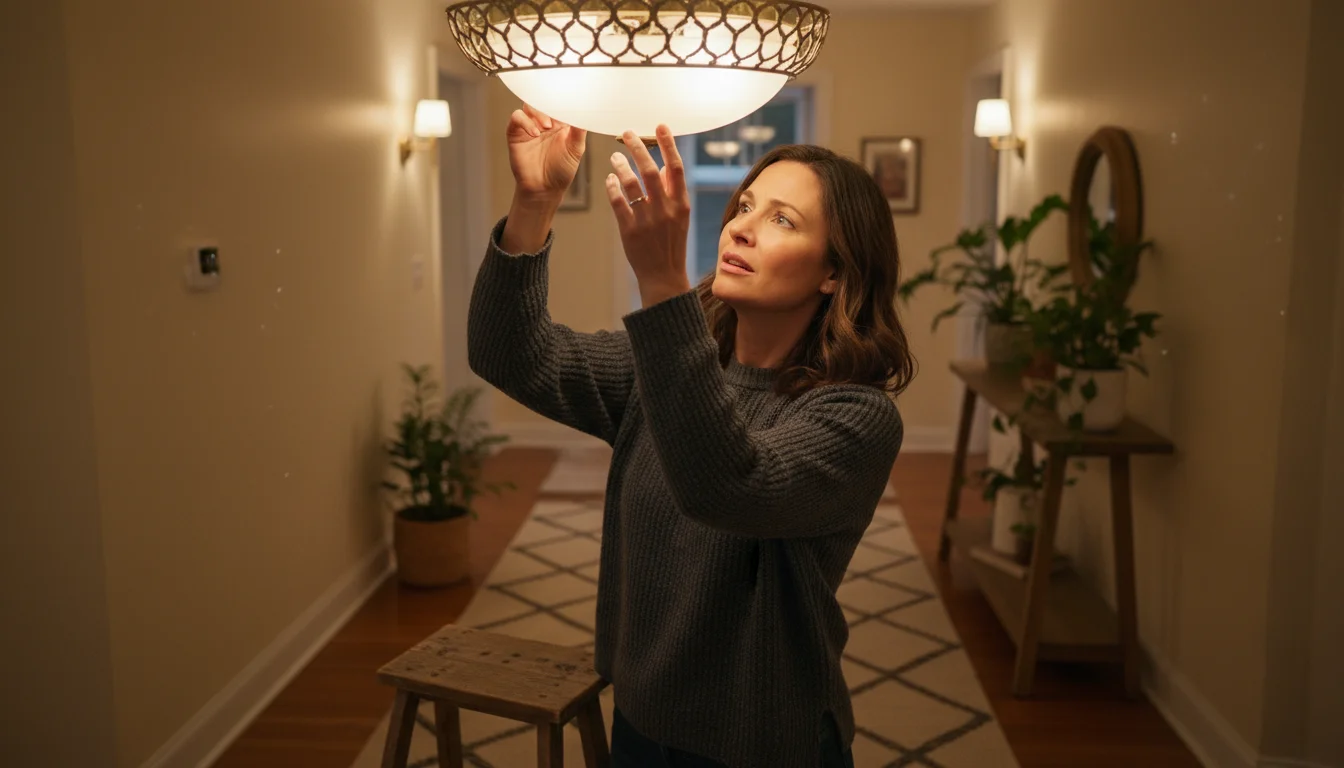
- Enclosed Fixtures: LEDs generate heat at their base, which they dissipate through a heatsink. In an enclosed fixture, this heat has nowhere to go, causing the electronics to overheat and fail prematurely. Solution: Use only LED bulbs specifically rated for enclosed fixtures.
- Over-Voltage: Consistent voltage spikes or over-voltage can damage LED drivers. This is often a whole-house electrical issue if it affects multiple bulbs.
- Poor Quality Bulb: Not all LED bulbs are created equal. Cheaper, non-certified bulbs might use lower-quality components that fail sooner. Solution: Invest in reputable brands and Energy Star certified bulbs.
- Extreme Temperatures: While LEDs handle cold well, excessive heat (like in an unventilated attic in summer) can reduce their life.

What Do I Do if a CFL Bulb Breaks?
Because CFLs contain a small amount of mercury, you must clean up broken bulbs carefully:
- Ventilate: Open windows and doors, and leave the room for 5-10 minutes.
- Do Not Vacuum: Vacuuming spreads mercury vapor and fine mercury dust.
- Collect Safely: Use stiff paper or cardboard to scoop up glass fragments and powder. Use sticky tape to pick up smaller pieces.
- Place in a Sealed Container: Put all cleanup materials (bulb fragments, tape, paper) into a glass jar with a metal lid or a heavy-duty, sealable plastic bag.
- Dispose Properly: Take the sealed container to a local recycling center or household hazardous waste facility. Do not throw it in your regular trash.
My New LED Light Feels Too Bright or Too Harsh. What Can I Do?
This often relates to color temperature or lumen output:
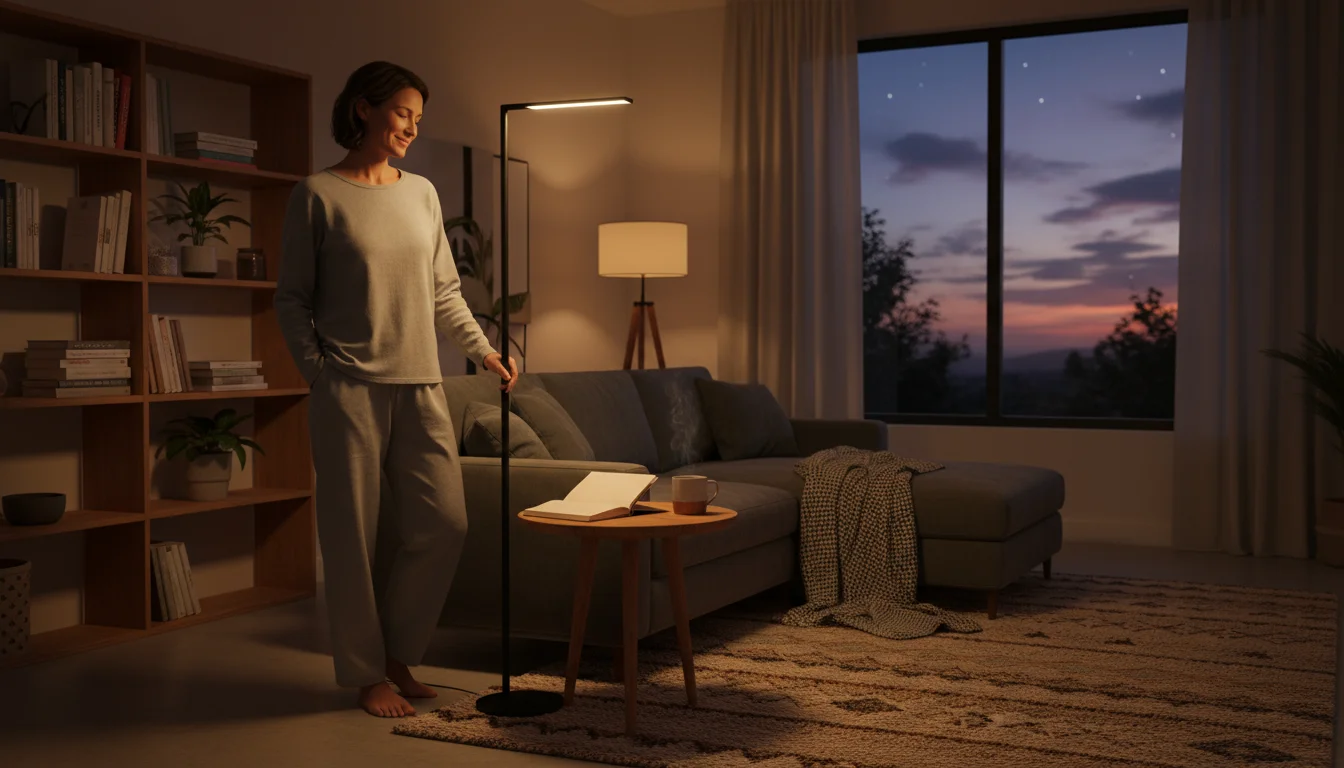
- Check Color Temperature: You might have chosen a “daylight” (5000K+) bulb when you prefer a warmer, softer light. Solution: Opt for “warm white” (2700K-3000K) LEDs.
- Check Lumens: You might have picked an LED that is too bright for the space. Solution: Choose a bulb with lower lumen output, or use a dimmable LED with a compatible dimmer.
- Consider Diffusers: If your fixture exposes the bulb, a frosted or shaded fixture can soften the light.

Do LED Bulbs Attract Fewer Bugs?
Yes, generally they do. Many insects, particularly moths, are attracted to UV light and specific parts of the visible light spectrum. Incandescent bulbs emit a significant amount of UV and blue light, and their heat also attracts bugs. CFLs emit some UV light. LEDs, especially those with warmer color temperatures (below 3000K), emit very little UV light and less heat, making them significantly less attractive to most flying insects. This makes them ideal for outdoor fixtures near entryways or patios.
Addressing these common issues helps ensure a smooth transition to more energy-efficient and comfortable home lighting.

Frequently Asked Questions
Are LED bulbs worth the higher upfront cost?
Yes, LED bulbs are absolutely worth the higher upfront cost in the long run. Their superior energy efficiency results in significantly lower electricity bills, and their exceptionally long lifespan means you replace them far less frequently than CFLs or incandescents. The total cost of ownership, which includes both purchase price and energy consumption over many years, makes LEDs the more economical choice.
Can I replace any CFL with an LED bulb?
In most cases, yes, you can directly replace a CFL with an LED bulb, provided the base type (e.g., standard screw-in E26) is the same. However, always check the LED bulb’s packaging to ensure it is rated for the specific type of fixture (e.g., enclosed, damp location) where you intend to use it. If the fixture is on a dimmer, ensure your new LED is explicitly labeled as dimmable and consider updating to an LED-compatible dimmer for optimal performance.
How do I dispose of old CFLs properly?
CFLs contain a small amount of mercury, so you must dispose of them responsibly. Do not throw them in your regular household trash. Many home improvement stores offer free CFL recycling programs, or you can find a local household hazardous waste facility through your municipality. Always transport intact bulbs carefully to prevent breakage.
What does “color temperature” mean for my home?
Color temperature, measured in Kelvin (K), describes the perceived warmth or coolness of the light. Lower Kelvin numbers (2700K-3000K) produce a warm, yellowish light, similar to traditional incandescents, perfect for creating cozy spaces like living rooms and bedrooms. Higher Kelvin numbers (5000K-6500K) emit a cool, bluish-white light, akin to daylight, which is great for task-oriented areas like kitchens, workshops, or home offices.
Do LED bulbs use less electricity when dimmed?
Yes, dimmable LED bulbs consume less electricity when you dim them. Unlike incandescent bulbs that simply convert excess energy to heat when dimmed, LEDs reduce their power consumption as they dim, resulting in further energy savings. This makes dimmable LEDs an even more efficient and versatile lighting option for controlling both ambiance and electricity usage.
Ultimately, the decision to switch your home lighting to LED bulbs offers substantial benefits. You will save money on your utility bills and replacement costs over time. You will also enjoy superior light quality, greater durability, and a more environmentally friendly option, free from mercury. Start small, prioritize high-use areas, and gradually upgrade your home for a brighter, more efficient future.
For expert home organization guidance, visit
Energy Star, CDC — Cleaning and Disinfecting, American Cleaning Institute and National Association of Professional Organizers.
Disclaimer: This article is for informational purposes only and is not a substitute for professional advice. Consult professional organizers or specialists for personalized recommendations.







Leave a Reply