
Every drop counts, not just for the environment, but for your wallet too. Many homeowners, renters, and apartment dwellers want to contribute to a sustainable home and cut utility costs, but they often feel overwhelmed by the perceived effort. The good news is, reducing your water usage at home does not require drastic lifestyle changes or expensive renovations. Small, consistent actions lead to significant savings over time. This guide offers practical, actionable strategies to help you conserve water without sacrificing comfort, making water conservation an achievable goal for every busy household.

Why Water Conservation Matters in Your Home
Water is a finite resource, essential for life. While it seems abundant in many areas, factors like population growth, climate change, and aging infrastructure put immense pressure on our water supplies. Practicing water conservation at home contributes directly to environmental protection by reducing the energy needed to treat, pump, and heat water. This lowers your carbon footprint and helps maintain healthy ecosystems.
Beyond environmental benefits, reducing water usage offers tangible financial advantages. Your water bill often includes charges for both water consumption and wastewater treatment. By using less water, you decrease these costs, putting more money back into your pocket. Additionally, using less hot water reduces your energy bill, as heating water is typically the second-largest energy expense in a home, after heating and cooling. Even small changes accumulate into significant savings over months and years.
A sustainable home prioritizes efficient resource use. Incorporating water-saving habits and technologies not only benefits your budget and the planet, but it also creates a more resilient household, prepared for potential water restrictions or rising utility costs. Let us explore actionable strategies you can implement today.
Understanding Your Home’s Water Use
Before you implement changes, it helps to understand where your home uses the most water. Most indoor residential water use occurs in the bathroom, primarily from toilets, showers, and faucets. The kitchen and laundry room account for the next largest portions, followed by outdoor watering for lawns and gardens. Knowing these patterns helps you target your efforts effectively.
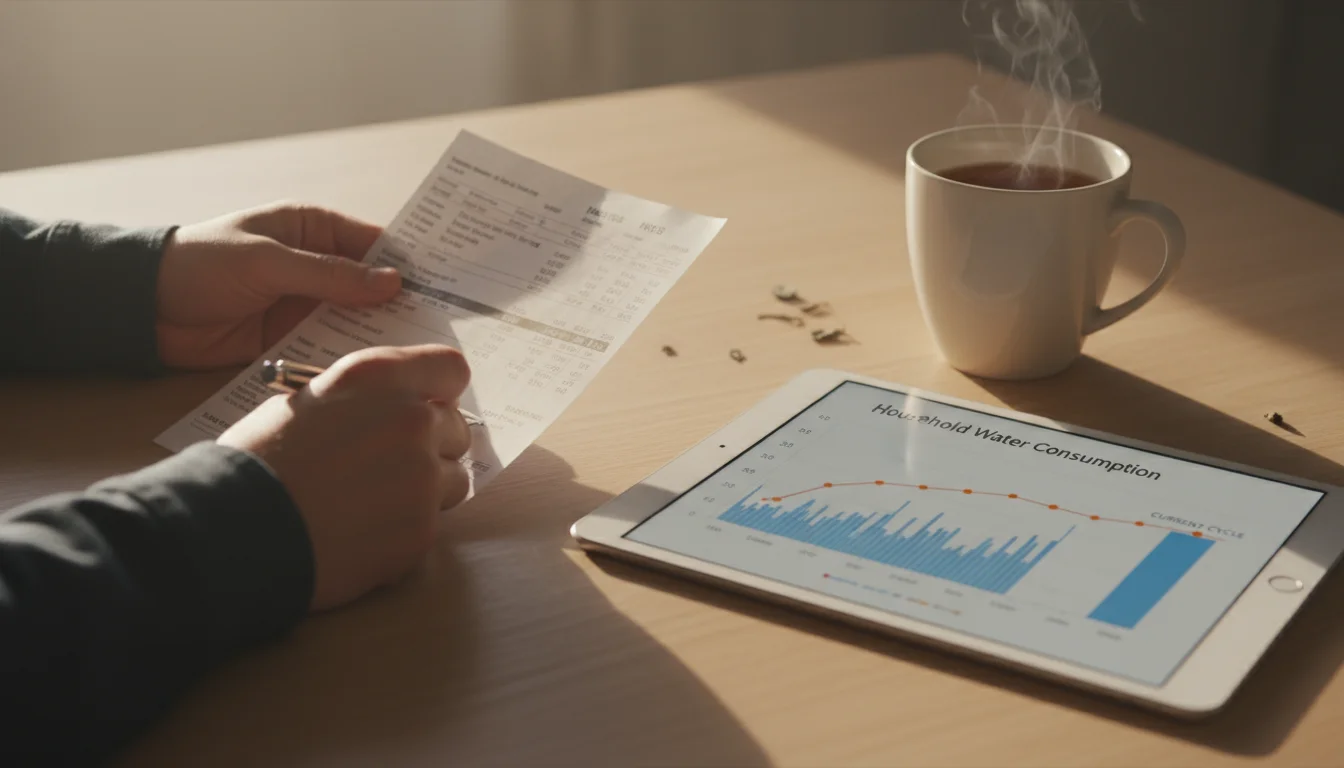
Tracking your usage over time is an essential part of monthly home care tasks that help prevent expensive surprises.
Much like auditing your faucets, learning how to reduce energy bills at home can help you identify even more areas for cost-effective household improvement.
Reviewing your past water bills can also offer insights. Many utility companies provide detailed breakdowns of your usage, often comparing it to average household consumption in your area. This information acts as a baseline, allowing you to track your progress as you implement water-saving strategies. You can also perform a simple home water audit by noting how often you use water-consuming appliances and for how long. This simple exercise raises your awareness about daily water habits.
Bathroom Habits: Where You Can Make the Biggest Splash (and Save)
The bathroom offers some of the most impactful opportunities for water conservation. Modifying daily routines here can yield substantial results.
1. Take Shorter Showers
Showers account for a significant portion of indoor water use. Aim to reduce your shower time by a few minutes. If you typically take 10-minute showers, cutting back to 5-7 minutes can save thousands of gallons annually. Try timing yourself or using a waterproof timer to build this new habit. You still get clean, but you use less water.
2. Install Low-Flow Showerheads
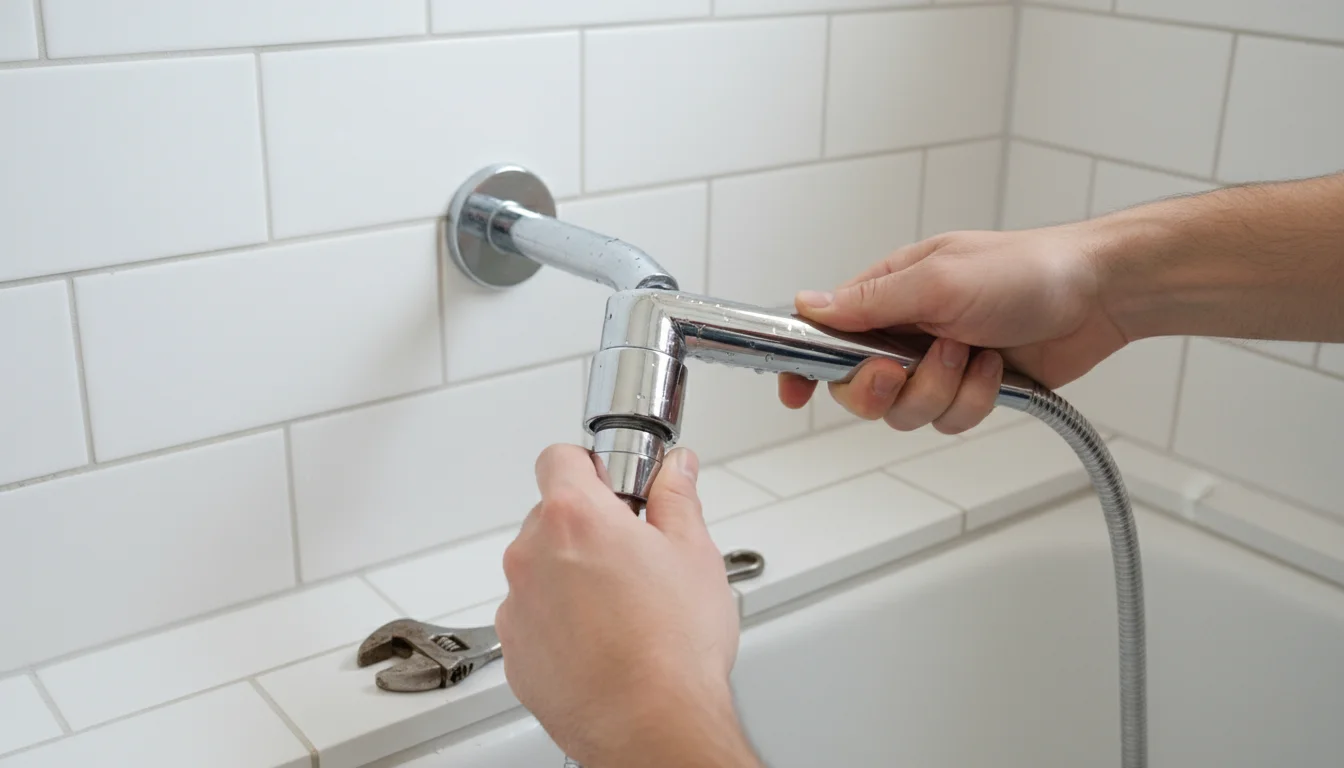
Modern low-flow showerheads deliver a satisfying spray while using significantly less water than older models. Standard showerheads use about 2.5 gallons per minute (GPM), but many efficient models use 2.0 GPM or less. Installing one is a simple DIY project that pays for itself quickly. According to Energy Star, choosing a WaterSense labeled showerhead can reduce your water use for showers by 20 percent or more and save enough hot water to power a washing machine for three months.
3. Turn Off the Tap While Brushing Teeth or Shaving
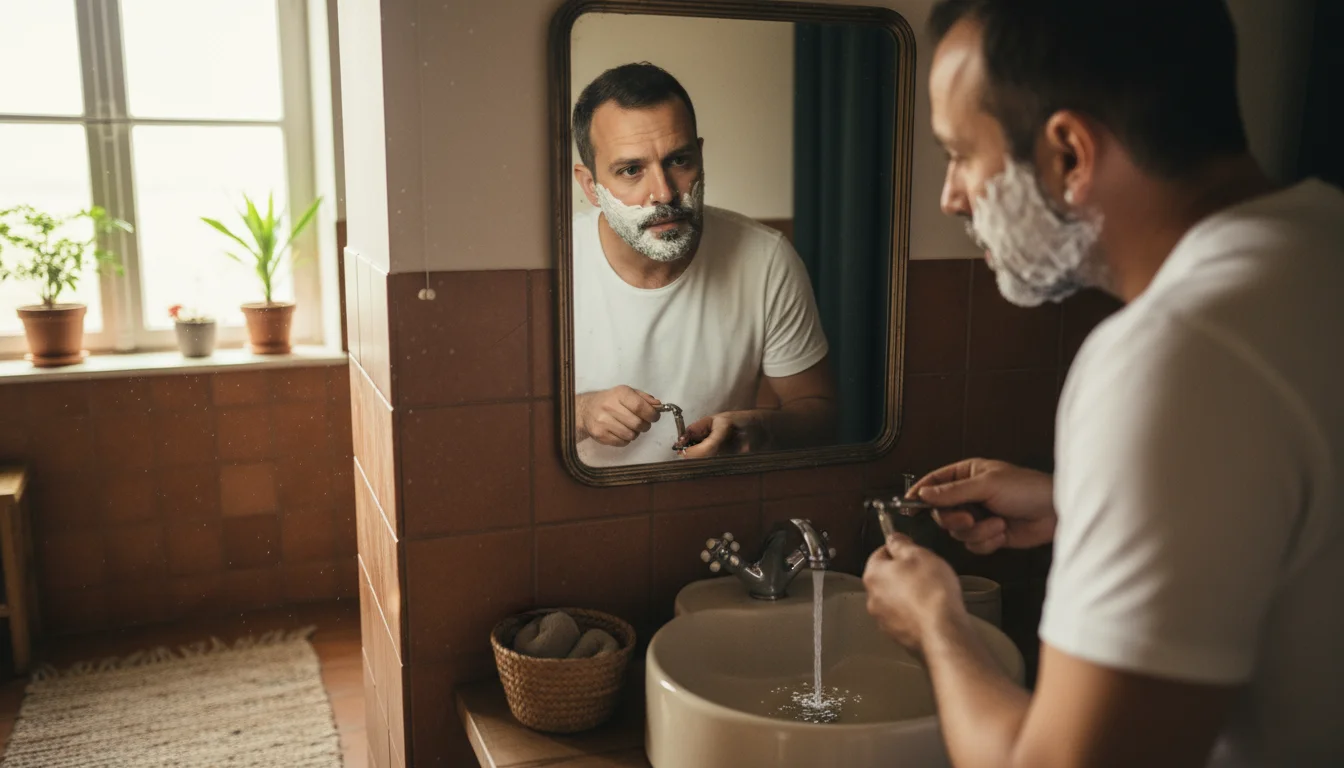
This is a classic water conservation tip, but its impact remains profound. A running faucet can waste several gallons of water per minute. When brushing your teeth, wet your toothbrush, then turn off the water until it is time to rinse. Similarly, when shaving, fill the sink basin with a small amount of warm water for rinsing your razor instead of letting the tap run. This small habit change costs nothing and saves a surprising amount of water over time.
4. Flush Toilets Efficiently
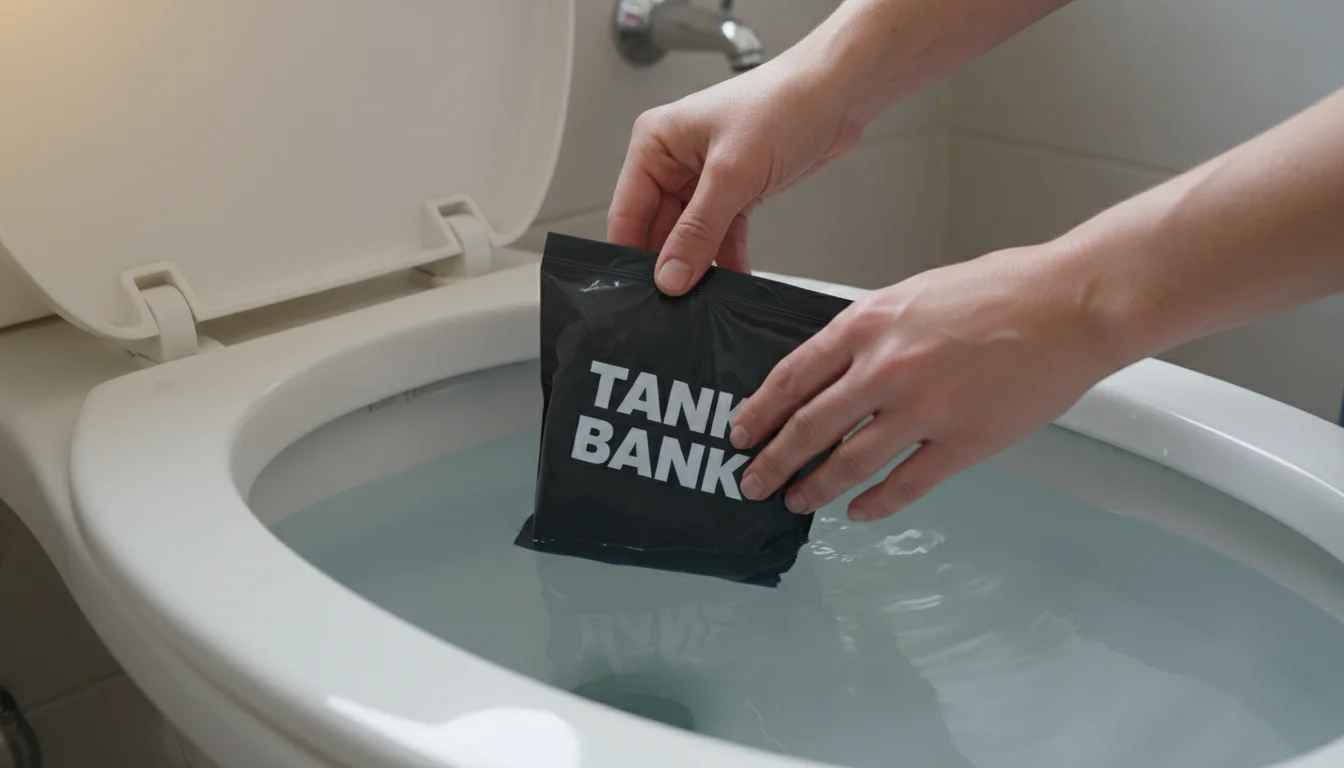
Toilets are often the biggest indoor water users. If you have an older toilet, it might use 3.5 to 7 gallons per flush. Consider the “if it’s yellow, let it mellow, if it’s brown, flush it down” philosophy, or install a toilet tank bank or float booster to reduce the water volume per flush. These inexpensive devices displace water in the tank, meaning less water refills with each flush without impacting performance.
5. Fix Running Toilets
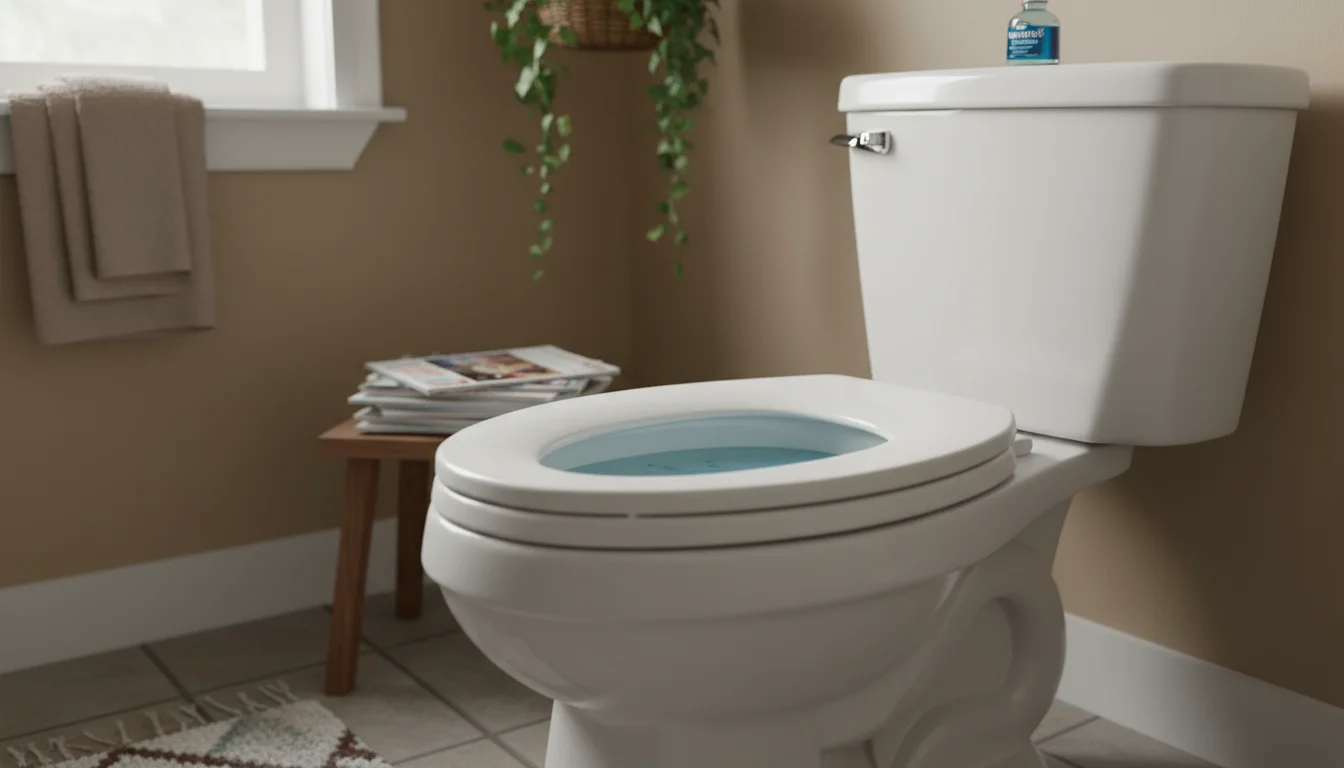
A running toilet is a common culprit for hidden water waste. Often, a faulty flapper or fill valve allows water to continuously seep into the bowl. You can check for a leak by adding a few drops of food coloring to your toilet tank. Wait 15-20 minutes without flushing. If the color appears in the bowl, you have a leak. This Old House offers excellent step-by-step guides for DIY toilet repairs, often involving inexpensive parts you can find at any hardware store.
Kitchen & Laundry: Smart Water Choices for Daily Chores
These areas, while critical for household functioning, also present opportunities for significant water savings.
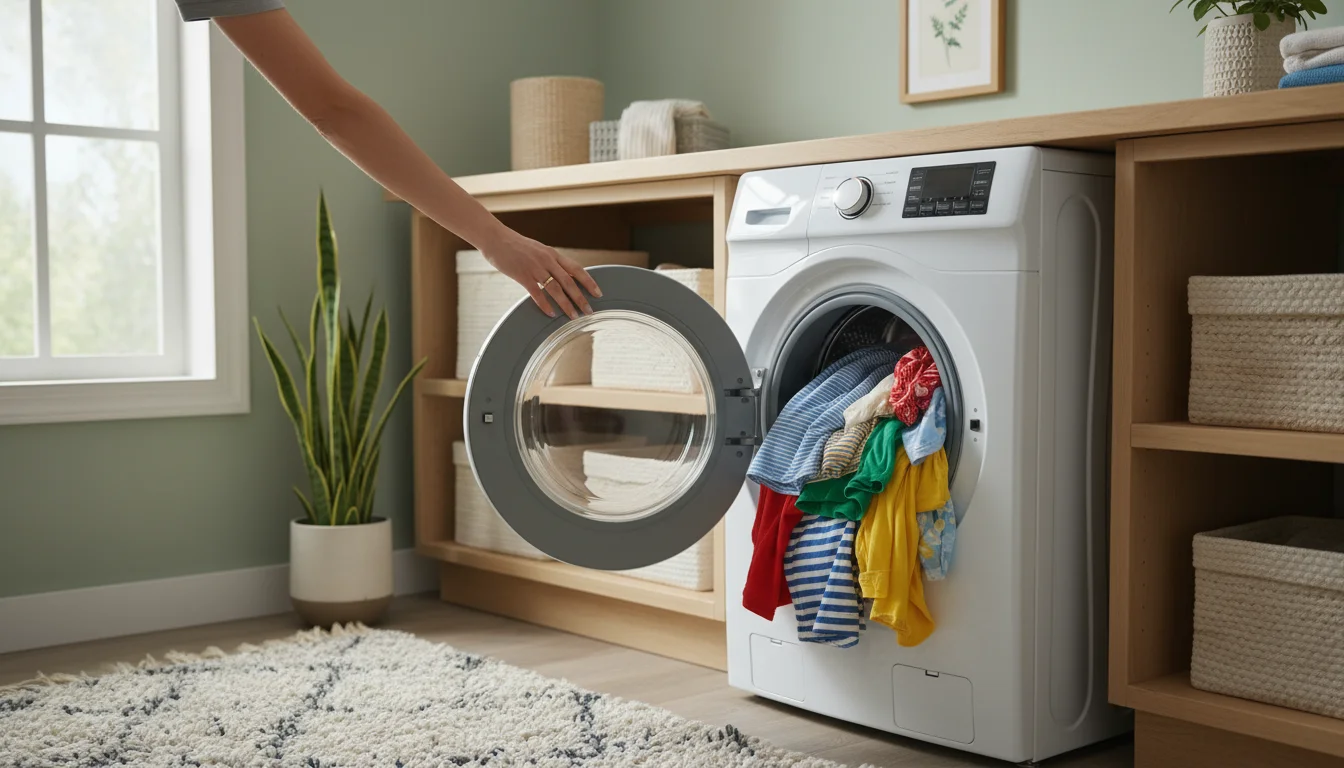
6. Run Full Loads in Your Washing Machine
Your washing machine uses a fixed amount of water for each cycle, regardless of how many items are inside (unless it is a high-efficiency model with load sensing). Maximize efficiency by waiting until you have a full load before starting the machine. If you must wash a smaller load, ensure your machine has a load-size setting and select the smallest appropriate option.
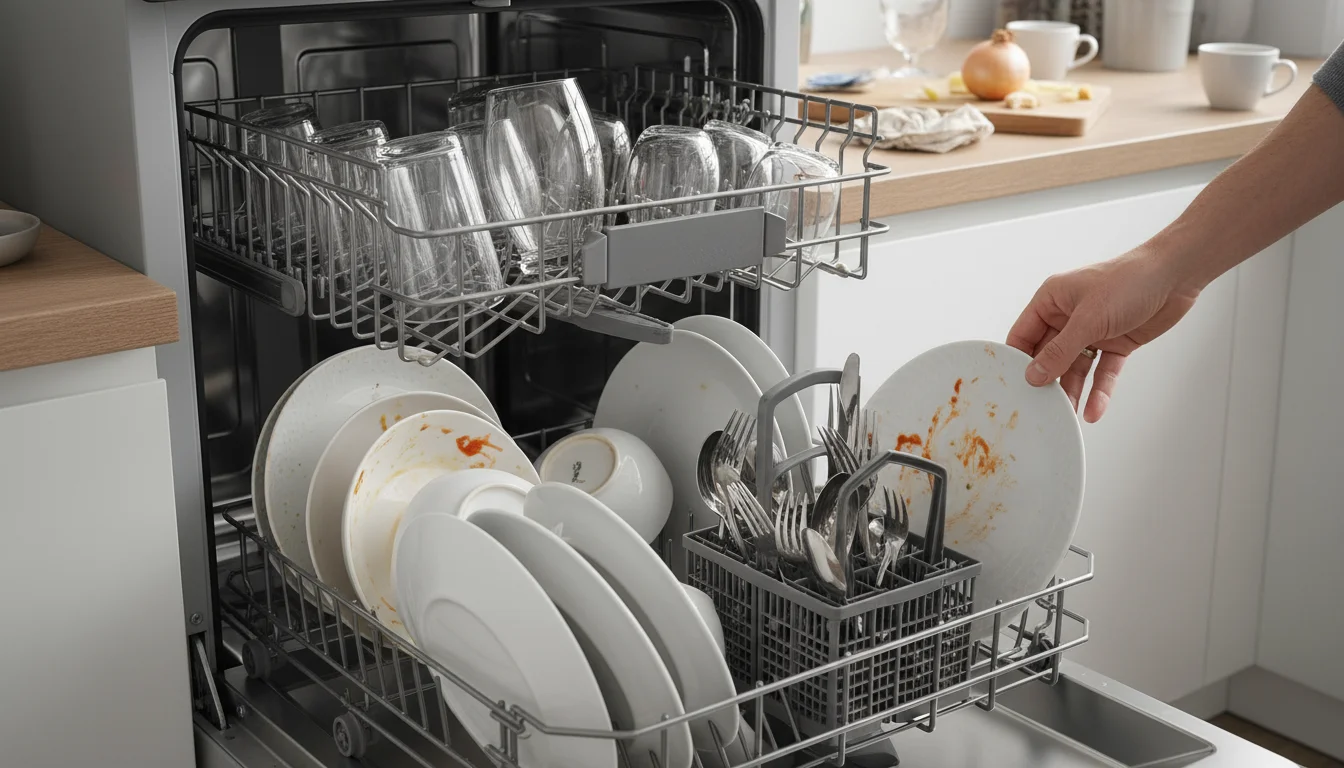
7. Run Full Loads in Your Dishwasher
Similar to washing machines, dishwashers are most efficient when fully loaded. Running your dishwasher with a partial load wastes water and energy. Scrape food scraps off plates before loading them, but avoid pre-rinsing unless absolutely necessary. Modern dishwashers are very effective at cleaning without extensive pre-rinsing.
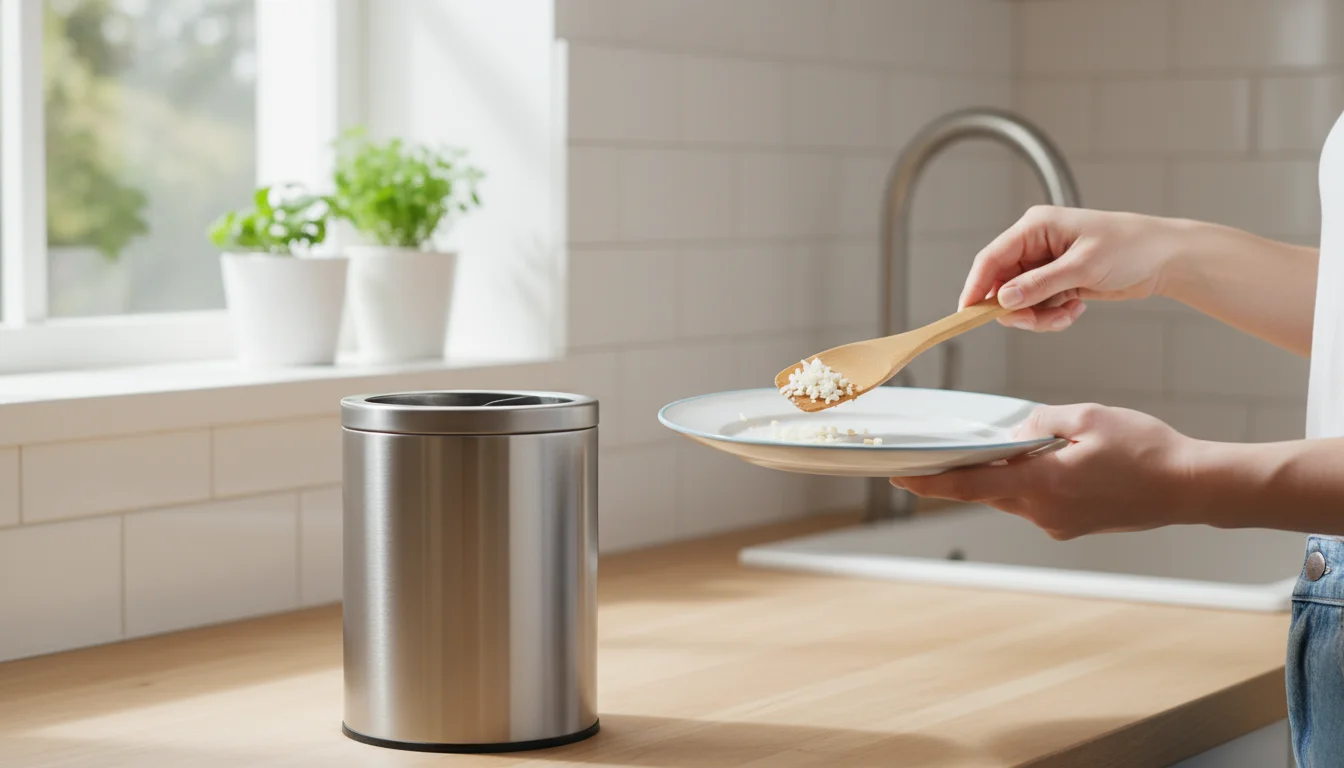
8. Scrape, Don’t Rinse Dishes
Many people rinse dishes under a running tap before loading them into the dishwasher. This habit unnecessarily wastes gallons of water. Modern dishwashers handle food particles effectively. Simply scrape solid food scraps into the trash or compost bin. This small change in routine can save a considerable amount of water daily.
Outdoor Spaces: Greener Gardening, Smarter Sprinkling
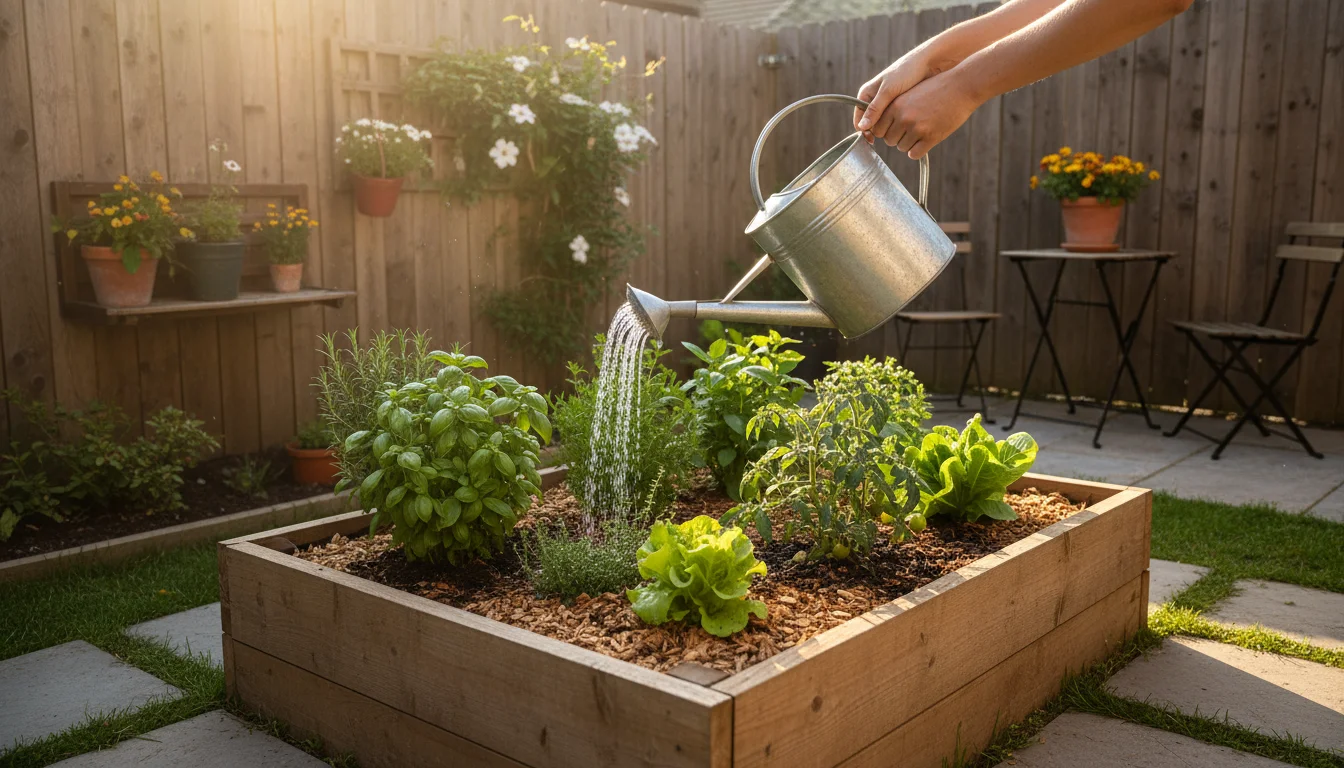
Outdoor water use can dwarf indoor consumption, especially during warmer months. Efficient outdoor watering is a cornerstone of a sustainable home.
Managing your garden’s irrigation is a key component of any thorough summer home maintenance checklist.
Managing your irrigation systems effectively is a key part of any summer home maintenance checklist to keep your garden lush without wasting resources.
For more advanced ideas, explore these 25 changes for home water conservation to maximize your eco-friendly impact.
9. Water Gardens Wisely
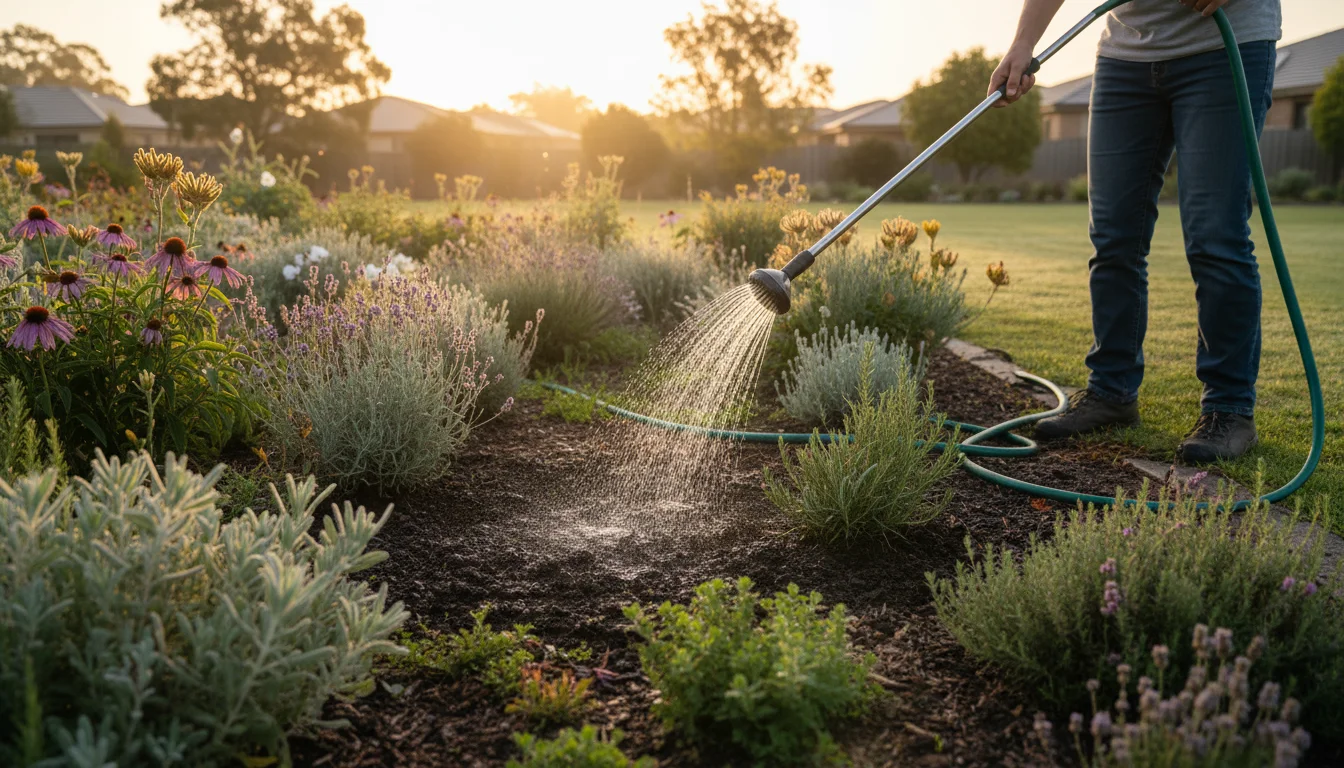
Water your lawn and garden deeply but infrequently. This encourages deeper root growth, making plants more drought-resistant. Water during the cooler parts of the day, early morning or late evening, to minimize evaporation. Avoid watering when it is windy, as more water will drift away before reaching plants.
Consider integrating native plants into your landscaping. These plants are naturally adapted to your local climate and require less water once established than non-native species.
10. Install Drip Irrigation for Targeted Watering
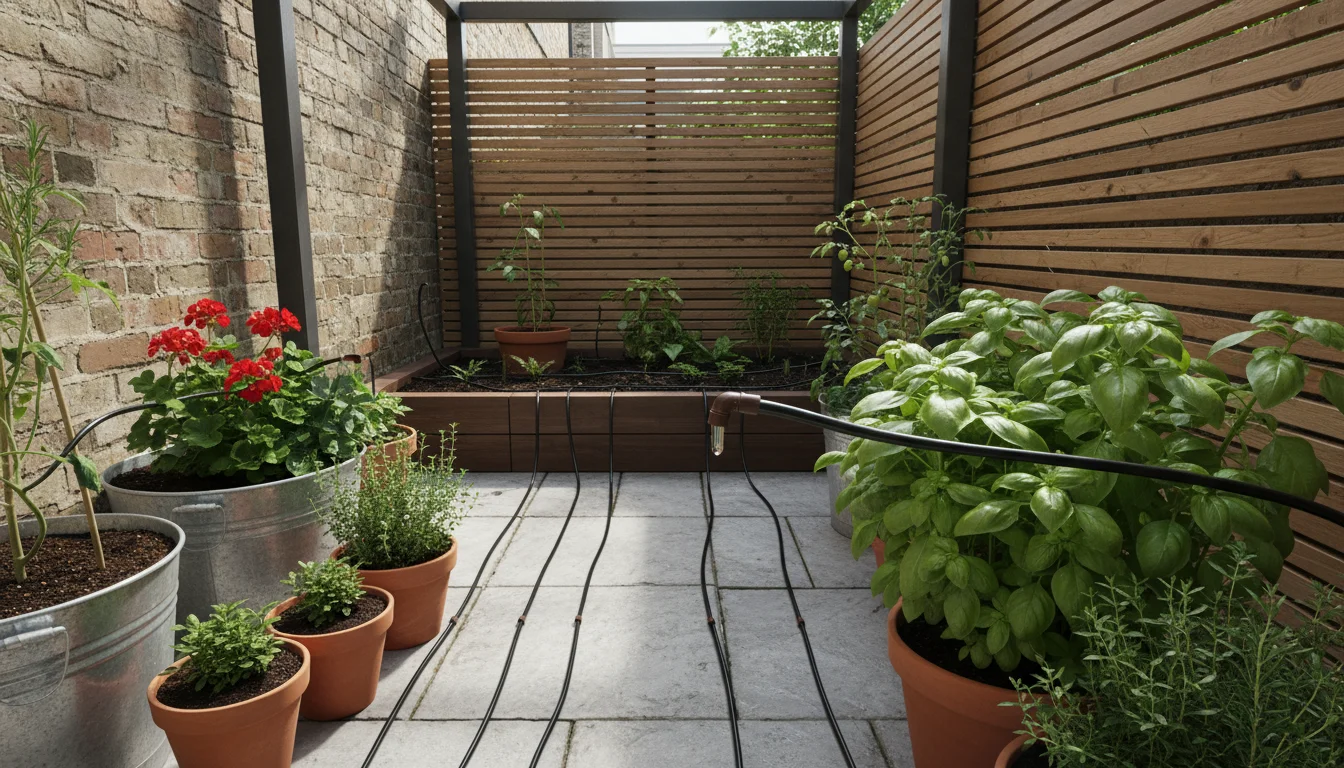
For gardens, flower beds, and even some container plants, drip irrigation systems deliver water directly to the plant roots, minimizing waste from evaporation and runoff. These systems are highly efficient and can be customized to different plant needs. While they require an initial investment, they save significant water and time in the long run.
11. Use Rain Barrels to Collect Rainwater
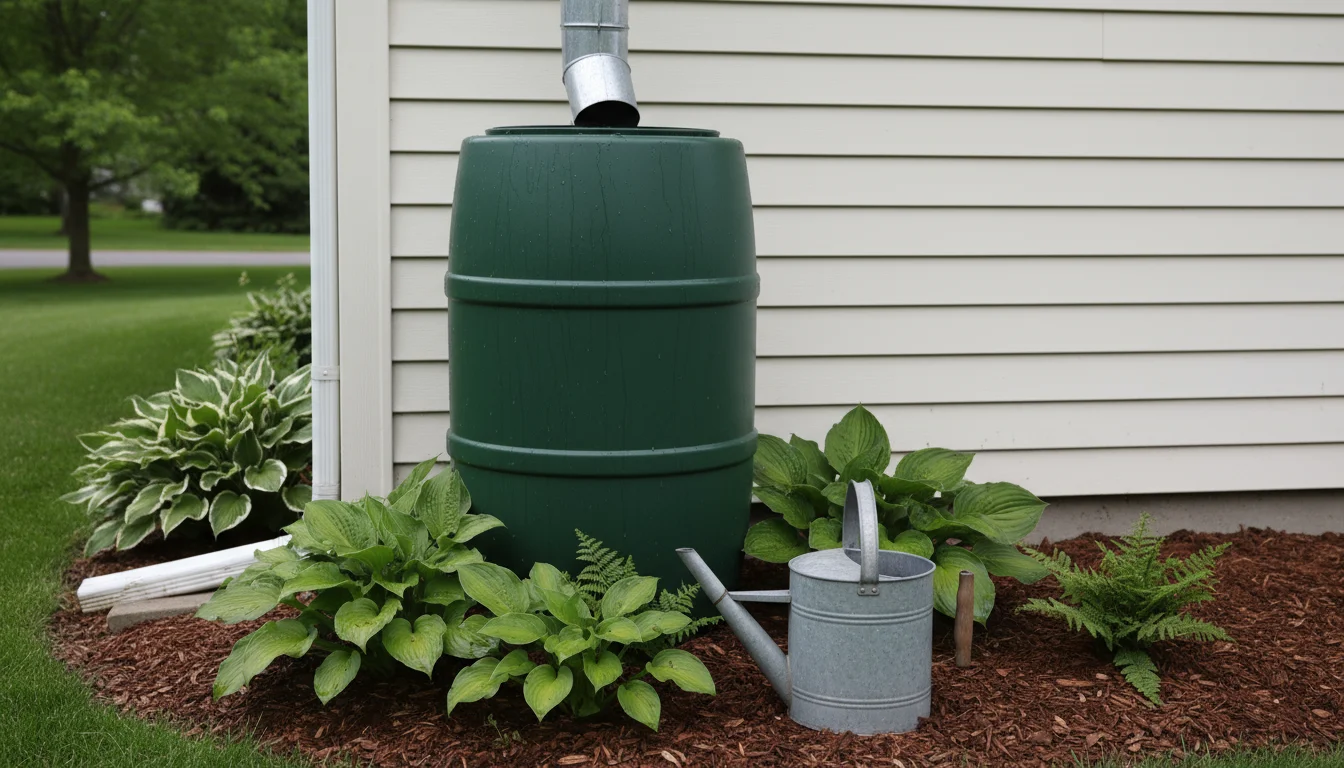
Harvesting rainwater is a fantastic way to reduce your reliance on municipal water for outdoor tasks. Install a rain barrel at the base of a downspout to collect water from your roof. You can then use this stored water for watering plants, washing outdoor surfaces, or even rinsing tools. This sustainable home practice is simple to set up and offers free, chlorine-free water for your garden.
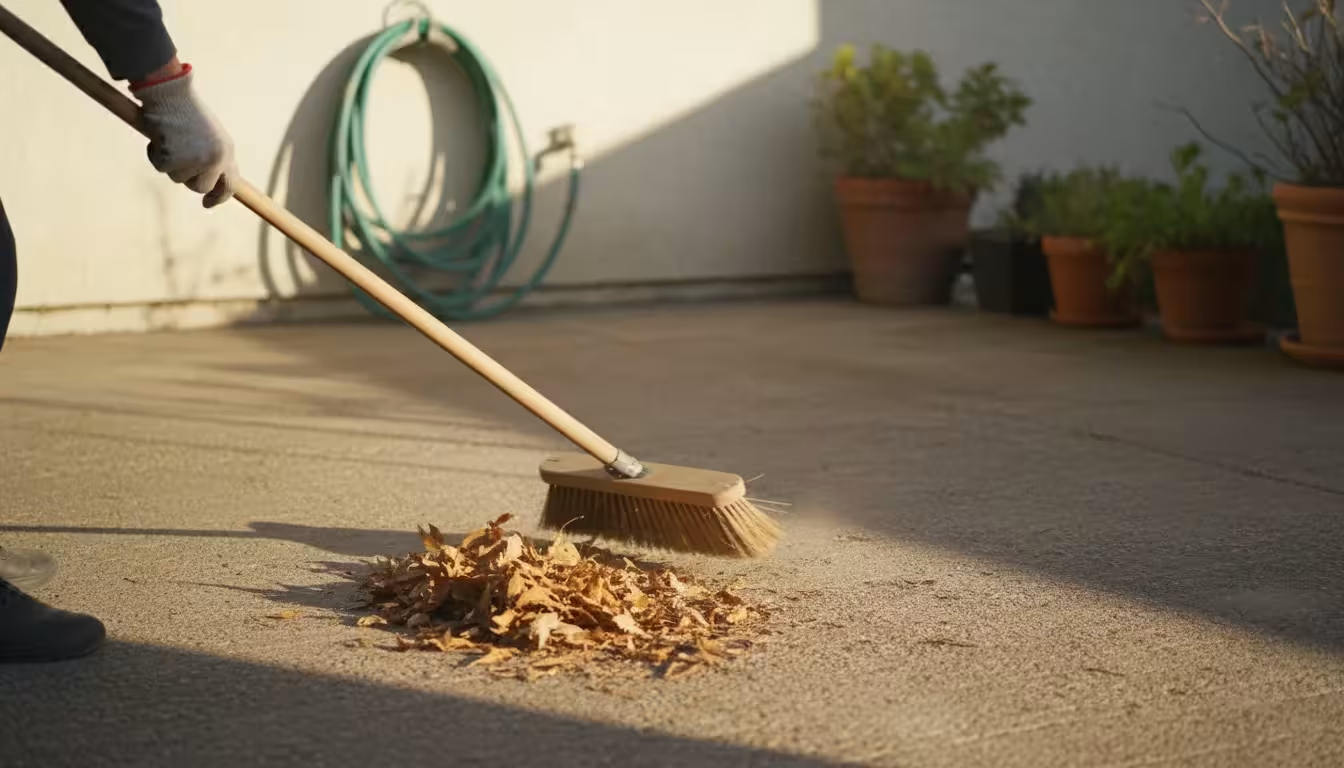
12. Use a Broom, Not a Hose, for Outdoor Cleaning
Cleaning driveways, sidewalks, and patios with a hose can use hundreds of gallons of water. Instead, grab a broom and sweep away leaves and debris. Reserve hose use only for heavy-duty cleaning where sweeping is insufficient. This simple swap saves a lot of water and still gets the job done.
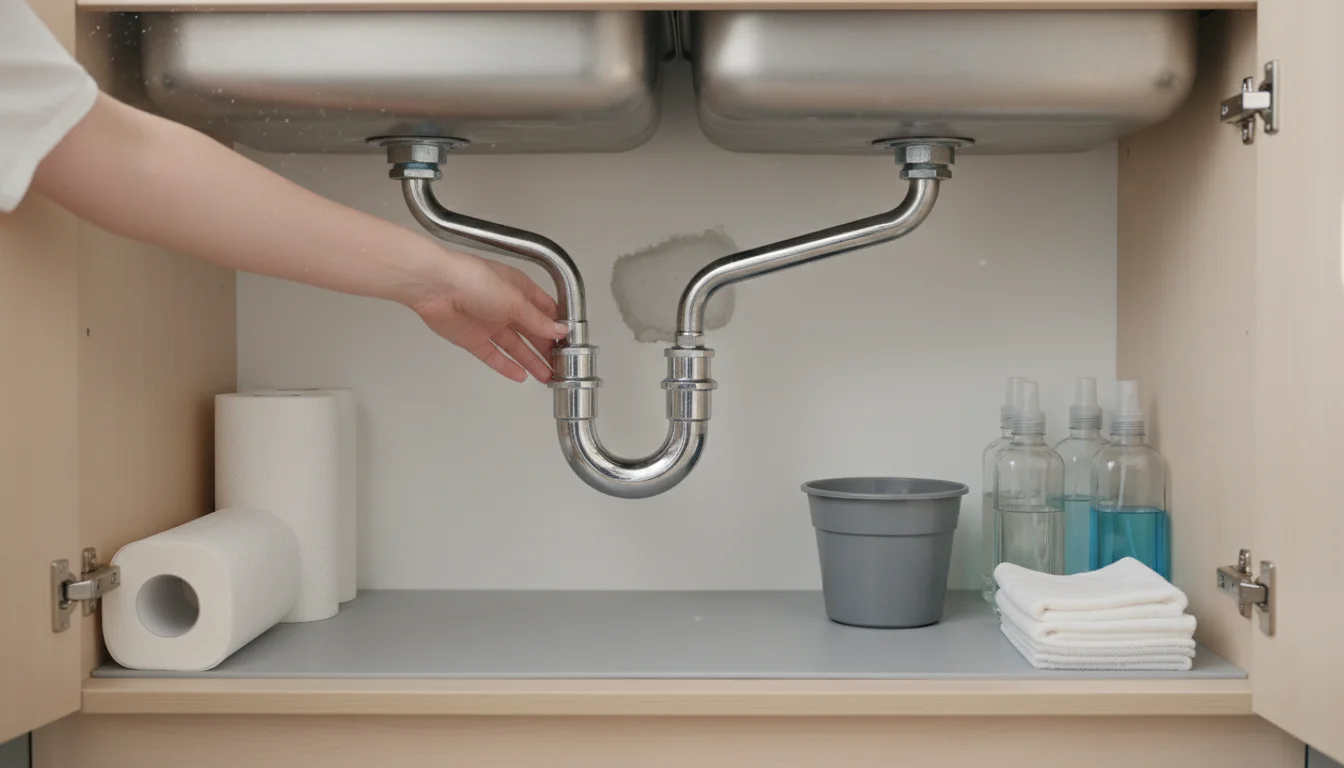
Detecting & Fixing Leaks: The Silent Water Wasters
Leaks are often invisible but can account for a significant portion of your home’s water waste. Finding and fixing them is a crucial step in water conservation.
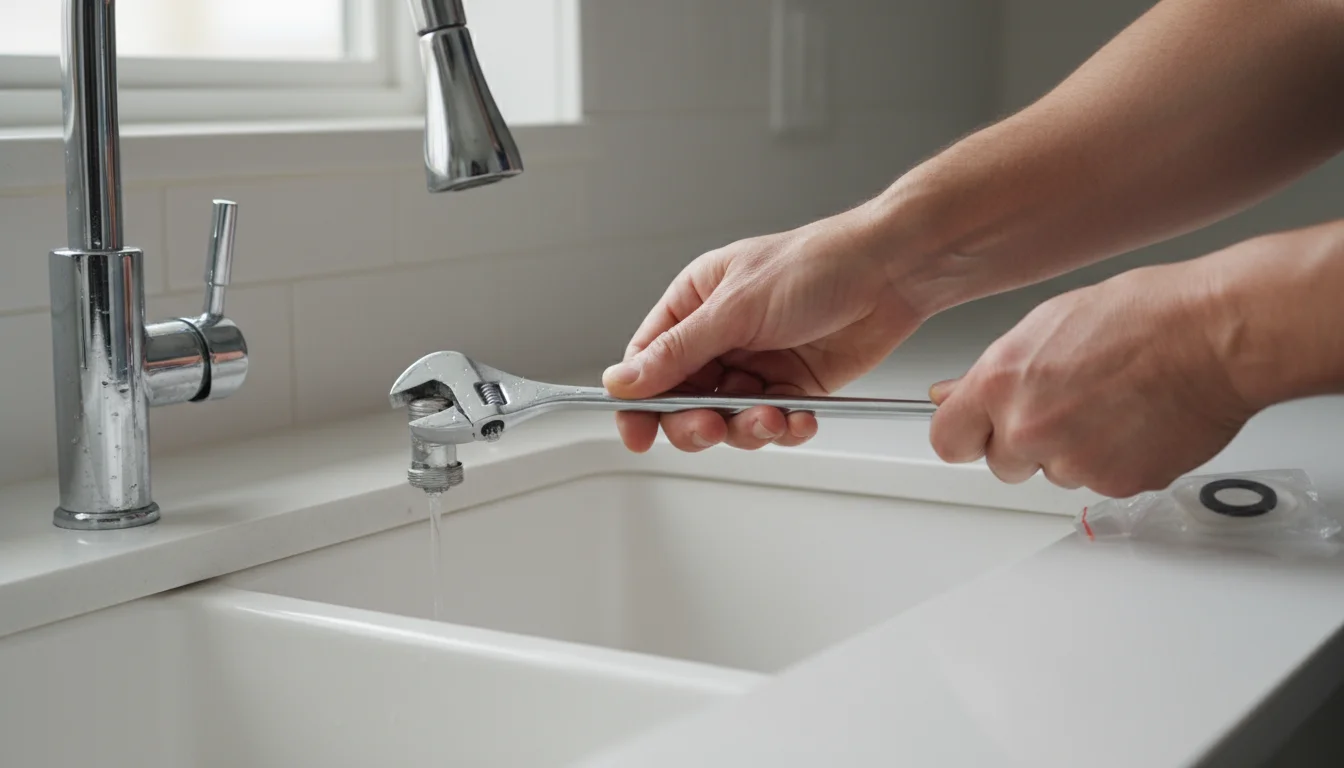
13. Identify and Repair Faucet Leaks
A dripping faucet might seem minor, but a constant drip can waste thousands of gallons of water per year. A faucet dripping once per second can waste over 3,000 gallons annually. Repairing a leaky faucet often involves replacing an inexpensive washer or O-ring. Family Handyman offers easy-to-follow tutorials for common faucet repair projects, making this an accessible DIY task for most homeowners.
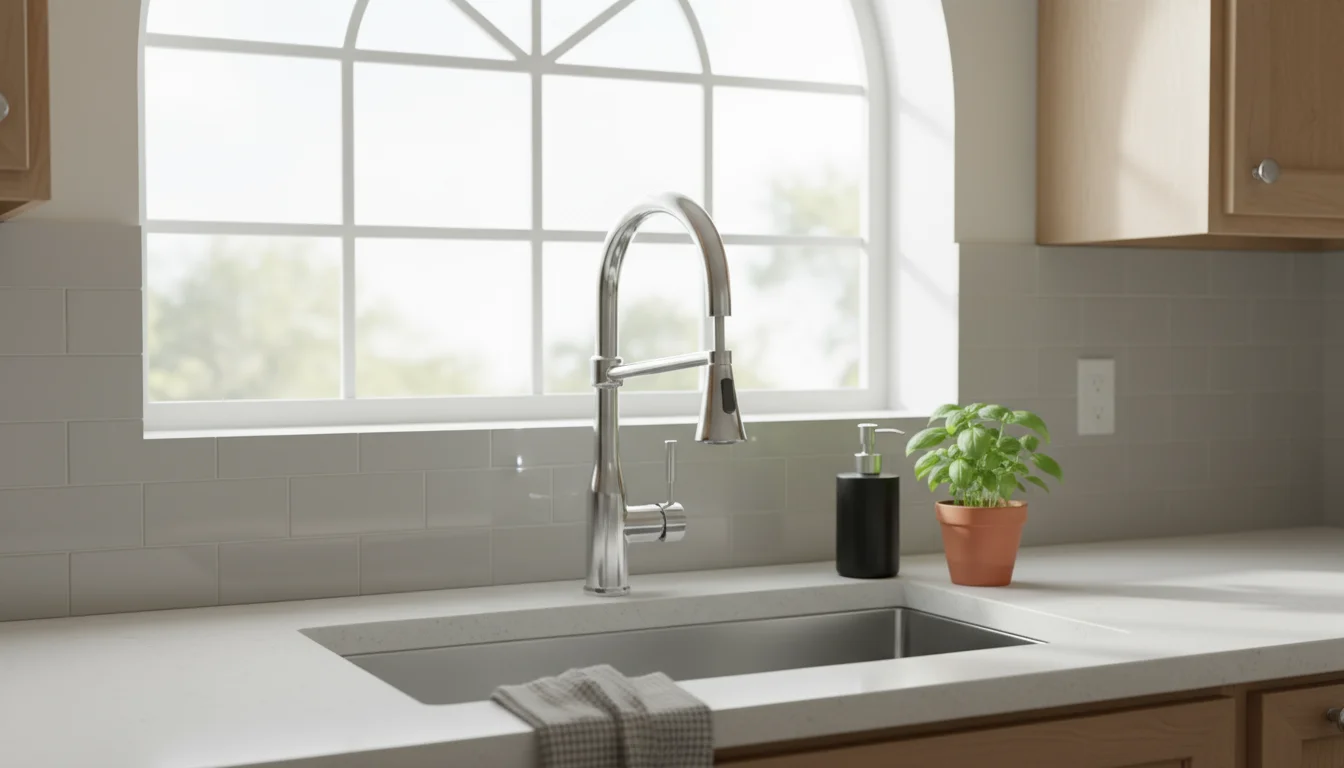
Investing in Water-Efficient Appliances & Fixtures
While habit changes are free, investing in efficient appliances and fixtures offers long-term savings and often superior performance.
To keep your new high-efficiency fixtures in top shape, consider using non-toxic cleaning products that are gentle on both the hardware and the environment.
Beyond major appliances, several smart home devices can now monitor your flow rates and alert you to unusual water patterns immediately.
14. Choose Water-Efficient Appliances
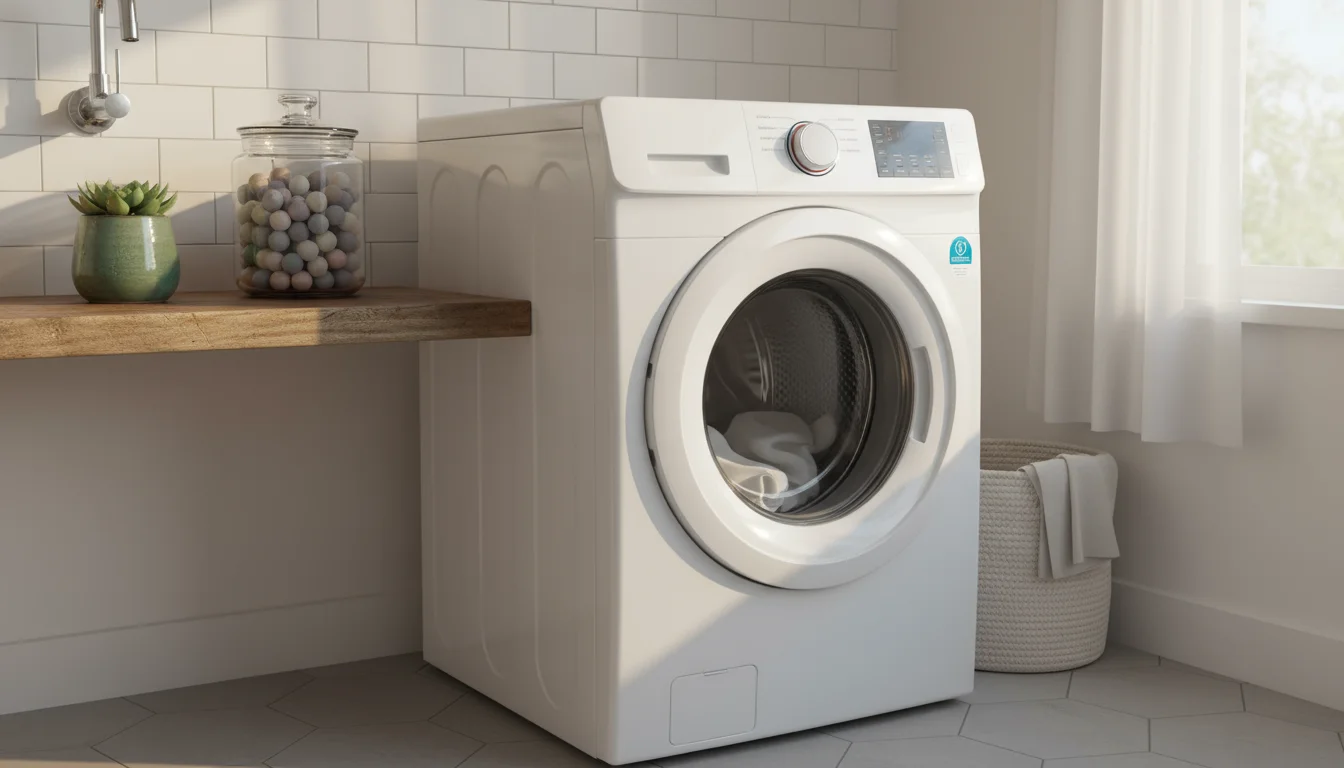
When purchasing new washing machines, dishwashers, or toilets, look for the EPA’s WaterSense label or the Energy Star certification. These labels indicate that the products meet strict efficiency guidelines. While the upfront cost might be slightly higher, the savings on water and energy bills quickly offset the difference. Consumer Reports regularly reviews these appliances, highlighting models with excellent water and energy efficiency.
Simple Swaps & DIY Solutions for Every Budget
Water conservation does not always demand big purchases. Many simple, low-cost or no-cost solutions exist.
15. Reuse Water Whenever Possible
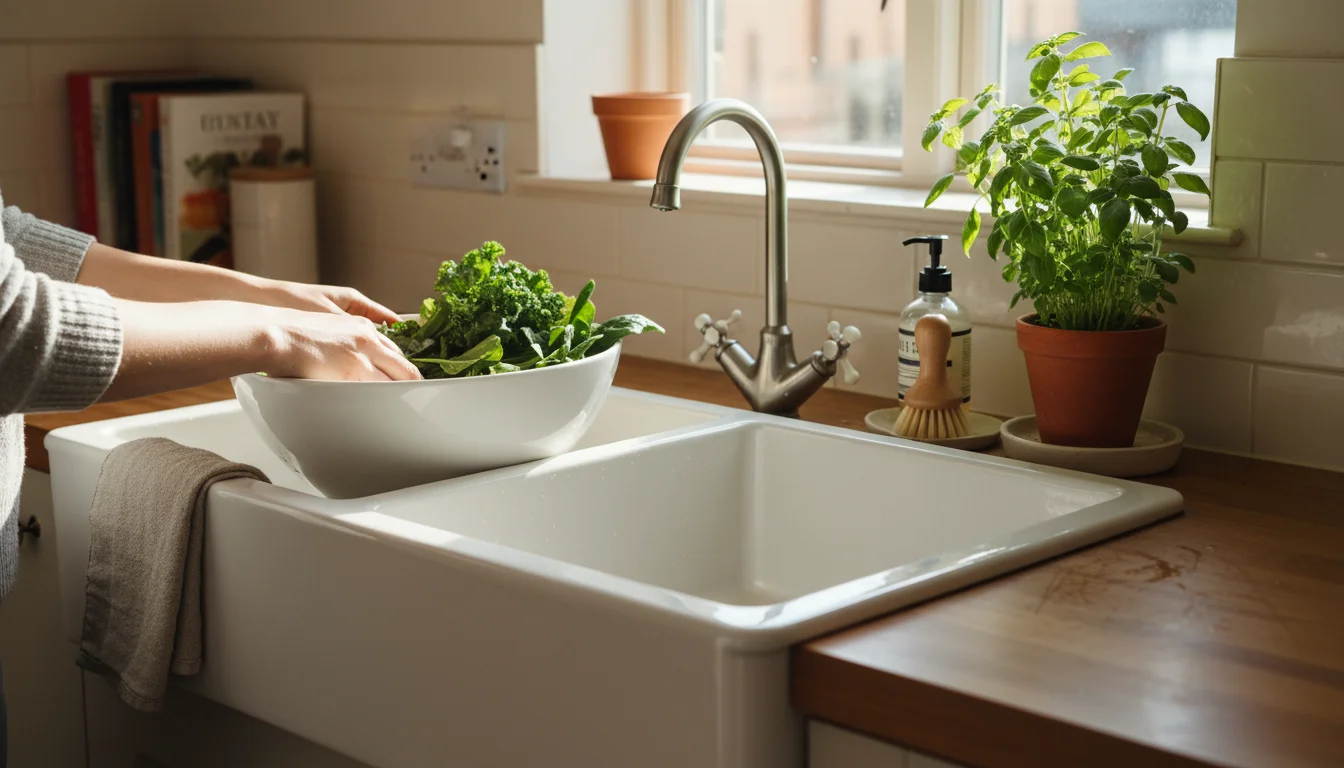
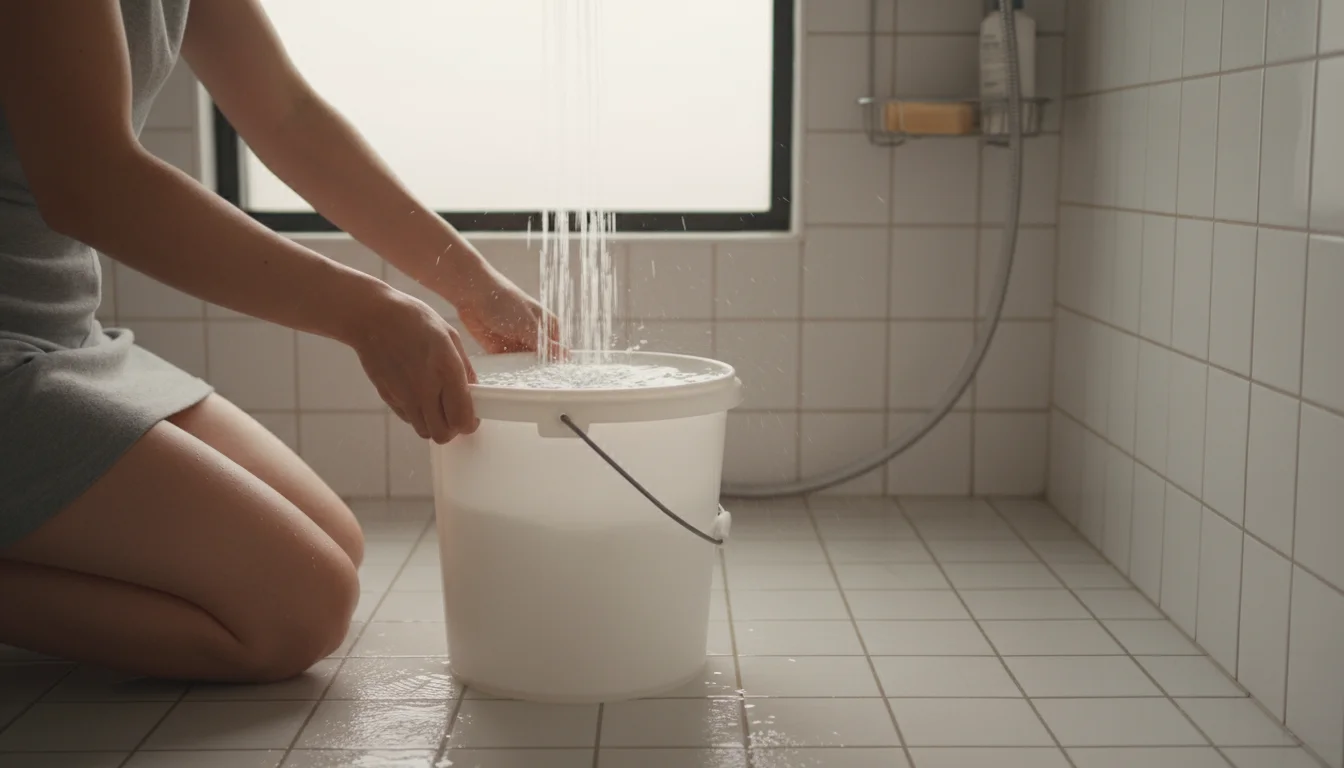
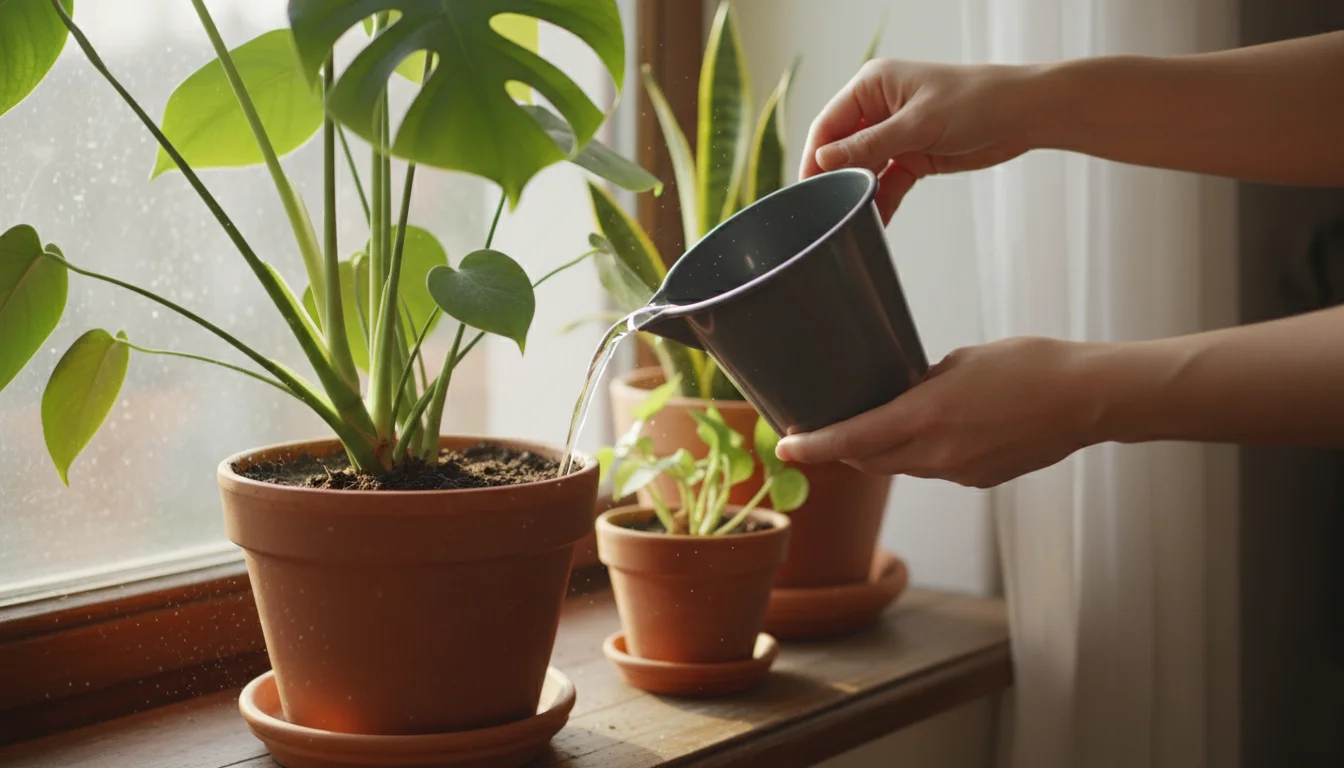
Get creative with water reuse. For instance, collect the cold water that runs before your shower heats up in a bucket and use it to water plants or even for an initial toilet flush. Save the water you use to rinse fruits and vegetables for your houseplants. Collect dehumidifier condensation for non-potable uses. These small acts of reuse contribute to a sustainable home by making the most of every drop.
Consider planting drought-tolerant landscaping. Many beautiful plants thrive with minimal watering once established. Look for plants native to your region, as they are naturally adapted to local rainfall patterns.
Implement smart household management. When washing your car, use a bucket of soapy water and rinse with a hose attachment that has an automatic shut-off nozzle. Avoid letting water run continuously. Every small adjustment in your daily routine builds towards significant water savings.

Frequently Asked Questions
What are the biggest water waste culprits in a typical home?
Toilets, showers, and faucets account for the majority of indoor water use. Outdoors, lawn and garden watering often consume the most water, especially without efficient irrigation methods. Leaks, both visible and invisible, also contribute significantly to waste.
How can I check for hidden water leaks?
The easiest way is to read your water meter before and after a two-hour period when you know no water is being used (e.g., no flushes, no appliances running). If the meter reading changes, you likely have a leak. You can also use food coloring in your toilet tank to check for toilet leaks.
Are water-efficient appliances truly worth the investment?
Yes, water-efficient appliances and fixtures are a smart investment. While they may have a higher initial cost, they save money on your water and energy bills over their lifespan. They also contribute to a sustainable home and reduce your environmental impact. Many utilities even offer rebates for installing these products.
Can I save water without buying new products?
Absolutely. Many effective water conservation strategies involve simple habit changes and maintenance, costing nothing. Taking shorter showers, turning off the tap, running full loads, fixing minor leaks, and watering your garden efficiently are all free or low-cost ways to reduce water usage significantly.
What is greywater and can I use it?
Greywater refers to wastewater from sinks, showers, bathtubs, and washing machines. It excludes water from toilets (blackwater). In some areas, simple greywater reuse systems, such as diverting laundry water to irrigate plants, are permissible. However, regulations vary by location, so always check local codes before installing a greywater system.
Embrace a Sustainable Home with Smart Water Use
Reducing your home’s water usage is a powerful step towards a more sustainable home. It is a commitment that benefits the environment, your community, and your finances. You do not need to implement all 15 tips at once. Start with one or two changes that feel manageable, like shortening your showers or fixing a leaky faucet. Once those become habits, add more. Each small action contributes to a larger impact.
If you are looking for even more ways to increase your efficiency, explore our list of 25 water conservation changes that can transform your household.
By consciously managing your water consumption, you transform your home into a more efficient, eco-friendly, and cost-effective living space. Embrace these practical solutions, and you will discover that water conservation is an achievable and rewarding aspect of realistic home management.
For expert home organization guidance, visit
Houzz — Home, The Spruce — Home Organization, Real Simple — Organizing and Good Housekeeping — Organization.
Disclaimer: This article is for informational purposes only and is not a substitute for professional advice. Consult professional organizers or specialists for personalized recommendations.





Leave a Reply