
High energy bills often feel like an unavoidable part of homeownership or renting. You might open your monthly statement and wonder where all that money goes, feeling powerless to change it. At BrightLivingGuide.com, we understand those frustrations. We know you want practical solutions that fit your busy life and budget, not complicated overhauls. The good news is, you possess significant power to reduce your energy bills. This guide offers 20 proven strategies, ranging from simple, no-cost adjustments to smart, long-term investments, all designed to deliver tangible energy savings without sacrificing your comfort. You will discover actionable steps to significantly lower your utility costs, making your home more efficient and your wallet happier.
For a deeper dive into specific savings opportunities in every part of your house, check out our room-by-room guide to reducing energy bills.

Understanding Your Energy Bill and Why It Matters
Before you implement changes, understanding your energy bill provides a crucial foundation. Your bill typically breaks down usage by kilowatthours (kWh) for electricity and therms or cubic feet for natural gas. It also details charges for supply, transmission, distribution, and taxes. By analyzing these numbers, you identify your peak usage periods and determine which appliances or habits consume the most energy.
Proactive steps like consistent HVAC maintenance also play a vital role in keeping your systems efficient year-round.
Reducing your utility costs extends beyond financial savings. It contributes to environmental sustainability by decreasing your carbon footprint. Moreover, an energy-efficient home often translates to a more comfortable living environment, with fewer drafts, more consistent temperatures, and improved indoor air quality. Implementing energy savings strategies empowers you to take control of your home’s operational costs, transforming abstract numbers into concrete, manageable actions.
Immediate, No-Cost Changes for Quick Energy Savings
You can begin reducing your energy bills today without spending a single dollar. These simple adjustments require minimal effort but yield noticeable results, giving you a boost of confidence in your ability to manage your home’s energy consumption.
If you find low winter settings difficult, you can easily make any room feel warmer using cozy textiles and smart decor choices instead of the furnace.
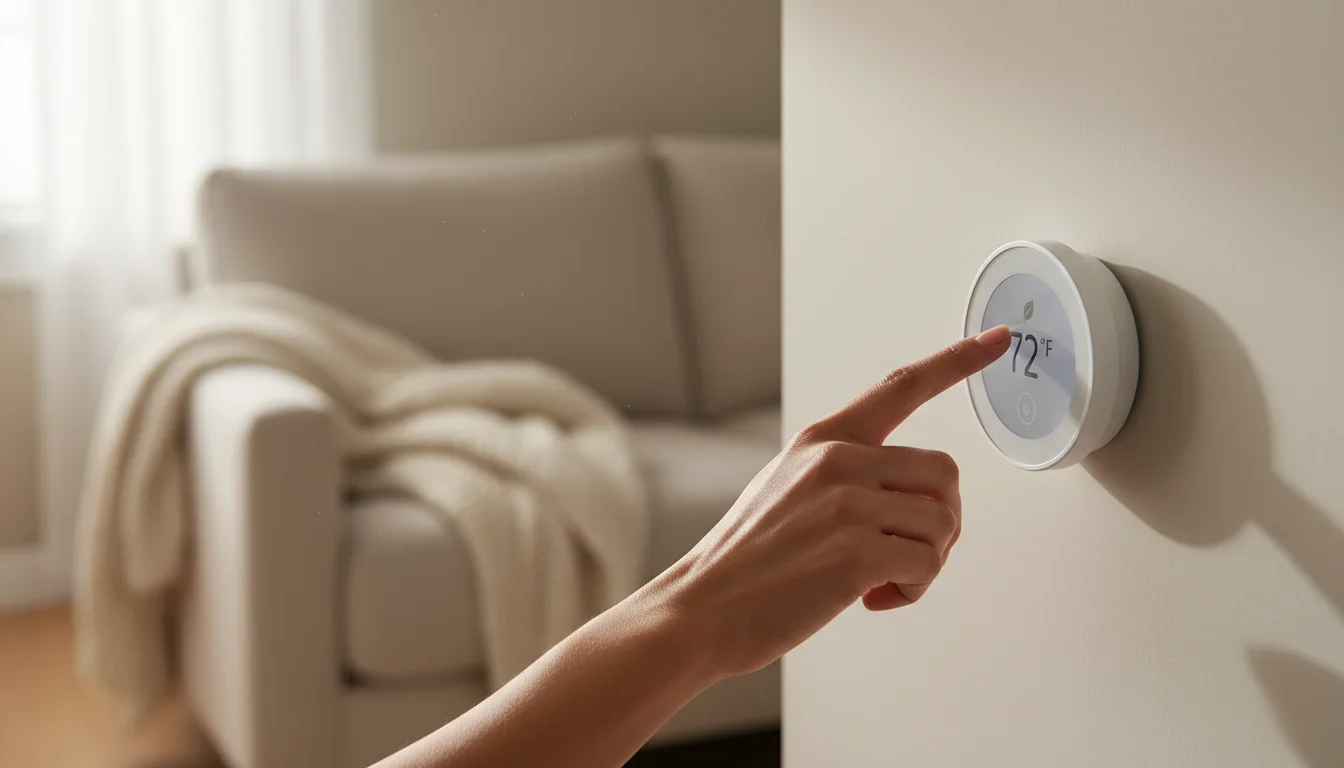
- Adjust Your Thermostat Strategically: This remains one of the most impactful no-cost strategies. During warmer months, set your thermostat as high as comfortably possible, ideally around 78°F (25.5°C) when you are home. In cooler seasons, aim for 68°F (20°C) during the day. When you leave the house or go to bed, adjust the temperature by 7-10°F (4-5.5°C) from your normal setting for eight hours. This setback period, according to experts at Energy Star, can save you as much as 10% on your heating and cooling costs annually.
- Unplug Phantom Loads: Many electronics continue to draw power even when turned off or in standby mode. This “vampire drain” can account for 5-10% of your electricity bill. Identify devices like phone chargers, coffee makers, TVs, computers, and gaming consoles. Unplug them when not in use. A simple power strip with an on/off switch makes managing multiple devices easy, allowing you to cut power to several items with one flip.
- Close Blinds and Curtains: Your windows are major pathways for heat transfer. In the summer, keep blinds, shades, and curtains closed during the day, especially on south- and west-facing windows, to block solar heat gain. This prevents your air conditioner from working overtime. In the winter, open them during sunny days to let natural warmth in, then close them at night to add an extra layer of insulation against cold air.
- Air Dry Your Clothes: Your dryer is one of the most energy-intensive appliances in your home. Eliminate or significantly reduce its use by air drying clothes whenever possible. Invest in a simple drying rack or clothesline. This not only saves electricity but also extends the life of your garments and helps maintain fabric quality. For items you must machine dry, ensure you clean the lint trap before every load; a clogged lint trap forces the dryer to work harder, consuming more energy and posing a fire risk.

Smart, Low-Cost Upgrades for Lasting Savings
Investing a small amount of money in specific upgrades can lead to substantial, long-term energy savings. These solutions are generally DIY-friendly and pay for themselves quickly through reduced utility costs.
- Seal Air Leaks with Weatherstripping and Caulk: Air leaks around windows, doors, and utility penetrations (like pipes and wires) are significant sources of energy waste. You literally pay to heat or cool the outdoors. Purchase weatherstripping for doors and operable windows, and caulk for fixed joints and gaps. Look for drafts by holding a lit incense stick near potential leak points; if the smoke wavers, you have a leak. This Old House suggests sealing these leaks, a process that can dramatically improve comfort and lower bills. You can find comprehensive guides and materials at your local hardware store.
- Switch to LED Lighting: If you still use incandescent or older CFL bulbs, transitioning to LED lighting offers one of the best returns on investment. LEDs consume up to 90% less energy than incandescents and last 15-25 times longer. While the initial cost per bulb is higher, the savings on your electricity bill and replacement costs quickly make up the difference. A single 10-watt LED bulb provides the same light output as a 60-watt incandescent, creating an immediate reduction in your lighting energy consumption.
- Insulate Hot Water Pipes and Your Water Heater: Insulating your hot water pipes reduces heat loss as water travels from your water heater to your faucets, meaning less energy is required to reheat the water. You can purchase pre-slit foam pipe insulation at any home improvement store and install it yourself. If your water heater tank feels warm to the touch, it also benefits from an insulating blanket, especially if it is an older model or located in an unheated space. This simple project maintains water temperature more efficiently, saving you money.
- Lower Your Water Heater Temperature: Many water heaters come factory-set at 140°F (60°C), but for most households, 120°F (49°C) provides plenty of hot water and significantly reduces standby heat loss and the risk of scalding. Lowering the temperature by just 20 degrees can reduce your water heating costs by 6-10%. Locate the thermostat dial on your water heater and adjust it down gradually to find the right balance for your needs.
- Install Low-Flow Showerheads and Faucet Aerators: Hot water use accounts for a substantial portion of your energy bill. Replacing old showerheads with low-flow models (rated at 2.5 gallons per minute or less) reduces the amount of hot water consumed during showers without sacrificing water pressure. Similarly, faucet aerators, small devices that screw onto the end of your faucet, mix air into the water stream, reducing water flow while maintaining effective pressure. These are inexpensive, easy-to-install upgrades that deliver instant savings.
- Invest in a Programmable or Smart Thermostat: While a basic programmable thermostat represents a low-cost investment, a smart thermostat offers advanced features that maximize energy savings. These devices learn your habits, adjust temperatures based on occupancy, integrate with weather forecasts, and allow remote control via your smartphone. Research from Consumer Reports frequently highlights smart thermostats as a top recommendation for homeowners seeking to optimize energy use and reduce their utility costs. Many utility companies offer rebates for installing smart thermostats, further lowering your upfront cost.
- Use Ceiling Fans Correctly: Ceiling fans cool people, not rooms. They create a wind-chill effect, making you feel cooler without actually lowering the ambient temperature. In summer, run your ceiling fans counter-clockwise to push cool air down. In winter, reverse the blade direction to clockwise (at a low speed) to gently pull cool air up, recirculating warm air trapped near the ceiling. Remember to turn fans off when you leave a room, as they waste energy when no one is there to benefit from their cooling effect.
Maximize Appliance Efficiency to Cut Costs
Your major appliances contribute significantly to your energy consumption. Learning to use them efficiently and maintaining them properly helps you reduce energy bills without purchasing new units.
While habits matter, eventually you may need to decide which energy-efficient appliances are actually worth the investment when it comes time for an upgrade.
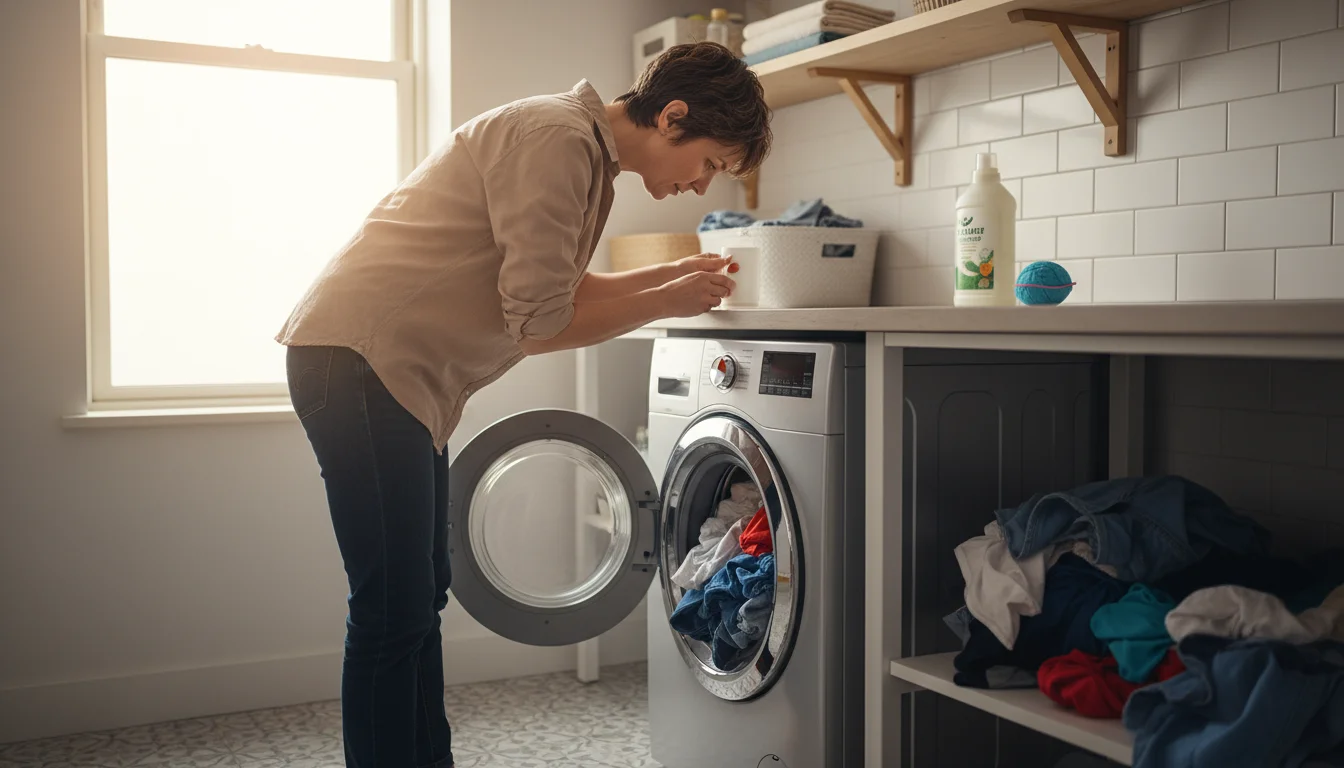
- Optimize Laundry Practices: Washing clothes in cold water saves a considerable amount of energy, as heating water accounts for about 90% of the energy used by a washing machine. Modern detergents work effectively in cold water. Always wash full loads; running partial loads uses the same amount of energy as a full load but cleans fewer clothes. Also, consider the spin cycle; a faster spin extracts more water, reducing drying time and energy use.
- Efficient Dishwashing: Like your washing machine, your dishwasher uses a lot of hot water. Only run your dishwasher when it is full. Use the “eco” or “energy-saver” cycle if your model has one, as these settings use less water and lower temperatures. Skip the heated dry cycle and instead open the dishwasher door after the final rinse to allow dishes to air dry. This small change can shave a noticeable amount off your electricity bill.
- Proper Refrigerator and Freezer Use: Your refrigerator and freezer run 24/7, making their efficiency crucial. Ensure the door seals (gaskets) are tight; test them by closing a dollar bill in the door and trying to pull it out. If it slips easily, you need to replace the gasket. Keep coils clean; dust and debris on condenser coils force the appliance to work harder. Maintain optimal temperatures: 37-40°F (3-4°C) for the refrigerator and 0°F (-18°C) for the freezer. Do not overfill or under-fill; a moderately full fridge/freezer operates most efficiently.
- Cook Efficiently: Your kitchen appliances consume varying amounts of energy. Use the right-sized burner for your pots and pans; a small pot on a large burner wastes heat. Keep lids on pots while cooking to trap heat and speed up cooking times. For smaller meals, consider using a microwave or toaster oven, which consume significantly less energy than a full-sized oven. When using the oven, avoid frequently opening the door, as this drops the internal temperature by 25-50°F (14-28°C), requiring more energy to reheat.
Optimizing Your Home’s Envelope and HVAC System
Your home’s “envelope” refers to its outer shell – walls, roof, windows, and foundation – which protects you from the elements. Optimizing this envelope and your heating, ventilation, and air conditioning (HVAC) system offers significant long-term energy savings.
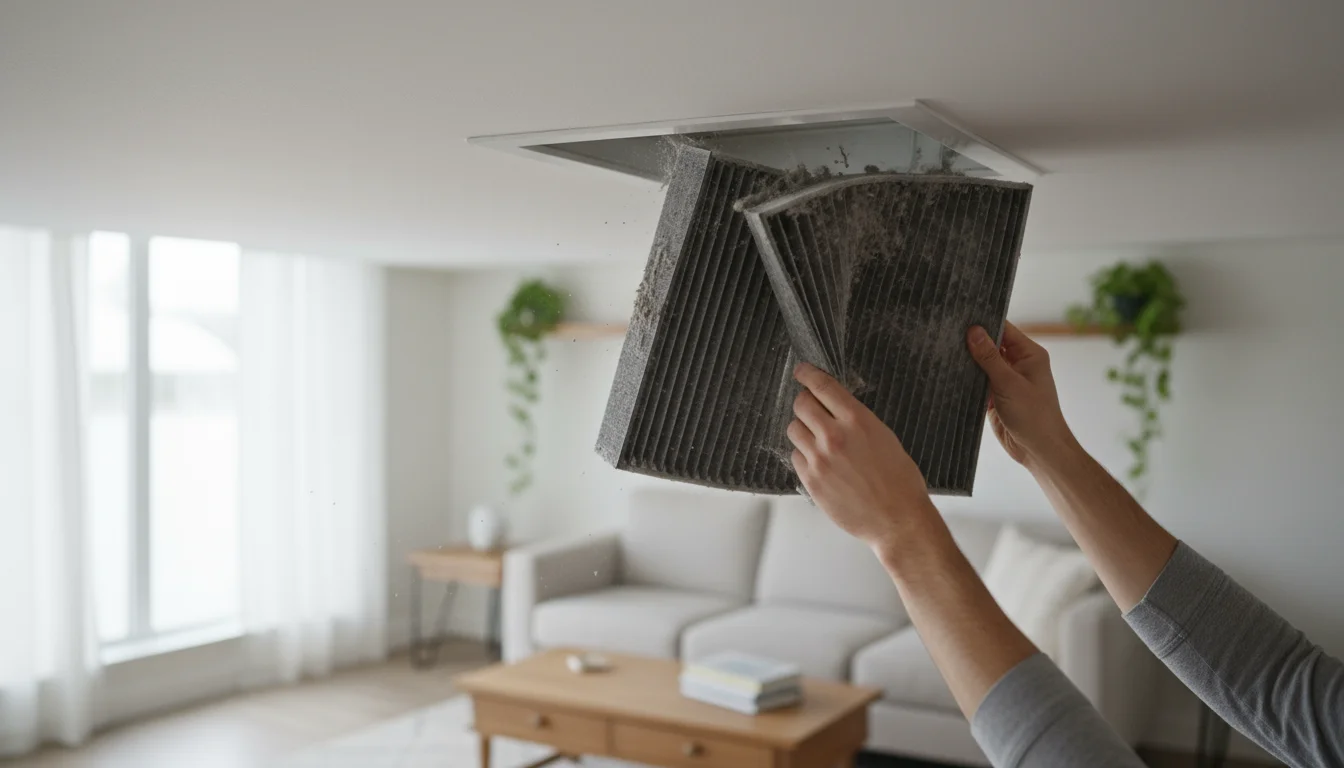
- Regular HVAC Maintenance: Your heating and cooling system typically accounts for the largest portion of your energy bill. Keep it running efficiently with regular maintenance. Change your air filters monthly, or every three months at a minimum. Dirty filters restrict airflow, making your system work harder and consume more energy. Schedule an annual professional tune-up for your HVAC system. A technician cleans coils, checks refrigerant levels, inspects electrical components, and ensures proper operation, preventing breakdowns and maintaining efficiency.
- Insulate Your Attic and Walls: Proper insulation keeps conditioned air inside your home and unwanted air out. Upgrading attic insulation often provides one of the best returns on investment for energy efficiency. Most homes built before the 1980s are under-insulated. You can typically add insulation in your attic as a DIY project, but consult with a professional for wall insulation, which usually requires blowing insulation into wall cavities. Adding insulation to appropriate levels can reduce heating and cooling energy consumption by 15-20%.
- Seal Your Ductwork: Leaky ducts waste a substantial amount of conditioned air before it ever reaches your living spaces. Experts estimate that typical duct systems lose 20-30% of the air moving through them due to leaks, holes, and poorly connected sections. You can seal accessible ductwork with mastic sealant or metallic foil tape (never use duct tape, as it degrades over time). Focus on joints, bends, and connections. Sealing your ducts ensures that the air you pay to heat or cool actually reaches its intended destination, significantly improving efficiency.
Bigger Impacts: When to Invest and When to Call a Pro
Some energy-saving strategies require a larger upfront investment or professional expertise. These projects offer the most significant long-term savings and often qualify for rebates or tax credits.
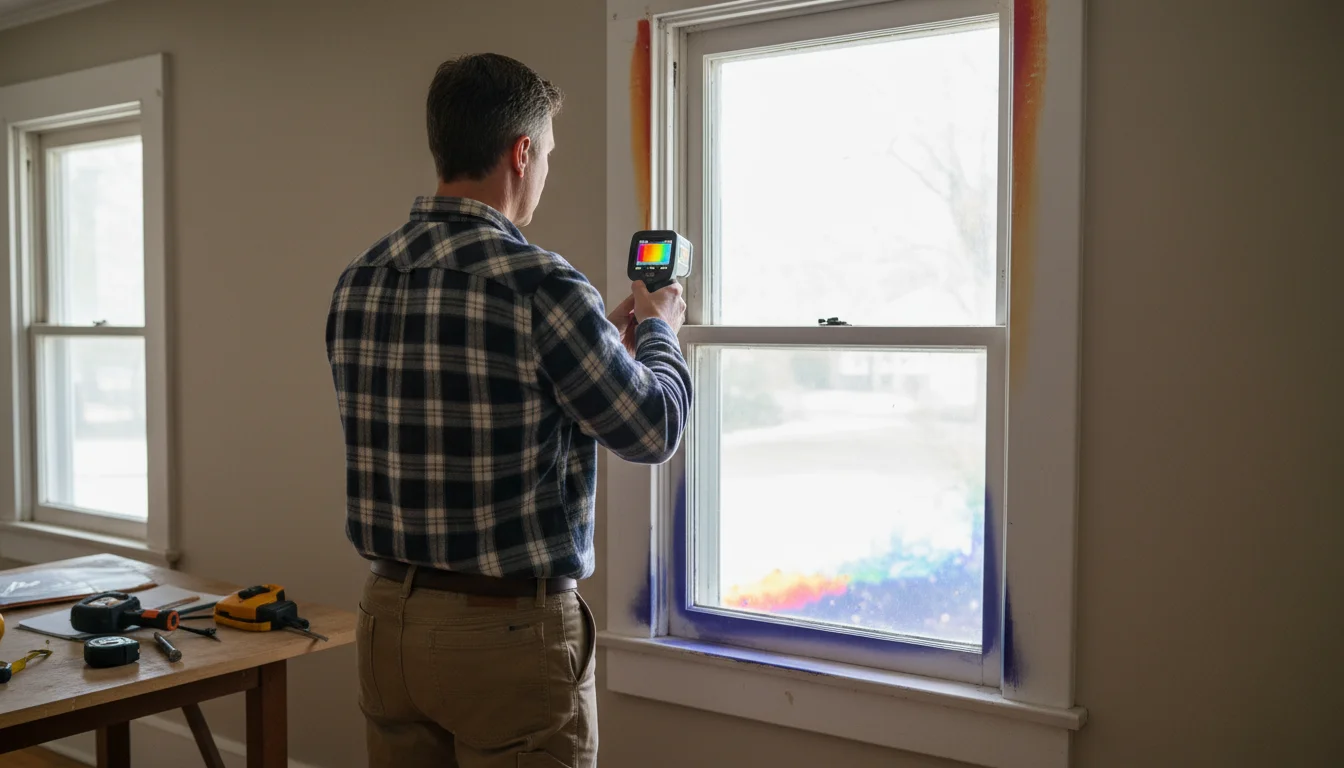
- Consider a Professional Energy Audit: An energy audit identifies specific areas of energy waste in your home. A certified energy auditor uses specialized equipment, like blower doors and infrared cameras, to pinpoint air leaks, insulation deficiencies, and inefficient appliance operations. They provide a detailed report with prioritized recommendations for improvements. While an audit has a cost, the insights you gain lead to targeted, effective upgrades that maximize your energy savings. Many utility companies offer free or low-cost audits, so check with your provider.
- Upgrade to High-Efficiency Window Treatments or Windows: Older, single-pane windows are notorious for energy loss. While replacing all windows is a significant investment, it can drastically improve your home’s thermal performance. Short of full window replacement, consider energy-efficient window treatments. Heavy, insulated curtains or cellular shades add an extra layer of insulation, reducing heat transfer. Reflective films or solar screens can also effectively block solar gain in hot climates. These solutions reduce the load on your HVAC system, leading to lower energy bills.

Troubleshooting Common Energy Waste and Maintenance Tips
Even after implementing these strategies, you might notice continued high energy bills or wonder if you have missed something. Here are tips for troubleshooting and maintaining your energy-saving efforts.
- Review Your Bills Regularly: Compare your current bill to previous months and the same month last year. Look for spikes in usage that do not align with seasonal changes or new appliance purchases. This helps you identify if a specific issue, like a leaky duct or an inefficient appliance, has arisen.
- Check for Hidden Leaks: Beyond obvious spots, air can escape through outlets, light switches, and attic hatches. Use inexpensive foam gaskets for outlets and switches. Ensure your attic hatch has proper weatherstripping and insulation.
- Monitor Appliance Age: Appliances typically become less efficient over time. If an appliance is 10-15 years old and consuming a lot of energy, even with good maintenance, consider replacing it with an Energy Star certified model when your budget allows. These new models often offer significant advancements in energy efficiency.
- Understand Your Home’s Zones: If you have rooms that consistently feel hotter or colder than others, your HVAC system might struggle to condition your entire home evenly. Consider zoning solutions or addressing specific air leaks in those problem areas.
- Maintain Outdoor Units: For central air conditioning, keep the outdoor compressor unit clean and clear of debris, leaves, and vegetation. Ensure at least two feet of clearance around the unit for optimal airflow.
Adopting these troubleshooting practices and integrating them into your routine ensures your home remains an energy-saving sanctuary. Small, consistent efforts compound over time, delivering sustained reductions in your utility costs.

Frequently Asked Questions
Does leaving lights on use more energy than turning them off and on again?
With traditional incandescent bulbs, frequently turning lights on and off slightly reduced their lifespan, but the energy saved by turning them off usually outweighed this. With modern LED bulbs, turning them off saves energy, and it does not impact their lifespan negatively. Always turn off lights when you leave a room or do not need them. This is a simple, effective way to reduce your electricity consumption.
How often should I get an HVAC tune-up?
Experts recommend scheduling professional HVAC maintenance once a year. Ideally, get your air conditioning unit serviced in the spring before summer heat sets in, and your heating system serviced in the fall before winter cold arrives. Regular tune-ups ensure your system runs efficiently, prolongs its lifespan, and prevents costly breakdowns, directly impacting your energy bills.
Are smart thermostats really worth the investment?
Yes, smart thermostats often pay for themselves through energy savings, especially if you regularly forget to adjust your thermostat or have an inconsistent schedule. They learn your habits, optimize heating and cooling schedules, and allow remote control, preventing energy waste when you are away. Many utility companies also offer rebates or incentives that lower the initial purchase price, making them even more cost-effective.
What is the most effective way to find air leaks in my home?
A simple, cost-effective method involves using an incense stick or a lit candle on a calm, non-windy day. Slowly move the smoke or flame along potential leak points, such as around windows, doors, electrical outlets, light switches, and where pipes or wires enter the wall. If the smoke wavers or the flame flickers, you have detected an air leak. For more comprehensive detection, consider a professional energy audit that uses specialized equipment like blower doors.
Can simply adjusting my thermostat make a big difference?
Yes, thermostat adjustments offer one of the quickest and most significant ways to reduce your energy bills. According to the U.S. Department of Energy, you can save approximately 10% on your heating and cooling costs by adjusting your thermostat by 7-10°F from its normal setting for 8 hours a day. Consistency in these adjustments, whether through manual changes or using a programmable thermostat, directly translates to lower utility costs.
For expert home organization guidance, visit
Martha Stewart — Home, Houzz — Home, The Spruce — Home Organization, Real Simple — Organizing and Good Housekeeping — Organization.
Disclaimer: This article is for informational purposes only and is not a substitute for professional advice. Consult professional organizers or specialists for personalized recommendations.









Leave a Reply