
Homeowners and renters alike increasingly consider ways to make their living spaces more efficient, comfortable, and sustainable. Among the most impactful changes you can make is integrating solar panels for home use. The idea of harnessing the sun’s power to reduce your electricity bills and environmental footprint sounds appealing, but many questions arise: What is the true cost? How much can you really save? Is it a worthwhile investment for your property and lifestyle? This guide breaks down the practical realities of adopting home solar technology, offering actionable insights to help you decide if this renewable energy solution aligns with your financial and environmental goals.
Before committing to a large-scale project, many find that choosing between LED and CFL bulbs is a simple, budget-friendly way to start lowering energy costs.
Understanding Home Solar: How It Works
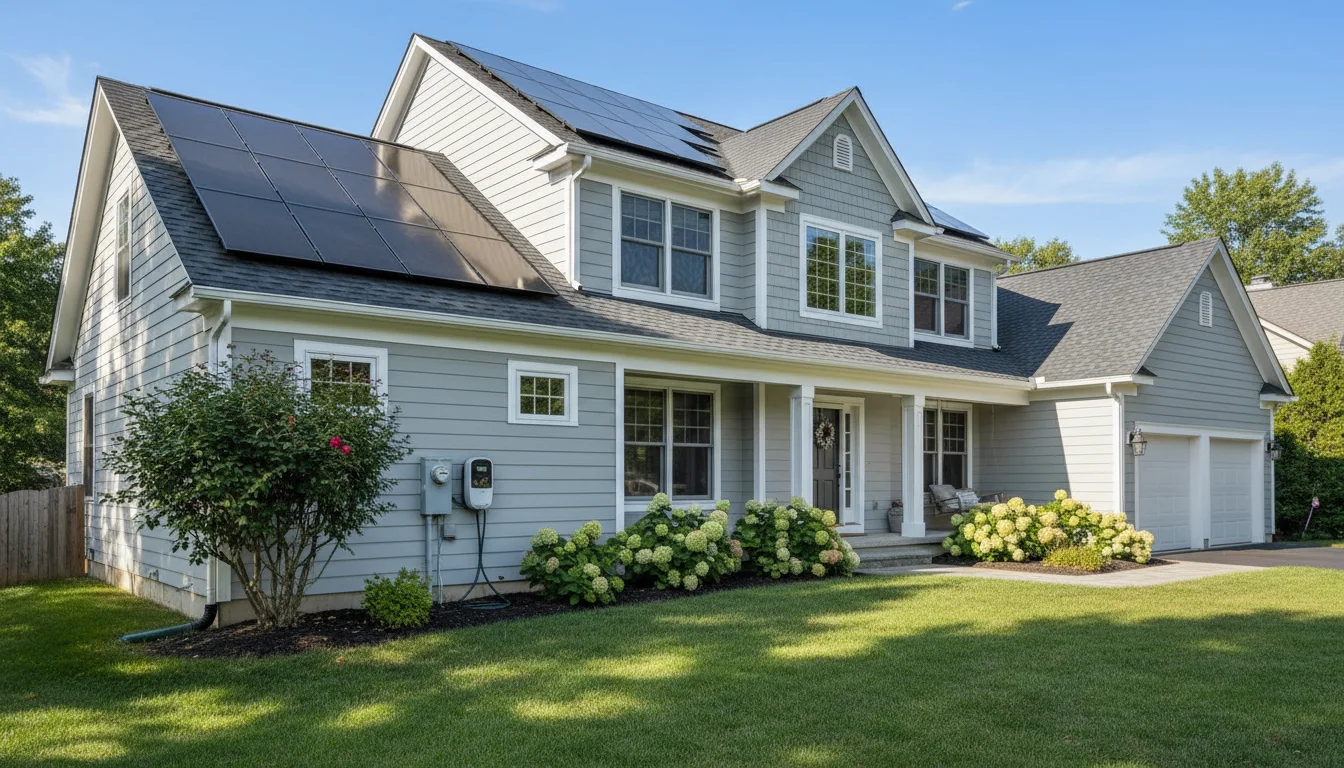
Diving into renewable energy begins with understanding the basics. Home solar systems, primarily photovoltaic or PV systems, convert sunlight directly into electricity. This process happens when sunlight hits the solar panels, which contain semiconductor materials. These materials generate a direct current (DC) electricity. An inverter then converts this DC electricity into alternating current (AC) electricity, the form your home appliances use.
To ensure your solar-generated power isn’t wasted, it is highly effective to insulate your home properly before the installation.
If you are just starting your research, you may want to review everything you need to know before buying solar panels to get a broad overview of the process.
Most residential solar systems connect to the main electrical grid. When your panels generate more electricity than your home consumes, the excess power often feeds back into the grid. Your utility company then credits you for this surplus energy, typically through a program called net metering. When your panels are not producing enough power, for example at night or on cloudy days, your home draws electricity from the grid as usual. This seamless integration ensures your home always has a reliable power supply. Implementing home solar is a straightforward way to contribute to a sustainable future while potentially saving on utility costs.
The Financial Picture: Initial Costs and Incentives
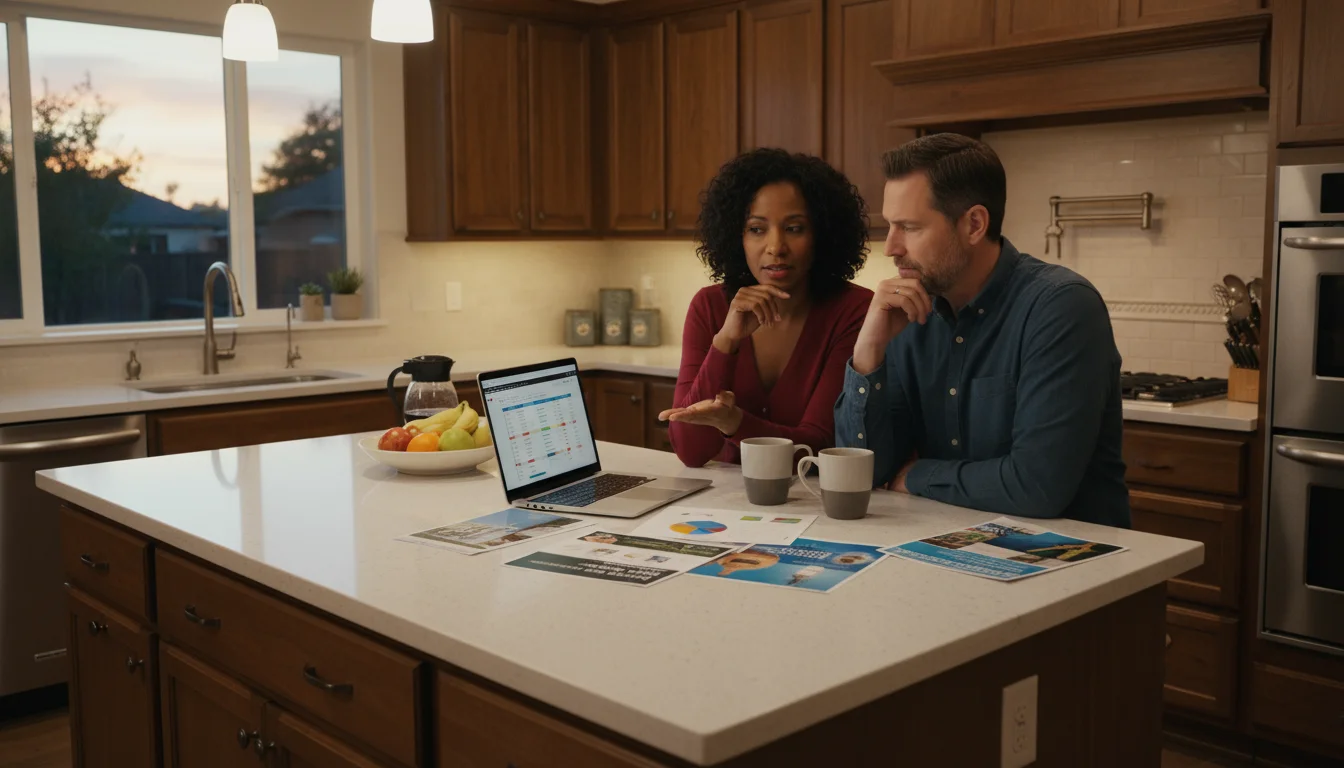
The first question most homeowners ask concerns the initial investment. Installing solar panels on your home represents a significant upfront cost, but various financial incentives considerably reduce this burden. The total cost depends on several factors: the size of your system, your location, the type of equipment you choose, and installation labor. A typical residential solar system can range from 4 kW to 12 kW, costing anywhere from $15,000 to $30,000 or more before incentives. These numbers represent averages, and your specific quote will vary.
While incentives help with upfront costs, following a complete weatherization guide can further protect your home and maximize your investment during harsh seasons.

Federal Solar Tax Credit (ITC)
The most substantial incentive is the federal solar Investment Tax Credit (ITC). This credit allows you to deduct a significant percentage of the cost of your solar system from your federal income taxes. For systems installed in 2022 through 2032, the ITC stands at 30%. This means if your system costs $25,000, you could receive a $7,500 tax credit. This is a dollar-for-dollar reduction in your tax liability, making it a powerful financial tool. Understanding these tax credits is crucial for evaluating the true cost of renewable energy for your home.

State and Local Incentives
Beyond the federal credit, many states and local municipalities offer their own incentives. These can include:
- State Tax Credits: Similar to the federal credit, some states offer additional tax credits.
- Rebates: Direct cash back programs offered by states, utilities, or local governments.
- Property Tax Exemptions: Solar installations often increase home value, but some areas exempt this added value from property tax assessments.
- Sales Tax Exemptions: Removing sales tax from solar equipment and installation.
- Solar Renewable Energy Credits (SRECs): In some markets, your solar panels generate SRECs for every megawatt-hour of electricity they produce. You can sell these credits on a market, providing another revenue stream.
You need to research the specific programs available in your area. Websites like Energy Star provide resources to help you find local incentives and understand solar energy programs.
Consider the example of a homeowner in California. A 6 kW system might cost $20,000. With the 30% federal ITC, they save $6,000. If their local utility offers a $500 rebate, their net cost drops to $13,500. This significantly changes the investment profile, making home solar more accessible.
Long-Term Savings and ROI with Solar
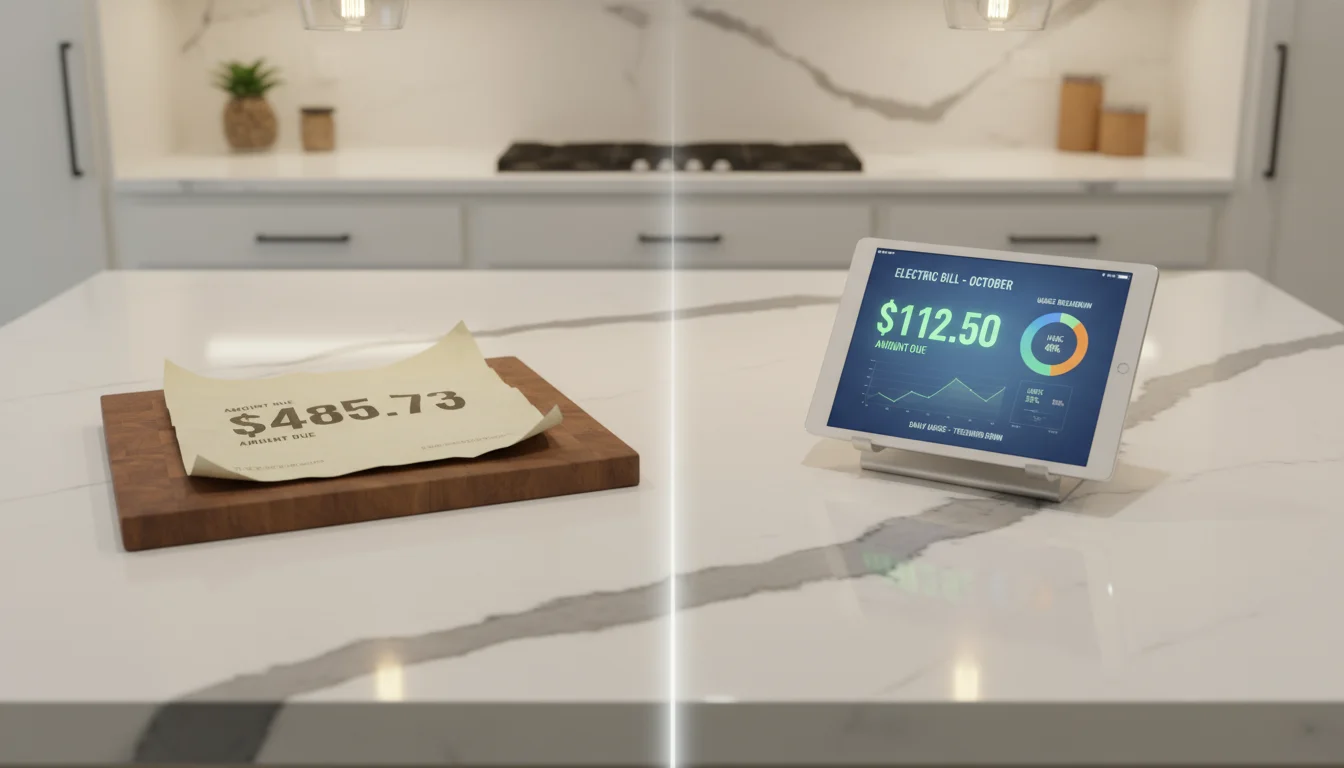
While the upfront cost of solar panels for your home can seem daunting, the long-term savings often make it a compelling investment. The primary financial benefit comes from reducing or eliminating your monthly electricity bills. Imagine paying little to nothing for electricity each month, especially as utility rates continue to rise. This predictability in energy costs provides significant financial stability.
Another high-ROI addition is installing one of the best smart thermostats to automatically manage heating and cooling based on your solar production.
To further maximize your savings, consider integrating smart home devices that reduce energy consumption to monitor and lower your daily usage automatically.
Calculating Your Return on Investment (ROI)
Your solar ROI depends on several factors: your electricity consumption, local electricity rates, the efficiency of your system, and the incentives you receive. You can estimate your ROI by considering:
- Annual Savings: Calculate your average monthly electricity bill and multiply by 12. This is your annual savings.
- Net System Cost: Subtract all incentives (federal ITC, state credits, rebates) from the gross system cost.
- Payback Period: Divide your net system cost by your annual savings. This gives you the number of years it takes for your savings to cover your initial investment. Most residential solar systems have a payback period of 6 to 12 years.
For example, if your net system cost is $15,000 and you save $1,500 on electricity each year, your payback period is 10 years. After this period, your electricity is essentially free for the remaining lifespan of your panels, which is typically 25-30 years or more. This means 15-20 years of nearly free electricity. This long-term outlook highlights the substantial financial advantage of renewable energy.
Consider a family in Arizona with an average electric bill of $200 per month, totaling $2,400 annually. After incentives, their 8 kW solar system costs $18,000. Their payback period is $18,000 / $2,400 = 7.5 years. For the next 17.5 to 22.5 years, they effectively generate free electricity, accumulating tens of thousands of dollars in savings. As Consumer Reports often highlights in their home guides, informed financial decisions like this significantly impact long-term household budgets.
Beyond the Bills: Environmental Impact and Home Value
While financial savings are a powerful motivator, the benefits of home solar extend far beyond your wallet. Choosing renewable energy significantly impacts the environment and can enhance your property’s market value.
Beyond energy, many families find that home water conservation strategies go hand-in-hand with solar to create a truly sustainable living environment.

Reducing Your Carbon Footprint
Generating your own electricity with solar panels for home use means less reliance on fossil fuels, which are primary contributors to greenhouse gas emissions and climate change. Every kilowatt-hour of solar energy you produce prevents pollutants from entering the atmosphere. Over the lifespan of your system, this translates to a substantial reduction in your household’s carbon footprint. You actively participate in creating a cleaner, more sustainable future for your community and the planet. Many homeowners find immense satisfaction in knowing their home is powered by clean energy.
Increasing Home Value
Studies consistently show that homes with solar panel installations sell for more than comparable homes without them. This added value varies by location, but estimates suggest that solar can increase a home’s resale value by an average of 3% to 4%. For a $400,000 home, that could mean an extra $12,000 to $16,000. Potential buyers often see solar as a premium feature, recognizing the long-term savings and environmental benefits. They are willing to pay more for a home that comes with reduced or eliminated electricity bills from day one. This makes home solar a tangible asset that appreciates your property investment.
When you sell your home, the solar system becomes a significant selling point. It tells prospective buyers that your home is modern, energy-efficient, and comes with predictable utility costs. This can make your property stand out in a competitive market.
Assessing Your Home’s Solar Potential
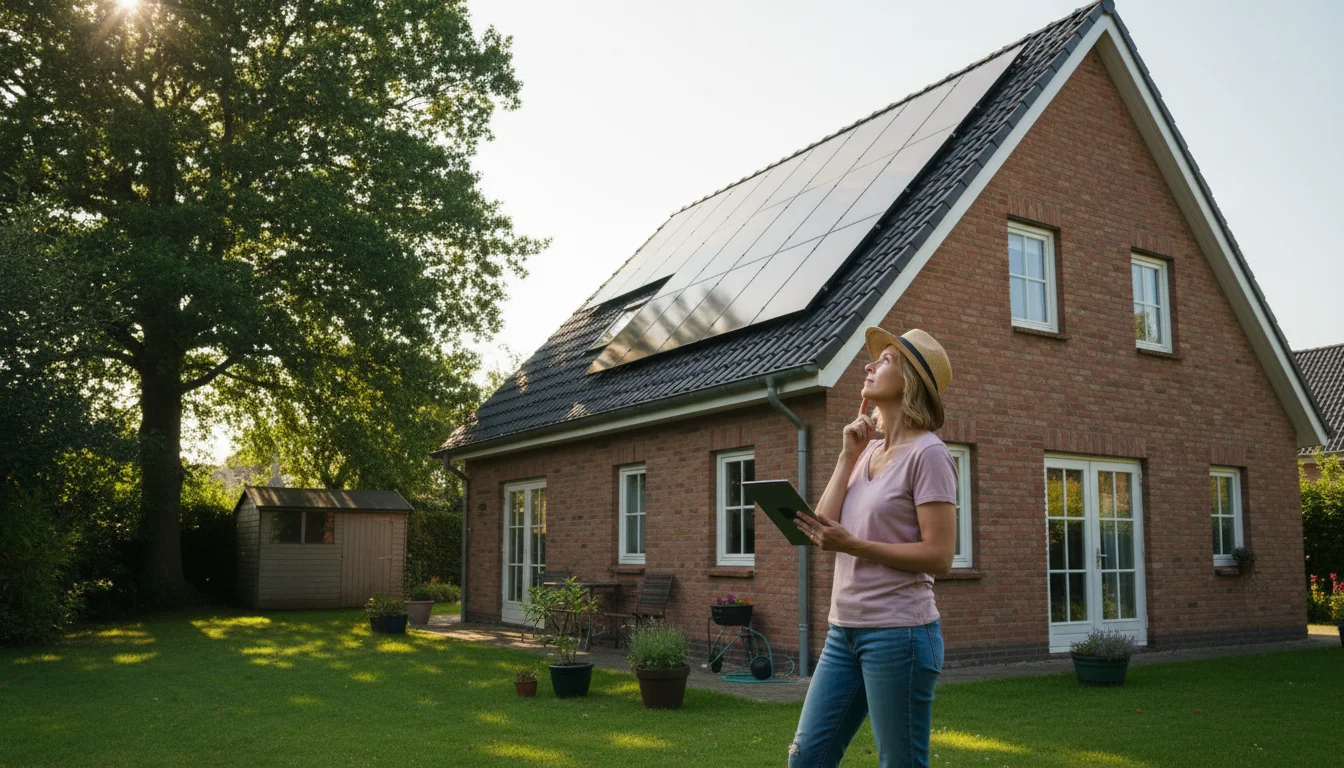
Before committing to solar panels for your home, you need to evaluate your property’s suitability. Not every home is ideal for a solar installation, but many properties offer excellent potential. Key factors include:
Before moving forward with solar, it is wise to ensure you insulate your home properly so you aren’t wasting the clean energy you generate.
- Roof Condition and Age: Your roof should be in good condition, preferably less than 10-15 years old. Solar panels have a long lifespan, and you want your roof to last as long as your panels do to avoid costly removal and reinstallation for roof repairs.
- Sunlight Exposure: Optimal solar production requires ample, unobstructed sunlight. South-facing roofs (in the Northern Hemisphere) typically receive the most sun, but east and west-facing roofs can also be effective. Large trees or neighboring buildings casting significant shade will reduce efficiency.
- Roof Size and Angle: You need sufficient roof space to accommodate the number of panels required to meet your energy needs. The ideal roof pitch for solar panels varies by latitude, but most standard roof angles work well.
- Energy Consumption: Review your past electricity bills to understand your average monthly and annual energy usage. This helps determine the size of the solar system you need. Higher consumption often means greater potential savings from solar.
- Local Regulations and HOAs: Check with your local planning department and homeowners association (HOA) for any restrictions or requirements regarding solar panel installations. Many states have “solar rights” laws that prevent HOAs from unreasonably prohibiting solar, but it is always best to be informed.
Many solar installers offer free site assessments to evaluate these factors and provide a detailed proposal tailored to your specific home. Utilizing these professional assessments gives you a clear picture of your property’s solar viability. According to experts at This Old House, thorough site analysis is paramount to a successful home solar project.

Choosing the Right Solar System and Provider
Selecting solar panels for your home involves more than just picking a price tag. You need to choose the right equipment and, crucially, a reputable installer. This decision impacts your system’s performance, longevity, and your overall satisfaction.
Types of Solar Panels
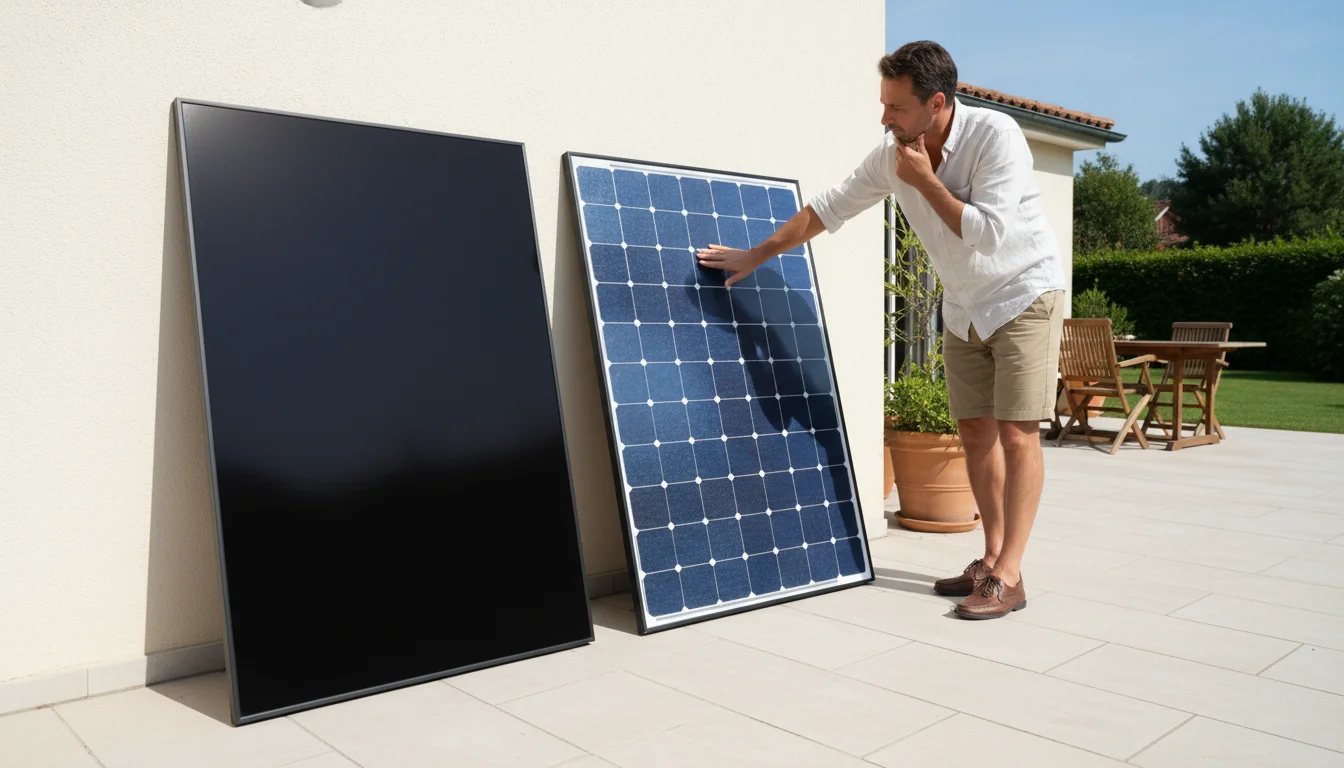
Two main types of solar panels dominate the residential market:
- Monocrystalline Panels: These are generally more efficient, have a sleek black appearance, and perform well in low-light conditions. They are often more expensive but require less space for the same power output.
- Polycrystalline Panels: These are typically less efficient and have a blue hue. They are more affordable and a good option when roof space is abundant.
The choice often comes down to your budget, available roof space, and aesthetic preferences. Modern advancements continue to improve the efficiency and durability of both types.

Selecting a Reputable Installer
Your installer is as important as the panels themselves. Look for providers who:
- Are Licensed and Insured: Verify their credentials to ensure professional and safe installation.
- Have Strong References and Reviews: Check online reviews, ask for customer testimonials, and look at their track record.
- Offer Comprehensive Warranties: Good installers provide product warranties (on panels and inverters) and workmanship warranties (on the installation itself). Panels typically come with a 25-year performance warranty.
- Provide Detailed Quotes: A transparent quote should itemize equipment, installation, permitting fees, and estimated incentives.
- Assist with Paperwork: A good installer helps navigate federal, state, and local incentive applications, and interconnection agreements with your utility.
Do not hesitate to get multiple quotes from different companies. Compare not only prices, but also the equipment offered, warranty details, and customer service. You invest in a long-term solution, so thorough vetting is key. Family Handyman and Bob Vila often stress the importance of professional installation for home improvement projects to ensure safety and effectiveness.
Maintaining Your Solar Investment
One of the appealing aspects of solar panels for home use is their low maintenance requirement. Once installed, these systems operate reliably for decades. However, a few simple practices help ensure optimal performance and longevity:
- Regular Cleaning: Dust, pollen, leaves, and bird droppings can accumulate on panels, reducing their efficiency. In most climates, rain naturally washes the panels. However, in dry or dusty regions, an annual or semi-annual cleaning with water and a soft brush can be beneficial. Avoid harsh chemicals or abrasive materials.
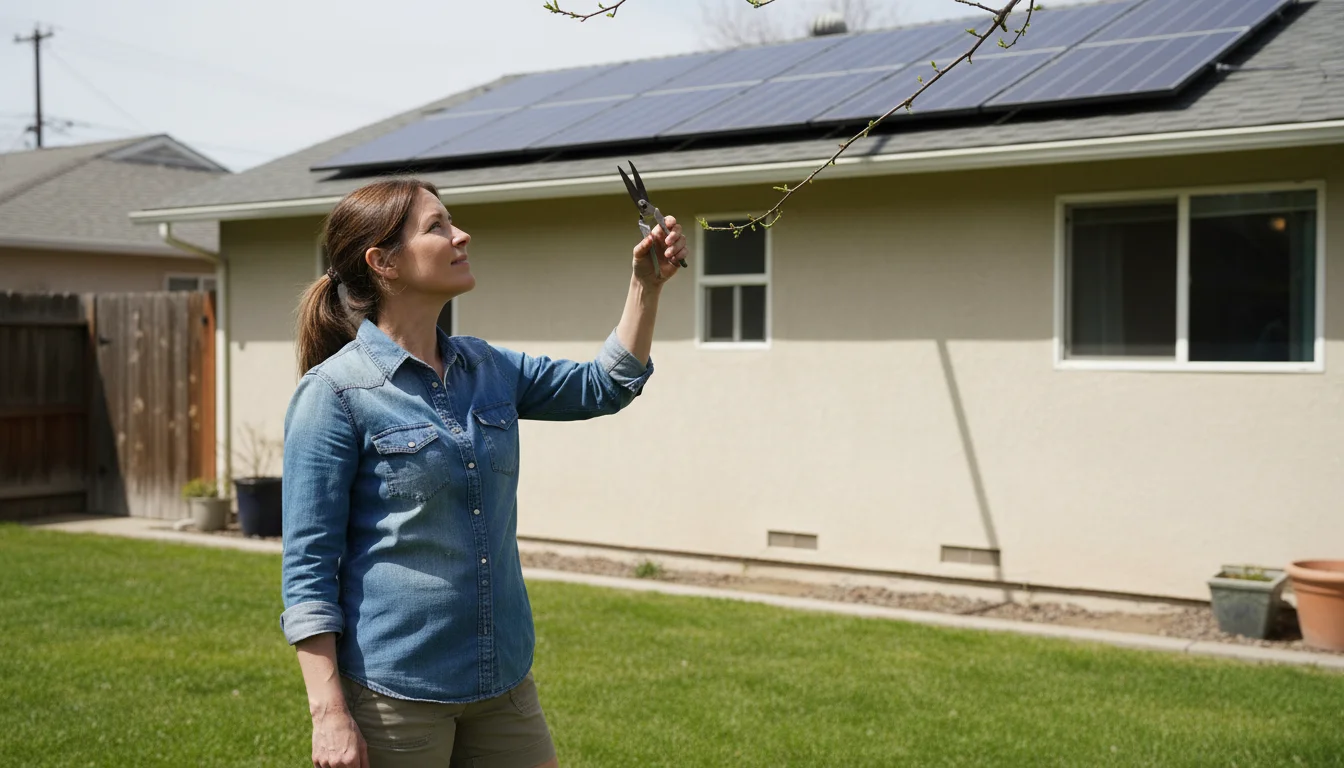
- Shade Management: Periodically check for new sources of shade. Growing trees or new constructions might begin to obstruct sunlight to your panels. Pruning trees or addressing new obstructions maintains maximum exposure.
- Performance Monitoring: Most modern solar systems come with monitoring software, allowing you to track your energy production in real time from your computer or smartphone. Pay attention to any significant drops in production, which could indicate an issue.
- Professional Inspections: Consider a professional inspection every few years. An expert can check electrical connections, inverter performance, and panel integrity, addressing minor issues before they become major problems.
These proactive measures protect your investment and maximize your energy savings over the system’s 25-30 year lifespan. Minimal maintenance ensures you continue to reap the full benefits of your renewable energy system.

Making the Decision: Is Solar Right for You?
Deciding whether to install solar panels for your home is a significant financial and lifestyle choice. You have explored the initial costs, the compelling incentives, and the long-term financial and environmental benefits. You also understand the importance of assessing your home’s suitability and selecting a reliable provider. This comprehensive picture empowers you to make an informed decision.
If solar isn’t the right fit for your current property, there are still plenty of proven strategies to reduce energy bills that require much less upfront investment.
Consider your priorities: Are you driven primarily by reducing your electricity bills and achieving energy independence? Do you want to contribute to a greener planet? Is increasing your home’s value a key factor? If you answered yes to any of these, home solar likely represents a sound investment for you.
Start by gathering quotes from several reputable solar installers. Request detailed proposals that outline costs, estimated savings, payback periods, and all available incentives. Ask questions about warranties, installation processes, and ongoing support. Take your time to compare offers and ensure you feel comfortable with your chosen provider.
Embracing home solar means investing in a future where your home is more self-sufficient, environmentally friendly, and financially predictable. It is a smart move for homeowners looking to enhance their property and commit to a sustainable lifestyle. The sun offers an abundant, free source of energy, and with the right system, you can harness its power for years to come.

Frequently Asked Questions
What happens if there’s a power outage? Will my solar panels still work?
Most standard grid-tied solar systems do not operate during a power outage. This safety feature, known as “anti-islanding,” prevents your panels from sending electricity back to the grid and potentially endangering utility workers trying to restore power. If you want your solar system to provide power during an outage, you need to add a battery storage system. A battery stores excess energy generated by your panels, allowing you to power essential appliances when the grid goes down.
How long do solar panels last?
Modern solar panels are incredibly durable and built to last. Most manufacturers offer performance warranties of 20 to 25 years, guaranteeing that the panels will produce at least 80% of their rated power output by the end of this period. In reality, many solar panels continue to operate effectively for 30 years or even more, albeit with a slight degradation in efficiency over time. The inverter, which is a critical component, typically has a shorter lifespan, often requiring replacement after 10-15 years.
Are solar panels difficult to clean or maintain?
Generally, solar panels require very little maintenance. Rain often handles most of the cleaning by washing away dust and debris. In areas with prolonged dry spells or significant dust, you might consider cleaning them once or twice a year with a hose and a soft brush. Avoid using harsh detergents or abrasive tools. Most systems include monitoring software, allowing you to track performance and detect any issues that might require attention. Professional inspections every few years can also help ensure optimal system health.
What if my roof isn’t suitable for solar panels? Are there other options?
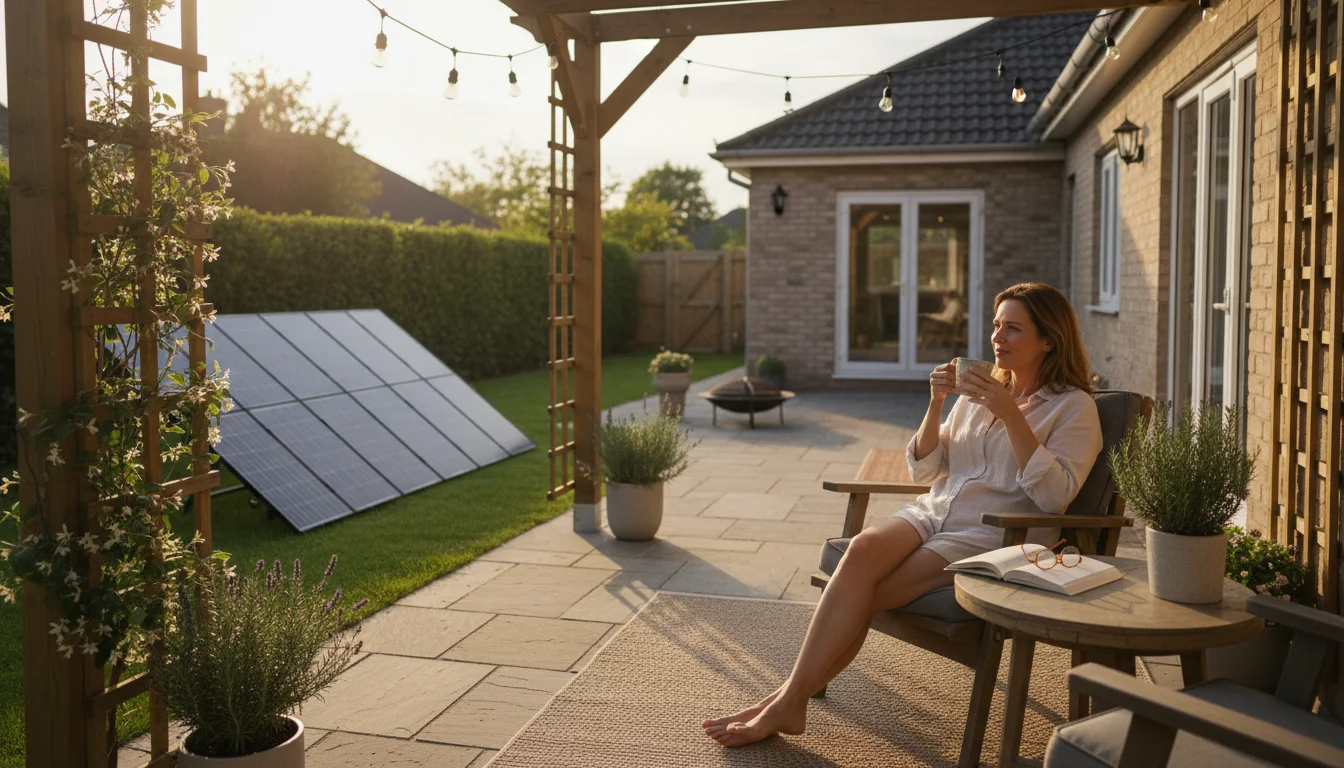
If your roof lacks sufficient sunlight, is too small, or needs repair, other options exist. You might consider ground-mounted solar panels if you have available land on your property. These can often be angled optimally for maximum sun exposure. Alternatively, community solar programs allow you to subscribe to a share of a larger, off-site solar farm and receive credits on your electricity bill, even if you cannot install panels on your own home. Explore these alternatives if a rooftop installation is not feasible.
For expert home organization guidance, visit
This Old House,
Family Handyman and
Bob Vila.
Disclaimer: This article is for informational purposes only and is not a substitute for professional advice. Consult professional organizers or specialists for personalized recommendations.







Leave a Reply